

Hsp90ab1 stabilizes LRP5 to promote epithelial–mesenchymal transition via activating of AKT and Wnt/β-catenin signaling pathways in gastric cancer progression
Open accessThe DOI matches its Crossref record; 64 of the 64 references it cites were found in a registry or an index.
Abstract
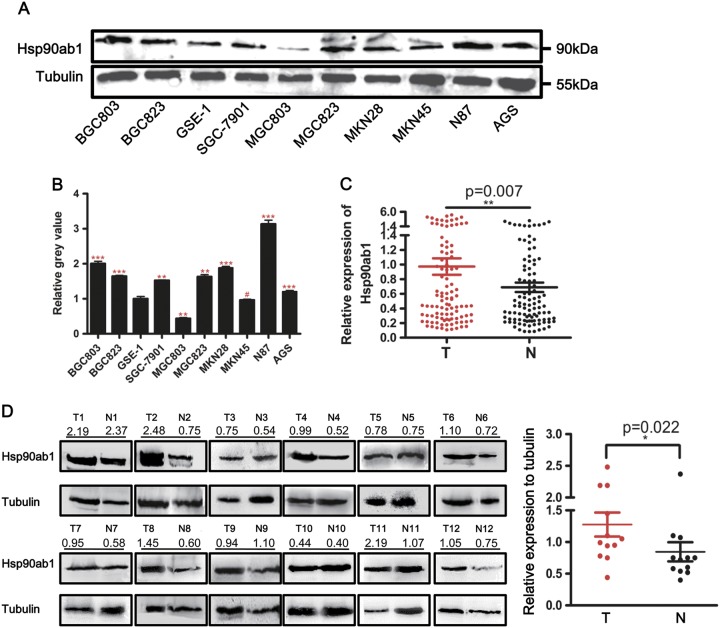
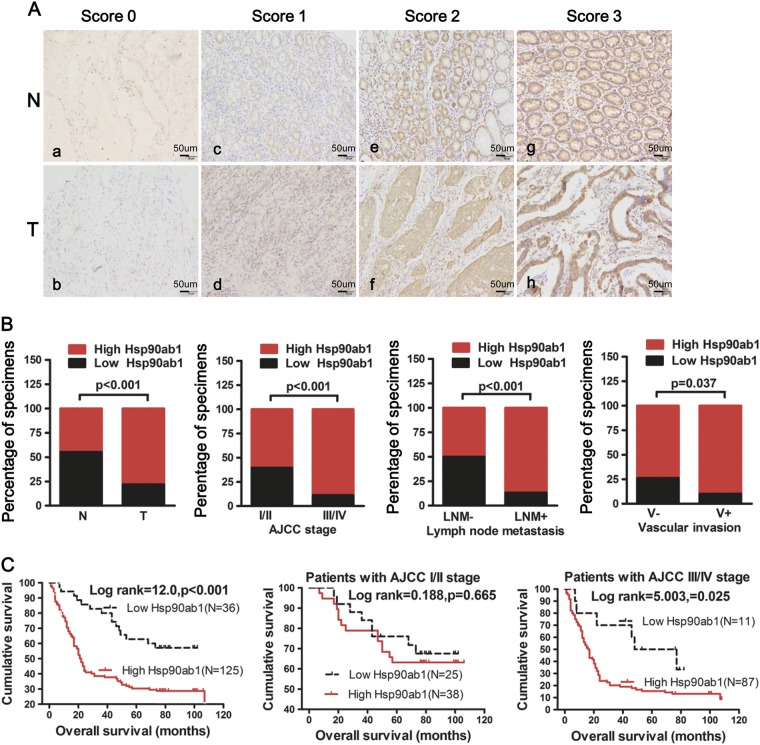
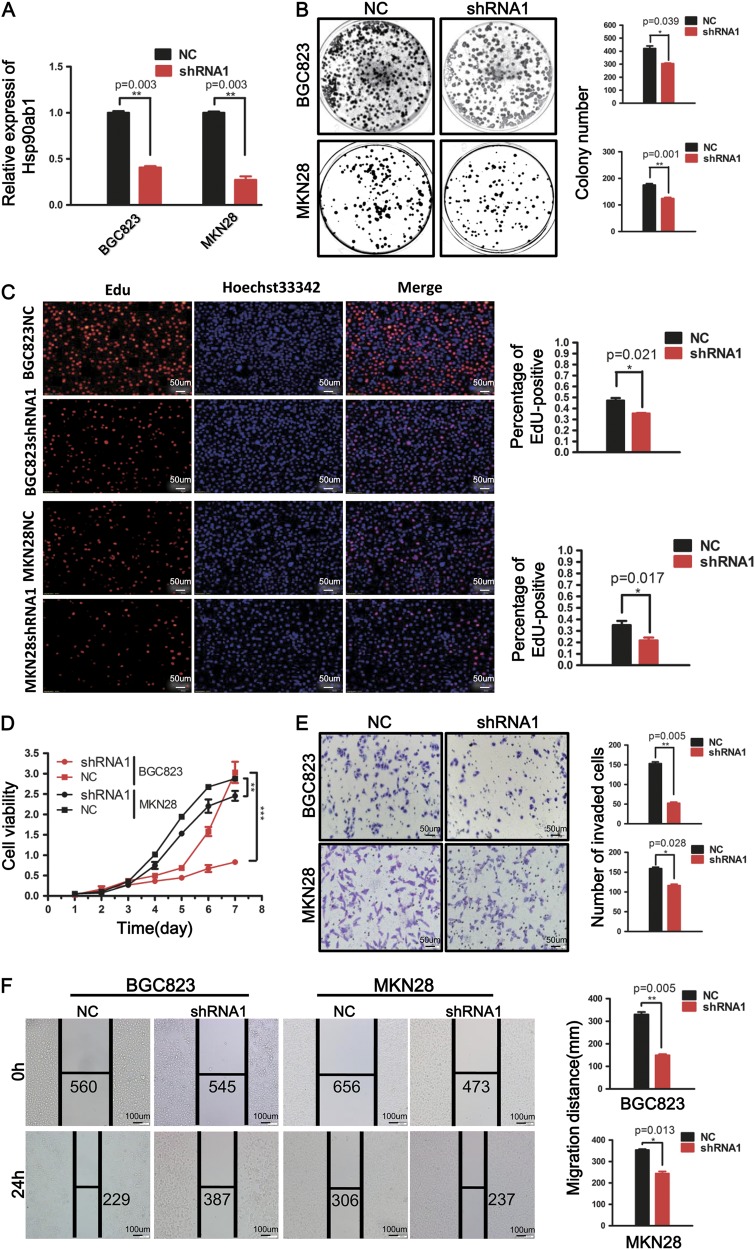
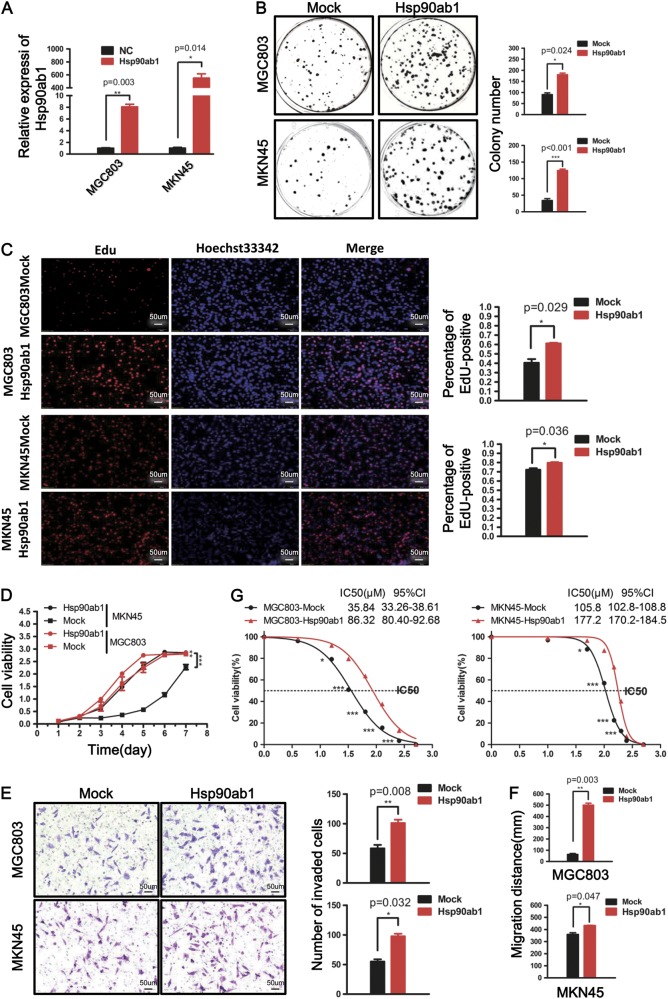
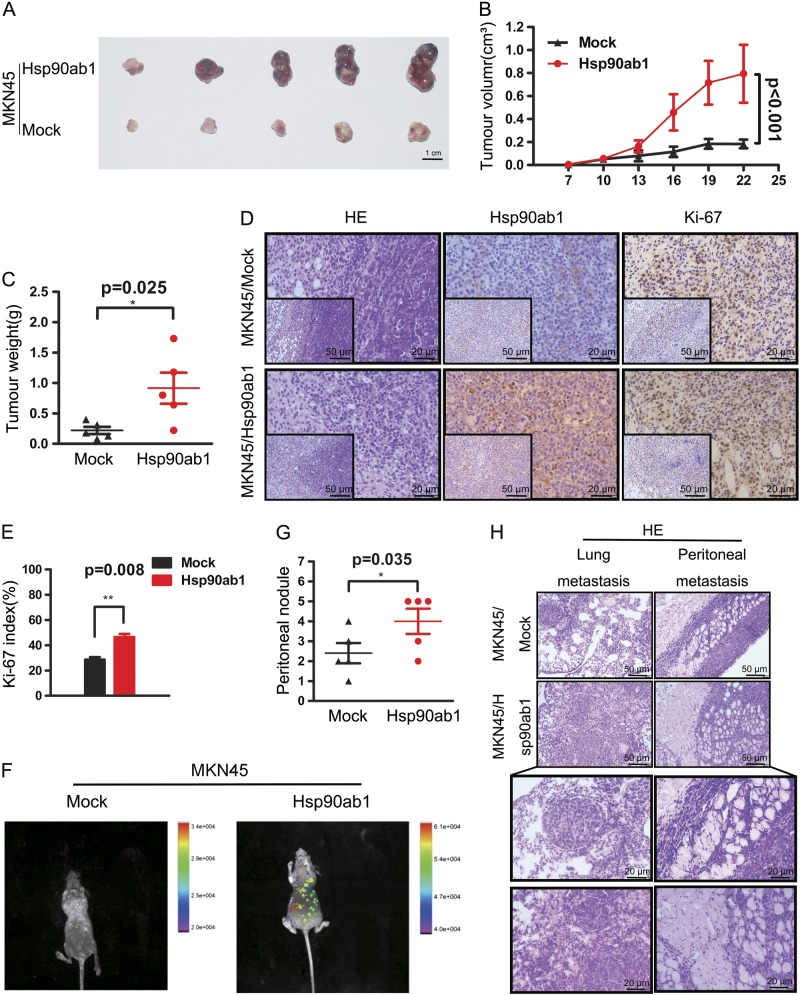
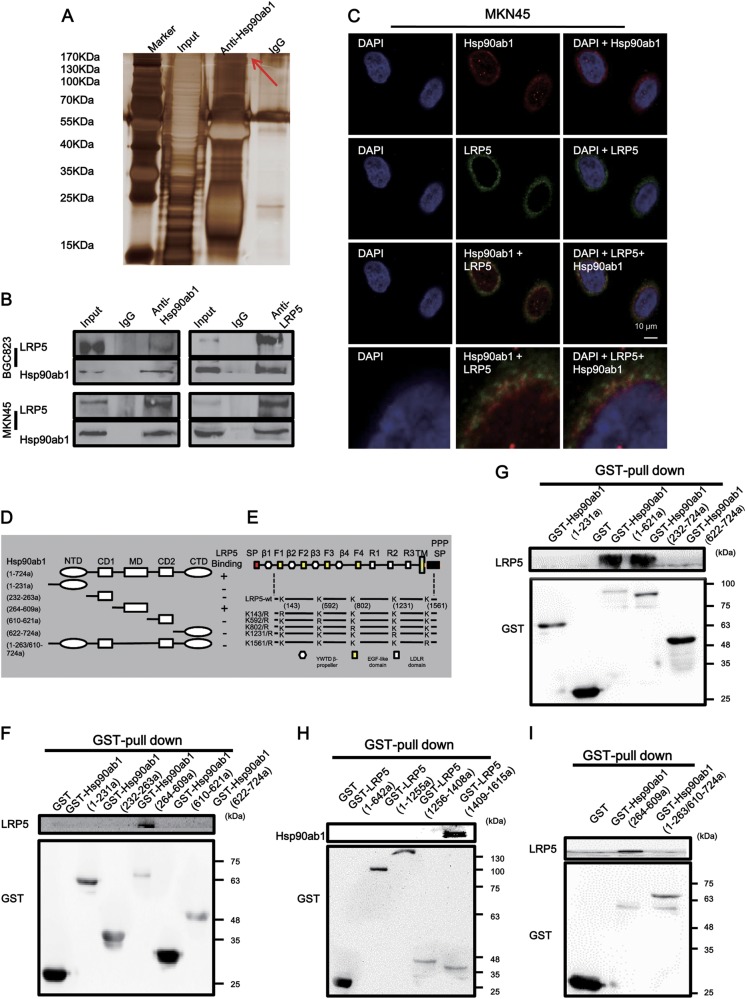
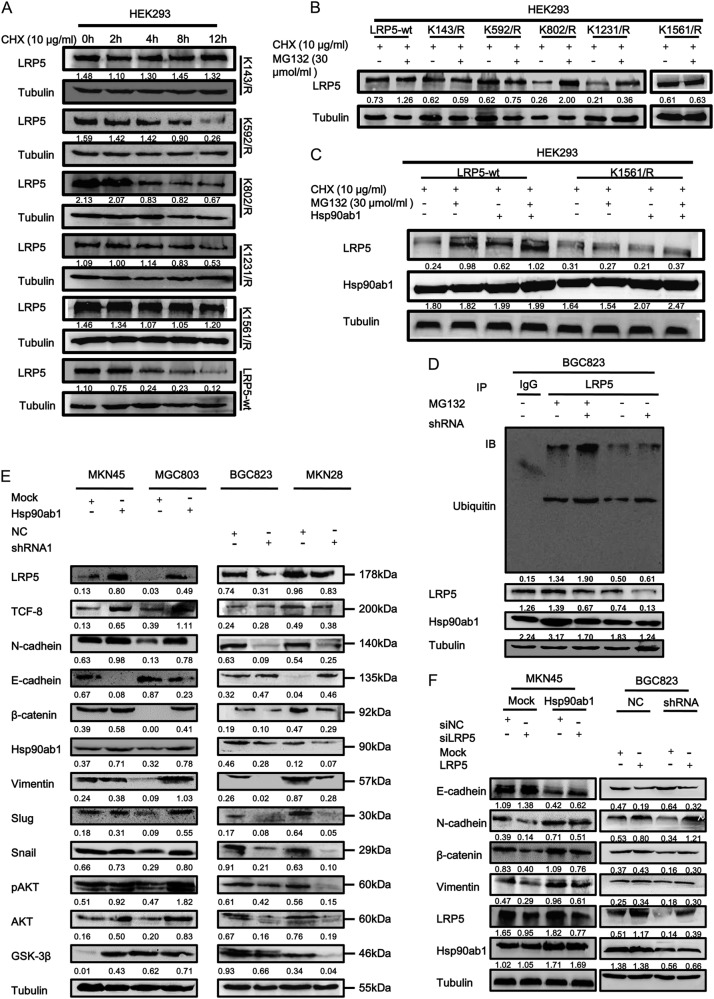
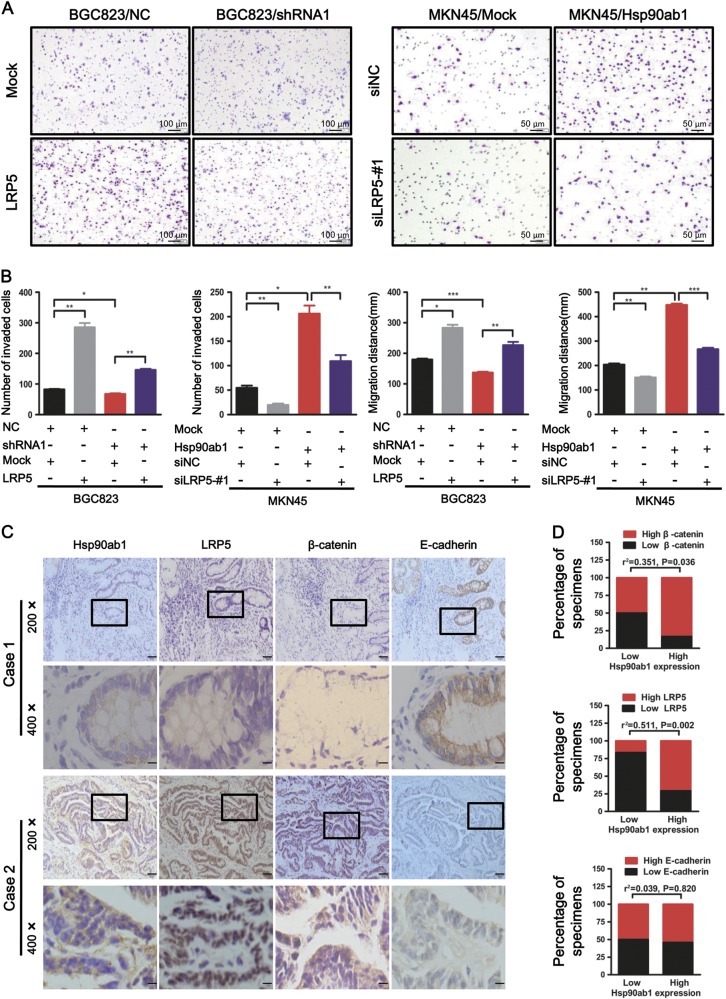
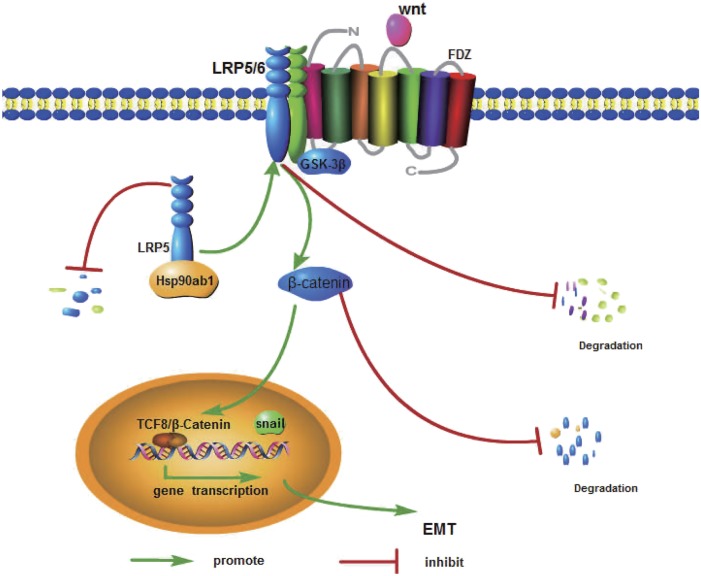
Hsp90ab1 is upregulated in numerous solid tumors, which is thought to induce the angiogenesis and promote cancer metastasis. However, it's actions in gastric cancer (GC) has not been exhibited. In this study, Hsp90ab1 was demonstrated to be overexpressed and correlated with the poor prognosis, proliferation and invasion of GC. Ectopic expression of Hsp90ab1 promoted the proliferation and metastasis of GC cells both in vitro in cell line models of GC and in vivo using two different xenograft mouse models, while opposite effects were observed in Hsp90ab1 silenced cells. Moreover, the underlining molecular mechanism was explored by the co-immunoprecipitation, immunofluorescence, GST pull-down and in vitro ubiquitination assay. Namely, Hsp90ab1 exerted these functions via the interaction of LRP5 and inhibited ubiquitin-mediated degradation of LRP5, an indispensable coreceptor of the Wnt/β-catenin signaling pathway. In addition, the crosstalk between Hsp90ab1 and LRP5 contributed to the upregulation of multiple mesenchymal markers, which are also targets of Wnt/β-catenin. Collectively, this study uncovers the details of the Hsp90ab1-LRP5 axis, providing novel insights into the role and mechanism of invasion and metastasis in GC.
Overview
The claims and statistics of this paper haven’t been checked yet.
Free: it reads the open-access text and checks the first 5 claims that cite a source we can check. Create a free account to check every claim.
Integrity signals
Registry
Cites
Statistics
Figures
Verification
Claims the paper makes
The claims and statistics of this paper haven’t been checked yet.
Free: it reads the open-access text and checks the first 5 claims that cite a source we can check. Create a free account to check every claim.
Claims other papers make about this one
Each is checked against this paper’s own text: does it say what the citing paper says it does?
The source backs part of the claim, not all of it — or backs it for a different population, condition or comparison.
In the citing paper
“Multiple investigations have revealed that HSP90AB1 facilitates tumorigenesis in a spectrum of cancers, including gastric cancer, breast cancer, non-small cell lung cancer (NSCLC), hepatocellular carcinoma, and head and neck squamous cell carcinoma [13–18].”
From Celastrol attenuates the invasion and migration and augments the anticancer effects of olaparib in prostate cancer (2024) · cites this paper as [13]
Experimental — accuracy not yet measured
Self-check
Percentages, sums and reported differences re-computed from the paper’s own numbers.
The self-check needs the paper’s full text.
Citations
Cites
The basics of epithelial-mesenchymal transition
Kalluri, R., & Weinberg, R. A. (2009) · Journal of Clinical Investigation · doi:10.1172/jci39104 · Cited by 10,196
HSP90 and the chaperoning of cancer
Whitesell, L., & Lindquist, S. L. (2005) · Nature Reviews Cancer · doi:10.1038/nrc1716 · Cited by 2,502
Hu, Y., Huang, C., Sun, Y., Su, X., Cao, H., Hu, J., Xue, Y., Suo, J., Tao, K., He, X., et al. (2016) · Journal of Clinical Oncology · doi:10.1200/jco.2015.63.7215 · Cited by 686
Self-citationAtomic structure of Hsp90-Cdc37-Cdk4 reveals that Hsp90 traps and stabilizes an unfolded kinase
Verba, K. A., Wang, R. Y.-R., Arakawa, A., Liu, Y., Shirouzu, M., Yokoyama, S., & Agard, D. A. (2016) · Science · doi:10.1126/science.aaf5023 · Cited by 424
High HSP90 Expression Is Associated with Decreased Survival in Breast Cancer
Pick, E., Kluger, Y., Giltnane, J. M., Moeder, C., Camp, R. L., Rimm, D. L., & Kluger, H. M. (2007) · Cancer Research · doi:10.1158/0008-5472.can-06-4511 · Cited by 356
Pavlakis, N., Sjoquist, K. M., Martin, A. J., Tsobanis, E., Yip, S., Kang, Y.-K., Bang, Y.-J., Alcindor, T., O’Callaghan, C. J., Burnell, M. J., et al. (2016) · Journal of Clinical Oncology · doi:10.1200/jco.2015.65.1901 · Cited by 232
Huang, J., Xiao, D., Li, G., Ma, J., Chen, P., Yuan, W., Hou, F., Ge, J., Zhong, M., Tang, Y., et al. (2014) · Oncogene · doi:10.1038/onc.2013.238 · Cited by 200 · cited 10×
“Vimentin or N-cadherin, proteins involved in the EMT, by the activation of TGF-β or Wnt/β-catenin [13, 15].”
BackgroundInfluentialSelf-citationCheng, Q., Chang, J. T., Geradts, J., Neckers, L. M., Haystead, T., Spector, N. L., & Lyerly, H. K. (2012) · Breast Cancer Research · doi:10.1186/bcr3168 · Cited by 182
Estimates of cancer incidence and mortality in China, 2013
Zheng, R., Zeng, H., Zhang, S., & Chen, W. (2017) · Chinese Journal of Cancer · doi:10.1186/s40880-017-0234-3 · Cited by 176
Shi, Z.-M., Wang, L., Shen, H., Jiang, C.-F., Ge, X. Q., Li, D., Wen, Y.-Y., Sun, H.-R., Pan, M.-H., Li, W., et al. (2017) · Oncogene · doi:10.1038/onc.2016.414 · Cited by 151 · cited 10×
“Vimentin or N-cadherin, proteins involved in the EMT, by the activation of TGF-β or Wnt/β-catenin [13, 15].”
BackgroundInfluential
Cited by
Items 101–122 of 122
Xu, J., Guo, Y., Yang, J., Shang, G., Ning, W., Liu, D., Zhang, H., & Song, Y. (2025) · Genes & Diseases · doi:10.1016/j.gendis.2025.101756 · Cited by 3
“71 Mechanistically, HSP90 α and HSP90 β mediated their biological functions through several tumor-related signaling networks involving c-Myc, Akt, and Wnt/ β -catenin.”
Ramos, R. H., Carels, N., Scardini, R., Franca, L. L., Simao, A. D. S., Ferreira, C. D. O. L., & Carneiro, F. R. G. (2025) · bioRxiv (Cold Spring Harbor Laboratory) · doi:10.1101/2025.10.08.681235
“It is frequently overexpressed and contributes to tumorigenesis in many malignancies [51, 52].”
Chen, X.-F., Chen, X.-Q., Luo, H., Li'na, X., Huang, S., & Chen, Q. (2023) · Figshare · doi:10.6084/m9.figshare.23972886
Lin, X., Liu, Y.-H., Zhang, H., Wu, L.-W., Li, Q., Deng, J., Zhang, Q., Yang, Y., Zhang, C., Li, Y.-L., et al. (2024) · Figshare · doi:10.6084/m9.figshare.26619358
Zhang, Z., Jing, J., Ye, Y., Chen, Z., Jing, Y., Li, S., Hong, W., Ruan, H., Liu, Y., Hu, Q., et al. (2020) · Figshare · doi:10.6084/m9.figshare.13279095
Lin, X., Liu, Y.-H., Zhang, H.-Q., Wu, L.-W., Li, Q., Deng, J., Zhang, Q., Yang, Y., Zhang, C., Li, Y.-L., et al. (2024) · Figshare · doi:10.6084/m9.figshare.26619355
Wei, Y., Xiao, Y., Liu, Q., Zongjun, D., & Xiao, T. (2024) · Figshare · doi:10.6084/m9.figshare.26753386
Xie, Y., Peng, X., & Li, P. (2024) · Figshare · doi:10.6084/m9.figshare.25097351
Lin, X., Liu, Y.-H., Zhang, H., 吴林文, Li, Q., Deng, J., Zhang, Q., Yang, Y., Zhang, C., Li, Y.-L., et al. (2024) · Figshare · doi:10.6084/m9.figshare.26619349
Lin, X., Liu, Y.-H., Zhang, H., Wu, L.-W., Li, Q., Deng, J., Zhang, Q., Yang, Y., Zhang, C., Li, Y.-L., et al. (2024) · Figshare · doi:10.6084/m9.figshare.26619352
Wei, Y., Xiao, Y., Liu, Q., Zongjun, D., & Xiao, T. (2024) · Figshare · doi:10.6084/m9.figshare.26753383
Wei, Y., Xiao, Y., Liu, Q., Zongjun, D., & Xiao, T. (2024) · Figshare · doi:10.6084/m9.figshare.26367983
Peng, Y., Huang, Z., Zhou, F., Wang, T., Mou, K., & Feng, W. (2021) · Figshare · doi:10.6084/m9.figshare.14905731
Wei, Y., Xiao, Y., Liu, Q., Zongjun, D., & Xiao, T. (2024) · Figshare · doi:10.6084/m9.figshare.26368548
Lin, X., Liu, Y.-H., Zhang, H.-Q., Wu, L.-W., Li, Q., Deng, J., Zhang, Q., Yang, Y., Zhang, C., Li, Y.-L., et al. (2024) · Figshare · doi:10.6084/m9.figshare.26619367
Zhi, L., & Yuan, L. (2025) · Mammalian Genome · doi:10.1007/s00335-025-10182-4 · Cited by 1
“Addi - tionally, HSP90AB1 activates the Wnt/β-catenin pathway by stabilizing low-density lipoprotein receptor-related pro - tein 5 (LRP5) in gastric cancer (Wang et al. 2019).”
叶, 剑. (2025) · Traditional Chinese Medicine · doi:10.12677/tcm.2026.151005
Xu, Z., Li, W., Yu, Y., Wu, H., & Zhang, L. (2026) · BMC Cancer · doi:10.1186/s12885-026-16307-5 · Cited by 1
“Although HSP90AB1 is upregulated in many solid tumors and promotes cancer progression [26, 27], extracellular HSP90AB1 can act as a tumor suppressor [28].”
Self-citationWang, W. L., Li, S., Cai, Y., Chen, Y., Zhu, J., & Jin, J. (2026) · Chemical Research in Chinese Universities · doi:10.1007/s40242-026-6078-0
Qiao, H., Tang, C., Yu, W., He, J., Feng, Y., Zhang, C., Tao, J., Jia, X., Ma, T. M., Qie, L., et al. (2026) · PROTEOMICS · doi:10.1002/pmic.70162
Chen, X., Han, X., Zhang, Y., Cao, J., & Wang, X. (2026) · Frontiers in Pharmacology · doi:10.3389/fphar.2026.1844013
“…an inducible isoform of the heat shock protein 90 family (Kim et al., 2021), exhibits significant overexpression in the tumor microenvironment (Wang et al., 2019), where neoplastic cells experience perpetual proteotoxic stress induced by hypoxia, nutrient scarcity, acidosis, and genomic…”
Yanan, W., Zhang, J., Peng, Z., Yuan, W., Wang, Q., & Liang, G. (2026) · Immunity Inflammation and Disease · doi:10.1002/iid3.70542
“This interaction activates the AKT and Wnt/β‐catenin signaling pathways, promotes the EMT process, and thereby enhances the invasive and metastatic capabilities of gastric cancer cells [48].”
Metadata
- Authors
- Wang, H., Deng, G., Ai, M., Xu, Z., Mou, T., Yu, J., Liu, H., Wang, S., & Li, G.
- Affiliations
- Nanfang Hospital (CN)
- Corresponding author
- Wang, Shuang
- Li, Guoxin
- Venue
- Oncogene
- Published
- 2018-10-10
- Volume
- 38
- Issue
- 9
- Pages
- 1489-1507
- ISSN
- 0950-9232 (ISSN-L)
- 1476-5594
- PMC
- PMC6372478
- OpenAlex
- W2895920254
- Cited by
- 117
- References
- 64
- Citations by year
- 2026: 6 · 2025: 20 · 2024: 22 · 2023: 15 · 2022: 18 · 2021: 14 · 2020: 16 · 2019: 6
- FWCI
- 3.29
- Type
- journal article
- Language
- en
- Open access
- hybrid
- doi.org
- Licence
- cc-by
- creativecommons.org/licenses/by/4.0 (tdm)
- Locations
- Oncogene (publishedVersion, cc-by)
- Europe PMC (PubMed Central) (publishedVersion, cc-by)
- PubMed Central (publishedVersion, cc-by)
- PubMed (publishedVersion)
- Funders
- National Natural Science Foundation of China (81672446)
- National Health and Family Planning Commission of the People's Republic of China (201402015)
- Guangdong Science and Technology Department (2014A020215014)
- Southern Medical University
- Guangzhou Science and Technology Program key projects (201400000004-5)
- Topics
- Life Sciences › Biochemistry, Genetics and Molecular Biology › Molecular Biology › Heat shock proteins research
- Life Sciences › Biochemistry, Genetics and Molecular Biology › Molecular Biology › Wnt/β-catenin signaling in development and cancer
- Health Sciences › Medicine › Oncology › Gastric Cancer Management and Outcomes
- Keywords
- HSP90AB1, LRP5, epithelial-mesenchymal transition, gastric cancer, Wnt/β-catenin signaling, Akt signaling, protein stabilization, ubiquitin-mediated proteolysis, metastasis, tumor invasion, prognosis
- MeSH terms
- Animals, Humans, Stomach Neoplasms, Gene Expression Regulation, Neoplastic, Disease Progression, HSP90 Heat-Shock Proteins, Cell Line, Tumor, Cell Proliferation, Proto-Oncogene Proteins c-akt, beta Catenin, Mice, Epithelial-Mesenchymal Transition, Wnt Signaling Pathway, Low Density Lipoprotein Receptor-Related Protein-5
About these checks
Registry, retraction, Cites and statistics results are computed, not judged, with one exception: a printed reference that no index lists is read once by a model before it counts as a citation error. Claims are extracted by a model and kept only when their quote appears verbatim in the text; each cited source is then checked, with a model’s help, for whether it says what the claim relies on. Those verdicts can be wrong — read the claim’s quote and the cited source before relying on one.
Statistics and arithmetic are recomputed, not judged.
Confidence bands are shown only for fields calibrated on our annotated test set. None is calibrated yet, so no band is shown.
What counts as a claim ›How we measure confidence ›How we check this ›
Are you an author, or do you see a problem with this page? Request a review
Data sources
Bibliographic data: Semantic Scholar, OpenAlex, Crossref.
Contains information from the Semantic Scholar Academic Graph Datasets, made available under the ODC Attribution License (ODC-BY 1.0).
Semantic Scholar’s data is described in: Kinney, R., et al. (2023). The Semantic Scholar Open Data Platform. arXiv:2301.10140.
