

Lysosomal trapping of palbociclib and its functional implications
Open accessThe DOI matches its Crossref record; 50 of the 50 references it cites were found in a registry or an index.
Abstract
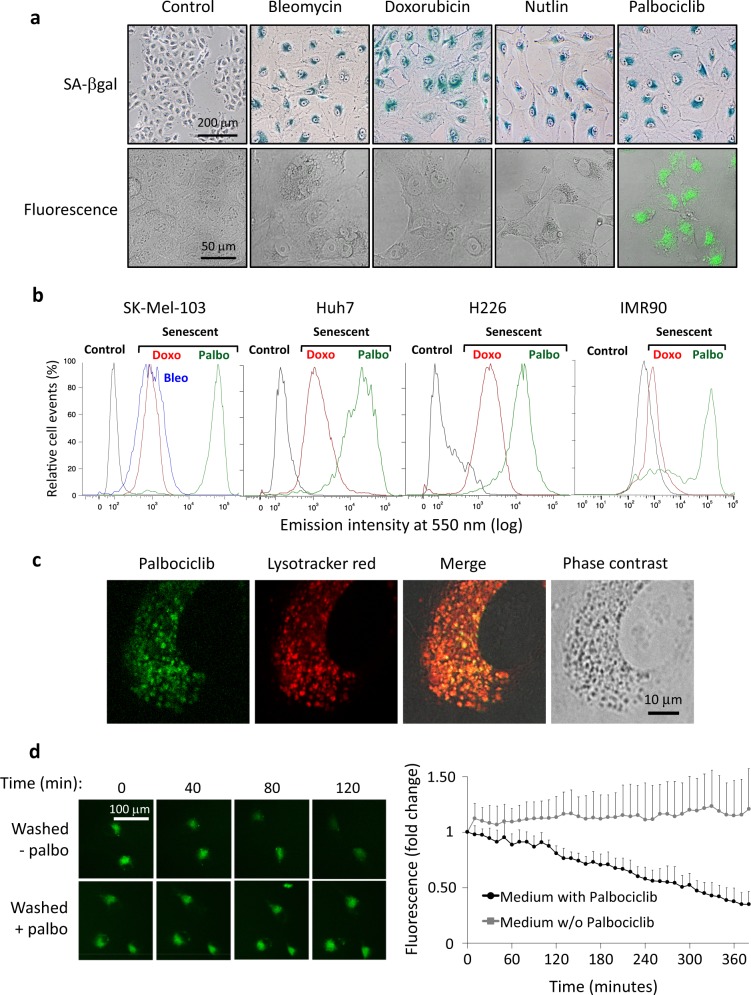
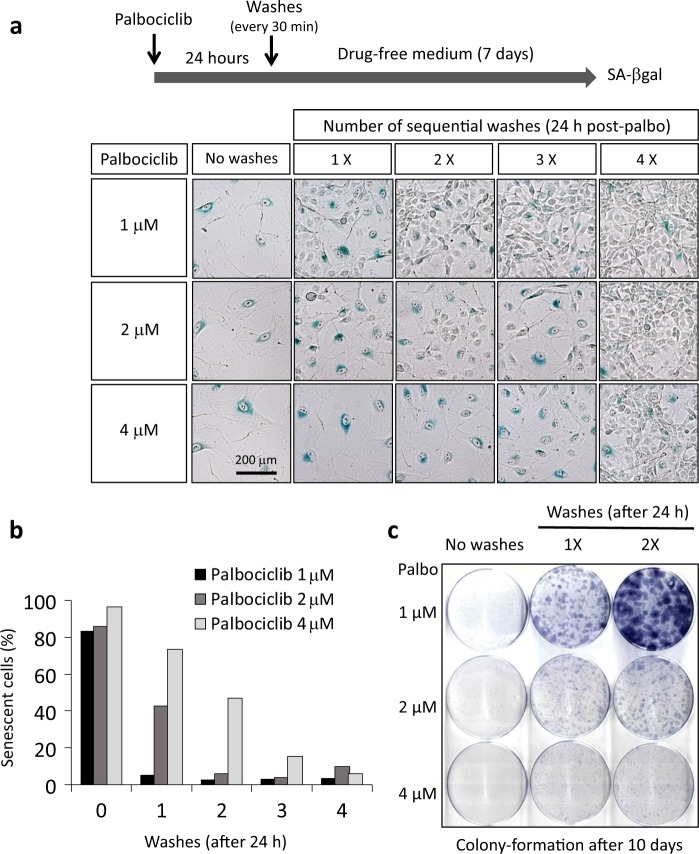
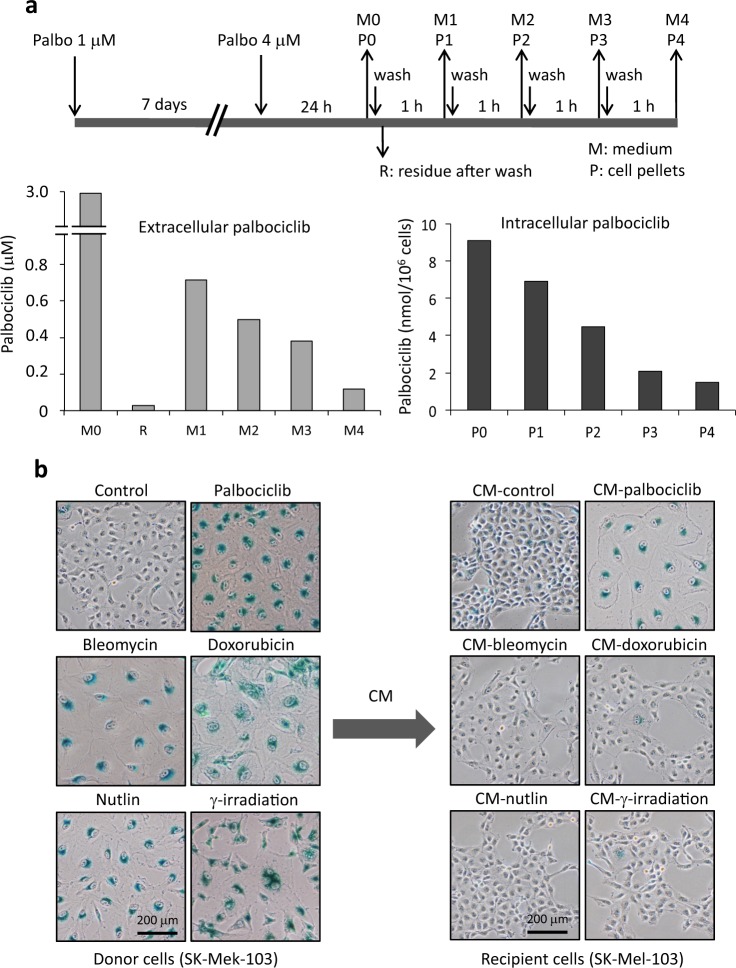
Palbociclib is a selective inhibitor of cyclin-dependent kinases 4 and 6 (CDK4/6) approved for the treatment of some cancers. The main mechanism of action of palbociclib is to induce cell cycle arrest and senescence on responsive cells. Here, we report that palbociclib concentrates in intracellular acidic vesicles, where it can be readily observed due to its intrinsic fluorescence, and it is released from these vesicles upon dilution or washing out of the extracellular medium. This reversible storage of drugs into acidic vesicles is generally known as lysosomal trapping and, based on this, we uncover novel properties of palbociclib. In particular, a short exposure of cells to palbociclib is sufficient to produce a stable cell-cycle arrest and long-term senescence. Moreover, after washing out the drug, palbociclib-treated cells release the drug to the medium and this conditioned medium is active on susceptible cells. Interestingly, cancer cells resistant to palbociclib also accumulate and release the drug producing paracrine senescence on susceptible cells. Finally, other lysosomotropic drugs, such as chloroquine, interfere with the accumulation of palbociclib into lysosomes, thereby reducing the minimal dose of palbociclib required for cell-cycle arrest and senescence. In summary, lysosomal trapping explains the prolonged temporal activity of palbociclib, the paracrine activity of exposed cells, and the cooperation with lysosomotropic drugs. These are important features that may help to improve the therapeutic dosing and efficacy of palbociclib. Finally, two other clinically approved CDK4/6 inhibitors, ribociclib and abemaciclib, present a similar behavior as palbociclib, suggesting that lysosomal trapping is a property common to all three clinically-approved CDK4/6 inhibitors.
Overview
The claims and statistics of this paper haven’t been checked yet.
Free: it reads the open-access text and checks the first 5 claims that cite a source we can check. Create a free account to check every claim.
Integrity signals
Registry
Cites
Statistics
Figures
Verification
Claims the paper makes
The claims and statistics of this paper haven’t been checked yet.
Free: it reads the open-access text and checks the first 5 claims that cite a source we can check. Create a free account to check every claim.
Claims other papers make about this one
Each is checked against this paper’s own text: does it say what the citing paper says it does?
The source backs part of the claim, not all of it — or backs it for a different population, condition or comparison.
In the citing paper
“This capacity reduces their effective concentration in the cytosol and nucleus but is counteracted by the slow release of the drugs from the lysosomes, thereby increasing drug exposure time (Llanos et al., 2019).”
From Cellular Senescence: Defining a Path Forward (2019) · cites this paper as Llanos et al., 2019
Experimental — accuracy not yet measuredThe cited source says what the claim attributes to it.
In the citing paper
“From a therapeutic viewpoint, the enlarged lysosomal compartment offers an increased capacity to trap drugs that can be protonated, such as the selective CDK4/6 inhibitors palbociclib, ribociclib, and abemaciclib.”
From Cellular Senescence: Defining a Path Forward (2019) · cites this paper as Llanos et al., 2019
Self-check
Percentages, sums and reported differences re-computed from the paper’s own numbers.
The self-check needs the paper’s full text.
Citations
Cites
A biomarker that identifies senescent human cells in culture and in aging skin in vivo.
Dimri, G. P., Lee, X., Basile, G., Acosta, M., Scott, G., Roskelley, C., Medrano, E. E., Linskens, M., Rubelj, I., & Pereira-Smith, O. (1995) · Proceedings of the National Academy of Sciences · doi:10.1073/pnas.92.20.9363 · Cited by 7,477 · cited 1×
“The latter can be visualized by staining cells for lysosomal β-galactosidase activity, which constitutes the basis for the senescence-associated β-galactosidase (SAβgal) activity [16].”
Cellular senescence: from physiology to pathology
Muñoz-Espín, D., & Serrano, M. (2014) · Nature Reviews Molecular Cell Biology · doi:10.1038/nrm3823 · Cited by 2,818 · cited 1×
“Cellular senescence is a stable cell cycle arrest induced in response to multiple cellular stresses and chemotherapeutic drugs [12], including CDK4/6 inhibitors [3].”
Self-citationHallmarks of Cellular Senescence
Hernandez-Segura, A., Nehme, J., & Demaria, M. (2018) · Trends in Cell Biology · doi:10.1016/j.tcb.2018.02.001 · Cited by 2,605 · cited 1×
“The inhibition of CDK4/6 results in the accumulation of the unphosphorylated form of the RB1 tumor suppressor, and this is the main mechanism responsible for cell proliferation arrest and for the global epigenetic reconfiguration of chromatin characteristic of senescent cells [7, 8].”
Rb-mediated heterochromatin formation and silencing of E2F target genes during cellular senescence
Narita, M., Nuñez, S., Heard, E., Narita, M., Lin, A. W., Hearn, S. A., Spector, D. L., Hannon, G. J., & Lowe, S. W. (2003) · Cell · doi:10.1016/s0092-8674(03)00401-x · Cited by 2,278 · cited 1×
“The inhibition of CDK4/6 results in the accumulation of the unphosphorylated form of the RB1 tumor suppressor, and this is the main mechanism responsible for cell proliferation arrest and for the global epigenetic reconfiguration of chromatin characteristic of senescent cells [7, 8].”
CDK4/6 inhibition triggers anti-tumour immunity
Goel, S., DeCristo, M. J., Watt, A. C., BrinJones, H., Sceneay, J., Li, B. B., Khan, N., Ubellacker, J. M., Xie, S., Metzger-Filho, O., et al. (2017) · Nature · doi:10.1038/nature23465 · Cited by 1,513 · cited 1×
“tumor antigen presentation [10], and hyperactivates proteasomal function [11].”
Finn, R. S., Dering, J., Conklin, D., Kalous, O., Cohen, D. J., Desai, A. J., Ginther, C., Atefi, M., Chen, I., Fowst, C., et al. (2009) · Breast Cancer Research · doi:10.1186/bcr2419 · Cited by 1,398 · cited 5×
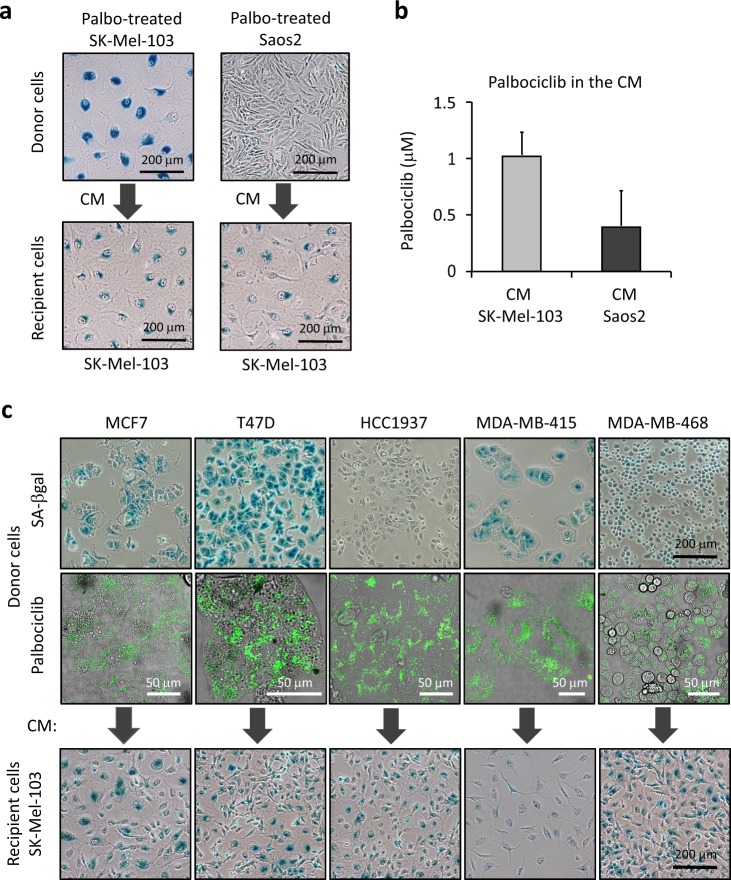
“The graph represents the average values and SD of three independent experiments. c Donor palbociclib responsive (MCF7, T47D, and MDA-MB415) and non-responsive (HCC1937 and MDA-MB-415) human breast cancer cell lines were treated with palbociclib 1 μM for 7 days.”
InfluentialInflammatory networks during cellular senescence: causes and consequences.
Freund, A., Orjalo, A. V., Desprez, P.-Y., & Campisi, J. (2010) · Trends in Molecular Medicine · doi:10.1016/j.molmed.2010.03.003 · Cited by 1,354 · cited 2×
“This is illustrated by the fact that inhibition of mTORC1 in senescent cells simultaneously reduces their SASP and their SA-βgal activity without affecting proliferation arrest [19–21].”
Laberge, R.-M., Sun, Y., Orjalo, A. V., Patil, C. K., Freund, A., Zhou, L., Curran, S. C., Davalos, A. R., Wilson-Edell, K. A., Liu, S., et al. (2015) · Nature Cell Biology · doi:10.1038/ncb3195 · Cited by 1,160
Chapter 12 Monitoring Autophagic Degradation of p62/SQSTM1
Bjørkøy, G., Lamark, T., Pankiv, S., Øvervatn, A., Brech, A., & Johansen, T. (2009) · Methods in Enzymology · doi:10.1016/s0076-6879(08)03612-4 · Cited by 1,069 · cited 1×
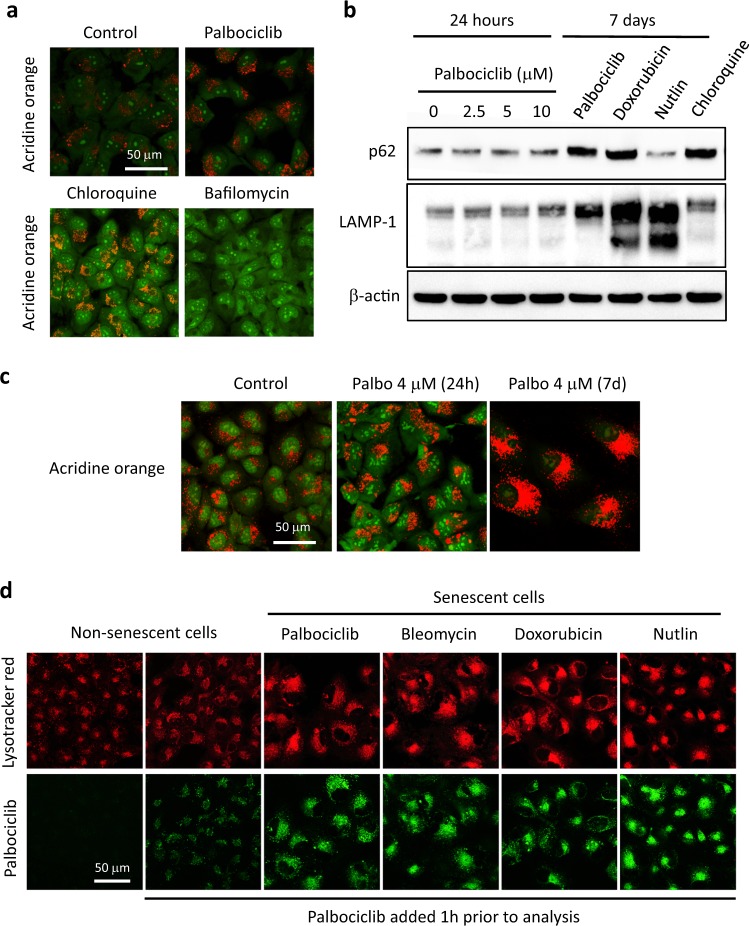
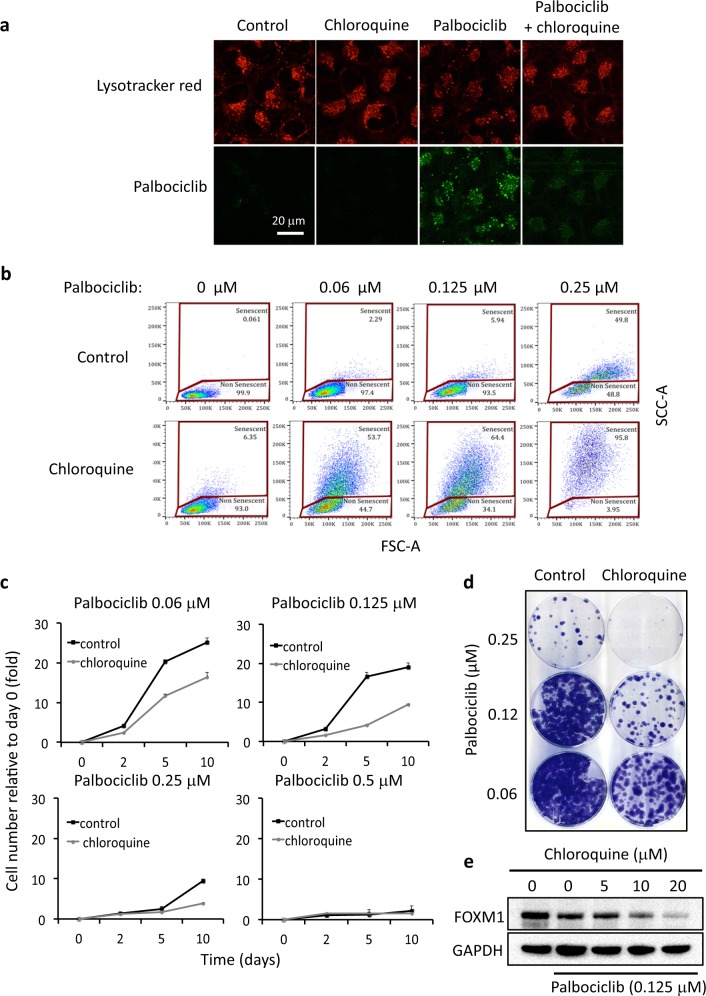
“LAMP-1 is a glycoprotein associated to the lysosomal membrane, generally used as an indicator of lysosomal content; p62 is an autophagosome cargo protein that is degraded upon fusion of autophagosomes with lysosomes and, therefore, p62 levels are inversely correlated with the autophagic flux [28].”
Kurz, D. J., Decary, S., Hong, Y., & Erusalimsky, J. D. (2000) · Journal of Cell Science · doi:10.1242/jcs.113.20.3613 · Cited by 899
Therapy-induced senescence in cancer.
Ewald, J. A., Desotelle, J. A., Wilding, G., & Jarrard, D. F. (2010) · JNCI: Journal of the National Cancer Institute · doi:10.1093/jnci/djq364 · Cited by 824 · cited 1×
“Many cancer cells retain the ability to undergo senescence and, therefore, activation of senescence is a promising novel approach for cancer intervention [13, 14].”
mTOR regulates MAPKAPK2 translation to control the senescence-associated secretory phenotype
Herranz, N., Gallage, S., Mellone, M., Wuestefeld, T., Klotz, S., Hanley, C. J., Raguz, S., Acosta, J. C., Innes, A. J., Banito, A., et al. (2015) · Nature Cell Biology · doi:10.1038/ncb3225 · Cited by 788
p53 Dynamics Control Cell Fate
Purvis, J. E., Karhohs, K. W., Mock, C., Batchelor, E., Loewer, A., & Lahav, G. (2012) · Science · doi:10.1126/science.1218351 · Cited by 770 · cited 2×
“Cellular senescence is a slow process that generally requires a period of about 7 days [30, 31].”
Anders, L., Ke, N., Hydbring, P., Choi, Y. J., Widlund, H. R., Chick, J. M., Zhai, H., Vidal, M., Gygi, S. P., Braun, P., et al. (2011) · Cancer Cell · doi:10.1016/j.ccr.2011.10.001 · Cited by 543 · cited 1×
“FOXM1 is a well-established phosphorylation target of CDK4/6 that is highly unstable in the absence of CDK4/6 activity [26].”
Lysosomes as mediators of drug resistance in cancer
Zhitomirsky, B., & Assaraf, Y. G. (2016) · Drug Resistance Updates · doi:10.1016/j.drup.2015.11.004 · Cited by 482 · cited 1×
“Indeed, lysosomal trapping has been described as a mechanism of resistance for some drugs [37].”
Molecular pathways: targeting the cyclin D-CDK4/6 axis for cancer treatment
VanArsdale, T., Boshoff, C., Arndt, K. T., & Abraham, R. T. (2015) · Clinical Cancer Research · doi:10.1158/1078-0432.ccr-14-0816 · Cited by 396
Beaver, J. A., Amiri-Kordestani, L., Charlab, R., Chen, W., Palmby, T., Tilley, A., Zirkelbach, J. F., Yu, J., Liu, Q., Zhao, L., et al. (2015) · Clinical Cancer Research · doi:10.1158/1078-0432.ccr-15-1185 · Cited by 373 · cited 1×
“Palbociclib (also known as PD-0332991) is a highly selective CDK4/6 inhibitor approved for the treatment of advanced or metastasized estrogen receptor (ER)-positive and epidermal growth factor receptor 2 (HER2)-negative breast cancer in combination with aromatase inhibitors or with ER inhibitors [1, 2].”
The metabolic function of cyclin D3-CDK6 kinase in cancer cell survival
Wang, H., Nicolay, B. N., Chick, J. M., Gao, X., Geng, Y., Ren, H., Gao, H., Yang, G., Williams, J. A., Suski, J. M., et al. (2017) · Nature · doi:10.1038/nature22797 · Cited by 347 · cited 1×
“In this regard, inhibition of CDK4/6 in cancer cells reduces the levels of the anti-oxidants NADPH and glutathione [9], stabilizes the immunosuppressive ligand PD-L1 (ref.”
Vijayaraghavan, S., Karakas, C., Doostan, I., Chen, X., Bui, T., Yi, M., Raghavendra, A. S., Zhao, Y., Bashour, S. I., Ibrahim, N. K., et al. (2017) · Nature Communications · doi:10.1038/ncomms15916 · Cited by 292 · cited 1×
“Indeed, it has been reported that chloroquine and palbociclib synergize in reducing solid tumor growth in nude mice, an effect that was ascribed to the inhibition of autophagy by chloroquine [45].”
Oncogenic ras and p53 Cooperate To Induce Cellular Senescence
Ferbeyre, G., de Stanchina, E., Lin, A. W., Querido, E., McCurrach, M. E., Hannon, G. J., & Lowe, S. W. (2002) · Molecular and Cellular Biology · doi:10.1128/mcb.22.10.3497-3508.2002 · Cited by 290 · cited 2×
“Cellular senescence is a slow process that generally requires a period of about 7 days [30, 31].”
Pierzyńska‐Mach, A., Janowski, P. A., & Dobrucki, J. W. (2014) · Cytometry Part A · doi:10.1002/cyto.a.22495 · Cited by 287 · cited 1×
“AO is a fluorescent dye whose emission spectrum changes depending on the pH: emitting a red signal at acidic pH, such as within functional lysosomes, and a green signal at neutral pH, such as in the cytosol and nucleus where it preferentially stains nucleoli [27].”
Kazmi, F., Hensley, T., Pope, C., Funk, R. S., Loewen, G. J., Buckley, D. B., & Parkinson, A. (2013) · Drug Metabolism and Disposition · doi:10.1124/dmd.112.050054 · Cited by 259 · cited 4×
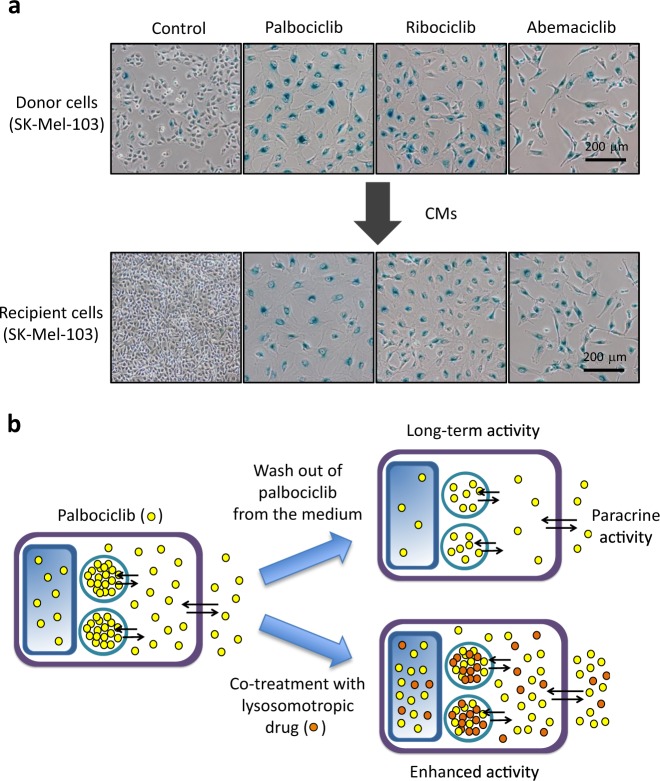
“Accordingly, upon dilution of the drug from the external medium, lysosomal-trapped drugs diffuse out of lysosomes until a new equilibrium is reached [22].”
InfluentialSenescence: a new weapon for cancer therapy
Acosta, J. C., & Gil, J. (2012) · Trends in Cell Biology · doi:10.1016/j.tcb.2011.11.006 · Cited by 223 · cited 1×
“Many cancer cells retain the ability to undergo senescence and, therefore, activation of senescence is a promising novel approach for cancer intervention [13, 14].”
The potential role of lysosomes in tissue distribution of weak bases
Macintyre, A. C., & Cutler, D. J. (1988) · Biopharmaceutics & Drug Disposition · doi:10.1002/bod.2510090602 · Cited by 208
PALMGREN, J., Mönkkönen, J., Korjamo, T., Hassinen, A., & Auriola, S. O. K. (2006) · European Journal of Pharmaceutics and Biopharmaceutics · doi:10.1016/j.ejpb.2006.06.005 · Cited by 134 · cited 1×
“It has been reported that certain drugs can be retained by the plastic surface of tissue culture dishes and released after washing out the medium [35].”
Leontieva, O. V., & Blagosklonny, M. V. (2013) · Cell Cycle · doi:10.4161/cc.26130 · Cited by 117 · cited 2×
“Of note, we used 1 μM palbociclib, which is standard in many cellular studies [3] and which is not far from the concentration range achieved in the plasma of patients (0.”
Mechanisms of Amine Accumulation in, and Egress from, Lysosomes
Goldman, S. D., Funk, R. S., Rajewski, R. A., & Krise, J. P. (2009) · Bioanalysis · doi:10.4155/bio.09.128 · Cited by 113 · cited 2×
“The degree of lysosomal entrapment of a molecule depends on its pKa and, for example, molecules with a pKa value of ~8 can theoretically achieve a thousand-fold higher concentration in lysosomes relative to the cytoplasm and the extracellular space [22, 23].”
Li, W., Fan, J., Hochhauser, D., Banerjee, D., Zielinski, Z., Almasan, A., Yin, Y., Kelly, R., Wahl, G. M., & Bertino, J. R. (1995) · Proceedings of the National Academy of Sciences · doi:10.1073/pnas.92.22.10436 · Cited by 109 · cited 1×
“Osteosarcoma Saos2 cells harbor a homozygous deletion in the RB1 gene [29] and are therefore resistant to palbociclib in the sense that they do not undergo neither cell-cycle arrest nor senescence (Figure S1e to g).”
Contribution of Lysosomal Trapping to the Total Tissue Uptake of Psychotropic Drugs
Daniel, W. A., & Wöjcikowski, J. (1997) · Pharmacology & Toxicology · doi:10.1111/j.1600-0773.1997.tb00285.x · Cited by 108
Daniel, W. A. (2003) · Progress in Neuro-Psychopharmacology and Biological Psychiatry · doi:10.1016/s0278-5846(02)00317-2 · Cited by 107
Miettinen, T. P., Peltier, J., Härtlova, A., Gierliński, M., Jansen, V. M., Trost, M., & Björklund, M. (2018) · The EMBO Journal · doi:10.15252/embj.201798359 · Cited by 101 · cited 1×
“tumor antigen presentation [10], and hyperactivates proteasomal function [11].”
Robinson, T., Liu, J. C., Vizeacoumar, F. S., Sun, T., MacLean, N., Egan, S. E., Schimmer, A. D., Datti, A., & Zacksenhaus, E. (2013) · PLoS ONE · doi:10.1371/journal.pone.0078641 · Cited by 96 · cited 2×
“With this aim, we exposed both palbociclib responsive (MCF7, T47D, and MDA-MB-415) [32] and palbociclib resistant (HCC1937 and MDA-MB-468) [32, 33] human breast cancer cell lines to 1 μM palbociclib for 7 days (Fig.”
InfluentialServomaa, K., Kiuru, A., Grenman, R. A., Pekkola‐Heino, K., Pulkkinen, J. O., & Rytömaa, T. (1996) · Cell Proliferation · doi:10.1046/j.1365-2184.1996.01009.x · Cited by 67
Palbociclib-induced autophagy and senescence in gastric cancer cells
Valenzuela, C. A., Vargas, L., Martinez, V., Bravo, S., & Brown, N. E. (2017) · Experimental Cell Research · doi:10.1016/j.yexcr.2017.09.031 · Cited by 67
Dual mTORC1/C2 inhibitors suppress cellular geroconversion (a senescence program)
Leontieva, O. V., Demidenko, Z. N., & Blagosklonny, M. V. (2015) · Oncotarget · doi:10.18632/oncotarget.4836 · Cited by 65
Chen, L., & Pan, J. (2017) · British Journal of Pharmacology · doi:10.1111/bph.13836 · Cited by 60
Daniel, W. A., & Wójcikowski, J. (1999) · European Neuropsychopharmacology · doi:10.1016/s0924-977x(99)00034-6 · Cited by 59
Hay, T. L., Jones, R. D. O., Beaumont, K. C., & Kemp, M. I. (2009) · Drug Metabolism and Disposition · doi:10.1124/dmd.109.027888 · Cited by 49
Therapeutic monitoring of the immuno-modulating drugs in systemic lupus erythematosus
Mok, C. C. (2016) · Expert Review of Clinical Immunology · doi:10.1080/1744666x.2016.1212659 · Cited by 39 · cited 1×
“we used a concentration of 5 μM chloroquine, which is within the range of serum concentrations achieved in clinical applications of chloroquine as immunosuppressant [34].”
Pekkola‐Heino, K., Jaakkola, M., Kulmala, J. A. J., & Gr�nman, R. (1995) · Journal of Cancer Research and Clinical Oncology · doi:10.1007/bf01218360 · Cited by 36
The Role of Lysosomes in Limiting Drug Toxicity in Mice
Ndolo, R. A., Forrest, M. L., & Krise, J. P. (2010) · Journal of Pharmacology and Experimental Therapeutics · doi:10.1124/jpet.109.160226 · Cited by 36 · cited 1×
“Another potential beneficial aspect of lysosomal trapping is that it may reduce drug toxicities on normal tissues [36].”
E2F1-dependent oncogenic addiction of melanoma cells to MDM2
Verhaegen, M. E., Chęcińska, A., Riblett, M., Wang, S., & Soengas, M. S. (2011) · Oncogene · doi:10.1038/onc.2011.277 · Cited by 34 · cited 1×
“To study the subcellular localization of palbociclib, we used the human melanoma cell line SK-Mel-103, which is RB1and p53-functional [24, 25].”
Drug-drug interactions involving lysosomes: mechanisms and potential clinical implications
Logan, R., Funk, R. S., Axcell, E., & Krise, J. P. (2012) · Expert Opinion on Drug Metabolism & Toxicology · doi:10.1517/17425255.2012.691165 · Cited by 34 · cited 1×
“Weakly basic drugs can alter the capacity of lysosomes to accumulate co-administered lysosomotropic drugs [22, 44].”
Massaro, R. R., Faião‐Flores, F., Rebecca, V. W., Sandri, S., Alves-Fernandes, D. K., Pennacchi, P. C., Smalley, K. S. M., & Maria–Engler, S. S. (2017) · Pharmacological Research · doi:10.1016/j.phrs.2017.02.013 · Cited by 34 · cited 1×
“To study the subcellular localization of palbociclib, we used the human melanoma cell line SK-Mel-103, which is RB1and p53-functional [24, 25].”
Chen, X., Li, Q., He, Y., Du, H., Zhan, Z., Zhao, H., Shi, J., Ye, Q., & Hu, J. (2015) · Anti-Cancer Agents in Medicinal Chemistry · doi:10.2174/1871520615666151019092919 · Cited by 26
Insulin action and metabolism in patients with head and neck cancer
Byerley, L. O., Heber, D., Bergman, R. N., Dubria, M., & Chi, J. (1991) · Cancer · doi:10.1002/1097-0142(19910601)67:11<2741::aid-cncr2820671105>3.0.co;2-s · Cited by 23
Knaś, M., Zalewska, A., Krętowski, R., Niczyporuk, M., Waszkiewicz, N., Cechowska-Pasko, M., Waszkiel, D., & Zwierz, K. (2012) · Folia Histochemica et Cytobiologica · doi:10.5603/fhc.2012.0031 · Cited by 23 · cited 1×
“In addition to β-galactosidase, senescent cells present high levels of most tested lysosomal hydrolases [17].”
Pekkola‐Heino, K., Joensuu, H., Klemi, P. J., & Grenman, R. A. (1994) · Archives of Otolaryngology - Head and Neck Surgery · doi:10.1001/archotol.1994.01880310054010 · Cited by 22
Progress of CDK4/6 Inhibitor Palbociclib in the Treatment of Cancer
Chen, F., Liu, C., Zhang, J., Xu, W., & Zhang, Y. (2017) · Anti-Cancer Agents in Medicinal Chemistry · doi:10.2174/1871521409666170412123500 · Cited by 16 · cited 1×
“Palbociclib (also known as PD-0332991) is a highly selective CDK4/6 inhibitor approved for the treatment of advanced or metastasized estrogen receptor (ER)-positive and epidermal growth factor receptor 2 (HER2)-negative breast cancer in combination with aromatase inhibitors or with ER inhibitors [1, 2].”
Contribution of lysosomes to concentrative uptake of DX-9065a into rat liver
Murayama, N., Nakaoka, M., & Sudo, K. (2006) · Journal of Pharmaceutical Sciences · doi:10.1002/jps.20530 · Cited by 2
Cited by
Cellular Senescence: Defining a Path Forward
Gorgoulis, V., Adams, P. D., Alimonti, A., Bennett, D. C., Bischof, O., Bishop, C., Campisi, J., Collado, M., Evangelou, K., Ferbeyre, G., et al. (2019) · Cell · doi:10.1016/j.cell.2019.10.005 · Cited by 3,225
“This capacity reduces their effective concentration in the cytosol and nucleus but is counteracted by the slow release of the drugs from the lysosomes, thereby increasing drug exposure time (Llanos et al., 2019).”
Self-citationSenescence and cancer — role and therapeutic opportunities
Schmitt, C. A., Wang, B., & Demaria, M. (2022) · Nature Reviews Clinical Oncology · doi:10.1038/s41571-022-00668-4 · Cited by 794
Targeting cell-cycle machinery in cancer
Suski, J. M., Braun, M., Strmiska, V., & Sicinski, P. (2021) · Cancer Cell · doi:10.1016/j.ccell.2021.03.010 · Cited by 564
Targeting CDK4 and CDK6 in cancer
Goel, S., Bergholz, J. S., & Zhao, J. J. (2022) · Nature Reviews Cancer · doi:10.1038/s41568-022-00456-3 · Cited by 531
Senescent Cells in Cancer Therapy: Friends or Foes?
Wang, B., Kohli, J., & Demaria, M. (2020) · Trends in Cancer · doi:10.1016/j.trecan.2020.05.004 · Cited by 508
“This has been demonstrated for CDK4/6 inhibitors in SK-Mel-103 melanoma cells and normal cells, where palbociclib and abemaciclib are trapped in the lysosomes andmight induce lysosomal stress unrelated to growth arrest [64].”
Background
Metadata
- Authors
- Llanos, S., Megias, D., Blanco-Aparicio, C., Hernández-Encinas, E., Rovira, M., Pietrocola, F., & Serrano, M.
- Affiliations
- Spanish National Cancer Research Centre (ES)
- Institute for Research in Biomedicine (ES)
- Institució Catalana de Recerca i Estudis Avançats (ES)
- Corresponding author
- Llanos, Susana
- Serrano, Manuel
- Venue
- Oncogene
- Published
- 2019-01-28
- Volume
- 38
- Issue
- 20
- Pages
- 3886-3902
- ISSN
- 0950-9232 (ISSN-L)
- 1476-5594
- PMC
- PMC6756094
- OpenAlex
- W2914014134
- Cited by
- 96
- References
- 50
- Citations by year
- 2026: 15 · 2025: 14 · 2024: 11 · 2023: 10 · 2022: 18 · 2021: 15 · 2020: 8 · 2019: 4
- FWCI
- 8.27
- Type
- journal article
- Language
- en
- Open access
- hybrid
- doi.org
- Licence
- cc-by
- creativecommons.org/licenses/by/4.0 (tdm)
- Locations
- Oncogene (publishedVersion, cc-by)
- PubMed Central (publishedVersion, cc-by)
- PubMed (publishedVersion)
- Funders
- Institute for Research in Biomedicine
- Banco Santander
- Fundación Bancaria Caixa d'Estalvis i Pensions de Barcelona
- Santander Universities
- Topics
- Health Sciences › Medicine › Oncology › Advanced Breast Cancer Therapies
- Physical Sciences › Materials Science › Biomaterials › Nanoparticle-Based Drug Delivery
- Life Sciences › Biochemistry, Genetics and Molecular Biology › Cell Biology › Autophagy in Disease and Therapy
- Keywords
- palbociclib, lysosomal trapping, CDK4/6 inhibitors, lysosomotropic agents, cell cycle arrest, senescence, paracrine senescence, drug release, chloroquine, ribociclib, abemaciclib, drug resistance, cancer therapy
- MeSH terms
- Acridine Orange, Aminopyridines, Antineoplastic Agents, Benzimidazoles, Chloroquine, Fluorescent Dyes, Humans, Lysosomes, Piperazines, Purines, Pyridines, Cytokines, Cellular Senescence, Cell Line, Tumor, Protein Kinase Inhibitors, Cyclin-Dependent Kinase 4, Lysosomal Membrane Proteins, Lysosomal-Associated Membrane Protein 1
About these checks
Registry, retraction, Cites and statistics results are computed, not judged, with one exception: a printed reference that no index lists is read once by a model before it counts as a citation error. Claims are extracted by a model and kept only when their quote appears verbatim in the text; each cited source is then checked, with a model’s help, for whether it says what the claim relies on. Those verdicts can be wrong — read the claim’s quote and the cited source before relying on one.
Statistics and arithmetic are recomputed, not judged.
Confidence bands are shown only for fields calibrated on our annotated test set. None is calibrated yet, so no band is shown.
What counts as a claim ›How we measure confidence ›How we check this ›
Are you an author, or do you see a problem with this page? Request a review
Data sources
Bibliographic data: Semantic Scholar, OpenAlex, Crossref.
Contains information from the Semantic Scholar Academic Graph Datasets, made available under the ODC Attribution License (ODC-BY 1.0).
Semantic Scholar’s data is described in: Kinney, R., et al. (2023). The Semantic Scholar Open Data Platform. arXiv:2301.10140.
