

Targeting lysosomes in human disease: from basic research to clinical applications
Open accessThe DOI matches its Crossref record; 410 of the 410 references it cites were found in a registry or an index.
Abstract
In recent years, accumulating evidence has elucidated the role of lysosomes in dynamically regulating cellular and organismal homeostasis. Lysosomal changes and dysfunction have been correlated with the development of numerous diseases. In this review, we interpreted the key biological functions of lysosomes in four areas: cellular metabolism, cell proliferation and differentiation, immunity, and cell death. More importantly, we actively sought to determine the characteristic changes and dysfunction of lysosomes in cells affected by these diseases, the causes of these changes and dysfunction, and their significance to the development and treatment of human disease. Furthermore, we outlined currently available targeting strategies: (1) targeting lysosomal acidification; (2) targeting lysosomal cathepsins; (3) targeting lysosomal membrane permeability and integrity; (4) targeting lysosomal calcium signaling; (5) targeting mTOR signaling; and (6) emerging potential targeting strategies. Moreover, we systematically summarized the corresponding drugs and their application in clinical trials. By integrating basic research with clinical findings, we discussed the current opportunities and challenges of targeting lysosomes in human disease.
Overview
The claims and statistics of this paper haven’t been checked yet.
Free: it reads the open-access text and checks the first 5 claims that cite a source we can check. Create a free account to check every claim.
Integrity signals
Registry
Cites
Statistics
Figures
Verification
Claims the paper makes
The claims and statistics of this paper haven’t been checked yet.
Free: it reads the open-access text and checks the first 5 claims that cite a source we can check. Create a free account to check every claim.
Claims other papers make about this one
Each is checked against this paper’s own text: does it say what the citing paper says it does?
The source backs part of the claim, not all of it — or backs it for a different population, condition or comparison.
In the citing paper
“Lysosomal dysfunction is considered a critical factor in the development of many diseases,261 which may manifest as impaired acidification, abnormal expression of lysosomal enzymes, lysosomal membrane stability issues, transport defects, and defects in autophagosome/endosome-lysosome fusion.”
From Recent advances in Alzheimer's disease: Mechanisms, clinical trials and new drug development strategies. (2024) · cites this paper as [261]
Experimental — accuracy not yet measured
Self-check
Percentages, sums and reported differences re-computed from the paper’s own numbers.
The self-check needs the paper’s full text.
Citations
Cites
1 retracted
Items 201–400 of 410
Ferdinandy, P., Baczkó, I., Bencsik, P., Giricz, Z., Görbe, A., Pacher, P., Varga, Z. V., Varró, A., & Schulz, R. (2018) · European Heart Journal · doi:10.1093/eurheartj/ehy365 · Cited by 153
Jacquel, A., Obba, S., Boyer, L., Dufies, M., Robert, G., Gounon, P., Lemichez, E., Luciano, F., Solary, E., & Auberger, P. (2012) · Blood · doi:10.1182/blood-2011-11-392167 · Cited by 151 · cited 2×
“Besides, auophagy plays different roles in cell differentiation, which may be correlated with the difference of stimulation and the stage of cell differentiation.(69,76,77) While the differentiation of peripheral blood monocytes into macrophages induced by colony stimulating factor 1(CSF-1) was identified highly depen…”
BackgroundGewandter, J. S., Mohile, S. G., Heckler, C. E., Ryan, J. L., Kirshner, J. J., Flynn, P. J., Hopkins, J. O., & Morrow, G. R. (2014) · Supportive Care in Cancer · doi:10.1007/s00520-014-2158-7 · Cited by 151 · cited 2×
“Amitriptyline, a tricyclic antidepressant, failed to decrease chemotherapy-induced peripheral neuropathy (CIPN) symptoms in cancer survivors, and a trial of desipramine for the treatment of patients with small cell lung cancer was terminated early because of intolerable doses and a lack of clinical activity.(342,343)…”
BackgroundZhu, L., Yuan, Y., Yuan, L., Li, L., Liu, F., Liu, J., Chen, Y., Lu, Y., & Cheng, J. (2020) · Theranostics · doi:10.7150/thno.44051 · Cited by 151 · cited 1×
“Trehalose was found to induce autophagy through promoting the nuclear translocation of TFEB, and this induced autophagy showed protective effects against neurodegenerative diseases,(299) atherosclerosis,(300) and cisplatin-induced acute kidney injury.(301) In addition, a recent review summarized a series of compounds…”
BackgroundDefective autophagy in vascular smooth muscle cells enhances cell death and atherosclerosis
Osonoi, Y., Mita, T., Azuma, K., Nakajima, K., Masuyama, A., Goto, H., Nishida, Y., Miyatsuka, T., Fujitani, Y., Koike, M., et al. (2018) · Autophagy · doi:10.1080/15548627.2018.1501132 · Cited by 149
Hummel, K. M., Petrow, P. K., Franz, J. K., Müller‐Ladner, U., Aicher, W. K., Gay, R. E., Brömme, D., & Gay, S. (1998) · PubMed · Cited by 148
Kowanetz, K., Crosetto, N., Haglund, K., Schmidt, M. H. H., Heldin, C.-H., & Dikic, I. (2004) · Journal of Biological Chemistry · doi:10.1074/jbc.m403759200 · Cited by 147 · cited 2×
“Suppressor of T-cell receptor (TCR) signaling (Sts)-1 and Sts-2 have been found to inhibit the endocytosis of activated EGFR through interacting with ubiquitin ligase Cbl.(59) Besides, autophagy was reported to facilitate the recycling of EGFR by regulating early endosome homeostasis.”
BackgroundOverexpression of kinesin superfamily members as prognostic biomarkers of breast cancer
Li, T., Zeng, H., Shan, Z., Ye, R.-Y., Cheang, T., Zhang, Y., Lu, S.-H., Zhang, Q., Shao, N., & Lin, Y. (2020) · Cancer Cell International · doi:10.1186/s12935-020-01191-1 · Cited by 146
Genetic and Chemical Activation of TFEB Mediates Clearance of Aggregated α-Synuclein
Kilpatrick, K., Zeng, Y., Hancock, T., & Segatori, L. (2015) · PLOS ONE · doi:10.1371/journal.pone.0120819 · Cited by 145
Morris, S. J., Wasko, M. C. M., Antohe, J. L., Sartorius, J. A., Kirchner, H. L., Dancea, S., & Bili, A. (2011) · Arthritis Care & Research · doi:10.1002/acr.20393 · Cited by 144
Cathepsin-sensitive nanoscale drug delivery systems for cancer therapy and other diseases
Dheer, D., Nicolas, J., & Shankar, R. (2019) · Advanced Drug Delivery Reviews · doi:10.1016/j.addr.2019.01.010 · Cited by 144 · cited 1×
“In addition, nanoscale drug delivery systems, such as cathepsinsensitive drug delivery systems, possess the unique ability to penetrate cell barriers and locate in certain organelles such as lysosomes.(14,373) These emerging approaches offer the possibility of specifically targeting lysosomes, especially lysosomes in…”
BackgroundEnhancing lysosome biogenesis attenuates BNIP3-induced cardiomyocyte death
Ma, X., Godar, R. J., Liu, H., & Diwan, A. (2012) · Autophagy · doi:10.4161/auto.18658 · Cited by 140
Antiviral activity of cationic amphiphilic drugs
Salata, C., Calistri, A., Parolin, C., Baritussio, A., & Palù, G. (2017) · Expert Review of Anti-infective Therapy · doi:10.1080/14787210.2017.1305888 · Cited by 140 · cited 1×
“As representative cationic amphiphilic drugs (CADs), CQ and its derivatives share a common structure of a side-chain with a cationic amine group, which allows them to accumulate within lysosomes after protonation, resulting in lysosomal deacidification.(5,26,198) In addition, CQ and HCQ have shown a strong ability of…”
BackgroundHydroxychloroquine Compared with Placebo in Rheumatoid Arthritis: A Randomized, Controlled Trial
Clark, P., Casas, E., Tugwell, P., Medina, C., Gheno, C., Tenorio, G., & Orozco, J. A. (1993) · Annals of Internal Medicine · doi:10.7326/0003-4819-119-11-199312010-00002 · Cited by 140
Altered splicing of ATP6AP2 causes X-linked parkinsonism with spasticity (XPDS)
Korvatska, O., Strand, N. S., Berndt, J. D., Strovas, T., Chen, D.-H., Leverenz, J. B., Kiianitsa, K., Mata, I. F., Karakoc, E., Greenup, J. L., et al. (2013) · Human Molecular Genetics · doi:10.1093/hmg/ddt180 · Cited by 140
Phase I trial of the selective mitochondrial toxin MKT 077 in chemo-resistant solid tumours
PROPPER, D. J., Braybrooke, J. P., Taylor, D. J., Lodi, R., Styles, P., Cramer, J. A., Collins, W., Levitt, N. C., Talbot, D. C., Ganesan, T. S., et al. (1999) · Annals of Oncology · doi:10.1023/a:1008336904585 · Cited by 139 · cited 1×
“MKT-077 is possibly the only Hsp70 inhibitor that has been tested in clinical trials against cancer currently, but the trial was halted because of irreversible renal toxicity.(344) ASM inhibitors and agents that target microtubules, the other two classes of LMP inducers, have been much more widely used in clinical stu…”
BackgroundThe Role of Chaperone-Mediated Autophagy in Huntingtin Degradation
Qi, L., Zhang, X.-D., Wu, J.-C., Lin, F., Wang, J., DiFiglia, M., & Qin, Z.-H. (2012) · PLoS ONE · doi:10.1371/journal.pone.0046834 · Cited by 139
Bartlett, J. J., Trivedi, P. C., Yeung, P., Kienesberger, P. C., & Pulinilkunnil, T. (2016) · Biochemical Journal · doi:10.1042/bcj20160385 · Cited by 137
Membrane-anchored heat-shock protein 70 (Hsp70) in cancer
Elmallah, M. I. Y., Cordonnier, M., Vautrot, V., Chanteloup, G., Garrido, C., & Gobbo, J. (2019) · Cancer Letters · doi:10.1016/j.canlet.2019.10.037 · Cited by 136 · cited 3×
“26,231,240 Therefore, although these HSP70 inhibitors are of great significance for inducing LMP and subsequent cell death, they Signal Transduction and Targeted Therapy (2021) 6:379 may also cause serious adverse reactions because of the simultaneous inhibition of cytoplasmic and membrane HSP70.”
Bell‐McGuinn, K. M., Garfall, A. L., Bogyo, M. S., Hanahan, D., & Joyce, J. A. (2007) · Cancer Research · doi:10.1158/0008-5472.can-07-0602 · Cited by 135
Sharma, G., Guardia, C. M., Roy, A., Vassilev, A., Saric, A., Griner, L. N., Marugan, J., Ferrer, M., Bonifacino, J. S., & DePamphilis, M. L. (2019) · Autophagy · doi:10.1080/15548627.2019.1586257 · Cited by 135
Rojas-Puentes, L. L., Gonzalez-Pinedo, M., Crismatt, A., Ortega-Gomez, A., Gamboa-Vignolle, C., Nuñez-Gomez, R., Dorantes-Gallareta, Y., Arce-Salinas, C., & Arrieta, O. (2013) · Radiation Oncology · doi:10.1186/1748-717x-8-209 · Cited by 133 · cited 2×
“of the trials showed improved results, which might indicate the superiority and specificity of CQ in the treatment of cerebral tumors (Table 2).(319,323) For example, adding CQ to whole-brain irradiation was confirmed to play a great role in the treatment of patients with brain metastases, with a 1-year progression-fr…”
BackgroundResultFujimaki, K., Li, R., Chen, H., Della Croce, K., Zhang, H. H., Xing, J., Bai, F., & Yao, G. (2019) · Proceedings of the National Academy of Sciences · doi:10.1073/pnas.1915905116 · Cited by 132 · cited 1×
“Lysosomes in cell proliferation and differentiation In addition to mediating the adaptation of cell metabolism to meet the needs for cell growth and proliferation, lysosomes also mediate the turnover of cell surface receptors and other elements crucial to proliferation and differentiation signaling.(2,27,57) Take epid…”
BackgroundMuller, S., Monneaux, F., Schall, N., Rashkov, R. K., Oparanov, B., Wiesel, P., Geiger, J., & Zimmer, R. (2008) · Arthritis & Rheumatism · doi:10.1002/art.24027 · Cited by 132
Significance of Cathepsin B Accumulation in Synovial Fluid of Rheumatoid Arthritis
Hashimoto, Y., Kakegawa, H., Narita, Y., Hachiya, Y., Hayakawa, T., Kos, J., Türk, V., & Katunuma, N. (2001) · Biochemical and Biophysical Research Communications · doi:10.1006/bbrc.2001.4787 · Cited by 129 · cited 2×
“More directly, cathepsin B present in synovial fluid of the joint of patients with RA has been found to destroy joints by degrading bone collagen.(140) Another change that greatly arouses our attention is the dysregulation of autophagy.”
BackgroundYokogawa, N., Eto, H., Tanikawa, A., Ikeda, T., Yamamoto, K., Takahashi, T., Mizukami, H., Sato, T. Z., Yokota, N., & Furukawa, F. (2017) · Arthritis & Rheumatology · doi:10.1002/art.40018 · Cited by 129
mTOR-Mediated Regulation of Dendritic Cell Differentiation and Function
Sukhbaatar, N., Hengstschläger, M., & Weichhart, T. (2016) · Trends in Immunology · doi:10.1016/j.it.2016.08.009 · Cited by 128
Koerver, L., Papadopoulos, C., Liu, B., Kravic, B., Rota, G., Brecht, L., Veenendaal, T., Polajnar, M., Bluemke, A., Ehrmann, M., et al. (2019) · EMBO reports · doi:10.15252/embr.201948014 · Cited by 128
Inhibition of acid sphingomyelinase by tricyclic antidepressants and analogons
Beckmann, N., Sharma, D., Gulbins, E., Becker, K. A., & Edelmann, B. (2014) · Frontiers in Physiology · doi:10.3389/fphys.2014.00331 · Cited by 127
Two-Pore Channel Function Is Crucial for the Migration of Invasive Cancer Cells
Nguyen, O. N. P., Grimm, C., Schneider, L. S., Chao, Y.-K., Atzberger, C., Bartel, K., Watermann, A., Ulrich, M., Mayr, D., Wahl-Schott, C., et al. (2017) · Cancer Research · doi:10.1158/0008-5472.can-16-0852 · Cited by 127 · cited 3×
“Ned-19 and tetrandrine work by targeting NAADP and have shown a great performance in reducing the migration and adhesion of cancer cells such as T24, HUH7, and 4T1-Luc.(265,266) Besides, Ned-19 and its analog Ned-K were also reported to correct morphological defects in lysosomes in PD caused by LRRK2 mutations.”
BackgroundQi, Y., Zhou, S., Cheng, F., Hou, P., Ren, Y., Wang, S., Zhao, M., Yang, L., Martinez, J., & Zhang, H. (2018) · Annals of the Rheumatic Diseases · doi:10.1136/annrheumdis-2018-213028 · Cited by 127 · cited 1×
“• Autophagy was found activated in the B lymphocytes of the NZB/WF1 murine lupus model and acted as a survival mechanism for autoreactive B cells;(141) • Autophagy-related genes such as ATG5, CDKN1B, DRAM1, CLEC16A, and ATG16L2 were reported to be associated with susceptibility to SLE;(20) • Elevated autophagic vacuol…”
BackgroundTear Cathepsin S as a Candidate Biomarker for Sjögren's Syndrome
Hamm‐Alvarez, S. F., Janga, S. R., Edman, M. C., Madrigal, S., Shah, M. S., Frousiakis, S. E., Renduchintala, K., Zhu, J., Bricel, S., Silka, K. A., et al. (2014) · Arthritis & Rheumatology · doi:10.1002/art.38633 · Cited by 126
Cardoso, C. M. P., Groth-Pedersen, L., Høyer-Hansen, M., Kirkegaard, T., Corcelle, E., Andersen, J. S., Jäättelä, M., & Nylandsted, J. (2009) · PLoS ONE · doi:10.1371/journal.pone.0004424 · Cited by 125
Shin, Y.-J., Han, S.-H., Kim, D.-S., Lee, G.-H., Yoo, W.-H., Kang, Y.-M., Choi, J.-Y., Lee, Y. C., Park, S. J., Jeong, S.-K., et al. (2010) · Arthritis Research & Therapy · doi:10.1186/ar2921 · Cited by 125 · cited 1×
“In patients with RA, upregulated autophagy was found to regulate the bone resorption of osteoclasts and promote the survival of fibroblast-like synovial cells, the main actor in RA pathogenesis.(143,144,149,150) Upregulated autophagy was also observed in T and B cells that infiltrated minor salivary glands in SS, and…”
BackgroundLysosome Positioning Influences mTORC2 and AKT Signaling
Jia, R., & Bonifacino, J. S. (2019) · Molecular Cell · doi:10.1016/j.molcel.2019.05.009 · Cited by 124 · cited 4×
“Target mTOR signaling Lysosomes serve as platforms for the proper recruitment, assembly, and activation of mTOR signaling elements, and mTOR acts as a nutrient sensor that regulates the degradation activities of lysosomes.(37,63) Functionally, lysosomes and mTOR form a tightly connected metabolic complex.”
BackgroundInfluentialDudeja, V., Mujumdar, N. R., Phillips, P. A., Chugh, R., Borja–Cacho, D., Dawra, R. K., Vickers, S. M., & Saluja, A. K. (2009) · Gastroenterology · doi:10.1053/j.gastro.2009.01.070 · Cited by 124
Impaired Autophagy Contributes to Adverse Cardiac Remodeling in Acute Myocardial Infarction
Wu, X., He, L., Chen, F., He, X., Cai, Y., Zhang, G., Yi, Q., He, M., & Luo, J. (2014) · PLoS ONE · doi:10.1371/journal.pone.0112891 · Cited by 123
Self-citationPage, N., Gros, F., Schall, N., Décossas, M., Bagnard, D., Briand, J.-P., & Muller, S. (2011) · Annals of the Rheumatic Diseases · doi:10.1136/ard.2010.139832 · Cited by 123
Hsp70 interactions with membrane lipids regulate cellular functions in health and disease
Balogi, Z., Multhoff, G., Jensen, T. K., Lloyd‐Evans, E., Yamashima, T., Jäättelä, M., Harwood, J. L., & Vígh, L. (2019) · Progress in Lipid Research · doi:10.1016/j.plipres.2019.01.004 · Cited by 123 · cited 6×
“may also cause serious adverse reactions because of the simultaneous inhibition of cytoplasmic and membrane HSP70.(231) Cells have developed numerous defensive mechanisms against lysosomal rupture and subsequent inflammatory responses and cell death.”
BackgroundInfluentialLys05: A new lysosomal autophagy inhibitor
Amaravadi, R. K., & Winkler, J. D. (2012) · Autophagy · doi:10.4161/auto.20958 · Cited by 121
Liu, D., Li, X., Zhang, Y., Kwong, J. S. W., Li, L., Zhang, Y., Xu, C., Li, Q., Sun, X., Tian, H., et al. (2018) · Drug Design Development and Therapy · doi:10.2147/dddt.s166893 · Cited by 121
Rupanagudi, K. V., Kulkarni, O. P., Lichtnekert, J., Darisipudi, M. N., Mulay, S. R., Schott, B., Grüner, S., Haap, W. J., Hartmann, G. R., & Anders, H. (2013) · Annals of the Rheumatic Diseases · doi:10.1136/annrheumdis-2013-203717 · Cited by 119
Intersections between Regulated Cell Death and Autophagy
Napoletano, F., Baron, O., Vandenabeele, P., Mollereau, B., & Fanto, M. (2019) · Trends in Cell Biology · doi:10.1016/j.tcb.2018.12.007 · Cited by 119 · cited 2×
“Although autophagy acts as a cytoprotective process most of the time, the pathway and its key components also participate lethal signaling.(26,98,101,103) For example, it has been acknowledged that selective autophagy can promote ferroptosis through degrading ferritin and intracellular lipid droplets, causing iron acc…”
BackgroundCystatins in cancer progression: More than just cathepsin inhibitors
Breznik, B., Mitrović, A., Lah, T. T., & Kos, J. (2019) · Biochimie · doi:10.1016/j.biochi.2019.05.002 · Cited by 119
Targeting autophagy enhances the anticancer effect of artemisinin and its derivatives
Sun, X., Yan, P., Zou, C., Wong, Y., Shu, Y., Lee, Y. M., Zhang, C., Yang, N., Wang, J., & Zhang, J. (2019) · Medicinal Research Reviews · doi:10.1002/med.21580 · Cited by 117
Time to use a dose of Chloroquine as an adjuvant to anti-cancer chemotherapies
Pascolo, S. (2015) · European Journal of Pharmacology · doi:10.1016/j.ejphar.2015.12.017 · Cited by 116 · cited 2×
“With incomparable easy-accessibility and safety as a result of long-term clinical use in antimalarial therapy, CQ and HCQ have been rapidly and widely repurposed as agents targeting lysosome acidification in anticancer clinical trials.(5,200) However, their effectiveness as single drugs against cancer is very limited…”
BackgroundGiatromanolaki, A. N., Kalamida, D., Sivridis, E., Karagounis, I. V., Gatter, K. C., Harris, A. L., & Koukourakis, M. I. (2015) · Lung Cancer · doi:10.1016/j.lungcan.2015.07.008 · Cited by 115
Global Analysis of Host and Bacterial Ubiquitinome in Response to Salmonella Typhimurium Infection
Fiskin, E., Bionda, T., Dikic, I., & Behrends, C. (2016) · Molecular Cell · doi:10.1016/j.molcel.2016.04.015 · Cited by 114
Selective agonist of TRPML2 reveals direct role in chemokine release from innate immune cells
Plesch, E., Chen, C., Butz, E. S., Rosato, A. S., Krogsaeter, E., Yinan, H., Bartel, K., Keller, M., Robaa, D., Teupser, D., et al. (2018) · eLife · doi:10.7554/elife.39720 · Cited by 114 · cited 1×
“The role of TRPML2 in chemokine trafficking and secretion in murine macrophages was identified, and a bioinformatics analysis correlated the gene encoding TRPML3 with the progression, aggressiveness, and prognosis of pancreatic ductal adenocarcinoma.(272,273) Some inhibitors and activators with less selectivity for th…”
BackgroundXie, X.-S., Padron, D., Liao, X., Wang, J., Roth, M. G., & De Brabander, J. K. (2004) · Journal of Biological Chemistry · doi:10.1074/jbc.m313796200 · Cited by 113 · cited 1×
“Salicylihalamide A acts through inhibiting the V0 domain and causing a dramatic redistribution of the V1 domain, allowing it to combine with the former class inhibitors to achieve better inhibition.(189,195) The next generation of inhibitors including VoPQ, NiK12192, and FR177995 also exhibit effective v-ATPase inhibi…”
BackgroundAutophagy proteins in antigen processing for presentation on MHC molecules
Münz, C. (2016) · Immunological Reviews · doi:10.1111/imr.12422 · Cited by 112
Cheng, B., Ren, Y., Cao, H., & Chen, J. (2020) · European Journal of Medicinal Chemistry · doi:10.1016/j.ejmech.2020.112377 · Cited by 112 · cited 4×
“Since lysosomal dysfunction is closely correlated with weakened immune signals in the cancer immune response, growing attention has been paid to improving the cancer immune response by targeting disturbed lysosomal degradation.15,16,292 While CMTM6 was reported to prevent the lysosomal degradation of PD-L1, which cont…”
BackgroundInfluentialVan Nostrand, J. L., Hellberg, K., Luo, E.-C., Van Nostrand, E. L., Dayn, A., Yu, J., Shokhirev, M. N., Dayn, Y., Yeo, G. W., & Shaw, R. J. (2020) · Genes & Development · doi:10.1101/gad.339895.120 · Cited by 111 · cited 2×
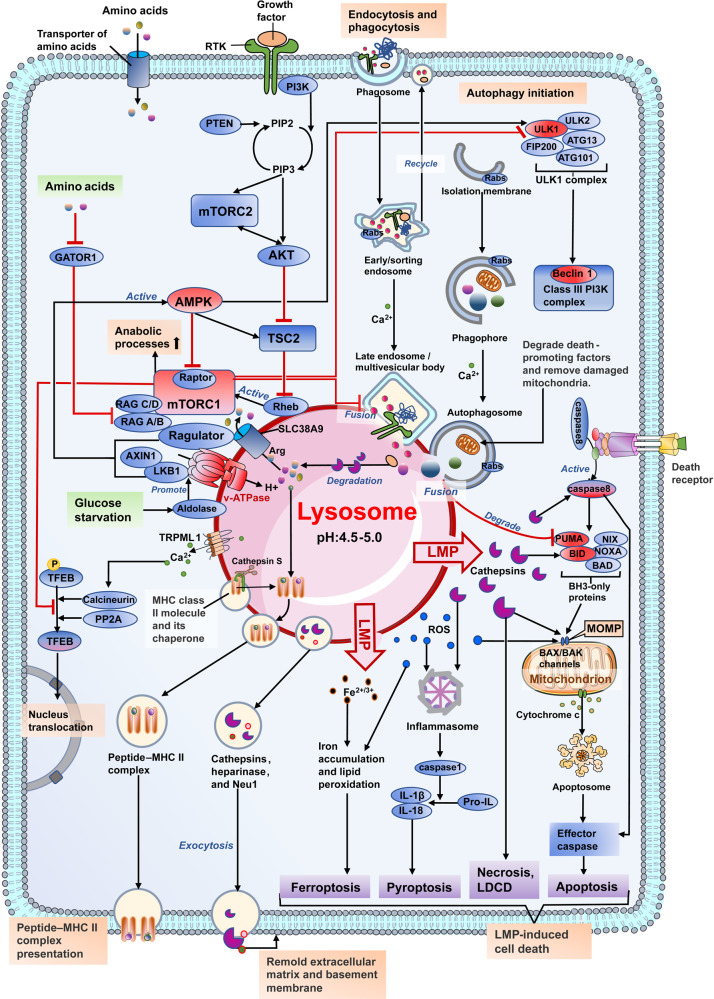
“2).48–50 Concurrently, AXIN cause the dissociation and inactivation of mTORC1 by interfering with the interaction between RAGs and the Ragulator, and the inactivation of mTORC1 restores lysosome biogenesis and autophagy.50 The activated AMPK not only promotes autophagy by phosphorylating the Ser317 and Ser777 of ULK1…”
Background2-Hydroxypropyl-β-cyclodextrin Promotes Transcription Factor EB-mediated Activation of Autophagy
Song, W., Wang, F., Lotfi, P., Sardiello, M., & Segatori, L. (2014) · Journal of Biological Chemistry · doi:10.1074/jbc.m113.506246 · Cited by 110
Fucho, R., Martínez, L., Baulies, A., Torres, S., Tarrats, N., Fernandez, A., Ribas, V., Astudillo, A. M., Balsinde, J., Garcia-Rovés, P., et al. (2014) · Journal of Hepatology · doi:10.1016/j.jhep.2014.06.009 · Cited by 108 · cited 1×
“4 and Supplementary Table S1).(235,237,238) The most significant advantages of this category of drugs are the safety and accessibility established by their long-term clinical use.”
BackgroundGoodall, M. L., Wang, T., Martin, K. R., Kortus, M. G., Kauffman, A. L., Trent, J. M., Gately, S., & MacKeigan, J. P. (2014) · Autophagy · doi:10.4161/auto.28594 · Cited by 108
Podocytes and autophagy: a potential therapeutic target in lupus nephritis
Zhou, S., Klionsky, D. J., & Zhang, H. (2019) · Autophagy · doi:10.1080/15548627.2019.1580512 · Cited by 108 · cited 1×
“• Autophagy was found activated in the B lymphocytes of the NZB/WF1 murine lupus model and acted as a survival mechanism for autoreactive B cells;(141) • Autophagy-related genes such as ATG5, CDKN1B, DRAM1, CLEC16A, and ATG16L2 were reported to be associated with susceptibility to SLE;(20) • Elevated autophagic vacuol…”
BackgroundPowles, T. B., Wheater, M. J., Din, O. S., Geldart, T., Boleti, E., Stockdale, A. D., Sundar, S., Robinson, A. J., Ahmed, I., Wimalasingham, A. G., et al. (2015) · European Urology · doi:10.1016/j.eururo.2015.08.035 · Cited by 107 · cited 1×
“Among these drugs, vistusertib is the most clinically used, but it was shown to result in lower OS and PFS improvement than everolimus.(331) The efficacy of TAK-228 in metastatic castration-resistant prostate cancer was also reported to be limited, and eight of nine patients discontinued the treatment early because of…”
BackgroundModulation of deregulated chaperone-mediated autophagy by a phosphopeptide
Macri, C., Wang, F., Tasset, I., Schall, N., Page, N., Briand, J.-P., Cuervo, A. M., & Muller, S. (2015) · Autophagy · doi:10.1080/15548627.2015.1017179 · Cited by 106 · cited 1×
“It has been acknowledged that this inhibition of CMA affected the processing and presentation of autoantigens in B cells and accounts for a decrease in autoreactive T cells.(310,312) Targeting Rab GTPases (Rabs) is attractive, because they are extensively involved in the biogenesis and function of endolysosomal system…”
BackgroundWasko, M. C., McClure, C. K., Kelsey, S. F., Huber, K., Orchard, T. J., & Toledo, F. G. S. (2015) · Diabetologia · doi:10.1007/s00125-015-3689-2 · Cited by 105
STAT3 associates with vacuolar H+-ATPase and regulates cytosolic and lysosomal pH
Liu, B., Palmfeldt, J., Lin, L., Colaço, A., Clemmensen, K. K. B., Huang, J., Xu, F., Liu, X., Maeda, K., Luo, Y., et al. (2018) · Cell Research · doi:10.1038/s41422-018-0080-0 · Cited by 105 · cited 2×
“AVAILABLE STRATEGIES FOR TARGETING LYSOSOMES IN HUMAN DISEASE Target lysosomal acidification The acidic environment in lysosomes is not only their structural characteristics but also the basis of their activities and functions.(2,7,188) While low lysosomal pH is required for cancer cells to maintain their high metabol…”
BackgroundChaperone-mediated autophagy regulates proliferation by targeting RND3 in gastric cancer
Zhou, J., Yang, J., Fan, X., Hu, S., Zhou, F., Dong, J., Zhang, S., Shang, Y., Jiang, X., Guo, H., et al. (2016) · Autophagy · doi:10.1080/15548627.2015.1136770 · Cited by 104
Self-citationAutophagy: an affair of the heart
Gottlieb, R. A., & Mentzer, R. M. (2012) · Heart Failure Reviews · doi:10.1007/s10741-012-9367-2 · Cited by 104
The Roles of Lysosomes in Inflammation and Autoimmune Diseases
Ge, W., Li, D., Gao, Y., & Cao, X. (2014) · International Reviews of Immunology · doi:10.3109/08830185.2014.936587 · Cited by 104 · cited 1×
“Lysosomes have also been found to promote inflammation by degrading glucocorticoid receptors, which bind with glucocorticoid to modulate the expression of and inflammatory and proinflammatory factors.(94,95) On the other hand, lysosomes mediate the release of anti-inflammatory cytokines and are responsible for breakin…”
BackgroundAn, Q., Yan, W., Zhao, Y., & Yu, K. (2018) · International Immunopharmacology · doi:10.1016/j.intimp.2018.09.011 · Cited by 103 · cited 1×
“RA Lysosomal biogenesis: upregulated expression of TFEB;(380) Lysosomal acidification: neutrophils in patients showed lower lysosomal pH.(145) • Upregulated expression of cathepsin S;(138) • Upregulated mRNA expression of cathepsin K in synovial fibroblasts;(381) • Cathepsin B present in synovial fluid of the joint of…”
BackgroundMonteith, A. J., Kang, S., Scott, E., Hillman, K., Rajfur, Z., Jacobson, K., Costello, M. J., & Vilen, B. J. (2016) · Proceedings of the National Academy of Sciences · doi:10.1073/pnas.1513943113 · Cited by 102 · cited 2×
“Nevertheless, while upregulated autophagy in macrophages has been reported to contribute to murine lupus, another study reported that macrophages from lupus-prone MRL/lpr mice exhibited impaired lysosomal maturation and acidification.(142,155) Currently, there are few reports on the changes on lysosomal biogenesis and…”
BackgroundResultLawrence, R. E., Cho, K. F., Rappold, R., Thrun, A., Tofaute, M., Kim, D. J., Moldavski, O., Hurley, J. H., & Zoncu, R. (2018) · Nature Cell Biology · doi:10.1038/s41556-018-0148-6 · Cited by 102 · cited 3×
“When nutrients are abundant, the stimulation of amino acids such as arginine and glutamine induce the activation of RAS-related GTP-binding proteins (RAGs), which interact with Ragulator and then trigger the recruitment of mTORC1 to lysosomal surface.(4,37,39) Through the PI3K-AKT pathway, growth factors such as insul…”
BackgroundWiedmann, R. M., von Schwarzenberg, K., Palamidessi, A., Schreiner, L., Kubisch, R., Liebl, J., Schempp, C., Trauner, D., Vereb, G., Zahler, S., et al. (2012) · Cancer Research · doi:10.1158/0008-5472.can-12-1772 · Cited by 102 · cited 1×
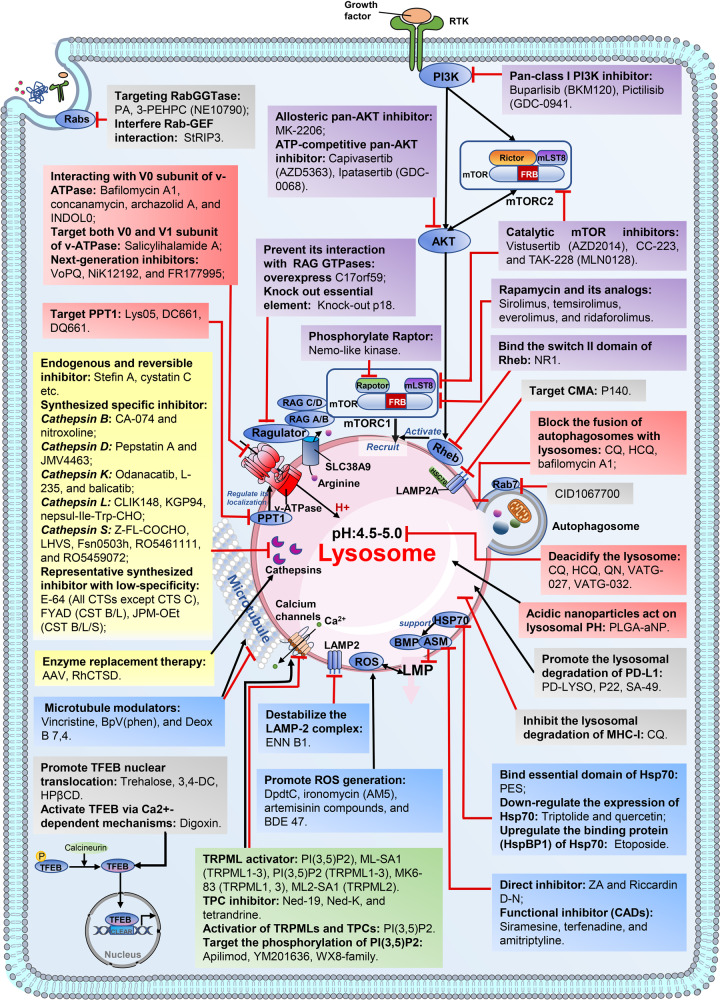
“v-ATPase inhibitors including bafilomycin A1, concanamycin, archazolid A, and INDOL0 all exhibit great performance, but they compete with one another because they all work through interacting with V0 subunit c of v-ATPase.(189,191,192) In addition, bafilomycin A1 was found to block autophagosome-lysosome fusion by tar…”
BackgroundMarques, A. R. A., Di Spiezio, A., Thießen, N., Schmidt, L., Grötzinger, J., Lüllmann-Rauch, R., Damme, M., Storck, S. E., Pietrzik, C. U., Fogh, J., et al. (2020) · Autophagy · doi:10.1080/15548627.2019.1637200 · Cited by 102 · cited 3×
“The lifespans of these mice were also longer than those of the control group.(220) These data support the feasibility and efficiency of restoring lysosomal cathepsins in diseases characterized by reduced cathepsin efficiency.”
BackgroundMethodTypical and Atypical Inducers of Lysosomal Cell Death: A Promising Anticancer Strategy
Domagała, A., Fidyt, K., Bobrowicz, M., Stachura, J., Szczygiel, K., & Firczuk, M. (2018) · International Journal of Molecular Sciences · doi:10.3390/ijms19082256 · Cited by 101
Obba, S., Hizir, Z., Boyer, L., Selimoglu-Buet, D., Pfeifer, A., Michel, G., Hamouda, M.-A., Gonçalvès, D., Cerezo, M., Marchetti, S., et al. (2015) · Autophagy · doi:10.1080/15548627.2015.1034406 · Cited by 100 · cited 2×
“Besides, auophagy plays different roles in cell differentiation, which may be correlated with the difference of stimulation and the stage of cell differentiation.(69,76,77) While the differentiation of peripheral blood monocytes into macrophages induced by colony stimulating factor 1(CSF-1) was identified highly depen…”
BackgroundRepnik, U., Borg Distefano, M., Speth, M. T., Ng, M. Y. W., Progida, C., Hoflack, B., Gruenberg, J., & Griffiths, G. (2017) · Journal of Cell Science · doi:10.1242/jcs.204529 · Cited by 100 · cited 1×
“It is now generally believed that limited permeabilization of the lysosomal membrane can be repaired through the endosomal sorting complex required for transport (ESCRT) machinery, while badly damaged lysosomes can be engulfed and cleared through the lysophagy machinery, a selective autophagy process triggered by the…”
BackgroundVölkl, S., Rensing-Ehl, A., Allgäuer, A., Schreiner, E., Lorenz, M. R., Rohr, J., Klemann, C., Fuchs, I., Schuster, V., von Bueren, A. O., et al. (2016) · Blood · doi:10.1182/blood-2015-11-685024 · Cited by 98
Kim, S. J., Schätzle, S., Ahmed, S. S., Haap, W., Jang, S. H., Gregersen, P. K., Georgiou, G., & Diamond, B. (2017) · Nature Immunology · doi:10.1038/ni.3793 · Cited by 98
Nofal, M., Zhang, K., Han, S., & Rabinowitz, J. D. (2017) · Molecular Cell · doi:10.1016/j.molcel.2017.08.011 · Cited by 95 · cited 1×
“As a scavenging pathway of extracellular proteins, the macropinocytosis pathway was also identified to be upregulated when inhibiting mTORC1.(47,53) The amino acids obtained through catabolism pathways are then transported out of lysosomes by the lysosomal transmembrane protein called SLC38A9 in an arginine-regulated…”
BackgroundGabandé‐Rodríguez, E., Pérez‐Cañamás, A., Soto‐Huelin, B., Mitroi, D. N., Sánchez‐Redondo, S., Martínez‐Sáez, E., Venero, C., Peinado, H., & Ledesma, M. D. (2019) · The EMBO Journal · doi:10.15252/embj.201899553 · Cited by 94 · cited 1×
“Target lysosomal membrane permeability and integrity Under stress conditions, lysosomal membrane permeabilization (LMP) or full rupture of lysosomes occurs, and the leakage of lysosomal contents into the cytoplasm triggers inflammatory responses and cell death.(26,221,222) Therefore, defective membrane permeability an…”
BackgroundTFEB-driven autophagy potentiates TGF-β induced migration in pancreatic cancer cells
He, R., Wang, M., Zhao, C., Shen, M., Yu, Y., He, L., Zhao, Y., Chen, H., Shi, X., Zhou, M., et al. (2019) · Journal of Experimental & Clinical Cancer Research · doi:10.1186/s13046-019-1343-4 · Cited by 94
Targeting Lysosomes in Cancer as Promising Strategy to Overcome Chemoresistance—A Mini Review
Geisslinger, F., Müller, M., Vollmar, A. M., & Bartel, K. (2020) · Frontiers in Oncology · doi:10.3389/fonc.2020.01156 · Cited by 93 · cited 2×
“In addition, lysosomes have also been found to contribute to the chemoresistance of cancer cells by sequestering drugs to prevent their action outside lysosomes.(12) Besides, the upregulated autophagy pathway favors the invasion and metastasis of cancer cells through degrading epithelial-derived molecules such as E-ca…”
BackgroundPros and Cons of Chaperone-Mediated Autophagy in Cancer Biology
Arias, E., & Cuervo, A. M. (2020) · Trends in Endocrinology & Metabolism · doi:10.1016/j.tem.2019.09.007 · Cited by 92
Selective autophagy of MHC-I promotes immune evasion of pancreatic cancer
Yamamoto, K., Venida, A., Perera, R. M., & Kimmelman, A. C. (2020) · Autophagy · doi:10.1080/15548627.2020.1769973 · Cited by 92
Zhu, L. Y., Wang, H., Wu, Y. C., He, Z., Qin, Y., & Shen, Q. (2017) · Mediators of Inflammation · doi:10.1155/2017/7623145 · Cited by 91
van Loosdregt, J., Rossetti, M., Spreafico, R., Moshref, M., Olmer, M., Williams, G. W., Kumar, P., Copeland, D., Pischel, K., Lotz, M., et al. (2016) · European Journal of Immunology · doi:10.1002/eji.201646375 · Cited by 90 · cited 3×
“However, there are different views regarding the activation status of the autophagy pathway in the T cells of RA patients.(151,152) While Yang et al.”
BackgroundGranato, M., Lacconi, V, Peddis, M., Lotti, L. V., Di Renzo, L., Gonnella, R., Santarelli, R., Trivedi, P., Frati, L., D’Orazi, G., et al. (2013) · Cell Death & Disease · doi:10.1038/cddis.2013.263 · Cited by 89
Duong, L. T., Wesolowski, G. A., Leung, P., Oballa, R., & Pickarski, M. (2014) · Molecular Cancer Therapeutics · doi:10.1158/1535-7163.mct-14-0253 · Cited by 88
A small molecule inhibitor of Rheb selectively targets mTORC1 signaling
Mahoney, S. J., Narayan, S., Molz, L., Berstler, L. A., Kang, S. A., Vlasuk, G. P., & Saiah, E. (2018) · Nature Communications · doi:10.1038/s41467-018-03035-z · Cited by 88 · cited 1×
“Furthermore, a small molecule called NR1 was reported to bind the switch II domain of Rheb and block mTORC1 signaling potently and selectively.(288) In addition, a member of the MAP kinase (MAPK) subfamily called Nemo-like kinase (NLK) can phosphorylate Raptor, a distinctive component of mTORC1, resulting in the inhib…”
BackgroundSiman, R., Mistretta, S., Durkin, J. T., Savage, M. J., Loh, T., Trusko, S., & Scott, R. W. (1993) · Journal of Biological Chemistry · doi:10.1016/s0021-9258(19)85462-5 · Cited by 88
Targeting of early endosomes by autophagy facilitates EGFR recycling and signalling
Fraser, J., Simpson, J., Fontana, R., Kishi‐Itakura, C., Ktistakis, N. T., & Gammoh, N. (2019) · EMBO reports · doi:10.15252/embr.201947734 · Cited by 88 · cited 3×
“Besides, autophagy was reported to facilitate the recycling of EGFR by regulating early endosome homeostasis.(60) Cells lacking ATG7 or ATG16L1, pivotal autophagy genes, were found to have an accumulation of early endosomal antigen-1 (EEA1)-positive endosomes resulting in the stalled trafficking of EGFR.”
BackgroundLysosomal Ca2+Homeostasis and Signaling in Health and Disease
Lloyd-Evans, E., & Waller-Evans, H. (2020) · Cold Spring Harbor Perspectives in Biology · doi:10.1101/cshperspect.a035311 · Cited by 88
TFEB is a master regulator of tumor-associated macrophages in breast cancer
Li, Y., Hodge, J., Liu, Q., Wang, J., Wang, Y., Evans, T. D., Altomare, D., Yao, Y., Murphy, E. A., Razani, B., et al. (2020) · Journal for ImmunoTherapy of Cancer · doi:10.1136/jitc-2020-000543 · Cited by 88
Balicatib, a cathepsin K inhibitor, stimulates periosteal bone formation in monkeys
Jerome, C. P., Missbach, M., & Gamse, R. (2011) · Osteoporosis International · doi:10.1007/s00198-011-1529-x · Cited by 87
Direct Targeting of Rab‐GTPase–Effector Interactions
Spiegel, J., Cromm, P. M., Itzen, A., Goody, R. S., Grossmann, T. N., & Waldmann, H. (2014) · Angewandte Chemie International Edition · doi:10.1002/anie.201308568 · Cited by 86 · cited 2×
“310–312 It has been acknowledged that this inhibition of CMA affected the processing and presentation of autoantigens in B cells and accounts for a decrease in autoreactive T cells.310,312 Targeting Rab GTPases (Rabs) is attractive, because they are extensively involved in the biogenesis and function of endolysosomal…”
BackgroundImpaired autophagy: The collateral damage of lysosomal storage disorders
Myerowitz, R., Puertollano, R., & Raben, N. (2020) · EBioMedicine · doi:10.1016/j.ebiom.2020.103166 · Cited by 85
He, Y., Xu, Y., Zhang, C., Gao, X., Dykema, K. J., Martin, K. R., Ke, J., Hudson, E. A., Khoo, S. K., Resau, J. H., et al. (2011) · Science Signaling · doi:10.1126/scisignal.2001450 · Cited by 83 · cited 1×
“Lysosomes have also been found to promote inflammation by degrading glucocorticoid receptors, which bind with glucocorticoid to modulate the expression of and inflammatory and proinflammatory factors.(94,95) On the other hand, lysosomes mediate the release of anti-inflammatory cytokines and are responsible for breakin…”
BackgroundGraham, L., Banda, K., Torres, A., Carver, B. S., Chen, Y., Pisano, K., Shelkey, G., Curley, T., Scher, H. I., Lotan, T. L., et al. (2018) · Investigational New Drugs · doi:10.1007/s10637-018-0578-9 · Cited by 83 · cited 2×
“Since the activities of mTORC2 may compensate for the inhibition of mTORC1, a series of inhibitors that simultaneously target mTORC1 and mTORC2 have been developed, such as vistusertib (AZD2014),(331) CC-223,(332) and TAK-228 (MLN0128).(333) Among these drugs, vistusertib is the most clinically used, but it was shown…”
BackgroundYap, T. A., Yan, L., Patnaik, A., Tunariu, N., Biondo, A., Fearen, I., Papadopoulos, K. P., Olmos, D., Baird, R., Delgado, L., et al. (2014) · Clinical Cancer Research · doi:10.1158/1078-0432.ccr-14-0868 · Cited by 80
Preserving Lysosomal Function in the Aging Brain: Insights from Neurodegeneration
Peng, W., Minakaki, G., Nguyen, M., & Krainc, D. (2019) · Neurotherapeutics · doi:10.1007/s13311-019-00742-3 · Cited by 79
Lysosomal retargeting of Myoferlin mitigates membrane stress to enable pancreatic cancer growth
Gupta, S., Yano, J., Mercier, V., Htwe, H. H., Shin, H. R., Rademaker, G., Cakir, Z., Ituarte, T., Wen, K. W., Kim, G. E., et al. (2021) · Nature Cell Biology · doi:10.1038/s41556-021-00644-7 · Cited by 78 · cited 4×
“Lysosomal dysfunction induced by knocking out MYOF was demonstrated to impair tumor growth both in vitro and in vivo in this study.(254) It is possible to modulate the stability and integrity of lysosomal membranes by using these key molecules to intervene in the protective mechanism of lysosomal membranes.”
BackgroundMethodInfluentialXu, K., Cai, Y.-S., Lu, S.-M., Li, X.-L., Liu, L., Li, Z., Liu, H., & Xu, P. (2015) · Arthritis Research & Therapy · doi:10.1186/s13075-015-0892-y · Cited by 78 · cited 1×
“In patients with RA, upregulated autophagy was found to regulate the bone resorption of osteoclasts and promote the survival of fibroblast-like synovial cells, the main actor in RA pathogenesis.(143,144,149,150) Upregulated autophagy was also observed in T and B cells that infiltrated minor salivary glands in SS, and…”
BackgroundLi, B., Yue, Y., Dong, C., Shi, Y., & Xiong, S. (2014) · PubMed · Cited by 77
Carmichael, S., Beal, J. L., Day, R. O., & Tett, S. E. (2002) · PubMed · Cited by 75
Cathepsins: Potent regulators in carcinogenesis
Khaket, T. P., Kwon, T. K., & Kang, S. C. (2019) · Pharmacology & Therapeutics · doi:10.1016/j.pharmthera.2019.02.003 · Cited by 75
SA-49, a novel aloperine derivative, induces MITF-dependent lysosomal degradation of PD-L1
Zhang, N., Dou, Y., Liu, L., Zhang, X., Liu, X., Zeng, Q., Liu, Y., Yin, M., Liu, X., Deng, H., et al. (2019) · EBioMedicine · doi:10.1016/j.ebiom.2019.01.054 · Cited by 74 · cited 5×
“Since lysosomal dysfunction is closely correlated with weakened immune signals in the cancer immune response, growing attention has been paid to improving the cancer immune response by targeting disturbed lysosomal degradation.15,16,292 While CMTM6 was reported to prevent the lysosomal degradation of PD-L1, which cont…”
BackgroundInfluentialHipolito, V. E. B., Diaz, J. A., Tandoc, K. V., Oertlin, C., Ristau, J., Chauhan, N., Saric, A., Mclaughlan, S., Larsson, O., Topisirovic, I., et al. (2019) · PLOS Biology · doi:10.1371/journal.pbio.3000535 · Cited by 74
Lipophilic cationic drugs increase the permeability of lysosomal membranes in a cell culture system
Kornhuber, J., Henkel, A. W., Groemer, T. W., Städtler, S., Welzel, O., Tripal, P., Rotter, A., Bleich, S., & Trapp, S. (2010) · Journal of Cellular Physiology · doi:10.1002/jcp.22112 · Cited by 73 · cited 1×
“4 and Supplementary Table S1).(235,237,238) The most significant advantages of this category of drugs are the safety and accessibility established by their long-term clinical use.”
BackgroundKerr, G., Aujero, M., Richards, J., Sayles, H., Davis, L., Cannon, G., Caplan, L., Michaud, K., & Mikuls, T. (2014) · Arthritis Care & Research · doi:10.1002/acr.22341 · Cited by 72
Edman, M. C., Janga, S. R., Meng, Z., Bechtold, M., Chen, A. F., Kim, C., Naman, L., Sarma, A., Teekappanavar, N., Kim, A. Y., et al. (2018) · Scientific Reports · doi:10.1038/s41598-018-29411-9 · Cited by 72
The next generation of PI3K-Akt-mTOR pathway inhibitors in breast cancer cohorts
McKenna, M., McGarrigle, S. A., & Pidgeon, G. P. (2018) · Biochimica et Biophysica Acta (BBA) - Reviews on Cancer · doi:10.1016/j.bbcan.2018.08.001 · Cited by 72
Karami, J., Masoumi, M., Khorramdelazad, H., Bashiri, H., Darvishi, P., Sereshki, H. A., Shekarabi, M., & Sahebkar, A. (2020) · Life Sciences · doi:10.1016/j.lfs.2020.117734 · Cited by 72
Novel Cathepsin D Inhibitors Block the Formation of Hyperphosphorylated Tau Fragments in Hippocampus
Bi, X., Haque, T. S., Zhou, J., Skillman, A. G., Lin, B., Lee, C. E., Kuntz, I. D., Ellman, J. A., & Lynch, G. (2000) · Journal of Neurochemistry · doi:10.1046/j.1471-4159.2000.0741469.x · Cited by 70 · cited 3×
“The accumulation of Aβ peptides and hyperphosphorylated Tau are hallmarks of AD, and cathepsin D is responsible for the generation of Aβ peptides and be correlated with the hyperphosphorylation of Tau.157,177,178 In addition, elevated cathepsin B in the serum has been shown to be identified significant correlated with…”
BackgroundRostamzadeh, D., Yousefi, M., Haghshenas, M. R., Ahmadi, M., Dolati, S., & Babaloo, Z. (2019) · Journal of Cellular Physiology · doi:10.1002/jcp.28042 · Cited by 70 · cited 1×
“After antigen stimulation, mTOR signaling is activated and then programs the differentiation of immune cells into functionally distinct lineages, such as Th1, Th2, Th17, Treg, cytotoxic CD8+ T cells, and memory CD8+ T cells.(64,70,90) Lysosomes act as bilateral switches that regulate inflammatory process, an important…”
BackgroundWenger, T., Terawaki, S., Camosseto, V., Abdelrassoul, R., Mies, A., Catalan, N., Claudio, N., Clavarino, G., de Gassart, A., Rigotti, F. D. A., et al. (2012) · Autophagy · doi:10.4161/auto.18806 · Cited by 69
Wu, P., Yuan, X., Li, F., Zhang, J., Zhu, W. M., Wei, M., Li, J., & Wang, X. (2017) · Circulation Heart Failure · doi:10.1161/circheartfailure.117.004044 · Cited by 69 · cited 2×
“Upregulation of cathepsin D induced by myocardial infarction was reported to protect against cardiac remodeling and heart failure through promoting autophagic flux.(182) Lysosome changes and dysfunction have also been characterized in hereditary cardiomyopathy and drug-induced cardiomyopathy.”
BackgroundSolomon, D. H., Garg, R., Lü, B., Todd, D. J., Mercer, E., Norton, T., & Massarotti, E. M. (2014) · Arthritis Care & Research · doi:10.1002/acr.22285 · Cited by 68
Holland, L. K. K., Nielsen, I. Ø., Maeda, K., & Jäättelä, M. (2020) · Cell · doi:10.1016/j.cell.2020.03.043 · Cited by 68
Cathepsin L inhibition suppresses drug resistance in vitro and in vivo: a putative mechanism.
Zheng, X., Chu, F., Chou, P., Gallati, C. A., Dier, U., Mirkin, B., Mousa, S., & Rebbaa, A. (2009) · American Journal of Physiology - Cell Physiology · doi:10.1152/ajpcell.00082.2008 · Cited by 67
Nitroxoline impairs tumor progression in vitro and in vivo by regulating cathepsin B activity
Mirković, B., Markelc, B., Butinar, M., Mitrović, A., Sosič, I., Gobec, S., Vasiljeva, O., Turk, B., Čemažar, M., Serša, G., et al. (2015) · Oncotarget · doi:10.18632/oncotarget.3699 · Cited by 66
Tatò, M., Kumar, S. V. R., Liu, Y., Mulay, S. R., Moll, S., Popper, B., Eberhard, J. N., Thomasová, D., Rufer, A. C., Grüner, S., et al. (2017) · Scientific Reports · doi:10.1038/s41598-017-01894-y · Cited by 65 · cited 1×
“Therefore, cathepsins have been proposed as good targets for the treatment of cancers, autoimmune disorders, and neurodegenerative diseases.(22,207,209,210) Three families and 15 classes of cathepsins have been found in humans, and cathepsin B, cathepsin D, cathepsin K, cathepsin L, and cathepsin S are well-studied in…”
BackgroundAutophagy and immunological aberrations in systemic lupus erythematosus
Qi, Y., Zhou, X., & Zhang, H. (2019) · European Journal of Immunology · doi:10.1002/eji.201847679 · Cited by 64
Chen, G., Xie, W., Nah, J., Sauvat, A., Liu, P., Pietrocola, F., Sica, V., Carmona‐Gutierrez, D., Zimmermann, A., Pendl, T., et al. (2019) · EMBO Molecular Medicine · doi:10.15252/emmm.201910469 · Cited by 64
Transcription factor EB regulates cardiovascular homeostasis
Lu, H., Sun, J., Hamblin, M. H., Chen, Y. E., & Fan, Y. (2021) · EBioMedicine · doi:10.1016/j.ebiom.2020.103207 · Cited by 64 · cited 4×
“294 The application of SA-49 was proven to enhance the immune response of cocultured T and NK cells to cancer cells and to suppress the growth of Lewis tumor xenografts in C57BL/6 mice.294 Since autophagy was observed to promote the immune evasion of PDAC by degrading MHC-I, scientists tried to combine immune checkpoi…”
BackgroundInfluentialSantos‐Pereira, C., Rodrigues, L. R., & Côrte‐Real, M. (2021) · Medicinal Research Reviews · doi:10.1002/med.21782 · Cited by 63
Pharmacological regulators of autophagy and their link with modulators of lupus disease
Gros, F., & Muller, S. (2014) · British Journal of Pharmacology · doi:10.1111/bph.12792 · Cited by 63 · cited 3×
“In addition, Gros et al.(153) supported the view that autophagy was upregulated in T cells, and believed that the reason for the difference in results might be the imperfect experimental design of the former study.”
BackgroundResultFernández‐Veledo, S., Vázquez‐Carballo, A., Vila‐Bedmar, R., Ceperuelo‐Mallafré, V., & Vendrell, J. J. (2013) · IUBMB Life · doi:10.1002/iub.1170 · Cited by 62
Zhang, M., Liu, F.-R., Zhou, P., Wang, Q., Xu, C., Li, Y., Bian, L., Liu, Y., Zhou, J., Wang, F., et al. (2019) · Autophagy · doi:10.1080/15548627.2019.1578040 · Cited by 62 · cited 3×
“While mTORC1 facilitates cell growth and proliferation through promoting cell anabolism, mTORC2 mediates proliferation more directly by phosphorylating and activating the members the AGC (PKA/PKG/PKC) protein kinases, such as AKT, PKCα, PKCδ, PKCγ, and PKCε.38,62 It is worth noting that both mTORC2 and AKT signaling w…”
BackgroundCui, L., Zhao, L.-P., Ye, J.-Y., Yang, L., Huang, Y., Jiang, X.-P., Zhang, Q., Jia, J.-Z., Zhang, D.-X., & Huang, Y. (2020) · Frontiers in Cell and Developmental Biology · doi:10.3389/fcell.2020.00031 · Cited by 62 · cited 1×
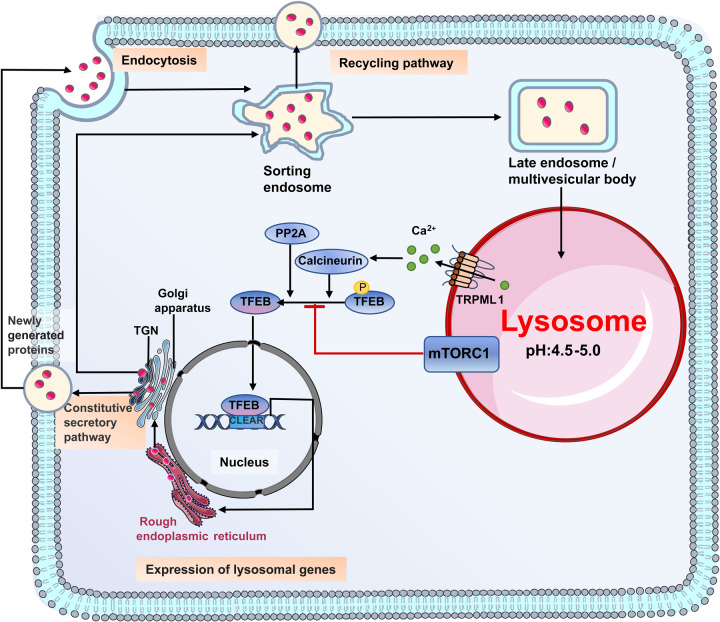
“Of these proteins, LAMP1 and LAMP2 are the most abundant (accounting for 50% of all) lysosomal membrane proteins and are essential for metabolism, biogenesis, signal transduction, and cell homeostasis.(2,6,29) Lysosomal biogenesis is a combination of cellular biosynthesis and endocytosis pathways (Fig.”
BackgroundAlessandri, C., Ciccia, F., Priori, R., Astorri, E., Guggino, G., Alessandro, R., Rizzo, A. G., Conti, F., Minniti, A., Barbati, C., et al. (2017) · Arthritis Research & Therapy · doi:10.1186/s13075-017-1385-y · Cited by 60 · cited 1×
“Upregulated autophagy was also observed in T and B cells that infiltrated minor salivary glands in SS, and was associated with histological severity.(19,146,147) However, there are different views regarding the activation status of the autophagy pathway in the T cells of RA patients.”
BackgroundFinding the Middle Ground for Autophagic Fusion Requirements
Corona, A. K., & Jackson, W. T. (2018) · Trends in Cell Biology · doi:10.1016/j.tcb.2018.07.001 · Cited by 60 · cited 1×
“However, the effectiveness of these two approaches seems to be ambiguous because the main cause-and-effect relationship is unclear.(26,255,256) For example, although there are reports that microtubule regulators, including paclitaxel, vincristine, Deox b7, 4, and BpV (phen), can induce LMP and apoptosis, it is difficu…”
BackgroundTargeting Rabs as a novel therapeutic strategy for cancer therapy
Qin, X., Wang, J., Wang, X., Liu, F., Jiang, B., & Zhang, Y. (2017) · Drug Discovery Today · doi:10.1016/j.drudis.2017.03.012 · Cited by 58 · cited 5×
“310–312 It has been acknowledged that this inhibition of CMA affected the processing and presentation of autoantigens in B cells and accounts for a decrease in autoreactive T cells.310,312 Targeting Rab GTPases (Rabs) is attractive, because they are extensively involved in the biogenesis and function of endolysosomal…”
BackgroundInfluentialNLK phosphorylates Raptor to mediate stress-induced mTORC1 inhibition
Yuan, H.-X., Wang, Z., Yu, F.-X., Li, F., Russell, R. C., Jewell, J. L., & Guan, K.-L. (2015) · Genes & Development · doi:10.1101/gad.265116.115 · Cited by 57 · cited 1×
“In addition, a member of the MAP kinase (MAPK) subfamily called Nemo-like kinase (NLK) can phosphorylate Raptor, a distinctive component of mTORC1, resulting in the inhibition of the lysosomal localization of mTORC1 and its subsequent activation.(289) Attention to the role of mTORC2 in cancer progression is emerging,…”
BackgroundSun, Y., Rong, X., Lu, W., Peng, Y., Li, J., Xu, S., Wang, L., & Wang, X. (2015) · Journal of Alzheimer's Disease · doi:10.3233/jad-142805 · Cited by 57 · cited 3×
“The restoration of lysosomal acidification in cells with impaired autophagy can be achieved by targeting molecules that impede lysosomal acidification or exogenously supplementing acid.120,206 As we described above, mutated PS1 impaired lysosomal acidification through impeding V0a1 subunit of v-ATPase complex, which i…”
BackgroundHarris, V. M., Koelsch, K. A., Kurien, B. T., Harley, I. T. W., Wren, J. D., Harley, J. B., & Scofield, R. H. (2019) · Frontiers in Immunology · doi:10.3389/fimmu.2019.02160 · Cited by 57 · cited 1×
“Consistent with our expectation, the monocytes, B cells, and DCs from female SLE patients showed lower lysosomal pH than those of normal people.(21,154) Nevertheless, while upregulated autophagy in macrophages has been reported to contribute to murine lupus, another study reported that macrophages from lupus-prone MRL…”
ResultMichiels, C. F., Fransen, P., De Munck, D. G., De Meyer, G. R. Y., & Martinet, W. (2015) · American Journal of Physiology-Heart and Circulatory Physiology · doi:10.1152/ajpheart.00659.2014 · Cited by 56
Cathepsin G: the significance in rheumatoid arthritis as a monocyte chemoattractant
Miyata, J., Tani, K., Sato, K., Otsuka, S., Urata, T., Lkhagvaa, B., Furukawa, C., Sano, N., & Sone, S. (2006) · Rheumatology International · doi:10.1007/s00296-006-0210-8 · Cited by 56 · cited 1×
“• Upregulated expression of cathepsin S;(138) • Upregulated mRNA expression of cathepsin K in synovial fibroblasts;(381) • Cathepsin B present in synovial fluid of the joint of patients lead to joint destruction by degrading collagen;(140) • Cathepsin S and L have been found to have significant correlations with RA-as…”
BackgroundTransient Receptor Potential Mucolipin-1 Channels in Glioblastoma: Role in Patient’s Survival
Morelli, M. B., Amantini, C., Tomassoni, D., Nabissi, M., Arcella, A., & Santoni, G. (2019) · Cancers · doi:10.3390/cancers11040525 · Cited by 56
Deraeve, C., Guo, Z., Bon, R. S., Blankenfeldt, W., DiLucrezia, R., Wolf, A., Menninger, S., Stigter, E. A., Wetzel, S., Choidas, A., et al. (2012) · Journal of the American Chemical Society · doi:10.1021/ja211305j · Cited by 55
Two-pore and TRPML cation channels: Regulators of phagocytosis, autophagy and lysosomal exocytosis
Rosato, A. S., Tang, R., & Grimm, C. M. (2020) · Pharmacology & Therapeutics · doi:10.1016/j.pharmthera.2020.107713 · Cited by 55
CC-223, a Potent and Selective Inhibitor of mTOR Kinase: In Vitro and In Vivo Characterization
Mortensen, D. S., Fultz, K. E., Xu, S., Xu, W., Packard, G. K., Khambatta, G., Gamez, J. C., Leisten, J. C., Zhao, J., Apuy, J. L., et al. (2015) · Molecular Cancer Therapeutics · doi:10.1158/1535-7163.mct-14-1052 · Cited by 54
Clinical efficacy of mTOR inhibitors in solid tumors: a systematic review
Huang, Z., Wu, Y., Zhou, X. Y., Qian, J., Zhu, W., Shu, Y., & Liu, P. (2015) · Future Oncology · doi:10.2217/fon.15.70 · Cited by 54
Next Generation Strategies for Geroprotection via mTORC1 Inhibition
Dumas, S. N., & Lamming, D. W. (2020) · The Journals of Gerontology: Series A · doi:10.1093/gerona/glz056 · Cited by 53 · cited 1×
“Attention to the role of mTORC2 in cancer progression is emerging, but it has also been proposed that adverse reactions to the long-term application of mTOR inhibitors are the result of simultaneous mTORC2 inhibition.(63,282,290) Autophagy induction was once thought to be responsible for weakening the tumorinhibiting…”
BackgroundSreelatha, A., Bennett, T. L., Zheng, H., Jiang, Q., Orth, K., & Starai, V. J. (2013) · Proceedings of the National Academy of Sciences · doi:10.1073/pnas.1307032110 · Cited by 53
Current concepts in the neuropathogenesis of mucolipidosis type IV
Boudewyn, L. C., & Walkley, S. U. (2018) · Journal of Neurochemistry · doi:10.1111/jnc.14462 · Cited by 53
Lysosomal Calcium Channels in Autophagy and Cancer
Wu, Y., Huang, P., & Dong, X. (2021) · Cancers · doi:10.3390/cancers13061299 · Cited by 53
Weitoft, T., Larsson, A. O., Manivel, V. A., Lysholm, J., Knight, A., & Rönnelid, J. (2015) · Rheumatology · doi:10.1093/rheumatology/keu486 · Cited by 52 · cited 2×
“In addition, cathepsin S and L were found to have significant correlations with rheumatoid arthritis (RA)-associated autoantibodies, which may account for the chronic inflammatory response and destruction of human tissues.(139) More directly, cathepsin B present in synovial fluid of the joint of patients with RA has b…”
BackgroundLiu, L., Zhang, N., Dou, Y.-Y., Mao, G., Bi, C.-W., Pang, W.-Q., Liu, X.-J., Song, D.-Q., & Deng, H.-B. (2017) · Scientific Reports · doi:10.1038/srep41862 · Cited by 52 · cited 1×
“Trehalose, an effective autophagy inducer, was found to act by inducing lysosomal enlargement and LMP, while knocking down autophagy protein 5 (Atg5) ameliorated IMB-6G-induced LMP and apoptosis.(258,259)”
BackgroundLysosomal pH Is Regulated in a Sex Dependent Manner in Immune Cells Expressing CXorf21
Harris, V. M., Harley, I. T. W., Kurien, B. T., Koelsch, K. A., & Scofield, R. H. (2019) · Frontiers in Immunology · doi:10.3389/fimmu.2019.00578 · Cited by 51
Qin, Y. H., He, Y., Zhu, Y., Li, M., Ni, Y., Liu, J., & Zhang, H. (2018) · Acta Pharmacologica Sinica · doi:10.1038/s41401-018-0166-8 · Cited by 50 · cited 1×
“For example, the application of CID1067700, a receptor antagonist of Rab7 GTPase, was identified to inhibit reactive astrogliosis and attenuate brain atrophy of astrocytic injury models though inhibiting excessive transportation of cathepsin B from late endosomes to lysosomes.(315) However, most Rabs lack specific inh…”
Basal autophagy protects cardiomyocytes from doxorubicin-induced toxicity
Pizarro, M., Troncoso, R., Martínez, G. J., Chiong, M., Castro, P., & Lavandero, S. (2016) · Toxicology · doi:10.1016/j.tox.2016.09.011 · Cited by 49
Genetic Diseases of Metabolism
Raivio, K. O., & Seegmiller, J. E. (1972) · Annual Review of Biochemistry · doi:10.1146/annurev.bi.41.070172.002551 · Cited by 49 · cited 1×
“1).(106,107) LSD are a group of rare metabolic disorders caused by inherited defects in genes that encode proteins involved in lysosomal homeostasis, such as lysosomal hydrolases or membrane proteins.”
BackgroundBalicatib, a cathepsin K inhibitor, stimulates periosteal bone formation in monkeys
Jerome, C. P., Missbach, M., & Gamse, R. (2011) · Osteoporosis International · doi:10.1007/s00198-011-1593-2 · Cited by 49
Inhibition of Ctsk modulates periodontitis with arthritis via downregulation of TLR9 and autophagy
Wei, W., Ren, J., Yin, W., Ding, H., Lu, Q., Tan, L., Deng, S., Liu, J., Yang, Q., Wang, J., et al. (2019) · Cell Proliferation · doi:10.1111/cpr.12722 · Cited by 48
LRRK2 as a modulator of lysosomal calcium homeostasis with downstream effects on autophagy
Gómez‐Suaga, P., & Hilfiker, S. (2012) · Autophagy · doi:10.4161/auto.19305 · Cited by 46 · cited 1×
“Although the important role of Ca in neurodegenerative diseases has been established, the corresponding abnormalities in calcium channels have not been established in most neurodegenerative diseases.(261,263,264) Therefore, it is difficult to select an appropriate calcium channel modulator.”
BackgroundAbl and Arg mediate cysteine cathepsin secretion to facilitate melanoma invasion and metastasis
Tripathi, R. P., Fiore, L. S., Richards, D. L., Yang, Y., Liu, J., Wang, C., & Plattner, R. (2018) · Science Signaling · doi:10.1126/scisignal.aao0422 · Cited by 46 · cited 2×
“For example, the nonreceptor tyrosine kinases Abl and Arg (Abl/Arg) were reported to promote the secretion of cathepsin B and cathepsin L, which facilitate melanoma invasion and metastasis by cleaving or degrading extracellular matrix proteins.(218) As we described above, cathepsin D plays a protective role in HT and…”
BackgroundLi, B., Wang, F., Schall, N., & Muller, S. (2018) · Journal of Autoimmunity · doi:10.1016/j.jaut.2018.02.005 · Cited by 46 · cited 1×
“• Upregulated autophagy was observed in T and B cells infiltrating SS minor salivary glands, and was associated with histological severity;(19,146,147) • Increased level of autophagy markers (ATG5 and LC3B-II) have been identified in tears and conjunctival epithelial cells of patients with primary SS; • Defective macr…”
BackgroundHou, J., Xi, Z., Niu, J., Li, W., Wang, X., Liang, C., Sun, H., Fang, D., & Xie, S. (2018) · Oncology Reports · doi:10.3892/or.2018.6928 · Cited by 46
Ibañez-Vega, J., Batalla, F. D. V., Sáez, J. J., Soza, A., & Yuseff, M.-I. (2019) · Frontiers in Immunology · doi:10.3389/fimmu.2019.00225 · Cited by 46
Klinngam, W., Janga, S. R., Lee, C., Ju, Y., Yarber, F., Shah, M. S., Guo, H., Wang, D., MacKay, J. A., Edman, M. C., et al. (2019) · Scientific Reports · doi:10.1038/s41598-019-45966-7 · Cited by 46
Targeted degradation of immune checkpoint proteins: emerging strategies for cancer immunotherapy
Xu, J., Brosseau, J., & Shi, H. (2020) · Oncogene · doi:10.1038/s41388-020-01491-w · Cited by 46
Pharmacodynamic Monitoring of RO5459072, a Small Molecule Inhibitor of Cathepsin S
Theron, M., Bentley, D. J., Nagel, S., Manchester, M., Gerg, M., Schindler, T. H., da Silva, A. B. G., Ecabert, B., Teixeira, P. C., Perret, C., et al. (2017) · Frontiers in Immunology · doi:10.3389/fimmu.2017.00806 · Cited by 45
Lysosomes contribute to radioresistance in cancer
Zhang, X., Wang, J., Li, X., & Wang, D. (2018) · Cancer Letters · doi:10.1016/j.canlet.2018.08.029 · Cited by 43 · cited 1×
“Besides, the translocation and abnormal secretion of lysosomes are conducive to the invasion and metastasis of cancer cells, and upregulated autophagy is considered a vital means by which cancer cells develop resistance to chemotherapy and radiotherapy.(5,10,12,13) Growing attention has been paid to the role of lysoso…”
BackgroundIn Vivo Remodeling of Altered Autophagy-Lysosomal Pathway by a Phosphopeptide in Lupus
Wang, F., Tasset, I., Cuervo, A. M., & Muller, S. (2020) · Cells · doi:10.3390/cells9102328 · Cited by 42
Functional selection of protease inhibitory antibodies
Lopez, T., Mustafa, Z., Chen, C., Lee, K. B., Ramirez, A., Benitez, C., Luo, X., Ji, R., & Ge, X. (2019) · Proceedings of the National Academy of Sciences of the United States of America · doi:10.1073/pnas.1903330116 · Cited by 42 · cited 1×
“The use of cathepsin antibodies or targeting cathepsin secretion also holds great promise as therapeutic agents to target abnormal activities of lysosomal cathepsins.(2,27,207,217,218) For example, the nonreceptor tyrosine kinases Abl and Arg (Abl/Arg) were reported to promote the secretion of cathepsin B and cathepsi…”
BackgroundSelf-citationSchurigt, U., Sevenich, L., Vannier, C., Gajda, M., Schwinde, A., Werner, F., Stahl, A., von Elverfeldt, D., Becker, A.-K., Bogyo, M., et al. (2008) · bchm · doi:10.1515/bc.2008.115 · Cited by 41
Liu, X., Wang, J., Lu, C., Zhu, C., Qian, B., Li, Z., Liu, C., Shao, J., & Yan, J. (2014) · Chemosphere · doi:10.1016/j.chemosphere.2014.10.054 · Cited by 41 · cited 1×
“However, the effectiveness of these two approaches seems to be ambiguous because the main cause-and-effect relationship is unclear.(26,255,256) For example, although there are reports that microtubule regulators, including paclitaxel, vincristine, Deox b7, 4, and BpV (phen), can induce LMP and apoptosis, it is difficu…”
BackgroundMacropinocytosis and autophagy crosstalk in nutrient scavenging
Florey, O., & Overholtzer, M. (2018) · Philosophical Transactions of the Royal Society B Biological Sciences · doi:10.1098/rstb.2018.0154 · Cited by 41 · cited 4×
“2).37,38 When nutrients are abundant, the stimulation of amino acids such as arginine and glutamine induce the activation of RAS-related GTP-binding proteins (RAGs), which interact with Ragulator and then trigger the recruitment of mTORC1 to lysosomal surface.4,37,39 Through the PI3K-AKT pathway, growth factors such a…”
BackgroundInfluentialKrenn, M. A., Schürz, M., Teufl, B., Uchida, K., Eckl, P., & Bresgen, N. (2014) · Free Radical Biology and Medicine · doi:10.1016/j.freeradbiomed.2014.12.007 · Cited by 39
Huang, L., Luo, Y., Sun, X., Ju, H., Tian, J., & Yu, B. (2016) · Biosensors and Bioelectronics · doi:10.1016/j.bios.2016.10.004 · Cited by 39
High expression of TFEB is associated with aggressive clinical features in colorectal cancer
Liang, J., Jia, X., Wang, K., & Zhao, N. (2018) · OncoTargets and Therapy · doi:10.2147/ott.s180112 · Cited by 39
Vibrio effector protein VopQ inhibits fusion of V-ATPase–containing membranes
Sreelatha, A., Bennett, T. L., Carpinone, E. M., O’Brien, K. M., Jordan, K. D., Burdette, D. L., Orth, K., & Starai, V. J. (2014) · Proceedings of the National Academy of Sciences · doi:10.1073/pnas.1413764111 · Cited by 38
The exocyst controls lysosome secretion and antigen extraction at the immune synapse of B cells
Sáez, J. J., Diaz, J., Ibañez, J., Bozo, J. P., Cabrera Reyes, F., Alamo, M., Gobert, F.-X., Obino, D., Bono, M. R., Lennon-Duménil, A.-M., et al. (2019) · Journal of Cell Biology · doi:10.1083/jcb.201811131 · Cited by 38
Lyu, L., Jin, X., Li, Z., Liu, S., Li, Y., Su, R., & Su, H. (2020) · Ecotoxicology and Environmental Safety · doi:10.1016/j.ecoenv.2020.110255 · Cited by 38
Huang, T., Sun, Y., Li, Y., Wang, T., Fu, Y., Li, C., & Li, C. (2018) · Oxidative Medicine and Cellular Longevity · doi:10.1155/2018/4928703 · Cited by 36 · cited 1×
“Although ROS act as the byproduct of traditional chemotherapies in most cases, they can also be induced intentionally in lysosomes by photodynamic therapy or iron regulation.(225,226) For example, sequestering iron in lysosomes with ironomycin (AM5) or enhancing the lysosomal degradation of ferritin and the release of…”
BackgroundEmerging Role of Mucolipins TRPML Channels in Cancer
Santoni, G., Santoni, M., Maggi, F., Marinelli, O., & Morelli, M. B. (2020) · Frontiers in Oncology · doi:10.3389/fonc.2020.00659 · Cited by 35 · cited 5×
“In addition, targeting the microtubule cytoskeleton and inducing mitochondrial membrane permeabilization (MMP) were also found to induce LMP and cell death.26 However, the effectiveness of these two approaches seems to be ambiguous because the main cause-and-effect relationship is unclear.26,255,256 For example, altho…”
BackgroundInfluentialChavarria, G. E., Horsman, M. R., Arispe, W. M., Kumar, G. D. K., Chen, S.-E., Strecker, T. E., Parker, E. N., Chaplin, D. J., Pinney, K. G., & Trawick, M. L. (2012) · European Journal of Medicinal Chemistry · doi:10.1016/j.ejmech.2012.10.039 · Cited by 34
Disruption of the Rag-Ragulator Complex by c17orf59 Inhibits mTORC1
Schweitzer, L. D., Comb, W. C., Bar-Peled, L., & Sabatini, D. M. (2015) · Cell Reports · doi:10.1016/j.celrep.2015.07.052 · Cited by 33 · cited 1×
“As a guanine nucleotide exchange factor (GEF) for RAG GTPases, Ragulator signals amino acid levels and recruits mTORC1, and knocking out its essential component, p18, or disrupting its interaction with RAGs by overexpressing c17orf59 has been proven to attenuate aberrant mTORC1 activation.(285,286) Furthermore, a smal…”
BackgroundChen, Q., Yue, F., Li, W., Zou, J., Xu, T., Huang, C., Zhang, Y., Song, K., Huang, G., Xu, G., et al. (2015) · Journal of Biological Chemistry · doi:10.1074/jbc.m115.653568 · Cited by 33 · cited 2×
“Nevertheless, It is worth noting that their therapeutic effects in the treatment of cancers are not confined to their direct effects in lysosomes, and their induction of LMP in cancer cells is seldom examined in clinical trials.(26,137,257) Few cathepsin inhibitors have been used in clinical trials, and only one trial…”
BackgroundESCRT-mediated lysosome repair precedes lysophagy and promotes cell survivalPreprint
Radulovic, M., Bongiovanni, A., Schink, K. O., et al. (2018) · bioRxiv (Cold Spring Harbor Laboratory) · doi:10.1101/313866 · Cited by 32
Meng, Z., Edman, M. C., Hsueh, P., Chen, C.-Y., Klinngam, W., Tolmachova, T., Okamoto, C. T., & Hamm‐Alvarez, S. F. (2016) · American Journal of Physiology-Cell Physiology · doi:10.1152/ajpcell.00275.2015 · Cited by 32
Wolin, E. M., Mita, A. C., Mahipal, A., Meyer, T., Bendell, J. C., Nemunaitis, J. J., Münster, P. N., Paz-Ares, L. G., Filvaroff, E. H., Li, S., et al. (2019) · PLoS ONE · doi:10.1371/journal.pone.0221994 · Cited by 32 · cited 1×
“CC-223 was proven effective and safe for the treatment of non-pancreatic neuroendocrine tumors, and clinical trials of this drug in other cancers are underway.(332) Although inhibitors of the PI3K-AKT pathway showed great efficiency in cancer therapy, mTOR signaling is not its only downstream signaling pathway, and th…”
BackgroundArthritogenic T cells in autoimmune arthritis
Komatsu, N., & Takayanagi, H. (2014) · The International Journal of Biochemistry & Cell Biology · doi:10.1016/j.biocel.2014.11.008 · Cited by 31 · cited 1×
“Growing attention has been paid to the role of T cells in autoimmune diseases.(364,365) As described above, mTOR signaling is involved in modulating the differentiation of T cells, so a number of clinical trials have been conducted to test the efficacy of its inhibitor in the treatment of autoimmune diseases.”
BackgroundRegulation of lysosome integrity and lysophagy by the ubiquitin-conjugating enzyme UBE2QL1
Kravić, B., Behrends, C., & Meyer, H. H. (2019) · Autophagy · doi:10.1080/15548627.2019.1687217 · Cited by 31 · cited 3×
“Cells have developed numerous defensive mechanisms against lysosomal rupture and subsequent inflammatory responses and cell death.(221,244,245) It is now generally believed that limited permeabilization of the lysosomal membrane can be repaired through the endosomal sorting complex required for transport (ESCRT) machi…”
BackgroundTanimura, S., Hirano, A.-I., Hashizume, J., Yasunaga, M., Kawabata, T., Ozaki, K., & Kohno, M. (2007) · Journal of Biological Chemistry · doi:10.1074/jbc.m707547200 · Cited by 30
Steinfeld, S. D., Maho, A., Chaboteaux, C., Daelemans, P., Pochet, R., Appelboom, T., & Robert Kiss, A. (2000) · Laboratory Investigation · doi:10.1038/labinvest.3780181 · Cited by 29 · cited 1×
“Rab27 caused the increased cathepsin S secretion from lacrimal acini;(119) • The expression of cathepsin B and D in minor salivary glands were upregulated by prolactin.(384) • Upregulated autophagy was observed in T and B cells infiltrating SS minor salivary glands, and was associated with histological severity;(19,14…”
BackgroundBernard, D., Gebbia, M., Prabha, S., Gronda, M., MacLean, N., Wang, X., Hurren, R., Sukhai, M. A., Cho, E. E., Manolson, M. F., et al. (2015) · APOPTOSIS · doi:10.1007/s10495-015-1123-3 · Cited by 29 · cited 3×
“However, the changes mentioned above not only benefit cancer development but also lead to the reduced stability of lysosomal membranes and make lysosomes in cancer cells more susceptible to LMP, which may provide the therapeutic windows we seek.(2,24,26,137) Considering the great role of these changes and dysfunctions…”
BackgroundMITF and TFEB cross-regulation in melanoma cells
Ballesteros‐Álvarez, J., Dilshat, R., Fock, V., Möller, K., Karl, L., Larue, L., Ogmundsdottir, M. H., & Steingrímsson, E. (2020) · PLoS ONE · doi:10.1371/journal.pone.0238546 · Cited by 28
Cathepsin K Deficiency Ameliorates Systemic Lupus Erythematosus-like Manifestations in Faslpr Mice
Zhou, Y., Chen, H., Liu, L., Yu, X., Sukhova, G. K., Yang, M., Kyttaris, V. C., Stillman, I. E., Gelb, B. D., Libby, P., et al. (2017) · The Journal of Immunology · doi:10.4049/jimmunol.1501145 · Cited by 27
Maynadier, M., Vezenkov, L., Amblard, M., Martin, V., Gandreuil, C., Vaillant, O., Gary‐Bobo, M., Basile, I., Hernandez, J., Garcia, M., et al. (2013) · Journal of Controlled Release · doi:10.1016/j.jconrel.2013.07.017 · Cited by 26
Enniatin B1-induced lysosomal membrane permeabilization in mouse embryonic fibroblasts
de Oliveira, C. A. F., Ivanova, L., Solhaug, A., & Fæste, C. K. (2019) · Mycotoxin Research · doi:10.1007/s12550-019-00366-8 · Cited by 26
Lysosomal-Mitochondrial Axis in Zoledronic Acid-induced Apoptosis in Human Follicular Lymphoma Cells
Mitrofan, L. M., Castells, F. B., Pelkonen, J., & Mönkkönen, J. (2009) · Journal of Biological Chemistry · doi:10.1074/jbc.m109.038935 · Cited by 25
Induction of cell death in neuroblastoma by inhibition of cathepsins B and L
Colella, R., Lu, G., Glazewski, L., Korant, B. D., Matlapudi, A., England, M. R., Craft, C. A., Frantz, C. N., & Mason, R. W. (2010) · Cancer Letters · doi:10.1016/j.canlet.2010.01.037 · Cited by 24
Colafrancesco, S., Vomero, M., Iannizzotto, V., Minniti, A., Barbati, C., Arienzo, F., Mastromanno, L., Colasanti, T., Izzo, R., Nayar, S., et al. (2020) · Arthritis Research & Therapy · doi:10.1186/s13075-020-02317-6 · Cited by 24 · cited 1×
“Upregulated autophagy was also observed in T and B cells that infiltrated minor salivary glands in SS, and was associated with histological severity.(19,146,147) However, there are different views regarding the activation status of the autophagy pathway in the T cells of RA patients.”
BackgroundMao, Z., Sang, M., Chen, C., Zhu, W.-T., Gong, Y.-S., & Pei, D. (2019) · International Journal of Biological Sciences · doi:10.7150/ijbs.32987 · Cited by 23
Yao, Y., Wang, J., Yoshida, S., Nada, S., Okada, M., & Inoki, K. (2016) · Journal of the American Society of Nephrology · doi:10.1681/asn.2015010032 · Cited by 22 · cited 1×
“As a guanine nucleotide exchange factor (GEF) for RAG GTPases, Ragulator signals amino acid levels and recruits mTORC1, and knocking out its essential component, p18, or disrupting its interaction with RAGs by overexpressing c17orf59 has been proven to attenuate aberrant mTORC1 activation.(285,286) Furthermore, a smal…”
BackgroundAtiskova, Y., Bartsch, S., Danyukova, T., Becker, E., Hagel, C., Storch, S., & Bartsch, U. (2019) · Scientific Reports · doi:10.1038/s41598-019-50726-8 · Cited by 22 · cited 1×
“Intriguingly, there are many similarities between retinopathy caused by long-term use of CQ and HCQ and retinopathy caused by PPT1 deficiency, such as maculopathy with pigmentary alterations and the presence of auto-fluorescent material throughout the retina.(201,205) Therefore, there is a question of whether the use…”
BackgroundInhibition of the V-ATPase by Archazolid A: A New Strategy to Inhibit EMT
Merk, H., Messer, P. K., Ardelt, M. A., Lamb, D. C., Zahler, S., Müller, R., Vollmar, A. M., & Pachmayr, J. (2017) · Molecular Cancer Therapeutics · doi:10.1158/1535-7163.mct-17-0129 · Cited by 21
Jakoš, T., Pišlar, A. H., Fonović, U. P., Švajger, U., & Kos, J. (2020) · Cancer Immunology Immunotherapy · doi:10.1007/s00262-020-02592-x · Cited by 21
Interaction of Spin-Labeled Inhibitors of the Vacuolar H+-ATPase with the Transmembrane Vo-Sector
Dixon, N., Páli, T., Kee, T. P., Ball, S. L., Harrison, M. A., Findlay, J. B. C., Nyman, J., Väänänen, K., Finbow, M. E., & Marsh, D. (2007) · Biophysical Journal · doi:10.1529/biophysj.107.111781 · Cited by 20 · cited 1×
“v-ATPase inhibitors including bafilomycin A1, concanamycin, archazolid A, and INDOL0 all exhibit great performance, but they compete with one another because they all work through interacting with V0 subunit c of v-ATPase.(189,191,192) In addition, bafilomycin A1 was found to block autophagosome-lysosome fusion by tar…”
BackgroundVázquez, R., Astorgues‐Xerri, L., Békradda, M., Gormley, J. A., Buick, R. J., Kerr, P., Cvitkovic, E., Raymond, É., D’Incalci, M., Frapolli, R., et al. (2014) · Biochimie · doi:10.1016/j.biochi.2014.10.025 · Cited by 19
Imaging gene delivery in a mouse model of congenital neuronal ceroid lipofuscinosis
Pike, L. S., Tannous, B. A., Deliolanis, N. C., Hsich, G. E., Morse, D., Tung, C., Sena‐Esteves, M., & Breakefield, X. O. (2011) · Gene Therapy · doi:10.1038/gt.2011.118 · Cited by 19 · cited 2×
“The injection of adeno-associated virus encoding mouse cathepsin D into both cerebral ventricles and peritoneum have been proved to increase the lifespan of cathepsin D-knockout mice (Ctsd−/− mice).(219) In addition, André R.”
Lysosome as the Black Hole for Checkpoint Molecules
Wang, H., Han, X. N., & Xu, J. (2020) · Advances in experimental medicine and biology · doi:10.1007/978-981-15-3266-5_14 · Cited by 15 · cited 2×
“Lysosomes in immunity It is well-established that exogenous antigens are primarily processed into peptides by lysosomal proteases and loaded onto MHC-II molecules for recognition.14,78 In recent years, the high expression of MHC-II molecules has also been found to be correlated with a favorable prognosis of cancer pat…”
BackgroundCash, T. P., Alcalá, S., Ferreira, M. D. R. R., Hernández-Encinas, E., García, J., Albarran, M. I., Valle, S., Muñoz, J., Martı́nez, S., Blanco‐Aparicio, C., et al. (2020) · Cancers · doi:10.3390/cancers12071790 · Cited by 15 · cited 1×
“Therefore, defective membrane permeability and integrity may act not only causes of inflammatory diseases but also tools that we can use to treat cancer.(26,223) Unlike other organelles, lysosomes lack antioxidant enzymes such as superoxide dismutase, which makes their membrane more vulnerable to the damage of ROS and…”
Background
Research works printed but not linked: 5
- Patel S Homaei A El-Seedi HR Akhtar N Cathepsins: Proteases that are vital for survival but can also be fatal Biomed. Pharmacother. 2018 105 526 532 10.1016/j.biopha.2018.05.148 29885636 PMC7172164 · DOI · Paper page
- Rusmini P Trehalose induces autophagy via lysosomal-mediated TFEB activation in models of motoneuron degeneration Autophagy 2019 15 631 651 10.1080/15548627.2018.1535292 30335591 PMC6526812 · DOI · Paper page
- Marmor MF Recommendations on screening for chloroquine and hydroxychloroquine retinopathy (2016 Revision) Ophthalmology 2016 123 1386 1394 10.1016/j.ophtha.2016.01.058 26992838 · DOI · Paper page
- Peng W A distinct inhibitory mechanism of the V-ATPase by Vibrio VopQ revealed by cryo-EM Nat. Struct. Mol. Biol. 2020 27 589 597 10.1038/s41594-020-0429-1 32424347 · DOI
- Mitrofan LM Castells FB Pelkonen J Mönkkönen J Lysosomal-mitochondrial axis in zoledronic acid-induced apoptosis in human follicular lymphoma cells J. Biol. Chem. 2010 285 1967 1979 10.1074/jbc.M109.038935 19875454 PMC2804355 · DOI
Cited by
Zhang, J., Zhang, Y., Wang, J., Xia, Y., Zhang, J., & Chen, L. (2024) · Signal Transduction and Targeted Therapy · doi:10.1038/s41392-024-01911-3 · Cited by 1,138
“261 – 263 A key factor affecting lysosomal function is the pH controlled by the vacuolar (H + )-ATPase (V-ATPase), which uses the energy from ATP hydrolysis to drive H + from the cytoplasm into the lysosome.”
BackgroundNanomedicine in cancer therapy
Fan, D., Cao, Y., Cao, M., Wang, Y., Cao, Y., & Gong, T. (2023) · Signal Transduction and Targeted Therapy · doi:10.1038/s41392-023-01536-y · Cited by 878
“427,428 Recently, a great many nanoparticles have been designed to target the endo/lysosomal compartments through the endocytic pathway.”
BackgroundSelf-citationThe role of lysosomes in metabolic and autoimmune diseases
Gros, F., & Muller, S. (2023) · Nature Reviews Nephrology · doi:10.1038/s41581-023-00692-2 · Cited by 194
A nitric-oxide driven chemotactic nanomotor for enhanced immunotherapy of glioblastoma
Chen, H., Li, T., Liu, Z., Tang, S., Tong, J., Tao, Y., Zhao, Z., Li, N., Mao, C., Shen, J., et al. (2023) · Nature Communications · doi:10.1038/s41467-022-35709-0 · Cited by 197
Extracellular Vesicles for Clinical Diagnostics: From Bulk Measurements to Single-Vesicle Analysis
Tran, H. L., Zheng, W., Issadore, D., Im, H., Cho, Y., Zhang, Y., Liu, D., Liu, Y., Li, B., Liu, F., et al. (2025) · ACS Nano · doi:10.1021/acsnano.5c00706 · Cited by 124
Metadata
- Authors
- Cao, M., Luo, X., Wu, K., & He, X.
- Affiliations
- Tongji Hospital (CN)
- Zhengzhou University (CN)
- Corresponding author
- He, Xingxing
- Venue
- Signal Transduction and Targeted Therapy
- Published
- 2021-11-08
- Volume
- 6
- Issue
- 1
- Pages
- 379-379
- ISSN
- 2059-3635 (ISSN-L)
- PMC
- PMC8572923
- OpenAlex
- W3214233540
- Cited by
- 225
- References
- 409
- Citations by year
- 2026: 42 · 2025: 78 · 2024: 59 · 2023: 32 · 2022: 14
- FWCI
- 4.02
- Type
- journal article
- Language
- en
- Open access
- gold
- doi.org
- Licence
- cc-by
- creativecommons.org/licenses/by/4.0 (tdm)
- creativecommons.org/licenses/by/4.0 (vor)
- Locations
- Signal Transduction and Targeted Therapy (publishedVersion, cc-by)
- PubMed Central (publishedVersion, cc-by)
- PubMed (publishedVersion)
- DOAJ (DOAJ: Directory of Open Access Journals) (submittedVersion, cc-by-sa)
- Funders
- National Natural Science Foundation of China (No. 82073095)
- Topics
- Life Sciences › Biochemistry, Genetics and Molecular Biology › Cell Biology › Autophagy in Disease and Therapy
- Life Sciences › Biochemistry, Genetics and Molecular Biology › Physiology › Calcium signaling and nucleotide metabolism
- Life Sciences › Biochemistry, Genetics and Molecular Biology › Cell Biology › Cellular transport and secretion
- Keywords
- lysosomes, lysosomal dysfunction, lysosomal acidification, cathepsins, lysosomal membrane permeability, mTOR signaling, lysosomal storage disease, clinical trials, cellular metabolism, cell death, immunity, cell proliferation and differentiation
- MeSH terms
- Cathepsins, Cell Differentiation, Cell Membrane Permeability, Humans, Lysosomes, Lysosomal Storage Diseases, Cell Death, Calcium Signaling, Cell Proliferation, TOR Serine-Threonine Kinases
About these checks
Registry, retraction, Cites and statistics results are computed, not judged, with one exception: a printed reference that no index lists is read once by a model before it counts as a citation error. Claims are extracted by a model and kept only when their quote appears verbatim in the text; each cited source is then checked, with a model’s help, for whether it says what the claim relies on. Those verdicts can be wrong — read the claim’s quote and the cited source before relying on one.
Statistics and arithmetic are recomputed, not judged.
Confidence bands are shown only for fields calibrated on our annotated test set. None is calibrated yet, so no band is shown.
What counts as a claim ›How we measure confidence ›How we check this ›
Are you an author, or do you see a problem with this page? Request a review
Data sources
Bibliographic data: Semantic Scholar, OpenAlex, Crossref.
Contains information from the Semantic Scholar Academic Graph Datasets, made available under the ODC Attribution License (ODC-BY 1.0).
Semantic Scholar’s data is described in: Kinney, R., et al. (2023). The Semantic Scholar Open Data Platform. arXiv:2301.10140.
