

Targeting lysosomes in human disease: from basic research to clinical applications
Open accessThe DOI matches its Crossref record; 410 of the 410 references it cites were found in a registry or an index.
Abstract
In recent years, accumulating evidence has elucidated the role of lysosomes in dynamically regulating cellular and organismal homeostasis. Lysosomal changes and dysfunction have been correlated with the development of numerous diseases. In this review, we interpreted the key biological functions of lysosomes in four areas: cellular metabolism, cell proliferation and differentiation, immunity, and cell death. More importantly, we actively sought to determine the characteristic changes and dysfunction of lysosomes in cells affected by these diseases, the causes of these changes and dysfunction, and their significance to the development and treatment of human disease. Furthermore, we outlined currently available targeting strategies: (1) targeting lysosomal acidification; (2) targeting lysosomal cathepsins; (3) targeting lysosomal membrane permeability and integrity; (4) targeting lysosomal calcium signaling; (5) targeting mTOR signaling; and (6) emerging potential targeting strategies. Moreover, we systematically summarized the corresponding drugs and their application in clinical trials. By integrating basic research with clinical findings, we discussed the current opportunities and challenges of targeting lysosomes in human disease.
Overview
The claims and statistics of this paper haven’t been checked yet.
Free: it reads the open-access text and checks the first 5 claims that cite a source we can check. Create a free account to check every claim.
Integrity signals
Registry
Cites
Statistics
Figures
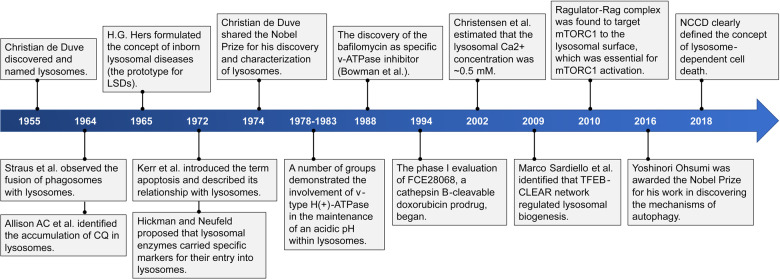
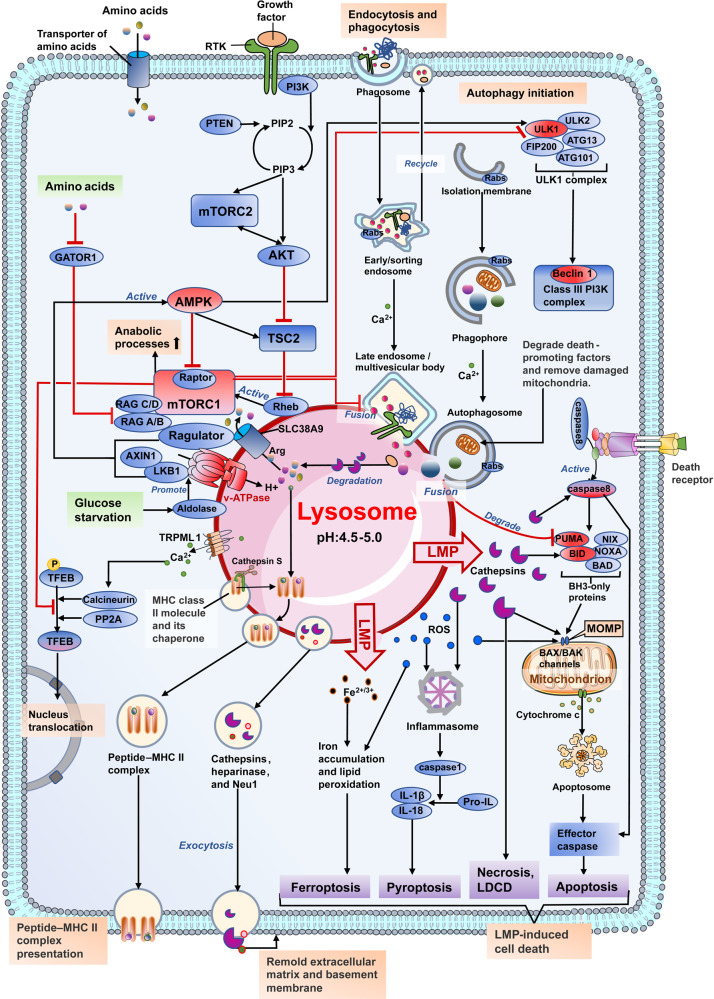
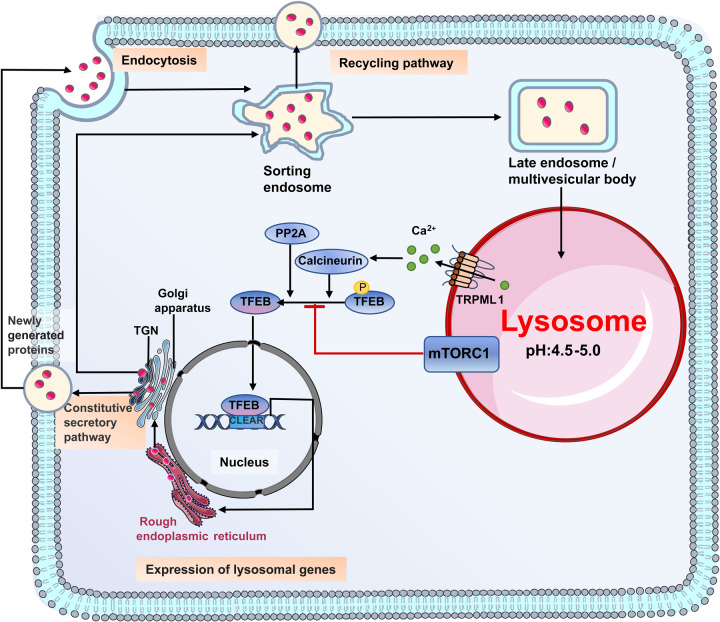
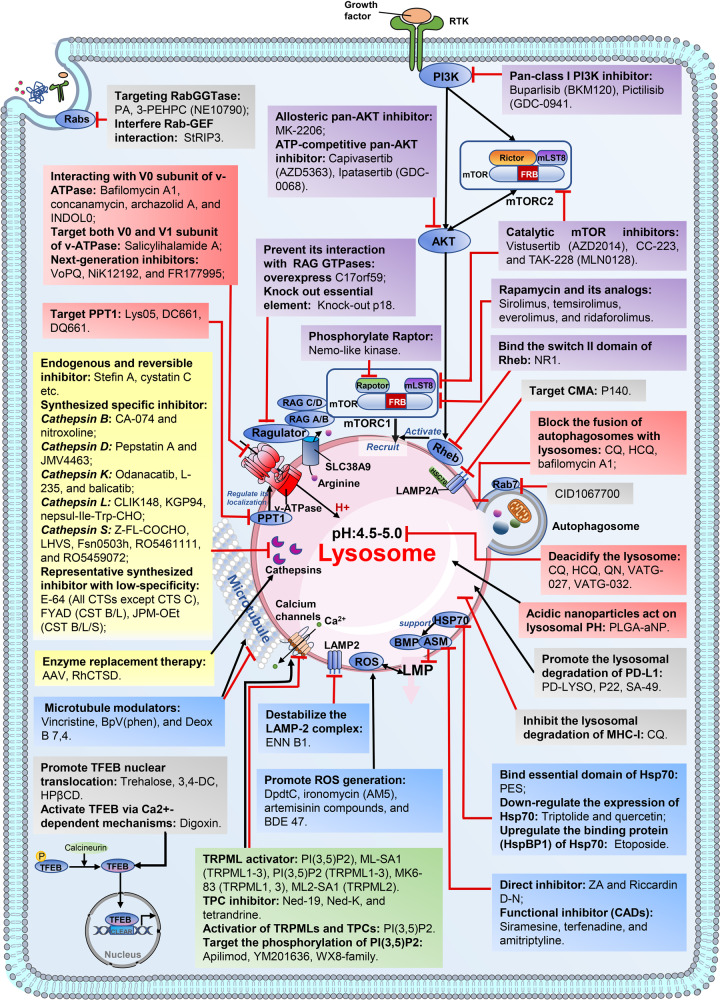
Verification
Claims the paper makes
The claims and statistics of this paper haven’t been checked yet.
Free: it reads the open-access text and checks the first 5 claims that cite a source we can check. Create a free account to check every claim.
Claims other papers make about this one
Each is checked against this paper’s own text: does it say what the citing paper says it does?
The source backs part of the claim, not all of it — or backs it for a different population, condition or comparison.
In the citing paper
“Lysosomal dysfunction is considered a critical factor in the development of many diseases,261 which may manifest as impaired acidification, abnormal expression of lysosomal enzymes, lysosomal membrane stability issues, transport defects, and defects in autophagosome/endosome-lysosome fusion.”
From Recent advances in Alzheimer's disease: Mechanisms, clinical trials and new drug development strategies. (2024) · cites this paper as [261]
Experimental — accuracy not yet measured
Self-check
Percentages, sums and reported differences re-computed from the paper’s own numbers.
The self-check needs the paper’s full text.
Citations
Cites
1 retracted
Martinez, J., Cunha, L. D., Park, S., Yang, M., Lu, Q., Orchard, R., Li, Q.-Z., Yan, M., Janke, L., Guy, C., et al. (2016) · Nature · doi:10.1038/nature17950 · Cited by 381
RetractedRepertoires of Autophagy in the Pathogenesis of Ocular Diseases
Li, Y.-J., Jiang, Q., Cao, G.-F., Yao, J., & Yan, B. (2015) · Cellular Physiology and Biochemistry · doi:10.1159/000373980 · Cited by 16,304
mTOR Signaling in Growth, Metabolism, and Disease
Saxton, R. A., & Sabatini, D. M. (2017) · Cell · doi:10.1016/j.cell.2017.02.004 · Cited by 7,555
AMPK and mTOR regulate autophagy through direct phosphorylation of Ulk1
Kim, J., Kundu, M., Viollet, B., & Guan, K.-L. (2011) · Nature Cell Biology · doi:10.1038/ncb2152 · Cited by 7,227
Galluzzi, L., Vitale, I., Aaronson, S. A., Abrams, J. M., Adam, D., Agostinis, P., Alnemri, E. S., Altucci, L., Amelio, I., Andrews, D. W., et al. (2018) · Cell Death & Differentiation · doi:10.1038/s41418-017-0012-4 · Cited by 6,680
Phosphorylation and regulation of Akt/PKB by the rictor-mTOR complex
Sarbassov, D. D., Guertin, D. A., Ali, S. M., & Sabatini, D. M. (2005) · Science · doi:10.1126/science.1106148 · Cited by 6,216 · cited 2×
“While mTORC1 facilitates cell growth and proliferation through promoting cell anabolism, mTORC2 mediates proliferation more directly by phosphorylating and activating the members the AGC (PKA/PKG/PKC) protein kinases, such as AKT, PKCα, PKCδ, PKCγ, and PKCε.38,62 It is worth noting that both mTORC2 and AKT signaling w…”
BackgroundElements of cancer immunity and the cancer–immune set point
Chen, D. S., & Mellman, I. (2017) · Nature · doi:10.1038/nature21349 · Cited by 5,352
Autophagy and Viruses: Adversaries or Allies?
Dong, X., & Levine, B. (2013) · Journal of Innate Immunity · doi:10.1159/000346388 · Cited by 4,430
Tissue fractionation studies. 6. Intracellular distribution patterns of enzymes in rat-liver tissue
de Duve, C., Pressman, B. C., Gianetto, R., Wattiaux, R., & Appelmans, F. (1955) · Biochemical Journal · doi:10.1042/bj0600604 · Cited by 4,174
Inflammation and cancer: triggers, mechanisms, and consequences
Greten, F. R., & Grivennikov, S. I. (2019) · Immunity · doi:10.1016/j.immuni.2019.06.025 · Cited by 3,806
Temsirolimus, Interferon Alfa, or Both for Advanced Renal-Cell Carcinoma
Hudes, G., Carducci, M., Tomczak, P., Dutcher, J., Figlin, R., Kapoor, A., Staroslawska, E., Sosman, J., McDermott, D., Bodrogi, I., et al. (2007) · New England Journal of Medicine · doi:10.1056/nejmoa066838 · Cited by 3,647 · cited 1×
“In the treatment of advanced renal-cell carcinoma, using temsirolimus as a single agent has been identified to achieve longer OS and PFS than interferon monotherapy, and showed no significant difference in OS compared with the combinationtherapy of temsirolimus and interferon (Table 2).(328) This clinical trial data w…”
ResultGuidelines for the use and interpretation of assays for monitoring autophagy (4th edition) 1
Klionsky, D. J., Abdel-Aziz, A. K., Abdelfatah, S., Abdellatif, M., Abdoli, A., Abel, S., Abeliovich, H., Abildgaard, M. H., Abudu, Y. P., Acevedo-Arozena, A., et al. (2021) · Autophagy · doi:10.1080/15548627.2020.1797280 · Cited by 2,897
Self-citationDefining the role of mTOR in cancer
Guertin, D. A., & Sabatini, D. M. (2007) · Cancer Cell · doi:10.1016/j.ccr.2007.05.008 · Cited by 2,833 · cited 1×
“MTOR signaling, which modulates cell metabolism and proliferation, is frequently activated in cancer, so mTOR inhibitors can be applied to treat cancer.(37,279) Since the inhibition of mTOR can induce lysosomal biogenesis and autophagy pathways, mTOR inhibitors can also be used in some diseases with impaired autophagy…”
BackgroundAlpelisib for PIK3CA -Mutated, Hormone Receptor–Positive Advanced Breast Cancer
André, F., Ciruelos, E., Rubovszky, G., Campone, M., Loibl, S., Rugo, H. S., Iwata, H., Conte, P., Mayer, I. A., Kaufman, B., et al. (2019) · New England Journal of Medicine · doi:10.1056/nejmoa1813904 · Cited by 2,622
A Gene Network Regulating Lysosomal Biogenesis and Function
Sardiello, M., Palmieri, M., di Ronza, A., Medina, D. L., Valenza, M., Gennarino, V. A., Di Malta, C., Donaudy, F., Embrione, V., Polishchuk, R. S., et al. (2009) · Science · doi:10.1126/science.1174447 · Cited by 2,543
Targeting apoptosis in cancer therapy
Carneiro, B. A., & El-Deiry, W. S. (2020) · Nature Reviews Clinical Oncology · doi:10.1038/s41571-020-0341-y · Cited by 2,542 · cited 3×
“Although autophagy acts as a cytoprotective process most of the time, the pathway and its key components also participate lethal signaling.(26,98,101,103) For example, it has been acknowledged that selective autophagy can promote ferroptosis through degrading ferritin and intracellular lipid droplets, causing iron acc…”
BackgroundLevy, J. M. M., Towers, C. G., & Thorburn, A. (2017) · Nature Reviews Cancer · doi:10.1038/nrc.2017.53 · Cited by 2,526 · cited 11×
“With incomparable easy-accessibility and safety as a result of long-term clinical use in antimalarial therapy, CQ and HCQ have been rapidly and widely repurposed as agents targeting lysosome acidification in anticancer clinical trials.(5,200) However, their effectiveness as single drugs against cancer is very limited…”
BackgroundInfluentialSancak, Y., Bar-Peled, L., Zoncu, R., Markhard, A. L., Nada, S., & Sabatini, D. M. (2010) · Cell · doi:10.1016/j.cell.2010.02.024 · Cited by 2,464 · cited 3×
“When nutrients are abundant, the stimulation of amino acids such as arginine and glutamine induce the activation of RAS-related GTP-binding proteins (RAGs), which interact with Ragulator and then trigger the recruitment of mTORC1 to lysosomal surface.(4,37,39) Through the PI3K-AKT pathway, growth factors such as insul…”
BackgroundAutophagy promotes ferroptosis by degradation of ferritin
Hou, W., Xie, Y., Song, X., Sun, X., Lotze, M. T., Zeh, H. J., Kang, R., & Tang, D. (2016) · Autophagy · doi:10.1080/15548627.2016.1187366 · Cited by 2,332
Bloom (2014) · doi:10.1001/jamaneurol.2013.5847 · Cited by 2,194
The PI3K–AKT network at the interface of oncogenic signalling and cancer metabolism
Hoxhaj, G., & Manning, B. D. (2020) · Nature Reviews Cancer · doi:10.1038/s41568-019-0216-7 · Cited by 2,137 · cited 1×
“Through the PI3K-AKT pathway, growth factors such as insulin activate Rheb, which binds to mTORC1 on the lysosomal surface and results in its activation.(37,40,41) In return, mTORC1 inhibits lysosomal biogenesis though phosphorylating TFEB at Ser211 and inhibiting its nuclear transudtion and inhibits autophagy initiat…”
BackgroundChloroquine inhibits autophagic flux by decreasing autophagosome-lysosome fusion
Mauthe, M., Orhon, I., Rocchi, C., Zhou, X., Luhr, M., Hijlkema, K.-J., Coppes, R. P., Engedal, N., Mari, M., & Reggiori, F. (2018) · Autophagy · doi:10.1080/15548627.2018.1474314 · Cited by 2,122 · cited 1×
“In addition, CQ and HCQ have shown a strong ability of blocking the fusion of autophagosomes with lysosomes, which may be their main mechanism of autophagy inhibition.(5,199) Nevertheless, their widespread application is restricted by their excessive dose-dependent effects, limited single-agent activity, and ocular to…”
BackgroundImpaired Degradation of Mutant α-Synuclein by Chaperone-Mediated Autophagy
Cuervo, A. M., Stefanis, L., Fredenburg, R., Lansbury, P. T., & Sulzer, D. (2004) · Science · doi:10.1126/science.1101738 · Cited by 2,024
2019 update of the EULAR recommendations for the management of systemic lupus erythematosus
Fanouriakis, A., Kostopoulou, M., Alunno, A., Aringer, M., Bajema, I., Boletis, J. N., Cervera, R., Doria, A., Gordon, C., Govoni, M., et al. (2019) · Annals of the Rheumatic Diseases · doi:10.1136/annrheumdis-2019-215089 · Cited by 2,011 · cited 3×
“Nevertheless, both EULAR and American Academy of Ophthalmology recommend that the daily dose of HCQ should not exceed 5mg/kg actual body weight.(350,352) Using HCQ as either a single or a combinatorial therapy has been proven to be effective in the treatment of RA, but the addition of HCQ has been found to decrease ma…”
BackgroundA lysosome‐to‐nucleus signalling mechanism senses and regulates the lysosome via mTOR and TFEB
Settembre, C., Zoncu, R., Medina, D. L., Vetrini, F., Erdin, S., Erdin, S., Huynh, T., Ferron, M., Karsenty, G., Vellard, M. C., et al. (2012) · The EMBO Journal · doi:10.1038/emboj.2012.32 · Cited by 1,920
Rheb GTPase is a direct target of TSC2 GAP activity and regulates mTOR signaling
Inoki, K., Li, Y., Xu, T., & Guan, K.-L. (2003) · Genes & Development · doi:10.1101/gad.1110003 · Cited by 1,911 · cited 2×
“Through the PI3K-AKT pathway, growth factors such as insulin activate Rheb, which binds to mTORC1 on the lysosomal surface and results in its activation.(37,40,41) In return, mTORC1 inhibits lysosomal biogenesis though phosphorylating TFEB at Ser211 and inhibiting its nuclear transudtion and inhibits autophagy initiat…”
BackgroundSignals from the lysosome: a control centre for cellular clearance and energy metabolism
Settembre, C., Fraldi, A., Medina, D. L., & Ballabio, A. (2013) · Nature Reviews Molecular Cell Biology · doi:10.1038/nrm3565 · Cited by 1,697
Lysosome biogenesis and lysosomal membrane proteins: trafficking meets function
Saftig, P., & Klumperman, J. (2009) · Nature Reviews Molecular Cell Biology · doi:10.1038/nrm2745 · Cited by 1,648
Termination of autophagy and reformation of lysosomes regulated by mTOR
Yu, L., McPhee, C. K., Zheng, L., Mardones, G. A., Rong, Y., Peng, J., Mi, N., Zhao, Y., Liu, Z., Wan, F., et al. (2010) · Nature · doi:10.1038/nature09076 · Cited by 1,544
Targeting PI3K in cancer: mechanisms and advances in clinical trials
Yang, J., Nie, J., Ma, X., Wei, Y., Peng, Y., & Wei, X. (2019) · Molecular Cancer · doi:10.1186/s12943-019-0954-x · Cited by 1,520
Lysosomes as dynamic regulators of cell and organismal homeostasis
Ballabio, A., & Bonifacino, J. S. (2020) · Nature Reviews Molecular Cell Biology · doi:10.1038/s41580-019-0185-4 · Cited by 1,469 · cited 10×
“For example, increases in lysosomal size and capacity facilitate cell metabolism but also reduce the stability of lysosomal membranes, making cells more vulnerable to death.(2,24) In addition to correcting these changes and abnormalities, we may also be able to use them to combat pathological cells.”
BackgroundInfluentialLysosomal calcium signalling regulates autophagy through calcineurin and TFEB
Medina, D. L., Di Paola, S., Peluso, I., Armani, A., De Stefani, D., Venditti, R., Montefusco, S., Scotto-Rosato, A., Prezioso, C., Forrester, A., et al. (2015) · Nature Cell Biology · doi:10.1038/ncb3114 · Cited by 1,413
The coming of age of chaperone-mediated autophagy
Kaushik, S., & Cuervo, A. M. (2018) · Nature Reviews Molecular Cell Biology · doi:10.1038/s41580-018-0001-6 · Cited by 1,407
Shi, C.-S., Shenderov, K., Huang, N.-N., Kabat, J., Abu-Asab, M., Fitzgerald, K. A., Sher, A., & Kehrl, J. H. (2012) · Nature Immunology · doi:10.1038/ni.2215 · Cited by 1,367 · cited 1×
“On the other hand, lysosomes mediate the release of anti-inflammatory cytokines and are responsible for breaking down inflammatory cytokines and elements such as PYCARD/ASC, a critical component of inflammasome.(2,30,96) Taken together, these findings show that lysosomes are closely involved in the immune response and…”
BackgroundMTORC1 functions as a transcriptional regulator of autophagy by preventing nuclear transport of TFEB
Martina, J. A., Chen, Y., Gucek, M., & Puertollano, R. (2012) · Autophagy · doi:10.4161/auto.19653 · Cited by 1,333
Lysosomes and autophagy in cell death control
Kroemer, G., & Jäättelä, M. (2005) · Nature Reviews Cancer · doi:10.1038/nrc1738 · Cited by 1,285 · cited 1×
“For instance, while cathepsins leaked from lysosomes can promote apoptosis through activating BID proteins or BAX channels, robust lysosomal cathepsin activities lead to cell necrosis by rapidly degrading essential cell components.(100,101) Different from chaotic and drastic degradation of cell components Fig.”
BackgroundThe mTOR Kinase Differentially Regulates Effector and Regulatory T Cell Lineage Commitment
Delgoffe, G. M., Kole, T. P., Zheng, Y., Zarek, P. E., Matthews, K. L., Xiao, B., Worley, P. F., Kozma, S. C., & Powell, J. D. (2009) · Immunity · doi:10.1016/j.immuni.2009.04.014 · Cited by 1,284 · cited 1×
“MtorT cells have been shown to be unable to differentiate into Th1, Th2 and Th17 cells, despite having normal activation markers and levels of IL-2 production under T-cell receptor (TCR) stimulation.(71) Although mTOR signaling facilitates cell growth and proliferation, sustained activation of mTOR signaling has been…”
BackgroundAutophagy promotes immune evasion of pancreatic cancer by degrading MHC-I
Yamamoto, K., Venida, A., Yano, J., Biancur, D. E., Kakiuchi, M., Gupta, S., Sohn, A. S. W., Mukhopadhyay, S., Lin, E. Y., Parker, S. J., et al. (2020) · Nature · doi:10.1038/s41586-020-2229-5 · Cited by 1,240 · cited 4×
“The addition of CQ to anti-PD1 and anti-CTLA-4 antibodies was proven to enhance achieved enhanced anti-tumor immune response in mice with orthotopic tumors.(135) Targeting TFEB, the transcription factor that regulates the lysosomal–autophagic pathway, has been proved effective for slowing the progression of lysosome-r…”
BackgroundInfluentialLee, J.-H., Yu, W. H., Kumar, A., Lee, S., Mohan, P. S., Peterhoff, C. M., Wolfe, D. M., Martinez-Vicente, M., Massey, A. C., Sovak, G., et al. (2010) · Cell · doi:10.1016/j.cell.2010.05.008 · Cited by 1,212 · cited 4×
“The restoration of lysosomal acidification in cells with impaired autophagy can be achieved by targeting molecules that impede lysosomal acidification or exogenously supplementing acid.120,206 As we described above, mutated PS1 impaired lysosomal acidification through impeding V0a1 subunit of v-ATPase complex, which i…”
BackgroundInfluentialRecommendations on Screening for Chloroquine and Hydroxychloroquine Retinopathy (2016 Revision)
Marmor, M. F., Kellner, U., Lai, T. Y. Y., Melles, R. B., & Mieler, W. F. (2016) · Ophthalmology · doi:10.1016/j.ophtha.2016.01.058 · Cited by 1,164 · cited 1×
“Nevertheless, both EULAR and American Academy of Ophthalmology recommend that the daily dose of HCQ should not exceed 5mg/kg actual body weight.(350,352) Using HCQ as either a single or a combinatorial therapy has been proven to be effective in the treatment of RA, but the addition of HCQ has been found to decrease ma…”
BackgroundBiomarkers for neurodegenerative diseases
Hansson, O. (2021) · Nature Medicine · doi:10.1038/s41591-021-01382-x · Cited by 1,159 · cited 4×
“Neurodegenerative diseases The accumulation of modified or misfolded proteins is common in neurodegenerative diseases, such as Alzheimer’s disease (AD), Parkinson’s disease (PD), and Huntington’s disease (HD).(14,157) These proteins not only deposit in neurons, causing synapse destruction and neuronal death, but also…”
BackgroundInfluentialUnlocking the potential of antibody–drug conjugates for cancer therapy
Drago, J. Z., Modi, S., & Chandarlapaty, S. (2021) · Nature Reviews Clinical Oncology · doi:10.1038/s41571-021-00470-8 · Cited by 1,150 · cited 1×
“Luckily, metabolic glycoengineering of unnatural sugars provides a powerful tool for selectively labeling cancer cells, and antibody-drug conjugates restrict the systemic delivery of antineoplastic agents to cells that express certain antigens.(371,372) In addition, nanoscale drug delivery systems, such as cathepsinse…”
BackgroundmTOR signalling and cellular metabolism are mutual determinants in cancer
Mossmann, D., Park, S., & Hall, M. N. (2018) · Nature reviews. Cancer · doi:10.1038/s41568-018-0074-8 · Cited by 1,088 · cited 9×
“When nutrients are scarce, the mTOR signaling is suppressed again.(4,37,39) Therefore, mTOR signaling coordinates the activity of cell anabolism and catabolism and keeps them in a dynamic balance to meet the needs of cell growth and proliferation.”
BackgroundInfluentialFerroptosis is a type of autophagy-dependent cell death
Zhou, B., Liu, J., Kang, R., Klionsky, D. J., Kroemer, G., & Tang, D. (2020) · Seminars in Cancer Biology · doi:10.1016/j.semcancer.2019.03.002 · Cited by 1,061 · cited 1×
“Although autophagy acts as a cytoprotective process most of the time, the pathway and its key components also participate lethal signaling.(26,98,101,103) For example, it has been acknowledged that selective autophagy can promote ferroptosis through degrading ferritin and intracellular lipid droplets, causing iron acc…”
BackgroundPlasma Membrane Repair Is Mediated by Ca2+-Regulated Exocytosis of Lysosomes
Reddy, A., Caler, E. V., & Andrews, N. W. (2001) · Cell · doi:10.1016/s0092-8674(01)00421-4 · Cited by 1,042
Regulation and function of mTOR signalling in T cell fate decisions
Chi, H. (2012) · Nature Reviews Immunology · doi:10.1038/nri3198 · Cited by 1,035 · cited 3×
“Second, while the upregulation of nonselective IgG or autoantibodies is common in SLE, the promotion of Th2 cell differentiation as a result of mTORC1 inhibition may facilitate humoral immunity and aggravate the accumulation of autoimmune complexes.(64,141,369) As we explained previously, mTORC1 inhibitors can also be…”
BackgroundGalectin 8 targets damaged vesicles for autophagy to defend cells against bacterial invasion
Thurston, T. L. M., Wandel, M. P., von Muhlinen, N., Foeglein, Á., & Randow, F. (2012) · Nature · doi:10.1038/nature10744 · Cited by 1,034
Vietri, M., Radulovic, M., & Stenmark, H. (2020) · Nature Reviews Molecular Cell Biology · doi:10.1038/s41580-019-0177-4 · Cited by 962 · cited 1×
“Three subcomplexes with different functions (ESCRT-I, -II, and -III) have been identified to be involved in the ESCRT mechanism, and the recruitment and translocation of their components have been found heavily dependent on calcium (Ca) outflowing from lysosomes.(244,245,248,249) The ubiquitination required for lysoph…”
BackgroundCMTM6 maintains the expression of PD-L1 and regulates anti-tumour immunity
Burr, M. L., Sparbier, C. E., Chan, Y.-C., Williamson, J. C., Woods, K., Beavis, P. A., Lam, E. Y. N., Henderson, M. A., Bell, C. C., Stolzenburg, S., et al. (2017) · Nature · doi:10.1038/nature23643 · Cited by 946 · cited 4×
“Abnormalities in the degradation and presentation of immune checkpoints are closely associated with the progression and treatment failure of many diseases, especially cancer.(16,87,89) After antigen stimulation, mTOR signaling is activated and then programs the differentiation of immune cells into functionally distinc…”
BackgroundInfluentialTh17 and regulatory T cell balance in autoimmune and inflammatory diseases
Noack, M., & Miossec, P. (2014) · Autoimmunity Reviews · doi:10.1016/j.autrev.2013.12.004 · Cited by 932 · cited 1×
“Growing attention has been paid to the role of T cells in autoimmune diseases.(364,365) As described above, mTOR signaling is involved in modulating the differentiation of T cells, so a number of clinical trials have been conducted to test the efficacy of its inhibitor in the treatment of autoimmune diseases.”
BackgroundThe lysosome as a cellular centre for signalling, metabolism and quality control
Lawrence, R. E., & Zoncu, R. (2019) · Nature Cell Biology · doi:10.1038/s41556-018-0244-7 · Cited by 920 · cited 5×
“More than 60 acid hydrolases, which break down cell components and complex macromolecules into their constituent building blocks, have been identified in lysosomes.(2,6,7) Therefore, lysosomes have long been regarded as “suicide bags” and the “garbage-disposal system” for cells.”
BackgroundInfluentialRagulator Is a GEF for the Rag GTPases that Signal Amino Acid Levels to mTORC1
Bar-Peled, L., Schweitzer, L. D., Zoncu, R., & Sabatini, D. M. (2012) · Cell · doi:10.1016/j.cell.2012.07.032 · Cited by 918
Phagocytosis checkpoints as new targets for cancer immunotherapy
Feng, M., Jiang, W., Kim, B. Y. S., Zhang, C. C., Fu, Y.-X., & Weissman, I. L. (2019) · Nature Reviews Cancer · doi:10.1038/s41568-019-0183-z · Cited by 911 · cited 3×
“Abnormalities in the degradation and presentation of immune checkpoints are closely associated with the progression and treatment failure of many diseases, especially cancer.(16,87,89) After antigen stimulation, mTOR signaling is activated and then programs the differentiation of immune cells into functionally distinc…”
BackgroundTargeting mTOR for cancer therapy
Hua, H., Kong, Q., Zhang, H., Wang, J., Luo, T., & Jiang, Y. (2019) · Journal of Hematology & Oncology · doi:10.1186/s13045-019-0754-1 · Cited by 899
Napolitano, G., & Ballabio, A. (2016) · Journal of Cell Science · doi:10.1242/jcs.146365 · Cited by 845 · cited 2×
“Neurodegenerative diseases The accumulation of modified or misfolded proteins is common in neurodegenerative diseases, such as Alzheimer’s disease (AD), Parkinson’s disease (PD), and Huntington’s disease (HD).14,157 These proteins not only deposit in neurons, causing synapse destruction and neuronal death, but also im…”
BackgroundLysosomal amino acid transporter SLC38A9 signals arginine sufficiency to mTORC1
Wang, S., Tsun, Z.-Y., Wolfson, R. L., Shen, K., Wyant, G. A., Plovanich, M. E., Yuan, E. D., Jones, T. D., Chantranupong, L., Comb, W., et al. (2015) · Science · doi:10.1126/science.1257132 · Cited by 824 · cited 3×
“By interacting with RAGs and Ragulator, SLC38A9 acts as an amino sensor essential for the activation the mTORC1 pathway.(54,56) The increase of nutrients can lead to the reactivation of mTORC1, thereby inhibiting the catabolic pathway and promoting substance synthesis and cell growth and proliferation.”
BackgroundMauvezin, C., & Neufeld, T. P. (2015) · Autophagy · doi:10.1080/15548627.2015.1066957 · Cited by 817 · cited 1×
“In addition, bafilomycin A1 was found to block autophagosome-lysosome fusion by targeting endoplasmic reticulum (ER) calcium pump Ca-P60A independent of v-ATPasemediated lysosomal acidification.(193,194) Salicylihalamide A acts through inhibiting the V0 domain and causing a dramatic redistribution of the V1 domain, al…”
BackgroundRecent insights into the function of autophagy in cancer
Amaravadi, R., Kimmelman, A. C., & White, E. (2016) · Genes & Development · doi:10.1101/gad.287524.116 · Cited by 813 · cited 2×
“Under some unfavorable conditions, autophagy is activated to avoid cell death by degrading death-promoting factors such as (p53 upregulated modulator of apoptosis) PUMA and receptor-interacting protein kinases-1 (RIPK1) and promoting autophagy-dependent mitochondrial homeostasis.(5,97,98) When exposed to extreme stres…”
BackgroundTranscriptional control of autophagy-lysosome function drives pancreatic cancer metabolism
Perera, R. M., Stoykova, S., Nicolay, B. N., Ross, K. N., Fitamant, J., Boukhali, M., Lengrand, J., Deshpande, V., Selig, M. K., Ferrone, C. R., et al. (2015) · Nature · doi:10.1038/nature14587 · Cited by 799
AMPK and TOR: The Yin and Yang of Cellular Nutrient Sensing and Growth Control
González, A., Hall, M. N., Lin, S.-C., & Hardie, D. G. (2020) · Cell Metabolism · doi:10.1016/j.cmet.2020.01.015 · Cited by 797
EGF receptor trafficking: consequences for signaling and cancer
Tomas, A., Futter, C. E., & Eden, E. R. (2014) · Trends in Cell Biology · doi:10.1016/j.tcb.2013.11.002 · Cited by 779
Lysosomal membrane permeabilization and cell death
Wang, F., Gómez‐Sintes, R., & Boya, P. (2018) · Traffic · doi:10.1111/tra.12613 · Cited by 776 · cited 6×
“For example, increases in lysosomal size and capacity facilitate cell metabolism but also reduce the stability of lysosomal membranes, making cells more vulnerable to death.(2,24) In addition to correcting these changes and abnormalities, we may also be able to use them to combat pathological cells.”
BackgroundInfluentialLysosomes as a therapeutic target
Bonam, S. R., Wang, F., & Muller, S. (2019) · Nature Reviews Drug Discovery · doi:10.1038/s41573-019-0036-1 · Cited by 759 · cited 11×
“Neurodegenerative diseases The accumulation of modified or misfolded proteins is common in neurodegenerative diseases, such as Alzheimer’s disease (AD), Parkinson’s disease (PD), and Huntington’s disease (HD).14,157 These proteins not only deposit in neurons, causing synapse destruction and neuronal death, but also im…”
BackgroundInfluentialTFEB-mediated autophagy rescues midbrain dopamine neurons from α-synuclein toxicity
Decressac, M., Mattsson, B., Weikop, P., Lundblad, M., Jakobsson, J., & Björklund, A. (2013) · Proceedings of the National Academy of Sciences · doi:10.1073/pnas.1305623110 · Cited by 753
Fructose-1,6-bisphosphate and aldolase mediate glucose sensing by AMPK
Zhang, C.-S., Hawley, S. A., Zong, Y., Li, M., Wang, Z., Gray, A., Ma, T., Cui, J., Feng, J.-W., Zhu, M., et al. (2017) · Nature · doi:10.1038/nature23275 · Cited by 717
Transcriptional Activation of Lysosomal Exocytosis Promotes Cellular Clearance
Medina, D. L., Fraldi, A., Bouche, V., Annunziata, F., Mansueto, G., Spampanato, C., Puri, C., Pignata, A., Martina, J. A., Sardiello, M., et al. (2011) · Developmental Cell · doi:10.1016/j.devcel.2011.07.016 · Cited by 716
Cysteine cathepsin proteases: regulators of cancer progression and therapeutic response
Olson, O. C., & Joyce, J. A. (2015) · Nature Reviews Cancer · doi:10.1038/nrc4027 · Cited by 699
Akt in cancer: Mediator and more
Revathidevi, S., & Munirajan, A. K. (2019) · Seminars in Cancer Biology · doi:10.1016/j.semcancer.2019.06.002 · Cited by 691
Tolerance and exhaustion: defining mechanisms of T cell dysfunction
Schietinger, A., & Greenberg, P. D. (2014) · Trends in Immunology · doi:10.1016/j.it.2013.10.001 · Cited by 673
SLC38A9 is a component of the lysosomal amino acid sensing machinery that controls mTORC1
Rebsamen, M., Pochini, L., Stasyk, T., de Araújo, M. E. G., Galluccio, M., Kandasamy, R. K., Snijder, B., Fauster, A., Rudashevskaya, E. L., Bruckner, M., et al. (2015) · Nature · doi:10.1038/nature14107 · Cited by 673 · cited 2×
“By interacting with RAGs and Ragulator, SLC38A9 acts as an amino sensor essential for the activation the mTORC1 pathway.(54,56) The increase of nutrients can lead to the reactivation of mTORC1, thereby inhibiting the catabolic pathway and promoting substance synthesis and cell growth and proliferation.”
BackgroundThe Lysosome as a Regulatory Hub
Perera, R. M., & Zoncu, R. (2016) · Annual Review of Cell and Developmental Biology · doi:10.1146/annurev-cellbio-111315-125125 · Cited by 660 · cited 9×
“2).(2,6,8) More than 60 acid hydrolases, including proteases, lipases, nucleases, have been found within the lysosome, and they require an acidic (pH ~4.”
BackgroundInfluentialRao, R. R., Li, Q., Odunsi, K., & Shrikant, P. A. (2010) · Immunity · doi:10.1016/j.immuni.2009.10.010 · Cited by 656
Salinomycin kills cancer stem cells by sequestering iron in lysosomes
Mai, T. T., Hamaï, A., Hienzsch, A., Cañeque, T., Müller, S., Wicinski, J., Cabaud, O., Leroy, C., David, A., Acevedo, V., et al. (2017) · Nature Chemistry · doi:10.1038/nchem.2778 · Cited by 612
Disturbed mitochondrial dynamics in CD8+ TILs reinforce T cell exhaustion
Yu, Y.-R., Imrichova, H., Wang, H., Chao, T., Xiao, Z., Gao, M., Rincon-Restrepo, M., Franco, F., Genolet, R., Cheng, W.-C., et al. (2020) · Nature Immunology · doi:10.1038/s41590-020-0793-3 · Cited by 593
Triggered recruitment of ESCRT machinery promotes endolysosomal repair
Skowyra, M. L., Schlesinger, P. H., Naismith, T. V., & Hanson, P. I. (2018) · Science · doi:10.1126/science.aar5078 · Cited by 578 · cited 1×
“Three subcomplexes with different functions (ESCRT-I, -II, and -III) have been identified to be involved in the ESCRT mechanism, and the recruitment and translocation of their components have been found heavily dependent on calcium (Ca) outflowing from lysosomes.(244,245,248,249) The ubiquitination required for lysoph…”
BackgroundSchmid, D., Pypaert, M., & Münz, C. (2007) · Immunity · doi:10.1016/j.immuni.2006.10.018 · Cited by 577
mTORC1 as the main gateway to autophagy
Rabanal-Ruiz, Y., Otten, E. G., & Korolchuk, V. I. (2017) · Essays in Biochemistry · doi:10.1042/ebc20170027 · Cited by 573 · cited 2×
“Further studies are needed to determine autophagy activation at these doses and the necessity of combing sirolimus with autophagy inhibitors.(283,368) Second, while the upregulation of nonselective IgG or autoantibodies is common in SLE, the promotion of Th2 cell differentiation as a result of mTORC1 inhibition may fa…”
BackgroundZhang, C.-S., Jiang, B., Li, M., Zhu, M., Peng, Y., Zhang, Y.-L., Wu, Y.-Q., Li, T. Y., Liang, Y., Lu, Z., et al. (2014) · Cell Metabolism · doi:10.1016/j.cmet.2014.06.014 · Cited by 555 · cited 1×
“Concurrently, AXIN cause the dissociation and inactivation of mTORC1 by interfering with the interaction between RAGs and the Ragulator, and the inactivation of mTORC1 restores lysosome biogenesis and autophagy.(50) The activated AMPK not only promotes autophagy by phosphorylating the Ser317 and Ser777 of ULK1 but als…”
BackgroundColacurcio, D. J., & Nixon, R. A. (2016) · Ageing Research Reviews · doi:10.1016/j.arr.2016.05.004 · Cited by 548 · cited 2×
“In addition, increased oxidative and nitrative modifications of v-ATPase with age, as well as mutations in PS1,(120) ATP6AP2,(121) and ATP13A2/PARK9(122) have been identified to promote neurodegenerative diseases by impairing lysosomal acidification and autophagy (reviewed elsewhere.(160,163)) Genetic or pharmacologic…”
BackgroundThe Role of Autophagy in the Heart
Sciarretta, S., Maejima, Y., Zablocki, D., & Sadoshima, J. (2018) · Annual Review of Physiology · doi:10.1146/annurev-physiol-021317-121427 · Cited by 547 · cited 1×
“The prevalence of neurodegenerative and cardiovascular diseases in the elderly was thought to be closely related to the decline in lysosomal function with age.(9,11) In contrast, cancer cells upregulate their metabolism by modulating lysosomal quantity, composition, and activity to meet their needs for cell growth and…”
BackgroundHeat Shock Protein 70 Promotes Cell Survival by Inhibiting Lysosomal Membrane Permeabilization
Nylandsted, J., Gyrd-Hansen, M., Danielewicz, A., Fehrenbacher, N., Lademann, U., Høyer-Hansen, M., Weber, E., Multhoff, G., Rohde, M., & Jäättelä, M. (2004) · The Journal of Experimental Medicine · doi:10.1084/jem.20040531 · Cited by 545 · cited 1×
“Furthermore, targeting acid sphingomyelinase (ASM) and its supporter, heat shock protein 70 (Hsp70), can induce LMP by causing sphingomyelin accumulation.(26,231,232) Direct inhibitors of ASM such as zoledronic acid and Riccardin D-N, as well as functional inhibitors such as cationic amphiphilic drugs (CADs), all show…”
BackgroundSchöndorf, D. C., Aureli, M., McAllister, F. E., Hindley, C. J., Mayer, F., Schmid, B., Sardi, S. P., Valsecchi, M., Hoffmann, S., Schwarz, L. K., et al. (2014) · Nature Communications · doi:10.1038/ncomms5028 · Cited by 543 · cited 1×
“Although the important role of Ca in neurodegenerative diseases has been established, the corresponding abnormalities in calcium channels have not been established in most neurodegenerative diseases.(261,263,264) Therefore, it is difficult to select an appropriate calcium channel modulator.”
BackgroundBaselga, J., Im, S.-A., Iwata, H., Cortés, J., De Laurentiis, M., Jiang, Z., Arteaga, C. L., Jonat, W., Clemons, M., Ito, Y., et al. (2017) · The Lancet Oncology · doi:10.1016/s1470-2045(17)30376-5 · Cited by 533
Rosenfeld, M. R., Ye, X., Supko, J. G., Desideri, S., Grossman, S. A., Brem, S., Mikkelson, T., Wang, D., Chang, Y. C., Hu, J., et al. (2014) · Autophagy · doi:10.4161/auto.28984 · Cited by 515 · cited 1×
“However, a trial that combined HCQ with temozolomide and radiotherapy to treat newly diagnosed glioblastoma multiforme ended up with no significant improvement.(324) Some scholars believed that the inconsistent levels of autophagy inhibition were the main reasons for the unsatisfactory results.”
ResultLipid storage and lipophagy regulates ferroptosis
Bai, Y., Meng, L., Han, L., Jia, Y., Zhao, Y., Gao, H., Kang, R., Wang, X., Tang, D., & Dai, E. (2019) · Biochemical and Biophysical Research Communications · doi:10.1016/j.bbrc.2018.12.039 · Cited by 507
Sotelo, J., Briceño, E., & López-González, M. A. (2006) · Annals of Internal Medicine · doi:10.7326/0003-4819-144-5-200603070-00008 · Cited by 505
ESCRT‐mediated lysosome repair precedes lysophagy and promotes cell survival
Radulovic, M., Schink, K. O., Wenzel, E. M., Nähse, V., Bongiovanni, A., Lafont, F., & Stenmark, H. (2018) · The EMBO Journal · doi:10.15252/embj.201899753 · Cited by 496 · cited 2×
“Three subcomplexes with different functions (ESCRT-I, -II, and -III) have been identified to be involved in the ESCRT mechanism, and the recruitment and translocation of their components have been found heavily dependent on calcium (Ca) outflowing from lysosomes.(244,245,248,249) The ubiquitination required for lysoph…”
BackgroundImpaired Autophagosome Clearance Contributes to Cardiomyocyte Death in Ischemia/Reperfusion Injury
Ma, X., Liu, H., Foyil, S. R., Godar, R. J., Weinheimer, C. J., Hill, J. A., & Diwan, A. (2012) · Circulation · doi:10.1161/circulationaha.111.041814 · Cited by 491 · cited 2×
“Reactive oxygen species (ROS) released during the restoration of blood flow are thought to induce LAMP2 decline and BECLIN-1 upregulation, resulting in the impaired autophagosome clearance.(124) Impaired autophagic flux and inadequate autophagosome clearance have also been confirmed to promote atherosclerosis,(125,126…”
BackgroundBiological Consequences of MHC-II Expression by Tumor Cells in Cancer
Axelrod, M. L., Cook, R. S., Johnson, D. B., & Balko, J. M. (2019) · Clinical Cancer Research · doi:10.1158/1078-0432.ccr-18-3200 · Cited by 490 · cited 1×
“In recent years, the high expression of MHC-II molecules has also been found to be correlated with a favorable prognosis of cancer patients.(79) While autophagy facilitates the loading of MHC class II molecules by delivering cytoplasmic components to lysosomes, it also interferes with antigen presentation by MHC-I mol…”
BackgroundOhtsu, A., Ajani, J. A., Bai, Y.-X., Bang, Y.-J., Chung, H.-C., Pan, H.-M., Sahmoud, T., Shen, L., Yeh, K.-H., Chin, K., et al. (2013) · Journal of Clinical Oncology · doi:10.1200/jco.2012.48.3552 · Cited by 483 · cited 1×
“Although everolimus was approved by the US FDA for the treatment of numerous cancers, it was found to have very limited efficacy when used as a single agent (Table 2).(326,330) Since the activities of mTORC2 may compensate for the inhibition of mTORC1, a series of inhibitors that simultaneously target mTORC1 and mTORC…”
BackgroundKubli, D. A., Zhang, X., Lee, Y., Hanna, R. A., Quinsay, M. N., Nguyen, C. K., Jimenez, R., Petrosyan, S., Murphy, A. N., & Gustafsson, Å. B. (2013) · Journal of Biological Chemistry · doi:10.1074/jbc.m112.411363 · Cited by 476
Are senescence and exhaustion intertwined or unrelated processes that compromise immunity?
Akbar, A. N., & Henson, S. M. (2011) · Nature Reviews Immunology · doi:10.1038/nri2959 · Cited by 474
Wyant, G. A., Abu-Remaileh, M., Wolfson, R. L., Chen, W. W., Freinkman, E., Danai, L. V., Vander Heiden, M. G., & Sabatini, D. M. (2017) · Cell · doi:10.1016/j.cell.2017.09.046 · Cited by 470 · cited 1×
“The amino acids obtained through catabolism pathways are then transported out of lysosomes by the lysosomal transmembrane protein called SLC38A9 in an arginine-regulated manner.(54,55) By interacting with RAGs and Ragulator, SLC38A9 acts as an amino sensor essential for the activation the mTORC1 pathway.”
BackgroundInhibition of the PI3K/AKT/mTOR Pathway in Solid Tumors
LoRusso, P. M. (2016) · Journal of Clinical Oncology · doi:10.1200/jco.2014.59.0018 · Cited by 470 · cited 1×
“4 and Supplementary Table S1).(38,281) Since the PI3KAKT pathway is involved in the activation and function of both mTOR1 and mTORC2, targeting PI3K or AKT can also achieve simultaneous inhibition of mTORC1 and mTORC2.”
BackgroundLee, K., Gudapati, P., Dragovic, S., Spencer, C., Joyce, S., Killeen, N., Magnuson, M. A., & Boothby, M. (2010) · Immunity · doi:10.1016/j.immuni.2010.06.002 · Cited by 464 · cited 1×
“Second, while the upregulation of nonselective IgG or autoantibodies is common in SLE, the promotion of Th2 cell differentiation as a result of mTORC1 inhibition may facilitate humoral immunity and aggravate the accumulation of autoimmune complexes.(64,141,369) As we explained previously, mTORC1 inhibitors can also be…”
BackgroundDoxorubicin Blocks Cardiomyocyte Autophagic Flux by Inhibiting Lysosome Acidification
Li, D. L., Wang, Z. V., Ding, G., Tan, W., Luo, X., Criollo, A., Xie, M., Jiang, N., May, H., Kyrychenko, V., et al. (2016) · Circulation · doi:10.1161/circulationaha.115.017443 · Cited by 464 · cited 2×
“Li et al.(185) posited that ROS accumulation resulting from compromised autophagy accounts for doxorubicin-induced cardiomyocyte injury.”
BackgroundSelf-citationRegulation of TFEB and V-ATPases by mTORC1
Peña-Llopis, S., Vega-Rubin-de-Celis, S., Schwartz, J. C., Wolff, N. C., Tran, T. A. T., Zou, L., Xie, X.-J., Corey, D. R., & Brugarolas, J. (2011) · The EMBO Journal · doi:10.1038/emboj.2011.257 · Cited by 462
The utilization of extracellular proteins as nutrients is suppressed by mTORC1
Palm, W., Park, Y., Wright, K., Pavlova, N. N., Tuveson, D. A., & Thompson, C. B. (2015) · Cell · doi:10.1016/j.cell.2015.06.017 · Cited by 457 · cited 3×
“The increase of nutrients can lead to the reactivation of mTORC1, thereby inhibiting the catabolic pathway and promoting substance synthesis and cell growth and proliferation.(47,54,56) When nutrients are scarce, the mTOR signaling is suppressed again.”
BackgroundTsunemi, T., Ashe, T. D., Morrison, B. E., Soriano, K. R., Au, J., Roque, R. A. V., Lazarowski, E. R., Damian, V. A., Masliah, E., & La Spada, A. R. (2012) · Science Translational Medicine · doi:10.1126/scitranslmed.3003799 · Cited by 442
TFEB and TFE3: Linking Lysosomes to Cellular Adaptation to Stress
Raben, N., & Puertollano, R. (2016) · Annual Review of Cell and Developmental Biology · doi:10.1146/annurev-cellbio-111315-125407 · Cited by 437 · cited 2×
“Among these TFs, transcription factor EB (TFEB) is the first and most thoroughly studied TF known to directly bind to the CLEAR element.(2,30,31) Transient receptor potential mucolipin channel (TRPML1), calcineurin, protein phosphatase 2A (PP2A), and mammalian target of rapamycin complex 1 (mTORC1) jointly regulate th…”
BackgroundRusmini, P., Cortese, K., Crippa, V., Cristofani, R., Cicardi, M. E., Ferrari, V., Vezzoli, G., Tedesco, B., Meroni, M., Messi, E., et al. (2019) · Autophagy · doi:10.1080/15548627.2018.1535292 · Cited by 436
Autophagosome–lysosome fusion is independent of V-ATPase-mediated acidification
Mauvezin, C., Nagy, P., Juhász, G., & Neufeld, T. P. (2015) · Nature Communications · doi:10.1038/ncomms8007 · Cited by 424 · cited 1×
“In addition, bafilomycin A1 was found to block autophagosome-lysosome fusion by targeting endoplasmic reticulum (ER) calcium pump Ca-P60A independent of v-ATPasemediated lysosomal acidification.(193,194) Salicylihalamide A acts through inhibiting the V0 domain and causing a dramatic redistribution of the V1 domain, al…”
BackgroundMarshall, R. S., Li, F., Gemperline, D. C., Book, A. J., & Vierstra, R. D. (2015) · Molecular Cell · doi:10.1016/j.molcel.2015.04.023 · Cited by 424
Rangwala, R., Chang, Y. C., Hu, J., Algazy, K. M., Evans, T. L., Fecher, L. A., Schuchter, L. M., Torigian, D. A., Panosian, J. T., Troxel, A. B., et al. (2014) · Autophagy · doi:10.4161/auto.29119 · Cited by 424
Huntingtin functions as a scaffold for selective macroautophagy
Rui, Y.-N., Xu, Z., Patel, B., Chen, Z., Chen, D., Tito, A., David, G., Sun, Y., Stimming, E. F., Bellen, H. J., et al. (2015) · Nature Cell Biology · doi:10.1038/ncb3101 · Cited by 423
McAfee, Q., Zhang, Z., Samanta, A., Levi, S. M., Ma, X.-H., Piao, S., Lynch, J. P., Uehara, T., Sepulveda, A. R., Davis, L. E., et al. (2012) · Proceedings of the National Academy of Sciences · doi:10.1073/pnas.1118193109 · Cited by 422
mTOR , metabolism, and the regulation of T‐cell differentiation and function
Waickman, A. T., & Powell, J. D. (2012) · Immunological Reviews · doi:10.1111/j.1600-065x.2012.01152.x · Cited by 420 · cited 1×
“As described above, mTOR signaling is involved in modulating the differentiation of T cells, so a number of clinical trials have been conducted to test the efficacy of its inhibitor in the treatment of autoimmune diseases.(64,65,366,367) Low-dose sirolimus, an inhibitor that mainly acts on mTOC1, has been found to sel…”
BackgroundLai, Z.-W., Kelly, R., Winans, T., Marchena, I., Shadakshari, A., Yu, J., Dawood, M., Garcia, R., Tily, H., Francis, L., et al. (2018) · The Lancet · doi:10.1016/s0140-6736(18)30485-9 · Cited by 412
Autophagy in lysosomal storage disorders
Lieberman, A. P., Puertollano, R., Raben, N., Slaugenhaupt, S., Walkley, S. U., & Ballabio, A. (2012) · Autophagy · doi:10.4161/auto.19469 · Cited by 399 · cited 1×
“1).(106,107) LSD are a group of rare metabolic disorders caused by inherited defects in genes that encode proteins involved in lysosomal homeostasis, such as lysosomal hydrolases or membrane proteins.”
BackgroundCysteine Cathepsins and Their Extracellular Roles: Shaping the Microenvironment
Vidak, E., Javoršek, U., Vizovišek, M., & Turk, B. (2019) · Cells · doi:10.3390/cells8030264 · Cited by 398
Autophagy in Ischemic Heart Disease
Gustafsson, A. B., & Gottlieb, R. A. (2009) · Circulation Research · doi:10.1161/circresaha.108.187427 · Cited by 395 · cited 1×
“During acute myocardial ischemia, upregulated autophagy protects cardiomyocytes from death in response to extreme hypoxia and nutritional stress.(123) However, an increased abundance of autophagosome has been reported to contribute to cardiomyocyte death during ischemia reperfusion.”
BackgroundRab GTPase Function in Endosome and Lysosome Biogenesis
Langemeyer, L., Fröhlich, F., & Ungermann, C. (2018) · Trends in Cell Biology · doi:10.1016/j.tcb.2018.06.007 · Cited by 394 · cited 1×
“Targeting Rab GTPases (Rabs) is attractive, because they are extensively involved in the biogenesis and function of endolysosomal systems.(313,314) For example, the application of CID1067700, a receptor antagonist of Rab7 GTPase, was identified to inhibit reactive astrogliosis and attenuate brain atrophy of astrocytic…”
BackgroundNutrient acquisition strategies of mammalian cells
Palm, W., & Thompson, C. B. (2017) · Nature · doi:10.1038/nature22379 · Cited by 388 · cited 1×
“2).(2,5,35,36) Lysosomes serve as the platforms for proper recruitment, assembly, and activation of mammalian target of rapamycin (mTOR) complex 1 (mTORC1), the mediator that coordinates the balance between anabolism and catabolism (Fig.”
BackgroundMazzulli, J. R., Zunke, F., Isacson, O., Studer, L., & Krainc, D. (2016) · Proceedings of the National Academy of Sciences · doi:10.1073/pnas.1520335113 · Cited by 386 · cited 1×
“For instance, α-synuclein, the main component of Lewy bodies in PD, has been reported to reduce lysosomal degradation capacity by disrupting hydrolase trafficking.(14,162) In addition, increased oxidative and nitrative modifications of v-ATPase with age, as well as mutations in PS1,(120) ATP6AP2,(121) and ATP13A2/PARK…”
BackgroundSelective in vivo metabolic cell-labeling-mediated cancer targeting
Wang, H., Wang, R., Cai, K., He, H., Liu, Y., Yen, J., Wang, Z., Xu, M., Sun, Y., Zhou, X., et al. (2017) · Nature Chemical Biology · doi:10.1038/nchembio.2297 · Cited by 386 · cited 1×
“Luckily, metabolic glycoengineering of unnatural sugars provides a powerful tool for selectively labeling cancer cells, and antibody-drug conjugates restrict the systemic delivery of antineoplastic agents to cells that express certain antigens.(371,372) In addition, nanoscale drug delivery systems, such as cathepsinse…”
BackgroundWolpin, B. M., Rubinson, D. A., Wang, X., Chan, J. A., Cleary, J. M., Enzinger, P. C., Fuchs, C. S., McCleary, N. J., Meyerhardt, J. A., Ng, K., et al. (2014) · The Oncologist · doi:10.1634/theoncologist.2014-0086 · Cited by 374
Selective clearance of aberrant tau proteins and rescue of neurotoxicity by transcription factor EB
Polito, V. A., Li, H., Martini‐Stoica, H., Wang, B., Yang, L., Xu, Y., Swartzlander, D. B., Palmieri, M., di Ronza, A., Lee, V. M., et al. (2014) · EMBO Molecular Medicine · doi:10.15252/emmm.201303671 · Cited by 368
Targeting cancer-promoting inflammation — have anti-inflammatory therapies come of age?
Hou, J., Karin, M., & Sun, B. (2021) · Nature Reviews Clinical Oncology · doi:10.1038/s41571-020-00459-9 · Cited by 366
Role of lysosomes in physiological activities, diseases, and therapy
Zhang, Z., Yue, P., Lu, T., Wang, Y., Wei, Y., & Wei, X. (2021) · Journal of Hematology & Oncology · doi:10.1186/s13045-021-01087-1 · Cited by 356 · cited 3×
“Impaired autophagic flux and inadequate autophagosome clearance have also been confirmed to promote atherosclerosis,(125,126) maladaptive post-infarction remodeling,(127,128) and heart failure(129) (reviewed elsewhere.(160,180)) In addition, the restoration of autophagosome clearance through forcing TFEB expression ha…”
BackgroundXilouri, M., Vogiatzi, T., Vekrellis, K., Park, D., & Stefanis, L. (2009) · PLoS ONE · doi:10.1371/journal.pone.0005515 · Cited by 354
Exploiting macrophage autophagy-lysosomal biogenesis as a therapy for atherosclerosis
Sergin, I., Evans, T. D., Zhang, X., Bhattacharya, S., Stokes, C. J., Song, E., Ali, S., Dehestani, B., Holloway, K. B., Micevych, P. S., et al. (2017) · Nature Communications · doi:10.1038/ncomms15750 · Cited by 351
Oza, A. M., Elit, L., Tsao, M.-S., Kamel-Reid, S., Biagi, J., Provencher, D. M., Gotlieb, W. H., Hoskins, P. J., Ghatage, P., Tonkin, K. S., et al. (2011) · Journal of Clinical Oncology · doi:10.1200/jco.2010.34.1578 · Cited by 341
Coleman, R., de Boer, R., Eidtmann, H., Llombart, A., Davidson, N., Neven, P., von Minckwitz, G., Sleeboom, H. P., Forbes, J., Barrios, C., et al. (2013) · Annals of Oncology · doi:10.1093/annonc/mds277 · Cited by 339
Petersen, N. H. T., Olsen, O. D., Groth-Pedersen, L., Ellegaard, A.-M., Bilgin, M., Redmer, S., Ostenfeld, M. S., Ulanet, D., Dovmark, T. H., Lønborg, A., et al. (2013) · Cancer Cell · doi:10.1016/j.ccr.2013.08.003 · Cited by 337 · cited 3×
“4 and Supplementary Table S1).(235,237,238) The most significant advantages of this category of drugs are the safety and accessibility established by their long-term clinical use.”
BackgroundYang, Z., Fujii, H., Mohan, S. V., Goronzy, J. J., & Weyand, C. M. (2013) · Journal of Experimental Medicine · doi:10.1084/jem.20130252 · Cited by 334 · cited 2×
“reported that autophagy in CD4+ T cells of RA patients was upregulated and promoted hyperactivation and apoptosis resistance of T cells.(152) It is important to point out that the former study used naive CD4+ T cells while the latter used total CD4+ T cells.”
BackgroundResultLysosomal cathepsins and their regulation in aging and neurodegeneration
Stoka, V., Turk, V., & Turk, B. (2016) · Ageing Research Reviews · doi:10.1016/j.arr.2016.04.010 · Cited by 334
HIP1R targets PD-L1 to lysosomal degradation to alter T cell–mediated cytotoxicity
Wang, H., Yao, H., Li, C., Shi, H., Lan, J., Li, Z., Zhang, Y., Liang, L., Fang, J.-Y., & Xu, J. (2019) · Nature Chemical Biology · doi:10.1038/s41589-018-0161-x · Cited by 325 · cited 6×
“Abnormalities in the degradation and presentation of immune checkpoints are closely associated with the progression and treatment failure of many diseases, especially cancer.(16,87,89) After antigen stimulation, mTOR signaling is activated and then programs the differentiation of immune cells into functionally distinc…”
BackgroundInfluentialGermic, N., Frangez, Z., Yousefi, S., & Simon, H.-U. (2019) · Cell Death & Differentiation · doi:10.1038/s41418-019-0297-6 · Cited by 315 · cited 1×
“Lysosomes in immunity It is well-established that exogenous antigens are primarily processed into peptides by lysosomal proteases and loaded onto MHC-II molecules for recognition.(14,78) In recent years, the high expression of MHC-II molecules has also been found to be correlated with a favorable prognosis of cancer p…”
BackgroundGnant, M., Mlineritsch, B., Stoeger, H., Luschin-Ebengreuth, G., Knauer, M., Moik, M., Jakesz, R., Seifert, M., Taucher, S., Bjelic-Radisic, V., et al. (2015) · Annals of Oncology · doi:10.1093/annonc/mdu544 · Cited by 312
de Bono, J. S., De Giorgi, U., Rodrigues, D. N., Massard, C., Bracarda, S., Font, A., Arranz Arija, J. A., Shih, K. C., Radavoi, G. D., Xu, N., et al. (2019) · Clinical Cancer Research · doi:10.1158/1078-0432.ccr-18-0981 · Cited by 311
Targeting the lysosome in cancer
Piao, S., & Amaravadi, R. K. (2016) · Annals of the New York Academy of Sciences · doi:10.1111/nyas.12953 · Cited by 304 · cited 8×
“Therefore, lysosomes have long been regarded as “suicide bags” and the “garbage-disposal system” for cells.(2,6) Nevertheless, in recent years, researchers have gained a better understanding of lysosomes by combining genomics, transcriptomics, proteomics, bioinformatics, and other methods and found that their function…”
BackgroundInfluentialKarasic, T. B., O’Hara, M. H., Loaiza-Bonilla, A., Reiss, K. A., Teitelbaum, U. R., Borazanci, E., De Jesus-Acosta, A., Redlinger, C., Burrell, J. A., Laheru, D. A., et al. (2019) · JAMA Oncology · doi:10.1001/jamaoncol.2019.0684 · Cited by 293
Hydroxychloroquine and Risk of Diabetes in Patients With Rheumatoid Arthritis
Wasko, M. C. M., Hubert, H. B., Lingala, V. B., Elliott, J. R., Luggen, M. E., Fries, J. F., & Ward, M. M. (2007) · JAMA · doi:10.1001/jama.298.2.187 · Cited by 291 · cited 2×
“In a prospective, multicenter observational study of 4905 RA patients, Mary Wasko et al.(355) found that using hydroxychloroquine was Targeting lysosomes in human disease: from basic research to clinical.”
BackgroundSendler, M., Weiss, F.-U., Golchert, J., Homuth, G., van den Brandt, C., Mahajan, U. M., Partecke, L.-I., Döring, P., Gukovsky, I., Gukovskaya, A. S., et al. (2018) · Gastroenterology · doi:10.1053/j.gastro.2017.10.018 · Cited by 271 · cited 1×
“On the one hand, lysosomes mediate the release of pro-inflammatory cytokines from immune cells, and the release of lysosomal hydrolase are of great benefit to the initiation and development of inflammation.(30,92) Lysosomes have also been found to promote inflammation by degrading glucocorticoid receptors, which bind…”
BackgroundAutophagy regulates TNFα-mediated joint destruction in experimental arthritis
Lin, N.-Y., Beyer, C., Gießl, A., Kireva, T., Scholtysek, C., Uderhardt, S., Munoz, L. E., Dees, C., Distler, A., Wirtz, S., et al. (2013) · Annals of the Rheumatic Diseases · doi:10.1136/annrheumdis-2012-201671 · Cited by 269 · cited 1×
“In patients with RA, upregulated autophagy was found to regulate the bone resorption of osteoclasts and promote the survival of fibroblast-like synovial cells, the main actor in RA pathogenesis.(143,144,149,150) Upregulated autophagy was also observed in T and B cells that infiltrated minor salivary glands in SS, and…”
BackgroundMucolipins: Intracellular TRPML1‐3 channels
Cheng, X., Shen, D., Samie, M., & Xu, H. (2010) · FEBS Letters · doi:10.1016/j.febslet.2009.12.056 · Cited by 268
Xiao, Q., Yan, P., Ma, X., Liu, H., Perez, R., Zhu, A., Gonzales, E., Burchett, J. M., Schuler, D. R., Cirrito, J. R., et al. (2014) · The Journal of Neuroscience · doi:10.1523/jneurosci.3788-13.2014 · Cited by 266
Chaperone-Mediated Autophagy Is Required for Tumor Growth
Kon, M., Kiffin, R., Koga, H., Chapochnick, J., Macian, F., Varticovski, L., & Cuervo, A. M. (2011) · Science Translational Medicine · doi:10.1126/scitranslmed.3003182 · Cited by 261
Autophagy regulates the processing of amino terminal huntingtin fragments
Qin, Z.-H. (2003) · Human Molecular Genetics · doi:10.1093/hmg/ddg346 · Cited by 254 · cited 3×
“Neurodegenerative diseases The accumulation of modified or misfolded proteins is common in neurodegenerative diseases, such as Alzheimer’s disease (AD), Parkinson’s disease (PD), and Huntington’s disease (HD).14,157 These proteins not only deposit in neurons, causing synapse destruction and neuronal death, but also im…”
BackgroundAutophagy is activated in systemic lupus erythematosus and required for plasmablast development
Clarke, A. J., Ellinghaus, U., Cortini, A., Stranks, A., Simon, A. K., Botto, M., & Vyse, T. J. (2015) · Annals of the Rheumatic Diseases · doi:10.1136/annrheumdis-2013-204343 · Cited by 252 · cited 2×
“Second, while the upregulation of nonselective IgG or autoantibodies is common in SLE, the promotion of Th2 cell differentiation as a result of mTORC1 inhibition may facilitate humoral immunity and aggravate the accumulation of autoimmune complexes.(64,141,369) As we explained previously, mTORC1 inhibitors can also be…”
BackgroundSignaling networks in immunometabolism
Saravia, J., Raynor, J. L., Chapman, N. M., Lim, S. A., & Chi, H. (2020) · Cell Research · doi:10.1038/s41422-020-0301-1 · Cited by 248 · cited 1×
“After antigen stimulation, mTOR signaling is activated and then programs the differentiation of immune cells into functionally distinct lineages, such as Th1, Th2, Th17, Treg, cytotoxic CD8+ T cells, and memory CD8+ T cells.(64,70,90) Lysosomes act as bilateral switches that regulate inflammatory process, an important…”
BackgroundTranscriptional activation of RagD GTPase controls mTORC1 and promotes cancer growth
Di Malta, C., Siciliano, D., Calcagni, A., Monfregola, J., Punzi, S., Pastore, N., Eastes, A. N., Davis, O., De Cegli, R., Zampelli, A., et al. (2017) · Science · doi:10.1126/science.aag2553 · Cited by 247
Emptying the stores: lysosomal diseases and therapeutic strategies
Platt, F. M. (2018) · Nature Reviews Drug Discovery · doi:10.1038/nrd.2017.214 · Cited by 244
Xiao, Q., Yan, P., Ma, X., Liu, H., Perez, R., Zhu, A., Gonzales, E., Tripoli, D. L., Czerniewski, L., Ballabio, A., et al. (2015) · The Journal of Neuroscience · doi:10.1523/jneurosci.0705-15.2015 · Cited by 238
PPT1 Promotes Tumor Growth and Is the Molecular Target of Chloroquine Derivatives in Cancer
Rebecca, V. W., Nicastri, M. C., Fennelly, C., Chude, C. I., Barber-Rotenberg, J. S., Ronghe, A., McAfee, Q., McLaughlin, N. P., Zhang, G., Goldman, A. R., et al. (2019) · Cancer Discovery · doi:10.1158/2159-8290.cd-18-0706 · Cited by 238 · cited 1×
“derivatives called palmitoyl-protein thioesterase 1 (PPT1) and demonstrated that targeting PPT1 produced dramatic lysosomal deacidification and mTOR inhibition by modulating the lysosomal localization of v-ATPase subunits and disrupting the interaction between subunit V1A of v-ATPase and the Ragulator component called…”
BackgroundMaintaining Iron Homeostasis Is the Key Role of Lysosomal Acidity for Cell Proliferation
Weber, R. A., Yen, F. S., Nicholson, S. P. V., Alwaseem, H., Bayraktar, E. C., Alam, M., Timson, R. C., La, K., Abu-Remaileh, M., Molina, H., et al. (2020) · Molecular Cell · doi:10.1016/j.molcel.2020.01.003 · Cited by 236 · cited 2×
“Recently, Weber et al.(61) used unbiased genetic screens and found that lysosomal acidity influenced cell proliferation by maintaining iron homeostasis.”
BackgroundBoone, B. A., Bahary, N., Zureikat, A. H., Moser, A. J., Normolle, D. P., Wu, W.-C., Singhi, A. D., Bao, P., Bartlett, D. L., Liotta, L. A., et al. (2015) · Annals of Surgical Oncology · doi:10.1245/s10434-015-4566-4 · Cited by 234 · cited 1×
“There are two clinical trials that respectively used SQSTM1/p62 and LC3-II as the marker of effective inhibition of autophagy, and one of the trials measured both markers, which showed inconsistent levels of autophagy inhibition.(321,322) Consequently, the latter trial may not have achieved effective autophagy inhibit…”
ResultZeh, H. J., Bahary, N., Boone, B. A., Singhi, A. D., Miller-Ocuin, J. L., Normolle, D. P., Zureikat, A. H., Hogg, M. E., Bartlett, D. L., Lee, K. K., et al. (2020) · Clinical Cancer Research · doi:10.1158/1078-0432.ccr-19-4042 · Cited by 233 · cited 3×
“In addition, tremendous work is needed to develop uniform and implementable guidelines for standardizing research and diagnosis.(14,321) For instance, a trial that evaluated both SQSTM1/p62 and LC3-II found inconsistent levels of autophagy inhibition, making it difficult to determine whether autophagy was effectively…”
BackgroundResultJones, R. H., Casbard, A., Carucci, M., Cox, C., Butler, R., Alchami, F., Madden, T.-A., Bale, C., Bezecny, P., Joffe, J., et al. (2020) · The Lancet Oncology · doi:10.1016/s1470-2045(19)30817-4 · Cited by 229
Finicle, B. T., Jayashankar, V., & Edinger, A. L. (2018) · Nature Reviews Cancer · doi:10.1038/s41568-018-0048-x · Cited by 228 · cited 1×
“Nutrients brought by upregulated nutrient-scavenging pathways activate mTOR signaling and promote cell synthesis of amino acids, glucose, nucleotides, fatty acids, and lipids, which are essential for cell proliferation.(8,37,133) Aberrant hyperactivation of both catabolic and anabolic pathways facilitates the metaboli…”
BackgroundCathepsins: Proteases that are vital for survival but can also be fatal
Patel, S., Homaei, A., El-Seedi, H. R., & Akhtar, N. (2018) · Biomedicine & Pharmacotherapy · doi:10.1016/j.biopha.2018.05.148 · Cited by 224 · cited 1×
“Cathepsin K is highly effective at degrading collagens of bone matrix, and its inhibitor odanacatib was once regarded as the most promising candidate for the treatment of bone destruction caused by inflammatory diseases and cancers.(214,215) However, the development of odanacatib for the treatment of osteoporosis was…”
BackgroundStructural basis for the docking of mTORC1 on the lysosomal surface
Rogala, K. B., Gu, X., Kedir, J. F., Abu-Remaileh, M., Bianchi, L. F., Bottino, A. M. S., Dueholm, R., Niehaus, A., Overwijn, D., Fils, A.-C. P., et al. (2019) · Science · doi:10.1126/science.aay0166 · Cited by 220 · cited 2×
“2).48–50 Concurrently, AXIN cause the dissociation and inactivation of mTORC1 by interfering with the interaction between RAGs and the Ragulator, and the inactivation of mTORC1 restores lysosome biogenesis and autophagy.50 The activated AMPK not only promotes autophagy by phosphorylating the Ser317 and Ser777 of ULK1…”
BackgroundRempenault, C., Combe, B., Barnetche, T., Gaujoux-Viala, C., Lukas, C., Morel, J., & Hua, C. (2018) · Annals of the Rheumatic Diseases · doi:10.1136/annrheumdis-2017-211836 · Cited by 220
Wen, H., Wang, J., Zhang, S., Luo, J., Zhao, X., Zhang, C., Wang, C., Hu, F.-Y., Zheng, X.-J., Cheng, T., et al. (2019) · Journal of Immunology Research · doi:10.1155/2019/7684352 · Cited by 218 · cited 2×
“As described above, mTOR signaling is involved in modulating the differentiation of T cells, so a number of clinical trials have been conducted to test the efficacy of its inhibitor in the treatment of autoimmune diseases.(64,65,366,367) Low-dose sirolimus, an inhibitor that mainly acts on mTOC1, has been found to sel…”
BackgroundWu, M., Li, X., Zhang, T., Liu, Z., & Zhao, Y. (2019) · Frontiers in Oncology · doi:10.3389/fonc.2019.00996 · Cited by 217 · cited 1×
“The role of TRPML2 in chemokine trafficking and secretion in murine macrophages was identified, and a bioinformatics analysis correlated the gene encoding TRPML3 with the progression, aggressiveness, and prognosis of pancreatic ductal adenocarcinoma.(272,273) Some inhibitors and activators with less selectivity for th…”
BackgroundGroth-Pedersen, L., Ostenfeld, M. S., Høyer-Hansen, M., Nylandsted, J., & Jäättelä, M. (2007) · Cancer Research · doi:10.1158/0008-5472.can-06-3520 · Cited by 215
Bourdenx, M., Daniel, J., Genin, E., Soria, F. N., Blanchard-Desce, M., Bezard, E., & Dehay, B. (2016) · Autophagy · doi:10.1080/15548627.2015.1136769 · Cited by 215 · cited 3×
“Besides, Bourdenx et al.(206) demonstrated that poly(DL-lactide-co-glycolide) acidic nanoparticles (PLGAaNPs) were internalized into lysosomes within 24 h after the treatment and restored defective lysosomal acidification and autophagy-lysosomal pathways in three different pathological PD models, including fibroblasts…”
BackgroundCathepsin K: The Action in and Beyond Bone
Dai, R., Wu, Z., Chu, H. Y., Lu, J., Lyu, A., Liu, J., & Zhang, G. (2020) · Frontiers in Cell and Developmental Biology · doi:10.3389/fcell.2020.00433 · Cited by 215
Lysosomal Function and Dysfunction: Mechanism and Disease
Boya, P. (2012) · Antioxidants & Redox Signaling · doi:10.1089/ars.2011.4405 · Cited by 212
Repair or Lysophagy: Dealing with Damaged Lysosomes
Papadopoulos, C., Kravic, B., & Meyer, H. (2020) · Journal of Molecular Biology · doi:10.1016/j.jmb.2019.08.010 · Cited by 212
Terpos, E., Zamagni, E., Lentzsch, S., Drake, M. T., García-Sanz, R., Abildgaard, N., Ntanasis-Stathopoulos, I., Schjesvold, F., de la Rubia, J., Kyriakou, C., et al. (2021) · The Lancet Oncology · doi:10.1016/s1470-2045(20)30559-3 · Cited by 212 · cited 2×
“ASM inhibitors and agents that target microtubules, the other two classes of LMP inducers, have been much more widely used in clinical studies with good results.(26,239,345,346) Among them, ZA, paclitaxel, and vincristine have been used as standard treatments for many cancers.”
BackgroundMethodA photoconvertible fluorescent reporter to track chaperone-mediated autophagy
Koga, H., Martinez-Vicente, M., Macian, F., Verkhusha, V. V., & Cuervo, A. M. (2011) · Nature Communications · doi:10.1038/ncomms1393 · Cited by 211
Kim, E. K., Kwon, J.-E., Lee, S.-Y., Lee, E.-J., Kim, D. S., Moon, S.-J., Lee, J., Kwok, S.-K., Park, S.-H., & Cho, M.-L. (2017) · Cell Death & Disease · doi:10.1038/cddis.2016.490 · Cited by 209 · cited 1×
“In patients with RA, upregulated autophagy was found to regulate the bone resorption of osteoclasts and promote the survival of fibroblast-like synovial cells, the main actor in RA pathogenesis.(143,144,149,150) Upregulated autophagy was also observed in T and B cells that infiltrated minor salivary glands in SS, and…”
BackgroundA Unified Approach to Targeting the Lysosome's Degradative and Growth Signaling Roles
Rebecca, V. W., Nicastri, M. C., McLaughlin, N., Fennelly, C., McAfee, Q., Ronghe, A., Nofal, M., Lim, C.-Y., Witze, E., Chude, C. I., et al. (2017) · Cancer Discovery · doi:10.1158/2159-8290.cd-17-0741 · Cited by 209 · cited 1×
“derivatives called palmitoyl-protein thioesterase 1 (PPT1) and demonstrated that targeting PPT1 produced dramatic lysosomal deacidification and mTOR inhibition by modulating the lysosomal localization of v-ATPase subunits and disrupting the interaction between subunit V1A of v-ATPase and the Ragulator component called…”
BackgroundCritical Functions of the Lysosome in Cancer Biology
Davidson, S. M., & Vander Heiden, M. G. (2017) · Annual Review of Pharmacology and Toxicology · doi:10.1146/annurev-pharmtox-010715-103101 · Cited by 206 · cited 9×
“Three families and 15 classes of cathepsins have been found in humans, and cathepsin B, cathepsin D, cathepsin K, cathepsin L, and cathepsin S are well-studied in the treatment disease.(14,27,132,207,211,212) A variety of endogenous and reversible inhibitors show therapeutic potential in regulating cathepsins, such as…”
BackgroundInfluentialCathepsin L targeting in cancer treatment
Sudhan, D. R., & Siemann, D. W. (2015) · Pharmacology & Therapeutics · doi:10.1016/j.pharmthera.2015.08.007 · Cited by 206 · cited 2×
“4 and Supplementary Table S1), inhibitors such as CA074, odanacatib (MK0822), KGP94, CLIK-148, and CLIK-195, are designed to have better specificity and efficiency.(207,213) Cathepsin K is highly effective at degrading collagens of bone matrix, and its inhibitor odanacatib was once regarded as the most promising candi…”
BackgroundCostedoat-Chalumeau, N., Galicier, L., Aumaître, O., Francès, C., Le Guern, V., Lioté, F., Smail, A., Limal, N., Perard, L., Desmurs-Clavel, H., et al. (2013) · Annals of the Rheumatic Diseases · doi:10.1136/annrheumdis-2012-202322 · Cited by 205 · cited 2×
“In a clinical trial, patients with higher blood levels of HCQ (≥1000 ng/ml) were reported to be less likely to develop active SLE.(351) Nevertheless, both EULAR and American Academy of Ophthalmology recommend that the daily dose of HCQ should not exceed 5mg/kg actual body weight.”
BackgroundGayle, S., Landrette, S., Beeharry, N., Conrad, C., Hernandez, M., Beckett, P., Ferguson, S. M., Mandelkern, T., Zheng, M., Xu, T., et al. (2017) · Blood · doi:10.1182/blood-2016-09-736892 · Cited by 202
mTOR signaling in the differentiation and function of regulatory and effector T cells
Zeng, H., & Chi, H. (2017) · Current Opinion in Immunology · doi:10.1016/j.coi.2017.04.005 · Cited by 198
V-ATPase inhibitors and implication in cancer treatment
Pérez-Sayáns, M., Somoza-Martín, J. M., Barros-Angueira, F., Rey, J. M. G., & García-García, A. (2009) · Cancer Treatment Reviews · doi:10.1016/j.ctrv.2009.08.003 · Cited by 198 · cited 4×
“Salicylihalamide A acts through inhibiting the V0 domain and causing a dramatic redistribution of the V1 domain, allowing it to combine with the former class inhibitors to achieve better inhibition.(189,195) The next generation of inhibitors including VoPQ, NiK12192, and FR177995 also exhibit effective v-ATPase inhibi…”
BackgroundInfluentialCaza, T. N., Fernandez, D. R., Talaber, G., Oaks, Z., Haas, M., Madaio, M. P., Lai, Z.-W., Miklossy, G., Singh, R. R., Chudakov, D. M., et al. (2014) · Annals of the Rheumatic Diseases · doi:10.1136/annrheumdis-2013-203794 · Cited by 193
Molecular mechanisms and clinical management of cancer bone metastasis
Wang, M., Xia, F., Wei, Y., & Wei, X. (2020) · Bone Research · doi:10.1038/s41413-020-00105-1 · Cited by 193 · cited 1×
“However, we still believe that this drug has potential for treating cancer bone metastases because patients diagnosed with cancer bone metastases generally have a short survival period and will not take the medication for such long periods.(349) The understanding of lysosomal calcium channels is still in the primary s…”
BackgroundHydroxychloroquine in rheumatic autoimmune disorders and beyond
Nirk, E. L., Reggiori, F., & Mauthe, M. (2020) · EMBO Molecular Medicine · doi:10.15252/emmm.202012476 · Cited by 192 · cited 2×
“In non-malignant diseases With milder gastrointestinal and skin complications than CQ, HCQ has been more widely used clinically and in clinical trials.(156) According to the management recommendation of European League Against Rheumatism (EULAR) published in 2019, HCQ is recommended for all patients with SLE.”
Backgrounddel Toro, D., Alberch, J., Lázaro-Diéguez, F., Martín-Ibáñez, R., Xifró, X., Egea, G., & Canals, J. M. (2009) · Molecular Biology of the Cell · doi:10.1091/mbc.e08-07-0726 · Cited by 186
Guidelines for the use and interpretation of assays for monitoring autophagy (4th edition)
Klionsky, D. J., Abdel-Aziz, A. K., Abdelfatah, S., Abdellatif, M., Abdoli, A., Abel, S., Abeliovich, H., Abildgaard, M. H., Abudu, Y. P., Acevedo-Arozena, A., et al. (n.d.) · Kölner Universitäts PublikationsServer (Universität zu Köln) · doi:10.13016/m2d6kq-yctj · Cited by 178
Martina, J. A., & Puertollano, R. (2018) · Journal of Biological Chemistry · doi:10.1074/jbc.ra118.003471 · Cited by 177
Danon disease: a phenotypic expression of LAMP-2 deficiency
Endo, Y., Furuta, A., & Nishino, I. (2015) · Acta Neuropathologica · doi:10.1007/s00401-015-1385-4 · Cited by 176 · cited 2×
“In the hearts of patients with Danon disease, an X-linked lysosomal storage disease characterized by life-threatening hypertrophic cardiomyopathy, cardiomyocytes showed a dramatically increase in autophagic vacuoles.(183) It is generally believed that this increase in vacuoles is due to the loss-of-function mutations…”
BackgroundLysosomal Ion Channels as Decoders of Cellular Signals
Li, P., Gu, M., & Xu, H. (2019) · Trends in Biochemical Sciences · doi:10.1016/j.tibs.2018.10.006 · Cited by 175 · cited 5×
“However, its role in cancer progression is much more ambiguous due to its heterogeneous expression.(265,268) Cancers such as bladder urothelial carcinoma, melanoma, and triple-negative breast cancer, have an upregulated expression of TRPML1.”
BackgroundInfluentialHockey, L. N., Kilpatrick, B. S., Eden, E. R., Lin-Moshier, Y., Brailoiu, G. C., Brailoiu, E., Futter, C. E., Schapira, A. H., Marchant, J. S., & Patel, S. (2014) · Journal of Cell Science · doi:10.1242/jcs.164152 · Cited by 174 · cited 1×
“Besides, Ned-19 and its analog Ned-K were also reported to correct morphological defects in lysosomes in PD caused by LRRK2 mutations.(277) Although the important role of Ca in neurodegenerative diseases has been established, the corresponding abnormalities in calcium channels have not been established in most neurode…”
BackgroundHook, V., Yoon, M., Mosier, C., Ito, G., Podvin, S., Head, B. P., Rissman, R., O'Donoghue, A. J., & Hook, G. (2020) · Biochimica et Biophysica Acta (BBA) - Proteins and Proteomics · doi:10.1016/j.bbapap.2020.140428 · Cited by 173 · cited 4×
“The expression of cathepsins, the important executors of lysosomal degradation, was deregulated in cells of neurodegenerative diseases, and they showed reduced efficiency in degrading misfolded proteins and deregulated expression.(14,175) For example, cathepsin D, the hydrolase responsible for degrading HTT, was ident…”
BackgroundInfluentialSulforaphane Activates a lysosome-dependent transcriptional program to mitigate oxidative stress
Li, D., Shao, R., Wang, N., Zhou, N., Du, K., Shi, J., Wang, Y., Zhao, Z., Ye, X., Zhang, X., et al. (2021) · Autophagy · doi:10.1080/15548627.2020.1739442 · Cited by 172
Rapamycin and Alzheimer’s disease: Time for a clinical trial?
Kaeberlein, M., & Galvan, V. (2019) · Science Translational Medicine · doi:10.1126/scitranslmed.aar4289 · Cited by 171
Emerging roles for TFEB in the immune response and inflammation
Brady, O. A., Martina, J. A., & Puertollano, R. (2018) · Autophagy · doi:10.1080/15548627.2017.1313943 · Cited by 169 · cited 4×
“Among these TFs, transcription factor EB (TFEB) is the first and most thoroughly studied TF known to directly bind to the CLEAR element.(2,30,31) Transient receptor potential mucolipin channel (TRPML1), calcineurin, protein phosphatase 2A (PP2A), and mammalian target of rapamycin complex 1 (mTORC1) jointly regulate th…”
BackgroundInfluentialMcClung, M. R., O'Donoghue, M. L., Papapoulos, S. E., Bone, H., Langdahl, B., Saag, K. G., Reid, I. R., Kiel, D. P., Cavallari, I., Bonaca, M. P., et al. (2019) · The Lancet Diabetes & Endocrinology · doi:10.1016/s2213-8587(19)30346-8 · Cited by 169
The role of lysosomes in cancer development and progression
Tang, T., Yang, Z.-Y., Wang, D., Yang, X.-Y., Wang, J., Li, L., Wen, Q., Gao, L., Bian, X.-W., & Yu, S.-C. (2020) · Cell & Bioscience · doi:10.1186/s13578-020-00489-x · Cited by 169 · cited 10×
“Lysosomes in immunity It is well-established that exogenous antigens are primarily processed into peptides by lysosomal proteases and loaded onto MHC-II molecules for recognition.14,78 In recent years, the high expression of MHC-II molecules has also been found to be correlated with a favorable prognosis of cancer pat…”
BackgroundInfluentialTFEB and trehalose drive the macrophage autophagy-lysosome system to protect against atherosclerosis
Evans, T. D., Jeong, S.-J., Zhang, X., Sergin, I., & Razani, B. (2018) · Autophagy · doi:10.1080/15548627.2018.1434373 · Cited by 168
Zimmer, R., Scherbarth, H. R., Rillo, O. L., Gomez-Reino, J. J., & Muller, S. (2013) · Annals of the Rheumatic Diseases · doi:10.1136/annrheumdis-2012-202460 · Cited by 165
The Lysosome Signaling Platform: Adapting With the Times
Inpanathan, S., & Botelho, R. J. (2019) · Frontiers in Cell and Developmental Biology · doi:10.3389/fcell.2019.00113 · Cited by 165
Dent, S., Cortés, J., Im, Y.-H., Diéras, V., Harbeck, N., Krop, I. E., Wilson, T. R., Cui, N., Schimmoller, F., Hsu, J. Y., et al. (2021) · Annals of Oncology · doi:10.1016/j.annonc.2020.10.596 · Cited by 164
Parallel damage in mitochondria and lysosomes is an efficient way to photoinduce cell death
Martins, W. K., Santos, N. F., Rocha, C. D. S., Bacellar, I. O. L., Tsubone, T. M., Viotto, A. C., Matsukuma, A. Y., Abrantes, A. B. D. P., Siani, P., Dias, L. G., et al. (2019) · Autophagy · doi:10.1080/15548627.2018.1515609 · Cited by 163 · cited 1×
“Although ROS act as the byproduct of traditional chemotherapies in most cases, they can also be induced intentionally in lysosomes by photodynamic therapy or iron regulation.(225,226) For example, sequestering iron in lysosomes with ironomycin (AM5) or enhancing the lysosomal degradation of ferritin and the release of…”
BackgroundDrug targeting of sphingolipid metabolism: sphingomyelinases and ceramidases
Canals, D., Perry, D. M., Jenkins, R. W., & Hannun, Y. A. (2011) · British Journal of Pharmacology · doi:10.1111/j.1476-5381.2011.01279.x · Cited by 162
Lysosomal membrane permeabilization as a cell death mechanism in cancer cells
Serrano‐Puebla, A., & Boya, P. (2018) · Biochemical Society Transactions · doi:10.1042/bst20170130 · Cited by 161 · cited 10×
“In addition to correcting these changes and abnormalities, we may also be able to use them to combat pathological cells.(5,25,26) In this review, we summarized and discussed recent studies that clarified and supported the idea of targeting lysosomes in human disease and further explored the feasibility, opportunities,…”
BackgroundInfluentialSaha, T. (2012) · Autophagy · doi:10.4161/auto.21654 · Cited by 159
Tsunemi, T., & Krainc, D. (2014) · Human Molecular Genetics · doi:10.1093/hmg/ddt572 · Cited by 159
Jensen, A. B., Wynne, C. J., Ramírez, G., He, W., Song, Y., Berd, Y., Wang, H., Mehta, A., & Lombardi, A. (2010) · Clinical Breast Cancer · doi:10.3816/cbc.2010.n.059 · Cited by 158
Wang, C., Niederstrasser, H., Douglas, P. M., Lin, R., Jaramillo, J., Li, Y., Oswald, N. W., Zhou, A., McMillan, E. A., Mendiratta, S., et al. (2017) · Nature Communications · doi:10.1038/s41467-017-02332-3 · Cited by 157
Galectins control MTOR and AMPK in response to lysosomal damage to induce autophagy
Jia, J., Abudu, Y. P., Claude-Taupin, A., Gu, Y., Kumar, S., Choi, S. W., Peters, R., Mudd, M. H., Allers, L., Salemi, M., et al. (2019) · Autophagy · doi:10.1080/15548627.2018.1505155 · Cited by 156
Autophagy in health and disease: focus on the cardiovascular system
Mialet‐Perez, J., & Vindis, C. (2017) · Essays in Biochemistry · doi:10.1042/ebc20170022 · Cited by 156
Macroautophagy is deregulated in murine and human lupus T lymphocytes
Gros, F., Arnold, J., Page, N., Décossas, M., Korganow, A.-S., Martin, T., & Muller, S. (2012) · Autophagy · doi:10.4161/auto.20275 · Cited by 155
Haas, N. B., Appleman, L. J., Stein, M., Redlinger, M., Wilks, M., Xu, X., Onorati, A., Kalavacharla, A., Kim, T., Zhen, C. J., et al. (2019) · Clinical Cancer Research · doi:10.1158/1078-0432.ccr-18-2204 · Cited by 154
Research works printed but not linked: 5
- Patel S Homaei A El-Seedi HR Akhtar N Cathepsins: Proteases that are vital for survival but can also be fatal Biomed. Pharmacother. 2018 105 526 532 10.1016/j.biopha.2018.05.148 29885636 PMC7172164 · DOI · Paper page
- Rusmini P Trehalose induces autophagy via lysosomal-mediated TFEB activation in models of motoneuron degeneration Autophagy 2019 15 631 651 10.1080/15548627.2018.1535292 30335591 PMC6526812 · DOI · Paper page
- Marmor MF Recommendations on screening for chloroquine and hydroxychloroquine retinopathy (2016 Revision) Ophthalmology 2016 123 1386 1394 10.1016/j.ophtha.2016.01.058 26992838 · DOI · Paper page
- Peng W A distinct inhibitory mechanism of the V-ATPase by Vibrio VopQ revealed by cryo-EM Nat. Struct. Mol. Biol. 2020 27 589 597 10.1038/s41594-020-0429-1 32424347 · DOI
- Mitrofan LM Castells FB Pelkonen J Mönkkönen J Lysosomal-mitochondrial axis in zoledronic acid-induced apoptosis in human follicular lymphoma cells J. Biol. Chem. 2010 285 1967 1979 10.1074/jbc.M109.038935 19875454 PMC2804355 · DOI
Cited by
Zhang, J., Zhang, Y., Wang, J., Xia, Y., Zhang, J., & Chen, L. (2024) · Signal Transduction and Targeted Therapy · doi:10.1038/s41392-024-01911-3 · Cited by 1,138
“261 – 263 A key factor affecting lysosomal function is the pH controlled by the vacuolar (H + )-ATPase (V-ATPase), which uses the energy from ATP hydrolysis to drive H + from the cytoplasm into the lysosome.”
BackgroundNanomedicine in cancer therapy
Fan, D., Cao, Y., Cao, M., Wang, Y., Cao, Y., & Gong, T. (2023) · Signal Transduction and Targeted Therapy · doi:10.1038/s41392-023-01536-y · Cited by 878
“427,428 Recently, a great many nanoparticles have been designed to target the endo/lysosomal compartments through the endocytic pathway.”
BackgroundSelf-citationThe role of lysosomes in metabolic and autoimmune diseases
Gros, F., & Muller, S. (2023) · Nature Reviews Nephrology · doi:10.1038/s41581-023-00692-2 · Cited by 194
A nitric-oxide driven chemotactic nanomotor for enhanced immunotherapy of glioblastoma
Chen, H., Li, T., Liu, Z., Tang, S., Tong, J., Tao, Y., Zhao, Z., Li, N., Mao, C., Shen, J., et al. (2023) · Nature Communications · doi:10.1038/s41467-022-35709-0 · Cited by 197
Extracellular Vesicles for Clinical Diagnostics: From Bulk Measurements to Single-Vesicle Analysis
Tran, H. L., Zheng, W., Issadore, D., Im, H., Cho, Y., Zhang, Y., Liu, D., Liu, Y., Li, B., Liu, F., et al. (2025) · ACS Nano · doi:10.1021/acsnano.5c00706 · Cited by 124
Metadata
- Authors
- Cao, M., Luo, X., Wu, K., & He, X.
- Affiliations
- Tongji Hospital (CN)
- Zhengzhou University (CN)
- Corresponding author
- He, Xingxing
- Venue
- Signal Transduction and Targeted Therapy
- Published
- 2021-11-08
- Volume
- 6
- Issue
- 1
- Pages
- 379-379
- ISSN
- 2059-3635 (ISSN-L)
- PMC
- PMC8572923
- OpenAlex
- W3214233540
- Cited by
- 225
- References
- 409
- Citations by year
- 2026: 42 · 2025: 78 · 2024: 59 · 2023: 32 · 2022: 14
- FWCI
- 4.02
- Type
- journal article
- Language
- en
- Open access
- gold
- doi.org
- Licence
- cc-by
- creativecommons.org/licenses/by/4.0 (tdm)
- creativecommons.org/licenses/by/4.0 (vor)
- Locations
- Signal Transduction and Targeted Therapy (publishedVersion, cc-by)
- PubMed Central (publishedVersion, cc-by)
- PubMed (publishedVersion)
- DOAJ (DOAJ: Directory of Open Access Journals) (submittedVersion, cc-by-sa)
- Funders
- National Natural Science Foundation of China (No. 82073095)
- Topics
- Life Sciences › Biochemistry, Genetics and Molecular Biology › Cell Biology › Autophagy in Disease and Therapy
- Life Sciences › Biochemistry, Genetics and Molecular Biology › Physiology › Calcium signaling and nucleotide metabolism
- Life Sciences › Biochemistry, Genetics and Molecular Biology › Cell Biology › Cellular transport and secretion
- Keywords
- lysosomes, lysosomal dysfunction, lysosomal acidification, cathepsins, lysosomal membrane permeability, mTOR signaling, lysosomal storage disease, clinical trials, cellular metabolism, cell death, immunity, cell proliferation and differentiation
- MeSH terms
- Cathepsins, Cell Differentiation, Cell Membrane Permeability, Humans, Lysosomes, Lysosomal Storage Diseases, Cell Death, Calcium Signaling, Cell Proliferation, TOR Serine-Threonine Kinases
About these checks
Registry, retraction, Cites and statistics results are computed, not judged, with one exception: a printed reference that no index lists is read once by a model before it counts as a citation error. Claims are extracted by a model and kept only when their quote appears verbatim in the text; each cited source is then checked, with a model’s help, for whether it says what the claim relies on. Those verdicts can be wrong — read the claim’s quote and the cited source before relying on one.
Statistics and arithmetic are recomputed, not judged.
Confidence bands are shown only for fields calibrated on our annotated test set. None is calibrated yet, so no band is shown.
What counts as a claim ›How we measure confidence ›How we check this ›
Are you an author, or do you see a problem with this page? Request a review
Data sources
Bibliographic data: Semantic Scholar, OpenAlex, Crossref.
Contains information from the Semantic Scholar Academic Graph Datasets, made available under the ODC Attribution License (ODC-BY 1.0).
Semantic Scholar’s data is described in: Kinney, R., et al. (2023). The Semantic Scholar Open Data Platform. arXiv:2301.10140.
