

Hypoxia signaling in human health and diseases: implications and prospects for therapeutics
Open accessThe DOI matches its Crossref record; 553 of the 564 references it cites were found in a registry or an index.
Abstract
Molecular oxygen (O 2 ) is essential for most biological reactions in mammalian cells. When the intracellular oxygen content decreases, it is called hypoxia. The process of hypoxia is linked to several biological processes, including pathogenic microbe infection, metabolic adaptation, cancer, acute and chronic diseases, and other stress responses. The mechanism underlying cells respond to oxygen changes to mediate subsequent signal response is the central question during hypoxia. Hypoxia-inducible factors (HIFs) sense hypoxia to regulate the expressions of a series of downstream genes expression, which participate in multiple processes including cell metabolism, cell growth/death, cell proliferation, glycolysis, immune response, microbe infection, tumorigenesis, and metastasis. Importantly, hypoxia signaling also interacts with other cellular pathways, such as phosphoinositide 3-kinase (PI3K)-mammalian target of rapamycin (mTOR) signaling, nuclear factor kappa-B (NF-κB) pathway, extracellular signal-regulated kinases (ERK) signaling, and endoplasmic reticulum (ER) stress. This paper systematically reviews the mechanisms of hypoxia signaling activation, the control of HIF signaling, and the function of HIF signaling in human health and diseases. In addition, the therapeutic targets involved in HIF signaling to balance health and diseases are summarized and highlighted, which would provide novel strategies for the design and development of therapeutic drugs.
Overview
The claims and statistics of this paper haven’t been checked yet.
Free: it reads the open-access text and checks the first 5 claims that cite a source we can check. Create a free account to check every claim.
Integrity signals
Registry
Cites
Statistics
Figures
Verification
Claims the paper makes
The claims and statistics of this paper haven’t been checked yet.
Free: it reads the open-access text and checks the first 5 claims that cite a source we can check. Create a free account to check every claim.
Claims other papers make about this one
Each is checked against this paper’s own text: does it say what the citing paper says it does?
The cited source says what the claim attributes to it.
In the citing paper
“HIF-1α is widely expressed in most tissue during hypoxia, whereas HIF-2α and HIF-3α show more restricted, tissue-specific expression under hypoxic conditions [4].”
From The HIF Axes in Cancer - Angiogenesis, Metabolism and Immune-Modulation (2025) · cites this paper as [4]
Self-check
Percentages, sums and reported differences re-computed from the paper’s own numbers.
The self-check needs the paper’s full text.
Citations
Cites
Items 401–553 of 553
Aimé, P., Karuppagounder, S. S., Rao, A., Chen, Y., Burke, R. E., Ratan, R. R., & Greene, L. A. (2020) · Neurobiology of Disease · doi:10.1016/j.nbd.2019.104725 · Cited by 58
Self-citationWing, P. A. C., Liu, P. J., Harris, J. M., Magri, A., Michler, T., Zhuang, X., Borrmann, H., Minisini, R., Frampton, N. R., Wettengel, J. M., et al. (2021) · Journal of Hepatology · doi:10.1016/j.jhep.2020.12.034 · Cited by 58 · cited 2×
“found that HIF-1α and HIF-2α promote HBV replication via activating the HBV basal core promoter.(230) HIF1α stabilization offers a reservoir for HBV in immune-active patients and impairs NF-κB-mediated A3B induction, which is critical for eliminating HBV covalently closed circular DNA (cccDNA).”
BackgroundSood, B. G., Delaney‐Black, V., Aranda, J. V., & Shankaran, S. (2004) · Pediatric Research · doi:10.1203/01.pdr.0000139927.86617.b6 · Cited by 57
The USP7 protein interaction network and its roles in tumorigenesis
Al-Eidan, A., Wang, Y., Skipp, P., & Ewing, R. M. (2022) · Genes & Diseases · doi:10.1016/j.gendis.2020.10.004 · Cited by 57 · cited 8×
“Concurrently, when a reporter plasmid carrying HBV Enh1 was transfected into hepatoma cells under hypoxia, the HBV enhancer 1 (Enh1) activity was augmented.223 In hepatocarcinogenesis, HBx protein may be a critical mediator of hypoxia-induced angiogenesis.223 It increases the transcriptional and translational level an…”
BackgroundInfluentialYang, K., Xu, S., Zhao, H., Liu, L., Lv, X., Hu, F., Wang, L., & Ji, Q. (2021) · International Immunopharmacology · doi:10.1016/j.intimp.2021.107456 · Cited by 57
Hong, Z., Zhang, X., Zhang, T., Hu, L., Liu, R., Wang, P., Wang, H., Yu, Q., Mei, D. F., Xue, Z., et al. (2022) · Oxidative Medicine and Cellular Longevity · doi:10.1155/2022/4566851 · Cited by 57
Extracellular ATP promotes breast cancer chemoresistance via HIF-1α signaling
Yang, H., Geng, Y., Wang, P., Zhang, H., Fang, W., & Tian, X. (2022) · Cell Death and Disease · doi:10.1038/s41419-022-04647-6 · Cited by 57
Liu, R., Wei, S., Chen, J., & Xu, S. (2014) · Cancer Letters · doi:10.1016/j.canlet.2014.07.047 · Cited by 56
MiR-675-5p supports hypoxia induced epithelial to mesenchymal transition in colon cancer cells
Costa, V., Dico, A. L., Rizzo, A. G., Raiata, F., Tripodi, M., Alessandro, R., & Conigliaro, A. (2017) · Oncotarget · doi:10.18632/oncotarget.14464 · Cited by 55 · cited 2×
“found that miR-675-5p is overexpressed in metastatic colon cancer patients and is involved in tumor progression by promoting HIF-1α-induced EMT.(249) HIF-1α mediates hypoxia-induced apoptosis-inducing factor (AIF) inhibition, and downregulation of AIF contributes to hypoxia-induced EMT of colon cancer.”
BackgroundHypoxia-specific gene expression for ischemic disease gene therapy
Kim, H., Mahato, R. I., & Lee, M. (2009) · Advanced Drug Delivery Reviews · doi:10.1016/j.addr.2009.04.009 · Cited by 54
The effect of HIF-1α on glucose metabolism, growth and apoptosis of pancreatic cancerous cells.
He, G., Jiang, Y., Zhang, B., & Wu, G. (2014) · PubMed · doi:10.6133/apjcn.2014.23.1.14 · Cited by 54 · cited 1×
“Several findings discovered that high expression of HIF-1α significantly enhances the capacity of anti-apoptosis in pancreatic cancer cells.(318,319) Upregulation of autophagy induced by HIF-1α improved the malignancy of pancreatic cancer through potentiating EMT and migration of pancreatic cancer stem cells.”
BackgroundSun, S., Ma, J., Xie, P., Wu, Z., & Tian, X. (2020) · The Journal of Gene Medicine · doi:10.1002/jgm.3230 · Cited by 54 · cited 1×
“Hypoxia-responsive miR-141-3p is involved in the progression of BC, which prevents hypoxiainduced BC by inhibiting the high mobility group box 1 (HMGB1)/HIF-1α signaling pathway.(306) Breast cancer metastasis suppressor 1 (BRMS1), a novel metastasis suppressor protein without the activity of anti-proliferation, attenu…”
BackgroundHisada, T., Ayaori, M., Ohrui, N., Nakashima, H., Nakaya, K., Uto‐Kondo, H., Yakushiji, E., Takiguchi, S., Terao, Y., Miyamoto, Y., et al. (2012) · Cardiovascular Research · doi:10.1093/cvr/cvs110 · Cited by 54
Jia, Y., Guo, Y., Qiu, J., Qu, H., Qi, D., Song, P., Zhang, X., Wang, X., Xu, W., Dong, Y., et al. (2020) · Journal of Experimental & Clinical Cancer Research · doi:10.1186/s13046-020-01547-5 · Cited by 54
Is Structural Remodeling of Fibrillated Atria the Consequence of Tissue Hypoxia?
Ogi, H., Nakano, Y., Niida, S., Dote, K., Hirai, Y., Suenari, K., Tonouchi, Y., Oda, N., Makita, Y., Ueda, S., et al. (2010) · Circulation Journal · doi:10.1253/circj.cj-09-0969 · Cited by 53
Takahashi, K., Ueda, S., Kobayashi, T., Nishiyama, A., Fujisawa, Y., Sugaya, T., Shiota, S., Takahashi, K., Gohda, T., Horikoshi, S., et al. (2018) · Scientific Reports · doi:10.1038/s41598-018-36159-9 · Cited by 53
Risk factors for the development of acute lung injury in patients with infectious pneumonia
Vukoja, M. K., Li, G., Hanson, A. C., Lee, K.-M., Thakur, L., Vedre, J. G., Ahmed, A., Baddour, L. M., Ryu, J. H., & Gajic, O. (2012) · Critical Care · doi:10.1186/cc11247 · Cited by 53
Self-citationOSAS‐Related Inflammatory Mechanisms of Liver Injury in Nonalcoholic Fatty Liver Disease
Paschetta, E., Belci, P., Alisi, A., Liccardo, D., Cutrera, R., Musso, G., & Nobili, V. (2015) · Mediators of Inflammation · doi:10.1155/2015/815721 · Cited by 52 · cited 1×
“It is reported that the pathogenesis of NAFLD has been linked to hypoxia signaling.(194,195) HIFs can also regulate cellular metabolism in hypoxia.”
BackgroundMoreau, C., Gosset, P., Kluza, J., Danel-Brunaud, V., Lassalle, P., Marchetti, P., Defebvre, L., Destée, A., & Devos, D. (2010) · Neuroscience · doi:10.1016/j.neuroscience.2010.10.040 · Cited by 52
Johansen, J. L., Sager, T. N., Lotharius, J., Witten, L., Mørk, A., Egebjerg, J., & Thirstrup, K. (2010) · Journal of Neurochemistry · doi:10.1111/j.1471-4159.2010.06917.x · Cited by 52
Hypoxia Induces Dysregulation of Lipid Metabolism in HepG2 Cells via Activation of HIF-2a
Cao, R., Zhao, X., Li, S., Zhou, H., Chen, W., Ren, L., Zhou, X., Zhang, H., & Shi, R. (2014) · Cellular Physiology and Biochemistry · doi:10.1159/000366348 · Cited by 52
Zhang, J., Xu, J., Dong, Y., & Huang, B. (2018) · Bioscience Reports · doi:10.1042/bsr20180741 · Cited by 52 · cited 4×
“Helicobacter pylori (H. pylori) is associated with a large number of gastrointestinal diseases,523 and is known as one of the leading factors affecting the development of GC.524,525 Therefore, the treatment of H. pylori is crucial for preventing GC. H. pylori infection may trigger duodenal ulcers, a type of peptic ulc…”
BackgroundInfluentialAbe, M., Koga, H., Yoshida, T., Masuda, H., Iwamoto, H., Sakata, M., Hanada, S., Nakamura, T., Taniguchi, E., Kawaguchi, T., et al. (2012) · Hepatology Research · doi:10.1111/j.1872-034x.2011.00953.x · Cited by 51
Devraj, G., Guérit, S., Seele, J., Spitzer, D. E., Macas, J., Khel, M. I., Heidemann, R., Braczynski, A. K., Ballhorn, W., Günther, S., et al. (2020) · Acta Neuropathologica · doi:10.1007/s00401-020-02174-2 · Cited by 51
Hypoxia-Inducible Factor Regulates Endothelial Metabolism in Cardiovascular Disease
Ullah, K., & Wu, R. (2021) · Frontiers in Physiology · doi:10.3389/fphys.2021.670653 · Cited by 51
Topotecan: A Review of its Potential in Advanced Ovarian Cancer
Brogden, R. N., & Wiseman, L. R. (1998) · Drugs · doi:10.2165/00003495-199856040-00017 · Cited by 50
Zhe, N., Chen, S., Zhou, Z., Liu, P., Lin, X., Yu, M., Cheng, B., Zhang, Y., & Wang, J. (2016) · Cancer Biology & Therapy · doi:10.1080/15384047.2016.1177679 · Cited by 50
Wang, J. Y., Wang, Z., Li, M. Y., Zhang, Z., Mi, C., Zuo, H. X., Xing, Y., Wu, Y.-L., Lian, L.-H., Xu, G. H., et al. (2018) · Chemico-Biological Interactions · doi:10.1016/j.cbi.2018.09.014 · Cited by 50
Jin, F., Zheng, X., Yang, Y., Yao, G., Ye, L., Doeppner, T. R., Hermann, D. M., Wang, H., & Dai, Y. (2019) · Aging · doi:10.18632/aging.101726 · Cited by 50
Yang, S., Ren, Q., Wen, L., & Hu, J. (2016) · Journal of Huazhong University of Science and Technology [Medical Sciences] · doi:10.1007/s11596-016-1586-7 · Cited by 50
Oxygen homeostasis and cardiovascular disease: A role for HIF?
Li, X., Zhang, Q., Nasser, M., Xu, L., Zhang, X., Zhu, P., He, Q., & Zhao, M. (2020) · Biomedicine & Pharmacotherapy · doi:10.1016/j.biopha.2020.110338 · Cited by 50
Self-citationShamis, S. A. K., McMillan, D., & Edwards, J. (2021) · Critical Reviews in Oncology/Hematology · doi:10.1016/j.critrevonc.2021.103231 · Cited by 50
Mechanisms of c-Myc Degradation by Nickel Compounds and Hypoxia
Li, Q., Kluz, T. S., Sun, H., & Costa, M. (2009) · PLoS ONE · doi:10.1371/journal.pone.0008531 · Cited by 49 · cited 1×
“In various cell types, such as hematopoietic stem cells, keratinocytes, lymphocytes, embryonic fibroblasts, embryonic stem cells, and a wide variety of cancer cells, hypoxia inhibits cell proliferation.(73) HIF-1α acts biological functions in tumor proliferation and development in hypoxic conditions due to the extreme…”
BackgroundMogilenko, D. A., Orlov, S. V., Trulioff, A. S., Ivanov, A. V., Nagumanov, V. K., Kudriavtsev, I. V., Shavva, V. S., Tanyanskiy, D. A., & Perevozchikov, A. P. (2012) · The FASEB Journal · doi:10.1096/fj.11-193946 · Cited by 48 · cited 1×
“ATP-binding cassette transporter A1 (ABCA1) and apolipoprotein A1 (ApoA-1) contribute to monocyte-macrophage infiltration and lipid deposition with plaque formation in the arterial wall, respectively.(367) HIF-1α interacts with NF-κB and promotes the expression of ABCA1 to exert an anti-atherosclerotic role in the pat…”
BackgroundLu, Y., Ji, N., Wei, W., Sun, W., Gong, X., & Wang, X. (2017) · Biology Open · doi:10.1242/bio.021774 · Cited by 48 · cited 1×
“Downregulating the expression of miR142 increases HIF-1α expression to upregulate EMT-related proteins, eventually enhancing the invasion and migration of pancreatic cancer cells.(323) Wang et al.”
BackgroundFialho, M. D. L. S., Purnama, U., Dennis, K. M. J. H., Aparicio, C. N. M., Castro‐Guarda, M., Massouridès, E., Tyler, D. J., Carr, C. A., & Heather, L. C. (2021) · Diabetes · doi:10.2337/db21-0398 · Cited by 48
Liu, H., LIU, D., DING, G.-R., LIAO, P.-F., & ZHANG, J.-W. (2015) · Molecular Medicine Reports · doi:10.3892/mmr.2015.3812 · Cited by 47
Bokobza, S., Jiang, Y., Weber, A. M., Devery, A., & Ryan, A. J. (2014) · Oncotarget · doi:10.18632/oncotarget.2017 · Cited by 46
García-Pastor, C., Martínez, S. B., Moreno‐Manzano, V., Fernández‐Martínez, A. B., & Lucio-Cazaña, F. J. (2019) · Scientific Reports · doi:10.1038/s41598-019-52310-6 · Cited by 46
Hypoxia protects H9c2 cells against Ferroptosis through SENP1-mediated protein DeSUMOylation
Bai, Y., Xiao, F., Wang, H., Ge, R.-L., & Wang, L. (2021) · International Journal of Medical Sciences · doi:10.7150/ijms.50804 · Cited by 46
Porter, K. M., Kang, B., Adesina, S. E., Murphy, T. C., Hart, C. M., & Sutliff, R. L. (2014) · PLoS ONE · doi:10.1371/journal.pone.0098532 · Cited by 45 · cited 2×
“One of the primary enzymes involved in endothelial cell (EC) proliferation and pulmonary dilation of blood vessels is arachidonate 5-lipoxygenase (ALOX5).(382) When human PAECs are exposed to hypoxia, ALOX5 pathway is activated, increasing H2O2 generation and contributing to H2O2-dependent EC proliferation.”
BackgroundCardiac-specific ablation of ARNT leads to lipotoxicity and cardiomyopathy
Wu, R., Chang, H., Khechaduri, A., Chawla, K., Tran, M., Chai, X., Wagg, C. S., Ghanefar, M., Jiang, X., Bayeva, M., et al. (2014) · Journal of Clinical Investigation · doi:10.1172/jci76737 · Cited by 44
Biologists who decoded how cells sense oxygen win medicine Nobel
Ledford, H. K., & Callaway, E. (2019) · Nature · doi:10.1038/d41586-019-02963-0 · Cited by 44 · cited 2×
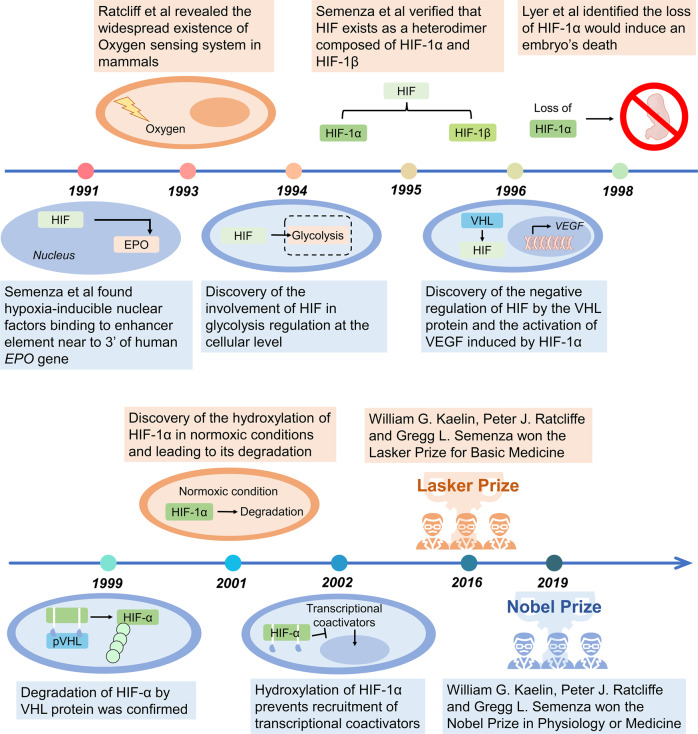
“For their contributions to the discovery of how human and animal cells perceive and adapt to oxygen supply, William Kaelin, Peter Ratcliffe, and Gregg Semenza were awarded the 2019 Nobel Prize in Physiology and Medicine.(24) HIFS-MEDIATED SIGNAL TRANSDUCTION HIF family HIFs are the central factors that mediate downstr…”
BackgroundHachiya, N., Sochocka, M., Brzecka, A., Shimizu, T., Gąsiorowski, K., Szczechowiak, K., & Leszek, J. (2020) · Molecular Neurobiology · doi:10.1007/s12035-020-02168-x · Cited by 44 · cited 1×
“Cerebral hypoxia is strongly related to AD, which is correlated to cardiovascular risk factors.(415) Physical exercise lessens the incidence of AD, featured by functioning of the neurovascular unit.”
BackgroundChoi, B. H., Ha, Y. S., Huang, X., Park, S. R., Chung, J., Hyun, D. K., Park, H., Park, H. C., Kim, S. W., & Lee, M. (2007) · Journal of Neurosurgery Spine · doi:10.3171/spi-07/07/054 · Cited by 43
The Use of Erythropoiesis-Stimulating Agents in Patients With CKD and Cancer: A Clinical Approach
Thavarajah, S., & Choi, M. J. (2019) · American Journal of Kidney Diseases · doi:10.1053/j.ajkd.2019.04.022 · Cited by 43
Hypoxia and Non-alcoholic Fatty Liver Disease
Isaza, S. C., Pozo-Maroto, E. D., Domínguez-Alcón, L., Elbouayadi, L., González‐Rodríguez, Á., & García‐Monzón, C. (2020) · Frontiers in Medicine · doi:10.3389/fmed.2020.578001 · Cited by 42
Malhotra, R., Tyson, D. G. W., Sone, H., Aoki, K., Kumagai, A. K., & Brosius, F. C. (2002) · Journal of Molecular and Cellular Cardiology · doi:10.1006/jmcc.2002.2047 · Cited by 41
Wu, J., Contratto, M., Shanbhogue, K. P., Manji, G. A., O’Neil, B. H., Noonan, A., Tudor, R., & Lee, R. (2019) · World Journal of Clinical Oncology · doi:10.5306/wjco.v10.i3.149 · Cited by 41
Self-citationVecchio, L. D., & Locatelli, F. (2018) · Expert Opinion on Investigational Drugs · doi:10.1080/13543784.2018.1493455 · Cited by 41
Bourdier, G., Détrait, M., Bouyon, S., Lemarié, E., Brasseur, S., Doutreleau, S., Pépin, J., Godin‐Ribuot, D., Belaïdi, E., & Arnaud, C. (2020) · Journal of the American Heart Association · doi:10.1161/jaha.120.016369 · Cited by 39
Staab, A., Löffler, J., Said, H. M., Katzer, A., Beyer, M., Polat, B., Einsele, H., Flentje, M. P., & Vordermark, D. (2007) · Strahlentherapie und Onkologie · doi:10.1007/s00066-007-1649-6 · Cited by 38
Topotecan for relapsed small cell lung cancer: A systematic review and economic evaluation
Hartwell, D., Jones, J., Loveman, E., Harris, P., Clegg, A. J., & Bird, A. (2010) · Cancer Treatment Reviews · doi:10.1016/j.ctrv.2010.07.005 · Cited by 38
Targeting hypoxia in the treatment of small cell lung cancer
Bryant, J., Meredith, S. L., Williams, K. J., & White, A. E. (2014) · Lung Cancer · doi:10.1016/j.lungcan.2014.08.003 · Cited by 38
Mehrabani, M., Nematollahi, M. H., Tarzi, M. E., Juybari, K. B., Abolhassani, M., Sharifi, A. M., Paseban, H., Saravani, M., & Mirzamohammadi, S. (2020) · Biochemistry and Cell Biology · doi:10.1139/bcb-2019-0117 · Cited by 38
Prieto‐Fernández, E., Egia‐Mendikute, L., Vila-Vecilla, L., Bosch, A., Barreira-Manrique, A., Lee, S. Y., Río, A. G.-D., Antoñana-Vildosola, A., Jiménez-Lasheras, B., Moreno‐Cugnon, L., et al. (2021) · Emerging Microbes & Infections · doi:10.1080/22221751.2021.1932607 · Cited by 38 · cited 1×
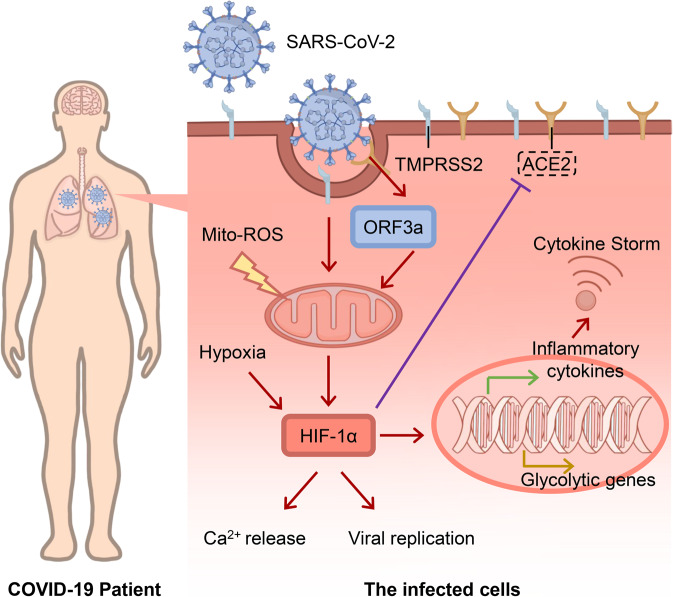
“have shown that hypoxia reduces the binding of the SARS-CoV-2 spike (S) protein to epithelial cells through decreasing ACE2, neuropilin-1 (NRP1), and cellular heparan sulfate (HS) expression.(220)”
BackgroundNomura, E., Ohta, Y., Tadokoro, K., Shang, J., Tian, F., Liu, X., Shi, X., Matsumoto, N., Sasaki, R., Tsunoda, K., et al. (2019) · Neuroscience · doi:10.1016/j.neuroscience.2019.06.025 · Cited by 37 · cited 4×
“In an ALS in vivo model, the induction of HIF-1α decreases hypoxia-caused damage, protecting the neurons, reducing the inflammatory response, and lessening motor neuron degeneration.(438) Conversely, decreased HIF-1α expression induced by ONO-1301-MS increases motor neuron generation in the mice model of ALS.”
BackgroundInfluentialRiedl, T., Faure‐Dupuy, S., Rolland, M., Schuehle, S., Hizir, Z., Calderazzo, S., Zhuang, X., Wettengel, J. M., Lopez, M., Barnault, R., et al. (2021) · Hepatology · doi:10.1002/hep.31902 · Cited by 36
Zhu, C., Liu, X., Wang, S., Yan, X., Tang, Z., Wu, K., Li, Y., & Liu, F. (2014) · Molecular Medicine Reports · doi:10.3892/mmr.2014.2039 · Cited by 35
Self-citationHypoxia-induced upregulation of Orai1 drives colon cancer invasiveness and angiogenesis
Liu, X., Wan, X., Kan, H., Wang, Y., Yu, F., Feng, L., Jin, J., Zhang, P., & Ma, X. (2018) · European Journal of Pharmacology · doi:10.1016/j.ejphar.2018.05.008 · Cited by 35 · cited 1×
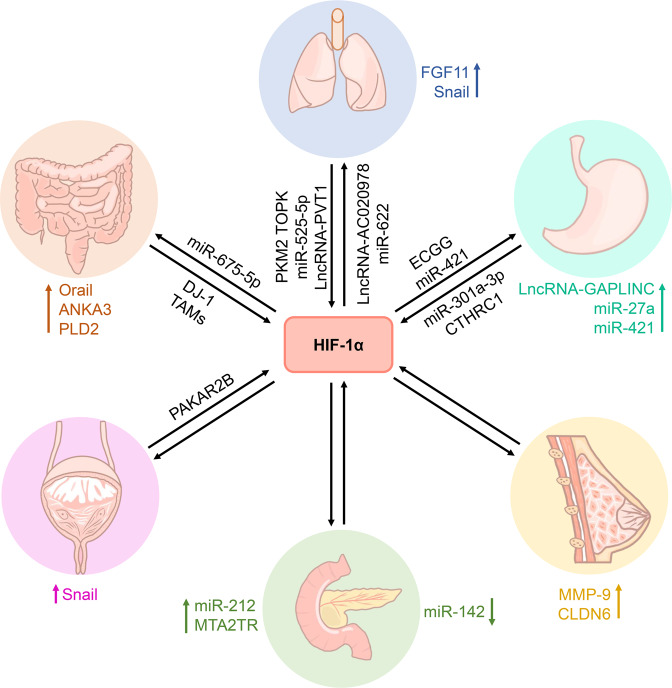
“For example, the expression of Orai1 is induced by hypoxia in colon cancer, which promotes hypoxiainduced invasion and angiogenesis.(241) The correlation between colon cancer and hypoxia is illustrated (Fig.”
BackgroundHypoxia-induced human deoxyribonuclease I is a cellular restriction factor of hepatitis B virus
Hallez, C., Li, X., Suspène, R., Thiers, V., Bouzidi, M. S., Dorobantu, C. M., Lučanský, V., Wain–Hobson, S., Gaudin, R., & Vartanian, J. (2019) · Nature Microbiology · doi:10.1038/s41564-019-0405-x · Cited by 35 · cited 8×
“Concurrently, when a reporter plasmid carrying HBV Enh1 was transfected into hepatoma cells under hypoxia, the HBV enhancer 1 (Enh1) activity was augmented.223 In hepatocarcinogenesis, HBx protein may be a critical mediator of hypoxia-induced angiogenesis.223 It increases the transcriptional and translational level an…”
BackgroundInfluentialCircadian-Hypoxia Link and its Potential for Treatment of Cardiovascular Disease
Bartman, C. M., & Eckle, T. D. L. G. (2019) · Current Pharmaceutical Design · doi:10.2174/1381612825666190516081612 · Cited by 35
Hu, R., Dai, A., & Tan, S. (2002) · PubMed · Cited by 34
Jd, F., Jj, Y., Hua, W., et al. (2019) · PubMed · doi:10.26355/eurrev_201901_16759 · Cited by 34
Jiang, L., Shi, S., Shi, Q., Zhang, H., Xia, Y., & Zhong, T. (2018) · Oncology Research Featuring Preclinical and Clinical Cancer Therapeutics · doi:10.3727/096504018x15152056890500 · Cited by 33 · cited 1×
“In addition to HIF-1α-reduced apoptosis in hepatoma cell HepG2,(110) HIF-2α inhibits apoptosis and autophagy of cervical cancer cells under hypoxia.(111) Accumulating evidence demonstrated that hypoxia increases apoptosis.”
BackgroundMárton, I., Knežević, F., Ramić, S., Milošević, M., & Tomas, D. (2012) · PubMed · Cited by 33
Hif1α is required for osteoclast activation and bone loss in male osteoporosis
Tando, T., Sato, Y., Miyamoto, K., Morita, M., Kobayashi, T., Funayama, A., Kanaji, A., Wu, H., Watanabe, R., Oike, T., et al. (2016) · Biochemical and Biophysical Research Communications · doi:10.1016/j.bbrc.2016.01.033 · Cited by 33
Zheng, H., Zhou, C., Lu, X., Liu, Q., Liu, M., Chen, G., Chen, W., Wang, S., & Qiu, Y. (2018) · Cancer Management and Research · doi:10.2147/cmar.s172008 · Cited by 33 · cited 1×
“demonstrated that DJ-1 protein facilitates the survival of human colon cancer cells by the increased HIF-1α protein expression by means of PI3K-AKT signaling pathway.(245) Under hypoxic stress, upregulated HIF-1α induces the expression of phospholipase D2 (PLD2) in colon cancer cells, while downregulation of the prote…”
BackgroundShirakawa, J., Tajima, K., Okuyama, T., Kyohara, M., Togashi, Y., Jesus, D. F. D., Basile, G., Kin, T., Shapiro, A. M. J., Kulkarni, R., et al. (2020) · Diabetologia · doi:10.1007/s00125-019-05071-w · Cited by 33 · cited 1×
“The treatment with luseogliflozin in mice with inhibited insulin and IGF-1 target receptors showed improved β-cell proliferation and hyperglycemia, but not hyperinsulinemia.(500) Empagliflozin is a highly selective SGLT2 inhibitor and well-tolerated in humans.”
BackgroundmiR‑212 regulated by HIF‑1α promotes the progression of pancreatic cancer
Yue, H., Liu, L., & Song, Z. (2019) · Experimental and Therapeutic Medicine · doi:10.3892/etm.2019.7213 · Cited by 32 · cited 1×
“showed that HIF-1α facilitates the expression of miR-212 and results in the development of pancreatic ductal adenocarcinoma.(321) Zeng et al.”
BackgroundAge-dependent obesity and mitochondrial dysfunction
Li, Q. O. Y., Soro-Arnáiz, I., & Aragonés, J. (2017) · Adipocyte · doi:10.1080/21623945.2017.1297346 · Cited by 32
Atrial fibrillation: the role of hypoxia-inducible factor-1-regulated cytokines
Babapoor-Farrokhran, S., Gill, D., Alzubi, J. M., & Mainigi, S. K. (2021) · Molecular and Cellular Biochemistry · doi:10.1007/s11010-021-04082-9 · Cited by 32
Su, F., ZHANG, W., Chen, Y., Ma, L., ZHANG, H., & WANG, F. (2014) · Experimental and Therapeutic Medicine · doi:10.3892/etm.2014.1989 · Cited by 31
Self-citationPiña‐Oviedo, S., Khalili, K., & Valle, L. D. (2009) · Acta Neuropathologica · doi:10.1007/s00401-009-0533-0 · Cited by 31
Wu, X., Li, M., Li, Y., Deng, Y., Ke, S., Li, F., Wang, Y., & Zhou, S. (2021) · Journal of Translational Medicine · doi:10.1186/s12967-021-03018-7 · Cited by 31 · cited 2×
“miR-525-5p negatively regulates FGF11 while FGF11 promotes the expression of HIF-1α for NSCLC progression.(271) On the other hand, T-lymphokine-activated killer celloriginated protein kinase (TOPK) positively regulates HIF-1α expression and promotes Snail expression, leading to EMT and invasion of NSCLC.”
BackgroundSelf-citationMethylation of PRDM2, PRDM5 and PRDM16 genes in lung cancer cells.
Tan, S., Hu, R., Liu, J., Tan, Y.-L., & Liu, W. (2014) · PubMed · Cited by 31
Protective Effect of Ganoderma (Lingzhi) on Cardiovascular System
Meng, J., & Yang, B. (2019) · Advances in experimental medicine and biology · doi:10.1007/978-981-32-9421-9_7 · Cited by 30 · cited 1×
“, the organs and tissues in the body that carry blood, primarily the heart and blood vessels (arteries, veins, and capillaries), is involved in the series of illnesses.(336,337) Hypoxia is one of the most important pathogenic factors of cardiovascular diseases.”
BackgroundSu, T., Liu, P., Ti, X., Wu, S., Xue, X., Wang, Z., Dioum, E., & Zhang, Q. (2019) · Cell Communication and Signaling · doi:10.1186/s12964-019-0458-8 · Cited by 30
Self-citationZhang, K.-D., Hu, B., Cen, G., Yang, Y., Chen, W., Guo, Z., Wang, X., Zhao, Q., & Qiu, Z. (2020) · World Journal of Gastroenterology · doi:10.3748/wjg.v26.i19.2349 · Cited by 29
Xiong, Z., Guo, M., Yu, Y., Zhang, F., Ge, M.-K., Chen, G., & Shen, S.-M. (2016) · Carcinogenesis · doi:10.1093/carcin/bgw089 · Cited by 29 · cited 1×
“HIF-1α mediates hypoxia-induced apoptosis-inducing factor (AIF) inhibition, and downregulation of AIF contributes to hypoxia-induced EMT of colon cancer.(250) In a subset of colon cancers, HIF-1α is a positive factor for non-hypoxiamediated cell proliferation in vitro and in vivo, and hypoxiamediated cell proliferatio…”
BackgroundNew Molecular Mechanisms of Duodenal Ulceration
Szabó, S., Deng, X., Khomenko, T., Chen, L., Tolstanova, G. M., Ősapay, K., Sandor, Z., & Xiong, X. (2007) · Annals of the New York Academy of Sciences · doi:10.1196/annals.1391.033 · Cited by 28
Orexin and Parkinson's disease: A protective neuropeptide with therapeutic potential
Liu, C., Xue, Y., Liu, M., Wang, Y., & Chen, L. (2020) · Neurochemistry International · doi:10.1016/j.neuint.2020.104754 · Cited by 28
Liu, M., Du, K., Fu, Z.-X., Zhang, S., & Wu, X. (2014) · Medical Oncology · doi:10.1007/s12032-014-0394-9 · Cited by 27 · cited 1×
“Under hypoxic stress, upregulated HIF-1α induces the expression of phospholipase D2 (PLD2) in colon cancer cells, while downregulation of the protein significantly reduces the expression of PLD2 and tumor volume.(238) Hypoxia-induced elevated expression of PLD2 facilitates cell proliferation by NF-κB signaling activat…”
BackgroundMehrabi, M. R., Serbecic, N., Tamaddon, F., Pacher, R., Horvath, R., Mall, G., & Glogar, H. D. (2003) · Biomedicine & Pharmacotherapy · doi:10.1016/s0753-3322(03)00026-x · Cited by 27 · cited 1×
“Data from previous studies suggested that PgE1 stimulates neovascularization by upregulating VEGF in patients with ischemic heart disease.(492).”
Takasaki, C., Kobayashi, M., Ishibashi, H., Akashi, T., & Okubo, K. (2016) · Molecular and Clinical Oncology · doi:10.3892/mco.2016.937 · Cited by 27
HIF Prolyl Hydroxylase Inhibitors for COVID-19 Treatment: Pros and Cons
Poloznikov, A. A., Nersisyan, S. A., Hushpulian, D. M., Kazakov, E. H., Tonevitsky, A., Kazakov, S. V., Vechorko, V. I., Nikulin, S. V., Makarova, J. A., & Gazaryan, I. G. (2021) · Frontiers in Pharmacology · doi:10.3389/fphar.2020.621054 · Cited by 27
TCR-signaling events in cellular metabolism and specialization
Chisolm, D. A., & Weinmann, A. S. (2015) · Frontiers in Immunology · doi:10.3389/fimmu.2015.00292 · Cited by 26 · cited 1×
“signal promotes HIF-α to drive metabolic reprogramming and prolongs the T cell survival.(38) These studies indicated that PI3KmTOR signaling regulates the mRNA level of HIF-α.”
BackgroundSchibler, M., Éperon, G., Kenfak-Foguena, A., Lascano, A. M., Vargas, M. I., & Stahl, J. ‐. (2019) · Clinical Microbiology and Infection · doi:10.1016/j.cmi.2018.12.035 · Cited by 26 · cited 1×
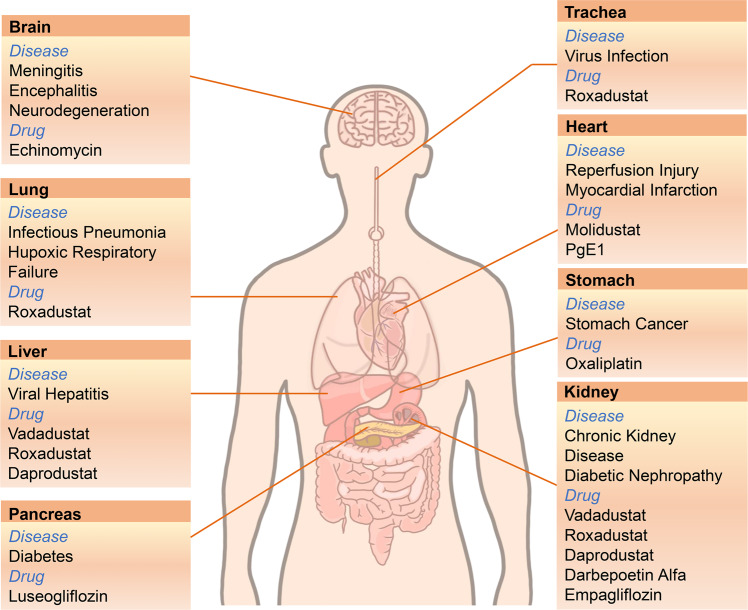
“pneumoniae infection can cause fatal bacterial meningitis.(535) HIF-1α inhibitor echinomycin can improve blood-brain barrier function and increase the survival in S.”
BackgroundJin, Y., Zhao, X., Zhang, H., Li, Q., Lu, G., & Zhao, X. (2016) · Experimental and Therapeutic Medicine · doi:10.3892/etm.2016.3370 · Cited by 26
Christoph, M., Ibrahim, K. S., Hesse, K., Augstein, A., Schmeißer, A., Braun-Dullaeus, R. C., Simonis, G., Wunderlich, C., Quick, S., Strasser, R. H., et al. (2014) · Atherosclerosis · doi:10.1016/j.atherosclerosis.2014.01.048 · Cited by 25
Bogomolova, A. M., Shavva, V. S., Nikitin, A. A., Nekrasova, E. V., Dizhe, E. B., Larionova, E. E., Кудрявцев, И. В., & Orlov, S. (2019) · Biochemistry (Moscow) · doi:10.1134/s0006297919050079 · Cited by 25 · cited 2×
“Under such conditions, the extracellular nutrients and lipids induce the formation of hypoxic areas in arterial plaques, especially in macrophages, vascular smooth muscle cells, and endothelial cells.363,364 These cells subsequently express HIF in response to hypoxia.364 HIF-1α is expressed in 49% of carotid and 60% o…”
BackgroundJiang, Y., Wu, G., He, G., Zhuang, Q., Xi, Q., Zhang, B., Han, Y., & Fang, J. S. (2015) · Nutrition and Cancer · doi:10.1080/01635581.2015.1085584 · Cited by 24
HIF-1 α as a Key Factor in Bile Duct Ligation-Induced Liver Fibrosis in Rats
Moczydłowska, J. M., Miltyk, W., Hermanowicz, A., Lebensztejn, D. M., Palka, J. A., & Dębek, W. (2016) · Journal of Investigative Surgery · doi:10.1080/08941939.2016.1183734 · Cited by 24
Cho, K. H., Yu, S., Cho, D. Y., Park, C. G., & Lee, H. Y. (2015) · BMC Cancer · doi:10.1186/s12885-015-1864-y · Cited by 23
Lv, L., Yuan, J., Huang, T., Zhang, C., Zhu, Z., Wang, L., Jiang, G., & Zeng, F. (2014) · Molecular Biology Reports · doi:10.1007/s11033-014-3328-x · Cited by 23
Xu, Y., Sharma, D., Du, F., & Liu, Y. (2013) · International Journal of Cardiology · doi:10.1016/j.ijcard.2013.03.174 · Cited by 23
Hepatitis B virus induces hypoxia-inducible factor-2α expression through hepatitis B virus X protein
Hu, J., LIU, L.-P., Yang, S., Fang, X., Wen, L., Ren, Q., & Yu, C. (2015) · Oncology Reports · doi:10.3892/or.2015.4480 · Cited by 23
Jin, Y., Li, D., Sun, T., Du, Y., Gao, Y., Ding, R., Ji, W., Zhang, W., Yang, H., Chen, S., et al. (2021) · Frontiers in Microbiology · doi:10.3389/fmicb.2021.663019 · Cited by 23 · cited 2×
“Hypoxia takes part in the pathogenesis of many neurological diseases.235 Meningitis, encephalitis, and even Alzheimer’s disease is a group of diseases caused by infection or autoimmunity.529 Among most cases of viral infection, enterovirus is the main agent,530 and mumps, lymphocytic choriomeningitis, and type I and I…”
BackgroundTrafficking of Mononuclear Phagocytes in Healthy Arteries and Atherosclerosis
Tomas, L., Prica, F., & Schulz, C. (2021) · Frontiers in Immunology · doi:10.3389/fimmu.2021.718432 · Cited by 23 · cited 1×
“Cytokines released by mononuclear cells stimulate the proliferation of smooth muscle cells in the media of blood vessels and the new intima.(360) In addition, mononuclear cells activate into macrophages, during which smooth muscle cells of the new intima ingest lipids to become foam cells, forming atheromatous plaques.”
BackgroundHIF-2α as a prognostic marker for breast cancer progression and patient survival
Wang, H. X., Qin, C., Han, F. Y., Wang, X. H., & Li, N. (2014) · Genetics and Molecular Research · doi:10.4238/2014.january.22.6 · Cited by 22
Huang, M., Du, H., Zhang, L., Che, H., & Liang, C. Y. (2018) · Cancer Management and Research · doi:10.2147/cmar.s161762 · Cited by 22
Saint-Martin, A., Martínez-Ríos, J., Castañeda‐Patlán, M. C., Sarabia-Sánchez, M. Á., Tejeda‐Muñoz, N., Chinney-Herrera, A., Soldevila, G., Benelli, R., Santoyo‐Ramos, P., Poggi, A. D., et al. (2019) · Cancers · doi:10.3390/cancers11060755 · Cited by 22 · cited 2×
“Experimental evidence highlighted that apart from human colon carcinoma cell lines, HIF-2α is also important for the survival of patient-derived primary colon cancer cells.(255) Different from HIF-1α, HIF-2α plays an important role in resistance in colon malignant cells.”
BackgroundJeon, D., Park, H. J., & Kim, H. S. (2017) · Biochemical and Biophysical Research Communications · doi:10.1016/j.bbrc.2017.11.018 · Cited by 21
Expression of Notch–Hif-1α signaling pathway in liver regeneration of rats
Li, Y., Xu, Y., Wang, R., Li, W., He, W., Luo, X., & Ye, Y. (2020) · Journal of International Medical Research · doi:10.1177/0300060520943790 · Cited by 21
Self-citationHypoxia and Hypoglycemia synergistically regulate mRNA stability
Carraway, K., Johnson, E. M., Kauffmann, T. C., Fry, N. J., & Mansfield, K. D. (2017) · RNA Biology · doi:10.1080/15476286.2017.1311456 · Cited by 21 · cited 1×
“Interestingly, the deprivation of glucose is capable to lead to numerous cellular effects, including cell cycle arrest, autophagy, and apoptosis.(181,182) High level of glucose can weaken HIF-1α signaling in several mammalian cell types.”
BackgroundCurrent insights and future perspectives of hypoxia-inducible factor-targeted therapy in cancer
Ajith, T. A. (2018) · Journal of Basic and Clinical Physiology and Pharmacology · doi:10.1515/jbcpp-2017-0167 · Cited by 21
Aldossary, H. S., Alzahrani, A. A., Nathanael, D., Alhuthail, E. A., Ray, C. J., Batis, N., Kumar, P., Coney, A. M., & Holmes, A. P. (2020) · International Journal of Molecular Sciences · doi:10.3390/ijms21176012 · Cited by 21
Mu, L., Jinshen, W., Yuezhi, C., Le-ping, L., Xiaobo, G., Sheng, Z., & Changqing, J. (2014) · Chinese Medical Journal · doi:10.3760/cma.j.issn.0366-6999.20141114 · Cited by 21 · cited 2×
“Mechanistically, in colon cancer, tumor-associated macrophages (TAMs) may accelerate cell migration and invasion via upregulation of HIF-1α and Sema4D.248 Costa et al. found that miR-675-5p is overexpressed in metastatic colon cancer patients and is involved in tumor progression by promoting HIF-1α-induced EMT.249 HIF…”
BackgroundLi, G., Lu, W., Wu, X., Cheng, J., Ai, R., Zhou, Z.-H., & Tang, Z. (2015) · BMC Cardiovascular Disorders · doi:10.1186/s12872-015-0073-6 · Cited by 20
Self-citationKhumukcham, S. S., Penugurti, V., Soni, A., Veena, U., Hari, K., Jolly, M. K., Dwivedi, A., Abdul Salam, P. K., Padala, C., Srinivasulu, M., et al. (2021) · Cancer Letters · doi:10.1016/j.canlet.2021.11.002 · Cited by 20
Gao, W., Ferguson, G., Connell, P., Walshe, T. E., O'Brien, C. J., Redmond, E. M., & Cahill, P. A. (2014) · Diabetes and Vascular Disease Research · doi:10.1177/1479164114533356 · Cited by 20
Cardiovascular Disease in the Systemic Vasculitides
Σουλαϊδόπουλος, Σ., Madenidou, A., Daoussis, D., Μελισσαρόπουλος, Κ., Mavrogeni, S. I., Kitas, G. D., & Dimitroulas, T. (2020) · Current Vascular Pharmacology · doi:10.2174/1570161118666200130093432 · Cited by 20 · cited 1×
“, the organs and tissues in the body that carry blood, primarily the heart and blood vessels (arteries, veins, and capillaries), is involved in the series of illnesses.(336,337) Hypoxia is one of the most important pathogenic factors of cardiovascular diseases.”
BackgroundExpression and significance of HIF-1α and HIF-2α in pancreatic cancer
Wang, M., Chen, M.-Y., Guo, X., & Jiang, J. (2015) · Journal of Huazhong University of Science and Technology [Medical Sciences] · doi:10.1007/s11596-015-1521-3 · Cited by 19
A novel adenoviral vector which mediates hypoxia-inducible gene expression selectively in neurons
Huang, D., Desbois, A., & Hou, S. (2005) · Gene Therapy · doi:10.1038/sj.gt.3302538 · Cited by 18
Tada, S., Okuno, T., Shimizu, M., Sakai, Y., Sumi‐Akamaru, H., Kinoshita, M., Yamashita, K., Sanda, E., Choong, C., Namba, A., et al. (2019) · Scientific Reports · doi:10.1038/s41598-019-41771-4 · Cited by 18
Jin, Q., Su, H., Yang, R., Tan, Y., Li, B., Yi, W., Dong, Q., Zhang, H., Xing, W., & Sun, X. (2021) · Scientific Reports · doi:10.1038/s41598-021-90779-2 · Cited by 18 · cited 2×
“Both heterozygous HIF-1-deficient and HIF-2-deficient mice are protected from chronic hypoxia-induced PH.376,377 The occurrence and development of PH are influenced by inducible nitric oxide synthase (iNOS) and ET-1.”
BackgroundIDH1-R132H Suppresses Glioblastoma Malignancy through FAT1-ROS-HIF-1α Signaling
Wang, X., Li, L., Zhang, M., & Feng, Y.-K. (2020) · Neurology India · doi:10.4103/0028-3886.294557 · Cited by 17 · cited 1×
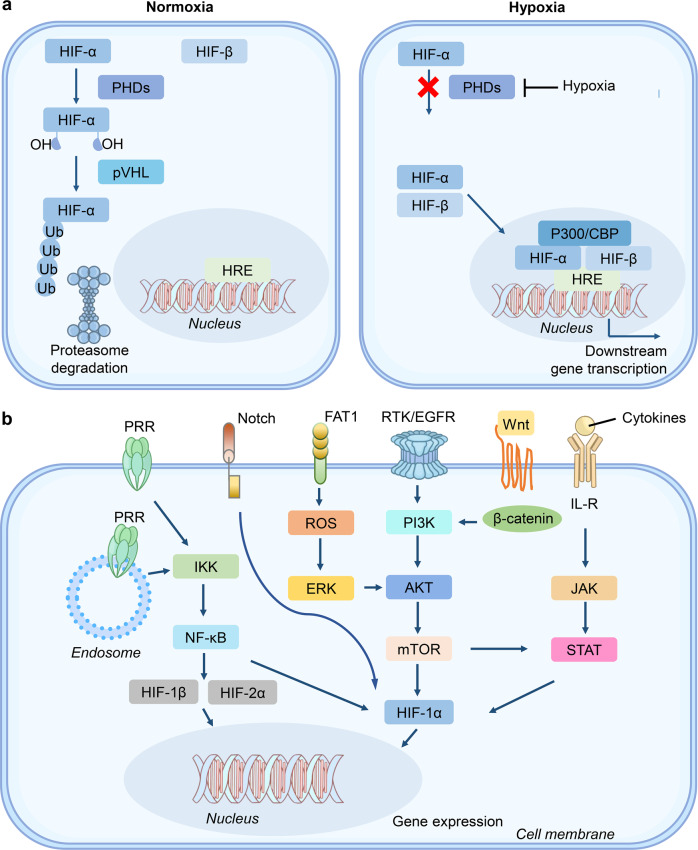
“The FAT1/ROS/ HIF-1α signaling cascade is found to participate in the growth of glioblastoma (GBM).(53) Based on the fact that mouse articular chondrocytes promoted HIF-2α expression after treatment with IL-1β, a stimulator of NF-κB pathway, NF-κB pathway could act as an activator to regulate HIF-2α mRNA expression in…”
BackgroundANXA3 is upregulated by hypoxia-inducible factor 1-alpha and promotes colon cancer growth
Du, K., Ren, J., Fu, Z., Wu, X., Zheng, J., & Li, X. (2020) · Translational Cancer Research · doi:10.21037/tcr-20-994 · Cited by 17
Park, J., Moon, M., Kim, J.-S., & Oh, S. (2020) · Biochemical and Biophysical Research Communications · doi:10.1016/j.bbrc.2020.10.068 · Cited by 17
Gao, Y., Jiang, X., Yang, D., Guo, W., Wang, D., Gong, K., Peng, Y., Jiang, H., Shi, C., Duan, Y., et al. (2022) · Frontiers in Pharmacology · doi:10.3389/fphar.2022.895710 · Cited by 17
Self-citationLimberg, J. K., Dube, S., Kuijpers, M., Farni, K. E., Basu, A., Rizza, R. A., Curry, T. B., Basu, R., & Joyner, M. J. (2015) · Clinical Autonomic Research · doi:10.1007/s10286-015-0301-2 · Cited by 16 · cited 1×
“demonstrated that hypoglycemia-impaired cardiovascular and autonomic functions are worsened in adults with type 1 diabetes when hypoglycemia is combined with hypoxia signaling.(186) Miro and Tirosh showed that hypoxic treatment has a strong hypoglycemic effect, and cholesterol could regulate a metabolic ketogenic shif…”
BackgroundZhong, Z., Hou, J., Zhang, Q., Li, B., Li, C., Liu, Z., Yang, M., Zhong, W., & Zhao, P. (2018) · Medicine · doi:10.1097/md.0000000000013066 · Cited by 16 · cited 2×
“Furthermore, lncRNAs are differentially expressed in patients with non-ST-segment elevation myocardial infarction (NSTEMI) and ST-segment elevation myocardial infarction (STEMI) through the HIF-1α signaling pathway, which might become a serological marker to distinguish between NSTEMI and STEMI.(370) Previous studies…”
BackgroundSelf-citationWang, Y., Shi, J., & Gong, L. (2020) · Genes & Genomics · doi:10.1007/s13258-020-00961-5 · Cited by 16
Yi, Z., Chen, J., Kozlowski, M., & Yuan, Z. (2015) · Cellular Microbiology · doi:10.1111/cmi.12489 · Cited by 15 · cited 1×
“The term viral hepatitis means liver inflammation induced by hepatic viral infections of mainly hepatitis B virus (HBV) and hepatitis C virus (HCV).(221) Viral hepatitis is a global public health problem that leads to thousands of patients dying of acute and chronic infections, liver cirrhosis, and cancer.”
BackgroundZhou, Y., Ouyang, N., Liu, L., Tian, J., Huang, X., & Lu, T. (2018) · Genes & Diseases · doi:10.1016/j.gendis.2018.03.003 · Cited by 15 · cited 1×
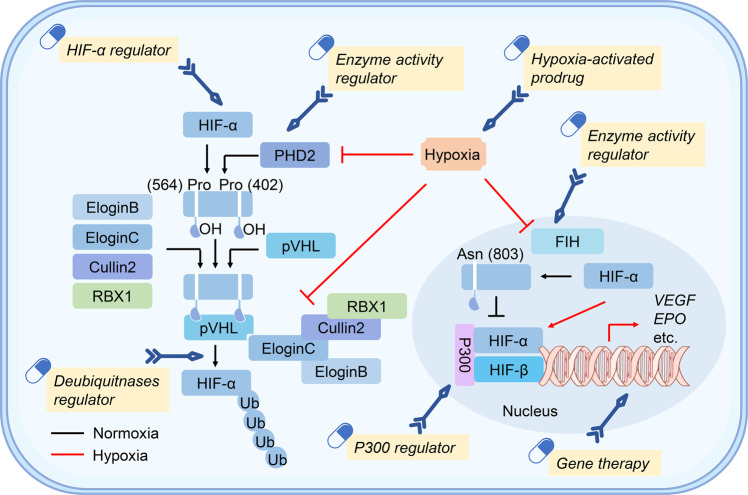
“Thus, it has been demonstrated that Egl-9 family hypoxia-inducible factor 1 (EGLN1) mutation decreases the hypoxic response of CCHD via the PHD2/ HIF-1 pathway, which might be a viable target for CCHD therapy.(410) Liu et al.”
BackgroundER-stress promotes VHL-independent degradation of hypoxia-inducible factors via FBXW1A/βTrCP
Mennerich, D., Kubaichuk, K. I., Raza, G. S., Fuhrmann, D. C., Herzig, K., Brüne, B., & Kietzmann, T. (2022) · Redox Biology · doi:10.1016/j.redox.2022.102243 · Cited by 15
Beaudin, A. E., Hanly, P. J., Raneri, J. K., Sajobi, T. T., Anderson, T. J., & Poulin, M. J. (2019) · Experimental Physiology · doi:10.1113/ep086845 · Cited by 14
Ou, X.-W., Rx, W., Mf, K., et al. (2018) · PubMed · doi:10.26355/eurrev_201812_16518 · Cited by 14 · cited 1×
“Hypoxia increases the migration and invasion of GC cell line BGC-823 by activating HIF-1α and inhibiting N-myc downregulated gene 2 (NDRG2)-associated signaling pathway.(289) Xia et al.”
BackgroundKameny, R. J., He, Y., Morris, C. J., Sun, C. E., Johengen, M. J., Gong, W., Raff, G. W., Datar, S. A., Oishi, P. E., & Fineman, J. R. (2015) · American Journal of Physiology-Heart and Circulatory Physiology · doi:10.1152/ajpheart.00103.2015 · Cited by 12
Ma, Z., Zhang, K., Wang, Y., Wang, W., Yu, Y., Liang, X., Zhang, Y., & Li, G. (2020) · Medical Science Monitor · doi:10.12659/msm.918883 · Cited by 12 · cited 1×
“Atrial fibrillation (AF) is one of the most frequent forms of human arrhythmias, with a significant disability and fatality rate in patients.(393,396,397) The etiology of AF is linked to MMP-9; the increased activity of MMP-9 causes atrial Hypoxia signaling in human health and diseases: implications and.”
BackgroundSelf-citationCorrelation between HIF-1α Expression and Breast Cancer Risk: A Meta-analysis
Sun, G., Wang, Y., & Hu, W. (2014) · The Breast Journal · doi:10.1111/tbj.12238 · Cited by 11
Cholesterol Prevents Hypoxia-Induced Hypoglycemia by Regulation of a Metabolic Ketogenic Shift
Miron, N., & Tirosh, O. (2019) · Oxidative Medicine and Cellular Longevity · doi:10.1155/2019/5829357 · Cited by 11
Liu, M., Du, K., Jiang, B., & Wu, X. (2018) · Pathology & Oncology Research · doi:10.1007/s12253-018-0429-1 · Cited by 11
Krishnan, J., Suter, M., Windak, R., Krebs, T., Felley, A., Montessuit, C., Tokarska-Schlattner, M., Aasum, E., Bogdanova, A., Perriard, E. R., et al. (2009) · Zurich Open Repository and Archive (University of Zurich) · doi:10.5167/uzh-23358 · Cited by 11
Liou, A.-T., Liao, C., Chou, S.-F., Chang, Y., Chang, C.-S., & Shih, C. (2019) · Journal of Biomedical Science · doi:10.1186/s12929-019-0585-y · Cited by 10 · cited 1×
“In a consistent study, the constructed immunocompetent or immunodeficient mouse models have white plaques in the muscles after infection with EV71, which are related to hypoxia.(533) Progressive multifocal leukoencephalopathy (PML) is a kind of organic brain disease caused by Polyomavirus JC (JCV).”
BackgroundMultiplex PCR for Identification of Bacterial Pathogens of Infectious Pneumonia
Lapa, S. A., Klochikhina, E. S., Miftakhov, R. A., Zolotov, A. M., Заседателев, А. С., & Chudinov, A. V. (2020) · Russian Journal of Bioorganic Chemistry · doi:10.1134/s1068162020050131 · Cited by 10 · cited 1×
“pathogens including viral and bacterial infections.(214) Patients confirmed with infectious pneumonia are at a high risk of acute lung injury (ALI), especially those with specific types of viral pneumonia,(215) including Streptococcus pneumoniae (S.”
BackgroundHypoxic stress visualized in the cervical spinal cord of ALS patients
Yamashita, T., Hatakeyama, T., Sato, K., Fukui, Y., Hishikawa, N., Takemoto, M., Ohta, Y., Nishiyama, Y., Kawai, N., Tamiya, T., et al. (2020) · Neurological Research · doi:10.1080/01616412.2020.1866383 · Cited by 10 · cited 3×
“Thus, the uncontrolled hypoxia pathway is responsible for motor neuron death in ALS.(437) Nomura et al.”
BackgroundHuang, H., Yuan, D., Li, M., Abulaiti, A., & Lu, F. (2022) · Journal of Hepatology · doi:10.1016/j.jhep.2022.01.031 · Cited by 10
Overexpression of HIF-2α in pancreatic β cells does not alter glucose homeostasis
Brunt, J. J., Shi, S. Y., Schroer, S. A., Sivasubramaniyam, T., Cai, E. P., & Woo, M. (2014) · Islets · doi:10.1080/19382014.2015.1006075 · Cited by 9
Heger, L. A., Kerber, M., Hortmann, M., Robinson, S., Mauler, M., Stallmann, D., Duerschmied, D., Bode, C., Hehrlein, C., & Ahrens, I. (2018) · Acta Pharmacologica Sinica · doi:10.1038/s41401-018-0055-1 · Cited by 9
Demandt, J. A. F., Dubois, L. J., van Kuijk, K., Zaťovičová, M., Jin, H., Parkkila, S., van der Laan, S. W., Jelenska, L., Mees, B. M. E., Reutelingsperger, C. P. M., et al. (2021) · Scientific Reports · doi:10.1038/s41598-020-79978-5 · Cited by 9
Iesari, S., Leclercq, I. A., Joudiou, N., Komuta, M., Daumerie, A., Ambroise, J., Dili, A., Feza‐Bingi, N., Xhema, D., Bouzin, C., et al. (2021) · Clinical Science · doi:10.1042/cs20210183 · Cited by 8 · cited 1×
“Roxadustat, for example, is primarily used to treat anemia in individuals with renal illness, but it has also been proven to affect hepatic lipolysis.(538,539) As a result, the danger that other non-diseased tissues may carry during administration should be thoroughly assessed.”
BackgroundTime series of diabetes attributable mortality from 2008 to 2017
Fedeli, U., Schievano, E., Masotto, S., Bonora, E., & Zoppini, G. (2021) · Journal of Endocrinological Investigation · doi:10.1007/s40618-021-01549-w · Cited by 7
Prieto‐Fernández, E., Egia‐Mendikute, L., Vila-Vecilla, L., Bosch, A., Barreira-Manrique, A., Lee, S. Y., Río, A. G.-D., Antoñana-Vildosola, A., Jiménez-Lasheras, B., Moreno-Cugnon, L., et al. (2021) · bioRxiv (Cold Spring Harbor Laboratory) · doi:10.1101/2021.01.09.426021 · Cited by 7
[Effect of Hypoxia Inducible Factor-1 Alpha on Brain Metastasis from Lung Cancer and Its Mechanism].
Wei, D., Tang, M.-K., Liu, Y., Zhang, C., & Qin, L. (2019) · PubMed · Cited by 6
Status of hypoxia-inducible factor-1α expression in non-small cell lung cancer
Li, Y., Zhang, Y., Li, X., Huang, Y., Chen, W., He, L., & Zhang, Y. (2021) · Die Pharmazie · doi:10.31083/ph.2021.1524 · Cited by 6
Self-citationTreatment of cardiovascular diseases in cancer patients
Noutsias, M., & Maisch, B. (2011) · Herz · doi:10.1007/s00059-011-3452-5 · Cited by 5 · cited 1×
“Cardiovascular diseases Cardiovascular diseases are the leading threat to life and health worldwide.(334,335) The circulatory system, i.”
BackgroundCan Pulmonary Vasodilator Therapy Expand the Operative Indications for Congenital Heart Disease?
Inai, K. (2015) · International Heart Journal · doi:10.1536/ihj.14-396 · Cited by 4
Zheng, H., Zhou, C., Lu, X., et al. (2018) · DOAJ (DOAJ: Directory of Open Access Journals) · Cited by 3
Jian-guo, W., & Yuan, L. (2016) · PubMed · Cited by 2
Wang, J., Tian, Y., Yu, M., Ma, M., & Gao, Y. (2021) · Cancer Biotherapy and Radiopharmaceuticals · doi:10.1089/cbr.2020.4629 · Cited by 2
Heger, L. A., Kerber, M., Hortmann, M., Robinson, S., Mauler, M., Stallmann, D., Duerschmied, D., Bode, C., Hehrlein, C., & Ahrens, I. (2019) · Kölner Universitäts PublikationsServer (Universität zu Köln) · Cited by 1
Devraj, G., Guerit, S., Seele, J., Spitzer, D., Macas, J., Khel I, M., Heidemann, R., Braczynskiz, A., Ballhorn, W., Guenther, S., et al. (2020) · MPG.PuRe (Max Planck Society) · Cited by 1
Cited by
Hypoxic microenvironment in cancer: molecular mechanisms and therapeutic interventions
Chen, Z., Han, F., Du, Y., Shi, H., & Zhou, W. (2023) · Signal Transduction and Targeted Therapy · doi:10.1038/s41392-023-01332-8 · Cited by 1,612
Pathophysiological mechanisms and therapeutic approaches in obstructive sleep apnea syndrome
Lv, R., Liu, X., Zhang, Y., Dong, N., Wang, X., He, Y., Yue, H., & Yin, Q. (2023) · Signal Transduction and Targeted Therapy · doi:10.1038/s41392-023-01496-3 · Cited by 477
Nayak, S. S., Kuriyakose, D., Polisetty, L. D., Patil, A. A., Ameen, D., Bonu, R., Shetty, S. P., Biswas, P., Ulrich, M. T., Letafatkar, N., et al. (2024) · Cardiovascular Diabetology · doi:10.1186/s12933-024-02392-y · Cited by 212
“[107] The activation ofHypoxia-Inducible Factor 1 (HIF-1) triggers a cascade of inflammatory signaling and impairs insulin signaling, contributing to the onset of IR [108, 109].”
BackgroundGlaviano, A., Lau, H., Carter, L. M., Lee, E. H. C., Lam, H. Y., Okina, E., Tan, D. J. J., Tan, W., Ang, H. L., Carbone, D., et al. (2025) · Journal of Hematology & Oncology · doi:10.1186/s13045-024-01634-6 · Cited by 183
Kolipaka, T., Pandey, G., Abraham, N., Srinivasarao, D. A., Raghuvanshi, R. S., Rajinikanth, P. S., Tickoo, V., & Srivastava, S. (2024) · Carbohydrate Polymers · doi:10.1016/j.carbpol.2023.121537 · Cited by 162
Metadata
- Authors
- Luo, Z., Tian, M., Yang, G., Tan, Q., Chen, Y., Li, G., Zhang, Q., Li, Y., Wan, P., & Wu, J.
- Affiliations
- Jinan University (CN)
- The Affiliated Shunde Hospital of Jinan University (CN)
- Corresponding author
- Wan, Pin
- Wu, Jianguo
- Venue
- Signal Transduction and Targeted Therapy
- Published
- 2022-07-07
- Volume
- 7
- Issue
- 1
- Pages
- 218-218
- ISSN
- 2059-3635 (ISSN-L)
- PMC
- PMC9261907
- OpenAlex
- W4284690118
- Cited by
- 499
- References
- 564
- Citations by year
- 2026: 139 · 2025: 171 · 2024: 123 · 2023: 60 · 2022: 6
- FWCI
- 10.86
- Type
- journal article
- Language
- en
- Open access
- gold
- doi.org
- Licence
- cc-by
- creativecommons.org/licenses/by/4.0 (tdm)
- creativecommons.org/licenses/by/4.0 (vor)
- Locations
- Signal Transduction and Targeted Therapy (publishedVersion, cc-by)
- PubMed Central (publishedVersion, cc-by)
- PubMed (publishedVersion)
- DOAJ (DOAJ: Directory of Open Access Journals) (submittedVersion, cc-by-sa)
- Funders
- National Natural Science Foundation of China (81730061, 32070148, 32100738)
- China Postdoctoral Science Foundation (2021M691246)
- Topics
- Life Sciences › Biochemistry, Genetics and Molecular Biology › Cancer Research › Cancer, Hypoxia, and Metabolism
- Health Sciences › Medicine › Hematology › Erythropoietin and Anemia Treatment
- Life Sciences › Biochemistry, Genetics and Molecular Biology › Molecular Biology › Kruppel-like factors research
- Keywords
- hypoxia signaling, hypoxia-inducible factor, HIF signaling, oxygen sensing, cancer, metastasis, PI3K/mTOR signaling, NF-κB signaling, ERK signaling, endoplasmic reticulum stress, microbial infection, therapeutic target, drug development
- MeSH terms
- Hypoxia, Humans, Neoplasms, Oxygen, Signal Transduction, Phosphatidylinositol 3-Kinases
About these checks
Registry, retraction, Cites and statistics results are computed, not judged, with one exception: a printed reference that no index lists is read once by a model before it counts as a citation error. Claims are extracted by a model and kept only when their quote appears verbatim in the text; each cited source is then checked, with a model’s help, for whether it says what the claim relies on. Those verdicts can be wrong — read the claim’s quote and the cited source before relying on one.
Statistics and arithmetic are recomputed, not judged.
Confidence bands are shown only for fields calibrated on our annotated test set. None is calibrated yet, so no band is shown.
What counts as a claim ›How we measure confidence ›How we check this ›
Are you an author, or do you see a problem with this page? Request a review
Data sources
Bibliographic data: Semantic Scholar, OpenAlex, Crossref.
Contains information from the Semantic Scholar Academic Graph Datasets, made available under the ODC Attribution License (ODC-BY 1.0).
Semantic Scholar’s data is described in: Kinney, R., et al. (2023). The Semantic Scholar Open Data Platform. arXiv:2301.10140.
