

Hypoxia signaling in human health and diseases: implications and prospects for therapeutics
Open accessThe DOI matches its Crossref record; 553 of the 564 references it cites were found in a registry or an index.
Abstract
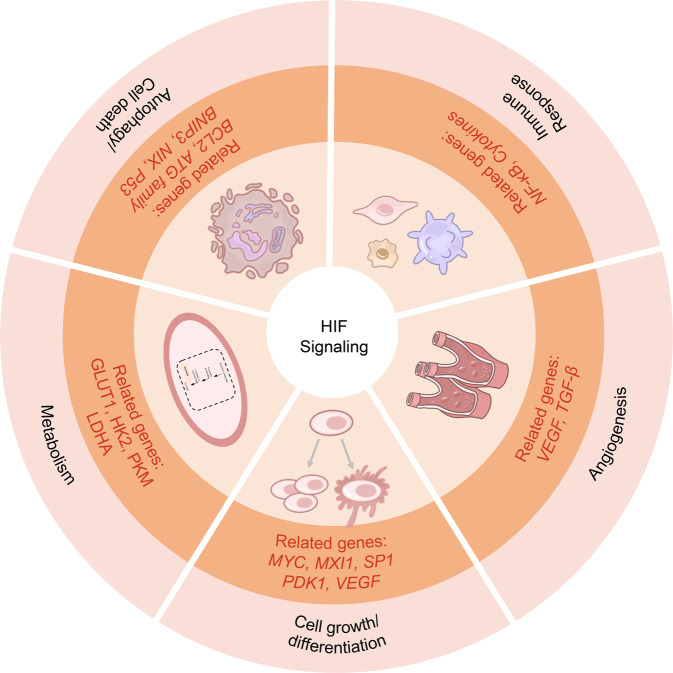
Molecular oxygen (O 2 ) is essential for most biological reactions in mammalian cells. When the intracellular oxygen content decreases, it is called hypoxia. The process of hypoxia is linked to several biological processes, including pathogenic microbe infection, metabolic adaptation, cancer, acute and chronic diseases, and other stress responses. The mechanism underlying cells respond to oxygen changes to mediate subsequent signal response is the central question during hypoxia. Hypoxia-inducible factors (HIFs) sense hypoxia to regulate the expressions of a series of downstream genes expression, which participate in multiple processes including cell metabolism, cell growth/death, cell proliferation, glycolysis, immune response, microbe infection, tumorigenesis, and metastasis. Importantly, hypoxia signaling also interacts with other cellular pathways, such as phosphoinositide 3-kinase (PI3K)-mammalian target of rapamycin (mTOR) signaling, nuclear factor kappa-B (NF-κB) pathway, extracellular signal-regulated kinases (ERK) signaling, and endoplasmic reticulum (ER) stress. This paper systematically reviews the mechanisms of hypoxia signaling activation, the control of HIF signaling, and the function of HIF signaling in human health and diseases. In addition, the therapeutic targets involved in HIF signaling to balance health and diseases are summarized and highlighted, which would provide novel strategies for the design and development of therapeutic drugs.
Overview
The claims and statistics of this paper haven’t been checked yet.
Free: it reads the open-access text and checks the first 5 claims that cite a source we can check. Create a free account to check every claim.
Integrity signals
Registry
Cites
Statistics
Figures
Verification
Claims the paper makes
The claims and statistics of this paper haven’t been checked yet.
Free: it reads the open-access text and checks the first 5 claims that cite a source we can check. Create a free account to check every claim.
Claims other papers make about this one
Each is checked against this paper’s own text: does it say what the citing paper says it does?
The cited source says what the claim attributes to it.
In the citing paper
“HIF-1α is widely expressed in most tissue during hypoxia, whereas HIF-2α and HIF-3α show more restricted, tissue-specific expression under hypoxic conditions [4].”
From The HIF Axes in Cancer - Angiogenesis, Metabolism and Immune-Modulation (2025) · cites this paper as [4]
Self-check
Percentages, sums and reported differences re-computed from the paper’s own numbers.
The self-check needs the paper’s full text.
Citations
Cites
Jemal, A., Bray, F., Center, M. M., Ferlay, J., Ward, E., & Forman, D. (2011) · CA: A Cancer Journal for Clinicians · doi:10.3322/caac.20107 · Cited by 54,679 · cited 7×
“GC is a high concern for health globally and the second cause of cancer deaths after LC.(279) The causes of GC are multifactorial, although Helicobacter pylori infection is considered the main cause; its effects are modulated by environmental, microbial, and host factors.”
BackgroundInfluentialGlobal cancer statistics, 2012
Torre, L. A., Bray, F., Siegel, R. L., Ferlay, J., Lortet‐Tieulent, J., & Jemal, A. (2015) · CA: A Cancer Journal for Clinicians · doi:10.3322/caac.21262 · Cited by 26,850
Chen, N., Zhou, M., Dong, X., Qu, J., Gong, F., Han, Y., Qiu, Y., Wang, J., Liu, Y., Wei, Y., et al. (2020) · The Lancet · doi:10.1016/s0140-6736(20)30211-7 · Cited by 21,415
Apoptosis: A Review of Programmed Cell Death
Elmore, S. (2007) · Toxicologic Pathology · doi:10.1080/01926230701320337 · Cited by 13,853
IDF Diabetes Atlas: Global estimates of diabetes prevalence for 2017 and projections for 2045
Cho, N. H., Shaw, J. E., Karuranga, S., Huang, Y., da Rocha Fernandes, J. D., Ohlrogge, A. W., & Malanda, B. (2018) · Diabetes Research and Clinical Practice · doi:10.1016/j.diabres.2018.02.023 · Cited by 7,283
Targeting HIF-1 for cancer therapy
Semenza, G. L. (2003) · Nature Reviews Cancer · doi:10.1038/nrc1187 · Cited by 6,717 · cited 3×
“Also, an increasing number of target genes have been discovered to play a role in various physiological and pathological processes in HIF-mediated AF.(403,404)”
BackgroundCleavage of GSDMD by inflammatory caspases determines pyroptotic cell death
Shi, J., Zhao, Y., Wang, K., Shi, X., Wang, Y., Huang, H., Zhuang, Y., Cai, T., Wang, F., & Shao, F. (2015) · Nature · doi:10.1038/nature15514 · Cited by 6,659
Wang, G. L., Jiang, B. H., Rue, E. A., & Semenza, G. L. (1995) · Proceedings of the National Academy of Sciences · doi:10.1073/pnas.92.12.5510 · Cited by 6,212 · cited 8×
“Concurrently, when a reporter plasmid carrying HBV Enh1 was transfected into hepatoma cells under hypoxia, the HBV enhancer 1 (Enh1) activity was augmented.223 In hepatocarcinogenesis, HBx protein may be a critical mediator of hypoxia-induced angiogenesis.223 It increases the transcriptional and translational level an…”
BackgroundInfluentialKalia, L. V., & Lang, A. E. (2015) · The Lancet · doi:10.1016/s0140-6736(14)61393-3 · Cited by 6,184
Diagnosis and classification of diabetes mellitus
American Diabetes Association (2014) · Diabetes Care · doi:10.2337/dc14-s081 · Cited by 5,974
Jaakkola, P., Mole, D. R., Tian, Y.-M., Wilson, M. I., Gielbert, J., Gaskell, S. J., Kriegsheim, A. V., Hebestreit, H. F., Mukherji, M., Schofield, C. J., et al. (2001) · Science · doi:10.1126/science.1059796 · Cited by 5,535
The tumour suppressor protein VHL targets hypoxia-inducible factors for oxygen-dependent proteolysis
Maxwell, P. H., Wiesener, M. S., Chang, G.-W., Clifford, S. C., Vaux, E. C., Cockman, M. E., Wykoff, C. C., Pugh, C. W., Maher, E. R., & Ratcliffe, P. J. (1999) · Nature · doi:10.1038/20459 · Cited by 5,180
Hypoxia — a key regulatory factor in tumour growth
Harris, A. L. (2002) · Nature Reviews Cancer · doi:10.1038/nrc704 · Cited by 5,177 · cited 1×
“Several studies have identified that Nix and BNIP3, two pro-apoptotic factors, play vital roles in HIF1 mediated apoptosis.(5,113,114) P53 is a crucial tumor suppressor with a key role in apoptosis.”
BackgroundHIFα Targeted for VHL-Mediated Destruction by Proline Hydroxylation: Implications for O 2 Sensing
Ivan, M., Kondo, K., Yang, H., Kim, W., Valiando, J., Ohh, M., Salic, A., Asara, J. M., Lane, W. S., & Kaelin Jr., W. G. (2001) · Science · doi:10.1126/science.1059817 · Cited by 4,735
Succinate is an inflammatory signal that induces IL-1β through HIF-1α
Tannahill, G. M., Curtis, A. M., Adamik, J., Palsson-McDermott, E. M., McGettrick, A. F., Goel, G., Frezza, C., Bernard, N. J., Kelly, B., Foley, N. H., et al. (2013) · Nature · doi:10.1038/nature11986 · Cited by 4,176
Activation of vascular endothelial growth factor gene transcription by hypoxia-inducible factor 1
Forsythe, J. A., Jiang, B.-H., Iyer, N. V., Agani, F., Leung, S. W., Koos, R. D., & Semenza, G. L. (1996) · Molecular and Cellular Biology · doi:10.1128/mcb.16.9.4604 · Cited by 3,981 · cited 6×
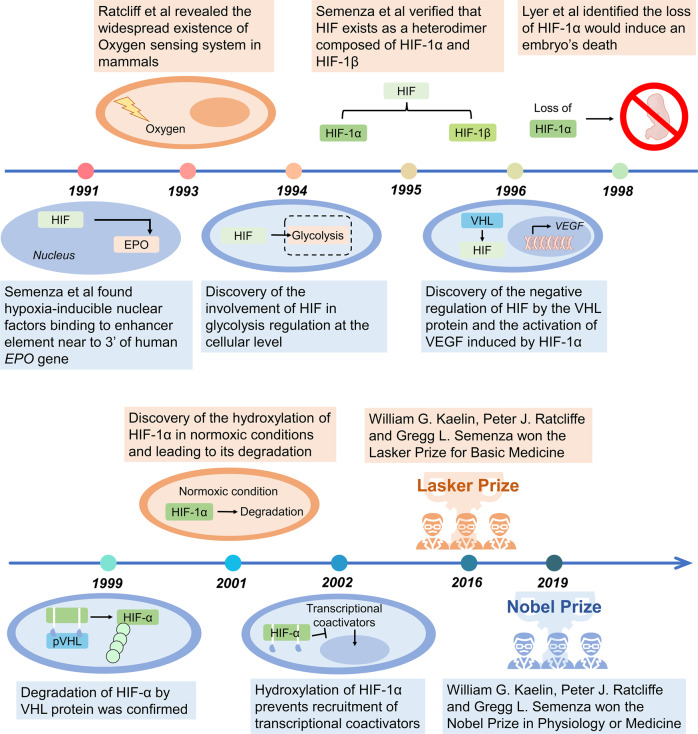
“impairs the process of angiogenesis and eventually causes embryonic death.(13,14) Based on the discovery of HIF function in biological process, the exact regulatory mechanism of HIF was elucidated.”
BackgroundInfluentialKim, J.-W., Tchernyshyov, I., Semenza, G. L., & Dang, C. V. (2006) · Cell Metabolism · doi:10.1016/j.cmet.2006.02.002 · Cited by 3,905
Cellular processing of platinum anticancer drugs
Wang, D., & Lippard, S. J. (2005) · Nature Reviews Drug Discovery · doi:10.1038/nrd1691 · Cited by 3,801 · cited 4×
“Helicobacter pylori (H. pylori) is associated with a large number of gastrointestinal diseases,523 and is known as one of the leading factors affecting the development of GC.524,525 Therefore, the treatment of H. pylori is crucial for preventing GC. H. pylori infection may trigger duodenal ulcers, a type of peptic ulc…”
InfluentialEmpagliflozin and Progression of Kidney Disease in Type 2 Diabetes
Wanner, C., Inzucchi, S. E., Lachin, J. M., Fitchett, D., von Eynatten, M., Mattheus, M., Johansen, O. E., Woerle, H. J., Broedl, U. C., & Zinman, B. (2016) · New England Journal of Medicine · doi:10.1056/nejmoa1515920 · Cited by 3,655 · cited 1×
“3% of patients receiving empagliflozin, compared to twice as high in the control group.(503) Notably, the oxidative stress involved in insulin resistance needs to be considered.”
BackgroundHypoxia-inducible factors in physiology and medicine
Semenza, G. L. (2012) · Cell · doi:10.1016/j.cell.2012.01.021 · Cited by 3,645 · cited 1×
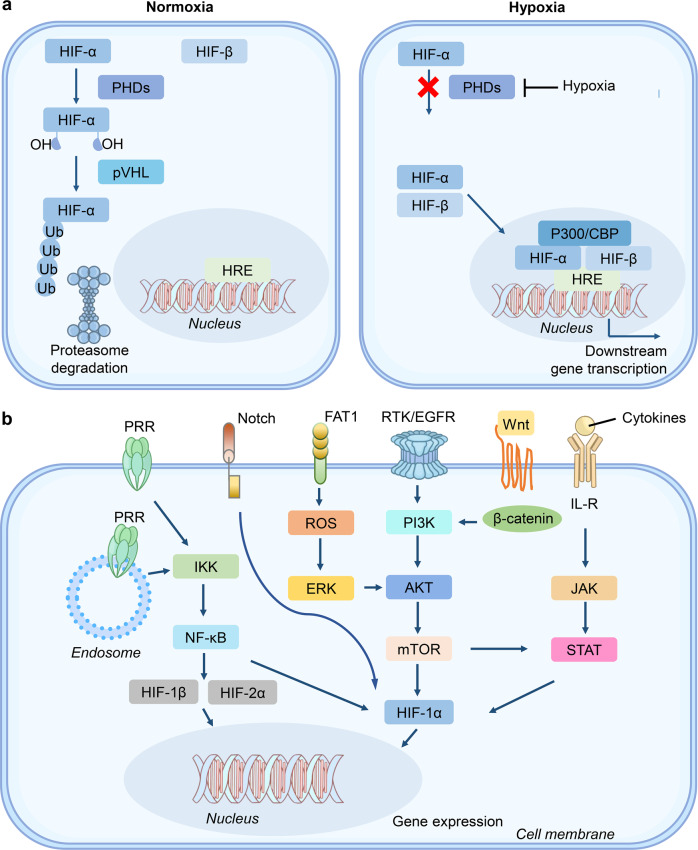
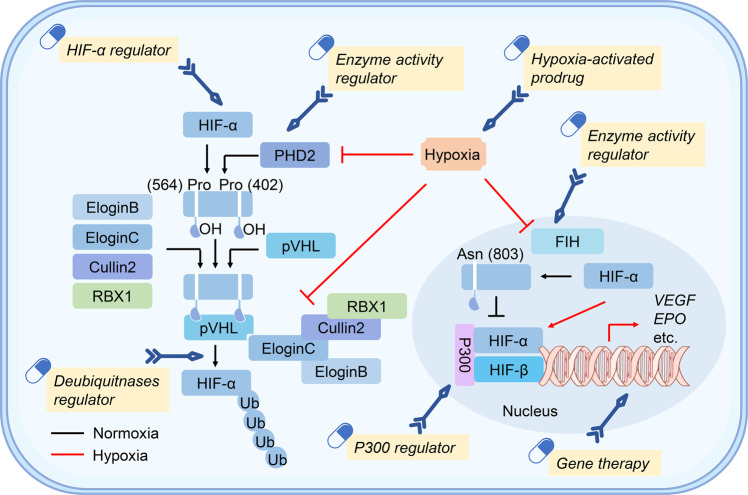
“The α-subunit protein is regulated by cellular oxygen levels, whereas the β subunit is constitutively expressed.(26,28) Under normoxic conditions, HIF-α proteins (HIF-1α, HIF-2α, and HIF-3α) undergo rapid ubiquitination and sequent degradation by proteasome through hydroxylation of prolyl residues (Fig.”
BackgroundEpstein, A. C. R., Gleadle, J. M., McNeill, L. A., Hewitson, K. S., O'Rourke, J., Mole, D. R., Mukherji, M., Metzen, E., Wilson, M. I., Dhanda, A., et al. (2001) · Cell · doi:10.1016/s0092-8674(01)00507-4 · Cited by 3,333
Oxygen sensing by metazoans: the central role of the HIF hydroxylase pathway.
Kaelin, W. G., & Ratcliffe, P. J. (2008) · Molecular Cell · doi:10.1016/j.molcel.2008.04.009 · Cited by 3,251
Targeting hypoxia in cancer therapy
Wilson, W. R., & Hay, M. P. (2011) · Nature Reviews Cancer · doi:10.1038/nrc3064 · Cited by 3,172 · cited 1×
“This class of drugs has minimal or no activity normoxically but can undergo bioreduction hypoxically to produce metabolites, known as hypoxia-activated prodrugs (HAPs), that are toxic to the cells.(473) Evofosfamide (TH-302) is a HAP,(474) which reduces tumor growth in neuroendocrine prostate cancer (NEPC).”
BackgroundThe changing landscape of atherosclerosis
Libby, P. (2021) · Nature · doi:10.1038/s41586-021-03392-8 · Cited by 2,873 · cited 1×
“endothelial injury and dysfunction, foam cell formation, and subsequent lipid deposition and thrombosis.(358) Arteriosclerosis begins with endothelial dysfunction that induces mononuclear cell infiltration.”
BackgroundEpidemiology of Prostate Cancer
Rawla, P. (2019) · World Journal of Oncology · doi:10.14740/wjon1191 · Cited by 2,776 · cited 1×
“The incidence and mortality of prostate cancer are correlated with the mean age at diagnosis is 66 years.(329) Zhong et al.”
BackgroundOsteoporosis: now and the future
Rachner, T. D., Khosla, S., & Hofbauer, L. C. (2011) · The Lancet · doi:10.1016/s0140-6736(10)62349-5 · Cited by 2,696
Al-Batran, S.-E., Homann, N., Pauligk, C., Goetze, T. O., Meiler, J., Kasper, S., Kopp, H.-G., Mayer, F., Haag, G. M., Luley, K., et al. (2019) · The Lancet · doi:10.1016/s0140-6736(18)32557-1 · Cited by 2,648
A conserved family of prolyl-4-hydroxylases that modify HIF
Bruick, R. K., & McKnight, S. L. (2001) · Science · doi:10.1126/science.1066373 · Cited by 2,549
Role of HIF-1α in hypoxia-mediated apoptosis, cell proliferation and tumour angiogenesis
Carmeliet, P., Dor, Y., Herbert, J.-M., Fukumura, D., Brusselmans, K., Dewerchin, M., Neeman, M., Bono, F., Abramovitch, R., Maxwell, P., et al. (1998) · Nature · doi:10.1038/28867 · Cited by 2,502
Cellular and developmental control of O 2 homeostasis by hypoxia-inducible factor 1α
Iyer, N. V., Kotch, L. E., Agani, F., Leung, S. W., Laughner, E., Wenger, R. H., Gassmann, M., Gearhart, J. D., Lawler, A. M., Yu, A. Y., et al. (1998) · Genes & Development · doi:10.1101/gad.12.2.149 · Cited by 2,476
Hypoxia-inducible factors and the response to hypoxic stress
Majmundar, A. J., Wong, W. J., & Simon, M. C. (2010) · Molecular Cell · doi:10.1016/j.molcel.2010.09.022 · Cited by 2,380 · cited 1×
“HIF-1α activation promotes glucose consumption and glycolysis and affects lipid metabolism.(70,71) HIF-1α is upregulated in hepatocytes in NAFLD and is also a critical regulator of liver fibrosis in NAFLD.”
BackgroundPyroptosis: Mechanisms and Diseases
Yu, P., Zhang, X., Liu, N., Tang, L., Peng, C., & Chen, X. (2021) · Signal Transduction and Targeted Therapy · doi:10.1038/s41392-021-00507-5 · Cited by 2,353
The immune system in atherosclerosis
Hansson, G. K., & Hermansson, A. (2011) · Nature Immunology · doi:10.1038/ni.2001 · Cited by 2,317
Diagnosis and classification of diabetes mellitus
American Diabetes Association (2013) · Diabetes Care · doi:10.2337/dc13-s067 · Cited by 2,245
(1999) · PubMed · Cited by 2,204
Non-alcoholic fatty liver disease - a global public health perspective
Younossi, Z. M. (2019) · Journal of Hepatology · doi:10.1016/j.jhep.2018.10.033 · Cited by 2,149
Necroptosis and its role in inflammation
Pasparakis, M., & Vandenabeele, P. (2015) · Nature · doi:10.1038/nature14191 · Cited by 2,148 · cited 1×
“Necroptosis is another programmed cell death that could be regulated by hypoxia, which is mediated by cell death receptors and related to many inflammatory diseases.(131) HIF-1α accelerated necroptosis in macrophages through miR-210 and miR-383.”
BackgroundPurification and Characterization of Hypoxia-inducible Factor 1
Wang, G. L., & Semenza, G. L. (1995) · Journal of Biological Chemistry · doi:10.1074/jbc.270.3.1230 · Cited by 2,073
Oxygen sensing by HIF hydroxylases
Schofield, C. J., & Ratcliffe, P. J. (2004) · Nature Reviews Molecular Cell Biology · doi:10.1038/nrm1366 · Cited by 2,068 · cited 1×
“The in vitro and in vivo PD models revealed that the activation of HIF-1 exerts protective effects in neurons via expression of EPO and VEGF genes.(197,426,427) Neuroprotective neuropeptide orexin-A induces HIF-1α expression, consequently activating VEGF and EPO in in-vitro PD models.”
BackgroundEltzschig, H. K., & Carmeliet, P. (2011) · New England Journal of Medicine · doi:10.1056/nejmra0910283 · Cited by 2,061
HIF-1α is essential for myeloid cell-mediated inflammation
Cramer, T., Yamanishi, Y., Clausen, B. E., Förster, I., Pawlinski, R., Mackman, N., Haase, V. H., Jaenisch, R., Corr, M., Nizet, V., et al. (2003) · Cell · doi:10.1016/s0092-8674(03)00154-5 · Cited by 2,046
Activation of a metabolic gene regulatory network downstream of mTOR complex 1
Düvel, K., Yecies, J. L., Menon, S., Raman, P., Lipovsky, A. I., Souza, A. L., Triantafellow, E., Ma, Q., Gorski, R., Cleaver, S., et al. (2010) · Molecular Cell · doi:10.1016/j.molcel.2010.06.022 · Cited by 2,020 · cited 2×
“PI3K-mTOR signaling promotes HIF-α mRNA expression, suggesting its activity upstream of HIF-α.(34,35) In addition, the upregulated PI3K-mTOR signaling in cancer cells can facilitate HIF-α activity and induce the angiogenic factors expression.”
BackgroundMetabolic reprogramming in macrophages and dendritic cells in innate immunity
Kelly, B., & O'Neill, L. A. (2015) · Cell Research · doi:10.1038/cr.2015.68 · Cited by 1,876 · cited 1×
“HIF-1α plays a vital role in metabolic diseases in tissues or organs.(149) Diabetes is one of the most common metabolic diseases, and 90–95% of adults with diabetes worldwide have T2D.”
BackgroundHIF-1α pathway: role, regulation and intervention for cancer therapy
Masoud, G. N., & Li, W. (2015) · Acta Pharmaceutica Sinica B · doi:10.1016/j.apsb.2015.05.007 · Cited by 1,871
Shi, L. Z., Wang, R., Huang, G., Vogel, P., Neale, G., Green, D. R., & Chi, H. (2011) · Journal of Experimental Medicine · doi:10.1084/jem.20110278 · Cited by 1,803
Genetics of diabetes mellitus and diabetes complications
Cole, J. B., & Florez, J. C. (2020) · Nature Reviews Nephrology · doi:10.1038/s41581-020-0278-5 · Cited by 1,797
Hypoxia, HIF1 and glucose metabolism in the solid tumour
Denko, N. C. (2008) · Nature Reviews Cancer · doi:10.1038/nrc2468 · Cited by 1,707 · cited 1×
“HIF-1 could reprogram glucose metabolism by regulating a cluster of associated genes to indirectly modulate autophagy by modifying glucose metabolism.(87,91,92) Autophagy regulates glucose uptake by controlling GLUT1 expression and function during oxygen deprivation.”
BackgroundGasdermin E suppresses tumour growth by activating anti-tumour immunity
Zhang, Z., Zhang, Y., Xia, S., Kong, Q., Li, S., Liu, X., Junqueira, C., Meza-Sosa, K. F., Mok, T. M. Y., Ansara, J., et al. (2020) · Nature · doi:10.1038/s41586-020-2071-9 · Cited by 1,686
Salceda, S., & Caro, J. (1997) · Journal of Biological Chemistry · doi:10.1074/jbc.272.36.22642 · Cited by 1,674
Pistritto, G., Trisciuoglio, D., Ceci, C., Garufi, A., & D'Orazi, G. (2016) · Aging · doi:10.18632/aging.100934 · Cited by 1,658
NF-κB links innate immunity to the hypoxic response through transcriptional regulation of HIF-1α
Rius, J., Guma, M., Schachtrup, C., Akassoglou, K., Zinkernagel, A. S., Nizet, V., Johnson, R. S., Haddad, G. G., & Karin, M. (2008) · Nature · doi:10.1038/nature06905 · Cited by 1,614
Control of TH17/Treg Balance by Hypoxia-Inducible Factor 1
Dang, E. V., Barbi, J., Yang, H.-Y., Jinasena, D., Yu, H., Zheng, Y., Bordman, Z., Fu, J., Kim, Y., Yen, H.-R., et al. (2011) · Cell · doi:10.1016/j.cell.2011.07.033 · Cited by 1,595
Lando, D., Peet, D. J., Gorman, J. J., Whelan, D. A., Whitelaw, M. L., & Bruick, R. K. (2002) · Genes & Development · doi:10.1101/gad.991402 · Cited by 1,550
Palsson-McDermott, E. M., Curtis, A. M., Goel, G., Lauterbach, M. A. R., Sheedy, F. J., Gleeson, L. E., van den Bosch, M. W. M., Quinn, S. R., Domingo-Fernandez, R., Johnston, D. G. W., et al. (2015) · Cell Metabolism · doi:10.1016/j.cmet.2014.12.005 · Cited by 1,397
Differential Roles of Hypoxia-Inducible Factor 1α (HIF-1α) and HIF-2α in Hypoxic Gene Regulation
Hu, C.-J., Wang, L.-Y., Chodosh, L. A., Keith, B., & Simon, M. C. (2003) · Molecular and Cellular Biology · doi:10.1128/mcb.23.24.9361-9374.2003 · Cited by 1,386
Gasdermins: Effectors of Pyroptosis
Kovacs, S. B., & Miao, E. A. (2017) · Trends in Cell Biology · doi:10.1016/j.tcb.2017.05.005 · Cited by 1,379
Endoplasmic reticulum stress signals in the tumour and its microenvironment
Chen, X., & Cubillos-Ruiz, J. R. (2021) · Nature Reviews Cancer · doi:10.1038/s41568-020-00312-2 · Cited by 1,356 · cited 1×
“ER stress is one of the key stress pathways in the host cell in the form of cellular unfolded protein response (UPR) through activating a series of downstream factors, such as protein kinase R-like ER kinase (PERK) and activating transcription factor 6 (ATF6).(57,58) ER stress is strongly associated with hypoxia-relat…”
BackgroundGranzyme A from cytotoxic lymphocytes cleaves GSDMB to trigger pyroptosis in target cells
Zhou, Z., He, H., Wang, K., Shi, X., Wang, Y., Su, Y., Wang, Y., Li, D., Liu, W., Zhang, Y., et al. (2020) · Science · doi:10.1126/science.aaz7548 · Cited by 1,317
van Es, M. A., Hardiman, O., Chio, A., Al-Chalabi, A., Pasterkamp, R. J., Veldink, J. H., & van den Berg, L. H. (2017) · The Lancet · doi:10.1016/s0140-6736(17)31287-4 · Cited by 1,298
Cellular Adaptation to Hypoxia through Hypoxia Inducible Factors and beyond
Lee, P., Chandel, N. S., & Simon, M. C. (2020) · Nature Reviews Molecular Cell Biology · doi:10.1038/s41580-020-0227-y · Cited by 1,272 · cited 1×
“The central pathway of cell response to a low oxygen environment involves HIF transcription factors, which are responsible for sensing the hypoxic environment in the cells, inducing metabolic changes, regulating cell proliferation, and controlling inflammatory response and other functions.(1,4) Simultaneously, HIF sig…”
BackgroundHudson, C. C., Liu, M., Chiang, G. G., Otterness, D. M., Loomis, D. C., Kaper, F., Giaccia, A. J., & Abraham, R. T. (2002) · Molecular and Cellular Biology · doi:10.1128/mcb.22.20.7004-7014.2002 · Cited by 1,186 · cited 2×
“PI3K-mTOR signaling promotes HIF-α mRNA expression, suggesting its activity upstream of HIF-α.(34,35) In addition, the upregulated PI3K-mTOR signaling in cancer cells can facilitate HIF-α activity and induce the angiogenic factors expression.”
BackgroundOxygen Sensing, Hypoxia-Inducible Factors, and Disease Pathophysiology
Semenza, G. L. (2014) · Annual Review of Pathology: Mechanisms of Disease · doi:10.1146/annurev-pathol-012513-104720 · Cited by 1,159 · cited 1×
“The in vitro and in vivo PD models revealed that the activation of HIF-1 exerts protective effects in neurons via expression of EPO and VEGF genes.(197,426,427) Neuroprotective neuropeptide orexin-A induces HIF-1α expression, consequently activating VEGF and EPO in in-vitro PD models.”
BackgroundTranscriptional regulation of vascular endothelial cell responses to hypoxia by HIF-1
Manalo, D. J., Rowan, A., Lavoie, T., Natarajan, L., Kelly, B. D., Ye, S. Q., Garcia, J. G. N., & Semenza, G. L. (2005) · Blood · doi:10.1182/blood-2004-07-2958 · Cited by 1,154
Hypoxia, DNA repair and genetic instability
Bristow, R. G., & Hill, R. P. (2008) · Nature Reviews Cancer · doi:10.1038/nrc2344 · Cited by 1,140
The quest to overcome resistance to EGFR-targeted therapies in cancer
Chong, C. R., & Jänne, P. A. (2013) · Nature Medicine · doi:10.1038/nm.3388 · Cited by 1,052 · cited 6×
“LC, a kind of malignant tumor and a leading cause of death worldwide, is mostly classified into two categories, namely small cell lung cancer (SCLC) and nonsmall cell lung cancer (NSCLC).258–260 NSCLC is the major subtype of LC and accounts for about 80% of all patients with LC.261 The initiation of LC derives from a…”
BackgroundInfluentialGao, X., Wu, G., Gu, X., Fu, L., & Mei, C. (2013) · Kidney and Blood Pressure Research · doi:10.1159/000355743 · Cited by 1,035
Hypoxia-Induced Pulmonary Vascular Remodeling: Cellular and Molecular Mechanisms
Stenmark, K. R., Fagan, K. A., & Frid, M. G. (2006) · Circulation Research · doi:10.1161/01.res.0000243584.45145.3f · Cited by 1,006
SGLT2 inhibitors and mechanisms of cardiovascular benefit: a state-of-the-art review
Verma, S., & McMurray, J. J. V. (2018) · Diabetologia · doi:10.1007/s00125-018-4670-7 · Cited by 999
Lewy pathology in Parkinson’s disease consists of crowded organelles and lipid membranes
Shahmoradian, S. H., Lewis, A. J., Genoud, C., Hench, J., Moors, T. E., Navarro, P. P., Castaño-Díez, D., Schweighauser, G., Graff-Meyer, A., Goldie, K. N., et al. (2019) · Nature Neuroscience · doi:10.1038/s41593-019-0423-2 · Cited by 996
Semenza, G. L., Nejfelt, M. K., Chi, S. M., & Antonarakis, S. E. (1991) · Proceedings of the National Academy of Sciences · doi:10.1073/pnas.88.13.5680 · Cited by 990
Hou, J., Zhao, R., Xia, W., Chang, C.-W., You, Y., Hsu, J.-M., Nie, L., Chen, Y., Wang, Y.-C., Liu, C., et al. (2020) · Nature Cell Biology · doi:10.1038/s41556-020-0575-z · Cited by 962 · cited 1×
“demonstrated that hypoxia mediates programmed death ligand 1 (PD-L1) into the nucleus and then induces the expression of GSDMC gene to promote pyroptosis in tumor cells.(123) Since the tumor microenvironment is hypoxic, pyroptosis may have varied roles in different tumors.”
BackgroundSelf-citationCure of duodenal ulcer associated with eradication of Helicobacter pylori
Rauws, E. A. J., & Tytgat, G. N. J. (1990) · The Lancet · doi:10.1016/0140-6736(90)91301-p · Cited by 922 · cited 1×
“pylori-associated duodenal ulcers.(527) Reportedly, H.”
Regulation of Human Placental Development by Oxygen Tension
Genbacev, O., Zhou, Y., Ludlow, J. W., & Fisher, S. J. (1997) · Science · doi:10.1126/science.277.5332.1669 · Cited by 914 · cited 1×
“A new blood vessel in endothelial cells supplies oxygenated blood to a specific area.(84,85)”
BackgroundZiello, J. E., Jovin, I. S., & Huang, Y. (2007) · PubMed Central · Cited by 909
Hypoxia-Inducible Factor 1α Induces Fibrosis and Insulin Resistance in White Adipose Tissue
Halberg, N., Khan, T., Trujillo, M. E., Wernstedt-Asterholm, I., Attie, A. D., Sherwani, S., Wang, Z. V., Landskroner-Eiger, S., Dineen, S., Magalang, U. J., et al. (2009) · Molecular and Cellular Biology · doi:10.1128/mcb.00192-09 · Cited by 896
Negative regulation of hypoxia-inducible genes by the von Hippel-Lindau protein.
Iliopoulos, O., Levy, A. P., Jiang, C., Kaelin, W. G., & Goldberg, M. A. (1996) · Proceedings of the National Academy of Sciences · doi:10.1073/pnas.93.20.10595 · Cited by 892
Zhang, H., Gao, P., Fukuda, R., Kumar, G., Krishnamachary, B., Zeller, K. I., Dang, C. V., & Semenza, G. L. (2007) · Cancer Cell · doi:10.1016/j.ccr.2007.04.001 · Cited by 885
Molecular pathogenesis of pulmonary arterial hypertension
Rabinovitch, M. (2008) · Journal of Clinical Investigation · doi:10.1172/jci33452 · Cited by 880
Definition, Classification and Diagnosis of Diabetes, Prediabetes and Metabolic Syndrome
Punthakee, Z., Goldenberg, R., & Katz, P. (2018) · Canadian Journal of Diabetes · doi:10.1016/j.jcjd.2017.10.003 · Cited by 877
Advances in Hypoxia-Inducible Factor Biology
Choudhry, H., & Harris, A. L. (2018) · Cell Metabolism · doi:10.1016/j.cmet.2017.10.005 · Cited by 868 · cited 1×
“Hypoxia affects the expression of many genes with clinicopathological significance in various human diseases.(442) HIF-1 is deemed as the core element in the hypoxia pathway.”
BackgroundSowter, H., Ratcliffe, P. J., Watson, P. H., Greenberg, A. H., & Harris, A. L. (2001) · PubMed · Cited by 828
Stabilization of wild-type p53 by hypoxia-inducible factor 1α
An, W. G., Kanekal, M., Simon, M. C., Maltepe, E., Blagosklonny, M. V., & Neckers, L. M. (1998) · Nature · doi:10.1038/32925 · Cited by 827
The Role of Hypoxia-Induced Factors in Tumor Progression
Vaupel, P. (2004) · The Oncologist · doi:10.1634/theoncologist.9-90005-10 · Cited by 827 · cited 1×
“Anaerobic metabolism is also regulated by HIF-1α as it induces anaerobic metabolism shift through multiple enzymes related to glycolysis and glucose transporters, like pyruvate kinase M (PKM), in turn producing energy.(69) In addition to glucose consumption and glycolysis, HIF-1α activation underlies lipid metabolism…”
Backgroundp53: 800 million years of evolution and 40 years of discovery
Levine, A. J. (2020) · Nature Reviews Cancer · doi:10.1038/s41568-020-0262-1 · Cited by 826
Hex, N., Bartlett, C., Wright, D., Taylor, M., & Varley, D. (2012) · Diabetic Medicine · doi:10.1111/j.1464-5491.2012.03698.x · Cited by 819
Transcriptional regulation by hypoxia inducible factors
Dengler, V. L., Galbraith, M. D., & Espinosa, J. M. (2014) · Critical Reviews in Biochemistry and Molecular Biology · doi:10.3109/10409238.2013.838205 · Cited by 782 · cited 3×
“Also, an increasing number of target genes have been discovered to play a role in various physiological and pathological processes in HIF-mediated AF.(403,404)”
BackgroundAutophagy Regulates Cholesterol Efflux from Macrophage Foam Cells via Lysosomal Acid Lipase
Ouimet, M., Franklin, V., Mak, E., Liao, X., Tabas, I., & Marcel, Y. L. (2011) · Cell Metabolism · doi:10.1016/j.cmet.2011.03.023 · Cited by 774 · cited 1×
“In addition, mononuclear cells activate into macrophages, during which smooth muscle cells of the new intima ingest lipids to become foam cells, forming atheromatous plaques.(361,362) Atherogenesis is related to hypoxia.”
BackgroundExpression of the gene encoding the proapoptotic Nip3 protein is induced by hypoxia
Bruick, R. K. (2000) · Proceedings of the National Academy of Sciences · doi:10.1073/pnas.97.16.9082 · Cited by 773 · cited 1×
“Several studies have identified that Nix and BNIP3, two pro-apoptotic factors, play vital roles in HIF1 mediated apoptosis.(5,113,114) P53 is a crucial tumor suppressor with a key role in apoptosis.”
BackgroundThe role of HIF in immunity and inflammation
McGettrick, A. F., & O’Neill, L. A. J. (2020) · Cell Metabolism · doi:10.1016/j.cmet.2020.08.002 · Cited by 768
Molecular mechanisms of cell death in neurological diseases
Moujalled, D., Strasser, A., & Liddell, J. R. (2021) · Cell Death & Differentiation · doi:10.1038/s41418-021-00814-y · Cited by 749 · cited 1×
“Presently, the common ways of programmed cell death include apoptosis, pyroptosis, necrosis, ferroptosis, autophagic death, and necroptosis.(105) In addition to affecting cell proliferation, metabolic reprogramming, and autophagy, hypoxia-related pathways regulate the mode of cell death.”
BackgroundIncreasing incidence of colorectal cancer in Asia: implications for screening
Sung, J. J., Lau, J. Y., Goh, K., & Leung, W. (2005) · The Lancet Oncology · doi:10.1016/s1470-2045(05)70422-8 · Cited by 740
Widespread, hypoxia‐inducible expression of HIF‐2α in distinct cell populations of different organs
Wiesener, M. S., Jürgensen, J. S., Rosenberger, C., Scholze, C., Hörstrup, J. H., Warnecke, C., Mandriota, S., Bechmann, I., Frei, U. A., Pugh, C. W., et al. (2003) · The FASEB Journal · doi:10.1096/fj.02-0445fje · Cited by 740
Codo, A. C., Davanzo, G. G., Monteiro, L. D. B., de Souza, G. F., Muraro, S. P., Virgilio-da-Silva, J. V., Prodonoff, J. S., Carregari, V. C., de Biagi Junior, C. A. O., Crunfli, F., et al. (2020) · Cell Metabolism · doi:10.1016/j.cmet.2020.07.007 · Cited by 733
Belzutifan for Renal Cell Carcinoma in von Hippel–Lindau Disease
Jonasch, E., Donskov, F., Iliopoulos, O., Rathmell, W. K., Narayan, V. K., Maughan, B. L., Oudard, S., Else, T., Maranchie, J. K., Welsh, S. J., et al. (2021) · New England Journal of Medicine · doi:10.1056/nejmoa2103425 · Cited by 714
Regulation of Immunity and Inflammation by Hypoxia in Immunological Niches
Taylor, C. T., & Colgan, S. P. (2017) · Nature reviews. Immunology · doi:10.1038/nri.2017.103 · Cited by 713
Targeting renal cell carcinoma with a HIF-2 antagonist
Chen, W., Hill, H., Christie, A., Kim, M. S., Holloman, E., Pavia-Jimenez, A., Homayoun, F., Ma, Y., Patel, N., Yell, P., et al. (2016) · Nature · doi:10.1038/nature19796 · Cited by 709 · cited 2×
“Another HIF2α-specific antagonist, PT2385, also inhibited the expression of HIF-2α target genes in ccRCC cell lines and mouse xenografts tumor model.(450) PT2385 demonstrated a favorable safety profile in phase I dose-escalation trial and established the recommended phase II dose (RP2D) of 800 mg twice daily in humans.”
BackgroundHelicobacter pylori Therapy for the Prevention of Metachronous Gastric Cancer
Choi, I. J., Kook, M.-C., Kim, Y.-I., Cho, S.-J., Lee, J. Y., Kim, C. G., Park, B., & Nam, B.-H. (2018) · New England Journal of Medicine · doi:10.1056/nejmoa1708423 · Cited by 673 · cited 4×
“Helicobacter pylori (H. pylori) is associated with a large number of gastrointestinal diseases,523 and is known as one of the leading factors affecting the development of GC.524,525 Therefore, the treatment of H. pylori is crucial for preventing GC. H. pylori infection may trigger duodenal ulcers, a type of peptic ulc…”
BackgroundInfluentialBinding of the von Hippel-Lindau Tumor Suppressor Protein to Elongin B and C
Kibel, A., Iliopoulos, O., DeCaprio, J. A., & Kaelin, W. G. (1995) · Science · doi:10.1126/science.7660130 · Cited by 671 · cited 1×
“identified a complex formed by von Hippel-Lindau (VHL) tumor suppressor protein (pVHL) with Cullin2 (CUL2), Elongin B, and Elongin C.(15) Among these factors, VHL protein has a negative regulatory effect on HIF,(16) and the absence of VHL prohibits HIF degradation and promotes tumor initiation.”
BackgroundJones, M., Ibels, L., Schenkel, B., & Zagari, M. (2004) · Kidney International · doi:10.1111/j.1523-1755.2004.00450.x · Cited by 665
Yu, A. Y., Shimoda, L. A., Iyer, N. V., Huso, D. L., Sun, X., McWilliams, R., Beaty, T., Sham, J. S. K., Wiener, C. M., Sylvester, J. T., et al. (1999) · Journal of Clinical Investigation · doi:10.1172/jci5912 · Cited by 656 · cited 7×
“Reportedly, HIF is associated with the pathophysiology of PH.”
BackgroundInfluentialMolecular pathogenesis of pulmonary arterial hypertension
Rabinovitch, M. (2012) · Journal of Clinical Investigation · doi:10.1172/jci60658 · Cited by 653 · cited 1×
“Compared to healthy controls, proliferating PAECs generate more vasoconstrictors while producing less nitric oxide (NO) and prostacyclin.(375) However, the underlying mechanism is yet unknown.”
BackgroundPancreatic tumors show high levels of hypoxia
Koong, A. C., Mehta, V. K., Le, Q. T., Fisher, G. A., Terris, D. J., Brown, J. M., Bastidas, A. J., & Vierra, M. (2000) · International Journal of Radiation Oncology*Biology*Physics · doi:10.1016/s0360-3016(00)00803-8 · Cited by 650 · cited 1×
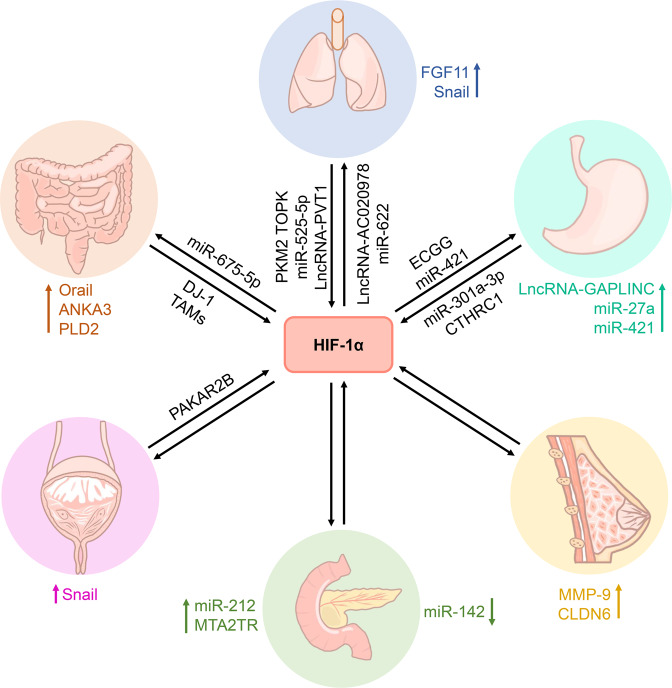
“The high malignancy of pancreatic cancer is mostly attributed to the hypoxic tumor microenvironment.(312,313) Pancreatic cancer is accompanied by HIF-1α overexpression.”
BackgroundLee (2019) · doi:10.1038/s12276-019-0299-y · Cited by 635
HIF-1 as a target for drug development
Giaccia, A., Siim, B. G., & Johnson, R. S. (2003) · Nature Reviews Drug Discovery · doi:10.1038/nrd1199 · Cited by 631
The Natural Course of Non-Alcoholic Fatty Liver Disease
Calzadilla Bertot, L., & Adams, L. (2016) · International Journal of Molecular Sciences · doi:10.3390/ijms17050774 · Cited by 620
Epidemiology of amyotrophic lateral sclerosis: an update of recent literature
Longinetti, E., & Fang, F. (2019) · Current Opinion in Neurology · doi:10.1097/wco.0000000000000730 · Cited by 620
Correa, P. (2013) · Gastroenterology Clinics of North America · doi:10.1016/j.gtc.2013.01.002 · Cited by 615
Definition, Classification and Diagnosis of Diabetes, Prediabetes and Metabolic Syndrome
Goldenberg, R., & Punthakee, Z. (2013) · Canadian Journal of Diabetes · doi:10.1016/j.jcjd.2013.01.011 · Cited by 611
Hypoxia-Inducible Factor 1 and Cardiovascular Disease
Semenza, G. L. (2014) · Annual Review of Physiology · doi:10.1146/annurev-physiol-021113-170322 · Cited by 608
Mansfield, K. D., Guzy, R. D., Pan, Y., Young, R. M., Cash, T. P., Schumacker, P. T., & Simon, M. C. (2005) · Cell Metabolism · doi:10.1016/j.cmet.2005.05.003 · Cited by 606
Zagzag, D., Zhong, H., Scalzitti, J. M., Laughner, E., Simons, J. W., & Semenza, G. L. (2000) · Cancer · doi:10.1002/1097-0142(20000601)88:11<2606::aid-cncr25>3.0.co;2-w · Cited by 604
Lee, Y. S., Kim, J.-W., Osborne, O., Oh, D. Y., Sasik, R., Schenk, S., Chen, A., Chung, H., Murphy, A., Watkins, S. M., et al. (2014) · Cell · doi:10.1016/j.cell.2014.05.012 · Cited by 598
Physical exercise in the prevention and treatment of Alzheimer's disease
De la Rosa, A., Olaso-Gonzalez, G., Arc-Chagnaud, C., Millan, F., Salvador-Pascual, A., García-Lucerga, C., Blasco-Lafarga, C., Garcia-Dominguez, E., Carretero, A., Correas, A. G., et al. (2020) · Journal of Sport and Health Science · doi:10.1016/j.jshs.2020.01.004 · Cited by 595
Levels of Hypoxia-Inducible Factor-1 During Breast Carcinogenesis
Bos, R., Zhong, H., Hanrahan, C. F., Mommers, E. C. M., Semenza, G. L., Pinedo, H. M., Abeloff, M. D., Simons, J. W., van Diest, P. J., & van der Wall, E. (2001) · JNCI Journal of the National Cancer Institute · doi:10.1093/jnci/93.4.309 · Cited by 593
Roxadustat for Anemia in Patients with Kidney Disease Not Receiving Dialysis
Chen, N., Hao, C., Peng, X., Lin, H., Yin, A., Hao, L., Tao, Y., Liang, X., Liu, Z., Xing, C., et al. (2019) · New England Journal of Medicine · doi:10.1056/nejmoa1813599 · Cited by 582 · cited 1×
“The level of total cholesterol was lower in the roxadustat group than that in the placebo group.(510) However, patients receiving roxadustat were likely to develop hyperkalemia or metabolic acidosis.”
ResultIschaemic conditioning and reperfusion injury
Hausenloy, D. J., & Yellon, D. M. (2016) · Nature Reviews Cardiology · doi:10.1038/nrcardio.2016.5 · Cited by 579 · cited 1×
“Ischemic preconditioning and reperfusion are common cardioprotective strategies.(485) Also, the modulation of HIF-1α expression with drugs is one of the therapeutic directions, facilitating hydroxylate of HIF-1α and ubiquitindependent degradation.”
BackgroundXBP1 Is Essential for Survival under Hypoxic Conditions and Is Required for Tumor Growth
Romero-Ramirez, L., Cao, H., Nelson, D., Hammond, E., Lee, A.-H., Yoshida, H., Mori, K., Glimcher, L. H., Denko, N. C., Giaccia, A. J., et al. (2004) · Cancer Research · doi:10.1158/0008-5472.can-04-1606 · Cited by 570
Ivan, M., Haberberger, T., Gervasi, D. C., Michelson, K. S., Günzler, V., Kondo, K., Yang, H., Sorokina, I., Conaway, R. C., Conaway, J. W., et al. (2002) · Proceedings of the National Academy of Sciences · doi:10.1073/pnas.192342099 · Cited by 561
Stabilization of HIF-1α is critical to improve wound healing in diabetic mice
Botusan, I. R., Sunkari, V. G., Savu, O., Catrina, A. I., Grünler, J., Lindberg, S., Pereira, T., Ylä-Herttuala, S., Poellinger, L., Brismar, K., et al. (2008) · Proceedings of the National Academy of Sciences · doi:10.1073/pnas.0805230105 · Cited by 533
TSC2 regulates VEGF through mTOR-dependent and -independent pathways
Brugarolas, J. B., Vazquez, F., Reddy, A., Sellers, W. R., & Kaelin, W. G. (2003) · Cancer Cell · doi:10.1016/s1535-6108(03)00187-9 · Cited by 528 · cited 1×
“In addition, the upregulated PI3K-mTOR signaling in cancer cells can facilitate HIF-α activity and induce the angiogenic factors expression.(36) Furthermore, signal transducer and activator of transcription 3 (STAT3) was phosphorylated by mTORC1 in a hypoxic environment, thereby inducing HIF-1α RNA expression.”
BackgroundHypoxia-inducible factor-2α is a catabolic regulator of osteoarthritic cartilage destruction
Yang, S., Kim, J., Ryu, J.-H., Oh, H., Chun, C.-H., Kim, B. J., Min, B. H., & Chun, J.-S. (2010) · Nature Medicine · doi:10.1038/nm.2153 · Cited by 527
Firth, J. D., Ebert, B. L., Pugh, C. W., & Ratcliffe, P. J. (1994) · Proceedings of the National Academy of Sciences · doi:10.1073/pnas.91.14.6496 · Cited by 525
An HIF-1α/VEGF-A Axis in Cytotoxic T Cells Regulates Tumor Progression
Palazon, A., Tyrakis, P. A., Macias, D., Veliça, P., Rundqvist, H., Fitzpatrick, S., Vojnovic, N., Phan, A. T., Loman, N., Hedenfalk, I., et al. (2017) · Cancer Cell · doi:10.1016/j.ccell.2017.10.003 · Cited by 521
Pharmacological targeting of endoplasmic reticulum stress in disease
Marciniak, S. J., Chambers, J. E., & Ron, D. (2022) · Nature Reviews Drug Discovery · doi:10.1038/s41573-021-00320-3 · Cited by 520 · cited 1×
“ER stress is one of the key stress pathways in the host cell in the form of cellular unfolded protein response (UPR) through activating a series of downstream factors, such as protein kinase R-like ER kinase (PERK) and activating transcription factor 6 (ATF6).(57,58) ER stress is strongly associated with hypoxia-relat…”
BackgroundProgrammed cell death and the immune system
Nagata, S., & Tanaka, M. (2017) · Nature Reviews Immunology · doi:10.1038/nri.2016.153 · Cited by 512 · cited 1×
“Hypoxia in cell death Programmed cell death (PCD) is a common biological process in organisms that functions in the normal development of cells, maintaining tissue homeostasis against foreign infection, activating immunity, and clearing damaged cells.(103,104) Presently, the common ways of programmed cell death includ…”
BackgroundTuder, R. M., Chacon, M., Alger, L., Wang, J., Taraseviciene‐Stewart, L., Kasahara, Y., Cool, C. D., Bishop, A. E., Geraci, M., Semenza, G. L., et al. (2001) · The Journal of Pathology · doi:10.1002/path.953 · Cited by 500
Scortegagna, M., Ding, K., Oktay, Y., Gaur, A., Thurmond, F., Yan, L.-J., Marck, B. T., Matsumoto, A. M., Shelton, J. M., Richardson, J. A., et al. (2003) · Nature Genetics · doi:10.1038/ng1266 · Cited by 496
Richard, D. E., Berra, E., & Pouysségur, J. (2000) · Journal of Biological Chemistry · doi:10.1016/s0021-9258(19)61441-9 · Cited by 488 · cited 1×
“A new blood vessel in endothelial cells supplies oxygenated blood to a specific area.(84,85)”
BackgroundWood, S. L., Pernemalm, M., Crosbie, P. A., & Whetton, A. D. (2014) · Cancer Treatment Reviews · doi:10.1016/j.ctrv.2013.10.001 · Cited by 485 · cited 1×
“The initiation of LC derives from a highly vascularized and oxygenated tumor microenvironment, crucial for tumor progression.(262,263) Current studies have found that hypoxia signaling is associated with multiple processes in the occurrence and progression of NSCLC and SCLC,(264,265) which are controlled precisely and…”
BackgroundTargeting the HIF2–VEGF axis in renal cell carcinoma
Choueiri, T. K., & Kaelin, W. G. (2020) · Nature Medicine · doi:10.1038/s41591-020-1093-z · Cited by 477 · cited 1×
“The occurrence of pVHL tumor suppressor inactivation is a major event in ccRCC.(448) Hypoxia signaling in human health and diseases: implications and.”
BackgroundMitochondrial dysfunction and oxidative stress in Parkinson's disease and monogenic parkinsonism
Hauser, D. N., & Hastings, T. G. (2013) · Neurobiology of Disease · doi:10.1016/j.nbd.2012.10.011 · Cited by 474 · cited 3×
“In addition, the regulation of HIF-1 signaling by the ubiquitin-dependent proteasome pathway or HIF-specific prolyl hydroxylases is also able to avoid the neurons injury from oxidative stress, thereby accelerating the progress of PD.401,428–430 Amyotrophic lateral sclerosis (ALS) is a chronic neuronal disease caused b…”
BackgroundSluimer, J. C., Gasc, J.-M., van Wanroij, J. L., Kisters, N., Groeneweg, M., Sollewijn Gelpke, M. D., Cleutjens, J. P., van den Akker, L. H., Corvol, P., Wouters, B. G., et al. (2008) · Journal of the American College of Cardiology · doi:10.1016/j.jacc.2007.12.025 · Cited by 470 · cited 7×
“Kaelin et al. identified a complex formed by von Hippel-Lindau (VHL) tumor suppressor protein (pVHL) with Cullin2 (CUL2), Elongin B, and Elongin C.15 Among these factors, VHL protein has a negative regulatory effect on HIF,16 and the absence of VHL prohibits HIF degradation and promotes tumor initiation.17 Accumulatin…”
BackgroundInfluentialOn-target efficacy of a HIF-2α antagonist in preclinical kidney cancer models
Cho, H., Du, X., Rizzi, J. P., Liberzon, E., Chakraborty, A. A., Gao, W., Carvo, I., Signoretti, S., Bruick, R. K., Josey, J. A., et al. (2016) · Nature · doi:10.1038/nature19795 · Cited by 451
Gupta, N., & Wish, J. B. (2017) · American Journal of Kidney Diseases · doi:10.1053/j.ajkd.2016.12.011 · Cited by 444
Bruick, R. K. (2003) · Genes & Development · doi:10.1101/gad.1145503 · Cited by 440
Hypoxia: Overview on Hypoxia-Mediated Mechanisms with a Focus on the Role of HIF Genes
Tirpe, A. A., Gulei, D., Ciortea, S. M., Crivii, C., & Berindan-Neagoe, I. (2019) · International Journal of Molecular Sciences · doi:10.3390/ijms20246140 · Cited by 438
Oxygen availability and metabolic adaptations
Nakazawa, M. S., Keith, B., & Simon, M. C. (2016) · Nature Reviews Cancer · doi:10.1038/nrc.2016.84 · Cited by 435
The ever-expanding role of HIF in tumour and stromal biology
LaGory, E. L., & Giaccia, A. J. (2016) · Nature Cell Biology · doi:10.1038/ncb3330 · Cited by 430
Wang, Z. (2017) · Methods in Molecular Biology · doi:10.1007/978-1-4939-7219-7_1 · Cited by 430 · cited 1×
“The ErbB receptor tyrosine kinase family members are considered oncogenes in various cancers.(480) Tarloxotinib is also a HAP that effectuates by inhibiting the activation of four members of the ErbB family.”
BackgroundMaxwell, P. H., Pugh, C. W., & Ratcliffe, P. J. (1993) · Proceedings of the National Academy of Sciences · doi:10.1073/pnas.90.6.2423 · Cited by 411
Labianca, R., Beretta, G. D., Kildani, B., Milesi, L., Merlin, F., Mosconi, S., Pessi, M. A., Prochilo, T., Quadri, A., Gatta, G., et al. (2010) · Critical Reviews in Oncology/Hematology · doi:10.1016/j.critrevonc.2010.01.010 · Cited by 409 · cited 1×
“Colon cancer is one of the most common cancers worldwide, with the highest mortality rate along with breast, lung, and prostate cancers.(236) The colon and rectum are the final portions of the human digestive tract.”
BackgroundYuan, S., Wei, C., Liu, G., Zhang, L., Li, J., Li, L., Cai, S., & Fang, L. (2022) · Cell Proliferation · doi:10.1111/cpr.13158 · Cited by 408 · cited 1×
“Another study showed that sorafenib reduces CCl4-induced liver fibrosis through the induction of ferroptosis in hepatic stellate cells via HIF-1α/SLC7A11 pathway.(137) Moreover, hypoxia stimulates SUMO/sentrin-specific peptidase 1 (SENP1) protein to promote deSUMOylation of HIF-1α in H9C2 cells, thereby inhibiting car…”
BackgroundKrishnan, J., Suter, M., Windak, R., Krebs, T., Felley, A., Montessuit, C., Tokarska-Schlattner, M., Aasum, E., Bogdanova, A., Perriard, E., et al. (2009) · Cell Metabolism · doi:10.1016/j.cmet.2009.05.005 · Cited by 404
Jayaprakash, P., Ai, M., Liu, A., Budhani, P., Bartkowiak, T., Sheng, J., Ager, C., Nicholas, C., Jaiswal, A. R., Sun, Y., et al. (2018) · Journal of Clinical Investigation · doi:10.1172/jci96268 · Cited by 399
Type-2 diabetes mellitus and cardiovascular disease
Henning, R. J. (2018) · Future Cardiology · doi:10.2217/fca-2018-0045 · Cited by 398 · cited 3×
“Diabetes is one of the most common metabolic diseases, and 90–95% of adults with diabetes worldwide have T2D.(495) The regulation of HIF-1α in β-cell reserve and aryl hydrocarbon receptor nuclear translocator expression in islets.”
BackgroundInfluentialmTORC1 drives HIF-1α and VEGF-A signalling via multiple mechanisms involving 4E-BP1, S6K1 and STAT3
Dodd, K. M., Yang, J., Shen, M. H., Sampson, J. R., & Tee, A. R. (2015) · Oncogene · doi:10.1038/onc.2014.164 · Cited by 391
Etiology of aseptic meningitis and encephalitis in an adult population
Kupila, L., Vuorinen, T., Vainionpää, R., Hukkanen, V., Marttila, R. J., & Kotilainen, P. (2006) · Neurology · doi:10.1212/01.wnl.0000191407.81333.00 · Cited by 388
Hyperglycemia Regulates Hypoxia-Inducible Factor-1α Protein Stability and Function
Catrina, S.-B., Okamoto, K., Pereira, T., Brismar, K., & Poellinger, L. (2004) · Diabetes · doi:10.2337/diabetes.53.12.3226 · Cited by 384
Hypoxia signaling in human diseases and therapeutic targets
Lee, J. W., Ko, J., Ju, C., & Eltzschig, H. K. (2019) · Experimental & Molecular Medicine · doi:10.1038/s12276-019-0235-1 · Cited by 384 · cited 2×
“Stable HIF expression, for example, protects against acute lung injury during hypoxia and promotes pulmonary hypertension development.(522) The hypoxic prodrug, on the other hand, has a somewhat higher specificity because its active form requires a certain oxygen concentration to activate.”
BackgroundHIF-1α-BNIP3-mediated mitophagy in tubular cells protects against renal ischemia/reperfusion injury
Fu, Z.-J., Wang, Z.-Y., Xu, L., Chen, X.-H., Li, X.-X., Liao, W.-T., Ma, H.-K., Jiang, M.-D., Xu, T.-T., Xu, J., et al. (2020) · Redox Biology · doi:10.1016/j.redox.2020.101671 · Cited by 382
Pleiotropic effects of HIF-1 blockade on tumor radiosensitivity
Moeller, B. J., Dreher, M. R., Rabbani, Z. N., Schroeder, T., Cao, Y., Li, C. Y., & Dewhirst, M. W. (2005) · Cancer Cell · doi:10.1016/j.ccr.2005.06.016 · Cited by 374 · cited 4×
“The occurrence of pVHL tumor suppressor inactivation is a major event in ccRCC.448 Signal Transduction and Targeted Therapy (2022) 7:218 Inactivation of pVHL stabilizes HIF-1α and HIF-2α.”
BackgroundInfluentialTafani, M., Sansone, L., Limana, F., Arcangeli, T., De Santis, E., Polese, M., Fini, M., & Russo, M. A. (2016) · Oxidative Medicine and Cellular Longevity · doi:10.1155/2016/3907147 · Cited by 373 · cited 1×
“Hypoxia in tissues increases ROS production, leading to cell death.(436) Thus, the uncontrolled hypoxia pathway is responsible for motor neuron death in ALS.”
BackgroundMAPK Signaling Up-regulates the Activity of Hypoxia-inducible Factors by Its Effects on p300
Sang, N., Stiehl, D. P., Bohensky, J., Leshchinsky, I., Srinivas, V., & Caro, J. (2003) · Journal of Biological Chemistry · doi:10.1074/jbc.m209702200 · Cited by 370 · cited 1×
“Lastly, the mitogen-activated protein kinase (MAPK) signaling activates of HIF-1α pathway through regulating the p300/CBP protein complex.(46) These studies indicated that ERK signaling regulates the mRNA level of HIF-1α to coordinate HIF signal.”
BackgroundEpidemiology of Parkinson Disease
Lee, A., & Gilbert, R. M. (2016) · Neurologic Clinics · doi:10.1016/j.ncl.2016.06.012 · Cited by 366
Programmed cell death and apoptosis: origins of the theory
Lockshin, R. A., & Zakeri, Z. (2001) · Nature Reviews Molecular Cell Biology · doi:10.1038/35080097 · Cited by 361
Kang, Y.-K., Yook, J. H., Park, Y.-K., Lee, J. S., Kim, Y.-W., Kim, J. Y., Ryu, M.-H., Rha, S. Y., Chung, I. J., Kim, I.-H., et al. (2021) · Journal of Clinical Oncology · doi:10.1200/jco.20.02914 · Cited by 359
Non-alcoholic fatty liver disease
Maurice, J., & Manousou, P. (2018) · Clinical Medicine · doi:10.7861/clinmedicine.18-3-245 · Cited by 357 · cited 1×
“NAFLD is a kind of the most prevalent chronic liver disease globally,(189) characterized by macrovesicular steatosis in hepatocytes (≥5%) in the absence of a secondary cause, such as drugs or alcohol.(190) In the absence of overdose alcohol intake, it is a progressive disease that involves lipid accumulation and nonal…”
BackgroundFrom Subclinical Atherosclerosis to Plaque Progression and Acute Coronary Events
Ahmadi, A., Argulian, E., Leipsic, J., Newby, D. E., & Narula, J. (2019) · Journal of the American College of Cardiology · doi:10.1016/j.jacc.2019.08.012 · Cited by 351
Human high-altitude adaptation: forward genetics meets the HIF pathway
Bigham, A. W., & Lee, F. S. (2014) · Genes & Development · doi:10.1101/gad.250167.114 · Cited by 349
Structural integration in hypoxia-inducible factors
Wu, D., Potluri, N., Lu, J., Kim, Y., & Rastinejad, F. (2015) · Nature · doi:10.1038/nature14883 · Cited by 346 · cited 1×
“Subsequently, the HIF-α subunit interacts with HIF-1β to form a transcriptional complex dimerization, then entering the nucleus and combining with hypoxia-responsive elements (HREs), inducing the expression of numerous downstream genes.(31,32) Notably, HIF-3α exerts an opposite role in the induction of hypoxia-related…”
BackgroundQiu, Z., He, Y., Ming, H., Lei, S., Leng, Y., & Xia, Z.-Y. (2019) · Journal of Diabetes Research · doi:10.1155/2019/8151836 · Cited by 340 · cited 1×
“Another study claimed that LPS induces ROS generation to promote inflammasome activation and pyroptosis in H9C2 cells.(124) It was also confirmed that hypoxia induces ROS generation to promote pyroptosis in an NF-κB/HIF1α-dependent pathway.”
BackgroundHypoxia-inducible factor 2 regulates hepatic lipid metabolism
Rankin, E. B., Rha, J., Selak, M. A., Unger, T. L., Keith, B., Liu, Q., & Haase, V. H. (2009) · Molecular and Cellular Biology · doi:10.1128/mcb.00200-09 · Cited by 338 · cited 2×
“HIF-1α and −2α affect lipid metabolism; however, HIF-2α is the predominant subunit regulating lipid metabolism, which suppresses fatty acid oxidation and promotes the genes related to fatty acid synthesis and lipid storage.(194,205) Knockdown of HIF-2α protein reverses lipid metabolism dysregulation by acute hypoxia i…”
BackgroundGSDMD-Mediated Cardiomyocyte Pyroptosis Promotes Myocardial I/R Injury
Shi, H., Gao, Y., Dong, Z., Yang, J., Gao, R., Li, X., Zhang, S., Ma, L., Sun, X., Wang, Z., et al. (2021) · Circulation Research · doi:10.1161/circresaha.120.318629 · Cited by 335 · cited 2×
“Hypoxia/reoxygenation induces cardiomyocyte pyroptosis and IL-18 release, which is mediated by caspase 11-mediated cleavage of GSDMD.(126) Strikingly, HIF-1 plays a key role in pyroptosis based on NLRP3 inflammasome.”
BackgroundYang, Z., Fujii, H., Mohan, S. V., Goronzy, J. J., & Weyand, C. M. (2013) · Journal of Experimental Medicine · doi:10.1084/jem.20130252 · Cited by 334
Hypoxia induces type II NOS gene expression in pulmonary artery endothelial cells via HIF-1
Palmer, L. A., Semenza, G. L., Stoler, M. H., & Johns, R. A. (1998) · American Journal of Physiology-Lung Cellular and Molecular Physiology · doi:10.1152/ajplung.1998.274.2.l212 · Cited by 331
Hexokinase-II Positively Regulates Glucose Starvation-Induced Autophagy through TORC1 Inhibition
Roberts, D. J., Tan-Sah, V. P., Ding, E. Y., Smith, J. M., & Miyamoto, S. (2014) · Molecular Cell · doi:10.1016/j.molcel.2013.12.019 · Cited by 330 · cited 1×
“Autophagy stimulation through hexokinases 2 (HK2)-mediated repression of TORC1 has been reported in glycose starvation neonatal rat ventricular myocytes (NRVMs).(101) Lastly, the mTOR together with PP2A controls PHD function and further regulates HIF-1 signal and autophagy.”
BackgroundOxygen sensors and angiogenesis
Maxwell, P. H., & Ratcliffe, P. J. (2002) · Seminars in Cell & Developmental Biology · doi:10.1006/scdb.2001.0287 · Cited by 329
Hypoxia But Not Inflammation Augments Glucose Uptake in Human Macrophages
Folco, E. J., Sheikine, Y., Rocha, V. Z., Christen, T., Shvartz, E., Sukhova, G. K., Di Carli, M. F., & Libby, P. (2011) · Journal of the American College of Cardiology · doi:10.1016/j.jacc.2011.03.044 · Cited by 326
Hypoxia and brain aging: Neurodegeneration or neuroprotection?
Burtscher, J., Mallet, R. T., Burtscher, M., & Millet, G. P. (2021) · Ageing Research Reviews · doi:10.1016/j.arr.2021.101343 · Cited by 324
Transcriptional Response to Hypoxia in Human Tumors
Lal, A., Peters, H., St. Croix, B., Haroon, Z. A., Dewhirst, M. W., Strausberg, R. L., Kaanders, J. H. A. M., van der Kogel, A. J., & Riggins, G. J. (2001) · JNCI Journal of the National Cancer Institute · doi:10.1093/jnci/93.17.1337 · Cited by 320
Brusselmans, K., Compernolle, V., Tjwa, M., Wiesener, M. S., Maxwell, P. H., Collen, D., & Carmeliet, P. (2003) · Journal of Clinical Investigation · doi:10.1172/jci15496 · Cited by 316 · cited 7×
“Reportedly, HIF is associated with the pathophysiology of PH.”
BackgroundInfluentialHypoxia-inducible factors and the regulation of lipid metabolism
Mylonis, I., Simos, G., & Paraskeva, E. (2019) · Cells · doi:10.3390/cells8030214 · Cited by 316 · cited 8×
“Concurrently, when a reporter plasmid carrying HBV Enh1 was transfected into hepatoma cells under hypoxia, the HBV enhancer 1 (Enh1) activity was augmented.223 In hepatocarcinogenesis, HBx protein may be a critical mediator of hypoxia-induced angiogenesis.223 It increases the transcriptional and translational level an…”
BackgroundInfluentialViral diseases of the central nervous system
Swanson, P. A., & McGavern, D. B. (2015) · Current Opinion in Virology · doi:10.1016/j.coviro.2014.12.009 · Cited by 314 · cited 1×
“Among most cases of viral infection, enterovirus is the main agent,(530) and mumps, lymphocytic choriomeningitis, and type I and II scab viruses are also common pathogens.(531) Enterovirus 71 (EV71) is a common enterovirus that causes neurological diseases in severe cases, and hypoxia may be one of the participants in…”
BackgroundSun, J., Shen, H., Shao, L., Teng, X., Chen, Y., Liu, X., Yang, Z., & Shen, Z. (2020) · Stem Cell Research & Therapy · doi:10.1186/s13287-020-01881-7 · Cited by 313
Self-citationBoku, N., Ryu, M.-H., Kato, K., Chung, H. C., Minashi, K., Lee, K.-W., Cho, H., Kang, W. K., Komatsu, Y., Tsuda, M., et al. (2019) · Annals of Oncology · doi:10.1093/annonc/mdy540 · Cited by 312
Choueiri, T. K., Bauer, T. M., Papadopoulos, K. P., Plimack, E. R., Merchan, J. R., McDermott, D. F., Michaelson, M. D., Appleman, L. J., Thamake, S., Perini, R. F., et al. (2021) · Nature Medicine · doi:10.1038/s41591-021-01324-7 · Cited by 305
Tap, W. D., Papai, Z., Van Tine, B. A., Attia, S., Ganjoo, K. N., Jones, R. L., Schuetze, S., Reed, D., Chawla, S. P., Riedel, R. F., et al. (2017) · The Lancet Oncology · doi:10.1016/s1470-2045(17)30381-9 · Cited by 302
The tumor microenvironment and metastatic disease
Lunt, S. J., Chaudary, N., & Hill, R. P. (2009) · Clinical & Experimental Metastasis · doi:10.1007/s10585-008-9182-2 · Cited by 298 · cited 1×
“Hypoxia is closely related to the aggressive tumor phenotypes of gastric carcinomas,(281,282) including the metastatic ability of cancer cells.(283,284) For example, hypoxia increases GC malignancy partially through transcriptional activation of lncRNA-GAPLINC in a HIF-1α-dependent manner.”
BackgroundOxygen sensing and hypoxia signalling pathways in animals: The implications of physiology for cancer
Ratcliffe, P. J. (2013) · The Journal of Physiology · doi:10.1113/jphysiol.2013.251470 · Cited by 294
Shi, L., Pan, H., Liu, Z., Xie, J., & Han, W. (2017) · Signal Transduction and Targeted Therapy · doi:10.1038/sigtrans.2017.44 · Cited by 292
Dai, X., Lu, L., Deng, S., Meng, J., Wan, C., Huang, J., Sun, Y., Hu, Y., Wu, B., Wu, G., et al. (2020) · Theranostics · doi:10.7150/thno.47137 · Cited by 288 · cited 1×
“However, USP7 inhibitors slowed the tumor development in Lewis LC mice.(472) In addition to the regulation of HIFs, applying the hypoxic properties of the tumor microenvironment to enhance the specificity of drugs is another therapeutic strategy.”
BackgroundPhosphoglycerate Kinase 1 Phosphorylates Beclin1 to Induce Autophagy
Qian, X., Li, X., Cai, Q., Zhang, C., Yu, Q., Jiang, Y., Lee, J.-H., Hawke, D., Wang, Y., Xia, Y., et al. (2017) · Molecular Cell · doi:10.1016/j.molcel.2017.01.027 · Cited by 283
Zannad, F., Ferreira, J. P., Pocock, S. J., Zeller, C., Anker, S. D., Butler, J., Filippatos, G., Hauske, S. J., Brueckmann, M., Pfarr, E., et al. (2021) · Circulation · doi:10.1161/circulationaha.120.051685 · Cited by 280
Meng, X., Grötsch, B., Luo, Y., Knaup, K. X., Wiesener, M. S., Chen, X.-X., Jantsch, J., Fillatreau, S., Schett, G., & Bozec, A. (2018) · Nature Communications · doi:10.1038/s41467-017-02683-x · Cited by 274
The role of non-resolving inflammation in atherosclerosis
Kasikara, C., Doran, A. C., Cai, B., & Tabas, I. (2018) · Journal of Clinical Investigation · doi:10.1172/jci97950 · Cited by 266
Hypoxia Inducible-Factor1α Regulates the Metabolic Shift of Pulmonary Hypertensive Endothelial Cells
Fijalkowska, I., Xu, W., Comhair, S. A. A., Janocha, A. J., Mavrakis, L. A., Krishnamachary, B., Zhen, L., Mao, T., Richter, A., Erzurum, S. C., et al. (2010) · The American Journal of Pathology · doi:10.2353/ajpath.2010.090832 · Cited by 263
Hua, Q., Mi, B., Xu, F., Wen, J., Zhao, L., Liu, J., & Huang, G. (2020) · Theranostics · doi:10.7150/thno.43839 · Cited by 261
A small molecule HIF-1α stabilizer that accelerates diabetic wound healing
Li, G., Ko, C.-N., Li, D., Yang, C., Wang, W., Yang, G.-J., Di Primo, C., Wong, V. K. W., Xiang, Y., Lin, L., et al. (2021) · Nature Communications · doi:10.1038/s41467-021-23448-7 · Cited by 261
Self-citationPancreatic Cancer: Pathogenesis and Diagnosis
Goral, V. (2015) · Asian Pacific Journal of Cancer Prevention · doi:10.7314/apjcp.2015.16.14.5619 · Cited by 259
The emerging role of ferroptosis in intestinal disease
Xu, S., He, Y., Lin, L., Chen, P., Chen, M., & Zhang, S. (2021) · Cell Death & Disease · doi:10.1038/s41419-021-03559-1 · Cited by 258 · cited 1×
“Ferroptosis is associated with various diseases, including those of the intestine, kidney, liver, and tumors.(135) Increasing evidence demonstrates a highly concerned relationship between hypoxia and ferroptosis.”
BackgroundPIRET, J., MOTTET, D., RAES, M., & MICHIELS, C. (2002) · Annals of the New York Academy of Sciences · doi:10.1111/j.1749-6632.2002.tb04680.x · Cited by 257
Increased expression of hypoxia inducible factor-1alpha in rat and human prostate cancer.
Zhong, H., Agani, F. H., Baccala, A. A., Laughner, E., Rioseco‐Camacho, N., Wb, I., Simons, J. W., & Semenza, G. L. (1998) · PubMed · Cited by 255
Vadadustat in Patients with Anemia and Non–Dialysis-Dependent CKD
Chertow, G. M., Pergola, P. E., Farag, Y. M. K., Agarwal, R., Arnold, S., Bako, G., Block, G. A., Burke, S., Castillo, F. P., Jardine, A. G., et al. (2021) · New England Journal of Medicine · doi:10.1056/nejmoa2035938 · Cited by 254 · cited 1×
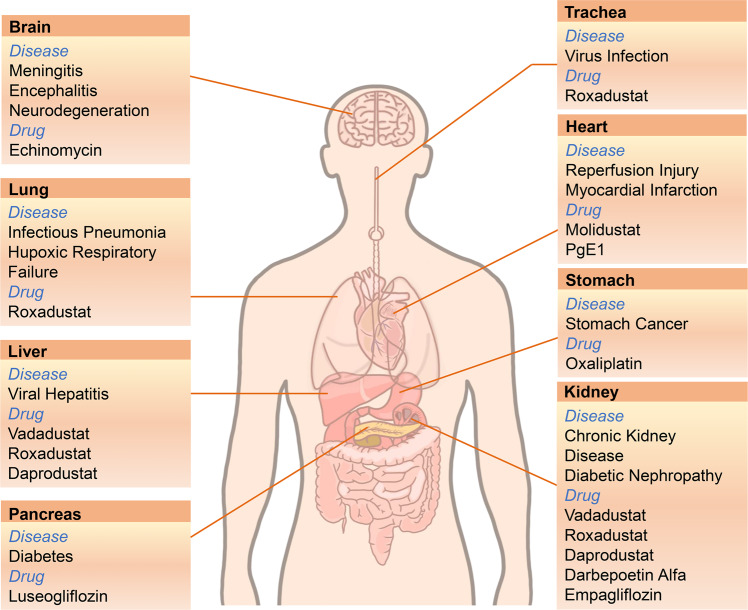
“25 but achieved the prespecified non-inferiority for hematologic efficacy.(508) Roxadustat has been authorized for China in dialysis-dependent CKD anemia patients’ treatment.”
BackgroundHIF-1α promotes SARS-CoV-2 infection and aggravates inflammatory responses to COVID-19
Tian, M., Liu, W., Li, X., Zhao, P., Shereen, M. A., Zhu, C., Huang, S., Liu, S., Yu, X., Yue, M., et al. (2021) · Signal Transduction and Targeted Therapy · doi:10.1038/s41392-021-00726-w · Cited by 253
Self-citationRoxadustat: First Global Approval
Dhillon, S. (2019) · Drugs · doi:10.1007/s40265-019-01077-1 · Cited by 252
Protein Hydroxylation by Hypoxia-Inducible Factor (HIF) Hydroxylases: Unique or Ubiquitous?
Strowitzki, M., Cummins, E., & Taylor, C. (2019) · Cells · doi:10.3390/cells8050384 · Cited by 247
Daprodustat for the Treatment of Anemia in Patients Undergoing Dialysis
Singh, A. K., Carroll, K., Perkovic, V., Solomon, S., Jha, V., Johansen, K. L., Lopes, R. D., Macdougall, I. C., Obrador, G. T., Waikar, S. S., et al. (2021) · New England Journal of Medicine · doi:10.1056/nejmoa2113379 · Cited by 247 · cited 1×
“Daprodustat was also non-inferior to darbepoetin alfa in terms of hazard ratios for adverse events and maintenance of hemoglobin levels in anemic patients with or without dialysis.(513,514) In the above events, the data from clinical trials of PHIs display the comparative efficacy of ESA.”
BackgroundInnate and adaptive immunity: specificities and signaling hierarchies revisited
Vivier, E., & Malissen, B. (2005) · Nature Immunology · doi:10.1038/ni1153 · Cited by 246
Neurovascular Unit Dysfunction and Neurodegenerative Disorders
Yu, X., Ji, C., & Shao, A. (2020) · Frontiers in Neuroscience · doi:10.3389/fnins.2020.00334 · Cited by 244
ONECUT2 is a driver of neuroendocrine prostate cancer
Guo, H., Ci, X., Ahmed, M., Hua, J. T., Soares, F., Lin, D., Puca, L., Vosoughi, A., Xue, H., Li, E., et al. (2019) · Nature Communications · doi:10.1038/s41467-018-08133-6 · Cited by 243 · cited 1×
“Evofosfamide (TH-302) is a HAP,(474) which reduces tumor growth in neuroendocrine prostate cancer (NEPC).(475) Multiple trials have investigated the antitumor efficacy of TH-302 in combination with other treatments.”
Background
Cited by
Hypoxic microenvironment in cancer: molecular mechanisms and therapeutic interventions
Chen, Z., Han, F., Du, Y., Shi, H., & Zhou, W. (2023) · Signal Transduction and Targeted Therapy · doi:10.1038/s41392-023-01332-8 · Cited by 1,612
Pathophysiological mechanisms and therapeutic approaches in obstructive sleep apnea syndrome
Lv, R., Liu, X., Zhang, Y., Dong, N., Wang, X., He, Y., Yue, H., & Yin, Q. (2023) · Signal Transduction and Targeted Therapy · doi:10.1038/s41392-023-01496-3 · Cited by 477
Nayak, S. S., Kuriyakose, D., Polisetty, L. D., Patil, A. A., Ameen, D., Bonu, R., Shetty, S. P., Biswas, P., Ulrich, M. T., Letafatkar, N., et al. (2024) · Cardiovascular Diabetology · doi:10.1186/s12933-024-02392-y · Cited by 212
“[107] The activation ofHypoxia-Inducible Factor 1 (HIF-1) triggers a cascade of inflammatory signaling and impairs insulin signaling, contributing to the onset of IR [108, 109].”
BackgroundGlaviano, A., Lau, H., Carter, L. M., Lee, E. H. C., Lam, H. Y., Okina, E., Tan, D. J. J., Tan, W., Ang, H. L., Carbone, D., et al. (2025) · Journal of Hematology & Oncology · doi:10.1186/s13045-024-01634-6 · Cited by 183
Kolipaka, T., Pandey, G., Abraham, N., Srinivasarao, D. A., Raghuvanshi, R. S., Rajinikanth, P. S., Tickoo, V., & Srivastava, S. (2024) · Carbohydrate Polymers · doi:10.1016/j.carbpol.2023.121537 · Cited by 162
Metadata
- Authors
- Luo, Z., Tian, M., Yang, G., Tan, Q., Chen, Y., Li, G., Zhang, Q., Li, Y., Wan, P., & Wu, J.
- Affiliations
- Jinan University (CN)
- The Affiliated Shunde Hospital of Jinan University (CN)
- Corresponding author
- Wan, Pin
- Wu, Jianguo
- Venue
- Signal Transduction and Targeted Therapy
- Published
- 2022-07-07
- Volume
- 7
- Issue
- 1
- Pages
- 218-218
- ISSN
- 2059-3635 (ISSN-L)
- PMC
- PMC9261907
- OpenAlex
- W4284690118
- Cited by
- 499
- References
- 564
- Citations by year
- 2026: 139 · 2025: 171 · 2024: 123 · 2023: 60 · 2022: 6
- FWCI
- 10.86
- Type
- journal article
- Language
- en
- Open access
- gold
- doi.org
- Licence
- cc-by
- creativecommons.org/licenses/by/4.0 (tdm)
- creativecommons.org/licenses/by/4.0 (vor)
- Locations
- Signal Transduction and Targeted Therapy (publishedVersion, cc-by)
- PubMed Central (publishedVersion, cc-by)
- PubMed (publishedVersion)
- DOAJ (DOAJ: Directory of Open Access Journals) (submittedVersion, cc-by-sa)
- Funders
- National Natural Science Foundation of China (81730061, 32070148, 32100738)
- China Postdoctoral Science Foundation (2021M691246)
- Topics
- Life Sciences › Biochemistry, Genetics and Molecular Biology › Cancer Research › Cancer, Hypoxia, and Metabolism
- Health Sciences › Medicine › Hematology › Erythropoietin and Anemia Treatment
- Life Sciences › Biochemistry, Genetics and Molecular Biology › Molecular Biology › Kruppel-like factors research
- Keywords
- hypoxia signaling, hypoxia-inducible factor, HIF signaling, oxygen sensing, cancer, metastasis, PI3K/mTOR signaling, NF-κB signaling, ERK signaling, endoplasmic reticulum stress, microbial infection, therapeutic target, drug development
- MeSH terms
- Hypoxia, Humans, Neoplasms, Oxygen, Signal Transduction, Phosphatidylinositol 3-Kinases
About these checks
Registry, retraction, Cites and statistics results are computed, not judged, with one exception: a printed reference that no index lists is read once by a model before it counts as a citation error. Claims are extracted by a model and kept only when their quote appears verbatim in the text; each cited source is then checked, with a model’s help, for whether it says what the claim relies on. Those verdicts can be wrong — read the claim’s quote and the cited source before relying on one.
Statistics and arithmetic are recomputed, not judged.
Confidence bands are shown only for fields calibrated on our annotated test set. None is calibrated yet, so no band is shown.
What counts as a claim ›How we measure confidence ›How we check this ›
Are you an author, or do you see a problem with this page? Request a review
Data sources
Bibliographic data: Semantic Scholar, OpenAlex, Crossref.
Contains information from the Semantic Scholar Academic Graph Datasets, made available under the ODC Attribution License (ODC-BY 1.0).
Semantic Scholar’s data is described in: Kinney, R., et al. (2023). The Semantic Scholar Open Data Platform. arXiv:2301.10140.
