

Tumor cell plasticity in targeted therapy-induced resistance: mechanisms and new strategies
Open accessThe DOI matches its Crossref record; 374 of the 374 references it cites were found in a registry or an index.
Abstract
Despite the success of targeted therapies in cancer treatment, therapy-induced resistance remains a major obstacle to a complete cure. Tumor cells evade treatments and relapse via phenotypic switching driven by intrinsic or induced cell plasticity. Several reversible mechanisms have been proposed to circumvent tumor cell plasticity, including epigenetic modifications, regulation of transcription factors, activation or suppression of key signaling pathways, as well as modification of the tumor environment. Epithelial-to-mesenchymal transition, tumor cell and cancer stem cell formation also serve as roads towards tumor cell plasticity. Corresponding treatment strategies have recently been developed that either target plasticity-related mechanisms or employ combination treatments. In this review, we delineate the formation of tumor cell plasticity and its manipulation of tumor evasion from targeted therapy. We discuss the non-genetic mechanisms of targeted drug-induced tumor cell plasticity in various types of tumors and provide insights into the contribution of tumor cell plasticity to acquired drug resistance. New therapeutic strategies such as inhibition or reversal of tumor cell plasticity are also presented. We also discuss the multitude of clinical trials that are ongoing worldwide with the intention of improving clinical outcomes. These advances provide a direction for developing novel therapeutic strategies and combination therapy regimens that target tumor cell plasticity.
Overview
The claims and statistics of this paper haven’t been checked yet.
Free: it reads the open-access text and checks the first 5 claims that cite a source we can check. Create a free account to check every claim.
Integrity signals
Registry
Cites
Statistics
Figures
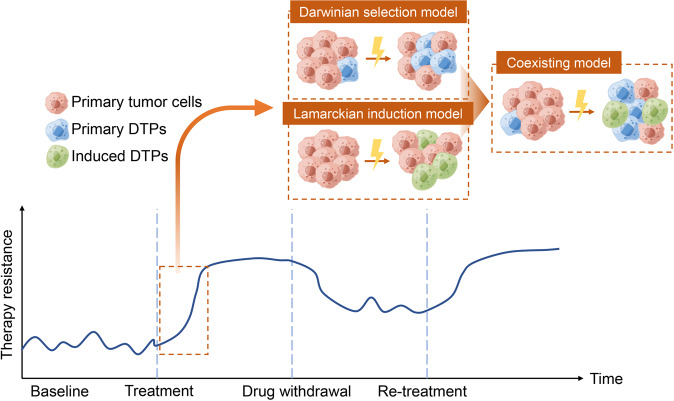
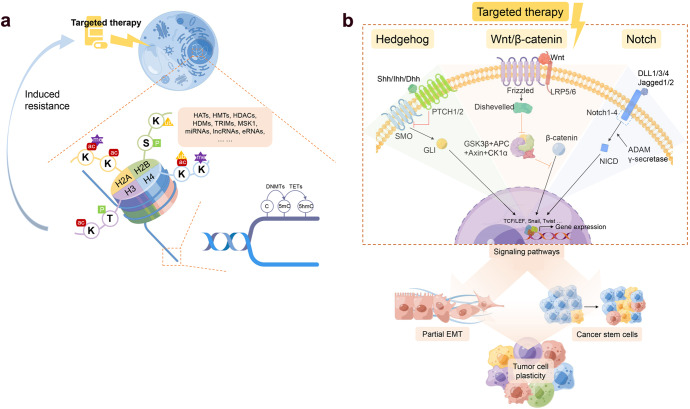
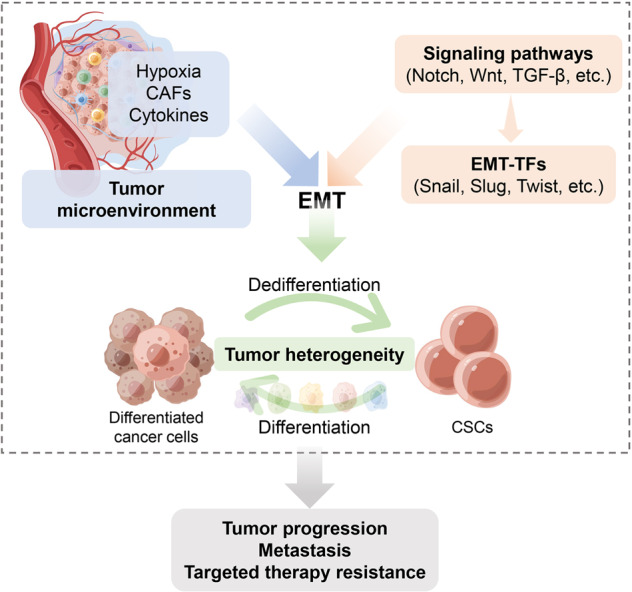
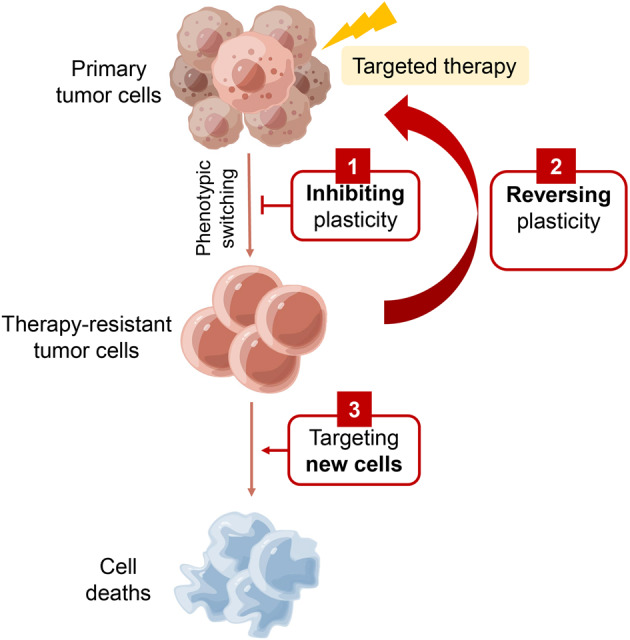
Verification
Claims the paper makes
The claims and statistics of this paper haven’t been checked yet.
Free: it reads the open-access text and checks the first 5 claims that cite a source we can check. Create a free account to check every claim.
Claims other papers make about this one
Each is checked against this paper’s own text: does it say what the citing paper says it does?
The check wasn’t confident either way, so it gives no verdict — never disputed.
In the citing paper
“Induction can be achieved with ketamine or AMPA-potentiating ampakines of the CX series, which rapidly boost Ca2+-permeable AMPAR drive, elevate BDNF, and engage mTOR-ERK pathways while sparing Hebbian learning capacity [341,342].”
From Synaptic Plasticity—Intrinsic Excitability and Antidepressant Discovery (2026) · cites this paper as [342]
Experimental — accuracy not yet measuredThe check wasn’t confident either way, so it gives no verdict — never disputed.
In the citing paper
“In chronic stress paradigms, (R)-ketamine co-administered with LY341495, a selective group II mGlu2/3 antagonist, yields rapid and long-lasting behavioral improvement through BDNF-TrkB and AMPAR mechanisms, with synaptogenesis that outlasts single-agent effects [342,345].”
From Synaptic Plasticity—Intrinsic Excitability and Antidepressant Discovery (2026) · cites this paper as [342]
Experimental — accuracy not yet measured
Self-check
Percentages, sums and reported differences re-computed from the paper’s own numbers.
The self-check needs the paper’s full text.
Citations
Cites
2 retracted
Items 201–374 of 374
Fu, Y., Zhang, Y., Lei, Z., Liu, T., Cai, T., Wang, A., Du, W., Zeng, Y., Zhu, J., Liu, Z., et al. (2020) · Journal of Hematology & Oncology · doi:10.1186/s13045-020-01009-7 · Cited by 143 · cited 1×
“FAK activation was confirmed to be dispensable for IL-6 production in the maintenance of mesenchymal stem cells and can lead to acquired resistance of gefitinib as well.(186,187)”
BackgroundAggressive variants of prostate cancer: underlying mechanisms of neuroendocrine transdifferentiation
Bergmann, L., Sailer, V., Lessel, D., Janzen, E., Greimeier, S., Kirfel, J., Perner, S., Pantel, K., Werner, S., & Amsberg, G. V. (2022) · Journal of Experimental & Clinical Cancer Research · doi:10.1186/s13046-022-02255-y · Cited by 141
A slow-cycling LGR5 tumour population mediates basal cell carcinoma relapse after therapy
Sánchez-Danés, A., Larsimont, J.-C., Liagre, M., Muñoz-Couselo, E., Lapouge, G., Brisebarre, A., Dubois, C., Suppa, M., Sukumaran, V., del Marmol, V., et al. (2018) · Nature · doi:10.1038/s41586-018-0603-3 · Cited by 139 · cited 1×
“A discontinuation of treatment led to tumor cell reactivation and resumption of proliferation.(52,53) Another distinctive form of transdifferentiation is characterized by a druginduced neuroendocrine transdifferentiation (NET).”
BackgroundWick, A., Desjardins, A., Suárez, C., Forsyth, P. A., Gueorguieva, I., Burkholder, T. L., Cleverly, A., Estrem, S. T., Wang, S., Lahn, M., et al. (2020) · Investigational New Drugs · doi:10.1007/s10637-020-00910-9 · Cited by 138
Epithelial-to-Mesenchymal Transition Signaling Pathways Responsible for Breast Cancer Metastasis
Buyuk, B., Jin, S., & Ye, K. (2021) · Cellular and Molecular Bioengineering · doi:10.1007/s12195-021-00694-9 · Cited by 138
A cell identity switch allows residual BCC to survive Hedgehog pathway inhibition
Biehs, B., Dijkgraaf, G. J. P., Piskol, R., Alicke, B., Boumahdi, S., Peale, F., Gould, S. E., & de Sauvage, F. J. (2018) · Nature · doi:10.1038/s41586-018-0596-y · Cited by 137
ATR Inhibition Induces CDK1–SPOP Signaling and Enhances Anti–PD-L1 Cytotoxicity in Prostate Cancer
Tang, Z., Pilié, P. G., Geng, C., Manyam, G. C., Yang, G., Park, S., Wang, D., Peng, S., Wu, C., Peng, G., et al. (2021) · Clinical Cancer Research · doi:10.1158/1078-0432.ccr-21-1010 · Cited by 135
Deldar Abad Paskeh, M., Mirzaei, S., Ashrafizadeh, M., Zarrabi, A., & Sethi, G. (2021) · Journal of Hepatocellular Carcinoma · doi:10.2147/jhc.s336858 · Cited by 135
DNA methylation of oestrogen-regulated enhancers defines endocrine sensitivity in breast cancer
Stone, A., Zotenko, E., Locke, W. J., Korbie, D., Millar, E. K. A., Pidsley, R., Stirzaker, C., Graham, P., Trau, M., Musgrove, E. A., et al. (2015) · Nature Communications · doi:10.1038/ncomms8758 · Cited by 133 · cited 1×
“In contrast, indifference or resistance to endocrine therapy in ER-positive breast cancer is due to hypermethylation of estrogenresponsive enhancers.(105) Moreover, effective therapies targeting the AR in PC inadvertently promote NET.”
BackgroundDebeb, B. G., Lacerda, L., Xu, W., Larson, R. A., Solley, T. N., Atkinson, R. L., Sulman, E. P., Ueno, N. T., Krishnamurthy, S., Reuben, J. M., et al. (2012) · Stem Cells · doi:10.1002/stem.1219 · Cited by 130 · cited 1×
“Similarly, valproic acid, which was originally regarded as a histone deacetylase (HDAC) inhibitor in breast cancer treatment, can activate Wnt signaling pathway and promote the pool of mammary CSCs, leading to tumor progression.(150) Hence, attention should be paid to unexpected phenotypic switching regulated by Wnt s…”
BackgroundYap-Sox9 signaling determines hepatocyte plasticity and lineage-specific hepatocarcinogenesis
Liu, Y., Zhuo, S., Zhou, Y., Ma, L., Sun, Z., Wu, X., Wang, X. W., Gao, B., & Yang, Y. (2022) · Journal of Hepatology · doi:10.1016/j.jhep.2021.11.010 · Cited by 130
Dou, R., Liu, K., Yang, C., Zheng, J., Shi, D., Lin, X., Chen, W., Zhang, C., Fang, Y., Huang, S., et al. (2021) · Clinical and Translational Medicine · doi:10.1002/ctm2.595 · Cited by 129
Mechanisms of Drug Resistance in Melanoma
Winder, M. L., & Virós, A. (2017) · Handbook of experimental pharmacology · doi:10.1007/164_2017_17 · Cited by 128
Mural lymphatic endothelial cells regulate meningeal angiogenesis in the zebrafish
Bower, N. I., Koltowska, K., Pichol-Thievend, C., Virshup, I., Paterson, S., Lagendijk, A. K., Wang, W., Lindsey, B. W., Bent, S. J., Baek, S., et al. (2017) · Nature Neuroscience · doi:10.1038/nn.4558 · Cited by 127
Self-citationQin, S., Ren, Z., Feng, Y.-H., Yau, T., Wang, B., Zhao, H., Bai, Y., Gu, S., Li, L., Hernandez, S., et al. (2021) · Liver Cancer · doi:10.1159/000513486 · Cited by 127
Horn, L. A., Chariou, P. L., Gameiro, S. R., Qin, H., Iida, M., Fousek, K., Meyer, T. J., Cam, M., Flies, D., Langermann, S., et al. (2022) · Journal of Clinical Investigation · doi:10.1172/jci155148 · Cited by 127 · cited 1×
“A recent study also demonstrated that inhibition of TGF-β and leukocyte-associated immunoglobin like receptor-1 (LAIR-1) can remodel TME, thereby enabling programmed-death ligand 1 (PD-L1)-mediated tumor eradication.(272) Dual-blockade of CD73-TGFβ promotes a multifaceted inflammatory environment in TNBC, by diminishi…”
BackgroundNakano, M., Kikushige, Y., Miyawaki, K., Kunisaki, Y., Mizuno, S., Takenaka, K., Tamura, S., Okumura, Y., Ito, M., Ariyama, H., et al. (2018) · Oncogene · doi:10.1038/s41388-018-0480-0 · Cited by 125 · cited 1×
“TGF-β signaling pathway.(219) One study demonstrated that, in colon cancer cells, the ablation of LGR5+ CSCs allowed the cancer cells to dedifferentiate into CSCs, which highlights the distinct CSC dependency for primary and metastatic tumor growth.”
BackgroundHedgehog signaling inhibitors in solid and hematological cancers
Cortes, J. E., Gutzmer, R., Kieran, M. W., & Solomon, J. A. (2019) · Cancer Treatment Reviews · doi:10.1016/j.ctrv.2019.04.005 · Cited by 125 · cited 1×
“Aberrant activation of Hh signaling and subsequent upregulation of downstream effector glioma-associated transcription factor 2 (GLI2) was observed in bortezomib-resistant myeloma cells.(133,134) Further studies demonstrated that Hh signaling is involved in CSC self-renewal in multiple myeloma, and blocking Hh signali…”
BackgroundHedgehog Signaling in Lung Cancer: From Oncogenesis to Cancer Treatment Resistance
Leprieur, E. G., Costantini, A., Ding, V. W., & He, B. (2018) · International Journal of Molecular Sciences · doi:10.3390/ijms19092835 · Cited by 124
Targeting Lysosomal Degradation Pathways: New Strategies and Techniques for Drug Discovery
Pei, J., Wang, G., Feng, L., Zhang, J., Jiang, T., Sun, Q., & Ouyang, L. (2021) · Journal of Medicinal Chemistry · doi:10.1021/acs.jmedchem.0c01689 · Cited by 124
Kahraman, D., Kahraman, T., & Çetin-Atalay, R. (2019) · Molecular Cancer Therapeutics · doi:10.1158/1535-7163.mct-19-0004 · Cited by 118 · cited 1×
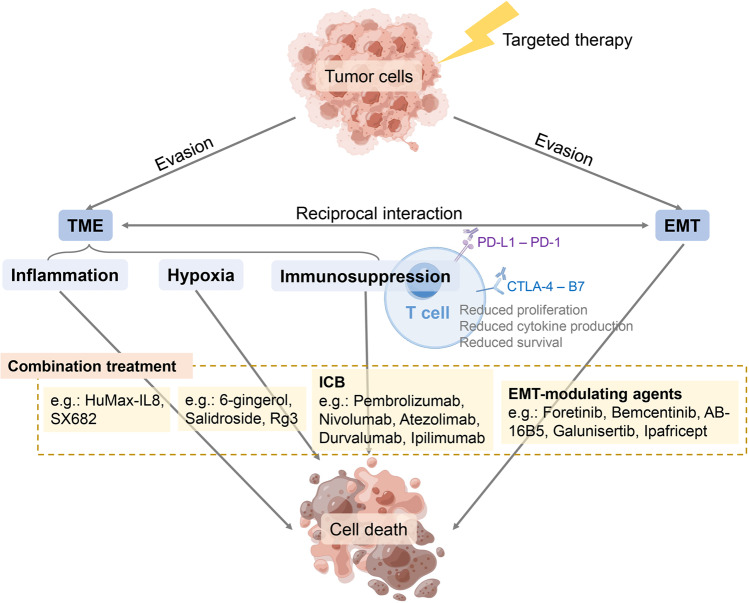
“Rapamycin, the mTOR inhibitor, was able to decrease the IL-8 expression, thus decrease the resistance to sorafenib.(260) A neutralizing antibody, HuMAX-IL8, was used to deplete IL-8 secretion and treat human TNBC.”
MethodLineage Plasticity in Cancer Progression and Treatment
Magnen, C. L., Shen, M. M., & Abate-Shen, C. T. (2017) · Annual Review of Cancer Biology · doi:10.1146/annurev-cancerbio-030617-050224 · Cited by 117
Lequeux, A., Noman, M. Z., Xiao, M., Sauvage, D., Van Moer, K., Viry, E., Bocci, I., Hasmim, M., Bosseler, M., Berchem, G., et al. (2019) · Cancer Letters · doi:10.1016/j.canlet.2019.05.021 · Cited by 117 · cited 1×
“Hypoxia is a hallmark of the TME and strongly linked to malignant progression, poor clinical response, and therapy resistance.(230) Recent studies have shown that hypoxia may induce phenotypic switching, leading to drug resistance.”
BackgroundLeconet, W., Chentouf, M., du Manoir, S., Chevalier, C., Sirvent, A., Aït-Arsa, I., Busson, M., Jarlier, M., Radosevic‐Robin, N., Theillet, C. G., et al. (2017) · Clinical Cancer Research · doi:10.1158/1078-0432.ccr-16-1316 · Cited by 115 · cited 1×
“As a downstream target of YAP and EMT-TF Snail2, anexelekto (AXL) represents an ideal focus of EMT control.(337,338) AXL-targeting inhibitors (SGI-7079 / Foretinib [XL-880] / Bemcentinib [BGB324] / 20G7-D9 / MYD1-72) have been reported to have an outstanding synergistic effect with erlotinib in NSCLC(40,339,340) and a…”
BackgroundBorghaei, H., Langer, C. J., Paz‐Ares, L., Rodríguez‐Abreu, D., Halmos, B., Garassino, M. C., Houghton, B., Kurata, T., Cheng, Y., Lin, J., et al. (2020) · Cancer · doi:10.1002/cncr.33142 · Cited by 115
Saha, S., Mukherjee, S., Khan, P., Kajal, K., Mazumdar, M., Manna, A., Mukherjee, S., De, S., Jana, D., Sarkar, D. K., et al. (2016) · Cancer Research · doi:10.1158/0008-5472.can-15-1360 · Cited by 113
Molecular mechanisms of epithelial to mesenchymal transition in tumor metastasis
Nieszporek, A., Skrzypek, K., Adamek, G., & Majka, M. (2019) · Acta Biochimica Polonica · doi:10.18388/abp.2019_2899 · Cited by 111 · cited 1×
“Signaling pathways including Notch, Wnt/β-catenin, and TGF-β play crucial roles in activating EMT-related transcription factors.(192) Evidence supports that EMT transcription factors are involved in targeted therapy resistance, especially towards EGFR inhibitors.”
BackgroundWang, Z., Hausmann, S., Lyu, R., Li, T., Lofgren, S., Flores, N. M., Fuentes, M. E., Caporicci, M., Yang, Z., Meiners, M. J., et al. (2020) · Cancer Cell · doi:10.1016/j.ccell.2020.04.014 · Cited by 111 · cited 1×
“Histone modifications, either via EHMT2 or histone deacetylase 3 (HDAC3), can result in acquired resistance against mitogen-activated extracellular signal-regulated kinase inhibitors (MEKi) treatment in pancreatic ductal adenocarcinoma (PDAC).(108) Structural epigenetic alterations, including changes in highorder stru…”
BackgroundTargeting SOX10-deficient cells to reduce the dormant-invasive phenotype state in melanoma
Capparelli, C., Purwin, T. J., Glasheen, M. Q., Caksa, S., Tiago, M., Wilski, N. A., Pomante, D., Rosenbaum, S. R., Nguyen, M. Q., Cai, W., et al. (2022) · Nature Communications · doi:10.1038/s41467-022-28801-y · Cited by 111
Saad, S., Stanners, S. R., Yong, R., Tang, O., & Pollock, C. A. (2010) · The International Journal of Biochemistry & Cell Biology · doi:10.1016/j.biocel.2010.03.016 · Cited by 110 · cited 1×
“demonstrated that the Notch-mediated activation of EMT is associated with the regulation of EMT transcription factors.(162) The two transcription factors, Snail and Slug, are involved in the inhibition of E-cadherin and β-catenin mediated by the Notch pathway.”
BackgroundMartin, P., Liu, Y., Pierce, R. M., Abou-Kheir, W. G., Casey, O. M., Seng, V., Camacho, D. F., Simpson, R. J., & Kelly, K. (2011) · American Journal Of Pathology · doi:10.1016/j.ajpath.2011.03.035 · Cited by 110
Therapeutic targeting of the crosstalk between cancer-associated fibroblasts and cancer stem cells.
Huang, T., Guan, X., & Fu, L. (2019) · Europe PMC (PubMed Central) · Cited by 110
Wu, D.-M., Zhang, T., Liu, Y.-B., Deng, S.-H., Han, R., Liu, T., Li, J., & Xu, Y. (2019) · Cell Death & Disease · doi:10.1038/s41419-019-1591-4 · Cited by 109
Inhibition of the GAS6/AXL pathway augments the efficacy of chemotherapies
Kariolis, M. S., Miao, Y. R., Diep, A. N., Nash, S. E., Olcina, M. M., Jiang, D., Jones, D. S., Kapur, S., Mathews, I. I., Koong, A. C., et al. (2016) · Journal of Clinical Investigation · doi:10.1172/jci85610 · Cited by 108 · cited 1×
“As a downstream target of YAP and EMT-TF Snail2, anexelekto (AXL) represents an ideal focus of EMT control.(337,338) AXL-targeting inhibitors (SGI-7079 / Foretinib [XL-880] / Bemcentinib [BGB324] / 20G7-D9 / MYD1-72) have been reported to have an outstanding synergistic effect with erlotinib in NSCLC(40,339,340) and a…”
BackgroundEffect of re-treatment with gefitinib (‘Iressa’, ZD1839) after acquisition of resistance
Kurata, T., Tamura, K., Kaneda, H., Nogami, T., Uejima, H., Asai, G., Nakagawa, K., & Fukuoka, M. (2003) · Annals of Oncology · doi:10.1093/annonc/mdh006 · Cited by 107 · cited 1×
“The “acquired inertia” of DTPs is regarded as a survival skill exposed by antitumor treatment that can fade away after a drug-free interval.(17) Thus, with TCP, a reversible switching of phenotypes can be achieved between proliferative, metastatic tumor cells and dormant, drug-indifferent DTPs, thereby hindering the d…”
BackgroundJiang, T., Wang, P., Zhang, J., Zhao, Y., Zhou, J., Fan, Y., Shu, Y., Liu, X., Zhang, H., He, J., et al. (2021) · Signal Transduction and Targeted Therapy · doi:10.1038/s41392-021-00751-9 · Cited by 107
The EMT spectrum and therapeutic opportunities
Voon, D. C., Huang, R. Y., Jackson, R. A., & Thiery, J. P. (2017) · Molecular Oncology · doi:10.1002/1878-0261.12082 · Cited by 104 · cited 7×
“Signal Transduction and Targeted Therapy (2023) 8:113 Reversing TCP TCP can be driven by an inflamed and suppressive TME.”
BackgroundInfluentialCancer stem cell (a)symmetry & plasticity: Tumorigenesis and therapy relevance
Najafi, M., Mortezaee, K., & Ahadi, R. (2019) · Life Sciences · doi:10.1016/j.lfs.2019.05.076 · Cited by 104
Moore, K. N., Gunderson, C. C., Sabbatini, P., McMeekin, D. S., Mantia-Smaldone, G., Burger, R. A., Morgan, M. A., Kapoun, A. M., Brachmann, R. K., Stagg, R., et al. (2019) · Gynecologic Oncology · doi:10.1016/j.ygyno.2019.04.001 · Cited by 104
YAP-Dependent AXL Overexpression Mediates Resistance to EGFR Inhibitors in NSCLC
Ghiso, E., Migliore, C., Ciciriello, V., Morando, E., Petrelli, A., Corso, S., De Luca, E., Gatti, G., Volante, M., & Giordano, S. (2017) · Neoplasia · doi:10.1016/j.neo.2017.10.003 · Cited by 103
Zeb1 induces immune checkpoints to form an immunosuppressive envelope around invading cancer cells
Guo, Y., Lu, X., Chen, Y., Rendon, B. E., Mitchell, R. A., Cuatrecasas, M., Cortés, M., Postigo, A. A., Liu, Y., & Dean, D. C. (2021) · Science Advances · doi:10.1126/sciadv.abd7455 · Cited by 100
Yu, M., Chen, Y., Li, X., Yang, R., Zhang, L., Huangfu, L., Zheng, N., Zhao, X., Lv, L., Hong, Y., et al. (2018) · Cell Death & Disease · doi:10.1038/s41419-018-0515-z · Cited by 98
Targeting Hedgehog signaling pathway: Paving the road for cancer therapy
Salaritabar, A., Berindan‐Neagoe, I., Darvish, B., Hadjiakhoondi, F., Manayi, A., Devi, K. P., Barreca, D., Orhan, İ. E., Süntar, I. P., Farooqi, A. A., et al. (2019) · Pharmacological Research · doi:10.1016/j.phrs.2019.01.014 · Cited by 97
CD71+VISTA+ erythroid cells promote the development and function of regulatory T cells through TGF-β
Shahbaz, S., Bozorgmehr, N., Koleva, P. T., Namdar, A., Jovel, J., Fava, R. A., & Elahi, S. (2018) · PLoS Biology · doi:10.1371/journal.pbio.2006649 · Cited by 95 · cited 1×
“TGF-β, a widely accepted key promoter of EMT and sustainer of mesenchymal and CSC states, contributes to the induction of immunosuppressive TME via hijacking Tregs and NK cells.(44,45,348) A small molecule inhibitor of TGF-β receptor 1 named galunisertib (LY2157299 monohydrate) is attracting attention.”
BackgroundYang, C., Liao, W., Ho, C., Chen, K., Tsai, T.-H., Hsu, C., Su, K., Chang, Y., Wu, C., Hsu, C., et al. (2019) · European Journal of Cancer · doi:10.1016/j.ejca.2019.10.019 · Cited by 95
Hasan, T., Caragher, S. P., Shireman, J. M., Park, C. H., Atashi, F., Baisiwala, S., Lee, G., Guo, D., Wang, J. Y., Dey, M., et al. (2019) · Cell Death and Disease · doi:10.1038/s41419-019-1387-6 · Cited by 94 · cited 1×
“IL-8, a pro-inflammatory cytokine, is known to promote tumor cell remodeling and is involved in regulation of tumor cell stemness, EMT, and therapy resistance in multiple types of tumors.(256,257) IL-8 production promotes tumor cells to transform to a mesenchymal phenotype and increase tumor cell migration, leading to…”
BackgroundYang, C., Tian, C., Hoffman, T. E., Jacobsen, N. K., & Spencer, S. L. (2021) · Nature Communications · doi:10.1038/s41467-021-21549-x · Cited by 94
Igarashi, K., Nishizawa, H., Saiki, Y., & Matsumoto, M. (2021) · Journal of Biological Chemistry · doi:10.1016/j.jbc.2021.101032 · Cited by 94
Shaurova, T., Zhang, L., Goodrich, D. W., & Hershberger, P. A. (2020) · Frontiers in Genetics · doi:10.3389/fgene.2020.00281 · Cited by 93
Rizzo, A., Ricci, A. D., Gadaleta‐Caldarola, G., & Brandi, G. (2021) · Expert Review of Gastroenterology & Hepatology · doi:10.1080/17474124.2021.1973431 · Cited by 93
Cellular plasticity: 1712 to the present day
Tata, P. R., & Rajagopal, J. (2016) · Current Opinion in Cell Biology · doi:10.1016/j.ceb.2016.07.005 · Cited by 92
Targeting epigenetic regulatory machinery to overcome cancer therapy resistance
Guo, L., Lee, Y.-T., Zhou, Y., & Huang, Y. (2022) · Seminars in Cancer Biology · doi:10.1016/j.semcancer.2020.12.022 · Cited by 92 · cited 3×
“DNA methylation is widespread in the human genome and functions differently based on various methylated regions.(99) The aberrant methylation status of gene promoters plays an instrumental role in acquired drug resistance in a variety of tumor types.”
BackgroundInfluentialJu, X., Ijaz, T., Sun, H., LeJeune, W., Vargas, G., Shilagard, T., Recinos, A., Milewicz, D. M., Brasier, A. R., & Tilton, R. G. (2014) · Journal of the American Heart Association · doi:10.1161/jaha.113.000476 · Cited by 91
Quintanal-Villalonga, A., Taniguchi, H., Zhan, Y. A., Hasan, M. M., Chavan, S. S., Meng, F., Uddin, F., Allaj, V., Manoj, P., Shah, N. S., et al. (2021) · Journal of Hematology & Oncology · doi:10.1186/s13045-021-01186-z · Cited by 89 · cited 1×
“Genetic lineage tracing has demonstrated that functionally mature cells can undergo dedifferentiation (lineage reversion), transdifferentiation (cells converting into other distant lineages), or transdetermination (cells switching lineage commitment to a closely related cell type) upon injury or disease.(1,2) As far b…”
BackgroundExpression of selected gene for acquired drug resistance to EGFR-TKI in lung adenocarcinoma
Uramoto, H., Shimokawa, H., Hanagiri, T., Kuwano, M., & Ono, M. (2011) · Lung Cancer · doi:10.1016/j.lungcan.2011.01.008 · Cited by 88 · cited 1×
“A previous finding showed a change in EMT status in lung adenocarcinoma upon treatment with gefitinib.(156) Subsequent studies further confirmed that the EMT process resulted from the activation of Notch-1 signaling pathway and led to gefitinib-acquired resistance.”
ResultTargeting hypoxic response for cancer therapy
Paolicchi, E., Gemignani, F., Krstic-Demonacos, M., Dedhar, S., Mutti, L., & Landi, S. (2016) · Oncotarget · doi:10.18632/oncotarget.7229 · Cited by 88 · cited 1×
“suggested that tumor hypoxia is a major contributor to drug resistance and a predisposing factor for increased CSC formation and metastases.(231) Therefore, one promising cancer treatment strategy is to block the proteins related to hypoxia-induced factor (HIF)-1α, EMT, and mitochondria functions, which in turn inhibi…”
BackgroundFrancescangeli, F., Contavalli, P., De Angelis, M. L., Careccia, S., Signore, M., Haas, T. L., Salaris, F., Baiocchi, M., Boe, A., Giuliani, A., et al. (2020) · Journal of Experimental & Clinical Cancer Research · doi:10.1186/s13046-019-1505-4 · Cited by 88
Kong, F.-E., Li, G., Tang, Y.-Q., Xi, S., Loong, J. H. C., Li, M., Li, H., Cheng, W., Zhu, W., Mo, J.-Q., et al. (2021) · Science Translational Medicine · doi:10.1126/scitranslmed.abb6282 · Cited by 87
Namba, K., Shien, K., Takahashi, Y., Torigoe, H., Sato, H., Yoshioka, T., Takeda, T., Kurihara, E., Ogoshi, Y., Yamamoto, H., et al. (2019) · Molecular Cancer Research · doi:10.1158/1541-7786.mcr-18-0628 · Cited by 86 · cited 1×
“demonstrated that the upregulation of EMT-related gene AXL contributes to acquired resistance to osimertinib.(188) Other EMT-related transcription factors, such as Snail, Slug, and ZEB1/2, are also reported to cause TKI resistance by regulation of EMT-related signaling pathways.”
BackgroundMolecular mechanisms of asymmetric divisions in mammary stem cells
Santoro, A., Vlachou, T., Carminati, M., Pelicci, P. G., & Mapelli, M. (2016) · EMBO Reports · doi:10.15252/embr.201643021 · Cited by 84 · cited 2×
“Symmetric division can also occur simultaneously, with the production of either two CSCs (symmetric renewal) or two committed cells (symmetric commitment).(80,82) The transition between CSC and non-CSC states seems irreversible and dynamically balanced.”
BackgroundEHMT1/EHMT2 in EMT, cancer stemness and drug resistance: emerging evidence and mechanisms
Nachiyappan, A., Gupta, N., & Taneja, R. (2022) · FEBS Journal · doi:10.1111/febs.16334 · Cited by 83
Live Imaging of Intracranial Lymphatics in the Zebrafish
Castranova, D., Samasa, B., Galanternik, M. V., Jung, H. M., Pham, V. N., & Weinstein, B. M. (2020) · Circulation Research · doi:10.1161/circresaha.120.317372 · Cited by 82
Sofen, H., Gross, K. G., Goldberg, L. H., Sharata, H., Hamilton, T. K., Egbert, B., Lyons, B., Hou, J., & Caro, I. (2015) · Journal of the American Academy of Dermatology · doi:10.1016/j.jaad.2015.03.013 · Cited by 78 · cited 1×
“Transdifferentiation observed in basal cell carcinoma (BCC) contributes to BCC relapse following treatment discontinuation.(50,51) When treated with vismodegib, some BCC cells transitioned from a phenotype featuring a transcriptional bulge-like signature to a mixed isthmus/interfollicular epidermis cell phenotype, the…”
BackgroundInfluentialRole of tumor microenvironment in cancer stem cell chemoresistance and recurrence
Das, M., & Law, S. (2018) · The International Journal of Biochemistry & Cell Biology · doi:10.1016/j.biocel.2018.08.011 · Cited by 77 · cited 2×
“A study showed that intermittent treatments and off dosing schedules may double the time of melanoma response to vemurafenib.(74) However, intermittent treatment strategies are usually difficult to design as drug resistance may be complex and come from multiple mechanisms other than TCP.”
BackgroundAxl inhibitors as novel cancer therapeutic agents
Shen, Y., Chen, X., He, J., Liao, D., & Zu, X. (2018) · Life Sciences · doi:10.1016/j.lfs.2018.02.033 · Cited by 76 · cited 1×
“Multitarget AXL inhibitors like SGI-7079 and sunitinib have also shown prominent clinical value in reversing therapeutic resistance.(40,343,344) Moreover, secreted clusterin, an EMT-related protein which was shown to be significantly upregulated in EMT progression and HCC migration, is a candidate target for HCC thera…”
BackgroundPoli, V., Fagnocchi, L., & Zippo, A. (2018) · Stem Cells International · doi:10.1155/2018/4598195 · Cited by 75
TGF‐β Control of Adaptive Immune Tolerance: A Break From Treg Cells
Liu, M., Li, S., & Li, M. O. (2018) · BioEssays · doi:10.1002/bies.201800063 · Cited by 75
Dotan, E., Cardin, D. B., Lenz, H.-J., Messersmith, W., O'Neil, B., Cohen, S. J., Denlinger, C. S., Shahda, S., Astsaturov, I., Kapoun, A. M., et al. (2020) · Clinical Cancer Research · doi:10.1158/1078-0432.ccr-20-0489 · Cited by 75 · cited 1×
“Ipafricept combined with chemotherapy showed reasonable tolerance in early-phase clinical trials, and remains a therapeutic target of interest.(363,364,366) ETC1922159 is now under assessment in an ongoing clinical trial to test its efficacy as a pembrolizumab combination (Table 2).”
BackgroundZheng, X., Yu, C., & Xu, M. (2021) · Frontiers in Oncology · doi:10.3389/fonc.2021.678333 · Cited by 73
Ito, Y., & Sadar, M. D. (2018) · Research and Reports in Urology · doi:10.2147/rru.s157116 · Cited by 72
Epigenetic modification regulates tumor progression and metastasis through EMT (Review)
Tan, T., Shi, P., Abbas, M. N., Wang, Y., Xu, J., Chen, Y., & Cui, H. (2022) · International Journal of Oncology · doi:10.3892/ijo.2022.5360 · Cited by 72
Wang, C., Jiang, K., Kang, X., Gao, D., Sun, C., Li, Y., Sun, L., Zhang, S., Liu, X., Wu, W., et al. (2012) · The International Journal of Biochemistry & Cell Biology · doi:10.1016/j.biocel.2012.09.012 · Cited by 71
Nfatc1 Promotes Interstitial Cell Formation During Cardiac Valve Development in Zebrafish
Gunawan, F., Gentile, A., Gauvrit, S., Stainier, D. Y. R., & Bensimon‐Brito, A. (2020) · Circulation Research · doi:10.1161/circresaha.119.315992 · Cited by 71
Cancer stem cells in colorectal cancer and the association with chemotherapy resistance
Lei, X., He, Q., Li, Z., Zou, Q., Xu, P., Yu, H., Ding, Y., & Zhu, W. (2021) · Medical Oncology · doi:10.1007/s12032-021-01488-9 · Cited by 71
Wnt signaling dynamics in head and neck squamous cell cancer tumor‐stroma interactions
Le, P. N., Keysar, S. B., Miller, B., Eagles, J. R., Chimed, T., Reisinger, J., Gomez, K. E., Nieto, C., Jackson, B. C., Somerset, H. L., et al. (2019) · Molecular Carcinogenesis · doi:10.1002/mc.22937 · Cited by 70 · cited 1×
“Ipafricept combined with chemotherapy showed reasonable tolerance in early-phase clinical trials, and remains a therapeutic target of interest.(363,364,366) ETC1922159 is now under assessment in an ongoing clinical trial to test its efficacy as a pembrolizumab combination (Table 2).”
BackgroundContribution of Epithelial Plasticity to Therapy Resistance
Santamaría, P. G., Moreno‐Bueno, G., & Cano, A. (2019) · Journal of Clinical Medicine · doi:10.3390/jcm8050676 · Cited by 69 · cited 1×
“The partial EMT status is characterized by an aggressive phenotype that renders cancer cells with high stemness and cell plasticity.(196) Upon stimulation of TGF-β receptors, TGF-β signaling is divided into SMAD-dependent and -independent pathways.”
BackgroundInflammation-Driven Breast Tumor Cell Plasticity: Stemness/EMT, Therapy Resistance and Dormancy
Baram, T., Rubinstein-Achiasaf, L., Ben-Yaakov, H., & Ben‐Baruch, A. (2021) · Frontiers in Oncology · doi:10.3389/fonc.2020.614468 · Cited by 69
Huang, F., Gonçalves, C., Bartish, M., Rémy-Sarrazin, J., Issa, M. E., Cordeiro, B., Guo, Q., Émond, A., Attias, M., Yang, W., et al. (2021) · Journal of Clinical Investigation · doi:10.1172/jci140752 · Cited by 69 · cited 1×
“Another recent study showed that blocking the MNK1/2-eIF4E axis could inhibit melanoma phenotypic switching, thereby, sensitizing melanoma to anti–PD-1 immunotherapy.(286) These studies suggest that reversing TCP through other targets could be a propitious future direction.”
BackgroundWNT inhibition creates a BRCA‐like state in Wnt‐addicted cancer
Kaur, A., Sepramaniam, S., Lim, J. Y. S., Patnaik, S., Harmston, N., Lee, M. A., Petretto, E. G., Virshup, D. M., & Madan, B. (2021) · EMBO Molecular Medicine · doi:10.15252/emmm.202013349 · Cited by 68
Cell Signaling Pathways That Promote Radioresistance of Cancer Cells
Ouellette, M., Zhou, S.-M., & Yan, Y. (2022) · Diagnostics · doi:10.3390/diagnostics12030656 · Cited by 68
Lee, A.-F., Chen, M., Chen, C., Yang, C., Huang, M., & Liu, Y. (2017) · PLoS ONE · doi:10.1371/journal.pone.0180383 · Cited by 66
The epigenetic basis of cellular plasticity
Paksa, A., & Rajagopal, J. (2017) · Current Opinion in Cell Biology · doi:10.1016/j.ceb.2018.01.003 · Cited by 66 · cited 1×
“Genetic lineage tracing has demonstrated that functionally mature cells can undergo dedifferentiation (lineage reversion), transdifferentiation (cells converting into other distant lineages), or transdetermination (cells switching lineage commitment to a closely related cell type) upon injury or disease.(1,2) As far b…”
BackgroundPhenotypic plasticity underlies local invasion and distant metastasis in colon cancer
Sacchetti, A., Teeuwssen, M., Verhagen, M., Joosten, R., Xu, T., Stabile, R., van der Steen, B., Watson, M. M., Gusinac, A., Kim, W. K., et al. (2021) · eLife · doi:10.7554/elife.61461 · Cited by 66
Jung, B., Wang, X., Yi, N., Ma, J., Turner, J., & Samten, B. (2017) · Scientific Reports · doi:10.1038/srep40984 · Cited by 63
Zhang, M., Cong, Q., Zhang, X., Zhang, M., Lu, Y., & Xu, C. (2018) · Journal of Cellular Physiology · doi:10.1002/jcp.27369 · Cited by 62 · cited 1×
“In ovarian cancer, inhibition of EMT can effectively eliminate cisplatin resistance.(43) Byers et al.”
BackgroundQin, Y., Liu, H., Li, M., Zhai, D., Tang, Y., Yang, L., Qiao, K., Yang, J., Zhong, W., Zhang, Q., et al. (2018) · EBioMedicine · doi:10.1016/j.ebiom.2018.10.069 · Cited by 62 · cited 1×
“Salidroside enhances antitumor efficacy of platinum drugs in HCC by promoting the degradation of HIF-1α, thereby inhibiting the EMT of HCC cells.(371) Similarly in lung cancer, by inhibiting hypoxia-activated NF-κB signaling pathway and EMT, a ginseng-extracted 20(R)Ginsenoside (Rg3) increases the susceptibility of ca…”
BackgroundSong, W.-M., Agrawal, P., Von Itter, R., Fontanals-Cirera, B., Wang, M., Zhou, X., Mahal, L. K., Hernando, E., & Zhang, B. (2021) · Nature Communications · doi:10.1038/s41467-021-21457-0 · Cited by 62 · cited 1×
“In addition, single-cell techniques could also help to identify biomarkers to determine TCP, tumor response to targeted therapy, as well as prognosis.(374) Artificial intelligence could also be employed to capture the underlying regularities of such an unwieldly mass of data.”
BackgroundIL-8 signaling is involved in resistance of lung carcinoma cells to erlotinib
Fernando, R. I., Hamilton, D. H., Dominguez, C., David, J. M., McCampbell, K. K., & Palena, C. (2106) · Oncotarget · doi:10.18632/oncotarget.9662 · Cited by 61 · cited 1×
“Another study showed that neutralizing IL-8 can alleviate resistance to erlotinib in NSCLC, thereby enhancing sensitivity in chemotherapy-resistant cells.(262) Inhibition of CXCR2 with SB225002 also alleviated the IL-8-related resistance in sorafenibresistant ovarian tumor cells.”
BackgroundQi, L., Ye, H., Wang, K., Zhao, J., Wang, H., Song, J., Fan, X., Lu, Y., Cao, L., Wan, B., et al. (2022) · Nano Letters · doi:10.1021/acs.nanolett.2c00907 · Cited by 61
Devapatla, B. K., Sharma, A., & Woo, S. (2015) · PLoS ONE · doi:10.1371/journal.pone.0139237 · Cited by 58 · cited 1×
“Inhibition of CXCR2 with SB225002 also alleviated the IL-8-related resistance in sorafenibresistant ovarian tumor cells.(263)”
BackgroundHartman, M. L., Sztiller-Sikorska, M., Gajos-Michniewicz, A., & Czyż, M. (2020) · Cells · doi:10.3390/cells9010142 · Cited by 57 · cited 1×
“The regulation patterns of the numerous known transcription factors are quite distinct in targeted therapy-induced tumor cell lines.(120,124) This complexity indicates that tumors acquire resistance against targeted therapies in a patient- and drug-dependent manner.”
BackgroundChoi, J.-I., Jang, S. I., Hong, J., Kim, C. H., Kwon, S. S., Park, J. S., & Lim, J. (2020) · Cancer Letters · doi:10.1016/j.canlet.2020.10.012 · Cited by 57
Wessely, A., Steeb, T., Berking, C., & Heppt, M. V. (2021) · International Journal of Molecular Sciences · doi:10.3390/ijms22115761 · Cited by 56 · cited 2×
“These results indicated that targeted therapy altered transcription factors.(120) According to a recent study by Yang et al.”
BackgroundResultCancer Cell Phenotype Plasticity as a Driver of Immune Escape in Melanoma
Benboubker, V., Boivin, F., Dalle, S., & Caramel, J. (2022) · Frontiers in Immunology · doi:10.3389/fimmu.2022.873116 · Cited by 56 · cited 1×
“CSCs and EMT share a high degree of consistency and may be a partially overlapping concept.(86,87) As mentioned, the EMT program largely facilitates tumor cell dissemination.”
BackgroundFanelli, G. N., Naccarato, A. G., & Scatena, C. (2020) · Frontiers in Oncology · doi:10.3389/fonc.2020.00569 · Cited by 55
Hass, R., von der Ohe, J., & Ungefroren, H. (2020) · Cancers · doi:10.3390/cancers12123674 · Cited by 54
Jiang, W., Chen, L., Guo, X., Chen, C., Luo, Y., Wang, J., Wang, J., Liu, Y., Cao, Y., Li, P., et al. (2022) · Theranostics · doi:10.7150/thno.71693 · Cited by 54 · cited 1×
“For example, CSCs can specifically inherit effective drug-discharging ATPbinding cassette (ABC) transporters from asymmetrical division, which enable tumors to sustain long-term expansion.(90,91) CSCs can also facilitate efficient DNA damage.”
BackgroundAXL inhibition improves BRAF-targeted treatment in melanoma
Nyakas, M., Fleten, K. G., Haugen, M. H., Engedal, N., Sveen, C., Farstad, I. N., Flørenes, V. A., Prasmickaite, L., Mælandsmo, G. M., & Seip, K. (2022) · Scientific Reports · doi:10.1038/s41598-022-09078-z · Cited by 54
Sun, Y. J., Song, G., Sun, N., Chen, J. Y., & Yang, S. (2014) · Oncology Letters · doi:10.3892/ol.2014.2037 · Cited by 53 · cited 1×
“reported that Slug overexpression is associated with the invasiveness of liver cancer both in vitro and in vivo.(140) In contrast, overexpression of Snail did not have a similar effect in liver cancer cells.”
BackgroundClusterin as modulator of carcinogenesis: A potential avenue for targeted cancer therapy
Praharaj, P. P., Patra, S., Panigrahi, D. P., Patra, S. K., & Bhutia, S. K. (2020) · Biochimica et Biophysica Acta (BBA) - Reviews on Cancer · doi:10.1016/j.bbcan.2020.188500 · Cited by 53
Xie, Y., Liu, J., Jiang, H., Wang, J., Li, X., Wang, J., Zhu, S., Guo, J. R., Li, T., Zhong, Y., et al. (2019) · Oncogene · doi:10.1038/s41388-019-1037-6 · Cited by 52 · cited 1×
“Aberrant activation of Hh signaling and subsequent upregulation of downstream effector glioma-associated transcription factor 2 (GLI2) was observed in bortezomib-resistant myeloma cells.(133,134) Further studies demonstrated that Hh signaling is involved in CSC self-renewal in multiple myeloma, and blocking Hh signali…”
BackgroundWang, D., Liu, Z., Yan, Z., Liang, X., Liu, X., Liu, Y., Wang, P., Bai, C., Gu, Y., & Zhou, P. (2020) · Archives of Biochemistry and Biophysics · doi:10.1016/j.abb.2020.108699 · Cited by 51
Mahaweni, N. M., Bos, G. M. J., Mitsiades, C. S., Tilanus, M. G. J., & Wieten, L. (2018) · Cancer Immunology Immunotherapy · doi:10.1007/s00262-018-2140-1 · Cited by 49 · cited 1×
“Such hypoxiarelated TME conditions were reported to play a role in resistance to therapeutic monoclonal antibodies.(178,179) Cytokines secreted by immune and stromal cells also provide clues for acquired TCP induced by targeted therapy.”
BackgroundSelli, Ç., Turnbull, A., Pearce, D., Li, A., Fernando, A., Wills, J. C., Renshaw, L., Thomas, J. S. J., Dixon, J. M., & Sims, A. H. (2019) · Breast Cancer Research · doi:10.1186/s13058-018-1089-5 · Cited by 49
Functional Hierarchy and Cooperation of EMT Master Transcription Factors in Breast Cancer Metastasis
Addison, J., Voronkova, M. A., Fugett, J. H., Lin, C., Linville, N. C., Trinh, B., Livengood, R. H., Smolkin, M. B., Schaller, M. D., Ruppert, J. M., et al. (2021) · Molecular Cancer Research · doi:10.1158/1541-7786.mcr-20-0532 · Cited by 49 · cited 2×
“The impact of other EMT-TFs on metastasis was then extensively investigated in different types of cancers.(33) For example, depletion of Zeb1 was found to markedly inhibit pancreatic ductal adenocarcinoma progression towards metastatic type.”
BackgroundWu, T., Tang, C., Tao, R., Yong, X., Jiang, Q., & Feng, C. (2021) · Frontiers in Immunology · doi:10.3389/fimmu.2021.693881 · Cited by 49
eEF2K promotes PD-L1 stabilization through inactivating GSK3β in melanoma
Chen, X., Wang, K., Jiang, S., Sun, H., 车炫霖, Zhang, M., He, J., Wen, Y., Liao, M., Li, X., et al. (2022) · Journal for ImmunoTherapy of Cancer · doi:10.1136/jitc-2021-004026 · Cited by 47
Song, J., Yang, R., Wei, R., Du, Y., He, P., & Liu, X. (2022) · Molecular Medicine · doi:10.1186/s10020-022-00475-8 · Cited by 46
Phase 1b study of galunisertib and ramucirumab in patients with advanced hepatocellular carcinoma
Harding, J. J., Do, R. K., Yaqubie, A., Cleverly, A., Zhao, Y., Gueorguieva, I., Lahn, M. M. F., Benhadji, K. A., Kelley, R. K., & Abou‐Alfa, G. K. (2021) · Cancer Medicine · doi:10.1002/cam4.3880 · Cited by 45
Tan, B., Khattak, A., Felip, E., Kelly, K., Rich, P., Wang, D., Helwig, C., Dussault, I., Ojalvo, L. S., & Isambert, N. (2021) · Targeted Oncology · doi:10.1007/s11523-021-00809-2 · Cited by 45
New Paradigms for the Hedgehog Signaling Network in Mammary Gland Development and Breast Cancer
Monkkonen, T., & Lewis, M. (2017) · Biochimica et biophysica acta. Reviews on cancer · doi:10.1016/j.bbcan.2017.06.003 · Cited by 43
Liu, S., Wu, F., Li, X., Zhao, C., Jia, Y., Jia, K., Han, R., Qiao, M., Li, W., Yu, J., et al. (2021) · Frontiers in Oncology · doi:10.3389/fonc.2021.639947 · Cited by 42 · cited 1×
“Patients with short EGFR-TKI-PFS may even benefit more from a combination therapy as a second-line treatment.(308) A similar combination strategy was applied in multiple cancer types as a so-called basket trial design.”
MethodMa, F., Arai, S., Wang, K., Calagua, C., Yuan, A. R., Poluben, L., Gu, Z., Russo, J. W., Einstein, D. J., Ye, H., et al. (2022) · Cancer Research · doi:10.1158/0008-5472.can-21-1807 · Cited by 42
Suda, K., Murakami, I., Sakai, K., Tomizawa, K., Mizuuchi, H., Sato, K., Nishio, K., & Mitsudomi, T. (2015) · Lung Cancer · doi:10.1016/j.lungcan.2015.11.016 · Cited by 41
Gallardo, A., Molina, A., Asenjo, H. G., López-Onieva, L., Martorell‐Marugán, J., Espinosa-Martínez, M., Griñán‐Lisón, C., Álvarez-Pérez, J. C., Cara, F. E., Navarro-Marchal, S. A., et al. (2022) · Oncogene · doi:10.1038/s41388-022-02375-x · Cited by 40
Embryology, Epigenetics and Biogenetics
Waddington, C. H. (1956) · Nature · doi:10.1038/1771241a0 · Cited by 38 · cited 1×
“As far back as 1956, Conrad Waddington stated that during development embryonic progenitor cells progressively differentiate into distinct cell types and are increasingly restricted within a specific lineage.(3) The final specialized cells are then integrated into their respective tissues and conduct their specific in…”
BackgroundWu, Q., Zhang, W., Wang, Y., Min, Q., Zhang, H., Dong, D., & Zhan, Q. (2021) · 癌症:英文版 · doi:10.1002/cac2.12203 · Cited by 38
Liang, R., Xu, Y., Zhang, K., Jin, L., & Liu, X. (2022) · Pathology - Research and Practice · doi:10.1016/j.prp.2022.153794 · Cited by 38
New role of ID3 in melanoma adaptive drug-resistance
Sachindra, Larribère, L., Novak, D., Wu, H., Hüser, L., Granados, K., Orouji, E., & Utikal, J. S. (2017) · Oncotarget · doi:10.18632/oncotarget.22698 · Cited by 37 · cited 1×
“ID3 acted as a transcriptional repressor of sex-determining region Y-box 10 (SOX10) and MITF, thereby promoting tumor cell transformation to a drug-resistant phenotype.(122) Moreover, Sun et al.”
BackgroundImpact of hypoxia on the pathogenesis and therapy resistance in multiple myeloma
Ikeda, S., & Tagawa, H. (2021) · Cancer Science · doi:10.1111/cas.15087 · Cited by 37
Wu, Y., Liang, X., Ni, J., Zhao, R., Shao, S., Si, L., Han, W., & Yu, L. (2021) · Frontiers in Cell and Developmental Biology · doi:10.3389/fcell.2021.681240 · Cited by 37
Conteduca, V., Ku, S., Fernandez, L., Dago, A. E., Lee, J. S. H., Jendrisak, A., Slade, M. M., Gilbertson, C., Manohar, J., Sigouros, M., et al. (2021) · npj Precision Oncology · doi:10.1038/s41698-021-00211-1 · Cited by 37 · cited 1×
“Through NET, PC tumor cells gradually obtain the histomorphology of small cell prostate cancers (SCPC) that are “therapy indifferent” to androgen receptor signaling inhibitors (ARSi).(54,56) The switch from PC to SCPC is characterized by the presence of neuroendocrine markers (chromogranin A, synaptophysin, and others…”
BackgroundMethylomic Signatures of High Grade Serous Ovarian Cancer
Cárdenas, H., Fang, F., Jiang, G., Perkins, S. M., Zhang, C., Emerson, R. E., Hutchins, G., Keer, H. N., Liu, Y., Matei, D. E., et al. (2020) · Epigenetics · doi:10.1080/15592294.2020.1853402 · Cited by 36 · cited 1×
“The aberrant methylation status of gene promoters plays an instrumental role in acquired drug resistance in a variety of tumor types.(102,103) The most common mechanisms of drug resistance include hypomethylation of gene promoters of drug efflux, hypermethylation of promoters of pro-apoptotic genes, and altered methyl…”
BackgroundLi, L., Li, Z., Lu, C., Li, J., Zhang, K., Lin, C., Tang, X., Liu, Z., Zhang, Y., Han, R., et al. (2022) · Communications Biology · doi:10.1038/s42003-022-03111-7 · Cited by 36
Epithelial mesenchymal transition and resistance in endocrine-related cancers
Čulig, Z. (2019) · Biochimica et Biophysica Acta (BBA) - Molecular Cell Research · doi:10.1016/j.bbamcr.2019.05.003 · Cited by 35
Shen, Y., Cao, J., Liang, Z., Lin, Q., Wang, J., Xu, Y., Zhang, R., Zong, J., Du, X., Peng, Y., et al. (2019) · Cell Communication and Signaling · doi:10.1186/s12964-019-0367-x · Cited by 35
Proteomic identification of a marker signature for MAPKi resistance in melanoma
Paulitschke, V., Eichhoff, O. M., Gerner, C., Paulitschke, P., Bileck, A., Mohr, T. T., Cheng, P. F., Leitner, A., Guenova, E., Saulīte, I., et al. (2019) · The EMBO Journal · doi:10.15252/embj.201695874 · Cited by 35
Liu, X., Shan, W., Li, T., Gao, X., Kong, F., You, H., Kong, D., Qiao, S., & Tang, R. (2021) · BMC Cancer · doi:10.1186/s12885-021-08967-2 · Cited by 35
Xie, J., Wang, Z., Fan, W., Liu, Y., Liu, F., Wan, X., Liu, M., Wang, X., Zeng, D., Wang, Y., et al. (2021) · Signal Transduction and Targeted Therapy · doi:10.1038/s41392-021-00702-4 · Cited by 34
Tian, T., Yu, M., Li, J., Jiang, M.-Q., Ma, D., Tang, S., Lin, Z., Chen, L., Gong, Y., Zhu, J., et al. (2021) · Frontiers in Oncology · doi:10.3389/fonc.2021.739090 · Cited by 34
Chen, Y., Chen, Z., Chen, R., Fang, C., Zhang, C., Ji, M. Q., & Yang, X. (2022) · Future Oncology · doi:10.2217/fon-2021-0862 · Cited by 34 · cited 2×
“Severe hepatotoxicity was observed in another clinical trial (CheckMate370) investigating the combined effect of nivolumab and crizotininb.(306) Similar hepatic and immune-related adverse events were also observed in combined treatment with ICBs in melanoma.”
BackgroundResultSelf-citationPanchy, N. L., Azeredo-Tseng, C., Luo, M., Randall, N., & Hong, T. (2020) · Frontiers in Oncology · doi:10.3389/fonc.2019.01479 · Cited by 33 · cited 2×
“Both EMT and MET have been proposed to play key roles in cancer progression.21 Apart from a complete EMT/MET transition, tumor cells can exhibit a “partial EMT” state, a hybrid of epithelial and mesenchymal phenotypes.27 In fact, tumor cells can exhibit a spectrum of EMT states characterized by varying proportions of…”
BackgroundZoeller, J. J., Bronson, R. T., Selfors, L. M., Mills, G. B., & Brugge, J. S. (2017) · npj Breast Cancer · doi:10.1038/s41523-017-0020-z · Cited by 31
Xu, J., Wu, P.-J., Lai, T.-H., Sharma, P., Canella, A., Welker, A. M., Beattie, C. E., Elder, J. B., Easley, M., Lonser, R. R., et al. (2022) · Clinical Cancer Research · doi:10.1158/1078-0432.ccr-20-0468 · Cited by 31
Jia, Y., Zhao, S., Jiang, T., Li, X., Zhao, C., Liu, Y., Han, R., Qiao, M., Liu, S., Su, C., et al. (2019) · Lung Cancer · doi:10.1016/j.lungcan.2019.09.016 · Cited by 30
Moon, J. H., Lee, S. H., & Lim, Y. C. (2021) · Clinical & Experimental Metastasis · doi:10.1007/s10585-021-10081-3 · Cited by 30 · cited 1×
“reported that concurrent expression of β-catenin and Slug predicts lymph node metastasis and survival rate in patients with head and neck squamous cell carcinoma.(139) Overexpression of Slug can induce cancer cell stemness and enhance cell invasion and metastasis.”
BackgroundSong, J., Ge, Y., Sun, X., Guan, Q., Gong, S., Wei, M., Niu, J., & Zhao, L. (2022) · Molecular Cancer · doi:10.1186/s12943-022-01591-z · Cited by 30
Mahmoudian, R. A., Mozhgani, S., Abbaszadegan, M. R., Mokhlessi, L., Montazer, M., & Gholamin, M. (2021) · Journal of Molecular Histology · doi:10.1007/s10735-021-09971-3 · Cited by 29
Wozny, A., Gauthier, A., Alphonse, G., Malésys, C., Varoclier, V., Beuve, M., Brichart-Vernos, D., Magné, N., Vial, N., Ardail, D., et al. (2021) · Cancers · doi:10.3390/cancers13153833 · Cited by 29
MEK inhibition suppresses metastatic progression of KRAS ‐mutated gastric cancer
Yamasaki, J., Hirata, Y., Otsuki, Y., Suina, K., Saito, Y., Masuda, K., Okazaki, S., Ishimoto, T., Saya, H., & Nagano, O. (2022) · Cancer Science · doi:10.1111/cas.15244 · Cited by 29
Lam, K.-H., & Ma, S. (2022) · Hepatology · doi:10.1002/hep.32629 · Cited by 29
Zhang, J., Zhou, C., Zhao, Y. D., Mu, X. L., Zhou, J., Bao, Z., Fan, Y. H., Xu, Y., Shu, Y., Guo, R., et al. (2019) · Journal of Thoracic Oncology · doi:10.1016/j.jtho.2019.08.587 · Cited by 27
Suda, T., Yamashita, T., Sunagozaka, H., Okada, H., Nio, K., Sakai, Y., Yamashita, T., Mizukoshi, E., Honda, M., & Kaneko, S. (2022) · International Journal of Molecular Sciences · doi:10.3390/ijms23052801 · Cited by 27
Multi-target combinatory strategy to overcome tumor immune escape
Yu, Y. (2022) · Frontiers of Medicine · doi:10.1007/s11684-022-0922-5 · Cited by 27
Zhao, K., Jiang, L., Si, Y., Zhou, S., Huang, Z., & Meng, X. (2022) · Cancer Immunology Immunotherapy · doi:10.1007/s00262-022-03227-z · Cited by 27
Despeaux, M., Labat, E., Gadelorge, M., Prade, N., Bertrand‐Michel, J., Demur, C., Récher, C., Bonnevialle, P., Payrastre, B., Bourin, P., et al. (2011) · Leukemia · doi:10.1038/leu.2011.145 · Cited by 26 · cited 1×
“FAK activation was confirmed to be dispensable for IL-6 production in the maintenance of mesenchymal stem cells and can lead to acquired resistance of gefitinib as well.(186,187)”
BackgroundCancer Stem Cell-Like Circulating Tumor Cells Are Prognostic in Non-Small Cell Lung Cancer
Obermayr, E., Koppensteiner, N., Heinzl, N., Schuster, E., Holzer, B., Fabikan, H., Weinlinger, C., Illini, O., Hochmair, M. J., & Zeillinger, R. (2021) · Journal of Personalized Medicine · doi:10.3390/jpm11111225 · Cited by 26 · cited 1×
“Circulating tumor cells express a remarkably congruent transcriptomic profile with CSCs and have been found to overexpress both EMT and stem cell markers.(89) CSCs led to therapeutic resistance through various mechanisms.”
BackgroundEast, M. P., & Johnson, G. L. (2021) · Journal of Biological Chemistry · doi:10.1016/j.jbc.2021.101525 · Cited by 25 · cited 1×
“The super transcription factor cellular MYC underwent rapid degradation during the treatment process and functioned as a controller of genomic reorganization and transcriptional complex recruitment in the phenotypic change of tumors.(110,119) In melanoma, an assay for transposase-accessible chromatin using sequencing…”
Scherschinski, L., Prem, M., Kremenetskaia, I., Tinhofer, I., Vajkoczy, P., Karbe, A.-G., & Onken, J. (2022) · International Journal of Molecular Sciences · doi:10.3390/ijms23020982 · Cited by 25 · cited 1×
“AXL-targeting inhibitors (SGI-7079 / Foretinib [XL-880] / Bemcentinib [BGB324] / 20G7-D9 / MYD1-72) have been reported to have an outstanding synergistic effect with erlotinib in NSCLC(40,339,340) and advanced pancreatic and ovarian cancers,(337) BRAF inhibitors in melanoma,(341) and temozolomide with radiation in gli…”
BackgroundXing, Y., Ren, Z., Jin, R., Liu, L., Pei, J., & Yu, K. (2022) · Acta Pharmacologica Sinica · doi:10.1038/s41401-021-00840-z · Cited by 25 · cited 1×
“Dual-blockade of CD73-TGFβ promotes a multifaceted inflammatory environment in TNBC, by diminishing myeloidderived suppressor cells and M2-macrophages but increasing cytotoxic T cells and activated dendritic cells.(273) These studies and novel drugs have provided strong evidence that blocking TGF-β can reverse TCP, th…”
BackgroundWang, L., Wan, X.-Y., Liu, C.-Q., & Zheng, F.-M. (2022) · Molecular Medicine · doi:10.1186/s10020-022-00480-x · Cited by 25
von Arx, C., Capozzi, M., López-Jiménez, E., Ottaiano, A., Tatangelo, F., Di Mauro, A., Nasti, G., Tornesello, M. L., & Tafuto, S. (2019) · Journal of Clinical Medicine · doi:10.3390/jcm8091277 · Cited by 24
Koba, H., Kimura, H., Yoneda, T., Ogawa, N., Tanimura, K., Tambo, Y., Sone, T., Hosomichi, K., Tajima, A., & Kasahara, K. (2021) · Translational Lung Cancer Research · doi:10.21037/tlcr-21-536 · Cited by 22 · cited 1×
“Notch signaling is one of the master regulators of neuroendocrine transdifferentiation in NSCLC, which enables NSCLC to transdifferentiate into SCLC and acquire resistance to EGFR-TKIs after initial targeted treatment.(154) By extension, the Notch pathway has been discovered to play a crucial role in the EMT process i…”
BackgroundSantis, F. D., Romero-Cordoba, S. L., Castagnoli, L., Volpari, T., Faraci, S., Fucà, G., Tagliabue, E., de Braud, F., Pupa, S. M., & Nicola, M. D. (2022) · Cellular Oncology · doi:10.1007/s13402-022-00663-y · Cited by 22
Yang, X., Cao, D., Ma, W., Gao, S., Wen, G., & Zhong, J. (2022) · Life Sciences · doi:10.1016/j.lfs.2022.120565 · Cited by 22
Luque, M., Sanz-Álvarez, M., Santamaría, A., Zazo, S., Cristóbal, I., de la Fuente, L., Mínguez, P., Eroles, P., Rovira, A., Albanell, J., et al. (2021) · International Journal of Molecular Sciences · doi:10.3390/ijms222413297 · Cited by 20
Γκουντάκος, Α., Centonze, G., Vita, E., Belluomini, L., Milella, M., Bria, E., Milione, M., Scarpa, A., & Simbolo, M. (2022) · Biomedicines · doi:10.3390/biomedicines10020277 · Cited by 20
miR‑30a regulates the proliferation and invasion of breast cancer cells by targeting Snail
Xiao, B., Shi, X., & Bai, J. (2018) · Oncology Letters · doi:10.3892/ol.2018.9552 · Cited by 19 · cited 1×
“The miR-30 family are welldocumented mediators of EMT transcription factor Snail in different cancer subtypes, including lung and breast cancer.(204) Liu et al.”
BackgroundShemesh, C. S., Chan, P., Shao, H., Xu, D.-Z., Combs, D. L., Vadhavkar, S., Bruno, R., & Wu, B. M. (2021) · Liver Cancer · doi:10.1159/000515817 · Cited by 19
Siewe, N., & Friedman, A. (2022) · PLoS ONE · doi:10.1371/journal.pone.0262453 · Cited by 17
Regulation of cancer stem cell activity by thyroid hormone receptor β
Lee, W. K., Zhu, X., Park, S., Zhu, Y. J., Zhao, L., Meltzer, P. S., & Cheng, S.-Y. (2022) · Oncogene · doi:10.1038/s41388-022-02242-9 · Cited by 17
The SNAI1 3′UTR functions as a sponge for multiple migration-/invasion-related microRNAs
Li, J., Yu, H., Xi, M., Ma, D., & Lu, X. (2014) · Tumor Biology · doi:10.1007/s13277-014-2733-z · Cited by 16 · cited 1×
“The expression level of the Snail transcription factor may be controlled by multiple metastasis-related miRNAs, including miR153, miR-203, miR-204, and miR-34c.(203) The miR-30 family are welldocumented mediators of EMT transcription factor Snail in different cancer subtypes, including lung and breast cancer.”
BackgroundCui, M., Xia, Q., Zhang, X., Yan, W., Meng, D., Xie, S., Shen, S., Jin, H., & Wang, S. (2022) · Frontiers in Genetics · doi:10.3389/fgene.2021.688207 · Cited by 16
Kusienicka, A., Bukowska-Straková, K., Cieśla, M., Nowak, W. N., Bronisz-Budzyńska, I., Seretny, A., Żukowska, M., Jeż, M., Krutyhołowa, R., Taha, H., et al. (2022) · International Journal of Molecular Sciences · doi:10.3390/ijms23073596 · Cited by 16
Cell plasticity in patients with NSCLC: The controversial origins of transformed SCLC
Liang, X., Lin, A., Wang, Q., Zhang, J., & Luo, P. (2022) · Biomedicine & Pharmacotherapy · doi:10.1016/j.biopha.2022.112909 · Cited by 16
Exploring Immune-Related Prognostic Signatures in the Tumor Microenvironment of Colon Cancer
Cao, L., Li, T., Ba, Y., Chen, E., Yang, J., & Zhang, H. (2022) · Frontiers in Genetics · doi:10.3389/fgene.2022.801484 · Cited by 14
Kim, M. J., Ku, J. M., Choi, Y., Lee, S.-Y., Hong, S. H., Kim, H. I., Shin, Y. C., & Ko, S. (2022) · Molecules · doi:10.3390/molecules27072106 · Cited by 13 · cited 4×
“For example, by blocking the nuclear translocation of HIF-1α, 6-gingerol successfully inhibits the EMT pathway and suppresses proliferation and metastasis of lung cancer.(369) Salidroside enhances antitumor efficacy of platinum drugs in HCC by promoting the degradation of HIF-1α, thereby inhibiting the EMT of HCC cell…”
BackgroundInfluentialAnobile, D. P., Montenovo, G., Pecoraro, C., Frańczak, M., Iddouch, W. A., Peters, G. J., Riganti, C., & Giovannetti, E. (2022) · Expert Review of Clinical Pharmacology · doi:10.1080/17512433.2022.2074835 · Cited by 13
Effect of platinum-based chemotherapy on EGFR gene mutation status in lung adenocarcinoma
Wang, Y., Ma, X., Yuan, W., Ma, D., & Gong, P. (2018) · Medicine · doi:10.1097/md.0000000000009602 · Cited by 12 · cited 1×
“Combining chemotherapy with ICB can be used to extend a synergistic therapeutic effect.(317,318) A pooled analysis of three randomized clinical trials indicated that among patients with PDL1-negative advanced / metastatic NSCLC, efficacy is better with pembrolizumab plus chemotherapy compared with chemotherapy alone.”
BackgroundDNA methylation of chronic lymphocytic leukemia with differential response to chemotherapy
Yosifov, D. Y., Bloehdorn, J., Döhner, H., Lichter, P., Stilgenbauer, S., & Mertens, D. (2020) · Scientific Data · doi:10.1038/s41597-020-0456-0 · Cited by 12 · cited 1×
“The aberrant methylation status of gene promoters plays an instrumental role in acquired drug resistance in a variety of tumor types.(102,103) The most common mechanisms of drug resistance include hypomethylation of gene promoters of drug efflux, hypermethylation of promoters of pro-apoptotic genes, and altered methyl…”
BackgroundUncovering Pharmacological Opportunities for Cancer Stem Cells—A Systems Biology View
Correia, C., Weisskittel, T., Ung, C. Y., Villasboas, J. C., Billadeau, D. D., Kaufmann, S. H., & Li, H. (2022) · Frontiers in Cell and Developmental Biology · doi:10.3389/fcell.2022.752326 · Cited by 11 · cited 2×
“Another mechanism of therapeutic resistance in CSCs is the formation of a protective niche, an immunosuppressive microenvironment characterized by low infiltration of immune cells and downregulated signaling by the programmed cell death ligand 1(PD-L1).(79,95) Non-CSCs also Tumor cell plasticity in targeted therapy-in…”
BackgroundLiu, D., Xing, H., Liu, Y., Sun, Z., Ye, T., Li, J., & Wang, J. (2019) · Journal of Cancer · doi:10.7150/jca.31553 · Cited by 8 · cited 1×
“EMT-TF Twist2 has been reported to induce stemness properties in lung CSCs by moving the balance towards symmetric division, while repressing asymmetric division.(84) Other epigenetic regulations, including deoxyribonucleic acid (DNA) methylation, histone modification, and bivalent chromatin state, have been found to…”
BackgroundLi, Y., Long, X., Wang, J., Peng, J. Y., & Shen, K. (2021) · Journal of Orthopaedic Surgery and Research · doi:10.1186/s13018-020-02164-w · Cited by 6
Mesenchymal stromal cell plasticity and the tumor microenvironment
Bae, H. J., Liu, S., Jin, P., & Stroncek, D. (2017) · Emerging Topics in Life Sciences · doi:10.1042/etls20170141 · Cited by 2 · cited 7×
“Signal Transduction and Targeted Therapy (2023) 8:113 Reversing TCP TCP can be driven by an inflamed and suppressive TME.”
BackgroundInfluential
Research works printed but not linked: 1
- Yingling JM Preclinical assessment of galunisertib (LY2157299 monohydrate), a first-in-class transforming growth factor-beta receptor type I inhibitor Oncotarget 2018 9 6659 6677 10.18632/oncotarget.23795 29467918 PMC5805504 · DOI · Paper page
Cited by
Unveiling the mechanisms and challenges of cancer drug resistance
Khan, S. U., Fatima, K., Aisha, S., & Malik, F. (2024) · Cell Communication and Signaling · doi:10.1186/s12964-023-01302-1 · Cited by 417
“Cancer cells follow the Darwinian selection pressure rule to achieve drug-resistant traits at genomic, epigenomic and proteomic levels for the survival of their fittest [37– 39].”
BackgroundInvasion and metastasis in cancer: molecular insights and therapeutic targets
Li, Y., Liu, F., Cai, Q., Deng, L., Ouyang, Q., Zhang, X. H.-F., & Zheng, J. (2025) · Signal Transduction and Targeted Therapy · doi:10.1038/s41392-025-02148-4 · Cited by 244
“590,591 594 Targeted therapy represents a strategy to address drug resistance in cancer cells; however, it is also susceptible to drug resistance.”
The changing treatment landscape of EGFR-mutant non-small-cell lung cancer
Zhou, F., Guo, H., Xia, Y., Le, X., Tan, D. S. W., Ramalingam, S. S., & Zhou, C. (2025) · Nature Reviews Clinical Oncology · doi:10.1038/s41571-024-00971-2 · Cited by 182
“The prevailing theory suggests that tumour plasticity originates from drug-tolerant persister cells (DTPs) and cancer stem cells (CSCs) 190 , as discussed in the following section.”
InfluentialDoostmohammadi, A., Jooya, H., Ghorbanian, K., Gohari, S., & Dadashpour, M. (2024) · Cell Communication and Signaling · doi:10.1186/s12964-024-01607-9 · Cited by 187
“It is the main challenge with monotherapies [8], which is attributed to up to 90% of cancer-associated deaths [27] and can be caused by various factors.”
BackgroundCancer stem cell mimicry for immune evasion and therapeutic resistance
Saw, P. E., Liu, Q., Wong, P., & Song, E. (2024) · Cell stem cell · doi:10.1016/j.stem.2024.06.003 · Cited by 185
Metadata
- Authors
- Shi, Z.-D., Pang, K., Wu, Z.-X., Dong, Y., Hao, L., Qin, J.-X., Wang, W., Chen, Z.-S., & Han, C.-H.
- Affiliations
- Xuzhou Medical College (CN)
- St. John's University (US)
- Southeast University (CN)
- Corresponding author
- Chen, Zhe-Sheng
- Venue
- Signal Transduction and Targeted Therapy
- Published
- 2023-03-11
- Volume
- 8
- Issue
- 1
- Pages
- 113-113
- ISSN
- 2059-3635 (ISSN-L)
- PMC
- PMC10008648
- OpenAlex
- W4323924126
- Cited by
- 256
- References
- 374
- Citations by year
- 2026: 85 · 2025: 92 · 2024: 59 · 2023: 20
- FWCI
- 8.58
- Type
- journal article
- Language
- en
- Open access
- gold
- doi.org
- Licence
- cc-by
- creativecommons.org/licenses/by/4.0 (tdm)
- creativecommons.org/licenses/by/4.0 (vor)
- Locations
- Signal Transduction and Targeted Therapy (publishedVersion, cc-by)
- PubMed Central (publishedVersion, cc-by)
- PubMed (publishedVersion)
- DOAJ (DOAJ: Directory of Open Access Journals) (submittedVersion, cc-by-sa)
- Funders
- National Natural Science Foundation of China (81774089, KC19075, BE2020758, 12271467, 82004110, BE2019637)
- Government of Jiangsu Province
- Topics
- Health Sciences › Medicine › Oncology › Cancer Cells and Metastasis
- Health Sciences › Medicine › Pulmonary and Respiratory Medicine › Lung Cancer Treatments and Mutations
- Life Sciences › Biochemistry, Genetics and Molecular Biology › Molecular Biology › TGF-β signaling in diseases
- Keywords
- tumor plasticity, targeted therapy resistance, acquired drug resistance, phenotypic switching, epithelial-mesenchymal transition, cancer stem cells, epigenetic modifications, transcription factors, tumor microenvironment, combination therapy
- MeSH terms
- Cell Plasticity, Humans, Neoplasms, Signal Transduction, Drug Resistance, Neoplasm, Epithelial-Mesenchymal Transition
About these checks
Registry, retraction, Cites and statistics results are computed, not judged, with one exception: a printed reference that no index lists is read once by a model before it counts as a citation error. Claims are extracted by a model and kept only when their quote appears verbatim in the text; each cited source is then checked, with a model’s help, for whether it says what the claim relies on. Those verdicts can be wrong — read the claim’s quote and the cited source before relying on one.
Statistics and arithmetic are recomputed, not judged.
Confidence bands are shown only for fields calibrated on our annotated test set. None is calibrated yet, so no band is shown.
What counts as a claim ›How we measure confidence ›How we check this ›
Are you an author, or do you see a problem with this page? Request a review
Data sources
Bibliographic data: Semantic Scholar, OpenAlex, Crossref.
Contains information from the Semantic Scholar Academic Graph Datasets, made available under the ODC Attribution License (ODC-BY 1.0).
Semantic Scholar’s data is described in: Kinney, R., et al. (2023). The Semantic Scholar Open Data Platform. arXiv:2301.10140.
