

Epigenetic regulation in major depression and other stress-related disorders: molecular mechanisms, clinical relevance and therapeutic potential
Open accessThe DOI matches its Crossref record; 507 of the 508 references it cites were found in a registry or an index; 253 of the 449 sources its claims cite were checked for support.
Abstract
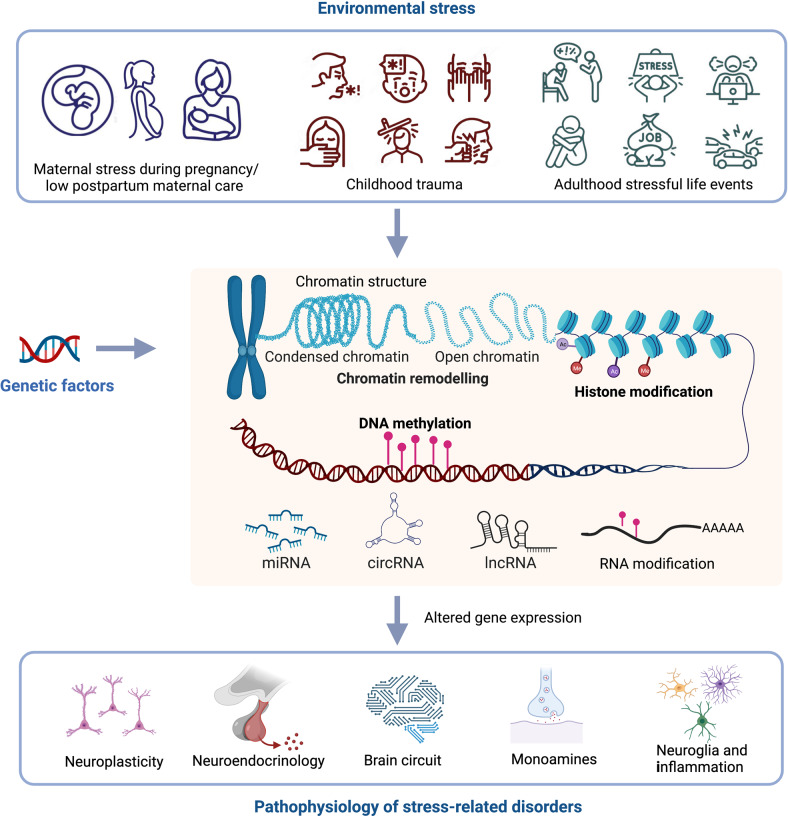
Major depressive disorder (MDD) is a chronic, generally episodic and debilitating disease that affects an estimated 300 million people worldwide, but its pathogenesis is poorly understood. The heritability estimate of MDD is 30-40%, suggesting that genetics alone do not account for most of the risk of major depression. Another factor known to associate with MDD involves environmental stressors such as childhood adversity and recent life stress. Recent studies have emerged to show that the biological impact of environmental factors in MDD and other stress-related disorders is mediated by a variety of epigenetic modifications. These epigenetic modification alterations contribute to abnormal neuroendocrine responses, neuroplasticity impairment, neurotransmission and neuroglia dysfunction, which are involved in the pathophysiology of MDD. Furthermore, epigenetic marks have been associated with the diagnosis and treatment of MDD. The evaluation of epigenetic modifications holds promise for further understanding of the heterogeneous etiology and complex phenotypes of MDD, and may identify new therapeutic targets. Here, we review preclinical and clinical epigenetic findings, including DNA methylation, histone modification, noncoding RNA, RNA modification, and chromatin remodeling factor in MDD. In addition, we elaborate on the contribution of these epigenetic mechanisms to the pathological trait variability in depression and discuss how such mechanisms can be exploited for therapeutic purposes.
Overview
CoChat Summary
TL;DR
This review synthesizes preclinical and clinical evidence that epigenetic mechanisms—DNA methylation, histone modifications, noncoding RNAs, RNA modifications, and chromatin remodeling—mediate the biological impact of environmental stressors in major depressive disorder (MDD) and other stress-related disorders. It argues these marks contribute to neuroendocrine, neuroplasticity, neurotransmission, and neuroglial dysfunction, and may serve as diagnostic, treatment-response, and therapeutic targets.
Key findings
- MDD heritability is estimated at ~35%, lower than schizophrenia or bipolar disorder (65–70%); GWAS has identified over 80 reproducible loci each with small effect, and polygenic risk scores explain only a small fraction of heritable risk—supporting a substantial environmental/epigenetic contribution.
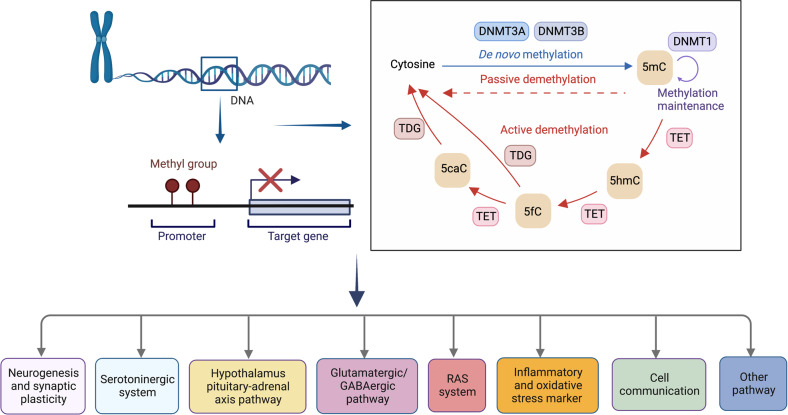
- DNA methylation findings are heterogeneous and location-dependent: promoter CpG island methylation generally suppresses expression (e.g., BDNF promoter methylation correlating with decreased BDNF), but gene-body and non-proximal promoter methylation can enhance expression; early-life adversity is linked to GR (NR3C1) promoter hypermethylation in hippocampus, and childhood adversity before age three explains more DNA methylation variability than accumulation or recency of exposure.
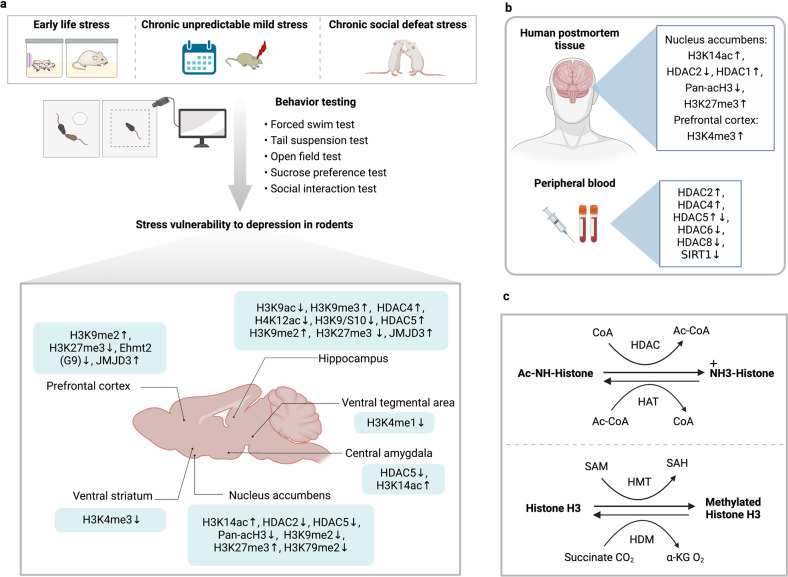
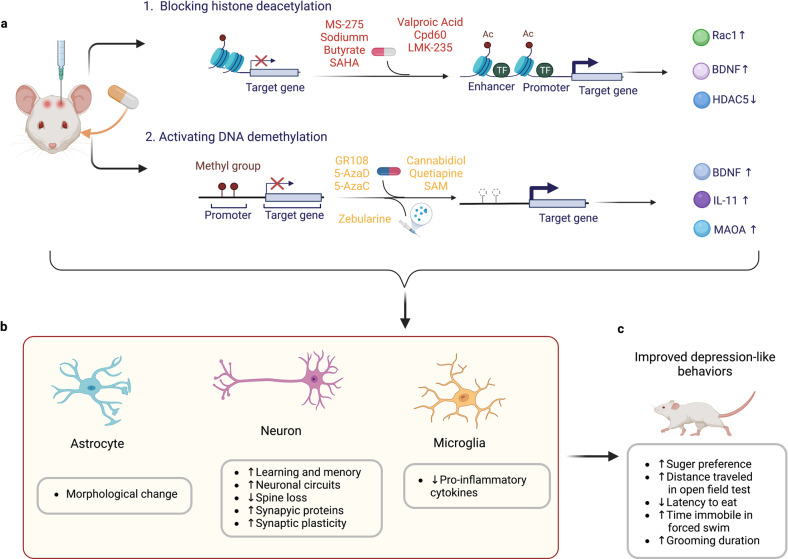
- Histone modification evidence is brain-region-specific and sometimes contradictory: HDAC2 and HDAC5 show pro-depressive effects in hippocampus but opposite (pro-resilient/homeostatic) roles in NAc and amygdala; stress-induced depression is generally associated with decreased histone acetylation, and HDAC inhibitors (e.g., MS-275, SAHA, sodium butyrate) exert antidepressant-like effects in rodents.
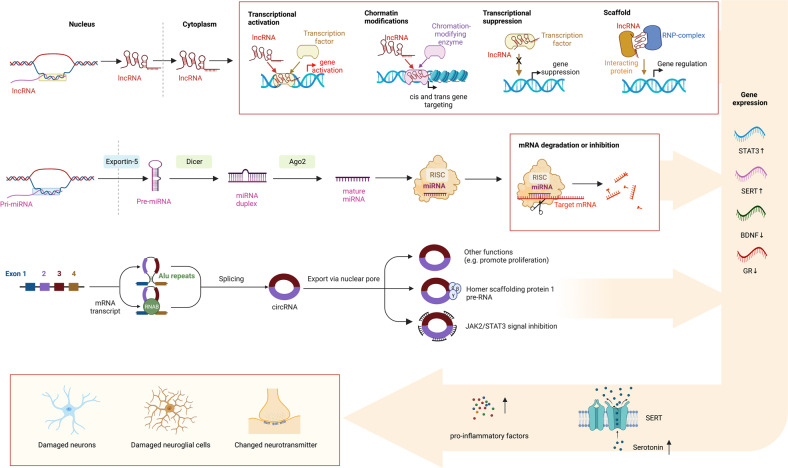
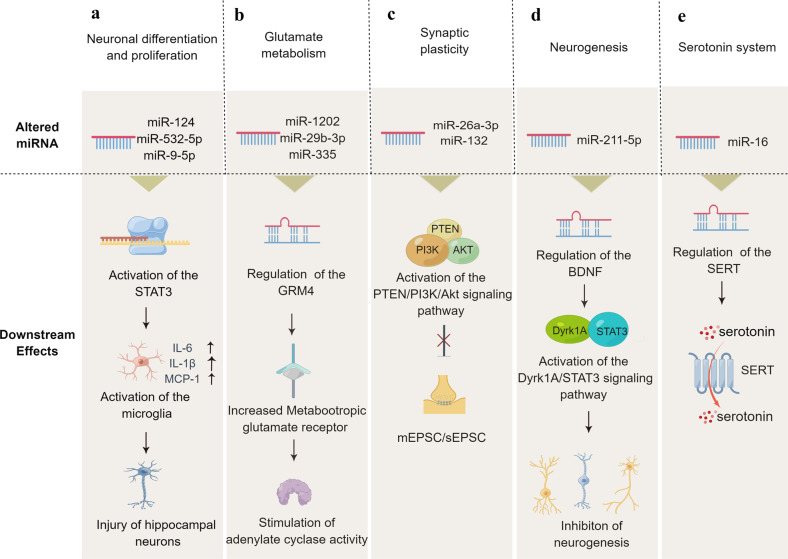
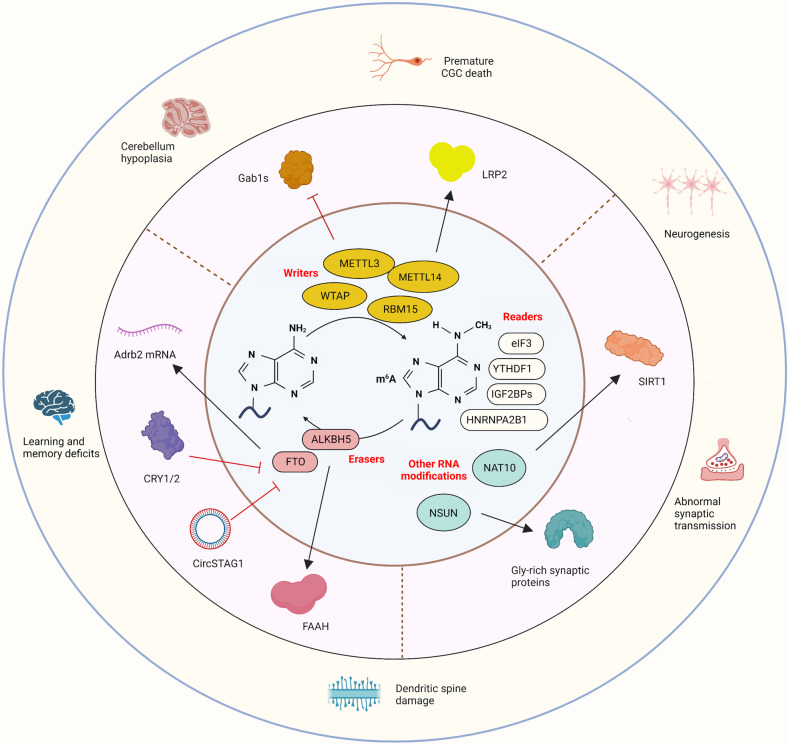
- ncRNAs and RNA modifications are altered in MDD and by antidepressants: e.g., miR-1202 rises after 8 weeks of citalopram; escitalopram altered 30 miRNAs; ketamine downregulated 18 and upregulated 22 miRNAs in rats; FTO rs9939609 was associated with lower MDD risk, and ALKBH5 rs12936694 showed allelic and genotypic association with MDD.
Methods
- Narrative review of preclinical (rodent stress models: early life stress, chronic social defeat, chronic unpredictable mild stress) and clinical (postmortem brain, peripheral blood, saliva, buccal cells) epigenetic findings in MDD and stress-related disorders.
- Covers five epigenetic categories: DNA methylation/hydroxymethylation, histone modification, noncoding RNAs (miRNA, circRNA, lncRNA), RNA modification (chiefly m6A, plus ac4C and m5C), and ATP-dependent chromatin remodeling.
- Includes three summary tables: DNA methylation alterations with clinical/biological outcomes (Table 1), candidate diagnostic epigenetic biomarkers (Table 2), biomarkers predicting antidepressant response (Table 3), and drugs targeting epigenetic processes (Table 4).
Limitations
- Stated by the paper: most literature does not distinguish DNA methylation from hydroxymethylation, and bisulfite-based assays measure both indiscriminately; most DNA methylation markers in peripheral tissue cannot accurately predict brain methylation status; clinical studies cannot separate whether fluctuating biology reflects homeostatic response, illness-severity stress, or pathophysiology; most histone modification studies examine heterogeneous cell populations; few clinical studies address histone modifications; and clinical adaptation of HDAC/DNMT inhibitors is constrained by off-target effects given their wide CNS and peripheral distribution.
- Evident from the text: the review is narrative rather than systematic, with no stated search strategy, inclusion criteria, or quantitative synthesis; many cited findings rest on small samples (the paper itself notes one replication study had a small sample size); and much of the mechanistic evidence derives from animal models, with the authors repeatedly noting that human relevance and causality remain to be established.
Model-written summary. Check it against the paper before relying on it.
Integrity signals
Registry
Cites
Statistics
Figures
Verification
Claims the paper makes
182 Valid · 15 Not valid · 108 Not checked · 26 Own results and interpretations
Some cited sources support this claim and some don’t — read each source’s verdict below.
In the paper
“miR-26a-3p263 and miR-132264 can induce depressive symptoms by activating the phosphatase and tensin homolog (PTEN)/phosphoinositide 3-kinase (PI3K)/Akt signaling pathway”
§ Epigenetic regulation in major depression and other stress-related disorders: molecular mechanisms, clinical relevance and therapeutic potential > Noncoding RNAs participate in the development and treatment of MDD > miRNAs and the development of depression
What the sources say
- Disputedcites [263] Li Y MicroRNA-26a-3p rescues depression-like behaviors in male rats via preventing hippocampal neuronal anomalies J. Clin. Invest 2021 131 e148853 10.1172/JCI148853 34228643 PMC8363293 sourceExperimental — accuracy not yet measured
This citation is attached to miR-26a-3p, not miR-132. The paper reports the opposite direction of effect: upregulating miR-26a-3p rescued depression-like behavior (p. 1), while knocking it down increased PTEN, reduced PI3K and phosphorylated Akt (Results, p. 5), and induced depression-like behavior. (LLM, conf=0.90)
Checked by a reasoning model — may be wrong.
- Partly supportedcites [264] Ronovsky M A role for miR-132 in learned safety Sci. Rep. 2019 9 528 10.1038/s41598-018-37054-z 30679653 PMC6346013 sourceExperimental — accuracy not yet measured
The Results (miR-132 target gene analysis; page unavailable) show that increasing miR-132 reduced PTEN expression in cultured cells. The Discussion (page unavailable) proposes a role for miR-132 and PTEN in learned safety, but the paper does not show that miR-132 induces depressive symptoms through activation of a PTEN/PI3K/Akt pathway. The adjacent miR-26a-3p citation is not attributed to this source. (LLM, conf=0.87)
plainstates a cause- Asserted: passes — The authors put it forward as true.
- Checkable: passes — It can be checked against evidence.
- Load-bearing: unclear — It is unclear whether the paper’s conclusions depend on it.
- Based: passes — The paper gives a reason why it holds.
- Rests on an assumption not shown here.
- Disputed
At least one cited source doesn’t support this claim or points to a different paper, and none confirmed it — see the verdicts below.
In the paper
“In depressed patients, fewer pyramidal neurons are found in the hippocampus and prefrontal cortex.255,256”
§ Epigenetic regulation in major depression and other stress-related disorders: molecular mechanisms, clinical relevance and therapeutic potential > Noncoding RNAs participate in the development and treatment of MDD > miRNAs and the development of depression
What the sources say
- Not checked — no full text of the sourcecites [255] Rajkowska G Morphometric evidence for neuronal and glial prefrontal cell pathology in major depression Biol. Psychiatry 1999 45 1085 1098 10.1016/S0006-3223(99)00041-4 10331101 source
- Disputedcites [256] Stockmeier CA Cellular changes in the postmortem hippocampus in major depression Biol. Psychiatry 2004 56 640 650 10.1016/j.biopsych.2004.08.022 15522247 PMC2929806 sourceExperimental — accuracy not yet measured
The Results report 35%–36% higher hippocampal pyramidal-neuron density in depressed subjects, contrary to the claimed decrease. The Discussion cautions that the study could not assess total neuron numbers, so it does not establish whether the total number was lower. The Conclusion reports lower neuronal density in parts of the prefrontal cortex, but does not identify those neurons as pyramidal. (LLM, conf=0.82)
Checked by a reasoning model — may be wrong.
plainstates an association- Asserted: passes — The authors put it forward as true.
- Checkable: passes — It can be checked against evidence.
- Load-bearing: unclear — It is unclear whether the paper’s conclusions depend on it.
- Based: passes — The paper gives a reason why it holds.
- Rests on an assumption not shown here.
At least one cited source doesn’t support this claim or points to a different paper, and none confirmed it — see the verdicts below.
In the paper
“Low miR-218 expression may influence synapse formation and synaptic plasticity of the mPFC by repressing the gene expression of Netrin-1 guidance cue receptor gene DCC in mouse models of social defeat stress.266”
§ Epigenetic regulation in major depression and other stress-related disorders: molecular mechanisms, clinical relevance and therapeutic potential > Noncoding RNAs participate in the development and treatment of MDD > miRNAs and the development of depression
What the sources say
- Disputedcites [266] Torres-Berrío A MiR-218: a molecular switch and potential biomarker of susceptibility to stress Mol. Psychiatry 2020 25 951 964 10.1038/s41380-019-0421-5 30980043 PMC6790160 sourceExperimental — accuracy not yet measured
The Discussion (page not provided) says miR-218 represses DCC, but reduced miR-218 is associated with increased DCC expression—not repression. The Results and Discussion also report that miR-218 overexpression increased thin dendritic-spine density in mice exposed to chronic social defeat stress. (LLM, conf=0.88)
Checked by a reasoning model — may be wrong.
hedgedstates a possible cause- Asserted: passes — The authors put it forward as true.
- Checkable: passes — It can be checked against evidence.
- Load-bearing: unclear — It is unclear whether the paper’s conclusions depend on it.
- Based: passes — The paper gives a reason why it holds.
- Rests on an assumption not shown here.
- Disputed
Some cited sources support this claim and some don’t — read each source’s verdict below.
In the paper
“For example, the true causality of epigenetic signatures at DNA sites that are known to be involved in stress-related disorders can only be examined with the advent of novel mutagenesis tools such as Clustered Regularly Interspaced Short Palindromic Repeats (CRISPR-Cas9) and Transcription Activator-Like Effector Nucleases (TALENs).425,426”
§ Epigenetic regulation in major depression and other stress-related disorders: molecular mechanisms, clinical relevance and therapeutic potential > Concluding remarks and future directions
What the sources say
- Disputedcites [425] Heller EA Locus-specific epigenetic remodeling controls addiction- and depression-related behaviors Nat. Neurosci. 2014 17 1720 1727 10.1038/nn.3871 25347353 PMC4241193 sourceExperimental — accuracy not yet measured
The Introduction describes testing the causal role of stress-evoked epigenetic regulation with engineered zinc-finger proteins (ZFPs) and transcription activator-like effectors (TALEs). The Discussion reports that ZFP-induced modification at FosB produced depression-related behaviors in mice. This contradicts the claim that causality can only be examined with CRISPR-Cas9 and TALENs; the paper describes TALE-based transcription factors, not TALEN mutagenesis. Our copy provides section labels but no page numbers. (LLM, conf=0.87)
Checked by a reasoning model — may be wrong.
- Partly supportedcites [426] Heller EA Targeted epigenetic remodeling of the Cdk5 gene in nucleus accumbens regulates cocaine- and stress-evoked behavior J. Neurosci. 2016 36 4690 4697 10.1523/JNEUROSCI.0013-16.2016 27122028 PMC4846670 sourceExperimental — accuracy not yet measured
The Introduction (page unavailable) says that examining the functional importance of epigenetic modifications at a single gene in vivo only recently became possible. But the paper uses engineered zinc finger proteins to test causality at the Cdk5 locus; it does not identify CRISPR-Cas9 or TALENs as the tools enabling that test. (LLM, conf=0.86)
plainstates a cause- Asserted: passes — The authors put it forward as true.
- Checkable: passes — It can be checked against evidence.
- Load-bearing: passes — The paper’s conclusions depend on it.
- Based: passes — The paper gives a reason why it holds.
- Disputed
At least one cited source doesn’t support this claim or points to a different paper, and none confirmed it — see the verdicts below.
In the paper
“HDAC4 in the cytoplasm may have neuroprotective effects.145–147”
§ Epigenetic regulation in major depression and other stress-related disorders: molecular mechanisms, clinical relevance and therapeutic potential > Histone modifications in the pathogenesis of MDD > Histone acetylation in stress response and neuroplasticity
What the sources say
- Not checked — no full text of the sourcecites [145] Fitzsimons HL The Class IIa histone deacetylase HDAC4 and neuronal function: Nuclear nuisance and cytoplasmic stalwart? Neurobiol. Learn Mem. 2015 123 149 158 10.1016/j.nlm.2015.06.006 26074448 source
- Not checked — no full text of the sourcecites [146] Zhang P HDAC4 protects cells from ER stress induced apoptosis through interaction with ATF4 Cell Signal 2014 26 556 563 10.1016/j.cellsig.2013.11.026 24308964 source
- Disputedcites [147] Mielcarek M HDAC4 reduction: a novel therapeutic strategy to target cytoplasmic huntingtin and ameliorate neurodegeneration PLoS Biol 2013 11 e1001717 10.1371/journal.pbio.1001717 24302884 PMC3841096 sourceExperimental — accuracy not yet measured
The Discussion reports the opposite effect in Huntington’s disease mouse models: reducing HDAC4 delayed cytoplasmic aggregation, restored synaptic function, and improved neurological outcomes. It describes the relevant cytoplasmic mechanism as contributing to neurodegeneration, not as neuroprotective. (LLM, conf=0.89)
Checked by a reasoning model — may be wrong.
hedgedstates a possible cause- Asserted: passes — The authors put it forward as true.
- Checkable: passes — It can be checked against evidence.
- Load-bearing: unclear — It is unclear whether the paper’s conclusions depend on it.
- Based: passes — The paper gives a reason why it holds.
180 more claims · 118 with their cited sources checked
Create a free account to see all 331 claims and to verify the 24 references still open.
- It may state two separate claims as one. 116
- Probably not a substantial claim. 44
Claims other papers make about this one
Each is checked against this paper’s own text: does it say what the citing paper says it does?
The source backs part of the claim, not all of it — or backs it for a different population, condition or comparison.
In the citing paper
“Changes in histone marks have been linked to neuroinflammation and neuronal injury, contributing to structural and functional alterations observed in depression (Yadav et al., 2024; Yuan et al., 2023; Zhu et al., 2021).”
From Histone modifications and depression: epigenetic mechanisms, therapeutic targets, and translational outlook (2026) · cites this paper as Yuan et al., 2023
Experimental — accuracy not yet measured
Self-check
Percentages, sums and reported differences re-computed from the paper’s own numbers.
Each contradiction between two passages listed here was confirmed by an independent check.
Rated major: it would touch a result — a value a result rests on, reported and recomputed p-values on opposite sides of the significance level, two passages that conflict with no sign which is right, or a cited work retracted before this paper was published.
In the paper
§ Epigenetic regulation in major depression and other stress-related disorders: molecular mechanisms, clinical relevance and therapeutic potential > Noncoding RNAs participate in the development and treatment of MDD > lncRNAs participate in the process of depression
“In MDD patients, four lncRNAs (PCAT1, MER11C, Y5, and PCAT29) levels were higher, and one lncRNA (RMRP) was lower in peripheral blood leukocytes.”
§ Epigenetic regulation in major depression and other stress-related disorders: molecular mechanisms, clinical relevance and therapeutic potential > A translational perspective on epigenetic modifications in MDD > Biomarkers for the diagnosis of depression
“| Y5↓ | Human | Peripheral blood leukocytes | Not reported | 312 | | MER11C↓ | Human | Peripheral blood leukocytes | Not reported | 312 | | PCAT1↓ | Human | Peripheral blood leukocytes | Not reported | 312 | | PCAT29↓ | Human | Peripheral blood leukocytes | Not reported | 312 |”
Rated minor: it would not touch a result — a value no result rests on, a p-value that stays on the same side of the significance level, or a conflict that is clerical, resolved elsewhere in the paper, or outside its own findings.
In the paper
§ Epigenetic regulation in major depression and other stress-related disorders: molecular mechanisms, clinical relevance and therapeutic potential > Noncoding RNAs participate in the development and treatment of MDD > circRNAs engage in the development of MDD
“overexpression of circPTK2 can induce neuronal apoptosis via miR-29b inhibition”
§ Epigenetic regulation in major depression and other stress-related disorders: molecular mechanisms, clinical relevance and therapeutic potential > Noncoding RNAs participate in the development and treatment of MDD > circRNAs engage in the development of MDD
“preventing inflammatory response and protecting against neuronal apoptosis.”
Rated minor: it would not touch a result — a value no result rests on, a p-value that stays on the same side of the significance level, or a conflict that is clerical, resolved elsewhere in the paper, or outside its own findings.
In the paper
§ Epigenetic regulation in major depression and other stress-related disorders: molecular mechanisms, clinical relevance and therapeutic potential > Noncoding RNAs participate in the development and treatment of MDD
“MicroRNAs (miRNAs), circular RNAs (lncRNAs), long noncoding RNAs (lncRNAs), and other as yet unidentified RNAs are referred as noncoding RNAs (ncRNAs), which do not code for peptides or proteins.”
§ Epigenetic regulation in major depression and other stress-related disorders: molecular mechanisms, clinical relevance and therapeutic potential > Noncoding RNAs participate in the development and treatment of MDD > circRNAs engage in the development of MDD
“In addition, it has been reported that some circRNAs can translate to peptides.”
Rated minor: it would not touch a result — a value no result rests on, a p-value that stays on the same side of the significance level, or a conflict that is clerical, resolved elsewhere in the paper, or outside its own findings.
In the paper
§ Epigenetic regulation in major depression and other stress-related disorders: molecular mechanisms, clinical relevance and therapeutic potential > RNA modifications participate in the molecular mechanisms underpinning MDD > RNA modifications other than m6A are also involved in depression
“RNA modifications other than m6A have been poorly studied in the field of depression with scant coverage of modifications such as N4-acetylcytidine (ac4C) and 5-methylcytosine (m5C).”
§ Epigenetic regulation in major depression and other stress-related disorders: molecular mechanisms, clinical relevance and therapeutic potential > RNA modifications participate in the molecular mechanisms underpinning MDD > RNA modifications other than m6A are also involved in depression
“It can regulate mRNA translation efficiency by catalyzing the addition of ac4C to the N4 position on thymidines.”
Rated minor: it would not touch a result — a value no result rests on, a p-value that stays on the same side of the significance level, or a conflict that is clerical, resolved elsewhere in the paper, or outside its own findings.
In the paper
§ Epigenetic regulation in major depression and other stress-related disorders: molecular mechanisms, clinical relevance and therapeutic potential > A translational perspective on epigenetic modifications in MDD > Biomarkers for the diagnosis of depression
“| miR-17-5p↓ | Human | Locus coeruleus | ↓miR-218 → target CREB1, CHRM2, NTRK3, and SLC17A7 genes | 247,476 |”
§ Epigenetic regulation in major depression and other stress-related disorders: molecular mechanisms, clinical relevance and therapeutic potential > A translational perspective on epigenetic modifications in MDD > Biomarkers for the diagnosis of depression
“| miR-17-5p↓ | Human | Plasma | ↓miR-218 → target CREB1, CHRM2, NTRK3, and SLC17A7 genes | 247,476 |”
Citations
Cites
Diagnostic and Statistical Manual of Mental Disorders
American Psychiatric Association (2013) · doi:10.1176/appi.books.9780890425596 · Cited by 116,369
An integrated encyclopedia of DNA elements in the human genome
The ENCODE Project Consortium (2012) · Nature · doi:10.1038/nature11247 · Cited by 18,072 · cited 1×
“108 This is mainly governed by posttranslational modi fi cations catalyzed by enzymes that act on particular amino acid residues located on histones.”
BackgroundMost mammalian mRNAs are conserved targets of microRNAs
Friedman, R. C., Farh, K. K.-H., Burge, C. B., & Bartel, D. P. (2009) · Genome Research · doi:10.1101/gr.082701.108 · Cited by 8,462 · cited 1×
“224 The mechanistic details of miRNA synthesis and maturation have been reviewed 225 and are summarized here.”
BackgroundCircular RNAs are a large class of animal RNAs with regulatory potency
Memczak, S., Jens, M., Elefsinioti, A., Torti, F., Krueger, J., Rybak, A., Maier, L., Mackowiak, S. D., Gregersen, L. H., Munschauer, M., et al. (2013) · Nature · doi:10.1038/nature11928 · Cited by 7,990 · cited 1×
“288 Typically, circRNAs regulate the expression levels of downstream genes at several levels, including mRNA transcription, splicing, and translation 287 .”
BackgroundEpigenetic programming by maternal behavior
Weaver, I. C. G., Cervoni, N., Champagne, F. A., D'Alessio, A. C., Sharma, S., Seckl, J. R., Dymov, S., Szyf, M., & Meaney, M. J. (2004) · Nature Neuroscience · doi:10.1038/nn1276 · Cited by 6,177 · cited 2×
“74 However, when the timing of the stressor was shifted to adulthood, there was little effect on the GR promoter methylation levels in the brain (neither in the hippocampus or hypothalamic paraventricular nucleus).”
BackgroundSantomauro, D. F., Mantilla Herrera, A. M., Shadid, J., Zheng, P., Ashbaugh, C., Pigott, D. M., Abbafati, C., Adolph, C., Amlag, J. O., Aravkin, A. Y., et al. (2021) · The Lancet · doi:10.1016/s0140-6736(21)02143-7 · Cited by 5,444 · cited 1×
“…It has been reported that the prevalence and burden of depressive and anxiety disorders have increased dramatically worldwide (more than 25% during the fi rst year of the pandemic) during the COVID-19 pandemic, 11 thus posing grave challenges for mental health services during and after the epidemic.”
BackgroundCryan, J. F., O'Riordan, K. J., Cowan, C. S. M., Sandhu, K. V., Bastiaanssen, T. F. S., Boehme, M., Codagnone, M. G., Cussotto, S., Fulling, C., Golubeva, A. V., et al. (2019) · Physiological Reviews · doi:10.1152/physrev.00018.2018 · Cited by 5,286 · cited 1×
“423,424 Hence, investigating the effects of the combination of the gut microbiome and epigenetic modi fi cation could potentially shed light on the underlying mechanisms of depression.”
BackgroundRepurposing CRISPR as an RNA-Guided Platform for Sequence-Specific Control of Gene Expression
Qi, L. S., Larson, M. H., Gilbert, L. A., Doudna, J. A., Weissman, J. S., Arkin, A. P., & Lim, W. A. (2013) · Cell · doi:10.1016/j.cell.2013.02.022 · Cited by 5,016 · cited 1×
“428 Furthermore, CRISPR-cas9 system can trans-epigenetic remodel the endogenous gene.”
BackgroundHuman DNA methylomes at base resolution show widespread epigenomic differences
Lister, R., Pelizzola, M., Dowen, R. H., Hawkins, R. D., Hon, G., Tonti-Filippini, J., Nery, J. R., Lee, L., Ye, Z., Ngo, Q.-M., et al. (2009) · Nature · doi:10.1038/nature08514 · Cited by 4,673 · cited 1×
“44,45 In addition, cytosines followed by a non-guanine base, such as cytosine, adenine, or thymine, might also experience DNA methylation.”
BackgroundMalhi, G. S., & Mann, J. J. (2018) · The Lancet · doi:10.1016/s0140-6736(18)31948-2 · Cited by 4,099
Self-citation
Research works printed but not linked: 7
- Monroe, S. M., Slavich, G. M. & Georgiades, K. in Handbook of Depression 3rd ed. 296–314 (The Guilford Press, 2014).
- Morello N Effects of forced swimming stress on ERK and histone H3 phosphorylation in limbic areas of Roman high-and low-avoidance rats PLoS ONE 2017 12 e0170093 10.1371/journal.pone.0170093 28107383 PMC5249133 · DOI · Paper page
- McKay MT Childhood trauma and adult mental disorder: a systematic review and metaoanalysis of longitudinal cohort studies Acta Psychiatr. Scand. 2021 143 189 205 10.1111/acps.13268 33315268 · DOI · Paper page
- Higuchi Y Soga T Parhar IS Potential roles of microRNAs in the regulation of monoamine oxidase A in the brain Front. Mol. Neurosci. 2018 11 339 10.3389/fnmol.2018.00339 30271325 PMC6149293 · DOI · Paper page
- Wan YQ Prefrontal cortex miR-29b-3p plays a key role in the antidepressant-like effect of ketamine in rats Exp. Mol. Med. 2018 50 1 14 10.1038/s12276-018-0164-4 30369596 PMC6204429 · DOI · Paper page
- Li J Meng H Cao W Qiu T MiR-335 is involved in major depression disorder and antidepressant treatment through targeting GRM4 Neurosci. Lett. 2015 606 167 172 10.1016/j.neulet.2015.08.038 26314506 · DOI · Paper page
- Domschke K Pharmacoepigenetics of depression: no major influence of MAO-A DNA methylation on treatment response J. Neural Transm. 2015 122 99 108 10.1007/s00702-014-1227-x 24809685 · DOI
Cited by
Items 201–244 of 244
Ahmadian-Moghadam, S., Saboory, E., & Roshan‐Milani, S. (2026) · The Journal of Physiology · doi:10.1113/jp290693
“These effects appear to be mediated by complex interactions among genetic predispositions, epigenetic programming, hormonal environments and neuroimmune mechanisms (Yuan et al., 2023).”
Xiao-xia, S., Liu, M., Yang, W.-M., & Zhang, Z. (2026) · Frontiers in Psychiatry · doi:10.3389/fpsyt.2026.1833619
Dahrendorff, J., Wang, C., Wani, A. H., Graham, Z., Aiello, A. E., Qu, A., Wildman, D. E., & Uddin, M. (2026) · Epigenomes · doi:10.3390/epigenomes10020035
“The complex interactions of miRNAs and these regulatory genes could amplify subtle transcriptional changes into broader downstream effects on many interconnected pathways of depression [48,49].”
Self-citationCao, Y., Du, L., Zhang, S., Xu, L., Li, Q., Liu, J., Wang, W., (34472), D. W., Zhao, D., Cui, M., et al. (2026) · Progress in Neuro-Psychopharmacology and Biological Psychiatry · doi:10.1016/j.pnpbp.2026.111769
Al-Mohammad, H. M. K., Obaid, A. J., Alshamarey, D. K., Ahmad, H. S., & Kamil, M. A. (2026) · Discover Mental Health · doi:10.1007/s44192-026-00504-6
“Spiritually enriched environments seem to reduce HPA activity and buffer psychological distress [14, 15].”
Hu, T., Yan, L., Huang, C., Zhang, H., Guo, Y., Zhang, W. X., & Jiang, C. (2026) · Journal of Translational Internal Medicine · doi:10.1515/jtim-2026-0033
Self-citationOsuru, H. P., Atluri, N., Le, T., Park, J., Jedrusiak, M., Dulko, E., Illendula, M., & Lunardi, N. (2026) · Alzheimer s & Dementia · doi:10.1002/alz.71556 · Cited by 1
Shen, J., Zi, Y., Xu, Y., Zhu, X., & Shi, L. (2026) · Behavioural Brain Research · doi:10.1016/j.bbr.2026.116339
Emerging cell death in depression: Mechanisms and therapeutic implications
Jin, C., & Li, Y. (2026) · Progress in Neuro-Psychopharmacology and Biological Psychiatry · doi:10.1016/j.pnpbp.2026.111801
Nunes, L. C., Ranjan, K., Costa, F. C., da Mata, D. O., Muehlmann, L. A., & Poças-Fonseca, M. J. (2026) · Photochemical & Photobiological Sciences · doi:10.1007/s43630-026-00943-8
Ai, L., Zhao, Y., Zhao, K., Shuang, R., Hou, D., Sun, T., Zhao, M., Tao, W., & Wang, H. Y. (2026) · Journal of Ethnopharmacology · doi:10.1016/j.jep.2026.122140
Liu, H., Wang, M., Bai, C., Li, J., Dong, K., & Guo, R. (2026) · Frontiers in Psychiatry · doi:10.3389/fpsyt.2026.1789107
Creatine monohydrate and neuronal methylation in psychiatric disorders
Strydom, L., & Xulu, K. R. (2026) · Academia Neuroscience and Brain Research · doi:10.20935/acadneurosci8396
DENYSOV, Y. (2026) · Ukrains kyi Visnyk Psykhonevrolohii · doi:10.36927/2079-0325-v34-is2-2026-12
Wang, W., Wang, W., Wang, X., Liu, Z., Fang, Y., Ju, P., Ding, L., & Peng, D. (2026) · ALPHA PSYCHIATRY · doi:10.31083/ap45381 · Cited by 1
“H3K4me3 is one of the most characteristic histone modifications and is associated with activation of gene transcription, whereas other forms such as H3K9me2 and H3K27me3 act to repress gene transcription [57].”
Al‐kuraishy, H. M., Abass, S. A., Mahana, H. A. M., Elbanna, O. A., Shahin, I., Radwan, A. A., MohamedMohamed, O. E.-S., Baktoot, A. M. L., & Batiha, G. E. (2026) · Molecular Biology Reports · doi:10.1007/s11033-026-12110-4 · Cited by 1
Sun, M., Shen, J., Huang, R., Yang, L., & Fan, Z. (2026) · Frontiers in Neuroscience · doi:10.3389/fnins.2026.1894304
“Major depressive disorder (MDD) represents one of the most prevalent and disabling mental health conditions globally, affecting an estimated 300 million people across diverse populations (Yuan et al., 2023; Bai et al., 2024).”
Lin, C. T., & Wang, X. (2026) · Molecular Psychiatry · doi:10.1038/s41380-026-03744-8
Targeting RIPK1 for the treatment of depression: From neuroinflammation to synaptic plasticity
Chen, X. L., Zhuang, Y.-C., & Guan, W. (2026) · Biochemical Pharmacology · doi:10.1016/j.bcp.2026.118230
Yao, Y.-Q., Zhi-yi, X., Guo, B., Wang, C., Hong, H., Chen, Z.-G., & Tang, S.-S. (2026) · Acta Pharmacologica Sinica · doi:10.1038/s41401-026-01874-x · Cited by 1
“Accumulating evidence has established a signi fi cant positive correlation between chronic stress exposure and depressive-like behaviors [35 – 37].”
Self-citationPM2.5 induced neurotoxicity and depression unveiling exposure risks and mechanistic insights
Ma, Z., & Yau, S. (2026) · iScience · doi:10.1016/j.isci.2026.116617 · Cited by 1
“182,183 In the context of depression, peripheral evidence indicates an imbalance in kynurenine pathway metabolites in patients, characterized by decreased levels of kynurenic acid and increased activity of QUIN, potentially enhancing neurotoxic effects and contributing to the pathophysiology of…”
Mental health and gut-brain crosstalk: implications for depression and Alzheimer's disease
Skourti, K., Katsaitis, F., Pavlidi, P., Anesti, M., Balla, J., Emvalomatis, A., Kokras, N., Dalla, C., & Sotiropoulos, I. (2026) · Neuroscience Applied · doi:10.1016/j.nsa.2026.107023
“Most importantly, their sensitivity to environmental factors (e. g. psychological stress) highlights their role as mediators of gene-environment interactions in pathological processes, particularly in mental health disorders (Yuan et al., 2023).”
Ajith, A., Shalu, D., Sharma, R., Mohapatra, G., & Bera, A. K. (2026) · bioRxiv (Cold Spring Harbor Laboratory) · doi:10.64898/2026.07.22.740018
Vöhringer, K., Müller, M. S., Yildiz, C. B., & Zimmer‐Bensch, G. (2026) · Frontiers in Neurology · doi:10.3389/fneur.2026.1883887
Molecular mechanisms of nicotinic acetylcholine receptors in mood dysregulation
Murthy, M. K., & Samal, D. (2026) · Progress in Neuro-Psychopharmacology and Biological Psychiatry · doi:10.1016/j.pnpbp.2026.111880
Salma, U., Islam, M. M., Islam, M. M., Ali, M. H., Mawya, J., Mohtasim, M., Sharmi, N. S., & Haque, N. (2026) · Biological Rhythm Research · doi:10.1080/09291016.2026.2717696
Francis, A., & Dwivedi, Y. (2026) · The International Journal of Neuropsychopharmacology · doi:10.1093/ijnp/pyag045
“12 Both epigenetic and gene expression patterns differ greatly across cell types.”
The role of N6-methyladenine methylation in kidney diseases: Mechanisms and therapeutic potential
Wang, S., Pang, Z., Shang, Y., Wang, Y., Zheng, D., Wang, Y., & Jin, J. (2026) · Genes & Diseases · doi:10.1016/j.gendis.2026.102417
Voluiskaia, A. V., Сергеевна, Я. Т., Ivkin, D. Y., Sukhanov, I., Petukhova, N. V., Zvartau, E. E., Kibitov, A. O., & Krupitsky, E. M. (2026) · Психофармакология и биологическая наркология · doi:10.17816/phbn713547
“Существенное значение в этой области приобретают исследования генетических, эпигенетических [18–20] и нейробиологических [13, 20] механизмов психических и аддиктивных расстройств, а также разработка инновационных методов фармакотерапии [20, 21] и немедикаментозных вмешательств [22, 23].”
Advancing Our Understanding of Depression—From Molecular Mechanisms to Novel Therapeutic Frontiers
Kisková, T. (2026) · International Journal of Molecular Sciences · doi:10.3390/ijms27188069
“Therefore, investigating epigenetic modifications offers valuable insights into the heterogeneous etiology and complex clinical manifestations of MDD and may facilitate the identification of novel biomarkers and therapeutic targets [13].”
Drivakou, D., Roussos, N., Theodoulidis, I., Dinas, K., Mikos, T., & Kosmidis, M. H. (2026) · Biomedicines · doi:10.3390/biomedicines14092075
“The persistent dysregulation of stress response systems might not remain limited only to neuroendocrine activation, but may also produce epigenetic alterations and longer-term molecular alterations which are related to stress-related psychopathology [39].”
Zhang, B., & Li, C. (2026) · Depression and Anxiety · doi:10.1155/da/1891046
“It is worth noting that other pathogenic mechanisms of depression have been identi fi ed, such as genetic predisposition [320], epigenetic modi fi cations [321], impaired hippocampal neurogenesis [322], and disrupted neuron – astrocyte coupling [323].”
RNA m6A demethylase FTO in central nervous system disorders: Mechanisms and therapeutic implications
Bi, H., Sun, M., Ma, Q., Li, X., & Wang, Y. (2026) · Progress in Neuro-Psychopharmacology and Biological Psychiatry · doi:10.1016/j.pnpbp.2026.111942
Genetic, Epigenetic, and Environmental Contributions to Major Depressive Disorder Etiology
Kardan, R., Momeni, A., Shahreza, P. B., & Bayat, H. (2026) · IGI Global eBooks · doi:10.4018/979-8-2600-4270-0.ch001
Zhou, P., Ma, Y., Hou, C., Chen, C., & Deng, S. (2026) · Frontiers in Cardiovascular Medicine · doi:10.3389/fcvm.2026.1924945
Bruzzone, S. E. P., Ozenne, B., Fisher, P. M., Ortega, G., Jensen, P. S., Dam, V. H., Svarer, C., Knudsen, G. M., Lesch, K., & Frokjaer, V. G. (2024) · Figshare · doi:10.6084/m9.figshare.26726351
Bruzzone, S. E. P., Ozenne, B., Fisher, P. M., Ortega, G., Jensen, P. S., Dam, V. H., Svarer, C., Knudsen, G. M., Lesch, K., & Frokjaer, V. G. (2024) · Figshare · doi:10.6084/m9.figshare.26726357
Bruzzone, S. E. P., Ozenne, B., Fisher, P. M., Ortega, G., Jensen, P. S., Dam, V. H., Svarer, C., Knudsen, G. M., Lesch, K., & Frokjaer, V. G. (2024) · Figshare · doi:10.6084/m9.figshare.26726354
Bruzzone, S. E. P., Ozenne, B., Fisher, P. M., Ortega, G., Jensen, P. S., Dam, V. H., Svarer, C., Knudsen, G. M., Lesch, K., & Frokjaer, V. G. (2024) · Figshare · doi:10.6084/m9.figshare.26726342
Bruzzone, S. E. P., Ozenne, B., Fisher, P. M., Ortega, G., Jensen, P. S., Dam, V. H., Svarer, C., Knudsen, G. M., Lesch, K., & Frokjaer, V. G. (2024) · Figshare · doi:10.6084/m9.figshare.26726348
Bruzzone, S. E. P., Ozenne, B., Fisher, P. M., Ortega, G., Jensen, P. S., Dam, V. H., Svarer, C., Knudsen, G. M., Lesch, K., & Frokjaer, V. G. (2024) · Figshare · doi:10.6084/m9.figshare.26726345
Bruzzone, S. E. P., Ozenne, B., Fisher, P. M., Ortega, G., Jensen, P. S., Dam, V. H., Svarer, C., Knudsen, G. M., Lesch, K., & Frokjaer, V. G. (2024) · Figshare · doi:10.6084/m9.figshare.26726339
Bruzzone, S. E. P., Ozenne, B., Fisher, P. M., Ortega, G., Jensen, P. S., Dam, V. H., Svarer, C., Knudsen, G. M., Lesch, K., & Frokjaer, V. G. (2024) · Figshare · doi:10.6084/m9.figshare.26726336
Bruzzone, S. E. P., Ozenne, B., Fisher, P. M., Ortega, G., Jensen, P. S., Dam, V. H., Svarer, C., Knudsen, G. M., Lesch, K., & Frokjaer, V. G. (2024) · Figshare · doi:10.6084/m9.figshare.26726360
Metadata
- Authors
- Yuan, M., Yang, B., Rothschild, G., Mann, J. J., Sanford, L. D., Tang, X., Huang, C., Wang, C., & Zhang, W.
- Affiliations
- Sichuan University (CN)
- Columbia University (US)
- New York State Psychiatric Institute (US)
- Eastern Virginia Medical School (US)
- Ningbo University (CN)
- Corresponding author
- Wang, Chuang
- Zhang, Wei
- ORCID
- Venue
- Signal Transduction and Targeted Therapy
- Published
- 2023-08-30
- Volume
- 8
- Issue
- 1
- Pages
- 309-309
- ISSN
- 2059-3635 (ISSN-L)
- PMC
- PMC10465587
- OpenAlex
- W4386241957
- Semantic Scholar
- 9cd44216c6f1820c135a7e8e95f3ff70dee2dea7
- Cited by
- 246
- References
- 508
- Citations by year
- 2026: 102 · 2025: 85 · 2024: 57 · 2023: 2
- FWCI
- 6.72
- Type
- journal article
- Language
- en
- Open access
- gold
- doi.org
- Licence
- cc-by
- creativecommons.org/licenses/by/4.0 (tdm)
- creativecommons.org/licenses/by/4.0 (vor)
- Locations
- Signal Transduction and Targeted Therapy (publishedVersion, cc-by)
- PubMed Central (publishedVersion, cc-by)
- PubMed (publishedVersion)
- DOAJ (DOAJ: Directory of Open Access Journals) (submittedVersion, cc-by-sa)
- Funders
- National Natural Science Foundation of China (#81821002, 82200695, 82120108002, ZYJC21004, ZYGD22007, 2021ZD0201900, 82171527)
- Ministry of Science and Technology of the People's Republic of China (2021ZD0201900)
- Sichuan University (ZYGD22007, ZYJC21004)
- West China Hospital, Sichuan University (ZYJC21004, ZYGD22007)
- Topics
- Life Sciences › Biochemistry, Genetics and Molecular Biology › Molecular Biology › Epigenetics and DNA Methylation
- Health Sciences › Medicine › Pharmacology (medical) › Treatment of Major Depression
- Life Sciences › Neuroscience › Behavioral Neuroscience › Stress Responses and Cortisol
- Keywords
- major depressive disorder, epigenetic regulation, stress-related disorders, DNA methylation, histone modifications, non-coding RNA, RNA modification, chromatin remodeling, childhood adversity, life events, neuroendocrine response, neuroplasticity, depression heterogeneity, depression biomarkers
- MeSH terms
- Clinical Relevance, Depression, Major Depressive Disorder, Humans, DNA Methylation, Epigenesis, Genetic
About these checks
Registry, retraction, Cites and statistics results are computed, not judged, with one exception: a printed reference that no index lists is read once by a model before it counts as a citation error. Claims are extracted by a model and kept only when their quote appears verbatim in the text; each cited source is then checked, with a model’s help, for whether it says what the claim relies on. Those verdicts can be wrong — read the claim’s quote and the cited source before relying on one.
The claim verdicts this report counts are experimental: their accuracy is not yet measured.
A language model drew the claims from the paper on 2026-10-10, under version 3 of the claim definition (model deepseek-v4.1-flash, prompt extract-v3).
A second model labelled each claim on 2026-10-10 (model jev-1.13-20260917, definition revision gold-guideline-v0.2).
Cited sources are checked with a language model’s help (gpt-6-sol).
Statistics and arithmetic are recomputed, not judged.
Confidence bands are shown only for fields calibrated on our annotated test set. None is calibrated yet, so no band is shown.
What counts as a claim ›How we measure confidence ›How we check this ›
Are you an author, or do you see a problem with this page? Request a review
Data sources
Bibliographic data: Semantic Scholar, OpenAlex, Crossref.
Contains information from the Semantic Scholar Academic Graph Datasets, made available under the ODC Attribution License (ODC-BY 1.0).
Semantic Scholar’s data is described in: Kinney, R., et al. (2023). The Semantic Scholar Open Data Platform. arXiv:2301.10140.
