

Epigenetic regulation in major depression and other stress-related disorders: molecular mechanisms, clinical relevance and therapeutic potential
Open accessThe DOI matches its Crossref record; 507 of the 508 references it cites were found in a registry or an index; 253 of the 449 sources its claims cite were checked for support.
Abstract
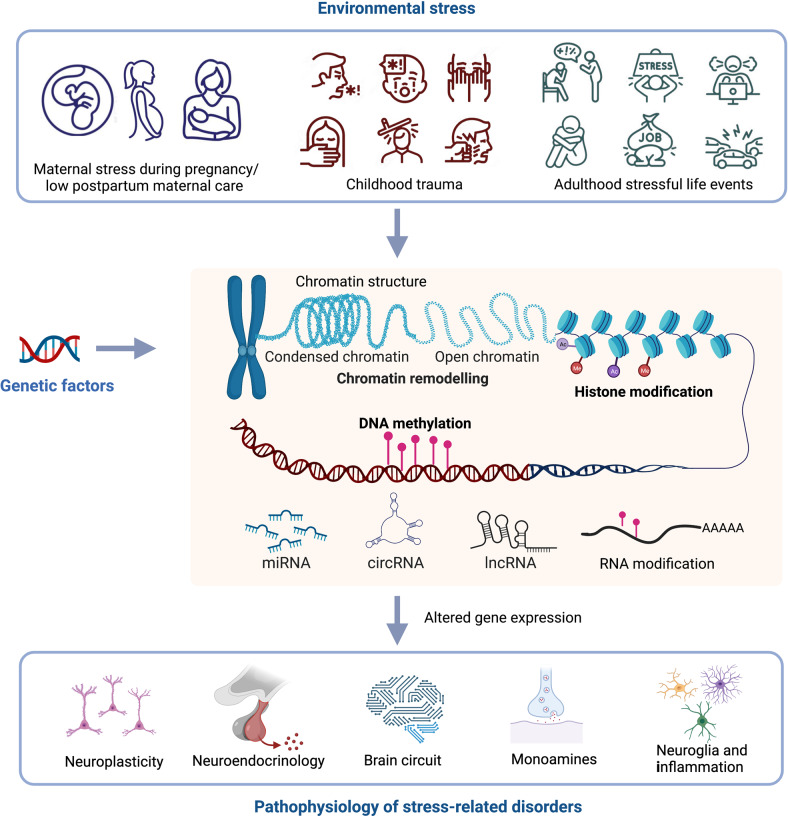
Major depressive disorder (MDD) is a chronic, generally episodic and debilitating disease that affects an estimated 300 million people worldwide, but its pathogenesis is poorly understood. The heritability estimate of MDD is 30-40%, suggesting that genetics alone do not account for most of the risk of major depression. Another factor known to associate with MDD involves environmental stressors such as childhood adversity and recent life stress. Recent studies have emerged to show that the biological impact of environmental factors in MDD and other stress-related disorders is mediated by a variety of epigenetic modifications. These epigenetic modification alterations contribute to abnormal neuroendocrine responses, neuroplasticity impairment, neurotransmission and neuroglia dysfunction, which are involved in the pathophysiology of MDD. Furthermore, epigenetic marks have been associated with the diagnosis and treatment of MDD. The evaluation of epigenetic modifications holds promise for further understanding of the heterogeneous etiology and complex phenotypes of MDD, and may identify new therapeutic targets. Here, we review preclinical and clinical epigenetic findings, including DNA methylation, histone modification, noncoding RNA, RNA modification, and chromatin remodeling factor in MDD. In addition, we elaborate on the contribution of these epigenetic mechanisms to the pathological trait variability in depression and discuss how such mechanisms can be exploited for therapeutic purposes.
Overview
CoChat Summary
TL;DR
This review synthesizes preclinical and clinical evidence that epigenetic mechanisms—DNA methylation, histone modifications, noncoding RNAs, RNA modifications, and chromatin remodeling—mediate the biological impact of environmental stressors in major depressive disorder (MDD) and other stress-related disorders. It argues these marks contribute to neuroendocrine, neuroplasticity, neurotransmission, and neuroglial dysfunction, and may serve as diagnostic, treatment-response, and therapeutic targets.
Key findings
- MDD heritability is estimated at ~35%, lower than schizophrenia or bipolar disorder (65–70%); GWAS has identified over 80 reproducible loci each with small effect, and polygenic risk scores explain only a small fraction of heritable risk—supporting a substantial environmental/epigenetic contribution.
- DNA methylation findings are heterogeneous and location-dependent: promoter CpG island methylation generally suppresses expression (e.g., BDNF promoter methylation correlating with decreased BDNF), but gene-body and non-proximal promoter methylation can enhance expression; early-life adversity is linked to GR (NR3C1) promoter hypermethylation in hippocampus, and childhood adversity before age three explains more DNA methylation variability than accumulation or recency of exposure.
- Histone modification evidence is brain-region-specific and sometimes contradictory: HDAC2 and HDAC5 show pro-depressive effects in hippocampus but opposite (pro-resilient/homeostatic) roles in NAc and amygdala; stress-induced depression is generally associated with decreased histone acetylation, and HDAC inhibitors (e.g., MS-275, SAHA, sodium butyrate) exert antidepressant-like effects in rodents.
- ncRNAs and RNA modifications are altered in MDD and by antidepressants: e.g., miR-1202 rises after 8 weeks of citalopram; escitalopram altered 30 miRNAs; ketamine downregulated 18 and upregulated 22 miRNAs in rats; FTO rs9939609 was associated with lower MDD risk, and ALKBH5 rs12936694 showed allelic and genotypic association with MDD.
Methods
- Narrative review of preclinical (rodent stress models: early life stress, chronic social defeat, chronic unpredictable mild stress) and clinical (postmortem brain, peripheral blood, saliva, buccal cells) epigenetic findings in MDD and stress-related disorders.
- Covers five epigenetic categories: DNA methylation/hydroxymethylation, histone modification, noncoding RNAs (miRNA, circRNA, lncRNA), RNA modification (chiefly m6A, plus ac4C and m5C), and ATP-dependent chromatin remodeling.
- Includes three summary tables: DNA methylation alterations with clinical/biological outcomes (Table 1), candidate diagnostic epigenetic biomarkers (Table 2), biomarkers predicting antidepressant response (Table 3), and drugs targeting epigenetic processes (Table 4).
Limitations
- Stated by the paper: most literature does not distinguish DNA methylation from hydroxymethylation, and bisulfite-based assays measure both indiscriminately; most DNA methylation markers in peripheral tissue cannot accurately predict brain methylation status; clinical studies cannot separate whether fluctuating biology reflects homeostatic response, illness-severity stress, or pathophysiology; most histone modification studies examine heterogeneous cell populations; few clinical studies address histone modifications; and clinical adaptation of HDAC/DNMT inhibitors is constrained by off-target effects given their wide CNS and peripheral distribution.
- Evident from the text: the review is narrative rather than systematic, with no stated search strategy, inclusion criteria, or quantitative synthesis; many cited findings rest on small samples (the paper itself notes one replication study had a small sample size); and much of the mechanistic evidence derives from animal models, with the authors repeatedly noting that human relevance and causality remain to be established.
Model-written summary. Check it against the paper before relying on it.
Integrity signals
Registry
Cites
Statistics
Figures
Verification
Claims the paper makes
182 Valid · 15 Not valid · 108 Not checked · 26 Own results and interpretations
Some cited sources support this claim and some don’t — read each source’s verdict below.
In the paper
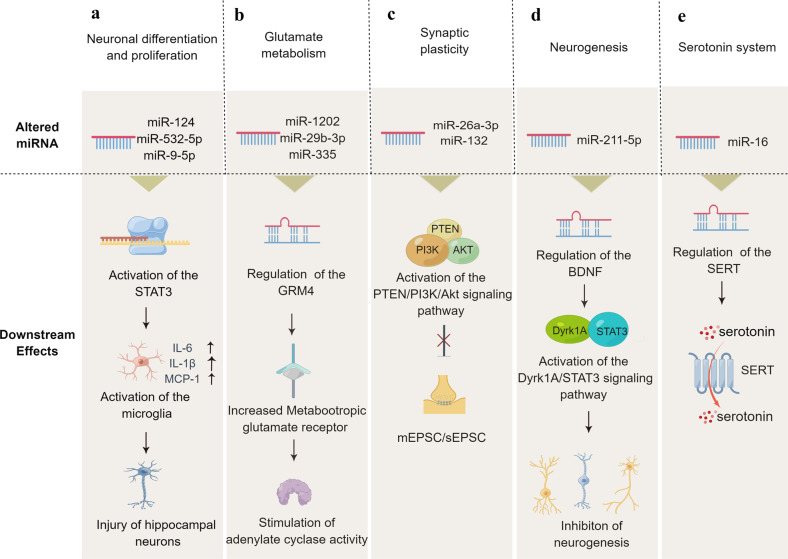
“miR-26a-3p263 and miR-132264 can induce depressive symptoms by activating the phosphatase and tensin homolog (PTEN)/phosphoinositide 3-kinase (PI3K)/Akt signaling pathway”
§ Epigenetic regulation in major depression and other stress-related disorders: molecular mechanisms, clinical relevance and therapeutic potential > Noncoding RNAs participate in the development and treatment of MDD > miRNAs and the development of depression
What the sources say
- Disputedcites [263] Li Y MicroRNA-26a-3p rescues depression-like behaviors in male rats via preventing hippocampal neuronal anomalies J. Clin. Invest 2021 131 e148853 10.1172/JCI148853 34228643 PMC8363293 sourceExperimental — accuracy not yet measured
This citation is attached to miR-26a-3p, not miR-132. The paper reports the opposite direction of effect: upregulating miR-26a-3p rescued depression-like behavior (p. 1), while knocking it down increased PTEN, reduced PI3K and phosphorylated Akt (Results, p. 5), and induced depression-like behavior. (LLM, conf=0.90)
Checked by a reasoning model — may be wrong.
- Partly supportedcites [264] Ronovsky M A role for miR-132 in learned safety Sci. Rep. 2019 9 528 10.1038/s41598-018-37054-z 30679653 PMC6346013 sourceExperimental — accuracy not yet measured
The Results (miR-132 target gene analysis; page unavailable) show that increasing miR-132 reduced PTEN expression in cultured cells. The Discussion (page unavailable) proposes a role for miR-132 and PTEN in learned safety, but the paper does not show that miR-132 induces depressive symptoms through activation of a PTEN/PI3K/Akt pathway. The adjacent miR-26a-3p citation is not attributed to this source. (LLM, conf=0.87)
plainstates a cause- Asserted: passes — The authors put it forward as true.
- Checkable: passes — It can be checked against evidence.
- Load-bearing: unclear — It is unclear whether the paper’s conclusions depend on it.
- Based: passes — The paper gives a reason why it holds.
- Rests on an assumption not shown here.
- Disputed
At least one cited source doesn’t support this claim or points to a different paper, and none confirmed it — see the verdicts below.
In the paper
“In depressed patients, fewer pyramidal neurons are found in the hippocampus and prefrontal cortex.255,256”
§ Epigenetic regulation in major depression and other stress-related disorders: molecular mechanisms, clinical relevance and therapeutic potential > Noncoding RNAs participate in the development and treatment of MDD > miRNAs and the development of depression
What the sources say
- Not checked — no full text of the sourcecites [255] Rajkowska G Morphometric evidence for neuronal and glial prefrontal cell pathology in major depression Biol. Psychiatry 1999 45 1085 1098 10.1016/S0006-3223(99)00041-4 10331101 source
- Disputedcites [256] Stockmeier CA Cellular changes in the postmortem hippocampus in major depression Biol. Psychiatry 2004 56 640 650 10.1016/j.biopsych.2004.08.022 15522247 PMC2929806 sourceExperimental — accuracy not yet measured
The Results report 35%–36% higher hippocampal pyramidal-neuron density in depressed subjects, contrary to the claimed decrease. The Discussion cautions that the study could not assess total neuron numbers, so it does not establish whether the total number was lower. The Conclusion reports lower neuronal density in parts of the prefrontal cortex, but does not identify those neurons as pyramidal. (LLM, conf=0.82)
Checked by a reasoning model — may be wrong.
plainstates an association- Asserted: passes — The authors put it forward as true.
- Checkable: passes — It can be checked against evidence.
- Load-bearing: unclear — It is unclear whether the paper’s conclusions depend on it.
- Based: passes — The paper gives a reason why it holds.
- Rests on an assumption not shown here.
At least one cited source doesn’t support this claim or points to a different paper, and none confirmed it — see the verdicts below.
In the paper
“Low miR-218 expression may influence synapse formation and synaptic plasticity of the mPFC by repressing the gene expression of Netrin-1 guidance cue receptor gene DCC in mouse models of social defeat stress.266”
§ Epigenetic regulation in major depression and other stress-related disorders: molecular mechanisms, clinical relevance and therapeutic potential > Noncoding RNAs participate in the development and treatment of MDD > miRNAs and the development of depression
What the sources say
- Disputedcites [266] Torres-Berrío A MiR-218: a molecular switch and potential biomarker of susceptibility to stress Mol. Psychiatry 2020 25 951 964 10.1038/s41380-019-0421-5 30980043 PMC6790160 sourceExperimental — accuracy not yet measured
The Discussion (page not provided) says miR-218 represses DCC, but reduced miR-218 is associated with increased DCC expression—not repression. The Results and Discussion also report that miR-218 overexpression increased thin dendritic-spine density in mice exposed to chronic social defeat stress. (LLM, conf=0.88)
Checked by a reasoning model — may be wrong.
hedgedstates a possible cause- Asserted: passes — The authors put it forward as true.
- Checkable: passes — It can be checked against evidence.
- Load-bearing: unclear — It is unclear whether the paper’s conclusions depend on it.
- Based: passes — The paper gives a reason why it holds.
- Rests on an assumption not shown here.
- Disputed
Some cited sources support this claim and some don’t — read each source’s verdict below.
In the paper
“For example, the true causality of epigenetic signatures at DNA sites that are known to be involved in stress-related disorders can only be examined with the advent of novel mutagenesis tools such as Clustered Regularly Interspaced Short Palindromic Repeats (CRISPR-Cas9) and Transcription Activator-Like Effector Nucleases (TALENs).425,426”
§ Epigenetic regulation in major depression and other stress-related disorders: molecular mechanisms, clinical relevance and therapeutic potential > Concluding remarks and future directions
What the sources say
- Disputedcites [425] Heller EA Locus-specific epigenetic remodeling controls addiction- and depression-related behaviors Nat. Neurosci. 2014 17 1720 1727 10.1038/nn.3871 25347353 PMC4241193 sourceExperimental — accuracy not yet measured
The Introduction describes testing the causal role of stress-evoked epigenetic regulation with engineered zinc-finger proteins (ZFPs) and transcription activator-like effectors (TALEs). The Discussion reports that ZFP-induced modification at FosB produced depression-related behaviors in mice. This contradicts the claim that causality can only be examined with CRISPR-Cas9 and TALENs; the paper describes TALE-based transcription factors, not TALEN mutagenesis. Our copy provides section labels but no page numbers. (LLM, conf=0.87)
Checked by a reasoning model — may be wrong.
- Partly supportedcites [426] Heller EA Targeted epigenetic remodeling of the Cdk5 gene in nucleus accumbens regulates cocaine- and stress-evoked behavior J. Neurosci. 2016 36 4690 4697 10.1523/JNEUROSCI.0013-16.2016 27122028 PMC4846670 sourceExperimental — accuracy not yet measured
The Introduction (page unavailable) says that examining the functional importance of epigenetic modifications at a single gene in vivo only recently became possible. But the paper uses engineered zinc finger proteins to test causality at the Cdk5 locus; it does not identify CRISPR-Cas9 or TALENs as the tools enabling that test. (LLM, conf=0.86)
plainstates a cause- Asserted: passes — The authors put it forward as true.
- Checkable: passes — It can be checked against evidence.
- Load-bearing: passes — The paper’s conclusions depend on it.
- Based: passes — The paper gives a reason why it holds.
- Disputed
At least one cited source doesn’t support this claim or points to a different paper, and none confirmed it — see the verdicts below.
In the paper
“HDAC4 in the cytoplasm may have neuroprotective effects.145–147”
§ Epigenetic regulation in major depression and other stress-related disorders: molecular mechanisms, clinical relevance and therapeutic potential > Histone modifications in the pathogenesis of MDD > Histone acetylation in stress response and neuroplasticity
What the sources say
- Not checked — no full text of the sourcecites [145] Fitzsimons HL The Class IIa histone deacetylase HDAC4 and neuronal function: Nuclear nuisance and cytoplasmic stalwart? Neurobiol. Learn Mem. 2015 123 149 158 10.1016/j.nlm.2015.06.006 26074448 source
- Not checked — no full text of the sourcecites [146] Zhang P HDAC4 protects cells from ER stress induced apoptosis through interaction with ATF4 Cell Signal 2014 26 556 563 10.1016/j.cellsig.2013.11.026 24308964 source
- Disputedcites [147] Mielcarek M HDAC4 reduction: a novel therapeutic strategy to target cytoplasmic huntingtin and ameliorate neurodegeneration PLoS Biol 2013 11 e1001717 10.1371/journal.pbio.1001717 24302884 PMC3841096 sourceExperimental — accuracy not yet measured
The Discussion reports the opposite effect in Huntington’s disease mouse models: reducing HDAC4 delayed cytoplasmic aggregation, restored synaptic function, and improved neurological outcomes. It describes the relevant cytoplasmic mechanism as contributing to neurodegeneration, not as neuroprotective. (LLM, conf=0.89)
Checked by a reasoning model — may be wrong.
hedgedstates a possible cause- Asserted: passes — The authors put it forward as true.
- Checkable: passes — It can be checked against evidence.
- Load-bearing: unclear — It is unclear whether the paper’s conclusions depend on it.
- Based: passes — The paper gives a reason why it holds.
180 more claims · 118 with their cited sources checked
Create a free account to see all 331 claims and to verify the 24 references still open.
- It may state two separate claims as one. 116
- Probably not a substantial claim. 44
Claims other papers make about this one
Each is checked against this paper’s own text: does it say what the citing paper says it does?
The source backs part of the claim, not all of it — or backs it for a different population, condition or comparison.
In the citing paper
“Changes in histone marks have been linked to neuroinflammation and neuronal injury, contributing to structural and functional alterations observed in depression (Yadav et al., 2024; Yuan et al., 2023; Zhu et al., 2021).”
From Histone modifications and depression: epigenetic mechanisms, therapeutic targets, and translational outlook (2026) · cites this paper as Yuan et al., 2023
Experimental — accuracy not yet measured
Self-check
Percentages, sums and reported differences re-computed from the paper’s own numbers.
Each contradiction between two passages listed here was confirmed by an independent check.
Rated major: it would touch a result — a value a result rests on, reported and recomputed p-values on opposite sides of the significance level, two passages that conflict with no sign which is right, or a cited work retracted before this paper was published.
In the paper
§ Epigenetic regulation in major depression and other stress-related disorders: molecular mechanisms, clinical relevance and therapeutic potential > Noncoding RNAs participate in the development and treatment of MDD > lncRNAs participate in the process of depression
“In MDD patients, four lncRNAs (PCAT1, MER11C, Y5, and PCAT29) levels were higher, and one lncRNA (RMRP) was lower in peripheral blood leukocytes.”
§ Epigenetic regulation in major depression and other stress-related disorders: molecular mechanisms, clinical relevance and therapeutic potential > A translational perspective on epigenetic modifications in MDD > Biomarkers for the diagnosis of depression
“| Y5↓ | Human | Peripheral blood leukocytes | Not reported | 312 | | MER11C↓ | Human | Peripheral blood leukocytes | Not reported | 312 | | PCAT1↓ | Human | Peripheral blood leukocytes | Not reported | 312 | | PCAT29↓ | Human | Peripheral blood leukocytes | Not reported | 312 |”
Rated minor: it would not touch a result — a value no result rests on, a p-value that stays on the same side of the significance level, or a conflict that is clerical, resolved elsewhere in the paper, or outside its own findings.
In the paper
§ Epigenetic regulation in major depression and other stress-related disorders: molecular mechanisms, clinical relevance and therapeutic potential > Noncoding RNAs participate in the development and treatment of MDD > circRNAs engage in the development of MDD
“overexpression of circPTK2 can induce neuronal apoptosis via miR-29b inhibition”
§ Epigenetic regulation in major depression and other stress-related disorders: molecular mechanisms, clinical relevance and therapeutic potential > Noncoding RNAs participate in the development and treatment of MDD > circRNAs engage in the development of MDD
“preventing inflammatory response and protecting against neuronal apoptosis.”
Rated minor: it would not touch a result — a value no result rests on, a p-value that stays on the same side of the significance level, or a conflict that is clerical, resolved elsewhere in the paper, or outside its own findings.
In the paper
§ Epigenetic regulation in major depression and other stress-related disorders: molecular mechanisms, clinical relevance and therapeutic potential > Noncoding RNAs participate in the development and treatment of MDD
“MicroRNAs (miRNAs), circular RNAs (lncRNAs), long noncoding RNAs (lncRNAs), and other as yet unidentified RNAs are referred as noncoding RNAs (ncRNAs), which do not code for peptides or proteins.”
§ Epigenetic regulation in major depression and other stress-related disorders: molecular mechanisms, clinical relevance and therapeutic potential > Noncoding RNAs participate in the development and treatment of MDD > circRNAs engage in the development of MDD
“In addition, it has been reported that some circRNAs can translate to peptides.”
Rated minor: it would not touch a result — a value no result rests on, a p-value that stays on the same side of the significance level, or a conflict that is clerical, resolved elsewhere in the paper, or outside its own findings.
In the paper
§ Epigenetic regulation in major depression and other stress-related disorders: molecular mechanisms, clinical relevance and therapeutic potential > RNA modifications participate in the molecular mechanisms underpinning MDD > RNA modifications other than m6A are also involved in depression
“RNA modifications other than m6A have been poorly studied in the field of depression with scant coverage of modifications such as N4-acetylcytidine (ac4C) and 5-methylcytosine (m5C).”
§ Epigenetic regulation in major depression and other stress-related disorders: molecular mechanisms, clinical relevance and therapeutic potential > RNA modifications participate in the molecular mechanisms underpinning MDD > RNA modifications other than m6A are also involved in depression
“It can regulate mRNA translation efficiency by catalyzing the addition of ac4C to the N4 position on thymidines.”
Rated minor: it would not touch a result — a value no result rests on, a p-value that stays on the same side of the significance level, or a conflict that is clerical, resolved elsewhere in the paper, or outside its own findings.
In the paper
§ Epigenetic regulation in major depression and other stress-related disorders: molecular mechanisms, clinical relevance and therapeutic potential > A translational perspective on epigenetic modifications in MDD > Biomarkers for the diagnosis of depression
“| miR-17-5p↓ | Human | Locus coeruleus | ↓miR-218 → target CREB1, CHRM2, NTRK3, and SLC17A7 genes | 247,476 |”
§ Epigenetic regulation in major depression and other stress-related disorders: molecular mechanisms, clinical relevance and therapeutic potential > A translational perspective on epigenetic modifications in MDD > Biomarkers for the diagnosis of depression
“| miR-17-5p↓ | Human | Plasma | ↓miR-218 → target CREB1, CHRM2, NTRK3, and SLC17A7 genes | 247,476 |”
Citations
Cites
Diagnostic and Statistical Manual of Mental Disorders
American Psychiatric Association (2013) · doi:10.1176/appi.books.9780890425596 · Cited by 116,369
An integrated encyclopedia of DNA elements in the human genome
The ENCODE Project Consortium (2012) · Nature · doi:10.1038/nature11247 · Cited by 18,072 · cited 1×
“108 This is mainly governed by posttranslational modi fi cations catalyzed by enzymes that act on particular amino acid residues located on histones.”
BackgroundMost mammalian mRNAs are conserved targets of microRNAs
Friedman, R. C., Farh, K. K.-H., Burge, C. B., & Bartel, D. P. (2009) · Genome Research · doi:10.1101/gr.082701.108 · Cited by 8,462 · cited 1×
“224 The mechanistic details of miRNA synthesis and maturation have been reviewed 225 and are summarized here.”
BackgroundCircular RNAs are a large class of animal RNAs with regulatory potency
Memczak, S., Jens, M., Elefsinioti, A., Torti, F., Krueger, J., Rybak, A., Maier, L., Mackowiak, S. D., Gregersen, L. H., Munschauer, M., et al. (2013) · Nature · doi:10.1038/nature11928 · Cited by 7,990 · cited 1×
“288 Typically, circRNAs regulate the expression levels of downstream genes at several levels, including mRNA transcription, splicing, and translation 287 .”
BackgroundEpigenetic programming by maternal behavior
Weaver, I. C. G., Cervoni, N., Champagne, F. A., D'Alessio, A. C., Sharma, S., Seckl, J. R., Dymov, S., Szyf, M., & Meaney, M. J. (2004) · Nature Neuroscience · doi:10.1038/nn1276 · Cited by 6,177 · cited 2×
“74 However, when the timing of the stressor was shifted to adulthood, there was little effect on the GR promoter methylation levels in the brain (neither in the hippocampus or hypothalamic paraventricular nucleus).”
BackgroundSantomauro, D. F., Mantilla Herrera, A. M., Shadid, J., Zheng, P., Ashbaugh, C., Pigott, D. M., Abbafati, C., Adolph, C., Amlag, J. O., Aravkin, A. Y., et al. (2021) · The Lancet · doi:10.1016/s0140-6736(21)02143-7 · Cited by 5,444 · cited 1×
“…It has been reported that the prevalence and burden of depressive and anxiety disorders have increased dramatically worldwide (more than 25% during the fi rst year of the pandemic) during the COVID-19 pandemic, 11 thus posing grave challenges for mental health services during and after the epidemic.”
BackgroundCryan, J. F., O'Riordan, K. J., Cowan, C. S. M., Sandhu, K. V., Bastiaanssen, T. F. S., Boehme, M., Codagnone, M. G., Cussotto, S., Fulling, C., Golubeva, A. V., et al. (2019) · Physiological Reviews · doi:10.1152/physrev.00018.2018 · Cited by 5,286 · cited 1×
“423,424 Hence, investigating the effects of the combination of the gut microbiome and epigenetic modi fi cation could potentially shed light on the underlying mechanisms of depression.”
BackgroundRepurposing CRISPR as an RNA-Guided Platform for Sequence-Specific Control of Gene Expression
Qi, L. S., Larson, M. H., Gilbert, L. A., Doudna, J. A., Weissman, J. S., Arkin, A. P., & Lim, W. A. (2013) · Cell · doi:10.1016/j.cell.2013.02.022 · Cited by 5,016 · cited 1×
“428 Furthermore, CRISPR-cas9 system can trans-epigenetic remodel the endogenous gene.”
BackgroundHuman DNA methylomes at base resolution show widespread epigenomic differences
Lister, R., Pelizzola, M., Dowen, R. H., Hawkins, R. D., Hon, G., Tonti-Filippini, J., Nery, J. R., Lee, L., Ye, Z., Ngo, Q.-M., et al. (2009) · Nature · doi:10.1038/nature08514 · Cited by 4,673 · cited 1×
“44,45 In addition, cytosines followed by a non-guanine base, such as cytosine, adenine, or thymine, might also experience DNA methylation.”
BackgroundMalhi, G. S., & Mann, J. J. (2018) · The Lancet · doi:10.1016/s0140-6736(18)31948-2 · Cited by 4,099
Self-citationTrivedi, M. H., Rush, A. J., Wisniewski, S. R., Nierenberg, A. A., Warden, D., Ritz, L., Norquist, G., Howland, R. H., Lebowitz, B., McGrath, P. J., et al. (2006) · American Journal of Psychiatry · doi:10.1176/appi.ajp.163.1.28 · Cited by 3,879 · cited 1×
“It is reported that almost 60% of patients fail to recover after undergoing one antidepressant trial, 320 – 322 and misleading reviews have ignored a vast body of ef fi cacy data and even questioned whether antidepressants work at all.”
BackgroundAntidepressant effects of ketamine in depressed patients
Berman, R. M., Cappiello, A., Anand, A., Oren, D. A., Heninger, G. R., Charney, D. S., & Krystal, J. H. (2000) · Biological Psychiatry · doi:10.1016/s0006-3223(99)00230-9 · Cited by 3,856 · cited 2×
“Furthermore, miR-1202 levels in peripheral blood were associated with alterations in brain activity and connectivity in several brain regions.(343) Perhaps miR-1202 levels may mediate some of the desvenlafaxine’s antidepressant effect through brain circuitry function, possibly via the glutamatergic system.”
BackgroundEpigenetic differences arise during the lifetime of monozygotic twins
Fraga, M. F., Ballestar, E., Paz, M. F., Ropero, S., Setien, F., Ballestar, M. L., Heine-Suñer, D., Cigudosa, J. C., Urioste, M., Benitez, J., et al. (2005) · Proceedings of the National Academy of Sciences · doi:10.1073/pnas.0500398102 · Cited by 3,602 · cited 1×
“17 22 Early studies examined how stressful life experiences affected MDD, usually in the year preceding its onset.”
BackgroundEpigenetic regulation of the glucocorticoid receptor in human brain associates with childhood abuse
McGowan, P. O., Sasaki, A., D'Alessio, A. C., Dymov, S., Labonté, B., Szyf, M., Turecki, G., & Meaney, M. J. (2009) · Nature Neuroscience · doi:10.1038/nn.2270 · Cited by 3,531 · cited 1×
“78 Cell type-speci fi c Fig.”
Long Noncoding RNA as Modular Scaffold of Histone Modification Complexes
Tsai, M.-C., Manor, O., Wan, Y., Mosammaparast, N., Wang, J. K., Lan, F., Shi, Y., Segal, E., & Chang, H. Y. (2010) · Science · doi:10.1126/science.1192002 · Cited by 3,290 · cited 1×
“ncRNAs can regulate expression of genes via the translation or transcription of mRNAs, the methylation of DNA and RNA, or as a modular scaffold of histone modification complexes.(219) Studies have demonstrated that significantly altered ncRNAs expression in MDD relative to healthy subjects.”
BackgroundLiu, D., Diorio, J., Tannenbaum, B., Caldji, C., Francis, D., Freedman, A., Sharma, S., Pearson, D., Plotsky, P. M., & Meaney, M. J. (1997) · Science · doi:10.1126/science.277.5332.1659 · Cited by 3,170 · cited 1×
“…offspring from low LG mothers had less hippocampal glucocorticoid receptor (GR) and protein expression, lower plasma pituitary adrenocorticotropin (ACTH) and impaired corticosterone responses to acute stress, 71,74,75 and was more vulnerable to show learned help-lessness to environmental stress.”
BackgroundHistone deacetylases (HDACs): characterization of the classical HDAC family
RUIJTER, A. J. M. D., GENNIP, A. H. V., CARON, H. N., KEMP, S., & KUILENBURG, A. B. P. V. (2003) · Biochemical Journal · doi:10.1042/bj20021321 · Cited by 3,114 · cited 1×
“116 The former includes three phylogenetic classes: I (HDAC1, 2, 3, and 8), II (HDAC4, 5, 6, 7, 9, and 10), and IV (HDAC11).”
BackgroundThe fetal and infant origins of adult disease.
Barker, D. J. (1990) · BMJ · doi:10.1136/bmj.301.6761.1111 · Cited by 2,768
The Nuclear DNA Base 5-Hydroxymethylcytosine Is Present in Purkinje Neurons and the Brain
Kriaucionis, S., & Heintz, N. (2009) · Science · doi:10.1126/science.1169786 · Cited by 2,700 · cited 1×
“59,60 Currently, the majority of reports in the literature do not differentiate between DNA methylation and hydroxymethyla-tion, and assays that rely on bisul fi te conversion measure both modi fi cations indiscriminately.”
BackgroundCausal Relationship Between Stressful Life Events and the Onset of Major Depression
Kendler, K. S., Karkowski, L. M., & Prescott, C. A. (1999) · American Journal of Psychiatry · doi:10.1176/ajp.156.6.837 · Cited by 2,566 · cited 2×
“213,221,222 miRNAs and the development of depression MicroRNA molecules are highly conserved small (21 – 24 nucleotides) RNA molecules.”
BackgroundHoward, D. M., Adams, M. J., Clarke, T.-K., Hafferty, J. D., Gibson, J., Shirali, M., Coleman, J. R. I., Hagenaars, S. P., Ward, J., Wigmore, E. M., et al. (2019) · Nature Neuroscience · doi:10.1038/s41593-018-0326-7 · Cited by 2,565 · cited 2×
“15,16 Moreover, the variance explained by major depression polygenic risk scores based on these genomic loci is still a very low fraction of the total heritable risk.”
BackgroundCircular RNAs in the Mammalian Brain Are Highly Abundant, Conserved, and Dynamically Expressed
Rybak-Wolf, A., Stottmeister, C., Glažar, P., Jens, M., Pino, N., Giusti, S., Hanan, M., Behm, M., Bartok, O., Ashwal-Fluss, R., et al. (2015) · Molecular Cell · doi:10.1016/j.molcel.2015.03.027 · Cited by 2,423 · cited 2×
“293 In vitro studies have shown that overexpression of circPTK2 can induce neuronal apoptosis via miR-29b inhibition, preventing in fl amma-tory response and protecting against neuronal apoptosis.”
BackgroundPost-transcriptional gene regulation by mRNA modifications
Zhao, B. S., Roundtree, I. A., & He, C. (2017) · Nature Reviews Molecular Cell Biology · doi:10.1038/nrm.2016.132 · Cited by 2,420 · cited 1×
“RNA MODIFICATIONS PARTICIPATE IN THE MOLECULAR MECHANISMS UNDERPINNING MDD There are over 100 types of RNA modifications.(346) Due to their ubiquitous role in cell biology, RNA modifications have been associated with the development of various illnesses, such as cancer, neurological and developmental disorders, and me…”
BackgroundPrevalence of mental disorders in China: a cross-sectional epidemiological study
Huang, Y., Wang, Y., Wang, H., Liu, Z., Yu, X., Yan, J., Yu, Y., Kou, C., Xu, X., Lu, J., et al. (2019) · The Lancet Psychiatry · doi:10.1016/s2215-0366(18)30511-x · Cited by 2,335
Combinatorial patterns of histone acetylations and methylations in the human genome
Wang, Z., Zang, C., Rosenfeld, J. A., Schones, D. E., Barski, A., Cuddapah, S., Cui, K., Roh, T.-Y., Peng, W., Zhang, M. Q., et al. (2008) · Nature Genetics · doi:10.1038/ng.154 · Cited by 2,331 · cited 1×
“115 The “ writers ” that mediate histone acetylation include histone acetyltransferases (HATs) for the addition of the acetylation mark.”
BackgroundOtte, C., Gold, S. M., Penninx, B. W., Pariante, C. M., Etkin, A., Fava, M., Mohr, D. C., & Schatzberg, A. F. (2016) · Nature Reviews Disease Primers · doi:10.1038/nrdp.2016.65 · Cited by 2,269
The Bidirectional Relationship of Depression and Inflammation: Double Trouble
Beurel, E., Toups, M., & Nemeroff, C. B. (2020) · Neuron · doi:10.1016/j.neuron.2020.06.002 · Cited by 2,136 · cited 1×
“103 Changes in DNA methylation of particular genes within speci fi c brain cells that are linked to depression are also evident.”
BackgroundTHE EFFECTS OF STRESSFUL LIFE EVENTS ON DEPRESSION
Kessler, R. C. (1997) · Annual Review of Psychology · doi:10.1146/annurev.psych.48.1.191 · Cited by 2,111 · cited 2×
“25 Adverse experiences early in life, such as maternal stress during pregnancy and poor maternal care after childbirth, childhood physical and sexual abuse, emotional neglect, bullying, or early separation from parents, are associated with subsequent onset, severity and chronicity of MDD. 26,27…”
BackgroundN6-methyladenosine-dependent RNA structural switches regulate RNA–protein interactions
Liu, N., Dai, Q., Zheng, G., He, C., Parisien, M., & Pan, T. (2015) · Nature · doi:10.1038/nature14234 · Cited by 1,988
Tan, M., Luo, H., Lee, S., Jin, F., Yang, J. S., Montellier, E., Buchou, T., Cheng, Z., Rousseaux, S., Rajagopal, N., et al. (2011) · Cell · doi:10.1016/j.cell.2011.08.008 · Cited by 1,902 · cited 1×
“Histone crotonylation was previously shown to occur at the promoters or enhancers of gens that are actively transcribed, and play a role in spermatogenesis.(111,179) Similar to histone acetylation, histone crotonylation is catalyzed by HATs, which add a crotonyl group from crotonyl-coenzyme A (CoA) to amino acid resid…”
BackgroundAn operational definition of epigenetics: Figure 1.
Berger, S. L., Kouzarides, T., Shiekhattar, R., & Shilatifard, A. (2009) · Genes & Development · doi:10.1101/gad.1787609 · Cited by 1,884 · cited 2×
“Epigenetics refers to short- and long-term gene expression variations that are caused by non-DNA-encoded mechanisms.(30,31) These mechanisms include DNA methylation or hydroxymethylation, chemical changes occurring on histone proteins (histone modification), expression of noncoding RNAs, chromatin remodeling, and RNA…”
BackgroundGlobal epigenomic reconfiguration during mammalian brain development
Lister, R., Mukamel, E. A., Nery, J. R., Urich, M., Puddifoot, C. A., Johnson, N. D., Lucero, J., Huang, Y., Dwork, A. J., Schultz, M. D., et al. (2013) · Science · doi:10.1126/science.1237905 · Cited by 1,830 · cited 2×
“61 As more research is conducted, it becomes increasingly evident that non-CpG methylation plays a signi fi cant role in regulating gene activity and can continue to function in the adult brain, where it may act similarly to CpG methylation in repressing transcription.”
BackgroundSustained hippocampal chromatin regulation in a mouse model of depression and antidepressant action
Tsankova, N. M., Berton, O., Renthal, W., Kumar, A., Neve, R. L., & Nestler, E. J. (2006) · Nature Neuroscience · doi:10.1038/nn1659 · Cited by 1,780 · cited 2×
“148 In another study of chronically stressed rats, a signi fi cant decrease in histone acetylation (H4K12Ac) and phosphor-acetylation (H3K9/S10) was observed in CA3 and dentate gyrus (DG) in stressed animals compared with control animals, along with increased HDAC5 expression.”
BackgroundHDAC2 negatively regulates memory formation and synaptic plasticity
Guan, J.-S., Haggarty, S. J., Giacometti, E., Dannenberg, J.-H., Joseph, N., Gao, J., Nieland, T. J. F., Zhou, Y., Wang, X., Mazitschek, R., et al. (2009) · Nature · doi:10.1038/nature07925 · Cited by 1,644 · cited 2×
“134 Furthermore, a promoter occupancy analysis has revealed a link between HDAC2 and the promoters of genes that play a role in synaptic plasticity and memory formation.”
BackgroundTET enzymes, TDG and the dynamics of DNA demethylation
Kohli, R. M., & Zhang, Y. (2013) · Nature · doi:10.1038/nature12750 · Cited by 1,623 · cited 1×
“59,60 Currently, the majority of reports in the literature do not differentiate between DNA methylation and hydroxymethyla-tion, and assays that rely on bisul fi te conversion measure both modi fi cations indiscriminately.”
BackgroundCharney, D. S. (2004) · American Journal of Psychiatry · doi:10.1176/appi.ajp.161.2.195 · Cited by 1,605
Single-cell Hi-C reveals cell-to-cell variability in chromosome structure
Nagano, T., Lubling, Y., Stevens, T. J., Schoenfelder, S., Yaffe, E., Dean, W., Laue, E. D., Tanay, A., & Fraser, P. (2013) · Nature · doi:10.1038/nature12593 · Cited by 1,589 · cited 21×
“The FTO variant rs9939609 in human trials was associated with a lower risk of developing MDD. 358 A correlation is reported between FTO variants and the severity of MDD. 359 Lack of the FTO gene impacts anxiety-depression-like behavior in mice.”
InfluentialLNCcation: lncRNA localization and function
Bridges, M. C., Daulagala, A. C., & Kourtidis, A. (2021) · Journal of Cell Biology · doi:10.1083/jcb.202009045 · Cited by 1,556 · cited 1×
“302 Highly expression of lncRNAs in the brain is crucial for maintaining neural stem cells, neurogenesis, neural plasticity and cognitive function, etc. 303 For example, brain cytoplasmic lncRNA (BC1), one of the earliest lncRNAs studied in the brain, regulates metabotropic receptor signaling.”
BackgroundHNRNPA2B1 Is a Mediator of m6A-Dependent Nuclear RNA Processing Events
Alarcón, C. R., Goodarzi, H., Lee, H., Liu, X., Tavazoie, S., & Tavazoie, S. F. (2015) · Cell · doi:10.1016/j.cell.2015.08.011 · Cited by 1,514 · cited 1×
“According to a previous study, the HNRNP proteins HNRNPA2B1 and HNRNPC exhibit selective binding to mRNAs containing m(6)A.(364,365) HNRNPA2B1 may be one of eight genes associated with postpartum depression and may have diagnostic value.”
MethodAdvances in epigenetics link genetics to the environment and disease
Cavalli, G., & Heard, E. (2019) · Nature · doi:10.1038/s41586-019-1411-0 · Cited by 1,509 · cited 1×
“33,34 38 – 41 Epigenetic regulation plays a mediating role for abnormal stress response systems, monoamine neurotransmitter dysfunction and neuroin-fl ammation in MDD, and other stress-related disorders in animal models.”
BackgroundRajkowska, G., Miguel-Hidalgo, J. J., Wei, J., Dilley, G., Pittman, S. D., Meltzer, H. Y., Overholser, J. C., Roth, B. L., & Stockmeier, C. A. (1999) · Biological Psychiatry · doi:10.1016/s0006-3223(99)00041-4 · Cited by 1,477 · cited 1×
“In depressed patients, fewer pyramidal neurons are found in the hippocampus and prefrontal cortex.(255,256) Cell loss, neuronal atrophy, and alterations in synapse density are also observed in depression animal models.”
BackgroundAllele-specific FKBP5 DNA demethylation mediates gene–childhood trauma interactions
Klengel, T., Mehta, D., Anacker, C., Rex-Haffner, M., Pruessner, J. C., Pariante, C. M., Pace, T. W. W., Mercer, K. B., Mayberg, H. S., Bradley, B., et al. (2013) · Nature Neuroscience · doi:10.1038/nn.3275 · Cited by 1,447
DNA Methylation-Related Chromatin Remodeling in Activity-Dependent Bdnf Gene Regulation
Martinowich, K., Hattori, D., Wu, H., Fouse, S., He, F., Hu, Y., Fan, G., & Sun, Y. E. (2003) · Science · doi:10.1126/science.1090842 · Cited by 1,405 · cited 1×
“For example, increased CpG methylation in the promoter region of the gene encoding brain-derived neurotrophic factor (BDNF) has been found to correlate with a decreased synthesis of BDNF in neurons.(53) However, this only reliably occurs in the promoter region surrounding the first exon.”
BackgroundCharting a dynamic DNA methylation landscape of the human genome
Ziller, M. J., Gu, H., Müller, F., Donaghey, J., Tsai, L. T.-Y., Kohlbacher, O., De Jager, P. L., Rosen, E. D., Bennett, D. A., Bernstein, B. E., et al. (2013) · Nature · doi:10.1038/nature12433 · Cited by 1,357 · cited 1×
“44,45 In addition, cytosines followed by a non-guanine base, such as cytosine, adenine, or thymine, might also experience DNA methylation.”
BackgroundHistones and histone modifications
Peterson, C. L., & Laniel, M.-A. (2004) · Current Biology · doi:10.1016/j.cub.2004.07.007 · Cited by 1,313 · cited 1×
“110,111 Acetylation or methylation of lysine or arginine residues are the most common modi fi cations observed, which alter the interactions between histones or transcription factors and DNA, regulating gene expression.”
BackgroundGene Body Methylation Can Alter Gene Expression and Is a Therapeutic Target in Cancer
Yang, X., Han, H., De Carvalho, D. D., Lay, F. D., Jones, P. A., & Liang, G. (2014) · Cancer Cell · doi:10.1016/j.ccr.2014.07.028 · Cited by 1,199 · cited 1×
“55 In clinical studies, variable associations of DNA methylation and MDD have been shown to occur in regions outside the promoter.”
BackgroundNeural circular RNAs are derived from synaptic genes and regulated by development and plasticity
You, X., Vlatkovic, I., Babic, A., Will, T., Epstein, I., Tushev, G., Akbalik, G., Wang, M., Glock, C., Quedenau, C., et al. (2015) · Nature Neuroscience · doi:10.1038/nn.3975 · Cited by 1,149 · cited 3×
“297 Furthermore, a study using a murine cell line model of Huntington ’ s disease identi fi ed 23 differentially expressed cir-cRNAs signi fi cantly enriched in the MAPK, dopaminergic synapse, and long-term depression pathways.”
BackgroundHow the Timing and Quality of Early Experiences Influence the Development of Brain Architecture
Fox, S. E., Levitt, P., & Nelson, C. A. (2010) · Child Development · doi:10.1111/j.1467-8624.2009.01380.x · Cited by 1,088
A novel pathway regulates memory and plasticity via SIRT1 and miR-134
Gao, J., Wang, W.-Y., Mao, Y.-W., Gräff, J., Guan, J.-S., Pan, L., Mak, G., Kim, D., Su, S. C., & Tsai, L.-H. (2010) · Nature · doi:10.1038/nature09271 · Cited by 975
The serotonin theory of depression: a systematic umbrella review of the evidence
Moncrieff, J., Cooper, R. E., Stockmann, T., Amendola, S., Hengartner, M. P., & Horowitz, M. A. (2023) · Molecular Psychiatry · doi:10.1038/s41380-022-01661-0 · Cited by 960
Modes of action of the DNA methyltransferase inhibitors azacytidine and decitabine
Stresemann, C., & Lyko, F. (2008) · International Journal of Cancer · doi:10.1002/ijc.23607 · Cited by 949 · cited 1×
“399 It has been demonstrated that 5-AzaD and 5-AzaC lead to a decrease in DNA methylation and increased BDNF expression in the hippocampus, displaying effects similar to those of antidepressants in several preclinical settings.”
BackgroundPatel, V., Chisholm, D., Parikh, R., Charlson, F. J., Degenhardt, L., Dua, T., Ferrari, A. J., Hyman, S., Laxminarayan, R., Levin, C., et al. (2016) · The Lancet · doi:10.1016/s0140-6736(15)00390-6 · Cited by 889
Sparse whole-genome sequencing identifies two loci for major depressive disorder
CONVERGE consortium, Cai, N., Bigdeli, T. B., Kretzschmar, W., Li, Y., Liang, J., Song, L., Hu, J., Li, Q., Jin, W., et al. (2015) · Nature · doi:10.1038/nature14659 · Cited by 864 · cited 1×
“151 SIRT1 is also one of the fi rst genes (SNPs; rs12413112) identi fi ed using GWAS to be associated with MDD. 154,155 Furthermore, lower SIRT expression levels in peripheral blood samples of MDD patients 156 Fig.”
BackgroundSelf-citationAcetylation of Cytidine in mRNA Promotes Translation Efficiency
Arango, D., Sturgill, D., Alhusaini, N., Dillman, A. A., Sweet, T. J., Hanson, G., Hosogane, M., Sinclair, W. R., Nanan, K. K., Mandler, M. D., et al. (2018) · Cell · doi:10.1016/j.cell.2018.10.030 · Cited by 862 · cited 1×
“368 It can regulate mRNA translation ef fi ciency by catalyzing the addition of ac4C to the N4 position on thymidines.”
BackgroundPan, R.-Y., He, L., Zhang, J., Liu, X., Liao, Y., Gao, J., Liao, Y., Yan, Y., Li, Q., Zhou, X., et al. (2022) · Cell Metabolism · doi:10.1016/j.cmet.2022.02.013 · Cited by 862 · cited 1×
“420 Additional research is required to investigate epigenetic pathways that are dependent on metabolism, in the pathogenesis of depression and its potential to mimic the effects of antidepressants.”
BackgroundAn epigenetic blockade of cognitive functions in the neurodegenerating brain
Gräff, J., Rei, D., Guan, J.-S., Wang, W.-Y., Seo, J., Hennig, K. M., Nieland, T. J. F., Fass, D. M., Kao, P. F., Kahn, M., et al. (2012) · Nature · doi:10.1038/nature10849 · Cited by 853 · cited 1×
“135 Class II HDACs have opposite roles in different brain regions related to depression .”
BackgroundPrevalence of depressive disorders and treatment in China: a cross-sectional epidemiological study
Lu, J., Xu, X., Huang, Y., Li, T., Ma, C., Xu, G., Yin, H., Xu, X., Ma, Y., Wang, L., et al. (2021) · The Lancet Psychiatry · doi:10.1016/s2215-0366(21)00251-0 · Cited by 844
Multiplexed quantification of proteins and transcripts in single cells
Peterson, V. M., Zhang, K. X., Kumar, N., Wong, J., Li, L., Wilson, D. C., Moore, R., McClanahan, T. K., Sadekova, S., & Klappenbach, J. A. (2017) · Nature Biotechnology · doi:10.1038/nbt.3973 · Cited by 832 · cited 1×
“412,413 Some types of epigenetic modi fi cations, such as changes in chromosome conformation are still largely unexplored in MDD. 414,415 The chromosome conformation capture (Hi-C) technique can provide information on the 3D chromosome conformation and uncover the interactions between distant…”
Postmortem studies in mood disorders indicate altered numbers of neurons and glial cells
Rajkowska, G. (2000) · Biological Psychiatry · doi:10.1016/s0006-3223(00)00950-1 · Cited by 822 · cited 1×
“Postmortem studies of MDD cases show deficits in neuroglial numbers in the neocortex.(268) Therefore, the occurrence and development of depression may be associated with neuroglial cells.”
BackgroundChildhood maltreatment and characteristics of adult depression: Meta-analysis
Nelson, J., Klumparendt, A., Doebler, P., & Ehring, T. (2017) · British Journal of Psychiatry · doi:10.1192/bjp.bp.115.180752 · Cited by 822 · cited 21×
“The FTO variant rs9939609 in human trials was associated with a lower risk of developing MDD. 358 A correlation is reported between FTO variants and the severity of MDD. 359 Lack of the FTO gene impacts anxiety-depression-like behavior in mice.”
BackgroundInfluentialTurecki, G., & Meaney, M. J. (2016) · Biological Psychiatry · doi:10.1016/j.biopsych.2014.11.022 · Cited by 796
ATP-Dependent Nucleosome Remodeling
Becker, P. B., & Hörz, W. (2002) · Annual Review of Biochemistry · doi:10.1146/annurev.biochem.71.110601.135400 · Cited by 789 · cited 1×
“ATP-dependent complexes can be classified into four groups (referring to the specificity of distinct ATPase subunits): switch/sucrose nonfermentable (SWI/SNF), imitation switch (ISWI), inositol (INO80) and chromodomain helicase DNAbinding (CHD).(376,377) Among these, ATP-utilizing chromatin Fig.”
BackgroundEpigenomic Profiling Reveals DNA-Methylation Changes Associated with Major Psychosis
Mill, J., Tang, T., Kaminsky, Z., Khare, T., Yazdanpanah, S., Bouchard, L., Jia, P., Assadzadeh, A., Flanagan, J., Schumacher, A., et al. (2008) · The American Journal of Human Genetics · doi:10.1016/j.ajhg.2008.01.008 · Cited by 773 · cited 1×
“88 94 – 97 Another study comparing DNA methylation across the whole genome in live human brain tissue with that in peripheral (blood, saliva, and buccal) tissues concluded that the patterns unique to the target genomic region must be considered when selecting the best surrogate tissue to mimic…”
BackgroundEpigenetic mechanisms in memory formation
Levenson, J. M., & Sweatt, J. D. (2005) · Nature Reviews Neuroscience · doi:10.1038/nrn1604 · Cited by 767 · cited 1×
“133 The overexpression of HDAC2 speci fi cally in neurons resulted in a decrease in dendritic spine density, synapse number, synaptic plasticity, and memory formation in mice.”
BackgroundGenome-wide programmable transcriptional memory by CRISPR-based epigenome editing
Nuñez, J. K., Chen, J., Pommier, G. C., Cogan, J. Z., Replogle, J. M., Adriaens, C., Ramadoss, G. N., Shi, Q., Hung, K. L., Samelson, A. J., et al. (2021) · Cell · doi:10.1016/j.cell.2021.03.025 · Cited by 760
Single-nucleus Hi-C reveals unique chromatin reorganization at oocyte-to-zygote transition
Flyamer, I. M., Gassler, J., Imakaev, M., Brandão, H. B., Ulianov, S. V., Abdennur, N., Razin, S. V., Mirny, L. A., & Tachibana-Konwalski, K. (2017) · Nature · doi:10.1038/nature21711 · Cited by 753 · cited 1×
“412,413 Some types of epigenetic modi fi cations, such as changes in chromosome conformation are still largely unexplored in MDD. 414,415 The chromosome conformation capture (Hi-C) technique can provide information on the 3D chromosome conformation and uncover the interactions between distant…”
New insights into nucleosome and chromatin structure: an ordered state or a disordered affair?
Luger, K., Dechassa, M. L., & Tremethick, D. J. (2012) · Nature Reviews Molecular Cell Biology · doi:10.1038/nrm3382 · Cited by 752 · cited 1×
“107 Histones regulate gene expression both positively and negatively.”
BackgroundMetabolic Regulation of Gene Expression by Histone Lysine β-Hydroxybutyrylation
Xie, Z., Zhang, D., Chung, D., Tang, Z., Huang, H., Dai, L., Qi, S., Li, J., Colak, G., Chen, Y., et al. (2016) · Molecular Cell · doi:10.1016/j.molcel.2016.03.036 · Cited by 744 · cited 2×
“177,188 It has been demonstrated that β -hydroxybutyrate exerts an antidepressant-like effect in a rodent model of chronic unpredictable stress 189,190 .”
BackgroundCellular changes in the postmortem hippocampus in major depression
Stockmeier, C. A., Mahajan, G. J., Konick, L. C., Overholser, J. C., Jurjus, G. J., Meltzer, H. Y., Uylings, H. B. M., Friedman, L., & Rajkowska, G. (2004) · Biological Psychiatry · doi:10.1016/j.biopsych.2004.08.022 · Cited by 732 · cited 1×
“In depressed patients, fewer pyramidal neurons are found in the hippocampus and prefrontal cortex.(255,256) Cell loss, neuronal atrophy, and alterations in synapse density are also observed in depression animal models.”
BackgroundATP-Dependent Chromatin-Remodeling Complexes
Vignali, M., Hassan, A. H., Neely, K. E., & Workman, J. L. (2000) · Molecular and Cellular Biology · doi:10.1128/mcb.20.6.1899-1910.2000 · Cited by 729 · cited 2×
“These protein complexes depend on ATP hydrolysis to control the histone arrangement, steering a dynamic process of DNA accessibility.(376) ATP-dependent complexes can be classified into four groups (referring to the specificity of distinct ATPase subunits): switch/sucrose nonfermentable (SWI/SNF), imitation switch (IS…”
BackgroundKilgore, M., Miller, C. A., Fass, D. M., Hennig, K. M., Haggarty, S. J., Sweatt, J. D., & Rumbaugh, G. (2010) · Neuropsychopharmacology · doi:10.1038/npp.2009.197 · Cited by 727 · cited 1×
“HDAC inhibitors restore memory de fi cits in mice, 161 but it remains to be seen whether modifying HDACs ameliorates cognitive impairments and depression in humans.”
BackgroundThe Genetics of Major Depression
Flint, J., & Kendler, K. S. (2014) · Neuron · doi:10.1016/j.neuron.2014.01.027 · Cited by 724
Distribution, recognition and regulation of non-CpG methylation in the adult mammalian brain
Guo, J. U., Su, Y., Shin, J. H., Shin, J., Li, H., Xie, B., Zhong, C., Hu, S., Le, T., Fan, G., et al. (2014) · Nature Neuroscience · doi:10.1038/nn.3607 · Cited by 714 · cited 1×
“62 It is a rare occurrence in the frontal cortex of human fetuses; however, it increases signi fi cantly during later stages of life.”
BackgroundHuman body epigenome maps reveal noncanonical DNA methylation variation
Schultz, M. D., He, Y., Whitaker, J. W., Hariharan, M., Mukamel, E. A., Leung, D., Rajagopal, N., Nery, J. R., Urich, M. A., Chen, H., et al. (2015) · Nature · doi:10.1038/nature14465 · Cited by 690 · cited 1×
“46 DNA methyltransferases (DNMTs) include DNMT1, DNMT2, DNMT3A, DNMT3B, and DNMTL (Fig.”
BackgroundMiRNA Biogenesis and Regulation of Diseases: An Overview
Vishnoi, A., & Rani, S. (2017) · Methods in Molecular Biology · doi:10.1007/978-1-4939-6524-3_1 · Cited by 689 · cited 1×
“224 The mechanistic details of miRNA synthesis and maturation have been reviewed 225 and are summarized here.”
BackgroundConfronting Depression and Suicide in Physicians: A Consensus Statement
Center, C., Davis, M., Detre, T., Ford, D. E., Hansbrough, W., Hendin, H., Laszlo, J., Litts, D. A., Mann, J., Mansky, P. A., et al. (2003) · JAMA · doi:10.1001/jama.289.23.3161 · Cited by 661 · cited 1×
“The condition is characterized by episodes of low mood, anhedonia or loss of interest, feelings of guilt or worthlessness, suicidal thoughts, psychomotor retardation or agitation, impaired cognitive function, and physical symptoms such as changes in appetite and disrupted sleep patterns.(2,3) It has become one of the…”
BackgroundSelf-citationIntracellular Crotonyl-CoA Stimulates Transcription through p300-Catalyzed Histone Crotonylation
Sabari, B. R., Tang, Z., Huang, H., Yong-Gonzalez, V., Molina, H., Kong, H. E., Dai, L., Shimada, M., Cross, J. R., Zhao, Y., et al. (2015) · Molecular Cell · doi:10.1016/j.molcel.2015.02.029 · Cited by 659 · cited 2×
“110,111 Acetylation or methylation of lysine or arginine residues are the most common modi fi cations observed, which alter the interactions between histones or transcription factors and DNA, regulating gene expression.”
BackgroundMaternal care as a model for experience-dependent chromatin plasticity?
Meaney, M. J., & Szyf, M. (2005) · Trends in Neurosciences · doi:10.1016/j.tins.2005.07.006 · Cited by 658 · cited 1×
“…offspring from low LG mothers had less hippocampal glucocorticoid receptor (GR) and protein expression, lower plasma pituitary adrenocorticotropin (ACTH) and impaired corticosterone responses to acute stress, 71,74,75 and was more vulnerable to show learned help-lessness to environmental stress.”
BackgroundClark, S. J., Argelaguet, R., Kapourani, C.-A., Stubbs, T. M., Lee, H. J., Alda-Catalinas, C., Krueger, F., Sanguinetti, G., Kelsey, G., Marioni, J. C., et al. (2018) · Nature Communications · doi:10.1038/s41467-018-03149-4 · Cited by 657 · cited 1×
“412,413 Some types of epigenetic modi fi cations, such as changes in chromosome conformation are still largely unexplored in MDD. 414,415 The chromosome conformation capture (Hi-C) technique can provide information on the 3D chromosome conformation and uncover the interactions between distant…”
The synapsins: Key actors of synapse function and plasticity
Cesca, F., Baldelli, P., Valtorta, F., & Benfenati, F. (2010) · Progress in Neurobiology · doi:10.1016/j.pneurobio.2010.04.006 · Cited by 654 · cited 1×
“166 Other forms of histone methylation include H3K9me2 and H3K27me3, are repressive in the gene promoter region in response to stress.”
BackgroundRecombinant Human DNA (Cytosine-5) Methyltransferase
Pradhan, S., Bacolla, A., Wells, R. D., & Roberts, R. J. (1999) · Journal of Biological Chemistry · doi:10.1074/jbc.274.46.33002 · Cited by 651 · cited 1×
“47,48 Methylated DNA triggers a recognition response by proteins known as methyl-CpG-binding domain (MBD) proteins, which lead to the recruitment of other proteins that either activate or repress gene expression.”
BackgroundFetal Origins of Adult Disease
Calkins, K., & Devaskar, S. U. (2011) · Current Problems in Pediatric and Adolescent Health Care · doi:10.1016/j.cppeds.2011.01.001 · Cited by 651 · cited 1×
“66,67 Early stages of life, from embryonic development through adolescence, include the ages during which the development and the later plasticity capacity of neuronal circuits are formed, along with immune, stress response, and hormone regulation pathways.”
Davies, M. N., Volta, M., Pidsley, R., Lunnon, K., Dixit, A., Lovestone, S., Coarfa, C., Harris, R. A., Milosavljevic, A., Troakes, C., et al. (2012) · Genome Biology · doi:10.1186/gb-2012-13-6-r43 · Cited by 630
Antidepressant Actions of Histone Deacetylase Inhibitors
Covington, H. E., Maze, I., LaPlant, Q. C., Vialou, V. F., Ohnishi, Y. N., Berton, O., Fass, D. M., Renthal, W., Rush, A. J., Wu, E. Y., et al. (2009) · The Journal of Neuroscience · doi:10.1523/jneurosci.1758-09.2009 · Cited by 624 · cited 23×
“The FTO variant rs9939609 in human trials was associated with a lower risk of developing MDD. 358 A correlation is reported between FTO variants and the severity of MDD. 359 Lack of the FTO gene impacts anxiety-depression-like behavior in mice.”
BackgroundInfluentialDnmt3a regulates emotional behavior and spine plasticity in the nucleus accumbens
LaPlant, Q., Vialou, V., Covington, H. E., Dumitriu, D., Feng, J., Warren, B. L., Maze, I., Dietz, D. M., Watts, E. L., Iñiguez, S. D., et al. (2010) · Nature Neuroscience · doi:10.1038/nn.2619 · Cited by 612 · cited 1×
“99 Studies examining postmortem brain tissue reported lower DNMT1 levels and higher DNMT3B levels in the frontopolar cortex.”
BackgroundDnmt3a-Dependent Nonpromoter DNA Methylation Facilitates Transcription of Neurogenic Genes
Wu, H., Coskun, V., Tao, J., Xie, W., Ge, W., Yoshikawa, K., Li, E., Zhang, Y., & Sun, Y. E. (2010) · Science · doi:10.1126/science.1190485 · Cited by 604 · cited 1×
“54 Another study demonstrated a positive correlation between gene expression and gene body methylation.”
BackgroundHistone Deacetylase 5 Epigenetically Controls Behavioral Adaptations to Chronic Emotional Stimuli
Renthal, W., Maze, I., Krishnan, V., Covington, H. E., Xiao, G., Kumar, A., Russo, S. J., Graham, A., Tsankova, N., Kippin, T. E., et al. (2007) · Neuron · doi:10.1016/j.neuron.2007.09.032 · Cited by 599 · cited 1×
“For example, mice exposed to chronic social defeat stress showed decreased HDAC5 expression in the NAc, whereas chronic administration of imipramine increased HDAC5 expression in NAc, 149 suggesting a pro-resilient role of HDAC5 in the NAc.”
BackgroundFellows, R., Denizot, J., Stellato, C., Cuomo, A., Jain, P., Stoyanova, E., Balázsi, S., Hajnády, Z., Liebert, A., Kazakevych, J., et al. (2018) · Nature Communications · doi:10.1038/s41467-017-02651-5 · Cited by 568
Safety and side effects of cannabidiol, a Cannabis sativa constituent
Machado Bergamaschi, M., Helena Costa Queiroz, R., Waldo Zuardi, A., & Alexandre S. Crippa, J. (2011) · Current Drug Safety · doi:10.2174/157488611798280924 · Cited by 558 · cited 1×
“394 CBD ’ s therapeutic potential for reducing depression-like behavior has been shown, since it interacts with a wide range of brain molecules 395,396 .”
BackgroundMandelli, L., Petrelli, C., & Serretti, A. (2015) · European Psychiatry · doi:10.1016/j.eurpsy.2015.04.007 · Cited by 549
McKay, M. T., Cannon, M., Chambers, D., Conroy, R. M., Coughlan, H., Dodd, P., Healy, C., O’Donnell, L., & Clarke, M. C. (2021) · Acta Psychiatrica Scandinavica · doi:10.1111/acps.13268 · Cited by 548
m6A facilitates hippocampus-dependent learning and memory through YTHDF1
Shi, H., Zhang, X., Weng, Y.-L., Lu, Z., Liu, Y., Lu, Z., Li, J., Hao, P., Zhang, Y., Zhang, F., et al. (2018) · Nature · doi:10.1038/s41586-018-0666-1 · Cited by 546 · cited 1×
“By accelerating the translation of specific transcripts in the adult mouse hippocampus, YTHDF1 enhances learning and memory of neuronal stimuli, whereas its absence affects synaptic transmission and long-term enhancement in the hippocampus, leading to deficiencies in learning and memory.(367)”
BackgroundMethyl-cpG-binding domain proteins: readers of the epigenome
Du, Q., Luu, P.-L., Stirzaker, C., & Clark, S. J. (2015) · Epigenomics · doi:10.2217/epi.15.39 · Cited by 544
SIRT1 Is Essential for Normal Cognitive Function and Synaptic Plasticity
Michan, S., Li, Y., Chou, M. M.-H., Parrella, E., Ge, H., Long, J. M., Allard, J. S., Lewis, K., Miller, M., Xu, W., et al. (2010) · Journal of Neuroscience · doi:10.1523/jneurosci.0027-10.2010 · Cited by 541 · cited 1×
“153 Activation of SIRT in the hippocampus exerts antidepressant effects and blocks abnormal dendritic structures.”
BackgroundAntidepressant-Like Effects of the Histone Deacetylase Inhibitor, Sodium Butyrate, in the Mouse
Schroeder, F. A., Lin, C. L., Crusio, W. E., & Akbarian, S. (2007) · Biological Psychiatry · doi:10.1016/j.biopsych.2006.06.036 · Cited by 541
The histone mark H3K36me2 recruits DNMT3A and shapes the intergenic DNA methylation landscape
Weinberg, D. N., Papillon-Cavanagh, S., Chen, H., Yue, Y., Chen, X., Rajagopalan, K. N., Horth, C., McGuire, J. T., Xu, X., Nikbakht, H., et al. (2019) · Nature · doi:10.1038/s41586-019-1534-3 · Cited by 524 · cited 1×
“113,114 Histone acetylation in stress response and neuroplasticity Histone acetylation at lysine residues (mainly including K9, K14, K18, K23, and K27), is commonly linked to the activation of gene transcription.”
BackgroundThe Occurrence of iε-N-Methyl Lysine in Histones
Murray, K. (1964) · Biochemistry · doi:10.1021/bi00889a003 · Cited by 521
Bohnsack, K. E., Höbartner, C., & Bohnsack, M. T. (2019) · Genes · doi:10.3390/genes10020102 · Cited by 517 · cited 2×
“369 As one of the most abundant modi fi cations on tRNA and rRNA, m5C is enzymatically catalyzed by members of the NOL1/NOP2/SUN domain (NSUN) family and DNA methyltransferase homolog DNMT2.”
BackgroundNg, S., Johnson, R., & Stanton, L. W. (2012) · The EMBO Journal · doi:10.1038/emboj.2011.459 · Cited by 514
Acetyl-CoA synthetase regulates histone acetylation and hippocampal memory
Mews, P., Donahue, G., Drake, A. M., Luczak, V., Abel, T., & Berger, S. L. (2017) · Nature · doi:10.1038/nature22405 · Cited by 514 · cited 1×
“419 Lactate-dependent histone lactylation (H4K12a) in microglia promotes the expression of glycolytic genes, leading to microglial dysfunction and cognitive decline.”
BackgroundDynamic regulation of transcriptional states by chromatin and transcription factors
Voss, T. C., & Hager, G. L. (2014) · Nature Reviews Genetics · doi:10.1038/nrg3623 · Cited by 504 · cited 1×
“124,125 Animal models for studying depression have been established based on exposure to different forms of stressors in rodents such as early life stress (ELS), chronic social defeat stress, and chronic unpredictable mild stress.”
BackgroundPu, M., Chen, J., Tao, Z., Miao, L., Qi, X., Wang, Y., & Ren, J. (2019) · Cellular and Molecular Life Sciences · doi:10.1007/s00018-018-2940-7 · Cited by 500 · cited 1×
“Traditionally it was thought that the miRNAs targeted the 3′ UTRs of transcripts but it has become apparent that 5′ UTRs, coding sequences, and promoters also can be targeted for repression.(229) Because miRNAs have imperfect sequence recognition, they may bind to multiple target genes and modulate their expression.”
BackgroundGoodyer, I. M., Herbert, J., Tamplin, A., & Altham, P. M. E. (2000) · British Journal of Psychiatry · doi:10.1192/bjp.177.6.499 · Cited by 499 · cited 1×
“120,121 The NR3C1 gene encodes for the GR, 122,123 which is an essential component of the HPA axis.”
BackgroundGuan, Z., Giustetto, M., Lomvardas, S., Kim, J.-H., Miniaci, M. C., Schwartz, J. H., Thanos, D., & Kandel, E. R. (2002) · Cell · doi:10.1016/s0092-8674(02)01074-7 · Cited by 497 · cited 1×
“33,34 38 – 41 Epigenetic regulation plays a mediating role for abnormal stress response systems, monoamine neurotransmitter dysfunction and neuroin-fl ammation in MDD, and other stress-related disorders in animal models.”
BackgroundLife of RISC: Formation, action, and degradation of RNA-induced silencing complex
Iwakawa, H.-O., & Tomari, Y. (2022) · Molecular Cell · doi:10.1016/j.molcel.2021.11.026 · Cited by 488
Kawamata, T., & Tomari, Y. (2010) · Trends in Biochemical Sciences · doi:10.1016/j.tibs.2010.03.009 · Cited by 481 · cited 1×
“227,228 miRNA sequences guide the RISC to target mRNA transcripts, resulting in translational cleavage or repression of mRNA.”
BackgroundMiR-16 Targets the Serotonin Transporter: A New Facet for Adaptive Responses to Antidepressants
Baudry, A., Mouillet-Richard, S., Schneider, B., Launay, J.-M., & Kellermann, O. (2010) · Science · doi:10.1126/science.1193692 · Cited by 480 · cited 1×
“Fluoxetine upregulated the expression of miR-16 in the raphe nucleus of mouse, 330 and downregulated miR-598-5p and miR-451 in hippocampus of mouse brain.”
BackgroundNon-coding RNA regulatory networks
Panni, S., Lovering, R. C., Porras, P., & Orchard, S. (2020) · Biochimica et Biophysica Acta (BBA) - Gene Regulatory Mechanisms · doi:10.1016/j.bbagrm.2019.194417 · Cited by 479 · cited 1×
“213,221,222 miRNAs and the development of depression MicroRNA molecules are highly conserved small (21 – 24 nucleotides) RNA molecules.”
BackgroundBraun, P. R., Han, S., Hing, B., Nagahama, Y., Gaul, L. N., Heinzman, J. T., Grossbach, A. J., Close, L., Dlouhy, B. J., Howard, M. A., et al. (2019) · Translational Psychiatry · doi:10.1038/s41398-019-0376-y · Cited by 467 · cited 2×
“98 Never-theless, DNA methylation detected in the brain or peripheral tissue could offer instructive insights into different biological pathways implicated in the etiopathogenesis of MDD and other stress-related psychiatric disorders (Fig.”
BackgroundBroad Epigenetic Signature of Maternal Care in the Brain of Adult Rats
McGowan, P. O., Suderman, M., Sasaki, A., Huang, T. C. T., Hallett, M., Meaney, M. J., & Szyf, M. (2011) · PLoS ONE · doi:10.1371/journal.pone.0014739 · Cited by 452 · cited 1×
“33,34 38 – 41 Epigenetic regulation plays a mediating role for abnormal stress response systems, monoamine neurotransmitter dysfunction and neuroin-fl ammation in MDD, and other stress-related disorders in animal models.”
BackgroundIn vivo target gene activation via CRISPR/Cas9-mediated trans-epigenetic modulation
Liao, H.-K., Hatanaka, F., Araoka, T., Reddy, P., Wu, M.-Z., Sui, Y., Yamauchi, T., Sakurai, M., O’Keefe, D. D., Núñez-Delicado, E., et al. (2017) · Cell · doi:10.1016/j.cell.2017.10.025 · Cited by 451 · cited 1×
“429 Recently, a new set of epigenetic editor CRISPRoff has been developed, enabling persistent, heritable, and reversible DNA methylation modi fi cation and regulation of gene transcription.”
BackgroundEpitranscriptome sequencing technologies: decoding RNA modifications
Li, X., Xiong, X., & Yi, C. (2017) · Nature Methods · doi:10.1038/nmeth.4110 · Cited by 447
Cannabidiol, neuroprotection and neuropsychiatric disorders
Campos, A. C., Fogaça, M. V., Sonego, A. B., & Guimarães, F. S. (2016) · Pharmacological Research · doi:10.1016/j.phrs.2016.01.033 · Cited by 446 · cited 1×
“394 CBD ’ s therapeutic potential for reducing depression-like behavior has been shown, since it interacts with a wide range of brain molecules 395,396 .”
BackgroundReference-free cell mixture adjustments in analysis of DNA methylation data
Houseman, E. A., Molitor, J., & Marsit, C. J. (2014) · Bioinformatics · doi:10.1093/bioinformatics/btu029 · Cited by 441 · cited 1×
“…of cell-type speci fi city in preclinical studies, some clinical studies using peripheral blood to examine DNA methylation changes in MDD corrected for cell composition, 101,102 with the authors focusing mainly on peripheral immune cells implicated in the pathophysiology of psychiatric disorders.”
BackgroundHeindel, J. J., & Vandenberg, L. N. (2015) · Current Opinion in Pediatrics · doi:10.1097/mop.0000000000000191 · Cited by 439 · cited 1×
“Some of these effects may be mediated by epigenetic mechanisms.(66,67) Early stages of life, from embryonic development through adolescence, include the ages during which the development and the later plasticity capacity of neuronal circuits are formed, along with immune, stress response, and hormone regulation pathwa…”
Dynamics of the epigenetic landscape during the maternal-to-zygotic transition
Eckersley-Maslin, M. A., Alda-Catalinas, C., & Reik, W. (2018) · Nature Reviews Molecular Cell Biology · doi:10.1038/s41580-018-0008-z · Cited by 431 · cited 1×
“52 The location and functional effects of DNA methylation It is often postulated that increased methylation of CpG islands in promoter regions results in the suppression of gene expression, and decreased methylation leads to increased gene expression.”
BackgroundCpG and non-CpG methylation in epigenetic gene regulation and brain function
Jang, H., Shin, W., Lee, J., & Do, J. (2017) · Genes · doi:10.3390/genes8060148 · Cited by 427 · cited 1×
“63 A previous study showed that the binding of MeCP2 to non-CpG methylates DNA sequences is critical for BDNF expression.”
Backgroundm 6 A in mRNA: An Ancient Mechanism for Fine-Tuning Gene Expression
Roignant, J.-Y., & Soller, M. (2017) · Trends in Genetics · doi:10.1016/j.tig.2017.04.003 · Cited by 426
Levey, D. F., Stein, M. B., Wendt, F. R., Pathak, G. A., Zhou, H., Aslan, M., Quaden, R., Harrington, K. M., Nuñez, Y. Z., Overstreet, C., et al. (2021) · Nature Neuroscience · doi:10.1038/s41593-021-00860-2 · Cited by 422 · cited 1×
“15,16 Moreover, the variance explained by major depression polygenic risk scores based on these genomic loci is still a very low fraction of the total heritable risk.”
BackgroundH3K4me3 regulates RNA polymerase II promoter-proximal pause-release
Wang, H., Fan, Z., Shliaha, P. V., Miele, M., Hendrickson, R. C., Jiang, X., & Helin, K. (2023) · Nature · doi:10.1038/s41586-023-05780-8 · Cited by 422 · cited 1×
“For example, methylation of H3K9 and H3K27 leads to repressed gene expression;(163) while histone methylation of H3K4 in the promoter regions results in relaxed chromatin, which promotes gene expression.(164) The enzymes that facilitate histone methylation include histone methyltransferases (HMTs) and histone demethyl…”
BackgroundReducing the global burden of depression: a Lancet–World Psychiatric Association Commission
Herrman, H., Kieling, C., McGorry, P., Horton, R., Sargent, J., & Patel, V. (2019) · The Lancet · doi:10.1016/s0140-6736(18)32408-5 · Cited by 418 · cited 1×
“INTRODUCTION Major depressive disorder (MDD) affects an estimated 300 million people worldwide.(1) The condition is characterized by episodes of low mood, anhedonia or loss of interest, feelings of guilt or worthlessness, suicidal thoughts, psychomotor retardation or agitation, impaired cognitive function, and physica…”
BackgroundSpatial profiling of chromatin accessibility in mouse and human tissues
Deng, Y., Bartosovic, M., Ma, S., Zhang, D., Kukanja, P., Xiao, Y., Su, G., Liu, Y., Qin, X., Rosoklija, G. B., et al. (2022) · Nature · doi:10.1038/s41586-022-05094-1 · Cited by 417
Self-citationKaufmann, K., Muiño, J. M., Østerås, M., Farinelli, L., Krajewski, P., & Angenent, G. C. (2010) · Nature Protocols · doi:10.1038/nprot.2009.244 · Cited by 415 · cited 1×
“212”
Danese, A., & Widom, C. S. (2020) · Nature Human Behaviour · doi:10.1038/s41562-020-0880-3 · Cited by 414
Berlim, M. T., & Turecki, G. (2007) · The Canadian Journal of Psychiatry · doi:10.1177/070674370705200108 · Cited by 412
Epigenetics across the human lifespan
Kanherkar, R. R., Bhatia-Dey, N., & Csoka, A. B. (2014) · Frontiers in Cell and Developmental Biology · doi:10.3389/fcell.2014.00049 · Cited by 407
Uchida, S., Hara, K., Kobayashi, A., Otsuki, K., Yamagata, H., Hobara, T., Suzuki, T., Miyata, N., & Watanabe, Y. (2011) · Neuron · doi:10.1016/j.neuron.2010.12.023 · Cited by 398 · cited 21×
“The same stress model 211 revealed long-lasting histone modi fi cations in the NAc after ELS.”
BackgroundInfluentialThe Sequenced Treatment Alternatives to Relieve Depression (STAR*D) Trial: A Review
Sinyor, M., Schaffer, A., & Levitt, A. (2010) · The Canadian Journal of Psychiatry · doi:10.1177/070674371005500303 · Cited by 396
Early life stress confers lifelong stress susceptibility in mice via ventral tegmental area OTX2
Peña, C. J., Kronman, H. G., Walker, D. M., Cates, H. M., Bagot, R. C., Purushothaman, I., Issler, O., Loh, Y.-H. E., Leong, T., Kiraly, D. D., et al. (2017) · Science · doi:10.1126/science.aan4491 · Cited by 394 · cited 2×
“209 Enduring transcriptional alterations were observed in the ventral tegmental area (VTA) in ELS, mediated by the developmental transcription factor orthodenticle homeobox 2 (OTX2).”
BackgroundChemical mechanisms of histone lysine and arginine modifications
Smith, B. C., & Denu, J. M. (2009) · Biochimica et Biophysica Acta (BBA) - Gene Regulatory Mechanisms · doi:10.1016/j.bbagrm.2008.06.005 · Cited by 390 · cited 1×
“112 Furthermore, studies have suggested that the patterns of DNA methyltransferase localization, DNA methylation, and actively transcribed gene bodies may be speci fi ed by histone modi fi cations.”
BackgroundBokar, J. A., Rath-Shambaugh, M. E., Ludwiczak, R., Narayan, P., & Rottman, F. (1994) · Journal of Biological Chemistry · doi:10.1016/s0021-9258(17)32497-3 · Cited by 383 · cited 1×
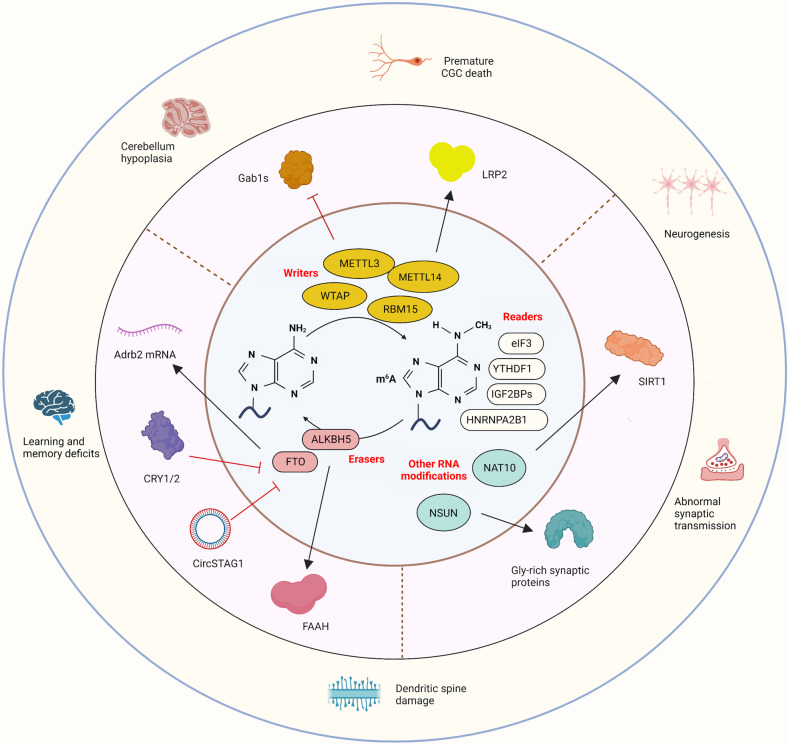
“353 Core m 6 A methyltransferase complex components include methyltransferase-like 14 (METTL14), Wilms tumor 1-associated protein (WTAP), methyltransferase-like 3 (METTL3), and RNA-binding motif protein 15 (RBM15).”
BackgroundMeng, J., Lu, Z., Liu, H., Zhang, L., Zhang, S., Chen, Y., Rao, M. K., & Huang, Y. (2014) · Methods · doi:10.1016/j.ymeth.2014.06.008 · Cited by 375
Immune and neuroendocrine mechanisms of stress vulnerability and resilience
Ménard, C., Pfau, M. L., Hodes, G. E., & Russo, S. J. (2017) · Neuropsychopharmacology · doi:10.1038/npp.2016.90 · Cited by 374
The recent progress in animal models of depression
Wang, Q., Timberlake, M. A., Prall, K., & Dwivedi, Y. (2017) · Progress in Neuro-Psychopharmacology and Biological Psychiatry · doi:10.1016/j.pnpbp.2017.04.008 · Cited by 370 · cited 1×
“126 These models, combined with the ability to assess anhedonia, anxiety-and depression-related behavior objectively and learned helplessness in rodents, have helped to elucidate the link between stress and vulnerability to depression as mediated by epigenetic changes (Fig.”
BackgroundProtective Factors Against Suicidal Acts in Major Depression: Reasons for Living
Malone, K. M., Oquendo, M. A., Haas, G. L., Ellis, S. P., Li, S., & Mann, J. J. (2000) · American Journal of Psychiatry · doi:10.1176/appi.ajp.157.7.1084 · Cited by 367 · cited 1×
“82 – 85 One study, despite a small sample size, reported that three loci located in GABBR2, RUFY3, and in an intergenic region on chromosome 2, were replicated in blood and some cortical regions (Brodmann area (BA) 10 and 25).”
BackgroundSelf-citationThe Regulation of Transcription in Memory Consolidation
Alberini, C. M., & Kandel, E. R. (2015) · Cold Spring Harbor Perspectives in Biology · doi:10.1101/cshperspect.a021741 · Cited by 362
Epigenetic influences on brain development and plasticity
Fagiolini, M., Jensen, C. L., & Champagne, F. A. (2009) · Current Opinion in Neurobiology · doi:10.1016/j.conb.2009.05.009 · Cited by 362
Molecular adaptations of the blood–brain barrier promote stress resilience vs. depression
Dudek, K. A., Dion-Albert, L., Lebel, M., LeClair, K., Labrecque, S., Tuck, E., Ferrer Perez, C., Golden, S. A., Tamminga, C., Turecki, G., et al. (2020) · Proceedings of the National Academy of Sciences · doi:10.1073/pnas.1914655117 · Cited by 361 · cited 3×
“The NAc 104,130,158,167,168,211 and hippocampus 136,137,148,170,175,513 are the most studied brain regions for histone modi fi cation, with both consistent and con fl icting fi ndings across different studies.”
BackgroundYehuda, R., Daskalakis, N. P., Desarnaud, F., Makotkine, I., Lehrner, A. L., Koch, E., Flory, J. D., Buxbaum, J. D., Meaney, M. J., & Bierer, L. M. (2013) · Frontiers in Psychiatry · doi:10.3389/fpsyt.2013.00118 · Cited by 358
Smith, A. K., Kilaru, V., Klengel, T., Mercer, K. B., Bradley, B., Conneely, K. N., Ressler, K. J., & Binder, E. B. (2015) · American Journal of Medical Genetics Part B: Neuropsychiatric Genetics · doi:10.1002/ajmg.b.32278 · Cited by 355 · cited 1×
“80,81 Whether fi ndings from peripheral tissues are meaningful indicators of the pathogenesis of MDD remains to be delineated.”
BackgroundPenninx, B. W. J. H., Nolen, W. A., Lamers, F., Zitman, F. G., Smit, J. H., Spinhoven, P., Cuijpers, P., de Jong, P. J., van Marwijk, H. W. J., der Meer, K. V., et al. (2011) · Journal of Affective Disorders · doi:10.1016/j.jad.2011.03.027 · Cited by 354
Epigenetics of Stress-Related Psychiatric Disorders and Gene × Environment Interactions
Klengel, T., & Binder, E. B. (2015) · Neuron · doi:10.1016/j.neuron.2015.05.036 · Cited by 353 · cited 1×
“Epigenetics is a molecular mechanism that has attracted attention as it helps explain the biological impact of environmental factors.(28,29) Epigenetics refers to short- and long-term gene expression variations that are caused by non-DNA-encoded mechanisms.”
BackgroundZhang, T. Y., Labonté, B., Wen, X. L., Turecki, G., & Meaney, M. J. (2013) · Neuropsychopharmacology · doi:10.1038/npp.2012.149 · Cited by 347 · cited 1×
“82 – 85 One study, despite a small sample size, reported that three loci located in GABBR2, RUFY3, and in an intergenic region on chromosome 2, were replicated in blood and some cortical regions (Brodmann area (BA) 10 and 25).”
BackgroundSensitivity of transcription factors to DNA methylation
Héberlé, É., & Bardet, A. F. (2019) · Essays in Biochemistry · doi:10.1042/ebc20190033 · Cited by 347 · cited 1×
“When a recruited transcription factor is inhibitory, DNA methylation results in enhanced gene expression.(58) Another possible reason for different transcriptional effects of DNA modifications may be the presence of variant forms of 5methylcytosine, such as 5-hydroxymethylcytosine, which is produced by the addition of…”
BackgroundDe Pietri Tonelli, D., Pulvers, J. N., Haffner, C., Murchison, E. P., Hannon, G. J., & Huttner, W. B. (2008) · Development · doi:10.1242/dev.025080 · Cited by 343 · cited 1×
“The link between miRNAs and the pathophysiology of depression may be implicated by the fact that miRNAs regulate neuronal regulation, neurotransmitter regulation, and microglia activation.(253,254)”
BackgroundERK/MAPK regulates hippocampal histone phosphorylation following contextual fear conditioning
Chwang, W. B., O’Riordan, K. J., Levenson, J. M., & Sweatt, J. D. (2006) · Learning & Memory · doi:10.1101/lm.152906 · Cited by 341 · cited 1×
“185 Rats exposed to novelty stress also showed an induction of H3S10p at the c-fos promoter site in the dentate gyrus.”
BackgroundEpigenetic Inheritance and the Missing Heritability Problem
Slatkin, M. (2009) · Genetics · doi:10.1534/genetics.109.102798 · Cited by 337 · cited 1×
“31,32 Epigenetic regulation mediates direct epigenetic effects or gene-by-environment interactions and can lead to complex diseases.”
BackgroundPoulter, M. O., Du, L., Weaver, I. C. G., Palkovits, M., Faludi, G., Merali, Z., Szyf, M., & Anisman, H. (2008) · Biological Psychiatry · doi:10.1016/j.biopsych.2008.05.028 · Cited by 331 · cited 1×
“100 Therefore, changes in DNMT mRNA expression occurred in speci fi c cells of autopsied brain tissue in depressed suicide decedents.”
BackgroundThe m6A epitranscriptome: transcriptome plasticity in brain development and function
Livneh, I., Moshitch-Moshkovitz, S., Amariglio, N., Rechavi, G., & Dominissini, D. (2020) · Nature Reviews Neuroscience · doi:10.1038/s41583-019-0244-z · Cited by 330
Smalheiser, N. R., Lugli, G., Rizavi, H. S., Torvik, V. I., Turecki, G., & Dwivedi, Y. (2012) · PLoS ONE · doi:10.1371/journal.pone.0033201 · Cited by 324 · cited 1×
“In the prefrontal cortex (BA9) of MDD patients, other 21 miRNAs, including miR-142-5p, miR-101, miR-137, and miR-301a, was downregulated.(244) MiRNA expression levels were also found to be altered in BA10,(244) BA44,(245) anterior cingulate cortex (ACC),(246) and other brain regions in MDD.”
BackgroundWeder, N., Zhang, H., Jensen, K., Yang, B. Z., Simen, A., Jackowski, A., Lipschitz, D., Douglas-Palumberi, H., Ge, M., Perepletchikova, F., et al. (2014) · Journal of the American Academy of Child & Adolescent Psychiatry · doi:10.1016/j.jaac.2013.12.025 · Cited by 324
Self-citationThe Emerging Field of Neuroepigenetics
Sweatt, J. D. (2013) · Neuron · doi:10.1016/j.neuron.2013.10.023 · Cited by 324 · cited 1×
“Epigenetic regulation mediates direct epigenetic effects or gene-by-environment interactions and can lead to complex diseases.(33,34) The importance of epigenetic alterations and their effects on almost every biological pathway involved in the pathophysiology of MDD and other stressrelated disorders, such as anxiety d…”
BackgroundEpigenetic regulation of RAC1 induces synaptic remodeling in stress disorders and depression
Golden, S. A., Christoffel, D. J., Heshmati, M., Hodes, G. E., Magida, J., Davis, K., Cahill, M. E., Dias, C., Ribeiro, E., Ables, J. L., et al. (2013) · Nature Medicine · doi:10.1038/nm.3090 · Cited by 322 · cited 4×
“158 In addition, differential brain expression of HDACs was found in the postmortem in MDD. 130,159 Expression of HDAC2 and HDAC5 was higher during a depressive state, compared with remission, in peripheral white blood cells of patients diagnosed with MDD and bipolar disorder (BPD).”
BackgroundInfluentialIssler, O., Haramati, S., Paul, E. D., Maeno, H., Navon, I., Zwang, R., Gil, S., Mayberg, H. S., Dunlop, B. W., Menke, A., et al. (2014) · Neuron · doi:10.1016/j.neuron.2014.05.042 · Cited by 318
Dunn, E. C., Soare, T. W., Zhu, Y., Simpkin, A. J., Suderman, M. J., Klengel, T., Smith, A. D. A. C., Ressler, K. J., & Relton, C. L. (2019) · Biological Psychiatry · doi:10.1016/j.biopsych.2018.12.023 · Cited by 315
Goldstein, D. J., Lu, Y., Detke, M. J., Wiltse, C., Mallinckrodt, C., & Demitrack, M. A. (2004) · Journal of Clinical Psychopharmacology · doi:10.1097/01.jcp.0000132448.65972.d9 · Cited by 314
Single-cell epigenomics: powerful new methods for understanding gene regulation and cell identity
Clark, S. J., Lee, H. J., Smallwood, S. A., Kelsey, G., & Reik, W. (2016) · Genome Biology · doi:10.1186/s13059-016-0944-x · Cited by 310 · cited 3×
“106,411 Likewise, although the patterns of histone modi fi cation usually differ between cell types, most studies conducted have examined these modi fi cations in cell populations that are heterogeneous.”
BackgroundMethodLopez, J. P., Lim, R., Cruceanu, C., Crapper, L., Fasano, C., Labonte, B., Maussion, G., Yang, J. P., Yerko, V., Vigneault, E., et al. (2014) · Nature Medicine · doi:10.1038/nm.3582 · Cited by 308
Crosstalk between epitranscriptomic and epigenetic mechanisms in gene regulation
Kan, R. L., Chen, J., & Sallam, T. (2022) · Trends in Genetics · doi:10.1016/j.tig.2021.06.014 · Cited by 308 · cited 1×
“352 Here, we review prospective evidence concerning the involvement of RNA modi fi cations, especially m 6 A, in the pathogenesis of depression (Fig.”
BackgroundGarcía-Gutiérrez, M. S., Navarrete, F., Gasparyan, A., Austrich-Olivares, A., Sala, F., & Manzanares, J. (2020) · Biomolecules · doi:10.3390/biom10111575 · Cited by 306 · cited 1×
“394 CBD ’ s therapeutic potential for reducing depression-like behavior has been shown, since it interacts with a wide range of brain molecules 395,396 .”
BackgroundWei, W., Liu, X., Chen, J., Gao, S., Lu, L., Zhang, H., Ding, G., Wang, Z., Chen, Z., Shi, T., et al. (2017) · Cell Research · doi:10.1038/cr.2017.68 · Cited by 304 · cited 1×
“111,179 182 In the medial prefrontal cortex of mice vulnerable to chronic social defeat stress, histone crotonylation was inhibited.”
BackgroundPreis, H., Mahaffey, B., Heiselman, C., & Lobel, M. (2020) · Social Science & Medicine · doi:10.1016/j.socscimed.2020.113348 · Cited by 302
Astrocytic abnormalities and global DNA methylation patterns in depression and suicide
Nagy, C., Suderman, M., Yang, J., Szyf, M., Mechawar, N., Ernst, C., & Turecki, G. (2015) · Molecular Psychiatry · doi:10.1038/mp.2014.21 · Cited by 301 · cited 1×
“105 Single-cell epigenomics 106 is based on sequencing single nuclei, barcoding all the transcripts from each nucleus, and using the expression pattern to sort the nuclei into speci fi c cell subtypes.”
MethodEpigenetic Regulation of miR-184 by MBD1 Governs Neural Stem Cell Proliferation and Differentiation
Liu, C., Teng, Z.-Q., Santistevan, N. J., Szulwach, K. E., Guo, W., Jin, P., & Zhao, X. (2010) · Cell Stem Cell · doi:10.1016/j.stem.2010.02.017 · Cited by 301 · cited 1×
“51 DNA methylation is widely recognized as the most extensively researched epigenetic mechanism and is generally believed to be stable over the course of an organism ’ s lifetime.”
BackgroundChen, L., Chen, K., Lavery, L. A., Baker, S. A., Shaw, C. A., Li, W., & Zoghbi, H. Y. (2015) · Proceedings of the National Academy of Sciences · doi:10.1073/pnas.1505909112 · Cited by 301 · cited 1×
“64 Although the importance of non-CpG methylation in the nervous system has been demonstrated, whether it contributes to the pathophysiology of MDD and other stress-related disorders remains poorly investigated and requires further study.”
BackgroundPhilibert, R. A., Sandhu, H., Hollenbeck, N., Gunter, T., Adams, W., & Madan, A. (2008) · American Journal of Medical Genetics Part B: Neuropsychiatric Genetics · doi:10.1002/ajmg.b.30657 · Cited by 300
CRISPR/Cas9-based engineering of the epigenome
Pulecio, J., Verma, N., Mejía-Ramírez, E., Huangfu, D., & Raya, A. (2017) · Cell Stem Cell · doi:10.1016/j.stem.2017.09.006 · Cited by 300 · cited 1×
“427 The use of CRISPR/Cas9 system enables regulation of gene expression and make epigenetic alterations without introducing DNA double-strand breaks.”
BackgroundYehuda, R., Flory, J. D., Bierer, L. M., Henn-Haase, C., Lehrner, A., Desarnaud, F., Makotkine, I., Daskalakis, N. P., Marmar, C. R., & Meaney, M. J. (2015) · Biological Psychiatry · doi:10.1016/j.biopsych.2014.02.006 · Cited by 293
Williams, L. M., Debattista, C., Duchemin, A.-M., Schatzberg, A. F., & Nemeroff, C. B. (2016) · Translational Psychiatry · doi:10.1038/tp.2016.61 · Cited by 293 · cited 1×
“201 207 ELS increased the vulnerability to adult stress in rodents 208 .”
BackgroundMETTL3-mediated m6A modification is required for cerebellar development
Wang, C.-X., Cui, G.-S., Liu, X., Xu, K., Wang, M., Zhang, X.-X., Jiang, L.-Y., Li, A., Yang, Y., Lai, W.-Y., et al. (2018) · PLOS Biology · doi:10.1371/journal.pbio.2004880 · Cited by 291
Self-citationWalton, E., Hass, J., Liu, J., Roffman, J. L., Bernardoni, F., Roessner, V., Kirsch, M., Schackert, G., Calhoun, V., & Ehrlich, S. (2016) · Schizophrenia Bulletin · doi:10.1093/schbul/sbv074 · Cited by 286 · cited 1×
“87 The latest advancements in array techniques enabled the use of hypothesis-free paradigms to examine the association of DNA methylation changes across the entire genome to study different phenotypes.”
BackgroundDnmt3a and Dnmt1 functionally cooperate during de novo methylation of DNA
Fatemi, M., Hermann, A., Gowher, H., & Jeltsch, A. (2002) · European Journal of Biochemistry · doi:10.1046/j.1432-1033.2002.03198.x · Cited by 284 · cited 1×
“2).(47,48) Methylated DNA triggers a recognition response by proteins known as methyl-CpGbinding domain (MBD) proteins, which lead to the recruitment of other proteins that either activate or repress gene expression.”
BackgroundRole of circular RNAs in brain development and CNS diseases
Mehta, S. L., Dempsey, R. J., & Vemuganti, R. (2020) · Progress in Neurobiology · doi:10.1016/j.pneurobio.2020.101746 · Cited by 281 · cited 2×
“289,297,298 For instance, circHomer1 derived from the homer scaffolding protein 1 pre-RNA can regulate some synaptic structure during the development and neuronal plasticity.”
BackgroundArcuri, C., Mecca, C., Bianchi, R., Giambanco, I., & Donato, R. (2017) · Frontiers in Molecular Neuroscience · doi:10.3389/fnmol.2017.00191 · Cited by 279 · cited 1×
“267 Chronic unpredictable stress (CUS) model mice showed changes in neuroglial numbers and morphologies in the hippocampus.”
BackgroundHDAC4 Governs a Transcriptional Program Essential for Synaptic Plasticity and Memory
Sando, R., Gounko, N., Pieraut, S., Liao, L., Yates, J., & Maximov, A. (2012) · Cell · doi:10.1016/j.cell.2012.09.037 · Cited by 274 · cited 1×
“143,144 In contrast, the role of cytoplasmic HDACs is less understood.”
BackgroundZhang, Y., Huang, R., Cheng, M., Wang, L., Chao, J., Li, J., Zheng, P., Xie, P., Zhang, Z., & Yao, H. (2019) · Microbiome · doi:10.1186/s40168-019-0733-3 · Cited by 263 · cited 2×
“295 Fecal microbiota transplantation signi fi cantly alleviated astrocyte dysfunction and depression-like behaviors in recipient depressive mice via inhibition of circHIPK2 expression.”
BackgroundResultWilkinson, M. B., Xiao, G., Kumar, A., LaPlant, Q., Renthal, W., Sikder, D., Kodadek, T. J., & Nestler, E. J. (2009) · Journal of Neuroscience · doi:10.1523/jneurosci.0932-09.2009 · Cited by 262 · cited 2×
“The NAc 104,130,158,167,168,211 and hippocampus 136,137,148,170,175,513 are the most studied brain regions for histone modi fi cation, with both consistent and con fl icting fi ndings across different studies.”
BackgroundMicroRNAs in Plasma and Cerebrospinal Fluid as Potential Markers for Alzheimer's Disease
Kiko, T., Nakagawa, K., Tsuduki, T., Furukawa, K., Arai, H., & Miyazawa, T. (2014) · Journal of Alzheimer's Disease · doi:10.3233/jad-130932 · Cited by 256 · cited 1×
“235 Likewise, miR-34 dysregulation is related to different psychiatric disorders, including schizophrenia 236 , Alzheimer ’ s disease, 237 and MDD. 238 241 The depression susceptibility is highly associated with the miRNA polymorphisms.”
BackgroundAssociation of SLC6A4 methylation with early adversity, characteristics and outcomes in depression
Kang, H.-J., Kim, J.-M., Stewart, R., Kim, S.-Y., Bae, K.-Y., Kim, S.-W., Shin, I.-S., Shin, M.-G., & Yoon, J.-S. (2013) · Progress in Neuro-Psychopharmacology and Biological Psychiatry · doi:10.1016/j.pnpbp.2013.01.006 · Cited by 254
Lekka, E., & Hall, J. (2018) · FEBS Letters · doi:10.1002/1873-3468.13182 · Cited by 251
Biological Function of Long Non-coding RNA (LncRNA) Xist
Wang, W., Min, L., Qiu, X., Wu, X., Liu, C., Ma, J., Zhang, D., & Zhu, L. (2021) · Frontiers in Cell and Developmental Biology · doi:10.3389/fcell.2021.645647 · Cited by 248
Hippocampal Sirtuin 1 signaling mediates depression-like behavior
Abe-Higuchi, N., Uchida, S., Yamagata, H., Higuchi, F., Hobara, T., Hara, K., Kobayashi, A., & Watanabe, Y. (2016) · Biological Psychiatry · doi:10.1016/j.biopsych.2016.01.009 · Cited by 247 · cited 1×
“Blocking SIRT1 function in the hippocampus increases depression-like behaviors.(151) SIRT1 is also one of the first genes (SNPs; rs12413112) identified using GWAS to be associated with MDD.”
BackgroundOn the outside, looking in: A review and evaluation of the comparability of blood and brain “‐omes”
Tylee, D. S., Kawaguchi, D. M., & Glatt, S. J. (2013) · American Journal of Medical Genetics Part B: Neuropsychiatric Genetics · doi:10.1002/ajmg.b.32150 · Cited by 243 · cited 1×
“Because miRNA and lncRNA levels in blood distinguish depressed patients from healthy controls,(243,310,387) for a diagnostic tool, it is not essential if blood and brain exhibit significant similarities.(388,389) Results are summarized in Table 2.”
BackgroundMarosi, K., Kim, S. W., Moehl, K., Scheibye‐Knudsen, M., Cheng, A., Cutler, R., Camandola, S., & Mattson, M. P. (2016) · Journal of Neurochemistry · doi:10.1111/jnc.13868 · Cited by 242 · cited 1×
“177,188 It has been demonstrated that β -hydroxybutyrate exerts an antidepressant-like effect in a rodent model of chronic unpredictable stress 189,190 .”
BackgroundBlood microRNA changes in depressed patients during antidepressant treatment
Bocchio-Chiavetto, L., Maffioletti, E., Bettinsoli, P., Giovannini, C., Bignotti, S., Tardito, D., Corrada, D., Milanesi, L., & Gennarelli, M. (2013) · European Neuropsychopharmacology · doi:10.1016/j.euroneuro.2012.06.013 · Cited by 238 · cited 1×
“Application of escitalopram in depression of patients altered the levels of 30 miRNAs, 329 have triggered studies fi nding that miRNAs may be downstream regulators mediating the antidepressant effects of SSRIs.”
BackgroundErnst, C., Deleva, V., Deng, X., Sequeira, A., Pomarenski, A., Klempan, T., Ernst, N., Quirion, R., Gratton, A., Szyf, M., et al. (2009) · Archives of General Psychiatry · doi:10.1001/archpsyc.66.1.22 · Cited by 235 · cited 1×
“106,411 Likewise, although the patterns of histone modi fi cation usually differ between cell types, most studies conducted have examined these modi fi cations in cell populations that are heterogeneous.”
BackgroundEpigenetics at the crossroads between genes, environment and resilience in anxiety disorders
Schiele, M. A., & Domschke, K. (2018) · Genes, Brain and Behavior · doi:10.1111/gbb.12423 · Cited by 233
MicroRNA Expression Aberration as Potential Peripheral Blood Biomarkers for Schizophrenia
Lai, C.-Y., Yu, S.-L., Hsieh, M. H., Chen, C.-H., Chen, H.-Y., Wen, C.-C., Huang, Y.-H., Hsiao, P.-C., Hsiao, C. K., Liu, C.-M., et al. (2011) · PLoS ONE · doi:10.1371/journal.pone.0021635 · Cited by 228 · cited 1×
“235 Likewise, miR-34 dysregulation is related to different psychiatric disorders, including schizophrenia 236 , Alzheimer ’ s disease, 237 and MDD. 238 241 The depression susceptibility is highly associated with the miRNA polymorphisms.”
BackgroundLocus-specific epigenetic remodeling controls addiction- and depression-related behaviors
Heller, E. A., Cates, H. M., Peña, C. J., Sun, H., Shao, N., Feng, J., Golden, S. A., Herman, J. P., Walsh, J. J., Mazei-Robison, M., et al. (2014) · Nature Neuroscience · doi:10.1038/nn.3871 · Cited by 227 · cited 1×
“425,426 These technologies facilitate the targeting of epigenetic modi fi ers to speci fi c genes, brain regions, and time frames to ascertain whether the regulation of epigenetic modi fi cations at a particular locus is accountable for a certain psychiatric disorders.”
BackgroundWei, Z.-X., Xie, G.-J., Mao, X., Zou, X.-P., Liao, Y.-J., Liu, Q.-S., Wang, H., & Cheng, Y. (2020) · Neuropsychopharmacology · doi:10.1038/s41386-020-0622-2 · Cited by 227
Microglia secrete miR-146a-5p-containing exosomes to regulate neurogenesis in depression
Fan, C., Li, Y., Lan, T., Wang, W., Long, Y., & Yu, S. Y. (2022) · Molecular Therapy · doi:10.1016/j.ymthe.2021.11.006 · Cited by 227 · cited 1×
“254 Regulation of neurotransmitters by miRNAs .”
The interplay between DNA and histone methylation: molecular mechanisms and disease implications
Li, Y., Chen, X., & Lu, C. (2021) · The EMBO Reports · doi:10.15252/embr.202051803 · Cited by 223 · cited 1×
“For example, methylation of H3K9 and H3K27 leads to repressed gene expression; 163 while histone methylation of H3K4 in the promoter regions results in relaxed chromatin, which promotes gene expression.”
BackgroundGenetic and epigenetic associations of MAOA and NR3C1 with depression and childhood adversities
Melas, P. A., Wei, Y., Wong, C. C. Y., Sjöholm, L. K., Åberg, E., Mill, J., Schalling, M., Forsell, Y., & Lavebratt, C. (2013) · International Journal of Neuropsychopharmacology · doi:10.1017/s1461145713000102 · Cited by 220
Belzeaux, R., Bergon, A., Jeanjean, V, Loriod, B., Formisano-Tréziny, C., Verrier, L., Loundou, A., Baumstarck-Barrau, K., Boyer, L., Gall, V, et al. (2012) · Translational Psychiatry · doi:10.1038/tp.2012.112 · Cited by 219
Early life stress alters transcriptomic patterning across reward circuitry in male and female mice
Peña, C. J., Smith, M., Ramakrishnan, A., Cates, H. M., Bagot, R. C., Kronman, H. G., Patel, B., Chang, A. B., Purushothaman, I., Dudley, J., et al. (2019) · Nature Communications · doi:10.1038/s41467-019-13085-6 · Cited by 219 · cited 1×
“209,210 This was illustrated by a “ two-hit ” stress model in mice wherein ELS (stress hit number 1) increased susceptibility to depression-like behavior in response to social defeat stress (stress hit number 2) during adulthood.”
BackgroundYamanashi, T., Iwata, M., Kamiya, N., Tsunetomi, K., Kajitani, N., Wada, N., Iitsuka, T., Yamauchi, T., Miura, A., Pu, S., et al. (2017) · Scientific Reports · doi:10.1038/s41598-017-08055-1 · Cited by 214 · cited 1×
“177,188 It has been demonstrated that β -hydroxybutyrate exerts an antidepressant-like effect in a rodent model of chronic unpredictable stress 189,190 .”
BackgroundGlobal profiling of crotonylation on non-histone proteins
Xu, W., Wan, J., Zhan, J., Li, X., He, H., Shi, Z., & Zhang, H. (2017) · Cell Research · doi:10.1038/cr.2017.60 · Cited by 213
Functional roles and networks of non-coding RNAs in the pathogenesis of neurodegenerative diseases
Wu, Y.-Y., & Kuo, H.-C. (2020) · Journal of Biomedical Science · doi:10.1186/s12929-020-00636-z · Cited by 213 · cited 1×
“213,221,222 miRNAs and the development of depression MicroRNA molecules are highly conserved small (21 – 24 nucleotides) RNA molecules.”
BackgroundNuclear accumulation of HDAC4 in ATM deficiency promotes neurodegeneration in ataxia telangiectasia
Li, J., Chen, J., Ricupero, C. L., Hart, R. P., Schwartz, M. S., Kusnecov, A., & Herrup, K. (2012) · Nature Medicine · doi:10.1038/nm.2709 · Cited by 210 · cited 1×
“143,144 In contrast, the role of cytoplasmic HDACs is less understood.”
BackgroundSuri, D., Veenit, V., Sarkar, A., Thiagarajan, D., Kumar, A., Nestler, E. J., Galande, S., & Vaidya, V. A. (2013) · Biological Psychiatry · doi:10.1016/j.biopsych.2012.10.023 · Cited by 208 · cited 1×
“169 Another study showed elevated H3K9me2 levels and reduced BDNF levels in the hippocampus and medial prefrontal cortex (mPFC) in CUMS rats showing depression-like behaviors.”
Background
Research works printed but not linked: 7
- Monroe, S. M., Slavich, G. M. & Georgiades, K. in Handbook of Depression 3rd ed. 296–314 (The Guilford Press, 2014).
- Morello N Effects of forced swimming stress on ERK and histone H3 phosphorylation in limbic areas of Roman high-and low-avoidance rats PLoS ONE 2017 12 e0170093 10.1371/journal.pone.0170093 28107383 PMC5249133 · DOI · Paper page
- McKay MT Childhood trauma and adult mental disorder: a systematic review and metaoanalysis of longitudinal cohort studies Acta Psychiatr. Scand. 2021 143 189 205 10.1111/acps.13268 33315268 · DOI · Paper page
- Higuchi Y Soga T Parhar IS Potential roles of microRNAs in the regulation of monoamine oxidase A in the brain Front. Mol. Neurosci. 2018 11 339 10.3389/fnmol.2018.00339 30271325 PMC6149293 · DOI · Paper page
- Wan YQ Prefrontal cortex miR-29b-3p plays a key role in the antidepressant-like effect of ketamine in rats Exp. Mol. Med. 2018 50 1 14 10.1038/s12276-018-0164-4 30369596 PMC6204429 · DOI · Paper page
- Li J Meng H Cao W Qiu T MiR-335 is involved in major depression disorder and antidepressant treatment through targeting GRM4 Neurosci. Lett. 2015 606 167 172 10.1016/j.neulet.2015.08.038 26314506 · DOI · Paper page
- Domschke K Pharmacoepigenetics of depression: no major influence of MAO-A DNA methylation on treatment response J. Neural Transm. 2015 122 99 108 10.1007/s00702-014-1227-x 24809685 · DOI
Cited by
Wang, Y., Hu, J., Wu, S., Fleishman, J. S., Li, Y., Xu, Y., Zou, W., Wang, J., Feng, Y., Chen, J., et al. (2023) · Signal Transduction and Targeted Therapy · doi:10.1038/s41392-023-01720-0 · Cited by 209
Toader, C., Tătaru, C. P., Munteanu, O., Șerban, M., Covache-Busuioc, R.-A., Ciurea, A. V., & Enyedi, M. (2024) · International Journal of Molecular Sciences · doi:10.3390/ijms252312613 · Cited by 124
Alemu, R. G., Sharew, N. T., Arsano, Y. Y., Ahmed, M. B., Ayele, F. T., Baye, T. M., & Amare, A. T. (2025) · Human Genomics · doi:10.1186/s40246-025-00718-9 · Cited by 111
Kang, J., Yang, L., Jia, T., Zhang, W., Wang, L., Zhao, Y., You, J., Deng, Y., Ge, Y., Liu, W., et al. (2024) · Science Bulletin · doi:10.1016/j.scib.2024.09.041 · Cited by 73
Self-citationComplexity of combined abiotic stresses to crop plants
Khan, N. A., Owens, L., Nuñez, M. A., & Khan, A. L. (2025) · Plant Stress · doi:10.1016/j.stress.2025.100926 · Cited by 74
Metadata
- Authors
- Yuan, M., Yang, B., Rothschild, G., Mann, J. J., Sanford, L. D., Tang, X., Huang, C., Wang, C., & Zhang, W.
- Affiliations
- Sichuan University (CN)
- Columbia University (US)
- New York State Psychiatric Institute (US)
- Eastern Virginia Medical School (US)
- Ningbo University (CN)
- Corresponding author
- Wang, Chuang
- Zhang, Wei
- ORCID
- Venue
- Signal Transduction and Targeted Therapy
- Published
- 2023-08-30
- Volume
- 8
- Issue
- 1
- Pages
- 309-309
- ISSN
- 2059-3635 (ISSN-L)
- PMC
- PMC10465587
- OpenAlex
- W4386241957
- Cited by
- 246
- References
- 508
- Citations by year
- 2026: 102 · 2025: 85 · 2024: 57 · 2023: 2
- FWCI
- 6.72
- Type
- journal article
- Language
- en
- Open access
- gold
- doi.org
- Licence
- cc-by
- creativecommons.org/licenses/by/4.0 (tdm)
- creativecommons.org/licenses/by/4.0 (vor)
- Locations
- Signal Transduction and Targeted Therapy (publishedVersion, cc-by)
- PubMed Central (publishedVersion, cc-by)
- PubMed (publishedVersion)
- DOAJ (DOAJ: Directory of Open Access Journals) (submittedVersion, cc-by-sa)
- Funders
- National Natural Science Foundation of China (#81821002, 82200695, 82120108002, ZYJC21004, ZYGD22007, 2021ZD0201900, 82171527)
- Ministry of Science and Technology of the People's Republic of China (2021ZD0201900)
- Sichuan University (ZYGD22007, ZYJC21004)
- West China Hospital, Sichuan University (ZYJC21004, ZYGD22007)
- Topics
- Life Sciences › Biochemistry, Genetics and Molecular Biology › Molecular Biology › Epigenetics and DNA Methylation
- Health Sciences › Medicine › Pharmacology (medical) › Treatment of Major Depression
- Life Sciences › Neuroscience › Behavioral Neuroscience › Stress Responses and Cortisol
- Keywords
- major depressive disorder, epigenetic regulation, stress-related disorders, DNA methylation, histone modifications, non-coding RNA, RNA modification, chromatin remodeling, childhood adversity, life events, neuroendocrine response, neuroplasticity, depression heterogeneity, depression biomarkers
- MeSH terms
- Clinical Relevance, Depression, Major Depressive Disorder, Humans, DNA Methylation, Epigenesis, Genetic
About these checks
Registry, retraction, Cites and statistics results are computed, not judged, with one exception: a printed reference that no index lists is read once by a model before it counts as a citation error. Claims are extracted by a model and kept only when their quote appears verbatim in the text; each cited source is then checked, with a model’s help, for whether it says what the claim relies on. Those verdicts can be wrong — read the claim’s quote and the cited source before relying on one.
The claim verdicts this report counts are experimental: their accuracy is not yet measured.
A language model drew the claims from the paper on 2026-10-10, under version 3 of the claim definition (model deepseek-v4.1-flash, prompt extract-v3).
A second model labelled each claim on 2026-10-10 (model jev-1.13-20260917, definition revision gold-guideline-v0.2).
Cited sources are checked with a language model’s help (gpt-6-sol).
Statistics and arithmetic are recomputed, not judged.
Confidence bands are shown only for fields calibrated on our annotated test set. None is calibrated yet, so no band is shown.
What counts as a claim ›How we measure confidence ›How we check this ›
Are you an author, or do you see a problem with this page? Request a review
Data sources
Bibliographic data: Semantic Scholar, OpenAlex, Crossref.
Contains information from the Semantic Scholar Academic Graph Datasets, made available under the ODC Attribution License (ODC-BY 1.0).
Semantic Scholar’s data is described in: Kinney, R., et al. (2023). The Semantic Scholar Open Data Platform. arXiv:2301.10140.
