

Clinical applications of stem cell-derived exosomes
Open accessThe DOI matches its Crossref record; 351 of the 352 references it cites were found in a registry or an index.
Abstract
Although stem cell-based therapy has demonstrated considerable potential to manage certain diseases more successfully than conventional surgery, it nevertheless comes with inescapable drawbacks that might limit its clinical translation. Compared to stem cells, stem cell-derived exosomes possess numerous advantages, such as non-immunogenicity, non-infusion toxicity, easy access, effortless preservation, and freedom from tumorigenic potential and ethical issues. Exosomes can inherit similar therapeutic effects from their parental cells such as embryonic stem cells and adult stem cells through vertical delivery of their pluripotency or multipotency. After a thorough search and meticulous dissection of relevant literature from the last five years, we present this comprehensive, up-to-date, specialty-specific and disease-oriented review to highlight the surgical application and potential of stem cell-derived exosomes. Exosomes derived from stem cells (e.g., embryonic, induced pluripotent, hematopoietic, mesenchymal, neural, and endothelial stem cells) are capable of treating numerous diseases encountered in orthopedic surgery, neurosurgery, plastic surgery, general surgery, cardiothoracic surgery, urology, head and neck surgery, ophthalmology, and obstetrics and gynecology. The diverse therapeutic effects of stem cells-derived exosomes are a hierarchical translation through tissue-specific responses, and cell-specific molecular signaling pathways. In this review, we highlight stem cell-derived exosomes as a viable and potent alternative to stem cell-based therapy in managing various surgical conditions. We recommend that future research combines wisdoms from surgeons, nanomedicine practitioners, and stem cell researchers in this relevant and intriguing research area.
Overview
The claims and statistics of this paper haven’t been checked yet.
Free: it reads the open-access text and checks the first 5 claims that cite a source we can check. Create a free account to check every claim.
Integrity signals
Registry
Cites
Statistics
Figures
Verification
Claims the paper makes
The claims and statistics of this paper haven’t been checked yet.
Free: it reads the open-access text and checks the first 5 claims that cite a source we can check. Create a free account to check every claim.
Claims other papers make about this one
Each is checked against this paper’s own text: does it say what the citing paper says it does?
The cited source says what the claim attributes to it.
In the citing paper
“Despite their strong therapeutic promise in AD, the production of stem cell-derived exosomes remains challenging. Their yield from cultured media is extremely low, posing a major challenge for large-scale manufacturing and clinical translation [231].”
From The Impact of Neurotoxin Proteins Trafficked by Primary Cilia and Extracellular Vesicles in Neurodegenerative Diseases (2025) · cites this paper as [231]
Experimental — accuracy not yet measured
Self-check
Percentages, sums and reported differences re-computed from the paper’s own numbers.
The self-check needs the paper’s full text.
Citations
Cites
2 retracted
Items 201–351 of 351
Ma, L., Wei, J., Zeng, Y., Liu, J., Xiao, E., Kang, Y., & Kang, Y. (2022) · Drug Delivery · doi:10.1080/10717544.2022.2030428 · Cited by 109
Exosomes in perspective: a potential surrogate for stem cell therapy
Ren, K. (2018) · Odontology · doi:10.1007/s10266-018-0395-9 · Cited by 108 · cited 1×
“12 Collectively, stem cell-derived exosomes are a potent surrogate for stem cell therapy without exhibiting the disadvantages their cellular counterparts present 13 (Table 1).”
BackgroundStem cell‐derived exosomes: A promising strategy for fracture healing
Hao, Z., Lu, J., Wang, S., Wu, H., Zhang, Y., & Xu, S. (2017) · Cell Proliferation · doi:10.1111/cpr.12359 · Cited by 106
Zuo, R., Kong, L., Wang, M., Wang, W., Xu, J., Chai, Y., Guan, J., & Kang, Q. (2019) · Stem Cell Research & Therapy · doi:10.1186/s13287-019-1426-3 · Cited by 106
Ma, X., Wang, J., Li, J., Ma, C., Chen, S., Lei, W., Yang, Y., Liu, S., Bihl, J., & Chen, C. (2018) · Cellular Physiology and Biochemistry · doi:10.1159/000488635 · Cited by 103
Self-citationLi, Y., Wang, J., Chen, S., Wu, P., Xu, S., Wang, C., Shi, H., & Bihl, J. C. (2020) · Stem Cell Research & Therapy · doi:10.1186/s13287-020-01836-y · Cited by 101
Zhou, W., Silva, M., Feng, C., Zhao, S., Liu, L., Li, S., Zhong, J., & Zheng, W. (2021) · Stem Cell Research & Therapy · doi:10.1186/s13287-021-02248-2 · Cited by 101 · cited 1×
“106 Zhou et al. demonstrated that placental MSC-derived exosomes could promote the activation of proliferating endogenous NSCs, thereby improving both locomotor activity and bladder dysfunction, 107 which is a frequent sequelae that could further worsen the quality of life of SCI patients.”
BackgroundManagement of traumatic brain injury: A narrative review of current evidence
Wiles, M. D. (2022) · Anaesthesia · doi:10.1111/anae.15608 · Cited by 101
Recent progress in exosome research: isolation, characterization and clinical applications
Wang, X., Xia, J., Yang, L., Dai, J., & He, L. (2023) · Cancer Gene Therapy · doi:10.1038/s41417-023-00617-y · Cited by 96
Yang, B.-C., Kuang, M.-J., Kang, J.-Y., Zhao, J., Ma, J.-X., & Ma, X.-L. (2020) · Biochemical and Biophysical Research Communications · doi:10.1016/j.bbrc.2020.02.001 · Cited by 93
Zhang, Y., Huang, H., Liu, W., Liu, S., Wang, X. Y., Diao, Z.-L., Zhang, A. H., Guo, W., Han, X., Dong, X., et al. (2021) · Cell Death and Disease · doi:10.1038/s41419-021-03578-y · Cited by 92 · cited 1×
“302”
Hu, H., Wang, B., Jiang, C., Li, R., & Zhao, J. (2019) · Clinical Science · doi:10.1042/cs20190188 · Cited by 91
Yuan, F., Peng, W., Yang, Y., Xu, J., Liu, Y., Xie, Y., Huang, T., Shi, C., Ding, Y., Li, C., et al. (2023) · Journal of Neuroinflammation · doi:10.1186/s12974-023-02833-7 · Cited by 91
Li, C., Li, X., Shi, Z., Wu, P., Fu, J., Tang, J., & Qing, L. (2022) · Experimental Neurology · doi:10.1016/j.expneurol.2022.114139 · Cited by 90
Self-citationLee, E. J., Choi, Y., Lee, H. J., Hwang, D. W., & Lee, D. S. (2022) · Journal of Nanobiotechnology · doi:10.1186/s12951-022-01356-2 · Cited by 89 · cited 2×
“193 In a study using NSC-derived exosomes, Lee et al. revealed that SC-exo therapy could help to prevent the neuropathology and progression of PD. 194 Working in vitro on SH-SY5Y and BV2 cells, NSC-derived exosomes could reduce the intracellular reactive oxygen species (ROS) and associated…”
BackgroundBae, Y.-U., Son, Y., Kim, C.-H., Kim, K. S., Hyun, S. H., Woo, H. G., Jee, B. A., Choi, J.-H., Sung, H.-K., Choi, H.-C., et al. (2019) · The Journals of Gerontology: Series A · doi:10.1093/gerona/gly208 · Cited by 89
Sun, X., Jung, J.-H., Arvola, O., Santoso, M. R., Giffard, R. G., Yang, P. C., & Stary, C. M. (2019) · Frontiers in Cellular Neuroscience · doi:10.3389/fncel.2019.00394 · Cited by 89 · cited 1×
“141 Thirdly, SC-exo therapy could improve post-stroke neurogenesis.”
Zhu, S., Chen, M., Ying, Y., Wu, Q., Huang, Z., Ni, W., Wang, X., Xu, H., Bennett, S., Xiao, J., et al. (2022) · Bone Research · doi:10.1038/s41413-022-00203-2 · Cited by 89 · cited 1×
“102 It is well-known that the connection between the microvascular endothelium of the spinal cord and the pericyte is crucial in maintaining the structural integrity of BSCB. 103 Thus, Zhou ’ s team attempted to verify the role of exosome therapy in pericyte homeostasis.”
BackgroundWang, S., Hou, Y., Li, X., Song, Z., Sun, B., Li, X., & Zhang, H. (2020) · Aging · doi:10.18632/aging.103904 · Cited by 87 · cited 1×
“319 It was found that both types of exosomes could promote proliferation, cell cycle progression and migration while inhibiting apoptosis in vitro, and accelerate corneal epithelium defect healing in vivo.”
BackgroundSelf-citationMa, K., Xu, H., Zhang, J., Zhao, F., Liang, H., Sun, H., Li, P., Zhang, S., Wang, R., & Chen, X. (2019) · Aging · doi:10.18632/aging.102568 · Cited by 86 · cited 1×
“94 Alternatively, Zhang et al. discovered that subarachnoid injection of NSC-derived exosomes could suppress neuronal cell apoptosis by activating autophagy via miR-374-5p/ STK-4 axis for enhanced functional recovery in SCI. 95 Shao et al. explored other forms of cell death (e.g., ferroptosis)…”
BackgroundShao, C., Chen, Y., Yang, T., Zhao, H., & Li, D. (2022) · Stem Cell Reviews and Reports · doi:10.1007/s12015-022-10327-x · Cited by 85 · cited 1×
“96 Some groups have targeted anti-in fl ammation and immuno-modulation.”
BackgroundNeurogenic Bladder Physiology, Pathogenesis, and Management after Spinal Cord Injury
Perez, N. E., Godbole, N. P., Amin, K. A., Syan, R., & Gater, D. R. (2022) · Journal of Personalized Medicine · doi:10.3390/jpm12060968 · Cited by 84 · cited 1×
“108 Muscle and tendon tear Muscle and tendon tears can result from either acute trauma (e.g., fractures, Section 3.1) or chronic overuse (e.g., sports injury).”
BackgroundInfluentialWang, Y.-D., Yang, X., Wen, L., Shen, D., Zheng, P., Tu, M., You, W., Zhu, Y.-R., Wang, H., & Feng, J. (2022) · Neural Regeneration Research · doi:10.4103/1673-5374.339489 · Cited by 83
Yahao, G., & Xinjia, W. (2021) · Cell Transplantation · doi:10.1177/09636897211057465 · Cited by 83
Huang, Y., Zhang, X., Zhan, J., Yan, Z., Chen, D., Xue, X., & Pan, X. (2021) · Journal of Cellular and Molecular Medicine · doi:10.1111/jcmm.16654 · Cited by 82 · cited 1×
“87 Secondly, MSC exosome-treated osteochondral defects demonstrated a regenerative immune phenotype, characterized by a higher in fi ltration of CD163 + M2 macrophages over CD86 + M1 macrophages, with a concomitant reduction in pro-in fl ammatory synovial cytokines IL-1 β and TNF-α .”
BackgroundLai, X., Wang, Y., wang, X., Liu, B., & Rong, L. (2022) · Stem Cell Research & Therapy · doi:10.1186/s13287-022-03116-3 · Cited by 81
Nie, L., Yao, D., Chen, S., Wang, J., Pan, C., Wu, D., Liu, N., & Tang, Z. (2023) · Cell Death Discovery · doi:10.1038/s41420-023-01532-9 · Cited by 81 · cited 1×
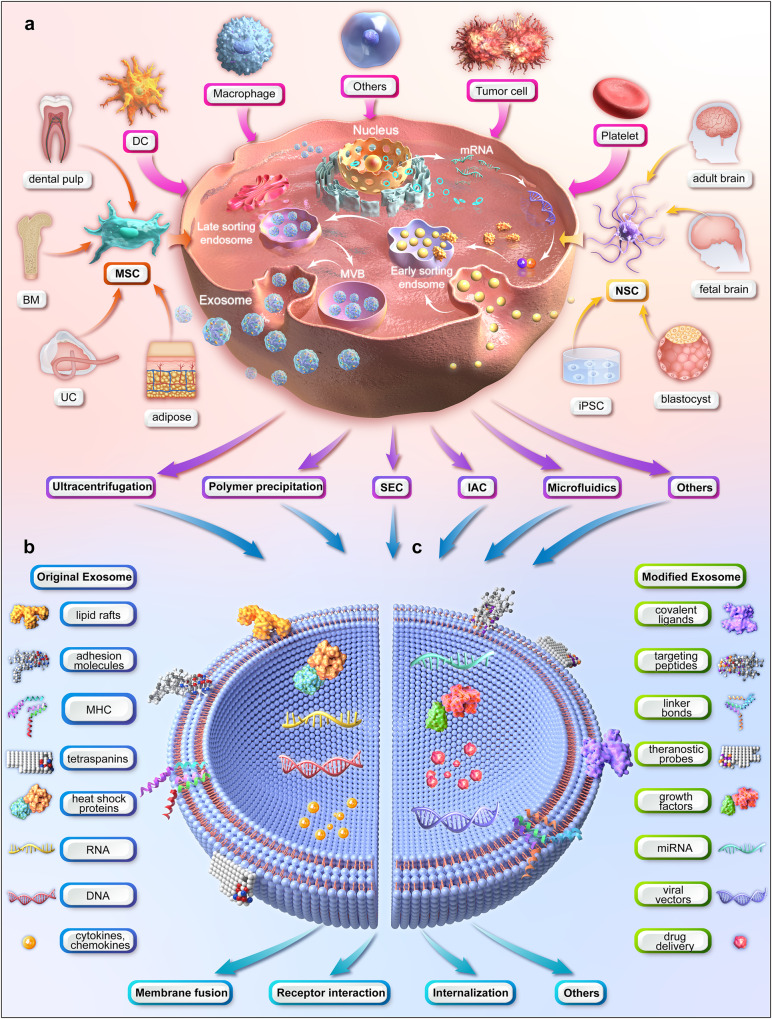
“347 Currently, NSCs can be obtained from three sources 348 (Fig.”
BackgroundGao, S., Chen, T., Hao, Y., Zhang, F., Tang, X., Wang, D., Wei, Z., & Qi, J. (2020) · Stem Cell Research & Therapy · doi:10.1186/s13287-020-1570-9 · Cited by 80
Exosome Traceability and Cell Source Dependence on Composition and Cell-Cell Cross Talk
Hamzah, R. N., Alghazali, K. M., Biris, A. S., & Griffin, R. J. (2021) · International Journal of Molecular Sciences · doi:10.3390/ijms22105346 · Cited by 79 · cited 1×
“26,27 Source and classi fi cation of exosomes Depending on whether exosomes have been arti fi cially modi fi ed, they are broadly classi fi ed into natural exosomes and engineered exosomes (Section 2.4).”
BackgroundInfluentialKe, X., Yang, D., Liang, J., Wang, X., Wu, S., Wang, X., & Hu, C. (2017) · DNA and Cell Biology · doi:10.1089/dna.2017.3836 · Cited by 78
Jia, Y., Qiu, S., Xu, J., Kang, Q., & Chai, Y. (2020) · Calcified Tissue International · doi:10.1007/s00223-019-00656-4 · Cited by 78 · cited 1×
“67 In addition, EPC-derived exosomes accelerated bone regeneration during distraction osteogenesis by stimulating angiogenesis.”
BackgroundGuo, H., Huang, B., Wang, Y., Zhang, Y., Ma, Q., & Ren, Y. (2020) · International Immunopharmacology · doi:10.1016/j.intimp.2020.106285 · Cited by 76 · cited 1×
“…such as epilepsy 203 and mechanical allodynia 204 ; 3, congenital abnormalities, such as spina bi fi da aperta 205 ; 4, neuropsychological conditions, such as depression 206 and stress 207 ; 5, brain aging 208 – 210 ; 6, iatrogenic brain problems, such as deep hypothermic circulatory arrest.”
BackgroundChen, G., Wang, M., Ruan, Z., Zhu, L., & Tang, C. (2021) · Life Sciences · doi:10.1016/j.lfs.2021.119742 · Cited by 76 · cited 1×
“274 Finally, Chen and co-workers proved that bone marrow MSC-derived exosomes could attenuate cardiac hypertrophy and fi brosis in pressure overload-induced remodeling, thereby providing a promising potential treatment for heart failure.”
BackgroundYe, M., Ni, Q., Qi, H., Qian, X., Chen, J., Guo, X., Li, M., Zhao, Y., Xue, G., Deng, H., et al. (2018) · International Journal of Biological Sciences · doi:10.7150/ijbs.28392 · Cited by 75 · cited 1×
“256 On the other hand, endovascular re-canalization is increasingly being used to reestablish blood fl ow to ischemic areas and restore tissue loss or gangrene for patients with peripheral artery disease.”
MethodZhang, Y., Han, F., Gu, L., Ji, P., Yang, X., Liu, M., Tao, K., & Hu, D. (2020) · Journal of Molecular Histology · doi:10.1007/s10735-020-09887-4 · Cited by 75
HU, J. L., Chen, Y., Huang, Y., & Su, Y. (2020) · Experimental and Molecular Pathology · doi:10.1016/j.yexmp.2020.104468 · Cited by 74
The Biogenesis, Biological Functions, and Applications of Macrophage-Derived Exosomes
Shan, X., Zhang, C., Mai, C.-T., Hu, X., Cheng, N., Chen, W., Peng, D., Wang, L., Ji, Z., & Xie, Y. (2021) · Frontiers in Molecular Biosciences · doi:10.3389/fmolb.2021.715461 · Cited by 73 · cited 1×
“For example, macrophage-derived exosomes contribute to disease progression (e.g., diabetes, atherosclerosis and heart failure) 29 and disease treatment (e.g., cutaneous wound, in fl am-matory bowel disease, and fungal and viral infection).”
BackgroundWang, N., Li, X., Zhong, Z., Qiu, Y., Liu, S., Wu, H., Tang, X., Chen, C., Fu, Y., Chen, Q., et al. (2021) · Journal of Nanobiotechnology · doi:10.1186/s12951-021-01138-2 · Cited by 73
Self-citationRen, L., Song, Z.-J., Cai, Q.-W., Chen, R.-X., Zou, Y., Fu, Q., & Ma, Y.-Y. (2019) · Biochemical and Biophysical Research Communications · doi:10.1016/j.bbrc.2018.11.109 · Cited by 72
Chen, S., Chen, Z., Lin, Y.-H., Chen, S.-H., Chou, P., Kao, H., & Lin, F. (2021) · International Journal of Molecular Sciences · doi:10.3390/ijms222212373 · Cited by 72 · cited 1×
“112 On the other hand, some groups have regarded the muscle-tendon-bone unit as a single functional system and used rotator cuff tear as the disease model, which is the most common shoulder condition for which patients seek treatment.”
BackgroundRotator cuff repair vs. nonoperative treatment: a systematic review with meta-analysis
Brindisino, F., Salomon, M., Giagio, S., Pastore, C., & Innocenti, T. (2021) · Journal of Shoulder and Elbow Surgery · doi:10.1016/j.jse.2021.04.040 · Cited by 69 · cited 1×
“113 One group of researchers published two consecutive studies using adipose MSC-derived exosomes.”
BackgroundTsai, S. C., Yang, K. D., Chang, K., Lin, F. C., Chou, R., Li, M., Cheng, C., Kao, C., Chen, C., Lin, H.-C., et al. (2021) · International Journal of Molecular Sciences · doi:10.3390/ijms22136664 · Cited by 68 · cited 2×
“These include, but are not limited to, exosome therapy for fracture 333 spinal cord injury 334 traumatic brain injury 335 acute liver injury 336 and hearing loss 304,306 which might serve as future directions for exosome therapy-related clinical trials.”
BackgroundHuang, J., Fu, C., Xu, Y., Yin, X.-M., Cao, Y. B., & Lin, F. (2020) · Neurochemical Research · doi:10.1007/s11064-019-02950-x · Cited by 67
Current Concepts on Endothelial Stem Cells Definition, Location, and Markers
Chambers, S. E. J., Pathak, V., Pedrini, E., Soret, L., Gendron, N., Guérin, C. L., Stitt, A. W., Smadja, D. M., & Medina, R. J. (2021) · Stem Cells Translational Medicine · doi:10.1002/sctm.21-0022 · Cited by 67
Na, J., & Kim, G. J. (2020) · Journal of Ovarian Research · doi:10.1186/s13048-020-00671-2 · Cited by 66
Luo, H., Ye, G., Liu, Y., Huang, D., Luo, Q., Chen, W., & Qi, Z. (2022) · Neuroscience Letters · doi:10.1016/j.neulet.2022.136635 · Cited by 65
Tabuchi, K., Nishimura, B., Tanaka, S., Hayashi, K., Hirose, Y., & Hara, A. (2010) · Current Neuropharmacology · doi:10.2174/157015910791233123 · Cited by 64 · cited 1×
“305 Its pathophysiology includes oxidative stress, excess cell death and dysregulated in fl ammation.”
BackgroundLiu, Y., Zhuang, X., Yu, S., Yang, N., Zeng, J., Liu, X., & Chen, X. (2021) · Stem Cell Research & Therapy · doi:10.1186/s13287-021-02151-w · Cited by 64 · cited 1×
“These include, but are not limited to: 1, skin grafting, such as skin fl aps 234 ; 2, tissue loss, such as craniofacial defect 235 ; 3, autoimmune skin diseases, such as scleroderma 236 ; 4, skin infections, such as leishmaniasis 237 ; 5, hair transplantation, such as for alopecia 238 ; 6, skin…”
BackgroundTian, X., Wei, W., Cao, Y., Ao, T., Huang, F., Javed, R., Wang, X., Fan, J., Zhang, Y., Liu, Y., et al. (2021) · Journal of Cellular and Molecular Medicine · doi:10.1111/jcmm.17086 · Cited by 64
Liu, Y., Huber, C. C., & Wang, H. (2020) · Biochemical and Biophysical Research Communications · doi:10.1016/j.bbrc.2020.02.074 · Cited by 62
Sepsis in general surgery: a deadly complication
Moore, L. J., Moore, F. A., Jones, S. L., Xu, J., & Bass, B. L. (2009) · The American Journal of Surgery · doi:10.1016/j.amjsurg.2009.05.025 · Cited by 62 · cited 1×
“264 Using a murine sepsis model by cecal ligation and puncture (CLP), Zhou and co-workers demonstrated that EPC-derived exosomes could improve sepsis outcome.”
MethodElashiry, M., Elsayed, R., & Cutler, C. W. (2021) · Cells · doi:10.3390/cells11010115 · Cited by 62 · cited 1×
“32 Some preclinical and clinical trials have demonstrated the effectiveness and safety of Dex-based immunotherapy for cancers.”
BackgroundWei, R., Zhang, L., Hu, W., Shang, X., He, Y., & Zhang, W. (2021) · Journal of Molecular Neuroscience · doi:10.1007/s12031-021-01887-7 · Cited by 60 · cited 1×
“142 Wang et al. illustrated that miR-126-modi fi ed EPC-derived exosomes could alleviate acute brain injury and promote functional recovery after stroke by enhancing neurogenesis.”
BackgroundNeural progenitor cell-derived nanovesicles promote hair follicle growth via miR-100
Cao, L., Tian, T., Huang, Y., Tao, S., Zhu, X., Yang, M., Gu, J., Feng, G., Ma, Y., Xia, R., et al. (2021) · Journal of Nanobiotechnology · doi:10.1186/s12951-020-00757-5 · Cited by 59 · cited 1×
“…include, but are not limited to: 1, skin grafting, such as skin fl aps 234 ; 2, tissue loss, such as craniofacial defect 235 ; 3, autoimmune skin diseases, such as scleroderma 236 ; 4, skin infections, such as leishmaniasis 237 ; 5, hair transplantation, such as for alopecia 238 ; 6, skin aging 239”
BackgroundKe, X., Yang, R., Wu, F., Wang, X., Liang, J., Hu, X., & Hu, C. (2021) · Oxidative Medicine and Cellular Longevity · doi:10.1155/2021/5529430 · Cited by 59 · cited 1×
“287 In an interesting study by Yue et al., IL-10 de fi ciency-induced systemic in fl ammation was found to compromise the reparative properties of EPC-derived exosomes on myocardial repair by upregulating integrin-linked kinase (ILK) enrichment in exosomes, and ILK-mediated activation of NF-κ B…”
BackgroundExtracellular Vesicle–Derived miR-124 Resolves Radiation-Induced Brain Injury
Leavitt, R., Acharya, M. M., Baulch, J. E., & Limoli, C. L. (2020) · Cancer Research · doi:10.1158/0008-5472.can-20-1599 · Cited by 58 · cited 1×
“199 HIV-associated neurocognitive disorders 200 and radiation-induced cognitive dysfunction 201,202 ; 2, functional disorders, such as epilepsy 203 and mechanical allodynia 204 ; 3, congenital abnormalities, such as spina bi fi da aperta 205 ; 4, neuropsychological conditions, such as depression 206…”
BackgroundMacrophage-derived exosomes in cancers: Biogenesis, functions and therapeutic applications
Liu, J., Wu, F., & Zhou, H. (2020) · Immunology Letters · doi:10.1016/j.imlet.2020.08.003 · Cited by 58 · cited 1×
“31 Like DCs, DC-derived exosomes (Dex) could also interact with immune cells (e.g., T cells, B cells, and NK cells) through their surface proteins such as major histocompatibility complexes (MHCs).”
BackgroundPouca, M. C. P. V., Parente, M., Jorge, R. N., & Ashton‐Miller, J. A. (2021) · Orthopaedic Journal of Sports Medicine · doi:10.1177/23259671211020731 · Cited by 58 · cited 1×
“109 Healing of muscle strain and tendon tear follows the typical wound healing course, involving the in fl ammatory, proliferative, and remodeling phases.”
BackgroundLiu, Y., Guo, Y., Bao, S., Huang, H., Liu, W., & Guo, W. (2022) · Cell Death and Disease · doi:10.1038/s41419-022-04703-1 · Cited by 56
Chen, F., Li, X., Zhao, J., Geng, J., Xie, J., & Xu, B. (2020) · In Vitro Cellular & Developmental Biology - Animal · doi:10.1007/s11626-020-00481-2 · Cited by 54
Self-citationHu, Y., Tao, R., Wang, L., Chen, L., Lin, Z., Panayi, A. C., Xue, H., Li, H., Xiong, L., & Liu, G. (2021) · Oxidative Medicine and Cellular Longevity · doi:10.1155/2021/2310025 · Cited by 54 · cited 1×
“128 Since IVD degeneration and OA share a common molecular disease spectrum 125 the positive results of OA treat-ment using MSC-derived exosomes (Section 3.2) could be used as a reference for IVD degeneration research.”
MethodInfluentialMa, Y., Wang, K., Pan, J., Fan, Z., Tian, C., Deng, X., Ma, K., Xia, X., Huang, Y., & Zheng, J. C. (2019) · Neurobiology of Disease · doi:10.1016/j.nbd.2018.12.003 · Cited by 53 · cited 1×
“These iNSC-exo could not only promote cell survival and proliferation no less than NSC-exo in vitro 350,351 but also enhance recovery after ischemic stroke 148 and mitigate AD-like phenotypes in preclinical models.”
BackgroundSelf-citationSmith, S. M., Giedzinski, E., Angulo, M. C., Lui, T., Lu, C., Park, A. L., Tang, S. S., Martirosian, V., Ru, N., Chmielewski, N. N., et al. (2019) · Stem Cells Translational Medicine · doi:10.1002/sctm.18-0227 · Cited by 53 · cited 1×
“199 HIV-associated neurocognitive disorders 200 and radiation-induced cognitive dysfunction 201,202 ; 2, functional disorders, such as epilepsy 203 and mechanical allodynia 204 ; 3, congenital abnormalities, such as spina bi fi da aperta 205 ; 4, neuropsychological conditions, such as depression 206…”
BackgroundLiu, Q., Bi, Y., Song, S., Zhu, K., Qiao, X., Wang, H., & Ji, G. (2023) · Stem Cell Research & Therapy · doi:10.1186/s13287-023-03449-7 · Cited by 53
Neural Stem Cell-Derived Exosomes Revert HFD-Dependent Memory Impairment via CREB-BDNF Signalling
Spinelli, M., Natale, F., Rinaudo, M., Leone, L., Mezzogori, D., Fusco, S., & Grassi, C. (2020) · International Journal of Molecular Sciences · doi:10.3390/ijms21238994 · Cited by 52
Ke, Y., Fan, X., Hao, R., Dong, L., Xue, M., Tan, L., Yang, C., Li, X., & Ren, X. (2021) · Stem Cell Research & Therapy · doi:10.1186/s13287-020-02034-6 · Cited by 52
Self-citationZhou, Y., Gao, Y. J., Zhang, W. Y., Chen, Y., Jin, M., & Yang, Z. (2021) · International Immunopharmacology · doi:10.1016/j.intimp.2021.108075 · Cited by 52
Li, X., Zhu, Y., Wang, Y., Xia, X., & Zheng, J. (2023) · MedComm · doi:10.1002/mco2.214 · Cited by 52
Self-citationMesenchymal derived exosomes enhance recovery of motor function in a monkey model of cortical injury
Moore, T. L., Bowley, B. G. E., Pessina, M. A., Calderazzo, S. M., Medalla, M., Go, V., Zhang, Z. G., Chopp, M., Finklestein, S., Harbaugh, A. G., et al. (2019) · Restorative Neurology and Neuroscience · doi:10.3233/rnn-190910 · Cited by 51 · cited 1×
“161 In an even more complicated and clinically realistic large animal model, in which both TBI and hemorrhagic shock were investigated, exosome therapy attenuated the severity of neurologic injury and enabled faster neurologic recovery.”
BackgroundYang, B., Wu, D., Wei, L., Zhao, Y., Han, Z., Wang, J., Wang, M., Dai, C., Zhang, B., Chen, D., et al. (2020) · Stem Cells and Development · doi:10.1089/scd.2019.0194 · Cited by 51 · cited 1×
“247 Du et al. showed that exosomes from iPSC-derived MSCs could protect liver against hepatic IRI via activating sphingosine kinase and the sphingosine-1-phosphate pathway.”
BackgroundJiang, K., Jiang, T., Chen, Y., & Mao, X. (2021) · Mediators of Inflammation · doi:10.1155/2021/2979124 · Cited by 51 · cited 1×
“86 Using a holistic approach, recent studies have shifted the attention away from cartilage towards other tissues (e.g., bone) in a diarthrodial joint.”
BackgroundZavatti, M., Gatti, M., Beretti, F., Palumbo, C., & Maraldi, T. (2022) · International Journal of Molecular Sciences · doi:10.3390/ijms23094967 · Cited by 50
Potential immunotherapies for traumatic brain and spinal cord injury
Putatunda, R., Bethea, J. R., & Hu, W.-H. (2018) · Chinese Journal of Traumatology · doi:10.1016/j.cjtee.2018.02.002 · Cited by 49
Spinal cord injury and the human microbiome: beyond the brain–gut axis
Wallace, D. J., Sayre, N. L., Patterson, T. T., Nicholson, S. E., Hilton, D. L., & Grandhi, R. (2019) · Neurosurgical FOCUS · doi:10.3171/2018.12.focus18206 · Cited by 49
Yu, H., Zhang, J., Liu, X., & Li, Y. (2021) · Bone and Joint Research · doi:10.1302/2046-3758.1012.bjr-2020-0275.r2 · Cited by 48 · cited 1×
“70 This was achieved by inhibiting the downstream target gene of miR-163-5p, low-density lipoprotein receptor-related protein 4 (LRP4), through the Wnt/ β -catenin pathway.”
BackgroundXu, X., Zhang, H., Li, J., Chen, Y., Zhong, W., Chen, Y., & Ma, X. (2022) · Experimental Neurology · doi:10.1016/j.expneurol.2022.114235 · Cited by 48
Self-citationChen, J., Zhang, C., Li, S., Li, Z., Lai, X., & Xia, Q. (2021) · Journal of Immunology Research · doi:10.1155/2021/8100298 · Cited by 46 · cited 1×
“102 It is well-known that the connection between the microvascular endothelium of the spinal cord and the pericyte is crucial in maintaining the structural integrity of BSCB. 103 Thus, Zhou ’ s team attempted to verify the role of exosome therapy in pericyte homeostasis.”
BackgroundGao, G., Li, C., Ma, Y., Liang, Z., Li, Y., Li, X., Fu, S., Wang, Y., Xia, X., & Zheng, J. C. (2023) · Signal Transduction and Targeted Therapy · doi:10.1038/s41392-023-01436-1 · Cited by 46 · cited 1×
“190 Therefore, iNSCs might be an excellent cellular source to produce clinical-grade exosomes in clinical trials.”
BackgroundSelf-citationLi, H., Wang, L., Ma, T., Liu, Z., & Gao, L. (2023) · Stem Cell Research & Therapy · doi:10.1186/s13287-023-03462-w · Cited by 46 · cited 2×
“…cytoprotective effects on maintaining intracellular Ca 2 + homeostasis and promoting cardiomyocyte survival, thereby improving recovery from MI. 282 HSC-exo could reduce the cardiac injury-related indices and the degree of cardiac fi brosis while elevating the ejection fraction in an animal…”
BackgroundWang, Y., Chen, W., Zhao, L., Li, Y., Liu, Z., Gao, H., Bai, X., & Wang, B. (2021) · Journal of Cellular and Molecular Medicine · doi:10.1111/jcmm.16273 · Cited by 46 · cited 1×
“72 In addition, an American group demonstrated that exosomal lncRNA H19 not only improved osteogenesis but also angiogenesis through the angiopoietin 1/Tie2-NO signaling pathway in an immunocompromised nude mouse model.”
BackgroundKang, X., Jiang, L., Chen, X., Wang, X., Gu, S., Wang, J., Zhu, Y., Xie, X., Xiao, H., & Zhang, J. (2021) · Experimental Cell Research · doi:10.1016/j.yexcr.2021.112635 · Cited by 46
Mesenchymal and Neural Stem Cell-Derived Exosomes in Treating Alzheimer’s Disease
Wang, H., Huber, C. C., & Li, X. (2023) · Bioengineering · doi:10.3390/bioengineering10020253 · Cited by 46
Self-citationExosomes of Endothelial Progenitor Cells Inhibit Neointima Formation After Carotid Artery Injury
Kong, J., Wang, F., Zhang, J., Cui, Y., Pan, L., Zhang, W., Wen, J., & Liu, P. (2018) · Journal of Surgical Research · doi:10.1016/j.jss.2018.06.066 · Cited by 45 · cited 1×
“261 This was achieved through promotion of reendothelialization and suppression of restenosis rather than through the direct inhibition of proliferation and migration of smooth muscle cells.”
BackgroundLim, S. W., Kim, K., Kim, B. M., Shin, Y., Luo, K., Quan, Y., Cui, S., Ko, E. J., Chung, B. H., & Yang, C. W. (2021) · The Korean Journal of Internal Medicine · doi:10.3904/kjim.2020.438 · Cited by 42
Li, P., Hong, G., Zhan, W., Deng, M., Tu, C., Wei, J., & Lin, H. (2023) · International Journal of Medical Sciences · doi:10.7150/ijms.78790 · Cited by 42 · cited 2×
“…achieved through the PI3K/Akt 222 Akt/HIF-1 α 223 ERK1/2 224 and Wnt/ β -catenin 225 pathways, while others through inhibition of LATS2 226 PPAR γ 227 and AIF nucleus translocation 228 In the fi nal remodeling stage of wound healing, granulation tissue is replaced by permanent scar, during which…”
BackgroundYu, Y., Li, W., Xian, T., Tu, M., Wu, H., & Zhang, J. (2023) · International Journal of Molecular Sciences · doi:10.3390/ijms24087664 · Cited by 42
Zhang, L., & Han, P. (2022) · PubMed Central · Cited by 41
Human Neural Stem Cells for Cell-Based Medicinal Products
Fernández‐Muñoz, B., García-Delgado, A. B., Arribas-Arribas, B., & Sánchez‐Pernaute, R. (2021) · Cells · doi:10.3390/cells10092377 · Cited by 40 · cited 1×
“347 Currently, NSCs can be obtained from three sources 348 (Fig.”
BackgroundDong, C., Chen, M., Cai, B., Zhang, C., Xiao, G., & Luo, W.-F. (2022) · NeuroMolecular Medicine · doi:10.1007/s12017-021-08686-8 · Cited by 40 · cited 1×
“144 Similarly, Zhang et al. unveiled that umbilical cord MSC-derived exosomal miR-146a-5p could attenuate microglia-mediated neuroin fl ammation after OGD in vitro, while improving behavioral de fi cits and microglia activation in vivo via the IRAK1/TRAF6 signaling pathway.”
BackgroundLi, W.-Y., Zhu, Q., Jin, L.-Y., Yang, Y., Xu, X.-Y., & Hu, X.-Y. (2021) · Neural Regeneration Research · doi:10.4103/1673-5374.308665 · Cited by 39
Yoon, E., Choi, Y., Kim, T. M., Choi, E., Kim, Y.-B., & Park, D. (2022) · International Journal of Molecular Sciences · doi:10.3390/ijms23179532 · Cited by 39
Abedi, M., Hajinejad, M., Atabi, F., & Negah, S. S. (2022) · BioMed Research International · doi:10.1155/2022/6409346 · Cited by 37 · cited 1×
“165 A valuable additional fi nding was that exosomes seemed to be superior to the parent NSCs in terms of sensorimotor functional recovery.”
BackgroundChen, M., Chen, J., Huang, W., Li, C., Luo, H., Xue, Z., Xiao, Y., Wu, Q., & Chen, C. (2022) · Cell Cycle · doi:10.1080/15384101.2022.2057762 · Cited by 37
Krishnan, A., Muthusamy, S., Fernandez, F. B., & Kasoju, N. (2022) · Tissue Engineering and Regenerative Medicine · doi:10.1007/s13770-022-00441-9 · Cited by 37
Huber, C. C., Callegari, E. A., Paez, M. D., Romanova, S., & Wang, H. (2022) · Molecular Neurobiology · doi:10.1007/s12035-022-03055-3 · Cited by 37
Reprogramming of somatic cells to induced neural stem cells
Shahbazi, E., Mirakhori, F., Ezzatizadeh, V., & Baharvand, H. (2017) · Methods · doi:10.1016/j.ymeth.2017.09.007 · Cited by 35
Zhang, X., Lu, A., Li, Z., Sun, J., Dai, D., & Qian, L. (2019) · Annals of Translational Medicine · doi:10.21037/atm.2019.05.10 · Cited by 35 · cited 1×
“294 Moreover, Montay-Gruel et al. demonstrated that human ESC-derived exosomes could improve the adverse late normal tissue complications associated with exposure of the lungs to ionizing radiation, such as those encountered during postoperative treatment of lung cancer.”
BackgroundFang, H., Shan, C., Zhang, Y., Zhang, Y., & Jia, Z. (2022) · ACS Chemical Neuroscience · doi:10.1021/acschemneuro.2c00234 · Cited by 34
Farashah, M. S. G., Javadi, M., Mohammadi, A., Rad, J. S., Shakouri, S. K., & Roshangar, L. (2022) · Molecular Biology Reports · doi:10.1007/s11033-022-07807-1 · Cited by 34
Hypothyroidism after Hemithyroidectomy: The Incidence and Risk Factors.
Chotigavanich, C., Sureepong, P., Ongard, S., Eiamkulvorapong, A., Boonyaarunnate, T., Chongkolwatana, C., & Metheetrairut, C. (2016) · PubMed · Cited by 33
Possibility of exosome‑based coronavirus disease 2019 vaccine (Review)
Yoo, K. H., Thapa, N., Kim, B. J., Lee, J., Jang, Y. N., Chwae, Y., & Kim, J. (2021) · Molecular Medicine Reports · doi:10.3892/mmr.2021.12542 · Cited by 33 · cited 1×
“In addition, exosomes can be engineered into a drug (e.g., CD24, a potent immune regulator) delivery platform 338 and even a vaccine 339 to combat COVID-19.”
BackgroundMedusa's Head: The Complement System in Traumatic Brain and Spinal Cord Injury
Roselli, F., Karasu, E., Volpe, C., & Huber-Lang, M. S. (2017) · Journal of Neurotrauma · doi:10.1089/neu.2017.5168 · Cited by 32 · cited 1×
“…TBI and SCI could be either mechanism-based (e.g., the role of brain-gut axis 167 transcriptional factors 168 in fl ammasome 169 and the complement system 170 ) or modi fi cation-based (loading exosomes with drugs, e.g., immuno-modulators 171 antioxidants 172 circular RNAs 173 and microRNAs 174 ).”
BackgroundMethods for the Determination of the Purity of Exosomes
Kluszczyńska, K., Czernek, L., Cypryk, W., Pęczek, Ł., & Düchler, M. (2019) · Current Pharmaceutical Design · doi:10.2174/1381612825666191206162712 · Cited by 32
Human mesenchymal stem cell-derived exosomes accelerate wound healing of mice eczema
Wang, M., Zhao, Y., & Zhang, Q. (2020) · Journal of Dermatological Treatment · doi:10.1080/09546634.2020.1820935 · Cited by 32 · cited 1×
“214 In addition, exosomes could reduce IgE, eosinophil and mast cell count, and downregulate in fl ammatory cytokines.”
BackgroundJia, Z., Lv, Y., Zhang, W., Zhang, X., Li, F., Lu, X., & Zhao, S. (2022) · Frontiers in Bioscience-Landmark · doi:10.31083/j.fbl2703086 · Cited by 32 · cited 1×
“321 This was likely caused by inhibition of the in fi ltration of CD4 + and CD25 + T cells and the reduction of IFN-γ and CXCL11 via the Th1 signaling pathway.”
BackgroundRetinal Ganglion Cell Death in Glaucoma: Advances and Caveats
Yang, Y., & Sun, X. (2022) · Current Eye Research · doi:10.1080/02713683.2022.2068182 · Cited by 32 · cited 1×
“311 Mead and Tomarev found that bone marrow MSC-derived exosomes could promote survival of RGCs, and regeneration of their axons, in a rat optic nerve crush model.”
BackgroundNorouzi‐Barough, L., Shirian, S., Gorji, A., & Sadeghi, M. T. (2021) · Connective Tissue Research · doi:10.1080/03008207.2021.1887855 · Cited by 30 · cited 1×
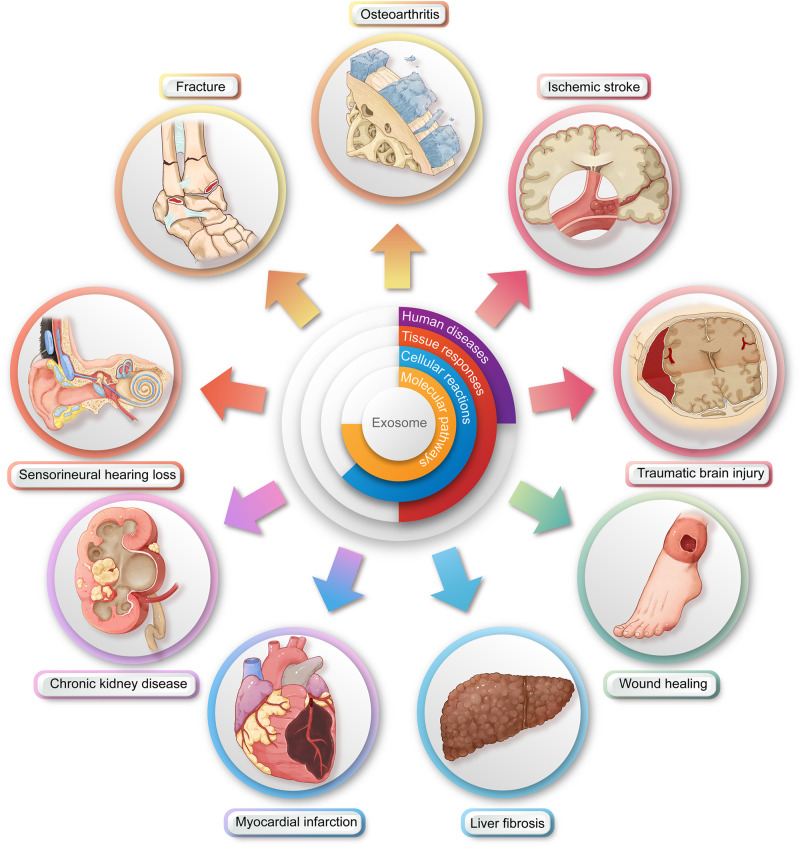
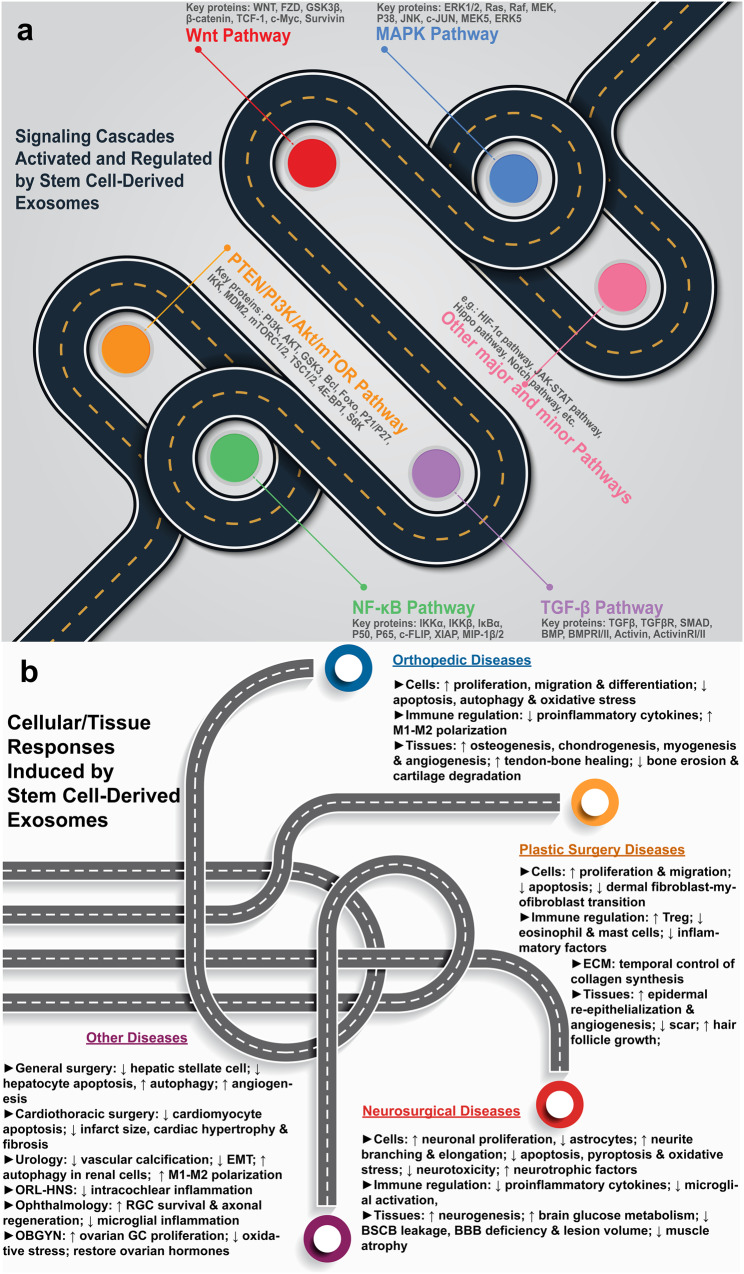
“15 16 – 18 In this work, we will dissect relevant publications from the last fi ve years in order to present a comprehensive, up-to-date, specialty-speci fi c and disease-oriented review (Fig.”
MethodNatale, F., Leone, L., Rinaudo, M., Sollazzo, R., Barbati, S. A., Greca, F. L., Spinelli, M., Fusco, S., & Grassi, C. (2022) · Stem Cells · doi:10.1093/stmcls/sxab026 · Cited by 30 · cited 1×
“…such as epilepsy 203 and mechanical allodynia 204 ; 3, congenital abnormalities, such as spina bi fi da aperta 205 ; 4, neuropsychological conditions, such as depression 206 and stress 207 ; 5, brain aging 208 – 210 ; 6, iatrogenic brain problems, such as deep hypothermic circulatory arrest.”
BackgroundPan, Q., Wang, Y., Liu, J., Jin, X., Xiang, Z., Li, S., Shi, Y., Chen, Y., Zhong, W., & Ma, X. (2023) · Molecular Neurobiology · doi:10.1007/s12035-023-03280-4 · Cited by 30
Zhang, L., Ma, Y., Xie, X., Du, C., Zhang, Y., Qin, S., Xu, J., Wang, C., Yang, Y., & Xia, G. (2023) · Molecules · doi:10.3390/molecules28052112 · Cited by 29
Katsur, M., He, Z., Vinokur, V., Corteling, R. L., Yellon, D. M., & Davidson, S. M. (2021) · Journal of Cellular and Molecular Medicine · doi:10.1111/jcmm.16515 · Cited by 28 · cited 1×
“273 The latter team discovered that MSC-derived exosomal miR-143-3p could suppress myocardial IRI by regulating autophagy via the CHK2-Beclin2 pathway.”
BackgroundPang, Y., Ma, M., Wang, D., Xia, J., Wang, X., Hou, L., Wang, Z., & Li, X. (2021) · Frontiers in Cardiovascular Medicine · doi:10.3389/fcvm.2021.638771 · Cited by 28 · cited 1×
“279 Using a coronary artery occlusion-induced heart failure model, Kervadec et al. showed that exosomes secreted by ESC-derived cardiovascular progenitors could recover cardiac functions such as reduced left ventricular end-systolic and end-diastolic volumes.”
MethodSelf-citationLu, Y., Yang, L., Chen, X., Liu, J., Nie, A., & Chen, X. (2021) · IET Nanobiotechnology · doi:10.1049/nbt2.12071 · Cited by 28
Synovial Mesenchymal Stem Cell-Derived Exosomal miR-320c Enhances Chondrogenesis By Targeting ADAM19
Kong, R., Gao, J., Zhang, J., Ji, L., Yu, Y., Zhang, L., & Zhao, D. (2021) · Future Medicinal Chemistry · doi:10.4155/fmc-2021-0177 · Cited by 28 · cited 1×
“81 In addition, Mao et al. suggested that exosomal miR-92a-3p from chondrogenic MSCs could enhance chondrogenesis and suppress cartilage degradation via targeting Wnt5a.”
BackgroundMesenchymal Stem Cell Exosomes and Cancer: Controversies and Prospects
Yassine, S., & Alaaeddine, N. (2021) · Advanced Biology · doi:10.1002/adbi.202101050 · Cited by 28 · cited 1×
“340,341 346 Finally, among the 40 clinical trials using stem cell-derived exosomes for disease treatment, 38 (95”
BackgroundLi, S., Liao, X., He, Y., Chen, R., Zheng, W., Tang, M., Guo, X., Chen, J., Hu, S., & Sun, J. (2022) · Neurochemistry International · doi:10.1016/j.neuint.2022.105339 · Cited by 28 · cited 1×
“106 Zhou et al. demonstrated that placental MSC-derived exosomes could promote the activation of proliferating endogenous NSCs, thereby improving both locomotor activity and bladder dysfunction, 107 which is a frequent sequelae that could further worsen the quality of life of SCI patients.”
BackgroundKong, L., Liang, M., Liu, J., Lai, P., Ye, J., Zhang, Z., Du, Z., Yu, J., Gu, L., Xie, F.-C., et al. (2020) · Current Neurovascular Research · doi:10.2174/1567202617666200214103950 · Cited by 27 · cited 1×
“211 PLASTIC SURGERY AND SC-EXO THERAPY Wound healing occurs in all parts of the human body, with cutaneous wounds being the most common.”
BackgroundLi, M., Zhang, H., Wang, X., Chen, Z., Lin, X., & Zhu, W. (2021) · Stem Cells and Development · doi:10.1089/scd.2021.0112 · Cited by 27
Induced neural stem/progenitor cell‐derived extracellular vesicles promote recovery post‐stroke
Gao, G., Li, C., Zhu, J., Sheng, S., Liang, Z., Fu, S., Li, X., Sun, Y., Wang, Y., Feng, X., et al. (2022) · Clinical and Translational Medicine · doi:10.1002/ctm2.936 · Cited by 26 · cited 2×
“148 Finally, some groups have targeted other aspects during stroke recovery, such as neurochemical injury and oxidative stress.”
BackgroundSelf-citationExosomes: A Friend or Foe for Osteoporotic Fracture?
Yang, Z., Zhang, W., Ren, X., Tu, C., & Li, Z. (2021) · Frontiers in Endocrinology · doi:10.3389/fendo.2021.679914 · Cited by 26 · cited 1×
“62 Secondly, most of these cells can uptake exosomes, especially osteoblasts and vascular endothelial cells, 64 which are most related to fracture healing.”
BackgroundNiu, Y., Wang, X., Li, M., & Niu, B. (2020) · Metabolic Brain Disease · doi:10.1007/s11011-019-00514-0 · Cited by 25 · cited 1×
“…such as epilepsy 203 and mechanical allodynia 204 ; 3, congenital abnormalities, such as spina bi fi da aperta 205 ; 4, neuropsychological conditions, such as depression 206 and stress 207 ; 5, brain aging 208 – 210 ; 6, iatrogenic brain problems, such as deep hypothermic circulatory arrest.”
BackgroundThe Role of Exosomes and Exosomal Noncoding RNAs From Different Cell Sources in Spinal Cord Injury
Yang, Z., Rao, J., Lin, F., Liang, Z., Xu, X., Lin, Y., Chen, X., Wang, C., & Chen, C. (2022) · Frontiers in Cellular Neuroscience · doi:10.3389/fncel.2022.882306 · Cited by 25
Qi, D., Hou, X., Jin, C., Chen, X., Pan, C., Fu, H., Song, L., & Xue, J. (2021) · PubMed · Cited by 24
Extracellular vesicles from endothelial progenitor cells promote thyroid follicle formation
Degosserie, J., Heymans, C., Spourquet, C., Halbout, M., D’Auria, L., Smissen, P. V. D., Vertommen, D., Courtoy, P. J., Tyteca, D., & Pierreux, C. E. (2018) · Journal of Extracellular Vesicles · doi:10.1080/20013078.2018.1487250 · Cited by 23
Zhu, J., Inomata, T., Zazzo, A. D., Kitazawa, K., Okumura, Y., Coassin, M., Surico, P. L., Fujio, K., Yanagawa, A., Miura, M., et al. (2021) · Journal of Clinical Medicine · doi:10.3390/jcm10204667 · Cited by 23 · cited 1×
“320 Both innate and adaptive immunity are the predominant reason for graft failure.”
BackgroundPark, U. C., Park, S. S., Kim, B. H., Park, S. W., Kim, Y., Cary, W., Anderson, J. D., Nolta, J. A., & Yu, H. G. (2021) · Annals of Translational Medicine · doi:10.21037/atm-20-4662 · Cited by 22
Extracellular Vesicles for the Treatment of Radiation-Induced Normal Tissue Toxicity in the Lung
Montay‐Gruel, P., Zhu, Y., Petit, B., Leavitt, R., Warn, M., Giedzinski, E., Ollivier, J., Sinclair, D. A., Vozenin, M., & Limoli, C. L. (2021) · Frontiers in Oncology · doi:10.3389/fonc.2020.602763 · Cited by 22
Liu, Y., Guo, W., Guo, Y. J., Chen, X., & Liu, W. (2022) · Frontiers in Bioscience-Landmark · doi:10.31083/j.fbl2701017 · Cited by 22
hUMSC vs. hUMSC–Exosome: Which One Is Better for Epilepsy?
Hastuti, S., Idroes, R., Imran, I., Ramli, Y., Abas, A. H., & Tallei, T. E. (2022) · Pharmaceuticals · doi:10.3390/ph15101247 · Cited by 21
Hu, H., Jiang, C., Li, R., & Zhao, J. (2019) · Europe PMC (PubMed Central) · Cited by 21
Yerrapragada, S. M., Sawant, H., Chen, S., Bihl, T., Wang, J., & Bihl, J. C. (2022) · Experimental Neurology · doi:10.1016/j.expneurol.2022.114211 · Cited by 21
Gao, Y. L., Li, H., Qin, C., Yang, B., & Ke, Y. (2022) · Immunobiology · doi:10.1016/j.imbio.2022.152211 · Cited by 20
Peshkova, M., Kosheleva, N. V., Shpichka, A. I., Radenska-Lopovok, S. G., Telyshev, D. V., Lychagin, A. V., Li, F., Timashev, P. S., & Liang, X. (2022) · International Journal of Molecular Sciences · doi:10.3390/ijms232213796 · Cited by 20
Current and future therapies for persistent corneal epithelial defects and neurotrophic keratopathy
Ong, E. S., & Jeng, B. H. (2021) · Current Opinion in Ophthalmology · doi:10.1097/icu.0000000000000749 · Cited by 19
Mechanism of ischemic brain injury repair by endothelial progenitor cell‑derived exosomes
Huang, R., Cheng, T., & Lai, X. (2022) · Molecular Medicine Reports · doi:10.3892/mmr.2022.12785 · Cited by 19 · cited 1×
“136,137 Zhang et al. discovered that the exosomal anti-apoptotic effect could be improved by preconditioning the parental NSCs with interferon gamma (IFN-γ ).”
BackgroundKoken, G. Y., Abamor, E. Ş., Allahverdiyev, A., & Karaöz, E. (2022) · Journal of Pharmaceutical Sciences · doi:10.1016/j.xphs.2022.08.016 · Cited by 19
Role of Circular Ribonucleic Acids in the Treatment of Traumatic Brain and Spinal Cord Injury
Yuan, J., Botchway, B. O. A., Zhang, Y., Wang, X., & Liu, X. (2020) · Molecular Neurobiology · doi:10.1007/s12035-020-02027-9 · Cited by 18 · cited 8×
“…TBI and SCI could be either mechanism-based (e.g., the role of brain-gut axis 167 transcriptional factors 168 in fl ammasome 169 and the complement system 170 ) or modi fi cation-based (loading exosomes with drugs, e.g., immuno-modulators 171 antioxidants 172 circular RNAs 173 and microRNAs 174 ).”
BackgroundInfluentialHuang, D., Zhang, M., & Tan, Z. (2022) · Journal of Neuropathology & Experimental Neurology · doi:10.1093/jnen/nlac049 · Cited by 18
Liu, P., Gao, S., Li, Z., Pan, S., Luo, G., & Ji, Z. (2023) · European Journal of Pharmacology · doi:10.1016/j.ejphar.2023.175725 · Cited by 18
Ma, Y., Xu, X., Li, C., Wang, Y., Zhu, J., Xia, X., & Zheng, J. (2021) · CNS Neuroscience & Therapeutics · doi:10.1111/cns.13744 · Cited by 16 · cited 1×
“These iNSC-exo could not only promote cell survival and proliferation no less than NSC-exo in vitro 350,351 but also enhance recovery after ischemic stroke 148 and mitigate AD-like phenotypes in preclinical models.”
BackgroundSelf-citationMa, L., Wei, X., Ma, W., Liu, Y., Wang, Y., He, Y., Jia, S., Wang, Y., Luo, W., Liu, D., et al. (2022) · Stem Cells Translational Medicine · doi:10.1093/stcltm/szac009 · Cited by 16
Retroviral infection of human neurospheres and use of stem Cell EVs to repair cellular damage
Branscome, H., Khatkar, P., Sharif, S. A., Yin, D., Jacob, S., Cowen, M., Kim, Y., Erickson, J. W., Brantner, C. A., El‐Hage, N., et al. (2022) · Scientific Reports · doi:10.1038/s41598-022-05848-x · Cited by 15 · cited 1×
“199 HIV-associated neurocognitive disorders 200 and radiation-induced cognitive dysfunction 201,202 ; 2, functional disorders, such as epilepsy 203 and mechanical allodynia 204 ; 3, congenital abnormalities, such as spina bi fi da aperta 205 ; 4, neuropsychological conditions, such as depression 206…”
BackgroundAngulski, A. B. B., Capriglione, L. G. A., Barchiki, F., Brofman, P. R. S., Stimamiglio, M. A., Senegaglia, A. C., & Correa, A. (2019) · Stem Cells International · doi:10.1155/2019/4802578 · Cited by 14
Recent advances in endovascular treatment of peripheral arterial disease
Lazar, A. N., & Morrissey, N. J. (2020) · F1000Research · doi:10.12688/f1000research.20398.1 · Cited by 14 · cited 1×
“257 – 260 In addition, Kong et al. demonstrated similar protective effect of EPC-derived exosomes against balloon injury by inhibiting neo-intimal hyperplasia.”
BackgroundTsioulos, G., Grigoropoulos, I., Moschopoulos, C. D., Shapira, S., Poulakou, G., Antoniadou, A., Boumpas, D. T., Arber, N., & Tsiodras, S. (2022) · Life · doi:10.3390/life12101472 · Cited by 13 · cited 1×
“In addition, exosomes can be engineered into a drug (e.g., CD24, a potent immune regulator) delivery platform 338 and even a vaccine 339 to combat COVID-19.”
BackgroundLi, S., Huang, C., Tu, C., Chen, R., Ren, X., Qi, L., & Li, Z. (2022) · Molecular Medicine · doi:10.1186/s10020-022-00561-x · Cited by 13 · cited 1×
“…disorders 200 and radiation-induced cognitive dysfunction 201,202 ; 2, functional disorders, such as epilepsy 203 and mechanical allodynia 204 ; 3, congenital abnormalities, such as spina bi fi da aperta 205 ; 4, neuropsychological conditions, such as depression 206 and stress 207 ; 5,…”
BackgroundKumar, S., Fritz, Z., Sulakhiya, K., Theis, T., & Berthiaume, F. (2020) · Current Neuropharmacology · doi:10.2174/1570159x18666200522203542 · Cited by 11 · cited 1×
“…future research on SC-exo therapy for TBI and SCI could be either mechanism-based (e.g., the role of brain-gut axis 167 transcriptional factors 168 in fl ammasome 169 and the complement system 170 ) or modi fi cation-based (loading exosomes with drugs, e.g., immuno-modulators 171 antioxidants…”
Liu, Y., Luo, T., Li, H., Zhao, X., Zhou, M., & Cheng, M.-L. (2022) · PubMed · Cited by 11
Li, H., Gu, J., Sun, X., Zuo, Q., Li, B., & Gu, X. Q. (2022) · Stem Cell Reviews and Reports · doi:10.1007/s12015-022-10432-x · Cited by 10
Therapeutic effects of CD133 + Exosomes on liver function after stroke in type 2 diabetic mice
Venkat, P., Gao, H., Findeis, E. L., Chen, Z., Zacharek, A., Landschoot‐Ward, J., Powell, B., Lü, M., Liu, Z., Zhang, Z., et al. (2023) · Frontiers in Neuroscience · doi:10.3389/fnins.2023.1061485 · Cited by 10 · cited 1×
“249 Lastly, acute pancreatitis is an unpredictable and potentially lethal disease, the prognosis of which mainly depends on whether it develops into multiple organ dysfunction syndrome.”
BackgroundPan, J., Wu, T., Chen, B., & Wu, H. (2023) · PubMed · doi:10.14670/hh-18-528 · Cited by 5 · cited 1×
“136,137 Zhang et al. discovered that the exosomal anti-apoptotic effect could be improved by preconditioning the parental NSCs with interferon gamma (IFN-γ ).”
Background
Research works printed but not linked: 1
- Carr NJ The pathology of healing and repair Surgery 2022 40 13 19
Cited by
Xu, G., Jin, J., Fu, Z., Wang, G., Lei, X., Xu, J., & Wang, J. (2025) · Signal Transduction and Targeted Therapy · doi:10.1038/s41392-025-02312-w · Cited by 269
“These biological properties are integral to two important applications of EVs in the treatment of refractory diseases, such as degeneration, in fl ammation, and tumorigenesis: as a natural therapeutic drug and as a drug delivery tool 16 .”
A comprehensive review of challenges and advances in exosome-based drug delivery systems
Palakurthi, S. S., Shah, B., Kapre, S., Charbe, N., Immanuel, S., Pasham, S., Thalla, M., Jain, A., & Palakurthi, S. (2024) · Nanoscale Advances · doi:10.1039/d4na00501e · Cited by 215
Clinical relevance of extracellular vesicles in cancer — therapeutic and diagnostic potential
Greening, D. W., Xu, R., Rai, A., Suwakulsiri, W., Chen, M., & Simpson, R. J. (2025) · Nature Reviews Clinical Oncology · doi:10.1038/s41571-025-01074-2 · Cited by 143
Pharmacokinetic characteristics of mesenchymal stem cells in translational challenges
Shan, Y., Zhang, M., Tao, E., Wang, J., Wei, N., Lü, Y., Liu, Q., Hao, K., Zhou, F., & Wang, G. (2024) · Signal Transduction and Targeted Therapy · doi:10.1038/s41392-024-01936-8 · Cited by 135
“25 Local administration is commonly employed because it allows direct delivery to the disease site.”
BackgroundRodríguez‐Eguren, A., Bueno-Fernández, C., Gómez‐Álvarez, M., Francés‐Herrero, E., Pellicer, A., Bellver, J., Seli, E. U., & Cervelló, I. (2024) · Human Reproduction Update · doi:10.1093/humupd/dmae013 · Cited by 132
“EVs can be isolated based on their size, surface charge, or immunoaffinity; ultracentrifugation is currently considered the gold standard technique (Tan et al. , 2024).”
Method
Metadata
- Authors
- Tan, F., Li, X., Wang, Z., Li, J., Shahzad, K., & Zheng, J.
- Affiliations
- Tongji University (CN)
- Corresponding author
- Tan, Fei
- Venue
- Signal Transduction and Targeted Therapy
- Published
- 2024-01-12
- Volume
- 9
- Issue
- 1
- Pages
- 17-17
- ISSN
- 2059-3635 (ISSN-L)
- PMC
- PMC10784577
- OpenAlex
- W4390765704
- Cited by
- 708
- References
- 352
- Citations by year
- 2026: 267 · 2025: 313 · 2024: 128
- FWCI
- 28.81
- Type
- journal article
- Language
- en
- Open access
- gold
- doi.org
- Licence
- cc-by
- creativecommons.org/licenses/by/4.0 (tdm)
- creativecommons.org/licenses/by/4.0 (vor)
- Locations
- Signal Transduction and Targeted Therapy (publishedVersion, cc-by)
- PubMed Central (publishedVersion, cc-by)
- PubMed (publishedVersion)
- DOAJ (DOAJ: Directory of Open Access Journals) (submittedVersion, cc-by-sa)
- Funders
- National Natural Science Foundation of China (82271192)
- Topics
- Life Sciences › Biochemistry, Genetics and Molecular Biology › Molecular Biology › Extracellular vesicles in disease
- Life Sciences › Biochemistry, Genetics and Molecular Biology › Cell Biology › Mesenchymal stem cell research
- Health Sciences › Dentistry › Periodontics › Periodontal Regeneration and Treatments
- Keywords
- stem cell-derived exosomes, exosome therapy, orthopedic surgery, neurosurgery, plastic surgery, cardiothoracic surgery, urology, head and neck surgery, ophthalmology, obstetrics and gynecology, tissue-specific responses, clinical translation
- MeSH terms
- Embryonic Stem Cells, Exosomes, Induced Pluripotent Stem Cells, Mesenchymal Stem Cells
About these checks
Registry, retraction, Cites and statistics results are computed, not judged, with one exception: a printed reference that no index lists is read once by a model before it counts as a citation error. Claims are extracted by a model and kept only when their quote appears verbatim in the text; each cited source is then checked, with a model’s help, for whether it says what the claim relies on. Those verdicts can be wrong — read the claim’s quote and the cited source before relying on one.
Statistics and arithmetic are recomputed, not judged.
Confidence bands are shown only for fields calibrated on our annotated test set. None is calibrated yet, so no band is shown.
What counts as a claim ›How we measure confidence ›How we check this ›
Are you an author, or do you see a problem with this page? Request a review
Data sources
Bibliographic data: Semantic Scholar, OpenAlex, Crossref.
Contains information from the Semantic Scholar Academic Graph Datasets, made available under the ODC Attribution License (ODC-BY 1.0).
Semantic Scholar’s data is described in: Kinney, R., et al. (2023). The Semantic Scholar Open Data Platform. arXiv:2301.10140.
