

Drug repurposing for cancer therapy
Open accessThe DOI matches its Crossref record; 508 of the 513 references it cites were found in a registry or an index; 127 of the 249 sources its claims cite were checked for support.
Abstract
Comprehensive review of methods and candidate repurposed drugs for cancer therapy.
Overview
CoChat Summary
## TL;DR
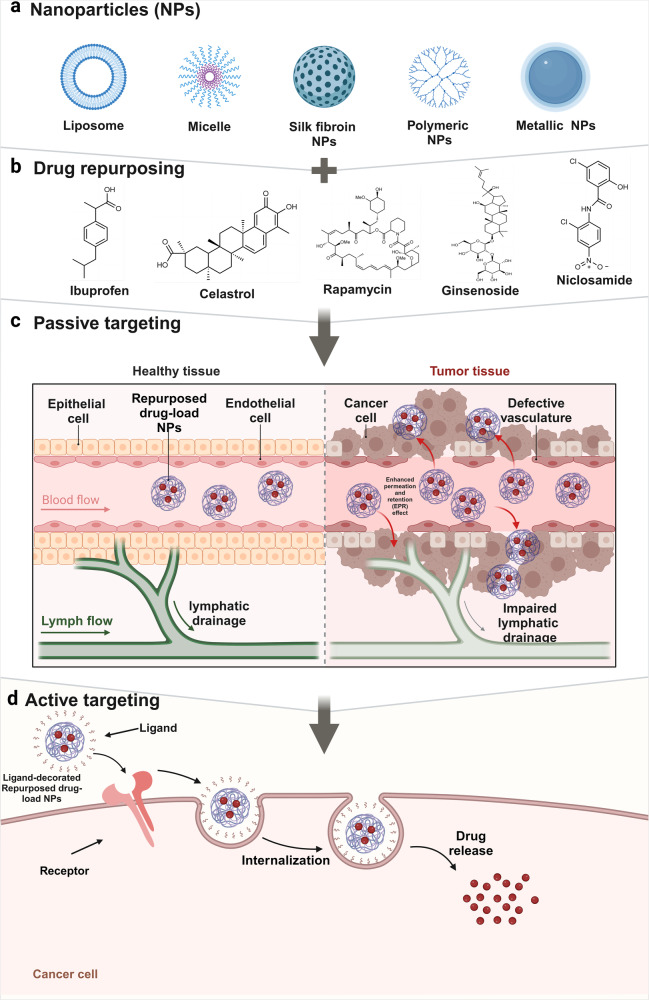
This is a narrative review of drug repurposing for cancer therapy, summarizing experimental and computational strategies, hallmark-targeting examples, tumor microenvironment targets, and nanomaterial-based delivery. It argues that repurposed drugs may speed development and reduce cost, but clinical translation remains limited by bioavailability, dosing, toxicity, and regulatory barriers.
## Key findings
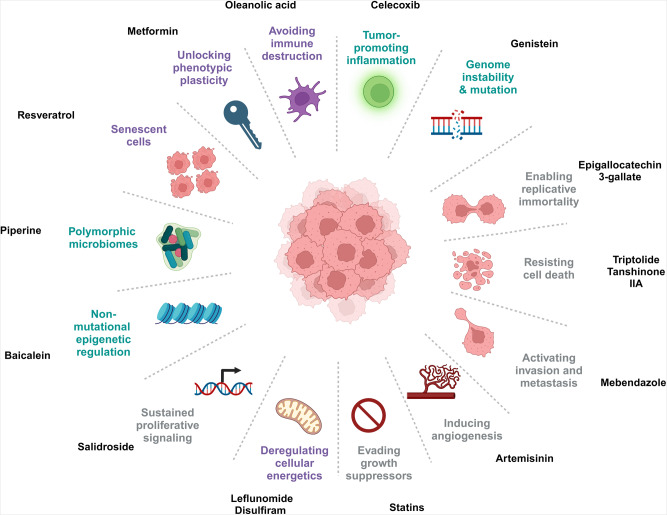
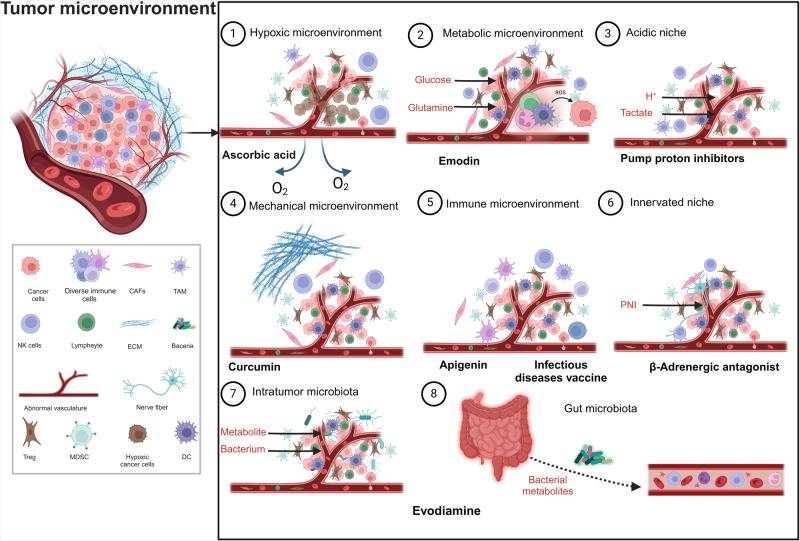
- The review organizes drug repurposing around the 14 hallmarks of cancer and the tumor microenvironment (TME), and notes that repurposed drugs may target multiple malignancy features and support combination therapy.
- It states that conventional drug development can take 10–15 years and cost $1–2 billion, whereas repurposing is faster and cheaper because existing drugs already have known safety, dosage, and toxicity profiles.
- The paper highlights several reported quantitative findings from prior studies, including a 45% risk reduction in thyroid cancer among metformin users in Eastern countries, and lower gynecological cancer occurrence with metformin: HR = 0.60 (95% CI: 0.49–0.74), endometrial cancer HR = 0.65 (95% CI: 0.50–0.85), and ovarian cancer HR = 0.47 (95% CI: 0.27–0.82).
- It also cites a phase I clinical trial of leflunomide in refractory multiple myeloma where disease stabilization occurred in 9 of 11 patients.
## Methods
- Design: Narrative review/systematic overview of published work on drug repurposing for cancer therapy, centered on hallmarks of cancer, TME-targeting therapy, and nanomaterial-based delivery.
- Data/sample: The text does not report a primary study sample; instead, it synthesizes examples from preclinical studies, epidemiological analyses, and clinical trials, and mentions use of databases and tables of repurposed-drug candidates.
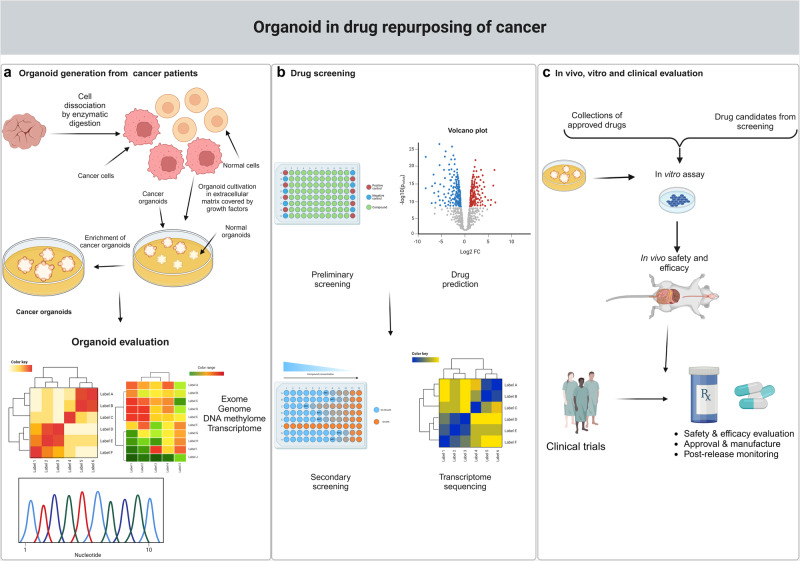
- Main analysis: The paper categorizes repurposing strategies into experimental approaches (including phenotypic screening and organoid/tumoroid models) and computational approaches (including molecular docking, network analysis, data mining, similarity analysis, machine learning, and transcriptional signature methods).
## Limitations
- The paper explicitly states that many repurposed drugs have not yet translated into clinical application, and that clinical trial evidence is limited for several TME-targeting candidates.
- It notes several practical barriers: bioavailability limits, instability, poor solubility, toxicity, dosing uncertainty, patent/IP issues, regulatory barriers, and limited funding for trials.
- The text also makes evident, but does not present as a formal limitation, that much of the evidence discussed is preclinical and often based on small or ongoing clinical studies rather than large randomized trials.
Model-written summary. Check it against the paper before relying on it.
Integrity signals
Registry
Cites
Statistics
Figures
Verification
Claims the paper makes
99 Valid · 15 Not valid · 82 Not checked · 27 Own results and interpretations
At least one cited source doesn’t support this claim or points to a different paper, and none confirmed it — see the verdicts below.
In the paper
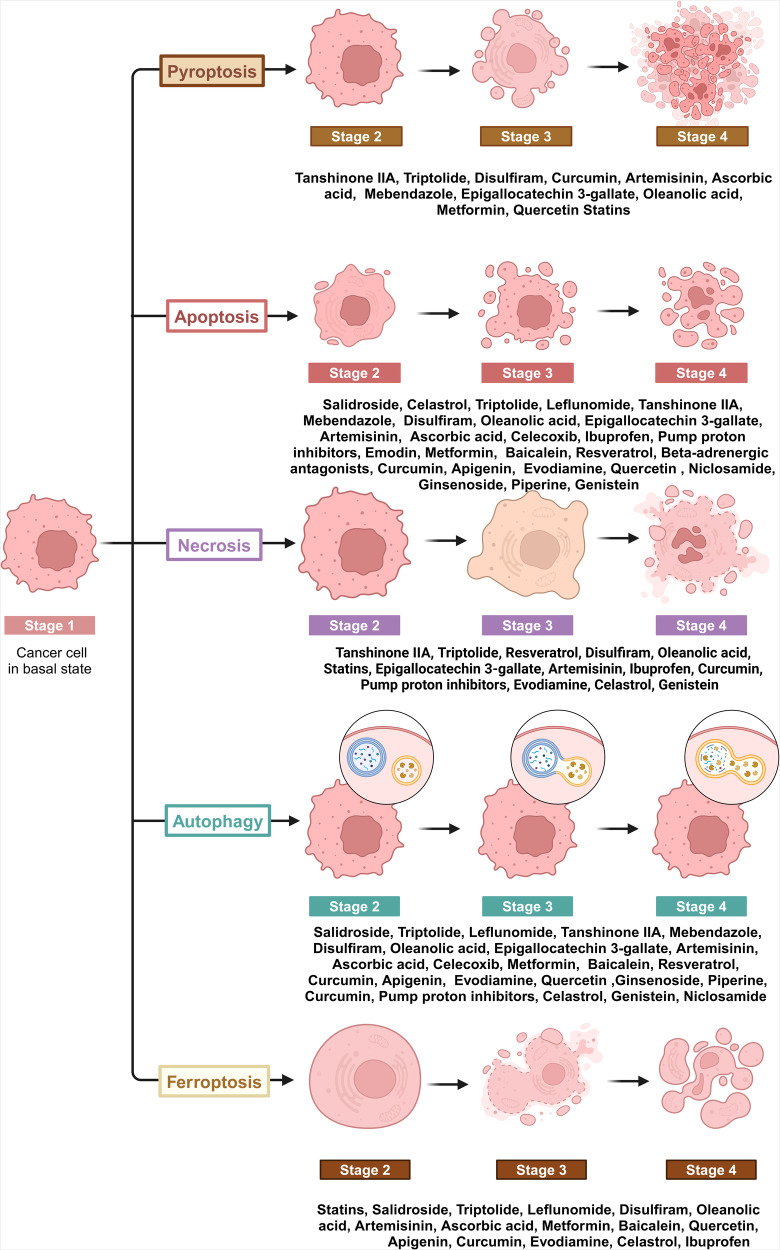
“Furthermore, TPL has been shown to induce autophagy-mediated caspase-independent cell death in tumor cells.”
§ Drug repurposing for cancer therapy > Drug repurposing: candidates for the therapeutic targeting of hallmarks of cancer > Inducing cell death
What the sources say
- Disputedcites [91] Zhao F Triptolide induces protective autophagy through activation of the CaMKKβ-AMPK signaling pathway in prostate cancer cells Oncotarget 2016 7 5366 5382 10.18632/oncotarget.6783 26734992 PMC4868692 sourceExperimental — accuracy not yet measured
The Results section (‘Triptolide induces cytoprotective autophagy in PCa cells’; page not supplied) concludes that autophagy protects prostate cancer cells from triptolide-induced death: inhibiting autophagy increased both cell death and caspase-3 cleavage. This is contrary to the attributed claim that triptolide-induced autophagy mediates caspase-independent cell death. (LLM, conf=0.90)
Checked by a reasoning model — may be wrong.
plainstates a cause- Asserted: passes — The authors put it forward as true.
- Checkable: passes — It can be checked against evidence.
- Load-bearing: unclear — It is unclear whether the paper’s conclusions depend on it.
- Based: passes — The paper gives a reason why it holds.
- Disputed
At least one cited source doesn’t support this claim or points to a different paper, and none confirmed it — see the verdicts below.
In the paper
“Celecoxib has been shown to enhance the efficacy of BRAF/MEKi treatments in melanoma through suppression of the NF-κB pathway.”
§ Drug repurposing for cancer therapy > Drug repurposing: candidates for the therapeutic targeting of hallmarks of cancer > Targeting tumor-promoting inflammation
What the sources say
- Disputedcites [183] Vergani E miR-146a-5p impairs melanoma resistance to kinase inhibitors by targeting COX2 and regulating NFkB-mediated inflammatory mediators Cell Commun. Signal 2020 18 156 10.1186/s12964-020-00601-1 32967672 PMC7510138 sourceExperimental — accuracy not yet measured
The Results section (“Targeting COX2 restores melanoma sensitivity to BRAF/MEKi”; page unavailable) supports increased growth inhibition and cytotoxicity with celecoxib plus BRAF/MEKi in melanoma cells. But it reports noncanonical NF-κB activation, not suppression, and attributes the enhanced apoptotic effects to reduced PGE2 production. The Discussion likewise describes activation of NF-κB signaling cascades during celecoxib-induced cell death. (LLM, conf=0.88)
Checked by a reasoning model — may be wrong.
plainstates a cause- Asserted: passes — The authors put it forward as true.
- Checkable: passes — It can be checked against evidence.
- Load-bearing: passes — The paper’s conclusions depend on it.
- Based: passes — The paper gives a reason why it holds.
- Disputed
At least one cited source doesn’t support this claim or points to a different paper, and none confirmed it — see the verdicts below.
In the paper
“Dong and colleagues reported the nuanced relationship between EGCG and the WNT/β-catenin signaling pathway by demonstrating that overexpression of β-catenin could either augment or reduce the anticancer effects of EGCG.147”
§ Drug repurposing for cancer therapy > Drug repurposing: candidates for the therapeutic targeting of hallmarks of cancer > Interfering with replication
What the sources say
- Disputedcites [147] Dong C Epigallocatechin-3-gallate suppresses the growth of human osteosarcoma by inhibiting the Wnt/β-catenin signalling pathway Bioengineered 2022 13 8490 8502 10.1080/21655979.2022.2051805 35348430 PMC9161922 sourceExperimental — accuracy not yet measured
In “EGCG inhibits OS growth by regulating the Wnt/β-catenin pathway” (Figure 4c–f; page not supplied), the paper reports that β-catenin overexpression inhibited EGCG’s antitumour and pro-apoptotic effects. It was β-catenin knockdown, not overexpression, that strengthened those effects. (LLM, conf=0.91)
Checked by a reasoning model — may be wrong.
hedgedstates a cause- Asserted: passes — The authors put it forward as true.
- Checkable: passes — It can be checked against evidence.
- Load-bearing: unclear — It is unclear whether the paper’s conclusions depend on it.
- Based: passes — The paper gives a reason why it holds.
- Disputed
At least one cited source doesn’t support this claim or points to a different paper, and none confirmed it — see the verdicts below.
In the paper
“Another extensive meta-analysis ascertained a notably lower gynecological cancer occurrence in those undergoing metformin treatment compared to alternative therapies (gynecological cancer: HR = 0.60, 95% CI: 0.49–0.74; endometrial cancer: HR = 0.65, 95% CI: 0.50–0.85; ovarian cancer: HR = 0.47, 95% CI: 0.27–0.82).203”
§ Drug repurposing for cancer therapy > Drug repurposing: candidates for the therapeutic targeting of hallmarks of cancer > Locking phenotypic plasticity
What the sources say
- Disputedcites [203] Yao K Zheng H Li T Association between metformin use and the risk, prognosis of gynecologic cancer Front. Oncol. 2022 12 942380 10.3389/fonc.2022.942380 35898873 PMC9309370 sourceExperimental — accuracy not yet measured
The Discussion section on cancer risk (page not provided) reports no significant association between metformin use and the occurrence of gynecological, endometrial, or ovarian cancer in women with diabetes. The cited hazard ratios appear instead in the Discussion section on prognosis, where they describe overall survival among patients with cancer, not cancer occurrence. (LLM, conf=0.90)
Checked by a reasoning model — may be wrong.
plainstates an association- Asserted: passes — The authors put it forward as true.
- Checkable: passes — It can be checked against evidence.
- Load-bearing: passes — The paper’s conclusions depend on it.
- Based: passes — The paper gives a reason why it holds.
- Disputed
The cited sources support only part of this claim — read each source’s verdict below.
In the paper
“Notably, high-throughput screening using sophisticated models can identify compounds that mitigate disease symptoms without necessitating pre-existing knowledge about the drug-target interactions.29,30”
§ Drug repurposing for cancer therapy > Drug repurposing strategies
What the sources say
- Partly supportedcites [29] Huang H Zhang P Qu XA Sanseau P Yang L Systematic prediction of drug combinations based on clinical side-effects Sci. Rep. 2014 4 7160 10.1038/srep07160 25418113 PMC4241517 sourceExperimental — accuracy not yet measured
The Abstract (page unavailable) describes a computational model that uses clinical side effects to predict drug combinations, rather than requiring drug-target interaction data. But it does not show that the predicted compounds mitigate disease symptoms; the Discussion (page unavailable) says the predictions need experimental testing. The Abstract also distinguishes this approach from high-throughput screening, which it says is impractical for all possible combinations. (LLM, conf=0.86)
- Could not verifycites [30] Kuhn M Campillos M Letunic I Jensen LJ Bork P A side effect resource to capture phenotypic effects of drugs Mol. Syst. Biol. 2010 6 343 10.1038/msb.2009.98 20087340 PMC2824526 sourceExperimental — accuracy not yet measured
The Introduction (page unavailable) discusses databases of cellular phenotypes and the potential of large-scale computational methods; it does not describe screening sophisticated models to find compounds that relieve disease symptoms. Searches for high-throughput screening, symptom mitigation, and drug-target-independent screening found no passage addressing that claim. (LLM, conf=0.73)
plainstates a cause- Asserted: passes — The authors put it forward as true.
- Checkable: passes — It can be checked against evidence.
- Load-bearing: unclear — It is unclear whether the paper’s conclusions depend on it.
- Based: passes — The paper gives a reason why it holds.
- Partly supported
113 more claims · 51 with their cited sources checked
Create a free account to see all 223 claims and to verify the 25 references still open.
- It may state two separate claims as one. 87
- Probably not a substantial claim. 25
Self-check
Percentages, sums and reported differences re-computed from the paper’s own numbers.
Self-check results appear here once an independent check has confirmed them.
Cited works that were retracted
Works this paper cites that were later retracted, from the retraction notices publishers deposit. Major when the notice came out before this paper was published.
A note, not an issue: for example, a cited work that was retracted only after this paper was published, which its authors could not have known.
In the paper
“134 Ongoing clinical trials are currently examining the ef fi cacy of simvastatin against various cancers, including breast (NCT00807950, NCT05550415), gastric (NCT01099085, NCT03086291), colorectal (NCT01238094), and bladder (NCT02360618) cancer.”
Cited work 10.1038/cddis.2017.46 · retracted 2025-11-27 · notice 10.1038/s41419-025-08275-8 · this paper published 2024-04-19
Citations
Cites
1 retracted
Li, J., Liu, J., Liang, Z., He, F., Yang, L., Li, P., Jiang, Y., Wang, B., Zhou, C., Wang, Y., et al. (2017) · Cell Death & Disease · doi:10.1038/cddis.2017.46 · Cited by 43 · cited 1×
“134 Ongoing clinical trials are currently examining the ef fi cacy of simvastatin against various cancers, including breast (NCT00807950, NCT05550415), gastric (NCT01099085, NCT03086291), colorectal (NCT01238094), and bladder (NCT02360618) cancer.”
BackgroundRetractedHallmarks of Cancer: The Next Generation
Hanahan, D., & Weinberg, R. A. (2011) · Cell · doi:10.1016/j.cell.2011.02.013 · Cited by 66,590 · cited 3×
“…is activated in response to numerous DNA damage events including germline or somatic defects in DNA repair, 166 oncogene-induced replication stress, 69 fl awed mitotic chromosome segregation, 167 clashes between replication and transcription machinery 168 or even as a consequence of genotoxic…”
BackgroundInfluentialGene Ontology: tool for the unification of biology
Ashburner, M., Ball, C. A., Blake, J. A., Botstein, D., Butler, H., Cherry, J. M., Davis, A. P., Dolinski, K., Dwight, S. S., Eppig, J. T., et al. (2000) · Nature Genetics · doi:10.1038/75556 · Cited by 43,206
Hanahan, D., & Weinberg, R. A. (2000) · Cell · doi:10.1016/s0092-8674(00)81683-9 · Cited by 29,219
Tissue-based map of the human proteome
Uhlén, M., Fagerberg, L., Hallström, B. M., Lindskog, C., Oksvold, P., Mardinoglu, A., Sivertsson, Å., Kampf, C., Sjöstedt, E., Asplund, A., et al. (2015) · Science · doi:10.1126/science.1260419 · Cited by 15,286
STRING v10: protein–protein interaction networks, integrated over the tree of life
Szklarczyk, D., Franceschini, A., Wyder, S., Forslund, K., Heller, D., Huerta-Cepas, J., Simonovic, M., Roth, A., Santos, A., Tsafou, K. P., et al. (2015) · Nucleic Acids Research · doi:10.1093/nar/gku1003 · Cited by 10,436
The Human Genome Browser at UCSC
Kent, W. J., Sugnet, C. W., Furey, T. S., Roskin, K. M., Pringle, T. H., Zahler, A. M., & Haussler, A. D. (2002) · Genome Research · doi:10.1101/gr.229102 · Cited by 10,400
Hallmarks of Cancer: New Dimensions
Hanahan, D. (2022) · Cancer Discovery · doi:10.1158/2159-8290.cd-21-1059 · Cited by 9,887 · cited 2×
“Furthermore, standardization of speci fi c tumoroid culture conditions is essential for enhancing 67,68 Understanding these hallmarks is pivotal for developing effective strategies for cancer prevention, diagnosis, and treatment.”
BackgroundKEGG: new perspectives on genomes, pathways, diseases and drugs
Kanehisa, M., Furumichi, M., Tanabe, M., Sato, Y., & Morishima, K. (2017) · Nucleic Acids Research · doi:10.1093/nar/gkw1092 · Cited by 8,865
DrugBank 5.0: a major update to the DrugBank database for 2018
Wishart, D. S., Feunang, Y. D., Guo, A. C., Lo, E. J., Marcu, A., Grant, J. R., Sajed, T., Johnson, D., Li, C., Sayeeda, Z., et al. (2018) · Nucleic Acids Research · doi:10.1093/nar/gkx1037 · Cited by 8,404
Cited by
Items 201–300 of 432
Drug repurposing in oncology: Bridging computational discovery to clinical application
Baskar, S., & Prasad, N. R. (2026) · International Journal of Cancer · doi:10.1002/ijc.70429 · Cited by 2
Ma, T., Geng, X., Shi, W., Yu, C., Wu, X.-S., Cui, N., Zhao, Z. Q., Li, H., Zhao, C., Ni, Q., et al. (2025) · Frontiers in Bioengineering and Biotechnology · doi:10.3389/fbioe.2025.1675338 · Cited by 5
“Despite advances in conventional therapies including surgery, chemotherapy, and targeted treatments, signi fi cant limitations persist regarding drug resistance, systemic toxicity, and poor bioavailability of therapeutic agents (Ying et al., 2024).”
Mieville, V., Gubała, J., Fiault, M., Ota, M., Han, S., Urwyler, M., Benamran, D. A., Tille, J., Valério, M., & Nowak-Sliwinska, P. M. (2025) · Pharmaceutics · doi:10.3390/pharmaceutics17101269 · Cited by 2
“In parallel, an alternative and complementary strategy of combining existing drugs has emerged [10,11].”
Drug repurposing in gynaecological cancers: Proven drugs for new challenges
Alghalayini, A., Sarker, F. A., Dickson, K.-A., Bowden, N. A., & Marsh, D. J. (2025) · Biomedicine & Pharmacotherapy · doi:10.1016/j.biopha.2025.118885 · Cited by 2
Parsa, S., Sarkani, E. O., Chaleshtori, Z. M., Darash, S., Fotros, N., Iraj, K. M., Ehsani, F. Z., Naeini, Y. M., Yahyazadeh, S., Fatehpour, M., et al. (2026) · International Immunopharmacology · doi:10.1016/j.intimp.2026.116454 · Cited by 3
Cao, Y., Li, Y., Lingxi, W., Zhou, Y., Gao, F., & Yu, Q. (2024) · Precision medication. · doi:10.1016/j.prmedi.2024.100014 · Cited by 4
Yazar, S., Beyzi, E., Stankov, S., Çağlayan, M., Külahcı, M. B., Stoyanova, A., & Yılmaz, S. (2025) · Journal of Essential Oil Bearing Plants · doi:10.1080/0972060x.2025.2489011 · Cited by 3
“Medicinal plants have been used for centuries in various cultures for their therapeutic properties, offering potential alternatives or complementary treatments in cancer therapy 19 .”
Generative AI-assisted Virtual Screening Pipeline for Generalizable and Efficient Drug RepurposingPreprint
Pham, P., Nguyen, V. T. D., Cho, K. H., & Hy, T. S. (2024) · bioRxiv (Cold Spring Harbor Laboratory) · doi:10.1101/2024.12.07.627340 · Cited by 1
Building alliances for early detection of immunodeficiencies: from primary care to hematology
Riviere, J. G., Pasquet, M., & Gambineri, E. (2026) · Frontiers in Immunology · doi:10.3389/fimmu.2025.1701384 · Cited by 3
Dave, D., Osinde, G., Sekaggya‐Wiltshire, C., Jackson, M., Kadada, K. R., Buzibye, A., Omali, D., Niyonzima, N., Srikant, S., & Dave, D. (2026) · BMC Research Notes · doi:10.1186/s13104-026-07781-y · Cited by 2
“…indicated when drug exposure is unpredictable and clinical outcomes depend on maintaining plasma concentrations within a therapeutic window, emphasizing the limitations of adapted uniform dosing regimens [51], however exposure-response relationships were not evaluated in this pilot study.”
Neto, M. B. B., Jatana, S., Rieder, F., & Ivanov, A. I. (2026) · Expert Opinion on Drug Discovery · doi:10.1080/17460441.2026.2650549 · Cited by 1
“Drug repurposing has been more widely used in the field of cancer, although with limited success [101,102].”
Yan, L., Chen, D., Wu, T., Zhao, J., Xu, X., Xu, W., Zhang, H., & Xiao, M. (2026) · Discover Oncology · doi:10.1007/s12672-026-05097-8 · Cited by 2
Ding, Y., LIU, X., Fu, J., Xue, J., Fan, X., Wang, Y., Li, X., Liu, S., Yang, Y., Xu, X., et al. (2026) · Materials Today Bio · doi:10.1016/j.mtbio.2026.103339 · Cited by 1
Foo, C. C., Li, J., Huang, Z., Sui, S., Sin, R. W., Man, A. T.-K., Law, W., & Ng, L. (2025) · Frontiers in Pharmacology · doi:10.3389/fphar.2025.1449062 · Cited by 1
“As a result, drug repurposing has emerged as an attractive approach, utilizing already approved drugs to improve patient prognosis (Xia et al., 2024).”
Pereira, M., & Vale, N. (2026) · Future Pharmacology · doi:10.3390/futurepharmacol6030035 · Cited by 1
Repurposing disulfiram for ALDH-positive NSCLC: Network-based inhibition of EGFR, COX-2, and MAPK1
Liu, Z., Yang, X., & Zhang, J. (2026) · Journal of Molecular Graphics and Modelling · doi:10.1016/j.jmgm.2026.109313 · Cited by 1
Abu-zaid, R., Abusara, O. H., Hussein, B., Saqallah, F. G., & Albujuq, N. R. (2026) · Anti-Cancer Agents in Medicinal Chemistry · doi:10.2174/0118715206435905260109202535 · Cited by 3
Recent Advances in Anti-Cancer Drugs
Neophytou, C. M. (2025) · International Journal of Molecular Sciences · doi:10.3390/ijms26178446 · Cited by 1
Flores-Tafoya, P. D. J., Rojas-Morales, J. A., Hernández‐Rojas, A., et al. (2026) · Journal of Natural Products · doi:10.1021/acs.jnatprod.5c01273 · Cited by 1
Assega, B. G., Getahun, K. A., Jiru, T. M., Yohannes, T. G., Aemero, M., & Andualem, B. (2025) · Journal of Genetic Engineering and Biotechnology · doi:10.1016/j.jgeb.2025.100591 · Cited by 1
Synthesis, Characterization and Pharmacological Screening of 1,3,4-Oxadiazoles
Sonawane, G., Sharma, S., & Gilhotra, R. M. (2024) · Asian Journal of Chemistry · doi:10.14233/ajchem.2024.31776 · Cited by 1
Odarenko, K. V., Аркадьевна, З. М., & Markov, A. V. (2025) · International Journal of Molecular Sciences · doi:10.3390/ijms26199772 · Cited by 1
“Drug repurposing accelerates and reduces the cost of drug development by bypassing the pre-approval testing required for new drug candidates [17].”
Cheng, Y., Kong, J., Liu, X., & Li, S. (2026) · Breast Cancer Targets and Therapy · doi:10.2147/bctt.s586786 · Cited by 4
“83,130 Importantly, retrospectives on ML models have highlighted the interpretability gains.”
Gulani, M. A., Harsoda, Y., Arte, T. M., D’Souza, M. J., Bagwe, P., Adediran, E. O., D’Souza, N., & Pasupuleti, D. (2025) · Vaccines · doi:10.3390/vaccines13121232 · Cited by 2
“Together, these strategies provide a powerful framework for expanding the therapeutic utility of existing drugs while accelerating the pipeline to clinical use [20–22].”
Hataminia, F., & Azinfar, A. (2025) · Scientific Reports · doi:10.1038/s41598-025-01994-0 · Cited by 2
Suratos, K. S., Orda, M. A., Tsai, P., & Tayo, L. L. (2024) · Applied Sciences · doi:10.3390/app14198768 · Cited by 2
Gahin, S. G., Ibrahim, M. S., & Badr, E. (2026) · Discover Oncology · doi:10.1007/s12672-026-05011-2 · Cited by 1
“Recently, interest in drug repurposing has increased because the drug development and approval process can take years or even decades [114].”
Current status of in vitro models for rare gynaecological cancer research
Raos, D., Vučemilo, N., Ozretić, P., & Sabol, M. (2024) · European Journal of Surgical Oncology · doi:10.1016/j.ejso.2024.108549 · Cited by 1
Khanam, M. A., Sutradhar, R. K., Nath, A., et al. (2024) · Qeios · doi:10.32388/8m92bf · Cited by 1
Hmedat, A., Stark, S., Budragchaa, T., Pantelić, N. Đ., Wessjohann, L. A., & Kaluđerović, G. N. (2025) · Pharmaceuticals · doi:10.3390/ph18121840 · Cited by 4
“Although conventional treatments such as chemotherapy remain the cornerstone of cancer management, their clinical utility is often limited by dose-dependent toxicity, acquired drug resistance, and lack of tumor specificity [3–5].”
Senthamaraikannan, Y., Sundaram, V., & Rajeshkumar, S. (2025) · International Research Journal of Multidisciplinary Technovation · doi:10.54392/irjmt25213 · Cited by 2
“Though there are many synthetic drugs, the adverse effects of these drugs on healthy cells lead us to do more research on the alternate approach to combat the diseased condition [30].”
Aldossary, K. M., Abdallah, M. S., Mosalam, E. M., Kamal, N., Saif, D. S., Elsayed, S., Afifi, N., Zakaraia, H. G., Khrieba, M. O., & Bahaa, M. M. (2025) · Drug Design Development and Therapy · doi:10.2147/dddt.s572677 · Cited by 1
Bhuyan, T., Choudhury, K., Das, P., Sharma, S., Mazumder, J. A., & Mohanta, Y. K. (2024) · ACS Applied Bio Materials · doi:10.1021/acsabm.4c01092 · Cited by 2
Zhang, F., Zhao, Y., Zhang, W., & Lai, L. (2025) · bioRxiv (Cold Spring Harbor Laboratory) · doi:10.1101/2025.08.08.669291 · Cited by 4
Li, D., Zhong, Q., Xiao, D., Wang, W., Xie, L., Peng, M., Xu, C., Wu, H., Li, Z., & Yang, X. (2025) · Cancer Cell International · doi:10.1186/s12935-025-04012-5 · Cited by 1
“Clinical drugs as part of a combination therapy regimen constitute one of the future strategies for cancer treatment [50].”
Hedgehog pathway inhibitor HhAntag suppresses virus infection via the GLI-S1PR axis
Zhang, J., Dong, C., Chen, Z., Hua, R., Li, Z., Lin, Y., Wang, Y., Feng, T., & Dai, J. (2025) · Cellular Signalling · doi:10.1016/j.cellsig.2025.111807 · Cited by 1
da Silva, E. L., Mesquita, F. P., Lima, P. V. D. R., Filho, J. H. D. A., de Oliveira, F. L., da Lima, A. B., Souza, P. F. N., & Montenegro, R. C. (2026) · Chemico-Biological Interactions · doi:10.1016/j.cbi.2026.111973 · Cited by 2
Young, M.-J., Huang, Y.-H., & Hung, J. (2025) · Biomedicine & Pharmacotherapy · doi:10.1016/j.biopha.2025.118047 · Cited by 1
Al‐Rooqi, M. M., Samman, S. S., Ahmed, S. A., Omeman, A., Abdo, A. M., & Rizk, S. A. (2026) · Polycyclic aromatic compounds · doi:10.1080/10406638.2026.2624576 · Cited by 1
Al-Mashhadani, Z., Hummadi, Y. M. K. A. M., Al-khfajy, W. S., & Numan, N. A. M. (2026) · European Journal of Pharmacology · doi:10.1016/j.ejphar.2026.178857 · Cited by 1
Citalopram exhibits immune-dependent anti-tumor effects by modulating C5aR1+ TAMs
Dong, F., Zhang, S., Song, K., Jiang, L., Hu, L.-P., Li, Q., Zhang, X.-L., Li, J., Feng, M., Cai, Z.-W., et al. (2026) · eLife · doi:10.7554/elife.103016.4 · Cited by 1
Yang, F., Liu, K., Liu, D., Liang, Y., Zhang, D., & Wu, L. (2026) · Chemical Engineering Journal · doi:10.1016/j.cej.2026.176339 · Cited by 2
Cavalcante, P. D. M., da Silva, J. L. D., Oliveira, L. R. S., da Silva, R. B., Lima, J. A. C., Souza, G. D. B., Santos, D. R. D. S., de Abrantes, J. V. N., de Farias, M. L., Oliveira, S. A. D. A., et al. (2026) · Cell Biochemistry and Biophysics · doi:10.1007/s12013-026-02009-z · Cited by 2
Aravand, S., Esfahani, A. J., Gheibi, N., et al. (2025) · Current Therapeutic Research · doi:10.1016/j.curtheres.2025.100806 · Cited by 1
Exploring Artificial Intelligence's Potential to Enhance Conventional Anticancer Drug Development
Bobolea, S., Hinoveanu, M. I., Dimitriu, A., Brașoveanu, M., Iliescu, C., Dinu‐Pîrvu, C., Ghica, M. V., Anuța, V., Popa, L., & Prisada, R. M. (2025) · Drug Development Research · doi:10.1002/ddr.70182 · Cited by 2
Chan, M. K., Tang, P. C., Ji, Z. Z., Chung, J. Y., Zhang, A. Q., Xian, Y., Zhang, Q., Wong, C. K., To, K., Li, C., et al. (2026) · Phytomedicine · doi:10.1016/j.phymed.2026.157921 · Cited by 2
Alves, E., Gurupadayya, B., & Prabhakaran, P. (2025) · Clinical Cancer Drugs · doi:10.2174/012212697x375313250623163944 · Cited by 2
Lv, C., Yu, H., Su, Y., Dai, X., Chen, J., Xu, T., & Dong, H. (2026) · Biofabrication · doi:10.1088/1758-5090/ae7b0a · Cited by 1
Korkmaz, E., Keskin, T., & Tekin, S. (2026) · Archives of Current Medical Research · doi:10.47482/acmr.1663941 · Cited by 1
Muşmula, M., Sahin, D., Muhammed, M. T., Alhag, S. K., Al-Shuraym, L. A. M., & Akkoç, S. (2025) · Journal of Computer-Aided Molecular Design · doi:10.1007/s10822-025-00689-y · Cited by 2
Kumar, R., & Sarkar, B. (2025) · Bioorganic & Medicinal Chemistry · doi:10.1016/j.bmc.2025.118488 · Cited by 1
Jose, A., Kulkarni, P., Kumar, N. A. N., Usman, N., Rodrigues, G. S., Shenoy, G. G., Damerla, R. R., Munisamy, M., Bisht, B., Varambally, S., et al. (2025) · Scientific Reports · doi:10.1038/s41598-025-13845-z · Cited by 2
“In this context, repurposing existing drugs could be a valuable strategy, owing to the established safety profile, cost-effectiveness, shorter development times, and affordability 14 .”
Souza, V. G. P., Benard, K., Stewart, G. L., Enfield, K. S. S., & Lam, W. L. (2025) · Cancers · doi:10.3390/cancers17060996 · Cited by 1
“Drug repurposing has been utilized to identify new therapeutic roles for existing drugs [52].”
Shankaramurthy, K. N., Shetty, P., Devaranagadi, B., et al. (2025) · Cureus · doi:10.7759/cureus.82934 · Cited by 1
“Currently, chemotherapy is the standard treatment, but the high rate of recurrences, the onset of chemoresistance, and poor survival indicate an urgent need for new therapeutic options [5,6].”
Targetable pathways for drug repurposing in gastric cancer
Valero-Almingol, A., Montori, S., Felípez, N., Santamaría, E., Fernández‐Irigoyen, J., Luzko, I., Cuestas, A., Pardo, C. A., Prat-Galitó, R., Moreira, L., et al. (2025) · World Journal of Gastroenterology · doi:10.3748/wjg.v31.i39.110986 · Cited by 1
Repurposing Carfilzomib as a Promising Drug for Targeted Therapy in Gastric Cancer
Kurstjens, E. M., Cox, K. E., Bali, P., Amirfakhri, S., Hernandez, J. M., Lozano‐Pope, I., Benner, C. W., Bouvet, M., & Obonyo, M. (2025) · Cancers · doi:10.3390/cancers17213420 · Cited by 1
Src and Abl as Therapeutic Targets in Lung Cancer: Opportunities for Drug Repurposing
Ramos, R., Sousa, C., & Vale, N. (2025) · Pharmaceuticals · doi:10.3390/ph18101426 · Cited by 3
“Consequently, drug repurposing is a promising strategy for this disease, considering its shorter time, cost-effectiveness, and safety [12].”
Wang, P., Hsiung, A., Fraise, C., Seres, G., Chong, L. M., You, K., Moh, A., Su, C., Sapanel, Y., Zhuang, I., et al. (2026) · PNAS Nexus · doi:10.1093/pnasnexus/pgag273 · Cited by 1
Citalopram exhibits immune-dependent anti-tumor effects by modulating C5aR1 + TAMs
Dong, F., Zhang, S., Song, K., Jiang, L., Hu, L.-P., Li, Q., Zhang, X.-L., Li, J., Feng, M., Cai, Z.-W., et al. (2024) · doi:10.1101/2024.10.15.618536 · Cited by 1
Bioactivity of Natural Compounds: From Plants to Humans
Froldi, G. (2026) · Molecules · doi:10.3390/molecules31020295 · Cited by 1
Huang, Y.-L., Lu, Z.-X., Shi, Z.-Y., Qiu, Z., Zhong, X.-G., Li, L., Xu, S., Lei, Y., Huang, H.-H., Deng, M., et al. (2026) · Biology Direct · doi:10.1186/s13062-026-00798-0 · Cited by 2
“Drug repurposing is being increasingly pursued in oncology because it leverages agents with established safety, pharmacokinetics, and manufacturing pathways, thereby reducing development risk, cost, and timelines relative to de novo drug discovery [41].”
Self-citationMaurya, S. K., & Kumar, S. (2025) · Molecular Carcinogenesis · doi:10.1002/mc.70056 · Cited by 3
“Repurposing inexpensive, commonly used, FDA ‐ approved medications to exploit their anticancer effects may yield the development of cost ‐ effective approaches to cancer therapy [24, 37].”
Rathod, K., Ramoliya, M. N., Ladva, K. D., et al. (2025) · ChemistrySelect · doi:10.1002/slct.202406218 · Cited by 1
Tao, W., Hou, T., Liu, J., Cong, W., Wang, Y., Wang, W., Fan, L., Li, G., Han, C., Liu, C., et al. (2025) · Colloids and Surfaces A Physicochemical and Engineering Aspects · doi:10.1016/j.colsurfa.2025.139161 · Cited by 1
Liposomal Amodiaquine for Localized Therapy of Non-Small Cell Lung Cancer (NSCLC)
Mokashi, M., Goyal, M., Rajana, N., & Gupta, V. (2026) · AAPS PharmSciTech · doi:10.1208/s12249-026-03369-8 · Cited by 3
“Drug repurposing presents an alternative approach to reduce the timeline for drug development, as well as providing a practical solution to address therapy resistance [13–16].”
Antitumor Activity of Isalpinin from Paphiopedilum dianthum on Non-Small Cell Lung Cancer Cell Lines
Pouyfung, P., Lertnitikul, N., Bai, H., Chookaew, A., Pongrakhananon, V., Chonsut, P., & Chaisit, S. (2025) · Molecules · doi:10.3390/molecules30132762 · Cited by 3
“For instance, quercetin and kaempferol augment the cytotoxic effects of cisplatin by impeding DNA repair pathways (e.g., base excision repair) and inhibiting drug efflux pumps (e.g., P-glycoprotein), thereby increasing intracellular platinum accumulation [48,49].”
Sankaralingam, G., Subramaniyan, K., Krishnamoorthy, E., Umapathy, D., Renuka, R. R., Jothinathan, M. D., & Ramalingam, S. (2025) · Medical Oncology · doi:10.1007/s12032-025-02981-1 · Cited by 2
Morla-Barcelo, P. M., Melguizo-Salom, L., Martínez-Bernabé, T., Roca, P., Sastre‐Serra, J., & Nadal‐Serrano, M. (2026) · Biochemical Pharmacology · doi:10.1016/j.bcp.2026.117930 · Cited by 1
DIP2B as a Prognostic Biomarker and Immunotherapy Target: Insights from Pan-Cancer Analysis
Bai, H., Cao, Y., Wei, G., Xu, W., Mprah, R., Cui, L., & Wang, M. (2026) · Applied Biochemistry and Biotechnology · doi:10.1007/s12010-025-05542-4 · Cited by 1
“Cancer continues to pose a significant global health challenge, despite advances in thera - peutic modalities including surgery, radiotherapy, chemotherapy, targeted therapy, immu - notherapy [1], and anti-inflammatory agents [2].”
Zhang, C., Zhong, H., Li, X., Xing, Z., Li, S., Yu, R., & Deng, X. (2025) · Archiv der Pharmazie · doi:10.1002/ardp.70021 · Cited by 2
Ahmadian, N., Amininasab, M., Mehrnejad, F., & Ebrahimzadeh, M. A. (2025) · Scientific Reports · doi:10.1038/s41598-025-27424-9 · Cited by 1
Microsatellite Instable Colorectal Cancer: Molecular Insights and Therapeutic Advances
Bassam, A., Pikó, B., & Torday, L. (2025) · IntechOpen eBooks · doi:10.5772/intechopen.1012756 · Cited by 2
Park, D.-G., Kim, H., Lee, S., Jsng, H.-M., Hong, S.-D., Choi, S., & Cho, S.-D. (2025) · Oncology Reports · doi:10.3892/or.2025.8930 · Cited by 4
Harnessing nanoencapsulation for the repurposing of hydroquinidine against breast cancer
Demircan, T., Milinkovic, D., Çetin, E. S., Aksu, E. N., & Tagit, O. (2025) · Journal of Drug Delivery Science and Technology · doi:10.1016/j.jddst.2025.107098 · Cited by 1
Structure-Based Virtual Screening for KHK-A Inhibitors with Anti-Hepatocellular Carcinoma Activity
Zhu, J., Han, X., Zhou, Z., Guo, Y., Duan, H.-T., Shen, J., & Xue, S.-T. (2025) · Pharmaceuticals · doi:10.3390/ph18121865 · Cited by 2
“Novel scaffolds with antitumor activity may possess unique mechanisms of action and hold promise for overcoming the limitations of existing drugs [25,26].”
Ahmad, I., Khan, S. A., Bakar, M. A., Shakoor, A., & Zia, A. W. (2026) · PLoS ONE · doi:10.1371/journal.pone.0333978 · Cited by 1
Mechanisms to medicines: navigating drug repurposing strategies in Alzheimer’s disease
Khan, S. A., Raza, K., Tiwari, P., El‐Tanani, M., Rabbani, S. A., & Parvez, S. (2026) · Frontiers in Aging Neuroscience · doi:10.3389/fnagi.2025.1676065 · Cited by 4
“…drugs through chemical modification and combination therapies or developing novel compounds specifically engineered to target multiple AD pathogenic pathways simultaneously, thereby enhancing therapeutic outcomes beyond what current repurposing strategies alone can achieve (Xia et al., 2024).”
Chiang, C.-J., Nguyen, N. T. H., Huang, C., Nguyen, P., Wang, S.-F., Wang, C., Hung, F.-H., Lin, G., Liu, Y., & Yang, H. (2026) · Cancer Epidemiology Biomarkers & Prevention · doi:10.1158/1055-9965.epi-25-1306
Tang, M., Gong, F., Yang, M., He, S., Cheng, J., Yang, Z., Xu, L., Ma, Q., Guo, X., & Zhong, X. (2026) · Medical Oncology · doi:10.1007/s12032-026-03249-y
Hwangbo, H., Ji, S. Y., Kim, M. Y., Hong, S. H., Kim, S. O., Kim, G., & Choi, Y. H. (2025) · Asian Pacific Journal of Tropical Biomedicine · doi:10.4103/apjtb.apjtb_83_25
Teerlink, C. C., Nelson, T. J., Pridgen, K. M., Agiri, F. Y., Gebregziabher, M., Schreiner, A. D., Bishu, K. G., Florez, H. J., Hauger, R. L., & Lynch, J. A. (2026) · Diabetology · doi:10.3390/diabetology7070127
“Drug repurposing explores new therapeutic applications for drugs that have already been approved by the Food & Drug Administration (FDA), thus decreasing the time and expense needed for drug development because certain aspects, such as safety assessment, have already been performed [3,4].”
Sitaram, K. S., Malarvannan, M., Mandar, C. M., et al. (2026) · Microchemical Journal · doi:10.1016/j.microc.2026.119006
Li, J., Zhou, W., Tang, H., Zhu, W., He, M., Xiong, Q., Han, Z., Lin, X., Chen, J., He, X., et al. (2026) · Cell Communication and Signaling · doi:10.1186/s12964-026-03029-1
Premaratne, G., & Ameratunga, M. (2026) · Frontiers in Genetics · doi:10.3389/fgene.2026.1921857
Chen, Y., Zhang, J., Ye, H., Shen, S., Wang, J., Wang, J., Li, X., Luo, X., Tao, L., Hu, W. (., et al. (2025) · Chinese Chemical Letters · doi:10.1016/j.cclet.2025.112187
Alanazi, M. M. (2026) · Pharmaceuticals · doi:10.3390/ph19101519
Prapa, P. M., Saba, A. A., Hosen, M. R., Bhattacharjee, P., Majumder, B. K., Palit, P., Guinto, M. C., & Sarker, P. K. (2026) · In Silico Research in Biomedicine · doi:10.1016/j.insi.2026.100529
Opioids Reconsidered: From Antinociception to Potential Organ Protection
Wilson, E. A. H., & Kharasch, E. D. (2026) · Anesthesia & Analgesia · doi:10.1213/ane.0000000000007956
Therapeutic potential of alkaloids in treatment of gut-associated diseases
Goel, F., Giri, A., Garg, V. K., & Singh, P. (2025) · Elsevier eBooks · doi:10.1016/b978-0-443-36372-6.00012-4 · Cited by 2
Yepuri, V., & Appikonda, M. D. K. (2025) · Inorganic and Nano-Metal Chemistry · doi:10.1080/24701556.2025.2596829
“[12,13] Several studies have successfully produced Ag/ Ag 2 O nanoparticles through green chemistry routes, reporting promising antimicrobial and anticancer effects.”
Wang, Y., Quan, H., Xu, Z., Wang, Y., & Wang, Z. (2026) · Thoracic Cancer · doi:10.1111/1759-7714.70311 · Cited by 1
“Tissue-level analyses further confirmed predominant localization of LYPD6B within malignant regions (Figure 6A; Tables S3 and S4), and pan-cancer analyses extended these observations across multiple tumor types (Figure 6B,C) [37, 44], sit-uating LYPD6B within a broader immune regulatory landscape.”
In-vitro Methods for Drug Repurposing in AntiViral Therapy
Tirpude, N. V., & Sharma, A. (2025) · BENTHAM SCIENCE PUBLISHERS eBooks · doi:10.2174/9798898811143125010006
Wang, K., Wang, R., Kong, K., Chen, Q., Liu, M., Ke, M., Feng, Z., Bai, Y., Zeng, X., Ma, X., et al. (2026) · Journal of Advanced Research · doi:10.1016/j.jare.2026.08.005
Halting neuron–fibroblast crosstalk disarms tumor and augments immunotherapy
Fan, P., Zhi, X., & Liu, W. L. (2026) · Trends in Pharmacological Sciences · doi:10.1016/j.tips.2026.03.006
In situ self-assembly of PROTACs for precision cancer therapy
Liang, P., Ren, Y., Bian, Y., & Su, D. (2026) · Chemical Communications · doi:10.1039/d6cc03311c · Cited by 1
lu, T., zhu, X., su, X., et al. (2026) · Research Square · doi:10.21203/rs.3.rs-8731803/v1
Mechanism-Based Drug Repurposing Strategies for Rheumatoid Arthritis
Ahmed, A. F., & Islam, A. (2026) · Pharmaceutical science. · doi:10.5772/intechopen.1016756
Machado, F. D. S., Iles, B., de Sá, R. E., Barros, A. B., Sousa, J. M. T., Silva, D. A. D., Medeiros, J. V. R., Longo, J. P. F., Nobre, A. R. D. A., Aldeman, N. L. S., et al. (2026) · Journal of Drug Delivery Science and Technology · doi:10.1016/j.jddst.2026.108280
Yu, M., Zhu, W., Sun, T., et al. (2026) · ACS Applied Bio Materials · doi:10.1021/acsabm.6c00057
Abdullah, T., Kabir, S. R., Islam, T., & Alam, M. T. (2026) · Research Square · doi:10.21203/rs.3.rs-10637150/v1
Metadata
- Authors
- Xia, Y., Sun, M., Huang, H., & Jin, W.-L.
- Affiliations
- Johns Hopkins University (US)
- Guiyang Medical University (CN)
- Corresponding author
- Huang, Hai
- Venue
- Signal Transduction and Targeted Therapy
- Published
- 2024-04-19
- Volume
- 9
- Issue
- 1
- Pages
- 92-92
- ISSN
- 2059-3635 (ISSN-L)
- PMC
- PMC11026526
- OpenAlex
- W4394934376
- Cited by
- 443
- References
- 513
- Citations by year
- 2026: 168 · 2025: 214 · 2024: 60
- FWCI
- 12.35
- Type
- journal article
- Language
- en
- Open access
- gold
- doi.org
- Licence
- cc-by
- creativecommons.org/licenses/by/4.0 (tdm)
- creativecommons.org/licenses/by/4.0 (vor)
- Locations
- Signal Transduction and Targeted Therapy (publishedVersion, cc-by)
- PubMed Central (publishedVersion, cc-by)
- PubMed (publishedVersion)
- DOAJ (DOAJ: Directory of Open Access Journals) (submittedVersion, cc-by-sa)
- Funders
- National Natural Science Foundation of China (82060442)
- Topics
- Life Sciences › Pharmacology, Toxicology and Pharmaceutics › Drug Discovery › Computational Drug Discovery Methods
- Life Sciences › Biochemistry, Genetics and Molecular Biology › Cancer Research › Cancer Mechanisms and Therapy
- Health Sciences › Medicine › Oncology › Cancer Cells and Metastasis
- Keywords
- drug repurposing, cancer therapy, cancer hallmarks, tumor microenvironment, drug resistance, combination therapy, nanotechnology, topical drug delivery, anticancer agents, clinical translation
- MeSH terms
- Combined Modality Therapy, Humans, Neoplasms, Drug Delivery Systems, Treatment Outcome, Drug Repositioning, Tumor Microenvironment
About these checks
Registry, retraction, Cites and statistics results are computed, not judged, with one exception: a printed reference that no index lists is read once by a model before it counts as a citation error. Claims are extracted by a model and kept only when their quote appears verbatim in the text; each cited source is then checked, with a model’s help, for whether it says what the claim relies on. Those verdicts can be wrong — read the claim’s quote and the cited source before relying on one.
The claim verdicts this report counts are experimental: their accuracy is not yet measured.
A language model drew the claims from the paper on 2026-10-10, under version 3 of the claim definition (model deepseek-v4.1-flash, prompt extract-v3).
A second model labelled each claim on 2026-10-10 (model jev-1.13-20260917, definition revision gold-guideline-v0.2).
Cited sources are checked with a language model’s help (gpt-6-sol).
Statistics and arithmetic are recomputed, not judged.
Confidence bands are shown only for fields calibrated on our annotated test set. None is calibrated yet, so no band is shown.
What counts as a claim ›How we measure confidence ›How we check this ›
Are you an author, or do you see a problem with this page? Request a review
Data sources
Bibliographic data: Semantic Scholar, OpenAlex, Crossref.
Contains information from the Semantic Scholar Academic Graph Datasets, made available under the ODC Attribution License (ODC-BY 1.0).
Semantic Scholar’s data is described in: Kinney, R., et al. (2023). The Semantic Scholar Open Data Platform. arXiv:2301.10140.
