

Glucagon-like peptide-1 receptor: mechanisms and advances in therapy
Open accessThe DOI matches its Crossref record; 519 of the 519 references it cites were found in a registry or an index; 274 of the 463 sources its claims cite were checked for support.
Abstract
The glucagon-like peptide-1 (GLP-1) receptor, known as GLP-1R, is a vital component of the G protein-coupled receptor (GPCR) family and is found primarily on the surfaces of various cell types within the human body. This receptor specifically interacts with GLP-1, a key hormone that plays an integral role in regulating blood glucose levels, lipid metabolism, and several other crucial biological functions. In recent years, GLP-1 medications have become a focal point in the medical community due to their innovative treatment mechanisms, significant therapeutic efficacy, and broad development prospects. This article thoroughly traces the developmental milestones of GLP-1 drugs, from their initial discovery to their clinical application, detailing the evolution of diverse GLP-1 medications along with their distinct pharmacological properties. Additionally, this paper explores the potential applications of GLP-1 receptor agonists (GLP-1RAs) in fields such as neuroprotection, anti-infection measures, the reduction of various types of inflammation, and the enhancement of cardiovascular function. It provides an in-depth assessment of the effectiveness of GLP-1RAs across multiple body systems-including the nervous, cardiovascular, musculoskeletal, and digestive systems. This includes integrating the latest clinical trial data and delving into potential signaling pathways and pharmacological mechanisms. The primary goal of this article is to emphasize the extensive benefits of using GLP-1RAs in treating a broad spectrum of diseases, such as obesity, cardiovascular diseases, non-alcoholic fatty liver disease (NAFLD), neurodegenerative diseases, musculoskeletal inflammation, and various forms of cancer. The ongoing development of new indications for GLP-1 drugs offers promising prospects for further expanding therapeutic interventions, showcasing their significant potential in the medical field.
Overview
CoChat Summary
## TL;DR
This is a narrative review of GLP-1 receptor biology and GLP-1 receptor agonists (GLP-1RAs), summarizing their mechanisms, drug development, and expanding therapeutic uses. It argues that beyond diabetes, GLP-1RAs show promise for obesity, cardiovascular disease, NAFLD/NASH, neurodegenerative disease, musculoskeletal inflammation, and some cancers.
## Key findings
- GLP-1 is described as a short-lived incretin hormone with a circulatory half-life of only 1–2 min, rapidly degraded by DPP-4.
- The review states that GLP-1RAs lower blood glucose without increasing hypoglycemia risk and have been approved mainly as adjuncts to diet and exercise for type 2 diabetes mellitus (T2DM).
- The paper highlights clinical trial signals for newer agents:
- Orforglipron: 8.6% to 12.6% weight loss at 26 weeks vs 2.0% with placebo; 9.4% to 14.7% by week 36 vs 2.3% placebo.
- In a T2DM study, orforglipron produced an average A1C reduction of 2.1% and 10.1 kg weight loss at 26 weeks; 65% to 96% achieved A1C < 7.0%.
- Danuglipron: at the highest dose (120 mg twice daily), average HbA1c fell by 1.16 percentage points and weight fell by 4.17 kg over 16 weeks.
- GSBR-1290: placebo-adjusted HbA1c reduction of 1.01% to 1.02% and body-weight reduction of 3.26% to 3.51% after 12 weeks in T2DM; 4.74% weight reduction at week 8 in obesity.
- For obesity and cardiometabolic disease, the review cites a semaglutide HFpEF trial in 529 patients with BMI ≥30, randomized to 2.4 mg weekly semaglutide or placebo for 52 weeks, with improvement in symptoms, motor function, and weight loss.
## Methods
- This is a narrative review, not an original experimental study; it synthesizes prior literature on GLP-1/GLP-1R biology, GLP-1RAs, and related diseases.
- The article integrates mechanistic studies, animal experiments, and clinical trials across multiple systems, including metabolic, nervous, cardiovascular, musculoskeletal, and digestive disease contexts.
- The main analysis is descriptive and integrative, organizing evidence by receptor biology, signaling pathways, drug classes, and disease areas; no single primary dataset or statistical model is reported.
## Limitations
- The paper does not state explicit study limitations typical of an original research article; this is evident from the text because it is a review.
- Evident from the text: much of the evidence cited is preclinical or early-phase clinical, and several uses are described as “promising,” “potential,” or under investigation, so many conclusions remain provisional.
- Evident from the text: the review is broad and heterogeneous, combining findings from different species, disease models, and trial designs, which makes direct comparison across findings difficult.
Model-written summary of a shortened version of the paper’s full text (it is longer than we read). Check it against the paper before relying on it.
Integrity signals
Registry
Cites
Statistics
Figures
Verification
Claims the paper makes
175 Valid · 32 Not valid · 93 Not checked · 28 Own results and interpretations
At least one cited source doesn’t support this claim or points to a different paper, and none confirmed it — see the verdicts below.
In the paper
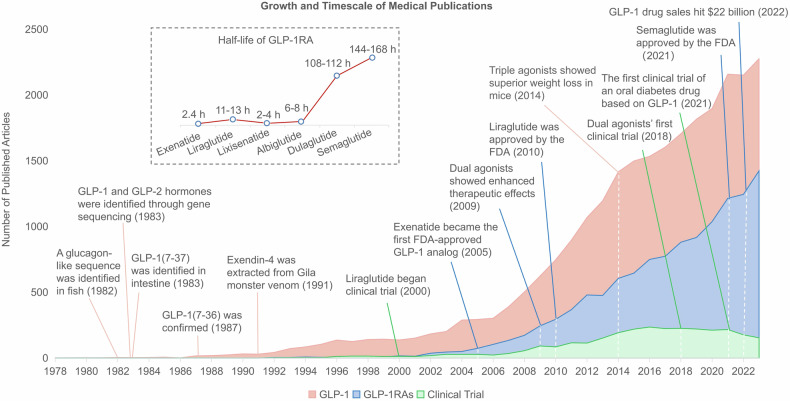
“The average half-life of lixisenatide is approximately 3–4 h.95”
§ Glucagon-like peptide-1 receptor: mechanisms and advances in therapy > GLP-1RAs > Current GLP-1RAs
What the sources say
- Disputedcites [95] Xie, P. et al. Pharmacokinetics and safety of Iglarlixi in healthy chinese participants: Results of a phase 1 randomized study. Diab Ther. 14, 1387–1397 (2023). PMC10299984 37329393 sourceExperimental — accuracy not yet measured
The Results (Pharmacokinetics, Table 2) report mean terminal half-lives of 2.16 and 2.17 h for lixisenatide in the two dose groups, not approximately 3–4 h. The paper separately reports times to peak concentration of about 2–3 h; those are not half-lives. (LLM, conf=0.90)
Checked by a reasoning model — may be wrong.
plain- Asserted: passes — The authors put it forward as true.
- Checkable: passes — It can be checked against evidence.
- Load-bearing: unclear — It is unclear whether the paper’s conclusions depend on it.
- Based: passes — The paper gives a reason why it holds.
- Disputed
At least one cited source doesn’t support this claim or points to a different paper, and none confirmed it — see the verdicts below.
In the paper
“Furthermore, GLP-1 can slow down gastric emptying by activating the vagus nerve, a part of the autonomic nervous system crucial for regulating the activities of the gastrointestinal tract.268”
§ Glucagon-like peptide-1 receptor: mechanisms and advances in therapy > Classical pathophysiological mechanisms of GLP-1 > The pathophysiological mechanism of GLP-1 in metabolic diseases
What the sources say
- Disputedcites [268] Nauck, M. A., Kemmeries, G., Holst, J. J. & Meier, J. J. Rapid tachyphylaxis of the glucagon-like peptide 1-induced deceleration of gastric emptying in humans. Diabetes 60, 1561–1565 (2011). 21430088 PMC3292331 sourceExperimental — accuracy not yet measured
The Results report that GLP-1 slowed gastric emptying, but the Discussion says it seems to do so primarily through inhibition—not activation—of the vagal nerve. The reported suppression of pancreatic polypeptide, a marker of vagal activation, is consistent with that interpretation. Page numbers are not provided in our copy. (LLM, conf=0.89)
Checked by a reasoning model — may be wrong.
plainstates a cause- Asserted: passes — The authors put it forward as true.
- Checkable: passes — It can be checked against evidence.
- Load-bearing: unclear — It is unclear whether the paper’s conclusions depend on it.
- Based: passes — The paper gives a reason why it holds.
- Disputed
At least one cited source doesn’t support this claim or points to a different paper, and none confirmed it — see the verdicts below.
In the paper
“By interacting with receptors in the hypothalamus, GLP-1 influences satiety and reduces the consumption of food in both animals and humans.262”
§ Glucagon-like peptide-1 receptor: mechanisms and advances in therapy > Classical pathophysiological mechanisms of GLP-1 > The pathophysiological mechanism of GLP-1 in metabolic diseases
What the sources say
- Disputedcites [262] Ando, H. et al. Glucagon-like peptide-1 reduces pancreatic β-cell mass through hypothalamic neural pathways in high-fat diet-induced obese rats. Sci. Rep. 7, 5578 (2017). 28717164 PMC5514038 sourceExperimental — accuracy not yet measured
The Discussion reports that chronic GLP-1 or liraglutide treatment activated hypothalamic pathways in rats but did not alter food intake or body weight. The paper therefore does not support the claimed reduction in food consumption in its animals, and it provides no human satiety or food-intake finding. (LLM, conf=0.83)
Checked by a reasoning model — may be wrong.
plainstates a cause- Asserted: passes — The authors put it forward as true.
- Checkable: passes — It can be checked against evidence.
- Load-bearing: passes — The paper’s conclusions depend on it.
- Based: passes — The paper gives a reason why it holds.
- Disputed
The cited sources support only part of this claim — read each source’s verdict below.
In the paper
“while their anti-inflammatory properties offer new hope for conditions such as osteoarthritis (OA), rheumatoid arthritis (RA) and cardiovascular diseases.13–15”
§ Glucagon-like peptide-1 receptor: mechanisms and advances in therapy > Introduction
What the sources say
- Partly supportedcites [13] Du, H., Meng, X., Yao, Y. & Xu, J. The mechanism and efficacy of GLP-1 receptor agonists in the treatment of Alzheimer’s disease. Front Endocrinol. (Lausanne) 13, 1033479 (2022). 36465634 PMC9714676 sourceExperimental — accuracy not yet measured
The “Anti-inflammatory effects” section (page not provided) reports that GLP-1 receptor agonists reduce neuroinflammation in Alzheimer’s disease models. It does not address their potential for osteoarthritis, rheumatoid arthritis, or cardiovascular diseases, so the disease-specific extension is unsupported by this source. (LLM, conf=0.87)
- Partly supportedcites [14] Reich, N. & Hölscher, C. The neuroprotective effects of glucagon-like peptide 1 in Alzheimer’s and Parkinson’s disease: An in-depth review. Front Neurosci. 16, 970925 (2022). 36117625 PMC9475012 sourceExperimental — accuracy not yet measured
The review’s “Inflammation > In vivo evidence for the anti-inflammatory effects of GLP-1 receptor agonists” section says GLP-1 analogs have potent anti-inflammatory effects, principally in brain models of Alzheimer’s and Parkinson’s disease. The passages do not extend that promise to osteoarthritis, rheumatoid arthritis, or cardiovascular disease. (LLM, conf=0.86)
- Partly supportedcites [15] Meurot, C. et al. Targeting the GLP-1/GLP-1R axis to treat osteoarthritis: A new opportunity? J. Orthop. Transl. 32, 121–129 (2022). PMC8888891 35280931 sourceExperimental — accuracy not yet measured
Our copy strongly supports the OA part: the Introduction states 'GLP-1 analogues may be good therapeutic candidates for treating OA' and the Conclusion that the anti-inflammatory/immunoregulatory properties of GLP-1 analogues 'raises the hypothesis of their potential interest to treat OA'; the Introduction > Multiple biological activities of GLP-1 also lists vascular diseases and OA among conditions where GLP-1–based therapies downregulate pro-inflammatory responses. However, the source does not extend the 'new hope'/therapeutic-opportunity framing to rheumatoid arthritis — the RA material (Introduction > GLP-1/GLP-1R functions in different knee joint tissues) is only in vitro data in fibroblast-like RA synoviocytes with lixisenatide, cited to another work [56] and used to argue GLP-1R is a whole-joint target for OA — and the cardiovascular passage is a mouse model of angiotensin II-induced hypertension [37], not a clinical prospect. So two of the three conditions in the claim are supported only as mechanistic/animal findings, not as therapeutic hope. (LLM, conf=0.72)
hedgedstates a possible cause- Asserted: passes — The authors put it forward as true.
- Checkable: passes — It can be checked against evidence.
- Load-bearing: passes — The paper’s conclusions depend on it.
- Based: passes — The paper gives a reason why it holds.
- Partly supported
The cited sources support only part of this claim — read each source’s verdict below.
In the paper
“in the treatment of Alzheimer’s diseases (AD) and Parkinson’s diseases (PD), GLP-1RAs have shown potential in slowing disease progression”
§ Glucagon-like peptide-1 receptor: mechanisms and advances in therapy > Introduction
What the sources say
- Partly supportedcites [13] Du, H., Meng, X., Yao, Y. & Xu, J. The mechanism and efficacy of GLP-1 receptor agonists in the treatment of Alzheimer’s disease. Front Endocrinol. (Lausanne) 13, 1033479 (2022). 36465634 PMC9714676 sourceExperimental — accuracy not yet measured
The ‘Application of GLP-1R agonists in AD’ section says liraglutide might reduce or delay Alzheimer’s disease progression and describes GLP-1R agonists as promising for preventing AD processes. The copy does not make the corresponding claim about slowing Parkinson’s disease progression; Parkinson’s disease appears in reference titles, not in a reported finding here. Page numbers were not available in the indexed passages. (LLM, conf=0.88)
- Supportedcites [14] Reich, N. & Hölscher, C. The neuroprotective effects of glucagon-like peptide 1 in Alzheimer’s and Parkinson’s disease: An in-depth review. Front Neurosci. 16, 970925 (2022). 36117625 PMC9475012 source
The review’s clinical-trials section reports that liraglutide reduced cognitive impairment and brain-volume loss relative to placebo in patients with mild cognitive impairment or Alzheimer’s disease. Its exenatide subsection reports that treated Parkinson’s patients did not deteriorate on motor measures while the placebo group did, with a difference persisting after treatment stopped. These findings support the cautious claim that GLP-1 receptor agonists have shown potential to slow progression in both diseases; they do not establish that the drugs are proven treatments. (LLM, conf=0.92)
- Partly supportedcites [15] Meurot, C. et al. Targeting the GLP-1/GLP-1R axis to treat osteoarthritis: A new opportunity? J. Orthop. Transl. 32, 121–129 (2022). PMC8888891 35280931 sourceExperimental — accuracy not yet measured
In the Introduction ('Multiple biological activities of GLP-1'), Meurot et al. state that the anti-neuroinflammatory activity of GLP-1 analogues has been investigated in animal models of neurodegenerative disease 'with encouraging results', and that liraglutide, lixisenatide, semaglutide and exenatide 'are being tested in clinical trials for Alzheimer's and Parkinson's diseases', with the reported patient-level effect being that they 'have improved coordination and motor activity in patients'. That supports GLP-1RAs showing potential in AD/PD, but the source nowhere attributes disease-modification or slowed progression of AD/PD to them — its human-data statement is symptomatic (coordination/motor activity), and its mechanistic statement is downregulation of pro-inflammatory responses in neurodegenerative brain disorders. The specific qualifier 'slowing disease progression' therefore goes beyond what this paper says. (LLM, conf=0.72)
hedgedstates a possible cause- Asserted: passes — The authors put it forward as true.
- Checkable: passes — It can be checked against evidence.
- Load-bearing: passes — The paper’s conclusions depend on it.
- Based: passes — The paper gives a reason why it holds.
- Partly supported
169 more claims · 103 with their cited sources checked
Create a free account to see all 328 claims and to verify the 4 references still open.
- It may state two separate claims as one. 148
- Probably not a substantial claim. 19
Claims other papers make about this one
Each is checked against this paper’s own text: does it say what the citing paper says it does?
The source backs part of the claim, not all of it — or backs it for a different population, condition or comparison.
In the citing paper
“Centrally, GLP-1 activates GLP-1 receptors located in the nucleus tractus solitarius and dorsal motor nucleus of the vagus within the brainstem, leading to inhibition of parasympathetic output and a reduction in gastric smooth muscle tone [2, 28].”
From Delayed gastric emptying induced by glucagon-like peptide-1 receptor agonists and its implications for perioperative risk during anesthesia (2026) · cites this paper as [28]
Experimental — accuracy not yet measuredThe source backs part of the claim, not all of it — or backs it for a different population, condition or comparison.
In the citing paper
“GLP-1 RAs delay gastric emptying by inhibiting gastrointestinal motility through both PNS and CNS.”
From Delayed gastric emptying induced by glucagon-like peptide-1 receptor agonists and its implications for perioperative risk during anesthesia (2026) · cites this paper as [28]
Experimental — accuracy not yet measuredThe source backs part of the claim, not all of it — or backs it for a different population, condition or comparison.
In the citing paper
“Large cardiovascular outcome trials, including LEADER (Liraglutide Effect and Action in Diabetes: Evaluation of Cardiovascular Outcome Results), and AMPLITUDE-O (Effect of Efpeglenatide on Cardiovascular Outcomes), among others, consistently show reductions in major adverse cardiovascular events, particularly myocardial infarction, stroke, and cardiovascular mortality, among patients with establis”
From Unequal Access to Evidence-Based Cardiometabolic Therapies: Racial Disparities in SGLT2 Inhibitor and GLP-1 Receptor Agonist Use Among Patients With Type 2 Diabetes and Cardiovascular Disease (2026) · cites this paper as [7]
Experimental — accuracy not yet measuredThe cited source says what the claim attributes to it.
In the citing paper
“Structural modifications of the GLP-1 molecule led to the development of GLP-1RAs with prolonged half-life, enabling sustained glycemic control and weight reduction [33,38,40]”
From Nutritional Approaches to Enhance GLP-1 Analogue Therapy in Obesity: A Narrative Review (2025) · cites this paper as [33]
The cited source says what the claim attributes to it.
In the citing paper
“Activation of GLP-1 receptors enhances glucose-dependent insulin secretion, suppresses inappropriate glucagon release, slows gastric emptying, and lowers appetite, collectively reducing glycemic load.10”
From The Triple‐Agonist Revolution: Retatrutide and the Paradigm Shift in Multi‐Hormonal Pharmacotherapy for Obesity and Cardiometabolic Comorbidities (2026) · cites this paper as [10]
2 more claims about this paper
Create a free account to see every claim other papers make about this one.
Citations
Cites
Items 201–400 of 519
Determinants of the Effectiveness of Glucagon-Like Peptide-1 in Type 2 Diabetes
Toft-Nielsen, M.-B., Madsbad, S., & Holst, J. J. (2001) · The Journal of Clinical Endocrinology & Metabolism · doi:10.1210/jcem.86.8.7743 · Cited by 164 · cited 2×
“From the discovery of the GLP-1 fragment GLP-1(7-37) to the development of more stable and long-acting GLP-1 analogs, these milestones represent signi fi cant breakthroughs in the medical fi eld.”
BackgroundThe Emerging Role of Glucagon-like Peptide-1 Receptor Agonists for the Management of NAFLD
Patel Chavez, C., Cusi, K., & Kadiyala, S. (2022) · The Journal of Clinical Endocrinology & Metabolism · doi:10.1210/clinem/dgab578 · Cited by 162
Meurot, C., Martin, C., Sudre, L., Breton, J., Bougault, C., Rattenbach, R., Bismuth, K., Jacques, C., & Berenbaum, F. (2022) · Scientific Reports · doi:10.1038/s41598-022-05323-7 · Cited by 160
Weivoda, M. M., Ruan, M., Hachfeld, C. M., Pederson, L., Howe, A., Davey, R. A., Zajac, J. D., Kobayashi, Y., Williams, B. O., Westendorf, J. J., et al. (2016) · Journal of Bone and Mineral Research · doi:10.1002/jbmr.2599 · Cited by 159
Glycemia reduction in type 2 diabetes–microvascular and cardiovascular outcomes
The GRADE Study Research Group (2022) · New England Journal of Medicine · doi:10.1056/nejmoa2200436 · Cited by 159 · cited 1×
“More “ + “ signs indicate a greater bene fi t. 89 – 92 Since then, it has also been approved for other indications, such as chronic weight management, under the brand name Saxenda.”
BackgroundEgecioglu, E., Engel, J. A., & Jerlhag, E. (2013) · PLoS ONE · doi:10.1371/journal.pone.0077284 · Cited by 158 · cited 1×
“425,426 In a murine model of AD, the administration of GLP-1RAs effectively reduced the levels of pathological markers associated with AD.”
BackgroundMolecular Mechanisms of Chondrocyte Proliferation and Differentiation
Chen, H., Tan, X.-N., Hu, S., Liu, R.-Q., Peng, L.-H., Li, Y.-M., & Wu, P. (2021) · Frontiers in Cell and Developmental Biology · doi:10.3389/fcell.2021.664168 · Cited by 158
Semaglutide reduces alcohol intake and relapse-like drinking in male and female rats
Aranäs, C., Edvardsson, C. E., Shevchouk, O. T., Zhang, Q., Witley, S., Blid Sköldheden, S., Zentveld, L., Vallöf, D., Tufvesson-Alm, M., & Jerlhag, E. (2023) · eBioMedicine · doi:10.1016/j.ebiom.2023.104642 · Cited by 158 · cited 4×
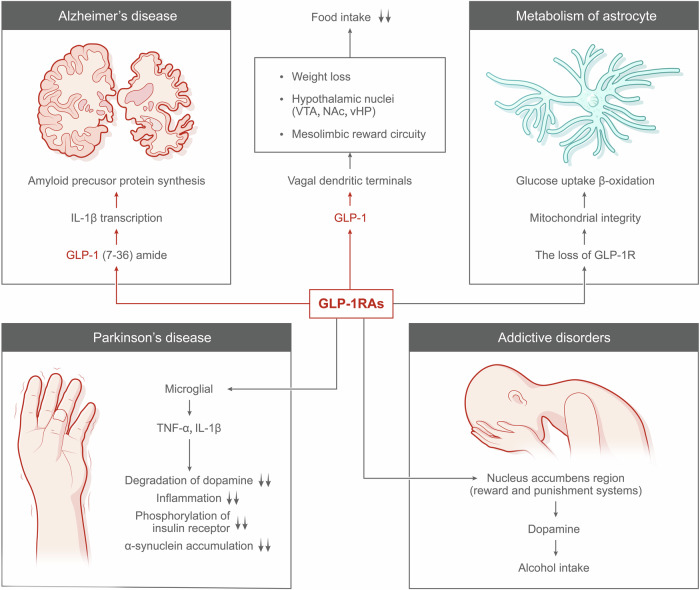
“433 It is believed that alcohol activates the brain ’ s reward and punishment system, triggering the release of dopamine, a neurotransmitter associated with pleasure and reward, both in humans and animals.”
BackgroundInfluentialCeriello, A., Novials, A., Ortega, E., La Sala, L., Pujadas, G., Testa, R., Bonfigli, A. R., Esposito, K., & Giugliano, D. (2012) · Diabetes · doi:10.2337/db12-0224 · Cited by 155
Meng, J., Ma, X., Wang, N., Jia, M., Bi, L., Wang, Y., Li, M., Zhang, H., Xue, X., Hou, Z., et al. (2016) · Stem Cell Reports · doi:10.1016/j.stemcr.2016.02.002 · Cited by 155
Mayendraraj, A., Rosenkilde, M. M., & Gasbjerg, L. S. (2022) · Peptides · doi:10.1016/j.peptides.2022.170749 · Cited by 154 · cited 1×
“127,128 Dual agonists: Dual agonists target both the GLP-1R and another speci fi c receptor.”
BackgroundThe emerging role of FOXO transcription factors in pancreatic β cells
Glauser, D. A., & Schlegel, W. (2007) · Journal of Endocrinology · doi:10.1677/joe-06-0191 · Cited by 153
Next generation GLP-1/GIP/glucagon triple agonists normalize body weight in obese mice
Knerr, P. J., Mowery, S. A., Douros, J. D., Premdjee, B., Hjøllund, K. R., He, Y., Kruse Hansen, A. M., Olsen, A. K., Perez-Tilve, D., DiMarchi, R. D., et al. (2022) · Molecular Metabolism · doi:10.1016/j.molmet.2022.101533 · Cited by 152 · cited 1×
“148 These drugs act by simultaneously targeting three different agonists GLP-1R, the GIPR, and the GCGR. 149 – 151 These receptors each have independent yet complementary roles in the treatment of diabetes and obesity.”
Backgroundvan Bloemendaal, L., Veltman, D. J., ten Kulve, J. S., Groot, P. F. C., Ruhé, H. G., Barkhof, F., Sloan, J. H., Diamant, M., & Ijzerman, R. G. (2015) · Diabetes, Obesity and Metabolism · doi:10.1111/dom.12506 · Cited by 151 · cited 1×
“265,266 When GLP-1 binds to its receptors in the hypothalamus, it activates speci fi c neurons, including those that promote satiety (POMC/CART neurons) and inhibits those that induce hunger (NPY/AgRP neurons), thereby enhancing the feeling of fullness and reducing food intake.”
BackgroundSharma, M. K., Jalewa, J., & Hölscher, C. (2014) · Journal of Neurochemistry · doi:10.1111/jnc.12469 · Cited by 151
Tannin Degradation by a Novel Tannase Enzyme Present in Some Lactobacillus plantarum Strains
Jiménez, N., Esteban-Torres, M., Mancheño, J. M., de las Rivas, B., & Muñoz, R. (2014) · Applied and Environmental Microbiology · doi:10.1128/aem.00324-14 · Cited by 149 · cited 1×
“454 By reducing MMP expression, GLP-1R stimulation may help preserve the integrity of fi brous caps and mitigate the risk of plaque rupture.”
BackgroundWilson, J. M., Lin, Y., Luo, M. J., Considine, G., Cox, A. L., Bowsman, L. M., Robins, D. A., Haupt, A., Duffin, K. L., & Ruotolo, G. (2022) · Diabetes Obesity and Metabolism · doi:10.1111/dom.14553 · Cited by 149 · cited 3×
“141,142 The Phase III clinical trials of tirzepatide were conducted in 77 research centers across seven countries, including the United States, Brazil, and Japan.”
BackgroundZhao, F., Zhou, Q., Cong, Z., Hang, K., Zou, X., Zhang, C., Chen, Y., Dai, A., Liang, A., Ming, Q., et al. (2022) · Nature Communications · doi:10.1038/s41467-022-28683-0 · Cited by 149 · cited 1×
“126 The design concept of these multi-agonists is to simultaneously regulate multiple key metabolic pathways to achieve more effective control over blood sugar, body weight, and overall metabolic health.”
BackgroundSelf-citationSaxena, A. R., Frias, J. P., Brown, L. S., Gorman, D. N., Vasas, S., Tsamandouras, N., & Birnbaum, M. J. (2023) · JAMA Network Open · doi:10.1001/jamanetworkopen.2023.14493 · Cited by 149
Anti-Inflammatory Effects of GLP-1 Receptor Activation in the Brain in Neurodegenerative Diseases
Diz-Chaves, Y., Mastoor, Z., Spuch, C., González-Matías, L. C., & Mallo, F. (2022) · International Journal of Molecular Sciences · doi:10.3390/ijms23179583 · Cited by 148
Liraglutide and obesity: a review of the data so far
Ladenheim, E. (2015) · Drug Design, Development and Therapy · doi:10.2147/dddt.s58459 · Cited by 146 · cited 1×
“,83 In addition to lowering blood sugar levels, liraglutide helps to reduce body weight by suppressing appetite and reducing energy CV cardiovascular, GI gastrointestinal, RE extended-release, SC subcutaneous administration The “ + “ and “ − “ symbols indicate the ef fi cacy pro fi le or adverse…”
BackgroundSyed, Y. Y. (2022) · Drugs · doi:10.1007/s40265-022-01746-8 · Cited by 144
Semaglutide and Cardiovascular Outcomes in Patients with Type 2 Diabetes
(2017) · New England Journal of Medicine · doi:10.1056/nejmc1615712 · Cited by 144
Cardiovascular effects of Glucagon-like peptide 1 (GLP-1) receptor agonists
Saraiva, F. K., & Sposito, A. C. (2014) · Cardiovascular Diabetology · doi:10.1186/s12933-014-0142-7 · Cited by 143 · cited 2×
“43,192,440,441 GLP-1RAs and AS .”
BackgroundGreff, D., Juhász, A. E., Váncsa, S., Váradi, A., Sipos, Z., Szinte, J., Park, S., Hegyi, P., Nyirády, P., Ács, N., et al. (2023) · Reproductive Biology and Endocrinology · doi:10.1186/s12958-023-01055-z · Cited by 143 · cited 1×
“393 As a result, GLP-1RAs could mitigate the detrimental effects of hyperlipidemia-induced skeletal defects, leading to an improved prognosis in individuals with OA.”
BackgroundPosttranslational regulation of Akt in human cancer
Chan, C.-H., Jo, U., Kohrman, A., Rezaeian, A. H., Chou, P.-C., Logothetis, C., & Lin, H.-K. (2014) · Cell & Bioscience · doi:10.1186/2045-3701-4-59 · Cited by 140 · cited 1×
“199 204 Moreover, Akt can activate mTORC1, further promoting cell growth and protein synthesis.”
BackgroundNutritional modulation of endogenous glucagon-like peptide-1 secretion: a review
Bodnaruc, A. M., Prud’homme, D., Blanchet, R., & Giroux, I. (2016) · Nutrition & Metabolism · doi:10.1186/s12986-016-0153-3 · Cited by 139 · cited 1×
“212,213,390 Within this axis, GLP-1 functions by acting on both the gut and the brain.”
BackgroundJiang, L., Lin, J., Zhao, S., Wu, J., Jin, Y., Li, Y., Wu, N., Wu, Z., Wang, Y., & Lin, M. (2021) · Frontiers in Molecular Biosciences · doi:10.3389/fmolb.2021.703110 · Cited by 139
Zhao, D. F., Kwon, S., Chun, Y. S., Gu, M., & Yang, H. O. (2016) · Neurochemical Research · doi:10.1007/s11064-016-2123-6 · Cited by 138
Nikolaidis, L. A., Doverspike, A., Hentosz, T., Zourelias, L., Shen, Y.-T., Elahi, D., & Shannon, R. P. (2005) · The Journal of Pharmacology and Experimental Therapeutics · doi:10.1124/jpet.104.073890 · Cited by 137
Kim, J.-Y., Lee, S.-K., Jo, K.-J., Song, D.-Y., Lim, D.-M., Park, K.-Y., Bonewald, L. F., & Kim, B.-J. (2013) · Life Sciences · doi:10.1016/j.lfs.2013.01.001 · Cited by 137
Younce, C. W., Burmeister, M. A., & Ayala, J. E. (2013) · American Journal of Physiology-Cell Physiology · doi:10.1152/ajpcell.00248.2012 · Cited by 134 · cited 1×
“462 Inhibition of the NF-κ B signaling pathway leads to the decreased production of in fl am-matory mediators, including adhesion molecules and chemokines, which are crucial for the recruitment of immune cells to sites of in fl ammation.”
BackgroundFaillie, J.-L., Yu, O. H., Yin, H., Hillaire-Buys, D., Barkun, A., & Azoulay, L. (2016) · JAMA Internal Medicine · doi:10.1001/jamainternmed.2016.1531 · Cited by 134 · cited 1×
“69 In addition to its use in diabetes management, GLP-1RA has also shown potential in other areas of research.”
BackgroundAstrocytes Regulate GLP-1 Receptor-Mediated Effects on Energy Balance
Reiner, D. J., Mietlicki-Baase, E. G., McGrath, L. E., Zimmer, D. J., Bence, K. K., Sousa, G. L., Konanur, V. R., Krawczyk, J., Burk, D. H., Kanoski, S. E., et al. (2016) · The Journal of Neuroscience · doi:10.1523/jneurosci.3579-15.2016 · Cited by 133 · cited 1×
“405 This suggests that signaling through GLP-1R in astrocytes is crucial for maintaining the metabolic stability and functionality of the cells.”
BackgroundTargeting Metabolism, Insulin Resistance, and Diabetes to Treat Nonalcoholic Steatohepatitis
Finck, B. N. (2018) · Diabetes · doi:10.2337/dbi18-0024 · Cited by 133
Park, T., Chen, H., Kevala, K., Lee, J.-W., & Kim, H.-Y. (2016) · Journal of Neuroinflammation · doi:10.1186/s12974-016-0751-z · Cited by 131
Glucagon-Like Peptide-1: New Regulator in Lipid Metabolism
Bu, T., Sun, Z., Pan, Y., Deng, X., & Yuan, G. (2024) · Diabetes & Metabolism Journal · doi:10.4093/dmj.2023.0277 · Cited by 131
Is GLP‐1 a hormone: Whether and When?
D'Alessio, D. (2016) · Journal of Diabetes Investigation · doi:10.1111/jdi.12466 · Cited by 130 · cited 1×
“29 GLP-1, an endocrine hormone, is secreted by enteroendocrine L-cells located in the distal jejunum, ileum, and colon in response to nutrient ingestion and neuroendocrine stimulation.”
BackgroundChen, J., Xie, J.-J., Shi, K.-S., Gu, Y.-T., Wu, C.-C., Xuan, J., Ren, Y., Chen, L., Wu, Y.-S., Zhang, X.-L., et al. (2018) · Cell Death & Disease · doi:10.1038/s41419-017-0217-y · Cited by 130
Ramracheya, R., Chapman, C., Chibalina, M., Dou, H., Miranda, C., González, A., Moritoh, Y., Shigeto, M., Zhang, Q., Braun, M., et al. (2018) · Physiological Reports · doi:10.14814/phy2.13852 · Cited by 128
Frailty and Risk of Fractures in Patients With Type 2 Diabetes
Li, G., Prior, J. C., Leslie, W. D., Thabane, L., Papaioannou, A., Josse, R. G., Kaiser, S. M., Kovacs, C. S., Anastassiades, T., Towheed, T., et al. (2019) · Diabetes Care · doi:10.2337/dc18-1965 · Cited by 127
Pamir, N., Lynn, F. C., Buchan, A. M. J., Ehses, J., Hinke, S. A., Pospisilik, J. A., Miyawaki, K., Yamada, Y., Seino, Y., McIntosh, C. H. S., et al. (2003) · American Journal of Physiology-Endocrinology and Metabolism · doi:10.1152/ajpendo.00270.2002 · Cited by 126 · cited 1×
“221,222 Activation of Akt stimulates β -cell proliferation, reduces apoptosis, and enhances insulin secretion by regulating downstream effector molecules like Forkhead box protein O1 (FoxO1) and the glucose transporter type 2 (GLUT2).”
BackgroundBenefits of weight loss of 10% or more in patients with overweight or obesity: A review
Tahrani, A. A., & Morton, J. (2022) · Obesity · doi:10.1002/oby.23371 · Cited by 125
The mechanism and efficacy of GLP-1 receptor agonists in the treatment of Alzheimer’s disease
Du, H., Meng, X., Yao, Y., & Xu, J. (2022) · Frontiers in Endocrinology · doi:10.3389/fendo.2022.1033479 · Cited by 125
Fisman, E. Z., & Tenenbaum, A. (2021) · Cardiovascular Diabetology · doi:10.1186/s12933-021-01412-5 · Cited by 124
Marzook, A., Tomas, A., & Jones, B. (2021) · Frontiers in Endocrinology · doi:10.3389/fendo.2021.678055 · Cited by 121
Targher, G., Mantovani, A., & Byrne, C. D. (2023) · The Lancet Gastroenterology & Hepatology · doi:10.1016/s2468-1253(22)00338-7 · Cited by 121 · cited 1×
“3,507 508 – 511 Additionally, GLP-1 mitigates liver in fl ammation and fi brosis by inhibiting the NF-κ B pathway, reducing the release of pro-in fl ammatory cytokines such as TNF-α and IL-6, and thus suppressing in fl ammatory pathways.”
BackgroundMiki, T., Minami, K., Shinozaki, H., Matsumura, K., Saraya, A., Ikeda, H., Yamada, Y., Holst, J. J., & Seino, S. (2005) · Diabetes · doi:10.2337/diabetes.54.4.1056 · Cited by 120 · cited 1×
“3,130,219 GLP-1 also activates PKA and EPAC through a cAMP-dependent pathway.”
Backgroundvan Dam, E. M., Govers, R., & James, D. E. (2005) · Molecular Endocrinology · doi:10.1210/me.2004-0413 · Cited by 120
GLP-1 receptor agonist as a modulator of innate immunity
Chen, J., Mei, A., Wei, Y., Li, C., Qian, H., Min, X., Yang, H., Dong, L., Rao, X., & Zhong, J. (2022) · Frontiers in Immunology · doi:10.3389/fimmu.2022.997578 · Cited by 120
Yang, Z., Lv, Y., Yu, M., Mei, M., Xiang, L., Zhao, S., & Li, R. (2022) · Frontiers in Pharmacology · doi:10.3389/fphar.2022.925377 · Cited by 120
GLP-1 and GLP-2 Orchestrate Intestine Integrity, Gut Microbiota, and Immune System Crosstalk
Abdalqadir, N., & Adeli, K. (2022) · Microorganisms · doi:10.3390/microorganisms10102061 · Cited by 119 · cited 1×
“307,413 In terms of apoptosis inhibition, GLP-1 activates the PI3K/Akt signaling pathway, enhances the expression of the anti-apoptotic protein Bcl-2, and inhibits the activation of caspase family proteins, reducing cell apoptosis.”
BackgroundTirzepatide: A Systematic Update
Forzano, I., Varzideh, F., Avvisato, R., Jankauskas, S. S., Mone, P., & Santulli, G. (2022) · International Journal of Molecular Sciences · doi:10.3390/ijms232314631 · Cited by 118
Walkowski, B., Kleibert, M., Majka, M., & Wojciechowska, M. (2022) · Cells · doi:10.3390/cells11091553 · Cited by 117 · cited 1×
“437,438 This involves modulating the cell apoptosis process, for example, by decreasing the Bax/Bcl-2 ratio in cardiomyocytes, reducing cytochrome C release, and caspase activation.”
BackgroundAldawsari, M., Almadani, F. A., Almuhammadi, N., Algabsani, S., Alamro, Y., & Aldhwayan, M. (2023) · Diabetes, Metabolic Syndrome and Obesity · doi:10.2147/dmso.s387116 · Cited by 115
The Pathogenesis of Alzheimer′s Disease: A Reevaluation of the “Amyloid Cascade Hypothesis”
Armstrong, R. A. (2011) · International Journal of Alzheimer’s Disease · doi:10.4061/2011/630865 · Cited by 113 · cited 1×
“424 In AD, GLP-1(7-36) amide inhibits IL-1 β transcription and prevents cognitive dysfunction, amyloid precursor protein synthesis, and cell death.”
BackgroundGlucagon-Like Peptide 1 Increases β-Cell Regeneration by Promoting α- to β-Cell Transdifferentiation
Lee, Y.-S., Lee, C., Choung, J.-S., Jung, H.-S., & Jun, H.-S. (2018) · Diabetes · doi:10.2337/db18-0155 · Cited by 113 · cited 1×
“132,216,217 As a vital incretin hormone, GLP-1 enhances glucose-dependent insulin secretion.”
BackgroundGuo, C., Huang, T., Chen, A., Chen, X., Wang, L., Shen, F., & Gu, X. (2016) · Brazilian Journal of Medical and Biological Research · doi:10.1590/1414-431x20165826 · Cited by 112
Liu, N., Wang, Y., Li, T., & Feng, X. (2021) · International Journal of Molecular Sciences · doi:10.3390/ijms22105260 · Cited by 112
McIntyre, R. S., Powell, A. M., Kaidanovich-Beilin, O., Soczynska, J. K., Alsuwaidan, M., Woldeyohannes, H. O., Kim, A. S., & Gallaugher, L. A. (2013) · Behavioural Brain Research · doi:10.1016/j.bbr.2012.09.021 · Cited by 110
Nogueira, J. P., & Cusi, K. (2024) · Diabetes Spectrum · doi:10.2337/dsi23-0013 · Cited by 110
Takahashi, I., Matsuzaki, T., Kuroki, H., & Hoso, M. (2018) · PLOS ONE · doi:10.1371/journal.pone.0196625 · Cited by 110
Wang, X.-C. (2014) · World Journal of Gastroenterology · doi:10.3748/wjg.v20.i40.14821 · Cited by 109
Parkes, D. G., Mace, K. F., & Trautmann, M. E. (2013) · Expert Opinion on Drug Discovery · doi:10.1517/17460441.2013.741580 · Cited by 108
G Protein–Coupled Receptors Targeting Insulin Resistance, Obesity, and Type 2 Diabetes Mellitus
Riddy, D. M., Delerive, P., Summers, R. J., Sexton, P. M., & Langmead, C. J. (2018) · Pharmacological Reviews · doi:10.1124/pr.117.014373 · Cited by 108 · cited 1×
“148 These drugs act by simultaneously targeting three different agonists GLP-1R, the GIPR, and the GCGR. 149 – 151 These receptors each have independent yet complementary roles in the treatment of diabetes and obesity.”
BackgroundCai, H.-Y., Yang, J.-T., Wang, Z.-J., Zhang, J., Yang, W., Wu, M.-N., & Qi, J.-S. (2018) · Biochemical and Biophysical Research Communications · doi:10.1016/j.bbrc.2017.11.114 · Cited by 108
Fang, Y., Ji, L., Zhu, C., Xiao, Y., Zhang, J., Lu, J., Yin, J., & Wei, L. (2020) · Frontiers in Cell and Developmental Biology · doi:10.3389/fcell.2020.602574 · Cited by 108
Protective role of IGF-1 and GLP-1 signaling activation in neurological dysfunctions
Bhalla, S., Mehan, S., Khan, A., & Rehman, M. U. (2022) · Neuroscience & Biobehavioral Reviews · doi:10.1016/j.neubiorev.2022.104896 · Cited by 108
Monami, M., Dicembrini, I., Nardini, C., Fiordelli, I., & Mannucci, E. (2014) · Diabetes Research and Clinical Practice · doi:10.1016/j.diabres.2014.01.010 · Cited by 106 · cited 1×
“72 – 74 Rare but serious side effects may include pancreatitis and allergic reactions.”
BackgroundGLP1R Attenuates Sympathetic Response to High Glucose via Carotid Body Inhibition
Pauza, A. G., Thakkar, P., Tasic, T., Felippe, I., Bishop, P., Greenwood, M. P., Rysevaite-Kyguoliene, K., Ast, J., Broichhagen, J., Hodson, D. J., et al. (2022) · Circulation Research · doi:10.1161/circresaha.121.319874 · Cited by 106 · cited 4×
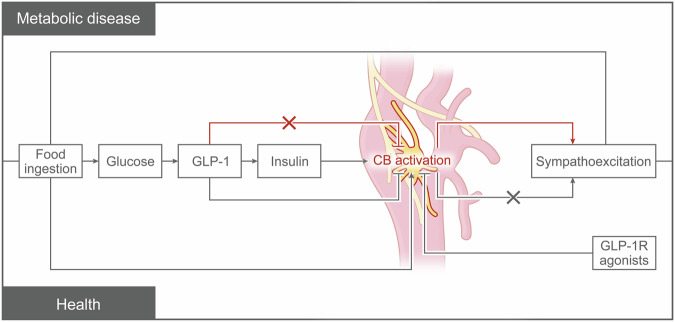
“465 This modulatory effect holds promise for ameliorating sympathetic activity in individuals with hypertension, as these agents lower blood pressure levels.”
BackgroundInfluentialExenatide: pharmacokinetics, clinical use, and future directions
Knop, F. K., Brønden, A., & Vilsbøll, T. (2017) · Expert Opinion on Pharmacotherapy · doi:10.1080/14656566.2017.1282463 · Cited by 105 · cited 1×
“76 Exenatide is composed of 39 amino acids and shares 53% sequence identity to human GLP-1.”
BackgroundGLP-1 receptor agonists: A clinical perspective on cardiovascular effects
Mundil, D., Cameron-Vendrig, A., & Husain, M. (2012) · Diabetes and Vascular Disease Research · doi:10.1177/1479164112441526 · Cited by 104 · cited 1×
“5,19 Like any medication, GLP-1RAs may have side effects, including nausea, vomiting, diarrhea, and injection site reactions.”
BackgroundZhang, Y., Parajuli, K. R., Fava, G. E., Gupta, R., Xu, W., Nguyen, L. U., Zakaria, A. F., Fonseca, V. A., Wang, H., Mauvais-Jarvis, F., et al. (2019) · Diabetes · doi:10.2337/db18-0317 · Cited by 104 · cited 5×
“131,225 GLP-1 ’ s action on α -cells regulates glucagon release.”
BackgroundInfluentialSemaglutide: First Global Approval
Dhillon, S. (2018) · Drugs · doi:10.1007/s40265-018-0871-0 · Cited by 104
Andreozzi, F., Raciti, G. A., Nigro, C., Mannino, G. C., Procopio, T., Davalli, A. M., Beguinot, F., Sesti, G., Miele, C., & Folli, F. (2016) · Journal of Translational Medicine · doi:10.1186/s12967-016-0985-7 · Cited by 102
Exposure-response analyses of liraglutide 3.0 mg for weight management
Wilding, J. P. H., Overgaard, R. V., Jacobsen, L. V., Jensen, C. B., & le Roux, C. W. (2016) · Diabetes, Obesity and Metabolism · doi:10.1111/dom.12639 · Cited by 102
Gut hormone co-agonists for the treatment of obesity: from bench to bedside
Nogueiras, R., Nauck, M. A., & Tschöp, M. H. (2023) · Nature Metabolism · doi:10.1038/s42255-023-00812-z · Cited by 102 · cited 2×
“135 Tirzepatide is developed by Eli Lilly and has proven to provide superior blood sugar control and signi fi cant weight loss, making it particularly valuable in the treatment of T2DM.”
BackgroundThe role of somatostatin in GLP-1-induced inhibition of glucagon secretion in mice
Ørgaard, A., & Holst, J. J. (2017) · Diabetologia · doi:10.1007/s00125-017-4315-2 · Cited by 101 · cited 1×
“248,251,252 This mechanism is particularly evident in the use of GLP-1-based drugs, such as GLP-1RAs, in the treatment of T2DM.”
BackgroundGLP-1 regulates exercise endurance and skeletal muscle remodeling via GLP-1R/AMPK pathway
Wu, L., Zhou, M., Li, T., Dong, N., Yi, L., Zhang, Q., & Mi, M. (2022) · Biochimica et Biophysica Acta (BBA) - Molecular Cell Research · doi:10.1016/j.bbamcr.2022.119300 · Cited by 101
Wang, X. H., Li, L., Hölscher, C., Pan, Y. F., Chen, X. R., & Qi, J. S. (2010) · Neuroscience · doi:10.1016/j.neuroscience.2010.08.028 · Cited by 99
Kelly, A. S., Bergenstal, R. M., Gonzalez-Campoy, J., Katz, H., & Bank, A. J. (2012) · Cardiovascular Diabetology · doi:10.1186/1475-2840-11-64 · Cited by 98
Singh, I., Wang, L., Xia, B., Liu, J., Tahiri, A., El Ouaamari, A., Wheeler, M. B., & Pang, Z. P. (2022) · Cell & Bioscience · doi:10.1186/s13578-022-00914-3 · Cited by 98 · cited 1×
“176,210,211 These effects involve interactions with other satiety and hunger signals, such as PYY, CCK, insulin, and leptin.”
BackgroundGLP-1 and exendin-4 can reverse hyperlipidic-related osteopenia
Nuche-Berenguer, B., Lozano, D., Gutiérrez-Rojas, I., Moreno, P., Mariñoso, M. L., Esbrit, P., & Villanueva-Peñacarrillo, M. L. (2011) · Journal of Endocrinology · doi:10.1530/joe-11-0015 · Cited by 96
Ayala, J. E., Bracy, D. P., James, F. D., Burmeister, M. A., Wasserman, D. H., & Drucker, D. J. (2010) · Endocrinology · doi:10.1210/en.2010-0289 · Cited by 95
Osteometabolism: Metabolic Alterations in Bone Pathologies
Srivastava, R. K., Sapra, L., & Mishra, P. K. (2022) · Cells · doi:10.3390/cells11233943 · Cited by 95
Mechanisms underlying the rapid degradation and elimination of the incretin hormones GLP-1 and GIP
Mentlein, R. (2009) · Best Practice & Research Clinical Endocrinology & Metabolism · doi:10.1016/j.beem.2009.03.005 · Cited by 94 · cited 1×
“36”
Targeting the GLP-1/GLP-1R axis to treat osteoarthritis: A new opportunity?
Meurot, C., Jacques, C., Martin, C., Sudre, L., Breton, J., Rattenbach, R., Bismuth, K., & Berenbaum, F. (2022) · Journal of Orthopaedic Translation · doi:10.1016/j.jot.2022.02.001 · Cited by 94
Xie, Z., Yang, S., Deng, W., Li, J., & Chen, J. (2022) · Clinical Epidemiology · doi:10.2147/clep.s391819 · Cited by 93 · cited 1×
“More “ + “ signs indicate a greater bene fi t. 89 – 92 Since then, it has also been approved for other indications, such as chronic weight management, under the brand name Saxenda.”
BackgroundWu, X., Li, S., Xue, P., & Li, Y. (2017) · Experimental Cell Research · doi:10.1016/j.yexcr.2017.09.018 · Cited by 92
Que, Q., Guo, X., Zhan, L., Chen, S., Zhang, Z., Ni, X., Ye, B., & Wan, S. (2019) · Journal of Inflammation · doi:10.1186/s12950-019-0218-y · Cited by 90
Dynamics of GLP-1R peptide agonist engagement are correlated with kinetics of G protein activation
Deganutti, G., Liang, Y.-L., Zhang, X., Khoshouei, M., Clydesdale, L., Belousoff, M. J., Venugopal, H., Truong, T. T., Glukhova, A., Keller, A. N., et al. (2022) · Nature Communications · doi:10.1038/s41467-021-27760-0 · Cited by 90 · cited 1×
“194,195 The activated PI3K catalyzes the conversion of membrane phospholipid Phosphatidylinositol-4,5-bispho-sphate (PIP2) into Phosphatidylinositol-3,4,5-trisphosphate (PIP3).”
BackgroundMeier, J. J., Weyhe, D., Michaely, M., Senkal, M., Zumtobel, V., Nauck, M. A., Holst, J. J., Schmidt, W. E., & Gallwitz, B. (2004) · Critical Care Medicine · doi:10.1097/01.ccm.0000114811.60629.b5 · Cited by 89 · cited 1×
“7,50 ,51 As researchers dive deeper into their multifaceted properties, these medications exhibit the potential to offer therapeutic bene fi ts across a spectrum of diseases in human populations.”
BackgroundZhao, H., Wang, L., Wei, R., Xiu, D., Tao, M., Ke, J., Liu, Y., Yang, J., & Hong, T. (2014) · Diabetes, Obesity and Metabolism · doi:10.1111/dom.12291 · Cited by 88
GLP-1 Improves Adipocyte Insulin Sensitivity Following Induction of Endoplasmic Reticulum Stress
Jiang, Y., Wang, Z., Ma, B., Fan, L., Yi, N., Lu, B., Wang, Q., & Liu, R. (2018) · Frontiers in Pharmacology · doi:10.3389/fphar.2018.01168 · Cited by 88 · cited 1×
“198,205,206 209 And GLP-1 ’ s action in the brain reduces appetite and may in fl uence energy expenditure.”
BackgroundGLP‐1 signals via ERK in peripheral nerve and prevents nerve dysfunction in diabetic mice
Jolivalt, C. G., Fineman, M., Deacon, C. F., Carr, R. D., & Calcutt, N. A. (2011) · Diabetes, Obesity and Metabolism · doi:10.1111/j.1463-1326.2011.01431.x · Cited by 87 · cited 1×
“400 Researchers have discovered that GLP-1RAs exhibit a noticeable increase in the level of phosphorylated ERK1/2 within the sciatic nerve of diabetic rats.”
BackgroundHayes, M. R., Kanoski, S. E., De Jonghe, B. C., Leichner, T. M., Alhadeff, A. L., Fortin, S. M., Arnold, M., Langhans, W., & Grill, H. J. (2011) · American Journal of Physiology-Regulatory, Integrative and Comparative Physiology · doi:10.1152/ajpregu.00356.2011 · Cited by 86
Semaglutide and cancer: A systematic review and meta-analysis
Nagendra, L., BG, H., Sharma, M., & Dutta, D. (2023) · Diabetes & Metabolic Syndrome: Clinical Research & Reviews · doi:10.1016/j.dsx.2023.102834 · Cited by 86
Osteoarthritis: Aging of Matrix and Cells - Going for a Remedy
Aigner, T., Haag, J., Martin, J., & Buckwalter, J. (2007) · Current Drug Targets · doi:10.2174/138945007779940070 · Cited by 85
Portha, B., Tourrel-Cuzin, C., & Movassat, J. (2011) · Experimental Diabetes Research · doi:10.1155/2011/376509 · Cited by 85
Lixisenatide, a novel GLP-1 receptor agonist for the treatment of type 2 diabetes mellitus.
Christensen, M., Knop, F. K., Holst, J. J., & Vilsbøll, T. (2009) · PubMed · Cited by 84
Immunoassays for the incretin hormones GIP and GLP-1
Deacon, C. F., & Holst, J. J. (2009) · Best Practice & Research Clinical Endocrinology & Metabolism · doi:10.1016/j.beem.2009.03.006 · Cited by 83 · cited 1×
“30,31 GLP-1 is an incretin hormone that plays a pivotal role in the meticulous control of human blood glucose levels.”
Chang, Y., Chan, M., Yang, Y., Li, C., & Hsiao, M. (2023) · Cancer Letters · doi:10.1016/j.canlet.2023.216179 · Cited by 83
Protective effect of brain-derived neurotrophic factor on pancreatic islets in obese diabetic mice
Yamanaka, M., Itakura, Y., Inoue, T., Tsuchida, A., Nakagawa, T., Noguchi, H., & Taiji, M. (2006) · Metabolism · doi:10.1016/j.metabol.2006.04.017 · Cited by 82 · cited 1×
“262,263 266 The hypothalamus contains various neurons that respond to different nutritional signals and hormones, like GLP-1, to regulate food intake.”
BackgroundSatiety: a gut–brain–relationship
Barakat, G. M., Ramadan, W., Assi, G., & Khoury, N. B. E. (2024) · The Journal of Physiological Sciences · doi:10.1186/s12576-024-00904-9 · Cited by 82 · cited 2×
“212,213,390 Within this axis, GLP-1 functions by acting on both the gut and the brain.”
BackgroundExposure to omega-3 fatty acids at early age accelerate bone growth and improve bone quality
Koren, N., Simsa-Maziel, S., Shahar, R., Schwartz, B., & Monsonego-Ornan, E. (2014) · The Journal of Nutritional Biochemistry · doi:10.1016/j.jnutbio.2014.01.012 · Cited by 81
Kořínková, L., Pražienková, V., Černá, L., Karnošová, A., Železná, B., Kuneš, J., & Maletínská, L. (2020) · Frontiers in Endocrinology · doi:10.3389/fendo.2020.597583 · Cited by 81
Kaihara, K. A., Dickson, L. M., Jacobson, D. A., Tamarina, N., Roe, M. W., Philipson, L. H., & Wicksteed, B. (2013) · Diabetes · doi:10.2337/db12-1013 · Cited by 80
AMPK Signaling in Energy Control, Cartilage Biology, and Osteoarthritis
Yi, D., Yu, H., Lu, K., Ruan, C., Ding, C., Tong, L., Zhao, X., & Chen, D. (2021) · Frontiers in Cell and Developmental Biology · doi:10.3389/fcell.2021.696602 · Cited by 80 · cited 1×
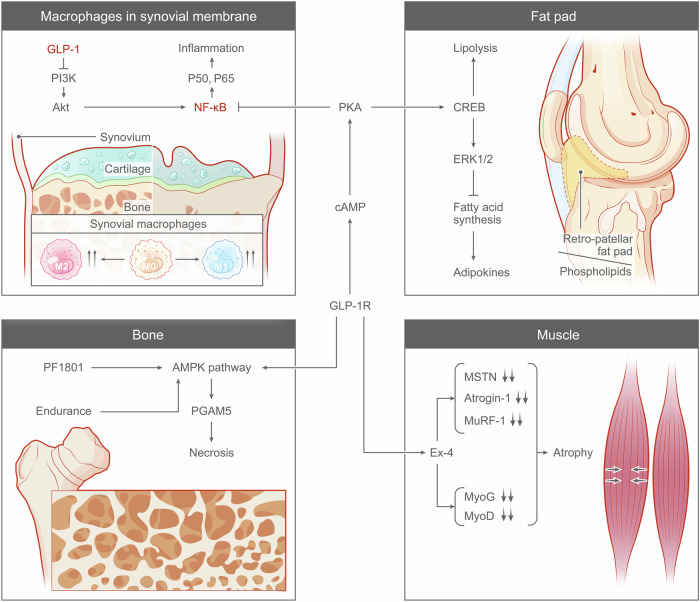
“383,384 385 – 387 Thus, by inhibiting PGAM5, AMPK suppresses necrosis, reduces ROS accumulation, and mitigates oxidative stress.”
BackgroundLi, J., Sun, X., Yang, N., Ni, J., Xie, H., Guo, H., Wang, X., Zhou, L., Liu, J., Chen, S., et al. (2023) · Kidney International · doi:10.1016/j.kint.2022.08.022 · Cited by 80
Autophagy in the Regulation of Tissue Differentiation and Homeostasis
Perrotta, C., Cattaneo, M. G., Molteni, R., & Palma, C. D. (2020) · Frontiers in Cell and Developmental Biology · doi:10.3389/fcell.2020.602901 · Cited by 79
Pechenov, S., Revell, J., Will, S., Naylor, J., Tyagi, P., Patel, C., Liang, L., Tseng, L., Huang, Y., Rosenbaum, A. I., et al. (2021) · Scientific Reports · doi:10.1038/s41598-021-01750-0 · Cited by 77 · cited 1×
“58,59 Overall, the future research direction of GLP-1RAs involves making them more similar to those in the human body, extending their duration of action, and creating oral formulations for easier administration.”
BackgroundRevelations About Carotid Body Function Through its Pathological Role in Resistant Hypertension
Paton, J. F. R., Ratcliffe, L., Hering, D., Wolf, J., Sobotka, P. A., & Narkiewicz, K. (2013) · Current Hypertension Reports · doi:10.1007/s11906-013-0366-z · Cited by 76 · cited 1×
“466 One study proposed a novel mechanism wherein postprandial GLP-1 release, under normal physiological conditions, inhibits the activity of chemosensory cells in the carotid body, thereby counteracting sympathetic excitability mediated by elevated blood glucose or insulin levels.”
BackgroundDulaglutide: First Global Approval
Sanford, M. (2014) · Drugs · doi:10.1007/s40265-014-0320-7 · Cited by 76
Natali, A., Nesti, L., Tricò, D., & Ferrannini, E. (2021) · Cardiovascular Diabetology · doi:10.1186/s12933-021-01385-5 · Cited by 76 · cited 1×
“475,480,481 The encouraging results obtained with semaglutide in patients with heart failure and a preserved ejection fraction may provide a new option for this patient population, in which additional therapy, as well as another upstream therapy for patients with a higher BMI who have indications…”
BackgroundEleven Amino Acid Glucagon-like Peptide-1 Receptor Agonists with Antidiabetic Activity
Mapelli, C., Natarajan, S. I., Meyer, J.-P., Bastos, M. M., Bernatowicz, M. S., Lee, V. G., Pluscec, J., Riexinger, D. J., Sieber-McMaster, E. S., Constantine, K. L., et al. (2009) · Journal of Medicinal Chemistry · doi:10.1021/jm900752a · Cited by 74 · cited 1×
“54,55 By doing so, the resulting product has a higher similarity or homology to the amino acid sequence of human GLP-1.”
BackgroundThe Role of GLP-1 in Neuronal Activity and Neurodegeneration
Hölscher, C. (2010) · Vitamins & Hormones · doi:10.1016/b978-0-12-381517-0.00013-8 · Cited by 74 · cited 1×
“425,426 In a murine model of AD, the administration of GLP-1RAs effectively reduced the levels of pathological markers associated with AD.”
BackgroundLamari, Y., Boissard, C., Moukhtar, M. S., Jullienne, A., Rosselin, G., & Garel, J.-M. (1996) · FEBS Letters · doi:10.1016/0014-5793(96)00895-2 · Cited by 73 · cited 2×
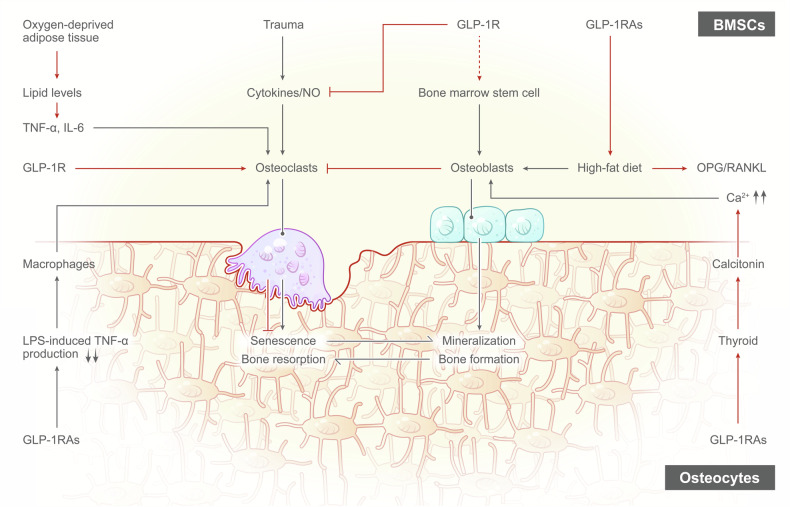
“369,370 Later, quantitative real-time PCR analysis demonstrated that the administration of exendin-4, a GLP-1RA, resulted in signi fi cant upregulation of thyroid calcitonin mRNA levels in wild-type mice.”
BackgroundVergès, B., Aboyans, V., Angoulvant, D., Boutouyrie, P., Cariou, B., Hyafil, F., Mohammedi, K., & Amarenco, P. (2022) · Cardiovascular Diabetology · doi:10.1186/s12933-022-01686-3 · Cited by 72
Sica, G. L., Zhu, G., Tamada, K., Liu, D., Ni, J., & Chen, L. (2001) · Blood · doi:10.1182/blood.v97.9.2702 · Cited by 71
How glucagon-like peptide 1 receptor agonists work
Andreasen, C. R., Andersen, A., Knop, F. K., & Vilsbøll, T. (2021) · Endocrine Connections · doi:10.1530/ec-21-0130 · Cited by 71 · cited 1×
“3,4 10 These mechanisms make GLP-1RAs powerful tools for controlling blood glucose and improving metabolic syndrome.”
BackgroundThe incretins: a link between nutrients and well-being
Burcelin, R. (2005) · British Journal of Nutrition · doi:10.1079/bjn20041340 · Cited by 70 · cited 1×
“488 – 490 In the pancreas, this stimulates the secretion of insulin and inhibits the secretion of glucagon.”
BackgroundLiu, J., Li, L., Deng, K., Xu, C., Busse, J. W., Vandvik, P. O., Li, S., Guyatt, G. H., & Sun, X. (2017) · BMJ · doi:10.1136/bmj.j2499 · Cited by 70 · cited 1×
“64,93 Structurally, lixisenatide is based on the exenatide structure but lacks proline at position 38, and six lysines are linked after serine at position 39.”
BackgroundEriodictyol stimulates insulin secretion through cAMP/PKA signaling pathway in mice islets
Hameed, A., Hafizur, R. M., Hussain, N., Raza, S. A., Rehman, M. U., Ashraf, S., Ul‐Haq, Z., Khan, F., Abbas, G., & Choudhary, M. I. (2017) · European Journal of Pharmacology · doi:10.1016/j.ejphar.2017.12.015 · Cited by 69 · cited 1×
“180,181,183 187 Interactions with other pathways GLP-1 not only promotes the release of insulin but also enhances the response of pancreatic β -cells to insulin through the PI3K/Akt pathway, thereby improving insulin signal transduction and increasing the sensitivity of peripheral tissues to…”
BackgroundKojima, M., Takahashi, H., Kuwashiro, T., Tanaka, K., Mori, H., Ozaki, I., Kitajima, Y., Matsuda, Y., Ashida, K., Eguchi, Y., et al. (2020) · International Journal of Molecular Sciences · doi:10.3390/ijms21165722 · Cited by 69
Vagal mediation of GLP-1's effects on food intake and glycemia
Krieger, J.-P., Langhans, W., & Lee, S. J. (2015) · Physiology & Behavior · doi:10.1016/j.physbeh.2015.06.001 · Cited by 67 · cited 1×
“5 418 – 420 This activation holds the ability to modulate food consumption by reducing food intake and conveying signals of satiety to the brain.”
BackgroundCrespel, A., De Boisvilliers, F., Gros, L., & Kervran, A. (1996) · Endocrinology · doi:10.1210/endo.137.9.8756532 · Cited by 67 · cited 2×
“369,370 Later, quantitative real-time PCR analysis demonstrated that the administration of exendin-4, a GLP-1RA, resulted in signi fi cant upregulation of thyroid calcitonin mRNA levels in wild-type mice.”
García, S., Liz, M., Gómez-Reino, J. J., & Conde, C. (2010) · Arthritis Research & Therapy · doi:10.1186/ar2941 · Cited by 67
Glucose-dependent insulinotropic polypeptide (GIP) and cardiovascular disease
Heimbürger, S. M., Bergmann, N. C., Augustin, R., Gasbjerg, L. S., Christensen, M. B., & Knop, F. K. (2020) · Peptides · doi:10.1016/j.peptides.2019.170174 · Cited by 67 · cited 1×
“442 Preclinical studies have documented the inhibitory effects of GLP-1RAs on the development of AS in animal models.”
BackgroundRanganath, L. R. (2008) · Journal of Clinical Pathology · doi:10.1136/jcp.2006.043232 · Cited by 66 · cited 1×
“491 In the brain, it reduces appetite and improves satiety.”
BackgroundJing, M., Sun, J., Wu, J., & Zheng, X. (2019) · Europe PMC (PubMed Central) · Cited by 66
An evaluation of liraglutide including its efficacy and safety for the treatment of obesity
Lin, C.-H., Shao, L., Zhang, Y.-M., Tu, Y.-J., Zhang, Y., Tomlinson, B., Chan, P., & Liu, Z. (2020) · Expert Opinion on Pharmacotherapy · doi:10.1080/14656566.2019.1695779 · Cited by 65
Peptide‐based multi‐agonists: a new paradigm in metabolic pharmacology
Brandt, S. J., Müller, T. D., DiMarchi, R. D., Tschöp, M. H., & Stemmer, K. (2018) · Journal of Internal Medicine · doi:10.1111/joim.12837 · Cited by 65 · cited 1×
“127,128 Dual agonists: Dual agonists target both the GLP-1R and another speci fi c receptor.”
BackgroundHunt, J. E., Holst, J. J., Jeppesen, P. B., & Kissow, H. (2021) · Biomedicines · doi:10.3390/biomedicines9040383 · Cited by 65
Structural insights into the activation of GLP-1R by a small molecule agonist
Ma, H., Huang, W., Wang, X., Zhao, L., Jiang, Y., Liu, F., Guo, W., Sun, X., Zhong, W., Yuan, D., et al. (2020) · Cell Research · doi:10.1038/s41422-020-0384-8 · Cited by 65 · cited 1×
“194,195 The activated PI3K catalyzes the conversion of membrane phospholipid Phosphatidylinositol-4,5-bispho-sphate (PIP2) into Phosphatidylinositol-3,4,5-trisphosphate (PIP3).”
BackgroundFarr, O. M., Upadhyay, J., Rutagengwa, C., DiPrisco, B., Ranta, Z., Adra, A., Bapatla, N., Douglas, V. P., Douglas, K. A. A., Nolen‐Doerr, E., et al. (2019) · Diabetes, Obesity and Metabolism · doi:10.1111/dom.13827 · Cited by 64 · cited 1×
“421,422 Remarkably, GLP-1R activation in certain nuclei (such as the VTA, NAc, and vHP) elicits reductions in food intake and body weight without concurrent nausea responses.”
Backgroundde Lemos, J. A., Linetzky, B., le Roux, C. W., Laffin, L. J., Vongpatanasin, W., Fan, L., Hemmingway, A., Ahmad, N. N., Bunck, M. C., & Stefanski, A. (2024) · Hypertension · doi:10.1161/hypertensionaha.123.22022 · Cited by 64 · cited 1×
“16 Matthias Tschöp and his team discovered that dual agonists targeting both GLP-1 and GIP receptors (GIPR) are more effective in treating diabetes than those targeting only GLP-1R.”
BackgroundGive the Receptor a Brake: Slowing Gastric Emptying by GLP-1
Tong, J., & D’Alessio, D. (2014) · Diabetes · doi:10.2337/db13-1764 · Cited by 63 · cited 1×
“121,134 GIP, another insulin secretion agonist, helps release insulin, particularly after eating, enhancing the effects of GLP-1 and thereby improving the overall therapeutic ef fi cacy of the drug.”
BackgroundAlpha-cell paracrine signaling in the regulation of beta-cell insulin secretion
Holter, M. M., Saikia, M., & Cummings, B. P. (2022) · Frontiers in Endocrinology · doi:10.3389/fendo.2022.934775 · Cited by 63 · cited 2×
“191,192 Following the activation of GLP-1R, the βγ subunits of GPCRs can directly activate Class I PI3Ks.”
BackgroundArvanitakis, K., Koufakis, T., Kotsa, K., & Germanidis, G. S. (2022) · Cancers · doi:10.3390/cancers14194651 · Cited by 63
Appetite, food intake and gut hormone responses to intense aerobic exercise of different duration
Holliday, A., & Blannin, A. (2017) · Journal of Endocrinology · doi:10.1530/joe-16-0570 · Cited by 62 · cited 1×
“388 To con fi rm the role of GLP-1 in enhancing physical endurance and the possible mechanisms involved, an in vivo AAV-mediated GLP-1 overexpression model and an in vitro siRNA-mediated AMPK knockdown model were generated.”
MethodInflammatory signaling in NASH driven by hepatocyte mitochondrial dysfunctions
Myint, M., Oppedisano, F., De Giorgi, V., Kim, B.-M., Marincola, F. M., Alter, H. J., & Nesci, S. (2023) · Journal of Translational Medicine · doi:10.1186/s12967-023-04627-0 · Cited by 61
Jun, L. S., Millican, R. L., Hawkins, E. D., Konkol, D. L., Showalter, A. D., Christe, M. E., Michael, M. D., & Sloop, K. W. (2015) · Diabetes · doi:10.2337/db14-1052 · Cited by 60
Christel, C. M., DeNardo, D. F., & Secor, S. M. (2007) · Journal of Experimental Biology · doi:10.1242/jeb.004820 · Cited by 60
Naylor, J., Suckow, A. T., Seth, A., Baker, D. J., Sermadiras, I., Ravn, P., Howes, R., Li, J., Snaith, M. R., Coghlan, M. P., et al. (2016) · Biochemical Journal · doi:10.1042/bcj20160476 · Cited by 60 · cited 1×
“221,222 Activation of Akt stimulates β -cell proliferation, reduces apoptosis, and enhances insulin secretion by regulating downstream effector molecules like Forkhead box protein O1 (FoxO1) and the glucose transporter type 2 (GLUT2).”
BackgroundPharmacotherapy for Non-Alcoholic Fatty Liver Disease: Emerging Targets and Drug Candidates
Александровна, П. В., Bezborodkina, N. N., & Okovityi, S. V. (2022) · Biomedicines · doi:10.3390/biomedicines10020274 · Cited by 59
Discovery of ecnoglutide - a novel, long-acting, cAMP-biased glucagon-like peptide-1 (GLP-1) analog
Guo, W., Xu, Z., Zou, H., Li, F., Li, Y., Feng, J., Zhu, Z., Zheng, Q., Zhu, R., Wang, B., et al. (2023) · Molecular Metabolism · doi:10.1016/j.molmet.2023.101762 · Cited by 58 · cited 1×
“11,12 For instance, the success of exenatide has not only spurred the development of potent GLP-1 analogs such as liraglutide and semaglutide but also unveiled the vast potential of GLP-1RAs in treating various systemic diseases.”
BackgroundPeriodontal ligament and intraosseous anesthetic injection techniques
Moore, P. A., Cuddy, M. A., Cooke, M. R., & Sokolowski, C. J. (2011) · The Journal of the American Dental Association · doi:10.14219/jada.archive.2011.0342 · Cited by 57
Implications of glucocorticoid therapy in idiopathic inflammatory myopathies
Hanaoka, B. Y., Peterson, C. A., Horbinski, C., & Crofford, L. J. (2012) · Nature Reviews Rheumatology · doi:10.1038/nrrheum.2012.85 · Cited by 57
The development of oral semaglutide, an oral GLP-1 analog, for the treatment of type 2 diabetes
Rasmussen, M. F. (2020) · Diabetology International · doi:10.1007/s13340-019-00423-8 · Cited by 57 · cited 1×
“58,59 Overall, the future research direction of GLP-1RAs involves making them more similar to those in the human body, extending their duration of action, and creating oral formulations for easier administration.”
BackgroundGLP-1 and Underlying Beneficial Actions in Alzheimer’s Disease, Hypertension, and NASH
Li, Q.-X., Gao, H., Guo, Y.-X., Wang, B.-Y., Hua, R.-X., Gao, L., Shang, H.-W., Lu, X., & Xu, J.-D. (2021) · Frontiers in Endocrinology · doi:10.3389/fendo.2021.721198 · Cited by 56
The effect of GLP-1R agonists on the medical triad of obesity, diabetes, and cancer
Ibrahim, S. S., Ibrahim, R. S., Arabi, B., Brockmueller, A., Shakibaei, M., & Büsselberg, D. (2024) · Cancer and Metastasis Reviews · doi:10.1007/s10555-024-10192-9 · Cited by 56
GLP-1R agonist therapy for diabetes: benefits and potential risks
Samson, S. L., & Garber, A. (2013) · Current Opinion in Endocrinology, Diabetes & Obesity · doi:10.1097/med.0b013e32835edb32 · Cited by 55
Exenatide once weekly for the treatment of type 2 diabetes
Malone, J., Trautmann, M., Wilhelm, K., Taylor, K., & Kendall, D. M. (2009) · Expert Opinion on Investigational Drugs · doi:10.1517/13543780902766802 · Cited by 55 · cited 1×
“56,57 Furthermore, there is a focus on developing GLP-1RAs that can be taken orally without the need for injections.”
Wan, S., & Sun, H. (2019) · Experimental and Therapeutic Medicine · doi:10.3892/etm.2019.7347 · Cited by 55
Du, X., Zhang, H., Zhang, W., Wang, Q., Wang, W., Ge, G., Bai, J., Guo, X., Zhang, Y., Jiang, X., et al. (2019) · International Immunopharmacology · doi:10.1016/j.intimp.2019.105732 · Cited by 55
Zhou, Q., Lei, X., Fu, S., Liu, P., Long, C., Wang, Y., Li, Z., Xie, Q., & Chen, Q. (2023) · Diabetology & Metabolic Syndrome · doi:10.1186/s13098-023-01198-4 · Cited by 55
The pleiotropic of GLP-1/GLP-1R axis in central nervous system diseases
Zhang, L., Zhang, W., & Tian, X. (2023) · International Journal of Neuroscience · doi:10.1080/00207454.2021.1924707 · Cited by 54 · cited 1×
“45,46 GLP-1RAS GLP-1RAs result from intricate structural modi fi cations to GLP-1, enabling them to not only replicate the pharmacological functions of GLP-1 but also impede its hydrolysis by DPP-4, thereby extending the drug ’ s half-life.”
BackgroundZhang, F., Chen, Z., Wu, D., Tian, L., Chen, Q., Ye, Y., Chen, W., Wu, X., Wu, P., Yuan, W., et al. (2021) · iScience · doi:10.1016/j.isci.2021.103382 · Cited by 54 · cited 1×
“67,122 Beinaglutide is a natural human GLP-1(7-36)-NH2 expressed in Escherichia coli.”
BackgroundParker, V. E. R., Robertson, D., Erazo-Tapia, E., Havekes, B., Phielix, E., de Ligt, M., Roumans, K. H. M., Mevenkamp, J., Sjoberg, F., Schrauwen-Hinderling, V. B., et al. (2023) · Nature Metabolism · doi:10.1038/s42255-023-00938-0 · Cited by 53
Is Synovial Macrophage Activation the Inflammatory Link Between Obesity and Osteoarthritis?
Sun, A. R., Friis, T., Sekar, S., Crawford, R., Xiao, Y., & Prasadam, I. (2016) · Current Rheumatology Reports · doi:10.1007/s11926-016-0605-9 · Cited by 52
Insulin action on astrocytes: From energy homeostasis to behaviour
González‐García, I., Gruber, T., & García‐Cáceres, C. (2021) · Journal of Neuroendocrinology · doi:10.1111/jne.12953 · Cited by 52 · cited 2×
“406,407 Furthermore, astrocytes express GLP-1R, which has been found to be crucial for their proper functioning.”
BackgroundLiraglutide restores impaired associative learning in individuals with obesity
Hanssen, R., Rigoux, L., Kuzmanovic, B., Iglesias, S., Kretschmer, A. C., Schlamann, M., Albus, K., Edwin Thanarajah, S., Sitnikow, T., Melzer, C., et al. (2023) · Nature Metabolism · doi:10.1038/s42255-023-00859-y · Cited by 52 · cited 2×
“435,436 Liraglutide improved task performance at the behavioral level and enhanced the encoding of adaptive prediction errors, which are crucial neural signals in the learning process.”
BackgroundRegulating Glucagon Secretion: Somatostatin in the Spotlight
Rutter, G. A. (2009) · Diabetes · doi:10.2337/db08-1534 · Cited by 51 · cited 1×
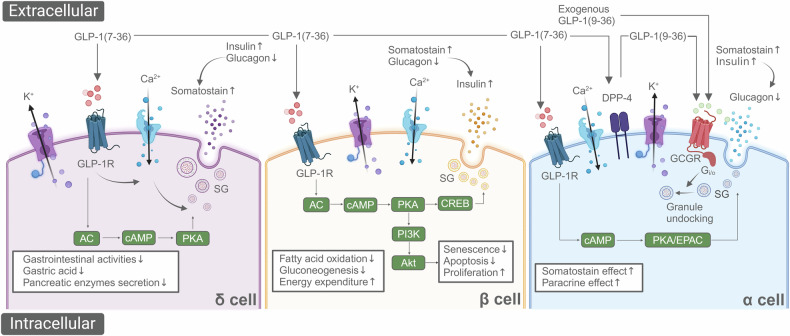
“249,250 Relevant studies suggest that the expression of GLP-1R on δ -cells is crucial for GLP-1 ’ s regulation of somatostatin secretion and the overall inhibitory effect on glucagon.”
BackgroundAbdelmalek, M. F., Suzuki, A., Sanchez, W., Lawitz, E., Filozof, C., Cho, H., Baek, E., Choi, J., & Baek, S. (2023) · Contemporary Clinical Trials · doi:10.1016/j.cct.2023.107176 · Cited by 51
Kaur, M., & Misra, S. (2024) · European Journal of Clinical Pharmacology · doi:10.1007/s00228-024-03646-0 · Cited by 51 · cited 2×
“158,161,164,165 However, activating multiple receptors may lead to more complex side effects, and in some experiments, dual and triple agonists have indeed shown more severe side effects.”
BackgroundTirzepatide: A Review in Type 2 Diabetes
France, N. L., & Syed, Y. Y. (2024) · Drugs · doi:10.1007/s40265-023-01992-4 · Cited by 51 · cited 1×
“141,142 The Phase III clinical trials of tirzepatide were conducted in 77 research centers across seven countries, including the United States, Brazil, and Japan.”
BackgroundTerauchi, Y., Satoi, Y., Takeuchi, M., & Imaoka, T. (2014) · Endocrine Journal · doi:10.1507/endocrj.ej14-0147 · Cited by 50 · cited 1×
“33,78,104,114 Semaglutide .”
Zhang, H., Liu, Y., Guan, S., Qu, D., Wang, L., Wang, X., Li, X., Zhou, S., Zhou, Y., Wang, N., et al. (2016) · PLOS ONE · doi:10.1371/journal.pone.0148827 · Cited by 50
Wei, T., Cui, X., Jiang, Y., Wang, K., Wang, D., Li, F., Lin, X., Gu, L., Yang, K., Yang, J., et al. (2023) · Diabetes · doi:10.2337/db22-0784 · Cited by 50 · cited 1×
“131,225 GLP-1 ’ s action on α -cells regulates glucagon release.”
BackgroundAlbiglutide: First Global Approval
Poole, R. M., & Nowlan, M. L. (2014) · Drugs · doi:10.1007/s40265-014-0228-2 · Cited by 49
Phosphorylation of Akt at the C-terminal tail triggers Akt Activation
Liu, P., Wang, Z., & Wei, W. (2014) · Cell Cycle · doi:10.4161/cc.29584 · Cited by 49 · cited 2×
“197 198 The phosphorylation of Akt is necessary for its full activation, allowing it to regulate a variety of downstream effector proteins involved in cell survival, proliferation, metabolism, and glucose transport.”
BackgroundZhang, Y. L., Zhou, C., Li, X. F., Yang, M. N., Tao, L., Zheng, X. Y., & Jia, Y. S. (2019) · Obesity Science & Practice · doi:10.1002/osp4.342 · Cited by 49
Clinical review of subcutaneous semaglutide for obesity
Phillips, A., & Clements, J. N. (2022) · Journal of Clinical Pharmacy and Therapeutics · doi:10.1111/jcpt.13574 · Cited by 49 · cited 1×
“GLP-1 reduces appetite and food intake through its actions in the CNS. 212,260,261 By interacting with receptors in the hypothalamus, GLP-1 in fl uences satiety and reduces the consumption of food in both animals and humans.”
BackgroundKamiya, M., Mizoguchi, F., & Yasuda, S. (2022) · Journal of Cachexia, Sarcopenia and Muscle · doi:10.1002/jcsm.13025 · Cited by 49
GLP‐1 receptor agonists: effects on the progression of non‐alcoholic fatty liver disease
Liu, J., Wang, G., Jia, Y., & Xu, Y. (2015) · Diabetes/Metabolism Research and Reviews · doi:10.1002/dmrr.2580 · Cited by 48 · cited 5×
“For instance, semaglutide has been approved and is being researched for indications including obesity, T2DM, reducing cardiovascular risk, chronic kidney disease, NAFLD, and AD, indicating that the development of new indications could provide new growth opportunities for GLP-1 drugs.”
BackgroundInfluentialδ-Cells: The Neighborhood Watch in the Islet Community
Gao, R., Yang, T., & Zhang, Q. (2021) · Biology · doi:10.3390/biology10020074 · Cited by 47 · cited 1×
“248,251,252 This mechanism is particularly evident in the use of GLP-1-based drugs, such as GLP-1RAs, in the treatment of T2DM.”
BackgroundRecent evaluation about inflammatory mechanisms in nonalcoholic fatty liver disease
Song, C., Long, X., He, J., & Huang, Y. (2023) · Frontiers in Pharmacology · doi:10.3389/fphar.2023.1081334 · Cited by 47
Understanding cartilage protection in OA and injury: a spectrum of possibilities
Masson, A. O., & Krawetz, R. J. (2020) · BMC Musculoskeletal Disorders · doi:10.1186/s12891-020-03363-6 · Cited by 46
Wei, R., Gu, L., Yang, J., Yang, K., Liu, J., Le, Y., Lang, S., Wang, H., Thai, D. L., Yan, H., et al. (2019) · iScience · doi:10.1016/j.isci.2019.05.030 · Cited by 46 · cited 1×
“132,216,217 As a vital incretin hormone, GLP-1 enhances glucose-dependent insulin secretion.”
BackgroundInsulin Signaling in Arthritis
Tripolino, C., Ciaffi, J., Pucino, V., Ruscitti, P., van Leeuwen, N., Borghi, C., Giacomelli, R., Meliconi, R., & Ursini, F. (2021) · Frontiers in Immunology · doi:10.3389/fimmu.2021.672519 · Cited by 46
Direct cardiovascular effects of glucagon like peptide-1
Sheikh, A. (2013) · Diabetology & Metabolic Syndrome · doi:10.1186/1758-5996-5-47 · Cited by 45 · cited 1×
“43,44 GLP-1R is present in the CNS, and its absence might contribute to alterations in behavior, mood, or cognitive function.”
BackgroundShen, W.-R., Kimura, K., Ishida, M., Sugisawa, H., Kishikawa, A., Shima, K., Ogawa, S., Qi, J., & Kitaura, H. (2018) · Journal of Immunology Research · doi:10.1155/2018/5783639 · Cited by 45
Therapeutic Peptides to Treat Myocardial Ischemia-Reperfusion Injury
Fernandez Rico, C., Konate, K., Josse, E., Nargeot, J., Barrère-Lemaire, S., & Boisguérin, P. (2022) · Frontiers in Cardiovascular Medicine · doi:10.3389/fcvm.2022.792885 · Cited by 45 · cited 2×
“438,439 GLP-1 can also enhance endothelial function by promoting the production of NO, possibly through activating eNOS, thereby affecting vasodilation, anti-in fl ammatory actions, and anti-atherosclerosis.”
BackgroundThe role of GLP-1 receptor agonists in managing type 2 diabetes
Nachawi, N., Rao, P. P., & Makin, V. (2022) · Cleveland Clinic Journal of Medicine · doi:10.3949/ccjm.89a.21110 · Cited by 45
Chang, S., Kim, D., Ryu, G. R., Ko, S., Jeong, I., Ahn, Y., Jo, Y., & Kim, M. (2013) · Journal of Cellular Biochemistry · doi:10.1002/jcb.24425 · Cited by 44
Dai, Y., He, H., Li, S., Yang, L., Wang, X., Liu, Z., & An, Z. (2021) · Frontiers in Endocrinology · doi:10.3389/fendo.2020.622589 · Cited by 44
GLP-1R Signaling and Functional Molecules in Incretin Therapy
Wan, W., Qin, Q., Xie, L., Zhang, H., Wu, F., Stevens, R. C., & Liu, Y. (2023) · Molecules · doi:10.3390/molecules28020751 · Cited by 44 · cited 1×
“485,486 This affects the synthesis of triacylglycerol (TAG), phosphatidic acid (di-P PA), and diacylglycerol (DAG) in the liver.”
BackgroundThe future of incretins in the treatment of obesity and non-alcoholic fatty liver disease
Andreasen, C. R., Andersen, A., & Vilsbøll, T. (2023) · Diabetologia · doi:10.1007/s00125-023-05966-9 · Cited by 44
Therapies for inter-relating diabetes and obesity – GLP-1 and obesity
Iepsen, E. W., Torekov, S. S., & Holst, J. J. (2014) · Expert Opinion on Pharmacotherapy · doi:10.1517/14656566.2014.965678 · Cited by 43
Nielsen, R., Jorsal, A., Iversen, P., Tolbod, L. P., Bouchelouche, K., Sørensen, J., Harms, H. J., Flyvbjerg, A., Tarnow, L., Kistorp, C., et al. (2019) · Journal of Nuclear Cardiology · doi:10.1007/s12350-017-1000-2 · Cited by 43
A 2021 Update on the Use of Liraglutide in the Modern Treatment of ‘Diabesity’: A Narrative Review
Tilinca, M. C., Tiuca, R. A., Burlacu, A., & Varga, A. (2021) · Medicina · doi:10.3390/medicina57070669 · Cited by 43
Traussnigg, S., Kienbacher, C., Halilbasic, E., Rechling, C., Kazemi-Shirazi, L., Hofer, H., Munda, P., & Trauner, M. (2015) · Digestive Diseases · doi:10.1159/000375353 · Cited by 42
Wang, N., Gao, J., Jia, M., Ma, X., Lei, Z., Da, F., Yan, F., Zhang, H., Zhou, Y., Li, M., et al. (2017) · Cellular Physiology and Biochemistry · doi:10.1159/000485776 · Cited by 42
Self-citationLin, M.-H., Cheng, P.-C., Hsiao, P.-J., Chen, S.-C., Hung, C.-H., Kuo, C.-H., Huang, S.-K., & Clair Chiou, H.-Y. (2023) · International Immunopharmacology · doi:10.1016/j.intimp.2022.109653 · Cited by 42
Papaconstantinou, I. G., Zeglinas, C., Gazouli, M., Nastos, C., Yiallourou, A., Papalois, A. E., & Tzathas, C. (2014) · Journal of Gastrointestinal Surgery · doi:10.1007/s11605-014-2487-3 · Cited by 41 · cited 2×
“265,266 When GLP-1 binds to its receptors in the hypothalamus, it activates speci fi c neurons, including those that promote satiety (POMC/CART neurons) and inhibits those that induce hunger (NPY/AgRP neurons), thereby enhancing the feeling of fullness and reducing food intake.”
BackgroundAlmahariq, M. F., Mei, F. C., & Cheng, X. (2016) · Acta Biochimica et Biophysica Sinica · doi:10.1093/abbs/gmv115 · Cited by 41
Petrovic, A., Igrec, D., Rozac, K., Bojanic, K., Kuna, L., Kolaric, T. O., Mihaljevic, V., Sikora, R., Smolic, R., Glasnovic, M., et al. (2023) · Current Issues in Molecular Biology · doi:10.3390/cimb45060288 · Cited by 41
GLP-1 receptor agonists vs. SGLT-2 inhibitors: the gap seems to be leveling off
Giugliano, D., Scappaticcio, L., Longo, M., Bellastella, G., & Esposito, K. (2021) · Cardiovascular Diabetology · doi:10.1186/s12933-021-01400-9 · Cited by 40
Dwibedi, C., Ekström, O., Brandt, J., Adiels, M., Franzén, S., Abrahamsson, B., & Rosengren, A. H. (2024) · Nature Metabolism · doi:10.1038/s42255-023-00943-3 · Cited by 40
Wang, X., Li, X., Zhou, J., Lei, Z., & Yang, X. (2024) · Chemico-Biological Interactions · doi:10.1016/j.cbi.2024.110890 · Cited by 40
Research works printed but not linked: 1
- Elfeki, M. A. & Alkhouri, N. Triple-hormone-receptor agonist retatrutide for obesity. N. Engl. J. Med. 389, 1629 (2023). 37888926
Cited by
Unveiling Gestational Diabetes: An Overview of Pathophysiology and Management
Mittal, R., Prasad, K., Lemos, J. R. N., Arevalo, G., & Hirani, K. (2025) · International Journal of Molecular Sciences · doi:10.3390/ijms26052320 · Cited by 189
“These agents act by mimicking the effects of the incretin hormone GLP-1, which is naturally secreted by the gut in response to food intake [341].”
Bansal, M. B., Patton, H. M., Morgan, T. R. M., Carr, R. M., Dranoff, J. A., & Allen, A. M. (2025) · Hepatology · doi:10.1097/hep.0000000000001608 · Cited by 197
Immunopathogenic mechanisms and immunoregulatory therapies in MASLD
He, Y., Chen, Y., Qian, S., van Der Merwe, S., Dhar, D., Brenner, D. A., & Tacke, F. (2025) · Cellular & Molecular Immunology · doi:10.1038/s41423-025-01307-5 · Cited by 81
“…in regulating blood glucose levels, lipid metabolism, and several other critical biological functions by interacting with the GLP-1 receptor (GLP-1R), which is a vital component of the G protein-coupled receptor (GPCR) family and is expressed primarily on the surfaces of various cell types [177].”
Münte, E., & Hartmann, P. (2025) · Biomolecules · doi:10.3390/biom15040469 · Cited by 89
“These incretin mimetics work by activating GLP-1 receptors, which are widely expressed on various cell types throughout the body, including hepatocytes [62–64].”
Neural Mechanisms in Cardiovascular Health and Disease
Ziegler, K. A., Engelhardt, S., Carnevale, D., McAlpine, C. S., Guzik, T. J., Dimmeler, S., & Swirski, F. K. (2025) · Circulation Research · doi:10.1161/circresaha.125.325580 · Cited by 83
“280,281 Recent evidence suggests that GLP-1 RAs further modulate ANS activity, particularly the SNS, although the clinical implications remain to be determined.”
Metadata
- Authors
- Zheng, Z., Zong, Y., Ma, Y., Tian, Y., Pang, Y., Zhang, C., & Gao, J.
- Affiliations
- Shanghai Jiao Tong University (CN)
- Corresponding author
- Gao, Junjie
- Venue
- Signal Transduction and Targeted Therapy
- Published
- 2024-09-18
- Volume
- 9
- Issue
- 1
- Pages
- 234-234
- ISSN
- 2059-3635 (ISSN-L)
- PMC
- PMC11408715
- OpenAlex
- W4402620314
- Cited by
- 1,036
- References
- 519
- Citations by year
- 2026: 534 · 2025: 491 · 2024: 11
- FWCI
- 60.43
- Type
- journal article
- Language
- en
- Open access
- gold
- doi.org
- Licence
- cc-by
- creativecommons.org/licenses/by/4.0 (tdm)
- creativecommons.org/licenses/by/4.0 (vor)
- Locations
- Signal Transduction and Targeted Therapy (publishedVersion, cc-by)
- PubMed Central (publishedVersion, cc-by)
- UWA Profiles and Research Repository (UWA) (publishedVersion, cc-by)
- PubMed (publishedVersion)
- DOAJ (DOAJ: Directory of Open Access Journals) (submittedVersion, cc-by-sa)
- Funders
- National Natural Science Foundation of China (82002339, 81820108020)
- Shanghai Frontiers Science Center of Degeneration and Regeneration in Skeletal System
- Topics
- Health Sciences › Medicine › Endocrinology, Diabetes and Metabolism › Diabetes Treatment and Management
- Life Sciences › Biochemistry, Genetics and Molecular Biology › Molecular Biology › Receptor Mechanisms and Signaling
- Life Sciences › Neuroscience › Endocrine and Autonomic Systems › Regulation of Appetite and Obesity
- Keywords
- GLP-1 receptor, GLP-1 receptor agonists, G protein-coupled receptors, glucagon-like peptide-1, glucose homeostasis, lipid metabolism, obesity, cardiovascular disease, non-alcoholic fatty liver disease, neurodegenerative diseases, musculoskeletal inflammation, cancer, neuroprotection, anti-infection, inflammation reduction, cardiovascular function, pharmacological mechanisms, signaling pathways
- MeSH terms
- Glucagon-Like Peptide-1 Receptor, Animals, Humans, Glucagon-Like Peptide 1
About these checks
Registry, retraction, Cites and statistics results are computed, not judged, with one exception: a printed reference that no index lists is read once by a model before it counts as a citation error. Claims are extracted by a model and kept only when their quote appears verbatim in the text; each cited source is then checked, with a model’s help, for whether it says what the claim relies on. Those verdicts can be wrong — read the claim’s quote and the cited source before relying on one.
The claim verdicts this report counts are experimental: their accuracy is not yet measured.
A language model drew the claims from the paper on 2026-09-28, under version 3 of the claim definition (model deepseek-v4.1-flash, prompt extract-v3).
A second model labelled each claim on 2026-09-28 (model jev-1.13-20260917, definition revision gold-guideline-v0.2).
Cited sources are checked with a language model’s help (gpt-6-sol and qwen3.8-omni-flash).
Statistics and arithmetic are recomputed, not judged.
Confidence bands are shown only for fields calibrated on our annotated test set. None is calibrated yet, so no band is shown.
What counts as a claim ›How we measure confidence ›How we check this ›
Are you an author, or do you see a problem with this page? Request a review
Data sources
Bibliographic data: Semantic Scholar, OpenAlex, Crossref.
Contains information from the Semantic Scholar Academic Graph Datasets, made available under the ODC Attribution License (ODC-BY 1.0).
Semantic Scholar’s data is described in: Kinney, R., et al. (2023). The Semantic Scholar Open Data Platform. arXiv:2301.10140.
