

Glucagon-like peptide-1 receptor: mechanisms and advances in therapy
Open accessThe DOI matches its Crossref record; 519 of the 519 references it cites were found in a registry or an index; 274 of the 463 sources its claims cite were checked for support.
Abstract
The glucagon-like peptide-1 (GLP-1) receptor, known as GLP-1R, is a vital component of the G protein-coupled receptor (GPCR) family and is found primarily on the surfaces of various cell types within the human body. This receptor specifically interacts with GLP-1, a key hormone that plays an integral role in regulating blood glucose levels, lipid metabolism, and several other crucial biological functions. In recent years, GLP-1 medications have become a focal point in the medical community due to their innovative treatment mechanisms, significant therapeutic efficacy, and broad development prospects. This article thoroughly traces the developmental milestones of GLP-1 drugs, from their initial discovery to their clinical application, detailing the evolution of diverse GLP-1 medications along with their distinct pharmacological properties. Additionally, this paper explores the potential applications of GLP-1 receptor agonists (GLP-1RAs) in fields such as neuroprotection, anti-infection measures, the reduction of various types of inflammation, and the enhancement of cardiovascular function. It provides an in-depth assessment of the effectiveness of GLP-1RAs across multiple body systems-including the nervous, cardiovascular, musculoskeletal, and digestive systems. This includes integrating the latest clinical trial data and delving into potential signaling pathways and pharmacological mechanisms. The primary goal of this article is to emphasize the extensive benefits of using GLP-1RAs in treating a broad spectrum of diseases, such as obesity, cardiovascular diseases, non-alcoholic fatty liver disease (NAFLD), neurodegenerative diseases, musculoskeletal inflammation, and various forms of cancer. The ongoing development of new indications for GLP-1 drugs offers promising prospects for further expanding therapeutic interventions, showcasing their significant potential in the medical field.
Overview
CoChat Summary
## TL;DR
This is a narrative review of GLP-1 receptor biology and GLP-1 receptor agonists (GLP-1RAs), summarizing their mechanisms, drug development, and expanding therapeutic uses. It argues that beyond diabetes, GLP-1RAs show promise for obesity, cardiovascular disease, NAFLD/NASH, neurodegenerative disease, musculoskeletal inflammation, and some cancers.
## Key findings
- GLP-1 is described as a short-lived incretin hormone with a circulatory half-life of only 1–2 min, rapidly degraded by DPP-4.
- The review states that GLP-1RAs lower blood glucose without increasing hypoglycemia risk and have been approved mainly as adjuncts to diet and exercise for type 2 diabetes mellitus (T2DM).
- The paper highlights clinical trial signals for newer agents:
- Orforglipron: 8.6% to 12.6% weight loss at 26 weeks vs 2.0% with placebo; 9.4% to 14.7% by week 36 vs 2.3% placebo.
- In a T2DM study, orforglipron produced an average A1C reduction of 2.1% and 10.1 kg weight loss at 26 weeks; 65% to 96% achieved A1C < 7.0%.
- Danuglipron: at the highest dose (120 mg twice daily), average HbA1c fell by 1.16 percentage points and weight fell by 4.17 kg over 16 weeks.
- GSBR-1290: placebo-adjusted HbA1c reduction of 1.01% to 1.02% and body-weight reduction of 3.26% to 3.51% after 12 weeks in T2DM; 4.74% weight reduction at week 8 in obesity.
- For obesity and cardiometabolic disease, the review cites a semaglutide HFpEF trial in 529 patients with BMI ≥30, randomized to 2.4 mg weekly semaglutide or placebo for 52 weeks, with improvement in symptoms, motor function, and weight loss.
## Methods
- This is a narrative review, not an original experimental study; it synthesizes prior literature on GLP-1/GLP-1R biology, GLP-1RAs, and related diseases.
- The article integrates mechanistic studies, animal experiments, and clinical trials across multiple systems, including metabolic, nervous, cardiovascular, musculoskeletal, and digestive disease contexts.
- The main analysis is descriptive and integrative, organizing evidence by receptor biology, signaling pathways, drug classes, and disease areas; no single primary dataset or statistical model is reported.
## Limitations
- The paper does not state explicit study limitations typical of an original research article; this is evident from the text because it is a review.
- Evident from the text: much of the evidence cited is preclinical or early-phase clinical, and several uses are described as “promising,” “potential,” or under investigation, so many conclusions remain provisional.
- Evident from the text: the review is broad and heterogeneous, combining findings from different species, disease models, and trial designs, which makes direct comparison across findings difficult.
Model-written summary of a shortened version of the paper’s full text (it is longer than we read). Check it against the paper before relying on it.
Integrity signals
Registry
Cites
Statistics
Figures
Verification
Claims the paper makes
175 Valid · 32 Not valid · 93 Not checked · 28 Own results and interpretations
At least one cited source doesn’t support this claim or points to a different paper, and none confirmed it — see the verdicts below.
In the paper
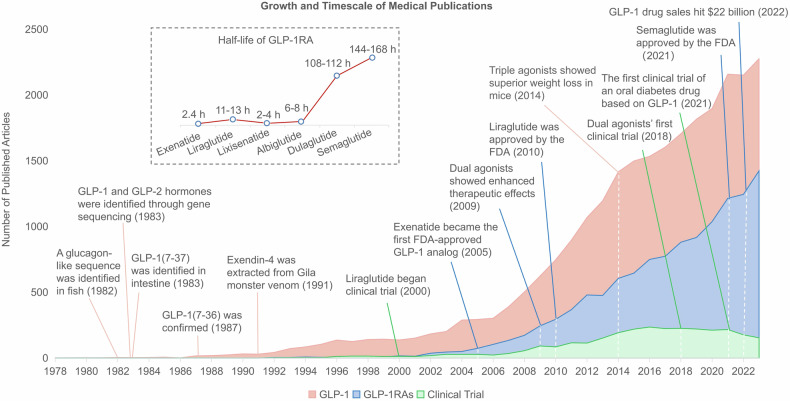
“The average half-life of lixisenatide is approximately 3–4 h.95”
§ Glucagon-like peptide-1 receptor: mechanisms and advances in therapy > GLP-1RAs > Current GLP-1RAs
What the sources say
- Disputedcites [95] Xie, P. et al. Pharmacokinetics and safety of Iglarlixi in healthy chinese participants: Results of a phase 1 randomized study. Diab Ther. 14, 1387–1397 (2023). PMC10299984 37329393 sourceExperimental — accuracy not yet measured
The Results (Pharmacokinetics, Table 2) report mean terminal half-lives of 2.16 and 2.17 h for lixisenatide in the two dose groups, not approximately 3–4 h. The paper separately reports times to peak concentration of about 2–3 h; those are not half-lives. (LLM, conf=0.90)
Checked by a reasoning model — may be wrong.
plain- Asserted: passes — The authors put it forward as true.
- Checkable: passes — It can be checked against evidence.
- Load-bearing: unclear — It is unclear whether the paper’s conclusions depend on it.
- Based: passes — The paper gives a reason why it holds.
- Disputed
At least one cited source doesn’t support this claim or points to a different paper, and none confirmed it — see the verdicts below.
In the paper
“Furthermore, GLP-1 can slow down gastric emptying by activating the vagus nerve, a part of the autonomic nervous system crucial for regulating the activities of the gastrointestinal tract.268”
§ Glucagon-like peptide-1 receptor: mechanisms and advances in therapy > Classical pathophysiological mechanisms of GLP-1 > The pathophysiological mechanism of GLP-1 in metabolic diseases
What the sources say
- Disputedcites [268] Nauck, M. A., Kemmeries, G., Holst, J. J. & Meier, J. J. Rapid tachyphylaxis of the glucagon-like peptide 1-induced deceleration of gastric emptying in humans. Diabetes 60, 1561–1565 (2011). 21430088 PMC3292331 sourceExperimental — accuracy not yet measured
The Results report that GLP-1 slowed gastric emptying, but the Discussion says it seems to do so primarily through inhibition—not activation—of the vagal nerve. The reported suppression of pancreatic polypeptide, a marker of vagal activation, is consistent with that interpretation. Page numbers are not provided in our copy. (LLM, conf=0.89)
Checked by a reasoning model — may be wrong.
plainstates a cause- Asserted: passes — The authors put it forward as true.
- Checkable: passes — It can be checked against evidence.
- Load-bearing: unclear — It is unclear whether the paper’s conclusions depend on it.
- Based: passes — The paper gives a reason why it holds.
- Disputed
At least one cited source doesn’t support this claim or points to a different paper, and none confirmed it — see the verdicts below.
In the paper
“By interacting with receptors in the hypothalamus, GLP-1 influences satiety and reduces the consumption of food in both animals and humans.262”
§ Glucagon-like peptide-1 receptor: mechanisms and advances in therapy > Classical pathophysiological mechanisms of GLP-1 > The pathophysiological mechanism of GLP-1 in metabolic diseases
What the sources say
- Disputedcites [262] Ando, H. et al. Glucagon-like peptide-1 reduces pancreatic β-cell mass through hypothalamic neural pathways in high-fat diet-induced obese rats. Sci. Rep. 7, 5578 (2017). 28717164 PMC5514038 sourceExperimental — accuracy not yet measured
The Discussion reports that chronic GLP-1 or liraglutide treatment activated hypothalamic pathways in rats but did not alter food intake or body weight. The paper therefore does not support the claimed reduction in food consumption in its animals, and it provides no human satiety or food-intake finding. (LLM, conf=0.83)
Checked by a reasoning model — may be wrong.
plainstates a cause- Asserted: passes — The authors put it forward as true.
- Checkable: passes — It can be checked against evidence.
- Load-bearing: passes — The paper’s conclusions depend on it.
- Based: passes — The paper gives a reason why it holds.
- Disputed
The cited sources support only part of this claim — read each source’s verdict below.
In the paper
“while their anti-inflammatory properties offer new hope for conditions such as osteoarthritis (OA), rheumatoid arthritis (RA) and cardiovascular diseases.13–15”
§ Glucagon-like peptide-1 receptor: mechanisms and advances in therapy > Introduction
What the sources say
- Partly supportedcites [13] Du, H., Meng, X., Yao, Y. & Xu, J. The mechanism and efficacy of GLP-1 receptor agonists in the treatment of Alzheimer’s disease. Front Endocrinol. (Lausanne) 13, 1033479 (2022). 36465634 PMC9714676 sourceExperimental — accuracy not yet measured
The “Anti-inflammatory effects” section (page not provided) reports that GLP-1 receptor agonists reduce neuroinflammation in Alzheimer’s disease models. It does not address their potential for osteoarthritis, rheumatoid arthritis, or cardiovascular diseases, so the disease-specific extension is unsupported by this source. (LLM, conf=0.87)
- Partly supportedcites [14] Reich, N. & Hölscher, C. The neuroprotective effects of glucagon-like peptide 1 in Alzheimer’s and Parkinson’s disease: An in-depth review. Front Neurosci. 16, 970925 (2022). 36117625 PMC9475012 sourceExperimental — accuracy not yet measured
The review’s “Inflammation > In vivo evidence for the anti-inflammatory effects of GLP-1 receptor agonists” section says GLP-1 analogs have potent anti-inflammatory effects, principally in brain models of Alzheimer’s and Parkinson’s disease. The passages do not extend that promise to osteoarthritis, rheumatoid arthritis, or cardiovascular disease. (LLM, conf=0.86)
- Partly supportedcites [15] Meurot, C. et al. Targeting the GLP-1/GLP-1R axis to treat osteoarthritis: A new opportunity? J. Orthop. Transl. 32, 121–129 (2022). PMC8888891 35280931 sourceExperimental — accuracy not yet measured
Our copy strongly supports the OA part: the Introduction states 'GLP-1 analogues may be good therapeutic candidates for treating OA' and the Conclusion that the anti-inflammatory/immunoregulatory properties of GLP-1 analogues 'raises the hypothesis of their potential interest to treat OA'; the Introduction > Multiple biological activities of GLP-1 also lists vascular diseases and OA among conditions where GLP-1–based therapies downregulate pro-inflammatory responses. However, the source does not extend the 'new hope'/therapeutic-opportunity framing to rheumatoid arthritis — the RA material (Introduction > GLP-1/GLP-1R functions in different knee joint tissues) is only in vitro data in fibroblast-like RA synoviocytes with lixisenatide, cited to another work [56] and used to argue GLP-1R is a whole-joint target for OA — and the cardiovascular passage is a mouse model of angiotensin II-induced hypertension [37], not a clinical prospect. So two of the three conditions in the claim are supported only as mechanistic/animal findings, not as therapeutic hope. (LLM, conf=0.72)
hedgedstates a possible cause- Asserted: passes — The authors put it forward as true.
- Checkable: passes — It can be checked against evidence.
- Load-bearing: passes — The paper’s conclusions depend on it.
- Based: passes — The paper gives a reason why it holds.
- Partly supported
The cited sources support only part of this claim — read each source’s verdict below.
In the paper
“in the treatment of Alzheimer’s diseases (AD) and Parkinson’s diseases (PD), GLP-1RAs have shown potential in slowing disease progression”
§ Glucagon-like peptide-1 receptor: mechanisms and advances in therapy > Introduction
What the sources say
- Partly supportedcites [13] Du, H., Meng, X., Yao, Y. & Xu, J. The mechanism and efficacy of GLP-1 receptor agonists in the treatment of Alzheimer’s disease. Front Endocrinol. (Lausanne) 13, 1033479 (2022). 36465634 PMC9714676 sourceExperimental — accuracy not yet measured
The ‘Application of GLP-1R agonists in AD’ section says liraglutide might reduce or delay Alzheimer’s disease progression and describes GLP-1R agonists as promising for preventing AD processes. The copy does not make the corresponding claim about slowing Parkinson’s disease progression; Parkinson’s disease appears in reference titles, not in a reported finding here. Page numbers were not available in the indexed passages. (LLM, conf=0.88)
- Supportedcites [14] Reich, N. & Hölscher, C. The neuroprotective effects of glucagon-like peptide 1 in Alzheimer’s and Parkinson’s disease: An in-depth review. Front Neurosci. 16, 970925 (2022). 36117625 PMC9475012 source
The review’s clinical-trials section reports that liraglutide reduced cognitive impairment and brain-volume loss relative to placebo in patients with mild cognitive impairment or Alzheimer’s disease. Its exenatide subsection reports that treated Parkinson’s patients did not deteriorate on motor measures while the placebo group did, with a difference persisting after treatment stopped. These findings support the cautious claim that GLP-1 receptor agonists have shown potential to slow progression in both diseases; they do not establish that the drugs are proven treatments. (LLM, conf=0.92)
- Partly supportedcites [15] Meurot, C. et al. Targeting the GLP-1/GLP-1R axis to treat osteoarthritis: A new opportunity? J. Orthop. Transl. 32, 121–129 (2022). PMC8888891 35280931 sourceExperimental — accuracy not yet measured
In the Introduction ('Multiple biological activities of GLP-1'), Meurot et al. state that the anti-neuroinflammatory activity of GLP-1 analogues has been investigated in animal models of neurodegenerative disease 'with encouraging results', and that liraglutide, lixisenatide, semaglutide and exenatide 'are being tested in clinical trials for Alzheimer's and Parkinson's diseases', with the reported patient-level effect being that they 'have improved coordination and motor activity in patients'. That supports GLP-1RAs showing potential in AD/PD, but the source nowhere attributes disease-modification or slowed progression of AD/PD to them — its human-data statement is symptomatic (coordination/motor activity), and its mechanistic statement is downregulation of pro-inflammatory responses in neurodegenerative brain disorders. The specific qualifier 'slowing disease progression' therefore goes beyond what this paper says. (LLM, conf=0.72)
hedgedstates a possible cause- Asserted: passes — The authors put it forward as true.
- Checkable: passes — It can be checked against evidence.
- Load-bearing: passes — The paper’s conclusions depend on it.
- Based: passes — The paper gives a reason why it holds.
- Partly supported
169 more claims · 103 with their cited sources checked
Create a free account to see all 328 claims and to verify the 4 references still open.
- It may state two separate claims as one. 148
- Probably not a substantial claim. 19
Claims other papers make about this one
Each is checked against this paper’s own text: does it say what the citing paper says it does?
The source backs part of the claim, not all of it — or backs it for a different population, condition or comparison.
In the citing paper
“Centrally, GLP-1 activates GLP-1 receptors located in the nucleus tractus solitarius and dorsal motor nucleus of the vagus within the brainstem, leading to inhibition of parasympathetic output and a reduction in gastric smooth muscle tone [2, 28].”
From Delayed gastric emptying induced by glucagon-like peptide-1 receptor agonists and its implications for perioperative risk during anesthesia (2026) · cites this paper as [28]
Experimental — accuracy not yet measuredThe source backs part of the claim, not all of it — or backs it for a different population, condition or comparison.
In the citing paper
“GLP-1 RAs delay gastric emptying by inhibiting gastrointestinal motility through both PNS and CNS.”
From Delayed gastric emptying induced by glucagon-like peptide-1 receptor agonists and its implications for perioperative risk during anesthesia (2026) · cites this paper as [28]
Experimental — accuracy not yet measuredThe source backs part of the claim, not all of it — or backs it for a different population, condition or comparison.
In the citing paper
“Large cardiovascular outcome trials, including LEADER (Liraglutide Effect and Action in Diabetes: Evaluation of Cardiovascular Outcome Results), and AMPLITUDE-O (Effect of Efpeglenatide on Cardiovascular Outcomes), among others, consistently show reductions in major adverse cardiovascular events, particularly myocardial infarction, stroke, and cardiovascular mortality, among patients with establis”
From Unequal Access to Evidence-Based Cardiometabolic Therapies: Racial Disparities in SGLT2 Inhibitor and GLP-1 Receptor Agonist Use Among Patients With Type 2 Diabetes and Cardiovascular Disease (2026) · cites this paper as [7]
Experimental — accuracy not yet measuredThe cited source says what the claim attributes to it.
In the citing paper
“Structural modifications of the GLP-1 molecule led to the development of GLP-1RAs with prolonged half-life, enabling sustained glycemic control and weight reduction [33,38,40]”
From Nutritional Approaches to Enhance GLP-1 Analogue Therapy in Obesity: A Narrative Review (2025) · cites this paper as [33]
The cited source says what the claim attributes to it.
In the citing paper
“Activation of GLP-1 receptors enhances glucose-dependent insulin secretion, suppresses inappropriate glucagon release, slows gastric emptying, and lowers appetite, collectively reducing glycemic load.10”
From The Triple‐Agonist Revolution: Retatrutide and the Paradigm Shift in Multi‐Hormonal Pharmacotherapy for Obesity and Cardiometabolic Comorbidities (2026) · cites this paper as [10]
2 more claims about this paper
Create a free account to see every claim other papers make about this one.
Citations
Cites
Atherosclerosis--an inflammatory disease
Ross, R. (1999) · New England Journal of Medicine · doi:10.1056/nejm199901143400207 · Cited by 21,725
Liraglutide and Cardiovascular Outcomes in Type 2 Diabetes
Marso, S. P., Daniels, G. H., Brown-Frandsen, K., Kristensen, P., Mann, J. F. E., Nauck, M. A., Nissen, S. E., Pocock, S., Poulter, N. R., Ravn, L. S., et al. (2016) · New England Journal of Medicine · doi:10.1056/nejmoa1603827 · Cited by 7,629 · cited 1×
“39,40,446 Notably, GLP-1RAs exhibit pronounced ef fi cacy in optimizing blood lipid pro fi les by effectively suppressing chylomicron secretion in the intestine, thereby mitigating the occurrence of postprandial hyperlipidemia.”
BackgroundDapagliflozin in Patients with Heart Failure and Reduced Ejection Fraction
McMurray, J. J. V., Solomon, S. D., Inzucchi, S. E., Køber, L., Kosiborod, M. N., Martinez, F. A., Ponikowski, P., Sabatine, M. S., Anand, I. S., Bělohlávek, J., et al. (2019) · New England Journal of Medicine · doi:10.1056/nejmoa1911303 · Cited by 7,140
Semaglutide and Cardiovascular Outcomes in Patients with Type 2 Diabetes
Marso, S. P., Bain, S. C., Consoli, A., Eliaschewitz, F. G., Jódar, E., Leiter, L. A., Lingvay, I., Rosenstock, J., Seufert, J., Warren, M. L., et al. (2016) · New England Journal of Medicine · doi:10.1056/nejmoa1607141 · Cited by 6,900 · cited 1×
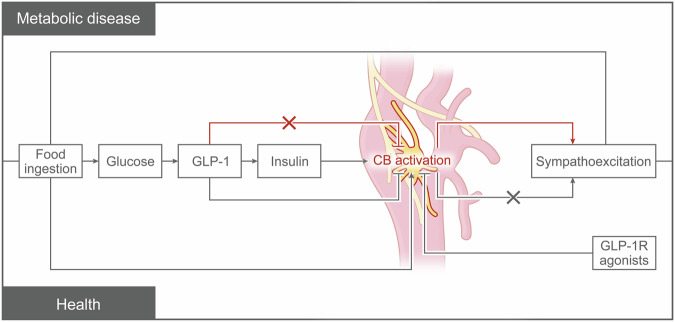
“467 Under hyperglycemic conditions, GLP-1RAs regulate hypertension by inhibiting carotid body function.”
BackgroundInsulin signalling and the regulation of glucose and lipid metabolism
Saltiel, A. R., & Kahn, C. R. (2001) · Nature · doi:10.1038/414799a · Cited by 5,326 · cited 1×
“238 The high concentration of insulin in the local pancreatic environment creates a negative feedback effect, reducing the amount of glucagon secreted by α -cells.”
BackgroundCardiovascular and renal outcomes with empagliflozin in heart failure
Packer, M., Anker, S. D., Butler, J., Filippatos, G., Pocock, S. J., Carson, P., Januzzi, J., Verma, S., Tsutsui, H., Brueckmann, M., et al. (2020) · New England Journal of Medicine · doi:10.1056/nejmoa2022190 · Cited by 5,206
The National Center for Biotechnology Information
Benson, D., Boguski, M., Lipman, D. J., & Ostell, J. (1990) · Genomics · doi:10.1016/0888-7543(90)90583-g · Cited by 5,126
AMPK: a nutrient and energy sensor that maintains energy homeostasis
Hardie, D. G., Ross, F. A., & Hawley, S. A. (2012) · Nature Reviews Molecular Cell Biology · doi:10.1038/nrm3311 · Cited by 4,602
NF-κB regulation in the immune system
Li, Q., & Verma, I. M. (2002) · Nature Reviews Immunology · doi:10.1038/nri910 · Cited by 4,007
NF-κB: a key role in inflammatory diseases
Tak, P. P., & Firestein, G. S. (2001) · Journal of Clinical Investigation · doi:10.1172/jci11830 · Cited by 3,918
Biology of Incretins: GLP-1 and GIP
Baggio, L. L., & Drucker, D. J. (2007) · Gastroenterology · doi:10.1053/j.gastro.2007.03.054 · Cited by 3,639 · cited 2×
“34,39,177 The rise in cAMP activates protein kinase A (PKA), which then promotes the synthesis and secretion of insulin and inhibits the release of glucagon.”
BackgroundHypothalamic Polypeptide That Inhibits the Secretion of Immunoreactive Pituitary Growth Hormone
Brazeau, P., Vale, W., Burgus, R., Ling, N., Butcher, M., Rivier, J., & Guillemin, R. (1973) · Science · doi:10.1126/science.179.4068.77 · Cited by 3,532 · cited 1×
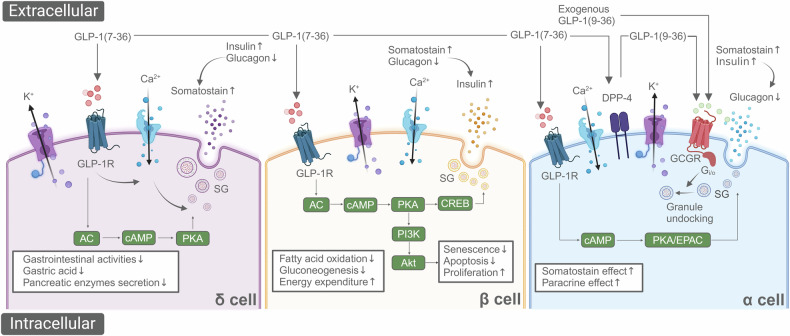
“245,246 Hence, GLP-1 activates δ -cells and promotes somatostatin secretion, forming a multi-layered inhibitory mechanism that effectively reduces glucagon secretion.”
BackgroundThe Physiology of Glucagon-like Peptide 1
Holst, J. J. (2007) · Physiological Reviews · doi:10.1152/physrev.00034.2006 · Cited by 3,371 · cited 1×
“178,179 Additionally, cAMP can activate Rap1 through EPAC (Exchange Protein directly Activated by cAMP), 180 – 182 which is involved in regulating insulin secretion.”
BackgroundVrieze, A., Van Nood, E., Holleman, F., Salojärvi, J., Kootte, R. S., Bartelsman, J. F. W. M., Dallinga–Thie, G. M., Ackermans, M. T., Serlie, M. J., Oozeer, R., et al. (2012) · Gastroenterology · doi:10.1053/j.gastro.2012.06.031 · Cited by 2,913 · cited 1×
“…448 alleviate endothelial oxidative stress, 449 attenuate in fl ammatory processes, 450 and foster a favorable balance of the gut microbiota, 451 all of which collectively contribute to the salutary effects of these agents in patients with AS. GLP-1RAs have been shown to exert bene fi cial…”
BackgroundZelniker, T. A., Wiviott, S. D., Raz, I., Im, K., Goodrich, E. L., Bonaca, M. P., Mosenzon, O., Kato, E. T., Cahn, A., Furtado, R. H. M., et al. (2019) · The Lancet · doi:10.1016/s0140-6736(18)32590-x · Cited by 2,845 · cited 1×
“472 Promoting the urinary excretion of sodium and water reduces fl uid retention and hypervolaemia, thereby reducing the load on the heart.”
BackgroundRole of proinflammatory cytokines in the pathophysiology of osteoarthritis
Kapoor, M., Martel-Pelletier, J., Lajeunesse, D., Pelletier, J.-P., & Fahmi, H. (2011) · Nature Reviews Rheumatology · doi:10.1038/nrrheum.2010.196 · Cited by 2,778
Lixisenatide in Patients with Type 2 Diabetes and Acute Coronary Syndrome
Pfeffer, M. A., Claggett, B., Diaz, R., Dickstein, K., Gerstein, H. C., Køber, L. V., Lawson, F. C., Ping, L., Wei, X., Lewis, E. F., et al. (2015) · New England Journal of Medicine · doi:10.1056/nejmoa1509225 · Cited by 2,409 · cited 1×
“64,93 Structurally, lixisenatide is based on the exenatide structure but lacks proline at position 38, and six lysines are linked after serine at position 39.”
BackgroundInflammation in Atherosclerosis
Libby, P., Ridker, P. M., & Hansson, G. K. (2009) · Journal of the American College of Cardiology · doi:10.1016/j.jacc.2009.09.009 · Cited by 2,228
The biology of incretin hormones
Drucker, D. J. (2006) · Cell Metabolism · doi:10.1016/j.cmet.2006.01.004 · Cited by 2,210 · cited 3×
“37 Indeed, GLP-1R is present beyond the con fi nes of the pancreas and extends to a multitude of organs and tissues throughout the body.”
BackgroundTirzepatide versus Semaglutide Once Weekly in Patients with Type 2 Diabetes
Frías, J. P., Davies, M. J., Rosenstock, J., Pérez Manghi, F. C., Fernández Landó, L., Bergman, B. K., Liu, B., Cui, X., & Brown, K. (2021) · New England Journal of Medicine · doi:10.1056/nejmoa2107519 · Cited by 2,096 · cited 1×
“161 In summary, dual and triple agonists related to GLP-1 represent signi fi cant advances in the fi eld of diabetes treatment, 167,168 demonstrating the future trend of enhancing therapeutic effects by targeting multiple biomarkers.”
BackgroundInflammation as a link between obesity, metabolic syndrome and type 2 diabetes
Esser, N., Legrand-Poels, S., Piette, J., Scheen, A. J., & Paquot, N. (2014) · Diabetes Research and Clinical Practice · doi:10.1016/j.diabres.2014.04.006 · Cited by 1,981
Glucagon-like peptide-1 7–36: a physiological incretin in man
Kreymann, B., Ghatei, M. A., Williams, G., & Bloom, S. R. (1987) · The Lancet · doi:10.1016/s0140-6736(87)91194-9 · Cited by 1,928
Hernandez, A. F., Green, J. B., Janmohamed, S., D'Agostino, R. B., Granger, C. B., Jones, N. P., Leiter, L. A., Rosenberg, A. E., Sigmon, K. N., Somerville, M. C., et al. (2018) · The Lancet · doi:10.1016/s0140-6736(18)32261-x · Cited by 1,829 · cited 1×
“468 Speci fi cally, these agents can attenuate the excitability of carotid body cells and diminish sympathetic activation, ultimately leading to a reduction in sympathetic responses.”
BackgroundAnti-Inflammatory Activity of Immunoglobulin G Resulting from Fc Sialylation
Kaneko, Y., Nimmerjahn, F., & Ravetch, J. V. (2006) · Science · doi:10.1126/science.1129594 · Cited by 1,754
Semaglutide in Patients with Heart Failure with Preserved Ejection Fraction and Obesity
Kosiborod, M. N., Abildstrøm, S. Z., Borlaug, B. A., Butler, J., Rasmussen, S., Davies, M., Hovingh, G. K., Kitzman, D. W., Lindegaard, M. L., Møller, D. V., et al. (2023) · New England Journal of Medicine · doi:10.1056/nejmoa2306963 · Cited by 1,669
GLP-1 receptor agonists in the treatment of type 2 diabetes - state-of-the-art
Nauck, M. A., Quast, D. R., Wefers, J., & Meier, J. J. (2021) · Molecular Metabolism · doi:10.1016/j.molmet.2020.101102 · Cited by 1,647 · cited 1×
“453 456 MMPs are a class of enzymes that play a crucial role in the breakdown of extracellular matrix components.”
BackgroundBuse, J. B., Rosenstock, J., Sesti, G., Schmidt, W. E., Montanya, E., Brett, J. H., Zychma, M., & Blonde, L. (2009) · The Lancet · doi:10.1016/s0140-6736(09)60659-0 · Cited by 1,503 · cited 1×
“75 Exenatide .”
The role of synovitis in pathophysiology and clinical symptoms of osteoarthritis
Sellam, J., & Berenbaum, F. (2010) · Nature Reviews Rheumatology · doi:10.1038/nrrheum.2010.159 · Cited by 1,500
Pharmacology, physiology, and mechanisms of incretin hormone action.
Campbell, J. E., & Drucker, D. J. (2013) · Cell Metabolism · doi:10.1016/j.cmet.2013.04.008 · Cited by 1,500 · cited 2×
“34,39,177 The rise in cAMP activates protein kinase A (PKA), which then promotes the synthesis and secretion of insulin and inhibits the release of glucagon.”
BackgroundZannad, F., Ferreira, J. P., Pocock, S. J., Anker, S. D., Butler, J., Filippatos, G., Brueckmann, M., Ofstad, A. P., Pfarr, E., Jamal, W., et al. (2020) · The Lancet · doi:10.1016/s0140-6736(20)31824-9 · Cited by 1,408 · cited 1×
“477 – 479 If this is indeed the case, then both types of heart failure are syndromes caused by multiple metabolic and in fl ammatory changes; however, heart failure with reduced ejection fraction also has a regional cause.”
BackgroundNonalcoholic Steatohepatitis: A Review
Sheka, A. C., Adeyi, O., Thompson, J., Hameed, B., Crawford, P. A., & Ikramuddin, S. (2020) · JAMA · doi:10.1001/jama.2020.2298 · Cited by 1,379
GLP-1 receptor agonists for individualized treatment of type 2 diabetes mellitus
Meier, J. J. (2012) · Nature Reviews Endocrinology · doi:10.1038/nrendo.2012.140 · Cited by 1,311 · cited 2×
“49 GLP-1RAs represent a pharmacotherapeutic category of injectable hypoglycemic agents that are sanctioned as adjunctive therapies to diet and exercise for the management of type 2 diabetes mellitus (T2DM) in adult patients and potentially hold promise in addressing other medical conditions.”
BackgroundAgeing and the pathogenesis of osteoarthritis
Loeser, R. F., Collins, J. A., & Diekman, B. O. (2016) · Nature Reviews Rheumatology · doi:10.1038/nrrheum.2016.65 · Cited by 1,290
Triple-Hormone-Receptor Agonist Retatrutide for Obesity — A Phase 2 Trial
Jastreboff, A. M., Kaplan, L. M., Frías, J. P., Wu, Q., Du, Y., Gurbuz, S., Coskun, T., Haupt, A., Milicevic, Z., & Hartman, M. L. (2023) · New England Journal of Medicine · doi:10.1056/nejmoa2301972 · Cited by 1,174 · cited 1×
“160,161 For example, HM15211, a triple agonist developed by Hanmi Pharmaceutical in South Korea that activates GLP-1R, GIPR and GCGR has entered early clinical trials for the treatment of obesity and non-alcoholic steatohepatitis (NASH).”
BackgroundMENTLEIN, R., GALLWITZ, B., & SCHMIDT, W. E. (1993) · European Journal of Biochemistry · doi:10.1111/j.1432-1033.1993.tb17986.x · Cited by 1,161 · cited 1×
“35,256,257 Traditionally, GLP-1(9 – 36) was considered a metabolically inactive product of GLP-1, losing its primary function of regulating blood sugar.”
BackgroundKieffer, T. J., McIntosh, C. H., & Pederson, R. A. (1995) · Endocrinology · doi:10.1210/endo.136.8.7628397 · Cited by 1,124
Discovery of the once-weekly glucagon-like peptide-1 (GLP-1) analogue semaglutide
Lau, J., Bloch, P., Schäffer, L., Pettersson, I., Spetzler, J., Kofoed, J., Madsen, K., Knudsen, L. B., McGuire, J., Steensgaard, D. B., et al. (2015) · Journal of Medicinal Chemistry · doi:10.1021/acs.jmedchem.5b00726 · Cited by 1,105 · cited 1×
“35,104,116 On August 22, 2022, Novo Nordisk announced the primary results of the Phase II clinical trial for the dual-action compound CagriSema, which demonstrated effective blood sugar reduction and weight loss.”
BackgroundRosenstock, J., Wysham, C., Frías, J. P., Kaneko, S., Lee, C. J., Fernández Landó, L., Mao, H., Cui, X., Karanikas, C. A., & Thieu, V. T. (2021) · The Lancet · doi:10.1016/s0140-6736(21)01324-6 · Cited by 1,080
Ban, K., Noyan-Ashraf, M. H., Hoefer, J., Bolz, S.-S., Drucker, D. J., & Husain, M. (2008) · Circulation · doi:10.1161/circulationaha.107.739938 · Cited by 1,057 · cited 1×
“469 Importantly, the “ GLP-1-carotid body pathway ” may represent a novel therapeutic target for managing cardiovascular metabolism and treating patients with diabetes and hypertension who exhibit heightened sympathetic activity.”
BackgroundZhang, Y., Xu, J., Ruan, Y. C., Yu, M. K., O'Laughlin, M., Wise, H., Chen, D., Tian, L., Shi, D., Wang, J., et al. (2016) · Nature Medicine · doi:10.1038/nm.4162 · Cited by 1,051
Synovial inflammation in osteoarthritis progression
Sanchez-Lopez, E., Coras, R., Torres, A., Lane, N. E., & Guma, M. (2022) · Nature Reviews Rheumatology · doi:10.1038/s41584-022-00749-9 · Cited by 1,041
Pro-inflammatory cytokines: The link between obesity and osteoarthritis
Wang, T., & He, C. (2018) · Cytokine & Growth Factor Reviews · doi:10.1016/j.cytogfr.2018.10.002 · Cited by 1,034
Eng, J., Kleinman, W. A., Singh, L., Singh, G., & Raufman, J. P. (1992) · Journal of Biological Chemistry · doi:10.1016/s0021-9258(18)42531-8 · Cited by 1,000 · cited 1×
“25 In 2005, exenatide was approved by the U.S. Food and Drug Administration (FDA) for use in treating T2DM; 52 thus began the competition between various GLP-1RAs.”
BackgroundSGLT2 inhibitors and mechanisms of cardiovascular benefit: a state-of-the-art review
Verma, S., & McMurray, J. J. V. (2018) · Diabetologia · doi:10.1007/s00125-018-4670-7 · Cited by 999
Pancreatic regulation of glucose homeostasis.
Röder, P. V., Wu, B., Liu, Y., & Han, W. (2016) · Experimental & Molecular Medicine · doi:10.1038/emm.2016.6 · Cited by 985
Incretin hormones: Their role in health and disease
Nauck, M. A., & Meier, J. J. (2018) · Diabetes, Obesity and Metabolism · doi:10.1111/dom.13129 · Cited by 950 · cited 2×
“39,40,446 Notably, GLP-1RAs exhibit pronounced ef fi cacy in optimizing blood lipid pro fi les by effectively suppressing chylomicron secretion in the intestine, thereby mitigating the occurrence of postprandial hyperlipidemia.”
BackgroundThorens, B. (1992) · Proceedings of the National Academy of Sciences · doi:10.1073/pnas.89.18.8641 · Cited by 906
Pouwels, S., Sakran, N., Graham, Y., Leal, A., Pintar, T., Yang, W., Kassir, R., Singhal, R., Mahawar, K., & Ramnarain, D. (2022) · BMC Endocrine Disorders · doi:10.1186/s12902-022-00980-1 · Cited by 897
Inducible nitric oxide synthase: Regulation, structure, and inhibition
Cinelli, M. A., Do, H. T., Miley, G. P., & Silverman, R. B. (2020) · Medicinal Research Reviews · doi:10.1002/med.21599 · Cited by 889
Mojsov, S., Weir, G. C., & Habener, J. F. (1987) · Journal of Clinical Investigation · doi:10.1172/jci112855 · Cited by 882 · cited 1×
“11,12 For instance, the success of exenatide has not only spurred the development of potent GLP-1 analogs such as liraglutide and semaglutide but also unveiled the vast potential of GLP-1RAs in treating various systemic diseases.”
BackgroundPyke, C., Heller, R. S., Kirk, R. K., Ørskov, C., Reedtz-Runge, S., Kaastrup, P., Hvelplund, A., Bardram, L., Calatayud, D., & Knudsen, L. B. (2014) · Endocrinology · doi:10.1210/en.2013-1934 · Cited by 876
Macrophage Polarization in Physiological and Pathological Pregnancy
Yao, Y., Xu, X.-H., & Jin, L. (2019) · Frontiers in Immunology · doi:10.3389/fimmu.2019.00792 · Cited by 825
O'Neil, P. M., Birkenfeld, A. L., McGowan, B., Mosenzon, O., Pedersen, S. D., Wharton, S., Carson, C. G., Jepsen, C. H., Kabisch, M., & Wilding, J. P. H. (2018) · The Lancet · doi:10.1016/s0140-6736(18)31773-2 · Cited by 814
Introduction: Standards of Medical Care in Diabetes—2022
American Diabetes Association (2022) · Diabetes Care · doi:10.2337/dc22-sint · Cited by 807
Ridker, P. M., Thuren, T., Zalewski, A., & Libby, P. (2011) · American Heart Journal · doi:10.1016/j.ahj.2011.06.012 · Cited by 799
Vincenti, M. P., & Brinckerhoff, C. E. (2002) · Arthritis Research & Therapy · doi:10.1186/ar401 · Cited by 796
Garvey, W. T., Frias, J. P., Jastreboff, A. M., le Roux, C. W., Sattar, N., Aizenberg, D., Mao, H., Zhang, S., Ahmad, N. N., Bunck, M. C., et al. (2023) · The Lancet · doi:10.1016/s0140-6736(23)01200-x · Cited by 792 · cited 2×
“143 The trials recruited adult participants with T2DM and signi fi cantly reduced body weight and improved blood sugar control in these patients.”
BackgroundNF-κB activation as a pathological mechanism of septic shock and inflammation
Liu, S. F., & Malik, A. B. (2006) · American Journal of Physiology-Lung Cellular and Molecular Physiology · doi:10.1152/ajplung.00477.2005 · Cited by 761
ROS signaling under metabolic stress: cross-talk between AMPK and AKT pathway
Zhao, Y., Hu, X., Liu, Y., Dong, S., Wen, Z., He, W., Zhang, S., Huang, Q., & Shi, M. (2017) · Molecular Cancer · doi:10.1186/s12943-017-0648-1 · Cited by 735 · cited 2×
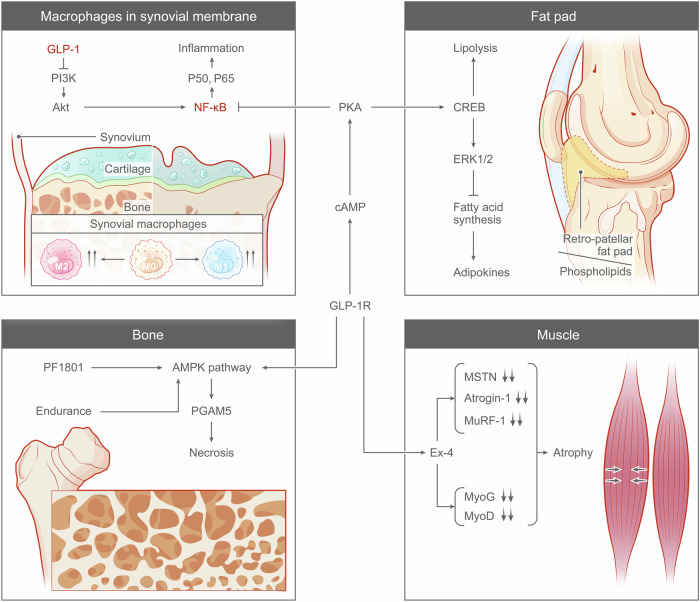
“383,384 385 – 387 Thus, by inhibiting PGAM5, AMPK suppresses necrosis, reduces ROS accumulation, and mitigates oxidative stress.”
BackgroundUnimolecular Dual Incretins Maximize Metabolic Benefits in Rodents, Monkeys, and Humans
Finan, B., Ma, T., Ottaway, N., Müller, T. D., Habegger, K. M., Heppner, K. M., Kirchner, H., Holland, J., Hembree, J., Raver, C., et al. (2013) · Science Translational Medicine · doi:10.1126/scitranslmed.3007218 · Cited by 696
Del Prato, S., Kahn, S. E., Pavo, I., Weerakkody, G. J., Yang, Z., Doupis, J., Aizenberg, D., Wynne, A. G., Riesmeyer, J. S., Heine, R. J., et al. (2021) · The Lancet · doi:10.1016/s0140-6736(21)02188-7 · Cited by 684 · cited 1×
“139 – 141 Although dual agonists show advantages in ef fi cacy, their safety and tolerability continue to be a focus of ongoing monitoring.”
BackgroundJung, Y.-J., Isaacs, J. S., Lee, S., Trepel, J., & Neckers, L. (2003) · The FASEB Journal · doi:10.1096/fj.03-0329fje · Cited by 679
Macrophage polarization in pathology
Sica, A., Erreni, M., Allavena, P., & Porta, C. (2015) · Cellular and Molecular Life Sciences · doi:10.1007/s00018-015-1995-y · Cited by 673
Hamster preproglucagon contains the sequence of glucagon and two related peptides
Bell, G. I., Santerre, R. F., & Mullenbach, G. T. (1983) · Nature · doi:10.1038/302716a0 · Cited by 649
A rationally designed monomeric peptide triagonist corrects obesity and diabetes in rodents
Finan, B., Yang, B., Ottaway, N., Smiley, D. L., Ma, T., Clemmensen, C., Chabenne, J., Zhang, L., Habegger, K. M., Fischer, K., et al. (2015) · Nature Medicine · doi:10.1038/nm.3761 · Cited by 645 · cited 1×
“28 (Fig.”
A new glucagon and GLP-1 co-agonist eliminates obesity in rodents
Day, J. W., Ottaway, N., Patterson, J. T., Gelfanov, V., Smiley, D., Gidda, J., Findeisen, H., Bruemmer, D., Drucker, D. J., Chaudhary, N., et al. (2009) · Nature Chemical Biology · doi:10.1038/nchembio.209 · Cited by 641 · cited 1×
“26 This marked a signi fi cant advancement in obesity treatment research, especially in combining multiple drug targets.”
BackgroundTruncated glucagon‐like peptide I, an insulin‐releasing hormone from the distal gut
Holst, J. J., Ørskov, C., Vagn Nielsen, O., & Schwartz, T. W. (1987) · FEBS Letters · doi:10.1016/0014-5793(87)81430-8 · Cited by 615
The cell biology of bone metabolism
Datta, H. K., Ng, W. F., Walker, J. A., Tuck, S. P., & Varanasi, S. S. (2008) · Journal of Clinical Pathology · doi:10.1136/jcp.2007.048868 · Cited by 614
Dahl, D., Onishi, Y., Norwood, P., Huh, R., Bray, R., Patel, H., & Rodríguez, Á. (2022) · JAMA · doi:10.1001/jama.2022.0078 · Cited by 597
Exon duplication and divergence in the human preproglucagon gene
Bell, G. I., Sanchez-Pescador, R., Laybourn, P. J., & Najarian, R. C. (1983) · Nature · doi:10.1038/304368a0 · Cited by 593
The Multiple Actions of GLP-1 on the Process of Glucose-Stimulated Insulin Secretion
MacDonald, P. E., El-kholy, W., Riedel, M. J., Salapatek, A. M. F., Light, P. E., & Wheeler, M. B. (2002) · Diabetes · doi:10.2337/diabetes.51.2007.s434 · Cited by 590 · cited 1×
“3,130,219 GLP-1 also activates PKA and EPAC through a cAMP-dependent pathway.”
BackgroundLi, Y., Perry, T., Kindy, M. S., Harvey, B. K., Tweedie, D., Holloway, H. W., Powers, K., Shen, H., Egan, J. M., Sambamurti, K., et al. (2009) · Proceedings of the National Academy of Sciences · doi:10.1073/pnas.0806720106 · Cited by 589
Glucagon-like peptide 1 receptor agonists: cardiovascular benefits and mechanisms of action
Ussher, J. R., & Drucker, D. J. (2023) · Nature Reviews Cardiology · doi:10.1038/s41569-023-00849-3 · Cited by 577
Noyan-Ashraf, M. H., Momen, M. A., Ban, K., Sadi, A.-M., Zhou, Y.-Q., Riazi, A. M., Baggio, L. L., Henkelman, R. M., Husain, M., & Drucker, D. J. (2009) · Diabetes · doi:10.2337/db08-1193 · Cited by 575 · cited 1×
“443 These agents exert their anti-atherosclerotic effects through various mechanisms, including by improving blood lipid pro fi les, 444 preserving endothelial integrity and regulating endothelial function, 445 as well as modulating in fl ammatory processes.”
BackgroundInducible Nitric Oxide Synthase and Inflammatory Diseases
Zamora, R., Vodovotz, Y., & Billiar, T. R. (2000) · Molecular Medicine · doi:10.1007/bf03401781 · Cited by 558
Burke, J. R., Pattoli, M. A., Gregor, K. R., Brassil, P. J., MacMaster, J. F., McIntyre, K. W., Yang, X., Iotzova, V. S., Clarke, W., Strnad, J., et al. (2003) · Journal of Biological Chemistry · doi:10.1074/jbc.m209677200 · Cited by 550
Healthy Weight Loss Maintenance with Exercise, Liraglutide, or Both Combined
Lundgren, J. R., Janus, C., Jensen, S. B. K., Juhl, C. R., Olsen, L. M., Christensen, R. M., Svane, M. S., Bandholm, T., Bojsen-Møller, K. N., Blond, M. B., et al. (2021) · New England Journal of Medicine · doi:10.1056/nejmoa2028198 · Cited by 536
Hunter, K., & Hölscher, C. (2012) · BMC Neuroscience · doi:10.1186/1471-2202-13-33 · Cited by 504
Akkiraju, H., & Nohe, A. (2015) · Journal of Developmental Biology · doi:10.3390/jdb3040177 · Cited by 498
Physiology of Proglucagon Peptides: Role of Glucagon and GLP-1 in Health and Disease
Sandoval, D. A., & D'Alessio, D. A. (2015) · Physiological Reviews · doi:10.1152/physrev.00013.2014 · Cited by 498 · cited 2×
“34,39,177 The rise in cAMP activates protein kinase A (PKA), which then promotes the synthesis and secretion of insulin and inhibits the release of glucagon.”
BackgroundDaily Oral GLP-1 Receptor Agonist Orforglipron for Adults with Obesity
Wharton, S., Blevins, T., Connery, L., Rosenstock, J., Raha, S., Liu, R., Ma, X., Mather, K. J., Haupt, A., Robins, D., et al. (2023) · New England Journal of Medicine · doi:10.1056/nejmoa2302392 · Cited by 478
GLP-1 Receptor Expression in Human Tumors and Human Normal Tissues: Potential for In Vivo Targeting
Korner, M., Stockli, M., Waser, B., & Reubi, J. C. (2007) · Journal of Nuclear Medicine · doi:10.2967/jnumed.106.038679 · Cited by 477 · cited 1×
“524,525 Pancreatic cancer: Researchers fi rst compared the expression of GLP-1R in human pancreatic cancer tissues with adjacent non-tumorous pancreatic tissues, fi nding generally lower or absent expression of GLP-1R in pancreatic cancer tissues.”
BackgroundOverview of MMP-13 as a Promising Target for the Treatment of Osteoarthritis
Hu, Q., & Ecker, M. (2021) · International Journal of Molecular Sciences · doi:10.3390/ijms22041742 · Cited by 475
GLP-1 Receptor Agonists: Beyond Their Pancreatic Effects
Zhao, X., Wang, M., Wen, Z., Lu, Z., Cui, L., Fu, C., Xue, H., Liu, Y., & Zhang, Y. (2021) · Frontiers in Endocrinology · doi:10.3389/fendo.2021.721135 · Cited by 463 · cited 3×
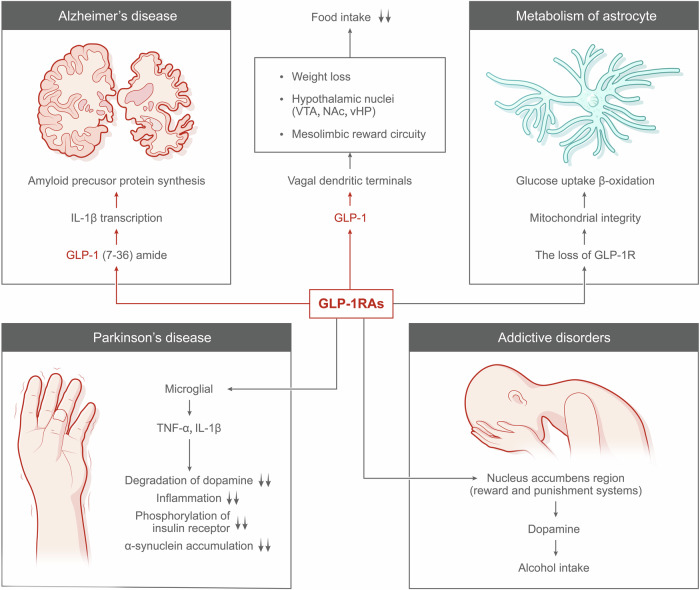
“5 418 – 420 This activation holds the ability to modulate food consumption by reducing food intake and conveying signals of satiety to the brain.”
BackgroundBlevins, T., Pullman, J., Malloy, J., Yan, P., Taylor, K., Schulteis, C., Trautmann, M., & Porter, L. (2011) · The Journal of Clinical Endocrinology & Metabolism · doi:10.1210/jc.2010-2081 · Cited by 448 · cited 1×
“49 GLP-1RA is primarily used for the treatment of T2DM 68 and works by mimicking the action of the naturally occurring hormone GLP-1, which is released by the intestines in response to food intake.”
BackgroundBennell, K. L., Paterson, K. L., Metcalf, B. R., Duong, V., Eyles, J., Kasza, J., Wang, Y., Cicuttini, F., Buchbinder, R., Forbes, A., et al. (2021) · JAMA · doi:10.1001/jama.2021.19415 · Cited by 436
GLP-1 Receptor Activation Modulates Appetite- and Reward-Related Brain Areas in Humans
van Bloemendaal, L., IJzerman, R. G., ten Kulve, J. S., Barkhof, F., Konrad, R. J., Drent, M. L., Veltman, D. J., & Diamant, M. (2014) · Diabetes · doi:10.2337/db14-0849 · Cited by 427
Rosenstock, J., Frias, J., Jastreboff, A. M., Du, Y., Lou, J., Gurbuz, S., Thomas, M. K., Hartman, M. L., Haupt, A., Milicevic, Z., et al. (2023) · The Lancet · doi:10.1016/s0140-6736(23)01053-x · Cited by 423 · cited 7×
“160,161 For example, HM15211, a triple agonist developed by Hanmi Pharmaceutical in South Korea that activates GLP-1R, GIPR and GCGR has entered early clinical trials for the treatment of obesity and non-alcoholic steatohepatitis (NASH).”
BackgroundInfluentialGilbert, M. P., & Pratley, R. E. (2020) · Frontiers in Endocrinology · doi:10.3389/fendo.2020.00178 · Cited by 407 · cited 2×
“47, 48 By emulating the biological activity of natural GLP-1, GLP-1RAs effectively ful fi ll the role of GLP-1, effectively lowering blood glucose levels without increasing the risk of hypoglycemia and demonstrating favorable safety pro fi les.”
BackgroundNauck, M. A., & D‘Alessio, D. A. (2022) · Cardiovascular Diabetology · doi:10.1186/s12933-022-01604-7 · Cited by 407 · cited 1×
“124,129 A common combination is GLP-1 with GIP or insulin-like growth factor.”
BackgroundThe anti-inflammatory and immunological properties of GLP-1 Receptor Agonists
Bendotti, G., Montefusco, L., Lunati, M. E., Usuelli, V., Pastore, I., Lazzaroni, E., Assi, E., Seelam, A. J., El Essawy, B., Jang, J., et al. (2022) · Pharmacological Research · doi:10.1016/j.phrs.2022.106320 · Cited by 406
Graaf, C. D., Donnelly, D., Wootten, D., Lau, J., Sexton, P. M., Miller, L. J., Ahn, J.-M., Liao, J., Fletcher, M. M., Yang, D., et al. (2016) · Pharmacological Reviews · doi:10.1124/pr.115.011395 · Cited by 403 · cited 1×
“7,50 ,51 As researchers dive deeper into their multifaceted properties, these medications exhibit the potential to offer therapeutic bene fi ts across a spectrum of diseases in human populations.”
BackgroundNauck, M. A., Kemmeries, G., Holst, J. J., & Meier, J. J. (2011) · Diabetes · doi:10.2337/db10-0474 · Cited by 392 · cited 2×
“268 When activated, the vagus nerve can reduce the contraction of the stomach, thereby slowing down food emptying.”
BackgroundHolz, G. G. (2004) · Diabetes · doi:10.2337/diabetes.53.1.5 · Cited by 391
Protection and Reversal of Excitotoxic Neuronal Damage by Glucagon-Like Peptide-1 and Exendin-4
Perry, T., Haughey, N. J., Mattson, M. P., Egan, J. M., & Greig, N. H. (2002) · The Journal of Pharmacology and Experimental Therapeutics · doi:10.1124/jpet.102.037481 · Cited by 380 · cited 1×
“396 – 399 GLP-1RAs and nerve cells .”
Cogswell, J. P., Godlevski, M. M., Wisely, G. B., Clay, W. C., Leesnitzer, L. M., Ways, J. P., & Gray, J. G. (1994) · The Journal of Immunology · doi:10.4049/jimmunol.153.2.712 · Cited by 371
Trial of Lixisenatide in Early Parkinson’s Disease
Meissner, W. G., Remy, P., Giordana, C., Maltête, D., Derkinderen, P., Houéto, J.-L., Anheim, M., Benatru, I., Boraud, T., Brefel-Courbon, C., et al. (2024) · New England Journal of Medicine · doi:10.1056/nejmoa2312323 · Cited by 369 · cited 1×
“432 The study emphasizes the need for further research into the potential bene fi ts and risks of liraglutide in patients at different stages of PD. 432 GLP-1RAs and addictive disorders .”
BackgroundEverett, B. M., Pradhan, A. D., Solomon, D. H., Paynter, N., MacFadyen, J., Zaharris, E., Gupta, M., Clearfield, M., Libby, P., Hasan, A. A. K., et al. (2013) · American Heart Journal · doi:10.1016/j.ahj.2013.03.018 · Cited by 368
The AMPK pathway in fatty liver disease
Fang, C., Pan, J., Qu, N., Lei, Y., Han, J., Zhang, J., & Han, D. (2022) · Frontiers in Physiology · doi:10.3389/fphys.2022.970292 · Cited by 364 · cited 1×
“3,507 508 – 511 Additionally, GLP-1 mitigates liver in fl ammation and fi brosis by inhibiting the NF-κ B pathway, reducing the release of pro-in fl ammatory cytokines such as TNF-α and IL-6, and thus suppressing in fl ammatory pathways.”
BackgroundMammalian Sirt1: insights on its biological functions
Rahman, S., & Islam, R. (2011) · Cell Communication and Signaling · doi:10.1186/1478-811x-9-11 · Cited by 362
Li, X. (2013) · Acta Biochimica et Biophysica Sinica · doi:10.1093/abbs/gms108 · Cited by 360
Strowski, M. Z. (2000) · Endocrinology · doi:10.1210/en.141.1.111 · Cited by 359
Liraglutide in Children and Adolescents with Type 2 Diabetes
Tamborlane, W. V., Barrientos-Pérez, M., Fainberg, U., Frimer-Larsen, H., Hafez, M., Hale, P. M., Jalaludin, M. Y., Kovarenko, M., Libman, I., Lynch, J. L., et al. (2019) · New England Journal of Medicine · doi:10.1056/nejmoa1903822 · Cited by 357 · cited 1×
“79,80 In the treatment of T2DM, liraglutide helps lower blood sugar levels by increasing insulin production and reducing glucose production by the liver.”
BackgroundMacrophage: A Potential Target on Cartilage Regeneration
Fernandes, T. L., Gomoll, A. H., Lattermann, C., Hernandez, A. J., Bueno, D. F., & Amano, M. T. (2020) · Frontiers in Immunology · doi:10.3389/fimmu.2020.00111 · Cited by 354
Perry, T., Lahiri, D. K., Sambamurti, K., Chen, D., Mattson, M. P., Egan, J. M., & Greig, N. H. (2003) · Journal of Neuroscience Research · doi:10.1002/jnr.10611 · Cited by 347
Tirzepatide cardiovascular event risk assessment: A pre-specified meta-analysis
Sattar, N., McGuire, D. K., Pavo, I., Weerakkody, G. J., Nishiyama, H., Wiese, R. J., & Zoungas, S. (2022) · Nature Medicine · doi:10.1038/s41591-022-01707-4 · Cited by 346
Bertilsson, G., Patrone, C., Zachrisson, O., Andersson, A., Dannaeus, K., Heidrich, J., Kortesmaa, J., Mercer, A., Nielsen, E., Rönnholm, H., et al. (2008) · Journal of Neuroscience Research · doi:10.1002/jnr.21483 · Cited by 345
Cholecystokinin suppresses food intake by inhibiting gastric emptying
Moran, T. H., & McHugh, P. R. (1982) · American Journal of Physiology-Regulatory, Integrative and Comparative Physiology · doi:10.1152/ajpregu.1982.242.5.r491 · Cited by 339 · cited 1×
“270,271 Additionally, slower gastric emptying helps stabilize postprandial blood glucose levels.”
BackgroundRelationships Between Gastric Emptying, Postprandial Glycemia, and Incretin Hormones
Marathe, C. S., Rayner, C. K., Jones, K. L., & Horowitz, M. (2013) · Diabetes Care · doi:10.2337/dc12-1609 · Cited by 335 · cited 1×
“239,240 In summary, GLP-1 lowers blood glucose levels and inhibits glucagon secretion through direct action on α -cells, promotion of insulin secretion, and regulation of gastrointestinal activity.”
BackgroundHauge-Evans, A. C., King, A. J., Carmignac, D., Richardson, C. C., Robinson, I. C. A. F., Low, M. J., Christie, M. R., Persaud, S. J., & Jones, P. M. (2009) · Diabetes · doi:10.2337/db08-0792 · Cited by 335
Frias, J. P., Deenadayalan, S., Erichsen, L., Knop, F. K., Lingvay, I., Macura, S., Mathieu, C., Pedersen, S. D., & Davies, M. (2023) · The Lancet · doi:10.1016/s0140-6736(23)01163-7 · Cited by 334
Laminar Flow Induction of Antioxidant Response Element-mediated Genes in Endothelial Cells
Chen, X.-L., Varner, S. E., Rao, A. S., Grey, J. Y., Thomas, S., Cook, C. K., Wasserman, M. A., Medford, R. M., Jaiswal, A. K., & Kunsch, C. (2003) · Journal of Biological Chemistry · doi:10.1074/jbc.m203161200 · Cited by 333
What is the pipeline for future medications for obesity?
Melson, E., Ashraf, U., Papamargaritis, D., & Davies, M. J. (2025) · International Journal of Obesity · doi:10.1038/s41366-024-01473-y · Cited by 332
Nonalcoholic fatty liver disease (NAFLD) from pathogenesis to treatment concepts in humans
Pafili, K., & Roden, M. (2021) · Molecular Metabolism · doi:10.1016/j.molmet.2020.101122 · Cited by 330
Pratley, R. E., Nauck, M. A., Barnett, A. H., Feinglos, M. N., Ovalle, F., Harman-Boehm, I., Ye, J., Scott, R., Johnson, S., Stewart, M., et al. (2014) · The Lancet Diabetes & Endocrinology · doi:10.1016/s2213-8587(13)70214-6 · Cited by 326 · cited 2×
“107 Further, serious risks associated with Tanzeum use include pancreatitis, acute kidney injury, renal impairment, and pneumonia, further limiting its use in speci fi c conditions or susceptible patients.”
BackgroundNahra, R., Wang, T., Gadde, K. M., Oscarsson, J., Stumvoll, M., Jermutus, L., Hirshberg, B., & Ambery, P. (2021) · Diabetes Care · doi:10.2337/dc20-2151 · Cited by 323 · cited 1×
“147 Triple agonist: Triple agonists go even further.”
BackgroundThe Murine Glucagon-Like Peptide-1 Receptor Is Essential for Control of Bone Resorption
Yamada, C., Yamada, Y., Tsukiyama, K., Yamada, K., Udagawa, N., Takahashi, N., Tanaka, K., Drucker, D. J., Seino, Y., & Inagaki, N. (2008) · Endocrinology · doi:10.1210/en.2007-1292 · Cited by 318 · cited 4×
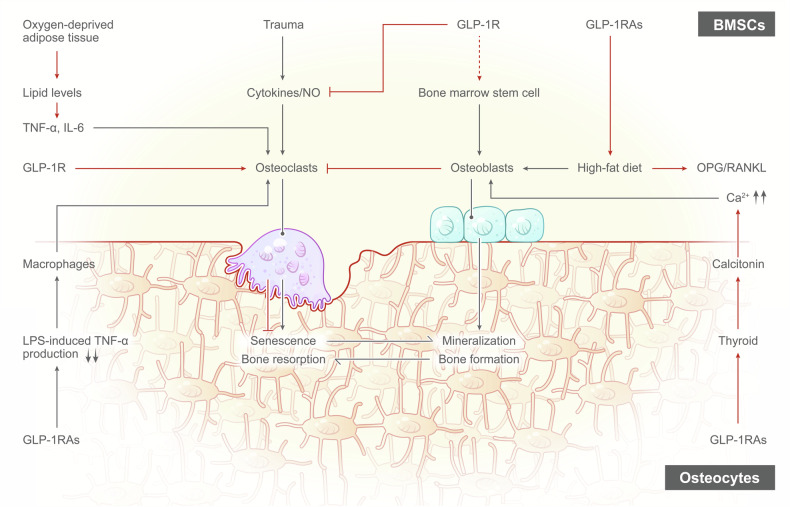
“362 In an experimental study in which osteoclast formation and bone resorption were induced in mice through lipopolysaccharide (LPS) administration, researchers discovered that simultaneous treatment with exendin-4 resulted in a signi fi cant decrease in the number of osteoclasts, the proportion of…”
BackgroundInfluentialGlucagon-like peptide-1: a multi-faceted anti-inflammatory agent
Mehdi, S. F., Pusapati, S., Anwar, M. S., Lohana, D., Kumar, P., Nandula, S. A., Nawaz, F. K., Tracey, K., Yang, H., LeRoith, D., et al. (2023) · Frontiers in Immunology · doi:10.3389/fimmu.2023.1148209 · Cited by 317
Coskun, T., Urva, S., Roell, W. C., Qu, H., Loghin, C., Moyers, J. S., O’Farrell, L. S., Briere, D. A., Sloop, K. W., Thomas, M. K., et al. (2022) · Cell Metabolism · doi:10.1016/j.cmet.2022.07.013 · Cited by 316 · cited 1×
“158,161,164,165 However, activating multiple receptors may lead to more complex side effects, and in some experiments, dual and triple agonists have indeed shown more severe side effects.”
BackgroundThe Carotid Body as a Therapeutic Target for the Treatment of Sympathetically Mediated Diseases
Paton, J. F. R., Sobotka, P. A., Fudim, M., Engelman, Z. J., Hart, E. C. J., McBryde, F. D., Abdala, A. P., Marina, N., Gourine, A. V., Lobo, M., et al. (2013) · Hypertension · doi:10.1161/hypertensionaha.111.00064 · Cited by 310 · cited 1×
“464 Notably, the carotid body expresses GLP-1R, which is implicated in the concurrent regulation of blood pressure and blood glucose.”
BackgroundWong, C. K., McLean, B. A., Baggio, L. L., Koehler, J. A., Hammoud, R., Rittig, N., Yabut, J. M., Seeley, R. J., Brown, T. J., & Drucker, D. J. (2024) · Cell Metabolism · doi:10.1016/j.cmet.2023.11.009 · Cited by 304
Pleiotropic Effects of GLP-1 and Analogs on Cell Signaling, Metabolism, and Function
Rowlands, J., Heng, J., Newsholme, P., & Carlessi, R. (2018) · Frontiers in Endocrinology · doi:10.3389/fendo.2018.00672 · Cited by 302 · cited 4×
“206,487 These changes lead to a reduction in the production of non-esteri fi ed fatty acids (LCFAs) and glucose, as well as a decrease in the synthesis of VLDL (Very Low-Density Lipoprotein).”
BackgroundInfluentialAstrocytes as Key Regulators of Brain Energy Metabolism: New Therapeutic Perspectives
Beard, E., Lengacher, S., Dias, S., Magistretti, P. J., & Finsterwald, C. (2022) · Frontiers in Physiology · doi:10.3389/fphys.2021.825816 · Cited by 302 · cited 1×
“404 – 406 These cells not only respond to signals from leptin and insulin but also adapt to alterations in brain metabolism to accommodate behavioral changes by controlling glucose transport.”
BackgroundCirculation and Degradation of GIP and GLP-1
Deacon, C. F. (2004) · Hormone and Metabolic Research · doi:10.1055/s-2004-826160 · Cited by 299 · cited 3×
“35,256,257 Traditionally, GLP-1(9 – 36) was considered a metabolically inactive product of GLP-1, losing its primary function of regulating blood sugar.”
BackgroundGlucagon-like peptide-1 receptor co-agonists for treating metabolic disease.
Baggio, L. L., & Drucker, D. J. (2021) · Molecular Metabolism · doi:10.1016/j.molmet.2020.101090 · Cited by 299
GLP-1 receptor agonists (GLP-1RAs): cardiovascular actions and therapeutic potential
Ma, X., Liu, Z., Ilyas, I., Little, P. J., Kamato, D., Sahebka, A., Chen, Z., Luo, S., Zheng, X., Weng, J., et al. (2021) · International Journal of Biological Sciences · doi:10.7150/ijbs.59965 · Cited by 299
Ard, J., Fitch, A., Fruh, S., & Herman, L. (2021) · Advances in Therapy · doi:10.1007/s12325-021-01710-0 · Cited by 297
Pancreatic preproglucagon cDNA contains two glucagon-related coding sequences arranged in tandem
Lund, P. K., Goodman, R. H., Dee, P. C., & Habener, J. F. (1982) · Proceedings of the National Academy of Sciences · doi:10.1073/pnas.79.2.345 · Cited by 295
New insights on the MMP-13 regulatory network in the pathogenesis of early osteoarthritis
Li, H., Wang, D., Yuan, Y., & Min, J. (2017) · Arthritis Research & Therapy · doi:10.1186/s13075-017-1454-2 · Cited by 293
The structure and function of the glucagon‐like peptide‐1 receptor and its ligands
Donnelly, D. (2012) · British Journal of Pharmacology · doi:10.1111/j.1476-5381.2011.01687.x · Cited by 292
GLP-1 and weight loss: unraveling the diverse neural circuitry
Kanoski, S. E., Hayes, M. R., & Skibicka, K. P. (2016) · American Journal of Physiology-Regulatory, Integrative and Comparative Physiology · doi:10.1152/ajpregu.00520.2015 · Cited by 290 · cited 2×
“15,392 In Wistar rats, a diet high in fat was found to lead to a decrease in the ratio of OPG/RANKL, which resulted in increased bone resorption and ultimately a reduction in bone mass.”
BackgroundProgranulin inhibits LPS-induced macrophage M1 polarization via NF-кB and MAPK pathways
Liu, L., Guo, H., Song, A., Huang, J., Zhang, Y., Jin, S., Li, S., Zhang, L., Yang, C., & Yang, P. (2020) · BMC Immunology · doi:10.1186/s12865-020-00355-y · Cited by 289
Glucagon-like peptide 1(GLP-1) in biology and pathology
Meier, J. J., & Nauck, M. A. (2005) · Diabetes/Metabolism Research and Reviews · doi:10.1002/dmrr.538 · Cited by 288 · cited 1×
“239,240 In summary, GLP-1 lowers blood glucose levels and inhibits glucagon secretion through direct action on α -cells, promotion of insulin secretion, and regulation of gastrointestinal activity.”
BackgroundRegulation of Glucose Homeostasis by GLP-1
Nadkarni, P., Chepurny, O. G., & Holz, G. G. (2014) · Progress in Molecular Biology and Translational Science · doi:10.1016/b978-0-12-800101-1.00002-8 · Cited by 287
Farr, O. M., Sofopoulos, M., Tsoukas, M. A., Dincer, F., Thakkar, B., Sahin-Efe, A., Filippaios, A., Bowers, J., Srnka, A., Gavrieli, A., et al. (2016) · Diabetologia · doi:10.1007/s00125-016-3874-y · Cited by 287
Nevola, R., Epifani, R., Imbriani, S., Tortorella, G., Aprea, C., Galiero, R., Rinaldi, L., Marfella, R., & Sasso, F. C. (2023) · International Journal of Molecular Sciences · doi:10.3390/ijms24021703 · Cited by 286 · cited 1×
“513,514 These signaling pathways suggest that GLP-1 and its receptor agonists may in fl uence the progression of NASH through multiple mechanisms, providing several potential therapeutic targets including: FOXO1, a transcription factor that plays a critical role in regulating glucose and lipid…”
BackgroundNauck, M., Weinstock, R. S., Umpierrez, G. E., Guerci, B., Skrivanek, Z., & Milicevic, Z. (2014) · Diabetes Care · doi:10.2337/dc13-2761 · Cited by 284
Transcription Factor STAT3 as a Novel Molecular Target for Cancer Prevention
Xiong, A., Yang, Z., Shen, Y., Zhou, J., & Shen, Q. (2014) · Cancers · doi:10.3390/cancers6020926 · Cited by 283
Helmstädter, J., Frenis, K., Filippou, K., Grill, A., Dib, M., Kalinovic, S., Pawelke, F., Kus, K., Kröller-Schön, S., Oelze, M., et al. (2020) · Arteriosclerosis, Thrombosis, and Vascular Biology · doi:10.1161/atv.0000615456.97862.30 · Cited by 283 · cited 1×
“43,192,440,441 GLP-1RAs and AS .”
Yusta, B., Baggio, L. L., Koehler, J., Holland, D., Cao, X., Pinnell, L. J., Johnson-Henry, K. C., Yeung, W., Surette, M. G., Bang, K. W. A., et al. (2015) · Diabetes · doi:10.2337/db14-1577 · Cited by 282
Long, J.-K., Dai, W., Zheng, Y.-W., & Zhao, S.-P. (2019) · Molecular Medicine · doi:10.1186/s10020-019-0085-2 · Cited by 281
Drucker, D. J. (2003) · Endocrinology · doi:10.1210/en.2003-1147 · Cited by 274
Karagiannis, T., Avgerinos, I., Liakos, A., Del Prato, S., Matthews, D. R., Tsapas, A., & Bekiari, E. (2022) · Diabetologia · doi:10.1007/s00125-022-05715-4 · Cited by 272 · cited 1×
“124,129 A common combination is GLP-1 with GIP or insulin-like growth factor.”
BackgroundBoland, M. L., Laker, R. C., Mather, K., Nawrocki, A., Oldham, S., Boland, B. B., Lewis, H., Conway, J., Naylor, J., Guionaud, S., et al. (2020) · Nature Metabolism · doi:10.1038/s42255-020-0209-6 · Cited by 270
Knockdown of GLP-1 Receptors in Vagal Afferents Affects Normal Food Intake and Glycemia
Krieger, J.-P., Arnold, M., Pettersen, K. G., Lossel, P., Langhans, W., & Lee, S. J. (2016) · Diabetes · doi:10.2337/db15-0973 · Cited by 269 · cited 1×
“5 418 – 420 This activation holds the ability to modulate food consumption by reducing food intake and conveying signals of satiety to the brain.”
BackgroundUnraveling the complexity of STAT3 in cancer: molecular understanding and drug discovery
Hu, Y., Dong, Z., & Liu, K. (2024) · Journal of Experimental & Clinical Cancer Research · doi:10.1186/s13046-024-02949-5 · Cited by 268
The effect of cytokines on osteoblasts and osteoclasts in bone remodeling in osteoporosis: a review
Xu, J., Yu, L., Liu, F., Wan, L., & Deng, Z. (2023) · Frontiers in Immunology · doi:10.3389/fimmu.2023.1222129 · Cited by 263
Autophagy and Macrophage Functions: Inflammatory Response and Phagocytosis
Wu, M.-Y., & Lu, J.-H. (2019) · Cells · doi:10.3390/cells9010070 · Cited by 260
Cellular regulation of islet hormone secretion by the incretin hormone glucagon-like peptide 1
Gromada, J., Holst, J. J., & Rorsman, P. (1998) · Pfl�gers Archiv European Journal of Physiology · doi:10.1007/s004240050558 · Cited by 258 · cited 1×
“247 The primary action often occurs through indirect mechanisms, such as insulin and somatostatin.”
BackgroundDe Marinis, Y. Z., Salehi, A., Ward, C. E., Zhang, Q., Abdulkader, F., Bengtsson, M., Braha, O., Braun, M., Ramracheya, R., Amisten, S., et al. (2010) · Cell Metabolism · doi:10.1016/j.cmet.2010.04.007 · Cited by 257
Knudsen, L. B., & Pridal, L. (1996) · European Journal of Pharmacology · doi:10.1016/s0014-2999(96)00795-9 · Cited by 248 · cited 1×
“258 However, increasing research suggests that GLP-1(9 – 36) may have other physiological roles.”
BackgroundGLP−1 receptor agonists for the treatment of obesity: Role as a promising approach
Wang, J.-Y., Wang, Q.-W., Yang, X.-Y., Yang, W., Li, D.-R., Jin, J.-Y., Zhang, H.-C., & Zhang, X.-F. (2023) · Frontiers in Endocrinology · doi:10.3389/fendo.2023.1085799 · Cited by 248
Reich, N., & Hölscher, C. (2022) · Frontiers in Neuroscience · doi:10.3389/fnins.2022.970925 · Cited by 248 · cited 1×
“6,14 Furthermore, GLP-1 signaling indirectly enhances and restores the insulin signaling pathway in neurons, leading to a reduction in the phosphorylation of insulin receptor substrates and the burden caused by monomeric α -synuclein.”
BackgroundLiu, W., Jalewa, J., Sharma, M., Li, G., Li, L., & Hölscher, C. (2015) · Neuroscience · doi:10.1016/j.neuroscience.2015.06.054 · Cited by 246
Glucagon-like peptide-1 receptors in the brain: controlling food intake and body weight
Baggio, L. L., & Drucker, D. J. (2014) · Journal of Clinical Investigation · doi:10.1172/jci78371 · Cited by 245 · cited 1×
“176,210,211 These effects involve interactions with other satiety and hunger signals, such as PYY, CCK, insulin, and leptin.”
BackgroundKim, S.-J., Winter, K., Nian, C., Tsuneoka, M., Koda, Y., & McIntosh, C. H. S. (2005) · Journal of Biological Chemistry · doi:10.1074/jbc.m500540200 · Cited by 241 · cited 1×
“223,224 GLP-1 also inhibits glucagon release from α -cells, which is bene fi cial for reducing blood glucose levels since glucagon promotes hepatic gluconeogenesis.”
BackgroundEmerging Role of cAMP/AMPK Signaling
Aslam, M., & Ladilov, Y. (2022) · Cells · doi:10.3390/cells11020308 · Cited by 241
Enteroendocrine L Cells Sense LPS after Gut Barrier Injury to Enhance GLP-1 Secretion
Lebrun, L. J., Lenaerts, K., Kiers, D., Pais de Barros, J.-P., Le Guern, N., Plesnik, J., Thomas, C., Bourgeois, T., Dejong, C. H. C., Kox, M., et al. (2017) · Cell Reports · doi:10.1016/j.celrep.2017.10.008 · Cited by 238 · cited 3×
“232,233,241,259 (Fig.”
BackgroundGlycemia Reduction in Type 2 Diabetes — Glycemic Outcomes
The GRADE Study Research Group (2022) · New England Journal of Medicine · doi:10.1056/nejmoa2200433 · Cited by 222
cAMP signalling in insulin and glucagon secretion
Tengholm, A., & Gylfe, E. (2017) · Diabetes, Obesity and Metabolism · doi:10.1111/dom.12993 · Cited by 220 · cited 1×
“180,181,183 187 Interactions with other pathways GLP-1 not only promotes the release of insulin but also enhances the response of pancreatic β -cells to insulin through the PI3K/Akt pathway, thereby improving insulin signal transduction and increasing the sensitivity of peripheral tissues to…”
BackgroundRomero-Gómez, M., Lawitz, E., Shankar, R. R., Chaudhri, E., Liu, J., Lam, R. L. H., Kaufman, K. D., Engel, S. S., Bruzone, S. O., Coronel, M. J., et al. (2023) · Journal of Hepatology · doi:10.1016/j.jhep.2023.05.013 · Cited by 220
Liraglutide in Type 2 Diabetes Mellitus: Clinical Pharmacokinetics and Pharmacodynamics
Jacobsen, L. V., Flint, A., Olsen, A. K., & Ingwersen, S. H. (2016) · Clinical Pharmacokinetics · doi:10.1007/s40262-015-0343-6 · Cited by 217 · cited 1×
“81,107,109 Tanzeum was discontinued by GlaxoSmithKline (GSK) in 2017, primarily due to economic factors.”
BackgroundMechanical strain activates BNP gene transcription through a p38/NF-κB–dependent mechanism
Liang, F., & Gardner, D. G. (1999) · Journal of Clinical Investigation · doi:10.1172/jci7362 · Cited by 213
Little, T. J., Pilichiewicz, A. N., Russo, A., Phillips, L., Jones, K. L., Nauck, M. A., Wishart, J., Horowitz, M., & Feinle-Bisset, C. (2006) · The Journal of Clinical Endocrinology & Metabolism · doi:10.1210/jc.2005-2220 · Cited by 212 · cited 2×
“269 The prolonged retention of food in the stomach enhances the feeling of fullness, naturally reducing overall food intake.”
BackgroundIncretins (GLP-1 receptor agonists and dual/triple agonists) and the liver
Newsome, P. N., & Ambery, P. (2023) · Journal of Hepatology · doi:10.1016/j.jhep.2023.07.033 · Cited by 211 · cited 1×
“148 These drugs act by simultaneously targeting three different agonists GLP-1R, the GIPR, and the GCGR. 149 – 151 These receptors each have independent yet complementary roles in the treatment of diabetes and obesity.”
Glucagon-like peptide-1 (GLP-1) induces M2 polarization of human macrophages via STAT3 activation
Shiraishi, D., Fujiwara, Y., Komohara, Y., Mizuta, H., & Takeya, M. (2012) · Biochemical and Biophysical Research Communications · doi:10.1016/j.bbrc.2012.07.086 · Cited by 208
Brereton, M. F., Vergari, E., Zhang, Q., & Clark, A. (2015) · Journal of Histochemistry & Cytochemistry · doi:10.1369/0022155415583535 · Cited by 206
Targeting cAMP/PKA pathway for glycemic control and type 2 diabetes therapy
Yang, H., & Yang, L. (2016) · Journal of Molecular Endocrinology · doi:10.1530/jme-15-0316 · Cited by 203 · cited 3×
“178,180 The PI3K/Akt signaling pathway, activated by GLP-1, plays a vital role in maintaining pancreatic β -cell survival and promoting their proliferation.”
BackgroundUrva, S., Coskun, T., Loh, M. T., Du, Y., Thomas, M. K., Gurbuz, S., Haupt, A., Benson, C. T., Hernandez-Illas, M., D’Alessio, D. A., et al. (2022) · The Lancet · doi:10.1016/s0140-6736(22)02033-5 · Cited by 202 · cited 1×
“157,158 Activation of the insulin or Insulin-like Growth Factor 1 (IGF-1) receptor can enhance insulin sensitivity, improve glucose absorption and utilization by cells, and potentially have positive effects on cardiovascular health and long-term energy balance.”
BackgroundMa, X., Meng, J., Jia, M., Bi, L., Zhou, Y., Wang, Y., Hu, J., He, G., & Luo, X. (2013) · Journal of Bone and Mineral Research · doi:10.1002/jbmr.1898 · Cited by 200 · cited 2×
“374 Exendin-4 has also been shown to stimulate osteoblast activity and mitigate bone loss in an ovariectomized mouse model.”
BackgroundKolczynska, K., Loza-Valdes, A., Hawro, I., & Sumara, G. (2020) · Lipids in Health and Disease · doi:10.1186/s12944-020-01286-8 · Cited by 199 · cited 1×
“485,486 This affects the synthesis of triacylglycerol (TAG), phosphatidic acid (di-P PA), and diacylglycerol (DAG) in the liver.”
BackgroundTsukiyama, K., Yamada, Y., Yamada, C., Harada, N., Kawasaki, Y., Ogura, M., Bessho, K., Li, M., Amizuka, N., Sato, M., et al. (2006) · Molecular Endocrinology · doi:10.1210/me.2005-0187 · Cited by 198 · cited 1×
“368 Since GLP-1R is expressed in thyroid C cells and GLP-1 directly stimulates the secretion of calcitonin, which is a potent inhibitor of bone resorption in osteoclasts, GLP-1 may contribute to the nutrient-mediated reduction in bone resorption.”
BackgroundMatthews, J. E., Stewart, M. W., De Boever, E. H., Dobbins, R. L., Hodge, R. J., Walker, S. E., Holland, M. C., Bush, M. A., & for the Albiglutide Study Group (2008) · The Journal of Clinical Endocrinology & Metabolism · doi:10.1210/jc.2008-1518 · Cited by 198
Chai, W., Dong, Z., Wang, N., Wang, W., Tao, L., Cao, W., & Liu, Z. (2012) · Diabetes · doi:10.2337/db11-1073 · Cited by 194
An inter-organ neural circuit for appetite suppression
Zhang, T., Perkins, M. H., Chang, H., Han, W., & de Araujo, I. E. (2022) · Cell · doi:10.1016/j.cell.2022.05.007 · Cited by 192 · cited 3×
“176”
BackgroundThe central GLP-1: implications for food and drug reward
Skibicka, K. P. (2013) · Frontiers in Neuroscience · doi:10.3389/fnins.2013.00181 · Cited by 188 · cited 1×
“421,422 Remarkably, GLP-1R activation in certain nuclei (such as the VTA, NAc, and vHP) elicits reductions in food intake and body weight without concurrent nausea responses.”
BackgroundA new class of drugs for heart failure: SGLT2 inhibitors reduce sympathetic overactivity
Sano, M. (2018) · Journal of Cardiology · doi:10.1016/j.jjcc.2017.12.004 · Cited by 188 · cited 2×
“475 By the way, a clinical study published in “ Nature Metabolism ” detailed the effects of semaglutide and dapagli fl ozin (an SGLT2 inhibitor) on blood sugar control in patients with T2DM of different pathophysiological types.”
BackgroundAmelioration of muscle wasting by glucagon‐like peptide‐1 receptor agonist in muscle atrophy
Hong, Y., Lee, J. H., Jeong, K. W., Choi, C. S., & Jun, H. (2019) · Journal of Cachexia, Sarcopenia and Muscle · doi:10.1002/jcsm.12434 · Cited by 188
Serum 1,5-Anhydroglucitol (GlycoMark™): A Short-Term Glycemic Marker
Buse, J. B., Freeman, J. L. R., Edelman, S. V., Jovanovic, L., & McGill, J. B. (2003) · Diabetes Technology & Therapeutics · doi:10.1089/152091503765691839 · Cited by 187
Kosinska, M. K., Ludwig, T. E., Liebisch, G., Zhang, R., Siebert, H.-C., Wilhelm, J., Kaesser, U., Dettmeyer, R. B., Klein, H., Ishaque, B., et al. (2015) · PLOS ONE · doi:10.1371/journal.pone.0125192 · Cited by 187 · cited 1×
“394 Surprisingly, GLP-1RAs can in fl uence the phospholipid structure and cytokines surrounding joints, leading to bene fi cial transformations that safeguard joints and even facilitate partial repair of any existing damage.”
BackgroundAnton, S. E., Kayser, C., Maiellaro, I., Nemec, K., Möller, J., Koschinski, A., Zaccolo, M., Annibale, P., Falcke, M., Lohse, M. J., et al. (2022) · Cell · doi:10.1016/j.cell.2022.02.011 · Cited by 186
The role of AMPK in macrophage metabolism, function and polarisation
Cui, Y., Chen, J., Zhang, Z., Shi, H., Sun, W., & Yi, Q. (2023) · Journal of Translational Medicine · doi:10.1186/s12967-023-04772-6 · Cited by 185 · cited 1×
“383,384 385 – 387 Thus, by inhibiting PGAM5, AMPK suppresses necrosis, reduces ROS accumulation, and mitigates oxidative stress.”
BackgroundPeptide YY inhibits meal-stimulated pancreatic and gastric secretion
Pappas, T. N., Debas, H. T., Goto, Y., & Taylor, I. L. (1985) · American Journal of Physiology-Gastrointestinal and Liver Physiology · doi:10.1152/ajpgi.1985.248.1.g118 · Cited by 184 · cited 1×
“245,246 Hence, GLP-1 activates δ -cells and promotes somatostatin secretion, forming a multi-layered inhibitory mechanism that effectively reduces glucagon secretion.”
BackgroundGABA Promotes Human β-Cell Proliferation and Modulates Glucose Homeostasis
Purwana, I., Zheng, J., Li, X., Deurloo, M., Son, D. O., Zhang, Z., Liang, C., Shen, E., Tadkase, A., Feng, Z.-P., et al. (2014) · Diabetes · doi:10.2337/db14-0153 · Cited by 183 · cited 1×
“180,181,183 187 Interactions with other pathways GLP-1 not only promotes the release of insulin but also enhances the response of pancreatic β -cells to insulin through the PI3K/Akt pathway, thereby improving insulin signal transduction and increasing the sensitivity of peripheral tissues to…”
BackgroundDrucker, D. J., Dritselis, A., & Kirkpatrick, P. (2010) · Nature Reviews Drug Discovery · doi:10.1038/nrd3148 · Cited by 181 · cited 1×
“60 Liraglutide was subsequently approved for marketing in February 2010, 62 and lixisenatide was approved for marketing in the European Union in 2013 for the treatment of T2DM and in the United States in July 2016.”
Wang, D., Luo, P., Wang, Y., Li, W., Wang, C., Sun, D., Zhang, R., Su, T., Ma, X., Zeng, C., et al. (2013) · Diabetes · doi:10.2337/db12-1025 · Cited by 179 · cited 1×
“443 These agents exert their anti-atherosclerotic effects through various mechanisms, including by improving blood lipid pro fi les, 444 preserving endothelial integrity and regulating endothelial function, 445 as well as modulating in fl ammatory processes.”
BackgroundLiu, L., Liu, J., Wong, W. T., Tian, X. Y., Lau, C. W., Wang, Y.-X., Xu, G., Pu, Y., Zhu, Z., Xu, A., et al. (2012) · Hypertension · doi:10.1161/hypertensionaha.112.195115 · Cited by 179 · cited 1×
“443 These agents exert their anti-atherosclerotic effects through various mechanisms, including by improving blood lipid pro fi les, 444 preserving endothelial integrity and regulating endothelial function, 445 as well as modulating in fl ammatory processes.”
BackgroundHeller, R. S., Kieffer, T. J., & Habener, J. F. (1997) · Diabetes · doi:10.2337/diab.46.5.785 · Cited by 179
Iqbal, J., Wu, H., Hu, N., Zhou, Y., Li, L., Xiao, F., Wang, T., Jiang, H., Xu, S., Huang, B., et al. (2022) · Obesity Reviews · doi:10.1111/obr.13435 · Cited by 179 · cited 1×
“212,213 215 Role of GLP-1 in T2DM .”
Antidiabetic agents as a novel treatment for Alzheimer’s and Parkinson’s disease
Nowell, J., Blunt, E., Gupta, D., & Edison, P. (2023) · Ageing Research Reviews · doi:10.1016/j.arr.2023.101979 · Cited by 179
Monami, M., Dicembrini, I., Nardini, C., Fiordelli, I., & Mannucci, E. (2014) · Diabetes, Obesity and Metabolism · doi:10.1111/dom.12175 · Cited by 174 · cited 1×
“…hemodynamic equilibrium, 18 diminish thrombotic propensity, 448 alleviate endothelial oxidative stress, 449 attenuate in fl ammatory processes, 450 and foster a favorable balance of the gut microbiota, 451 all of which collectively contribute to the salutary effects of these agents in…”
BackgroundGao, Y., Zhang, M., Wu, T., Xu, M., Cai, H., & Zhang, Z. (2015) · Journal of Agricultural and Food Chemistry · doi:10.1021/acs.jafc.5b01238 · Cited by 173
Werner, U., Haschke, G., Herling, A. W., & Kramer, W. (2010) · Regulatory Peptides · doi:10.1016/j.regpep.2010.05.008 · Cited by 173
McClean, P. L., & Hölscher, C. (2014) · Neuropharmacology · doi:10.1016/j.neuropharm.2014.07.015 · Cited by 170 · cited 2×
“71 Furthermore, GLP-1RA has been investigated for its potential to reduce the risk of cardiovascular events in patients with or without diabetes.”
BackgroundPreconditioning limits mitochondrial Ca2+during ischemia in rat hearts: role of KATPchannels
Wang, L., Cherednichenko, G., Hernandez, L., Halow, J., Camacho, S. A., Figueredo, V., & Schaefer, S. (2001) · American Journal of Physiology-Heart and Circulatory Physiology · doi:10.1152/ajpheart.2001.280.5.h2321 · Cited by 170 · cited 1×
“230,231 By modulating the activity of K-ATP channels, GLP-1 indirectly controls the calcium signaling in α -cells, thereby in fl uencing glucagon secretion.”
BackgroundTimper, K., del Río-Martín, A., Cremer, A. L., Bremser, S., Alber, J., Giavalisco, P., Varela, L., Heilinger, C., Nolte, H., Trifunovic, A., et al. (2020) · Cell Metabolism · doi:10.1016/j.cmet.2020.05.001 · Cited by 170 · cited 7×
“406 When GLP-1R is knocked out in astrocytes, it activates an integrated stress response, which affects the overall metabolic state by increasing the production of FGF21.”
BackgroundInfluentialPlanès, C., Blot‐Chabaud, M., Matthay, M. A., Couette, S., Uchida, T., & Clérici, C. (2002) · Journal of Biological Chemistry · doi:10.1074/jbc.m209158200 · Cited by 168
The development of Byetta (exenatide) from the venom of the Gila monster as an anti-diabetic agent
Furman, B. L. (2012) · Toxicon · doi:10.1016/j.toxicon.2010.12.016 · Cited by 166 · cited 3×
“52,53 In 1992, Dr. John Enn discovered an exopeptide in the saliva of the Gila monster which he named exendin-4.”
BackgroundWright, A. K., Carr, M. J., Kontopantelis, E., Leelarathna, L., Thabit, H., Emsley, R., Buchan, I., Mamas, M. A., van Staa, T. P., Sattar, N., et al. (2022) · Diabetes Care · doi:10.2337/dc21-1113 · Cited by 166
Edholm, T., Degerblad, M., Grybäck, P., Hilsted, L., Holst, J. J., Jacobsson, H., Efendic, S., Schmidt, P. T., & Hellström, P. M. (2010) · Neurogastroenterology & Motility · doi:10.1111/j.1365-2982.2010.01554.x · Cited by 164 · cited 2×
“264,268 Released at the gut ’ s end, GLP-1 acts on its receptors in the gastrointestinal tract, leading to reduced gastric muscle contractions and extended food retention in the stomach.”
Background
Research works printed but not linked: 1
- Elfeki, M. A. & Alkhouri, N. Triple-hormone-receptor agonist retatrutide for obesity. N. Engl. J. Med. 389, 1629 (2023). 37888926
Cited by
Unveiling Gestational Diabetes: An Overview of Pathophysiology and Management
Mittal, R., Prasad, K., Lemos, J. R. N., Arevalo, G., & Hirani, K. (2025) · International Journal of Molecular Sciences · doi:10.3390/ijms26052320 · Cited by 189
“These agents act by mimicking the effects of the incretin hormone GLP-1, which is naturally secreted by the gut in response to food intake [341].”
Bansal, M. B., Patton, H. M., Morgan, T. R. M., Carr, R. M., Dranoff, J. A., & Allen, A. M. (2025) · Hepatology · doi:10.1097/hep.0000000000001608 · Cited by 197
Immunopathogenic mechanisms and immunoregulatory therapies in MASLD
He, Y., Chen, Y., Qian, S., van Der Merwe, S., Dhar, D., Brenner, D. A., & Tacke, F. (2025) · Cellular & Molecular Immunology · doi:10.1038/s41423-025-01307-5 · Cited by 81
“…in regulating blood glucose levels, lipid metabolism, and several other critical biological functions by interacting with the GLP-1 receptor (GLP-1R), which is a vital component of the G protein-coupled receptor (GPCR) family and is expressed primarily on the surfaces of various cell types [177].”
Münte, E., & Hartmann, P. (2025) · Biomolecules · doi:10.3390/biom15040469 · Cited by 89
“These incretin mimetics work by activating GLP-1 receptors, which are widely expressed on various cell types throughout the body, including hepatocytes [62–64].”
Neural Mechanisms in Cardiovascular Health and Disease
Ziegler, K. A., Engelhardt, S., Carnevale, D., McAlpine, C. S., Guzik, T. J., Dimmeler, S., & Swirski, F. K. (2025) · Circulation Research · doi:10.1161/circresaha.125.325580 · Cited by 83
“280,281 Recent evidence suggests that GLP-1 RAs further modulate ANS activity, particularly the SNS, although the clinical implications remain to be determined.”
Metadata
- Authors
- Zheng, Z., Zong, Y., Ma, Y., Tian, Y., Pang, Y., Zhang, C., & Gao, J.
- Affiliations
- Shanghai Jiao Tong University (CN)
- Corresponding author
- Gao, Junjie
- Venue
- Signal Transduction and Targeted Therapy
- Published
- 2024-09-18
- Volume
- 9
- Issue
- 1
- Pages
- 234-234
- ISSN
- 2059-3635 (ISSN-L)
- PMC
- PMC11408715
- OpenAlex
- W4402620314
- Cited by
- 1,036
- References
- 519
- Citations by year
- 2026: 534 · 2025: 491 · 2024: 11
- FWCI
- 60.43
- Type
- journal article
- Language
- en
- Open access
- gold
- doi.org
- Licence
- cc-by
- creativecommons.org/licenses/by/4.0 (tdm)
- creativecommons.org/licenses/by/4.0 (vor)
- Locations
- Signal Transduction and Targeted Therapy (publishedVersion, cc-by)
- PubMed Central (publishedVersion, cc-by)
- UWA Profiles and Research Repository (UWA) (publishedVersion, cc-by)
- PubMed (publishedVersion)
- DOAJ (DOAJ: Directory of Open Access Journals) (submittedVersion, cc-by-sa)
- Funders
- National Natural Science Foundation of China (82002339, 81820108020)
- Shanghai Frontiers Science Center of Degeneration and Regeneration in Skeletal System
- Topics
- Health Sciences › Medicine › Endocrinology, Diabetes and Metabolism › Diabetes Treatment and Management
- Life Sciences › Biochemistry, Genetics and Molecular Biology › Molecular Biology › Receptor Mechanisms and Signaling
- Life Sciences › Neuroscience › Endocrine and Autonomic Systems › Regulation of Appetite and Obesity
- Keywords
- GLP-1 receptor, GLP-1 receptor agonists, G protein-coupled receptors, glucagon-like peptide-1, glucose homeostasis, lipid metabolism, obesity, cardiovascular disease, non-alcoholic fatty liver disease, neurodegenerative diseases, musculoskeletal inflammation, cancer, neuroprotection, anti-infection, inflammation reduction, cardiovascular function, pharmacological mechanisms, signaling pathways
- MeSH terms
- Glucagon-Like Peptide-1 Receptor, Animals, Humans, Glucagon-Like Peptide 1
About these checks
Registry, retraction, Cites and statistics results are computed, not judged, with one exception: a printed reference that no index lists is read once by a model before it counts as a citation error. Claims are extracted by a model and kept only when their quote appears verbatim in the text; each cited source is then checked, with a model’s help, for whether it says what the claim relies on. Those verdicts can be wrong — read the claim’s quote and the cited source before relying on one.
The claim verdicts this report counts are experimental: their accuracy is not yet measured.
A language model drew the claims from the paper on 2026-09-28, under version 3 of the claim definition (model deepseek-v4.1-flash, prompt extract-v3).
A second model labelled each claim on 2026-09-28 (model jev-1.13-20260917, definition revision gold-guideline-v0.2).
Cited sources are checked with a language model’s help (gpt-6-sol and qwen3.8-omni-flash).
Statistics and arithmetic are recomputed, not judged.
Confidence bands are shown only for fields calibrated on our annotated test set. None is calibrated yet, so no band is shown.
What counts as a claim ›How we measure confidence ›How we check this ›
Are you an author, or do you see a problem with this page? Request a review
Data sources
Bibliographic data: Semantic Scholar, OpenAlex, Crossref.
Contains information from the Semantic Scholar Academic Graph Datasets, made available under the ODC Attribution License (ODC-BY 1.0).
Semantic Scholar’s data is described in: Kinney, R., et al. (2023). The Semantic Scholar Open Data Platform. arXiv:2301.10140.
