

Gene expression associated with PTSD in World Trade Center responders: An RNA sequencing study
Open accessThe DOI matches its Crossref record, with a small difference in title or year; 86 of the 88 references it cites were found in a registry or an index.
Abstract
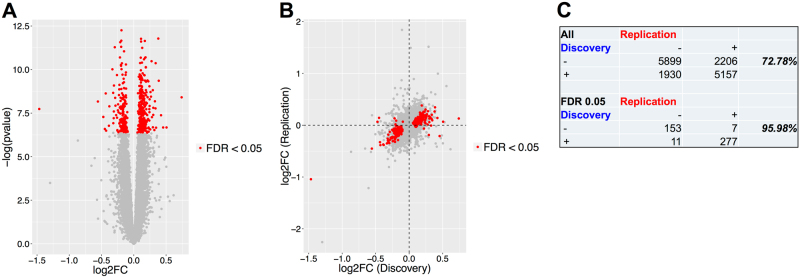
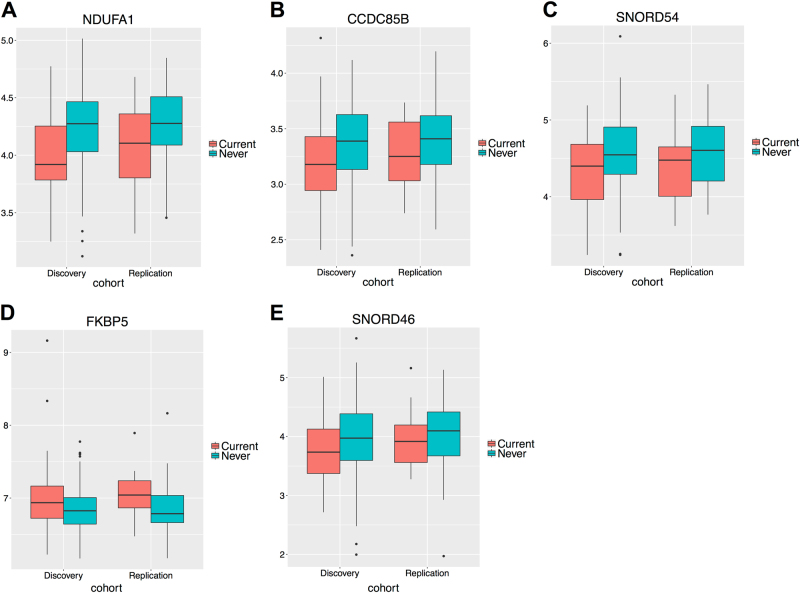
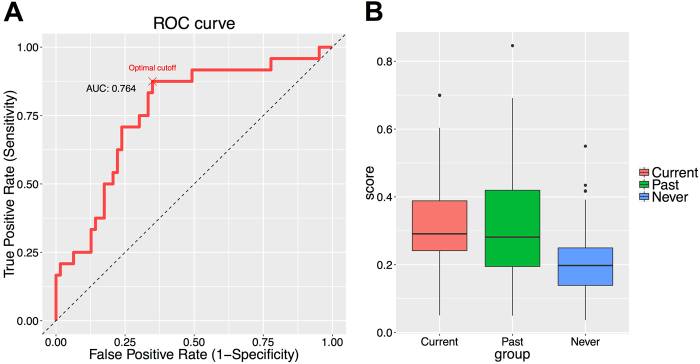
The gene expression approach has provided promising insights into the pathophysiology of posttraumatic stress disorder (PTSD). However, few studies used hypothesis-free transcriptome-wide approach to comprehensively understand gene expression underpinning PTSD. A transcriptome-wide expression study using RNA sequencing of whole blood was conducted in 324 World Trade Center responders (201 with never, 81 current, 42 past PTSD). Samples from current and never PTSD reponders were randomly split to form discovery ( N = 195) and replication ( N = 87) cohorts. Differentially expressed genes were used in pathway analysis and to create a polygenic expression score. There were 448 differentially expressed genes in the discovery cohort, of which 99 remained significant in the replication cohort, including FKBP5, which was found to be up-regulated in current PTSD regardless of the genotypes. Several enriched biological pathways were found, including glucocorticoid receptor signaling and immunity-related pathways, but these pathways did not survive FDR correction. The polygenic expression score computed by aggregating 30 differentially expressed genes using the elastic net algorithm achieved sensitivity/specificity of 0.917/0.508, respectively for identifying current PTSD in the replication cohort. Polygenic scores were similar in current and past PTSD, with both groups scoring higher than trauma-exposed controls without any history of PTSD. Together with the pathway analysis results, these findings point to HPA-axis and immune dysregulation as key biological processes underpinning PTSD. A novel polygenic expression aggregate that differentiates PTSD patients from trauma-exposed controls might be a useful screening tool for research and clinical practice, if replicated in other populations.
Overview
The claims and statistics of this paper haven’t been checked yet.
Free: it reads the open-access text and checks the first 5 claims that cite a source we can check. Create a free account to check every claim.
Integrity signals
Registry
Cites
Statistics
Figures
Verification
Claims the paper makes
The claims and statistics of this paper haven’t been checked yet.
Free: it reads the open-access text and checks the first 5 claims that cite a source we can check. Create a free account to check every claim.
Claims other papers make about this one
Each is checked against this paper’s own text: does it say what the citing paper says it does?
In the citing paper
“However, results are not always consistent and with the advent of hypothesis-free epigenome-wide studies, findings are often not replicated, particularly in the most carefully controlled studies.23”
From The role of epigenetics in psychological resilience (2021) · cites this paper as [23]
In the citing paper
“One such study did not identify shared DNA methylation differences across different psychopathologies in the blood of World Trade Centre survivors23, while a second found multiple differentially methylated regions in resilient at-risk Brazilian adolescents when considering multi-dimensional psychopathology.26”
From The role of epigenetics in psychological resilience (2021) · cites this paper as [23]
In the citing paper
“While some studies solely study people that have experienced adversity,23 or consider the severity of adversity,92 others do not.”
From The role of epigenetics in psychological resilience (2021) · cites this paper as [23]
Self-check
Percentages, sums and reported differences re-computed from the paper’s own numbers.
The self-check needs the paper’s full text.
Citations
Cites
Controlling the False Discovery Rate: A Practical and Powerful Approach to Multiple Testing
Benjamini, Y., & Hochberg, Y. (1995) · Journal of the Royal Statistical Society Series B: Statistical Methodology · doi:10.1111/j.2517-6161.1995.tb02031.x · Cited by 109,482
Moderated estimation of fold change and dispersion for RNA-seq data with DESeq2
Love, M. I., Huber, W., & Anders, S. (2014) · Genome Biology · doi:10.1186/s13059-014-0550-8 · Cited by 95,106
Fast gapped-read alignment with Bowtie 2
Langmead, B., & Salzberg, S. L. (2012) · Nature Methods · doi:10.1038/nmeth.1923 · Cited by 56,400
Robinson, M. D., McCarthy, D. J., & Smyth, G. K. (2010) · Bioinformatics · doi:10.1093/bioinformatics/btp616 · Cited by 41,364
Cutadapt removes adapter sequences from high-throughput sequencing reads
Martin, M. (2011) · EMBnet.journal · doi:10.14806/ej.17.1.200 · Cited by 33,889
WGCNA: an R package for weighted correlation network analysis
Langfelder, P., & Horvath, S. (2008) · BMC Bioinformatics · doi:10.1186/1471-2105-9-559 · Cited by 27,252
HTSeq—a Python framework to work with high-throughput sequencing data
Anders, S., Pyl, P. T., & Huber, W. (2015) · Bioinformatics · doi:10.1093/bioinformatics/btu638 · Cited by 21,464
Regularization and Variable Selection Via the Elastic Net
Zou, H., & Hastie, T. (2005) · Journal of the Royal Statistical Society Series B: Statistical Methodology · doi:10.1111/j.1467-9868.2005.00503.x · Cited by 20,957
Kessler, R. C., Berglund, P., Demler, O., Jin, R., Merikangas, K. R., & Walters, E. E. (2005) · Archives of General Psychiatry · doi:10.1001/archpsyc.62.6.593 · Cited by 20,391
Kim, D., Pertea, G., Trapnell, C., Pimentel, H., Kelley, R., & Salzberg, S. L. (2013) · Genome Biology · doi:10.1186/gb-2013-14-4-r36 · Cited by 12,668
Research works printed but not linked: 2
- Spitzer, R., Gibbon, M., & Williams, J. Structured clinical interview for DSM-IV axis I disorders: Patient Edition (February 1996 Final). Biometrics Research Department, New York State Psychiatric Institute (1998); http://www.scid4.org/info/refscid.html.
- Binder EB Association of FKBP5 polymorphisms and childhood abuse with risk of posttraumatic stress disorder symptoms in adults JAMA. 2008 299 1291 1305 10.1001/jama.299.11.1291 18349090 PMC2441757 · DOI · Paper page
Cited by
Candidate biomarkers in psychiatric disorders: state of the field
Abi‐Dargham, A., Moeller, S. J., Ali, F., DeLorenzo, C., Domschke, K., Horga, G., Jutla, A., Kotov, R., Paulus, M. P., Rubio, J. M., et al. (2023) · World Psychiatry · doi:10.1002/wps.21078 · Cited by 372
Self-citationThe role of the immune system in posttraumatic stress disorder
Katrinli, S., Oliveira, N. C. S., Felger, J. C., Michopoulos, V., & Smith, A. K. (2022) · Translational Psychiatry · doi:10.1038/s41398-022-02094-7 · Cited by 175
Kuan, P.-F., Yang, X., Clouston, S., Ren, X., Kotov, R., Waszczuk, M., Singh, P. K., Glenn, S. T., Gomez, E. C., Wang, J., et al. (2019) · Translational Psychiatry · doi:10.1038/s41398-018-0355-8 · Cited by 137
Self-citationBrewin, C. R., Atwoli, L., Bisson, J. I., Galea, S., Koenen, K. C., & Lewis‐Fernández, R. (2025) · World Psychiatry · doi:10.1002/wps.21269 · Cited by 142
“Beyond elucidating biological pathways, differential gene expression profiles (i.e., combinations of differentially expressed genes) have been used to predict PTSD, and have been reported to be a potential screening tool for the disorder 310 .”
The role of epigenetics in psychological resilience
Smeeth, D., Beck, S., Karam, E. G., & Pluess, M. (2021) · The Lancet Psychiatry · doi:10.1016/s2215-0366(20)30515-0 · Cited by 108
Laboratory models of post-traumatic stress disorder: The elusive bridge to translation
Dunsmoor, J. E., Cisler, J. M., Fonzo, G. A., Creech, S. K., & Nemeroff, C. B. (2022) · Neuron · doi:10.1016/j.neuron.2022.03.001 · Cited by 104
Huang, X., Luo, Z., Liang, W., Xie, G., Lang, X., Gou, J., Liu, C., Xu, X., & Fu, D. (2022) · Annals of Surgical Oncology · doi:10.1245/s10434-022-11911-8 · Cited by 75
Daskalakis, N. P., Meijer, O. C., & de Kloet, E. R. (2022) · Neurobiology of Stress · doi:10.1016/j.ynstr.2022.100455 · Cited by 57
Characterizing the landscape of gene expression variance in humans
Wolf, S., Melo, D., Garske, K. M., Pallares, L. F., Lea, A. J., & Ayroles, J. F. (2023) · PLoS Genetics · doi:10.1371/journal.pgen.1010833 · Cited by 63
Genomic Approaches to Posttraumatic Stress Disorder: The Psychiatric Genomic Consortium Initiative
Nievergelt, C. M., Ashley‐Koch, A. E., Dalvie, S., Hauser, M. A., Morey, R. A., Smith, A. K., & Uddin, M. (2018) · Biological Psychiatry · doi:10.1016/j.biopsych.2018.01.020 · Cited by 62
Negative binomial additive model for RNA-Seq data analysis
Ren, X., & Kuan, P. F. (2020) · BMC Bioinformatics · doi:10.1186/s12859-020-3506-x · Cited by 56
“The second dataset comes from our study of gene expression associated with posttraumatic stress disorder (PTSD) in the World Trade Center (WTC) responders [14].”
BackgroundSelf-citationCognitive impairment and World Trade Centre-related exposures
Clouston, S., Hall, C. B., Kritikos, M., Bennett, D. A., DeKosky, S. T., Edwards, J. D., Finch, C. E., Kreisl, W. C., Mielke, M. M., Peskind, E. R., et al. (2021) · Nature Reviews Neurology · doi:10.1038/s41582-021-00576-8 · Cited by 56
Self-citationWorld Trade Center Health Program: First Decade of Research
Santiago‐Colón, A., Daniels, R. D., Reissman, D. B., Anderson, K. R., Calvert, G. M., Caplan, A., Carreón, T., Katruska, A., Kubale, T. L., Liu, R., et al. (2020) · International Journal of Environmental Research and Public Health · doi:10.3390/ijerph17197290 · Cited by 53
“be dysregulated in neurodegenerative disorders [158] and, when interrogating gene expression in cell subpopulations among responders (n = 39) with/without PTSD, also identified PI4KAP1, REST, and SEPT4 genes in monocyte populations that have been previously implicated in neuronal loss and neurogenesis [159].”
BackgroundLux, V., Non, A. L., Pexman, P. M., Stadler, W., Weber, L. A. E., & Krüger, M. (2021) · Frontiers in Systems Neuroscience · doi:10.3389/fnsys.2021.672740 · Cited by 51
“Some examples following an environmental approach to embodiment are efforts to identify epigenetic mechanisms underlying the long-term impact of traumatic events such as the attacks of 9/11 (Kuan et al., 2017) or war crimes (Ramo-Fernández et al., 2015).”
BackgroundTranscriptome analysis reveals novel genes and immune networks dysregulated in veterans with PTSD
Mehta, D., Voisey, J., Bruenig, D., Harvey, W., Morris, C. P., Lawford, B. R., & Young, R. M. (2018) · Brain Behavior and Immunity · doi:10.1016/j.bbi.2018.08.014 · Cited by 46
C/D box snoRNAs in viral infections: RNA viruses use old dogs for new tricks
Stamm, S., & Lodmell, J. S. (2019) · Non-coding RNA Research · doi:10.1016/j.ncrna.2019.02.001 · Cited by 46
PTSD is associated with accelerated transcriptional aging in World Trade Center responders
Kuan, P. F., Ren, X., Clouston, S., Yang, X., Jonas, K. G., Kotov, R., Bromet, E. J., & Luft, B. J. (2021) · Translational Psychiatry · doi:10.1038/s41398-021-01437-0 · Cited by 41
Self-citationLori, A., Schultebraucks, K., Galatzer‐Levy, I. R., Daskalakis, N. P., Katrinli, Ş., Smith, A. K., Myers, A., Richholt, R., Huentelman, M. J., Guffanti, G., et al. (2021) · Neuropsychopharmacology · doi:10.1038/s41386-021-01073-8 · Cited by 40
PTSD is associated with increased DNA methylation across regions of HLA-DPB1 and SPATC1L
Katrinli, Ş., Zheng, Y., Gautam, A., Hammamieh, R., Yang, R., Venkateswaran, S., Kilaru, V., Lori, A., Hinrichs, R. C., Powers, A. D., et al. (2020) · Brain Behavior and Immunity · doi:10.1016/j.bbi.2020.10.023 · Cited by 39
“To date, a number of epigenome-wide association studies (EWAS) conducted on individual cohorts and meta-analyses reported PTSD-associated differentially methylated CpG sites in genes involved in neurotransmission, neural development and immune pathways (Kuan et al., 2017; Mehta et al., 2013; Smith et al., 2011; Smith…”
BackgroundDNA methylation from germline cells in veterans with PTSD
Mehta, D., Pelzer, E. S., Bruenig, D., Lawford, B., McLeay, S., Morris, C. P., Gibson, J. N., Young, R. M., Voisey, J., McLeay, S., et al. (2019) · Journal of Psychiatric Research · doi:10.1016/j.jpsychires.2019.06.001 · Cited by 37
Kritikos, M., Gandy, S., Meliker, J. R., Luft, B. J., & Clouston, S. (2020) · Journal of Alzheimer s Disease · doi:10.3233/jad-200679 · Cited by 38
Self-citationProvenzi, L., Grumi, S., Giorda, R., Biasucci, G., Bonini, R., Cavallini, A. R., Decembrino, L., Drera, B. A., Falcone, R., Fazzi, E. M., et al. (2020) · BMJ Open · doi:10.1136/bmjopen-2020-044585 · Cited by 34
Han, J.-K., Kwon, S., Kim, Y. G., Choi, J., Kim, J., Lee, Y., Ye, S.-K., & Kim, S. J. (2021) · eLife · doi:10.7554/elife.63291 · Cited by 34
“For traumatic memory, STAT3 is involved in PTSD-associated glucocorticoid receptor signaling (Kuan et al., 2017).”
BackgroundGarrett, M. E., Qin, X., Mehta, D., Dennis, M. F., Marx, C. E., Grant, G. A., Workgroup, V. M.-A. M., Initiative, P., Stein, M. B., Kimbrel, N. A., et al. (2021) · Frontiers in Neuroscience · doi:10.3389/fnins.2021.678548 · Cited by 34
Primary cilia are required for the persistence of memory and stabilization of perineuronal nets
Jovasevic, V., Zhang, H., Sananbenesi, F., Guedea, A. L., Soman, K. V., Wiktorowicz, J. E., Fischer, A., & Radulovic, J. (2021) · iScience · doi:10.1016/j.isci.2021.102617 · Cited by 32
Ramírez, C. G., Queijeiro, A. V., Morales, S. J., Bárcenas-López, D. A., Hidalgo‐Miranda, A., Ruíz-Chow, Á. A., Cárdenas, L. T., & Guardado-Estrada, M. (2020) · Psychiatry Research · doi:10.1016/j.psychres.2020.112797 · Cited by 33
Altered gene expression and PTSD symptom dimensions in World Trade Center responders
Marchese, S., Cancelmo, L. M., Diab, O., Cahn, L., Aaronson, C. J., Daskalakis, N. P., Schaffer, J., Horn, S. R. G.-V., Johnson, J., Schechter, C. B., et al. (2022) · Molecular Psychiatry · doi:10.1038/s41380-022-01457-2 · Cited by 30
Posttraumatic stress disorder: from gene discovery to disease biology
Polimanti, R. A., & Wendt, F. R. (2021) · Psychological Medicine · doi:10.1017/s0033291721000210 · Cited by 30
“In an independent whole-blood transcriptome-wide study conducted in 324 World Trade Center responders (Kuan et al., 2017a), a polygenic expression achieved sensitivity/specificity of 0.92/0.51, respectively, for identifying current PTSD with current and past PTSD groups scoring higher than…”
BackgroundInfluentialTyler, R. E., Weinberg, B. Z. S., Lovelock, D. F., Ornelas, L. C., & Besheer, J. (2020) · Genes Brain & Behavior · doi:10.1111/gbb.12684 · Cited by 29
Núñez-Ríos, D. L., Martínez‐Magaña, J. J., Nagamatsu, S. T., Andrade-Brito, D., Forero, D. A., Orozco, C. A., & Montalvo‐Ortiz, J. L. (2022) · Biomedicines · doi:10.3390/biomedicines10051107 · Cited by 28
“Further, PBRM1, PIK3CA, MED1, MAP3K1, JAK2, CEBPB, CD163, MED14, NCOA3, KAT2B, NFAT5, AKT1, PPP3CB, NCOR1 and FKBP5 genes were nominally enriched in the glucocorticoid receptor signaling pathway [57].”
MethodYuan, Y., Zhen, L., Li, Z., Xu, W., Leng, H., Xu, W., Zheng, V., Luria, V., Pan, J., Tao, Y., et al. (2020) · Journal of Psychopharmacology · doi:10.1177/0269881120914221 · Cited by 29
“Patients suffering from traumatic stress exhibit the dysregulation of glucocorticoid negative feedback, for example, HPA axis dysfunction (Kuan et al., 2017).”
BackgroundMetabolomics analysis of post-traumatic stress disorder symptoms in World Trade Center responders
Kuan, P. F., Yang, X., Kotov, R., Clouston, S., Bromet, E. J., & Luft, B. J. (2022) · Translational Psychiatry · doi:10.1038/s41398-022-01940-y · Cited by 27
“839 in PTSD classification, which was higher compared to the AUCs obtained from PTSD classification by either gene expression or proteomics in our previous studies [10, 38].”
ResultSelf-citationThe Development of a WTC Environmental Health Center Pan-Cancer Database
Shao, Y., Durmuş, N., Zhang, Y., Pehlivan, S., Fernandez-Beros, M.-E., Umana, L., Corona, R., Addessi, A., Abbott, S. A., Smyth-Giambanco, S., et al. (2021) · International Journal of Environmental Research and Public Health · doi:10.3390/ijerph18041646 · Cited by 23
Semi-Standard Partial Covariance Variable Selection When Irrepresentable Conditions Fail
Xue, F., & Qu, A. (2021) · Statistica Sinica · doi:10.5705/ss.202020.0495 · Cited by 22
Epigenetic landscape of stress surfeit disorders: Key role for DNA methylation dynamics
Gatta, E., Saudagar, V., Auta, J., Grayson, D. R., & Guidotti, A. (2020) · International review of neurobiology · doi:10.1016/bs.irn.2020.08.002 · Cited by 22
Natale, G., Kritikos, M., Kuan, P. F., Carr, M. A., Yang, X., Yang, Y., Kotov, R., Bromet, E. J., Clouston, S., & Luft, B. J. (2023) · Brain Behavior & Immunity - Health · doi:10.1016/j.bbih.2023.100631 · Cited by 21
Self-citationA Two-Hit Model of The Biological Origin of Posttraumatic Stress Disorder (PTSD)
Georgopoulos, A. P., James, L. M., Christova, P., & Engdahl, B. E. (2018) · JOURNAL OF MENTAL HEALTH AND CLINICAL PSYCHOLOGY · doi:10.29245/2578-2959/2018/5.1165 · Cited by 16
Kuan, P. F., Yang, X., Ren, X., Che, C., Waszczuk, M. A., Kotov, R., Clouston, S., Singh, P. K., Glenn, S. T., Gomez, E. C., et al. (2021) · Translational Psychiatry · doi:10.1038/s41398-021-01431-6 · Cited by 15
Self-citationRisk factors for incident prostate cancer in a cohort of world trade center responders
Clouston, S., Kuan, P. F., Kotov, R., Mukherjee, S., Thompson, P. A., Bromet, E. J., & Luft, B. J. (2019) · BMC Psychiatry · doi:10.1186/s12888-019-2383-1 · Cited by 15
Self-citationPattinson, C. L., Guedes, V. A., Edwards, K. A., Mithani, S., Yun, S., Taylor, P., Dunbar, K. E., Kim, H., Lai, C., Roy, M. J., et al. (2020) · SLEEP · doi:10.1093/sleep/zsaa036 · Cited by 15
“sults suggesting significant gene dysregulation due to the presence of PTSD [4].”
BackgroundA Workshop on Cognitive Aging and Impairment in the 9/11-Exposed Population
Daniels, R. D., Clouston, S., Hall, C. B., Anderson, K. R., Bennett, D. A., Bromet, E. J., Calvert, G. M., Carreón, T., DeKosky, S. T., Diminich, E. D., et al. (2021) · International Journal of Environmental Research and Public Health · doi:10.3390/ijerph18020681 · Cited by 14
“Whole-blood RNA analyses of 324 WTC responders with and without PTSD identified five genes (FKBP5, NDUFA1, CCDC85B, SNORD54, SNORD46) that are differentially expressed in those with PTSD [99].”
BackgroundMethodSelf-citationLiu, Y., Lian, J., Fu, Y., Wang, S., Liu, Y., Zhang, R., & Han, H. (2025) · Neurobiology of Stress · doi:10.1016/j.ynstr.2025.100762 · Cited by 13
“For example, among 324 World Trade Center rescue workers, FKBP5 expression was upregulated in those with current PTSD, regardless of genotype (Kuan et al., 2017).”
Sragovich, S., Gershovits, M., Lam, J. C. K., Li, V. O. K., & Gozes, I. (2021) · Journal of Alzheimer s Disease · doi:10.3233/jad-201158 · Cited by 13
“These databases were either limited (GSE83601) [77], did not represent a soldier cohort (GSE97356) [78], or included PTSD patients (rather the symptomatic cases), and cannot be claimed as ethnically different from the Canadian cohort used in our study (GSE64814; RNA-seq from peripheral blood…”
Bhuvaneshwar, K., & Gusev, Y. (2024) · Briefings in Bioinformatics · doi:10.1093/bib/bbae098 · Cited by 12
“Xiao et al ’s [57] study on SCZ and BD revealed altered mRNA levels of RELN , while Kuan et al ’s [58] research from World Trade Center responders who had PTSD identified 99 differentially expressed genes, including the upregulation of FKBP5 in PTSD responders.”
BackgroundOxytocin receptor genes moderate BDNF epigenetic methylation by childhood trauma
Lee, H. S., Kwon, A., & Lee, S. H. (2022) · Journal of Affective Disorders · doi:10.1016/j.jad.2022.03.020 · Cited by 12
Wyka, K., Friedman, S. M., & Jordan, H. T. (2019) · Psychosomatic Medicine · doi:10.1097/psy.0000000000000731 · Cited by 12
Alahmad, R., Hinchey, L. M.-E., Shaikh, M., Amirsadri, A., & Javanbakht, A. (2025) · Journal of Psychiatric Research · doi:10.1016/j.jpsychires.2025.01.032 · Cited by 11
What Happened in the Hippocampal Axon in a Rat Model of Posttraumatic Stress Disorder
Guan, Y., Xinzhao, C., Zhao, B., Shi, Y., & Han, F. (2020) · Cellular and Molecular Neurobiology · doi:10.1007/s10571-020-00960-w · Cited by 11
The development of a Biobank of cancer tissue samples from World Trade Center responders
Lieberman‐Cribbin, W., Tuminello, S., Gillezeau, C. N., van Gerwen, M. A. G., Brody, R., Donovan, M. J., & Taioli, E. (2018) · Journal of Translational Medicine · doi:10.1186/s12967-018-1661-x · Cited by 10
Clinical potential of epigenetic and microRNA biomarkers in PTSD
Wellington, N. J., Bouças, A. P., Lagopoulos, J., & Kuballa, A. (2024) · Journal of Neurogenetics · doi:10.1080/01677063.2024.2419098 · Cited by 9
“…studies like the Detroit Neighbourhood Study (Uddin et al. , 2010), The Grady Trauma Project (Ressler et al. , 2011), World Trade Centre Responders (Kuan et al. , 2017), Nurses’ Health Study (Bao et al. , 2016), Army Study to Assess Risk and Resilience in Service (Ursano et al. , 2014) Marine…”
Goltser‐Dubner, T., Benarroch, F., Lavon, M., Amer, R., Canetti, L., Giesser, R., Kianski, E., Martin, J., Pevzner, D., Weinberg, P. B., et al. (2025) · Molecular Psychiatry · doi:10.1038/s41380-025-02923-3 · Cited by 7
“…[47], and gene-environmental interaction with CT [48, 49], with previous studies reporting both CT-associated decreased [36] as well as increased [47, 50] blood FKBP5 transcript levels, and allele speci fi c methylation status reported to modulate the effect of CT. Genetic variants in the FKBP5…”
Identification of Gene Loci That Overlap Between Mental Disorders and Poor Prognosis of Cancers
Xu, J.-L., & Guo, Y. (2021) · Frontiers in Psychiatry · doi:10.3389/fpsyt.2021.678943 · Cited by 7
Goltser‐Dubner, T., Shalev, A., Benarroch, F., Canetti, L., Yogev, M., Kalla, C., Masarwa, R., Martin, J., Pevzner, D., Oz, O., et al. (2023) · Molecular Psychiatry · doi:10.1038/s41380-023-02278-7 · Cited by 6
“Several factors including genotype [31], gene-environmental interaction [33], and psychiatric co-morbidity such as depression [34] have been reported to affect expression levels.”
Small Nucleolar RNAs and the Brain: Growing Evidence Supporting Their Role in Psychiatric Disorders
Salles, J., Lin, R., & Turecki, G. (2024) · Biological Psychiatry Global Open Science · doi:10.1016/j.bpsgos.2024.100415 · Cited by 6
Martínez-Levy, G. A., Bermúdez-Gómez, J., Flores-Torres, R. P., Merlín-García, I., Nani, A., Cruz-Fuentes, C. S., & Briones-Velasco, M. (2022) · Journal of Psychiatric Research · doi:10.1016/j.jpsychires.2022.07.041 · Cited by 6
Borisov, N. M., Ilnytskyy, Y., Byeon, B., Kovalchuk, O., & Kovalchuk, I. (2023) · Psychoactives · doi:10.3390/psychoactives2020007 · Cited by 6
“Reference [80] [81] [81] [82] [30,83] [84]”
Lieberman‐Cribbin, W., Tuminello, S., Gillezeau, C. N., van Gerwen, M. A. G., Brody, R., Mulholland, D. J., Horton, L., Sisco, M., Prophete, C., Zelikoff, J. T., et al. (2019) · Journal of Translational Medicine · doi:10.1186/s12967-019-2089-7 · Cited by 6
“As mentioned previously [18] genomic research, gene-environment interaction, and DNA methylation studies are needed to better understand the link between WTC exposure and clinical cancer characteristics [43, 44].”
BackgroundResveratrol: Harnessing Nature's Potential for Chronic Pain Relief
Wu, H. Y., Wu, J., Gao, S., Liu, L., Dai, X., Song, W., Zhang, L.-Q., Liu, D.-Q., Tang, Y., Zhou, Y., et al. (2025) · Aging and Disease · doi:10.14336/ad.2025.0530 · Cited by 5
Haas‐Neill, S., Dvorkin‐Gheva, A., & Forsythe, P. (2022) · PLoS ONE · doi:10.1371/journal.pone.0275864 · Cited by 4
PTSD biomarkers: Neuroendocrine signaling to epigenetic variants
Sbisa, A. M., Graham, K., Lawrence‐Wood, E., McFARLANE, A. C., & Toben, C. G. (2024) · Advances in clinical chemistry · doi:10.1016/bs.acc.2024.06.004 · Cited by 4
Dahrendorff, J., Wani, A. H., Keller, T. E., Armstrong, D. L., Qu, A., Wildman, D. E., Valero, M. C., Koenen, K. C., Aiello, A. E., & Uddin, M. (2024) · Human Biology · doi:10.1353/hub.2017.a935047 · Cited by 4
“…few RNA-seq studies to date, most have been cross-sectional, unable to decipher whether identified transcriptional patterns precede PTSD onset, shape risk or resilience, or are merely a consequence of the disorder (Bam et al. 2016; Kuan et al. 2017; Boscarino et al. 2019; Pattinson et al. 2020).”
Li, Y., Xu, B., & Chen, Z. (2025) · European Journal of Psychotraumatology · doi:10.1080/20008066.2025.2494480 · Cited by 4
“Using these selection criteria, we accessed mRNA expression profiles from dataset GSE97356, which comprises 324 World Trade Center responders, categorized into 201 who never had PTSD (non-PTSD), 81 current sufferers, and 42 past sufferers (Kuan et al., 2017, 2021).”
Marra, P. S., Seki, T., Nishizawa, Y., Chang, G., Yamanishi, K., Nishiguchi, T., Shibata, K., Braun, P., & Shinozaki, G. (2024) · Journal of Affective Disorders · doi:10.1016/j.jad.2024.01.241 · Cited by 4
Quarto, T., Lella, A., Carlo, P. D., Rampino, A., Paladini, V., Papalino, M., Romano, R., Fazio, L., Marvulli, D., Popolizio, T., et al. (2023) · Journal of Psychiatry and Neuroscience · doi:10.1503/jpn.230013 · Cited by 3
Swart, P., Plessis, M. D., Rust, C., Womersley, J. S., van den Heuvel, L. L., Seedat, S., & Hemmings, S. M. J. (2023) · Journal of Neurochemistry · doi:10.1111/jnc.15919 · Cited by 3
Translational Impacts of World Trade Center Health Program Research: A Mixed Methods Study
Concannon, T. W., Faherty, L. J., Madrigano, J., Mann, S., Chari, R., Siddiqi, S. M., Lee, J., & Hiatt, L. (2021) · Rand health quarterly · doi:10.7249/rhq-09-03-08 · Cited by 2
Survival analysis and clinicopathological features of patients with stage IA lung adenocarcinoma
Li, J., Wang, Y., Liu, Y., Liu, Q., Shen, H., Ren, X., & Du, J. (2023) · Heliyon · doi:10.1016/j.heliyon.2023.e23205 · Cited by 1
“For the building of nomogram, the split ration of clinical cohort was usually 7:3 or 8:2 [62 – 64].”
MethodA single glucocorticoid response element regulates sociability in a sex-specific manner
Corbett, B. F., Arner, J., Luz, S., Yan, J. H., Castro-Vildosola, J., Hala, T. J., Taylor, D. M., & Bhatnagar, S. (2025) · Molecular Psychiatry · doi:10.1038/s41380-025-03158-y · Cited by 1
Kuang, Z., Chesebro, A. G., Strey, S.-G., Clouston, S., Luft, B. J., & Mujica-Parodi, L. R. (2026) · Neuropsychopharmacology · doi:10.1038/s41386-026-02358-6 · Cited by 1
Self-citationMa, S., Wang, Z., Zhang, F., & Zhang, H. (2026) · Brain Behavior and Immunity · doi:10.1016/j.bbi.2026.106775 · Cited by 1
Molendijk, A. J., & Koenderman, L. (2026) · Journal of Leukocyte Biology · doi:10.1093/jleuko/qiag068 · Cited by 1
Mapping the epigenomic landscape of post-traumatic stress disorder in human cortical neuronsPreprint
Núñez-Ríos, D. L., Nagamatsu, S. T., Martínez‐Magaña, J. J., Hurd, Y. L., Rompala, G. R., Krystal, J. H., & Montalvo‐Ortiz, J. L. (2024) · medRxiv · doi:10.1101/2024.10.11.24315258 · Cited by 1
Bugiga, A., Ota, V., Kajitani, G. S., Guardia, G. D. A., Villena-Rueda, B. E., Rosa, J. S., de Oliveira, A. M., Coimbra, B. M., Asprino, P. F., Galante, P. A. F., et al. (2026) · Molecular Psychiatry · doi:10.1038/s41380-026-03639-8 · Cited by 1
“Conventional approaches, such as microarrays, also provide limited transcriptome coverage, whereas RNA sequencing (RNA-seq) offers a more comprehensive and unbiased assessment of gene expression [41 – 43].”
Bountress, K. E., Brick, L. A. D., Cusack, S. E., Sheerin, C. M., Nugent, N. R., & Amstadter, A. B. (2020) · Elsevier eBooks · doi:10.1016/b978-0-12-816022-0.00008-9
Jensen, I. (2022) · eDiss (Georg-August-Universität Göttingen) · doi:10.53846/goediss-9601
Interindividual variability in behavioral responses to gene and environment interactions
Demars, F. (2021) · theses.fr (ABES) · doi:10.70675/8cf3a9e4zaa85z4527z8ca7z726477a69319
Benefits and challenges of OMICS data integration at the pathway level
Borisov, N. M., & Sorokin, M. (2024) · Elsevier eBooks · doi:10.1016/b978-0-443-15568-0.00010-8
Potential metabolic sequelae to the terrorist attack of October 7th, 2023
Maayan, L. A., Kalanthroff, E., Cohen, E., & Neria, Y. (2025) · Journal of Psychiatric Research · doi:10.1016/j.jpsychires.2025.01.033
Suprani, F., Paribello, P., Mancini, G. F., Morena, M., Pinna, M., Pinna, F., Contu, M., Visioli, C., Medas, F., Canu, G. L., et al. (2025) · Frontiers in Psychiatry · doi:10.3389/fpsyt.2025.1584583
“Findings include over-representation of several miRNA-families (34, 36) and over-expression of genes involved in in fl ammatory response and immune signaling (37 – 39).”
Additional file 1 of Negative binomial additive model for RNA-Seq data analysis
Ren, X., & Kuan, P.-F. (2020) · Figshare · doi:10.6084/m9.figshare.12233909
Self-citationINVESTIGATION OF PREDATOR ODOR STRESSOR ON LASTING CHANGES TO ALCOHOL INTEROCEPTIVE SENSITIVITY
Tyler, R. E. (2023) · Carolina Digital Repository (University of North Carolina at Chapel Hill) · doi:10.17615/kjxy-pn45
A Blood-Based Transcriptomic Signature for PTSD Classification Using Machine LearningPreprint
Alipour, S., Pamanji, R., Jamil, E., Yeguvapalli, S., & Chitrala, K. N. (2026) · medRxiv · doi:10.64898/2026.05.10.26352854
Grillakis, C. E., Madden, S. V., Brick, L. A. D., & Merrill, S. M. (2026) · Frontiers in Psychology · doi:10.3389/fpsyg.2026.1875411
“…significant markers that were consistently upregulated, and Kuan et al. (2021b) identified IFI17 as their top gene associated with PTSD. Additional markers were found to exhibit consistent expression differences, including FKBP5 , NDUFA1 , CCDC85B , SNORD54 , and SNORD46 (Kuan et al., 2017b).”
InfluentialImmunometabolic alterations in post-traumatic stress disorder
Brasanac, J., El‐Ahmad, L., Mollerup, E., Gamradt, S., Gruenberg, L., Shyshko, D., Stiglbauer, V., Zimbalski, K., Schoofs, N., Priebe, K., et al. (2026) · Brain Behavior and Immunity · doi:10.1016/j.bbi.2026.107031
Peer review history of Characterizing the landscape of gene expression variance in humans (part 4)
Wolf, S., Melo, D., Garske, K. M., Pallares, L. F., Lea, A. J., & Ayroles, J. F. (2023) · doi:10.1371/journal.pgen.1010833.r004
Metadata
- Authors
- Kuan, P.-F., Waszczuk, M. A., Kotov, R., Clouston, S., Yang, X., Singh, P. K., Glenn, S. T., Cortes Gomez, E., Wang, J., Bromet, E., & Luft, B. J.
- Affiliations
- Stony Brook University (US)
- Roswell Park Comprehensive Cancer Center (US)
- Corresponding author
- Luft, Benjamin J.
- ORCID
- Venue
- Translational Psychiatry
- Published
- 2017-12-18
- Volume
- 7
- Issue
- 12
- Pages
- 1297-1297
- ISSN
- 2158-3188 (ISSN-L)
- PMC
- PMC5802695
- OpenAlex
- W2771499258
- Cited by
- 80
- References
- 87
- Citations by year
- 2026: 5 · 2025: 9 · 2024: 8 · 2023: 9 · 2022: 11 · 2021: 15 · 2020: 13 · 2019: 6 · 2018: 4
- FWCI
- 7.78
- Type
- journal article
- Language
- en
- Open access
- gold
- doi.org
- Licence
- cc-by
- creativecommons.org/licenses/by/4.0 (tdm)
- creativecommons.org/licenses/by/4.0 (vor)
- Locations
- Translational Psychiatry (publishedVersion, cc-by)
- PubMed Central (publishedVersion, cc-by)
- PubMed (publishedVersion)
- DOAJ (DOAJ: Directory of Open Access Journals) (submittedVersion)
- Funders
- Roswell Park Cancer Institute (P30 CA016056)
- Centers for Disease Control and Prevention
- National Cancer Institute (P30CA016056)
- National Institute for Occupational Safety and Health (U01OH010416, U01 OH010416-01)
- Topics
- Social Sciences › Psychology › Clinical Psychology › Posttraumatic Stress Disorder Research
- Life Sciences › Neuroscience › Behavioral Neuroscience › Stress Responses and Cortisol
- Social Sciences › Psychology › Clinical Psychology › Child Abuse and Trauma
- Keywords
- post-traumatic stress disorder, World Trade Center responders, gene expression, transcriptome-wide association study, FKBP5, glucocorticoid receptor signaling, hypothalamic-pituitary-adrenal axis, immune dysregulation, differentially expressed genes, trauma exposure, PTSD screening
- MeSH terms
- Adult, Female, Humans, Male, Middle Aged, Stress Disorders, Post-Traumatic, Gene Expression, Sequence Analysis, RNA, Polymorphism, Single Nucleotide, September 11 Terrorist Attacks, Emergency Responders
About these checks
Registry, retraction, Cites and statistics results are computed, not judged, with one exception: a printed reference that no index lists is read once by a model before it counts as a citation error. Claims are extracted by a model and kept only when their quote appears verbatim in the text; each cited source is then checked, with a model’s help, for whether it says what the claim relies on. Those verdicts can be wrong — read the claim’s quote and the cited source before relying on one.
Statistics and arithmetic are recomputed, not judged.
Confidence bands are shown only for fields calibrated on our annotated test set. None is calibrated yet, so no band is shown.
What counts as a claim ›How we measure confidence ›How we check this ›
Are you an author, or do you see a problem with this page? Request a review
Data sources
Bibliographic data: Semantic Scholar, OpenAlex, Crossref.
Contains information from the Semantic Scholar Academic Graph Datasets, made available under the ODC Attribution License (ODC-BY 1.0).
Semantic Scholar’s data is described in: Kinney, R., et al. (2023). The Semantic Scholar Open Data Platform. arXiv:2301.10140.
