

Gene expression associated with PTSD in World Trade Center responders: An RNA sequencing study
Open accessThe DOI matches its Crossref record, with a small difference in title or year; 88 of the 88 references it cites were found in a registry or an index.
Abstract
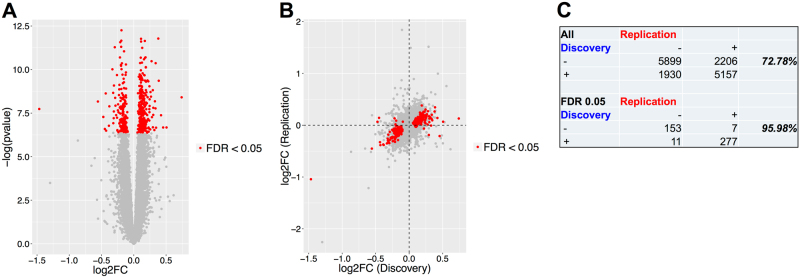
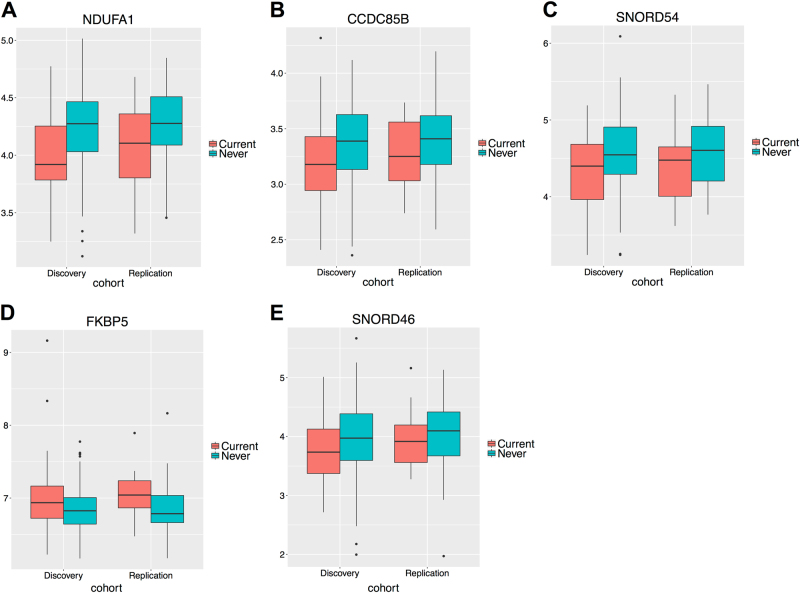
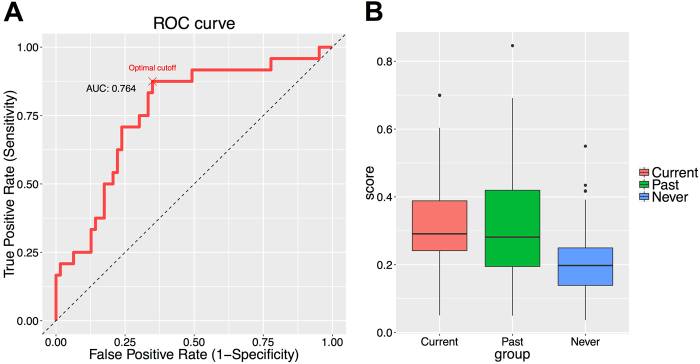
The gene expression approach has provided promising insights into the pathophysiology of posttraumatic stress disorder (PTSD). However, few studies used hypothesis-free transcriptome-wide approach to comprehensively understand gene expression underpinning PTSD. A transcriptome-wide expression study using RNA sequencing of whole blood was conducted in 324 World Trade Center responders (201 with never, 81 current, 42 past PTSD). Samples from current and never PTSD reponders were randomly split to form discovery ( N = 195) and replication ( N = 87) cohorts. Differentially expressed genes were used in pathway analysis and to create a polygenic expression score. There were 448 differentially expressed genes in the discovery cohort, of which 99 remained significant in the replication cohort, including FKBP5, which was found to be up-regulated in current PTSD regardless of the genotypes. Several enriched biological pathways were found, including glucocorticoid receptor signaling and immunity-related pathways, but these pathways did not survive FDR correction. The polygenic expression score computed by aggregating 30 differentially expressed genes using the elastic net algorithm achieved sensitivity/specificity of 0.917/0.508, respectively for identifying current PTSD in the replication cohort. Polygenic scores were similar in current and past PTSD, with both groups scoring higher than trauma-exposed controls without any history of PTSD. Together with the pathway analysis results, these findings point to HPA-axis and immune dysregulation as key biological processes underpinning PTSD. A novel polygenic expression aggregate that differentiates PTSD patients from trauma-exposed controls might be a useful screening tool for research and clinical practice, if replicated in other populations.
Overview
The claims and statistics of this paper haven’t been checked yet.
Free: it reads the open-access text and checks the first 5 claims that cite a source we can check. Create a free account to check every claim.
Integrity signals
Registry
Cites
Statistics
Figures
Verification
Claims the paper makes
The claims and statistics of this paper haven’t been checked yet.
Free: it reads the open-access text and checks the first 5 claims that cite a source we can check. Create a free account to check every claim.
Claims other papers make about this one
Each is checked against this paper’s own text: does it say what the citing paper says it does?
In the citing paper
“However, results are not always consistent and with the advent of hypothesis-free epigenome-wide studies, findings are often not replicated, particularly in the most carefully controlled studies.23”
From The role of epigenetics in psychological resilience (2021) · cites this paper as [23]
In the citing paper
“One such study did not identify shared DNA methylation differences across different psychopathologies in the blood of World Trade Centre survivors23, while a second found multiple differentially methylated regions in resilient at-risk Brazilian adolescents when considering multi-dimensional psychopathology.26”
From The role of epigenetics in psychological resilience (2021) · cites this paper as [23]
In the citing paper
“While some studies solely study people that have experienced adversity,23 or consider the severity of adversity,92 others do not.”
From The role of epigenetics in psychological resilience (2021) · cites this paper as [23]
Self-check
Percentages, sums and reported differences re-computed from the paper’s own numbers.
The self-check needs the paper’s full text.
Citations
Cites
Controlling the False Discovery Rate: A Practical and Powerful Approach to Multiple Testing
Benjamini, Y., & Hochberg, Y. (1995) · Journal of the Royal Statistical Society Series B: Statistical Methodology · doi:10.1111/j.2517-6161.1995.tb02031.x · Cited by 109,482
Moderated estimation of fold change and dispersion for RNA-seq data with DESeq2
Love, M. I., Huber, W., & Anders, S. (2014) · Genome Biology · doi:10.1186/s13059-014-0550-8 · Cited by 95,106
Fast gapped-read alignment with Bowtie 2
Langmead, B., & Salzberg, S. L. (2012) · Nature Methods · doi:10.1038/nmeth.1923 · Cited by 56,400
Robinson, M. D., McCarthy, D. J., & Smyth, G. K. (2010) · Bioinformatics · doi:10.1093/bioinformatics/btp616 · Cited by 41,364
Cutadapt removes adapter sequences from high-throughput sequencing reads
Martin, M. (2011) · EMBnet.journal · doi:10.14806/ej.17.1.200 · Cited by 33,889
WGCNA: an R package for weighted correlation network analysis
Langfelder, P., & Horvath, S. (2008) · BMC Bioinformatics · doi:10.1186/1471-2105-9-559 · Cited by 27,252
HTSeq—a Python framework to work with high-throughput sequencing data
Anders, S., Pyl, P. T., & Huber, W. (2015) · Bioinformatics · doi:10.1093/bioinformatics/btu638 · Cited by 21,464
Regularization and Variable Selection Via the Elastic Net
Zou, H., & Hastie, T. (2005) · Journal of the Royal Statistical Society Series B: Statistical Methodology · doi:10.1111/j.1467-9868.2005.00503.x · Cited by 20,957
Kessler, R. C., Berglund, P., Demler, O., Jin, R., Merikangas, K. R., & Walters, E. E. (2005) · Archives of General Psychiatry · doi:10.1001/archpsyc.62.6.593 · Cited by 20,391
Kim, D., Pertea, G., Trapnell, C., Pimentel, H., Kelley, R., & Salzberg, S. L. (2013) · Genome Biology · doi:10.1186/gb-2013-14-4-r36 · Cited by 12,668
Pruitt, K. D., Tatusova, T., & Maglott, D. R. (2007) · Nucleic Acids Research · doi:10.1093/nar/gkl842 · Cited by 4,481
DNA methylation arrays as surrogate measures of cell mixture distribution
Houseman, E. A., Accomando, W. P., Koestler, D. C., Christensen, B. C., Marsit, C. J., Nelson, H. H., Wiencke, J. K., & Kelsey, K. T. (2012) · BMC Bioinformatics · doi:10.1186/1471-2105-13-86 · Cited by 3,175
RSeQC: quality control of RNA-seq experiments
Wang, L., Wang, S., & Li, W. (2012) · Bioinformatics · doi:10.1093/bioinformatics/bts356 · Cited by 2,788
Slavich, G. M., & Irwin, M. R. (2014) · Psychological Bulletin · doi:10.1037/a0035302 · Cited by 2,206
Binder, E. B. (2008) · JAMA · doi:10.1001/jama.299.11.1291 · Cited by 1,362
Lasting epigenetic influence of early-life adversity on the BDNF gene
Roth, T. L., Lubin, F. D., Funk, A. J., & Sweatt, J. D. (2009) · Biological Psychiatry · doi:10.1016/j.biopsych.2008.11.028 · Cited by 1,273
Raison, C. L., & Miller, A. H. (2003) · American Journal of Psychiatry · doi:10.1176/appi.ajp.160.9.1554 · Cited by 1,197
Kukurba, K. R., & Montgomery, S. B. (2015) · Cold Spring Harbor Protocols · doi:10.1101/pdb.top084970 · Cited by 924
The UCSC Genome Browser database: 2015 update
Rosenbloom, K. R., Armstrong, J., Barber, G. P., Casper, J., Clawson, H., Diekhans, M., Dreszer, T. R., Fujita, P. A., Guruvadoo, L., Haeussler, M., et al. (2015) · Nucleic Acids Research · doi:10.1093/nar/gku1177 · Cited by 874
Post-traumatic stress disorder is associated with PACAP and the PAC1 receptor
Ressler, K. J., Mercer, K. B., Bradley, B., Jovanovic, T., Mahan, A., Kerley, K., Norrholm, S. D., Kilaru, V., Smith, A. K., Myers, A. J., et al. (2011) · Nature · doi:10.1038/nature09856 · Cited by 800
Inflammation in Fear- and Anxiety-Based Disorders: PTSD, GAD, and Beyond
Michopoulos, V., Powers, A., Gillespie, C. F., Ressler, K. J., & Jovanovic, T. (2017) · Neuropsychopharmacology · doi:10.1038/npp.2016.146 · Cited by 786
Passos, I. C., Vasconcelos-Moreno, M. P., Costa, L. G., Kunz, M., Brietzke, E., Quevedo, J., Salum, G., Magalhães, P. V., Kapczinski, F., & Kauer-Sant'Anna, M. (2015) · The Lancet Psychiatry · doi:10.1016/s2215-0366(15)00309-0 · Cited by 743
True, W. R. (1993) · Archives of General Psychiatry · doi:10.1001/archpsyc.1993.01820160019002 · Cited by 704
Posttraumatic stress disorder and physical illness: results from clinical and epidemiologic studies
BOSCARINO, J. A. (2004) · Annals of the New York Academy of Sciences · doi:10.1196/annals.1314.011 · Cited by 691
Biogeography of the ecosystems of the healthy human body
Zhou, Y., Gao, H., Mihindukulasuriya, K. A., La Rosa, P. S., Wylie, K. M., Vishnivetskaya, T., Podar, M., Warner, B., Tarr, P. I., Nelson, D. E., et al. (2013) · Genome Biology · doi:10.1186/gb-2013-14-1-r1 · Cited by 682
Cortisol and post-traumatic stress disorder in adults: Systematic review and meta-analysis
Meewisse, M.-L., Reitsma, J. B., De Vries, G.-J., Gersons, B. P. R., & Olff, M. (2007) · British Journal of Psychiatry · doi:10.1192/bjp.bp.106.024877 · Cited by 661
Stein, M. B., Jang, K. L., Taylor, S., Vernon, P. A., & Livesley, W. J. (2002) · American Journal of Psychiatry · doi:10.1176/appi.ajp.159.10.1675 · Cited by 605
Mehta, D., Klengel, T., Conneely, K. N., Smith, A. K., Altmann, A., Pace, T. W., Rex-Haffner, M., Loeschner, A., Gonik, M., Mercer, K. B., et al. (2013) · Proceedings of the National Academy of Sciences · doi:10.1073/pnas.1217750110 · Cited by 548
Epigenetic and immune function profiles associated with posttraumatic stress disorder
Uddin, M., Aiello, A. E., Wildman, D. E., Koenen, K. C., Pawelec, G., de los Santos, R., Goldmann, E., & Galea, S. (2010) · Proceedings of the National Academy of Sciences · doi:10.1073/pnas.0910794107 · Cited by 518
Glucocorticoids and the regulation of memory in health and disease
de Quervain, D. J.-F., Aerni, A., Schelling, G., & Roozendaal, B. (2009) · Frontiers in Neuroendocrinology · doi:10.1016/j.yfrne.2009.03.002 · Cited by 502
Morris, M. C., Compas, B. E., & Garber, J. (2012) · Clinical Psychology Review · doi:10.1016/j.cpr.2012.02.002 · Cited by 466
The involvement of BDNF, NGF and GDNF in aging and Alzheimer's disease
Josiane, Tatiani, Francielle, Michelle, & Alexandra (2015) · Aging and disease · doi:10.14336/ad.2015.0825 · Cited by 407
Posttraumatic Stress Disorder: Etiology, Epidemiology, and Treatment Outcome
Keane, T. M., Marshall, A. D., & Taft, C. T. (2006) · Annual Review of Clinical Psychology · doi:10.1146/annurev.clinpsy.2.022305.095305 · Cited by 366
Differential immune system DNA methylation and cytokine regulation in post-traumatic stress disorder
Smith, A. K., Conneely, K. N., Kilaru, V., Mercer, K. B., Weiss, T. E., Bradley, B., Tang, Y., Gillespie, C. F., Cubells, J. F., & Ressler, K. J. (2011) · American Journal of Medical Genetics Part B: Neuropsychiatric Genetics · doi:10.1002/ajmg.b.31212 · Cited by 355
Pace, T. W. W., & Heim, C. M. (2011) · Brain, Behavior, and Immunity · doi:10.1016/j.bbi.2010.10.003 · Cited by 321
Pietrzak, R. H., Feder, A., Singh, R., Schechter, C. B., Bromet, E. J., Katz, C. L., Reissman, D. B., Ozbay, F., Sharma, V., Crane, M., et al. (2014) · Psychological Medicine · doi:10.1017/s0033291713000597 · Cited by 306
Self-citationDe Rosa, R., Garcia, A. A., Braschi, C., Capsoni, S., Maffei, L., Berardi, N., & Cattaneo, A. (2005) · Proceedings of the National Academy of Sciences · doi:10.1073/pnas.0500195102 · Cited by 302
Yehuda, R., Cai, G., Golier, J. A., Sarapas, C., Galea, S., Ising, M., Rein, T., Schmeidler, J., Müller-Myhsok, B., Holsboer, F., et al. (2009) · Biological Psychiatry · doi:10.1016/j.biopsych.2009.02.034 · Cited by 294
O’Donovan, A., Cohen, B. E., Seal, K. H., Bertenthal, D., Margaretten, M., Nishimi, K., & Neylan, T. C. (2015) · Biological Psychiatry · doi:10.1016/j.biopsych.2014.06.015 · Cited by 284
Segman, R. H., Shefi, N., Goltser-Dubner, T., Friedman, N., Kaminski, N., & Shalev, A. Y. (2005) · Molecular Psychiatry · doi:10.1038/sj.mp.4001636 · Cited by 281
Lee, R. S., Tamashiro, K. L. K., Yang, X., Purcell, R. H., Harvey, A., Willour, V. L., Huo, Y., Rongione, M., Wand, G. S., & Potash, J. B. (2010) · Endocrinology · doi:10.1210/en.2010-0225 · Cited by 275
Self-citationEpigenetics of posttraumatic stress disorder: current evidence, challenges, and future directions
Zannas, A. S., Provençal, N., & Binder, E. B. (2015) · Biological Psychiatry · doi:10.1016/j.biopsych.2015.04.003 · Cited by 218
Xian, H., Chantarujikapong, S. I., Scherrer, J. F., Eisen, S. A., Lyons, M. J., Goldberg, J., Tsuang, M., & True, W. R. (2000) · Drug and Alcohol Dependence · doi:10.1016/s0376-8716(00)00127-7 · Cited by 208
Dual function of C/D box small nucleolar RNAs in rRNA modification and alternative pre-mRNA splicing
Falaleeva, M., Pages, A., Matuszek, Z., Hidmi, S., Agranat-Tamir, L., Korotkov, K., Nevo, Y., Eyras, E., Sperling, R., & Stamm, S. (2016) · Proceedings of the National Academy of Sciences · doi:10.1073/pnas.1519292113 · Cited by 207
Expression and Regulation of the Fkbp5 Gene in the Adult Mouse Brain
Scharf, S. H., Liebl, C., Binder, E. B., Schmidt, M. V., & Müller, M. B. (2011) · PLoS ONE · doi:10.1371/journal.pone.0016883 · Cited by 202
Guidotti, G., Calabrese, F., Anacker, C., Racagni, G., Pariante, C. M., & Riva, M. A. (2013) · Neuropsychopharmacology · doi:10.1038/npp.2012.225 · Cited by 200
Mehta, D. (2011) · Archives of General Psychiatry · doi:10.1001/archgenpsychiatry.2011.50 · Cited by 200
Gene networks specific for innate immunity define post-traumatic stress disorder
Breen, M. S., Maihofer, A. X., Glatt, S. J., Tylee, D. S., Chandler, S. D., Tsuang, M. T., Risbrough, V. B., Baker, D. G., O'Connor, D. T., Nievergelt, C. M., et al. (2015) · Molecular Psychiatry · doi:10.1038/mp.2015.9 · Cited by 180
Dell’Osso, L., Carmassi, C., Debbio, A. D., Dell’Osso, M. C., Bianchi, C., Pozzo, E. D., Origlia, N., Domenici, L., Massimetti, G., Marazziti, D., et al. (2009) · Progress in Neuro-Psychopharmacology and Biological Psychiatry · doi:10.1016/j.pnpbp.2009.04.018 · Cited by 175
Posttraumatic Stress Disorder: Acquisition, Recognition, Course, and Treatment
Davidson, J. R. T., Stein, D. J., Shalev, A. Y., & Yehuda, R. (2004) · Journal of Neuropsychiatry · doi:10.1176/appi.neuropsych.16.2.135 · Cited by 175
Koenen, K. C., Uddin, M., Chang, S.-C., Aiello, A. E., Wildman, D. E., Goldmann, E., & Galea, S. (2011) · Depression and Anxiety · doi:10.1002/da.20825 · Cited by 174
Common genetic liability to major depression and posttraumatic stress disorder in men
Koenen, K. C., Fu, Q. J., Ertel, K. A., Lyons, M. J., Eisen, S. A., True, W. R., Goldberg, J. H., & Tsuang, M. T. (2007) · Journal of Affective Disorders · doi:10.1016/j.jad.2007.04.021 · Cited by 169
Steroid up-regulation of FKBP51 and its role in hormone signaling
Jääskeläinen, T., Makkonen, H., & Palvimo, J. J. (2011) · Current Opinion in Pharmacology · doi:10.1016/j.coph.2011.04.006 · Cited by 167
Bromet, E. J., Hobbs, M. J., Clouston, S. A. P., Gonzalez, A., Kotov, R., & Luft, B. J. (2016) · Psychological Medicine · doi:10.1017/s0033291715002184 · Cited by 165
Self-citationKong, S. W., Collins, C. D., Shimizu-Motohashi, Y., Holm, I. A., Campbell, M. G., Lee, I.-H., Brewster, S. J., Hanson, E., Harris, H. K., Lowe, K. R., et al. (2012) · PLoS ONE · doi:10.1371/journal.pone.0049475 · Cited by 164
Sex differences in the human peripheral blood transcriptome
Jansen, R., Batista, S., Brooks, A. I., Tischfield, J. A., Willemsen, G., van Grootheest, G., Hottenga, J.-J., Milaneschi, Y., Mbarek, H., Madar, V., et al. (2014) · BMC Genomics · doi:10.1186/1471-2164-15-33 · Cited by 164
Glucocorticoids act on glutamatergic pathways to affect memory processes
Sandi, C. (2011) · Trends in Neurosciences · doi:10.1016/j.tins.2011.01.006 · Cited by 162
Menke, A., Klengel, T., Rubel, J., Brückl, T., Pfister, H., Lucae, S., Uhr, M., Holsboer, F., & Binder, E. B. (2013) · Genes, Brain and Behavior · doi:10.1111/gbb.12026 · Cited by 151
Genetic markers for PTSD risk and resilience among survivors of the World Trade Center attacks
Sarapas, C., Cai, G., Bierer, L. M., Golier, J. A., Galea, S., Ising, M., Rein, T., Schmeidler, J., Müller-Myhsok, B., Uhr, M., et al. (2011) · Disease Markers · doi:10.1155/2011/328054 · Cited by 143
Genetic markers for PTSD risk and resilience among survivors of the World Trade Center attacks
Sarapas (2011) · PubMed · doi:10.3233/dma-2011-0764 · Cited by 143
X‐linked NDUFA1 gene mutations associated with mitochondrial encephalomyopathy
Fernandez‐Moreira, D., Ugalde, C., Smeets, R., Rodenburg, R. J. T., Lopez‐Laso, E., Ruiz‐Falco, M. L., Briones, P., Martin, M. A., Smeitink, J. A. M., & Arenas, J. (2007) · Annals of Neurology · doi:10.1002/ana.21036 · Cited by 141
van Zuiden, M., Kavelaars, A., Geuze, E., Olff, M., & Heijnen, C. J. (2012) · Brain Behavior and Immunity · doi:10.1016/j.bbi.2012.08.015 · Cited by 140
Cohort Profile: World Trade Center Health Program General Responder Cohort
Dasaro, C. R., Holden, W. L., Berman, K. D., Crane, M. A., Kaplan, J. R., Lucchini, R. G., Luft, B. J., Moline, J. M., Teitelbaum, S. L., Tirunagari, U. S., et al. (2017) · International Journal of Epidemiology · doi:10.1093/ije/dyv099 · Cited by 131
Self-citationLambert, W. M., Xu, C.-F., Neubert, T. A., Chao, M. V., Garabedian, M. J., & Jeanneteau, F. D. (2013) · Molecular and Cellular Biology · doi:10.1128/mcb.00150-13 · Cited by 117
A Twin Study of the Association Between PTSD Symptoms and Rheumatoid Arthritis
Boscarino, J. A., Forsberg, C. W., & Goldberg, J. (2010) · Psychosomatic Medicine · doi:10.1097/psy.0b013e3181d9a80c · Cited by 113
An epigenome-wide DNA methylation study of PTSD and depression in World Trade Center responders
Kuan, P.-F., Waszczuk, M. A., Kotov, R., Marsit, C. J., Guffanti, G., Gonzalez, A., Yang, X., Koenen, K., Bromet, E., & Luft, B. J. (2017) · Translational Psychiatry · doi:10.1038/tp.2017.130 · Cited by 103
Self-citationPotluri, P., Davila, A., Ruiz-Pesini, E., Mishmar, D., O’Hearn, S., Hancock, S., Simon, M., Scheffler, I. E., Wallace, D. C., & Procaccio, V. (2009) · Molecular Genetics and Metabolism · doi:10.1016/j.ymgme.2008.12.004 · Cited by 102
Song, C., Kenis, G., Gastel, A. V., Bosmans, E., Lin, A., Jong, R. D., Neels, H. M., Scharpé, S., Janča, A., Yasukawa, K., et al. (1999) · Psychiatry Research · doi:10.1016/s0165-1781(99)00012-8 · Cited by 98
Bam, M., Yang, X., Zumbrun, E. E., Yin, Z., Zhou, J., Ginsberg, J. P., Leyden, Q., Zhang, J., Nagarkatti, P. S., & Nagarkatti, M. (2016) · Scientific Reports · doi:10.1038/srep31209 · Cited by 98
Self-citation(2013) · Molecular and Cellular Biology · doi:10.1128/mcb.01139-13 · Cited by 93
A descriptive analysis of PTSD chronicity in Vietnam veterans
Schnurr, P. P., Lunney, C. A., Sengupta, A., & Waelde, L. C. (2003) · Journal of Traumatic Stress · doi:10.1023/b:jots.0000004077.22408.cf · Cited by 86
Genome-wide analysis of attention deficit hyperactivity disorder in Norway
Zayats, T., Athanasiu, L., Sonderby, I., Djurovic, S., Westlye, L. T., Tamnes, C. K., Fladby, T., Aase, H., Zeiner, P., Reichborn-Kjennerud, T., et al. (2015) · PLoS ONE · doi:10.1371/journal.pone.0122501 · Cited by 83
Chang, S.-C., Koenen, K. C., Galea, S., Aiello, A. E., Soliven, R., Wildman, D. E., & Uddin, M. (2012) · PLoS ONE · doi:10.1371/journal.pone.0039184 · Cited by 81
Logue, M. W., Smith, A. K., Baldwin, C., Wolf, E. J., Guffanti, G., Ratanatharathorn, A., Stone, A., Schichman, S. A., Humphries, D., Binder, E. B., et al. (2015) · Psychoneuroendocrinology · doi:10.1016/j.psyneuen.2015.03.016 · Cited by 80
The dynamic role of beta-catenin in synaptic plasticity
Maguschak, K. A., & Ressler, K. J. (2011) · Neuropharmacology · doi:10.1016/j.neuropharm.2011.08.032 · Cited by 80
Gaiha, G. D., McKim, K. J., Woods, M., Pertel, T., Rohrbach, J., Barteneva, N., Chin, C. R., Liu, D., Soghoian, D. Z., Cesa, K., et al. (2014) · Immunity · doi:10.1016/j.immuni.2014.12.011 · Cited by 78
Rosen, R. L., Levy-Carrick, N., Reibman, J., Xu, N., Shao, Y., Liu, M., Ferri, L., Kazeros, A., Caplan-Shaw, C. E., Pradhan, D. R., et al. (2017) · Journal of Psychiatric Research · doi:10.1016/j.jpsychires.2017.01.007 · Cited by 66
The role of stress sensitization in progression of posttraumatic distress following deployment
Smid, G. E., Kleber, R. J., Rademaker, A. R., van Zuiden, M., & Vermetten, E. H. G. J. M. (2013) · Social Psychiatry and Psychiatric Epidemiology · doi:10.1007/s00127-013-0709-8 · Cited by 56
Dahlhoff, M., Siegmund, A., Golub, Y., Wolf, E., Holsboer, F., & Wotjak, C. T. (2010) · Neuroscience · doi:10.1016/j.neuroscience.2010.05.066 · Cited by 55
Guardado, P., Olivera, A., Rusch, H. L., Roy, M., Martin, C., Lejbman, N., Lee, H., & Gill, J. M. (2016) · Journal of Anxiety Disorders · doi:10.1016/j.janxdis.2015.12.004 · Cited by 50
Matsuoka, Y., Nishi, D., Noguchi, H., Kim, Y., & Hashimoto, K. (2013) · Neuropsychobiology · doi:10.1159/000350950 · Cited by 49
Altered human neutrophil function in response to acute psychological stress
Khanfer, R., Phillips, A. C., Carroll, D., & Lord, J. M. (2010) · Psychosomatic Medicine · doi:10.1097/psy.0b013e3181e7fae8 · Cited by 37
New MT‐ND6 and NDUFA1 mutations in mitochondrial respiratory chain disorders
Uehara, N., Mori, M., Tokuzawa, Y., Mizuno, Y., Tamaru, S., Kohda, M., Moriyama, Y., Nakachi, Y., Matoba, N., Sakai, T., et al. (2014) · Annals of Clinical and Translational Neurology · doi:10.1002/acn3.59 · Cited by 25
Coiled-coil domain containing 85B suppresses the β-catenin activity in a p53-dependent manner
Iwai, A., Hijikata, M., Hishiki, T., Isono, O., Chiba, T., & Shimotohno, K. (2007) · Oncogene · doi:10.1038/sj.onc.1210801 · Cited by 24
A simple and robust method for partially matched samples using the p‐values pooling approach
Kuan, P. F., & Huang, B. (2013) · Statistics in Medicine · doi:10.1002/sim.5758 · Cited by 18
Self-citationLipov, E., Kelzenberg, B., Rothfeld, C., & Abdi, S. (2012) · Medical Hypotheses · doi:10.1016/j.mehy.2012.08.019 · Cited by 17
Mechanisms of Neutrophil-mediated Disease: Innovative Therapeutic Interventions
Magrone, T., & Jirillo, E. (2012) · Current Pharmaceutical Design · doi:10.2174/138161212799958512 · Cited by 11
Kuan, P. F., Waszczuk, M. A., Kotov, R., Marsit, C. J., Guffanti, G., Yang, X., Koenen, K. C., Bromet, E. J., & Luft, B. J. (2017) · Biological Psychiatry · doi:10.1016/j.biopsych.2017.02.629 · Cited by 3
Self-citation
Research works printed but not linked: 2
- Spitzer, R., Gibbon, M., & Williams, J. Structured clinical interview for DSM-IV axis I disorders: Patient Edition (February 1996 Final). Biometrics Research Department, New York State Psychiatric Institute (1998); http://www.scid4.org/info/refscid.html.
- Binder EB Association of FKBP5 polymorphisms and childhood abuse with risk of posttraumatic stress disorder symptoms in adults JAMA. 2008 299 1291 1305 10.1001/jama.299.11.1291 18349090 PMC2441757 · DOI · Paper page
Cited by
Candidate biomarkers in psychiatric disorders: state of the field
Abi‐Dargham, A., Moeller, S. J., Ali, F., DeLorenzo, C., Domschke, K., Horga, G., Jutla, A., Kotov, R., Paulus, M. P., Rubio, J. M., et al. (2023) · World Psychiatry · doi:10.1002/wps.21078 · Cited by 372
Self-citationThe role of the immune system in posttraumatic stress disorder
Katrinli, S., Oliveira, N. C. S., Felger, J. C., Michopoulos, V., & Smith, A. K. (2022) · Translational Psychiatry · doi:10.1038/s41398-022-02094-7 · Cited by 175
Kuan, P.-F., Yang, X., Clouston, S., Ren, X., Kotov, R., Waszczuk, M., Singh, P. K., Glenn, S. T., Gomez, E. C., Wang, J., et al. (2019) · Translational Psychiatry · doi:10.1038/s41398-018-0355-8 · Cited by 137
Self-citationBrewin, C. R., Atwoli, L., Bisson, J. I., Galea, S., Koenen, K. C., & Lewis‐Fernández, R. (2025) · World Psychiatry · doi:10.1002/wps.21269 · Cited by 142
“Beyond elucidating biological pathways, differential gene expression profiles (i.e., combinations of differentially expressed genes) have been used to predict PTSD, and have been reported to be a potential screening tool for the disorder 310 .”
The role of epigenetics in psychological resilience
Smeeth, D., Beck, S., Karam, E. G., & Pluess, M. (2021) · The Lancet Psychiatry · doi:10.1016/s2215-0366(20)30515-0 · Cited by 108
Metadata
- Authors
- Kuan, P.-F., Waszczuk, M. A., Kotov, R., Clouston, S., Yang, X., Singh, P. K., Glenn, S. T., Cortes Gomez, E., Wang, J., Bromet, E., & Luft, B. J.
- Affiliations
- Stony Brook University (US)
- Roswell Park Comprehensive Cancer Center (US)
- Corresponding author
- Luft, Benjamin J.
- ORCID
- Venue
- Translational Psychiatry
- Published
- 2017-12-18
- Volume
- 7
- Issue
- 12
- Pages
- 1297-1297
- ISSN
- 2158-3188 (ISSN-L)
- PMC
- PMC5802695
- OpenAlex
- W2771499258
- Cited by
- 80
- References
- 87
- Citations by year
- 2026: 5 · 2025: 9 · 2024: 8 · 2023: 9 · 2022: 11 · 2021: 15 · 2020: 13 · 2019: 6 · 2018: 4
- FWCI
- 7.78
- Type
- journal article
- Language
- en
- Open access
- gold
- doi.org
- Licence
- cc-by
- creativecommons.org/licenses/by/4.0 (tdm)
- creativecommons.org/licenses/by/4.0 (vor)
- Locations
- Translational Psychiatry (publishedVersion, cc-by)
- PubMed Central (publishedVersion, cc-by)
- PubMed (publishedVersion)
- DOAJ (DOAJ: Directory of Open Access Journals) (submittedVersion)
- Funders
- Roswell Park Cancer Institute (P30 CA016056)
- Centers for Disease Control and Prevention
- National Cancer Institute (P30CA016056)
- National Institute for Occupational Safety and Health (U01OH010416, U01 OH010416-01)
- Topics
- Social Sciences › Psychology › Clinical Psychology › Posttraumatic Stress Disorder Research
- Life Sciences › Neuroscience › Behavioral Neuroscience › Stress Responses and Cortisol
- Social Sciences › Psychology › Clinical Psychology › Child Abuse and Trauma
- Keywords
- post-traumatic stress disorder, World Trade Center responders, gene expression, transcriptome-wide association study, FKBP5, glucocorticoid receptor signaling, hypothalamic-pituitary-adrenal axis, immune dysregulation, differentially expressed genes, trauma exposure, PTSD screening
- MeSH terms
- Adult, Female, Humans, Male, Middle Aged, Stress Disorders, Post-Traumatic, Gene Expression, Sequence Analysis, RNA, Polymorphism, Single Nucleotide, September 11 Terrorist Attacks, Emergency Responders
About these checks
Registry, retraction, Cites and statistics results are computed, not judged, with one exception: a printed reference that no index lists is read once by a model before it counts as a citation error. Claims are extracted by a model and kept only when their quote appears verbatim in the text; each cited source is then checked, with a model’s help, for whether it says what the claim relies on. Those verdicts can be wrong — read the claim’s quote and the cited source before relying on one.
Statistics and arithmetic are recomputed, not judged.
Confidence bands are shown only for fields calibrated on our annotated test set. None is calibrated yet, so no band is shown.
What counts as a claim ›How we measure confidence ›How we check this ›
Are you an author, or do you see a problem with this page? Request a review
Data sources
Bibliographic data: Semantic Scholar, OpenAlex, Crossref.
Contains information from the Semantic Scholar Academic Graph Datasets, made available under the ODC Attribution License (ODC-BY 1.0).
Semantic Scholar’s data is described in: Kinney, R., et al. (2023). The Semantic Scholar Open Data Platform. arXiv:2301.10140.
