

Genetic associations with suicide attempt severity and genetic overlap with major depression
Open accessThe DOI matches its Crossref record; 52 of the 52 references it cites were found in a registry or an index.
Abstract
In 2015, ~800,000 people died by suicide worldwide. For every death by suicide there are as many as 25 suicide attempts, which can result in serious injury even when not fatal. Despite this large impact on morbidity and mortality, the genetic influences on suicide attempt are poorly understood. We performed a genome-wide association study (GWAS) of severity of suicide attempts to investigate genetic influences. A discovery GWAS was performed in Yale-Penn sample cohorts of European Americans (EAs, n = 2,439) and African Americans (AAs, n = 3,881). We found one genome-wide significant (GWS) signal in EAs near the gene LDHB (rs1677091, p = 1.07 × 10 −8 ) and three GWS associations in AAs: ARNTL2 on chromosome 12 (rs683813, p = 2.07 × 10 −8 ), FAH on chromosome 15 (rs72740082, p = 2.36 × 10 −8 ), and on chromosome 18 (rs11876255, p = 4.61 × 10 −8 ) in the Yale-Penn discovery sample. We conducted a limited replication analysis in the completely independent Army-STARRS cohorts. rs1677091 replicated in Latinos (LAT, p = 6.52 × 10 −3 ). A variant in LD with FAH rs72740082 (rs72740088; r 2 = 0.68) was replicated in AAs (STARRS AA p = 5.23 × 10 −3 ; AA meta, 1.51 × 10 −9 ). When combined for a trans-population meta-analysis, the final sample size included n = 20,153 individuals. Finally, we found significant genetic overlap with major depressive disorder (MDD) using polygenic risk scores from a large GWAS ( r 2 = 0.007, p = 6.42 × 10 −5 ). To our knowledge, this is the first GWAS of suicide attempt severity. We identified GWS associations near genes involved in anaerobic energy production ( LDHB ), circadian clock regulation ( ARNTL2 ), and catabolism of tyrosine ( FAH ). These findings provide evidence of genetic risk factors for suicide attempt severity, providing new information regarding the molecular mechanisms involved.
Overview
The claims and statistics of this paper haven’t been checked yet.
Free: it reads the open-access text and checks the first 5 claims that cite a source we can check. Create a free account to check every claim.
Integrity signals
Registry
Cites
Statistics
Figures
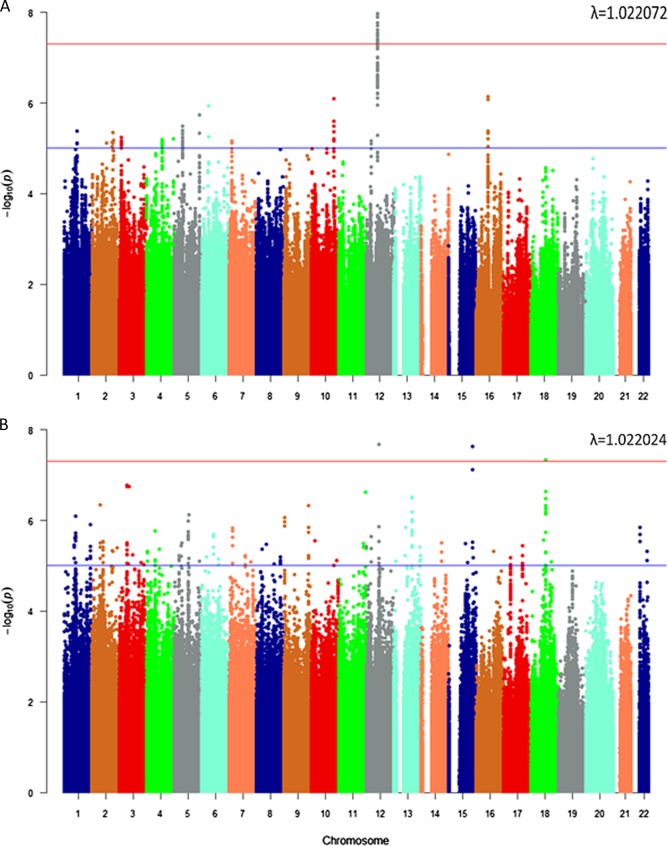
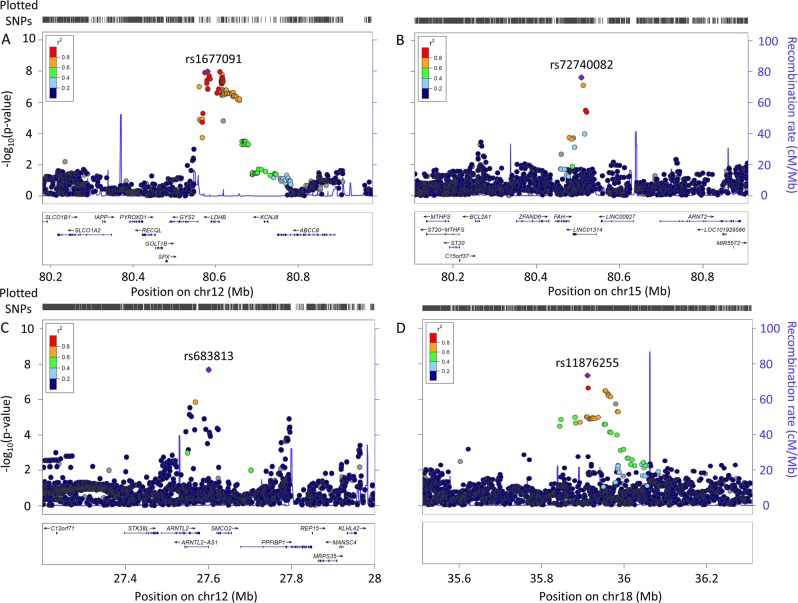
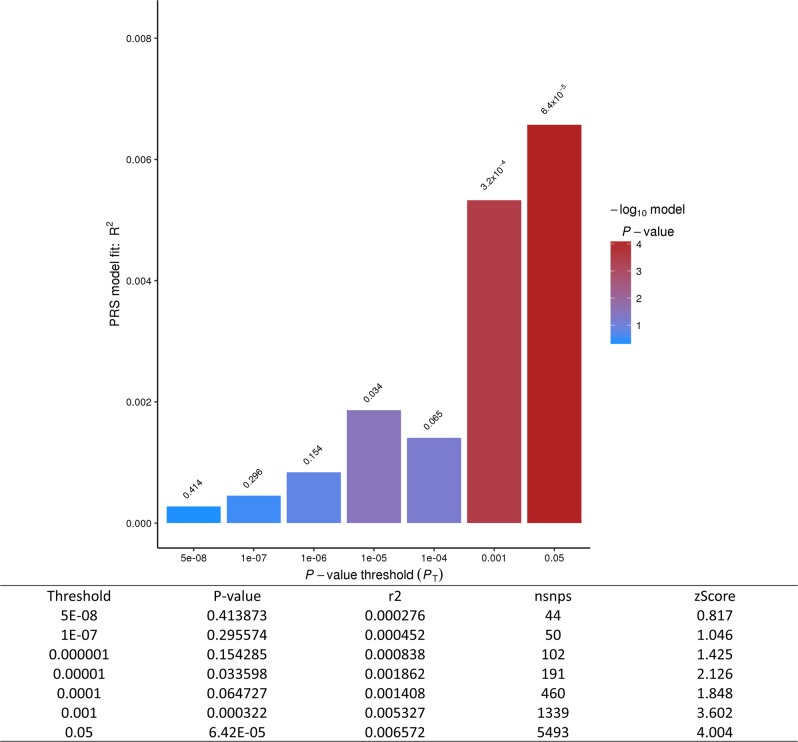
Verification
Claims the paper makes
The claims and statistics of this paper haven’t been checked yet.
Free: it reads the open-access text and checks the first 5 claims that cite a source we can check. Create a free account to check every claim.
Claims other papers make about this one
Each is checked against this paper’s own text: does it say what the citing paper says it does?
The source backs part of the claim, not all of it — or backs it for a different population, condition or comparison.
In the citing paper
“overall, candidate-gene-based studies 44,45 and GWAS 30,40,46-49 have not produced consistent results, with genes of interest frequently failing to pass rigorous reproducibility and significance testing.”
From Suicide and suicide risk (2019) · cites this paper as [48]
Experimental — accuracy not yet measuredThe cited source says what the claim attributes to it.
In the citing paper
“Severity of suicide attempts is associated with genes involved in anerobic energy production, circadian clock regulation, and tyrosine catabolism (57).”
From A brain-centric model of suicidal behavior (2020) · cites this paper as [57]
Self-check
Percentages, sums and reported differences re-computed from the paper’s own numbers.
The self-check needs the paper’s full text.
Citations
Cites
Second-generation PLINK: rising to the challenge of larger and richer datasets
Chang, C. C., Chow, C. C., Tellier, L. C., Vattikuti, S., Purcell, S. M., & Lee, J. J. (2015) · Gigascience · doi:10.1186/s13742-015-0047-8 · Cited by 12,709
Posner, K., Brown, G. K., Stanley, B., Brent, D. A., Yershova, K. V., Oquendo, M. A., Currier, G. W., Melvin, G. A., Greenhill, L., Shen, S., et al. (2011) · American Journal of Psychiatry · doi:10.1176/appi.ajp.2011.10111704 · Cited by 5,157
Functional mapping and annotation of genetic associations with FUMA
Watanabe, K., Taskesen, E., van Bochoven, A., & Posthuma, D. (2017) · Nature Communications · doi:10.1038/s41467-017-01261-5 · Cited by 4,083
Genome-wide efficient mixed-model analysis for association studies
Zhou, X., & Stephens, M. (2012) · Nature Genetics · doi:10.1038/ng.2310 · Cited by 3,627
eQTLGen, Wray, N. R., 23andMe, the Major Depressive Disorder Working Group of the Psychiatric Genomics Consortium, Ripke, S., Mattheisen, M., Trzaskowski, M., Byrne, E. M., Abdellaoui, A., Adams, M. J., et al. (2018) · Nature Genetics · doi:10.1038/s41588-018-0090-3 · Cited by 3,005
Self-citationSuicide as an outcome for mental disorders: A meta-analysis
Harris, E. C., & Barraclough, B. (1997) · British Journal of Psychiatry · doi:10.1192/bjp.170.3.205 · Cited by 2,589
Risks of all-cause and suicide mortality in mental disorders: a meta-review
Chesney, E., Goodwin, G. M., & Fazel, S. (2014) · World Psychiatry · doi:10.1002/wps.20128 · Cited by 2,115
5-HIAA in the Cerebrospinal Fluid: A Biochemical Suicide Predictor?
Åsberg, M. (1976) · Archives of General Psychiatry · doi:10.1001/archpsyc.1976.01770100055005 · Cited by 1,445
Fatal and non-fatal repetition of self-harm: Systematic review
Owens, D., Horrocks, J., & House, A. (2002) · British Journal of Psychiatry · doi:10.1192/bjp.181.3.193 · Cited by 1,241
PRSice: Polygenic Risk Score software
Euesden, J., Lewis, C. M., & O’Reilly, P. F. (2015) · Bioinformatics · doi:10.1093/bioinformatics/btu848 · Cited by 1,191
Cited by
Turecki, G., Brent, D. A., Gunnell, D., O’Connor, R. C., Oquendo, M. A., Pirkis, J., & Stanley, B. H. (2019) · Nature Reviews Disease Primers · doi:10.1038/s41572-019-0121-0 · Cited by 1,074
Levey, D. F., Stein, M. B., Wendt, F. R., Pathak, G. A., Zhou, H., Aslan, M., Quaden, R., Harrington, K. M., Nuñez, Y. Z., Overstreet, C., et al. (2021) · Nature Neuroscience · doi:10.1038/s41593-021-00860-2 · Cited by 422
Self-citationUnderstanding the Complex of Suicide in Depression: from Research to Clinics
Orsolini, L., Latini, R., Pompili, M., Serafini, G., Volpe, U., Vellante, F., Fornaro, M., Valchera, A., Tomasetti, C., Fraticelli, S., et al. (2020) · Psychiatry Investigation · doi:10.30773/pi.2019.0171 · Cited by 406
A brain-centric model of suicidal behavior
Mann, J. J., & Rizk, M. M. (2020) · American Journal of Psychiatry · doi:10.1176/appi.ajp.2020.20081224 · Cited by 214
“Severity of suicide attempts is associated with genes involved in anerobic energy production, circadian clock regulation, and tyrosine catabolism (57).”
BackgroundShen, F., Song, Z., Xie, P., Li, L., Wang, B., Peng, D., & Zhu, G. (2021) · Journal of Ethnopharmacology · doi:10.1016/j.jep.2021.114164 · Cited by 186
Evaluating the promise of inclusion of African ancestry populations in genomics
Bentley, A. R., Callier, S. L., & Rotimi, C. N. (2020) · npj Genomic Medicine · doi:10.1038/s41525-019-0111-x · Cited by 184
The Lancet Commission on self-harm
Moran, P., Chandler, A., Dudgeon, P., Kirtley, O. J., Knipe, D. W., Pirkis, J., Sinyor, M., Allister, R., Ansloos, J. P., Ball, M. A., et al. (2024) · The Lancet · doi:10.1016/s0140-6736(24)01121-8 · Cited by 160
Neurobiological Basis of Increased Risk for Suicidal Behaviour
Wisłowska-Stanek, A., Kołosowska, K., & Maciejak, P. (2021) · Cells · doi:10.3390/cells10102519 · Cited by 110
“Genome-wide association studies (GWAS) have indicated that polygenic risk and specific loci such as genes involved in circadian clock regulation, tyrosine metabolism, and risk factors for depressive disorder are associated with a higher risk of attempting suicide [20,21].”
BackgroundLevey, D. F., Galimberti, M., Deak, J. D., Wendt, F. R., Bhattacharya, A., Koller, D., Harrington, K. M., Quaden, R. M., Johnson, E. C., Gupta, P., et al. (2023) · Nature Genetics · doi:10.1038/s41588-023-01563-z · Cited by 134
“We also included samples from MGB Biobank (456 cases and 24,088 controls, all EUR) and new data from the Yale–Penn cohort 46 beyond the individuals already included in the PGC study (an additional 310 cases and 1,471 controls for EUR, and 271 cases and 666 controls for AFR).”
MethodSelf-citationStrawbridge, R. J., Ward, J., Ferguson, A., Graham, N., Shaw, R. J., Cullen, B., Pearsall, R., Lyall, L. M., Johnston, K. J. A., Niedzwiedz, C. L., et al. (2019) · EBioMedicine · doi:10.1016/j.ebiom.2019.02.005 · Cited by 112
Biological bases of suicidal behaviours: a narrative review
Lengvenyte, A., Conejero, I., Courtet, P., & Olié, E. (2021) · European Journal of Neuroscience · doi:10.1111/ejn.14635 · Cited by 87
“Furthermore, a recent GWAS demonstrated racial differences in genetic associations with suicide attempt severity (Levey et al., 2019), suggesting that different pathways to suicide have emerged in different human populations, further underlining the need of suicide neurobiology studies in more…”
BackgroundInfluentialOn the genetic and environmental relationship between suicide attempt and death by suicide
Edwards, A. C., Ohlsson, H., Mościcki, E., Crump, C., Sundquist, J., Lichtenstein, P., Kendler, K. S., & Sundquist, K. (2021) · American Journal of Psychiatry · doi:10.1176/appi.ajp.2020.20121705 · Cited by 86
Genetic contributions to suicidal thoughts and behaviors
DiBlasi, E., Kang, J., & Docherty, A. R. (2021) · Psychological Medicine · doi:10.1017/s0033291721001720 · Cited by 83
“Smaller studies of STBs have been conducted in cohorts of African American (Levey et al., 2019; N = 3238 cases with SA), Mexican (González-Castro et al., 2019b; N = 37 cases with SA), Peruvian (Shen et al., 2020, N = 522 cases with SI) and East Asian (Otsuka et al., 2019; N = 746 suicide cases)…”
BackgroundRapid-acting antidepressants and the circadian clock
Sato, S., Bunney, B. G., Mendoza-Viveros, L., Bunney, W. E., Borrelli, E., Sassone‐Corsi, P., & Orozco-Solís, R. (2021) · Neuropsychopharmacology · doi:10.1038/s41386-021-01241-w · Cited by 72
“B A predictive model in which ketamine and sleep deprivation elicit common transcriptional responses by blocking BMAL1/CLOCK function at specific times of the day (Zeitgebers-ZTs) associated with neuronal and behavioral responses [94, 95, 219].”
ResultInfluentialGenome-wide association study meta-analysis of suicide death and suicidal behavior
Li, Q. S., Shabalin, A. A., DiBlasi, E., Gopal, S., Canuso, C. M., FinnGen, I. S. G. C., Palotie, A., Drevets, W. C., Docherty, A. R., & Coon, H. (2023) · Molecular Psychiatry · doi:10.1038/s41380-022-01828-9 · Cited by 68
“This work was supported by the National Institute of Mental Health (HC, grant number R01MH099134; ARD, grant number K01MH093731); the American Foundation for Suicide Prevention (ARD and AB), the Brain & Behavior Research Foundation (ARD and AAS, NARSAD Young Investigator Awards); the University of Utah EDGE Scholar Pr…”
BackgroundHeterogeneity and Polygenicity in Psychiatric Disorders: A Genome-Wide Perspective
Wendt, F. R., Pathak, G. A., Tylee, D. S., Goswami, A., & Polimanti, R. A. (2020) · Chronic Stress · doi:10.1177/2470547020924844 · Cited by 72
Self-citationShen, F., Xie, P., Li, C., Bian, Z., Wang, X., Peng, D., & Zhu, G. (2022) · Oxidative Medicine and Cellular Longevity · doi:10.1155/2022/2566917 · Cited by 69
“According to the World Health Organization (WHO) in 2018, more than 300 million people worldwide su ff er from depression and more than 800,000 have committed suicide because of depression [1].”
Lim, K. X., Rijsdijk, F. V., Hagenaars, S. P., Socrates, A., Choi, S. W., Coleman, J. R. I., Glanville, K. P., Lewis, C. M., & Pingault, J. (2020) · PLoS Medicine · doi:10.1371/journal.pmed.1003137 · Cited by 63
“In previous studies, a PS for major depressive disorder (MDD) predicted SSH in 2 clinical samples [22,23] and 1 non-clinical sample [24].”
BackgroundMoral injury and peri- and post-military suicide attempts among post-9/11 veterans
Maguen, S., Griffin, B. J., Vogt, D., Hoffmire, C. A., Blosnich, J. R., Bernhard, P. A., Akhtar, F. Z., Cypel, Y. S., & Schneiderman, A. I. (2023) · Psychological Medicine · doi:10.1017/s0033291721005274 · Cited by 58
“…were strong and consistent predictors of suicidal behavior peri- and post-military service, as were depression symptoms, with depression demonstrating a strong effect size and consistent relationship with suicide attempts across gender and the life course (Nock et al., 2014; Levey et al., 2019).”
BackgroundWendt, F. R., Pathak, G. A., Levey, D. F., Nuñez, Y. Z., Overstreet, C. M., Tyrrell, C., Adhikari, K., Angelis, F. D., Tylee, D. S., Goswami, A., et al. (2021) · Neurobiology of Stress · doi:10.1016/j.ynstr.2021.100309 · Cited by 57
“Recent large-scale studies have focused on 146 understanding the genetic risk for thoughts and behaviors leading up to the commission of acts 147 to end ones’ life: ideation,(5) planning, and attempt.(6) In this study we use the term suicidality to 148 collectively refer to these thoughts and behaviors.”
Self-citationIdentification of potential blood biomarkers associated with suicide in major depressive disorder
Mamdani, F., Weber, M. D., Bunney, B. G., Burke, K. A., Cartagena, P. M., Walsh, D. M. A., Lee, F. S., Barchas, J. D., Schatzberg, A. F., Myers, R., et al. (2022) · Translational Psychiatry · doi:10.1038/s41398-022-01918-w · Cited by 56
Psychiatric Genetics Begins to Find Its Footing
Smoller, J. W. (2019) · American Journal of Psychiatry · doi:10.1176/appi.ajp.2019.19060643 · Cited by 50
Self-citationOtsuka, I., Akiyama, M., Shirakawa, O., Okazaki, S., Momozawa, Y., Kamatani, Y., Izumi, T., Numata, S., Takahashi, M., Boku, S., et al. (2019) · Neuropsychopharmacology · doi:10.1038/s41386-019-0506-5 · Cited by 47
Glăvan, D., Gheorman, V., Greșiță, A., Hermann, D. M., Udriștoiu, I., & Popa‐Wagner, A. (2021) · Scientific Reports · doi:10.1038/s41598-021-98210-6 · Cited by 52
Shen, H., Gelaye, B., Huang, H., Rondón, M. B., Sánchez, S. E., & Duncan, L. E. (2020) · Neuropsychopharmacology · doi:10.1038/s41386-020-0603-5 · Cited by 50
Suicide epigenetics, a review of recent progress
Cheung, S., Woo, J., Maes, M. S., & Zai, C. C. H. (2020) · Journal of Affective Disorders · doi:10.1016/j.jad.2020.01.040 · Cited by 46
Joo, Y. Y., Moon, S., Wang, H., Kim, H., Lee, E., Kim, J. H., Posner, J. E., Ahn, W., Choi, I., Kim, J.-W., et al. (2022) · JAMA Network Open · doi:10.1001/jamanetworkopen.2021.48585 · Cited by 38
Lee, P. H., Doyle, A. E., Silberstein, M. D., Jung, J.-Y., Liu, R. T., Perlis, R. H., Roffman, J. L., Smoller, J. W., Fava, M., & Kessler, R. C. (2022) · JAMA Psychiatry · doi:10.1001/jamapsychiatry.2022.2379 · Cited by 37
Self-citationMirza, S. A., Docherty, A. R., Bakian, A. V., Coon, H. H., Soares, J. C., Walss‐Bass, C., & Fries, G. R. (2022) · American Journal of Medical Genetics Part B Neuropsychiatric Genetics · doi:10.1002/ajmg.b.32917 · Cited by 40
Lawson, K. M., Kellerman, J. K., Kleiman, E. M., Bleidorn, W., Hopwood, C. J., & Robins, R. W. (2022) · Journal of Personality and Social Psychology · doi:10.1037/pspp0000382 · Cited by 33
Lee, P. H., Doyle, A. E., Li, X., Silberstein, M., Jung, J.-Y., Gollub, R. L., Nierenberg, A. A., Liu, R. T., Kessler, R. C., Perlis, R. H., et al. (2022) · Biological Psychiatry · doi:10.1016/j.biopsych.2021.11.026 · Cited by 30
“Genome-wide genetics studies have reported significant genetic overlap of MD PRSs with a range of suicide risk phenotypes in adults, including SAs (17), severity of SAs (14), and suicide death (16).”
InfluentialSelf-citationGonzález‐Castro, T. B., Tovilla‐Zárate, C. A., Mendoza, A. D. G., Juárez‐Rojop, I. E., Nicolini, H., López‐Narváez, M. L., & Martínez‐Magaña, J. J. (2019) · American Journal of Medical Genetics Part B Neuropsychiatric Genetics · doi:10.1002/ajmg.b.32731 · Cited by 29
Hicks, E. M., Seah, C., Cote, A. C., Marchese, S., Brennand, K., Nestler, E. J., Girgenti, M. J., & Huckins, L. M. (2023) · Translational Psychiatry · doi:10.1038/s41398-023-02412-7 · Cited by 30
Shalimova, A. A., Babasieva, V. S., Chubarev, V. N., Tarasov, V. V., Schiöth, H. B., & Mwinyi, J. (2021) · Pharmacogenomics · doi:10.2217/pgs-2020-0157 · Cited by 29
Li, M., Liu, Y., Liu, Y., Pu, C., Yin, R., Zeng, Z., Deng, L., & Wang, X. (2022) · Frontiers in Physiology · doi:10.3389/fphys.2022.956254 · Cited by 25
“The World Health Organization (WHO) showed that more than 300 million people worldwide suffer from depression, and about 800,000 of them commit suicide (Levey et al., 2019).”
BackgroundPolimanti, R. A., Levey, D. F., Pathak, G. A., Wendt, F. R., Nuñez, Y. Z., Ursano, R. J., Kessler, R. C., Kranzler, H. R., Stein, M. B., & Gelernter, J. E. (2021) · Translational Psychiatry · doi:10.1038/s41398-020-01153-1 · Cited by 25
Self-citationRace and Genetics: Somber History, Troubled Present.
(2020) · PubMed Central · Cited by 21
Kimbrel, N. A., Garrett, M. E., Evans, M. K., Mellows, C., Dennis, M. F., Hair, L. P., Hauser, M. A., Workgroup, T. V. M.-A. M., Ashley‐Koch, A. E., & Beckham, J. C. (2023) · Frontiers in Psychiatry · doi:10.3389/fpsyt.2023.1145375 · Cited by 19
Bigdeli, T. B., Barr, P. B., Rajeevan, N., Graham, D. P., Li, Y., Meyers, J. L., Gorman, B. R., Peterson, R. E., Sayward, F. G., Radhakrishnan, K., et al. (2024) · Molecular Psychiatry · doi:10.1038/s41380-024-02472-1 · Cited by 19
Next-generation precision medicine for suicidality prevention
Bhagar, R., Gill, S., Le-Niculescu, H., Yin, C., Roseberry, K., Mullen, J., Schmitz, M., Paul, E. J., Cooke, J., Tracy, C., et al. (2024) · Translational Psychiatry · doi:10.1038/s41398-024-03071-y · Cited by 18
“These gene expression studies are complementary to other genetic studies in the fi eld [9 – 11], and in fact we integrate these different lines of work into our approach, as a convergent prioritization second step.”
ResultRivers, A. S., Russon, J., Winston‐Lindeboom, P., Ruan‐Iu, L., & Diamond, G. S. (2021) · Journal of Youth and Adolescence · doi:10.1007/s10964-021-01524-x · Cited by 18
Hirata, T., Otsuka, I., Okazaki, S., Mouri, K., Horai, T., Boku, S., Takahashi, M., Ueno, Y., Sora, I., Shirakawa, O., et al. (2019) · Psychiatry Research · doi:10.1016/j.psychres.2019.06.002 · Cited by 17
Coon, H. H., Shabalin, A. A., Bakian, A. V., DiBlasi, E., Monson, E. T., Kirby, A. V., Chen, D., Fraser, A. M., Yu, Z., Staley, M., et al. (2022) · American Journal of Medical Genetics Part B Neuropsychiatric Genetics · doi:10.1002/ajmg.b.32890 · Cited by 16
Icick, R., Bloch, V., Prince, N., Karsinti, E., Lépine, J., Laplanche, J., Mouly, S. J., Marie-Claire, C., Brousse, G., Bellivier, F., et al. (2021) · Translational Psychiatry · doi:10.1038/s41398-021-01200-5 · Cited by 15
Genome-wide association study of suicidal behaviour severity in mood disorders
Zai, C. C. H., Fabbri, C., Hosang, G. M., Zhang, R. S., Koyama, E., Luca, V. D., Tiwari, A. K., King, N. A., Strauss, J., Jones, I. R., et al. (2021) · The World Journal of Biological Psychiatry · doi:10.1080/15622975.2021.1907711 · Cited by 14
“…al. Suicidality GWAS in mood disorders 2019), Cortexin Domain Containing 1 rs72740082 from the Yale-Penn study on genetics of drug and alcohol dependence (Levey et al. 2019), and interacts with SUPT6H, CTD assembly factor 1 rs138689899 from the Psychiatric Genomics Consortium (Mullins et al. 2019).”
BackgroundOtsuka, I., Galfalvy, H., Guo, J., Akiyama, M., Rujescu, D., Turecki, G., Hishimoto, A., & Mann, J. J. (2021) · Psychological Medicine · doi:10.1017/s0033291721004700 · Cited by 13
“…and the disorders/traits that we found to be significant (MDD, BD, SCZ, ADHD, alcohol drink per day, lower educational attainment, and lower IQ) or nominally (PTSD) (Coombes et al., 2020; Docherty et al., 2020; Levey et al., 2019; Lim et al., 2020; Mullins et al., 2019; Strawbridge et al., 2019).”
BackgroundMartínez-Levy, G. A., Campos, A. I., Rabinowitz, J. A., García‐Marín, L. M., Benjet, C. L., Méndez, E., Rentería, M. E., & Cruz-Fuentes, C. S. (2021) · American Journal of Medical Genetics Part B Neuropsychiatric Genetics · doi:10.1002/ajmg.b.32864 · Cited by 17
Lai, Z., Cao, Y., Zhang, Y., Cai, Y., Zhang, S., Li, Y., Wang, H., & Sabihi, S.-S. (2025) · Phytochemistry Reviews · doi:10.1007/s11101-025-10125-6 · Cited by 13
“These challenges pose serious risks to their safety and have substantial negative impacts on society (Levey et al. 2019).”
Yin, L., Song, T., Wei, Y.-Y., Zhang, L., Zhou, S., Yu, J.-J., Zhang, L.-Y., Li, H., & Chen, J.-X. (2022) · Frontiers in Psychiatry · doi:10.3389/fpsyt.2022.893195 · Cited by 12
Epigenetic studies in suicidal ideation and behavior
Dada, O. O., Qian, J., Al-Chalabi, N., Kolla, N. J., Graff, A., Zai, C. C. H., Gerretsen, P., & Luca, V. D. (2021) · Psychiatric Genetics · doi:10.1097/ypg.0000000000000298 · Cited by 13
“Despite numerous notable studies confirming the association between single nucleotide polymorphisms (SNPs) and suicide risk (Kimbrel et al., 2018; Levey et al., 2019; Erlangsen et al., 2020), there have been few studies replicating these associations in independent samples (Li et al.”
BackgroundNiculescu, A. B., & Le-Niculescu, H. (2019) · Molecular Psychiatry · doi:10.1038/s41380-019-0465-6 · Cited by 12
“[7] Severity of suicide attempt (Yale-Penn European Americans (EAs, n= 2439) and African Americans (AAs, n= 3881) LDHB ARNTL2-AS1 FAH CTXND1 PGBD5 NARG2 PHLDB2 LDHB PHLDB2 PGBD5 PGBD5 FAH PHLDB2 PHLDB2”
BackgroundEnvironmental and genome-wide association study on children anxiety and depression
Thapaliya, B., Calhoun, V. D., & Liu, J. (2021) · IEEE International Conference on Bioinformatics and Biomedicine (BIBM) · doi:10.1109/bibm52615.2021.9669291 · Cited by 11
“Depression is also shown to be genetically linked to suicides [3] [4].”
BackgroundKong, H., Xu, T., Wang, S., Zhang, Z., Li, M., Qu, S., Li, Q., Gao, P., & Cong, Z. (2023) · International Journal of Biological Macromolecules · doi:10.1016/j.ijbiomac.2023.129067 · Cited by 10
Barr, P. B., Neale, Z. E., Chatzinakos, C., Schulman, J., Mullins, N., Zhang, J., Chorlian, D. B., Kamarajan, C., Kinreich, S., Pandey, A. K., et al. (2025) · Complex Psychiatry · doi:10.1159/000543222 · Cited by 10
Stein, M. B., Jain, S., Campbell‐Sills, L., Ware, E. B., Choi, K. W., He, F., Ge, T., Gelernter, J. E., Smoller, J. W., Kessler, R. C., et al. (2021) · American Journal of Medical Genetics Part B Neuropsychiatric Genetics · doi:10.1002/ajmg.b.32868 · Cited by 11
“These lessons have filtered down to the genetic epidemiological study of self-harm where, increasingly, studies are each centered on one stage or type of self-harm (e.g., suicide ideation; SAs; violent SAs; and suicide deaths).”
BackgroundInfluentialSelf-citationSuicide Related Phenotypes in a Bipolar Sample: Genetic Underpinnings
Lybech, L. K. M., Calabrò, M., Briuglia, S., Drago, A., & Crisafulli, C. (2021) · Genes · doi:10.3390/genes12101482 · Cited by 11
“[34] 6320 individuals with psychiatric disorders and SUD.”
BackgroundKootbodien, T., London, L., Martin, L. J., Defo, J., & Ramesar, R. (2023) · Frontiers in Genetics · doi:10.3389/fgene.2023.1083969 · Cited by 11
“Further, findings from recent GWAS studies showed that PRS of completed suicide was associated with greater alcohol use and schizophrenia (Docherty et al., 2020), while attempted suicide was genetically correlated with alcohol dependence (Mullins et al., 2022).”
BackgroundInfluentialCampbell‐Sills, L., Sun, X., Papini, S., Choi, K. W., He, F., Kessler, R. C., Ursano, R. J., Jain, S., & Stein, M. B. (2023) · Neuropsychopharmacology · doi:10.1038/s41386-023-01596-2 · Cited by 9
Self-citationRabinowitz, J. A., Jin, J., Kahn, G. D., Kuo, S. I., Campos, A. I., Rentería, M. E., Benke, K. S., Wilcox, H. C., Ialongo, N. S., Maher, B. S., et al. (2021) · American Journal of Medical Genetics Part B Neuropsychiatric Genetics · doi:10.1002/ajmg.b.32866 · Cited by 10
“In particular, Levey et al. (2019) observed that higher levels of depression PRS were tied to greater lethality of suicide attempt (R2 = 0.70”
BackgroundInfluentialPritchard, C., Hansen, L., Dray, R., & Sharif, J. (2023) · Archives of Suicide Research · doi:10.1080/13811118.2021.1974624 · Cited by 8
Clock gene influences on sleep quality and HPA axis in major depressive disorder
Ferrer, Á., Pelegrí, A., Labad, J., Sagués, T., Salvat‐Pujol, N., de Arriba‐Arnau, A., Menchón, J. M., Palao, D. J., Costas, J., Carracedo, Á., et al. (2025) · Sleep Medicine · doi:10.1016/j.sleep.2025.108730 · Cited by 8
Kristóf, Z., Gál, Z., Török, D., Eszlári, N., Sütöri, S., Sperlágh, B., Anderson, I. M., Deakin, J. F. W., Bagdy, G., Juhász, G., et al. (2024) · International Journal of Molecular Sciences · doi:10.3390/ijms25020865 · Cited by 7
“Most recent genome-wide association studies (GWAS) have suggested that polygenic risk and specific loci, novel for suicide but previously linked to psychiatric disorders and risk factors for depressive disorder, are associated with a higher risk of attempting suicide [10,11].”
BackgroundStein, M. B., Jain, S., Papini, S., Campbell‐Sills, L., Choi, K. W., Martis, B., Sun, X., He, F., Ware, E. B., Naifeh, J. A., et al. (2024) · Journal of Affective Disorders · doi:10.1016/j.jad.2024.01.254 · Cited by 7
“Previous studies have shown that genetic liability for MDD is associated with risk for SA (Mullins et al., 2019; Levey et al., 2019; Mullins et al., 2014; Ruderfer et al., 2020) as well as for suicide death (Docherty et al., 2020).”
BackgroundSelf-citationGupta, G., Deval, R., Mishra, A., Upadhyay, S., Singh, P. K., & Rao, V. R. (2020) · Hereditas · doi:10.1186/s41065-020-00144-y · Cited by 8
Integrating biobehavioral information to predict mood disorder suicide risk
Jackson, N., & Jabbi, M. (2022) · Brain Behavior & Immunity - Health · doi:10.1016/j.bbih.2022.100495 · Cited by 9
Wilkerson, M. D., Hupalo, D. N., Gray, J. C., Zhang, X., Wang, J., Girgenti, M. J., Alba, C., Sukumar, G., Lott, N. M., Naifeh, J. A., et al. (2023) · Biological Psychiatry · doi:10.1016/j.biopsych.2023.12.008 · Cited by 6
Self-citationDisentangling heterogeneity in substance use disorder: Insights from genome-wide polygenic scores
Vilar‐Ribó, L., Cabana‐Domínguez, J., Alemany, S., Llonga, N., Arribas, L., Grau‐López, L., Daigre, C., Cormand, B., Fernàndez‐Castillo, N., Ramos‐Quiroga, J. A., et al. (2024) · Translational Psychiatry · doi:10.1038/s41398-024-02923-x · Cited by 7
Wakim, E., Hage, S. E., Safi, S., Kareh, A. E., Masri, J. E., & Salameh, P. (2021) · Cureus · doi:10.7759/cureus.18680 · Cited by 6
Rozanov, V. A., & Mazo, G. E. (2024) · Consortium Psychiatricum · doi:10.17816/cp15495 · Cited by 5
“They found associations with the LDHB gene (lactate dehydrogenase, anaerobic metabolism), the FAH gene (tyrosine catabolism), and the ARNTL2 gene (regulation of circadian rhythm) [45].”
BackgroundInfluentialZettergren, A., Jonson, M., Fässberg, M. M., Najar, J., Sterner, T. R., Seidu, N. M., Kern, S., Blennow, K., Zetterberg, H., Skoog, I. G., et al. (2023) · Frontiers in Psychiatry · doi:10.3389/fpsyt.2023.1101956 · Cited by 5
Unmet Needs in Psychiatry: Bipolar Depression
Baldessarini, R. J., Tondo, L., & Vázquez, G. H. (2020) · Springer eBooks · doi:10.1007/978-3-030-42637-8_4 · Cited by 8
Epigenetic marks in suicide: a review
Ramos-Rosales, D. F., Vázquez-Alaníz, F., Urtiz-Estrada, N., Ramirez-Valles, E. G., Méndez-Hernández, E. M., Salas-Leal, A. C., & Barraza-Salas, M. (2021) · Psychiatric Genetics · doi:10.1097/ypg.0000000000000297 · Cited by 6
“…disorder, bipolar disorder (BD), major depressive disorder (MDD), schizophrenia (SCZ) and suicide (Schizophrenia Working Group of the Psychiatric Genomics, 2014; Howard et al., 2019; Levey et al., 2019; Mullins et al., 2019; Nievergelt et al., 2019; Stahl et al., 2019; Strawbridge et al., 2019).”
BackgroundEarly Childhood Adversity, Stress, and Developmental Pathways of Suicide Risk
Ortin‐Peralta, A., Myruski, S., Rosario‐Williams, B., & Xu, M. (2021) · Springer eBooks · doi:10.1007/978-3-030-82465-5_3 · Cited by 6
Genetic differences between suicide deaths and deaths of undetermined intent
Edwards, A. C., Ohlsson, H., Mościcki, E. K., Sundquist, J., Crump, C., Kendler, K. S., & Sundquist, K. (2022) · Suicide and Life-Threatening Behavior · doi:10.1111/sltb.12926 · Cited by 5
“While progress is being made with the genetics of suicidal behavior overall (Docherty et al., 2020; Levey et al., 2019; Mullins et al., 2022; Polimanti et al., 2021; Wendt et al., 2021) – i.e., relative to the overall population – we are unaware of other studies that have addressed potential…”
BackgroundLiu, X., Liu, X., Li, H., Mo, L., & Liu, X. (2022) · International Journal of Environmental Research and Public Health · doi:10.3390/ijerph192114342 · Cited by 6
“The focus of current research in this area is on the co-occurring disorders of depressed suicide attempters [12,13], the genetic influences on depression and suicidal attempts [14], the impact of traumatic life events [15–17], and so forth.”
BackgroundZhang, L., Zhang, H., Xie, J., & Wang, X. (2021) · International Journal of General Medicine · doi:10.2147/ijgm.s336686 · Cited by 4
“between LDHB and MDD.(25) Furthermore, SKAP1 is an”
BackgroundInfluentialSuicide as a multifactorial pathology
Kozlov, V. A., Голенков, А. В., Сергеевич, Д. Е., & Орлов, Ф. В. (2024) · Суицидология · doi:10.32878/suiciderus.24-15-04(57)-29-50 · Cited by 4
Zhu, L., Hu, K., Kang, Q., Chen, Y., Gong, L., Zhang, Q., & Zhang, Y. (2025) · BMC Psychiatry · doi:10.1186/s12888-025-07022-9 · Cited by 4
“In addition, from a biological perspective, clock genes play an important role in suicidal self-injury behavior [48], from a social perspective, chronobio-logical rhythm disturbances were significantly associated with the severity of depressive symptoms, mood disorders, and suicide in bipolar…”
Zhou, Y., Yu, X., Lin, H., Li, R., Liang, J., Shi, X., & Luo, Y. (2025) · Biomedical Signal Processing and Control · doi:10.1016/j.bspc.2025.109397 · Cited by 3
Mood and anxiety disorders in suicide and suicide attempters
Lönnqvist, J. K. (2021) · doi:10.1093/med/9780198834441.003.0031 · Cited by 6
Neurobiology of Suicide in Depressive Disorders
Sönmez, D., Kurhan, F., & Hocaoğlu, Ç. (2024) · Springer eBooks · doi:10.1007/978-3-031-32035-4_152-1 · Cited by 4
Wang, T., Li, X., Dai, Z., Shao, J., Zhang, W., Yan, R., Chen, Z., Xiong, T., Yao, Z., & Lü, Q. (2025) · Biological Psychiatry Cognitive Neuroscience and Neuroimaging · doi:10.1016/j.bpsc.2025.04.011 · Cited by 5
Sørensen, H. J., Antonsen, S., Benros, M. E., Erlangsen, A., Albiñana, C., Nordentoft, M., Børglum, A. D., Mors, O. N., Werge, T. M., Mortensen, P. B., et al. (2022) · Nordic Journal of Psychiatry · doi:10.1080/08039488.2022.2078998 · Cited by 3
Ajayi, T., Thomas, A., Nikoloc, M., Henderson, L., Zaheri, A., & Dwyer, D. S. (2024) · Frontiers in Psychiatry · doi:10.3389/fpsyt.2024.1341735 · Cited by 2
Genetic signatures of suicide attempt behavior: insights and applications
Drago, A. (2024) · Expert Review of Proteomics · doi:10.1080/14789450.2024.2314143 · Cited by 2
“A consistent result regarding the use of the polygenic risk score was previously reported by Levey and colleagues [60].”
Resultde Araújo, M. R., Haddad, M., Dieckmann, L. H. J., & Mari, J. D. J. (2025) · Springer eBooks · doi:10.1007/978-3-031-81802-8_1 · Cited by 4
Polimanti, R. A., Levey, D. F., Pathak, G. A., Wendt, F. R., Nuñez, Y. Z., Ursano, R. J., Kessler, R. C., Kranzler, H. R., Stein, M. B., & Gelernter, J. E. (2020) · Biological Psychiatry · doi:10.1016/j.biopsych.2020.02.411 · Cited by 2
Self-citation“Dialogue” between the Human Microbiome and the Brain
Nv, B., & Grechko, A. V. (2021) · Biochemistry · doi:10.5772/intechopen.94431 · Cited by 2
Neurobiology and the genetics of suicide
Wasserman, D., Wasserman, J., Rujescu, D., & Sokolowski, M. (2021) · doi:10.1093/med/9780198834441.003.0023 · Cited by 2
Joo, Y. Y., Moon, S., Wang, H., Kim, H., Lee, E., Jung, S.-M., Ahn, W., Choi, I., Kim, J.-W., & Cha, J. (2020) · medRxiv · doi:10.1101/2020.12.05.20244467 · Cited by 2
The Etiopathogenic Mosaic of Suicidal Behaviour
Temelie-Olinici, D., Knieling, A., Vâță, D., Solovăstru, L. G., Neamţu, M., Mocanu, M., Pătrașcu, A.-I., Grecu, V.-B., & Leca, D. A. (2025) · Behavioral Sciences · doi:10.3390/bs15010087 · Cited by 1
“In both of the above family patterns, it is assumed that there would be a strong tendency for intra-family conflict to recur in the following generations (Levey et al., 2019).”
InfluentialPredicting suicidality in people living with HIV in Uganda: a machine learning approach
Mutema, A. B., Linda, L., Jjingo, D., Fatumo, S., Kinyanda, E., & Kalungi, A. (2025) · Frontiers in Psychiatry · doi:10.3389/fpsyt.2025.1584335 · Cited by 1
Genetics of SSRI antidepressant use and relationship to psychiatric and medical traits
Levey, D. F., Galimberti, M., Deak, J. D., Gupta, P., Empke, S. L. L., Adhikari, K., Harrington, K. M., Quaden, R. M., Gaziano, J. M., Program, V. M. V., et al. (2025) · Human Genetics and Genomics Advances · doi:10.1016/j.xhgg.2025.100500 · Cited by 1
“Both MDD and SSRI use were significant using the most powerful approach (IVW), whereas only SSRI use showed a significant effect with COVID-19 for weighted median and simple mode sensitivity analyses.”
Self-citationA direct association between suicide and reduced amygdala volume: A retrospective study
Emre, E., Yıldız, S., Baran, A. R. Y., Kılıçarslan, G., Aydın, S., Agirbas, E. P., Emir, B. S., Şahin, İ., & Aydın, S. (2025) · Journal of International Medical Research · doi:10.1177/03000605251380424 · Cited by 1
“18,19 The dentate gyrus, amygdaloidal complex, septal area, hypothalamus, and fornix are among the interrelated structures that constitute the limbic system.”
Remya Bhaskaran, S., Sugumar, R., Kantipudi, S. J., Priya, C. D. M., & Sasikumar, C. S. (2026) · Diagnostics · doi:10.3390/diagnostics16060884 · Cited by 1
“In this regard, transcriptome profiling studies of MDD patients, especially those examining the suicide risk and neurobiological subtypes of depression, have produced a number of gene candidates [6,16–19].”
Jeong, E., Lee, C., Kim, H., Yu, H., Lee, J., Ha, T. B. T., Won, H., Myung, W., Kang, H. S., & Park, J. (2026) · Journal of Mental Health · doi:10.1080/09638237.2026.2645539 · Cited by 1
“Moreover, recent studies have shown that the MD PRS is a significant predictor of suicidal self-harm (Levey et al., 2019; Shen, Gelaye et al., 2020).”
Damiano, R. F., Low, D. M., Ito, L. T., Santoro, M. L., Belangero, S. I., Pan, P. M., Casella, C., Schäfer, J., Uher, R., Szatmári, P., et al. (2026) · The Lancet Regional Health - Americas · doi:10.1016/j.lana.2026.101531 · Cited by 2
Hospitalizations for Suicidal Events: Reiteration Risk—The Experience in the Veneto Region, Italy
Cocchio, S., Tremolada, G., Cogo, N., Cozzolino, C., Saïa, M., Tonon, M., Russo, F., Furlan, P., Fonzo, M., & Baldo, V. (2024) · Psychiatry International · doi:10.3390/psychiatryint5030030 · Cited by 1
“Recently, several studies also identified specific loci associated with a higher risk of suicide attempts [27,28] and that certain genes correlate with the severity of suicide attempts, revealing a significant overlap with genetic risk factors for major depressive disorder [24,26].”
BackgroundGiegling, I., Maul, S., Hartmann, A. M., & Rujescu, D. (2024) · Oxford University Press eBooks · doi:10.1093/med/9780198843405.003.0005 · Cited by 1
Joo, Y. Y., Moon, S., Wang, H., Kim, H., Lee, E., Posner, J. E., Ahn, W., Choi, I., Kim, J.-W., & Cha, J. (2021) · Research Square · doi:10.21203/rs.3.rs-136949/v2 · Cited by 1
Metadata
- Authors
- Levey, D. F., Polimanti, R., Cheng, Z., Zhou, H., Nuñez, Y. Z., Jain, S., He, F., Sun, X., Ursano, R. J., Kessler, R. C., Smoller, J. W., Stein, M. B., Kranzler, H. R., & Gelernter, J.
- Affiliations
- Yale University (US)
- University of California San Diego (US)
- Uniformed Services University of the Health Sciences (US)
- Harvard University (US)
- Broad Institute (US)
- Veterans Health Administration (US)
- Corresponding author
- Gelernter, Joel
- ORCID
- Venue
- Translational Psychiatry
- Published
- 2019-01-17
- Volume
- 9
- Issue
- 1
- Pages
- 22-22
- ISSN
- 2158-3188 (ISSN-L)
- PMC
- PMC6336846
- OpenAlex
- W2911130852
- Cited by
- 124
- References
- 52
- Citations by year
- 2026: 10 · 2025: 15 · 2024: 14 · 2023: 12 · 2022: 17 · 2021: 32 · 2020: 16 · 2019: 8
- FWCI
- 11.00
- Type
- journal article
- Language
- en
- Open access
- gold
- doi.org
- Licence
- cc-by
- creativecommons.org/licenses/by/4.0 (tdm)
- creativecommons.org/licenses/by/4.0 (vor)
- Locations
- Translational Psychiatry (publishedVersion, cc-by)
- Europe PMC (PubMed Central) (publishedVersion, other-oa)
- PubMed Central (publishedVersion, cc-by)
- PubMed (publishedVersion)
- DOAJ (DOAJ: Directory of Open Access Journals) (submittedVersion)
- eScholarship (California Digital Library) (submittedVersion, cc-by)
- Funders
- U.S. Department of Veterans Affairs
- American Foundation for Suicide Prevention
- Office of Research and Development
- National Institutes of Health
- National Institute on Alcohol Abuse and Alcoholism (R01AA017535, R01AA011330)
- National Institute on Drug Abuse (R01DA012690, R01DA018432, RC2DA028909, R01DA012849)
- NIH Clinical Center
- Topics
- Life Sciences › Biochemistry, Genetics and Molecular Biology › Genetics › Genetic Associations and Epidemiology
- Social Sciences › Psychology › Clinical Psychology › Suicide and Self-Harm Studies
- Life Sciences › Neuroscience › Cellular and Molecular Neuroscience › Neurotransmitter Receptor Influence on Behavior
- Keywords
- suicide attempt severity, suicide attempts, major depressive disorder, genetic overlap, LDHB, ARNTL2, circadian clock, anaerobic metabolism, tyrosine catabolism, polygenic risk score, European Americans, African Americans, Hispanic Americans, Army STARRS
- MeSH terms
- Adult, Black or African American, Depressive Disorder, Major, Major Depressive Disorder, Female, Humans, Male, Severity of Illness Index, Suicide, Attempted, United States, Linear Models, Genetic Predisposition to Disease, Multifactorial Inheritance, Polymorphism, Single Nucleotide, White People, Genome-Wide Association Study
About these checks
Registry, retraction, Cites and statistics results are computed, not judged, with one exception: a printed reference that no index lists is read once by a model before it counts as a citation error. Claims are extracted by a model and kept only when their quote appears verbatim in the text; each cited source is then checked, with a model’s help, for whether it says what the claim relies on. Those verdicts can be wrong — read the claim’s quote and the cited source before relying on one.
Statistics and arithmetic are recomputed, not judged.
Confidence bands are shown only for fields calibrated on our annotated test set. None is calibrated yet, so no band is shown.
What counts as a claim ›How we measure confidence ›How we check this ›
Are you an author, or do you see a problem with this page? Request a review
Data sources
Bibliographic data: Semantic Scholar, OpenAlex, Crossref.
Contains information from the Semantic Scholar Academic Graph Datasets, made available under the ODC Attribution License (ODC-BY 1.0).
Semantic Scholar’s data is described in: Kinney, R., et al. (2023). The Semantic Scholar Open Data Platform. arXiv:2301.10140.
