

GPRC5D as a novel target for the treatment of multiple myeloma: a narrative review
Open accessThe DOI matches its Crossref record; 62 of the 62 references it cites were found in a registry or an index.
Abstract
Multiple myeloma is a genetically complex and heterogenous malignancy with a 5-year survival rate of approximately 60%. Despite advances in therapy, patients experience cycles of remission and relapse, with each successive line of therapy associated with poorer outcomes; therefore, therapies with different mechanisms of action against new myeloma antigens are needed. G protein-coupled receptor class C group 5 member D (GPRC5D) has emerged as a novel therapeutic target for the treatment of multiple myeloma. We review the biology and target validation of GPRC5D, and clinical data from early phase trials of GPRC5D-targeting bispecific antibodies, talquetamab and forimtamig, and chimeric antigen receptor T cell (CAR-T) therapies, MCARH109, OriCAR-017, and BMS-986393. In addition to adverse events (AEs) associated with T-cell-redirection therapies irrespective of target, a consistent pattern of dermatologic and oral AEs has been reported across several trials of GPRC5D-targeting bispecific antibodies, as well as rare cerebellar events with CAR-T therapy. Additional studies are needed to understand the underlying mechanisms involved in the development of skin- and oral-related toxicities. We review the strategies that have been used to manage these GPRC5D-related toxicities. Preliminary efficacy data showed overall response rates for GPRC5D-targeting T-cell-redirecting therapies were ≥64%; most responders achieved a very good partial response or better. Pharmacokinetics/pharmacodynamics showed that these therapies led to cytokine release and T-cell activation. In conclusion, results from early phase trials of GPRC5D-targeting T-cell-redirecting agents have shown promising efficacy and manageable safety profiles, including lower infection rates compared with B-cell maturation antigen- and Fc receptor-like protein 5-targeting bispecific antibodies. Further clinical trials, including those investigating GPRC5D-targeting T-cell-redirecting agents in combination with other anti-myeloma therapies and with different treatment modalities, may help to elucidate the future optimal treatment regimen and sequence for patients with multiple myeloma and improve survival outcomes. Video Summary.
Overview
The claims and statistics of this paper haven’t been checked yet.
Free: it reads the open-access text and checks the first 5 claims that cite a source we can check. Create a free account to check every claim.
Integrity signals
Registry
Cites
Statistics
Figures
Verification
Claims the paper makes
The claims and statistics of this paper haven’t been checked yet.
Free: it reads the open-access text and checks the first 5 claims that cite a source we can check. Create a free account to check every claim.
Claims other papers make about this one
Each is checked against this paper’s own text: does it say what the citing paper says it does?
The source backs part of the claim, not all of it — or backs it for a different population, condition or comparison.
In the citing paper
“Although anti-BCMA therapies are approved and have shown clinical benefit for patients with relapsed or refractory multiple myeloma,4–7 relapses continue; thus, there is a need for novel therapies to expand treatment options.”
From Safety and activity of talquetamab in patients with relapsed or refractory multiple myeloma (MonumenTAL-1): a multicentre, open-label, phase 1-2 study. (2025) · cites this paper as [5]
Experimental — accuracy not yet measured
Self-check
Percentages, sums and reported differences re-computed from the paper’s own numbers.
The self-check needs the paper’s full text.
Citations
Cites
Idecabtagene Vicleucel in Relapsed and Refractory Multiple Myeloma.
Munshi, N. C., Anderson, L. D., Shah, N., Madduri, D., Berdeja, J., Lonial, S., Raje, N., Lin, Y., Siegel, D., Oriol, A., et al. (2021) · New England Journal of Medicine · doi:10.1056/nejmoa2024850 · Cited by 2,560
Self-citationPalumbo, A., & Anderson, K. (2011) · New England Journal of Medicine · doi:10.1056/nejmra1011442 · Cited by 2,326
Berdeja, J. G., Madduri, D., Usmani, S. Z., Jakubowiak, A., Agha, M., Cohen, A. D., Stewart, A. K., Hari, P., Htut, M., Lesokhin, A., et al. (2021) · The Lancet · doi:10.1016/s0140-6736(21)00933-8 · Cited by 1,756
Teclistamab in Relapsed or Refractory Multiple Myeloma
Moreau, P., Garfall, A. L., van de Donk, N. W. C. J., Nahi, H., San-Miguel, J. F., Oriol, A., Nooka, A. K., Martin, T., Rosinol, L., Chari, A., et al. (2022) · New England Journal of Medicine · doi:10.1056/nejmoa2203478 · Cited by 1,269 · cited 1×
“…T-cell – redirecting bispe-ci fi c antibodies compared with trials of BCMA-and Fc receptor-like protein 5 – targeting bispeci fi c antibodies [58 – 61], which may be due to the more limited expression pro fi le of GPRC5D in the immune compartment compared with the expression pro fi les of…”
Self-citationDiagnosis and Management of Multiple Myeloma: A Review
Cowan, A. J., Green, D. J., Kwok, M., Lee, S., Coffey, D. G., Holmberg, L. A., Tuazon, S., Gopal, A. K., & Libby, E. N. (2022) · JAMA · doi:10.1001/jama.2022.0003 · Cited by 1,029 · cited 1×
“MM can affect multiple organ systems, leading to fatigue, pain, breath-lessness, and mobility issues, as well as neurological effects (including numbness/tingling), renal impairment, bone disease, blood disorders, and frequent infections [7 – 13].”
BackgroundRecent advances and discoveries in the mechanisms and functions of CAR T cells
Larson, R. C., & Maus, M. V. (2021) · Nature Reviews Cancer · doi:10.1038/s41568-020-00323-z · Cited by 852 · cited 2×
“3B) [51].”
BackgroundMultiple myeloma: 2020 update on diagnosis, risk‐stratification and management
Rajkumar, S. V. (2020) · American Journal of Hematology · doi:10.1002/ajh.25791 · Cited by 789 · cited 1×
“…fi c antibodies, and chimeric antigen receptor T-cell (CAR-T) therapies, patients experience cycles of remission and relapse; with each new line of therapy (LOT), the risk of discontinuation increases due to poor ef fi cacy, accumulating toxicities, and increasingly prevalent comorbidities [15 – 17].”
BackgroundTalquetamab, a T-Cell–Redirecting GPRC5D Bispecific Antibody for Multiple Myeloma
Chari, A., Minnema, M. C., Berdeja, J. G., Oriol, A., van de Donk, N. W. C. J., Rodríguez-Otero, P., Askari, E., Mateos, M.-V., Costa, L. J., Caers, J., et al. (2022) · New England Journal of Medicine · doi:10.1056/nejmoa2204591 · Cited by 744 · cited 8×
“It is unknown whether dysgeusia is a direct on-target, off-tumor effect because GPRC5D immunoreactivity in salivary glands is limited to resident plasma cells, and while GPRC5D is also expressed on fi liform papillae, they are not responsible for taste [25, 41].”
BackgroundInfluentialSelf-citationGlobal Burden of Multiple Myeloma: A Systematic Analysis for the Global Burden of Disease Study 2016
Cowan, A. J., Allen, C., Barac, A., Basaleem, H., Bensenor, I., Curado, M. P., Foreman, K., Gupta, R., Harvey, J., Hosgood, H. D., et al. (2018) · JAMA Oncology · doi:10.1001/jamaoncol.2018.2128 · Cited by 631
Shah, N., Chari, A., Scott, E., Mezzi, K., & Usmani, S. Z. (2020) · Leukemia · doi:10.1038/s41375-020-0734-z · Cited by 490 · cited 1×
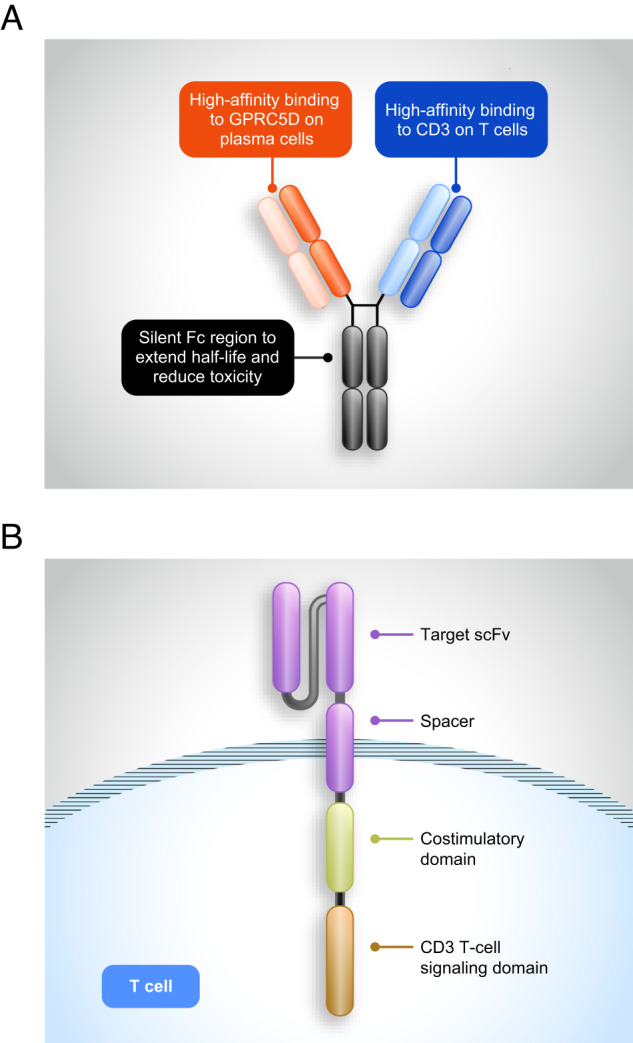
“Bispeci fi c antibodies can have different constructs, including single-chain variable fragments (scFv), which do not include an Fc domain, and full-size antibody constructs generated through methods, such as Fab-arm exchange [37, 38].”
MethodSelf-citationSubcutaneous Administration of Biotherapeutics: An Overview of Current Challenges and Opportunities
Bittner, B., Richter, W., & Schmidt, J. (2018) · BioDrugs · doi:10.1007/s40259-018-0295-0 · Cited by 447 · cited 1×
“In comparison, SC formulation of talquetamab, which is considered more convenient for patients and healthcare providers [63, 64], had a favorable pharmacokinetic (PK) pro fi le compared with the IV formulation [42].”
Dimopoulos, M. A., Sonneveld, P., Leung, N., Merlini, G., Ludwig, H., Kastritis, E., Goldschmidt, H., Joshua, D., Orlowski, R. Z., Powles, R., et al. (2016) · Journal of Clinical Oncology · doi:10.1200/jco.2015.65.0044 · Cited by 425
Self-citationGPRC5D-Targeted CAR T Cells for Myeloma
Mailankody, S., Devlin, S. M., Landa, J., Nath, K., Diamonte, C., Carstens, E. J., Russo, D., Auclair, R., Fitzgerald, L., Cadzin, B., et al. (2022) · New England Journal of Medicine · doi:10.1056/nejmoa2209900 · Cited by 411 · cited 10×
“A unique pattern of AEs has been reported in several trials of GPRC5D-targeting T-cell – redirecting therapies in MM (Table 3) [29, 42, 45, 52, 54].”
BackgroundInfluentialGPRC5D is a target for the immunotherapy of multiple myeloma with rationally designed CAR T cells
Smith, E. L., Harrington, K., Staehr, M., Masakayan, R., Jones, J., Long, T. J., Ng, K. Y., Ghoddusi, M., Purdon, T. J., Wang, X., et al. (2019) · Science Translational Medicine · doi:10.1126/scitranslmed.aau7746 · Cited by 391 · cited 10×
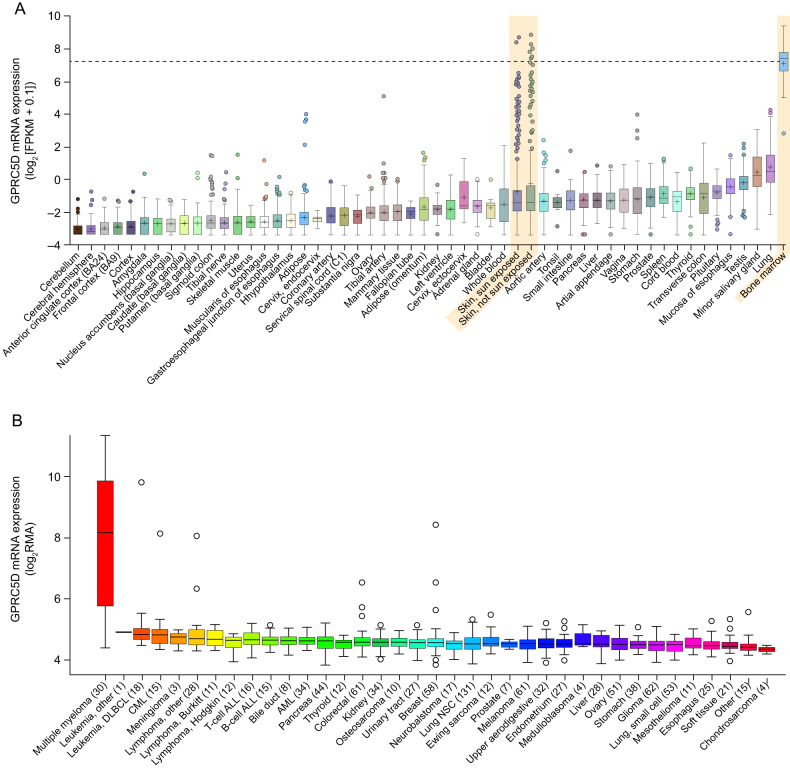
“GPRC5D is highly expressed in MM cells and is abundant in the bone marrow from patients with MM and smoldering MM [20, 25, 27, 30].”
BackgroundMethodInfluentialMechanisms of antigen escape from BCMA- or GPRC5D-targeted immunotherapies in multiple myeloma
Lee, H., Ahn, S., Maity, R., Leblay, N., Ziccheddu, B., Truger, M., Chojnacka, M., Cirrincione, A., Durante, M., Tilmont, R., et al. (2023) · Nature Medicine · doi:10.1038/s41591-023-02491-5 · Cited by 355 · cited 2×
“Immune correlative analyses will be important to understand the impact of GPRC5D-targeting T-cell – redirecting therapies on immune system health, as will understanding mechanisms of resistance [33, 34].”
BackgroundSelf-citationPathogenesis of bone disease in multiple myeloma: from bench to bedside
Terpos, E., Ntanasis-Stathopoulos, I., Gavriatopoulou, M., & Dimopoulos, M. A. (2018) · Blood Cancer Journal · doi:10.1038/s41408-017-0037-4 · Cited by 354 · cited 1×
“MM can affect multiple organ systems, leading to fatigue, pain, breath-lessness, and mobility issues, as well as neurological effects (including numbness/tingling), renal impairment, bone disease, blood disorders, and frequent infections [7 – 13].”
BackgroundUsmani, S. Z., Garfall, A. L., van de Donk, N. W. C. J., Nahi, H., San-Miguel, J. F., Oriol, A., Rosinol, L., Chari, A., Bhutani, M., Karlin, L., et al. (2021) · The Lancet · doi:10.1016/s0140-6736(21)01338-6 · Cited by 332 · cited 1×
“…T-cell – redirecting bispe-ci fi c antibodies compared with trials of BCMA-and Fc receptor-like protein 5 – targeting bispeci fi c antibodies [58 – 61], which may be due to the more limited expression pro fi le of GPRC5D in the immune compartment compared with the expression pro fi les of these…”
Self-citationLi, J., Stagg, N. J., Johnston, J., Harris, M. J., Menzies, S. A., DiCara, D., Clark, V., Hristopoulos, M., Cook, R., Slaga, D., et al. (2017) · Cancer Cell · doi:10.1016/j.ccell.2017.02.001 · Cited by 296 · cited 1×
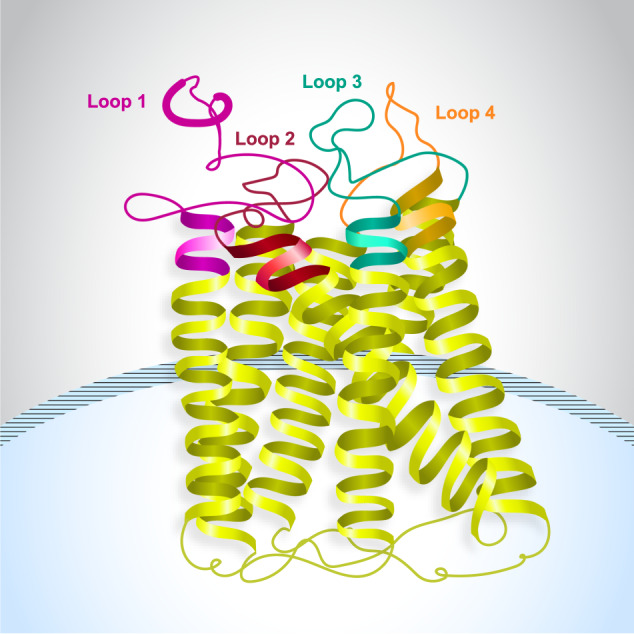
“Due to the short extracellular domains, the exposed epitopes of GPRC5D for T-cell – redirecting agents are likely closer to the plasma membrane, facilitating tighter immunological synapses between T cells and target cells that may drive greater cytotoxicity [20, 22].”
BackgroundBispecific antibodies: design, therapy, perspectives
Sedykh, S., Prinz, V., Buneva, V., & Nevinsky, G. (2018) · Drug Design, Development and Therapy · doi:10.2147/dddt.s151282 · Cited by 292 · cited 2×
“There are two antigen-binding sites on T-cell – redirecting bispeci fi c antibodies: CD3 on the surface of T cells and a target antigen that is expressed on tumor cells [35].”
BackgroundDesign and Production of Bispecific Antibodies
Wang, Q., Chen, Y., Park, J., Liu, X., Hu, Y., Wang, T., McFarland, K., & Betenbaugh, M. J. (2019) · Antibodies · doi:10.3390/antib8030043 · Cited by 279
CD20-TCB with Obinutuzumab Pretreatment as Next-Generation Treatment of Hematologic Malignancies
Bacac, M., Colombetti, S., Herter, S., Sam, J., Perro, M., Chen, S., Bianchi, R., Richard, M., Schoenle, A., Nicolini, V., et al. (2018) · Clinical Cancer Research · doi:10.1158/1078-0432.ccr-18-0455 · Cited by 249 · cited 1×
“It has a unique 2:1 (GPRC5D:CD3) con fi guration for hypothetical increased potency versus a 1:1 con fi guration [28, 45, 46].”
BackgroundHipp, S., Tai, Y.-T., Blanset, D., Deegen, P., Wahl, J., Thomas, O., Rattel, B., Adam, P. J., Anderson, K. C., & Friedrich, M. (2017) · Leukemia · doi:10.1038/leu.2016.388 · Cited by 233
Verkleij, C. P. M., Broekmans, M. E. C., van Duin, M., Frerichs, K. A., Kuiper, R., de Jonge, A. V., Kaiser, M., Morgan, G., Axel, A., Boominathan, R., et al. (2021) · Blood Advances · doi:10.1182/bloodadvances.2020003805 · Cited by 182 · cited 10×
“Additionally, talquetamab induced cell lysis in primary MM cells from bone marrow aspirates in newly diagnosed, daratumumab-naive relapsed/refractory, and daratumumab-refractory patients with MM [21].”
BackgroundInfluentialSelf-citationPillarisetti, K., Edavettal, S., Mendonça, M., Li, Y., Tornetta, M., Babich, A., Majewski, N., Husovsky, M., Reeves, D., Walsh, E., et al. (2020) · Blood · doi:10.1182/blood.2019003342 · Cited by 174 · cited 10×
“GPRC5D is highly expressed in MM cells and is abundant in the bone marrow from patients with MM and smoldering MM [20, 25, 27, 30].”
BackgroundInfluentialSelf-citationRamsenthaler, C., Osborne, T. R., Gao, W., Siegert, R. J., Edmonds, P. M., Schey, S., & Higginson, I. J. (2016) · BMC Cancer · doi:10.1186/s12885-016-2410-2 · Cited by 173
Engelberts, P. J., Hiemstra, I. H., de Jong, B., Schuurhuis, D. H., Meesters, J., Beltran Hernandez, I., Oostindie, S. C., Neijssen, J., van den Brink, E. N., Horbach, G. J., et al. (2020) · EBioMedicine · doi:10.1016/j.ebiom.2019.102625 · Cited by 172 · cited 1×
“Inclusion of the Fc domain contributes to a more stable antibody with longer serum half-life than scFv antibodies [38, 40].”
BackgroundZhang, M., Wei, G., Zhou, L., Zhou, J., Chen, S., Zhang, W., Wang, D., Luo, X., Cui, J., Huang, S., et al. (2023) · The Lancet Haematology · doi:10.1016/s2352-3026(22)00372-6 · Cited by 166 · cited 10×
“A unique pattern of AEs has been reported in several trials of GPRC5D-targeting T-cell – redirecting therapies in MM (Table 3) [29, 42, 45, 52, 54].”
BackgroundMethodInfluentialPrevalence of symptoms in patients with multiple myeloma: a systematic review and meta‐analysis
Ramsenthaler, C., Kane, P., Gao, W., Siegert, R. J., Edmonds, P. M., Schey, S. A., & Higginson, I. J. (2016) · European Journal of Haematology · doi:10.1111/ejh.12790 · Cited by 162
Sánchez-Félix, M., Burke, M., Chen, H. H., Patterson, C., & Mittal, S. (2020) · Advanced Drug Delivery Reviews · doi:10.1016/j.addr.2020.05.009 · Cited by 162 · cited 1×
“In comparison, SC formulation of talquetamab, which is considered more convenient for patients and healthcare providers [63, 64], had a favorable pharmacokinetic (PK) pro fi le compared with the IV formulation [42].”
Strohl, W. R., & Naso, M. (2019) · Antibodies · doi:10.3390/antib8030041 · Cited by 134 · cited 3×
“Binding to both the T-cell surface receptor and tumor-speci fi c antigen brings the T cells into proximity with tumor cells, leading to synapse formation and induction of T-cell activation and subsequent killing of malignant cells [36].”
BackgroundInfluentialAtamaniuk, J., Gleiss, A., Porpaczy, E., Kainz, B., Grunt, T. W., Raderer, M., Hilgarth, B., Drach, J., Ludwig, H., Gisslinger, H., et al. (2012) · European Journal of Clinical Investigation · doi:10.1111/j.1365-2362.2012.02679.x · Cited by 128
Fonseca, R., Usmani, S. Z., Mehra, M., Slavcev, M., He, J., Cote, S., Lam, A., Ukropec, J., Maiese, E. M., Nair, S., et al. (2020) · BMC Cancer · doi:10.1186/s12885-020-07503-y · Cited by 127 · cited 1×
“…fi c antibodies, and chimeric antigen receptor T-cell (CAR-T) therapies, patients experience cycles of remission and relapse; with each new line of therapy (LOT), the risk of discontinuation increases due to poor ef fi cacy, accumulating toxicities, and increasingly prevalent comorbidities [15 – 17].”
BackgroundRobust isolation of malignant plasma cells in multiple myeloma
Frigyesi, I., Adolfsson, J., Ali, M., Kronborg Christophersen, M., Johnsson, E., Turesson, I., Gullberg, U., Hansson, M., & Nilsson, B. (2014) · Blood · doi:10.1182/blood-2013-09-529800 · Cited by 116 · cited 1×
“GPRC5D is highly expressed in MM cells and is abundant in the bone marrow from patients with MM and smoldering MM [20, 25, 27, 30].”
BackgroundThe RAIG Family Member, GPRC5D, Is Associated with Hard-Keratinized Structures
Inoue, S., Nambu, T., & Shimomura, T. (2004) · Journal of Investigative Dermatology · doi:10.1046/j.0022-202x.2004.12628.x · Cited by 114 · cited 3×
“…reagents for the detection of GPRC5D protein in normal (non-diseased) and tumor tissues, GPRC5D expression pro fi ling can be accomplished by augmenting immunohistochemical data with complementary assays, such as in situ hybridization (ISH), RNA-sequencing, and fl ow cytometry [19, 20, 24, 25].”
BackgroundMultiple Myeloma Invasion of the Central Nervous System
Schluterman, K. O., Fassas, A. B.-T., Van Hemert, R. L., & Harik, S. I. (2004) · Archives of Neurology · doi:10.1001/archneur.61.9.1423 · Cited by 108
Truger, M. S., Duell, J., Zhou, X., Heimeshoff, L., Ruckdeschel, A. M., John, M., Riedel, A., Hueper, S., Peter, J., Walter, W., et al. (2021) · Blood Advances · doi:10.1182/bloodadvances.2021004418 · Cited by 104 · cited 1×
“However, while 15% of patients had heterozygous deletion of GPRC5D, these aberrations did not impact gene expression [32].”
BackgroundCloning and characterization of a human orphan family C G-protein coupled receptor GPRC5D
Bräuner‐Osborne, H., Jensen, A. A., Sheppard, P. O., Brodin, B., Krogsgaard‐Larsen, P., & O’Hara, P. J. (2001) · Biochimica et Biophysica Acta (BBA) - Gene Structure and Expression · doi:10.1016/s0167-4781(01)00197-x · Cited by 101 · cited 2×
“1) and due to the lack of in vivo models, its signaling mechanism and function in normal tissue and MM are not yet established [18 – 21].”
BackgroundCarlo-Stella, C., Mazza, R., Manier, S., Facon, T., Yoon, S.-S., Koh, Y., Harrison, S. J., Er, J., Pinto, A., Volzone, F., et al. (2022) · Blood · doi:10.1182/blood-2022-157988 · Cited by 94
Self-citationDerrien, J., Gastineau, S., Frigout, A., Giordano, N., Cherkaoui, M., Gaborit, V., Boinon, R., Douillard, E., Devic, M., Magrangeas, F., et al. (2023) · Nature Cancer · doi:10.1038/s43018-023-00625-9 · Cited by 90 · cited 2×
“Immune correlative analyses will be important to understand the impact of GPRC5D-targeting T-cell – redirecting therapies on immune system health, as will understanding mechanisms of resistance [33, 34].”
BackgroundSelf-citationBispecific, T-Cell-Recruiting Antibodies in B-Cell Malignancies
Lejeune, M., Köse, M. C., Duray, E., Einsele, H., Beguin, Y., & Caers, J. (2020) · Frontiers in Immunology · doi:10.3389/fimmu.2020.00762 · Cited by 87
Anti-GPRC5D/CD3 Bispecific T-Cell–Redirecting Antibody for the Treatment of Multiple Myeloma
Kodama, T., Kochi, Y., Nakai, W., Mizuno, H., Baba, T., Habu, K., Sawada, N., Tsunoda, H., Shima, T., Miyawaki, K., et al. (2019) · Molecular Cancer Therapeutics · doi:10.1158/1535-7163.mct-18-1216 · Cited by 80 · cited 4×
“The selective expression in MM cells suggests that GPRC5D is an ideal target for immune effector cell – mediated therapy to treat MM [25, 26].”
BackgroundInfluentialImplications of Heterogeneity in Multiple Myeloma
de Mel, S., Lim, S. H., Tung, M. L., & Chng, W.-J. (2014) · BioMed Research International · doi:10.1155/2014/232546 · Cited by 59
Symptom Burden, Perceived Control, and Quality of Life Among Patients Living With Multiple Myeloma
Zaleta, A. K., Miller, M. F., Olson, J. S., Yuen, E. Y. N., LeBlanc, T. W., Cole, C. E., McManus, S., & Buzaglo, J. S. (2020) · Journal of the National Comprehensive Cancer Network · doi:10.6004/jnccn.2020.7561 · Cited by 59 · cited 1×
“The symptom burden is associated with poor health-related quality of life, including depression, anxiety, poor function, and lower social satisfaction [14].”
BackgroundBCMA-targeting chimeric antigen receptor T-cell therapy for multiple myeloma
Yang, J., Zhou, W., Li, D., Niu, T., & Wang, W. (2022) · Cancer Letters · doi:10.1016/j.canlet.2022.215949 · Cited by 52 · cited 1×
“…mice after repeat dosing and eradicated tumors at doses of 0.1 – 10.0 mg/kg. CAR-T THERAPIES CAR-T cells have been described as a breakthrough in cancer immunotherapy, revolutionizing the treatment of B-cell malignancies and improving prognosis in patients with relapsed/ refractory MM [48 – 50].”
BackgroundInfluentialInfectious complications of bispecific antibody therapy in patients with multiple myeloma
Sim, B. Z., Longhitano, A., Er, J., Harrison, S. J., Slavin, M. A., & Teh, B. W. (2023) · Blood Cancer Journal · doi:10.1038/s41408-023-00808-8 · Cited by 50
Promising Antigens for the New Frontier of Targeted Immunotherapy in Multiple Myeloma
Cho, S.-F., Xing, L., Anderson, K. C., & Tai, Y.-T. (2021) · Cancers · doi:10.3390/cancers13236136 · Cited by 40 · cited 1×
“In addition to these trials, CAR – natural killer, bispeci fi c – natural killer cell engager, and antibody-drug conjugate therapies may also offer advancements in treatment outcomes [65 – 68].”
BackgroundBal, S., Kocoglu, M. H., Nadeem, O., Htut, M., Gregory, T., Anderson, L. D., Costa, L. J., Buchholz, T. J., Ziyad, S., Li, M., et al. (2022) · Blood · doi:10.1182/blood-2022-162395 · Cited by 38
Kamal, M. J., Wang, X. S., Shi, Q., Zyczynski, T. M., Davis, C., Williams, L. A., Lin, H.-K., García-González, A., Cleeland, C. S., & Orlowski, R. Z. (2020) · Supportive Care in Cancer · doi:10.1007/s00520-020-05493-y · Cited by 30
Goldsmith, R., Cornax, I., Ma, J. Y., Yao, X., Peng, P., & Carreira, V. (2021) · Clinical Lymphoma Myeloma and Leukemia · doi:10.1016/s2152-2650(21)02229-1 · Cited by 30
Self-citationIdentifying the localization and exploring a functional role for Gprc5c in the kidney
Rajkumar, P., Cha, B., Yin, J., Arend, L. J., Păunescu, T. G., Hirabayashi, Y., Donowitz, M., & Pluznick, J. L. (2017) · The FASEB Journal · doi:10.1096/fj.201700610rr · Cited by 29 · cited 1×
“However, the larger class of family C metabotropic G-protein coupled receptors include taste receptors [56], which may explain the taste-associated AEs experienced with GPRC5D-targeting T-cell – redirecting therapies.”
BackgroundBCMA-Targeted Biologic Therapies: The Next Standard of Care in Multiple Myeloma Therapy
Paul, B. A., Rodriguez, C., & Usmani, S. Z. (2022) · Drugs · doi:10.1007/s40265-022-01697-0 · Cited by 28
Riley, C. H., Hutchings, M., Yoon, S.-S., Koh, Y., Manier, S., Facon, T. T. F., Harrison, S. J., Er, J., Volzone, F., Pinto, A., et al. (2022) · HemaSphere · doi:10.1097/01.hs9.0000843612.41180.42 · Cited by 22
Self-citationTherapeutic Advances in Immunotherapies for Hematological Malignancies
Nogami, A., & Sasaki, K. (2022) · International Journal of Molecular Sciences · doi:10.3390/ijms231911526 · Cited by 16
van de Donk, N. W. C. J., Bahlis, N. J., Mateos, M., Weisel, K. C., Dholaria, B., Garfall, A. L., Goldschmidt, H., Martin, T. G., Morillo, D., Reece, D. E., et al. (2022) · HemaSphere · doi:10.1097/01.hs9.0000843624.82943.92 · Cited by 14 · cited 1×
“Dysgeusia was managed with supportive care and, at times, dose adjustments [41, 42, 55].”
BackgroundSelf-citationEckmann, J., Fauti, T., Zabaleta, A., Blanco, L., Kassem, S., Carrié, N., Lorenz, S. H., Carpy, A., Christopeit, T., Fertig, G., et al. (2022) · Blood · doi:10.1182/blood-2022-157485 · Cited by 14 · cited 1×
“Preclinically, forimtamig exhibited cytotoxicity against all GPRC5D + MM cell lines against which it was tested [47].”
BackgroundHe, J., Schmerold, L. M., Rampelbergh, R. V., Qiu, L., Potluri, R. C., Dasgupta, A., Li, L., Li, Y., Hu, P., Nemat, S., et al. (2020) · Advances in Therapy · doi:10.1007/s12325-020-01546-0 · Cited by 13 · cited 1×
“It accounts for 15% – 20% of all hematologic malignancies and has a 5-year survival rate of 60% [4 – 6].”
BackgroundHuang, W., Luo, J., Li, Y., Da, F., Qin, X., & Li, R. (2022) · Cancer Research · doi:10.1158/1538-7445.am2022-6020 · Cited by 12 · cited 1×
“In addition to these trials, CAR – natural killer, bispeci fi c – natural killer cell engager, and antibody-drug conjugate therapies may also offer advancements in treatment outcomes [65 – 68].”
BackgroundTouzeau, C., Chari, A., Schinke, C., Minnema, M. C., Berdeja, J. G., Oriol, A., van de Donk, N. W. C. J., Rodríguez‐Otero, P., Askari, E., Mateos, M., et al. (2022) · Blood · doi:10.1182/blood-2022-162555 · Cited by 7 · cited 1×
“Based on the experiences of patients treated with talquetamab, GPRC5D-targeting T-cell – redirecting therapies result in sustained clinically meaningful improvements in quality of life, despite the occurrence of these AEs throughout the course of treatment [57].”
BackgroundSelf-citationSasaki, M., Suzuki, K., Abe, Y., Ito, S., Nishiwaki, K., Handa, H., Chou, T., Soeda, J., Mori, I., Shinozaki, T., et al. (2022) · HemaSphere · doi:10.1097/01.hs9.0000850908.45753.c0 · Cited by 2
Dholaria, B., Weisel, K. C., Mateos, M., Goldschmidt, H., Martin, T. G., Morillo, D., Reece, D. E., Rodríguez‐Otero, P., Bhutani, M., D’Souza, A., et al. (2023) · Clinical Lymphoma Myeloma & Leukemia · doi:10.1016/s2152-2650(23)00805-4 · Cited by 2
Self-citationDekhtiarenko, I., Lelios, I., Attig, J., Sleiman, N., Lazzaro, D., Clausen, I., Gräfe, N., Helms, H., Schindler, E., Belli, S., et al. (2022) · HemaSphere · doi:10.1097/01.hs9.0000843584.56113.c6 · Cited by 1
Self-citationCohen, Y. C., Morillo, D., Gatt, M. E., Sébag, M., Kım, K., Min, C., Oriol, A., Ocio, E. M., Yoon, S., Mateos, M., et al. (2023) · Clinical Lymphoma Myeloma & Leukemia · doi:10.1016/s2152-2650(23)00864-9 · Cited by 1
Cited by
GPCR drug discovery: new agents, targets and indications
Lorente, J. S., Sokolov, A. V., Ferguson, G., Schiöth, H. B., Hauser, A. S., & Gloriam, D. E. (2025) · Nature Reviews Drug Discovery · doi:10.1038/s41573-025-01139-y · Cited by 251
Chari, A., Touzeau, C., Schinke, C., Minnema, M. C., Berdeja, J. G., Oriol, A., van de Donk, N. W. C. J., Rodríguez-Otero, P., Morillo, D., Martinez-Chamorro, C., et al. (2025) · The Lancet Haematology · doi:10.1016/s2352-3026(24)00385-5 · Cited by 116
Self-citationCAR-T cell therapy in Multiple Myeloma: current status and future challenges
Swan, D., Madduri, D., & Hocking, J. S. (2024) · Blood Cancer Journal · doi:10.1038/s41408-024-01191-8 · Cited by 122
Bispecific antibodies in the treatment of multiple myeloma
Devasia, A. J., Chari, A., & Lancman, G. (2024) · Blood Cancer Journal · doi:10.1038/s41408-024-01139-y · Cited by 119
“G protein coupled receptor family C group 5 member D (GPRC5D) GPRC5D is a novel target for myeloma immunotherapy identi fi ed relatively recently [33 – 35].”
BackgroundSelf-citationDhakal, B., Akhtar, O. S., Fandrei, D., Jensen, A. M., Banerjee, R. K., Pan, D., Richard, S., Friend, R. N., Rees, M. J., Costello, P., et al. (2025) · Blood · doi:10.1182/blood.2025029773 · Cited by 49
Metadata
- Authors
- Rodriguez-Otero, P., van de Donk, N. W. C. J., Pillarisetti, K., Cornax, I., Vishwamitra, D., Gray, K., Hilder, B., Tolbert, J., Renaud, T., Masterson, T., Heuck, C., Kane, C., Verona, R., Moreau, P., Bahlis, N., & Chari, A.
- Affiliations
- Janssen Scientific Affairs (United States) (US)
- Janssen Research & Development (United States) (US)
- Centre Hospitalier Universitaire de Nantes (FR)
- University of Calgary (CA)
- Icahn School of Medicine at Mount Sinai (US)
- ORCID
- Venue
- Blood Cancer Journal
- Published
- 2024-02-02
- Volume
- 14
- Issue
- 1
- Pages
- 24-24
- ISSN
- 2044-5385 (ISSN-L)
- PMC
- PMC10837198
- OpenAlex
- W4391482982
- Cited by
- 113
- References
- 62
- Citations by year
- 2026: 32 · 2025: 51 · 2024: 30
- FWCI
- 8.96
- Type
- journal article
- Language
- en
- Update notices
- correction (2024-03-06)
- Open access
- gold
- doi.org
- Licence
- cc-by
- creativecommons.org/licenses/by/4.0 (tdm)
- creativecommons.org/licenses/by/4.0 (vor)
- Locations
- Blood Cancer Journal (publishedVersion, cc-by)
- PubMed Central (publishedVersion, cc-by)
- PubMed (publishedVersion)
- eScholarship (California Digital Library) (submittedVersion, cc-by)
- DOAJ (DOAJ: Directory of Open Access Journals) (submittedVersion, cc-by-sa)
- Amsterdam UMC (VU Amsterdam) - Institutional Repository (submittedVersion, other-oa)
- Funders
- Janssen Research and Development
- Topics
- Health Sciences › Medicine › Hematology › Multiple Myeloma Research and Treatments
- Health Sciences › Medicine › Oncology › CAR-T cell therapy research
- Life Sciences › Immunology and Microbiology › Immunology › Monoclonal and Polyclonal Antibodies Research
- Keywords
- GPRC5D, multiple myeloma, talquetamab, bispecific antibodies, CAR T-cell therapy, T cell redirection, skin toxicity, oral toxicity, cerebellar toxicity, cytokine production, pharmacokinetics, pharmacodynamics, treatment efficacy
- MeSH terms
- Receptors, Chimeric Antigen, Humans, Multiple Myeloma, Neoplasm Recurrence, Local, Immunotherapy, Adoptive, Antibodies, Bispecific, Receptors, G-Protein-Coupled
About these checks
Registry, retraction, Cites and statistics results are computed, not judged, with one exception: a printed reference that no index lists is read once by a model before it counts as a citation error. Claims are extracted by a model and kept only when their quote appears verbatim in the text; each cited source is then checked, with a model’s help, for whether it says what the claim relies on. Those verdicts can be wrong — read the claim’s quote and the cited source before relying on one.
Statistics and arithmetic are recomputed, not judged.
Confidence bands are shown only for fields calibrated on our annotated test set. None is calibrated yet, so no band is shown.
What counts as a claim ›How we measure confidence ›How we check this ›
Are you an author, or do you see a problem with this page? Request a review
Data sources
Bibliographic data: Semantic Scholar, OpenAlex, Crossref.
Contains information from the Semantic Scholar Academic Graph Datasets, made available under the ODC Attribution License (ODC-BY 1.0).
Semantic Scholar’s data is described in: Kinney, R., et al. (2023). The Semantic Scholar Open Data Platform. arXiv:2301.10140.
