

Bone-derived factors mediate crosstalk between skeletal and extra-skeletal organs
Open accessThe DOI matches its Crossref record; 283 of the 283 references it cites were found in a registry or an index.
Abstract
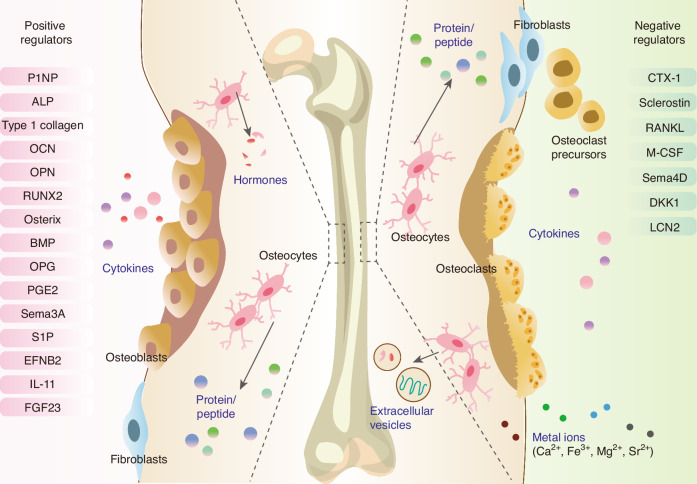
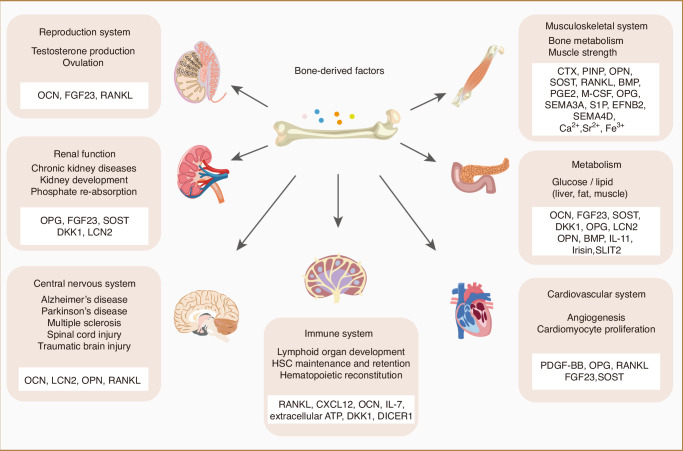
Bone has long been acknowledged as a fundamental structural entity that provides support and protection to the body's organs. However, emerging research indicates that bone plays a crucial role in the regulation of systemic metabolism. This is achieved through the secretion of a variety of hormones, cytokines, metal ions, extracellular vesicles, and other proteins/peptides, collectively referred to as bone-derived factors (BDFs). BDFs act as a medium through which bones can exert targeted regulatory functions upon various organs, thereby underscoring the profound and concrete implications of bone in human physiology. Nevertheless, there remains a pressing need for further investigations to elucidate the underlying mechanisms that inform the effects of bone on other body systems. This review aims to summarize the current findings related to the roles of these significant modulators across different organs and metabolic contexts by regulating critical genes and signaling pathways in vivo. It also addresses their involvement in the pathogenesis of various diseases affecting the musculoskeletal system, circulatory system, glucose and lipid metabolism, central nervous system, urinary system, and reproductive system. The insights gained from this review may contribute to the development of innovative therapeutic strategies through a focused approach to bone secretomes. Continued research into BDFs is expected to enhance our understanding of bone as a multifunctional organ with diverse regulatory roles in human health.
Overview
The claims and statistics of this paper haven’t been checked yet.
Free: it reads the open-access text and checks the first 5 claims that cite a source we can check. Create a free account to check every claim.
Integrity signals
Registry
Cites
Statistics
Figures
Verification
Claims the paper makes
The claims and statistics of this paper haven’t been checked yet.
Free: it reads the open-access text and checks the first 5 claims that cite a source we can check. Create a free account to check every claim.
Claims other papers make about this one
Each is checked against this paper’s own text: does it say what the citing paper says it does?
The source backs part of the claim, not all of it — or backs it for a different population, condition or comparison.
In the citing paper
“Bone-derived signals exert systemic effects across spatial and temporal scales, but we still lack the data of long-term investigation. For example, bone-derived factors affect metabolism and blood flow with long-term effects [158].”
From Interorgan Communications in Skeletal Pathophysiology: From Molecular Pathways to Multidisciplinary Therapies (2026) · cites this paper as [158]
Experimental — accuracy not yet measuredThe cited source says what the claim attributes to it.
In the citing paper
“Recent studies have shown that osteokines participate in a 2-way dialogue between bone and other organs, but causal relationships are less well defined [157,158].”
From Interorgan Communications in Skeletal Pathophysiology: From Molecular Pathways to Multidisciplinary Therapies (2026) · cites this paper as [158]
Self-check
Percentages, sums and reported differences re-computed from the paper’s own numbers.
The self-check needs the paper’s full text.
Citations
Cites
Items 201–283 of 283
Takashi, Y., & Kawanami, D. (2022) · International Journal of Molecular Sciences · doi:10.3390/ijms23042376 · Cited by 33 · cited 3×
“In osteoclast precursor cells, FcR γ and DAP12 interact with various immunoreceptors, facilitating calcium signaling via phospholipase C γ activation.”
InfluentialHuang, M., Zhao, J., Huang, Y., Dai, L., & Zhang, X. (2017) · Journal of Orthopaedic Translation · doi:10.1016/j.jot.2017.06.005 · Cited by 33 · cited 1×
“31 It is released into the circulation during bone resorption and serves as a marker of bone turnover.”
Wijesinghe, D. K. W., Mackie, E. J., & Pagel, C. N. (2019) · Skeletal Muscle · doi:10.1186/s13395-019-0190-5 · Cited by 32
Huang, H., Kong, L., Luan, S., Qi, C., & Wu, F.-R. (2021) · The American Journal of Chinese Medicine · doi:10.1142/s0192415x21500208 · Cited by 32 · cited 1×
“199 Second, PDGF-BB regulates the proliferation, invasion, and migration of vascular smooth muscle cells (VSMCs) through miR-212-5p/YWHAZ and miR-149-5p/NRP2 axis, leading to atherosclerosis.”
Du, Y., Zhang, L., Wang, Z., Zhao, X., & Zou, J. (2021) · Frontiers in Cell and Developmental Biology · doi:10.3389/fcell.2021.778015 · Cited by 32
Hikita, A., Kadono, Y., Chikuda, H., Fukuda, A., Wakeyama, H., Yasuda, H., Nakamura, K., Oda, H., Miyazaki, T., & Tanaka, S. (2005) · Journal of Biological Chemistry · doi:10.1074/jbc.m507000200 · Cited by 31 · cited 1×
“83 These published data suggest that the membrane-anchored RANKL isoform facilitates juxtacrine signaling through direct osteoclast-precursor cellular interactions, whereas sRANKL undergoes paracrine dissemination enabling systemic activation of responsive cell populations.”
Circulating Osteoprotegerin in Chronic Kidney Disease and All-Cause Mortality
Kamińska, J., Stopiński, M., Mucha, K., Pac, M., Gołębiowski, M., Niewczas, M. A., Pączek, L., & Foroncewicz, B. (2021) · International Journal of General Medicine · doi:10.2147/ijgm.s302251 · Cited by 31 · cited 1×
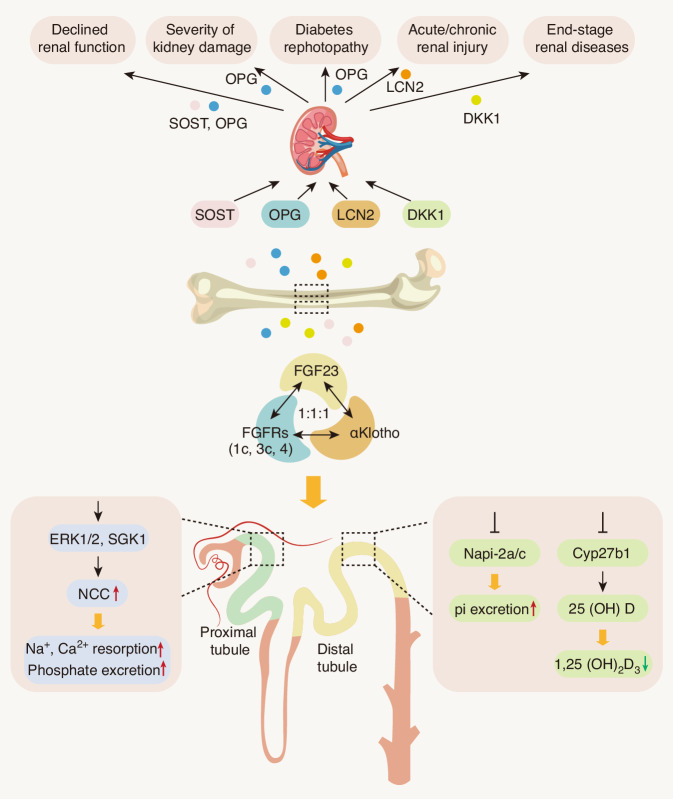
“248 However, in vivo studies to illustrate the detailed regulation of OPG in renal functions are required.”
Arend, R. C., Dholakia, J., Castro, C., Matulonis, U. A., Hamilton, E. P., Jackson, C. G., Lybarger, K., Goodman, H. M., Duska, L., Mahdi, H., et al. (2023) · Gynecologic Oncology · doi:10.1016/j.ygyno.2023.03.013 · Cited by 31
Sclerostin deficiency modifies the development of CKD-MBD in mice
Kaesler, N., Verhulst, A., Maré, A. D., Deck, A., Behets, G. J. S., Hyusein, A., Evenepoel, P., Floege, J., Marx, N., Babler, A., et al. (2017) · Bone · doi:10.1016/j.bone.2017.11.015 · Cited by 30
Chen, H., Shang, D., Wen, Y., & Liang, C. (2021) · Frontiers in Cell and Developmental Biology · doi:10.3389/fcell.2021.683457 · Cited by 30
Explaining divergent observations regarding osteocalcin/GPRC6A endocrine signaling
Pi, M., Nishimoto, S. K., & Darryl Quarles, L. (2021) · Endocrinology · doi:10.1210/endocr/bqab011 · Cited by 29 · cited 1×
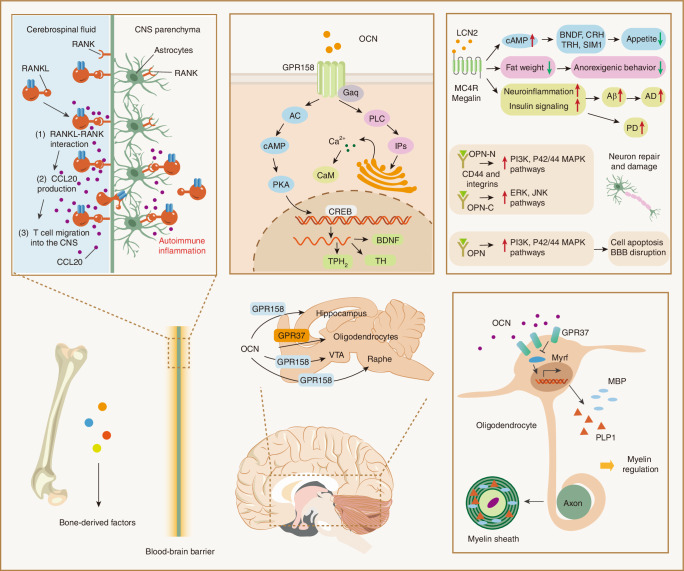
“168 Centrally, blood-brain barrier (BBB)-permeable OCN suppresses γ -aminobutyric acid (GABA)ergic neurotransmission while enhancing catecholamine/serotonin synthesis via selective engagement with neuronal subpopulations in hippocampal, brainstem, and mesencephalic nuclei (Table 2).”
Osteocalcin regulates murine and human fertility through a pancreas-bone-testis axis
Oury, F., Ferron, M., Huizhen, W., Confavreux, C. B., Xu, L., Lacombe, J., Srinivas, P., Chamouni, A., Lugani, F., Lejeune, H., et al. (2015) · Journal of Clinical Investigation · doi:10.1172/jci81812 · Cited by 29
Zhang, J., Novakovic, N., Hua, Y., Keep, R. F., & Xi, G. (2020) · Experimental Neurology · doi:10.1016/j.expneurol.2020.113521 · Cited by 28
Sclerostin and Cardiovascular Disease
Tobias, J. H. (2023) · Current Osteoporosis Reports · doi:10.1007/s11914-023-00810-w · Cited by 28 · cited 2×
“63 This side effect has been included in Romozumab ’ s ‘ black box warning ’ , highlighting the potential for serious, life-threatening adverse reactions, possibly due to sclerostin ’ s protective role in vasculature.”
Investigation of the effects of semaphorin 3A on new bone formation in a rat calvarial defect model
Kenan, S., Onur, Ö., Solakoğlu, S., Kotil, T., Ramazanoğlu, M., Çelik, H. H., Ocak, M., Uzuner, B., & Fıratlı, E. (2018) · Journal of Cranio-Maxillofacial Surgery · doi:10.1016/j.jcms.2018.12.010 · Cited by 27
Wang, M., Li, C., Cai, T., Zhang, A., Cao, J., & Xin, H. (2021) · Journal of Cardiovascular Pharmacology · doi:10.1097/fjc.0000000000001055 · Cited by 27 · cited 1×
“200,201 In addition, PDGF-BB can also induce dedifferentiation in VSMCs by enhancing TXNIP level via sponging miR-513a-5p.”
Contributions of Dickkopf‐1 to Obesity‐Induced Bone Loss and Marrow Adiposity
Colditz, J., Picke, A., Hofbauer, L. C., & Rauner, M. (2020) · JBMR Plus · doi:10.1002/jbm4.10364 · Cited by 26 · cited 1×
“143 These observations together suggest an important function of bone-derived DKK1 in sensing and responding to external lipid levels and a promising therapeutic target, especially for bone diseases.”
Eccentric muscle challenge shows osteopontin polymorphism modulation of muscle damage
Barfield, W. L., Uaesoontrachoon, K., Wu, C.-S., Lin, S., Chen, Y., Wang, P. C., Kanaan, Y., Bond, V., & Hoffman, E. P. (2014) · Human Molecular Genetics · doi:10.1093/hmg/ddu118 · Cited by 25
Importance of Sclerostin as Bone-Muscle Mediator Crosstalk
Aryana, I. G. P. S., Rini, S. S., & Soejono, C. H. (2022) · Annals of Geriatric Medicine and Research · doi:10.4235/agmr.22.0036 · Cited by 25 · cited 1×
“70,71 RANKL/RANK/OPG system RANKL/RANK/OPG is a triad of the ligand/signaling receptor/decoy receptor that plays pivotal roles in bone/cartilage metabolism and the immune system.”
Translational perspective on bone-derived cytokines in inter-organ communications
Jin, F., Liu, M., Zhang, D., & Wang, X. (2022) · The Innovation · doi:10.1016/j.xinn.2022.100365 · Cited by 25
B4GALNT3 regulates glycosylation of sclerostin and bone mass
Movérare‐Skrtic, S., Voelkl, J. G. J., Nilsson, K. H., Nethander, M., Luong, T. T. D., Alesutan, I., Li, L., Wu, J., Horkeby, K., Lagerquist, M. K., et al. (2023) · EBioMedicine · doi:10.1016/j.ebiom.2023.104546 · Cited by 25 · cited 1×
“275 Given this multifaceted impact, the targeting of sclerostin has piqued considerable interest, as it may unlock new therapeutic pathways.”
Finnes, T. E., Lofthus, C. M., Meyer, H. E., Eriksen, E. F., Apalset, E. M., Tell, G. S., Torjesen, P. A., Samuelsen, S. O., & Holvik, K. (2014) · Bone · doi:10.1016/j.bone.2014.03.010 · Cited by 24 · cited 2×
“24 Osteoblasts originate from mesenchymal stem cells and synthe-size osteoid.”
Hildebrandt, N., Colditz, J., Dutra, C., Góes, P., Salbach‐Hirsch, J., Thiele, S., Hofbauer, L. C., & Rauner, M. (2021) · Scientific Reports · doi:10.1038/s41598-021-81543-7 · Cited by 24 · cited 1×
“141 Moreover, conditional deletion of the Dkk1 gene in osteolineage cells by Osx-Cre ( Dkk1 Osx ) and Dmp1-Cre ( Dkk1 Dmp1 ) showed protective effects in glucocorticoid-induced bone loss.”
Leidner, A. S., Cai, X., Zelnick, L. R., Lee, J. J., Bansal, N., Pasch, A., Kansal, M. M., Chen, J., Anderson, A. H., Sondheimer, J., et al. (2023) · Kidney Medicine · doi:10.1016/j.xkme.2023.100723 · Cited by 24
Circulating osteoprotegerin is associated with chronic kidney disease in hypertensive patients
Bernardi, S., Toffoli, B., Bossi, F., Candido, R., Stenner, E., Carretta, R., Barbone, F., & Fabris, B. (2017) · BMC Nephrology · doi:10.1186/s12882-017-0625-3 · Cited by 23
Osteopontin potentiates PM-induced IL-1α and IL-1β production via the ERK/JNK signaling pathway
Wang, J., Huang, J., Zhu, M., Chen, S., Chen, C., Miao, C., He, H., & Song, Y. (2019) · Ecotoxicology and Environmental Safety · doi:10.1016/j.ecoenv.2019.01.005 · Cited by 23
Self-citationOsteocalcin improves outcome after acute ischemic stroke
Wu, J., Dou, Y., Liu, W., Zhao, Y., & Liu, X. (2020) · Aging · doi:10.18632/aging.102629 · Cited by 23 · cited 1×
“175 Mechanistically, OCN reprograms glucose fl ux toward the pentose phosphate pathway, thereby attenuating pyroptotic cell death.”
Osteocalcin Alleviates Nonalcoholic Fatty Liver Disease in Mice through GPRC6A
Zhang, M., Nie, X., Yuan, Y., Wang, Y., Ma, X., Yin, J., & Bao, Y. (2021) · International Journal of Endocrinology · doi:10.1155/2021/9178616 · Cited by 23 · cited 1×
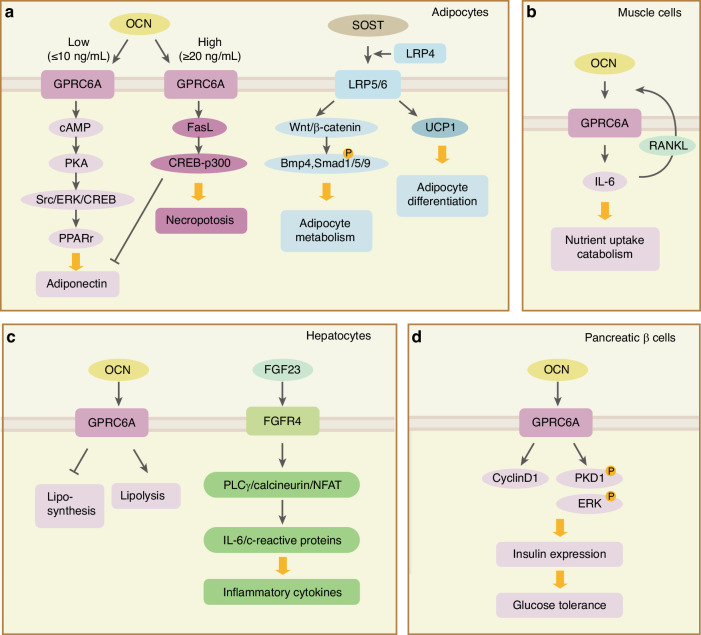
“117 In muscular tissue, OCN signaling enhances glucose and fatty acid uptake and metabolism during physical activity by promoting the utilization of these substrates.”
Stenhouse, C., Halloran, K. M., Newton, M. G., Gaddy, D., Suva, L. J., & Bazer, F. W. (2021) · Biology of Reproduction · doi:10.1093/biolre/ioab028 · Cited by 23 · cited 1×
“221,222 The mechanisms behind these effects are likely due to the differential expression of FGF23 receptors in male and female reproductive tissues.”
Endocrine functions of sclerostin
Riddle, R. C. (2022) · Current Opinion in Endocrine and Metabolic Research · doi:10.1016/j.coemr.2022.100433 · Cited by 23 · cited 1×
“133 To understand the different regulations of circulating sclerostin on bone and adipose tissue, mice strains with conditional knockout of LRP4, a co-receptor for sclerostin ’ s interaction with the Lrp5 and Lrp6 in Wnt signaling, were generated, 134 i.e., osteoblast-speci fi c LRP4 deletion ( Lrp4…”
Lipocalin 2—A bone‐derived anorexigenic and β‐cell promoting signal: From mice to humans
Yang, Y., Liu, J., & Kousteni, S. (2023) · Journal of Diabetes · doi:10.1111/1753-0407.13504 · Cited by 23 · cited 1×
“149 In bone, LCN2 is expressed throughout osteoblast differentiation and acts as an inhibitor for bone formation.”
Schwetz, V., Gumpold, R., Graupp, M., Hacker, N., Schweighofer, N., Trummer, O., Pieber, T. R., Ballon, M., Lerchbaum, E., & Obermayer-Pietsch, B. M. (2013) · Andrology · doi:10.1111/j.2047-2927.2013.00095.x · Cited by 22 · cited 1×
“217 OCN exerts a direct effect on testosterone synthesis by interacting with the G protein-coupled receptor class C group 6 member A (GPRC6A) located on Leydig cells.”
Rogall, R., Rabenstein, M., Vay, S. U., Bach, A., Pikhovych, A., Bärmann, J., Hoehn, M., Couillard‐Després, S., Fink, G. R., Schroeter, M., et al. (2018) · Stem Cell Research & Therapy · doi:10.1186/s13287-018-0927-9 · Cited by 22 · cited 1×
“186 OPN de fi ciency disrupts macrophage chemotaxis and proin fl ammatory cytokine synthesis, 187 while its presence stimulates myelinogenesis and remyelination, critical for repairing aberrant neuronal circuits in AD.”
Dickkopf1 fuels inflammatory cytokine responses
Jaschke, N., Pählig, S., Sinha, A. N., Adolph, T. E., Ledesma-Colunga, M. G., Hofmann, M., Wang, A., Thiele, S., Schwärzler, J., Kleymann, A., et al. (2022) · Communications Biology · doi:10.1038/s42003-022-04368-8 · Cited by 22
Sangadala, S., Kim, C. H., Fernandes, L. M., Makkar, P., Boden, S. D., Beck, G. R., Drissi, H., & Presciutti, S. M. (2023) · eLife · doi:10.7554/elife.63402 · Cited by 22 · cited 1×
“59 This interaction suggests a potential mechanism for maintaining bone homeostasis through the crosstalk between different BDFs.”
Gérard, N., & Robin, E. (2019) · Theriogenology · doi:10.1016/j.theriogenology.2019.03.007 · Cited by 21
Mortensen, L. J., Lorenzen, M., Jørgensen, N., Andersson, A., Nielsen, J. E., Petersen, L. I., Lanske, B., Juul, A., Hansen, J. B., & Jensen, M. B. (2019) · Bone · doi:10.1016/j.bone.2019.03.022 · Cited by 21 · cited 1×
“230,231 In summary, BDFs play a crucial role in the crosstalk between the skeleton and the reproductive system.”
The Role of Bone Morphogenetic Protein 9 in Nonalcoholic Fatty Liver Disease in Mice
Sun, Q.-J., Cai, L.-Y., Jian, J., Cui, Y.-L., Huang, C.-K., Liu, S.-Q., Lu, J.-L., Wang, W., Zeng, X., & Zhong, L. (2021) · Frontiers in Pharmacology · doi:10.3389/fphar.2020.605967 · Cited by 21 · cited 1×
“165”
Fan, K., Ruan, X.-H., Wang, L., Lu, W., Shi, Q., & Xu, Y. (2021) · Vascular Pharmacology · doi:10.1016/j.vph.2021.106842 · Cited by 21 · cited 1×
“202 There is more and more research data con fi rming that OPG is involved in cardiovascular disease processes and is a prognostic indicator of cardiovascular diseases, including atherosclerotic lesions, ischemic heart failure, and acute myocardial infarction.”
Skeletal glucocorticoid signalling determines leptin resistance and obesity in aging mice
Henneicke, H., Kim, S., Swarbrick, M. M., Li, J., Gasparini, S. J., Thai, L. J., Foong, D., Cavanagh, L. L., Fong-Yee, C., Karsten, E., et al. (2020) · Molecular Metabolism · doi:10.1016/j.molmet.2020.101098 · Cited by 20 · cited 2×
“158 Currently, a recent study indicated that glycoprotein SLIT2 is another important BDF secreted from osteoblasts and functions in fat tissue (Table 1).”
Self-citationThe emerging studies on mesenchymal progenitors in the long bone
Shen, F., Huang, X., He, G., & Shi, Y. (2023) · Cell & Bioscience · doi:10.1186/s13578-023-01039-x · Cited by 20 · cited 1×
“25 Upon completion of their tasks, osteoblasts either undergo apoptosis, transition into lining cells, or become embedded in bone as osteocytes.”
Li, Z., Shi, B., Li, N., Sun, J., Zeng, X., Huang, R., Bok, S., Chen, X., Han, J., Yallowitz, A. R., et al. (2024) · Nature Communications · doi:10.1038/s41467-024-51155-6 · Cited by 20
Bone-Derived Extracellular Vesicles: Novel Players of Interorgan Crosstalk
Li, Y., Yin, P., Guo, Z., Lv, H., Deng, Y., Chen, M., Gu, Y., Tang, P., & Zhang, L. (2019) · Frontiers in Endocrinology · doi:10.3389/fendo.2019.00846 · Cited by 19 · cited 1×
“7,14 However, their physiological functions and the potential of EV-based nanotechnology remain to be elucidated, amidst ongoing debates concerning the study of EVs in controlled laboratory settings.”
Bone marrow adipoq+ cell population controls bone mass via sclerostin in mice
Gao, H., Zhong, Y., Lin, S., Yan, Q., Zou, X., & Xiao, G. (2023) · Signal Transduction and Targeted Therapy · doi:10.1038/s41392-023-01461-0 · Cited by 19
Self-citationHe, T., Zhou, B., Sun, G., Yan, Q., Lin, S., Ma, G., Yao, Q., Wu, X., Zhong, Y., Gan, D., et al. (2024) · Cell Death & Differentiation · doi:10.1038/s41418-023-01243-9 · Cited by 19 · cited 1×
“257,258 These multipotent MSCs serve as progenitors for osteoblasts and marrow adipocytes under physiological conditions, while exhibiting fi brogenic potential in pathophysiological contexts.”
Self-citationNew perspective of skeletal stem cells.
Yuan, G., Li, Z., Lin, X., Li, N., & Xu, R. (2022) · PubMed Central · doi:10.12336/biomatertransl.2022.04.007 · Cited by 19 · cited 1×
“46 The prevalence of COP cells in healthy individuals remains relatively low and stable, with an increase observed in response to factors such as fractures, thyroid hormones, and hypoxia.”
Yu, H., Liu, Y., Yang, X., He, J., Zhong, Q., & Guo, X. (2022) · Experimental and Therapeutic Medicine · doi:10.3892/etm.2022.11131 · Cited by 18
Cellular niches for hematopoietic stem cells in bone marrow under normal and malignant conditions
Omatsu, Y. (2023) · Inflammation and Regeneration · doi:10.1186/s41232-023-00267-5 · Cited by 18 · cited 1×
“257,258 These multipotent MSCs serve as progenitors for osteoblasts and marrow adipocytes under physiological conditions, while exhibiting fi brogenic potential in pathophysiological contexts.”
Sclerostin: clinical insights in muscle–bone crosstalk
Moretti, A., & Iolascon, G. (2023) · Journal of International Medical Research · doi:10.1177/03000605231193293 · Cited by 18
Calixto, R. D., Freitas, G. P., Souza, P. G., Ramos, J. I. R., Santos, I. C., Oliveira, F. S., Almeida, A. L. G., Rosa, A. L., & Beloti, M. M. (2023) · Journal of Cellular Physiology · doi:10.1002/jcp.31115 · Cited by 18
Sema3A accelerates bone formation during distraction osteogenesis in mice
Zhang, N., Hua, Y., Li, Y., & Pan, J. (2021) · Connective Tissue Research · doi:10.1080/03008207.2021.1974850 · Cited by 17 · cited 1×
“103,104 Notably, Sema3A derived from osteocytes and osteoblasts enhances osteocyte viability and preserves the homeostasis of long bones and lumbar vertebrae under estrogen signaling regulation.”
Osteoblast Lineage Cell-derived Sema3A Regulates Bone Homeostasis Independently of Androgens
Yamashita, Y., Hayashi, M., Saito, M., & Nakashima, T. (2022) · Endocrinology · doi:10.1210/endocr/bqac126 · Cited by 17 · cited 1×
“101 Sema3A functions as an osteoprotective agent by attenuating osteoclastic bone resorption while augmenting osteoblastic bone formation.”
Wang, Y., Hong, L., Jiang, J., Zhang, X., Chen, J., & Diao, H. (2023) · International Journal of Medical Sciences · doi:10.7150/ijms.82925 · Cited by 17 · cited 1×
“54”
He, Z., Ma, Y., Li, L., Liu, J., Yang, H., Chen, C., Lin, N., Bai, Y., Ma, R., Li, R., et al. (2016) · Geburtshilfe und Frauenheilkunde · doi:10.1055/s-0041-111697 · Cited by 16
Saki, F., Kasaee, S. R., Sadeghian, F., Koohpeyma, F., & Omrani, G. R. (2018) · Journal of Endocrinological Investigation · doi:10.1007/s40618-018-0875-3 · Cited by 16 · cited 1×
“220 However, its effects on female reproductive function are less clear, with some studies showing anabolic effects on uterine tissue while others suggest catabolic effects on ovarian follicles.”
Johnston, R. A., Vullioud, P., Thorley, J. B., Kirveslahti, H., Shen, L., Mukherjee, S., Karner, C. M., Clutton-Brock, T. H., & Tung, J. (2021) · eLife · doi:10.7554/elife.65760 · Cited by 16
Hepatic DKK1-driven steatosis is CD36 dependent
Yang, Z., Huang, X., Zhang, J., You, K., Xiong, Y., Ji, F., Getachew, A., Cheng, Z., Yu, X., Wang, Y., et al. (2022) · Life Science Alliance · doi:10.26508/lsa.202201665 · Cited by 16 · cited 3×
“In cultured hepatocytes, DKK1 regulates hepatic lipid metabolism in two ways 137 : one is through activation of the ERK-PPAR γ -CD36 axis to enhance the uptake of fatty acids in hepatocytes; another way is by activating JNK signaling to increase insulin resistance in these cells.”
InfluentialKlotho/FGF23 Axis Regulates Cardiomyocyte Apoptosis and Cytokine Release through ERK/MAPK Pathway
Jia, Z., Liu, Q., Xie, Y., Wei, J., Sun, X., Meng, F., Zhao, B., Yu, Z., Zhao, L., & Xing, Z. (2023) · Cardiovascular Toxicology · doi:10.1007/s12012-023-09805-6 · Cited by 16 · cited 1×
“210 Elevated circulating FGF23 levels were also tightly associated with an increased risk of heart failure with chronic kidney disease (CKD) in a large multicenter prospective cohort study.”
Bone: A Neglected Endocrine Organ?
Szeliga, A., Grymowicz, M., Kostrzak, A., Smolarczyk, R., Bala, G., Smolarczyk, K., Męczekalski, B., & Suchta, K. (2024) · Journal of Clinical Medicine · doi:10.3390/jcm13133889 · Cited by 16 · cited 1×
“26 It is initially secreted as procollagen, followed by enzymatic cleavage of the N-propeptides and C-propeptides.”
Yang, X., Qi, Y., & Wang, S. (2024) · Applied Biochemistry and Biotechnology · doi:10.1007/s12010-024-05073-4 · Cited by 16
Chen, Y., Wei, P., & Yu, B. J. (2019) · Orthopaedic Surgery · doi:10.1111/os.12567 · Cited by 15
Anti-DKK1 Enhances the Early Osteogenic Differentiation of Human Adipose-Derived Stem/Stromal Cells
Wang, Y., Negri, S., Li, Z., Xu, J., Hsu, C.-Y., Péault, B., Broderick, K. P., & James, A. W. (2020) · Stem Cells and Development · doi:10.1089/scd.2020.0070 · Cited by 14 · cited 1×
“144 Lipocalin 2 LCN2 is a circulatory protein with 198 amino acids in humans (200 amino acids in mice).”
Sensors in Bone: Technologies, Applications, and Future Directions
Anwar, A., Kaur, T., Chaugule, S. R., Yang, Y.-S., Mago, A., Shim, J., & John, A. A. (2024) · Sensors · doi:10.3390/s24196172 · Cited by 14 · cited 1×
“22 This osteogenic phase culminates in matrix mineralization, completing the remodeling cycle within 4 – 5 months.”
Regulation of FSH receptor promoter activation in the osteoclast
Zaidi, S., Zhu, L., Mali, R., Iqbal, J. Z., Yang, G., Zaidi, M., & Sun, L. (2007) · Biochemical and Biophysical Research Communications · doi:10.1016/j.bbrc.2007.07.081 · Cited by 13 · cited 1×
“230,231 In summary, BDFs play a crucial role in the crosstalk between the skeleton and the reproductive system.”
Smith, C., Hiam, D., Tacey, A., Lin, X., Woessner, M. N., Zarekookandeh, N., GARNHAM, A. P., Chubb, P., Lewis, J. R., Sim, M., et al. (2022) · Bone · doi:10.1016/j.bone.2022.116545 · Cited by 13 · cited 1×
“34,35 framework, bone serves to shield internal organs from potential harm that could lead to fatality in the event of injury.”
Lei, Y., Fu, S., Yang, Y., Chen, J., Li, B., Guo, Z., & Ye, J. (2023) · International Journal of Molecular Sciences · doi:10.3390/ijms24087179 · Cited by 13
Discharge FGF23 level predicts one year outcome in patients admitted with acute heart failure
Vergaro, G., Aimo, A., Taurino, E., Franco, A. D., Fabiani, I., Prontera, C., Masotti, S., Musetti, V., Emdin, M., & Passino, C. (2021) · International Journal of Cardiology · doi:10.1016/j.ijcard.2021.05.028 · Cited by 12 · cited 1×
“Elevated serum levels of FGF23 are correlated with a heightened mortality risk in individuals suffering from acute heart failure 207 or chronic heart failure.”
Zhao, Z., Zhang, G., Yang, J., Lu, R., & Hu, H. (2022) · Cell Cycle · doi:10.1080/15384101.2022.2079175 · Cited by 12 · cited 1×
“200,201 In addition, PDGF-BB can also induce dedifferentiation in VSMCs by enhancing TXNIP level via sponging miR-513a-5p.”
Bone-kidney axis: A potential therapeutic target for diabetic nephropathy
Yang, M., Luo, S., Yang, J., Chen, W., He, L., Liu, D., Zhao, L., & Wang, X. (2022) · Frontiers in Endocrinology · doi:10.3389/fendo.2022.996776 · Cited by 12 · cited 1×
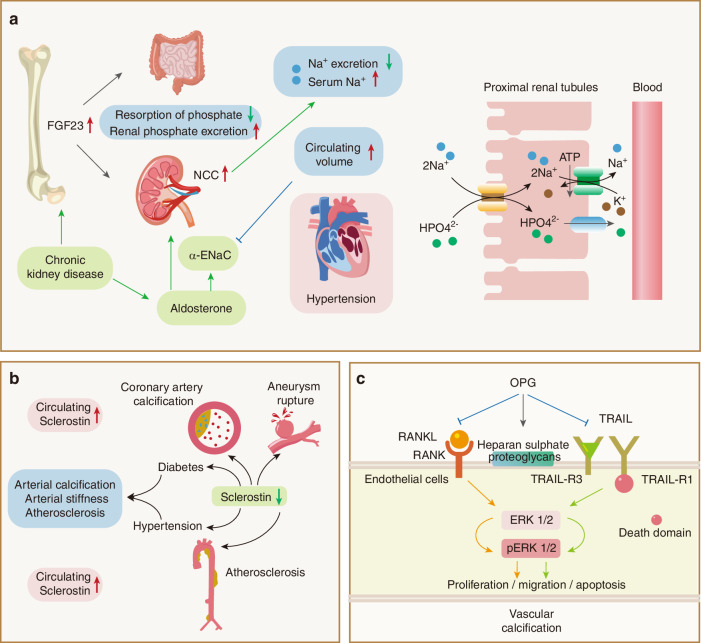
“10,121 The primary function of FGF23 is to lower serum phosphate levels by reducing renal reabsorption of phosphate and the synthesis of 1,25-dihydroxyvitamin D (1,25(OH) 2 D 3 ).”
Kurgan, N., Stoikos, J., Baranowski, B. J., Yumol, J., Dhaliwal, R., Sweezey-Munroe, J. B., Fajardo, V. A., Gittings, W., Macpherson, R. E. K., & Klentrou, P. (2020) · Journal of Bone and Mineral Research · doi:10.1002/jbmr.4768 · Cited by 12
Dawson, S., & Lawrie, A. (2016) · Pharmacology & Therapeutics · doi:10.1016/j.pharmthera.2016.06.017 · Cited by 11 · cited 1×
“205 Third, OPG competitively inhibits TNF-related apoptosis-inducing ligand (TRAIL) by preventing TRAIL-death receptor interactions, thereby suppressing apoptotic cascades.”
Wise, D. R., Pachynski, R. K., Denmeade, S. R., Aggarwal, R. R., Deng, J., Febles, V. A., Balar, A. V., Economides, M. P., Loomis, C. A., Selvaraj, S., et al. (2024) · Prostate Cancer and Prostatic Diseases · doi:10.1038/s41391-024-00798-z · Cited by 11
Dickkopf-1 Acts as a Profibrotic Mediator in Progressive Chronic Kidney Disease
Hsu, Y., Chang, C., Hsieh, C., Huang, Y., Shih, Y., Chang, H.-C., Chang, P., & Lin, C. (2023) · International Journal of Molecular Sciences · doi:10.3390/ijms24087679 · Cited by 10
Ablation of Ephrin B2 in Col2 Expressing Cells Delays Fracture Repair
Wang, Y., Ling, L., Tian, F., Won‐Kim, S. H., Ho, S. P., & Bikle, D. D. (2020) · Endocrinology · doi:10.1210/endocr/bqaa179 · Cited by 8
The Totality of Evidence for SDZ-deno: A Biosimilar to Reference Denosumab
Vogg, B., Poetzl, J., Schwebig, A., Sekhar, S., Kivitz, A., Krivtsova, N., Renner, O., Body, J.-J., & Eastell, R. (2024) · Clinical Therapeutics · doi:10.1016/j.clinthera.2024.08.007 · Cited by 8 · cited 1×
“272 Similarly, Xgeva has been approved in the US, EU, and additional areas for preventing skeletal complications (e.g., fractures, spinal cord compression) in patients with bone metastases from advanced solid tumors, multiple myeloma, as well as unresectable giant cell bone tumors.”
Modeling Sympathetic Hyperactivity in Alzheimer’s Related Bone Loss
Culibrk, R. A., Arabiyat, A. S., DeKalb, C. A., & Hahn, M. S. (2021) · Journal of Alzheimer s Disease · doi:10.3233/jad-215007 · Cited by 6 · cited 1×
“190 These results suggest that the increase in OPN may indicate severe neurodegeneration and pathological changes.”
Zhu, Z., Qin, S.-G., Zhang, T., He, M., Zheng, W., Zhao, T., Gao, M., Chen, Z., Zhou, B., Xia, G.-L., et al. (2023) · Journal of Biological Chemistry · doi:10.1016/j.jbc.2023.104776 · Cited by 6 · cited 1×
“221,222 The mechanisms behind these effects are likely due to the differential expression of FGF23 receptors in male and female reproductive tissues.”
Haeri, N. S., Perera, S., & Greenspan, S. L. (2023) · The Journal of Frailty & Aging · doi:10.14283/jfa.2023.38 · Cited by 6 · cited 1×
“34,35 framework, bone serves to shield internal organs from potential harm that could lead to fatality in the event of injury.”
Moseshvili, E., Joseph, D. J., Spry, N. A., Cohen, R. J., Abreu, A., Kautto, A., & Denham, J. W. (2014) · Journal of Medical Imaging and Radiation Oncology · doi:10.1111/1754-9485.12134 · Cited by 5 · cited 1×
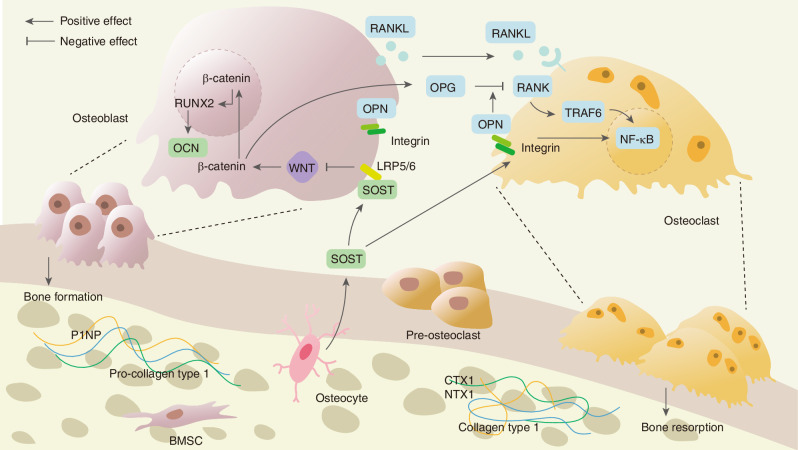
“28 The mechanisms underlying the regulatory effects of CTX-1 and P1NP on bone metabolism involve complex signaling networks that remain unclear.”
Sclerostin as a biomarker of cardiovascular risk in women with systemic lupus erythematosus
Ríos, C. G.-D. L., Medina-Casado, M., Díaz‐Chamorro, A., Sierras-Jiménez, M., Lardelli‐Claret, P., Cáliz-Cáliz, R., & Sabio, J. M. (2022) · Scientific Reports · doi:10.1038/s41598-022-25651-y · Cited by 5 · cited 1×
“212 Besides bone cells, sclerostin is also expressed in endothelial cells, smooth muscle cells, and cardiomyocytes within the cardiovascular system.”
Jaarah, N., Lam, C. F. J., Lodhia, N., Dulnoan, D., Moore, A. E. B., & Hampson, G. (2024) · Journal of Endocrinological Investigation · doi:10.1007/s40618-023-02280-4 · Cited by 4 · cited 1×
“85 OPG functions as a soluble decoy receptor through high-af fi nity RANKL binding, thereby competitively inhibiting RANK-mediated ligand-receptor interaction, which further inhibits osteoclast differentiation, activation, and survival.”
Hioki, T., Tachi, J., Ueda, K., Matsushima‐Nishiwaki, R., Iida, H., Kozawa, O., & Tokuda, H. (2023) · Experimental and Therapeutic Medicine · doi:10.3892/etm.2023.12322 · Cited by 3
Yaghobinejad, M., Toolee, H., Solhjoo, S., Seifali, E., Parvari, S., Akanji, O. D., & Rastegar, T. (2021) · Daehan saengsik uihak hoeji/Clinical and experimental reproductive medicine · doi:10.5653/cerm.2023.06674 · Cited by 3 · cited 1×
“218,219 The role of FGF23 in the reproductive system is more complex.”
Cited by
Enzyme‐Programmable DNA‐PEG Hydrogel Spatiotemporally Regulates Bone Regeneration Microenvironment
Wu, X., Wang, F., Li, R., Yu, B., Qi, T., Li, Y., Chen, X. D., Wang, J., Geng, Z., Song, P., et al. (2025) · Advanced Materials · doi:10.1002/adma.202514461 · Cited by 44
Zhang, B., Chen, Q., Chen, Q., & Zhang, H. (2025) · Metabolism · doi:10.1016/j.metabol.2025.156333 · Cited by 35
Liu, M., Liu, Y., Yu, J., Gong, J., Zhao, C., & Liu, Z. (2025) · Bone Research · doi:10.1038/s41413-025-00494-1 · Cited by 23
“20 The bidirectional, osteokine-mediated functional interaction between the skeleton and the brain has increasingly become a research focal point.”
Biomineralization empowers bone organoids
Zhu, M., Fan, Z., Chen, M., Xu, K., Jiang, Y., & Su, J. (2025) · Biomaterials · doi:10.1016/j.biomaterials.2025.123703 · Cited by 22
Immune-Guided Bone Healing: The Role of Osteoimmunity in Tissue Engineering Approaches
Munaò, S., Armeli, A., Bonfiglio, D., Iaconis, A., & Calabrese, G. (2025) · International Journal of Molecular Sciences · doi:10.3390/ijms262311642 · Cited by 17
“Additional contributors, such as stromal, cartilage, hematopoietic, and mesenchymal stem cells, participate in bone composition, forming a dense signaling network [30,31].”
Metadata
- Authors
- He, T., Qin, L., Chen, S., Huo, S., Li, J., Zhang, F., Yi, W., Mei, Y., & Xiao, G.
- Affiliations
- Chinese Academy of Sciences (CN)
- Shenzhen University (CN)
- Wuhan Union Hospital (CN)
- Guangzhou University of Chinese Medicine (CN)
- Southern University of Science and Technology (CN)
- Shenzhen Third People’s Hospital (CN)
- Corresponding author
- Mei, Yifang
- Xiao, Guozhi
- Venue
- Bone Research
- Published
- 2025-04-30
- Volume
- 13
- Issue
- 1
- Pages
- 49-49
- ISSN
- 2095-4700 (ISSN-L)
- 2095-6231
- PMC
- PMC12044029
- OpenAlex
- W4409974660
- Cited by
- 58
- References
- 278
- Citations by year
- 2026: 45 · 2025: 13
- FWCI
- 5.13
- Type
- journal article
- Language
- en
- Open access
- gold
- doi.org
- Licence
- cc-by
- creativecommons.org/licenses/by/4.0 (tdm)
- creativecommons.org/licenses/by/4.0 (vor)
- Locations
- Bone Research (publishedVersion, cc-by)
- PubMed Central (publishedVersion, cc-by)
- PubMed (publishedVersion)
- DOAJ (DOAJ: Directory of Open Access Journals) (submittedVersion, cc-by-sa)
- Funders
- National Natural Science Foundation of China (82261160395, 82230081, 2017B030301018, 82004395, 82302767, 82430078)
- Natural Science Foundation of Hubei Province
- Shenzhen Fundamental Research Program (JCYJ20220818100617036)
- Wuhan Union Hospital (2022xhyn032)
- National Key Research and Development Program of China (2019YFA0906004)
- Topics
- Life Sciences › Biochemistry, Genetics and Molecular Biology › Molecular Biology › Bone Metabolism and Diseases
- Health Sciences › Medicine › Orthopedics and Sports Medicine › Bone health and osteoporosis research
- Life Sciences › Biochemistry, Genetics and Molecular Biology › Biochemistry › Bone and Dental Protein Studies
- Keywords
- muscle-bone crosstalk, bone metabolism regulation, bone hormones, cytokines, extracellular vesicles, metal ions, signaling pathways, musculoskeletal disorders, glucose metabolism, lipid metabolism, bone-targeted therapy
- MeSH terms
- Animals, Bone and Bones, Humans, Signal Transduction
About these checks
Registry, retraction, Cites and statistics results are computed, not judged, with one exception: a printed reference that no index lists is read once by a model before it counts as a citation error. Claims are extracted by a model and kept only when their quote appears verbatim in the text; each cited source is then checked, with a model’s help, for whether it says what the claim relies on. Those verdicts can be wrong — read the claim’s quote and the cited source before relying on one.
Statistics and arithmetic are recomputed, not judged.
Confidence bands are shown only for fields calibrated on our annotated test set. None is calibrated yet, so no band is shown.
What counts as a claim ›How we measure confidence ›How we check this ›
Are you an author, or do you see a problem with this page? Request a review
Data sources
Bibliographic data: Semantic Scholar, OpenAlex, Crossref.
Contains information from the Semantic Scholar Academic Graph Datasets, made available under the ODC Attribution License (ODC-BY 1.0).
Semantic Scholar’s data is described in: Kinney, R., et al. (2023). The Semantic Scholar Open Data Platform. arXiv:2301.10140.
