

Bone-derived factors mediate crosstalk between skeletal and extra-skeletal organs
Open accessThe DOI matches its Crossref record; 283 of the 283 references it cites were found in a registry or an index.
Abstract
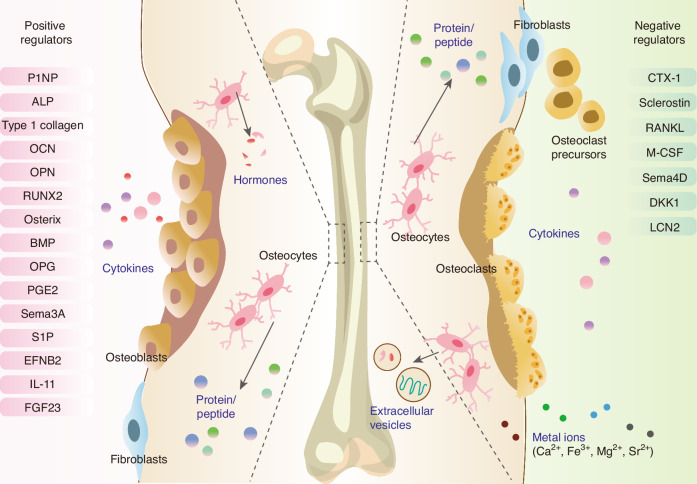
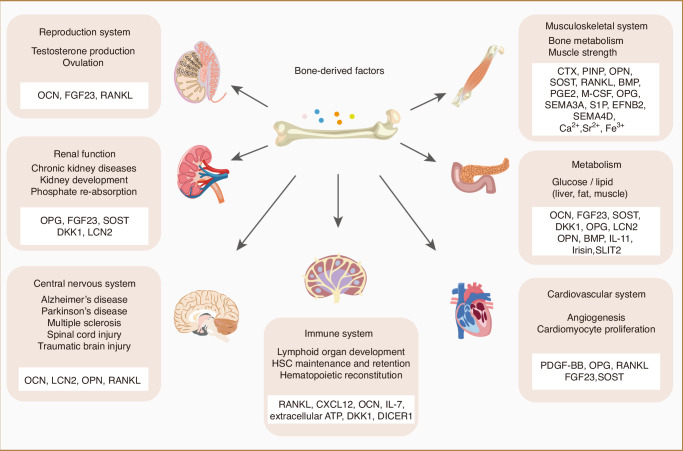
Bone has long been acknowledged as a fundamental structural entity that provides support and protection to the body's organs. However, emerging research indicates that bone plays a crucial role in the regulation of systemic metabolism. This is achieved through the secretion of a variety of hormones, cytokines, metal ions, extracellular vesicles, and other proteins/peptides, collectively referred to as bone-derived factors (BDFs). BDFs act as a medium through which bones can exert targeted regulatory functions upon various organs, thereby underscoring the profound and concrete implications of bone in human physiology. Nevertheless, there remains a pressing need for further investigations to elucidate the underlying mechanisms that inform the effects of bone on other body systems. This review aims to summarize the current findings related to the roles of these significant modulators across different organs and metabolic contexts by regulating critical genes and signaling pathways in vivo. It also addresses their involvement in the pathogenesis of various diseases affecting the musculoskeletal system, circulatory system, glucose and lipid metabolism, central nervous system, urinary system, and reproductive system. The insights gained from this review may contribute to the development of innovative therapeutic strategies through a focused approach to bone secretomes. Continued research into BDFs is expected to enhance our understanding of bone as a multifunctional organ with diverse regulatory roles in human health.
Overview
The claims and statistics of this paper haven’t been checked yet.
Free: it reads the open-access text and checks the first 5 claims that cite a source we can check. Create a free account to check every claim.
Integrity signals
Registry
Cites
Statistics
Figures
Verification
Claims the paper makes
The claims and statistics of this paper haven’t been checked yet.
Free: it reads the open-access text and checks the first 5 claims that cite a source we can check. Create a free account to check every claim.
Claims other papers make about this one
Each is checked against this paper’s own text: does it say what the citing paper says it does?
The source backs part of the claim, not all of it — or backs it for a different population, condition or comparison.
In the citing paper
“Bone-derived signals exert systemic effects across spatial and temporal scales, but we still lack the data of long-term investigation. For example, bone-derived factors affect metabolism and blood flow with long-term effects [158].”
From Interorgan Communications in Skeletal Pathophysiology: From Molecular Pathways to Multidisciplinary Therapies (2026) · cites this paper as [158]
Experimental — accuracy not yet measuredThe cited source says what the claim attributes to it.
In the citing paper
“Recent studies have shown that osteokines participate in a 2-way dialogue between bone and other organs, but causal relationships are less well defined [157,158].”
From Interorgan Communications in Skeletal Pathophysiology: From Molecular Pathways to Multidisciplinary Therapies (2026) · cites this paper as [158]
Self-check
Percentages, sums and reported differences re-computed from the paper’s own numbers.
The self-check needs the paper’s full text.
Citations
Cites
Osteoprotegerin: a novel secreted protein involved in the regulation of bone density.
Simonet, W. S., Lacey, D. L., Dunstan, C. R., Kelley, M., Chang, M.-S., Lüthy, R., Nguyen, H. Q., Wooden, S., Bennett, L., Boone, T., et al. (1997) · Cell · doi:10.1016/s0092-8674(00)80209-3 · Cited by 5,130 · cited 1×
“74,75 Molecularly, RANK is a type I transmembrane glycoprotein and mainly expressed in osteoclast precursors, mature osteoclasts, epithelial cells, hypertrophic chondrocytes, and immune cells such as DCs, macrophages, and microglia.”
Stöckl, S., Göttl, C., Grifka, J., & Grässel, S. (2013) · Cellular Physiology and Biochemistry · doi:10.1159/000350089 · Cited by 4,656
OPGL is a key regulator of osteoclastogenesis, lymphocyte development and lymph node organogenesis.
Kong, Y.-Y., Yoshida, H., Sarosi, I., Tan, H.-L., Timms, E., Capparelli, C., Morony, S., Oliveira-dos-Santos, A. J., Van, G., Itie, A., et al. (1999) · Nature · doi:10.1038/16852 · Cited by 3,351 · cited 2×
“76 However, deletion of the Opg gene in mice ( Opg − / − ) caused severe osteoporosis with decreased BMD and high bone turnover rate, disorganized matrix, and increased mortality compared with their control littermates.”
Endocrine regulation of energy metabolism by the skeleton
Lee, N. K., Sowa, H., Hinoi, E., Ferron, M., Ahn, J. D., Confavreux, C., Dacquin, R., Mee, P. J., McKee, M. D., Jung, D. Y., et al. (2007) · Cell · doi:10.1016/j.cell.2007.05.047 · Cited by 2,554 · cited 4×
“110 Moreover, ucOCN administration improved glucose tolerance and increased insulin secretion and sensitivity, resulting in mice displaying decreased fat mass and becoming lean.”
InfluentialOsteoprotegerin-deficient mice develop early onset osteoporosis and arterial calcification.
Bucay, N., Sarosi, I., Dunstan, C. R., Morony, S., Tarpley, J., Capparelli, C., Scully, S., Tan, H. L., Xu, W., Lacey, D. L., et al. (1998) · Genes & Development · doi:10.1101/gad.12.9.1260 · Cited by 2,483
A homologue of the TNF receptor and its ligand enhance T-cell growth and dendritic-cell function.
Anderson, D. M., Maraskovsky, E., Billingsley, W. L., Dougall, W. C., Tometsko, M. E., Roux, E. R., Teepe, M. C., DuBose, R. F., Cosman, D., & Galibert, L. (1997) · Nature · doi:10.1038/36593 · Cited by 2,290 · cited 2×
“72 This research group also isolated RANKL as a RANK ligand by direct expression screening in the dendritic cells, which stimulates naive T-cell proliferation and survival by interacting with RANK in T cells.”
FGF-23 Is a Potent Regulator of Vitamin D Metabolism and Phosphate Homeostasis
Shimada, T., Hasegawa, H., Yamazaki, Y., Muto, T., Hino, R., Takeuchi, Y., Fujita, T., Nakahara, K., Fukumoto, S., & Yamashita, T. (2004) · Journal of Bone and Mineral Research · doi:10.1359/jbmr.0301264 · Cited by 1,883 · cited 1×
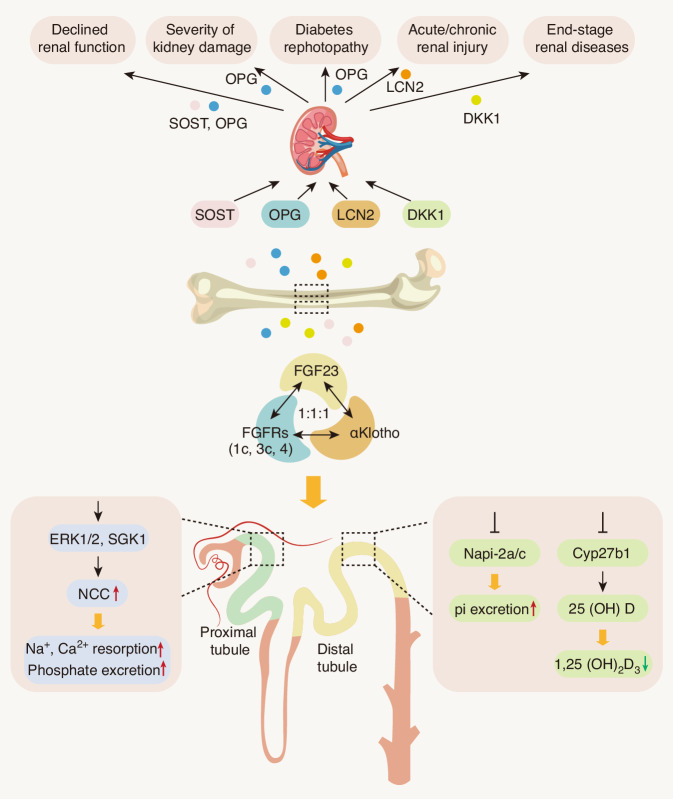
“…25-hydroxyvitamin D-1 α -hydroxylase ( Cyp27b1 ) in renal tissues, which is the key enzyme for the production of active 1,25(OH) 2 D 3 from 25(OH)D. 239 Moreover, FGF23 also increased the mRNA level for 25-hydroxyvitamin D-24-hydroxylase ( Cyp24 α 1 ) in renal tissues, which inactivates 1,25(OH) 2…”
Klotho converts canonical FGF receptor into a specific receptor for FGF23
Urakawa, I., Yamazaki, Y., Shimada, T., Iijima, K., Hasegawa, H., Okawa, K., Fujita, T., Fukumoto, S., & Yamashita, T. (2006) · Nature · doi:10.1038/nature05315 · Cited by 1,850
Evidence for osteocyte regulation of bone homeostasis through RANKL expression
Nakashima, T., Hayashi, M., Fukunaga, T., Kurata, K., Oh-hora, M., Feng, J. Q., Bonewald, L. F., Kodama, T., Wutz, A., Wagner, E. F., et al. (2011) · Nature Medicine · doi:10.1038/nm.2452 · Cited by 1,778 · cited 1×
“79,81 RANKL has three isoforms coded from a single gene by alternative splicing in humans, i.e., two of these isoforms are type II transmembrane-bound glycoproteins and the third isoform is a soluble ligand (sRANKL) which lacks both the transmembrane and cytoplasmic domains.”
Increased bone formation in osteocalcin-deficient mice
Ducy, P., Desbois, C., Boyce, B., Pinero, G., Story, B., Dunstan, C., Smith, E., Bonadio, J., Goldstein, S., Gundberg, C., et al. (1996) · Nature · doi:10.1038/382448a0 · Cited by 1,725
Hsu, H., Lacey, D. L., Dunstan, C. R., Solovyev, I., Colombero, A., Timms, E., Tan, H.-L., Elliott, G., Kelley, M. J., Sarosi, I., et al. (1999) · Proceedings of the National Academy of Sciences · doi:10.1073/pnas.96.7.3540 · Cited by 1,636 · cited 1×
“Hsu and colleagues 86 developed transgenic mice overexpressing RANK and OPG, both of which showed osteopetrosis.”
Dickkopf-1 is a member of a new family of secreted proteins and functions in head induction
Glinka, A., Wu, W., Delius, H., Monaghan, A. P., Blumenstock, C., & Niehrs, C. (1998) · Nature · doi:10.1038/34848 · Cited by 1,608 · cited 1×
“136 This, containing 266 amino acids and secreted protein with 28.7 kDa molecular weight, is reported in subsequent studies to have essential functions in regulating embryogenesis, organogenesis, and homeostasis.”
InfluentialShimada, T., Kakitani, M., Yamazaki, Y., Hasegawa, H., Takeuchi, Y., Fujita, T., Fukumoto, S., Tomizuka, K., & Yamashita, T. (2004) · Journal of Clinical Investigation · doi:10.1172/jci19081 · Cited by 1,596 · cited 3×
“124 These mice also had an elevation in serum 1,25(OH)2D due to the enhanced expression of renal 25-hydroxyvitamin D-1 α -hydroxylase (1 α - OHase) from 10 days of age.”
InfluentialRomosozumab or Alendronate for Fracture Prevention in Women with Osteoporosis
Saag, K. G., Petersen, J., Brandi, M. L., Karaplis, A. C., Lorentzon, M., Thomas, T., Maddox, J., Fan, M., Meisner, P. D., & Grauer, A. (2017) · New England Journal of Medicine · doi:10.1056/nejmoa1708322 · Cited by 1,544 · cited 1×
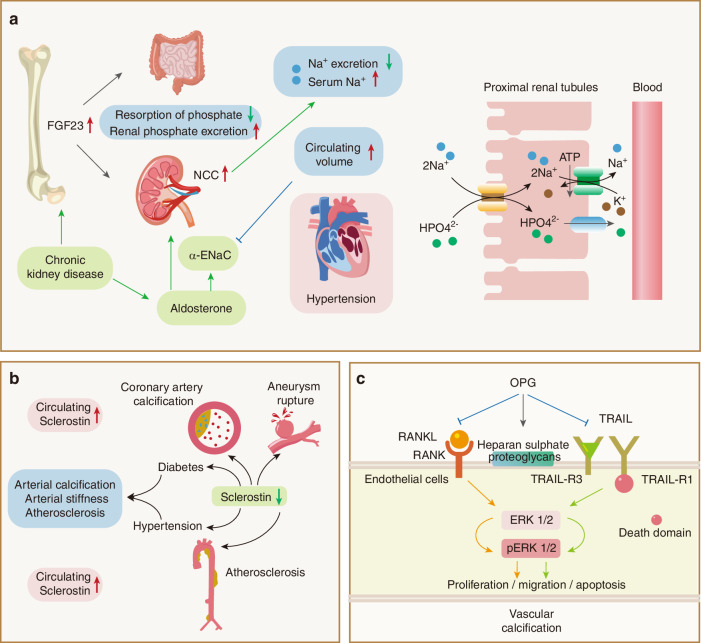
“62 However, as clinical trials progress, some studies indicate that sclerostin inhibition may lead to hypertension, type 2 diabetes, myocardial infarction, and coronary artery calci fi cation, thereby increasing cardiovascular disease risk.”
RANK is essential for osteoclast and lymph node development.
Dougall, W. C., Glaccum, M., Charrier, K., Rohrbach, K., Brasel, K., De Smedt, T., Daro, E., Smith, J., Tometsko, M. E., Maliszewski, C. R., et al. (1999) · Genes & Development · doi:10.1101/gad.13.18.2412 · Cited by 1,478 · cited 2×
“73 These mice also showed inhibited osteoclast differentiation and maturation.”
Cloning and characterization of FGF23 as a causative factor of tumor-induced osteomalacia
Shimada, T., Mizutani, S., Muto, T., Yoneya, T., Hino, R., Takeda, S., Takeuchi, Y., Fujita, T., Fukumoto, S., & Yamashita, T. (2001) · Proceedings of the National Academy of Sciences · doi:10.1073/pnas.101545198 · Cited by 1,457 · cited 1×
“237 Moreover, overexpressing human FGF23 in mice caused renal phosphate wasting, which is accompanied by reduced expression of type II sodium-phosphate cotransporter NaPi-2a in the epithelial cells of the renal proximal tubules.”
Shimada, T., Kakitani, M., Yamazaki, Y., et al. (2004) · Journal of Clinical Investigation · doi:10.1172/jci200419081 · Cited by 1,368
Sclerostin Binds to LRP5/6 and Antagonizes Canonical Wnt Signaling
Li, X., Zhang, Y., Kang, H., Liu, W., Liu, P., Zhang, J., Harris, S. E., & Wu, D. (2005) · Journal of Biological Chemistry · doi:10.1074/jbc.m413274200 · Cited by 1,366 · cited 1×
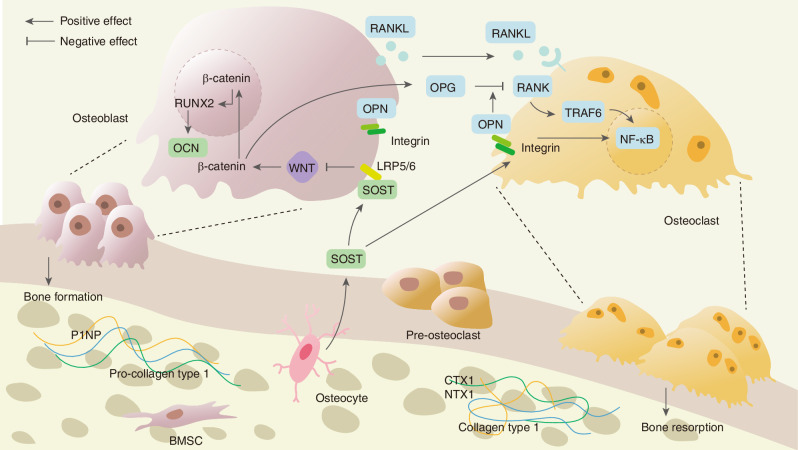
“55 Sclerostin, upon secretion, binds to the low-density lipoprotein receptor-related protein-4 (LRP4) receptor on the osteoblast membrane, thereby being sequestered within the bone cavity.”
Osteocalcin and matrix Gla protein: vitamin K-dependent proteins in bone
Hauschka, P. V., Lian, J. B., Cole, D. E., & Gundberg, C. M. (1989) · Physiological Reviews · doi:10.1152/physrev.1989.69.3.990 · Cited by 1,272 · cited 2×
“36 OCN is primarily synthesized by mature osteoblasts and plays a crucial role in a variety of regulatory functions, including bone formation, mineralization, and muscle mass. 13 Generally, OCN has two different forms, carboxylated osteocalcin (cOCN) and undercarboxylated osteocalcin (ucOCN) in…”
Romosozumab in Postmenopausal Women with Low Bone Mineral Density
McClung, M. R., Grauer, A., Boonen, S., Bolognese, M. A., Brown, J. P., Diez-Perez, A., Langdahl, B. L., Reginster, J.-Y., Zanchetta, J. R., Wasserman, S. M., et al. (2014) · New England Journal of Medicine · doi:10.1056/nejmoa1305224 · Cited by 1,258
Bone progenitor dysfunction induces myelodysplasia and secondary leukaemia
Raaijmakers, M. H. G. P., Mukherjee, S., Guo, S., Zhang, S., Kobayashi, T., Schoonmaker, J. A., Ebert, B. L., Al-Shahrour, F., Hasserjian, R. P., Scadden, E. O., et al. (2010) · Nature · doi:10.1038/nature08851 · Cited by 1,115 · cited 1×
“268 In summary, osteoimmunology has highlighted the pivotal role of the skeletal system in modulating immune responses, under-scoring the intrinsic connection between these two systems.”
Young blood reverses age-related impairments in cognitive function and synaptic plasticity in mice
Villeda, S. A., Plambeck, K. E., Middeldorp, J., Castellano, J. M., Mosher, K. I., Luo, J., Smith, L. K., Bieri, G., Lin, K., Berdnik, D., et al. (2014) · Nature Medicine · doi:10.1038/nm.3569 · Cited by 1,081 · cited 1×
“172 Furthermore, maternal OCN was found to be necessary for fetal brain development, regulation of neurogenesis, prevention of neuronal apoptosis, and optimal memory and spatial abilities in adult offspring.”
Omatsu, Y., Sugiyama, T., Kohara, H., Kondoh, G., Fujii, N., Kohno, K., & Nagasawa, T. (2010) · Immunity · doi:10.1016/j.immuni.2010.08.017 · Cited by 856 · cited 1×
“259 Osteoclast-derived proteases (MMP9, cathepsin K) proteolytically degrade CXCL12 within the niche, thereby destabilizing HSC anchorage.”
Costimulatory signals mediated by the ITAM motif cooperate with RANKL for bone homeostasis
Koga, T., Inui, M., Inoue, K., Kim, S., Suematsu, A., Kobayashi, E., Iwata, T., Ohnishi, H., Matozaki, T., Kodama, T., et al. (2004) · Nature · doi:10.1038/nature02444 · Cited by 828 · cited 1×
“256 These signaling molecules have been thoroughly characterized within the framework of immune cell development and signaling, encompassing T cells, B cells, and NK cells.”
Regulation of Proliferation, Differentiation and Functions of Osteoblasts by Runx2
Komori, T. (2019) · International Journal of Molecular Sciences · doi:10.3390/ijms20071694 · Cited by 822 · cited 1×
“45 Genetic ablation of Runx2 in murine models results in complete Ocn ablation, corroborated by antisense oligonucleotide-mediated dose-dependent suppression in rat primary osteoblasts and ROS17/2.8 osteosarcoma cells.”
InfluentialOsteoclasts degrade endosteal components and promote mobilization of hematopoietic progenitor cells
Kollet, O., Dar, A., Shivtiel, S., Kalinkovich, A., Lapid, K., Sztainberg, Y., Tesio, M., Samstein, R. M., Goichberg, P., Spiegel, A., et al. (2006) · Nature Medicine · doi:10.1038/nm1417 · Cited by 775 · cited 2×
“260 The ablation of CXCL12 in early osteolineage cells resulted in a reduction of B cell progenitors, while the deletion in osteocytes led to signi fi cant metabolic alterations, primary thymic damage, and a decline in the generation of both B and T lymphocytes.”
Osteoimmunology: evolving concepts in bone–immune interactions in health and disease
Tsukasaki, M., & Takayanagi, H. (2019) · Nature Reviews Immunology · doi:10.1038/s41577-019-0178-8 · Cited by 771
Fata, J. E., Kong, Y.-Y., Li, J., Sasaki, T., Irie-Sasaki, J., Moorehead, R. A., Elliott, R., Scully, S., Voura, E. B., Lacey, D. L., et al. (2000) · Cell · doi:10.1016/s0092-8674(00)00103-3 · Cited by 756
Self-citationChen, W. G., Schloesser, D., Arensdorf, A. M., Simmons, J. M., Cui, C., Valentino, R., Gnadt, J. W., Nielsen, L., Hillaire-Clarke, C. S., Spruance, V., et al. (2021) · Trends in Neurosciences · doi:10.1016/j.tins.2020.10.007 · Cited by 707 · cited 1×
“89 The hypothalamic regulation of skeletal homeostasis involves mechanoresponsive detection of skeletal prostaglandin E2 (PGE2) concentrations.”
Osteoblast Differentiation at a Glance
Rutkovskiy, A., Stensløkken, K.-O., & Vaage, I. J. (2016) · Medical Science Monitor Basic Research · doi:10.12659/msmbr.901142 · Cited by 621 · cited 1×
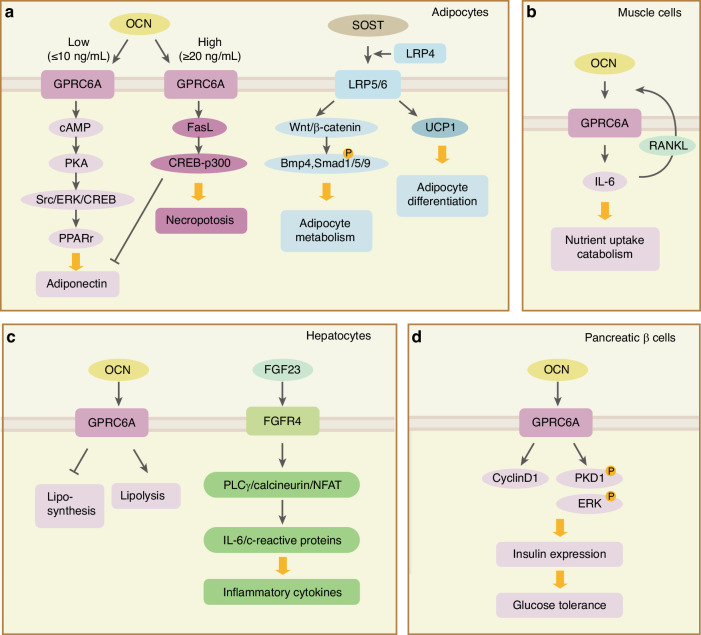
“109 A large number of experimental mouse studies demonstrate that bone-derived OCN proteins actively regulate glucose metabolism, insulin signaling, and cellular differentiation in the pancreas, adipocytes, livers, and muscles (Table 1).”
Osteoprotection by semaphorin 3A
Hayashi, M., Nakashima, T., Taniguchi, M., Kodama, T., Kumanogoh, A., & Takayanagi, H. (2012) · Nature · doi:10.1038/nature11000 · Cited by 606 · cited 1×
“102 Additionally, Sema3A facilitates bone formation during fracture healing and distraction osteogenesis.”
Use of bone turnover markers in postmenopausal osteoporosis
Eastell, R., & Szulc, P. (2017) · The Lancet Diabetes & Endocrinology · doi:10.1016/s2213-8587(17)30184-5 · Cited by 594 · cited 3×
“17 Bone remodeling occurs in both trabecular and cortical bone.”
Subchondral bone microenvironment in osteoarthritis and pain
Hu, Y., Chen, X., Wang, S., Jing, Y., & Su, J. (2021) · Bone Research · doi:10.1038/s41413-021-00147-z · Cited by 577 · cited 2×
“79,81 RANKL has three isoforms coded from a single gene by alternative splicing in humans, i.e., two of these isoforms are type II transmembrane-bound glycoproteins and the third isoform is a soluble ligand (sRANKL) which lacks both the transmembrane and cytoplasmic domains.”
Leukaemogenesis induced by an activating β-catenin mutation in osteoblasts
Kode, A., Manavalan, J. S., Mosialou, I., Bhagat, G., Rathinam, C. V., Luo, N., Khiabanian, H., Lee, A., Murty, V. V., Friedman, R., et al. (2014) · Nature · doi:10.1038/nature12883 · Cited by 532 · cited 1×
“The activation of β -catenin in osteoblasts has been linked to the onset of acute myeloid leukemia 265 while activating mutations in the protein tyrosine phosphatase SHP2 have also been implicated in leukemia development.”
Katagiri, T., & Watabe, T. (2016) · Cold Spring Harbor Perspectives in Biology · doi:10.1101/cshperspect.a021899 · Cited by 529 · cited 1×
“163 For example, BMP4 exerts multifunctional protective effects in hepatocytes through YAP/TAZ pathway modulation, demonstrating senescence suppression, steatosis attenuation, in fl ammation resolution, and fi brogenesis inhibition.”
Suppression of bone formation by osteoclastic expression of semaphorin 4D
Negishi-Koga, T., Shinohara, M., Komatsu, N., Bito, H., Kodama, T., Friedel, R. H., & Takayanagi, H. (2011) · Nature Medicine · doi:10.1038/nm.2489 · Cited by 498 · cited 1×
“108 It is synthesized by osteoclasts and plays a crucial role in the negative regulation of osteoblast activation that is mediated by insulin-like growth factor 1 (IGF-1).”
Langdahl, B. L., Libanati, C., Crittenden, D. B., Bolognese, M. A., Brown, J. P., Daizadeh, N. S., Dokoupilova, E., Engelke, K., Finkelstein, J. S., Genant, H. K., et al. (2017) · The Lancet · doi:10.1016/s0140-6736(17)31613-6 · Cited by 497
α-Klotho is a non-enzymatic molecular scaffold for FGF23 hormone signalling
Chen, G., Liu, Y., Goetz, R., Fu, L., Jayaraman, S., Hu, M.-C., Moe, O. W., Liang, G., Li, X., & Mohammadi, M. (2018) · Nature · doi:10.1038/nature25451 · Cited by 487
Maternal and Offspring Pools of Osteocalcin Influence Brain Development and Functions
Oury, F., Khrimian, L., Denny, C. A., Gardin, A., Chamouni, A., Goeden, N., Huang, Y.-Y., Lee, H., Srinivas, P., Gao, X.-B., et al. (2013) · Cell · doi:10.1016/j.cell.2013.08.042 · Cited by 484
The Adipokine Lipocalin 2 Is Regulated by Obesity and Promotes Insulin Resistance
Yan, Q.-W., Yang, Q., Mody, N., Graham, T. E., Hsu, C.-H., Xu, Z., Houstis, N. E., Kahn, B. B., & Rosen, E. D. (2007) · Diabetes · doi:10.2337/db07-0007 · Cited by 467 · cited 2×
“145 In fact, it is primarily expressed in the liver, adipose tissue, and bone (Table 2).”
Advances in the regulation of osteoclasts and osteoclast functions
Boyce, B. F. (2013) · Journal of Dental Research · doi:10.1177/0022034513500306 · Cited by 457 · cited 1×
“18,19 Catabolized components are trans-located into systemic circulation, with partial renal elimination through urinary excretion.”
MC4R-dependent suppression of appetite by bone-derived lipocalin 2
Mosialou, I., Shikhel, S., Liu, J.-M., Maurizi, A., Luo, N., He, Z., Huang, Y., Zong, H., Friedman, R. A., Barasch, J., et al. (2017) · Nature · doi:10.1038/nature21697 · Cited by 454 · cited 4×
“152 The secreted LCN2 can cross the blood-brain barrier, 153 bind and activate the melanocortin four receptor (MC4R) of neurons from the hypothalamus, and inhibit food intake.”
InfluentialGattineni, J., Bates, C., Twombley, K., Dwarakanath, V., Robinson, M. L., Goetz, R., Mohammadi, M., & Baum, M. (2009) · American Journal of Physiology-Renal Physiology · doi:10.1152/ajprenal.90742.2008 · Cited by 438
Shimada, T., Urakawa, I., Yamazaki, Y., Hasegawa, H., Hino, R., Yoneya, T., Takeuchi, Y., Fujita, T., Fukumoto, S., & Yamashita, T. (2004) · Biochemical and Biophysical Research Communications · doi:10.1016/j.bbrc.2003.12.102 · Cited by 429 · cited 1×
“238 For the second regulation, FGF23 can suppress the synthesis and induce the degradation of 1,25(OH) 2 D 3 , the hormonally active form of vitamin D. Animal studies showed that FGF23 reduced the mRNA level of 25-hydroxyvitamin D-1 α -hydroxylase ( Cyp27b1 ) in renal tissues, which is the key…”
Osteocalcin Signaling in Myofibers Is Necessary and Sufficient for Optimum Adaptation to Exercise
Mera, P., Laue, K., Ferron, M., Confavreux, C., Wei, J., Galán-Díez, M., Lacampagne, A., Mitchell, S. J., Mattison, J. A., Chen, Y., et al. (2016) · Cell Metabolism · doi:10.1016/j.cmet.2016.05.004 · Cited by 426
Isolation of the human gene for bone gla protein utilizing mouse and rat cDNA clones.
Celeste, A. J., Rosen, V., Buecker, J. L., Kriz, R., Wang, E. A., & Wozney, J. M. (1986) · The EMBO Journal · doi:10.1002/j.1460-2075.1986.tb04440.x · Cited by 392 · cited 1×
“43,44 The Bglap and Bglap2 genes exhibit osteoblast-restricted transcriptional activity, whereas Bglap3 demonstrates ectopic expression in non-osseous anatomical sites (renal parenchyma, pulmonary tissue, male reproductive organs).”
Targeting skeletal endothelium to ameliorate bone loss
Xu, R., Yallowitz, A., Qin, A., Wu, Z., Shin, D. Y., Kim, J.-M., Debnath, S., Ji, G., Bostrom, M. P., Yang, X., et al. (2018) · Nature Medicine · doi:10.1038/s41591-018-0020-z · Cited by 374 · cited 1×
“159 The absence of Shn3 not only enhanced osteoblast activity but also alleviated obesity-related metabolic disorders.”
An osteopontin/CD44 immune checkpoint controls CD8+ T cell activation and tumor immune evasion
Klement, J. D., Paschall, A. V., Redd, P. S., Ibrahim, M. L., Lu, C., Yang, D., Celis, E., Abrams, S. I., Ozato, K., & Liu, K. (2018) · Journal of Clinical Investigation · doi:10.1172/jci123360 · Cited by 368 · cited 1×
“191 evidence demonstrates constitutive expression of RANKL and its cognate receptor RANK within the CNS, where they exhibit novel capabilities (Table 2).”
Singh, S., Grabner, A., Yanucil, C., Schramm, K., Czaya, B., Krick, S., Czaja, M. J., Bartz, R., Abraham, R., Di Marco, G. S., et al. (2016) · Kidney International · doi:10.1016/j.kint.2016.05.019 · Cited by 360
Lipocalin-2: Structure, function, distribution and role in metabolic disorders
Jaberi, S. A., Cohen, A., D’Souza, C., Abdulrazzaq, Y. M., Ojha, S., Bastaki, S., & Adeghate, E. A. (2021) · Biomedicine & Pharmacotherapy · doi:10.1016/j.biopha.2021.112002 · Cited by 345 · cited 3×
“146 It has been identi fi ed to bind cell surface receptors, such as Megalin, 24p3R and MC4R.”
Functions of Osteocalcin in Bone, Pancreas, Testis, and Muscle
Komori, T. (2020) · International Journal of Molecular Sciences · doi:10.3390/ijms21207513 · Cited by 329 · cited 1×
“41 Exogenous osteocalcin administration improves bone biomechanical properties, positioning this molecule as a therapeutic candidate for reducing fracture susceptibility associated with bone fragility syndromes.”
Calcium Phosphate-Based Biomaterials for Bone Repair
Hou, X., Zhang, L., Zhou, Z., Luo, X., Wang, T., Zhao, X., Lu, B., Chen, F., & Zheng, L. (2022) · Journal of Functional Biomaterials · doi:10.3390/jfb13040187 · Cited by 322
Prostaglandin E2 mediates sensory nerve regulation of bone homeostasis
Chen, H., Hu, B., Lv, X., Zhu, S., Zhen, G., Wan, M., Jain, A., Gao, B., Chai, Y., Yang, M., et al. (2019) · Nature Communications · doi:10.1038/s41467-018-08097-7 · Cited by 321 · cited 1×
“91 This interoceptive axis further enables biomaterial-driven osteogenesis potentiated by divalent metal cations that augment macrophage-derived PGE2 secretion.”
FGF 23 regulates renal sodium handling and blood pressure
Andrukhova, O., Slavic, S., Smorodchenko, A., Zeitz, U., Shalhoub, V., Lanske, B., Pohl, E. E., & Erben, R. G. (2014) · EMBO Molecular Medicine · doi:10.1002/emmm.201303716 · Cited by 320
Cancer cells deploy lipocalin-2 to collect limiting iron in leptomeningeal metastasis.
Chi, Y., Remsik, J., Kiseliovas, V., Derderian, C., Sener, U., Alghader, M., Saadeh, F., Nikishina, K., Bale, T., Iacobuzio-Donahue, C., et al. (2020) · Science · doi:10.1126/science.aaz2193 · Cited by 320 · cited 1×
“146,147 Because of its wide expression, LCN2 has different functions, such as anti-bacterial, anti-in fl ammatory, anti-aging, and protection against cell and tissue stress, depending on the tissue environment.”
Human Osteoclast-Poor Osteopetrosis with Hypogammaglobulinemia due to TNFRSF11A (RANK) Mutations
Guerrini, M. M., Sobacchi, C., Cassani, B., Abinun, M., Kilic, S. S., Pangrazio, A., Moratto, D., Mazzolari, E., Clayton-Smith, J., Orchard, P., et al. (2008) · The American Journal of Human Genetics · doi:10.1016/j.ajhg.2008.06.015 · Cited by 309
Gpr158 mediates osteocalcin’s regulation of cognition
Khrimian, L., Obri, A., Ramos-Brossier, M., Rousseaud, A., Moriceau, S., Nicot, A.-S., Mera, P., Kosmidis, S., Karnavas, T., Saudou, F., et al. (2017) · Journal of Experimental Medicine · doi:10.1084/jem.20171320 · Cited by 308 · cited 3×
“170 Administration of OCN to OCN-de fi cient mice reduced anxiety-like behavior and improved their memory and learning capabilities.”
InfluentialBennett, B. J., Scatena, M., Kirk, E. A., Rattazzi, M., Varon, R. M., Averill, M., Schwartz, S. M., Giachelli, C. M., & Rosenfeld, M. E. (2006) · Arteriosclerosis, Thrombosis, and Vascular Biology · doi:10.1161/01.atv.0000236428.91125.e6 · Cited by 304 · cited 1×
“204 Second, OPG exerts direct agonistic effects on vascular endothelium via its heparin-binding motif, mediating angiogenesis regulation.”
Osteopontin in Bone Metabolism and Bone Diseases
Si, J., Wang, C., Zhang, D., Wang, B., Hou, W., & Zhou, Y. (2020) · Medical Science Monitor · doi:10.12659/msm.919159 · Cited by 301 · cited 2×
“47 OPN regulates bone formation by modulating osteoblast function.”
The role of osteoblasts in energy homeostasis
Dirckx, N., Moorer, M. C., Clemens, T. L., & Riddle, R. C. (2019) · Nature Reviews Endocrinology · doi:10.1038/s41574-019-0246-y · Cited by 292 · cited 1×
“37 Conversely, mice de fi cient in OCN exhibit elevated bone volume with preserved microarchitectural integrity, manifesting as cortical thickening and volumetric density augmentation.”
Frodermann, V., Rohde, D., Courties, G., Severe, N., Schloss, M. J., Amatullah, H., McAlpine, C. S., Cremer, S., Hoyer, F. F., Ji, F., et al. (2019) · Nature Medicine · doi:10.1038/s41591-019-0633-x · Cited by 292
Osteocalcin regulates murine and human fertility through a pancreas-bone-testis axis
Oury, F., Ferron, M., Huizhen, W., Confavreux, C., Xu, L., Lacombe, J., Srinivas, P., Chamouni, A., Lugani, F., Lejeune, H., et al. (2013) · Journal of Clinical Investigation · doi:10.1172/jci65952 · Cited by 280 · cited 1×
“223,224 Similarly, FGF23 has been demonstrated to interact with other signaling molecules, such as BMP and Wnt, altering their down-stream effects on reproductive tissues.”
Amrein, K., Amrein, S., Drexler, C., Dimai, H. P., Dobnig, H., Pfeifer, K., Tomaschitz, A., Pieber, T. R., & Fahrleitner-Pammer, A. (2012) · The Journal of Clinical Endocrinology & Metabolism · doi:10.1210/jc.2011-2152 · Cited by 277 · cited 1×
“In healthy human adults, clinical examination found that the serum level of sclerostin is positively correlated with age and fat mass. 127 Moreover, the serum level of sclerostin increased in prediabetes patients, which is correlated with insulin resistance in their skeletal muscle, liver, and…”
Leukaemogenic effects of Ptpn11 activating mutations in the stem cell microenvironment
Dong, L., Yu, W.-M., Zheng, H., Loh, M. L., Bunting, S. T., Pauly, M., Huang, G., Zhou, M., Broxmeyer, H. E., Scadden, D. T., et al. (2016) · Nature · doi:10.1038/nature20131 · Cited by 262 · cited 1×
“266 DKK1 derived from osteoblasts were shown to facilitate hematopoietic reconstitution post-myosuppression by directly inhibiting HSC senescence and indirectly promoting epidermal growth factor secretion from bone marrow endothelial cells.”
Osteoporosis: Pathophysiology and therapeutic options
Föger‐Samwald, U., Dovjak, P., Azizi-Semrad, U., Kerschan‐Schindl, K., & Pietschmann, P. (2020) · EXCLI journal · doi:10.17179/excli2020-2591 · Cited by 257 · cited 1×
“269,270 By binding to RANKL, denosumab effectively obstructs the formation, function, and longevity of osteoclasts, thus leading to a reduction in bone resorption.”
Sabbagh, Y., Graciolli, F. G., O'Brien, S., Tang, W., dos Reis, L. M., Ryan, S., Phillips, L., Boulanger, J., Song, W., Bracken, C., et al. (2012) · Journal of Bone and Mineral Research · doi:10.1002/jbmr.1630 · Cited by 254 · cited 1×
“250 These data suggest that the circulating level of sclerostin is associated with kidney function.”
Ho, A. T. V., Palla, A. R., Blake, M. R., Yucel, N. D., Wang, Y. X., Magnusson, K. E. G., Holbrook, C. A., Kraft, P. E., Delp, S. L., & Blau, H. M. (2017) · Proceedings of the National Academy of Sciences · doi:10.1073/pnas.1705420114 · Cited by 240
Central control of fever and female body temperature by RANKL/RANK
Hanada, R., Leibbrandt, A., Hanada, T., Kitaoka, S., Furuyashiki, T., Fujihara, H., Trichereau, J., Paolino, M., Qadri, F., Plehm, R., et al. (2009) · Nature · doi:10.1038/nature08596 · Cited by 238 · cited 1×
“192 Central injections of RANKL in mice and rats triggered severe fever.”
Osteocalcin Promotes β-Cell Proliferation During Development and Adulthood Through Gprc6a
Wei, J., Hanna, T., Suda, N., Karsenty, G., & Ducy, P. (2014) · Diabetes · doi:10.2337/db13-0887 · Cited by 236 · cited 1×
“112 Together, these results illustrate an OCN/GPRC6A signaling pathway controlling β -cell proliferation in insulin regulation in pancreas mass accrual.”
Hou, Y.-F., Shan, C., Zhuang, S.-Y., Zhuang, Q.-Q., Ghosh, A., Zhu, K.-C., Kong, X.-K., Wang, S.-M., Gong, Y.-L., Yang, Y.-Y., et al. (2021) · Microbiome · doi:10.1186/s40168-020-00988-6 · Cited by 231 · cited 1×
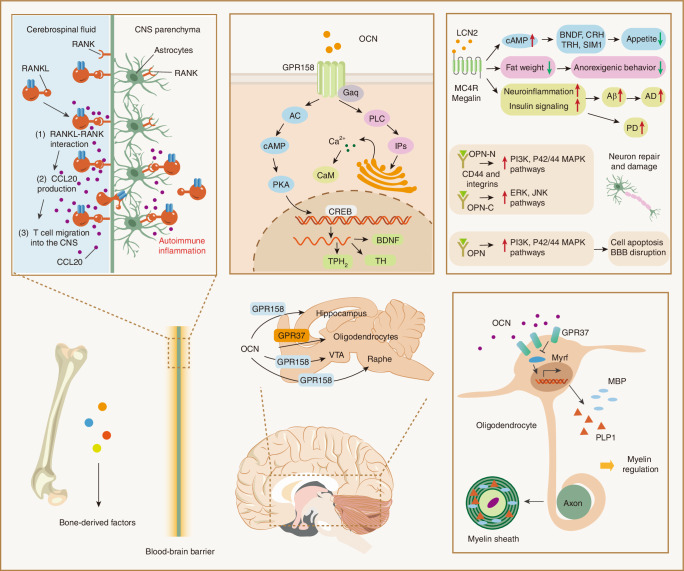
“169 GPR158, the fi rst identi fi ed CNS-resident OCN receptor, is constitutively expressed in primary cortical domains, the retro-splenial area, and the ventral tegmental area, governing sensorimotor integration and auditory processing.”
Andrukhova, O., Zeitz, U., Goetz, R., Mohammadi, M., Lanske, B., & Erben, R. G. (2012) · Bone · doi:10.1016/j.bone.2012.05.015 · Cited by 226
Osteocalcin is necessary and sufficient to maintain muscle mass in older mice
Mera, P., Laue, K., Wei, J., Berger, J. M., & Karsenty, G. (2016) · Molecular Metabolism · doi:10.1016/j.molmet.2016.07.002 · Cited by 223
Desbois, C., Hogue, D. A., & Karsenty, G. (1994) · Journal of Biological Chemistry · doi:10.1016/s0021-9258(17)42240-x · Cited by 219 · cited 1×
“43,44 The Bglap and Bglap2 genes exhibit osteoblast-restricted transcriptional activity, whereas Bglap3 demonstrates ectopic expression in non-osseous anatomical sites (renal parenchyma, pulmonary tissue, male reproductive organs).”
Ikeda, T., Kasai, M., Utsuyama, M., & Hirokawa, K. (2001) · Endocrinology · doi:10.1210/endo.142.4.8070 · Cited by 215 · cited 1×
“82 sRANKL is also generated by the matrix-metalloproteinase 14 (MMP14), which directly cleaves the ectodomain of the membrane-anchored RANKL and transforms it into a soluble form.”
GPRC6A mediates responses to osteocalcin in β-cells in vitro and pancreas in vivo
Pi, M., Wu, Y., & Quarles, L. D. (2011) · Journal of Bone and Mineral Research · doi:10.1002/jbmr.390 · Cited by 215 · cited 1×
“111 Furthermore, speci fi cally inactivated the Gprc6a gene in the β -cell lineage ( Gprc6a Pdx1 mice) demonstrated the GPRC6A in receiving OCN signal and responding in a cyclin-D1 dependent manner.”
Osteopontin Takes Center Stage in Chronic Liver Disease
Song, Z., Chen, W., Athavale, D., Ge, X., Desert, R., Das, S., Han, H., & Nieto, N. (2021) · Hepatology · doi:10.1002/hep.31582 · Cited by 213 · cited 1×
“161 Epididymal white adipose tissue-resident macrophages constitute a cellular source of OPN, which undergoes endocrine transport to the osseous niche.”
Molecular genetics and targeted therapy of WNT-related human diseases (Review)
Katoh, M., & Katoh, M. (2017) · International Journal of Molecular Medicine · doi:10.3892/ijmm.2017.3071 · Cited by 207
α-Klotho Expression in Human Tissues
Lim, K., Groen, A., Molostvov, G., Lu, T., Lilley, K. S., Snead, D., James, S., Wilkinson, I. B., Ting, S., Hsiao, L.-L., et al. (2015) · The Journal of Clinical Endocrinology & Metabolism · doi:10.1210/jc.2015-1800 · Cited by 204 · cited 1×
“235 Because α Klotho shows tissue-speci fi c expression in human samples with high expression in kidney and renal artery, 236 this may explain the mainly endocrine functions of FGF23 in kidney.”
Hesse, M., Fröhlich, L. F., Zeitz, U., Lanske, B., & Erben, R. G. (2007) · Matrix Biology · doi:10.1016/j.matbio.2006.10.003 · Cited by 198
RANK, RANKL and osteoprotegerin in bone biology and disease
Wright, H. L., McCarthy, H. S., Middleton, J., & Marshall, M. J. (2009) · Current Reviews in Musculoskeletal Medicine · doi:10.1007/s12178-009-9046-7 · Cited by 194 · cited 2×
“80 The loss of Kindlin-2 resulted in elevated RANKL expression in osteocytes, subsequently enhancing osteo-clastogenesis and bone resorption.”
Yu, Y., Wang, L., Ni, S., Li, D., Liu, J., Chu, H. Y., Zhang, N., Sun, M., Li, N., Ren, Q., et al. (2022) · Nature Communications · doi:10.1038/s41467-022-31997-8 · Cited by 192 · cited 1×
“213 One of the genes regulated by SOST is vascular endothelial growth factor (VEGF), a key angiogenic factor.”
Mucha, M., Skrzypiec, A. E., Schiavon, E., Attwood, B. K., Kucerova, E., & Pawlak, R. (2011) · Proceedings of the National Academy of Sciences · doi:10.1073/pnas.1107936108 · Cited by 189 · cited 1×
“Mucha et al. 181 found that stress-induced LCN2 upregulation in murine hippocampal circuits precipitated dendritic spine attrition and neuronal hyperexcitability, manifesting as anxiety-like behavioral phenotypes.”
FGF23 signalling and physiology
Ho, B. B., & Bergwitz, C. (2021) · Journal of Molecular Endocrinology · doi:10.1530/jme-20-0178 · Cited by 180
The osteocyte: A multifunctional cell within the bone
Tresguerres, F. G. F., Torres, J., López-Quiles, J., Hernández, G., Vega, J. A., & Tresguerres, I. F. (2020) · Annals of Anatomy - Anatomischer Anzeiger · doi:10.1016/j.aanat.2019.151422 · Cited by 179
Estrogen deficiency‐mediated osteoimmunity in postmenopausal osteoporosis
Yao, Y., Cai, X. T., Chen, Y., Zhang, M., & Zheng, C. (2024) · Medicinal Research Reviews · doi:10.1002/med.22081 · Cited by 177
Sclerostin influences body composition by regulating catabolic and anabolic metabolism in adipocytes
Kim, S. P., Frey, J. L., Li, Z., Kushwaha, P., Zoch, M. L., Tomlinson, R. E., Da, H., Aja, S., Noh, H. L., Kim, J. K., et al. (2017) · Proceedings of the National Academy of Sciences · doi:10.1073/pnas.1707876115 · Cited by 176
Zhang, J., Valverde, P., Zhu, X., Murray, D., Wu, Y., Yu, L., Jiang, H., Dard, M. M., Huang, J., Xu, Z., et al. (2017) · Bone Research · doi:10.1038/boneres.2016.56 · Cited by 174 · cited 1×
“…and protein levels in murine bone tissues in a two-week voluntary wheel-running exercise model, which further leads to an increase in circulating Irisin levels in mice and fi nally contributes to osteogenesis and uncoupling protein 1 (UCP1)- mediated thermogenesis in adipose tissues 157 (Table 1).”
Specific bone cells produce DLL4 to generate thymus-seeding progenitors from bone marrow
Yu, V. W. C., Saez, B., Cook, C., Lotinun, S., Pardo-Saganta, A., Wang, Y.-H., Lymperi, S., Ferraro, F., Raaijmakers, M. H. G. P., Wu, J. Y., et al. (2015) · Journal of Experimental Medicine · doi:10.1084/jem.20141843 · Cited by 166
Hormone-Related and Drug-Induced Osteoporosis: A Cellular and Molecular Overview
Wang, L.-T., Chen, L.-R., & Chen, K.-H. (2023) · International Journal of Molecular Sciences · doi:10.3390/ijms24065814 · Cited by 166 · cited 1×
“50 In addition, OPN is overexpressed in skeletal muscle injuries that occur due to sports or trauma.”
FGF23 and klotho at the intersection of kidney and cardiovascular disease
Edmonston, D. L., Grabner, A., & Wolf, M. S. (2023) · Nature Reviews Cardiology · doi:10.1038/s41569-023-00903-0 · Cited by 164 · cited 1×
“209 One of the most important signaling pathways is the FGF23/FGFR1c/ Klotho pathway.”
Osteoprotegerin ligand: a regulator of immune responses and bone physiology
Kong, Y.-Y., Boyle, W. J., & Penninger, J. M. (2000) · Immunology Today · doi:10.1016/s0167-5699(00)01718-7 · Cited by 162 · cited 1×
“74,75 Molecularly, RANK is a type I transmembrane glycoprotein and mainly expressed in osteoclast precursors, mature osteoclasts, epithelial cells, hypertrophic chondrocytes, and immune cells such as DCs, macrophages, and microglia.”
D’Amico, L., Mahajan, S., Capietto, A.-H., Yang, Z., Zamani, A., Ricci, B., Bumpass, D. B., Meyer, M., Su, X., Wang-Gillam, A., et al. (2016) · Journal of Experimental Medicine · doi:10.1084/jem.20150950 · Cited by 160 · cited 1×
“267 This bone-derived DKK1 subsequently stimulated the expansion of myeloid-derived suppressor cells both in the bone marrow and at tumor sites.”
Sepsis-Induced Osteoblast Ablation Causes Immunodeficiency
Terashima, A., Okamoto, K., Nakashima, T., Akira, S., Ikuta, K., & Takayanagi, H. (2016) · Immunity · doi:10.1016/j.immuni.2016.05.012 · Cited by 157
Autoregulation of Osteocyte Sema3A Orchestrates Estrogen Action and Counteracts Bone Aging
Hayashi, M., Nakashima, T., Yoshimura, N., Okamoto, K., Tanaka, S., & Takayanagi, H. (2019) · Cell Metabolism · doi:10.1016/j.cmet.2018.12.021 · Cited by 156 · cited 1×
“105 Sphingosine-1-phosphate (S1P) functions as a coupling factor between osteoclasts and osteoblasts, facilitating osteoblast proliferation and enhancing bone formation.”
The Role of Osteoprotegerin and Its Ligands in Vascular Function
Rochette, L., Méloux, A., Rigal, E., Zeller, M., Cottin, Y., & Vergely, C. (2019) · International Journal of Molecular Sciences · doi:10.3390/ijms20030705 · Cited by 156 · cited 1×
“206 Initially, increased OPG concentration may re fl ect the vascular wall ’ s response to damaging stimuli; however, sustained high levels can activate detrimental OPG pathways, resulting in vascular injury and atherosclerosis.”
Macrophage-derived osteopontin (SPP1) protects from nonalcoholic steatohepatitis
Han, H., Ge, X., Komakula, S. S. B., Desert, R., Das, S., Song, Z., Chen, W., Athavale, D., Gaskell, H., Lantvit, D., et al. (2023) · Gastroenterology · doi:10.1053/j.gastro.2023.03.228 · Cited by 155 · cited 1×
“186 OPN de fi ciency disrupts macrophage chemotaxis and proin fl ammatory cytokine synthesis, 187 while its presence stimulates myelinogenesis and remyelination, critical for repairing aberrant neuronal circuits in AD.”
Sclerostin's role in bone's adaptive response to mechanical loading
Galea, G. L., Lanyon, L. E., & Price, J. S. (2017) · Bone · doi:10.1016/j.bone.2016.10.008 · Cited by 154 · cited 1×
“273 Research has shown that the elimination of sclerostin activity can signi fi cantly enhance bone mass across various animal models, as previously discussed in this review.”
Yim, A., Smith, C., & Brown, A. M. (2022) · Immunological Reviews · doi:10.1111/imr.13081 · Cited by 153
Current use of bone turnover markers in the management of osteoporosis
Brown, J. P., Don-Wauchope, A., Douville, P., Albert, C., & Vasikaran, S. D. (2022) · Clinical Biochemistry · doi:10.1016/j.clinbiochem.2022.09.002 · Cited by 153 · cited 1×
“20 Circulating levels of bone-derived elements and their catabolites serve as measurable indicators of resorptive activity.”
Roles of focal adhesion proteins in skeleton and diseases
Chen, S., He, T., Zhong, Y., Chen, M., Yao, Q., Chen, D., Shao, Z., & Xiao, G. (2023) · Acta Pharmaceutica Sinica B · doi:10.1016/j.apsb.2022.09.020 · Cited by 152 · cited 1×
“16 Bone resorption commences with osteoclast-mediated resorption of discrete bone volumes at anatomically de fi ned skeletal sites, generating resorption pits (Howship ’ s lacunae).”
Self-citationMorena-Carrere, M., Jaussent, I., Dupuy, A., Bargnoux, A., Kuster, N., Chénine, L., Leray‐Moragues, H., Klouche, K., Vernhet, H., Canaud, B., et al. (2015) · Nephrology Dialysis Transplantation · doi:10.1093/ndt/gfv081 · Cited by 145
Muscle-derived interleukin 6 increases exercise capacity by signaling in osteoblasts
Chowdhury, S., Schulz, L., Palmisano, B., Singh, P., Berger, J. M., Yadav, V. K., Mera, P., Ellingsgaard, H., Hidalgo, J., Brüning, J., et al. (2020) · Journal of Clinical Investigation · doi:10.1172/jci133572 · Cited by 144 · cited 2×
“120 As a result, this feedback loop forms a muscle-bone-muscle endocrine axis that is necessary to increase muscle function during exercise in rodents and humans.”
FGFR3 and FGFR4 Do not Mediate Renal Effects of FGF23
Liu, S., Vierthaler, L., Tang, W., Zhou, J., & Quarles, L. D. (2008) · Journal of the American Society of Nephrology · doi:10.1681/asn.2007121301 · Cited by 143
PARFITT, A. M. (1977) · Clinical Orthopaedics and Related Research · doi:10.1097/00003086-197709000-00036 · Cited by 141
A novel role for osteopontin in macrophage-mediated amyloid-β clearance in Alzheimer’s models
Rentsendorj, A., Sheyn, J., Fuchs, D.-T., Daley, D., Salumbides, B. C., Schubloom, H. E., Hart, N. J., Li, S., Hayden, E. Y., Teplow, D. B., et al. (2018) · Brain, Behavior, and Immunity · doi:10.1016/j.bbi.2017.08.019 · Cited by 141 · cited 1×
“184 Research using a rat model of intravascular perforation has shown that the endogenous OPN and autophagy-related proteins are elevated, suggesting that OPN promotes the function of autophagy to inhibit early brain damage and neuronal apoptosis.”
The skeletal cell‐derived molecule sclerostin drives bone marrow adipogenesis
Fairfield, H., Falank, C., Harris, E., Demambro, V., McDonald, M., Pettitt, J. A., Mohanty, S. T., Croucher, P., Kramer, I., Kneissel, M., et al. (2018) · Journal of Cellular Physiology · doi:10.1002/jcp.25976 · Cited by 140
Regulation of renal phosphate transport by FGF23 is mediated by FGFR1 and FGFR4
Gattineni, J., Alphonse, P., Zhang, Q., Mathews, N., Bates, C. M., & Baum, M. (2014) · American Journal of Physiology-Renal Physiology · doi:10.1152/ajprenal.00232.2013 · Cited by 138
An osteocalcin-deficient mouse strain without endocrine abnormalities
Diegel, C. R., Hann, S., Ayturk, U. M., Hu, J. C. W., Lim, K.-E., Droscha, C. J., Madaj, Z. B., Foxa, G. E., Izaguirre, I., Transgenics Core, V. V. A., et al. (2020) · PLOS Genetics · doi:10.1371/journal.pgen.1008361 · Cited by 134
OPG/RANKL/RANK axis is a critical inflammatory signaling system in ischemic brain in mice
Shimamura, M., Nakagami, H., Osako, M. K., Kurinami, H., Koriyama, H., Zhengda, P., Tomioka, H., Tenma, A., Wakayama, K., & Morishita, R. (2014) · Proceedings of the National Academy of Sciences · doi:10.1073/pnas.1400544111 · Cited by 133
Uaesoontrachoon, K., Yoo, H.-J., Tudor, E. M., Pike, R. N., Mackie, E. J., & Pagel, C. N. (2008) · The International Journal of Biochemistry & Cell Biology · doi:10.1016/j.biocel.2008.03.020 · Cited by 131 · cited 1×
“52,53 It can enhance muscle healing after injury by activating matrix metalloproteinase (MMP) and TGF-β pathways.”
Daniele, G., Winnier, D., Mari, A., Bruder, J., Fourcaudot, M., Pengou, Z., Tripathy, D., Jenkinson, C., & Folli, F. (2015) · Diabetes Care · doi:10.2337/dc14-2989 · Cited by 125 · cited 1×
“128 Similarly, sclerostin also regulates the metabolism in mouse adipose tissues.”
Update on the Biology of Osteocalcin
Karsenty, G. (2017) · Endocrine Practice · doi:10.4158/ep171966.ra · Cited by 124 · cited 3×
“42 Additionally, there was a decrease in the frequency of litters.”
InfluentialHeat, Hydration and the Human Brain, Heart and Skeletal Muscles
Trangmar, S. J., & González-Alonso, J. (2019) · Sports Medicine · doi:10.1007/s40279-018-1033-y · Cited by 121 · cited 1×
“166 Emerging translational evidence has established bidirectional regulatory crosstalk between osseous and neural systems, wherein skeletal homeostasis critically modulates neuro-developmental trajectories and cognitive performance.”
Kindlin-2 controls TGF-β signalling and Sox9 expression to regulate chondrogenesis
Wu, C., Jiao, H., Lai, Y., Zheng, W., Chen, K., Qu, H., Deng, W., Song, P., Zhu, K., Cao, H., et al. (2015) · Nature Communications · doi:10.1038/ncomms8531 · Cited by 120
Self-citationPathogenic Upregulation of Glial Lipocalin-2 in the Parkinsonian Dopaminergic System
Kim, B.-W., Jeong, K. H., Kim, J.-H., Jin, M., Kim, J.-H., Lee, M.-G., Choi, D.-K., Won, S.-Y., McLean, C., Jeon, M.-T., et al. (2016) · The Journal of Neuroscience · doi:10.1523/jneurosci.4261-15.2016 · Cited by 117 · cited 1×
“178 Therefore, developing regulatory methods for LCN2 or inhibitors of LCN2-induced neurotoxicity and neuroin fl ammation may be bene fi cial for treating PD. Clinical biomarker pro fi ling revealed circulating LCN2 concentrations demonstrate signi fi cant elevation during the hyperacute phase of acute…”
Lipocalin-2 counteracts metabolic dysregulation in obesity and diabetes
Mosialou, I., Shikhel, S., Luo, N., Πετροπούλου, Π.-Ι., Panitsas, K., Bisikirska, B. C., Rothman, N. J., Τέντα, Ρ., Cariou, B., Wargny, M., et al. (2020) · The Journal of Experimental Medicine · doi:10.1084/jem.20191261 · Cited by 111 · cited 4×
“154 Furthermore, in vivo studies showed that over-expressing LCN2 (Col1 α 1-Lcn2Tg) in osteoblasts decreases food intake and fat mass as well as improves glucose metabolism.”
InfluentialRegulation of male fertility by the bone-derived hormone osteocalcin
Karsenty, G., & Oury, F. (2014) · Molecular and Cellular Endocrinology · doi:10.1016/j.mce.2013.10.008 · Cited by 110 · cited 1×
“223,224 Similarly, FGF23 has been demonstrated to interact with other signaling molecules, such as BMP and Wnt, altering their down-stream effects on reproductive tissues.”
Receptor Activator of NF-κB Ligand Regulates the Proliferation of Mammary Epithelial Cells via Id2
Kim, N.-S., Kim, H.-J., Koo, B.-K., Kwon, M.-C., Kim, Y.-W., Cho, Y., Yokota, Y., Penninger, J. M., & Kong, Y.-Y. (2006) · Molecular and Cellular Biology · doi:10.1128/mcb.26.3.1002-1013.2006 · Cited by 110
Qiao, W., Pan, D., Zheng, Y., Wu, S., Liu, X., Chen, Z., Wan, M., Feng, S., Cheung, K., Yeung, K., et al. (2022) · Nature Communications · doi:10.1038/s41467-022-28203-0 · Cited by 108 · cited 1×
“92 Therefore, PGE2 demonstrates mechanotransduction capabilities by mediating biomechanical-biochemical signal integration through skeletal somatosensory networks.”
Osteocalcin: A Multifaceted Bone-Derived Hormone
Karsenty, G. (2023) · Annual Review of Nutrition · doi:10.1146/annurev-nutr-061121-091348 · Cited by 108 · cited 3×
“…is primarily synthesized by mature osteoblasts and plays a crucial role in a variety of regulatory functions, including bone formation, mineralization, and muscle mass. 13 Generally, OCN has two different forms, carboxylated osteocalcin (cOCN) and undercarboxylated osteocalcin (ucOCN) in bodies.”
InfluentialSignaling pathway for adiponectin expression in adipocytes by osteocalcin
Otani, T., Mizokami, A., Hayashi, Y., Gao, J., Mori, Y., Nakamura, S., Takeuchi, H., & Hirata, M. (2015) · Cellular Signalling · doi:10.1016/j.cellsig.2014.12.018 · Cited by 107 · cited 3×
“113 Interest-ingly, all of these protective mechanisms that lead to adiponectin expression were only reported in ucOCN low-dose ( ≤ 10 ng/ml) treatment, high-dose ( ≥ 20 ng/ml) ucOCN induced upregulation of FasL at the plasma membrane of 3T3-L1 adipocytes, which further activated CREB-p300 and…”
InfluentialSclerostin: from bench to bedside
Tanaka, S., & Matsumoto, T. (2020) · Journal of Bone and Mineral Metabolism · doi:10.1007/s00774-020-01176-0 · Cited by 105 · cited 1×
“57 When sclerostin binds to LRP5/6 receptors, it prevents the recruitment of co-receptors essential for Wnt signaling transduction, leading to the degradation of β -catenin and the inhibition of osteoblasto-genesis.”
Guerrini, M. M., Okamoto, K., Komatsu, N., Sawa, S., Danks, L., Penninger, J. M., Nakashima, T., & Takayanagi, H. (2015) · Immunity · doi:10.1016/j.immuni.2015.10.017 · Cited by 103
Dickkopf-1: Current knowledge and related diseases
Huang, Y., Liu, L., & Liu, A. (2018) · Life Sciences · doi:10.1016/j.lfs.2018.08.019 · Cited by 103 · cited 1×
“139 DKK1 functions as a canonical antagonist of Wnt signaling by competitively binding to LRP5/6 co-receptors, thereby disrupting ligand-receptor complex formation through induced co-receptor internalization from the cell surface.”
Magnesium Enhances Osteogenesis of BMSCs by Tuning Osteoimmunomodulation
Zhang, X., Chen, Q., & Mao, X. (2019) · BioMed Research International · doi:10.1155/2019/7908205 · Cited by 101
BMP4 and Gremlin 1 regulate hepatic cell senescence during clinical progression of NAFLD/NASH
Baboota, R. K., Rawshani, A., Bonnet, L., Li, X., Yang, H., Mardinoglu, A., Tchkonia, T., Kirkland, J. L., Hoffmann, A., Dietrich, A., et al. (2022) · Nature Metabolism · doi:10.1038/s42255-022-00620-x · Cited by 99 · cited 1×
“164 In HFD mouse liver, BMP9 can improve glucose and lipid metabolism, decrease in fl ammatory responses, and reshape chromatin accessibility, resulting in alleviating NAFLD phenotype in mice.”
Hu, X., Wang, Z., Wang, W., Cui, P., Kong, C., Chen, X., & Lu, S. (2023) · Journal of Advanced Research · doi:10.1016/j.jare.2023.09.001 · Cited by 99 · cited 1×
“23 BDFs, such as C-terminal telopeptide (CTX), procollagen one amino-terminal propeptide (P1NP), osteocalcin, osteopontin (OPN), sclerostin, receptor activator of nuclear factor kappa B Ligand (RANKL), prostaglandin E2 (PGE2) and bone morphogenetic proteins (BMPs), play crucial roles in these…”
Fulzele, K., Lai, F., Dedic, C., Saini, V., Uda, Y., Shi, C., Tuck, P., Aronson, J. L., Liu, X., Spatz, J. M., et al. (2017) · Journal of Bone and Mineral Research · doi:10.1002/jbmr.3001 · Cited by 98 · cited 1×
“132 These opposite effects on fat mass could be due to the effects of Gs α in multiple hormonal pathways for adipocyte regulation.”
Liu, Y., Kodithuwakku, S. P., Ng, P.-Y., Chai, J., Ng, E. H. Y., Yeung, W. S. B., Ho, P.-C., & Lee, K.-F. (2010) · Human Reproduction · doi:10.1093/humrep/dep429 · Cited by 97 · cited 1×
“228,229 RANKL, a member of the tumor necrosis factor superfamily, has also been shown to affect gonadal steroidogenesis by interacting with its receptor RANK on Leydig cells.”
Dickkopf-1 Promotes Hyperglycemia–Induced Accumulation of Mesangial Matrix and Renal Dysfunction
Lin, C., Wang, J., Ko, J., Huang, Y., Kuo, Y.-H., & Wang, F. (2009) · Journal of the American Society of Nephrology · doi:10.1681/asn.2008101059 · Cited by 96 · cited 1×
“252 In addition, LCN2 has been used as a biomarker for acute and chronic renal injury.”
Lambert, L. J., Challa, A. K., Niu, A., Zhou, L., Tucholski, J., Johnson, M. S., Nagy, T. R., Eberhardt, A. W., Estep, P. N., Kesterson, R. A., et al. (2016) · Disease Models & Mechanisms · doi:10.1242/dmm.025247 · Cited by 96 · cited 1×
“39,40 Paradoxical to its classical characterization as a bone matrix mineralization suppressor, osteocalcin upregulation demonstrates biomechanical competence augmentation under mechanical loading conditions.”
Crosstalk of Brain and Bone—Clinical Observations and Their Molecular Bases
Otto, E., Knapstein, P., Jahn, D., Appelt, J., Frosch, K., Tsitsilonis, S., & Keller, J. (2020) · International Journal of Molecular Sciences · doi:10.3390/ijms21144946 · Cited by 94 · cited 1×
“167 Pathological bone remodeling correlates with neurological dysfunction progression, with recent studies delineating neurotropic regulatory capacity of BDFs including OCN, LCN2 and OPN in neurodegenerative pathologies (Fig.”
Mechanical stress induces Interleukin-11 expression to stimulate osteoblast differentiation
Kido, S., Kuriwaka-Kido, R., Imamura, T., Ito, Y., Inoue, D., & Matsumoto, T. (2009) · Bone · doi:10.1016/j.bone.2009.07.087 · Cited by 91 · cited 1×
“155 These stimulated upregulation of IL-11 proteins from osteoblasts have two distinct functions: in bone, IL-11 enhances osteogenesis locally by inhibiting sclerostin, resulting in increased bone mass; in the adipose tissue, IL-11 suppresses the expression of Wnt inhibitor, Dkk1 and 2, ending up…”
Qian, Z., Li, H., Yang, H., Yang, Q., Lu, Z., Wang, L., Chen, Y., & Li, X. (2021) · Science Advances · doi:10.1126/sciadv.abi5811 · Cited by 88 · cited 2×
“171 OCN was reported to have essential regulatory functions in myelin thickness and myelin sheath severity.”
Bone-organ axes: bidirectional crosstalk
Deng, A.-F., Wang, F., Wang, S., Zhang, Y., Bai, L., & Su, J. (2024) · Military Medical Research · doi:10.1186/s40779-024-00540-9 · Cited by 88
Macrophages in epididymal adipose tissue secrete osteopontin to regulate bone homeostasis
Dai, B., Xu, J., Li, X., Huang, L., Hopkins, C., Wang, H., Yao, H., Mi, J., Zheng, L., Wang, J., et al. (2022) · Nature Communications · doi:10.1038/s41467-021-27683-w · Cited by 85 · cited 1×
“162 This adipokine mediates bone ECM remodeling through paracrine activation of osteoclast-mediated resorptive activity.”
Self-citationZhao, R., Wei, P., Sun, X., Zhang, D., He, Q., Liu, J., Chang, J., Yang, Y. R., & Guo, Z. (2023) · Neurobiology of Disease · doi:10.1016/j.nbd.2023.106044 · Cited by 81 · cited 2×
“177 LCN2 was initially believed to be an adipokine mainly expressed in adipose tissues and induced by dexamethasone (Dex) and TNF-α .”
Transcriptional control of Sost in bone
Sebastian, A., & Loots, G. G. (2017) · Bone · doi:10.1016/j.bone.2016.10.009 · Cited by 80 · cited 1×
“64 Consequently, bone-targeted Sost inhibition warrants careful consideration in treatment strategies.”
Dickkopf signaling, beyond Wnt-mediated biology
Kikuchi, A., Matsumoto, S., & Sada, R. (2021) · Seminars in Cell and Developmental Biology · doi:10.1016/j.semcdb.2021.11.003 · Cited by 79 · cited 1×
“140 Similar to the mechanism of sclerostin, DKK1 also inhibits the activation of canonical Wnt signals in targeted cells.”
Cadieux, B., Coleman, R. E., Jafarinasabian, P., Lipton, A., Orlowski, R. Z., Saad, F., Scagliotti, G. V., Shimizu, K., & Stopeck, A. (2022) · Journal of bone oncology · doi:10.1016/j.jbo.2022.100416 · Cited by 78
Fibroblast growth factor 23 and its role in phosphate homeostasis
Ramon, I., Kleynen, P., Body, J., & Karmali, R. (2009) · European Journal of Endocrinology · doi:10.1530/eje-09-0597 · Cited by 77 · cited 1×
“122 In both humans and mice, FGF23 contains 251 amino acids with a molecular weight of 32 kD.”
Focal adhesion protein Kindlin-2 regulates bone homeostasis in mice
Cao, H., Yan, Q., Wang, D., Lai, Y., Zhou, B., Zhang, Q., Jin, W., Lin, S., Lei, Y., Ma, L., et al. (2020) · Bone Research · doi:10.1038/s41413-019-0073-8 · Cited by 76 · cited 2×
“66 Mechanistically, Kindlin-2 ablation induced sclerostin hyperexpres-sion in osteocytes coupled with β -catenin suppression in osteoblasts, concomitantly suppressing osteoblastogenesis and lineage commitment.”
Self-citationThe role of sphingosine-1-phosphate in bone remodeling and osteoporosis
Grewe, J. M., Knapstein, P., Donat, A., Jiang, S., Smit, D. J., Xie, W., & Keller, J. (2022) · Bone Research · doi:10.1038/s41413-022-00205-0 · Cited by 76 · cited 1×
“106 It can be released from osteoclasts into the basic multicellular unit through the transporter SPNS2.”
Clinkenbeard, E. L., Cass, T. A., Ni, P., Hum, J. M., Bellido, T., Allen, M. R., & White, K. E. (2016) · Journal of Bone and Mineral Research · doi:10.1002/jbmr.2792 · Cited by 74 · cited 1×
“10,121 The primary function of FGF23 is to lower serum phosphate levels by reducing renal reabsorption of phosphate and the synthesis of 1,25-dihydroxyvitamin D (1,25(OH) 2 D 3 ).”
Regulation of fibroblast growth factor 23 ( FGF 23) in health and disease
Bär, L., Stournaras, C., Lang, F., & Föller, M. (2019) · FEBS Letters · doi:10.1002/1873-3468.13494 · Cited by 74
Clinical utility of bone markers in various diseases
Vlot, M. C., den Heijer, M., de Jongh, R. T., Vervloet, M. G., Lems, W. F., de Jonge, R., Obermayer-Pietsch, B. M., & Heijboer, A. C. (2018) · Bone · doi:10.1016/j.bone.2018.06.011 · Cited by 71 · cited 2×
“21 Afterwards, osteoblasts migrate to the resorption pit to commence bone formation through synthesis of osteoid matrix, a collagen-dense connective tissue framework, which becomes detectable in peripheral blood as bone formation biomarkers.”
Osteoblast/osteocyte-derived interleukin-11 regulates osteogenesis and systemic adipogenesis
Dong, B., Hiasa, M., Higa, Y., Ohnishi, Y., Endo, I., Kondo, T., Takashi, Y., Tsoumpra, M. K., Kainuma, R., Sawatsubashi, S., et al. (2022) · Nature Communications · doi:10.1038/s41467-022-34869-3 · Cited by 69 · cited 1×
“156 More-over, Irisin, known as one important myokine, is up-regulated at both mRNA and protein levels in murine bone tissues in a two-week voluntary wheel-running exercise model, which further leads to an increase in circulating Irisin levels in mice and fi nally contributes to osteogenesis and…”
Guedes, J. A. C., Esteves, J. V. D. C., Morais, M., Zorn, T. M. T., & Furuya, D. T. (2017) · Bone · doi:10.1016/j.bone.2017.11.020 · Cited by 68
Deis, J. A., Guo, H., Wu, Y., Liu, C., Bernlohr, D., & Chen, X. (2019) · Molecular Metabolism · doi:10.1016/j.molmet.2019.03.007 · Cited by 67 · cited 1×
“146,148 Importantly, it has been demonstrated that osteoblasts are the primary source of LCN2, whose expression in osteoblasts is at least 10-fold higher than that in white adipocytes.”
Cardiovascular Safety and Sclerostin Inhibition
Langdahl, B. L., Hofbauer, L. C., & Forfar, J. C. (2021) · The Journal of Clinical Endocrinology & Metabolism · doi:10.1210/clinem/dgab193 · Cited by 67 · cited 1×
“214 However, the role of sclerostin varies in different physiological contexts.”
Dutka, M., Bobiński, R., Wojakowski, W., Francuz, T., Pająk, C., & Zimmer, K. (2021) · Heart Failure Reviews · doi:10.1007/s10741-021-10153-2 · Cited by 67 · cited 2×
“203 OPG exerts the above biological effects mainly by three signaling pathways in the endothelial cells.”
An integrated multi-omics analysis reveals osteokines involved in global regulation
Liang, W., Wei, T., Hu, L., Chen, M., Tong, L., Zhou, W., Duan, X., Zhao, X., Zhou, W., Jiang, Q., et al. (2024) · Cell Metabolism · doi:10.1016/j.cmet.2024.03.006 · Cited by 67
Self-citationAltered bone development and turnover in transgenic mice over‐expressing Lipocalin‐2 in bone
Costa, D., Lazzarini, E., Canciani, B., Giuliani, A., SpanÒ, R., Marozzi, K., Manescu, A., Cancedda, R., & Tavella, S. (2013) · Journal of Cellular Physiology · doi:10.1002/jcp.24391 · Cited by 66 · cited 2×
“150 The study showed that over-expression of LCN2 (LCN2-Tg) in bone resulted in thinner cortical bone and reduced trabecular numbers, which is due to the increased osteoclast progenitors and reduced osteoblast differentiation followed by LCN2-induced RANKL and IL-6 expression in these Tg mice.”
Neutralization of Lipocalin-2 Diminishes Stroke-Reperfusion Injury
Wang, G., Weng, Y., Chiang, I., Huang, Y., Liao, Y.-C., Chen, Y., Kao, C., Liu, Y., Lee, T., & Chou, W. (2020) · International Journal of Molecular Sciences · doi:10.3390/ijms21176253 · Cited by 66 · cited 1×
“177 In a mice model of ischemic stroke, LCN2 in serum was strikingly increased after stroke but decreased post-ische-mia, 179 which could be considered as an early blood biomarker for stroke.”
Lipocalin-2 is an anorexigenic signal in primates
Πετροπούλου, Π.-Ι., Mosialou, I., Shikhel, S., Hao, L., Panitsas, K., Bisikirska, B. C., Luo, N., Bahna, F. A., Kim, J., Carberry, P., et al. (2020) · eLife · doi:10.7554/elife.58949 · Cited by 65 · cited 1×
“152 The secreted LCN2 can cross the blood-brain barrier, 153 bind and activate the melanocortin four receptor (MC4R) of neurons from the hypothalamus, and inhibit food intake.”
Capulli, M., Ponzetti, M., Maurizi, A., Piperni, S. G., Berger, T., Mak, T. W., Teti, A. M., & Rucci, N. (2018) · Journal of Bone and Mineral Research · doi:10.1002/jbmr.3406 · Cited by 64 · cited 3×
“151 Osteoblastic LCN2 coordinates systemic glycemic control through endocrine crosstalk mechanisms.”
InfluentialAsaf, S., Maqsood, F., Jalil, J., Sarfraz, Z., Sarfraz, A., Mustafa, S., & Chérrez-Ojeda, I. (2022) · Immunologic Research · doi:10.1007/s12026-022-09352-2 · Cited by 64
Role of Sclerostin in Cardiovascular Disease
Golledge, J., & Thanigaimani, S. (2022) · Arteriosclerosis Thrombosis and Vascular Biology · doi:10.1161/atvbaha.122.317635 · Cited by 63 · cited 1×
“215 Several investigations indicated that serum sclerostin levels exhibited a positive correlation with arterial calci fi cation, arterial stiffness, and the severity of atherosclerosis.”
Lipocalin 2 stimulates bone fibroblast growth factor 23 production in chronic kidney disease
Courbon, G., Francis, C. P., Gerber, C., Neuburg, S., Wang, X., Lynch, E. P., Isakova, T., Babitt, J. L., Wolf, M. S., Martin, A., et al. (2021) · Bone Research · doi:10.1038/s41413-021-00154-0 · Cited by 62
Kanazawa, I., Tanaka, K.-I., Ogawa, N., Yamauchi, M., Yamaguchi, T., & Sugimoto, T. (2012) · Osteoporosis International · doi:10.1007/s00198-012-2017-7 · Cited by 59
The anti-DKK1 antibody DKN-01 as an immunomodulatory combination partner for the treatment of cancer
Wall, J., Klempner, S. J., & Arend, R. C. (2020) · Expert Opinion on Investigational Drugs · doi:10.1080/13543784.2020.1769065 · Cited by 59
FGF 23 is associated with disease severity and prognosis in chronic heart failure
Poelzl, G., Trenkler, C., Kliebhan, J., Würtinger, P., Seger, C., Kaser, S., Mayer, G. J., Pirklbauer, M., Ulmer, H., & Griesmacher, A. (2014) · European Journal of Clinical Investigation · doi:10.1111/eci.12349 · Cited by 58 · cited 1×
“208 FGF23 can regulate cardio-vascular function through various signaling pathways.”
The Roadmap of RANKL/RANK Pathway in Cancer
Casimiro, S., Vilhais, G., Gomes, I., & Costa, L. (2021) · Cells · doi:10.3390/cells10081978 · Cited by 58 · cited 1×
“269,270 By binding to RANKL, denosumab effectively obstructs the formation, function, and longevity of osteoclasts, thus leading to a reduction in bone resorption.”
Bone marrow plasma cells require P2RX4 to sense extracellular ATP
Ishikawa, M., Hasanali, Z. S., Zhao, Y., Das, A., Lavaert, M., Roman, C. J., Londregan, J., Allman, D., & Bhandoola, A. (2024) · Nature · doi:10.1038/s41586-024-07047-2 · Cited by 56
Osteocalcin triggers Fas/FasL-mediated necroptosis in adipocytes via activation of p300
Otani, T., Matsuda, M., Mizokami, A., Kitagawa, N., Takeuchi, H., Jimi, E., Inai, T., & Hirata, M. (2018) · Cell Death and Disease · doi:10.1038/s41419-018-1257-7 · Cited by 55 · cited 1×
“114 Moreover, published studies indicate that OCN regulates white adipose tissue (WAT) and brown adipose tissue (BAT) through different mechanisms.”
Søe, K. (2020) · International Journal of Molecular Sciences · doi:10.3390/ijms21207717 · Cited by 55 · cited 1×
“29 Post-resorption, osteoclasts initiate programmed cell death.”
Gao, F., Hu, Q., Chen, W., Li, J., Qi, C., Yan, Y., Qian, C., Wan, M., Ficke, J. R., Zheng, J., et al. (2024) · Bone Research · doi:10.1038/s41413-024-00316-w · Cited by 55 · cited 1×
“90 Pharmacological suppression of prostaglandin bio-synthesis compromises bone mechanosensing capacity.”
Self-citationIdentification of Sclerostin as a Putative New Myokine Involved in the Muscle-to-Bone Crosstalk
Magarò, M. S., Bertacchini, J., Florio, F., Zavatti, M., Potì, F., Cavani, F., Amore, E., Santis, I. D., Bevilacqua, A., Bonetti, L. R., et al. (2021) · Biomedicines · doi:10.3390/biomedicines9010071 · Cited by 54
Kim, S. P., Da, H., Li, Z., Kushwaha, P., Beil, C., Mei, L., Xiong, W.-C., Wolfgang, M. J., Clemens, T. L., & Riddle, R. C. (2019) · Journal of Biological Chemistry · doi:10.1074/jbc.ra118.006769 · Cited by 51 · cited 4×
“134 Interestingly, Lrp4 AdipoQ mice displayed increased glucose and insulin tolerance and reduced serum fatty acids, which resembled the effect of sclerostin de fi ciency on whole-body metabolism.”
InfluentialMelero‐Jerez, C., Fernández‐Gómez, B., Lebrón‐Galán, R., Ortega, M. C., Lara, I. S., Ojalvo‐Sanz, A. C., Clemente, D., & de Castro, F. (2020) · Glia · doi:10.1002/glia.23936 · Cited by 49
Skeleton-secreted PDGF-BB mediates arterial stiffening
Santhanam, L., Liu, G., Jandu, S., Su, W., Wodu, B. P., Savage, W., Poe, A., Liu, X., Alexander, L. M., Cao, X., et al. (2021) · Journal of Clinical Investigation · doi:10.1172/jci147116 · Cited by 49
Bone-derived PDGF-BB drives brain vascular calcification in male mice
Wang, J., Fang, C.-L., Noller, K., Wei, Z., Liu, G., Shen, K., Song, K., Cao, X., & Wan, M. (2023) · Journal of Clinical Investigation · doi:10.1172/jci168447 · Cited by 49 · cited 1×
“196 PDGF-BB is one of the most active cytokines in the PDGF family.”
Guo, X.-Z., Shan, C., Hou, Y.-F., Zhu, G., Tao, B., Sun, L.-H., Zhao, H.-Y., Ning, G., Li, S.-T., & Liu, J.-M. (2018) · Frontiers in Molecular Neuroscience · doi:10.3389/fnmol.2018.00343 · Cited by 48
Protein Palmitoylation Regulates Osteoblast Differentiation through BMP-Induced Osterix Expression
Leong, W. F., Zhou, T., Lim, G. L., & Li, B. (2009) · PLoS ONE · doi:10.1371/journal.pone.0004135 · Cited by 47 · cited 2×
“48 BMPs regulate bone formation by promoting osteoblast differentiation.”
LRP5: From bedside to bench to bone
Williams, B. O. (2017) · Bone · doi:10.1016/j.bone.2017.03.044 · Cited by 46 · cited 1×
“58 Sclerostin downregulates the expression of alkaline phosphatase, a key enzyme involved in mineralization, leading to a reduction in bone mineralization.”
Sun, C., Enkhjargal, B., Reis, C., Zhou, K., Xie, Z., Wu, L., Zhang, T., Zhu, Q., Tang, J., Jiang, X., et al. (2019) · CNS Neuroscience & Therapeutics · doi:10.1111/cns.13199 · Cited by 46 · cited 1×
“185 In cerebral hemorrhage models, OPN upregulation induces microglial and macrophage activation, driving neuroblast migration and proliferation to enhance neural regeneration and functional recovery.”
Metabolomic Associations with Serum Bone Turnover Markers
Bellissimo, M. P., Roberts, J. L., Jones, D. P., Liu, K., Taibl, K. R., Uppal, K., Weitzmann, M. N., Pacifici, R., Drissi, H., Ziegler, T. R., et al. (2020) · Nutrients · doi:10.3390/nu12103161 · Cited by 46 · cited 1×
“27 This temporal regulation of biomarker synthesis mechanistically explains the discrepant serum concentration pro fi les observed during osteoblast differentiation.”
LIM domain proteins Pinch1/2 regulate chondrogenesis and bone mass in mice
Lei, Y., Fu, X., Li, P., Lin, S., Yan, Q., Lai, Y., Liu, X., Wang, Y., Bai, X., Liu, C., et al. (2020) · Bone Research · doi:10.1038/s41413-020-00108-y · Cited by 45 · cited 1×
“68, 84 The human monoclonal antibody Denosumab (anti-RANKL neutralizing agent) has attained therapeutic approval for managing osteoporosis and malignancy-associated skeletal pathologies, demonstrating targeted RANKL inhibition ef fi cacy across international clinical practice settings.”
Self-citationRole of iron and iron‐related proteins in mesenchymal stem cells: Cellular and clinical aspects
Mehta, K. J. (2021) · Journal of Cellular Physiology · doi:10.1002/jcp.30383 · Cited by 45
Circadian Regulation of Bone Remodeling
Kikyo, N. (2024) · International Journal of Molecular Sciences · doi:10.3390/ijms25094717 · Cited by 45 · cited 1×
“18,19 Catabolized components are trans-located into systemic circulation, with partial renal elimination through urinary excretion.”
Focal adhesion proteins Pinch1 and Pinch2 regulate bone homeostasis in mice
Wang, Y., Yan, Q., Zhao, Y., Liu, X., Lin, S., Zhang, P., Ma, L., Lai, Y., Bai, X., Liu, C., et al. (2019) · JCI Insight · doi:10.1172/jci.insight.131692 · Cited by 44 · cited 2×
“68 Muscles, akin to bones, have been identi fi ed as endocrine organs due to their ability to produce and release hormone-like substances that can in fl uence each other and other tissues, leading to a concept known as “ bone – muscle crosstalk “ .”
Self-citationDifferential regulation of osteopontin and CD44 correlates with infertility status in PCOS patients
Paravati, R., Mello, N. D., Onyido, E. K., Francis, L. W., Brüsehafer, K., Younas, K., Spencer-Harty, S., Conlan, R. S., González, D., & Margarit, L. (2020) · Journal of Molecular Medicine · doi:10.1007/s00109-020-01985-w · Cited by 44 · cited 1×
“225,226 OPN affects prostaglandin E2 production in cumulus cells, which is required for ovulation.”
Liu, S. Z., Jemiolo, B., Lavin, K. M., Lester, B. E., Trappe, S. W., & Trappe, T. A. (2016) · Journal of Applied Physiology · doi:10.1152/japplphysiol.00396.2015 · Cited by 43
Fibroblast growth factor‐2/platelet‐derived growth factor enhances atherosclerotic plaque stability
Mao, Y., Liu, X. Q., Song, Y., Zhai, C., Xu, X., Zhang, L., & Zhang, Y. (2019) · Journal of Cellular and Molecular Medicine · doi:10.1111/jcmm.14850 · Cited by 43 · cited 1×
“197,198 First, PDGF-BB can promote excessive proliferation of pulmonary artery smooth muscle cells via the PI3K/AKT signaling pathway, causing pulmonary arterial hypertension.”
Kindlin-2 mediates mechanotransduction in bone by regulating expression of Sclerostin in osteocytes
Qin, L., Fu, X., Ma, J., Lin, M., Zhang, P., Wang, Y., Yan, Q., Tao, C., Liu, W., Tang, B. H., et al. (2021) · Communications Biology · doi:10.1038/s42003-021-01950-4 · Cited by 42 · cited 1×
“67 Osteocytes de fi cient in Pinch and the bone slice cultures derived from Pinch knockout mice exhibited high levels of sclerostin, which signi fi cantly inhibited the differentiation of osteoblasts in primary BMSCs and calvarial cultures.”
Self-citationLi, Y., Fu, Y., Zhang, H., Wang, X., Chen, T., Wu, Y., Xu, X., Yang, S., Ji, P., & Song, J. (2022) · Advanced Healthcare Materials · doi:10.1002/adhm.202102807 · Cited by 42
Chang, Y., Lin, K., He, S.-R., Hsieh, M., Hsiao, J., & Shin, S. (2011) · Metabolism · doi:10.1016/j.metabol.2010.11.002 · Cited by 41
Lipocalin-2 in Diabetic Complications of the Nervous System: Physiology, Pathology, and Beyond
Bhusal, A., Lee, W., & Suk, K. (2021) · Frontiers in Physiology · doi:10.3389/fphys.2021.638112 · Cited by 40 · cited 1×
“176 LCN2 is also called neutrophil gelatinase-associated lipocalin (NGAL) because it was fi rst discovered in the gelatinase subcellular compartment of human neutrophils.”
Osteogenic Dkk1 Mediates Glucocorticoid-Induced but Not Arthritis-Induced Bone Loss
Colditz, J., Thiele, S., Baschant, U., Garbe, A. I., Niehrs, C., Hofbauer, L. C., & Rauner, M. (2019) · Journal of Bone and Mineral Research · doi:10.1002/jbmr.3702 · Cited by 39 · cited 1×
“142 In addition, loss of DKK1 in osteoprogenitor cells mitigated high-fat diet (HFD)- induced cortical porosity development and pathological marrow adipocyte expansion, while paradoxically inducing trabecular volume depletion characteristic of uncoupled metabolic osteo-pathy.”
Osteopontin as a candidate of therapeutic application for the acute brain injury
Zhou, Y., Yao, Y., Shen, L., Zhang, J., Zhang, J. H., & Shao, A. (2020) · Journal of Cellular and Molecular Medicine · doi:10.1111/jcmm.15641 · Cited by 39 · cited 19×
“This could pave the way for more effective treatment strategies for autoimmune diseases with CNS involvement.”
InfluentialBone-Derived Factors: A New Gateway to Regulate Glycemia
Bonnet, N. (2016) · Calcified Tissue International · doi:10.1007/s00223-016-0210-y · Cited by 38
Role of sclerostin and dkk1 in bone remodeling in type 2 diabetic patients
Wang, N., Xue, P., Wu, X., Ma, J., Wang, Y., & Li, Y. (2017) · Endocrine Research · doi:10.1080/07435800.2017.1373662 · Cited by 38 · cited 1×
“56 Sclerostin can also bind to LRP5/6 receptors on osteoblasts and osteocytes, antagonizing the Wnt signaling pathway, which is essential for bone formation and bone mass regulation.”
Prá, K. J. D., Lemos, C. A. A., Okamoto, R., Soubhia, A. M. P., & Pellizzer, E. P. (2016) · International Journal of Oral and Maxillofacial Surgery · doi:10.1016/j.ijom.2016.10.009 · Cited by 37
Tríbulo, P., Ballesteros, B. H. B., Ruiz, A., Tríbulo, A., Tríbulo, R., Tríbulo, H., Bó, G. A., & Hansen, P. J. (2017) · Journal of Animal Science · doi:10.2527/jas2017.1927 · Cited by 37
Li, Q., Hua, Y., Yang, Y., He, X., Zhu, W. P., Wang, J., & Gan, X. (2018) · Molecular and Cellular Biology · doi:10.1128/mcb.00562-17 · Cited by 35 · cited 2×
“116 Activated TCF7 also enhanced Gprc6a and uncoupling protein 1 (UCP1) expression, a core molecule for uncoupling respiration from ATP synthesis in the mitochondria and core molecular for BAT thermogenesis.”
The endocrine role of bone: Novel functions of bone-derived cytokines
Wang, H., Zheng, X.-Q., Zhang, Y., Huang, J., Zhou, W., Li, X., Tian, H., Wang, B., Xing, D., Fu, W., et al. (2020) · Biochemical Pharmacology · doi:10.1016/j.bcp.2020.114308 · Cited by 35 · cited 2×
“6 In males, FGF23 has been shown to regulate testosterone production directly through Leydig cells.”
Marques, G. L., Hayashi, S. Y., Bjällmark, A., Larsson, M., RIELLA, M. C., Olandoski, M., Lindholm, B., & do Nascimento, M. M. (2021) · Scientific Reports · doi:10.1038/s41598-021-82072-z · Cited by 34
Kim, S. P., Da, H., Wang, L., Taketo, M. M., Wan, M., & Riddle, R. C. (2021) · The FASEB Journal · doi:10.1096/fj.202100691r · Cited by 34 · cited 1×
“131 In another study conducted with beige adipocytes, deletion of the stimulatory subunit of G-proteins, Gs α , in mature osteoblasts and osteocytes ( Gs α Dmp1 ) resulted in enhanced sclerostin secretion from osteo-cytes, which further inhibited the Wnt/ β -catenin pathway, activated the…”
Defective bone remodelling in osteoprotegerin-deficient mice
Amizuka, N. (2003) · Journal of Electron Microscopy · doi:10.1093/jmicro/52.6.503 · Cited by 33
Romosozumab versus Alendronate and Fracture Risk in Women with Osteoporosis
(2018) · New England Journal of Medicine · doi:10.1056/nejmc1714810 · Cited by 33 · cited 1×
“274 Consequently, the development of monoclonal anti-sclerostin antibodies has emerged as a viable therapeutic strategy for conditions such as osteoporosis, chronic spinal cord injury, and osteogenesis imperfecta (Table 5), with Romosozumab already obtaining marketing authorization in Japan, the…”
Cited by
Enzyme‐Programmable DNA‐PEG Hydrogel Spatiotemporally Regulates Bone Regeneration Microenvironment
Wu, X., Wang, F., Li, R., Yu, B., Qi, T., Li, Y., Chen, X. D., Wang, J., Geng, Z., Song, P., et al. (2025) · Advanced Materials · doi:10.1002/adma.202514461 · Cited by 44
Zhang, B., Chen, Q., Chen, Q., & Zhang, H. (2025) · Metabolism · doi:10.1016/j.metabol.2025.156333 · Cited by 35
Liu, M., Liu, Y., Yu, J., Gong, J., Zhao, C., & Liu, Z. (2025) · Bone Research · doi:10.1038/s41413-025-00494-1 · Cited by 23
“20 The bidirectional, osteokine-mediated functional interaction between the skeleton and the brain has increasingly become a research focal point.”
Biomineralization empowers bone organoids
Zhu, M., Fan, Z., Chen, M., Xu, K., Jiang, Y., & Su, J. (2025) · Biomaterials · doi:10.1016/j.biomaterials.2025.123703 · Cited by 22
Immune-Guided Bone Healing: The Role of Osteoimmunity in Tissue Engineering Approaches
Munaò, S., Armeli, A., Bonfiglio, D., Iaconis, A., & Calabrese, G. (2025) · International Journal of Molecular Sciences · doi:10.3390/ijms262311642 · Cited by 17
“Additional contributors, such as stromal, cartilage, hematopoietic, and mesenchymal stem cells, participate in bone composition, forming a dense signaling network [30,31].”
Metadata
- Authors
- He, T., Qin, L., Chen, S., Huo, S., Li, J., Zhang, F., Yi, W., Mei, Y., & Xiao, G.
- Affiliations
- Chinese Academy of Sciences (CN)
- Shenzhen University (CN)
- Wuhan Union Hospital (CN)
- Guangzhou University of Chinese Medicine (CN)
- Southern University of Science and Technology (CN)
- Shenzhen Third People’s Hospital (CN)
- Corresponding author
- Mei, Yifang
- Xiao, Guozhi
- Venue
- Bone Research
- Published
- 2025-04-30
- Volume
- 13
- Issue
- 1
- Pages
- 49-49
- ISSN
- 2095-4700 (ISSN-L)
- 2095-6231
- PMC
- PMC12044029
- OpenAlex
- W4409974660
- Cited by
- 58
- References
- 278
- Citations by year
- 2026: 45 · 2025: 13
- FWCI
- 5.13
- Type
- journal article
- Language
- en
- Open access
- gold
- doi.org
- Licence
- cc-by
- creativecommons.org/licenses/by/4.0 (tdm)
- creativecommons.org/licenses/by/4.0 (vor)
- Locations
- Bone Research (publishedVersion, cc-by)
- PubMed Central (publishedVersion, cc-by)
- PubMed (publishedVersion)
- DOAJ (DOAJ: Directory of Open Access Journals) (submittedVersion, cc-by-sa)
- Funders
- National Natural Science Foundation of China (82261160395, 82230081, 2017B030301018, 82004395, 82302767, 82430078)
- Natural Science Foundation of Hubei Province
- Shenzhen Fundamental Research Program (JCYJ20220818100617036)
- Wuhan Union Hospital (2022xhyn032)
- National Key Research and Development Program of China (2019YFA0906004)
- Topics
- Life Sciences › Biochemistry, Genetics and Molecular Biology › Molecular Biology › Bone Metabolism and Diseases
- Health Sciences › Medicine › Orthopedics and Sports Medicine › Bone health and osteoporosis research
- Life Sciences › Biochemistry, Genetics and Molecular Biology › Biochemistry › Bone and Dental Protein Studies
- Keywords
- muscle-bone crosstalk, bone metabolism regulation, bone hormones, cytokines, extracellular vesicles, metal ions, signaling pathways, musculoskeletal disorders, glucose metabolism, lipid metabolism, bone-targeted therapy
- MeSH terms
- Animals, Bone and Bones, Humans, Signal Transduction
About these checks
Registry, retraction, Cites and statistics results are computed, not judged, with one exception: a printed reference that no index lists is read once by a model before it counts as a citation error. Claims are extracted by a model and kept only when their quote appears verbatim in the text; each cited source is then checked, with a model’s help, for whether it says what the claim relies on. Those verdicts can be wrong — read the claim’s quote and the cited source before relying on one.
Statistics and arithmetic are recomputed, not judged.
Confidence bands are shown only for fields calibrated on our annotated test set. None is calibrated yet, so no band is shown.
What counts as a claim ›How we measure confidence ›How we check this ›
Are you an author, or do you see a problem with this page? Request a review
Data sources
Bibliographic data: Semantic Scholar, OpenAlex, Crossref.
Contains information from the Semantic Scholar Academic Graph Datasets, made available under the ODC Attribution License (ODC-BY 1.0).
Semantic Scholar’s data is described in: Kinney, R., et al. (2023). The Semantic Scholar Open Data Platform. arXiv:2301.10140.
