

Molecular mechanisms of cell death in neurological diseases
Open accessThe DOI matches its Crossref record; 158 of the 158 references it cites were found in a registry or an index.
Abstract
Tightly orchestrated programmed cell death (PCD) signalling events occur during normal neuronal development in a spatially and temporally restricted manner to establish the neural architecture and shaping the CNS. Abnormalities in PCD signalling cascades, such as apoptosis, necroptosis, pyroptosis, ferroptosis, and cell death associated with autophagy as well as in unprogrammed necrosis can be observed in the pathogenesis of various neurological diseases. These cell deaths can be activated in response to various forms of cellular stress (exerted by intracellular or extracellular stimuli) and inflammatory processes. Aberrant activation of PCD pathways is a common feature in neurodegenerative diseases, such as amyotrophic lateral sclerosis (ALS), Alzheimer’s disease, Parkinson’s disease, and Huntington’s disease, resulting in unwanted loss of neuronal cells and function. Conversely, inactivation of PCD is thought to contribute to the development of brain cancers and to impact their response to therapy. For many neurodegenerative diseases and brain cancers current treatment strategies have only modest effect, engendering the need for investigations into the origins of these diseases. With many diseases of the brain displaying aberrations in PCD pathways, it appears that agents that can either inhibit or induce PCD may be critical components of future therapeutic strategies. The development of such therapies will have to be guided by preclinical studies in animal models that faithfully mimic the human disease. In this review, we briefly describe PCD and unprogrammed cell death processes and the roles they play in contributing to neurodegenerative diseases or tumorigenesis in the brain. We also discuss the interplay between distinct cell death signalling cascades and disease pathogenesis and describe pharmacological agents targeting key players in the cell death signalling pathways that have progressed through to clinical trials.
Overview
The claims and statistics of this paper haven’t been checked yet.
Free: it reads the open-access text and checks the first 5 claims that cite a source we can check. Create a free account to check every claim.
Integrity signals
Registry
Cites
Statistics
Figures
Verification
Claims the paper makes
The claims and statistics of this paper haven’t been checked yet.
Free: it reads the open-access text and checks the first 5 claims that cite a source we can check. Create a free account to check every claim.
Claims other papers make about this one
Each is checked against this paper’s own text: does it say what the citing paper says it does?
The source backs part of the claim, not all of it — or backs it for a different population, condition or comparison.
In the citing paper
“Recently, researchers have reported the pivotal role of pyroptosis, an inflammatory form of programmed cell death, in neuronal death (Moujalled et al., 2021).”
From Picroside II Alleviates the Progression of Alzheimer’s Disease via the NLRP3/Caspase-1/GSDMD Pathway (2025) · cites this paper as Moujalled et al., 2021
Experimental — accuracy not yet measured
Self-check
Percentages, sums and reported differences re-computed from the paper’s own numbers.
The self-check needs the paper’s full text.
Citations
Cites
Ferroptosis: An Iron-Dependent Form of Nonapoptotic Cell Death
Dixon, S. J., Lemberg, K. M., Lamprecht, M. R., Skouta, R., Zaitsev, E. M., Gleason, C. E., Patel, D. N., Bauer, A. J., Cantley, A. M., Yang, W. S., et al. (2012) · Cell · doi:10.1016/j.cell.2012.03.042 · Cited by 18,691 · cited 2×
“For instance, ferroptosis is morphologically and functionally distinct from ‘generic’ oxidative stress, such as hydrogen peroxideinduced necrosis [102].”
BackgroundApoptosis: A Basic Biological Phenomenon with Wideranging Implications in Tissue Kinetics
Kerr, J. F. R., Wyllie, A. H., & Currie, A. R. (1972) · British Journal of Cancer · doi:10.1038/bjc.1972.33 · Cited by 15,725
Regulation of Ferroptotic Cancer Cell Death by GPX4
Yang, W. S., SriRamaratnam, R., Welsch, M. E., Shimada, K., Skouta, R., Viswanathan, V. S., Cheah, J. H., Clemons, P. A., Shamji, A. F., Clish, C. B., et al. (2014) · Cell · doi:10.1016/j.cell.2013.12.010 · Cited by 7,713 · cited 1×
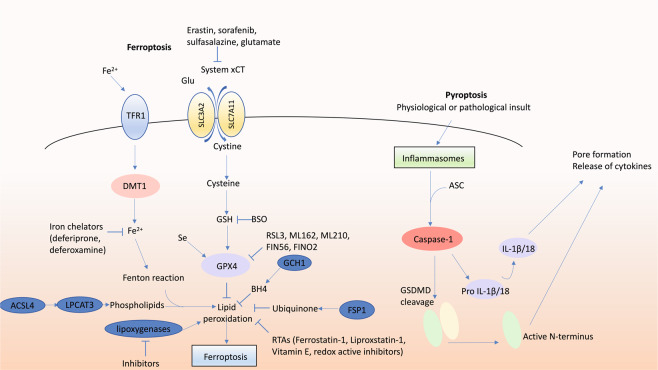
“[105] and ferroptosis suppressor protein 1 (formerly AIFM2) [106, 107] which use glutathione and ubiquinone, respectively, as reducing substrates, and tetrahydrobiopterin synthesised by GTP cyclohydrolase-1 [108].”
BackgroundCleavage of GSDMD by inflammatory caspases determines pyroptotic cell death
Shi, J., Zhao, Y., Wang, K., Shi, X., Wang, Y., Huang, H., Zhuang, Y., Cai, T., Wang, F., & Shao, F. (2015) · Nature · doi:10.1038/nature15514 · Cited by 6,659 · cited 1×
“Gasdermin D (GSDMD) is the critical executioner of pyroptosis [135].”
BackgroundMitochondrial Dysfunction and Oxidative Stress in Neurodegenerative Diseases
Lin, M. T., & Beal, M. F. (2006) · Nature · doi:10.1038/nature05292 · Cited by 6,455
ACSL4 dictates ferroptosis sensitivity by shaping cellular lipid composition
Doll, S., Proneth, B., Tyurina, Y. Y., Panzilius, E., Kobayashi, S., Ingold, I., Irmler, M., Beckers, J., Aichler, M., Walch, A., et al. (2017) · Nature Chemical Biology · doi:10.1038/nchembio.2239 · Cited by 4,293 · cited 1×
“Many molecular components of ferroptosis have been identified, including ACSL4 and LPCAT3 that generate the membrane lipids susceptible to peroxidation [103, 104], and the glutamate-cystine antiporter system xCT required to supply cysteine to the cell.”
BackgroundThe CoQ oxidoreductase FSP1 acts parallel to GPX4 to inhibit ferroptosis
Bersuker, K., Hendricks, J. M., Li, Z., Magtanong, L., Ford, B., Tang, P. H., Roberts, M. A., Tong, B., Maimone, T. J., Zoncu, R., et al. (2019) · Nature · doi:10.1038/s41586-019-1705-2 · Cited by 3,703 · cited 2×
“Critical to prevent lipid peroxidation are endogenous mechanisms including glutathione peroxidase 4 (GPX4; [105] and ferroptosis suppressor protein 1 (formerly AIFM2) [106, 107] which use glutathione and ubiquinone, respectively, as reducing substrates, and tetrahydrobiopterin synthesised by GTP cyclohydrolase-1 [108].”
BackgroundMechanisms underlying inflammation in neurodegeneration
Glass, C. K., Saijo, K., Winner, B., Marchetto, M. C., & Gage, F. H. (2010) · Cell · doi:10.1016/j.cell.2010.02.016 · Cited by 3,580
Classification of cell death: recommendations of the Nomenclature Committee on Cell Death 2009
Kroemer, G., Galluzzi, L., Vandenabeele, P., Abrams, J., Alnemri, E. S., Baehrecke, E. H., Blagosklonny, M. V., El-Deiry, W. S., Golstein, P., Green, D. R., et al. (2009) · Cell Death & Differentiation · doi:10.1038/cdd.2008.150 · Cited by 3,399
Neuropathological alterations in Alzheimer disease
Serrano-Pozo, A., Frosch, M. P., Masliah, E., & Hyman, B. T. (2011) · Cold Spring Harbor Perspectives in Medicine · doi:10.1101/cshperspect.a006189 · Cited by 3,345 · cited 1×
“Hallmark pathological features of AD include the accumulation of amyloidβ-containing neuritic plaques derived from aggregates produced by sequential cleavages of the amyloid precursor protein (APP), neurofibrillary tangles and dystrophic neurites containing hyperphosphorylated tau [38].”
Background
Research works printed but not linked: 1
- Rowe D Mathers S Smith G Windebank E Rogers M-L Noel K Modification of ALS disease progression in a phase 1 trial of CuATSM Amyotroph Lateral Scler Frontotemporal Degener 2018 19 280 81
Cited by
Items 101–200 of 832
Insight Into the Mechanism of Exercise Preconditioning in Ischemic Stroke
Zhu, Y., Sun, Y., Hu, J., & Pan, Z. (2022) · Frontiers in Pharmacology · doi:10.3389/fphar.2022.866360 · Cited by 38
Zhou, J., Zhang, C., Fang, X., Zhang, N., Zhang, X., & Zhu, Z. (2023) · BMC Neuroscience · doi:10.1186/s12868-023-00777-5 · Cited by 38
“Enhanced mitophagy benefits learning and memory in rodents, and its dysfunction disrupts neuronal homeostasis and predisposes individuals to neurodegenerative or neuropsychiatric diseases [16].”
BackgroundIntermittent fasting and neurodegenerative diseases: Molecular mechanisms and therapeutic potential
Lv, R., Liu, B., Jiang, Z., Zhou, R., Liu, X., Lu, T., Bao, Y., Huang, C., Zou, G., Zhang, Z., et al. (2024) · Metabolism · doi:10.1016/j.metabol.2024.156104 · Cited by 37
Pathways to healing: Plants with therapeutic potential for neurodegenerative diseases
Tyler, S. E. B., & Tyler, L. D. K. (2023) · IBRO Neuroscience Reports · doi:10.1016/j.ibneur.2023.01.006 · Cited by 37
“…as dysregulated autophagy (Lu et al., 2020) neuro-inflammation (Gelders et al., 2018; Minchev et al., 2022) gut inflammation (Bj ø rklund et al., 2020), mitochondrial dysfunction (Subramaniam and Chesselet, 2013) and aberrant activation of the intrinsic apoptotic pathway (Moujalled et al., 2021).”
Choi, B. J., Park, M. H., Jin, H. K., & Bae, J. (2024) · Experimental & Molecular Medicine · doi:10.1038/s12276-024-01176-4 · Cited by 37
“Additionally, brain cell death, synaptic dysfunction, neuroin fl ammation, blood – brain barrier (BBB) disruption, and speci fi c protein aggregation have been identi fi ed as common pathological features in neurological disorders 32 – 36 .”
BackgroundQin, S.-J., Zeng, Q.-G., Zeng, H.-X., Li, S.-P., Andersson, J., Zhao, B., Oudin, A., Kanninen, K. M., Jalava, P., Jin, N.-X., et al. (2024) · The Science of The Total Environment · doi:10.1016/j.scitotenv.2024.174450 · Cited by 36
Li, X., Tong, H., Xu, S., Zhou, G., Yang, T., Yin, S., Yang, S., Li, X., & Li, S. (2024) · International Journal of Molecular Sciences · doi:10.3390/ijms252111787 · Cited by 36
“Necroptosis, pyroptosis, and ferroptosis are directly linked to inflammation, sharing common features such as robust microglial activation, increased levels of inflammatory cytokines, and the expansion of the inflammatory response [103].”
BackgroundMicroglia programmed cell death in neurodegenerative diseases and CNS injury
Cai, L., Fan, Q., Pang, R., Chen, C., Zhang, Y., Xie, H., Huang, J., Wang, Y., Li, P., Huang, D., et al. (2024) · APOPTOSIS · doi:10.1007/s10495-024-02041-5 · Cited by 36
Fang, M., Zhou, Y., He, K., Lu, Y., Tao, F., & Huang, H. (2025) · Molecular Neurobiology · doi:10.1007/s12035-025-04775-y · Cited by 37
“A class of diseases known as neurodegenerative diseases affects how well the nervous system functions normally, which usually causes neurons to gradually deteriorate and die because of aberrant activation of programmed cell death [25].”
Li, H.-Z., Sun, B., Huang, Y., Zhang, J., Xu, X., Shen, Y.-Q., Chen, Z.-Y., Yang, J.-F., Shen, L.-X., Hu, Y., et al. (2022) · Molecular Medicine · doi:10.1186/s10020-022-00456-x · Cited by 31
“The aberrant activation of the intrinsic apoptotic pathway may contribute to or even be a major driver of neuronal death in PD (Moujalled et al. 2021).”
BackgroundWu, Z., Sun, J. F., Zhi, L., Qiao, J., Chen, C., Ling, C., & Wang, H. (2022) · Frontiers in Neuroscience · doi:10.3389/fnins.2022.1030512 · Cited by 36
The crosstalk between oncogenic signaling and ferroptosis in cancer
Pang, Q., Tang, Z., & Luo, L. (2024) · Critical Reviews in Oncology/Hematology · doi:10.1016/j.critrevonc.2024.104349 · Cited by 35
Mechanistic insights of neuronal death and neuroprotective therapeutic approaches in stroke
Li, C., Luo, Y., & Li, S. (2025) · Neural Regeneration Research · doi:10.4103/nrr.nrr-d-24-01324 · Cited by 36
“In contrast, unprogrammed cell death, predominantly manifesting as necrosis, is triggered by acute external perturbations (Moujalled et al., 2021).”
Humanin and Alzheimer's disease: The beginning of a new field
Niikura, T. (2021) · Biochimica et Biophysica Acta (BBA) - General Subjects · doi:10.1016/j.bbagen.2021.130024 · Cited by 35
Pang, Q., Zheng, L., Ren, Z., Xu, H., Guo, H., Shan, W., Liu, R., Gu, Z., & Wang, T. (2022) · Oxidative Medicine and Cellular Longevity · doi:10.1155/2022/1274550 · Cited by 36
“Autophagy can form autophagosomes with double-membrane structure and vacuolize the cytoplasm, but no chromatin condensation [58, 59].”
Deer antlers: the fastest growing tissue with least cancer occurrence
Li, C., Li, Y., Wang, W., Scimeca, M., Melino, G., Du, R., & Shi, Y. (2023) · Cell Death and Differentiation · doi:10.1038/s41418-023-01231-z · Cited by 36
“Besides ef fi cient apoptosis [49 – 51] and annual wholesale casting, positive selection of some strong cancer suppressive genes to deer during evolution have been discovered recently through transcriptomic and comparative genomic analyses [26].”
Hasan, A. R., Tasnim, F., Aktaruzzaman, M., Islam, M. T., Rayhan, R., Brishti, A., Hur, J., Porter, J. E., & Raihan, M. O. (2024) · Neuroglia · doi:10.3390/neuroglia5040027 · Cited by 34
Zhang, H., Shi, Y., Qing, Y., Wang, C., Xia, Q., Zhang, Y., Jiang, W., & Jia, Q. (2022) · Frontiers in Genetics · doi:10.3389/fgene.2022.975185 · Cited by 34
“In the pathophysiology of different illnesses, aberrations in PCD signaling cascades, including ferroptosis, apoptosis, pyroptosis, necroptosis, and cell death linked to autophagy, may be detected (Galluzzi et al., 2018; Moujalled et al., 2021).”
BackgroundXiao, S., Zhong, N., Yang, Q., Li, A., Tong, W., Zhang, Y., Yao, G., Wang, S., Liu, J., & Liu, Z. (2022) · International Immunopharmacology · doi:10.1016/j.intimp.2022.109163 · Cited by 34
Chavoshinezhad, S., Beirami, E., Izadpanah, E., Feligioni, M., & Hassanzadeh, K. (2023) · Biomedicine & Pharmacotherapy · doi:10.1016/j.biopha.2023.115656 · Cited by 34
Dopaminergic neuronal death via necroptosis in Parkinson's disease: A review of the literature
Regoni, M., Valtorta, F., & Sassone, J. (2023) · European Journal of Neuroscience · doi:10.1111/ejn.16136 · Cited by 33
“Recent and previous reviews have been published on these topics (Fricker et al., 2018; Levy et al., 2009; Liu, Wang, et al., 2017; Mansour et al., 2023; Michel et al., 2016; Moujalled et al., 2021; Panicker et al., 2021; Venderova & Park, 2012).”
BackgroundThe role of ferroptosis in colorectal cancer and its potential synergy with immunotherapy
Xia, W., Lv, Y., Zou, Y., Kang, Z., Li, Z., Tian, J., Zhou, H., Su, W., & Zhong, J. (2025) · Frontiers in Immunology · doi:10.3389/fimmu.2024.1526749 · Cited by 33
Senecavirus A as an Oncolytic Virus: Prospects, Challenges and Development Directions
Luo, D., Wang, H., Wang, Q., Liang, W., Liu, B., Xue, D., Yang, Y., & Ma, B. (2022) · Frontiers in Oncology · doi:10.3389/fonc.2022.839536 · Cited by 33
“However, autophagy is also involved in cell death under certain circumstances (40, 48).”
BackgroundCaspase cleavage of gasdermin E causes neuronal pyroptosis in HIV-associated neurocognitive disorder
Fernandes, J. P., Branton, W. G., Cohen, É. A., Koopman, G., Kondova, I. I., Gelman, B. B., & Power, C. (2023) · Brain · doi:10.1093/brain/awad375 · Cited by 33
Pyroptosis and Its Role in the Modulation of Cancer Progression and Antitumor Immunity
Qi, S., Wang, Q., Zhang, J., Liu, Q., & Li, C. (2022) · International Journal of Molecular Sciences · doi:10.3390/ijms231810494 · Cited by 32
“It has been reported that Huntington’s and Alzheimer’s disease are accompanied by pyroptosis [6,7].”
BackgroundTGFBI: A novel therapeutic target for cancer
Huang, H., Tang, Q., Li, S., Qin, Y., & Zhu, G. (2024) · International Immunopharmacology · doi:10.1016/j.intimp.2024.112180 · Cited by 31
Programmed cardiomyocyte death in myocardial infarction
Wu, H., Lan, Q., He, Y.-X., Xue, J.-Y., Liu, H., Zou, Y., Liu, P., Luo, G., Chen, M., & Liu, M. (2025) · APOPTOSIS · doi:10.1007/s10495-025-02075-3 · Cited by 32
Potential common pathogenesis of several neurodegenerative diseases
Fan, T., Peng, J., Liang, H., Chen, W., Wang, J., & Xu, R. (2025) · Neural Regeneration Research · doi:10.4103/nrr.nrr-d-24-01054 · Cited by 31
“However, when faced with severe pathological environments, such as those present in NDs, this resistance can be overwhelmed, leading to neuronal death (Chi et al., 2018; Moujalled et al., 2021).”
InfluentialCancer neuroscience: signaling pathways and new therapeutic strategies for cancer
Zhang, S., Yuan, L., Lin, P., Yang, G., Zhou, X., Jinfu, X., Wu, M., & Huang, Y. (2026) · Signal Transduction and Targeted Therapy · doi:10.1038/s41392-025-02364-y · Cited by 32
Fan, C., Cai, W., Ye, M., Chen, M., & Dai, Y. (2022) · Journal of Chinese Integrative Medicine · doi:10.1016/j.joim.2022.04.005 · Cited by 31
Fang, J., Chen, Z., Lai, X., Yin, W. H., Guo, Y., Zhang, W., Ma, J., Li, G., & Zhang, L. (2022) · Bioorganic Chemistry · doi:10.1016/j.bioorg.2022.106194 · Cited by 31
Naderi, S., Khodagholi, F., Pourbadie, H. G., Naderi, N., Rafiei, S., Janahmadi, M., Sayehmiri, F., & Motamedi, F. (2022) · NeuroToxicology · doi:10.1016/j.neuro.2022.11.003 · Cited by 31
Li, J., Li, L., He, J., Xu, J., & Bao, F. (2023) · Frontiers in Aging Neuroscience · doi:10.3389/fnagi.2022.1072003 · Cited by 32
“The NOD-, LRR-, and pyrin domain-containing protein 3 (NLRP3) inflammasome plays an important role in the canonical pyroptosis pathway, which is associated with neurodegenerative diseases, such as AD, Parkinson’s disease, and epilepsy (Moujalled et al., 2021; Xia et al., 2021), and is a pivotal role in PNDs (Zhang et…”
BackgroundThe Role of Cellular Defense Systems of Ferroptosis in Parkinson’s Disease and Alzheimer’s Disease
Chu, J., Li, J., Sun, L., & Wei, J. (2023) · International Journal of Molecular Sciences · doi:10.3390/ijms241814108 · Cited by 31
“A growing number of studies have indicated a close relationship between ferroptosis and PD [15,41], and cells may now have evolved three defense systems to counteract the toxicity of ferroptosis induced by lipid peroxidation and to provide neuroprotection for PD patients [97–99].”
BackgroundTDP-43 dysfunction leads to bioenergetic failure and lipid metabolic rewiring in human cells
Ceron-Codorniu, M., Torres, P., Fernàndez‐Bernal, A., Rico-Rios, S., Serrano, J. C. E., Miralles, M. P., Beltran, M., Garcerá, A., Soler, R. M., Pamplona, R., et al. (2024) · Redox Biology · doi:10.1016/j.redox.2024.103301 · Cited by 31
“In addition, an interplay between different death pathways could be possible as shown by beneficial effects of different cell death inhibitors in the same ALS models [37].”
BackgroundChen, C. S., Liu, Y., Shen, Y., Zhu, L., Yao, L., Wang, X., Zhang, A., Li, J., Wu, J., & Qin, L. (2023) · Naunyn-Schmiedeberg s Archives of Pharmacology · doi:10.1007/s00210-023-02552-z · Cited by 30
“The appearance of the apoptotic bodies is generally considered to be one of the characteristics of apoptosis (Moujalled et al. 2021).”
BackgroundYoonesi, S., Azar, R. A., Bafrani, M. A., Yaghmayee, S., Shahavand, H., Mirmazloumi, M., Limoudehi, N. M., Rahmani, M., Hasany, S., Idjadi, F. Z., et al. (2025) · BioMedical Engineering OnLine · doi:10.1186/s12938-025-01396-3 · Cited by 30
“This systematic review follows the principles of the Preferred Reporting Items for Systematic Reviews and Meta-Analyses (PRISMA2020) statement [1].”
Zhang, A., Wang, Y., Xue, Q., Yao, J., Chen, L., Feng, S., Shao, J., Guo, Z., Zhou, B., & Xie, J. (2025) · Chemico-Biological Interactions · doi:10.1016/j.cbi.2025.111642 · Cited by 30
p63 in corneal and epidermal differentiation
Novelli, F., Ganini, C., Melino, G., Nucci, C., Han, Y., Shi, Y., Wang, Y., & Candi, E. (2022) · Biochemical and Biophysical Research Communications · doi:10.1016/j.bbrc.2022.04.022 · Cited by 30
Tang, Y., Liu, C., Zhu, T., Chen, H., Sun, Y., Zhang, X., Zhao, Q., Wu, J., Fei, X., Ye, S., et al. (2022) · Frontiers in Cell and Developmental Biology · doi:10.3389/fcell.2022.843297 · Cited by 30
“In recent clinical investigations, patients with peripheral neuropathic pain have objective cognitive deficits (Ojeda et al., 2018; Tyrtyshnaia and Manzhulo, 2020).”
BackgroundEmerging field: O-GlcNAcylation in ferroptosis
Zhang, H., Zhang, J., Dong, H., Kong, Y., & Guan, Y. (2023) · Frontiers in Molecular Biosciences · doi:10.3389/fmolb.2023.1203269 · Cited by 30
“, 2021); 3) type III cell death (necrosis), characterized by cell swelling, loss of membrane integrity, and “spillage” of intracellular contents (Moujalled et al., 2021).”
BackgroundMolecular mechanisms of ferroptosis and its antitumor applications in natural products
Yu, D., Wang, Q., Zhang, Q., Cai, M., Liu, S., & Zhang, W. (2023) · Acta Biochimica et Biophysica Sinica · doi:10.3724/abbs.2023120 · Cited by 30
“Features of Ferroptosis The morphological features of apoptosis are nuclear fragmentation, cell shrinkage, and apoptotic body formation [12]; necrosis is morphologically characterized by swelling of the cytoplasm and organelles [13]; and autophagy results in the formation of classical autophagic vesicles [13].”
BackgroundFerroptosis: a potential target for acute lung injury
Wen, Y., Liu, Y., Liu, W., Liu, W., Dong, J., Liu, Q., Yu, Z., Ren, H., & Hao, H. (2024) · Inflammation Research · doi:10.1007/s00011-024-01919-z · Cited by 29
“RCD can be divided into non-programmed necrosis-associated cell death processes and programmed cell death (PCD), which includes apoptosis, necroptosis, pyroptosis, ferroptosis, necrosis, and autophagy [16].”
Annexin A1 in neurological disorders: Neuroprotection and glial modulation
Ferreira, L. P. D. S., da Silva, R. A., Borges, P. P., Xavier, L. F., Scharf, P. R. D. S., Sandri, S., Oliani, S. M., Farsky, S. H. P., & Gil, C. D. (2025) · Pharmacology & Therapeutics · doi:10.1016/j.pharmthera.2025.108809 · Cited by 29
Yu, G., Zhao, J., Zhu, X.-X., Yang, N., Lou, J., Chen, Z., Zhang, H., Chaire, T., Gao, W., Cai, Y., et al. (2026) · International Journal of Surgery · doi:10.1097/js9.0000000000004619 · Cited by 29
“Because autophagy counteracted PCD, we measured autophagic flux in the flaps [ 18 ] .”
Unwinding the modalities of necrosome activation and necroptosis machinery in neurological diseases
Gupta, R. V., Kumari, S., Tripathi, R. S., Ambasta, R. K., & Kumar, P. (2023) · Ageing Research Reviews · doi:10.1016/j.arr.2023.101855 · Cited by 29
Alhowail, A. H. (2023) · Behavioural Brain Research · doi:10.1016/j.bbr.2023.114714 · Cited by 29
He, J., Liu, F., Xu, T., Ma, J., Yu, H., Zhao, J., Xie, Y., Luo, L., Yang, Q., Lou, T., et al. (2023) · Biomedicine & Pharmacotherapy · doi:10.1016/j.biopha.2023.115807 · Cited by 29
Cai, B., Wang, Q., Zhong, L., Liu, F., Wang, X., & Chen, T. (2024) · Drug Design Development and Therapy · doi:10.2147/dddt.s462333 · Cited by 29
Bibliometric Analysis of Ferroptosis in Stroke From 2013 to 2021
Chen, Y., Long, T., Xu, Q., & Zhang, C. (2022) · Frontiers in Pharmacology · doi:10.3389/fphar.2021.817364 · Cited by 31
“PCD is crucial to the occurrence and development of multiple diseases, including dysgenopathy, immune system diseases, central nervous system (CNS) disease, and cancer (Gibellini and Moro, 2021; Kist and Vucic, 2021; Moujalled et al., 2021).”
BackgroundIdentification of early Alzheimer’s disease subclass and signature genes based on PANoptosis genes
Wang, W., Lu, J., Pan, N., Zhang, H., Dai, J., Li, J. P., Chi, C., Zhang, L., Wang, L., & Zhang, M. (2024) · Frontiers in Immunology · doi:10.3389/fimmu.2024.1462003 · Cited by 28
Bhatia, V., Sharma, V. V., Chandel, A., & Rattan, A. (2025) · Inflammopharmacology · doi:10.1007/s10787-025-01715-z · Cited by 28
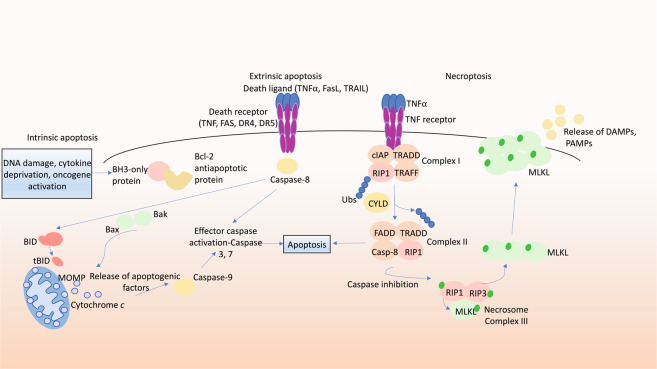
“Cell death results from the cleavage of GSDMD by caspase-1, which causes its N-terminal segment to assemble form a plasma membrane pore and release bioactive IL-18 and IL-1β along with other cellular components (Moujalled et al. 2021).”
Neuroprotective Effects of N-acetylserotonin and Its Derivative
Kang, J., Guo, X.-D., Wang, Y., & Kang, X. (2023) · Neuroscience · doi:10.1016/j.neuroscience.2023.02.017 · Cited by 28
Novel Insight into Ferroptosis in Kidney Diseases
Liu, Y., Liu, Y., Zhou, S., Feng, Q., Lu, Y., Liu, D., & Liu, Z. (2023) · American Journal of Nephrology · doi:10.1159/000530882 · Cited by 28
Song, J., Xu, Z., Fan, Q., Sun, Y., & Lin, X. (2023) · Frontiers in Molecular Neuroscience · doi:10.3389/fnmol.2023.1198713 · Cited by 28
“Cells have multiple death pathways to maintain physiological homeostasis, whether the cells are in a normal or stressed state, programmed cell death (PCD, includes apoptosis, pyroptosis, necroptosis, ferroptosis, autophagy, and PANoptosis) and non-PCD (Moujalled et al., 2021; Liu et al. J. 2022).”
BackgroundZhou, C., Zhao, Y., Yang, M., Wang, Y., Li, Y., Xiao, Y., Liu, Y., & Lang, M. (2024) · Advanced Healthcare Materials · doi:10.1002/adhm.202303896 · Cited by 28
Yu, Y., Huang, W., Lu, X., Chen, X., Shan, Y., Luo, X., Li, Y., Yang, X., & Li, C. (2024) · Cell Biology and Toxicology · doi:10.1007/s10565-024-09894-1 · Cited by 28
“It is well known that cell death is a genetically controlled process that occurs in multicellular organisms and it includes various modalities such as apoptosis, programmed necrosis, autophagy, and fer-roptosis (Moujalled et al. 2021).”
BackgroundCao, M., Guo, Z., Wang, J., Ma, H.-Y., Zhong, S.-J., Hu, Y., Qin, X., & Lan, R. (2025) · Free Radical Biology and Medicine · doi:10.1016/j.freeradbiomed.2025.03.014 · Cited by 27
Dougnon, G., & Matsui, H. (2025) · Translational Neurodegeneration · doi:10.1186/s40035-025-00529-x · Cited by 27
“Neuronal death encompasses diverse mechanisms and depending on the trigger—ischemia, proteotoxicity, mitochondrial dysfunction, or excitotoxicity—can proceed via apoptosis, necroptosis, ferroptosis, or lysosomal rupture [103].”
Zhang, Y., Huang, Z., Cheng, J., Pan, H., Lin, T., Shen, X., Chen, W., Chen, Q., Gu, C., Mao, Q., et al. (2022) · Frontiers in Endocrinology · doi:10.3389/fendo.2022.865655 · Cited by 27
“The basic research of ferroptosis has attracted much attention in recent years, and its important role in cancer treatment has also been widely appreciated (12).”
BackgroundLi, Y., Li, J., Lü, Y., & Ma, Y. (2024) · Cell Biochemistry and Function · doi:10.1002/cbf.3909 · Cited by 27
“Therefore, regular homeostasis is not solely a passive process, but rather highly regulated by PCD. 20 Apoptosis plays a crucial role in fighting infection by clearing the pathogenic niche inside cells, as well as managing cancer prevention by eliminating nascent tumor cells in developing organisms.”
BackgroundA New Perspective in the Treatment of Ischemic Stroke: Ferroptosis
Zhang, L., Bai, X. Y., Sun, K. Y., Li, X., Zhang, Z. Q., Liu, Y. D., Xiang, Y., & Liu, X. L. (2024) · Neurochemical Research · doi:10.1007/s11064-023-04096-3 · Cited by 27
“CuII (atsm) is currently in phase II clinical trials for ALS, after successful completion of phase I trials [185,190].”
Huang, Y., Meng, F., Zeng, T., Thorne, R. F., He, L., Zha, Q., Li, H., Liu, H., Lang, C., Xiong, W., et al. (2024) · Cell Discovery · doi:10.1038/s41421-024-00668-x · Cited by 27
“Data are mean ± SD; * P < 0.05; ** P < 0.01; *** P < 0.001; ns, not signi fi cant by two-tailed unpaired Student ’ s t -test or two-way ANOVA ( d , e ). inhibitors 24 .”
MethodInfluentialGhiasvand, K., Amirfazli, M., Moghimi, P., Safari, F., & Takhshid, M. A. (2024) · Molecular Biology Reports · doi:10.1007/s11033-024-09964-x · Cited by 28
“The abnormal forms of several proteins including Tau, a microtubule-associated protein, Amyloid-β (Aβ), a cleaved form of Aβ-precursor protein (AβPP), α-Synuclein, transactive response DNA-binding protein 43 (TDP-43), and huntingtin are involved in the pathogenesis of NDs [5, 6 ].”
Apoptosis in polycystic ovary syndrome: Mechanisms and therapeutic implications
Yang, L.-K., Ma, W., Wang, X., Chen, H.-R., Jiang, Y., & Sun, H. (2025) · Life Sciences · doi:10.1016/j.lfs.2025.123394 · Cited by 26
Yin, X., Liu, W., Feng, H., Huang, J., Wang, Q., Zhang, Q., He, J., & Wang, R. (2024) · Food & Function · doi:10.1039/d3fo04665f · Cited by 26
Focus on the Small GTPase Rab1: A Key Player in the Pathogenesis of Parkinson’s Disease
Martínez‐Menárguez, J. A., Martínez‐Alonso, E., Cara‐Esteban, M., & Tomás, M. (2021) · International Journal of Molecular Sciences · doi:10.3390/ijms222112087 · Cited by 26
“Many intracellular processes are altered in dopaminergic neurons, which can lead to their death [40].”
BackgroundSun, W., Wang, M., Zhao, J., Zhao, S., Zhu, W., Wu, X., Li, F., Liu, W., Wang, Z., Gao, M., et al. (2023) · Nature Communications · doi:10.1038/s41467-023-41114-y · Cited by 25
“Wescreenedproteinsfrom a series of genes that have been reported to be associated with apoptosis, including p53, Bcl-2 and Bax, poly (ADP-ribose) polymerase (PARP), caspase 3, caspase 8 and caspase 9 35,36 .”
Li, S., Li, Q., Zhou, Q., Li, S., Wang, S., Yao, Q., Ouyang, C., Liu, C., & Li, M. (2024) · Cardiovascular Therapeutics · doi:10.1155/2024/1506083 · Cited by 25
“GSDMD then cleaves the N-terminal, which releases IL-1 β and IL-18, inducing pyroptosis [7].”
BackgroundMetformin activates the PI3K/AKT/BDNF axis to attenuate postoperative cognitive dysfunction
Wu, Q., Jia, X.-Y., Zhang, S.-H., Wu, Y.-Z., Xu, L., Han, J., Yu, W., & Zhou, Q. (2024) · Neuropharmacology · doi:10.1016/j.neuropharm.2024.110262 · Cited by 25
Nanomaterials Enhance Pyroptosis-Based Tumor Immunotherapy
Ji, F., Shi, C., Shu, Z., & Li, Z. (2024) · International Journal of Nanomedicine · doi:10.2147/ijn.s457309 · Cited by 24
“152 As a proinflammatory PCD, the mechanism and function of pyroptosis have gradually been discovered in recent years.”
BackgroundGong, P., Wang, J., Long, H., Yang, W., Chen, X., Li, N., Chen, F., Zhang, J., & Guo, Y. (2025) · Molecular Nutrition & Food Research · doi:10.1002/mnfr.70080 · Cited by 24
Yadav, V. K., Choudhary, N., Gacem, A., Verma, R. K., Hasan, M. A., Imam, M. T., Almalki, Z. S., Yadav, K. K., Park, H.-K., Ghosh, T., et al. (2023) · Redox Report · doi:10.1080/13510002.2023.2269331 · Cited by 24
Guo, X., Zhang, Z., Gu, J., Ke, P., Liu, J., Meng, Y., Zheng, W., Que, W., Fan, R., Luo, J., et al. (2024) · Neurobiology of Disease · doi:10.1016/j.nbd.2024.106534 · Cited by 24
“Neuronal apoptosis is a major pathological hallmark of ALS (Moujalled et al., 2021).”
BackgroundDeng, Z., Yang, Z., & Peng, J. (2021) · Critical Reviews in Food Science and Nutrition · doi:10.1080/10408398.2021.1992606 · Cited by 24
“Effects of bioactive peptides in programmed cell death A variety of programmed cell deaths occur in the organism, such as apoptosis, autophagy, pyroptosis, necroptosis, and ferroptosis (Moujalled, Strasser, and Liddell 2021; Strasser and Pellegrini 2004).”
BackgroundVDAC1 regulates neuronal cell loss after retinal trauma injury by a mitochondria-independent pathway
de Sousa, É., Móvio, M. I., de Lima-Vasconcellos, T. H., dos Santos, G. B., Gomes, T. D. S., Walter, L. T., da Silva, D. A., Rodrigues, T., Cerchiaro, G., & Kihara, A. H. (2022) · Cell Death and Disease · doi:10.1038/s41419-022-04755-3 · Cited by 23
“The affected cells release toxic factors that compromise neighbor cells, a process known as secondary degeneration, which occurs after traumatic injuries [1, 2] and the onset and progression of neurodegenerative diseases [3].”
Zhang, C., Kong, Y., Zhang, M., Wu, Q., & Jing-shan, S. (2023) · Drug Development Research · doi:10.1002/ddr.22030 · Cited by 24
“Treatment with Aβ1−42 induces downregulation of Bcl‐2/Bax signaling, release of cyto‐c, and activation of caspase‐3 (Moujalled et al., 2021).”
BackgroundKhan, M., Abid, K., Ferlazzo, A., Bressi, V., Espro, C., Hussain, M., Foti, A., Gucciardi, P. G., & Neri, G. (2023) · Chemosensors · doi:10.3390/chemosensors11070379 · Cited by 23
“Accumulation can also lead to numerous diseases, such as cardiovascular disease, Alzheimer’s disease, and cancer [1–4].”
BackgroundThe pyroptosis mediated biomarker pattern: an emerging diagnostic approach for Parkinson’s disease
Liang, J., Wan, Z., Qian, C., Rasheed, M., Cao, C., Sun, J., Wang, X., Chen, Z., & Deng, Y. (2024) · Cellular & Molecular Biology Letters · doi:10.1186/s11658-023-00516-y · Cited by 23
“…[10, 36], supporting that neuroinflammation-related biomarkers involved in the DANs loss can serve as potential early diagnostic biomarkers of PD. Pyroptosis, an inflammatory programmed cell death, has been associated with the onset and progression of neurodegenerative illnesses like PD [22, 37].”
BackgroundQian, C., Xin, Y., Qi, C., Wang, H. M., Dong, B. C., Zack, D. J., Blackshaw, S., Hattar, S. S., Zhou, F., & Qian, J. X. (2024) · Nature Communications · doi:10.1038/s41467-024-46428-z · Cited by 23
Zhao, Y., Wang, Q., Zhu, J., Cai, J., Feng, X., Song, Q., Jiang, H., Ren, W., He, Y., Wang, P., et al. (2024) · Cell Death and Disease · doi:10.1038/s41419-024-07157-9 · Cited by 23
“In neurodegenerative conditions associated with in fl ammation and oxidative stress, both necroptosis and ferroptosis can contribute to neuronal cell death and disease progression [17].”
Shen, Y., Li, X., Wang, H., Wang, Y., Tao, L., Wang, P., & Zhang, H. (2023) · Toxicology · doi:10.1016/j.tox.2023.153678 · Cited by 22
Gollowitzer, A., Pein, H., Rao, Z., Waltl, L., Bereuter, L., Loeser, K., Meyer, T., Jafari, V., Witt, F., Winkler, R., et al. (2025) · Nature Communications · doi:10.1038/s41467-025-56711-2 · Cited by 22
Kaempferol improves Pb-induced cognitive impairments via inhibiting autophagy
Wang, M., Xia, Y., Ai, S., Gu, X., & Wang, H.-L. (2023) · The Journal of Nutritional Biochemistry · doi:10.1016/j.jnutbio.2023.109556 · Cited by 22
Hypoxia: Intriguing Feature in Cancer Cell Biology
Chowdhury, M., & Das, P. K. (2024) · ChemMedChem · doi:10.1002/cmdc.202300551 · Cited by 23
Necrosis Links Neurodegeneration and Neuroinflammation in Neurodegenerative Disease
Homma, H., Tanaka, H., Fujita, K., & Okazawa, H. (2024) · International Journal of Molecular Sciences · doi:10.3390/ijms25073636 · Cited by 23
“Moreover, various types of necrosis have been identified recently [15] that have made the definition of apoptosis obscure by revealing the activation of some caspases during different forms of necrosis [14].”
BackgroundThe role of programmed cell death in osteosarcoma: From pathogenesis to therapy
Liu, S., Liu, C., Wang, Y., Chen, J., He, Y., Hu, K., Li, T., Yang, J., Peng, J., & Hao, L. (2024) · Cancer Medicine · doi:10.1002/cam4.7303 · Cited by 22
“15 Various forms of programmed cell death (PCD) exert distinct roles in osteosarcoma development.”
BackgroundMonitoring neurodegeneration through brain-derived extracellular vesicles in biofluids
Torrini, F., Gil-García, M., Cardellini, J., Frigerio, R., Basso, M., Gori, A., & Arosio, P. (2025) · Trends in Pharmacological Sciences · doi:10.1016/j.tips.2025.03.006 · Cited by 21
Radionuclide imaging of apoptosis for clinical application
Qin, X., Jiang, H., Liu, Y., Zhang, H., & Tian, M. (2021) · European Journal of Nuclear Medicine and Molecular Imaging · doi:10.1007/s00259-021-05641-4 · Cited by 21
“One of the characteristics of neurodegenerative diseases was the aberrant activation of PCD pathway, including apoptosis, resulting in unwanted loss of neuronal cells [82].”
BackgroundJurič, D. M., Rozman, K. B., Lipnik‐Štangelj, M., Šuput, D., & Brvar, M. (2022) · Toxins · doi:10.3390/toxins14100720 · Cited by 21
“The coexistence of various modes of cell death often occurs in a wide range of human pathologies [22,24].”
BackgroundYe, L., Ma, R., Zhang, X., Thakur, K., Zhang, J., Khan, M. R., Busquets, R., & Wei, Z. (2022) · Foods · doi:10.3390/foods11213415 · Cited by 21
Investigating the TLR4/TAK1/IRF7 axis in NLRP3-Mediated Pyroptosis in Parkinson's Disease
Quan, W., Liu, Y., Li, J., Chen, D., Xu, J., Song, J. M., Chen, J., & Sun, S. (2023) · Inflammation · doi:10.1007/s10753-023-01918-y · Cited by 21
“Studies have demonstrated that abnormal activation of apoptosis has long been believed to be the primary driver [7].”
Xu, J., Gou, S., Huang, X., Zhang, J., Zhou, X., Gong, X., Xiong, J., Chi, H., & Yang, G. (2023) · Current Alzheimer Research · doi:10.2174/0115672050280894231214063023 · Cited by 21
Programmed cell death in Helicobacter pylori infection and related gastric cancer
Lin, Y., Liu, K., Lu, F., Zhai, C., & Cheng, F. (2024) · Frontiers in Cellular and Infection Microbiology · doi:10.3389/fcimb.2024.1416819 · Cited by 22
Cell Death in Crustacean Immune Defense
Chen, Z., Tayyab, M., Yao, D., Aweya, J. J., Zheng, Z., Zhao, X., Lin, Z., & Zhang, Y. (2024) · Reviews in Aquaculture · doi:10.1111/raq.12976 · Cited by 20
TRPM7 contributes to pyroptosis and its involvement in status epilepticus
Tong, X., Tong, Y., Zheng, J., Shi, R., Liang, H., Li, M., Meng, Y., Shi, J., Zhao, D., Seehus, C. R., et al. (2024) · Journal of Neuroinflammation · doi:10.1186/s12974-024-03292-4 · Cited by 21
“Pyroptosis has been associated with the pathogenesis of innate immunity and diseases [2], which has been implicated in neurodegenerative disorders including atherosclerosis, Parkinson’s disease (PD), Alzheimer disease (AD), etc [1, 3].”
Predicting Mitochondrial Dynamic Behavior in Genetically Defined Neurodegenerative Diseases
Dorn, G. W., & Dang, X. (2022) · Cells · doi:10.3390/cells11061049 · Cited by 21
“Because mitochondrial dysmotility and degeneration tend to be most severe distally, the ultimate consequence is neuronal die-back [49,50] or, if mitochondrial damage is more uniform, apoptotic neuron death [51,52].”
BackgroundBehl, T., Madaan, P., Sehgal, A., Singh, S., Makeen, H. A., Albratty, M., Alhazmi, H. A., Meraya, A. M., & BUNGAU, S. G. (2022) · International Journal of Molecular Sciences · doi:10.3390/ijms23094565 · Cited by 21
Mitochondrial dysfunction: the hidden catalyst in chronic kidney disease progression
Chen, J., Zhou, Q., Su, L., & Ni, L. (2025) · Renal Failure · doi:10.1080/0886022x.2025.2506812 · Cited by 20
“…mechanism that helps the body eliminate damaged or abnormal cells to maintain tissue and organ homeostasis, with mitochondria playing a crucial role in this process. apoptosis is mediated by two signaling pathways: the intrinsic mitochondrial pathway and the extrinsic death receptor pathway [216].”
Pyroptosis in Alzheimer’s Disease: Mechanisms and Therapeutic Potential
Tang, T. (2025) · Cellular and Molecular Neurobiology · doi:10.1007/s10571-025-01579-5 · Cited by 20
“Pyroptosis, a newly identified inflammatory form of programmed cell death (PCD), is a key driver of neuronal demise (Moujalled et al. 2021).”
Metadata
- Authors
- Moujalled, D., Strasser, A., & Liddell, J. R.
- Affiliations
- The University of Melbourne (AU)
- Corresponding author
- Moujalled, Diane
- Strasser, Andreas
- Venue
- Cell Death & Differentiation
- Published
- 2021-06-07
- Volume
- 28
- Issue
- 7
- Pages
- 2029-2044
- ISSN
- 1350-9047 (ISSN-L)
- 1476-5403
- PMC
- PMC8257776
- OpenAlex
- W3171124897
- Cited by
- 749
- References
- 158
- Citations by year
- 2026: 113 · 2025: 186 · 2024: 217 · 2023: 128 · 2022: 92 · 2021: 13
- FWCI
- 11.83
- Type
- journal article
- Language
- en
- Open access
- hybrid
- doi.org
- Licence
- cc-by
- creativecommons.org/licenses/by/4.0 (tdm)
- creativecommons.org/licenses/by/4.0 (vor)
- Locations
- Cell Death and Differentiation (publishedVersion, cc-by)
- PubMed Central (publishedVersion, cc-by)
- PubMed (publishedVersion)
- Minerva Access (University of Melbourne) (submittedVersion, cc-by)
- Funders
- Wellcome Trust (101671)
- National Health and Medical Research Council (1020363)
- Topics
- Life Sciences › Biochemistry, Genetics and Molecular Biology › Molecular Biology › Cell death mechanisms and regulation
- Life Sciences › Biochemistry, Genetics and Molecular Biology › Cell Biology › Autophagy in Disease and Therapy
- Life Sciences › Neuroscience › Neurology › Neuroinflammation and Neurodegeneration Mechanisms
- Keywords
- programmed cell death, neuronal cell death, apoptosis, necroptosis, pyroptosis, ferroptosis, autophagic cell death, neurodegenerative diseases, brain tumorigenesis, amyotrophic lateral sclerosis, Alzheimer's disease, Parkinson's disease, Huntington's disease, cell death signaling, neuroinflammation, cell death inhibitors, therapeutic target
- MeSH terms
- Regulated Cell Death, Animals, Autophagy, Brain, Humans, Neurons, Signal Transduction, Neurodegenerative Diseases
About these checks
Registry, retraction, Cites and statistics results are computed, not judged, with one exception: a printed reference that no index lists is read once by a model before it counts as a citation error. Claims are extracted by a model and kept only when their quote appears verbatim in the text; each cited source is then checked, with a model’s help, for whether it says what the claim relies on. Those verdicts can be wrong — read the claim’s quote and the cited source before relying on one.
Statistics and arithmetic are recomputed, not judged.
Confidence bands are shown only for fields calibrated on our annotated test set. None is calibrated yet, so no band is shown.
What counts as a claim ›How we measure confidence ›How we check this ›
Are you an author, or do you see a problem with this page? Request a review
Data sources
Bibliographic data: Semantic Scholar, OpenAlex, Crossref.
Contains information from the Semantic Scholar Academic Graph Datasets, made available under the ODC Attribution License (ODC-BY 1.0).
Semantic Scholar’s data is described in: Kinney, R., et al. (2023). The Semantic Scholar Open Data Platform. arXiv:2301.10140.
