

Molecular mechanisms of cell death in neurological diseases
Open accessThe DOI matches its Crossref record; 158 of the 158 references it cites were found in a registry or an index.
Abstract
Tightly orchestrated programmed cell death (PCD) signalling events occur during normal neuronal development in a spatially and temporally restricted manner to establish the neural architecture and shaping the CNS. Abnormalities in PCD signalling cascades, such as apoptosis, necroptosis, pyroptosis, ferroptosis, and cell death associated with autophagy as well as in unprogrammed necrosis can be observed in the pathogenesis of various neurological diseases. These cell deaths can be activated in response to various forms of cellular stress (exerted by intracellular or extracellular stimuli) and inflammatory processes. Aberrant activation of PCD pathways is a common feature in neurodegenerative diseases, such as amyotrophic lateral sclerosis (ALS), Alzheimer’s disease, Parkinson’s disease, and Huntington’s disease, resulting in unwanted loss of neuronal cells and function. Conversely, inactivation of PCD is thought to contribute to the development of brain cancers and to impact their response to therapy. For many neurodegenerative diseases and brain cancers current treatment strategies have only modest effect, engendering the need for investigations into the origins of these diseases. With many diseases of the brain displaying aberrations in PCD pathways, it appears that agents that can either inhibit or induce PCD may be critical components of future therapeutic strategies. The development of such therapies will have to be guided by preclinical studies in animal models that faithfully mimic the human disease. In this review, we briefly describe PCD and unprogrammed cell death processes and the roles they play in contributing to neurodegenerative diseases or tumorigenesis in the brain. We also discuss the interplay between distinct cell death signalling cascades and disease pathogenesis and describe pharmacological agents targeting key players in the cell death signalling pathways that have progressed through to clinical trials.
Overview
The claims and statistics of this paper haven’t been checked yet.
Free: it reads the open-access text and checks the first 5 claims that cite a source we can check. Create a free account to check every claim.
Integrity signals
Registry
Cites
Statistics
Figures
Verification
Claims the paper makes
The claims and statistics of this paper haven’t been checked yet.
Free: it reads the open-access text and checks the first 5 claims that cite a source we can check. Create a free account to check every claim.
Claims other papers make about this one
Each is checked against this paper’s own text: does it say what the citing paper says it does?
The source backs part of the claim, not all of it — or backs it for a different population, condition or comparison.
In the citing paper
“Recently, researchers have reported the pivotal role of pyroptosis, an inflammatory form of programmed cell death, in neuronal death (Moujalled et al., 2021).”
From Picroside II Alleviates the Progression of Alzheimer’s Disease via the NLRP3/Caspase-1/GSDMD Pathway (2025) · cites this paper as Moujalled et al., 2021
Experimental — accuracy not yet measured
Self-check
Percentages, sums and reported differences re-computed from the paper’s own numbers.
The self-check needs the paper’s full text.
Citations
Cites
Ferroptosis: An Iron-Dependent Form of Nonapoptotic Cell Death
Dixon, S. J., Lemberg, K. M., Lamprecht, M. R., Skouta, R., Zaitsev, E. M., Gleason, C. E., Patel, D. N., Bauer, A. J., Cantley, A. M., Yang, W. S., et al. (2012) · Cell · doi:10.1016/j.cell.2012.03.042 · Cited by 18,691 · cited 2×
“For instance, ferroptosis is morphologically and functionally distinct from ‘generic’ oxidative stress, such as hydrogen peroxideinduced necrosis [102].”
BackgroundApoptosis: A Basic Biological Phenomenon with Wideranging Implications in Tissue Kinetics
Kerr, J. F. R., Wyllie, A. H., & Currie, A. R. (1972) · British Journal of Cancer · doi:10.1038/bjc.1972.33 · Cited by 15,725
Regulation of Ferroptotic Cancer Cell Death by GPX4
Yang, W. S., SriRamaratnam, R., Welsch, M. E., Shimada, K., Skouta, R., Viswanathan, V. S., Cheah, J. H., Clemons, P. A., Shamji, A. F., Clish, C. B., et al. (2014) · Cell · doi:10.1016/j.cell.2013.12.010 · Cited by 7,713 · cited 1×
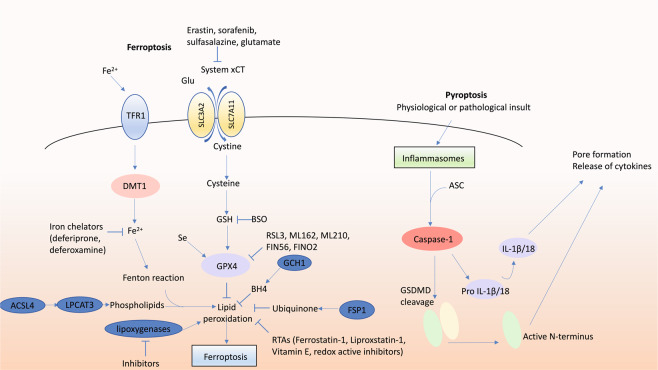
“[105] and ferroptosis suppressor protein 1 (formerly AIFM2) [106, 107] which use glutathione and ubiquinone, respectively, as reducing substrates, and tetrahydrobiopterin synthesised by GTP cyclohydrolase-1 [108].”
BackgroundCleavage of GSDMD by inflammatory caspases determines pyroptotic cell death
Shi, J., Zhao, Y., Wang, K., Shi, X., Wang, Y., Huang, H., Zhuang, Y., Cai, T., Wang, F., & Shao, F. (2015) · Nature · doi:10.1038/nature15514 · Cited by 6,659 · cited 1×
“Gasdermin D (GSDMD) is the critical executioner of pyroptosis [135].”
BackgroundMitochondrial Dysfunction and Oxidative Stress in Neurodegenerative Diseases
Lin, M. T., & Beal, M. F. (2006) · Nature · doi:10.1038/nature05292 · Cited by 6,455
ACSL4 dictates ferroptosis sensitivity by shaping cellular lipid composition
Doll, S., Proneth, B., Tyurina, Y. Y., Panzilius, E., Kobayashi, S., Ingold, I., Irmler, M., Beckers, J., Aichler, M., Walch, A., et al. (2017) · Nature Chemical Biology · doi:10.1038/nchembio.2239 · Cited by 4,293 · cited 1×
“Many molecular components of ferroptosis have been identified, including ACSL4 and LPCAT3 that generate the membrane lipids susceptible to peroxidation [103, 104], and the glutamate-cystine antiporter system xCT required to supply cysteine to the cell.”
BackgroundThe CoQ oxidoreductase FSP1 acts parallel to GPX4 to inhibit ferroptosis
Bersuker, K., Hendricks, J. M., Li, Z., Magtanong, L., Ford, B., Tang, P. H., Roberts, M. A., Tong, B., Maimone, T. J., Zoncu, R., et al. (2019) · Nature · doi:10.1038/s41586-019-1705-2 · Cited by 3,703 · cited 2×
“Critical to prevent lipid peroxidation are endogenous mechanisms including glutathione peroxidase 4 (GPX4; [105] and ferroptosis suppressor protein 1 (formerly AIFM2) [106, 107] which use glutathione and ubiquinone, respectively, as reducing substrates, and tetrahydrobiopterin synthesised by GTP cyclohydrolase-1 [108].”
BackgroundMechanisms underlying inflammation in neurodegeneration
Glass, C. K., Saijo, K., Winner, B., Marchetto, M. C., & Gage, F. H. (2010) · Cell · doi:10.1016/j.cell.2010.02.016 · Cited by 3,580
Classification of cell death: recommendations of the Nomenclature Committee on Cell Death 2009
Kroemer, G., Galluzzi, L., Vandenabeele, P., Abrams, J., Alnemri, E. S., Baehrecke, E. H., Blagosklonny, M. V., El-Deiry, W. S., Golstein, P., Green, D. R., et al. (2009) · Cell Death & Differentiation · doi:10.1038/cdd.2008.150 · Cited by 3,399
Neuropathological alterations in Alzheimer disease
Serrano-Pozo, A., Frosch, M. P., Masliah, E., & Hyman, B. T. (2011) · Cold Spring Harbor Perspectives in Medicine · doi:10.1101/cshperspect.a006189 · Cited by 3,345 · cited 1×
“Hallmark pathological features of AD include the accumulation of amyloidβ-containing neuritic plaques derived from aggregates produced by sequential cleavages of the amyloid precursor protein (APP), neurofibrillary tangles and dystrophic neurites containing hyperphosphorylated tau [38].”
Background
Research works printed but not linked: 1
- Rowe D Mathers S Smith G Windebank E Rogers M-L Noel K Modification of ALS disease progression in a phase 1 trial of CuATSM Amyotroph Lateral Scler Frontotemporal Degener 2018 19 280 81
Cited by
Items 201–300 of 832
Symphony of regulated cell death: Unveiling therapeutic horizons in sarcopenia
Peng, J., Zou, M., Zhang, Q., Liu, D., Chen, S., Fang, R., Gao, Y., Yan, X., & Hao, L. (2025) · Metabolism · doi:10.1016/j.metabol.2025.156359 · Cited by 20
Pitzer, E. M., Shafer, T. J., & Herr, D. W. (2023) · NeuroToxicology · doi:10.1016/j.neuro.2023.10.007 · Cited by 20
Involvement of regulated cell deaths in aging and age-related pathologies
Torre, L. D., Beato, A., Capone, V., Carannante, D., Verrilli, G., Favale, G., Gaudio, N. D., Megchelenbrink, W., Benedetti, R., Altucci, L., et al. (2024) · Ageing Research Reviews · doi:10.1016/j.arr.2024.102251 · Cited by 20
“Necroptosis is well studied in amyotrophic lateral sclerosis, as evidenced by several investigations (Moujalled, Strasser, and Liddell, 2021).”
Zhou, G., Wang, X., Gao, P., Qin, T., Guo, L. T., Zhang, Z., Huang, Z., Lin, J., Jing, Y., Wang, H., et al. (2024) · The Science of The Total Environment · doi:10.1016/j.scitotenv.2024.172391 · Cited by 20
A promising therapeutic: Exosome-mediated mitochondrial transplantation
Cao, M., Zou, J., Shi, M., Zhao, D., Liu, C., Liu, Y., Li, L., & Jiang, H. (2024) · International Immunopharmacology · doi:10.1016/j.intimp.2024.113104 · Cited by 20
Karataş, H., Kul, İ. B., Aydin, M., Tüzün, B., Taslımı, P., & Kökbudak, Z. (2025) · Korean Journal of Chemical Engineering · doi:10.1007/s11814-025-00433-0 · Cited by 20
“1, accumulation of abnormally folded amyloid tau proteins and amyloid-beta (Aβ)-peptides in the brain forms neurofibrillary tangles and amyloid plaques, two hallmarks of ad pathology [61].”
Xiang, H. (2025) · Frontiers in Neuroscience · doi:10.3389/fnins.2025.1567445 · Cited by 20
“…RIPK1/RIPK3/MLKL signaling pathway (Awasthi et al., 2025; Fricker et al., 2018; Levy et al., 2009; Liu et al., 2018; Mansour et al., 2023; Michel et al., 2016; Moujalled et al., 2021; Panicker et al., 2021; Venderova and Park, 2012), but also interacts closely with ferroptosis in a complex manner.”
Gao, X., Yuan, Y., Lan, Y., Lai, T., Zhu, L., Xu, L., Gong, J., Ma, N., Wang, B., & Li, M. (2025) · Journal of Hazardous Materials · doi:10.1016/j.jhazmat.2025.139573 · Cited by 20
The regulatory role of Pin1 in neuronal death
Xiong, K., Wang, S., & Hu, X. (2022) · Neural Regeneration Research · doi:10.4103/1673-5374.341043 · Cited by 20
“Introduction Cell death is a fundamental process that is essential for the normal development and homeostasis of organisms (Bai et al., 2020; Moujalled et al., 2021).”
BackgroundWu, M., Huang, Z., Zeng, L., Wang, C., & Wang, D. (2022) · Cardiology Research and Practice · doi:10.1155/2022/6558060 · Cited by 20
“PCD is significant in the etiology of atherosclerosis [5], cardiovascular disease [6], and neurological disease [7].”
BackgroundMelatonin Induces Autophagy in Amyotrophic Lateral Sclerosis Mice via Upregulation of SIRT1
Shen, X., Tang, C., Wei, C., Zhu, Y., & Xu, R. (2022) · Molecular Neurobiology · doi:10.1007/s12035-022-02875-7 · Cited by 20
“On the other hand, autophagy activation could play a protective role in ALS progression [24, 25].”
BackgroundNovel insights into the mechanism of reactive oxygen species-mediated neurodegeneration
Wakatsuki, S., & Araki, T. (2022) · Neural Regeneration Research · doi:10.4103/1673-5374.354509 · Cited by 20
“A study has shown that cell death often requires activation of an intracellular reaction that actively kills cells (Moujalled et al., 2021).”
BackgroundWei, Y., Lan, C., Yang, C., Liao, X., Zhou, X., Huang, X., Xie, H., Zhu, G., & Peng, T. (2023) · Scientific Reports · doi:10.1038/s41598-023-41670-9 · Cited by 20
“PCD refers to an activated death process in the innate immune system and aberrant physiological states or diseases, which sustains the balance of the internal environment 29 .”
BackgroundZhang, Y., Peng, J.-J., Chen, D., Liu, H., Yao, B.-F., Peng, J., & Luo, X. (2023) · ACS Chemical Neuroscience · doi:10.1021/acschemneuro.3c00250 · Cited by 19
Pomegranate Polyphenol-Derived Injectable Therapeutic Hydrogels to Enhance Neuronal Regeneration
Ju, J., Kim, S., & Shin, M. (2023) · Molecular Pharmaceutics · doi:10.1021/acs.molpharmaceut.3c00623 · Cited by 19
Effects of dietary arsenic exposure on liver metabolism in mice
Shao, J., Lai, C., Zheng, Q., Luo, Y. H., Li, C., Zhang, B., Sun, Y., Liu, S., Shi, Y., Li, J., et al. (2024) · Ecotoxicology and Environmental Safety · doi:10.1016/j.ecoenv.2024.116147 · Cited by 19
Du, L., Liu, H., Song, X., Feng, X., Xu, H., Tang, W., & Yang, J. (2024) · Toxicology · doi:10.1016/j.tox.2024.153883 · Cited by 19
Zahoor, A., Khazer, R., Mehraj, I., Gani, U., Fayaz, F., Khanday, F. A., & Saleem, S. (2025) · Functional & Integrative Genomics · doi:10.1007/s10142-025-01552-x · Cited by 19
“Conversely, RCD inactivation is believed to affect the development of malignancies as well as how well they respond to treatment (Peng et al. 2022; Moujalled et al. 2021; Tang et al. 2019).”
Wang, X.-C., Zhang, Y.-S., Ling, H., You, J.-B., Cheng, J., Liu, Z., Liu, Z., Lin, L.-C., Mao, S., Liu, P., et al. (2025) · Free Radical Biology and Medicine · doi:10.1016/j.freeradbiomed.2025.04.034 · Cited by 19
Li, L., Lv, L., Wang, Z., Liu, X., Wang, Q., Zhu, H., Jiang, B., Han, Y., Pan, X., Zhou, X., et al. (2025) · Frontiers in Neurology · doi:10.3389/fneur.2025.1581045 · Cited by 19
“Accumulation of A β within neuronal mitochondria increases ROS levels and disrupts the mitochondrial membrane potential, resulting in energy metabolic disorders that lead to apoptosis or necroptosis, severely compromising neuronal function and survival (60).”
Deng, H., Lin, Y., Gan, F., Li, B., Mou, Z., Qin, X., He, X., & Meng, Y. (2022) · Journal of Oncology · doi:10.1155/2022/5813522 · Cited by 19
“For example, apoptosis is usually associated with cell contraction, while necrotizing apoptosis involves cell swelling and leakage of cell contents [8].”
BackgroundNeuroprotective effect of Tozasertib in Streptozotocin-induced alzheimer’s mice model
Kaur, D., Grewal, A. K., Almasoudi, S. H., Almehmadi, A. H., Alsfouk, B. A. A., Kumar, A., Singh, V., Alexiou, A. T., Papadakis, M., Welson, N. N., et al. (2025) · Scientific Reports · doi:10.1038/s41598-025-13920-5 · Cited by 19
“Apoptosis, or programmed cell death, plays a critical role in the progression of dementia, particularly in Alzheimer’s disease and other neurodegenerative disorders where excessive neuronal loss accelerates cognitive decline 43 .”
Targeting Ferroptosis: Emerging Insights into Osteoporosis Mechanisms
Yang, H., Ru, K., Liu, S., Zhu, C., Qian, A., & Chen, Z. (2025) · Biology · doi:10.3390/biology14081062 · Cited by 19
“Alongside ferroptosis, other forms of programmed cell death include apoptosis, necrosis, pyroptosis, and autophagy [22].”
Ma, Z., Guo, L., Ji, R., Sun, Z., Wang, J., Yang, Y., Liu, K., Zhang, H., Wang, X., Wu, C., et al. (2025) · Journal of Virology · doi:10.1128/jvi.00974-25 · Cited by 18
“As a key host defense mechanism, PCD plays an essential role in eliminating virus-infected cells and includes well-characterized forms such as apoptosis, necroptosis, and pyroptosis (3).”
Progress in precision drug delivery systems for neurodegenerative diseases with muscle atrophy
Zhang, G., Hu, F., Zhang, Y., Li, D., Deng, Y., Yang, M., Huang, T., Deng, X., Li, Y., Fu, C., et al. (2026) · Neuropharmacology · doi:10.1016/j.neuropharm.2026.111027 · Cited by 18
Alteration in the number of neuronal and non-neuronal cells in mouse models of obesity
Andrade, M. M., Fernandes, C., Forny‐Germano, L., Gonçalves, R. A., Gomes, M., Castro-Fonseca, E., Ramos-Lobo, A. M., Tovar-Moll, F. F., Andrade-Moraes, C. H., Donato, J., et al. (2023) · Brain Communications · doi:10.1093/braincomms/fcad059 · Cited by 18
Shafer, C. C., & Neumann, E. K. (2024) · Frontiers in Chemistry · doi:10.3389/fchem.2024.1334209 · Cited by 18
The protective effects of gastrodin on neurological disorders: an update and future perspectives
Shi, Z., Zhang, Y., Xiao, Y., Shi, Z., Wei, X., Wang, B., Yuan, Y. H., & Li, P. (2024) · Frontiers in Pharmacology · doi:10.3389/fphar.2024.1494277 · Cited by 21
Apoptosis-Mechanisms, Regulation in Pathology, and Therapeutic Potential
Bhat, I. A., Bhat, A. M., & Abdullah, S. T. (2025) · Biochemistry · doi:10.5772/intechopen.1008890 · Cited by 18
Different functions of vitamin E homologues in the various types of cell death induced by oxysterols
Suzuki, A., Urano, Y., Ishida, T., & Noguchi, N. (2021) · Free Radical Biology and Medicine · doi:10.1016/j.freeradbiomed.2021.10.008 · Cited by 19
Tang, Q., Guo, Q., Li, K., & Fei, F. (2022) · Neuropsychiatric Disease and Treatment · doi:10.2147/ndt.s364250 · Cited by 18
“Alzheimer’s and Parkinson’s disease.(13,14) It was chiefly reported that silencing pyroptosis-associated inflammasome could attenuate surgery-induced cognitive impairments.”
BackgroundMALT1 promotes necroptosis in stroke rat brain via targeting the A20/RIPK3 pathway
Peng, Z.-M., Zhang, Y., Dan, W., Zhang, X., Liu, B., Peng, J., & Luo, X. (2023) · Archives of Biochemistry and Biophysics · doi:10.1016/j.abb.2023.109502 · Cited by 18
Paudel, B., Jeong, S., Peña-Martinez, C., Rickman, A. D., Haluck-Kangas, A., Bartom, E. T., Fredriksen, K., Affaneh, A., Kessler, J. A., Mazzulli, J. R., et al. (2024) · Nature Communications · doi:10.1038/s41467-023-44465-8 · Cited by 18
“This could be due to the activation of RISC-independent pathways or an involvement of the other three Ago proteins expressed in human cells mediating toxicity of sRNAs induced by A β 42.”
BackgroundChen, J., Chen, Z., Zhang, F., Wang, P., Zhang, Q., Wang, H., Zhao, F., Li, H., Luo, R., Ding, N., et al. (2026) · Journal of Nanobiotechnology · doi:10.1186/s12951-026-04099-6 · Cited by 17
Wang, Q., Piao, J., Li, Y., Tu, H., Lv, D., Hu, L., Zhang, R., & Zhong, Z. (2023) · Experimental Neurology · doi:10.1016/j.expneurol.2023.114387 · Cited by 17
Loss of larger hypoglossal motor neurons in aged Fischer 344 rats
Fogarty, M. J. (2023) · Respiratory Physiology & Neurobiology · doi:10.1016/j.resp.2023.104092 · Cited by 17
Ferroptosis involves in Schwann cell death in diabetic peripheral neuropathy
Wu, K.-Y., Deng, F., Mao, X., Zhou, D., & Shen, W. (2023) · Open Medicine · doi:10.1515/med-2023-0809 · Cited by 17
“…hyperglycemia may be an important entry point for the treatment of DPN. Programmed cell death is strictly regulated by complex intracellular and extracellular signals, which is very important for diverse various biological processes, including mammalian development, homeostasis, and disease [5].”
BackgroundLi, L., Fang, H., Li, F., Xie, K., Zhou, P., Zhu, H., Jin, X., Song, R., Yang, P., & Du, L. (2024) · Frontiers in Immunology · doi:10.3389/fimmu.2024.1326354 · Cited by 17
Deng, B., He, X., Wang, Z., Kang, J., Zhang, G., Li, L., & Kang, X. (2024) · In Vitro Cellular & Developmental Biology - Animal · doi:10.1007/s11626-024-00924-0 · Cited by 17
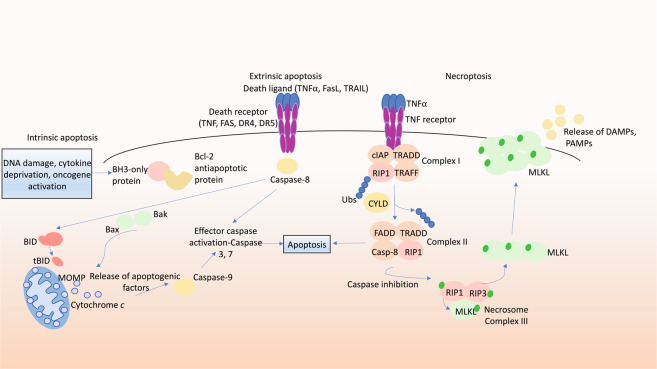
“Conversely, the extrinsic pathway is predominantly activated by the formation of tumor necrosis factor (TNF) family death receptors on membrane surfaces (Moujalled et al .”
Glyceraldehyde-3-phosphate dehydrogenase is involved in the pathogenesis of Alzheimer's disease
Schmalhausen, E. V., Medvedeva, M. V., & Muronetz, V. I. (2024) · Archives of Biochemistry and Biophysics · doi:10.1016/j.abb.2024.110065 · Cited by 17
tRF-Gly-GCC in Atretic Follicles Promotes Ferroptosis in Granulosa Cells by Down-Regulating MAPK1
Pan, Y., Gan, M., Wu, S., He, Y., Feng, J., Jing, Y., Li, J., Chen, Q., Tong, J., Kang, L., et al. (2024) · International Journal of Molecular Sciences · doi:10.3390/ijms25169061 · Cited by 17
“After collecting the samples, the cryostorage tube was stored in an ultra-low temperature refrigerator at − 80 ◦ C.”
MethodNon-apoptotic cell death in osteoarthritis: Recent advances and future
Ji, P., Zhou, Z., Zhang, J., Bai, T., Li, C., Zhou, B., Wang, M., Tan, Y., & Wang, S. (2024) · Biomedicine & Pharmacotherapy · doi:10.1016/j.biopha.2024.117344 · Cited by 17
Zhang, T., Rui, W., Sun, Y., Tian, Y., Li, Q., Zhang, Q. Y., Zhao, Y., Liu, Z. Z., & Wang, T. (2024) · Molecular Biomedicine · doi:10.1186/s43556-024-00213-y · Cited by 17
“Neurodegenerative diseases are characterized by the progressive loss of neuronal cells through complex mechanisms [20].”
BackgroundSolasodine suppresses nasopharyngeal carcinoma progression by inducing ferroptosis
Wang, J., Wang, D., Ma, S., He, B., Lu, J., & Guo, Z. (2025) · Scientific Reports · doi:10.1038/s41598-025-93834-4 · Cited by 17
Li, Q., Lin, F., Yu, T., Guo, E., Li, Y., Niu, J., Pan, H., Dang, C., Lu, Y., & Wang, L. (2025) · Neural Regeneration Research · doi:10.4103/nrr.nrr-d-24-01070 · Cited by 18
Zhang, H., Zhang, J., Luan, S., Liu, Z., Li, X., Liu, B., & Yuan, Y. (2023) · International Journal of Biological Sciences · doi:10.7150/ijbs.85753 · Cited by 17
“The occurrence of malignant tumors significantly rises when there is a disruption in normal RCD or when abnormal cell proliferation is not properly controlled [12-15].”
BackgroundAzithromycin induces neurotoxicity in zebrafish by interfering with the VEGF/Notch signaling pathway
Chen, C., Song, J., Pu, Q., Liu, X., Yan, J., Wang, X., Wang, H., & Qian, Q. (2023) · The Science of The Total Environment · doi:10.1016/j.scitotenv.2023.166505 · Cited by 17
Fu, W., Che, X., Tan, J., Cui, S., Ma, Y., Xu, D., Long, H., Yang, X., Wen, T., & He, Z. (2023) · CNS Neuroscience & Therapeutics · doi:10.1111/cns.14452 · Cited by 17
“46 Overloaded iron derives from exocytic iron transported by membrane receptors and intracellular iron degraded by ferritin.”
BackgroundZhu, L., Cao, P., Yang, S., Lin, F., & Wang, J. (2023) · Ecotoxicology and Environmental Safety · doi:10.1016/j.ecoenv.2023.115651 · Cited by 17
Chen, M., Chen, S., Wang, X., Ye, Z., Liu, K., Qian, Y., Tang, M. X., & Wu, T. (2024) · Particle and Fibre Toxicology · doi:10.1186/s12989-024-00580-y · Cited by 16
“Since PCDs are hallmarks of numerous brain disorders, especially neurodegenerative diseases that are always correlated with unwanted loss of neuronal cells [28].”
BackgroundAn explanation of the role of pyroptosis playing in epilepsy
Zhang, X., Zhao, T., Su, S., Li, L., Zhang, Y., Yan, J., Cui, X., Sun, Y., Zhao, J., Han, X., et al. (2024) · International Immunopharmacology · doi:10.1016/j.intimp.2024.112386 · Cited by 16
Therapeutic potential of fucoidan in central nervous system disorders: A systematic review
Yang, J., Zhao, H., & Qu, S. (2024) · International Journal of Biological Macromolecules · doi:10.1016/j.ijbiomac.2024.134397 · Cited by 16
Arthur, R., Navik, U., & Kumar, P. (2024) · Molecular Neurobiology · doi:10.1007/s12035-024-04487-9 · Cited by 16
“Cells treated with the vehicle (0.1% DMSO) were taken as a control for this experiment [27].”
InfluentialEmerging roles of angiopoietin‑like 4 in human tumors (Review)
Liu, R., Fu, M., Chen, P., Liu, Y., Huang, W., Sun, X., Zhu, P., Wen, Z., & Cheng, Y. (2024) · International Journal of Oncology · doi:10.3892/ijo.2024.5715 · Cited by 16
“Based on specific morphological, immunological and genetic characteristics, PCD can be classified into several forms, including apoptosis, ferroptosis, necroptosis, pyroptosis and autophagy‑dependent cell death (75,76).”
Choudhary, D., Khan, M. I., Khan, Z., Mehan, S., Gupta, G. D., Narula, A. S., & Samant, R. (2025) · European Journal of Pharmacology · doi:10.1016/j.ejphar.2025.177417 · Cited by 16
Ferroptosis Mediates the Progression of Hyperuricemic Nephropathy by Activating RAGE Signaling
Wang, Q., Xi, Y., Zhao, H., Xie, D., Yu, L., Yan, Y., Chen, J., Zhang, Q., Liang, M., & Cheng, J. (2025) · Antioxidants and Redox Signaling · doi:10.1089/ars.2024.0672 · Cited by 16
“…by eliciting the release of damage-associated FERROPTOSIS PROMOTES HYPERURICEMIC NEPHROPATHY molecular patterns (DAMPs), a shared feature of multiple cell necrosis modalities, including regulated forms like pyroptosis and necroptosis, as well as unregulated necrosis (Moujalled et al., 2021).”
Shafie, A. S. M., Kamarudin, S. N., Affandi, M. M. R. M. M., & Siran, R. (2025) · Nutritional Neuroscience · doi:10.1080/1028415x.2025.2499559 · Cited by 16
“Commonly, neuronal loss can be activated by intracellular and extracellular stimuli that will trigger additional pathological consequences, including mitochondrial and lysosomal dysfunction, oxidative stress, and microglial activation within the cells [90,91].”
The Osteocyte Transcriptome: Discovering Messages Buried Within Bone
Wee, N. K. Y., Sims, N. A., & Morello, R. (2021) · Current Osteoporosis Reports · doi:10.1007/s11914-021-00708-5 · Cited by 16
Jacques, M. T., Saso, L., & Farina, M. (2023) · International Journal of Molecular Sciences · doi:10.3390/ijms24032910 · Cited by 17
Navigating the complexities of cell death: Insights into accidental and programmed cell death
Lotfi, M.-S., & Rassouli, F. B. (2024) · Tissue and Cell · doi:10.1016/j.tice.2024.102586 · Cited by 15
The cross-talk and interplay between ferroptosis and cuproptosis in tumor and therapeutics
Zhou, X., & Peng, S. (2026) · Cellular Oncology · doi:10.1007/s13402-025-01138-6 · Cited by 16
“Programmed cell death encompasses apoptosis, autophagy, necroptosis, pyroptosis, ferroptosis, and the recently discovered copper-dependent cell death, namely cuproptosis [5, 6].”
Onkar, A., Deepashree, S., Rai, A., Gupta, A., Gupta, N., & Ganesh, S. (2023) · Disease Models & Mechanisms · doi:10.1242/dmm.050238 · Cited by 15
He, Y., Zhou, C., Jiang, S., Lan, W.-Q., Zhang, F., Tao, X., & Chen, W. (2024) · Frontiers in Pharmacology · doi:10.3389/fphar.2024.1292807 · Cited by 16
“When cellular stress occurs, various types of cell death will be activated (Moujalled et al., 2021).”
BackgroundJalili, C., Abbasi, A., Rahmani-Kukia, N., Andarzi, S., Kakebaraie, S., & Nasta, T. Z. (2024) · Ecotoxicology and Environmental Safety · doi:10.1016/j.ecoenv.2024.116316 · Cited by 15
Types of cell death in diabetic cardiomyopathy: insights from animal models
Xu, H., Yu, Z., Zhu, J., Liu, H., Chen, X., Jiang, J., Zhu, M., & Li, J. (2024) · Acta Biochimica et Biophysica Sinica · doi:10.3724/abbs.2024213 · Cited by 15
“Dysregulation of apoptosis has been implicated in the pathophy - siology of various complications, such as tumors [62] and neurodegenerative diseases [63].”
Yang, S., Wang, L., Liang, X., Pei, T., Zeng, Y., Xie, B., Wang, Y., Yang, M., Wei, D., & Cheng, W. (2025) · International Journal of Biological Macromolecules · doi:10.1016/j.ijbiomac.2025.141715 · Cited by 15
Sun, C., Gui, J., Sheng, Y., Huang, L., Zhu, X., & Huang, K. (2025) · Discover Oncology · doi:10.1007/s12672-025-02592-2 · Cited by 15
Z-DNA-binding protein 1-mediated programmed cell death: Mechanisms and therapeutic implications
Huang, Y., Wang, L., Zhu, Y., Li, X., Dai, Y., He, G., & Jiang, X. F. (2025) · Chinese Medical Journal · doi:10.1097/cm9.0000000000003737 · Cited by 15
“[164] Apoptosis is considered to be the predominant form of PCD in the nervous system.”
Hu, Y., Lei, H., Zhang, S., Ma, J., Kang, S. Y., Wan, L., Li, F., Zhang, F., Sun, T., Zhang, C., et al. (2022) · Neurochemical Research · doi:10.1007/s11064-022-03675-0 · Cited by 15
Yu, J., Chen, Y., Pan, X., & Wen, W. (2022) · Oxidative Medicine and Cellular Longevity · doi:10.1155/2022/3713929 · Cited by 15
“Specifically, it refers to the suicide protection measures initiated by gene regulation when cells are stimulated by internal and external environmental factors [3].”
Hinz, F. I., Villegas, C. L. M., Roberts, J. T., Yao, H., Gaddam, S., Delwig, A., Green, S. A., Fredrickson, C., Adrian, M., Asuncion, R. R., et al. (2024) · Journal of Neuroscience · doi:10.1523/jneurosci.2424-23.2024 · Cited by 14
Zhang, H., Jiang, W., Wu, P., Liu, Y., Ren, H., Jin, X., Zhou, X., & Feng, L. (2024) · Engineering · doi:10.1016/j.eng.2024.03.016 · Cited by 14
Lead exposure induces neurodysfunction through caspase-1-mediated neuronal pyroptosis
Peng, D., Wang, L., Fang, Y., Lu, L., Li, Z.-C., Jiang, S., Chen, J., Aschner, M., Li, S., & Jiang, Y. (2024) · Environmental Research · doi:10.1016/j.envres.2024.119210 · Cited by 14
Pyroptosis in Spinal Cord Injury: Implications for Pathogenesis and Therapeutic Approaches
Gu, G., Yu, H., Zou, H., Kou, W., Zhang, P., Gu, G., Lu, J., Shi, W., Chu, P., Zhang, Y., et al. (2024) · Frontiers in Bioscience-Landmark · doi:10.31083/j.fbl2906210 · Cited by 15
“In support of this, the stimulation of autophagy hinders both pyroptosis and necrotic apoptosis [97].”
BackgroundFerroptosis, pathogenesis and therapy in AS co-depression disease
Zhao, Y., Ren, P., Luo, Q., Li, X., Cheng, X., Wen, Y., Wu, X., & Zhou, J. (2025) · Frontiers in Pharmacology · doi:10.3389/fphar.2025.1516601 · Cited by 14
Advancements in elucidating the mechanisms of Sorafenib resistance in hepatocellular carcinoma
Huang, C. L., Li, Y., Zhang, F., Zhang, C., & Ding, Z. (2025) · International Journal of Surgery · doi:10.1097/js9.0000000000002294 · Cited by 14
“The five main types of PCD identified and studied are apoptosis, autophagy, pyroptosis, ferropto-sis, and necroptosis, with the first four being the most extensively researched [ 59 ] .”
Disulfidptosis: a new target for central nervous system disease therapy
Chang, J., Liu, D., Xiao, Y., Tan, B., Deng, J., Mei, Z., & Liao, J. (2025) · Frontiers in Neuroscience · doi:10.3389/fnins.2025.1514253 · Cited by 14
Wei, J., Hu, L., Xu, S., Yang, F., Liao, F., Tang, Y., Shen, X., Zhang, X., Fang, X., Li, Y., et al. (2025) · Journal of Neuroinflammation · doi:10.1186/s12974-025-03487-3 · Cited by 14
“Recent research has shown that pyroptosis, which is mediated by the caspase-1/GSDMD pathway, contributes to microglial activation and neuroinflammation, exacerbating AD progression [42].”
Xiang, L., Zhang, J., Wu, Y., Shi, J., Shu, Y., Miu, R., Zhao, J., Zhu, J., Tao, Z., Geng, Y., et al. (2026) · Chemical Engineering Journal · doi:10.1016/j.cej.2026.177692 · Cited by 15
Ferroptosis inhibition protects against α-synuclein-related neuronal cell death
Majerníková, N., Caiado, M. J. D. C., Seinstra, R. I., Couzijn, S., Goya, M. E., Salinas, C. S., Truong, H., van der Sluis, T., Miedema, A., van Kempen, L. C. L. T., et al. (2025) · Cell Death and Disease · doi:10.1038/s41419-025-08319-z · Cited by 15
“Within the context of PD, the pathways of ferroptosis intersect with the disease ’ s pathogenesis [8, 11], making it essential to explore the factors contributing to iron homeostasis dysregulation and the subsequent initiation of ferroptosis.”
Tau aggregation and its relation to selected forms of neuronal cell death
Tolkovsky, A. M., & Spillantini, M. G. (2021) · Essays in Biochemistry · doi:10.1042/ebc20210030 · Cited by 14
Jiang, W., Du, Y., Zhang, W., & Zhou, W. (2022) · Canadian Journal of Gastroenterology and Hepatology · doi:10.1155/2022/4661929 · Cited by 14
Advances of Protein Palmitoylation in Tumor Cell Deaths
Lin, X., Shi, Y.-X., Zhan, Y., Xing, Y., Li, Y., Zhou, Z., & Chen, G. (2023) · Cancers · doi:10.3390/cancers15235503 · Cited by 15
“Autophagy is frequently utilized as a mechanism to sustain cellular viability; however, it can also be associated with cell death [41].”
BackgroundInfluentialMRPL21 promotes HCC proliferation through TP53 mutation-induced apoptotic resistance
Ma, T., Huang, Y.-B., Chen, J., Zhang, L., Liu, Y., & Lu, C. (2024) · Tissue and Cell · doi:10.1016/j.tice.2023.102298 · Cited by 13
Mapping the Research of Ferroptosis in Parkinson’s Disease from 2013 to 2023: A Scientometric Review
Chen, Y., Wu, Z., Li, S., Chen, Q., Wang, L., Qi, X., Tian, C., & Yang, M. (2024) · Drug Design Development and Therapy · doi:10.2147/dddt.s458026 · Cited by 13
Recent Advances in the Biomedical Applications of Copper Nanomaterial‐Mediated Cuproptosis
Wu, S., Wang, Q., Li, Y., Liu, B., & Miao, Y. (2024) · Advanced NanoBiomed Research · doi:10.1002/anbr.202400018 · Cited by 13
Bid Protein: A Participant in the Apoptotic Network with Roles in Viral Infections
Wyżewski, Z., Gregorczyk-Zboroch, K. P., Mielcarska, M. B., Świtlik, W. Z., & Niedzielska, A. (2025) · International Journal of Molecular Sciences · doi:10.3390/ijms26062385 · Cited by 13
“Scientific research has linked various pathological stages to the changes in the level and the activity of different Bcl-2 family members [10,23–28].”
Roles of METTL3 and NLRP3 in pyroptosis and prospects in SCIRI
Guan, X., Zhang, F., Zhang, N., Li, G., & Yin, F. (2025) · Frontiers in Immunology · doi:10.3389/fimmu.2025.1552704 · Cited by 13
Chen, Y., Zhang, Y., Lu, J., Liu, Z., Zhao, S., Zhang, M., Lu, M., Xu, W., Sun, F., Wu, Q., et al. (2022) · Frontiers in Immunology · doi:10.3389/fimmu.2022.828243 · Cited by 13
“We initially reannotated TCGA expression matrix to distinguish between mRNAs and lncRNAs and identified 199 genes related to PCD among which, 33, 52, and 114 were associated with apoptosis (26), pyroptosis (9, 27), and ferroptosis (28).”
A comprehensive analysis of gasdermin family gene as therapeutic targets in pan-cancer
Huo, C.-L., Deng, Y., & Zhen-gang, S. (2022) · Scientific Reports · doi:10.1038/s41598-022-17100-7 · Cited by 13
Rotenone-induced oxidative stress in THP-1 cells: biphasic effects of baicalin
Currò, M., Saija, C., Trainito, A., Salinaro, A. T., Bertuccio, M. P., Visalli, G., Caccamo, D., & Ientile, R. (2022) · Molecular Biology Reports · doi:10.1007/s11033-022-08060-2 · Cited by 13
“Many efforts have been made to characterize different mechanisms associated with alterations in various cell types occurring in neurodegenerative diseases [1, 2].”
BackgroundZhang, J., Jia, X., Cao, Q., Chen, Y.-T., Tong, J., Lu, G., Li, D., Han, T., Zhuang, C., & Wang, P. (2023) · ACS Chemical Neuroscience · doi:10.1021/acschemneuro.3c00406 · Cited by 13
Ge, T., Ning, B., Wu, Y., Chen, X., Qi, H., Wang, H., & Zhao, M. (2023) · Molecular and Cellular Biochemistry · doi:10.1007/s11010-023-04876-z · Cited by 13
“Apoptosis, as a type of programmed cell death (PCD), PCD also encompasses various forms, such as necroptosis, fer-roptosis, pyroptosis, autophagy and non-programmed necrosis [20–22].”
Topology-regulated nanocatalysts for ferroptosis-mediated cancer phototherapy
Chen, G., Gu, L., Liu, Y., Du, J., Qi, Q., Miao, Q., Wu, J., Miao, Y., & Li, Y. (2023) · Journal of Colloid and Interface Science · doi:10.1016/j.jcis.2023.11.119 · Cited by 13
Risk model of hepatocellular carcinoma based on cuproptosis-related genes
Liu, Z., Qi, Y., Wang, H., Zhang, Q., Wu, Z., & Wu, W. (2022) · Frontiers in Genetics · doi:10.3389/fgene.2022.1000652 · Cited by 13
“Many forms of programmed and nonprogrammed cell death have been identified, including apoptosis, ferroptosis, and necroptosis (Moujalled et al., 2021).”
BackgroundZhao, N., Wang, J., Huang, S., Zhang, J., Bao, J., Ni, H., Gao, X., & Zhang, C. (2024) · APOPTOSIS · doi:10.1007/s10495-024-01984-z · Cited by 12
“The aberrant activation of PCD is a prevalent characteristic observed in neurodegenerative diseases, leading to the superfluous depletion of neuronal cells and subsequent functional impairment [ 1 ].”
Effects of natural source polysaccharides on neurological diseases: A review
Yang, L., Hou, H., Lu, L., Sun, Y. H., Chen, R., Deng, Q., & Chen, H. (2025) · International Journal of Biological Macromolecules · doi:10.1016/j.ijbiomac.2025.139697 · Cited by 12
Ge, Y., Wang, T., Hu, Q., Wu, X., Cai, Y., Xie, W., Zhang, S., Wang, B., Wang, J., Feng, T., et al. (2025) · Brain Behavior and Immunity · doi:10.1016/j.bbi.2025.01.020 · Cited by 12
Kadyan, P., & Singh, L. (2025) · Molecular Neurobiology · doi:10.1007/s12035-025-04808-6 · Cited by 12
“It has been well known that apoptosis is a highly controlled process crucial for proper brain development and maintenance [98].”
Yin, G., Yu, T. Y., Lian, C., Li, Y., Liu, D., Li, H., Zhou, H., Yin, P., & Yao, S. (2025) · Advanced Healthcare Materials · doi:10.1002/adhm.202404993 · Cited by 12
Metadata
- Authors
- Moujalled, D., Strasser, A., & Liddell, J. R.
- Affiliations
- The University of Melbourne (AU)
- Corresponding author
- Moujalled, Diane
- Strasser, Andreas
- Venue
- Cell Death & Differentiation
- Published
- 2021-06-07
- Volume
- 28
- Issue
- 7
- Pages
- 2029-2044
- ISSN
- 1350-9047 (ISSN-L)
- 1476-5403
- PMC
- PMC8257776
- OpenAlex
- W3171124897
- Cited by
- 749
- References
- 158
- Citations by year
- 2026: 113 · 2025: 186 · 2024: 217 · 2023: 128 · 2022: 92 · 2021: 13
- FWCI
- 11.83
- Type
- journal article
- Language
- en
- Open access
- hybrid
- doi.org
- Licence
- cc-by
- creativecommons.org/licenses/by/4.0 (tdm)
- creativecommons.org/licenses/by/4.0 (vor)
- Locations
- Cell Death and Differentiation (publishedVersion, cc-by)
- PubMed Central (publishedVersion, cc-by)
- PubMed (publishedVersion)
- Minerva Access (University of Melbourne) (submittedVersion, cc-by)
- Funders
- Wellcome Trust (101671)
- National Health and Medical Research Council (1020363)
- Topics
- Life Sciences › Biochemistry, Genetics and Molecular Biology › Molecular Biology › Cell death mechanisms and regulation
- Life Sciences › Biochemistry, Genetics and Molecular Biology › Cell Biology › Autophagy in Disease and Therapy
- Life Sciences › Neuroscience › Neurology › Neuroinflammation and Neurodegeneration Mechanisms
- Keywords
- programmed cell death, neuronal cell death, apoptosis, necroptosis, pyroptosis, ferroptosis, autophagic cell death, neurodegenerative diseases, brain tumorigenesis, amyotrophic lateral sclerosis, Alzheimer's disease, Parkinson's disease, Huntington's disease, cell death signaling, neuroinflammation, cell death inhibitors, therapeutic target
- MeSH terms
- Regulated Cell Death, Animals, Autophagy, Brain, Humans, Neurons, Signal Transduction, Neurodegenerative Diseases
About these checks
Registry, retraction, Cites and statistics results are computed, not judged, with one exception: a printed reference that no index lists is read once by a model before it counts as a citation error. Claims are extracted by a model and kept only when their quote appears verbatim in the text; each cited source is then checked, with a model’s help, for whether it says what the claim relies on. Those verdicts can be wrong — read the claim’s quote and the cited source before relying on one.
Statistics and arithmetic are recomputed, not judged.
Confidence bands are shown only for fields calibrated on our annotated test set. None is calibrated yet, so no band is shown.
What counts as a claim ›How we measure confidence ›How we check this ›
Are you an author, or do you see a problem with this page? Request a review
Data sources
Bibliographic data: Semantic Scholar, OpenAlex, Crossref.
Contains information from the Semantic Scholar Academic Graph Datasets, made available under the ODC Attribution License (ODC-BY 1.0).
Semantic Scholar’s data is described in: Kinney, R., et al. (2023). The Semantic Scholar Open Data Platform. arXiv:2301.10140.
