

Glucagon-like peptide-1 receptor regulates endoplasmic reticulum stress-induced apoptosis and the associated inflammatory response in chondrocytes and the progression of osteoarthritis in rat
Open accessThe DOI matches its Crossref record; 66 of the 66 references it cites were found in a registry or an index.
Abstract
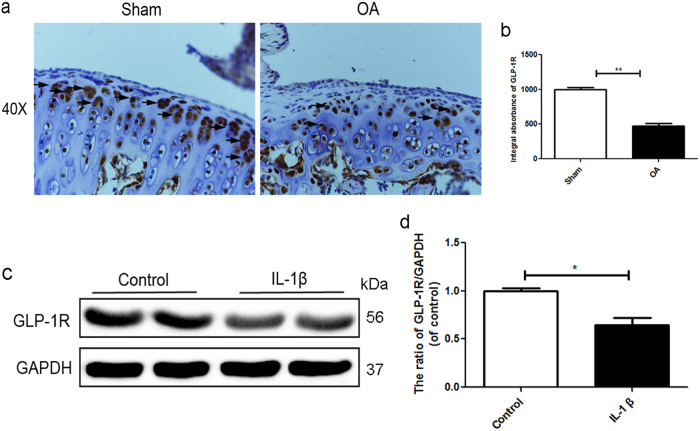
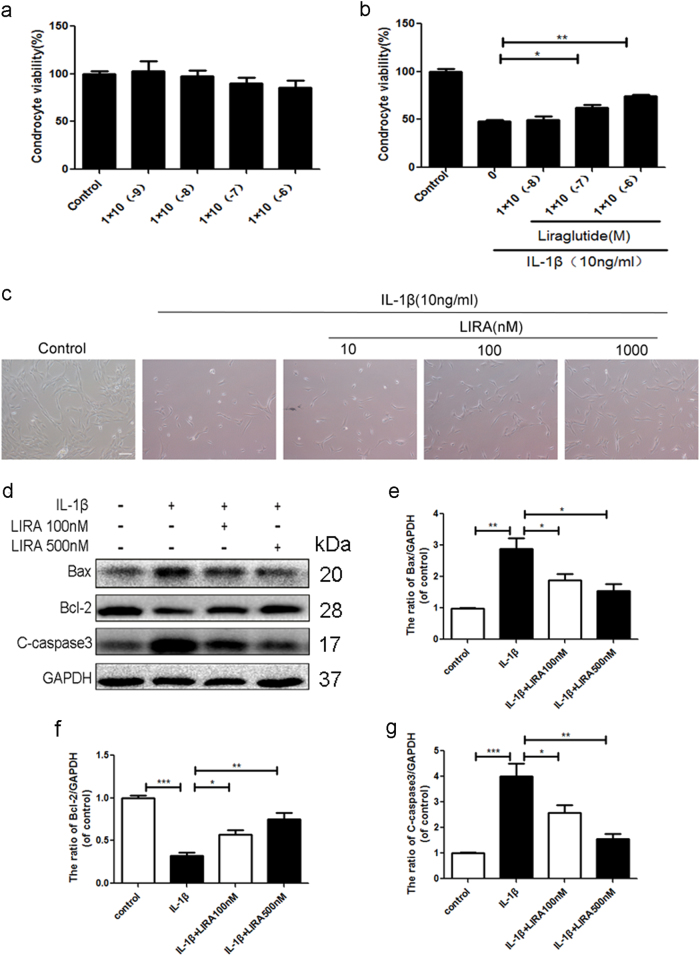
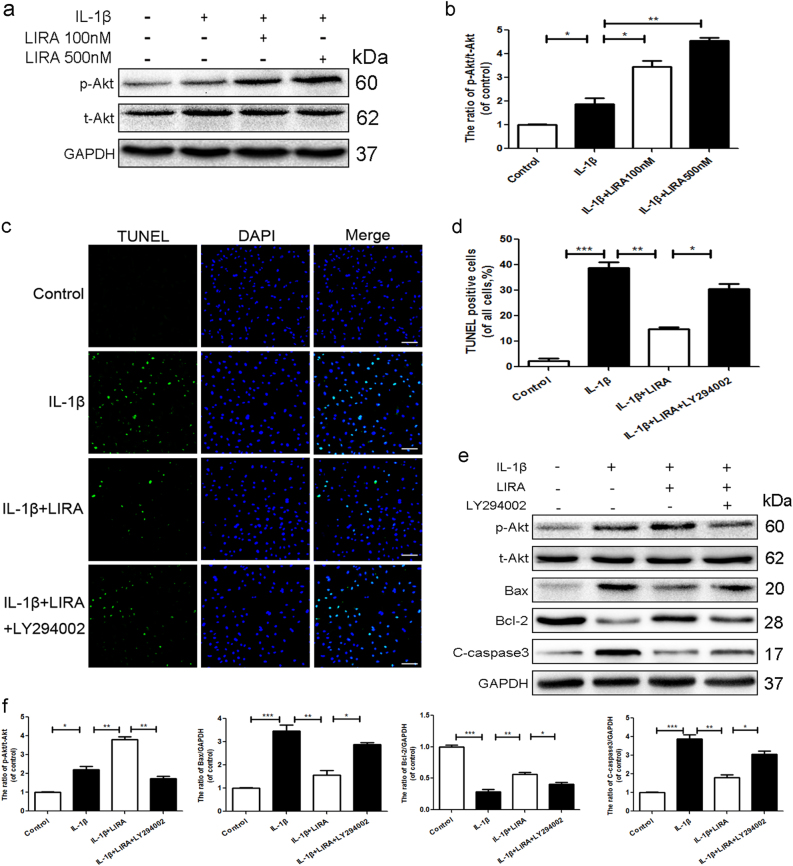
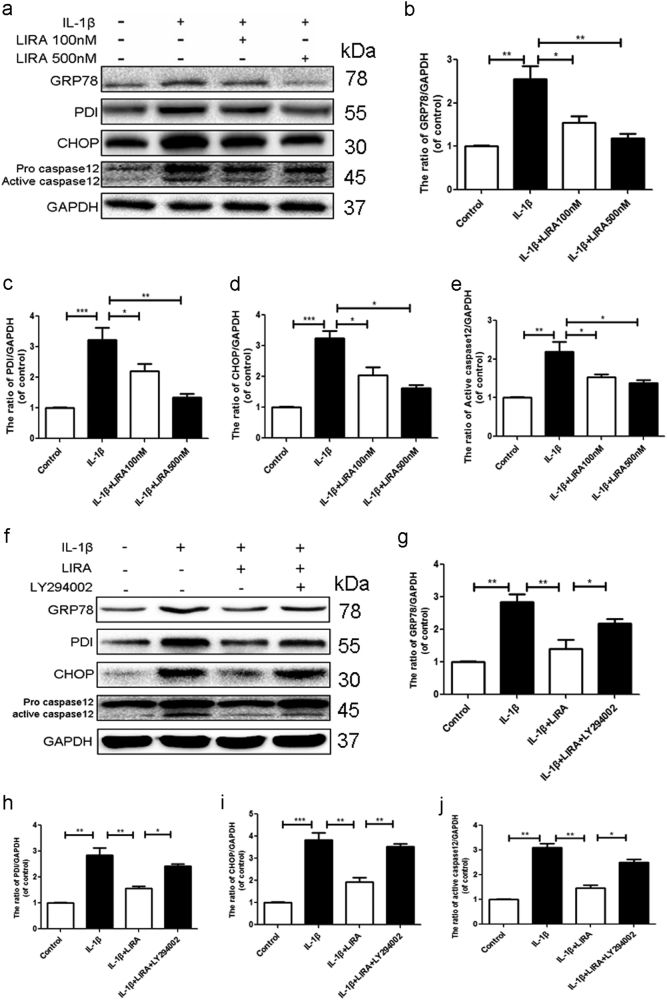
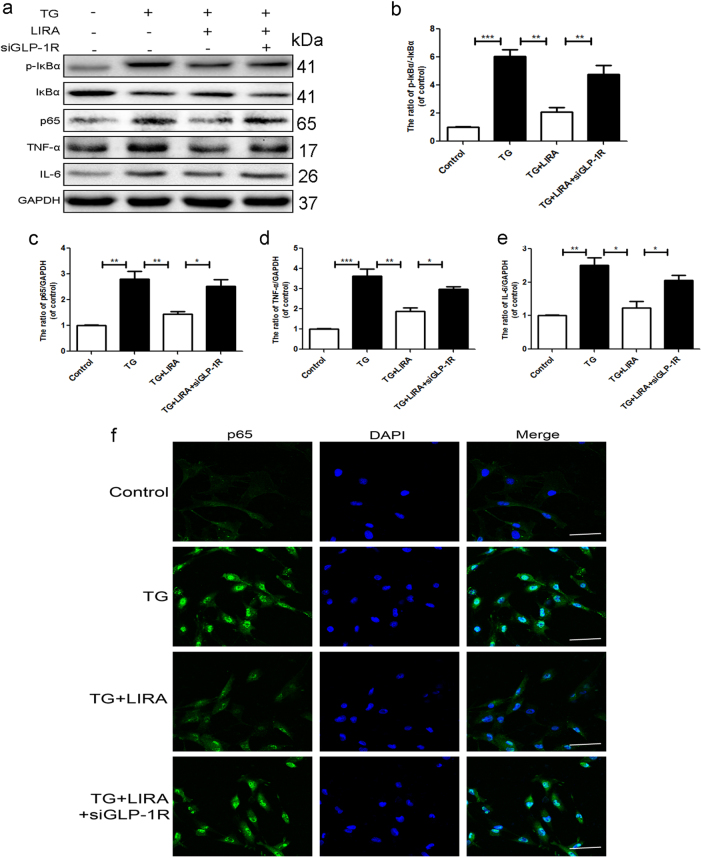
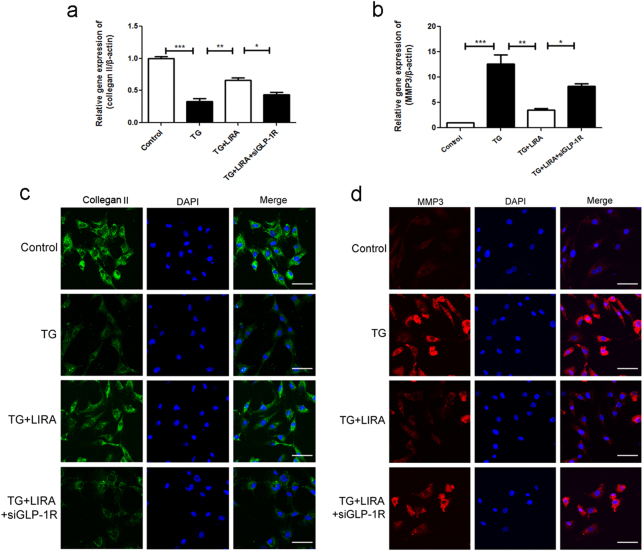
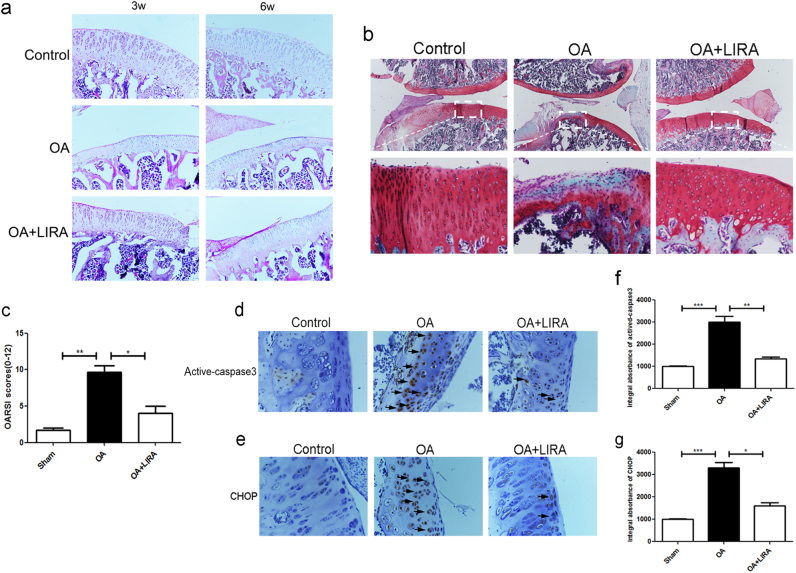
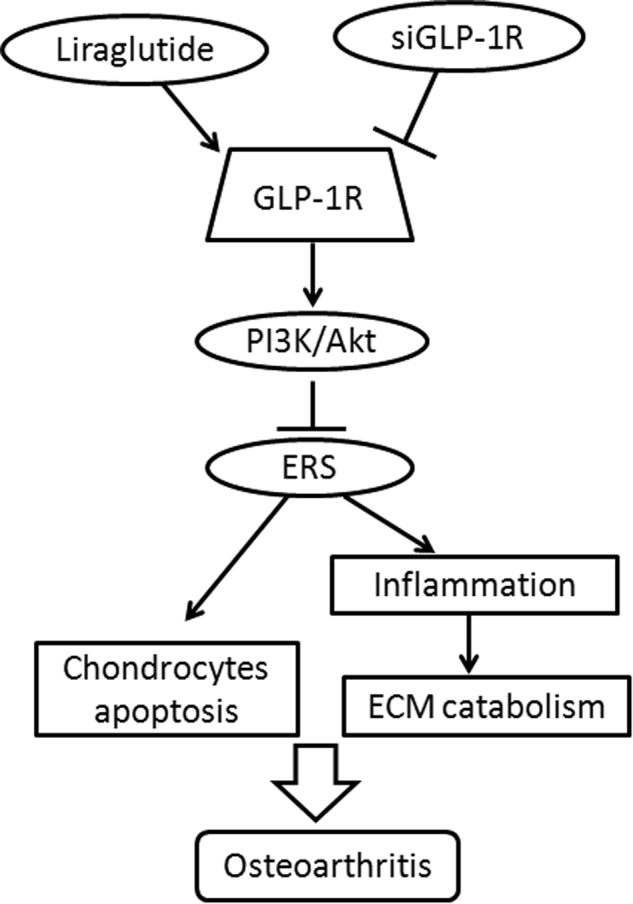
Treatments for osteoarthritis (OA) are designed to restore chondrocyte function and inhibit cell apoptosis. Previous studies have shown that activation of the glucagon-like peptide-1 receptor (GLP-1R) leads to anti-inflammatory and anti-apoptotic effects. However, the role of GLP-1R in the pathological process of OA is unclear. In present work, we aimed to demonstrate the potential effect of GLP-1R on chondrocytes and elucidate its underlying mechanisms. We found that activation of GLP-1R with liraglutide could protect chondrocytes against endoplasmic reticulum stress and apoptosis induced by interleukin (IL)-1β or triglycerides (TGs). These effects were partially attenuated by GLP-1R small interfering RNA treatment. Moreover, inhibiting PI3K/Akt signaling abolished the protective effects of GLP-1R by increase the apoptosis activity and ER stress. Activating GLP-1R suppressed the nuclear factor kappa-B pathway, decreased the release of inflammatory mediators (IL-6, tumor necrosis factor α), and reduced matrix catabolism in TG-treated chondrocytes; these effects were abolished by GLP-1R knockdown. In the end, liraglutide attenuated rat cartilage degeneration in an OA model of knee joints in vivo. Our results indicate that GLP-1R is a therapeutic target for the treatment of OA, and that liraglutide could be a therapeutic candidate for this clinical application.
Overview
The claims and statistics of this paper haven’t been checked yet.
Free: it reads the open-access text and checks the first 5 claims that cite a source we can check. Create a free account to check every claim.
Integrity signals
Registry
Cites
Statistics
Figures
Verification
Claims the paper makes
The claims and statistics of this paper haven’t been checked yet.
Free: it reads the open-access text and checks the first 5 claims that cite a source we can check. Create a free account to check every claim.
Claims other papers make about this one
Each is checked against this paper’s own text: does it say what the citing paper says it does?
The source backs part of the claim, not all of it — or backs it for a different population, condition or comparison.
In the citing paper
“GLP-1R expression was detected via immunohistochemistry in articular chondrocytes from both normal and osteoarthritic individuals.273”
From Glucagon-like peptide-1 receptor: mechanisms and advances in therapy (2024) · cites this paper as [273]
Experimental — accuracy not yet measuredThe source backs part of the claim, not all of it — or backs it for a different population, condition or comparison.
In the citing paper
“This change suggests that liraglutide not only inhibits inflammation and cartilage degradation but may also promote the synthesis and accumulation of cartilage matrix, thereby helping to protect and repair joint cartilage.273”
From Glucagon-like peptide-1 receptor: mechanisms and advances in therapy (2024) · cites this paper as [273]
Experimental — accuracy not yet measuredThe source backs part of the claim, not all of it — or backs it for a different population, condition or comparison.
In the citing paper
“Furthermore, a study using the anterior cruciate ligament transection (ACLT) rat model further confirmed that subcutaneous injection of liraglutide at 50 μg/kg/day, whether for 3 weeks or 6 weeks, could reduce OARSI scores, highlighting the potential of liraglutide in treating joint degeneration.273”
From Glucagon-like peptide-1 receptor: mechanisms and advances in therapy (2024) · cites this paper as [273]
Experimental — accuracy not yet measuredThe cited source says what the claim attributes to it.
In the citing paper
“Moreover, GLP-1RAs could decelerate the progression of OA and mitigate pathological damage in a rat OA model.273”
From Glucagon-like peptide-1 receptor: mechanisms and advances in therapy (2024) · cites this paper as [273]
Self-check
Percentages, sums and reported differences re-computed from the paper’s own numbers.
The self-check needs the paper’s full text.
Citations
Cites
A new mathematical model for relative quantification in real-time RT-PCR
Pfaffl, M. W. (2001) · Nucleic Acids Research · doi:10.1093/nar/29.9.e45 · Cited by 34,610
Control of inositol 1,4,5-trisphosphate-induced Ca2+ release by cytosolic Ca2+
Bootman, M. D., Missiaen, L., Parys, J. B., De Smedt, H., & Casteels, R. (1995) · Biochemical Journal · doi:10.1042/bj3060445 · Cited by 5,120
Mutation of the mouse klotho gene leads to a syndrome resembling ageing
Kuro-o, M., Matsumura, Y., Aizawa, H., Kawaguchi, H., Suga, T., Utsugi, T., Ohyama, Y., Kurabayashi, M., Kaname, T., Kume, E., et al. (1997) · Nature · doi:10.1038/36285 · Cited by 3,837
Cross, M., Smith, E., Hoy, D., Nolte, S., Ackerman, I., Fransen, M., Bridgett, L., Williams, S., Guillemin, F., Hill, C. L., et al. (2014) · Annals of the Rheumatic Diseases · doi:10.1136/annrheumdis-2013-204763 · Cited by 3,496
Caspase-12 mediates endoplasmic-reticulum-specific apoptosis and cytotoxicity by amyloid-β
Nakagawa, T., Zhu, H., Morishima, N., Li, E., Xu, J., Yankner, B. A., & Yuan, J. (2000) · Nature · doi:10.1038/47513 · Cited by 3,256
Osteoarthritis: A disease of the joint as an organ
Loeser, R. F., Goldring, S. R., Scanzello, C. R., & Goldring, M. B. (2012) · Arthritis & Rheumatism · doi:10.1002/art.34453 · Cited by 3,076
Endoplasmic reticulum stress and the inflammatory basis of metabolic disease
Hotamisligil, G. S. (2010) · Cell · doi:10.1016/j.cell.2010.02.034 · Cited by 2,802
Role of proinflammatory cytokines in the pathophysiology of osteoarthritis
Kapoor, M., Martel-Pelletier, J., Lajeunesse, D., Pelletier, J.-P., & Fahmi, H. (2011) · Nature Reviews Rheumatology · doi:10.1038/nrrheum.2010.196 · Cited by 2,778
Regulation of Cell Death Protease Caspase-9 by Phosphorylation
Cardone, M. H., Roy, N., Stennicke, H. R., Salvesen, G. S., Franke, T. F., Stanbridge, E., Frisch, S., & Reed, J. C. (1998) · Science · doi:10.1126/science.282.5392.1318 · Cited by 2,481
From endoplasmic-reticulum stress to the inflammatory response
Zhang, K., & Kaufman, R. J. (2008) · Nature · doi:10.1038/nature07203 · Cited by 2,010
Cited by
Glucagon-like peptide-1 receptor: mechanisms and advances in therapy
Zheng, Z., Zong, Y., Ma, Y., Tian, Y., Pang, Y., Zhang, C., & Gao, J. (2024) · Signal Transduction and Targeted Therapy · doi:10.1038/s41392-024-01931-z · Cited by 1,036
The PI3K/AKT/mTOR signaling pathway in osteoarthritis: a narrative review
Sun, K., Luo, J., Guo, J., Yao, X., Jing, X., & Guo, F. (2020) · Osteoarthritis and Cartilage · doi:10.1016/j.joca.2020.02.027 · Cited by 660
Meurot, C., Martin, C., Sudre, L., Breton, J., Bougault, C., Rattenbach, R., Bismuth, K., Jacques, C., & Berenbaum, F. (2022) · Scientific Reports · doi:10.1038/s41598-022-05323-7 · Cited by 160
Osteoarthritis treatment via the GLP-1–mediated gut-joint axis targets intestinal FXR signaling
Yang, Y., Hao, C., Jiao, T., Yang, Z., Li, H., Zhang, Y., Zhang, W., Doherty, M., Sun, C., Yang, T., et al. (2025) · Science · doi:10.1126/science.adt0548 · Cited by 160
Feng, K., Ge, Y., Chen, Z., Li, X., Liu, Z., Li, X., Li, H., Tang, T., Yang, F., & Wang, X. (2019) · Oxidative Medicine and Cellular Longevity · doi:10.1155/2019/8574386 · Cited by 144
Self-citationHyperoside ameliorates the progression of osteoarthritis: An in vitro and in vivo study
Sun, K., Luo, J., Jing, X., Xiang, W., Guo, J., Yao, X., Liang, S., Guo, F., & Xu, T. (2020) · Phytomedicine · doi:10.1016/j.phymed.2020.153387 · Cited by 141
Zhu, H., Zhou, L., Wang, Q., Cai, Q., Yang, F., Jin, H., Chen, Y., Song, Y., & Zhang, C. (2023) · Annals of the Rheumatic Diseases · doi:10.1136/ard-2023-223845 · Cited by 129
The role of interaction between autophagy and apoptosis in tumorigenesis (Review)
Xi, H., Wang, S., Wang, B., Hong, X., Liu, X., Li, M., Shen, R., & Dong, Q. (2022) · Oncology Reports · doi:10.3892/or.2022.8423 · Cited by 142
“Firstly, CHOP downregulates Bcl‐2 expression, but upregulates the pro‐apoptotic gene Bim, and promotes the translocation of Bax to mitochondria to promote apoptosis (63).”
BackgroundTargeting the GLP-1/GLP-1R axis to treat osteoarthritis: A new opportunity?
Meurot, C., Jacques, C., Martin, C., Sudre, L., Breton, J., Rattenbach, R., Bismuth, K., & Berenbaum, F. (2022) · Journal of Orthopaedic Translation · doi:10.1016/j.jot.2022.02.001 · Cited by 94
“Placed in the context of the inflamed synovium, it is of importance that GLP-1–stimulated macrophages operate an M1 toM2 switch because this results in reduced IL-6, TNF-α and iNOS mRNA expression.”
BackgroundResultInfluentialQue, Q., Guo, X., Zhan, L., Chen, S., Zhang, Z., Ni, X., Ye, B., & Wan, S. (2019) · Journal of Inflammation · doi:10.1186/s12950-019-0218-y · Cited by 90
GLP-1 agonists for weight loss: pharmacology and clinical implications.
Moore, P. W., Malone, K., VanValkenburg, D., Rando, L. L., Williams, B. C., Matejowsky, H. G., Ahmadzadeh, S., Shekoohi, S., Cornett, E. M., & Kaye, A. D. (2023) · Advances in Therapy · doi:10.1007/s12325-022-02394-w · Cited by 86
“suggest that the activation of GLP-1R may protect chondrocytes against endoplasmic reticulum stress, apoptosis, and inflammation via decreased release of inflammatory mediators [12, 13].”
BackgroundCheng, D., Yang, S., Zhao, X., & Wang, G. (2022) · Drug Design, Development and Therapy · doi:10.2147/dddt.s348055 · Cited by 84
“Inhibiting the PI3K/Akt signaling pathway may eliminate the protective effect of GLP-1R by increasing ER stress, suggesting that this pathway may be involved in the effect of GLP-1 on ER stress.(73) Besides, the PKA pathway may also be involved in GLP-1, attenuating the ER stress signaling pathway and protecting cells…”
BackgroundDropping in on lipid droplets: insights into cellular stress and cancer
Shyu, P. T., Wong, X. F. A., Crasta, K., & Thibault, G. (2018) · Bioscience Reports · doi:10.1042/bsr20180764 · Cited by 92
Peng, W., Zhou, R., Sun, Z.-F., Long, J.-W., & Gong, Y.-Q. (2022) · Aging and disease · doi:10.14336/ad.2021.0928 · Cited by 71
“At the cellular level, the GLP-1 receptor mediates the protective effects of liraglutide in chondrocytes, preventing endoplasmic reticulum stress and apoptosis [166].”
BackgroundRepurposed and investigational disease-modifying drugs in osteoarthritis (DMOADs)
Oo, W. M., & Hunter, D. J. (2022) · Therapeutic Advances in Musculoskeletal Disease · doi:10.1177/1759720x221090297 · Cited by 85
Saulīte, L., Jēkabsons, K., Kļaviņš, M., Muceniece, R., & Riekstiņa, U. (2018) · Phytomedicine · doi:10.1016/j.phymed.2018.09.029 · Cited by 81
Ye, Y., & Zhou, J. (2023) · Frontiers in Endocrinology · doi:10.3389/fendo.2023.1117489 · Cited by 78
“Endoplasmic reticulum (ER) stress has been associated with the activation of inflammation by activating the NF-kB pathway (112).”
BackgroundUnraveling the Molecular Nexus between GPCRs, ERS, and EMT
Kumari, N., Reabroi, S., & North, B. J. (2021) · Mediators of Inflammation · doi:10.1155/2021/6655417 · Cited by 66
“Among the secretin family of GPCRs, the glucagon-like peptide-1 receptor (GLP1R) exerts its antiapoptotic e ff ect in chondrocytes by activating the PI3K/AKT and NF-κ B pathways and suppressing the ERS response [77].”
The effects of GLP-1 agonists on musculoskeletal health and orthopedic care
Gatto, A., Liu, K., Milan, N., & Wong, S. (2025) · Current Reviews in Musculoskeletal Medicine · doi:10.1007/s12178-025-09978-3 · Cited by 55
“Furthermore, liraglutide displays an antioxidant effect, reducing TNF-α-induced reactive oxygen species (ROS) and NADPH-oxidase levels, alleviating stress on mitochondrial and endoplasmic reticulum function, and thus reducing chondrocyte apoptosis [22, 69 ].”
InfluentialHalabitska, I., Бабинец, Л. С., Oksenych, V., & Kamyshnyi, O. (2024) · Biomedicines · doi:10.3390/biomedicines12081630 · Cited by 61
“Additionally, alterations in the phospholipid layer covering the cartilage surface can disrupt joint function and contribute to О A pathogenesis [211,219].”
BackgroundInfluentialAndersen, D. B., Grunddal, K. V., Pedersen, J., Kuhre, R. E., Lund, M. L., Holst, J. J., & Ørskov, C. (2021) · Endocrinology · doi:10.1210/endocr/bqaa246 · Cited by 54
Xie, C., Li, J., Xue, E., Dou, H., Lin, J., Chen, K., Wu, H., Wu, L. H., Xuan, J., & Huang, Q.-S. (2018) · Food & Function · doi:10.1039/c8fo01509k · Cited by 49
Self-citationXu, F., Zhao, L.-J., Liao, T., Li, Z.-C., Wang, L.-L., Lin, P.-Y., Jiang, R., & Wei, Q. (2022) · BMC Complementary Medicine and Therapies · doi:10.1186/s12906-022-03504-5 · Cited by 51
Insulin Signaling in Arthritis
Tripolino, C., Ciaffi, J., Pucino, V., Ruscitti, P., van Leeuwen, N., Borghi, C., Giacomelli, R., Meliconi, R., & Ursini, F. (2021) · Frontiers in Immunology · doi:10.3389/fimmu.2021.672519 · Cited by 46
Bılgın, E., Venerito, V., & Bogdanos, D. P. (2025) · Autoimmunity Reviews · doi:10.1016/j.autrev.2025.103864 · Cited by 57
The Sirt1/P53 Axis in Diabetic Intervertebral Disc Degeneration Pathogenesis and Therapeutics
Zhang, Z., Lin, J., Nisar, M., Chen, T., Xu, T., Zheng, G., Wang, C., Jin, H., Chen, J., Gao, W., et al. (2019) · Oxidative Medicine and Cellular Longevity · doi:10.1155/2019/7959573 · Cited by 48
“As previously described [34], first, second-passage NP cells were plated in 96-well plates (8000 cells/cm(2)) and cultured in DMEM with 10% FBS at 37°C and 5% CO2 for 24h.”
MethodSelf-citationWen, Z., Lin, J., Xie, W., Shan, Y., Zhen, G., & Li, Y. (2023) · Military Medical Research · doi:10.1186/s40779-023-00485-5 · Cited by 70
Lavu, M. S., Porto, J. R., Hecht, C. J., Kaelber, D. C., Sculco, P. K., Heckmann, N. D., & Kamath, A. F. (2024) · The Journal of Arthroplasty · doi:10.1016/j.arth.2024.06.008 · Cited by 47
The potential role of GLP ‐1 receptor agonists in osteoarthritis
Ryan, M., Megyeri, S., Nuffer, W. A., & Trujillo, J. M. (2025) · Pharmacotherapy The Journal of Human Pharmacology and Drug Therapy · doi:10.1002/phar.70005 · Cited by 47
Tao, Y., Ge, G., Wang, Q., Wang, W., Zhang, W., Bai, J., Lin, J., Shen, J., Guo, X., Xu, Y., et al. (2019) · IUBMB Life · doi:10.1002/iub.2031 · Cited by 44
Yao, M., Zhang, J., Zhi-hong, L., Bai, X., Ma, J., & Li, Y. (2021) · Frontiers in Medicine · doi:10.3389/fmed.2021.630962 · Cited by 47
Lu, X., Lv, C., Zhao, Y., Wang, Y., Li, Y., Ji, C., Wang, Z., Wu, Y., Yu, S., Bai, J., et al. (2022) · Stem Cell Research & Therapy · doi:10.1186/s13287-022-02963-4 · Cited by 40
“Activation of the PI3K/AKT pathway was also found to suppress ER stress-induced apoptosis [60].”
BackgroundSelf-citation(2019) · Europe PMC (PubMed Central)
Advances in GLP-1 receptor agonists for pain treatment and their future potential
He, Y., Xu, B., Zhang, M., Chen, D., Wu, S., Gao, J., Liu, Y., Zhang, Z., Kuang, J., & Fang, Q. (2025) · The Journal of Headache and Pain · doi:10.1186/s10194-025-01979-4 · Cited by 48
“In a surgically induced-OA model in rats, liraglutide also attenuated rat cartilage degeneration through suppressing the release of inflammatory mediators and protected chondrocytes against endoplasmic reticulum (ER) stress and apoptosis induced by interleukin-1β (IL-1β) or triglycerides [46].”
New developments in chondrocyte ER-stress and related diseases
Briggs, M. D., Dennis, E. P., Dietmar, H. F., & Piróg, K. A. (2020) · F1000Research · doi:10.12688/f1000research.22275.1 · Cited by 36
Wang, K., Chen, X.-B., Chen, Y., Sheng, S., & Huang, Z.-S. (2020) · Food & Function · doi:10.1039/d0fo01377c · Cited by 38
Yi, H., Duan, Y., Song, R., Zhou, Y., Cui, Y., Liu, C., Mao, Z., Hu, J., & Zhou, F. (2023) · Experimental Neurology · doi:10.1016/j.expneurol.2023.114348 · Cited by 40
Xiao, Y., Ren, Q., Zheng, Y., Zhang, S., Ouyang, J., Jiao, L., Tang, C., Li, L., Shi, W., Wang, M., et al. (2022) · Journal of Ethnopharmacology · doi:10.1016/j.jep.2022.115154 · Cited by 33
Porto, J. R., Lavu, M. S., Hecht, C. J., Kaelber, D. C., Sculco, P. K., Heckmann, N. D., & Kamath, A. F. (2025) · Orthopaedic Journal of Sports Medicine · doi:10.1177/23259671241297157 · Cited by 38
“5,24,36 As GLP-1 receptors are also present on articular cartilage and synovial membrane in humans, these drug properties may provide a means of preventing or limiting the progression and symptoms of OA.”
Henriques, J., Berenbaum, F., & Mobasheri, A. (2024) · Osteoarthritis and Cartilage Open · doi:10.1016/j.ocarto.2024.100511 · Cited by 34
“GLP-1R signaling in chondrocytes prevents apoptosis, exhibits anti-in fl ammatory activity, and protects ECM [118,119].”
BackgroundCheng, J., Solomon, T., Estee, M. M., Cicuttini, F., & Lim, Y. Z. (2025) · Osteoarthritis and Cartilage Open · doi:10.1016/j.ocarto.2025.100567 · Cited by 34
“In cell-culture studies, while Liraglutide was the most used GLP-1 agonist [20,22,23,26], its dose ranged from 53.1 nM to 500 mM. GLP-1 agonist was generally administered early (day 1) in the animal models [23,24] but one study also assessed delayed administration (day 7) in a model to evaluate the…”
InfluentialMcIntyre, R. S., Rasgon, N., Goldberg, J. F., Wong, S., Le, G. H., Mansur, R. B., Rosenblat, J. D., Teopiz, K. M., & Stahl, S. M. (2025) · CNS Spectrums · doi:10.1017/s1092852925000124 · Cited by 40
Adiponectin, May Be a Potential Protective Factor for Obesity-Related Osteoarthritis
Jiang, H., Pu, Y., Li, Z., Liu, W., Deng, Y., Liang, R., Zhang, X. M., & Zuo, H.-D. (2022) · Diabetes Metabolic Syndrome and Obesity · doi:10.2147/dmso.s359330 · Cited by 33
“Research by Xie showed that triglycerides can promote NF-κB nuclear translation by inducing endoplasmic reticulum stress, which leads to the release of proinflammatory factors such as collagen-II and MMP-3, thereby enhancing the catabolism of the ECM.(15,88)”
BackgroundInfluentialSelf-citationWang, Y., Wang, Y., Wu, Y., & Wang, Y. (2023) · Pharmaceuticals · doi:10.3390/ph16070964 · Cited by 30
“suggested that activation of the GLP-1 receptor with liraglutide could inhibit inflammation by decreasing the release of inflammatory mediators and regulating phosphoinositide 3-kinase (PI3K)/AKT signaling [34].”
BackgroundSelf-citationYao, M., Jing, Z., Shu-qin, G., Xiao-liang, B., Zhi-hong, L., & Zhou, X. (2019) · Bioscience Reports · doi:10.1042/bsr20190109 · Cited by 29
Glucagon-like peptide-1 receptor agonists in arthritis: current insights and future directions
Karacabeyli, D., & Lacaille, D. V. (2025) · Nature Reviews Rheumatology · doi:10.1038/s41584-025-01302-0 · Cited by 34
“…and ADAMTS5-related degradation of aggrecan 56–58, 61, Whereas various mechanisms seem to contribute to the observed immunomodulatory properties of GLP-1RAs, inhibition of a common signalling pathway has been reported across OA, RA, and psoriasis models: the NF-κB pathway 57–59, 61, 62, 64– 67 (”
Hu, N., Gong, X., Yin, S., Li, Q., Chen, H., Li, Y., Li, F., Qing, L., Yang, J., Zhu, S., et al. (2019) · Artificial Cells Nanomedicine and Biotechnology · doi:10.1080/21691401.2019.1647223 · Cited by 28
Li, Z. Z., Wang, F., Liu, S., Li, H., & Wang, Y. (2020) · Journal of Cellular Biochemistry · doi:10.1002/jcb.29611 · Cited by 27
Yang, D., Chen, Y., Chen, Y.-K., Zeng, Y.-L., & Ling, Z. (2025) · Cardiovascular Research · doi:10.1093/cvr/cvaf033 · Cited by 31
Tabaa, M. M. E., Tabaa, M. M. E., Anis, A., Elgharabawy, R. M., & El-Borai, N. B. (2022) · International Immunopharmacology · doi:10.1016/j.intimp.2022.108995 · Cited by 25
Zhang, Z., Wu, J., Teng, C., Wang, J., Wang, L., Wu, L. H., Chen, W., Lin, Z., & Lin, Z. (2022) · Journal of Agricultural and Food Chemistry · doi:10.1021/acs.jafc.2c01773 · Cited by 27
Huang, X., Liu, W. Q., Zhou, Y., Sun, M., Sun, C., Zhang, C., & Tang, S. (2019) · Life Sciences · doi:10.1016/j.lfs.2019.116612 · Cited by 26
Heckmann, N. D., Palmer, R. C., Mayfield, C. K., Gucev, G., Lieberman, J. R., & Hong, K. M. (2024) · Arthroplasty Today · doi:10.1016/j.artd.2024.101327 · Cited by 23
“Chen et al. found that liraglutide provided in vivo anti-apoptotic effects on chondrocytes in an osteoarthritis mouse model by preventing apoptosis induced by interleukin 1 b [145].”
Bai, Y., Lian, P., Li, J., Zhang, Z., & Jian, Q. (2020) · Microbial Pathogenesis · doi:10.1016/j.micpath.2020.104645 · Cited by 21
Engineered GLP-1R-targeting nanoplatforms: multimodal therapeutics in human diseases
Zeng, J., Tang, X., Qin, D., Yu, L., Zhou, X., Chi, F., Mi, J., Pan, H., Wu, J., Huang, B., et al. (2025) · Journal of Nanobiotechnology · doi:10.1186/s12951-025-03677-4 · Cited by 28
Buonanno, S., Gaggiano, C., Terribili, R., Cantarini, L., Frediani, B., & Gentileschi, S. (2025) · Inflammation Research · doi:10.1007/s00011-025-02140-2 · Cited by 24
Tong, C., Liang, H., Liu, X., Yuan, B., Xue, B., Tong, Z., & Yin, P. (2019) · PubMed · Cited by 16
Duan, J., Zhao, Y., Pei, F., Deng, W., He, L., Rao, C., Zhai, Y., & Zhang, C. (2023) · Environmental Toxicology · doi:10.1002/tox.23764 · Cited by 15
Li, K., Yang, P., Zhang, Y., Zhang, Y., Cao, H., Liu, P., Huang, B., Xu, S., Lai, P., Lei, G., et al. (2020) · Journal of Bone and Mineral Research · doi:10.1002/jbmr.4176 · Cited by 13
Ryanodine receptor 1 mediated dexamethasone-induced chondrodysplasia in fetal rats
Wang, Y., Li, Q., Zhang, D., Chen, L., & Wang, H. (2020) · Biochimica et Biophysica Acta (BBA) - Molecular Cell Research · doi:10.1016/j.bbamcr.2020.118791 · Cited by 13
Self-citationLiu, H., Zhang, T., Liu, M., Wang, C., & Yan, J. (2021) · Evidence-based Complementary and Alternative Medicine · doi:10.1155/2021/2470182 · Cited by 11
“Moreover, through safranin-O staining, we observed morphological changes including cartilage erosion and loss of proteoglycan and cells in OA rat articular cartilages, which were in line with the morphological changes of cartilages in previous studies [24, 34].”
ResultEl‐Deeb, O. S., Soliman, G. M., & El‐Esawy, R. O. (2020) · Journal of Biochemical and Molecular Toxicology · doi:10.1002/jbt.22541 · Cited by 15
Potential role of gut-related factors in the pathology of cartilage in osteoarthritis
Ning, P., Lin, S., Shi, Y., & Liu, T. (2025) · Frontiers in Nutrition · doi:10.3389/fnut.2024.1515806 · Cited by 11
A narrative review of anti-obesity medications for obese patients with osteoarthritis
Oo, W. M., Mobasheri, A., & Hunter, D. J. (2022) · Expert Opinion on Pharmacotherapy · doi:10.1080/14656566.2022.2104636 · Cited by 12
“inflammatory via regulation of NF-κB signaling and antiapoptotic via the PI3K/Akt signaling, leading to reduced rat cartilage damage [141].”
BackgroundA VCP modulator, KUS121, as a promising therapeutic agent for post-traumatic osteoarthritis
Saito, M., Nishitani, K., Ikeda, H. O., Yoshida, S., Iwai, S., Ji, X., Nakahata, A., Ito, A., Nakamura, S., Kuriyama, S., et al. (2020) · Scientific Reports · doi:10.1038/s41598-020-77735-2 · Cited by 10
Jamal, N. H., Hollabaugh, W. L., Scott, L., & Takkouche, S. K. (2024) · Clinical Obesity · doi:10.1111/cob.12700 · Cited by 11
Association of organs-crosstalk with the pathogenesis of osteoarthritis: cartilage as a key player
Qin, Y., Di, J., Guo, Z., Chen, S., & Xiang, C. (2025) · Frontiers in Endocrinology · doi:10.3389/fendo.2025.1593658 · Cited by 9
GLP-1 agonists: a game changer in pain treatment and addiction
Bade, S., Hurdle, M. F. B., Bade, S., Encalada, S., Kanahan-Osman, S., & Gupta, S. (2025) · Pain Management · doi:10.1080/17581869.2025.2536998 · Cited by 12
Gul, U., Aung, T., Martin, M., Farrukh, D. N., Shah, P., Lovely, Z. S., León, E. M., Alansaari, M., Maini, S., Fariduddin, M. M., et al. (2024) · Cureus · doi:10.7759/cureus.76519 · Cited by 16
The Anti‐Inflammatory Effects of Liraglutide in Equine Inflammatory Joint Models
Scheike, A.-S., Plomp, S. G. M., Fugazzola, M. C., Meurot, C., Berenbaum, F., van Weeren, P. R., Tryfonidou, M. A., & von Hegedus, J. H. (2025) · Journal of Orthopaedic Research® · doi:10.1002/jor.26050 · Cited by 12
“Although LPS predictably increased the levels of inflammatory and cartilage metabolism biomarkers, liraglutide, at a dose of 6 mg per joint, did not significantly alter these synovial fluid biomarker levels compared to placebo, contrary to in vitro findings and rodent OA models [9, 10].”
Cheng, Z., Liu, Z., Liu, C., Yang, A., Miao, H., & Bai, X. (2024) · International Immunopharmacology · doi:10.1016/j.intimp.2024.112061 · Cited by 10
Glucagon-like peptide-1 receptor agonists: Prospects for use in rheumatology
Nasonov, E. L., Паневин, Т. С., & Troshina, E. A. (2024) · Rheumatology Science and Practice · doi:10.47360/1995-4484-2024-135-144 · Cited by 8
Liu, J., Yang, H., Zhang, H., Liu, Q., Zhou, P., He, F., Zhang, M., Yu, S., Liu, J., & Wang, M. (2020) · Archives of Oral Biology · doi:10.1016/j.archoralbio.2020.104843 · Cited by 8
Zhang, R. M., Oh, J., Wice, B. M., Dusso, A., & Bernal‐Mizrachi, C. (2025) · The Journal of Steroid Biochemistry and Molecular Biology · doi:10.1016/j.jsbmb.2025.106676 · Cited by 9
Zheng, M., Zhao, J., Wang, Y., Cui, Z., Qiao, Z., Wu, H., Shi, C., & Wang, X. (2025) · Medicine · doi:10.1097/md.0000000000043239 · Cited by 9
“[10] Oxidative stress can cause reduction-oxidation imbalance and increase ECM degradation due to the accumulation of reactive oxygen species (ROS) in chondrocytes.”
Self-citationZhang, X., Chi, R., Xu, J., Meng, C., Wang, Z., Ruo, W., Xin, F., Xu, T., Guo, F., Wang, G., et al. (2025) · International Immunopharmacology · doi:10.1016/j.intimp.2025.116010 · Cited by 7
Self-citationG Protein-Coupled Receptors in Osteoarthritis
Wang, F., Liu, M., Wang, N., & Luo, J. (2022) · Frontiers in Endocrinology · doi:10.3389/fendo.2021.808835 · Cited by 10
Mo, H., Sun, K., Hou, Y., Ruan, Z., He, Z., Liu, H., Li, L., Wang, Z., & Guo, F. (2024) · Bone and Joint Research · doi:10.1302/2046-3758.1311.bjr-2023-0361.r2 · Cited by 7
GLP-1 and GIP: Magic bullet for musculoskeletal diseases?
Fang, Q., Gan, L., Liu, P., Ding, P., & Gao, Y. (2025) · Journal of Advanced Research · doi:10.1016/j.jare.2025.08.046 · Cited by 6
White, C., Choudhury, A., Bollepalli, H., Kodra, J. D., Burton, A. T., & Kraus, J. C. (2025) · Foot & Ankle International · doi:10.1177/10711007251364187 · Cited by 6
Chang, Y. K., Chi, K.-Y., Song, J., Chen, C., & Lin, H.-M. (2025) · Global Spine Journal · doi:10.1177/21925682251383170 · Cited by 6
Not Just Neurons: Pain Is Orchestrated in Partnership with Many Non-neuronal Cells
Smith, E. S. J., Burton, M. D., Heegaard, A., & Stucky, C. L. (2025) · Journal of Neuroscience · doi:10.1523/jneurosci.1309-25.2025 · Cited by 7
Lou, H., Zhang, Y., Fang, J., & Jin, Y. (2022) · Evidence-based Complementary and Alternative Medicine · doi:10.1155/2022/9733742 · Cited by 5
“PI3K/AKT pathway plays an important role in cell apoptosis by regulating related proteins such as Bcl2 and Bax.”
BackgroundInfluentialGlucagon-like peptide and its receptor agonists for the treatment of rheumatic diseases
Chamchoum, E., Katrib, N., Nassif, N., Ratel, Y., & Rida, M. A. (2025) · World Journal of Experimental Medicine · doi:10.5493/wjem.v15.i3.107020 · Cited by 7
Conforti, A., Lucchetti, L., Ciampa, F., Bonifacio, M., Musorrofiti, M. G., Cipolloni, V., & Messina, F. (2026) · Journal of Clinical Medicine · doi:10.3390/jcm15155876 · Cited by 4
“In experimental models, GLP-1 receptor activation inhibited nuclear factor kappa B (NF-κ B) signaling, reduced interleukin-6 (IL-6) and tumor necrosis factor alpha (TNF-α ) release, attenuated endoplasmic reticulum stress and apoptosis, and reduced cartilage matrix catabolism [12].”
Effect of the glucagon-like peptide-1 receptor agonists dulaglutide on kidney outcomes in db/db mice
Deng, F., Zhang, P., Li, H., Fan, X., Du, Y., Zhong, X., Wang, N., He, M., Wang, Y., & Pan, T. (2025) · Cellular Signalling · doi:10.1016/j.cellsig.2025.111603 · Cited by 9
Asemi, Z., Salami, R., Salami, M., Mafi, A., Aarabi, M. H., & Vakili, O. (2022) · Current Molecular Pharmacology · doi:10.2174/1874467215666220829102020 · Cited by 7
Yao, D., Li, M., Wang, K., Jin, S., Zeng, W., Liao, Z., Chen, E., Liang, Y., Xing, T., Wen, G., et al. (2023) · Experimental Cell Research · doi:10.1016/j.yexcr.2023.113794 · Cited by 4
Alonso‐Pérez, A., Guillán‐Fresco, M., López‐Fagúndez, M., Pazos‐Pérez, A., Crespo-Golmar, A., Piñeiro-Ramil, M., López, V. A. M., Mora, A. J., & Gómez, R. (2022) · Rheumato · doi:10.3390/rheumato2040016 · Cited by 5
Li, Y., Yang, L., Li, F., Fu, J., Zhao, W., Wu, X., Guo, J., & Chen, Y. (2025) · Frontiers in Pharmacology · doi:10.3389/fphar.2025.1627691 · Cited by 4
Jeon, M., Hong, B., Ko, H. Y., Song, H. J., Kwak, S. H., Kim, J. H., & Shin, J. (2026) · Diabetes Research and Clinical Practice · doi:10.1016/j.diabres.2026.113091 · Cited by 4
Zhang, H., Liu, Y., Zhang, S., Wang, Z., Zhang, X., Zhang, Y., Zhang, J., Liang, S., Li, C., Su, M., et al. (2026) · Journal of Nanobiotechnology · doi:10.1186/s12951-026-04261-0 · Cited by 7
“safeguarding chondrocytes from endoplasmic reticulum stress and apoptosis, and displaying anti-inflammatory and antioxidant properties [15–17].”
Self-citationLin, J., Luo, M., Tang, H., Lu, K., Mou, Y., Jiang, Q., Yuan, X., Deng, Z., Xu, W., Nie, M., et al. (2026) · Journal of Orthopaedic Translation · doi:10.1016/j.jot.2026.101166 · Cited by 4
“While literature reports lir-aglutide primarily exerts cytoprotective effects by activating the PI3K/AKT pathway [45], our data demonstrate that semaglutide, as a long-acting agonist, conversely inhibits AKT/mTOR pathway activity.”
Punapart, M., Reimets, R., Seppa, K., Kirillov, S., Gaur, N., Eskla, K., Jagomäe, T., Vasar, E., & Plaas, M. (2023) · Genes · doi:10.3390/genes14040827 · Cited by 4
“GLP1-R activation can alleviate ER stress and improve cell survival and mitochondrial function via several pathways [72,73], including the ACE2-mediated RAAS compensatory axis: Ace2/Ang-(1–7)/Mas1/Agtr2.”
BackgroundDavis, W. R., Bank, N. C., Lauck, B. J., Creighton, R. A., & Mistovich, R. J. (2025) · JSES Reviews Reports and Techniques · doi:10.1016/j.xrrt.2025.100613 · Cited by 4
Paisan, M., Papadopoulos, K. I., Papadopoulou, A., Prasongchean, W., & Wattanaarsakit, P. (2025) · World Journal of Orthopedics · doi:10.5312/wjo.v16.i12.110992 · Cited by 4
Ferrigno, S., Cela, E., Fatica, M., Monosi, B., D’Antonio, A., Conigliaro, P., Cardellini, M., Longo, S., Federici, M., & Chimenti, M. S. (2026) · Acta Diabetologica · doi:10.1007/s00592-026-02694-5 · Cited by 3
“Based on this evidence, GLP-1 RAs are under evaluation as potential disease-modifying drugs in autoimmune diseases [65].”
Yang, W., Hao, C., Wang, N., Xie, J., Zhou, B., Yang, Z., Zheng, A., Wei, J., Li, C., Xie, C., et al. (2026) · Gut Microbes · doi:10.1080/19490976.2026.2661854 · Cited by 3
“104 In human primary chondrocytes, liraglutide dose-dependently inhibited TNF-α -induced MMP-3/13 and ADAMTS-4/5 expression, while restoring the expression of COL2 and ACAN.”
InfluentialSelf-citationÇiftçi, E., Eberlein, S. C., Grad, S., Alini, M., Berenbaum, F., & Li, Z. (2026) · Osteoarthritis and Cartilage · doi:10.1016/j.joca.2026.04.018 · Cited by 4
Hu, H., Yin, H., Liu, Y.-W., Wang, Z., & Xie, H. (2026) · Journal of Orthopaedic Translation · doi:10.1016/j.jot.2026.101139 · Cited by 2
“Furthermore, by enhancing mitochondrial function and reducing the production of reactive oxygen species (ROS), GLP-1 RAs protect chondrocytes from endoplasmic reticulum stress and apoptosis, maintaining the structural integrity of type II collagen and proteoglycans [270,271].”
Metadata
- Authors
- Chen, J., Xie, J.-J., Shi, K.-S., Gu, Y.-T., Wu, C.-C., Xuan, J., Ren, Y., Chen, L., Wu, Y.-S., Zhang, X.-L., Xiao, J., Wang, D.-Z., & Wang, X.-Y.
- Affiliations
- Wenzhou Medical University (CN)
- Venue
- Cell Death & Disease
- Published
- 2018-02-12
- Volume
- 9
- Issue
- 2
- Pages
- 212-212
- ISSN
- 2041-4889 (ISSN-L)
- PMC
- PMC5833344
- OpenAlex
- W2789512886
- Semantic Scholar
- c0935c99fc5ff1a712ac451f28f2a2286ba76e2c
- Cited by
- 130
- References
- 66
- Citations by year
- 2026: 22 · 2025: 37 · 2024: 11 · 2023: 9 · 2022: 21 · 2021: 5 · 2020: 13 · 2019: 9 · 2018: 3
- FWCI
- 6.35
- Type
- journal article
- Language
- en
- Open access
- gold
- doi.org
- Licence
- cc-by
- creativecommons.org/licenses/by/4.0 (tdm)
- creativecommons.org/licenses/by/4.0 (vor)
- Locations
- Cell Death and Disease (publishedVersion, cc-by)
- Europe PMC (PubMed Central) (publishedVersion, cc-by)
- PubMed Central (publishedVersion, cc-by)
- PubMed (publishedVersion)
- DOAJ (DOAJ: Directory of Open Access Journals) (submittedVersion)
- Topics
- Health Sciences › Medicine › Rheumatology › Osteoarthritis Treatment and Mechanisms
- Life Sciences › Biochemistry, Genetics and Molecular Biology › Cell Biology › Proteoglycans and glycosaminoglycans research
- Life Sciences › Biochemistry, Genetics and Molecular Biology › Cell Biology › Endoplasmic Reticulum Stress and Disease
- Keywords
- GLP-1 receptor, osteoarthritis, chondrocytes, endoplasmic reticulum stress, apoptosis, liraglutide, PI3K/Akt signaling, NF-κB signaling, IL-1β, triglycerides, cartilage degeneration, matrix catabolism, inflammation
- MeSH terms
- Glucagon-Like Peptide-1 Receptor, Animals, Inflammation, Osteoarthritis, Cytokines, Rats, Sprague-Dawley, Apoptosis, Chondrocytes, Rats, Endoplasmic Reticulum Stress
About these checks
Registry, retraction, Cites and statistics results are computed, not judged, with one exception: a printed reference that no index lists is read once by a model before it counts as a citation error. Claims are extracted by a model and kept only when their quote appears verbatim in the text; each cited source is then checked, with a model’s help, for whether it says what the claim relies on. Those verdicts can be wrong — read the claim’s quote and the cited source before relying on one.
Statistics and arithmetic are recomputed, not judged.
Confidence bands are shown only for fields calibrated on our annotated test set. None is calibrated yet, so no band is shown.
What counts as a claim ›How we measure confidence ›How we check this ›
Are you an author, or do you see a problem with this page? Request a review
Data sources
Bibliographic data: Semantic Scholar, OpenAlex, Crossref.
Contains information from the Semantic Scholar Academic Graph Datasets, made available under the ODC Attribution License (ODC-BY 1.0).
Semantic Scholar’s data is described in: Kinney, R., et al. (2023). The Semantic Scholar Open Data Platform. arXiv:2301.10140.
