

PIK3CA mutations confer resistance to first-line chemotherapy in colorectal cancer
Open accessThe DOI matches its Crossref record; 55 of the 55 references it cites were found in a registry or an index.
Abstract
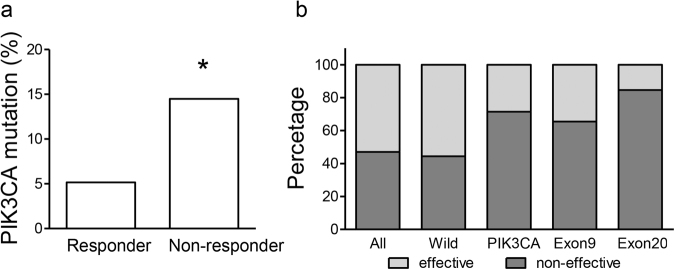
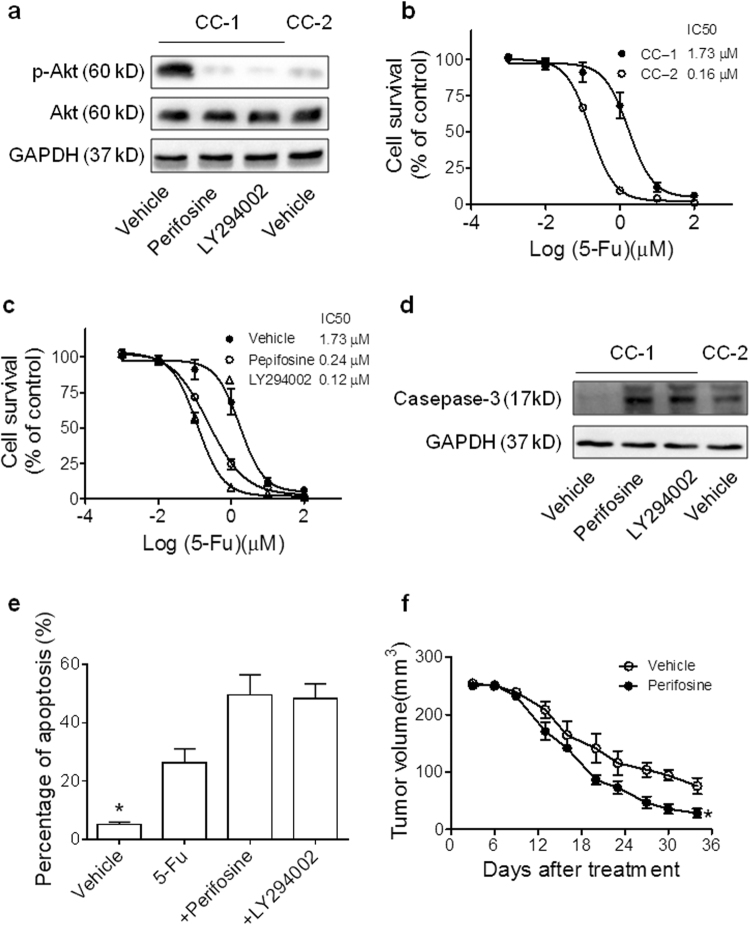
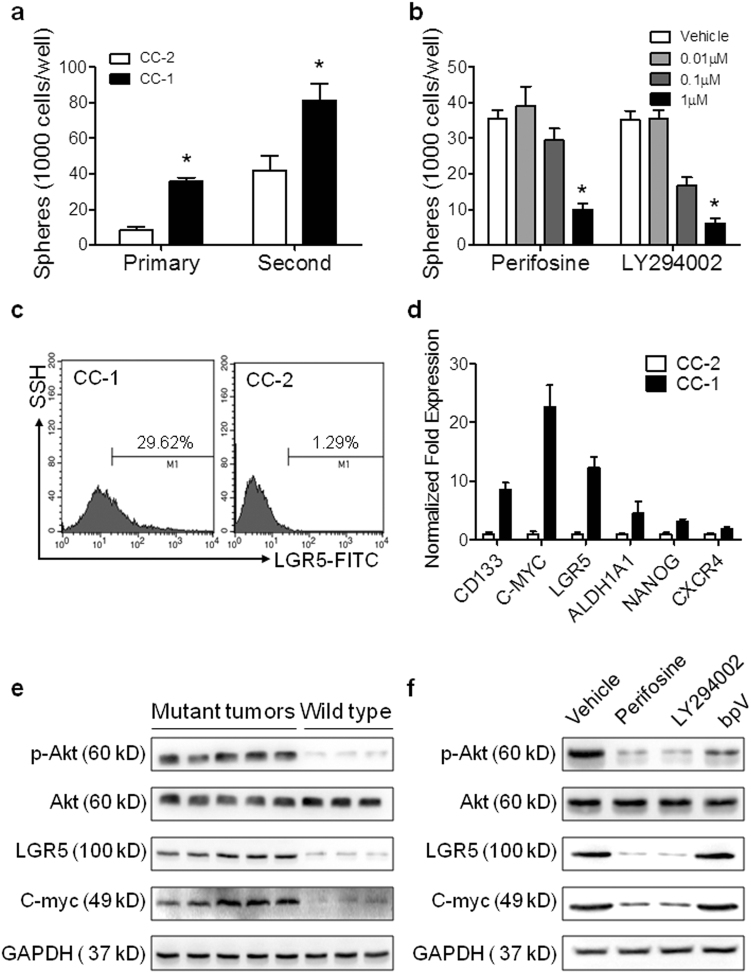
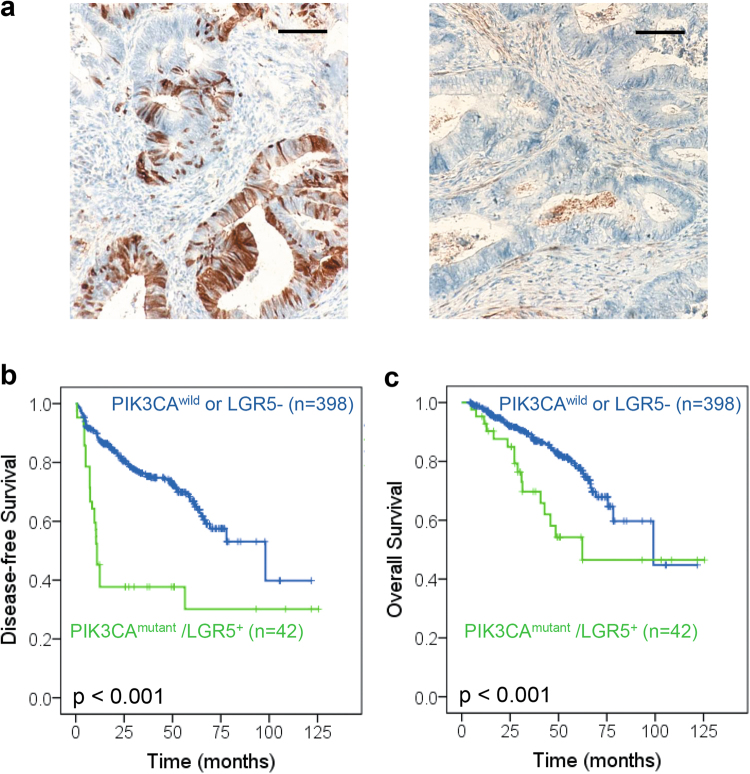
Chemotherapy represents an important treatment option for colorectal cancer (CRC), but only half of the patients benefit from these regimens. We explored the potential predicting value and mechanism of PIK3CA mutation in CRC chemotherapy. CRC specimens from 440 patients were retrospectively collected and examined with a fluorescence PCR-based method. The correlation of first-line chemotherapy response and PIK3CA mutation was evaluated according to follow-up and medical records. The underlying mechanism of PIK3CA mutation in chemotherapy resistance was assessed with CRC tumors and primary cells. The mutation frequency of the PIK3CA gene in CRC patients was 9.55%, which was correlated with late TNM staging and lower histological grade. The CRC patients with PIK3A mutation showed worse response to first-line chemotherapy than those without PIK3CA mutation. PIK3A mutation tumor cells showed poor sensitivity to first-line chemotherapy in vitro and in vivo. PIK3CA mutation induced PI3K/Akt signaling activation to increase LGR5 + CRC stem cells survival and proliferation, from which lead to chemotherapy resistance. Furthermore, PIK3CA mutation /LGR5 + expression was an independent detrimental factor for CRC patients. Our findings indicated that PIK3CA mutation induced PI3K/Akt activation contributed to CRC stem cells survival and proliferation, from which cells further resistance to chemotherapy. PIK3CA mutation /LGR5 + expression was a potential biomarker for monitoring chemotherapy resistance in CRC.
Overview
The claims and statistics of this paper haven’t been checked yet.
Free: it reads the open-access text and checks the first 5 claims that cite a source we can check. Create a free account to check every claim.
Integrity signals
Registry
Cites
Statistics
Figures
Verification
Claims the paper makes
The claims and statistics of this paper haven’t been checked yet.
Free: it reads the open-access text and checks the first 5 claims that cite a source we can check. Create a free account to check every claim.
Claims other papers make about this one
Each is checked against this paper’s own text: does it say what the citing paper says it does?
In the citing paper
“Mutations in the PI3K/AKT/mTOR pathway are common in mCRC [102], contribute to malignant transformation [103], and are implicated in resistance to front-line therapy [104].”
From Recent Advances in Therapeutic Strategies to Improve Colorectal Cancer Treatment (2024) · cites this paper as [104]
Self-check
Percentages, sums and reported differences re-computed from the paper’s own numbers.
The self-check needs the paper’s full text.
Citations
Cites
1 retracted
Function of miR-152 as a Tumor Suppressor in Human Breast Cancer by Targeting PIK3CA
Ge, S., Wang, D., Kong, Q., Gao, W., & Sun, J. (2017) · Oncology Research Featuring Preclinical and Clinical Cancer Therapeutics · doi:10.3727/096504017x14878536973557 · Cited by 56
RetractedSiegel, R. L., Miller, K. D., & Jemal, A. (2016) · CA: A Cancer Journal for Clinicians · doi:10.3322/caac.21332 · Cited by 16,003
AKT/PKB signaling: navigating downstream
Manning, B. D., & Cantley, L. C. (2007) · Cell · doi:10.1016/j.cell.2007.06.009 · Cited by 6,115
High Frequency of Mutations of the PIK3CA Gene in Human Cancers
Samuels, Y., Wang, Z., Bardelli, A., Silliman, N., Ptak, J., Szabo, S., Yan, H., Gazdar, A., Powell, S. M., Riggins, G. J., et al. (2004) · Science · doi:10.1126/science.1096502 · Cited by 3,437
The evolution of phosphatidylinositol 3-kinases as regulators of growth and metabolism
Engelman, J. A., Luo, J., & Cantley, L. C. (2006) · Nature Reviews Genetics · doi:10.1038/nrg1879 · Cited by 3,330
Mutant PIK3CA promotes cell growth and invasion of human cancer cells.
Samuels, Y., Diaz, L. A., Schmidt-Kittler, O., Cummins, J. M., DeLong, L., Cheong, I., Rago, C., Huso, D. L., Lengauer, C., Kinzler, K. W., et al. (2005) · Cancer Cell · doi:10.1016/j.ccr.2005.05.014 · Cited by 915
The therapeutic promise of the cancer stem cell concept
Frank, N. Y., Schatton, T., & Frank, M. H. (2010) · Journal of Clinical Investigation · doi:10.1172/jci41004 · Cited by 636
Breast Cancer–Associated PIK3CA Mutations Are Oncogenic in Mammary Epithelial Cells
Isakoff, S. J., Engelman, J. A., Irie, H. Y., Luo, J., Brachmann, S. M., Pearline, R. V., Cantley, L. C., & Brugge, J. S. (2005) · Cancer Research · doi:10.1158/0008-5472.can-05-2612 · Cited by 509
Hideshima, T., Catley, L., Yasui, H., Ishitsuka, K., Raje, N., Mitsiades, C., Podar, K., Munshi, N. C., Chauhan, D., Richardson, P. G., et al. (2006) · Blood · doi:10.1182/blood-2005-08-3434 · Cited by 422
Perrone, F., Lampis, A., Orsenigo, M., Di Bartolomeo, M., Gevorgyan, A., Losa, M., Frattini, M., Riva, C., Andreola, S., Bajetta, E., et al. (2009) · Annals of Oncology · doi:10.1093/annonc/mdn541 · Cited by 410
Cited by
RAS-targeted therapies: is the undruggable drugged?
Moore, A. R., Rosenberg, S. C., McCormick, F., & Malek, S. (2020) · Nature Reviews Drug Discovery · doi:10.1038/s41573-020-0068-6 · Cited by 1,103
Stefani, C., Miricescu, D., Stanescu-Spinu, I.-I., Nica, R. I., Greabu, M., Totan, A. R., & Jinga, M. (2021) · International Journal of Molecular Sciences · doi:10.3390/ijms221910260 · Cited by 402
Prognostic and Predictive Molecular Biomarkers for Colorectal Cancer: Updates and Challenges
Koncina, E., Haan, S., Rauh, S., & Letellier, E. (2020) · Cancers · doi:10.3390/cancers12020319 · Cited by 259
“However, several reports suggest that PI3KCA mutations, especially in exon 20, are linked to clinical resistance of anti-EGFR therapies [40,110] and to first-line chemotherapy [111].”
BackgroundPI3K/Akt/mTOR Signaling Pathway as a Target for Colorectal Cancer Treatment
Leiphrakpam, P., & Are, C. (2024) · International Journal of Molecular Sciences · doi:10.3390/ijms25063178 · Cited by 193
“The PIK3CA gene mutation has been shown to increase CRC cell survival and proliferation, leading to chemotherapy resistance and a poor prognosis [28].”
BackgroundZhao, Y., Feng, X., Chen, Y., Selfridge, J. E., Gorityala, S., Du, Z., Wang, J. M., Hao, Y., Cioffi, G., Conlon, R. A., et al. (2020) · Cancer Research · doi:10.1158/0008-5472.can-20-0600 · Cited by 129
“clinical benefit of PIK3CA-mutant patients with colorectal cancer is unlikely to be due to differential response to 5-FU between PIK3CA mutant and WT patients (44, 45).”
BackgroundMolecular Mechanisms Underlying Autophagy-Mediated Treatment Resistance in Cancer
Ho, C. J., & Gorski, S. M. (2019) · Cancers · doi:10.3390/cancers11111775 · Cited by 98
Recent Advances in Therapeutic Strategies to Improve Colorectal Cancer Treatment
Gmeiner, W. H. (2024) · Cancers · doi:10.3390/cancers16051029 · Cited by 78
“Mutations in the PI3K/AKT/mTOR pathway are common in mCRC [102], contribute to malignant transformation [103], and are implicated in resistance to front-line therapy [104].”
BackgroundIron oxide nanoparticles for immune cell labeling and cancer immunotherapy
Chung, S., Revia, R. A., & Zhang, M. (2021) · Nanoscale Horizons · doi:10.1039/d1nh00179e · Cited by 65
Ji, L., Shen, W., Zhang, F., Qian, J., Jiang, J., Weng, L., Tan, J., Li, L., Chen, Y., Cheng, H., et al. (2021) · Cellular & Molecular Biology Letters · doi:10.1186/s11658-021-00263-y · Cited by 63
“Surgery is combined with chemotherapy has been employed clinically, but the results were far from satisfactory [3].”
BackgroundMiller, S. A., Policastro, R. A., Savant, S. S., Sriramkumar, S., Ding, N., Lu, X., Mohammad, H. P., Cao, S., Kalin, J. H., Cole, P. A., et al. (2019) · Molecular Cancer Research · doi:10.1158/1541-7786.mcr-19-0748 · Cited by 57
“Mutations in PIK3CA occur in roughly 25% of patients with colorectal cancer (4) and have been functionally implicated in epithelial-to-mesenchymal transition (EMT), migration, and chemoresistance (5).”
BackgroundImmune Checkpoint Inhibitors in pMMR Metastatic Colorectal Cancer: A Tough Challenge
Marmorino, F., Boccaccino, A., Germani, M. M., Falcone, A., & Cremolini, C. (2020) · Cancers · doi:10.3390/cancers12082317 · Cited by 56
Sanaei, M., Khorasani, A. B. S., Pourbagheri‐Sigaroodi, A., Shahrokh, S., Zali, M. R., & Bashash, D. (2021) · Journal of Cellular Physiology · doi:10.1002/jcp.30655 · Cited by 63
“Accordingly, some studies proposed that exon 20 mutant PIK3CA patients may have clinical resistance to both anti‐EGFR therapies (De Roock et al., 2010; Sartore‐Bianchi et al., 2009) and to first‐line chemotherapy (Q. Wang et al., 2018).”
BackgroundAspirin sensitivity of PIK3CA-mutated Colorectal Cancer: potential mechanisms revisited
Hall, D. C. N., & Benndorf, R. A. (2022) · Cellular and Molecular Life Sciences · doi:10.1007/s00018-022-04430-y · Cited by 54
“found PIK3CA mutations to be responsible for the insensitivity of CRC stem cells towards first-line chemotherapy regimens [16].”
BackgroundComprehensive review of the resistance mechanisms of colorectal cancer classified by therapy type
Oh, J. M., Kim, S. W., Tsung, C., Kent, E. W., Jain, A., Ruff, S. M., & Zhang, H. (2025) · Frontiers in Immunology · doi:10.3389/fimmu.2025.1571731 · Cited by 56
The role of PIK3CA gene mutations in colorectal cancer and the selection of treatment strategies
Wang, H., Tang, R., Ling, J., & Jia, Y. (2024) · Frontiers in Pharmacology · doi:10.3389/fphar.2024.1494802 · Cited by 65
Jin, J., Shi, Y., Zhang, S., & Yang, S. (2019) · Acta Oncologica · doi:10.1080/0284186x.2019.1664764 · Cited by 47
Self-citationAn Aspirin a Day: New Pharmacological Developments and Cancer Chemoprevention
Menter, D. G., & Bresalier, R. S. (2022) · The Annual Review of Pharmacology and Toxicology · doi:10.1146/annurev-pharmtox-052020-023107 · Cited by 43
Bender, U., Rho, Y. S., Barrera, I., Aghajanyan, S., Acoba, J., & Kavan, P. (2019) · Current Oncology · doi:10.3747/co.26.5605 · Cited by 36
PIK3CA gene aberrancy and role in targeted therapy of solid malignancies
Willis, O., Choucair, K., Alloghbi, A., Stanbery, L., Mowat, R. B., Brunicardi, F. C., Dworkin, L. D., & Nemunaitis, J. J. (2020) · Cancer Gene Therapy · doi:10.1038/s41417-020-0164-0 · Cited by 46
“Preclinical data demonstrate that H1047R mutations cause resistance to 5-FU therapy and FOLFOX, which can be restored with perifosine/LY294002 or PI3K/AKT inhibitor, respectively [28].”
BackgroundAspirin has a better effect on PIK3CA mutant colorectal cancer cells by PI3K/Akt/Raptor pathway
Chen, Z., Wang, C., Dong, H., Wang, X., Gao, F., Zhang, S., & Zhang, X. (2020) · Molecular Medicine · doi:10.1186/s10020-020-0139-5 · Cited by 46
Liu, J. J., Yoon, S. M., Lee, H. W., Baik, M., Kim, O., Choi, Y. J., & Hur, S. Y. (2019) · International Journal of Molecular Sciences · doi:10.3390/ijms20143383 · Cited by 43
“This may indicate that activation of the PI3K pathway is involved in the progression and prognosis of multiple cancers [38,39].”
BackgroundHERVs establish a distinct molecular subtype in stage II/III colorectal cancer with poor outcome
Golkaram, M., Salmans, M., Kaplan, S., Vijayaraghavan, R., Martins, M., Khan, N., Garbutt, C. C., Wise, A. S., Yao, J., Casimiro, S., et al. (2021) · npj Genomic Medicine · doi:10.1038/s41525-021-00177-w · Cited by 44
Marín, J. J. G., Macías, R. I. R., Monte, M. J., Herráez, E., Peleteiro‐Vigil, A., de Blas, B. S., Sanchon-Sanchez, P., Temprano, Á. G., Espinosa-Escudero, R. A., Lozano, E., et al. (2020) · Cancers · doi:10.3390/cancers12092605 · Cited by 44
Manzi, J. L. L., Hoff, C. O., Ferreira, R., Pimentel, A., Datta, J., Livingstone, A. S., Vianna, R., & Abreu, P. (2023) · Cancers · doi:10.3390/cancers15113023 · Cited by 47
Zhang, H., Hu, L., Cheng, M., Wang, Q., Hu, X., & Chen, Q. (2020) · Oncology Reports · doi:10.3892/or.2020.7798 · Cited by 39
Self-citationOttaiano, A., Caraglia, M., Mauro, A. D., Botti, G., Lombardi, A., Galon, J., Luce, A., D’Amore, L., Perri, F., Santorsola, M., et al. (2020) · Cancers · doi:10.3390/cancers12103073 · Cited by 37
“Mutations in the p110alpha subunit (PIK3CA) are associated with anti-cancer drug resistance, aggressive histologic features, and poor overall survival [26,27].”
BackgroundPI3KCA Mutations in Uterine Cervix Carcinoma
Voutsadakis, I. A. (2021) · Journal of Clinical Medicine · doi:10.3390/jcm10020220 · Cited by 40
“Their presence has been suggested to confer resistance to standard colorectal cancer FOLFOX (5-FU, Folinic acid, Oxaliplatin) chemotherapy [15].”
BackgroundKaempferol sensitizes cell proliferation inhibition in oxaliplatin-resistant colon cancer cells
Park, J., Lee, G.-E., An, H.-J., Lee, C., Cho, E. S., Kang, H. C., Lee, J. Y., Lee, H. S., Choi, J., Kim, D. J., et al. (2021) · Archives of Pharmacal Research · doi:10.1007/s12272-021-01358-y · Cited by 37
Sain, A., Sahu, S., & Naskar, D. (2021) · British Journal Of Nutrition · doi:10.1017/s0007114521002919 · Cited by 36
“PIK3CAmutation even confers resistance to first-line chemotherapy (FOLFOX regimen) in CRC as survival and proliferation of CRC stem cells are up-regulated by PI3K/Akt signalling(48).”
BackgroundZhang, X., Yang, Y., Wang, Y., & Fan, Q. (2019) · Molecules · doi:10.3390/molecules24122238 · Cited by 31
Yang, L., Bhattacharya, A., Li, Y., Sexton, S., Ling, X., Li, F., & Zhang, Y. (2022) · Journal of Experimental & Clinical Cancer Research · doi:10.1186/s13046-022-02389-z · Cited by 32
“Most PIK3CA mutations in CRC occur in its helical domain [50].”
BackgroundExpression and significance of EBV, ARID1A and PIK3CA in gastric carcinoma
Zhou, H., Tan, S., Li, H., & Lin, X. (2019) · Molecular Medicine Reports · doi:10.3892/mmr.2019.9886 · Cited by 37
LGR5: An emerging therapeutic target for cancer metastasis and chemotherapy resistance
Wang, W., Lokman, N. A., Barry, S. C., Oehler, M. K., & Ricciardelli, C. (2025) · Cancer and Metastasis Reviews · doi:10.1007/s10555-024-10239-x · Cited by 34
“High LGR5 protein expression has also been associated with poor outcome and recurrence in cancers of the brain [56], lung [13], esophagus [39], breast [57], colon [11, 52–54], cervix [58] and ovary [47, 48].”
A review on the role of fatty acids in colorectal cancer progression
Hoxha, M., & Zappacosta, B. (2022) · Frontiers in Pharmacology · doi:10.3389/fphar.2022.1032806 · Cited by 32
Duan, N., Hu, X., Qiu, H., Zhou, R., Li, Y., Lu, W., Zhu, Y., Shen, S., Wu, W., Yang, F., et al. (2023) · Cell Death and Disease · doi:10.1038/s41419-023-06205-0 · Cited by 30
“Moreover, drug resistance to fi rst-line treatment drugs is also a crucial hurdle to curing this malignancy [4].”
Potential therapeutic target for polysaccharide inhibition of colon cancer progression
Fan, J., Zhu, J., Zhu, H., Zhang, Y., & Xu, H. (2024) · Frontiers in Medicine · doi:10.3389/fmed.2023.1325491 · Cited by 37
Lee, C. L., Cremona, M., Farrelly, A. M., Workman, J. A., Kennedy, S., Aslam, R., Carr, A., Madden, S. F., O’Neill, B., Hennessy, B. T., et al. (2023) · Cancer Biology & Therapy · doi:10.1080/15384047.2023.2223388 · Cited by 30
Role and molecular mechanism of stem cells in colorectal cancer initiation
Wang, M., Qiu, Y.-H., Cai, M., Zhang, C.-H., Wang, X., Liu, H., Chen, Y., Zhao, W., Liu, J., & Shao, R. (2019) · Journal of drug targeting · doi:10.1080/1061186x.2019.1632317 · Cited by 25
“05% (209/420) of the patients had tumour recurrence because of chemotherapy resistance [23], and further research found that the acquisition of chemical resistance was due to the activation of the phosphoinositide 3-kinase (PI3K)/AKT/m-Tor pathway caused by a PIK3CA mutation [23].”
BackgroundPredicting liver metastases growth patterns: Current status and future possibilities
Oliveira, R. C., Alexandrino, H., Cipriano, M. A., Caseiro‐Alves, F., & Tralhão, J. G. (2020) · Seminars in Cancer Biology · doi:10.1016/j.semcancer.2020.07.007 · Cited by 27
Tharin, Z., Richard, C., Dérangère, V., Ilie, A., Arnould, L., Ghiringhelli, F., Boidot, R., & Ladoire, S. (2023) · Scientific Reports · doi:10.1038/s41598-023-31593-w · Cited by 24
Brito, C., Tomás, A., Azevedo, A., Esteves, S., Mafra, M., Roque, L., & Pojo, M. (2022) · Clinical Medicine Insights Oncology · doi:10.1177/11795549211068804 · Cited by 25
Gong, B., Kao, Y., Zhang, C., Zhao, H., Sun, F., & Gong, Z. (2019) · Evidence-based Complementary and Alternative Medicine · doi:10.1155/2019/2735050 · Cited by 26
“PIK3CA mutation contributed to the survival and proliferation of CRC stem cells, which induced chemotherapy resistance and poor prognosis [54], and reduced the hazard of peritoneal metastases [55].”
BackgroundAssociation of genetic ancestry with molecular tumor profiles in colorectal cancer
Rhead, B., Hein, D., Pouliot, Y., Guinney, J., Vega, F. M. D. L., & Sanford, N. N. (2024) · Genome Medicine · doi:10.1186/s13073-024-01373-w · Cited by 29
“Some studies have suggested that the presence of PIK3CA mutations could confer resistance to first-line chemotherapy, although the data are prelimi-nary [53].”
BackgroundChen, P.-C., Yeh, Y., Lin, B., Chan, R., Su, P., Liu, Y.-C., Lee, C., Chen, S., & Lin, P. (2022) · Biomedicines · doi:10.3390/biomedicines10020340 · Cited by 23
“In a previous study, PIK3CA genomic variants were associated with a higher TNM staging, and PIK3CA mutations were shown to confer resistance to first-line chemotherapy in patients with CRC [50].”
BackgroundSelf-citationMorii, Y., Tsubaki, M., Takeda, T., Otubo, R., Seki, S., Yamatomo, Y., Imano, M., Satou, T., Shimomura, K., & Nishida, S. (2021) · European Journal of Pharmacology · doi:10.1016/j.ejphar.2021.173957 · Cited by 19
Gmeiner, W. H. (2021) · OncoTargets and Therapy · doi:10.2147/ott.s242224 · Cited by 18
“Activation of the PI3K/Akt pathway, which is frequently mutated in CRC with enrichment in mCRC,(10) also confers resistance to anti-EGFR therapy and to first-line chemotherapy.(38) While multiple clinical trials have evaluated Akt inhibition, Akt-targeted therapies directed in general have not been effective for mCRC…”
BackgroundTargeted Treatment against Cancer Stem Cells in Colorectal Cancer
Martínez-Pérez, J., Torrado, C., Domínguez-Cejudo, M. A., & Valladares-Ayerbes, M. (2024) · International Journal of Molecular Sciences · doi:10.3390/ijms25116220 · Cited by 18
“PI3KCA mutations are present in 13% of mCRC cases and are associated with right-sided tumors, older patients, and poor prognosis [58–60].”
BackgroundImmunohistochemistry features and molecular pathology of appendiceal neoplasms
Mikaeel, R. R., Young, J. P., Rico, G. T., Hewett, P. J., Hardingham, J. E., Uylaki, W., Horsnell, M. E., & Price, T. J. (2021) · Critical Reviews in Clinical Laboratory Sciences · doi:10.1080/10408363.2021.1881756 · Cited by 21
“Tokunaga et al. found PIK3CA and RNF43 mutations in 6% and 7% of MACs cases, respectively [85].”
InfluentialYeoh, Y., Low, T. Y., Abu, N., & Lee, P. Y. (2021) · PeerJ · doi:10.7717/peerj.12338 · Cited by 19
Geng, J., Guo, Y., Xie, M., Li, Z., Wang, P., Zhu, D., Li, J., & Cui, X. (2023) · Cancer Medicine · doi:10.1002/cam4.5874 · Cited by 18
Gzil, A., Zarębska, I., Jaworski, D., Antosik, P., Durślewicz, J., Maciejewska, J., Domanowska, E., Skoczylas-Makowska, N., Ahmadi, N., Grzanka, D., et al. (2020) · Journal of Cancer Research and Clinical Oncology · doi:10.1007/s00432-020-03314-7 · Cited by 16
Zheng, G., Liu, Y., Yan, Z., Xie, X., Xiang, Z., Li, Y., Wang, Q., Chong, D., Xue, G.-L., Xu, L., et al. (2021) · PubMed · Cited by 18
Self-citationLiu, Y., Yan, Z., Xia, Y., Xie, X., Zhou, K., Xu, L., Shi, Y., Wang, Q., & Bi, J. (2020) · PubMed · Cited by 16
Self-citationWang, F., Sun, G., Peng, C., Chen, J., Jin, Q., Wu, C., Lian, X., Tang, W., & Xiang, D. (2021) · International Journal of Clinical and Experimental Pathology · Cited by 26
Pfohl, U., Loskutov, J., Bashir, S., Kühn, R., Herter, P., Templin, M. F., Mamlouk, S., Belanov, S., Linnebacher, M., Bürtin, F., et al. (2022) · Cancers · doi:10.3390/cancers14133252 · Cited by 15
“PIK3CA is frequently mutated in CRC with up to 32% [56,57] and is associated with poor prognosis [58,59].”
BackgroundBoku, S., Watanabe, M., Sukeno, M., Yaoi, T., Hirota, K., Iizuka-Ohashi, M., Itoh, K., & Sakai, T. (2020) · Cancers · doi:10.3390/cancers12051097 · Cited by 14
“As another example, PIK3CA mutations negatively impact the response of CRC to first-line chemotherapies, including FOLFOX, XELOX and FOLFIRI [11] and anti-EGFR-targeted therapies [12].”
BackgroundThe Spectrum, Tendency and Predictive Value of PIK3CA Mutation in Chinese Colorectal Cancer Patients
Fu, X., Lin, H., Fan, X., Zhu, Y., Wang, C., Chen, Z., Tan, X., Huang, J., Cai, Y., & Huang, Y. Y. (2021) · Frontiers in Oncology · doi:10.3389/fonc.2021.595675 · Cited by 17
Youssef, A. S. E.-D., Abdelfattah, M. A. O., Lotfy, M. M., Nassar, A. A.-M., Abouelhoda, M. I., Touny, A. O., Hassan, Z. K., Eldin, M. M., Bahnassy, A. A., Khaled, H. M., et al. (2022) · Current Issues in Molecular Biology · doi:10.3390/cimb44030090 · Cited by 20
Pre-PCR Mutation-Enrichment Methods for Liquid Biopsy Applications
Darbeheshti, F., Yu, F., & Makrigiorgos, G. M. (2022) · Cancers · doi:10.3390/cancers14133143 · Cited by 14
“PIK3CA is one of the frequently mutated genes in different cancers with valuable predictive potential [61,62].”
BackgroundCommon cancer biomarkers of breast and ovarian types identified through artificial intelligence
Pawar, S., Liew, T. O., Stanam, A., & Lahiri, C. (2020) · Chemical Biology & Drug Design · doi:10.1111/cbdd.13672 · Cited by 14
“This is likely due to the drug-resistant nature of PIK3CA amplification and some of its mutations, which has been seen in breast and colorectal cancer (Huw et al., 2013; Wang et al., 2018).”
BackgroundYu, P., Hu, C., Ding, G., Shi, X., Xu, J., Cao, Y., Chen, X., Wu, W. D., Xu, Q., Fang, J., et al. (2024) · Nature Communications · doi:10.1038/s41467-024-48144-0 · Cited by 13
Prevalence and prognostic role of PIK3CA E545K mutation in Iranian colorectal cancer patients.
Ranjbar, R., Mohammadpour, S., Esfahani, A. T., Namazian, S., Taleghani, M. Y., Baghaei, K., Mortazavi‐Tabatabaei, S. A., Pasharavesh, L., & Mojarad, E. N. (2019) · Gastroenterology and hepatology from bed to bench. · Cited by 14
Chang, Y., Li, C., Chan, M., Fang, C., Zhang, Z., Chen, C., & Hsiao, M. (2023) · Molecular Oncology · doi:10.1002/1878-0261.13378 · Cited by 13
Gastrointestinal cancer: molecular pathogenesis and targeted therapy
Jin, Y., He, X., & Wu, Y. (2025) · Molecular Biomedicine · doi:10.1186/s43556-025-00361-9 · Cited by 15
“In colorectal cancer, the pathway is most commonly activated by direct, therapeutically relevant mutations in the PIK3CA gene [24, 135].”
Cheng, W.-J., Lin, S., Chuang, K., Chen, M. J., Ho, H., Chen, L.-C., Hsieh, C., & Sheu, M. (2022) · International Journal of Nanomedicine · doi:10.2147/ijn.s388066 · Cited by 11
“Besides, PI3K mutations usually occur in HER2-positive breast cancer, resulting in PI3K/AKT hyperactivation and resistance to chemotherapy and HER-targeted therapy.(70,71) Therefore, several PI3K inhibitors Figure 10 In vivo evaluation of the antitumor efficacy.”
BackgroundGNG2 inhibits brain metastases from colorectal cancer via PI3K/AKT/mTOR signaling pathway
Luo, C., Xiao, Z., & Yang, W. (2025) · Scientific Reports · doi:10.1038/s41598-025-85592-0 · Cited by 10
“PIK3CA mutations are present in approximately 13% of mCRC cases and are associated with right-sided CRC, older patients, metastatic disease, and poor prognosis 31,32 .”
He, X., Tang, J., Yan, H., Wang, J., Li, H., Duan, X., Yu, S.-Y., Hou, X.-L., Liao, G., & Liu, W. (2021) · Aging · doi:10.18632/aging.203751 · Cited by 10
“Chemotherapy resistant cells exhibit decreased cell apoptosis and DNA damage with FU treatment [19], as well as the signaling blockage of caspase apoptosis pathway [20].”
BackgroundAlizadeh-Sedigh, M., Mahmoodzadeh, H., Fazeli, M. S., Aghdam, M. H., & Teimoori‐Toolabi, L. (2022) · Molecular and Cellular Probes · doi:10.1016/j.mcp.2022.101807 · Cited by 10
Sarkhosh‐Inanlou, R., Imani, M., & Sam, M. R. (2020) · Biomedicine & Pharmacotherapy · doi:10.1016/j.biopha.2020.110807 · Cited by 11
Detecting colorectal cancer using genetic and epigenetic biomarkers: screening and diagnosis
Miftahussurur, M., Rezkitha, Y. A. A., Panenggak, N. S. R., Lusida, M. I., Rianda, R. V., Mahmudah, I., Pradana, A. D., & Uchida, T. (2024) · Journal of Medicine and Life · doi:10.25122/jml-2023-0269 · Cited by 10
“Both in vivo and in vitro studies revealed that mutations in PIK3CA were related to resistance to first-line chemotherapy treatment [57].”
BackgroundSERPINE1 drives molecular synergies in colorectal cancer
Nuha, N., Higgins, S. P., Czekay, R., Higgins, C. E., Guo, L., Lee, H., & Higgins, P. J. (2025) · American Journal of Physiology-Cell Physiology · doi:10.1152/ajpcell.00759.2025 · Cited by 11
Peng, K., Liu, Y., Liu, S., Wang, Z., Zhang, H., He, W., Jin, Y., Wang, L., Xia, X., & Xia, L. (2024) · Cellular Oncology · doi:10.1007/s13402-024-00916-y · Cited by 9
Self-citationA Review: Genetic Mutations as a Key to Unlocking Drug Resistance in Cervical Cancer
Eksteen, C., Riedemann, J., Rass, A., du Plessis, M., Botha, M. H., der Merwe, F. H. V., & Engelbrecht, A. (2024) · Cancer Control · doi:10.1177/10732748241261539 · Cited by 13
“The primary etiological factor of cervical cancer is high-risk Human Papillomavirus (HPV) infection, particularly strains HPV-16 and 18, which are responsible for 99% of cervical cancer cases.”
BackgroundKhameneh, S. C., Sari, S., Razi, S., Yousefi, A., & Bashash, D. (2024) · Molecular Biology Reports · doi:10.1007/s11033-024-09339-2 · Cited by 7
Liu, Y., Xiang, Z., Zhang, B., Zou, Y., Chen, G.-L., Yin, L., Shi, Y., Xu, L.-L., Bi, J., & Wang, Q. (2024) · Aging · doi:10.18632/aging.205872 · Cited by 9
Self-citationRetractedPIK3CA Mutations: Are They a Relevant Target in Adult Diffuse Gliomas?
Tomás, A., & Pojo, M. (2025) · International Journal of Molecular Sciences · doi:10.3390/ijms26115276 · Cited by 9
Lavacchi, D., Gelmini, S., Calabri, A., Rossi, G., Simi, L., Caliman, E., Mancini, I., Salvianti, F., Petroni, G., Guidolin, A., et al. (2023) · Heliyon · doi:10.1016/j.heliyon.2023.e21853 · Cited by 9
“Recently, the detection of RAS mutations in liquid biopsy, i.e. plasma, has offered a novel tool for diagnostic purposes, prognostication, and, last but not least, monitoring treatment response [8,9].”
BackgroundCell hiding in colorectal cancer: correlation with response to chemotherapy in vitro and in vivo
Николаевна, Д. И., Potapov, A., Ignatova, N. I., Bugrova, M. L., Shchechkin, I. D., Lukina, M. M., Shimolina, L. E., Kolesnikova, E., Shirmanova, M. V., & Вадимовна, З. Е. (2024) · Scientific Reports · doi:10.1038/s41598-024-79948-1 · Cited by 13
A Case for Phosphoinositide 3-Kinase–Targeted Therapy for Infectious Disease
Olayinka‐Adefemi, F., Fruman, D. A., & Marshall, A. J. (2020) · The Journal of Immunology · doi:10.4049/jimmunol.2000599 · Cited by 10
“Copyright 2020 by TheAmerican Association of Immunologists, Inc. 0022-1767/20/$37.50 www.jimmunol.org/cgi/doi/10.4049/jimmunol.2000599 by guest on M ay 15, 2021 http://w w w .jim m unol.org/ D ow nloaded from phosphatase PTEN (33) have been linked to pathogenesis of colorectal cancers in humans, and activating mutatio…”
BackgroundInfluentialTargetingKRAS G12Cmutations in colorectal cancer
Zhao, M., & Wu, A. (2022) · Gastroenterology report · doi:10.1093/gastro/goac083 · Cited by 10
Bhai, P. S., Turowec, J. P., Santos, S., Kerkhof, J., Pickard, L.-A., Foroutan, A., Breadner, D. A., Cecchini, M. J., Levy, M. A., Stuart, A., et al. (2023) · Frontiers in Oncology · doi:10.3389/fonc.2023.1208244 · Cited by 10
“PIK3ACA mutations are associated with a worse response to first-line chemotherapy (11) and a phase I clinical trial has shown evidence for the sensitivity of PIK3CA mutated colorectal cancer to the PIK3a-selective inhibitor (44).”
BackgroundVariant calling enhances the identification of cancer cells in single-cell RNA sequencing data
Gasper, W., Rossi, F., Ligorio, M., & Ghersi, D. (2022) · PLoS Computational Biology · doi:10.1371/journal.pcbi.1010576 · Cited by 9
“resistance with CRC, specifically regarding a folinic acid, fluorouracil, and oxaliplatin (FOLFOX) treatment, which is frequently used in clinical practice [21].”
BackgroundMolecular profiling of colorectal cancer in a genetically admixed Hispanic population
Montes‐Rodríguez, I. M., Centeno‐Girona, H., Rivera‐Lynch, C., Rivera, N., & Cruz-Correa, M. R. (2023) · Cancer Medicine · doi:10.1002/cam4.5888 · Cited by 5
Enhanced binding of β-catenin and β-TrCP mediates LMPt’s anti-CSCs activity in colorectal cancer
Wang, M., Wang, X., Zhao, W., Li, Y., Cai, M., Wang, K., Xi, X., Zhao, C., Zhou, H., 邵荣光, et al. (2023) · Biochemical Pharmacology · doi:10.1016/j.bcp.2023.115577 · Cited by 6
Chauhan, S., & Sharma, S. (2024) · Current Pharmaceutical Biotechnology · doi:10.2174/0113892010270975231208113157 · Cited by 6
Prognostic gene expression profile of colorectal cancer
Saadh, M. J., Allela, O. Q. B., Kareem, R. A., Baldaniya, L., Ballal, S., Vashishth, R., Parmar, M., Sameer, H. N., Hamad, A. K., Athab, Z. H., et al. (2025) · Gene · doi:10.1016/j.gene.2025.149433 · Cited by 6
Wang, R. Y., Li, W., Lv, Y., Ba, W., Jiang, Y., Li, X., & Jin, F. (2025) · Advanced Science · doi:10.1002/advs.202501792 · Cited by 6
An appraisal of emerging second line therapies for metastatic colorectal cancer
Smolenschi, C., Perret, A., Dall'Armellina, F., Boige, V., Malka, D., Hollebecque, A., & Ducreux, M. P. (2020) · Expert Review of Gastroenterology & Hepatology · doi:10.1080/17474124.2021.1840975 · Cited by 6
An evaluation of buparlisib for the treatment of head and neck squamous cell carcinoma
Lenze, N. R., Chera, B. S., & Sheth, S. H. (2020) · Expert Opinion on Pharmacotherapy · doi:10.1080/14656566.2020.1825684 · Cited by 6
Song, Z., Liu, Y., Cheng, G., Chang, L., Yu, Z., Chen, M., & Chen, G. (2021) · Cell Death and Disease · doi:10.1038/s41419-021-03754-0 · Cited by 9
Self-citationDiehl, T. M., & Abbott, D. E. (2021) · Current Treatment Options in Oncology · doi:10.1007/s11864-021-00878-5 · Cited by 6
Pan-cancer chemoresistance-associated genes, affected pathways and potential therapeutic targets
Nath, S. D., Shoily, S. S., Fatema, K., Khan, A., Mostafa, M., & Sajib, A. A. (2023) · Human Gene · doi:10.1016/j.humgen.2023.201151 · Cited by 6
Menges, C. W., Hassan, D., Cheung, M., Bellacosa, A., & Testa, J. R. (2024) · Current topics in microbiology and immunology · doi:10.1007/82_2024_278 · Cited by 5
Tokat, Ü. M., Bilgiç, Ş. N., Aydın, E., Adibi, A., Özgü, E., Tutar, O., & Demiray, M. (2024) · Therapeutic Advances in Medical Oncology · doi:10.1177/17588359241297101 · Cited by 6
“29–31 As the next generation of anti-estrogen therapies active against ESR1 mutations has been developed, they could form the backbone for the treatment of endocrine-refractory patients.”
Oncogenic mutations of clinical significance in colorectal cancer
Lea, V., Lim, S. H.-S., & Lee, C. S. (2025) · Pathology · doi:10.1016/j.pathol.2025.05.001 · Cited by 4
Novel parameter for cancer chemosensitivity to fibroblast growth factor receptor inhibitors
Kitano, S., Yamamoto, T., & Taketo, M. M. (2022) · Cancer Science · doi:10.1111/cas.15523 · Cited by 3
Shi, Y., Zou, Y., Guo, Y., Liu, Y., & Wang, Q. (2023) · PubMed Central · Cited by 7
Self-citationImpact of Molecular Status on Cytoreductive Surgery for Peritoneal Metastases from Colorectal Cancer
Zhong, Y., Yang, K., Qin, X., Luo, R., & Wang, H. (2023) · Clinics in Colon and Rectal Surgery · doi:10.1055/s-0043-1767705 · Cited by 5
Es, H. A., Aref, A. R., Granpayeh, L., Ebrahimi, M., & Baharvand, H. (2021) · medRxiv · doi:10.1101/2021.05.19.21257378 · Cited by 4
Carr, A., Coulter, J. A., Workman, J. A., Fay, J., Farrelly, A. M., Eustace, A. J., Bennie, L. A., Grogan, L., Breathnach, O. S., Morris, P. G., et al. (2025) · Cancer Treatment and Research Communications · doi:10.1016/j.ctarc.2025.100926 · Cited by 5
Metadata
- Authors
- Wang, Q., Shi, Y.-L., Zhou, K., Wang, L.-L., Yan, Z.-X., Liu, Y.-L., Xu, L.-L., Zhao, S.-W., Chu, H.-L., Shi, T.-T., Ma, Q.-H., & Bi, J.
- Affiliations
- General Hospital of Jinan Military Command (CN)
- Army Medical University (CN)
- Corresponding author
- Bi, Jingwang
- Venue
- Cell Death & Disease
- Published
- 2018-07-03
- Volume
- 9
- Issue
- 7
- Pages
- 739-739
- ISSN
- 2041-4889 (ISSN-L)
- PMC
- PMC6030128
- OpenAlex
- W2810475801
- Cited by
- 147
- References
- 55
- Citations by year
- 2026: 14 · 2025: 20 · 2024: 21 · 2023: 16 · 2022: 16 · 2021: 26 · 2020: 21 · 2019: 13
- FWCI
- 5.64
- Type
- journal article
- Language
- en
- Open access
- gold
- doi.org
- Licence
- cc-by
- creativecommons.org/licenses/by/4.0 (tdm)
- creativecommons.org/licenses/by/4.0 (vor)
- Locations
- Cell Death and Disease (publishedVersion, cc-by)
- Europe PMC (PubMed Central) (publishedVersion, other-oa)
- PubMed Central (publishedVersion, cc-by)
- PubMed (publishedVersion)
- DOAJ (DOAJ: Directory of Open Access Journals) (submittedVersion)
- Funders
- National Natural Science Foundation of China (81502283)
- Topics
- Health Sciences › Medicine › Oncology › Colorectal Cancer Treatments and Studies
- Life Sciences › Biochemistry, Genetics and Molecular Biology › Molecular Biology › PI3K/AKT/mTOR signaling in cancer
- Health Sciences › Medicine › Pathology and Forensic Medicine › Genetic factors in colorectal cancer
- Keywords
- PIK3CA mutation, colorectal cancer, chemoresistance, first-line chemotherapy, PI3K/Akt signaling, Lgr5, colorectal cancer stem cells, predictive biomarkers, tumor stage, histological grade
- MeSH terms
- Adult, Aged, Aged, 80 and over, Cell Survival, Chromones, Female, Fluorouracil, Humans, Male, Middle Aged, Morpholines, Mutation, Phosphorylcholine, Retrospective Studies, Colorectal Neoplasms, Multivariate Analysis, Receptors, G-Protein-Coupled, HCT116 Cells, Class I Phosphatidylinositol 3-Kinases
About these checks
Registry, retraction, Cites and statistics results are computed, not judged, with one exception: a printed reference that no index lists is read once by a model before it counts as a citation error. Claims are extracted by a model and kept only when their quote appears verbatim in the text; each cited source is then checked, with a model’s help, for whether it says what the claim relies on. Those verdicts can be wrong — read the claim’s quote and the cited source before relying on one.
Statistics and arithmetic are recomputed, not judged.
Confidence bands are shown only for fields calibrated on our annotated test set. None is calibrated yet, so no band is shown.
What counts as a claim ›How we measure confidence ›How we check this ›
Are you an author, or do you see a problem with this page? Request a review
Data sources
Bibliographic data: Semantic Scholar, OpenAlex, Crossref.
Contains information from the Semantic Scholar Academic Graph Datasets, made available under the ODC Attribution License (ODC-BY 1.0).
Semantic Scholar’s data is described in: Kinney, R., et al. (2023). The Semantic Scholar Open Data Platform. arXiv:2301.10140.
