

Neuroprotection of retinal ganglion cells by a novel gene therapy construct that achieves sustained enhancement of brain-derived neurotrophic factor/tropomyosin-related kinase receptor-B signaling
Open accessThe DOI matches its Crossref record; 59 of the 59 references it cites were found in a registry or an index.
Abstract
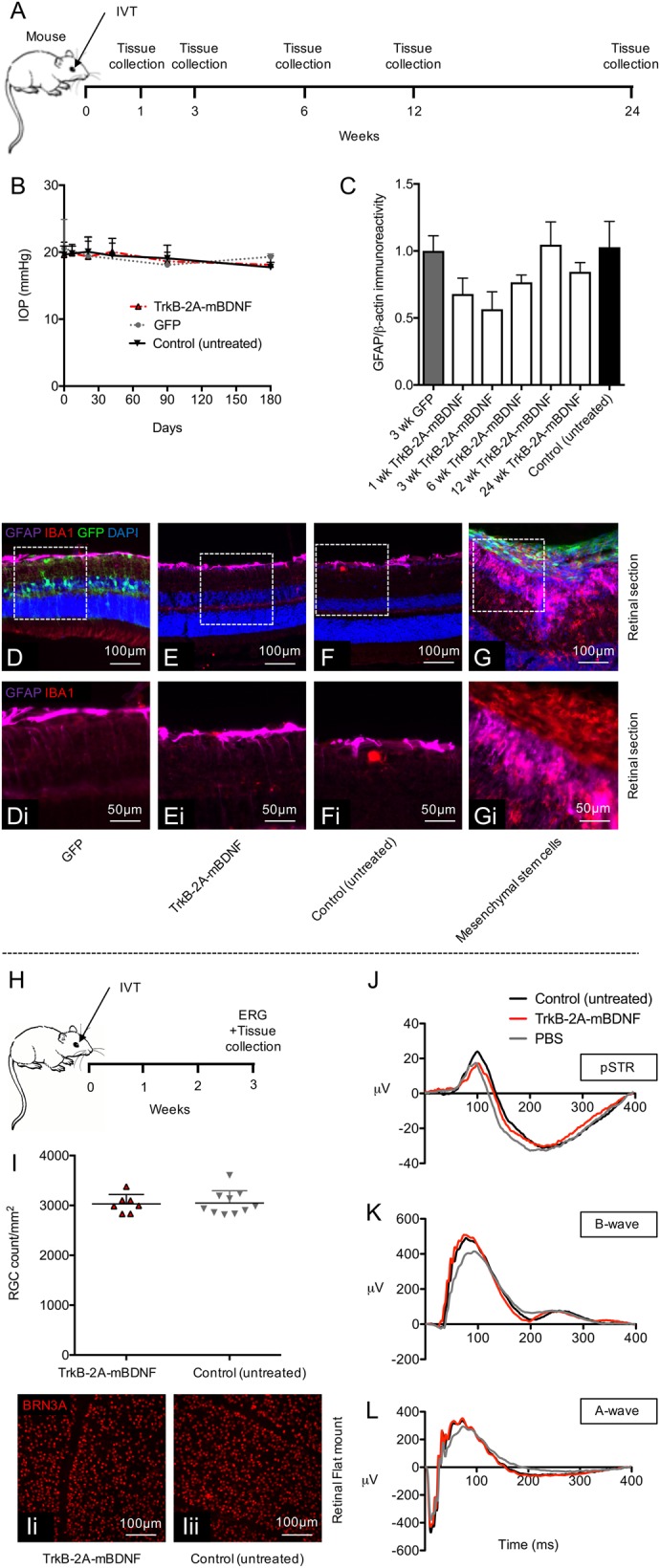
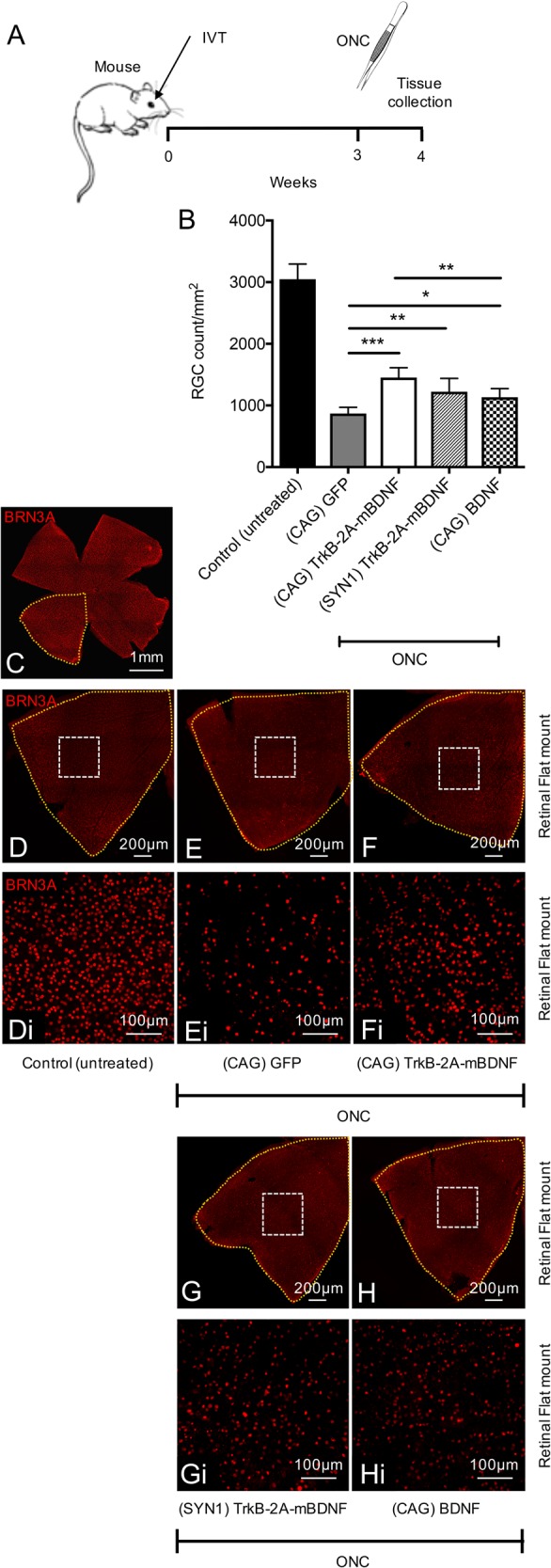
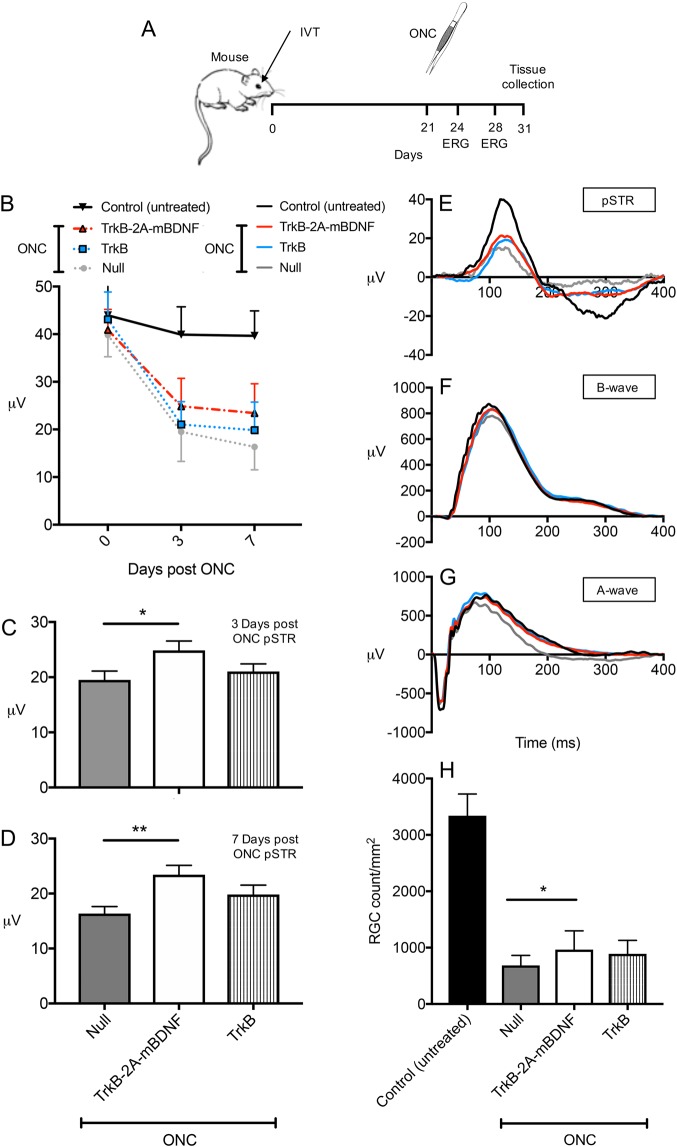
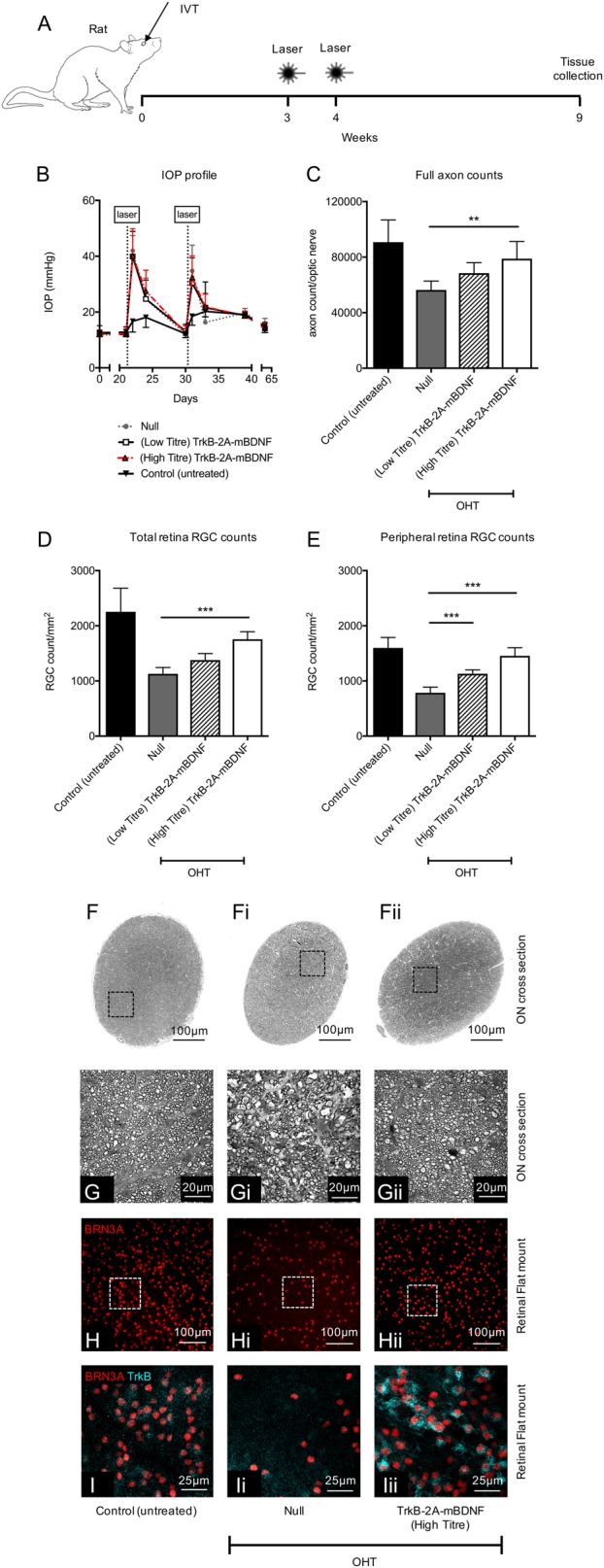
Previous studies have demonstrated that intravitreal delivery of brain-derived neurotrophic factor (BDNF) by injection of recombinant protein or by gene therapy can alleviate retinal ganglion cell (RGC) loss after optic nerve injury. BDNF gene therapy can improve RGC survival in experimental models of glaucoma, the leading cause of irreversible blindness worldwide. However, the therapeutic efficacy of BDNF supplementation alone is time limited at least in part due to BDNF receptor downregulation. Tropomyosin-related receptor kinase-B (TrkB) downregulation has been reported in many neurological diseases including glaucoma, potentially limiting the effect of sustained or repeated BDNF delivery. Here, we characterize a novel adeno-associated virus (AAV) gene therapy (AAV2 TrkB-2A-mBDNF) that not only increases BDNF production but also improves long-term neuroprotective signaling by increasing expression of the BDNF receptor (TrkB) within the inner retina. This approach leads to significant and sustained elevation of survival signaling pathways ERK and AKT within RGCs over 6 months and avoids the receptor downregulation which we observe with treatment with AAV2 BDNF alone. We validate the neuroprotective efficacy of AAV2 TrkB-2A-mBDNF in a mouse model of optic nerve injury, where it outperforms conventional AAV2 BDNF or AAV2 TrkB therapy, before showing powerful proof of concept neuroprotection of RGCs and axons in a rat model of chronic intraocular pressure (IOP) elevation. We also show that there are no adverse effects of the vector on retinal structure or function as assessed by histology and electroretinography in young or aged animals. Further studies are underway to explore the potential of this vector as a candidate for progression into clinical studies to protect RGCs in patients with glaucoma and progressive visual loss despite conventional IOP-lowering treatment.
Overview
The claims and statistics of this paper haven’t been checked yet.
Free: it reads the open-access text and checks the first 5 claims that cite a source we can check. Create a free account to check every claim.
Integrity signals
Registry
Cites
Statistics
Figures
Verification
Claims the paper makes
The claims and statistics of this paper haven’t been checked yet.
Free: it reads the open-access text and checks the first 5 claims that cite a source we can check. Create a free account to check every claim.
Claims other papers make about this one
Each is checked against this paper’s own text: does it say what the citing paper says it does?
In the citing paper
“Neuroprotective factors that support the survival of retinal cells, such as glial cell-derived neurotrophic factor (GDNF), ciliary neurotrophic factor (CNTF), brain-derived neurotrophic factor (BDNF), basic fibroblast growth factor, and pigment epithelium-derived factor (PEDF) have shown promise in mouse models of retinal degeneration.67,103–105”
From Gene Therapy for Retinal Degenerative Diseases: Progress, Challenges, and Future Directions (2023) · cites this paper as [105]
In the citing paper
“Supporting the promise of this method, AAV delivery of BDNF and its receptor105 or CNTF106 promoted survival and function of retinal ganglion cells in models of optic nerve crush or retinal ganglion cell degeneration in a model for experimental glaucoma, respectively.”
From Gene Therapy for Retinal Degenerative Diseases: Progress, Challenges, and Future Directions (2023) · cites this paper as [105]
Self-check
Percentages, sums and reported differences re-computed from the paper’s own numbers.
The self-check needs the paper’s full text.
Citations
Cites
Domingos da Silveira da Luz, A. C., Pereira Dias, G., do Nascimento Bevilaqua, M. C., Cocks, G., Gardino, P. F., Thuret, S., & Nardi, A. E. (2013) · Neuropsychobiology · doi:10.1159/000353269 · Cited by 3,995
Trk Receptors: Roles in Neuronal Signal Transduction
Huang, E. J., & Reichardt, L. F. (2003) · Annual Review of Biochemistry · doi:10.1146/annurev.biochem.72.121801.161629 · Cited by 2,537
Regulation of Cell Survival by Secreted Proneurotrophins
Lee, R., Kermani, P., Teng, K. K., & Hempstead, B. L. (2001) · Science · doi:10.1126/science.1065057 · Cited by 1,670
Jonas, J. B., Aung, T., Bourne, R. R., Bron, A. M., Ritch, R., & Panda-Jonas, S. (2017) · The Lancet · doi:10.1016/s0140-6736(17)31469-1 · Cited by 1,322
ProBDNF Induces Neuronal Apoptosis via Activation of a Receptor Complex of p75NTRand Sortilin
Teng, H. K., Teng, K. K., Lee, R., Wright, S., Tevar, S., Almeida, R. D., Kermani, P., Torkin, R., Chen, Z.-Y., Lee, F. S., et al. (2005) · The Journal of Neuroscience · doi:10.1523/jneurosci.5123-04.2005 · Cited by 1,013
The molecular basis of retinal ganglion cell death in glaucoma
Almasieh, M., Wilson, A. M., Morquette, B., Cueva Vargas, J. L., & Di Polo, A. (2012) · Progress in Retinal and Eye Research · doi:10.1016/j.preteyeres.2011.11.002 · Cited by 971
Postsynaptic BDNF‐TrkB signaling in synapse maturation, plasticity, and disease
Yoshii, A., & Constantine‐Paton, M. (2010) · Developmental Neurobiology · doi:10.1002/dneu.20765 · Cited by 744
Mansour-Robaey, S., Clarke, D. B., Wang, Y. C., Bray, G. M., & Aguayo, A. J. (1994) · Proceedings of the National Academy of Sciences · doi:10.1073/pnas.91.5.1632 · Cited by 731
Burgess, A., Vigneron, S., Brioudes, E., Labbé, J.-C., Lorca, T., & Castro, A. (2010) · Proceedings of the National Academy of Sciences · doi:10.1073/pnas.0914191107 · Cited by 680
Latanoprost for open-angle glaucoma (UKGTS): a randomised, multicentre, placebo-controlled trial
Garway-Heath, D. F., Crabb, D. P., Bunce, C., Lascaratos, G., Amalfitano, F., Anand, N., Azuara-Blanco, A., Bourne, R. R., Broadway, D. C., Cunliffe, I. A., et al. (2015) · The Lancet · doi:10.1016/s0140-6736(14)62111-5 · Cited by 660
Self-citation
Cited by
Gene Therapy for Retinal Degenerative Diseases: Progress, Challenges, and Future Directions
Drag, S., Dotiwala, F., & Upadhyay, A. K. (2023) · Investigative Opthalmology & Visual Science · doi:10.1167/iovs.64.7.39 · Cited by 145
Extraocular, periocular, and intraocular routes for sustained drug delivery for glaucoma
Kompella, U. B., Hartman, R. R., & Patil, M. A. (2021) · Progress in Retinal and Eye Research · doi:10.1016/j.preteyeres.2020.100901 · Cited by 125
Current Medical Therapy and Future Trends in the Management of Glaucoma Treatment
Cvenkel, B., & Kolko, M. (2020) · Journal of Ophthalmology · doi:10.1155/2020/6138132 · Cited by 127
“*e neuroprotective efficacy was confirmed in an experimental animal model of glaucoma and optic nerve injury and was present over 6 months without vector-related adverse effects [133].”
Fudalej, E., Justyniarska, M., Kasarełło, K., Dziedziak, J., Szaflik, J. P., & Cudnoch‐Jędrzejewska, A. (2021) · Ophthalmic Research · doi:10.1159/000514441 · Cited by 135
Neuroprotection in glaucoma: Mechanisms beyond intraocular pressure lowering
Tribble, J. R., Hui, F., Quintero, H., Hajji, S. E., Bell, K. C., Polo, A. D., & Williams, P. A. (2023) · Molecular Aspects of Medicine · doi:10.1016/j.mam.2023.101193 · Cited by 138
Glial Cells in Glaucoma: Friends, Foes, and Potential Therapeutic Targets
García-Bermúdez, M. Y., Freude, K., Mouhammad, Z. A., van Wijngaarden, P., Martin, K. R. G., & Kolko, M. (2021) · Frontiers in Neurology · doi:10.3389/fneur.2021.624983 · Cited by 121
Self-citationGene Therapy for Glaucoma by Ciliary Body Aquaporin 1 Disruption Using CRISPR-Cas9
Wu, J., Bell, O. H., Copland, D. A., Young, A., Pooley, J. R., Maswood, R., Evans, R. S., Khaw, P. T., Ali, R. R., Dick, A. D., et al. (2020) · Molecular Therapy · doi:10.1016/j.ymthe.2019.12.012 · Cited by 96
“Progress to date has remained at preclinical stages, with methods focused on either modulating the trabecular meshwork to increase outflow(15,16) or providing neuroprotection to ganglion cells.(17,18) A prior study has used CRISPR-Cas9 to correct onemutation in themyocilin (MYOC) gene associated with the development o…”
MethodAddressing neurodegeneration in glaucoma: Mechanisms, challenges, and treatments
Ghanem, G. O. B., Wareham, L. K., & Calkins, D. J. (2024) · Progress in Retinal and Eye Research · doi:10.1016/j.preteyeres.2024.101261 · Cited by 114
“Acting through its receptor, TrkB (Glass et al., 1991; Squinto et al., 1991; Vecino et al., 2002), BDNF exhibits potent neuroprotective effects (Kimura et al., 2016).”
BackgroundInfluentialSoucy, J. R., Aguzzi, E. A., Cho, J. Y., Gilhooley, M. J., Keuthan, C. J., Luo, Z., Monavarfeshani, A., Saleem, M. A., Wang, X., Wohlschlegel, J., et al. (2023) · Molecular Neurodegeneration · doi:10.1186/s13024-023-00655-y · Cited by 94
“For example, neurotrophins, such as BDNF, promote RGC survival and neurite outgrowth [68, 69].”
Self-citationMedical therapy for glaucoma: A review
Casson, R. J. (2022) · Clinical and Experimental Ophthalmology · doi:10.1111/ceo.13989 · Cited by 92
“A problem with this approach is the reactionary downregulation of the BDNF receptor on the RGCs; however, a sophisticated strategy that combines up-regulation of both BDNF and its receptor has recently been developed and is entering clinical trials.(129)”
BackgroundA Review on Mesenchymal Stem Cells for Treatment of Retinal Diseases
Adak, S., Magdalene, D., Deshmukh, S., Das, D., & Jaganathan, B. G. (2021) · Stem Cell Reviews and Reports · doi:10.1007/s12015-020-10090-x · Cited by 88
“Although no gene therapy method has resulted in good clinical outcome in glaucoma [59], a novel gene therapy construct expressing brain derived growth factor (BDNF) and it’s receptor tropomyosin receptor kinase B (TrkB) [60] exhibited neuroprotection in experimental glaucoma models [61].”
Nieuwenhuis, B., Laperrousaz, E., Tribble, J. R., Verhaagen, J., Fawcett, J. W., Martin, K. R. G., Williams, P. A., & Osborne, A. (2023) · Gene Therapy · doi:10.1038/s41434-022-00380-z · Cited by 89
Self-citationNewer advances in medical management of glaucoma
Mohan, N., Chakrabarti, A., Nazm, N., Mehta, R., & Edward, D. P. (2022) · Indian Journal of Ophthalmology · doi:10.4103/ijo.ijo_2239_21 · Cited by 95
“Intravitreal injection of AAV2 vectors increased the production of BDNF and increased duration of action of BDNF by upregulating tropomyosin‐related receptor kinase B.[69]”
BackgroundNeurotoxin-mediated potent activation of the axon degeneration regulator SARM1
Loreto, A., Angeletti, C., Gu, W., Osborne, A., Nieuwenhuis, B., Gilley, J., Arthur‐Farraj, P., Merlini, E., Amici, A., Luo, Z., et al. (2021) · eLife · doi:10.7554/elife.72823 · Cited by 73
“Injections were performed as previously described (Osborne et al., 2018).”
MethodSelf-citationLambuk, L., Lazaldin, M. A. M., Ahmad, S., Iezhitsa, I. N., Agarwal, R., Uskoković, V., & Mohamud, R. (2022) · Frontiers in Pharmacology · doi:10.3389/fphar.2022.875662 · Cited by 77
Neuro-protection and neuro-regeneration of the optic nerve: recent advances and future directions
Gokoffski, K. K., Peng, M. G., Alas, B. F., & Lam, P. (2019) · Current Opinion in Neurology · doi:10.1097/wco.0000000000000777 · Cited by 68
Potential of Müller Glia for Retina Neuroprotection
Eastlake, K., Luis, J., & Limb, G. A. (2019) · Current Eye Research · doi:10.1080/02713683.2019.1648831 · Cited by 70
“More recent experimental approaches have utilized intravitreal AAV gene delivery to increased expression of both BDNF and its TrkB receptor by RGC and amacrine cells.(97) This innovative approach may constitute an effective method for inducing neuroprotection”
MethodNeuroprotection in Glaucoma: Towards Clinical Trials and Precision Medicine
Khatib, T. Z., & Martin, K. R. G. (2019) · Current Eye Research · doi:10.1080/02713683.2019.1663385 · Cited by 69
“proteins which demonstrated neuroprotection in both optic nerve crush and experimental glaucoma models.(54) It is conceivable that combining two or more transgenes coding for proteins targeting multiple pathways related to glaucomapathogenesis could provide”
BackgroundSelf-citationLi, J., Xiao, L., Yan, N., Li, Y., Wang, Y., Qin, X., Zhao, D., Liu, M., Li, N., & Lin, Y. (2021) · Advanced Functional Materials · doi:10.1002/adfm.202104141 · Cited by 59
Wójcik-Gryciuk, A., Gajewska‐Woźniak, O., Kordecka, K., Boguszewski, P. M., Waleszczyk, W. J., & Skup, M. (2020) · International Journal of Molecular Sciences · doi:10.3390/ijms21176262 · Cited by 62
“However, the observation was made that neuroprotection in conditions of the co-expression of BDNF and TrkB was higher than in conditions of single BDNF or TrkB therapy [35].”
ResultInfluentialZhang, K. Y., Aguzzi, E. A., & Johnson, T. V. (2021) · Cells · doi:10.3390/cells10061426 · Cited by 59
Hakim, A. M., Guido, B., Narsineni, L., Chen, D.-W., & Földvári, M. (2023) · Advanced Drug Delivery Reviews · doi:10.1016/j.addr.2023.114781 · Cited by 56
A review of potential novel glaucoma therapeutic options independent of intraocular pressure
Shalaby, W. S., Ahmed, O. M., Waisbourd, M., & Katz, L. J. (2021) · Survey of Ophthalmology · doi:10.1016/j.survophthal.2021.12.003 · Cited by 61
The Association of Physical Activity with Glaucoma and Related Traits in the UK Biobank
Madjedi, K. M., Stuart, K. V., Chua, S. Y. L., Ramulu, P. Y., Warwick, A., Luben, R., Sun, Z., Chia, M. A., Aschard, H., Wiggs, J. L., et al. (2023) · Ophthalmology · doi:10.1016/j.ophtha.2023.06.009 · Cited by 55
Diabetic Retinopathy and BDNF: A Review on Its Molecular Basis and Clinical Applications
Afarid, M., Namvar, E., & Sanie‐Jahromi, F. (2020) · Journal of Ophthalmology · doi:10.1155/2020/1602739 · Cited by 51
“[16] Adeno-associated virus (AAV) gene therapy (AAV2 TrkB-2A-mBDNF) in the inner retina of mouse and rat models.”
BackgroundGenome-editing strategies for treating human retinal degenerations
Quinn, J., Musa, A., Kantor, A., McClements, M. E., Cehajic-Kapetanovic, J., MacLaren, R. E., & Xue, K. (2021) · Human Gene Therapy · doi:10.1089/hum.2020.231 · Cited by 41
The concept of gene therapy for glaucoma: the dream that has not come true yet
Sulak, R., Liu, X., & Smedowski, A. (2024) · Neural Regeneration Research · doi:10.4103/1673-5374.375319 · Cited by 40
“Similarly, Osborne et al. (2018a) based their gene therapy study on different AAV2BDNF constructs.”
BackgroundMethodInfluentialFocused Update on AAV-Based Gene Therapy Clinical Trials for Inherited Retinal Degeneration
Fuller-Carter, P. I., Basiri, H., Harvey, A. R., & Carvalho, L. S. (2020) · BioDrugs · doi:10.1007/s40259-020-00453-8 · Cited by 41
Developments in the Treatment of Leber Hereditary Optic Neuropathy
Chen, B. S., Yu‐Wai‐Man, P., & Newman, N. J. (2022) · Current Neurology and Neuroscience Reports · doi:10.1007/s11910-022-01246-y · Cited by 44
The Role of Retinal Ganglion Cell Structure and Function in Glaucoma
Feng, K. M., Tsung, T., Chen, Y., & Lu, D. (2023) · Cells · doi:10.3390/cells12242797 · Cited by 52
“Numerous studies have demonstrated a correlation between RGC loss and impaired BDNF-TrkB signaling [59–61].”
BackgroundRetinal gene therapy: an eye-opener of the 21st century
Askou, A. L., Jakobsen, T. S., & Corydon, T. J. (2020) · Gene Therapy · doi:10.1038/s41434-020-0168-2 · Cited by 41
The role of RGC degeneration in the pathogenesis of glaucoma
Si, Z., Fan, Y., Wang, M., Zhao, J., Zhang, Y., Liu, D., & Zheng, Y. (2024) · International Journal of Biological Sciences · doi:10.7150/ijbs.103222 · Cited by 50
Brain Neurotrophins and Plant Polyphenols: A Powerful Connection
Fiore, M., Terracina, S. A., & Ferraguti, G. (2025) · Molecules · doi:10.3390/molecules30122657 · Cited by 47
Mead, B., Cullather, E., Nakaya, N., Niu, Y., Kole, C., Ahmed, Z., & Tomarev, S. I. (2020) · Experimental Eye Research · doi:10.1016/j.exer.2020.108071 · Cited by 42
“In contrast, to address the receptor down-regulation problem, delivery of a virus to induce the expression of both brain-derived neurotrophic factor and its receptor TrkB in RGCs promotes neuroprotection after ONC and laser-induced glaucoma (Osborne et al., 2018).”
BackgroundZhang, J., Wu, S., Jin, Z., & Wang, N. (2021) · Biomolecules · doi:10.3390/biom11070987 · Cited by 41
“MSCs can secrete a variety of cytokines, including brain-derived neurotrophic factor (BDNF), ciliary neurotrophic factor (CNTF), glial cell line-derived neurotrophic factor (GDNF), and basic fibroblast growth factor (BFGF), among which, BDNF has been proven to be an essential and effective protective factor for glauco…”
BackgroundSeong, H.-R., Noh, C. H., Park, S., Cho, S., Hong, S.-J., Lee, A.-Y., Geum, D., Hong, S., Park, D., Kim, T. M., et al. (2023) · International Journal of Molecular Sciences · doi:10.3390/ijms24098073 · Cited by 37
“It was proposed that hypoxiacultivated MSCs induced trabecular meshwork regeneration for the drainage of ocular fluid [14], in which PDGF was one of the active molecules for the activity [15,16,18].”
BackgroundOptic nerve regeneration: A long view
Yin, Y., Lima, S. D., Gilbert, H.-Y., Hanovice, N. J., Peterson, S. L., Sand, R. M., Sergeeva, E. G., Wong, K. A., Xie, L., & Benowitz, L. I. (2019) · Restorative Neurology and Neuroscience · doi:10.3233/rnn-190960 · Cited by 37
“…TrkB, in RGCs after injury (Cheng, Sapieha, Kittlerova, Hauswirth, & Di Polo, 2002; Cui, Tang, Hu, So, & Yip, 2002), and overexpression of TrkB leads to enhanced survival of RGCs in vitro and in vivo (Cheng et al., 2002; Hu, Cho, & Goldberg, 2010; Martin et al., 2003; Osborne et al., 2018).”
Khatib, T. Z., Osborne, A., Yang, S., Ali, Z., Jia, W., Manyakin, I., Hall, K., Watt, R., Widdowson, P. S., & Martin, K. R. G. (2021) · Science Advances · doi:10.1126/sciadv.abd2590 · Cited by 38
“RGC counts were measured using Fiji (62) and an image-based tool for counting nuclei (ITCN) plugin as previously described (18).”
InfluentialSelf-citationAdvances in Neuroprotection in Glaucoma: Pharmacological Strategies and Emerging Technologies
Wang, L.-H., Huang, C.-H., & Lin, I. (2024) · Pharmaceuticals · doi:10.3390/ph17101261 · Cited by 49
“This effect may prove to be a feasible therapeutic strategy in the planned Phase I/II trials [185–189].”
BackgroundФу, Л., Kwok, S. S., Chan, Y. K., Lai, J. S. M., Pan, W., Nie, L., & Shih, K. C. (2019) · BioMed Research International · doi:10.1155/2019/8397521 · Cited by 37
“BDNF gene therapy has been promising but has been limited due to BDNF receptor downregulation which has been partially attributed to tropomyosin-related receptor kinase-B (TrkB) downregulation [110].”
BackgroundMethodInfluentialCurrent situation and progress of drugs for reducing intraocular pressure
Liu, P., Wang, F., Song, Y., Wang, M., & Zhang, X. (2022) · Therapeutic Advances in Chronic Disease · doi:10.1177/20406223221140392 · Cited by 44
Chiha, W., Bartlett, C. A., Petratos, S., Fitzgerald, M., & Harvey, A. R. (2020) · Experimental Neurology · doi:10.1016/j.expneurol.2019.113167 · Cited by 34
Promoting axon regeneration in the central nervous system by increasing PI3-kinase signaling
Eva, R., & Nieuwenhuis, B. (2021) · Neural Regeneration Research · doi:10.4103/1673-5374.327324 · Cited by 37
“There is also the approach of providing ligand and receptor in a single vector, with AAV delivery of combined TrkB and BDNF leading to striking effects on RGC survival, although this has not been tested for regenerative effects (Osborne et al., 2018).”
Nishijima, E., Honda, S., Kitamura, Y., Namekata, K., Kimura, A. K., Guo, X., Azuchi, Y., Harada, C., Murakami, A., Matsuda, A., et al. (2022) · Molecular Therapy · doi:10.1016/j.ymthe.2022.11.018 · Cited by 35
“26 This is a unique system, but we cannot directly compare its effect with those of F-iTrkB because the construction of the vector, especially the promoter region, is different with our system.”
ResultNeuroprotection in Glaucoma: Basic Aspects and Clinical Relevance
Kuo, C., & Liu, C. J.-L. (2022) · Journal of Personalized Medicine · doi:10.3390/jpm12111884 · Cited by 39
“The transplanted MSCs can secret various NTFs to promote cell survival, including CNTF (a potent RGC survival factor), bFGF (a simulator of axonal growth), GDNF, and BDNF [112,115].”
BackgroundInfluentialPreclinical investigation of Pegylated arginase 1 as a treatment for retina and brain injury
Fouda, A. Y., Eldahshan, W., Xu, Z., Lemtalsi, T., Shosha, E., Zaidi, S. A. H., Abdelrahman, A. A., Cheng, P. N.-M., Narayanan, S. P., Caldwell, R. W., et al. (2021) · Experimental Neurology · doi:10.1016/j.expneurol.2021.113923 · Cited by 30
Use of Gene Therapy in Retinal Ganglion Cell Neuroprotection: Current Concepts and Future Directions
Rhee, J., & Shih, K. C. (2021) · Biomolecules · doi:10.3390/biom11040581 · Cited by 32
“In 2017, LUXTURNATM became one of the few AAV vector based gene therapies approved by the US Food and Drug Administration to treat Leber’s congenital amaurosis [13].”
BackgroundMethodInfluentialChen, S., Lathrop, K. L., Kuwajima, T., & Gross, J. M. (2021) · Development · doi:10.1242/dev.199694 · Cited by 30
Liu, X., Hou, M., Zhang, S., Zhao, Y., Wang, Q., Jiang, M., Du, M., Shao, Z., & Yuan, H. (2021) · Cell Death and Disease · doi:10.1038/s41419-021-03851-0 · Cited by 28
Wang, X., Sun, L. D., Han, X., Li, Z., Xing, Y., Chen, X., Xi, R., Sun, Y., Wang, G., & Zhao, P. (2025) · International Journal of Molecular Medicine · doi:10.3892/ijmm.2025.5504 · Cited by 33
“In this context, the interaction between BDNF and TrkB elicits the activation of the PI3K/AKT and ERK pathways, culminating in CREB phosphorylation and consequently enhancing retinal resilience (75,82).”
Shao, J., Nie, P., Yang, W., Guo, R., Ding, D., Liang, R., Wei, B., & Wei, H. (2022) · Bioengineering & Translational Medicine · doi:10.1002/btm2.10319 · Cited by 30
Novel frontiers in neuroprotective therapies in glaucoma: Molecular and clinical aspects
Boccaccini, A., Cavaterra, D., Carnevale, C., Tanga, L., Marini, S., Bocedi, A., Lacal, P. M., Manni, G., Graziani, G., Sbardella, D., et al. (2023) · Molecular Aspects of Medicine · doi:10.1016/j.mam.2023.101225 · Cited by 33
Lucas‐Ruiz, F., Galindo‐Romero, C., Salinas‐Navarro, M., González‐Riquelme, M. J., Vidal‐Sanz, M., & Agudo‐Barriuso, M. (2019) · Frontiers in Neuroscience · doi:10.3389/fnins.2019.01096 · Cited by 26
“Because single therapies are not sufficient to stop RGC degeneration (Harvey, 2007) we assayed the TNFR1 antagonist alone or in combination with brain derived neurotrophic factor (BDNF), to date the best administered neuroprotectant for injured RGCs (Mansour-Robaey et al., 1994; Peinado-Ramon et al., 1996; Di Polo et…”
BackgroundMethodInfluentialNormal tension glaucoma-like degeneration of the visual system in aged marmosets
Noro, T., Namekata, K., Kimura, A. K., Azuchi, Y., Hashimoto, N., Moriya‐Ito, K., Komaki, Y., Lee, C., Okahara, N., Guo, X., et al. (2019) · Scientific Reports · doi:10.1038/s41598-019-51281-y · Cited by 26
Systemic Beta-Hydroxybutyrate Affects BDNF and Autophagy into the Retina of Diabetic Mice
Trotta, M. C., Gesualdo, C., Herman, H., Gharbia, S., Baltă, C., Lepre, C. C., Russo, M., Itro, A., D’Amico, G., Peluso, L., et al. (2022) · International Journal of Molecular Sciences · doi:10.3390/ijms231710184 · Cited by 29
Abbasi, M., Gupta, V., Chitranshi, N., Gupta, V. B., Ranjbaran, R., Rajput, R., Pushpitha, K., Devaraj, K. B., You, Y., Salekdeh, G. H., et al. (2021) · Theranostics · doi:10.7150/thno.55472 · Cited by 23
“Neurotrophin administration has consequently been shown to protect the RGCs in experimental models of glaucoma [5, 17, 18].”
BackgroundThe role of miRNA in retinal ganglion cell health and disease
Mead, B., & Tomarev, S. I. (2021) · Neural Regeneration Research · doi:10.4103/1673-5374.320974 · Cited by 24
“…neuroprotective therapies for the above RGC degenerative diseases include neurotrophic factors such as brain-derived neurotrophic factor (Osborne et al., 2018), ciliary neurotrophic factor (Muller et al., 2007; Parrilla-Reverter et al., 2009), platelet-derived growth factor (Johnson et…”
Gupta, V., Chitranshi, N., Gupta, V., You, Y., Rajput, R., Paulo, J. A., Mirzaei, M., van den Buuse, M., & Graham, S. L. (2022) · Neuroscience · doi:10.1016/j.neuroscience.2022.01.020 · Cited by 25
Therapeutic strategies for glaucoma and optic neuropathies
Lo, J., Mehta, K., Dhillon, A., Huang, Y., Luo, Z., Nam, M., Aldiri, I., & Chang, K. (2023) · Molecular Aspects of Medicine · doi:10.1016/j.mam.2023.101219 · Cited by 28
Liu, Y., Ma, C., Li, H., Shen, H., Li, X., Fu, X., Wu, J., & Chen, G. (2019) · Journal of Molecular Neuroscience · doi:10.1007/s12031-019-01365-1 · Cited by 22
Utilizing extracellular vesicles as a drug delivery system in glaucoma and RGC degeneration
Durmaz, E., Dribika, L., Kutnyanszky, M., & Mead, B. (2024) · Journal of Controlled Release · doi:10.1016/j.jconrel.2024.06.029 · Cited by 23
“Additionally, AAV-mediated overexpression of both BDNF and its receptor in RGCs led to an increase in RGC viability in an animal model of glaucoma [15].”
Postsynaptic neuronal activity promotes regeneration of retinal axons
Varadarajan, S. G., Wang, F., Dhande, O. S., Le, P., Duan, X., & Huberman, A. D. (2023) · Cell Reports · doi:10.1016/j.celrep.2023.112476 · Cited by 22
Neurotoxin-mediated --potent activation of the axon degeneration regulator SARM1.
Loreto, A., Angeletti, C., Gu, W., Osborne, A., Nieuwenhuis, B., Gilley, J., Merlini, E., Arthur‐Farraj, P., Amici, A., Luo, Z., et al. (2021) · Apollo (University of Cambridge) · doi:10.17863/cam.79086 · Cited by 20
Self-citationTawfik, M., Zhang, X., Grigartzik, L., Heiduschka, P., Hintz, W., Henrich‐Noack, P., van Wachem, B., & Sabel, B. A. (2021) · Neural Regeneration Research · doi:10.4103/1673-5374.313068 · Cited by 18
“Our findings extend prior work of delivering DNA, RNA, or other oligonucleotides by viral vectors (Hellstrom and Harvey, 2011; Chen et al., 2018; Osborne et al., 2018; Ratican et al., 2018; Chiha et al., 2020; Wang et al., 2020), liposomes (Bender et al., 2016), or nanoparticles (Schneider et al.,…”
BackgroundUse of gene therapy for optic nerve protection: Current concepts
Xu, K., Yu, L., Wang, Z., Lin, P., Zhang, N., Xing, Y., & Yang, N. (2023) · Frontiers in Neuroscience · doi:10.3389/fnins.2023.1158030 · Cited by 19
“However, cells incubated with neurotrophic factors (e.g., BDNF) exhibit significantly lower levels of apoptosis than those in the control group.”
BackgroundInfluentialAge‐related dysregulation of the retinal transcriptome in African turquoise killifish
Bergmans, S., Noel, N. C. L., Masin, L., Harding, E. G., Krzywańska, A. M., Schutter, J. D. D., Ayana, R., Hu, C., Arckens, L., Ruzycki, P. A., et al. (2024) · Aging Cell · doi:10.1111/acel.14192 · Cited by 21
“Indeed, BDNF is of interest for treating neurodegenerative diseases such as glaucoma and is reduced in glaucomatous eyes (Gupta et al., 2014; Osborne et al., 2018 ).”
Wu, Y., Hu, Y., Jiang, N., Georgi, M., Yetisen, A. K., & Cordeiro, M. F. (2025) · Lab on a Chip · doi:10.1039/d4lc01045k · Cited by 17
Bales, K. L., Chacko, A. S., Nickerson, J. M., Boatright, J. H., & Pardue, M. T. (2022) · Journal of Neuroscience Research · doi:10.1002/jnr.25063 · Cited by 19
Advancing precision medicines for ocular disorders: Diagnostic genomics to tailored therapies
Panikker, P., Roy, S., Ghosh, A., Poornachandra, B., & Ghosh, A. (2022) · Frontiers in Medicine · doi:10.3389/fmed.2022.906482 · Cited by 19
“In a more recent study, a single AAV vector expressing both BDNF and its receptor, the tropomyosin-related receptor kinase-B (TrkB), showed significant long-term RGCs survival and improved positive scotopic threshold responses in a model of optic nerve crush and in a model of high-tension glaucoma (HTG) (133).”
BackgroundYao, K., Zhao, Y., Jin, P., Lou, X., Luo, Z., Zhang, H., & Li, F. (2020) · Experimental Eye Research · doi:10.1016/j.exer.2020.108388 · Cited by 16
Diversified Treatment Options of Adult Stem Cells for Optic Neuropathies
Tan, S., Yao, Y., Yang, Q., Yuan, X., Cen, L., & Ng, T. K. (2022) · Cell Transplantation · doi:10.1177/09636897221123512 · Cited by 16
Mutation-independent therapies for retinal diseases: focus on gene-based approaches
Carrella, S., Indrieri, A., Franco, B., & Banfi, S. (2020) · Frontiers in Neuroscience · doi:10.3389/fnins.2020.588234 · Cited by 14
Review: Neuroprotective Nanocarriers in Glaucoma
Pei, K., Georgi, M., Hill, D., Lam, C. F. J., Wei, W., & Cordeiro, M. F. (2024) · Pharmaceuticals · doi:10.3390/ph17091190 · Cited by 19
“For example, studies on ONC mouse models have shown that combined AAV2 gene therapy for BDNF and TrkB provides more sustained and effective results than either therapy alone [138].”
ResultLooking to the Future of Viral Vectors in Ocular Gene Therapy: Clinical Review
Kharisova, C. B., Kitaeva, K. V., Solovyeva, V. V., Sufianov, A. A., Суфианова, Г. З., Ахметшин, Р. Ф., Bulgar, S. N., & Rizvanov, A. A. (2025) · Biomedicines · doi:10.3390/biomedicines13020365 · Cited by 19
“In a study in mice with optic nerve injury, intravitreal injection of AAV2-TrkB-2A-mBDNF resulted in an increased viability of RGCs [84].”
AAV-mediated gene therapies for glaucoma and uveitis: are we there yet?
Castro, B. F. M., Steel, J. C., & Layton, C. J. (2024) · Expert Reviews in Molecular Medicine · doi:10.1017/erm.2024.4 · Cited by 15
“Optimised designs, such as cell-specific promoters, multigenic cassettes and inducible systems, have been explored, in addition to gene editing, gene silencing and capsid engineering technology (Refs 29, 30, 31, 32, 33).”
BackgroundHook, M. J. V. (2022) · Journal of Neurophysiology · doi:10.1152/jn.00540.2021 · Cited by 13
Savvaki, M., Kafetzis, G., Kaplanis, S. I., Ktena, N., Theodorakis, Κ., & Karagogeos, D. (2021) · European Journal of Neuroscience · doi:10.1111/ejn.15121 · Cited by 13
“BDNF is known to enhance RGC survival after injury, although its role in neurite extension and elongation seems to be neutral or even negative (Abbasi et al., 2018; Bennison et al., 2019; Feng et al., 2017; Marler et al., 2014; Mullen et al., 2012; Notaras et al., 2017; Osborne et al., 2018; Pernet & Di Polo, 2006).”
BackgroundVidal‐Villegas, B., Pierdomenico, J. D., Gallego‐Ortega, A., Galindo‐Romero, C., Martínez-de-la-Casa, J. M., García-Feijoo, J., Villegas‐Pérez, M. P., & Vidal‐Sanz, M. (2021) · Experimental Eye Research · doi:10.1016/j.exer.2021.108694 · Cited by 14
Cao, Y., Yin, X., Wu, L., Huang, D., Wang, Z., Wu, F., Jiang, J., Chen, G., & Wang, Q. (2025) · Advanced Materials · doi:10.1002/adma.202500623 · Cited by 13
From Bench to Bed: The Current Genome Editing Therapies for Glaucoma
He, M., Rong, R., Ji, D., & Xia, X. (2022) · Frontiers in Cell and Developmental Biology · doi:10.3389/fcell.2022.879957 · Cited by 14
From Bench to Bedside—Delivering Gene Therapy for Leber Hereditary Optic Neuropathy
Chen, B. S., & Yu‐Wai‐Man, P. (2022) · Cold Spring Harbor Perspectives in Medicine · doi:10.1101/cshperspect.a041282 · Cited by 14
Gene therapy for glaucoma: Targeting key mechanisms
Henderson, J., O’Callaghan, J., & Campbell, M. (2024) · Vision Research · doi:10.1016/j.visres.2024.108502 · Cited by 12
“Additionally, AAV2 TrkB-2A-mBDNF demonstrated neuroprotective effects in a rat model of laser-induced ocular hypertension (Osborne, Khatib, et al., 2018).”
Sharif, N. A. (2023) · Pharmaceuticals · doi:10.3390/ph16060870 · Cited by 16
“Indeed, a relatively recent study showed RGC protective effects of genetically delivered brain-derived growth factor and its effector receptor protein [74].”
BackgroundInfluentialThe role of neurotrophic factors in retinal ganglion cell resiliency
Abraham, A. K., & Telias, M. (2025) · Frontiers in Cellular Neuroscience · doi:10.3389/fncel.2025.1536452 · Cited by 10
New strategies for neuro protection in glaucoma
Xuejiao, Y., & Junwei, Y. (2022) · Frontiers in Cell and Developmental Biology · doi:10.3389/fcell.2022.983195 · Cited by 11
Fleitas, M. F. G., Devouassoux, J. D., Aranda, M. L., Diéguez, H. H., Calanni, J. S., Iaquinandi, A., Sande, P. H., Dorfman, D., & Rosenstein, R. E. (2021) · Molecular Neurobiology · doi:10.1007/s12035-021-02374-1 · Cited by 11
Glaucoma Neuroprotection Trials Are Practical Using Visual Field Outcomes
Quigley, H. A. (2019) · Ophthalmology Glaucoma · doi:10.1016/j.ogla.2019.01.009 · Cited by 10
Yao, K., Liang, X., Zhang, G., Rong, Y., Zhang, Q., Liao, Q., Zhang, H., Xi, K., & Wang, J. (2022) · Polymers · doi:10.3390/polym14163265 · Cited by 9
“Intravitreal administration was established as described previously [20,21].”
MethodMattern, L., Otten, K., Miskey, C., Fuest, M., Izsvák, Z., Ivics, Z., Walter, P., Thumann, G., & Johnen, S. (2022) · International Journal of Molecular Sciences · doi:10.3390/ijms232112982 · Cited by 12
Starr, C. R., & Chen, B. (2023) · Vision Research · doi:10.1016/j.visres.2023.108196 · Cited by 10
Expression of Developmentally Important Axon Guidance Cues in the Adult Optic Chiasm
Conceição, R., Evans, R. S., Pearson, C. S., Haenzi, B., Osborne, A., Deshpande, S. S., Martin, K. R. G., & Barber, A. C. (2019) · Investigative Ophthalmology & Visual Science · doi:10.1167/iovs.19-26732 · Cited by 10
“For the retinal whole-mounts, eight images (4 central, 4 peripheral) were analyzed at 320 magnification as previously described.(51) Images were analyzed in ImageJ Fiji (Fiji-win64, http://imagej.”
MethodSelf-citationBrain-derived Neurotrophic Factor in the Aqueous Humor of Glaucoma Patients
Igarashi, T., Nakamoto, K., Kobayashi, M., Suzuki, H., Arima, T., Tobita, Y., Takao, K., Igarashi, T., Okuda, T., Okada, T., et al. (2021) · Journal of Nippon Medical School · doi:10.1272/jnms.jnms.2021_88-305 · Cited by 11
Targeted Neuroprotection of Retinal Ganglion Cells Via AAV2-hSyn-NGF Gene Therapy in Glaucoma Models
Zhu, X., Qi, B., Ren, Z., Cong, L., Pan, X., Zhou, Q., Zhang, B. N., & Xie, L. (2025) · Investigative Ophthalmology & Visual Science · doi:10.1167/iovs.66.4.48 · Cited by 9
“42 For the ONC group, the retinas were collected for analysis 2 weeks after injury.”
InfluentialLin, L., Wu, J., Jeng, W., Tsai, C., Sun, J., Kuo, C., Yuliani, F. S., & Lin, S. (2025) · Clinical Pharmacology & Therapeutics · doi:10.1002/cpt.70087 · Cited by 10
“32 NGF and its receptors are highly expressed in the retina and optic nerve; dysregulation of their expression has been associated with RGC loss in glaucoma.”
Claes, M., Geeraerts, E., Plaisance, S., Mentens, S., den Haute, C. V., Groef, L. D., Arckens, L., & Moons, L. (2022) · Cells · doi:10.3390/cells11111784 · Cited by 8
Prókai-Tátrai, K., Zaman, K., Kapic, A., Hogan, K., Sánchez-Rodríguez, G., Silverio, A. E., Nguyen, V., Prókai, L., & Feola, A. (2025) · International Journal of Molecular Sciences · doi:10.3390/ijms26051846 · Cited by 10
“Additionally, IPA ® predicted elevated activation of brain-derived neurotrophic factor (BDNF, Figure 6b), widely considered a neuroprotective protein and the focus of gene therapy for glaucoma [63].”
Mesenchymal stem cells for repairing glaucomatous optic nerve
Hu, B.-Y., Chen, M., Yu, P., & Zeng, L. (2024) · International Journal of Ophthalmology · doi:10.18240/ijo.2024.04.20 · Cited by 13
“Osborne et al [5] investigated the sustained enhancement of BDNF production by a new adeno-associated virus (AAV) gene therapy (AAV2 TrkB-2A-mBDNF), and the sustained survival signaling within RGCs by increased expression of the BDNF receptor (TrkB) in the inner layers of the retina, which was…”
BackgroundChen, X., You, S., Xia, Q., & Mo, X. (2023) · Neuroscience Research · doi:10.1016/j.neures.2023.02.008 · Cited by 7
Aguzzi, E. A., Bonakdar, B., Vardanjani, M. M., Kimball, E. C., Mary, S., Zhang, K. Y., Du, J., Nagalingam, A., Quillen, S. E., Hariharakumar, S. L., et al. (2022) · bioRxiv (Cold Spring Harbor Laboratory) · doi:10.1101/2022.12.13.519327 · Cited by 7
“BDNF supplementation is neuroprotective to endogenous RGCs following injury ( 86, 87 ), and delivery of sustained release BDNF (along with CNTF and GDNF) appears to promote hRGC survival following transplantation ( 88 ).”
Genetic engineering and the eye
Murphy, R., & Martin, K. R. G. (2024) · Eye · doi:10.1038/s41433-024-03441-2 · Cited by 9
Self-citation
Metadata
- Authors
- Osborne, A., Khatib, T. Z., Songra, L., Barber, A. C., Hall, K., Kong, G. Y. X., Widdowson, P. S., & Martin, K. R.
- Affiliations
- University of Cambridge (GB)
- The University of Melbourne (AU)
- Wellcome/MRC Cambridge Stem Cell Institute (GB)
- Corresponding author
- Martin, Keith R.
- Venue
- Cell Death & Disease
- Published
- 2018-09-26
- Volume
- 9
- Issue
- 10
- Pages
- 1007-1007
- ISSN
- 2041-4889 (ISSN-L)
- PMC
- PMC6158290
- OpenAlex
- W2894232396
- Cited by
- 175
- References
- 59
- Citations by year
- 2026: 19 · 2025: 20 · 2024: 23 · 2023: 29 · 2022: 26 · 2021: 25 · 2020: 20 · 2019: 13
- FWCI
- 14.58
- Type
- journal article
- Language
- en
- Open access
- gold
- doi.org
- Licence
- cc-by
- creativecommons.org/licenses/by/4.0 (tdm)
- creativecommons.org/licenses/by/4.0 (vor)
- Locations
- Cell Death and Disease (publishedVersion, cc-by)
- Europe PMC (PubMed Central) (publishedVersion, other-oa)
- PubMed Central (publishedVersion, cc-by)
- PubMed (publishedVersion)
- DOAJ (DOAJ: Directory of Open Access Journals) (submittedVersion)
- Minerva Access (University of Melbourne) (submittedVersion, cc-by)
- Apollo (University of Cambridge) (submittedVersion, cc-by)
- Apollo (cc-by)
- Funders
- the Wellcome Trust (Pathfinder Award), the Midven Rainbow Seed Fund, Quethera Ltd, University of Cambridge Enterprise, the HB Allen Charitable Trust and the Cambridge Eye Trust
- Topics
- Health Sciences › Medicine › Ophthalmology › Glaucoma and retinal disorders
- Life Sciences › Biochemistry, Genetics and Molecular Biology › Genetics › Virus-based gene therapy research
- Health Sciences › Medicine › Ophthalmology › Retinal Development and Disorders
- Keywords
- retinal ganglion cells, neuroprotection, glaucoma, brain-derived neurotrophic factor, TrkB receptor, adeno-associated virus gene therapy, AAV2, optic nerve injury, ERK signaling, Akt signaling, receptor down-regulation, inner retina, axon survival
- MeSH terms
- Neuroprotection, Dependovirus, Animals, Axons, Disease Models, Animal, Glaucoma, Humans, Intraocular Pressure, Male, Membrane Glycoproteins, Mice, Inbred C57BL, Retina, Retinal Ganglion Cells, Genetic Therapy, Signal Transduction, Down-Regulation, Rats, Sprague-Dawley, Brain-Derived Neurotrophic Factor, Optic Nerve Injuries, Receptor, trkB, Mice, Rats, HEK293 Cells
About these checks
Registry, retraction, Cites and statistics results are computed, not judged, with one exception: a printed reference that no index lists is read once by a model before it counts as a citation error. Claims are extracted by a model and kept only when their quote appears verbatim in the text; each cited source is then checked, with a model’s help, for whether it says what the claim relies on. Those verdicts can be wrong — read the claim’s quote and the cited source before relying on one.
Statistics and arithmetic are recomputed, not judged.
Confidence bands are shown only for fields calibrated on our annotated test set. None is calibrated yet, so no band is shown.
What counts as a claim ›How we measure confidence ›How we check this ›
Are you an author, or do you see a problem with this page? Request a review
Data sources
Bibliographic data: Semantic Scholar, OpenAlex, Crossref.
Contains information from the Semantic Scholar Academic Graph Datasets, made available under the ODC Attribution License (ODC-BY 1.0).
Semantic Scholar’s data is described in: Kinney, R., et al. (2023). The Semantic Scholar Open Data Platform. arXiv:2301.10140.
