

Strategies and prospects of effective neural circuits reconstruction after spinal cord injury
Open accessThe DOI matches its Crossref record; 151 of the 151 references it cites were found in a registry or an index.
Abstract
Due to the disconnection of surviving neural elements after spinal cord injury (SCI), such patients had to suffer irreversible loss of motor or sensory function, and thereafter enormous economic and emotional burdens were brought to society and family. Despite many strategies being dealing with SCI, there is still no effective regenerative therapy. To date, significant progress has been made in studies of SCI repair strategies, including gene regulation of neural regeneration, cell or cell-derived exosomes and growth factors transplantation, repair of biomaterials, and neural signal stimulation. The pathophysiology of SCI is complex and multifaceted, and its mechanisms and processes are incompletely understood. Thus, combinatorial therapies have been demonstrated to be more effective, and lead to better neural circuits reconstruction and functional recovery. Combinations of biomaterials, stem cells, growth factors, drugs, and exosomes have been widely developed. However, simply achieving axon regeneration will not spontaneously lead to meaningful functional recovery. Therefore, the formation and remodeling of functional neural circuits also depend on rehabilitation exercises, such as exercise training, electrical stimulation (ES) and Brain–Computer Interfaces (BCIs). In this review, we summarize the recent progress in biological and engineering strategies for reconstructing neural circuits and promoting functional recovery after SCI, and emphasize current challenges and future directions.
Overview
The claims and statistics of this paper haven’t been checked yet.
Free: it reads the open-access text and checks the first 5 claims that cite a source we can check. Create a free account to check every claim.
Integrity signals
Registry
Cites
Statistics
Figures
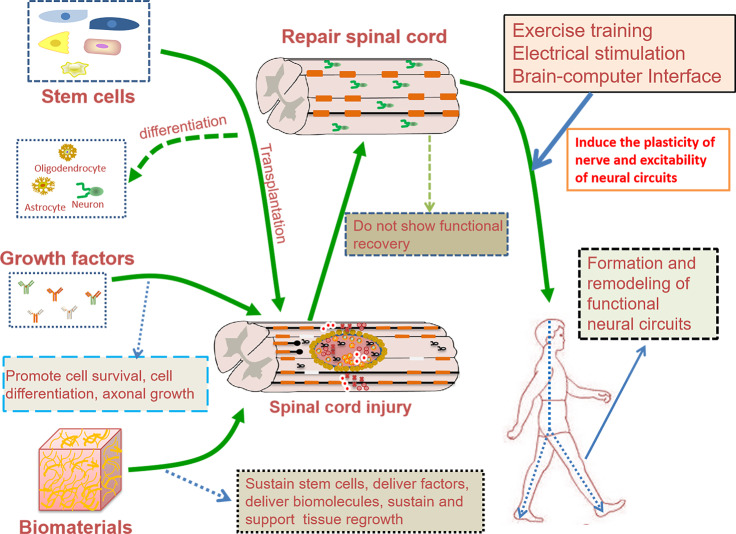
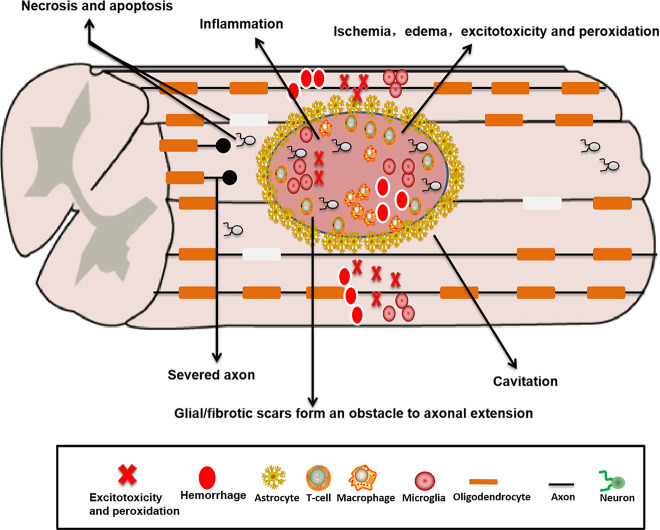
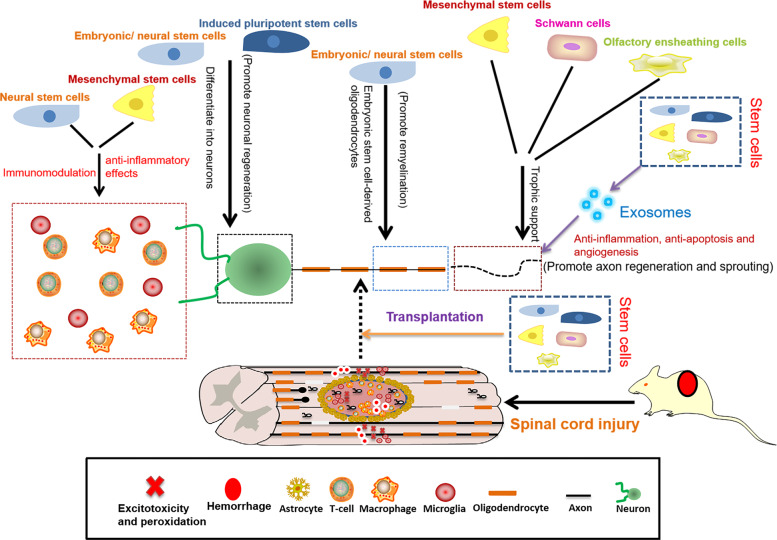
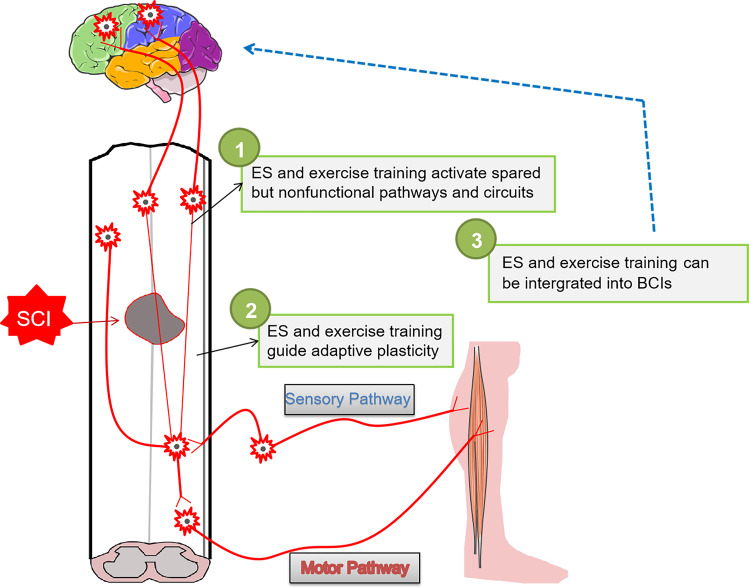
Verification
Claims the paper makes
The claims and statistics of this paper haven’t been checked yet.
Free: it reads the open-access text and checks the first 5 claims that cite a source we can check. Create a free account to check every claim.
Claims other papers make about this one
Each is checked against this paper’s own text: does it say what the citing paper says it does?
The cited source says what the claim attributes to it.
In the citing paper
“A growing number of studies suggest EVs derived from various cell lines, such as NSCs and MSC are neuroprotective, angiogenic, and immunomodulatory.”
From Extracellular vesicles as nanotheranostic platforms for targeted neurological disorder interventions (2024) · cites this paper as [294]
Self-check
Percentages, sums and reported differences re-computed from the paper’s own numbers.
The self-check needs the paper’s full text.
Citations
Cites
Takahashi, K., & Yamanaka, S. (2006) · Cell · doi:10.1016/j.cell.2006.07.024 · Cited by 26,673
Induced Pluripotent Stem Cell Lines Derived from Human Somatic Cells
Yu, J., Vodyanik, M. A., Smuga-Otto, K., Antosiewicz-Bourget, J., Frane, J. L., Tian, S., Nie, J., Jonsdottir, G. A., Ruotti, V., Stewart, R., et al. (2007) · Science · doi:10.1126/science.1151526 · Cited by 10,310
Shedding light on the cell biology of extracellular vesicles
van Niel, G., D'Angelo, G., & Raposo, G. (2018) · Nature Reviews Molecular Cell Biology · doi:10.1038/nrm.2017.125 · Cited by 8,369
Feigin, V. L., Nichols, E., Alam, T., Bannick, M. S., Beghi, E., Blake, N., Culpepper, W. J., Dorsey, E. R., Elbaz, A., Ellenbogen, R. G., et al. (2019) · The Lancet Neurology · doi:10.1016/s1474-4422(18)30499-x · Cited by 5,644
Advances in engineering hydrogels
Zhang, Y. S., & Khademhosseini, A. (2017) · Science · doi:10.1126/science.aaf3627 · Cited by 2,908
Reach and grasp by people with tetraplegia using a neurally controlled robotic arm
Hochberg, L. R., Bacher, D., Jarosiewicz, B., Masse, N. Y., Simeral, J. D., Vogel, J., Haddadin, S., Liu, J., Cash, S. S., van der Smagt, P., et al. (2012) · Nature · doi:10.1038/nature11076 · Cited by 2,719
James, S. L., Theadom, A., Ellenbogen, R. G., Bannick, M. S., Montjoy-Venning, W., Lucchesi, L. R., Abbasi, N., Abdulkader, R., Abraha, H. N., Adsuar, J. C., et al. (2019) · The Lancet Neurology · doi:10.1016/s1474-4422(18)30415-0 · Cited by 2,001
Designing Cell-Compatible Hydrogels for Biomedical Applications
Seliktar, D. (2012) · Science · doi:10.1126/science.1214804 · Cited by 1,923
Astrocyte scar formation aids central nervous system axon regeneration
Anderson, M. A., Burda, J. E., Ren, Y., Ao, Y., O’Shea, T. M., Kawaguchi, R., Coppola, G., Khakh, B. S., Deming, T. J., & Sofroniew, M. V. (2016) · Nature · doi:10.1038/nature17623 · Cited by 1,851
Immunoregulatory mechanisms of mesenchymal stem and stromal cells in inflammatory diseases
Shi, Y., Wang, Y., Li, Q., Liu, K., Hou, J., Shao, C., & Wang, Y. (2018) · Nature Reviews Nephrology · doi:10.1038/s41581-018-0023-5 · Cited by 1,223
Cited by
Advances in Biomaterial‐Based Spinal Cord Injury Repair
Shen, H., Fan, C., You, Z., Xiao, Z., Zhao, Y., & Dai, J. (2021) · Advanced Functional Materials · doi:10.1002/adfm.202110628 · Cited by 131
Gao, S., Guo, X., Zhao, S., Jin, Y., Zhou, F., Yuan, P., Cao, L., Wang, J., Qiu, Y., Sun, C., et al. (2019) · Cell Death and Disease · doi:10.1038/s41419-019-1772-1 · Cited by 104
Self-citationZeng, C. (2023) · International Journal of Molecular Sciences · doi:10.3390/ijms241814349 · Cited by 96
Delving into the recent advancements of spinal cord injury treatment: a review of recent progress
Flack, J. A., Sharma, K. D., & Xie, J. Y. (2021) · Neural Regeneration Research · doi:10.4103/1673-5374.317961 · Cited by 77
“There was a clinical study where two quadriplegic patients were able to control and perform 3D movements like grasping and stretching using a robotic arm connected to a BCI successfully (Yang et al., 2020).”
BackgroundMultimodal therapy strategy based on a bioactive hydrogel for repair of spinal cord injury
Roh, E. J., Kim, D., Kim, J. H., Lim, C. S., Choi, H., Kwon, S. Y., Park, S. Y., Kim, J. Y., Kim, H., Hwang, D., et al. (2023) · Biomaterials · doi:10.1016/j.biomaterials.2023.122160 · Cited by 63
Wang, S., Guan, S., Sun, C., Liu, H., Liu, T., & Ma, X. (2022) · Brain Research · doi:10.1016/j.brainres.2022.148163 · Cited by 53
Woods, I., O’Connor, C., Frugoli, L., Kerr, S., Gonzalez, J. G., Stasiewicz, M., McGuire, T. K., Cavanagh, B., Hibbitts, A., Dervan, A. G., et al. (2021) · Advanced Healthcare Materials · doi:10.1002/adhm.202101663 · Cited by 56
Quan, W., Sun, X., Huang, L., Pan, H.-X., Li, L., Wang, L., Pei, G., Wang, Y., Zhang, Q., Cheng, H., et al. (2022) · Neural Regeneration Research · doi:10.4103/1673-5374.355762 · Cited by 55
“A large body of evidence has shown that the formation and remodeling of functional neural circuits depend on strengthening neuroplasticity (Torres-Espín et al., 2018; Yang et al., 2020).”
BackgroundOrtega, M. A., Fraile‐Μartinez, O., Montero, C. G., Haro, S., Álvarez-Mon, M. Á., León-Oliva, D. D., Gomez-Lahoz, A. M., Monserrat, J., Atienza-Pérez, M., Díaz, D., et al. (2023) · Military Medical Research · doi:10.1186/s40779-023-00461-z · Cited by 77
Randomized trial of granulocyte colony-stimulating factor for spinal cord injury
Koda, M., Hanaoka, H., Fujii, Y., Hanawa, M., Kawasaki, Y., Ozawa, Y., Fujiwara, T., Furuya, T., Ijima, Y., Saito, J., et al. (2021) · Brain · doi:10.1093/brain/awaa466 · Cited by 51
“Attenuation of the secondary injury can suppress the spread of spinal cord tissue damage, possibly resulting in spinal cord sparing which can improve functional prognoses (Yang et al. , 2020).”
Regulatory Role of Mesenchymal Stem Cells on Secondary Inflammation in Spinal Cord Injury
Pang, Q.-M., Chen, S.-Y., Fu, S.-P., Zhou, H., Zhang, Q., Ao, J., Luo, X.-P., & Zhang, T. (2022) · Journal of Inflammation Research · doi:10.2147/jir.s349572 · Cited by 53
“Introduction Spinal cord injury (SCI) is a potentially devastating event in the central nervous system (CNS) that can lead to the loss of sensory and motor functions below the damaged segment with huge burdens on patients, their families, and society due to the high treatment cost.(1,2) The global rate of traumatic SC…”
BackgroundLing, J., Huang, T., Wu, R., Ma, C., Lin, G., Zhou, Z., Wang, J., Tu, Q., Tang, X., Liu, Y., et al. (2023) · Advanced Functional Materials · doi:10.1002/adfm.202213342 · Cited by 46
Self-citationMitochondrial Transplantation: A Novel Therapeutic Approach for Treating Diseases
Miao, X., Jiang, P., Wang, Z., Kong, W., & Feng, L. (2025) · MedComm · doi:10.1002/mco2.70253 · Cited by 61
Feng, X., Chen, X., Zaeem, M., Zhang, W., Song, L., Chen, L., Mubwandarikwa, J., Chen, X., Xiao, J., Xie, L., et al. (2022) · Oxidative Medicine and Cellular Longevity · doi:10.1155/2022/8010670 · Cited by 48
“As a grievous neurological disease, SCI seriously destroys the function of motor and sensory neurons; paralysis caused by SCI brings huge medical and economic burden to the patients and their families [2, 3].”
Lai, B., Bai, Y., Han, W., Zhang, B., Liu, S., Sun, J.-H., Liu, J., Li, G., Zeng, X., Ding, Y., et al. (2021) · Bioactive Materials · doi:10.1016/j.bioactmat.2021.10.005 · Cited by 50
Self-citationJiang, C. Q., Chen, Z., Wang, X., Zhang, Y., Guo, X., Fan, H., Huang, D., He, Y., Tang, X., Ai, Y., et al. (2023) · Journal of Neuroimmune Pharmacology · doi:10.1007/s11481-023-10081-y · Cited by 45
“SCI represents an extremely challenging issue in the clinical neurotrauma field mainly due to its multifaceted and dynamic pathological process (Yang et al. 2020; Afshari et al. 2009; Oyinbo 2011; Jiang et al. 2022a, b ).”
BackgroundThe roles of neural stem cells in myelin regeneration and repair therapy after spinal cord injury
Li, C., Luo, Y., & Li, S. (2024) · Stem Cell Research & Therapy · doi:10.1186/s13287-024-03825-x · Cited by 56
“The poor axon growth ability and inhibitory factors of scar axon regeneration leads to the failure in regeneration of spinal cord and reconstruction of neural circuits [28, 29].”
BackgroundCurrent progress of rehabilitative strategies in stem cell therapy for spinal cord injury: a review
Tashiro, S., Tsuji, O., Shinozaki, M., Shibata, T., Yoshida, T., Tomioka, Y., Unai, K., Kondo, T., Itakura, G., Kobayashi, Y., et al. (2021) · npj Regenerative Medicine · doi:10.1038/s41536-021-00191-7 · Cited by 41
Novel Strategies for Spinal Cord Regeneration
Costăchescu, B., Niculescu, A.-G., Dabija, M. G., Teleanu, R. I., Grumezescu, A. M., & Eva, L. (2022) · International Journal of Molecular Sciences · doi:10.3390/ijms23094552 · Cited by 44
“Particularly, neurotrophin-3 (NT-3), neurotrophin-4 (NT-4), and neurotrophin-5 (NT-5) have been recognized for their ability to protect damaged neurons and promote neuron growth and differentiation [18,21].”
BackgroundInfluentialMesenchymal stem cells transplanted into spinal cord injury adopt immune cell-like characteristics
Hakim, R., Covacu, R., Zachariadis, V., Frostell, A., Sankavaram, S. R., Brundin, L., & Svensson, M. A. (2019) · Stem Cell Research & Therapy · doi:10.1186/s13287-019-1218-9 · Cited by 39
Zhao, Y., Wang, Q., Xie, C., Cai, Y., Chen, X., Hou, Y., He, L., Li, J., Yao, M., Chen, S., et al. (2021) · Theranostics · doi:10.7150/thno.62525 · Cited by 35
“factors (GFs) are a family of proteins that regulate biological development and neural function, including regulating the survival of neurons, enhancing synaptic function recovery, and boosting axon growth and remodeling [12, 13].”
BackgroundApplications of Stem Cell-Derived Extracellular Vesicles in Nerve Regeneration
Yavuz, B., Mutlu, E. C., Ahmed, Z., Ben‐Nissan, B., & Stamboulis, A. G. (2024) · International Journal of Molecular Sciences · doi:10.3390/ijms25115863 · Cited by 34
“Viral vector-mediated delivery of six candidate miRNAs (miR-26a, miR-17, miR-30c-2, miR-92a, miR-292, and miR-182), several of which target the PTEN pathway, was shown to enhance RGC neuroprotection and axon regeneration [232].”
BackgroundRecent advances in nanotechnology for repairing spinal cord injuries
Li, Z., Yu, H., Wang, Z., Duan, H., Li, M., Liao, J., & Yang, L. (2025) · Biomaterials · doi:10.1016/j.biomaterials.2025.123422 · Cited by 52
Exosomes combined with biomaterials in the treatment of spinal cord injury
Zhang, X., Jiang, W., Lu, Y., Mao, T., Gu, Y., Ju, D., & Dong, C. (2023) · Frontiers in Bioengineering and Biotechnology · doi:10.3389/fbioe.2023.1077825 · Cited by 32
“Further, reactive astrocytes and oligodendrocyte precursor cells were activated to secrete chondroitin sulfate proteoglycans (CSPGs), causing glial scar formation, which formed a physical barrier to inhibit axonal growth (Yang et al., 2020).”
BackgroundInfluentialRole of Stem Cell-Derived Exosomes and microRNAs in Spinal Cord Injury
Hwang, J., Jang, S., Kim, C., Lee, S., & Jeong, H. (2023) · International Journal of Molecular Sciences · doi:10.3390/ijms241813849 · Cited by 38
“They also have a neuroprotective, angiogenic, and immunomodulatory effect and easily cross the blood–spinal-cord barrier to promote axonal regeneration [19,76].”
BackgroundLiu, W., Liu, Q., Li, Z., Zhang, C., Li, Z., Ke, H., Xu, X. P., Wang, X., Du, H., Talifu, Z., et al. (2025) · Bioactive Materials · doi:10.1016/j.bioactmat.2025.02.034 · Cited by 61
“This disruption impairs neuroelectric signaling, which further restricts essential processes such as neuronal growth, survival, and expression [10 – 12].”
Zeng, H., Cheng, L., Lu, D., Fan, S., Wang, K., Xu, L., Cai, B., Zhou, M., & Wang, J. (2023) · Journal of Neuroinflammation · doi:10.1186/s12974-023-02906-7 · Cited by 31
“Loss of control of downstream immune organs (the spleen and adrenal glands) by the upper spinal cord is largely due to disruption of neuronal afferents after injury [54–58].”
BackgroundSelf-citationTraumatic Nervous System Injury
Nout‐Lomas, Y. S. (2022) · Veterinary Clinics of North America Equine Practice · doi:10.1016/j.cveq.2022.04.005 · Cited by 30
Extracellular vesicles as nanotheranostic platforms for targeted neurological disorder interventions
Choi, H. K., Chen, M., Goldston, L. L., & Lee, K.-B. (2024) · Nano Convergence · doi:10.1186/s40580-024-00426-5 · Cited by 26
Electroactive Smart Materials for Neural Tissue Regeneration
Pinho, T. S., da Cunha, C. B., Lanceros-Méndez, S., & Salgado, A. J. (2021) · ACS Applied Bio Materials · doi:10.1021/acsabm.1c00567 · Cited by 28
Xiong, W., Tian, H., Li, Z., Peng, Z., & Wang, Y. (2022) · Neurochemical Research · doi:10.1007/s11064-022-03832-5 · Cited by 25
Meeting Proceedings for SCI 2020: Launching a Decade of Disruption in Spinal Cord Injury Research
Morse, L. R., Field-Fote, E. C., Contreras-Vidal, J. L., Noble‐Haeusslein, L. J., Rodreick, M., SCI 2020 Working Group, Shields, R. K., Sofroniew, M. V., Wudlick, R., Zanca, J. M., et al. (2020) · Journal of Neurotrauma · doi:10.1089/neu.2020.7174 · Cited by 29
“38 Rehabilitation will play a key role by promoting use-dependent plasticity, neuroprosthetic training, electrophysiological stimulation, and more routine combination of rehabilitation training with repair strategies and in animal models.”
Hou, Y., Liu, X., Guo, Y., Liu, D., Guo, P., & Liu, J. (2022) · World Neurosurgery · doi:10.1016/j.wneu.2022.02.012 · Cited by 23
Kong, W., Li, R., Xia, P., Su, P., Qi, Z., Zhao, C., Fu, C., & Yang, X. (2022) · Materials & Design · doi:10.1016/j.matdes.2022.110585 · Cited by 24
“We speculate that this may be because neurons in the central nervous system have more complex interconnections, and exogenous electrical stimulation cannot specifically enhance the regeneration of neurons and the reconstruction of signaling pathways in the injured area [30,31].”
Zhang, Y., Xiao, S., Dan, F., Yao, G., Hong, S., Liu, J., & Liu, Z. (2024) · Journal of Orthopaedic Translation · doi:10.1016/j.jot.2024.07.013 · Cited by 22
“However, there is a lack of well-defined and effective therapeutic agents in current clinical practice [6 – 8]; consequently, there is an urgent need to investigate potential pharmacological interventions for the management of SCI. Neuroinflammation plays a pivotal role in the secondary injuries…”
BackgroundNeurogenesis as a Tool for Spinal Cord Injury
Haveliková, K., Šmejkalová, B., & Jendelová, P. (2022) · International Journal of Molecular Sciences · doi:10.3390/ijms23073728 · Cited by 23
“have different functions regarding repairing SCI [59].”
Optogenetic Modulation of Neural Progenitor Cells Improves Neuroregenerative Potential
Giraldo, E., Palmero-Canton, D., Martínez-Rojas, B., Sánchez-Martín, M. D. M., & Moreno‐Manzano, V. (2020) · International Journal of Molecular Sciences · doi:10.3390/ijms22010365 · Cited by 24
“Many different strategies, used alone or in combination, can foster enhanced structural and functional recovery (extensively reviewed in [5]) and include growth factor cocktails [6], optimized biomaterial carriers/scaffolds [7], and small-molecule drugs that promote cell survival [8,9] or cell differentiation by inhib…”
BackgroundShi, W., Bian, L., Lv, D., Bi, S., Dai, Y., Yang, K., Lu, H., Zhou, H., Que, Y., Wang, D., et al. (2020) · Amino Acids · doi:10.1007/s00726-020-02918-0 · Cited by 19
Weisbrod, L. J., Nilles-Melchert, T. T., Bergjord, J. R., & Surdell, D. L. (2024) · Neurotrauma Reports · doi:10.1089/neur.2023.0114 · Cited by 20
Tang, D., Wang, X., Chen, Y., Yang, X., Hu, S., Song, N., Wang, J., Cheng, J., & Wu, S. (2022) · Neuroscience Letters · doi:10.1016/j.neulet.2022.136686 · Cited by 15
Self-citationFan, C., Cai, H., Zhang, L., Wu, X., Yan, J., Jin, L., Hu, B., He, J., Chen, Y., Zhao, Y., et al. (2024) · Advanced Healthcare Materials · doi:10.1002/adhm.202303388 · Cited by 15
Tao, X., Chen, H., Zhu, Z., Ren, T., Zhen, H., Sun, X., Song, Y., Xu, X., Song, Z., & Liu, J. (2025) · International Journal of Biological Macromolecules · doi:10.1016/j.ijbiomac.2025.140289 · Cited by 16
Manipulation of Axonal Outgrowth via Exogenous Low Forces
Vincentiis, S. D., Falconieri, A., Scribano, V., Ghignoli, S., & Raffa, V. (2020) · International Journal of Molecular Sciences · doi:10.3390/ijms21218009 · Cited by 20
Modern advances in spinal cord regeneration: hydrogel combined with neural stem cells
Rybachuk, O. A., Nesterenko, Y., & Zhovannyk, V. (2024) · Frontiers in Pharmacology · doi:10.3389/fphar.2024.1419797 · Cited by 16
Rybachuk, O. A., Nesterenko, Y., Pinet, É., Medvediev, V. V., Яминский, Ю. Я., & Tsymbaliuk, V. I. (2023) · Experimental Neurology · doi:10.1016/j.expneurol.2023.114497 · Cited by 15
“Matrices replace the cavity in the nervous tissue, serve as a framework for transplanted cells and connect parts of the damaged tissue (Yang et al., 2020).”
Cellular therapy for treatment of spinal cord injury in Zebrafish model
Tayanloo-Beik, A., Rabbani, Z. H., Soveyzi, F., Alavi-Moghadam, S., Rezaei–Tavirani, M., Goodarzi, P., Arjmand, B., & Larijani, B. A. (2021) · Molecular Biology Reports · doi:10.1007/s11033-020-06126-7 · Cited by 13
Biomaterials and cell-based therapy post spinal cord injury
Haratizadeh, S., Liu, H., Li, H., Adeli, M., & All, A. H. (2025) · Journal of Translational Medicine · doi:10.1186/s12967-025-06974-6 · Cited by 15
“These stem cells have fundamental role in improving motor dysfunction, reorganizing neuronal circuits, and facilitating axonal remyelination [83, 84] (Table 2).”
Walecha, V., & Luthra, P. M. (2025) · Neurochemical Research · doi:10.1007/s11064-025-04559-9 · Cited by 12
“Exhibits neurotoxic behaviour: releases toxic metabolites and factors that induce apoptosis in neurons and oligodendrocytes [ 46, 47] Functions in neuroprotection: promotes survival, supports synapse repair, and aids tissue regeneration [ 48 ])”
Ardizzone, A., Bova, V., Casili, G., Filippone, A., Lanza, M., Repici, A., Esposito, E., & Paterniti, I. (2023) · International Journal of Molecular Sciences · doi:10.3390/ijms241914654 · Cited by 12
“It has been extensively studied that motor deficits and loss of sensory inputs are principally linked to mechanical trauma, which, in addition to causing the local deformation of the spinal column, prompts the loss of motoneurons and the destruction of neuronal circuits [28].”
Yuan, T., Wang, T., Zhang, J., Ye, F., Gu, Z., Li, Y., & Xu, J. (2024) · Biomacromolecules · doi:10.1021/acs.biomac.4c00173 · Cited by 12
Agafonova, A., Cosentino, A., Musso, N., Prinzi, C., Russo, C., Pellitteri, R., Anfuso, C. D., & Lupo, G. (2024) · Molecular Neurobiology · doi:10.1007/s12035-024-04517-6 · Cited by 12
“Transplanted OECs have been shown to promote angiogenesis, axonal regeneration, and remyelination in spinal cord injury, fostering neuroplasticity and neuroregenerative effects, as previously reported [39, 40].”
Bibliometric analysis of stem cells for spinal cord injury: current status and emerging frontiers
Shang, Z., Wanyan, P., Wang, M., Zhang, B., Cui, X., & Wang, X. (2023) · Frontiers in Pharmacology · doi:10.3389/fphar.2023.1235324 · Cited by 14
“Biomaterials can fill the cavities of the spinal cord injury site, load therapeutic drugs, induce differentiation of endogenous/exogenous neural stem cells into functional cells to bridge the severed spinal cord, improve the local microenvironment of the injury site, and promote functional recovery (Fuhrmann et al., 2…”
BackgroundAhn, J. H., Lee, T.-K., Kim, D. W., Shin, M. C., Cho, J. H., Lee, J., Tae, H., Park, J. H., Hong, S., Lee, C. H., et al. (2023) · Cells · doi:10.3390/cells12030414 · Cited by 12
“It has been reported that spinal cord injury leading to cellular damage is closely associated with free radical production, glutamate excitotoxicity, lipid peroxidation, inflammation, and glial cell proliferation in the spinal gray matter [11].”
BackgroundHe, Y., Jiang, Y., Dong, L., Jiang, C. Q., Zhang, L., Zhang, G., Yang, H., & Liu, J. (2022) · Molecular Neurobiology · doi:10.1007/s12035-022-03113-w · Cited by 13
Colloidal Perspective on Targeted Drug Delivery to the Central Nervous System
Wang, W., Hassan, M. M., & Mao, G. (2023) · Langmuir · doi:10.1021/acs.langmuir.2c02949 · Cited by 12
Ma, Z., Liu, T., Liu, L., Pei, Y., Wang, T., Wang, Z., Guan, Y., Zhang, X., Zhang, Y., & Chen, X. (2024) · Neurochemical Research · doi:10.1007/s11064-024-04207-8 · Cited by 11
“…their sec - retomes for repairing SCI. Functional rehabilitation is crucial for assessing the therapeutic efficacy in SCI. Emerging strate - gies include immunotherapy [50], biological and engineering strategies for neural circuit reconstruction [51], and brain– spine interface utilization [52].”
BackgroundZainul, Z., Ma, B., Koka, M., Wilkerson, J. L., Ortiz, Y. T., Kerosuo, L., & Chandran, V. (2022) · Scientific Reports · doi:10.1038/s41598-022-07253-w · Cited by 11
Biosensing surfaces and therapeutic biomaterials for the central nervous system in COVID-19
Saghazadeh, A., & Rezaei, N. (2021) · Emergent Materials · doi:10.1007/s42247-021-00192-8 · Cited by 10
Hashemizadeh, S., Hosseindoost, S., Omidi, A., Aminianfar, H., Ebrahimi‐Barough, S., Ai, J., Arjmand, B., & Hadjighassem, M. (2022) · Frontiers in Cellular Neuroscience · doi:10.3389/fncel.2022.993019 · Cited by 9
“, 2021), and neuromodulation approaches through electrical stimulation (James et al., 2018; Yang et al., 2020).”
BackgroundKumar, D., & Hassan, M. I. (2021) · Biochemical and Biophysical Research Communications · doi:10.1016/j.bbrc.2021.11.040 · Cited by 9
Li, Q., Li, C., Li, X., Liu, X., Qian, J., Li, J., Li, X., & Zhang, X. (2024) · Neurochemical Research · doi:10.1007/s11064-024-04304-8 · Cited by 7
“Considering the limitations of current single treatment methods [22], combination treatment has been shown to significantly enhance functional recovery after SCI, improving patient outcomes more effectively than single therapies alone [23].”
Zhang, L., Yamada, S., Nagoshi, N., Shinozaki, M., Tsuji, T., Nakamura, M., Okano, H., & Tashiro, S. (2025) · Annals of Physical and Rehabilitation Medicine · doi:10.1016/j.rehab.2024.101911 · Cited by 9
Chou, Y., Nawabi, H., & Li, J. (2022) · Inflammation and Regeneration · doi:10.1186/s41232-022-00244-4 · Cited by 11
“In pursuit of meaningful functional recovery in SCI, recently, combinatorial treatments containing biochemical molecules, biomaterials, cell-based therapy, and rehabilitation exercises have also emerged and rapidly developed [63, 64].”
BackgroundEscobar, A., Kim, S., Primack, A. S., Duret, G., Juliano, C. E., & Robinson, J. T. (2024) · Neural Development · doi:10.1186/s13064-024-00194-2 · Cited by 8
Effect and mechanism of terahertz irradiation in repairing spinal cord injury in mice
Xu, D., Liu, R., Li, B., Zhang, H., & Yang, Y. (2023) · Gene · doi:10.1016/j.gene.2023.147218 · Cited by 6
Current multi-scale biomaterials for tissue regeneration following spinal cord injury
Zhang, Y., Wu, Z., Wu, J., Li, T., Jiang, F., & Yang, B. (2024) · Neurochemistry International · doi:10.1016/j.neuint.2024.105801 · Cited by 7
Self-citationZhao, F., Liu, G., Guan, Y., Li, J., Wang, T., Zhao, J., He, W., Zhang, L., Meng, H., Xu, W., et al. (2025) · Advanced Fiber Materials · doi:10.1007/s42765-025-00590-1 · Cited by 13
Gao, K., Shang, S., Wei, B., Feng, Z., Lu, X., Yang, X., Shen, W., Cui, L., Wang, H., Zhou, H., et al. (2025) · Advanced Functional Materials · doi:10.1002/adfm.202512370 · Cited by 6
Transneuronal Delivery of Cytokines to Stimulate Mammalian Spinal Cord Regeneration
Terheyden-Keighley, D., Leibinger, M., Zeitler, C., & Fischer, D. (2023) · Methods in molecular biology · doi:10.1007/978-1-0716-3012-9_6 · Cited by 5
Hjazi, A. (2025) · Histochemistry and Cell Biology · doi:10.1007/s00418-025-02375-4 · Cited by 5
“Oxidative stress is a significant occurrence that takes place early after trauma in the injured area and has a highly detrimental impact (Zhang et al. 2020; Zhou et al. 2021).”
Spinal Cord Injury Prevalence and Treatment Modalities
Ara, Z., Singh, A., Raj, S., Waliullah, S., & Srivastava, R. N. (2023) · IntechOpen eBooks · doi:10.5772/intechopen.105214 · Cited by 6
Complex Electrical Stimulation Systems in Motor Function Rehabilitation after Spinal Cord Injury
Kou, J., Cai, M., Xie, F., Wang, Y., Wang, N., & Xu, M. (2021) · Complexity · doi:10.1155/2021/2214762 · Cited by 6
Plant Scaffolds Support Motor Recovery and Regeneration in Rats after Traumatic Spinal Cord InjuryPreprint
Modulevsky, D. J., Cuerrier, C. M., Latour, M. L., Hickey, R. J., Obhi, R.-J. K., Shore, I., Galuta, A., Walker, K. L. A., Tsai, E. C., & Pelling, A. E. (2020) · bioRxiv (Cold Spring Harbor Laboratory) · doi:10.1101/2020.10.21.347807 · Cited by 7
Engineering nanomedicines for neuroprotection and neuroregeneration in spinal cord injury
Jiang, Y., Chen, Z., Zhang, J., Xu, Z., Zhou, X., Yuan, X., Yao, X. X., & Guo, S. (2025) · Nano Today · doi:10.1016/j.nantod.2025.102643 · Cited by 6
Kurahashi, T., Nishime, C., Nishinaka, E., Komaki, Y., Seki, F., Urano, K., Harada, Y., Yoshikawa, T., & Dai, P. (2023) · International Journal of Molecular Sciences · doi:10.3390/ijms241813853 · Cited by 4
“Furthermore, because the pathophysiology of SCI is complex and its pathological mechanisms are not fully understood [50], combining this cell therapy with other technologies, such as biomaterials, may lead to a higher therapeutic effect.”
BackgroundEvaluation of The effect of Self-Care Education on Quality of Life in People with Spinal Cord Injury
Ziba, F. N., Bafti, F. S., Seyedfatemi, N., Doroudi, T., & Haghani, H. (2021) · Iran Journal of Nursing · doi:10.52547/ijn.34.132.89 · Cited by 4
Zhang, W.-J., & Zhang, J. (2025) · International Journal of Surgery · doi:10.1097/js9.0000000000002548 · Cited by 8
Chen, J., Liu, Q., Tan, C., Yang, X., Zhao, Y., Hu, Q., Chen, G., & Lan, Y. (2024) · Brain Network and Modulation · doi:10.4103/bnm.bnm_15_24 · Cited by 5
Guided neural stem cell differentiation by dynamic loading of 3D printed elastomeric scaffolds
Yang, Y., Akdemir, A. R., Rashik, R. A., Khater, O., Weng, Z., Wang, L., Zhong, Y., & Gallant, N. D. (2025) · Journal of the mechanical behavior of biomedical materials/Journal of mechanical behavior of biomedical materials · doi:10.1016/j.jmbbm.2025.106940 · Cited by 5
Niknazar, S., Abbaszadeh, H., Khoshsirat, S., Mehrjerdi, F. Z., & Peyvandi, A. A. (2022) · Molecular and Cellular Neuroscience · doi:10.1016/j.mcn.2022.103752 · Cited by 3
Hu, B., Zhao, Y., Chen, C., Wu, B. L., Zhang, H., Liu, B., Zheng, R., & Fang, F. (2024) · Frontiers in Neurology · doi:10.3389/fneur.2024.1406977 · Cited by 4
Tutova, O. N., Kabdesh, I. M., Mukhamedshina, Y. O., & Chelyshev, Y. A. (2024) · Journal of Evolutionary Biochemistry and Physiology · doi:10.1134/s0022093024050119 · Cited by 2
Kurahashi, T., Nishime, C., Nishinaka, E., Komaki, Y., Seki, F., Urano, K., Harada, Y., Yoshikawa, T., & Dai, P. (2025) · ACTA HISTOCHEMICA ET CYTOCHEMICA · doi:10.1267/ahc.24-00067 · Cited by 2
“As motor function recovery after SCI depends on the severity and location of the injury, a comprehensive approach using a wide range of treatment options is considered optimal; therefore, there are multiple ongoing clinical studies for SCI treatment [15, 38].”
Ricciardi, L., Lofrese, G., Perna, A., & Trungu, S. (2022) · IntechOpen eBooks · doi:10.5772/intechopen.98082 · Cited by 3
Weisbrod, L. J., Nilles-Melchert, T. T., Bergjord, J. R., & Surdell, D. L. (2024) · Neurotrauma Reports · doi:10.1089/neur.2023.0099 · Cited by 2
Nanotechnology: A Promising Approach in Nerve Regeneration
Chaskar, A. C., Azmi, N., Tiwari, A., & Kaur, N. (2022) · Current Nanoscience · doi:10.2174/1573413718666220509125522 · Cited by 2
Kim, W. K., Son, Y. S., Lim, J., Kim, W. H., & Kang, B. (2023) · BMC Veterinary Research · doi:10.1186/s12917-023-03757-3 · Cited by 3
“Stem cell transplantation in SCI has been suggested to have a beneficial effect on reconstructing neural circuits and remyelination [6–8].”
BackgroundProspects of cell replacement therapy for the treatment of degenerative cervical myelopathy
Shea, G. K., Koljonen, P. A., Chan, Y., & Cheung, K. (2020) · Reviews in the Neurosciences · doi:10.1515/revneuro-2020-0075 · Cited by 2
Treatment Strategies to Promote Regeneration in Experimental Spinal Cord Injury Models
Hassan, A. U., Nasir, N., & Muzammil, K. (2021) · Neurochemical Journal · doi:10.1134/s1819712421010049 · Cited by 3
Lenhult, A. (2014) · Cited by 2
Plant Derived Cellulose Scaffolds as a Novel Biomaterial for 3D Cell Culture and Tissue Regeneration
Modulevsky, D. J. (2021) · uO Research (University of Ottawa) · doi:10.20381/ruor-26406 · Cited by 3
Cell Therapy and Biomaterials: Modern Approaches in the Treatment of Spinal Cord Injury
Arsentiev, K. A., Shtol, V. S., Konovalova, S. P., Tsareva, A. D., Ivanov, D. A., & Евгеньевич, М. П. (2024) · Journal of Evolutionary Biochemistry and Physiology · doi:10.1134/s0022093024070020 · Cited by 1
“In the case of therapy for SCI, a set of these properties allows for a complex effect on the site of injury by replacing lost neurons [47], stimulating axon growth [48], remyelinating damaged axons [49], modulating the immune response [50] and creating a favorable environment for repair [51].”
Zhang, J., Qi, L., Sun, Y., Chen, S., Liu, J., Chen, J., Yan, F., Wang, W., Wang, Q., & Chen, L. (2025) · Frontiers in Cellular Neuroscience · doi:10.3389/fncel.2025.1457740 · Cited by 3
Wagner, L. M., Braun-Trocchio, R., Esposito, P., von Borck, H. G., & Rhea, D. J. (2025) · International Journal of Environmental Research and Public Health · doi:10.3390/ijerph22101469 · Cited by 4
“As these neural circuits mature, they strengthen neural pathways activated by movement, reinforcing both mental and physical health [32,33].”
Research progress of intestinal microbiota on cognitive dysfunction after spinal cord injury
Tian, C., Chang, X., Wu, J., Xiao, L., Du, J., Hu, Q., & Yang, Y. (2025) · iScience · doi:10.1016/j.isci.2025.113554 · Cited by 1
Recent advancement in the management of Parkinson’s disease
Nand, S., Singh, P., & Goel, F. (2025) · Elsevier eBooks · doi:10.1016/b978-0-443-34201-1.00002-8 · Cited by 1
Recent Advances in Hydrogels as Therapeutic Tools for Spinal Cord Injury Regeneration
Chen, J., Yan, F., Liu, J., Yu, S., Bao, S., & Dong, C. (2026) · Tissue Engineering and Regenerative Medicine · doi:10.1007/s13770-025-00771-4 · Cited by 1
“Most patients with SCI lose the ability to act on their own with the dysfunction of sensation, movement, and mass reflex activity, resulting in a variety of complications, like bladder dysfunction, sexual dysfunction, and urinary tract infections [2].”
Notch Signaling in Spinal Cord Injury: Mechanistic Insights and Therapeutic Perspectives
Wang, X., Xiao, Y., Liu, R., Cai, Y., Liu, W., & Zhao, K. (2026) · Molecular Neurobiology · doi:10.1007/s12035-026-06097-z · Cited by 1
“Functional recovery after SCI requires both the preservation of surviving neurons and the reconstruction of neural circuits through neuronal replacement, axonal regrowth, and synaptic reorganization [109].”
Osorio-Londoño, D., Sanchez-Morales, G. S., Garcia-Garcia, G., Morales-Guadarrama, A., & Olayo-Gonzalez, R. (2021) · Annual International Conference of the IEEE Engineering in Medicine and Biology Society (EMBC) · doi:10.1109/embc46164.2021.9630447 · Cited by 1
“Recent studies have demonstrated that a combinatorial strategy including biomaterials, stem cells, rehabilitation and stimulation, improves functional and histoarchitectural outcomes [2].”
BackgroundFiorin, F. A., Sartori, L. G., Méndez, M. V. G., Ferreira, C. H., França, M. B. D. M., & Krueger, E. (2023) · Eng—Advances in Engineering · doi:10.3390/eng4020097 · Cited by 1
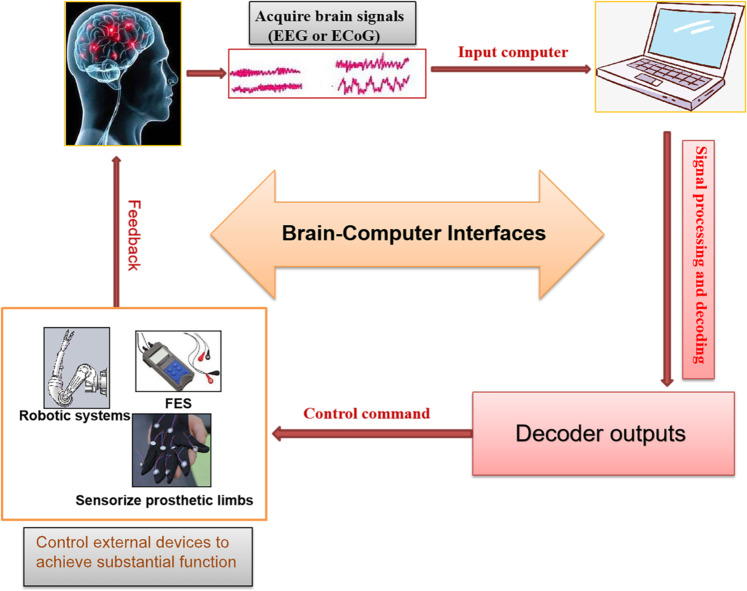
“According to Yang et al. [2], such BCIs must contain a mechanism to record the neuroelectric signal (NES s ), such as electroencephalography (EEG), to send signals to a computer, which in turn decodes the expected movement and activates auxiliary devices to perform the expected movement.”
BackgroundInfluential
Metadata
- Authors
- Yang, B., Zhang, F., Cheng, F., Ying, L., Wang, C., Shi, K., Wang, J., Xia, K., Gong, Z., Huang, X., Yu, C., Li, F., Liang, C., & Chen, Q.
- Affiliations
- Second Affiliated Hospital of Zhejiang University (CN)
- Corresponding author
- Li, Fangcai
- Liang, Chengzhen
- Chen, Qixin
- ORCID
- Venue
- Cell Death & Disease
- Published
- 2020-06-08
- Volume
- 11
- Issue
- 6
- Pages
- 439-439
- ISSN
- 2041-4889 (ISSN-L)
- PMC
- PMC7280216
- OpenAlex
- W3034164062
- Cited by
- 128
- References
- 151
- Citations by year
- 2026: 10 · 2025: 24 · 2024: 25 · 2023: 21 · 2022: 20 · 2021: 19 · 2020: 6
- FWCI
- 2.53
- Type
- journal article
- Language
- en
- Open access
- gold
- doi.org
- Licence
- cc-by
- creativecommons.org/licenses/by/4.0 (tdm)
- creativecommons.org/licenses/by/4.0 (vor)
- Locations
- Cell Death and Disease (publishedVersion, cc-by)
- PubMed Central (publishedVersion, cc-by)
- PubMed (publishedVersion)
- Funders
- National Natural Science Foundation of China (2020385155, 81472504, Y201941476, 81572177, 81972096, 81401822, NO. 81401822)
- Science and Technology Department of Zhejiang Province (81401822, 81572177)
- Medical Science and Technology Project of Zhejiang Province (2020385155, 81972096, Y201941476)
- Science and Technology Program of Zhejiang Province
- Topics
- Health Sciences › Medicine › Clinical Neurology › Spinal Cord Injury Research
- Life Sciences › Neuroscience › Cellular and Molecular Neuroscience › Nerve injury and regeneration
- Health Sciences › Medicine › Rehabilitation › Stroke Rehabilitation and Recovery
- Keywords
- spinal cord injury, neural circuit reconstruction, functional recovery, axon regeneration, nerve regeneration, cell transplantation, exosomes, growth factors, biomaterials, stem cells, electrical stimulation, brain-computer interface, rehabilitation exercises, combination therapy
- MeSH terms
- Humans, Nerve Regeneration, Spinal Cord Injuries, Stem Cell Transplantation
About these checks
Registry, retraction, Cites and statistics results are computed, not judged, with one exception: a printed reference that no index lists is read once by a model before it counts as a citation error. Claims are extracted by a model and kept only when their quote appears verbatim in the text; each cited source is then checked, with a model’s help, for whether it says what the claim relies on. Those verdicts can be wrong — read the claim’s quote and the cited source before relying on one.
Statistics and arithmetic are recomputed, not judged.
Confidence bands are shown only for fields calibrated on our annotated test set. None is calibrated yet, so no band is shown.
What counts as a claim ›How we measure confidence ›How we check this ›
Are you an author, or do you see a problem with this page? Request a review
Data sources
Bibliographic data: Semantic Scholar, OpenAlex, Crossref.
Contains information from the Semantic Scholar Academic Graph Datasets, made available under the ODC Attribution License (ODC-BY 1.0).
Semantic Scholar’s data is described in: Kinney, R., et al. (2023). The Semantic Scholar Open Data Platform. arXiv:2301.10140.
