

In search of a pan-coronavirus vaccine: next-generation vaccine design and immune mechanisms
Open accessThe DOI matches its Crossref record; 201 of the 201 references it cites were found in a registry or an index.
Abstract
Members of the coronaviridae family are endemic to human populations and have caused several epidemics and pandemics in recent history. In this review, we will discuss the feasibility of and progress toward the ultimate goal of creating a pan-coronavirus vaccine that can protect against infection and disease by all members of the coronavirus family. We will detail the unmet clinical need associated with the continued transmission of SARS-CoV-2, MERS-CoV and the four seasonal coronaviruses (HCoV-OC43, NL63, HKU1 and 229E) in humans and the potential for future zoonotic coronaviruses. We will highlight how first-generation SARS-CoV-2 vaccines and natural history studies have greatly increased our understanding of effective antiviral immunity to coronaviruses and have informed next-generation vaccine design. We will then consider the ideal properties of a pan-coronavirus vaccine and propose a blueprint for the type of immunity that may offer cross-protection. Finally, we will describe a subset of the diverse technologies and novel approaches being pursued with the goal of developing broadly or universally protective vaccines for coronaviruses.
Overview
The claims and statistics of this paper haven’t been checked yet.
Free: it reads the open-access text and checks the first 5 claims that cite a source we can check. Create a free account to check every claim.
Integrity signals
Registry
Cites
Statistics
Figures
Verification
Claims the paper makes
The claims and statistics of this paper haven’t been checked yet.
Free: it reads the open-access text and checks the first 5 claims that cite a source we can check. Create a free account to check every claim.
Claims other papers make about this one
Each is checked against this paper’s own text: does it say what the citing paper says it does?
The source backs part of the claim, not all of it — or backs it for a different population, condition or comparison.
In the citing paper
“There is no effective treatment to date, 17 and despite promising advances, 18,19 no vaccine has been approved.”
From Severe acute respiratory syndrome (SARS) mathematical models and disease parameters: a systematic review (2025) · cites this paper as [18]
Experimental — accuracy not yet measured
Self-check
Percentages, sums and reported differences re-computed from the paper’s own numbers.
The self-check needs the paper’s full text.
Citations
Cites
1 retracted
RETRACTED: SARS-CoV-2 S2–targeted vaccination elicits broadly neutralizing antibodies
Ng, K. W., Faulkner, N., Finsterbusch, K., Wu, M., Harvey, R., Hussain, S., Greco, M. T., Liu, Y., Kjær, S., Swanton, C., et al. (2022) · Science Translational Medicine · doi:10.1126/scitranslmed.abn3715 · Cited by 102 · cited 3×
“A rather simple but very effective method of removing dominant epitopes to enhance responses to conserved subdominant epitopes involved the removal of the S1 portion of spike containing the RBD and then the administration of a vaccine with only S2 as a DNA vaccine or protein [73] (Table 2).”
BackgroundMethodRetractedA new coronavirus associated with human respiratory disease in China
Wu, F., Zhao, S., Yu, B., Chen, Y.-M., Wang, W., Song, Z.-G., Hu, Y., Tao, Z.-W., Tian, J.-H., Pei, Y.-Y., et al. (2020) · Nature · doi:10.1038/s41586-020-2008-3 · Cited by 11,688 · cited 1×
“Againstthe emerging virus Several complete SARS-CoV-2 viral genomes were available at the beginning of 2020 [26], and early analysis suggested very little sequence diversity [15].”
BackgroundEfficacy and Safety of the mRNA-1273 SARS-CoV-2 Vaccine
Baden, L. R., El Sahly, H. M., Essink, B., Kotloff, K., Frey, S., Novak, R., Diemert, D., Spector, S. A., Rouphael, N., Creech, C. B., et al. (2021) · New England Journal of Medicine · doi:10.1056/nejmoa2035389 · Cited by 10,119
Wiersinga, W. J., Rhodes, A., Cheng, A. C., Peacock, S. J., & Prescott, H. C. (2020) · JAMA · doi:10.1001/jama.2020.12839 · Cited by 4,609
Long COVID: major findings, mechanisms and recommendations
Davis, H. E., McCorkell, L., Vogel, J. M., & Topol, E. J. (2023) · Nature Reviews Microbiology · doi:10.1038/s41579-022-00846-2 · Cited by 4,153
Single-cell landscape of bronchoalveolar immune cells in patients with COVID-19
Liao, M., Liu, Y., Yuan, J., Wen, Y., Xu, G., Zhao, J., Cheng, L., Li, J., Wang, X., Wang, F., et al. (2020) · Nature Medicine · doi:10.1038/s41591-020-0901-9 · Cited by 2,614
Effectiveness of COVID-19 vaccines against the Omicron (B.1.1.529) variant of concern
Andrews, N., Stowe, J., Kirsebom, F., Toffa, S., Rickeard, T., Gallagher, E., Gower, C., Kall, M., Groves, N., O’Connell, A.-M., et al. (2021) · doi:10.1101/2021.12.14.21267615 · Cited by 2,420 · cited 1×
“This is particularly the case for the sublineages of the Omicron variant, due to its ability to evade antibodies from prior exposure to both earlier variants and vaccines [16, 34, 35].”
BackgroundSafety and Efficacy of Single-Dose Ad26.COV2.S Vaccine against Covid-19
Sadoff, J., Gray, G., Vandebosch, A., Cárdenas, V., Shukarev, G., Grinsztejn, B., Goepfert, P. A., Truyers, C., Fennema, H., Spiessens, B., et al. (2021) · New England Journal of Medicine · doi:10.1056/nejmoa2101544 · Cited by 2,397
Global impact of the first year of COVID-19 vaccination: a mathematical modelling study
Watson, O. J., Barnsley, G., Toor, J., Hogan, A. B., Winskill, P., & Ghani, A. C. (2022) · The Lancet Infectious Diseases · doi:10.1016/s1473-3099(22)00320-6 · Cited by 1,769
The spike protein of SARS-CoV — a target for vaccine and therapeutic development
Du, L., He, Y., Zhou, Y., Liu, S., Zheng, B.-J., & Jiang, S. (2009) · Nature Reviews Microbiology · doi:10.1038/nrmicro2090 · Cited by 1,661 · cited 1×
“The spike protein was therefore selected because it is an abundant surface protein of the virion and the main target for nAb against the related SARS-CoV-1 [27].”
Background
Cited by
Saha, A., Roy, S. G., Dwivedi, R., Tripathi, P., Kumar, K., Nambiar, S. M., & Pathak, R. (2025) · Vaccines · doi:10.3390/vaccines13040424 · Cited by 54
“The fundamental characteristics of pan-coronavirus vaccines encompass broad-spectrum protection, targeting of conserved areas, and effectiveness against emerging variations [208].”
Ekanger, C. T., Kumar, N. D., Koutstaal, R. W., Zhou, F., Beukema, M., Waldock, J., Jochems, S. P., Mulder, N., van Els, C. A. C. M., Engelhardt, O. G., et al. (2025) · Frontiers in Immunology · doi:10.3389/fimmu.2025.1532144 · Cited by 33
Hybrid Immunity against SARS-CoV-2 Variants: A Narrative Review of the Literature
Tsagkli, P., Geropeppa, M., Papadatou, I., & Spoulou, V. I. (2024) · Vaccines · doi:10.3390/vaccines12091051 · Cited by 30
“The idea of a pan-coronavirus vaccine seems to be the most promising one [121].”
BackgroundRaadsen, M. P., Dahlke, C., Fathi, A., Hardtke, S., Klüver, M., Krähling, V., Gerresheim, G. K., Mayer, L., Mykytyn, A. Z., Weskamm, L. M., et al. (2024) · The Lancet Infectious Diseases · doi:10.1016/s1473-3099(24)00423-7 · Cited by 27
T-Cell Immune Responses to SARS-CoV-2 Infection and Vaccination
Notarbartolo, S. (2024) · Vaccines · doi:10.3390/vaccines12101126 · Cited by 23
“They have different degrees of target breadth, ranging from SARS-CoV-2 variants to the whole coronavirus genus, but they are still far from reaching clinical use [175,176].”
BackgroundSARS-CoV-2 Evolution: Implications for Diagnosis, Treatment, Vaccine Effectiveness and Development
Angius, F., Puxeddu, S., Zaimi, S., Canton, S., Nematollahzadeh, S., Pibiri, A., Delogu, I., Alvisi, G., Moi, M. L., & Manzin, A. (2024) · Vaccines · doi:10.3390/vaccines13010017 · Cited by 25
“In addition, adeno-associated viral vector vaccines can be used to deliver designed antigens with conserved epitopes across a subset of CoVs obtained through bioinformatics analysis, an approach which has shown protection across SARS-CoV-2 variants in preclinical models [79].”
Next-generation treatments: Immunotherapy and advanced therapies for COVID-19
Romero, J. A. A., Chingaté-López, S. M., Camacho, B., Alméciga-Díaz, C. J., & Ramirez-Segura, C. A. (2024) · Heliyon · doi:10.1016/j.heliyon.2024.e26423 · Cited by 19
“This scenario underscores the urgency for the implementation of next-generation SARS-CoV-2 vaccines and drugs that effectively provide enhanced breadth of protection to variants and improve durability [12 – 14].”
BackgroundBiswas, R., Roy, A., Kayal, T., Basu, S., Ghosh, S., Ramaiah, S., & Anbarasu, A. (2026) · Human Vaccines & Immunotherapeutics · doi:10.1080/21645515.2026.2626088 · Cited by 19
“61 Universal influenza vaccines, such as those based on chimeric hemagglutinin or bicistronic sa-mRNA encoding both hemagglutinin (HA) and neuraminidase (NA), have demonstrated induction of potent, cross-neutralizing antibody responses and robust T-cell immunity in animal models.”
Towards a Safer Future: Enhancing Vaccine Development to Combat Animal Coronaviruses
Si, F., Yu, R., Dong, S., Chen, B., Li, C., & Song, S. (2024) · Vaccines · doi:10.3390/vaccines12030330 · Cited by 15
“Although several animal coronavirus vaccines are currently available, their efficacy and ability to confer cross-protection against various strains and subtypes are limited [20,21].”
BackgroundXu, Y., Masuda, K., Groso, C., Hassan, R., Zhou, Z., Broderick, K., Tsuji, M., & Tison, C. K. (2024) · Vaccines · doi:10.3390/vaccines12030339 · Cited by 12
“As a result, the ideal next-generation vaccine or vaccine platform must be carefully designed to induce broadly neutralizing antibody and cellular responses to achieve full and long-lasting protection [8].”
BackgroundFragoso-Saavedra, M., & Liu, Q. (2025) · Virology · doi:10.1016/j.virol.2025.110412 · Cited by 10
Vahed, H., Prakash, S., Quadiri, A., Ibraim, I. C., Omorogieva, E., Patel, S., Tadros, J., Liao, E. J., Lau, L., Chentoufi, A. A., et al. (2025) · Human Vaccines & Immunotherapeutics · doi:10.1080/21645515.2025.2527438 · Cited by 10
“43 Multi-epitope vaccines can be designed to exclude epitopes associated with adverse immune responses, such as those that trigger antibody-dependent enhancement (ADE) or excessive inflammation.”
InfluentialJaishwal, P., Jha, K., & Singh, S. P. (2024) · International Journal of Biological Macromolecules · doi:10.1016/j.ijbiomac.2024.134012 · Cited by 12
D614G reshapes allosteric networks and opening mechanisms of SARS-CoV-2 spikes
Kearns, F. L., Bogetti, A. T., Calvó‐Tusell, C., Braza, M. K. E., Casalino, L., Gramm, A. J., Braet, S. M., Rosenfeld, M. A., Rajapaksha, H., Barker, B., et al. (2026) · Proceedings of the National Academy of Sciences · doi:10.1073/pnas.2504793123 · Cited by 9
Ren, S., Zhang, Y., Gao, X., Wang, X., Tong, L., Wang, S., Sun, Y., Yin, X., & Chen, H.-T. (2024) · Veterinary Microbiology · doi:10.1016/j.vetmic.2024.110122 · Cited by 9
In vivo determination of protective antibody thresholds for SARS-CoV-2 variants using mouse models
Wei, P., Cai, R., Zhang, L., Zhang, J., Zhang, Z., Zhu, A., Li, H., Zhuang, Z., Chen, L., Chen, J., et al. (2025) · Emerging Microbes & Infections · doi:10.1080/22221751.2025.2459140 · Cited by 9
“The continual antigenic drift within the spike protein of variants necessitates regular updating of SARS-CoV-2 vaccine candidates [1].”
Counoupas, C., Chan, E., Pino, P., Armitano, J., Johansen, M. D., Smith, L. J., Ashley, C. L., Estapé, E., Troyon, J., Alca, S., et al. (2025) · npj Vaccines · doi:10.1038/s41541-025-01144-7 · Cited by 9
“In responsetothesechallenges,researchisnowdirectedatdevelopingvaccines thatarebroadlyprotective,eithercoveringacross-sectionofSARS-CoV-2 variantsorspanningsarbecovirusclades 16 .”
Chakraborty, C., Lo, Y.-H., Bhattacharya, M., Das, A., & Wen, Z. (2025) · Molecular Therapy — Nucleic Acids · doi:10.1016/j.omtn.2025.102527 · Cited by 10
“155”
Antigen Delivery Platforms for Next-Generation Coronavirus Vaccines
Chentoufi, A. A., Ulmer, J. B., & BenMohamed, L. (2024) · Vaccines · doi:10.3390/vaccines13010030 · Cited by 7
Molecular mechanisms of SARS-CoV-2 entry: implications for biomedical strategies
Santamaria-Castro, I., Leiva-Rebollo, R., Marín‐Wong, S., Jiménez-Guardeño, J. M., & Ortega‐Prieto, A. M. (2025) · Microbiology and Molecular Biology Reviews · doi:10.1128/mmbr.00260-24 · Cited by 7
Delgado, R., Vishwakarma, J., Moghadasi, S. A., Otsuka, Y., Shumate, J., Cuell, A., Tansiongco, M., Cooley, C. B., Chen, Y., Dąbrowska, A., et al. (2024) · SLAS DISCOVERY · doi:10.1016/j.slasd.2024.100181 · Cited by 7
“Broader spectrum activity against present-day viruses is likely to be a key predictor (though not perfect) of future efficacy against the next pandemic coronavirus (SARS3), which most experts predict will emerge (albeit unclear with respect to timeline) [24-26].”
BackgroundMorgenstern, C., Rawson, T., Routledge, I., Kont, M., Imai-Eaton, N., Skarp, J., Doohan, P., McCain, K., Johnson, R., Unwin, H. J. T., et al. (2025) · The Lancet Microbe · doi:10.1016/j.lanmic.2025.101144 · Cited by 6
Development of bivalent RBD adapted COVID-19 vaccines for broad sarbecovirus immunity
Bruno, L. A., Castro, C. P., Demaría, A., Prado, L., Cassero, C. G. F., Saposnik, L. M., Córdoba, F. P., Rodriguez, J. M., Piccini, G., Antonelli, R., et al. (2025) · npj Vaccines · doi:10.1038/s41541-025-01156-3 · Cited by 6
“Development of a universal vaccine against SARS-CoV-2 and SARS-relatedcoronavirusesisneeded toreducethethreatfrom currentandfuture SARS-related coronaviruses with pandemic potential 23 .”
The Batalogue: an overview of betacoronaviruses with future pandemic potential
Baird, S., Holmes, E. C., Ashley, C. L., Triccas, J. A., & Steain, M. C. (2025) · FEMS Microbiology Reviews · doi:10.1093/femsre/fuaf023 · Cited by 5
“…rapidly evolving virus, as seen with the SARS-CoV-2 variants, the development of a pan-coronavirus or pan-sarbecovirus vaccine has been proposed (Li et al. 2021 , Nathan et al. 2021 , Halfmann et al. 2022 , Guo et al. 2023a , van Bergen et al. 2023 , Bartsch et al. 2024 , Cankat et al. 2024 ).”
Younas, S., Farooq, S., Sahu, S., Mwita, R. P., & Özdemir, Ö. (2026) · World Journal of Virology · doi:10.5501/wjv.v15.i1.116939 · Cited by 5
Arapa, A. M., Tallei, T. E., Idroes, R., Fatimawali, Suoth, E. J., Savitri, M., Adam, A. A., Kolondam, B. J., Yamada, C., Ribeiro, R. I. M. D. A., et al. (2026) · Frontiers in Bioinformatics · doi:10.3389/fbinf.2026.1784011 · Cited by 5
“…work as an epitope-level, RBD-focused construct that aims to extend breadth across pathogenic betacoronaviruses, while recognizing that definitive cross-protection requires experimental validation across representative sarbecovirus and merbecovirus systems (Cankat et al., 2023; Vahed et al., 2025).”
Thimmiraju, S. R., Adhikari, R., Redd, J. R., Villar, M. J., Lee, J., Liu, Z., Chen, Y., Sharma, S., Kaur, A., Uzcategui, N. L., et al. (2024) · npj Vaccines · doi:10.1038/s41541-024-00924-x · Cited by 5
“Now, with support from national and international funding agencies, multiple broadly protective vaccines are under development 4,5 .”
Munro, A. P. S., Ferrari, M., Kinsley, R., Egan, D. J. S., Vishwanath, S., Bower, T., Chan, A., Davies, M., Rosario, J. D., Moss, R., et al. (2026) · Journal of Infection · doi:10.1016/j.jinf.2026.106759 · Cited by 4
“A full list of inclusion and exclusion criteria can be found in the study protocol (supplementary appendix page 9).”
Fabricius, D., Ludwig, C., Proffen, M., Hägele, J., Scholz, J. A. M., Vieweg, C., Rode, I., Hoffmann, S., Körper, S., Schrezenmeier, H., et al. (2025) · Frontiers in Immunology · doi:10.3389/fimmu.2025.1580448 · Cited by 4
Challenges and Prospects in the Development of a Universal SARS-CoV-2 Vaccine
Karczmarzyk, K., & Kęsik-Brodacka, M. (2026) · Vaccines · doi:10.3390/vaccines14020173 · Cited by 5
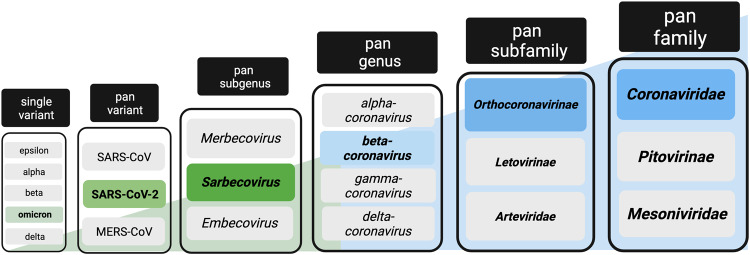
“More ambitious strategies include pan-subfamily vaccines directed against Orthocoronavirinae and, ultimately, pan-coronavirus vaccines spanning the entire Coronaviridae family [13] (Box 1).”
Gao, N., Yang, T., Dong, L., Tang, W., Cao, K., Ding, L., Zhu, C., Bai, S., Xia, A., Zhu, Y., et al. (2024) · Frontiers in Immunology · doi:10.3389/fimmu.2024.1473428 · Cited by 4
Identification of Seven Novel HLA Alleles by Third Generation Sequencing
Sutherland, A. H., Turner, T. R., Flaxl, L. M., Swadling, L., & Mayor, N. P. (2026) · HLA · doi:10.1111/tan.70923 · Cited by 3
“This includes in the design of cross-reactive T cell vaccines [4].”
Self-citationThe Development of Epitope-Based Recombinant Protein Vaccines against SARS-CoV-2
Khalid, K., Lim, H. X., Hwang, J. S., & Poh, C. L. (2024) · The AAPS Journal · doi:10.1208/s12248-024-00963-1 · Cited by 3
On the adjuvanticity of hyaluronan: The case of a SARS-CoV-2 vaccine
Pietà, A. D., Genova, B., Penna, A., Sinigaglia, A., Vogiatzis, S., Barzon, L., Pagliari, M., Bonfante, F., Torrigiani, F., Sofia, T., et al. (2025) · Journal of Controlled Release · doi:10.1016/j.jconrel.2025.113674 · Cited by 3
Bertoletti, A. (2024) · Cellular and Molecular Immunology · doi:10.1038/s41423-024-01128-y · Cited by 3
“…instance, when developing new vaccines that could not only more ef fi ciently curtail the spread of SARS-CoV-2 but also target other coronaviruses, we invited the Leo Swandling group [3] to explore the immunological aspects of existing “ old ” SARS-CoV-2 vaccines and methods to create new vaccines.”
Next-Generation Coronavirus Disease 2019 Vaccines
Stephenson, K. E. (2025) · Infectious Disease Clinics of North America · doi:10.1016/j.idc.2025.02.003 · Cited by 2
Tan, S. S. E., Tam, E.-H., Lai, K. M., Wu, Y., Xiao, T., & Tan, Y. (2025) · Vaccines · doi:10.3390/vaccines13070688 · Cited by 2
“Recent studies have developed new strategies to increase the breadth of coronavirus vaccine protection and some of these incorporate different antigens or multiple immunogenic epitopes [27–29].”
Zhang, X., Miao, J. Z., Huang, X., Wang, Y., Suo, W., Lan, J., & Hu, A. (2026) · Journal of Materials Chemistry B · doi:10.1039/d5tb02213d · Cited by 2
Jaishwal, P., & Singh, S. P. (2026) · Peptide Science · doi:10.1002/pep2.70026 · Cited by 2
“This strategy depends on the immune system's ability to identify and react to pathogens that share epitopes similar to those targeted by existing vaccines [3].”
InfluentialGerm factories or immune boot camps? Infection and immunity in childcare settings
Caddy, S., van Dorp, L., Swadling, L., Wang-Koh, Y. W., & Houldcroft, C. J. (2026) · Clinical Microbiology Reviews · doi:10.1128/cmr.00253-25 · Cited by 2
“Ambitions to develop universal vaccines against human coronaviruses and influenza have also not yet been realized due to the difficulty of inducing cross-protective immunity for these variable viruses (142).”
Self-citationImrie, R. M., Bissett, L. A., Raveendran, S., Manali, M., Amat, J. A. R., Mojsiejczuk, L. N., Logan, N. A., PARK, A. W., Baguelin, M., Viana, M., et al. (2026) · Nature Communications · doi:10.1038/s41467-026-69988-8 · Cited by 2
“These fi ndings support the development of cross-protective, universal vaccines for sarbecoviruses 44 and other antigenically variable pathogens like in fl uenza 45 .”
Soltani, M., Abdi, F., & Shahsavari, S. (2024) · Journal of Biochemicals and Phytomedicine · doi:10.34172/jbp.2024.4 · Cited by 2
What Is Next for COVID-19 Vaccination?
Trilla, A., Trilla, G., Aldea, M., & Vilella, A. (2025) · Seminars in Respiratory and Critical Care Medicine · doi:10.1055/a-2531-1211 · Cited by 2
“49”
The shape of waning vaccinal immunity: Implications for control
Northrup, G. R., Boots, M., & Saad-Roy, C. M. (2025) · PLOS complex systems. · doi:10.1371/journal.pcsy.0000071 · Cited by 3
“There have been important recent efforts to generate pan-coronavirus/pan-sarbecovirus vaccines that would provide broad immunological protection (see e.g. [17–20]) and similarly, the development of ‘Universal Influenza Vaccines (UIVs)’ has been an important focus (see e.g. [21–26]).”
Dzuvor, C. K. O., Moak, S. P., McManus, L. R., Thomas, A., Dzordzorme, A. E., Kim, T., Joseph, J., Foley, V., Gordon, I. J., Novik, L., et al. (2025) · Research Square · doi:10.1101/2025.10.01.679649 · Cited by 2
Schmidt, K. G., Geißler, P., Schuster, E.-M., Schülein, C., Harrer, E. G., Schönau, V., Luber, M., Spriewald, B. M., Steininger, P. A., Bergmann, S., et al. (2025) · iScience · doi:10.1016/j.isci.2025.111949 · Cited by 1
“While the CoV-YL8 epitope is identical in the common cold coronavirus HKU1, the corresponding OC43 sequence contains a D to N-substitution at the P3 position abrogating recognition of the OC43 CoV-YL8 D/N peptide (YPNPSRIL) both by the T cell line (Figure 3I) and by the freshly isolated PBMCs (Figure 3J).”
InfluentialMa, J., Li, M., Xie, Z., & Li, D. (2025) · Decoding Infection and Transmission · doi:10.1016/j.dcit.2025.100048 · Cited by 2
Guest, J. D., Zhang, Y., Flores, D., Atkins, E., Ren, K., Caì, Y., Rosenthal, K., Wang, Z., Kim, K., Chen, C. H., et al. (2025) · Vaccines · doi:10.3390/vaccines13080778 · Cited by 1
“This comparison can also extend beyond SARS-CoV-2 to other betacoronaviruses for pan-coronavirus vaccine design [121–123].”
In silico design of immunogenic antigen cocktail via affinity maturation-guided optimization
Abeer, A. N. M. N., Koo, B.-S., & Yoon, B.-J. (2024) · Bioinformatics Advances · doi:10.1093/bioadv/vbaf182 · Cited by 1
“In the case of the coronavirus family ( Coronaviridae ), the target or endpoint of this daunting task is the pancoronavirus vaccine (Cankat et al. 2024).”
Chen, C., Lovendahl, K. N., Overbaugh, J. M., & Lee, K. K. (2025) · PLoS Pathogens · doi:10.1371/journal.ppat.1013143 · Cited by 1
Influence of immune history when choosing a SARS-CoV-2 booster strategy
Larsen, S. L., Noor, I., West, H., Chandra, E., Martinez, P. P., & Kraay, A. N. M. (2025) · Scientific Reports · doi:10.1038/s41598-025-19659-3 · Cited by 1
“In the face of this, a possible future direction for SARS-CoV-2 to make population-level gains in immunity is the development of pan-sarbecovirus or pan-coronavirus vaccines that elicit broad, cross-reactive immune responses 36,37 .”
Epidemiology and Impact of the COVID-19 Pandemic
Rehan, S., Mishra, S., Shri, P., Chand, V., Srivastava, A., & Raghav, S. (2025) · Springer eBooks · doi:10.1007/978-981-95-1196-9_2 · Cited by 1
A trimer ancestral spike-based mRNA vaccine confers cross-generational protection against SADS-CoV
Zhang, T., Yao, J., Guo, X., Leng, C., Liu, S., Chen, Y., Wang, J., Sun, M., Ma, H., Li, L., et al. (2025) · Journal of Nanobiotechnology · doi:10.1186/s12951-025-03767-3 · Cited by 1
“The development of pan-coronavirus vaccines holds profound significance in addressing viral mutations and future threats [51].”
Ye, C., Zhang, X., Qiu, L., Ji, J., Gu, J., Jia, H., Lu, Y., Chen, J., Meng, Z., Lian, J., et al. (2025) · Advanced Science · doi:10.1002/advs.202514147 · Cited by 1
Oluka, G. K., Katende, J. S., Kato, L., Ankunda, V., Sembera, J., Ejou, P., Odoch, G., Namuyanja, A., Kaleebu, P., & Serwanga, J. (2025) · iScience · doi:10.1016/j.isci.2025.114351 · Cited by 1
“12,17 While additional booster doses transiently improve the elicited humoral immunity and partly restore neutralizing activity against immune evasive variants, 18 the rapid ll OPEN ACCESS emerging novellineages continue to erode theefficacyof vaccine-induced neutralizing responses.”
Renn, D., McPartlan, J. S., Banala, S., Kiessling, F. M., Talukder, P., Mandl, C. W., Eppinger, J., Chahal, J. S., & Rueping, M. (2026) · Scientific Reports · doi:10.1038/s41598-026-44645-8 · Cited by 1
Respiratory mucosal immunity: Biological functions, diseases, prevention and therapy
Yu, Z., Song, Z., Hong, W., He, X., & Wei, X. (2026) · Genes & Diseases · doi:10.1016/j.gendis.2026.102200 · Cited by 1
Porta, E. O. J., AlKharboush, D. F., Jackson, L., Pang, F., Darin, A., Louka, J., Quamruzzaman, M., Shi, X., Wells, G., & Kozielski, F. (2026) · Pharmaceutics · doi:10.3390/pharmaceutics18060693 · Cited by 1
Perdiguero, B., Álvarez, E., Marcos-Villar, L., Sin, L., López‐Bravo, M., Valverde, J. R., Sorzano, C. Ó. S., Falqui, M., Coloma, R., Estéban, M., et al. (2024) · Vaccines · doi:10.3390/vaccines12111213 · Cited by 1
Enabling Epitope Analysis of Glycoproteins via HDX-MS Using Antigens with Uniformed N-linked GlycansPreprint
Ota, T., Takayama, M., Ishihara, T., Sato, M., Ono, S., Futamata, R., Fujitani, M., & Rokushima, M. (2024) · bioRxiv (Cold Spring Harbor Laboratory) · doi:10.1101/2024.09.24.613422 · Cited by 1
Editorial: Immune studies of SARS-CoV2 and vaccines using preclinical modeling
Dunai, C., Iyer, S. S., & Murphy, W. J. (2025) · Frontiers in Immunology · doi:10.3389/fimmu.2024.1548624 · Cited by 1
Dzuvor, C. K. O., Moak, S. P., McManus, L. R., Dzordzorme, A. E., Evanson, L. R., Kim, T., Thomas, A., Adeyemi, O., Foley, V., Limaye, A., et al. (2025) · bioRxiv (Cold Spring Harbor Laboratory) · doi:10.1101/2025.11.19.689216 · Cited by 1
Opting for COVID-19 Vaccine: Yes versus No
Han, D. C. (2024) · Science Insights · doi:10.15354/si.24.ed085
Long Complications of COVID Vaccination
Yan, M., & Schmidt, S. K. (2024) · Science Insights · doi:10.15354/si.24.re1055
“The implementation of this measure will also serve to mitigate the development of novel viral variants that may possess increased transmissibility or resistance to existing vaccinations (Cankat et al., 2023).”
BackgroundImmune studies of SARS-CoV2 and vaccines using preclinical modeling
Murphy, W. J. (2025) · Frontiers research topics · doi:10.3389/978-2-8325-5944-4
Xiao, C., Xiang, J., Wang, H., Gao, W., Peng, T., Li, S., Su, J., Chen, X., Gao, L., Shi, R., et al. (2025) · Frontiers in Immunology · doi:10.3389/fimmu.2025.1534530 · Cited by 1
A plant secretory sequence enhances immunogenicity of electroporated COVID-19 DNA vaccines
Demurtas, O. C., Novelli, F., Triggiani, D., Merla, C., Pasquali, E., Massa, S., Franconi, R., & Pioli, C. (2025) · Frontiers in Medical Technology · doi:10.3389/fmedt.2025.1597179
Torres, S., Román-Calderón, J. P., & Lemos, M. (2025) · Ciencias Psicológicas · doi:10.22235/cp.v19i2.4460
“Consequently, the scientific community agrees on the need to develop more effective next-generation vaccines (Cankat et al., 2023), and, equally importantly, to create effective behavioral campaigns that increase vaccination uptake (Giese et al., 2023; WHO, 2022).”
HA-ppy immunity: unveiling the power of hyaluronan as an adjuvant in SARS-CoV-2 vaccination
Genova, B. (n.d.) · Padua Research Archive (University of Padova)
Sharmila, A., & Selvaraj, C. I. (2025) · Critical Public Health · doi:10.1080/09581596.2025.2606437
Avances en vacunación 5 años después del inicio de la pandemia de COVID-19
Cortés-Cortés, M. E. (2025) · Vaccimonitor/VacciMonitor
A modular three in one mucosal vaccine against three antigenic clusters of ACE2 using sarbecoviruses
Liu, L., Lin, H. C., Li, M., Li, X., Wang, S., Xu, M., Liu, S., Hu, Y., Liu, M.-Q., Huang, Z., et al. (2026) · npj Vaccines · doi:10.1038/s41541-026-01403-1
“In the development of pan-coronavirus vaccines, spike protein-derived antigens, particularly the RBD, are widely selected as immunogenic components due to the high ef fi cacy in inducing neutralizing antibodies 25,26 and the ease of manufacturing 27 .”
Begum, R. F., Mathew, M., Doshi, P. P., & Suresh, S. (2026) · Immunologic Research · doi:10.1007/s12026-026-09757-3
Na, Y. J., Choi, E. B., Kim, K., Kim, S., Moon, S. Y., Lee, Y.-K., & In, H. J. (2026) · Scientific Reports · doi:10.1038/s41598-026-45295-6
Developing multiviral nanoparticle vaccines to facilitate proactive vaccinology
Hills, R. A. (2024) · Oxford University Research Archive (ORA) (University of Oxford) · doi:10.5287/ora-o12bq8jzn
Rethinking next-generation vaccine strategies
Zhang, T., ShaoWei, L. I., & Xia, N. (2026) · Scientia Sinica Vitae · doi:10.1360/ssv-2026-0094
Kontou, E., Detsika, M. G., Salamaliki, C., Bletsa, A., Ampelakiotou, K., Zoulas, D., Athanasiou, N., Totsikas, C., Tzavara, C., Dimopoulou, I., et al. (2026) · Vaccine X · doi:10.1016/j.jvacx.2026.100862
Jaishwal, P., & Singh, S. P. (2026) · Biophysica · doi:10.3390/biophysica6040055
Li, R., Wubshet, A. K., Wang, S., Bai, X., Tie, L., Rehman, Z. U., Gao, X., Wang, H., Han, Y., Wang, X., et al. (2026) · Journal of Virology · doi:10.1128/jvi.00787-26
Översti, S., Lytras, S., Kawakubo, S., Ito, J., & Ghafari, M. (2026) · Journal of Virology · doi:10.1128/jvi.01687-25 · Cited by 1
Dual-targeting engineered binding proteins block SARS-CoV-2 infection and complement activation
Pu, F., Guo, Y., Pan, X., Liu, X., & Yang, F. (2026) · Antiviral Research · doi:10.1016/j.antiviral.2026.106515
Wang, Z., Gao, J., Bai, R., Yuan, L., Guo, H., Wang, S., Wang, Y., Wu, J., Bu, Q., Guo, H., et al. (2026) · Viruses · doi:10.3390/v18090976
“These findings underscore the urgent need to develop broadly protective vaccines that offer proactive cross-protection against a wider spectrum of future variants [24,25].”
Advances in Vaccines Against Infectious Diseases
De-Simone, S. G. (2026) · Vaccines · doi:10.3390/vaccines14090796
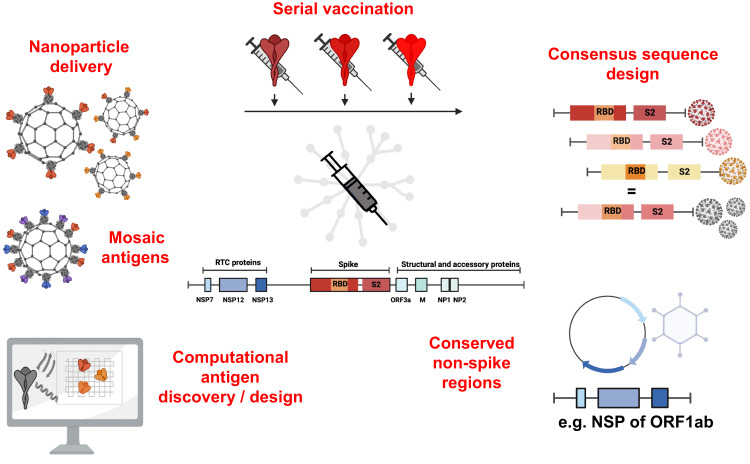
“Structure-guided antigen design, immunofocusing, nanoparticle display, multivalent and mosaic antigen presentation, and rational selection of conserved targets represent promising approaches for expanding the breadth of immunity [48–50].”
Phase 2 evaluation of two GEO-CM04S1 dose levels shows comparable safety and broad immunogenicity
Ortega‐Francisco, S., de Aquino, M. T. P., Chiuppesi, F., Gutierrez, M., Rosa, C. L., Zhou, Q., Kaltcheva, T. I., Li, J., Mack‐Onyeike, J., Zhou, Y., et al. (2026) · Journal of Infection · doi:10.1016/j.jinf.2026.106855
Файзулоев, Е. Б., Gracheva, A. V., Korchevaya, E. R., Михайловна, Х. Д., Maslennikova, A. S., Smirnova, D. I., Stog, A., Nagibina, D., Trunova, G., Андреевна, Х. В., et al. (2026) · Vaccines · doi:10.3390/vaccines14100895
“…this challenge, various approaches have been proposed, including periodic antigen updating of S-protein-based vaccines [55–59] and the development of a universal (pan-SARS-CoV-2) multi-epitope vaccine based on conserved B-and T-cell epitopes of protective viral antigens [60,61], among others.”
Metadata
- Authors
- Cankat, S., Demael, M. U., & Swadling, L.
- Affiliations
- University College London (GB)
- Corresponding author
- Swadling, L.
- Venue
- Cellular & Molecular Immunology
- Published
- 2023-12-26
- Volume
- 21
- Issue
- 2
- Pages
- 103-118
- ISSN
- 1672-7681 (ISSN-L)
- 2042-0226
- PMC
- PMC10805787
- OpenAlex
- W4390236634
- Semantic Scholar
- 644e501a110027727641db4025c3f16d8f4b80ec
- Cited by
- 84
- References
- 182
- Citations by year
- 2026: 27 · 2025: 35 · 2024: 22
- FWCI
- 3.98
- Type
- journal article
- Language
- en
- Open access
- hybrid
- doi.org
- Licence
- cc-by
- creativecommons.org/licenses/by/4.0 (tdm)
- creativecommons.org/licenses/by/4.0 (vor)
- Locations
- Cellular and Molecular Immunology (publishedVersion, cc-by)
- PubMed Central (publishedVersion, cc-by)
- PubMed (publishedVersion)
- UCL Discovery (University College London) (submittedVersion, cc-by)
- Funders
- RCUK | Medical Research Council (MR/X502984/1, MR/W006774/1)
- RCUK | Biotechnology and Biological Sciences Research Council (BB/T008709/1)
- Topics
- Health Sciences › Medicine › Infectious Diseases › SARS-CoV-2 and COVID-19 Research
- Life Sciences › Agricultural and Biological Sciences › Animal Science and Zoology › Animal Virus Infections Studies
- Life Sciences › Biochemistry, Genetics and Molecular Biology › Molecular Biology › vaccines and immunoinformatics approaches
- Keywords
- pan-coronavirus vaccine, universal coronavirus vaccine, SARS-CoV-2, MERS-CoV, seasonal coronaviruses, zoonotic coronaviruses, cross-protection, antiviral immunity, vaccine design, COVID-19 vaccines
- MeSH terms
- SARS-CoV-2, COVID-19 Vaccines, Humans, Vaccination, Coronavirus OC43, Human, Pandemics
About these checks
Registry, retraction, Cites and statistics results are computed, not judged, with one exception: a printed reference that no index lists is read once by a model before it counts as a citation error. Claims are extracted by a model and kept only when their quote appears verbatim in the text; each cited source is then checked, with a model’s help, for whether it says what the claim relies on. Those verdicts can be wrong — read the claim’s quote and the cited source before relying on one.
Statistics and arithmetic are recomputed, not judged.
Confidence bands are shown only for fields calibrated on our annotated test set. None is calibrated yet, so no band is shown.
What counts as a claim ›How we measure confidence ›How we check this ›
Are you an author, or do you see a problem with this page? Request a review
Data sources
Bibliographic data: Semantic Scholar, OpenAlex, Crossref.
Contains information from the Semantic Scholar Academic Graph Datasets, made available under the ODC Attribution License (ODC-BY 1.0).
Semantic Scholar’s data is described in: Kinney, R., et al. (2023). The Semantic Scholar Open Data Platform. arXiv:2301.10140.
