

Tectonically-triggered sediment and carbon export to the Hadal zone.
Open accessThe DOI matches its Crossref record; 49 of the 49 references it cites were found in a registry or an index.
Abstract
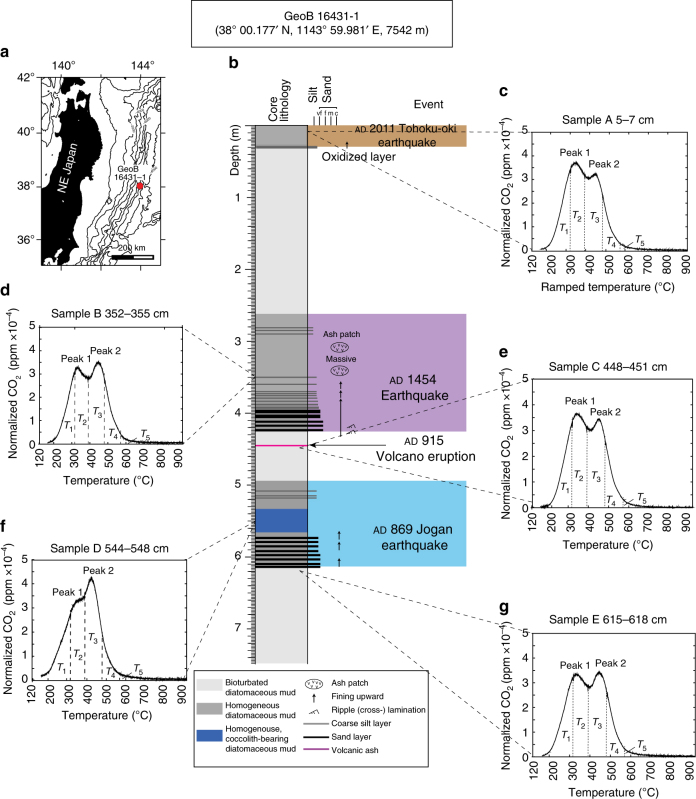
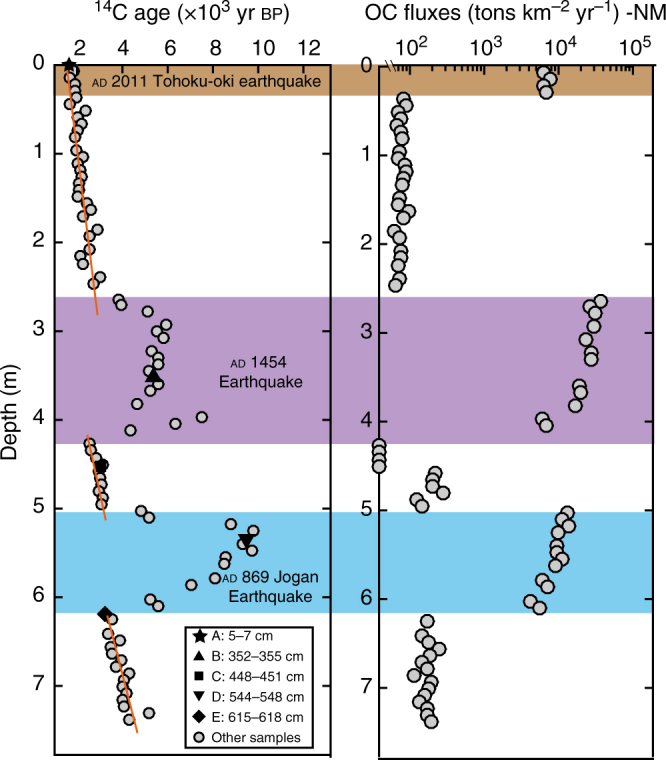
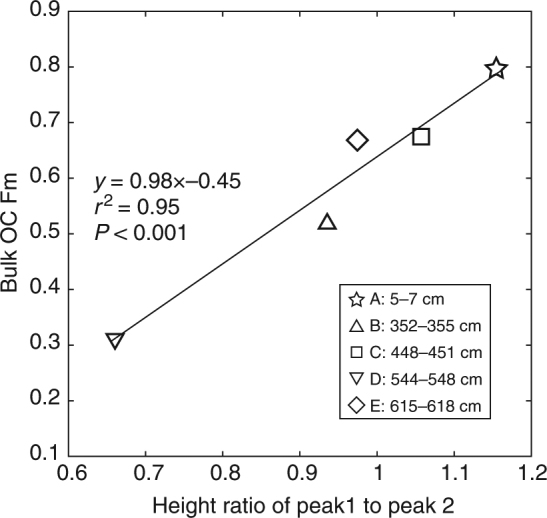
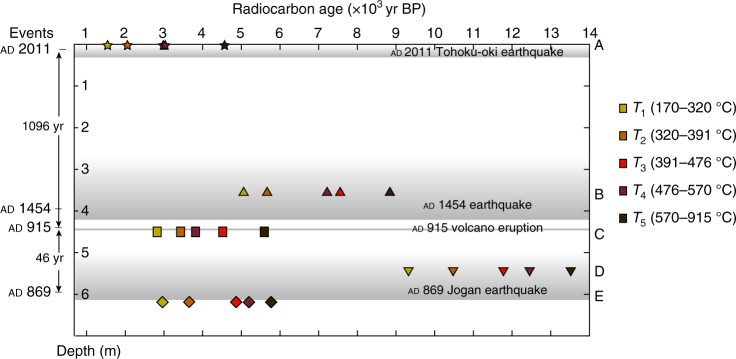
Sediments in deep ocean trenches may contain crucial information on past earthquake history and constitute important sites of carbon burial. Here we present 14 C data on bulk organic carbon (OC) and its thermal decomposition fractions produced by ramped pyrolysis/oxidation for a core retrieved from the >7.5 km-deep Japan Trench. High-resolution 14 C measurements, coupled with distinctive thermogram characteristics of OC, reveal hemipelagic sedimentation interrupted by episodic deposition of pre-aged OC in the trench. Low δ 13 C values and diverse 14 C ages of thermal fractions imply that the latter material originates from the adjacent margin, and the co-occurrence of pre-aged OC with intervals corresponding to known earthquake events implies tectonically triggered, gravity-flow-driven supply. We show that 14 C ages of thermal fractions can yield valuable chronological constraints on sedimentary sequences. Our findings shed new light on links between tectonically driven sedimentological processes and marine carbon cycling, with implications for carbon dynamics in hadal environments.
Overview
The claims and statistics of this paper haven’t been checked yet.
Free: it reads the open-access text and checks the first 5 claims that cite a source we can check. Create a free account to check every claim.
Integrity signals
Registry
Cites
Statistics
Figures
Verification
Claims the paper makes
The claims and statistics of this paper haven’t been checked yet.
Free: it reads the open-access text and checks the first 5 claims that cite a source we can check. Create a free account to check every claim.
Claims other papers make about this one
Each is checked against this paper’s own text: does it say what the citing paper says it does?
The cited source doesn’t support the claim as written.
In the citing paper
“Similar to the 2011 event deposits, the AD 1454 and 869 event deposits also contain relatively young remobilized sediments with high OC content (Bao et al., 2018).”
From Event Stratigraphy in a Hadal Oceanic Trench: The Japan Trench as Sedimentary Archive Recording Recurrent Giant Subduction Zone Earthquakes and Their Role in Organic Carbon Export to the Deep Sea (2019) · cites this paper as Bao et al., 2018
Checked by a reasoning model — may be wrong.
Experimental — accuracy not yet measuredThe source backs part of the claim, not all of it — or backs it for a different population, condition or comparison.
In the citing paper
“recent high-resolution radiocarbon dating constrains the age of the event deposit to the 15th century and thus corroborates the correlation to the AD 1454 Kyotoku earthquake (Bao et al., 2018).”
From Event Stratigraphy in a Hadal Oceanic Trench: The Japan Trench as Sedimentary Archive Recording Recurrent Giant Subduction Zone Earthquakes and Their Role in Organic Carbon Export to the Deep Sea (2019) · cites this paper as Bao et al., 2018
Experimental — accuracy not yet measuredThe source backs part of the claim, not all of it — or backs it for a different population, condition or comparison.
In the citing paper
“As revealed by previous studies by Bao et al. (2018) and Ikehara et al. (2016), bulk organic 14C ages do not represent the actual depositional age of the sediment (age offset in the order of ∼1,600 years)”
From Event Stratigraphy in a Hadal Oceanic Trench: The Japan Trench as Sedimentary Archive Recording Recurrent Giant Subduction Zone Earthquakes and Their Role in Organic Carbon Export to the Deep Sea (2019) · cites this paper as Bao et al., 2018
Experimental — accuracy not yet measuredThe source backs part of the claim, not all of it — or backs it for a different population, condition or comparison.
In the citing paper
“Total organic carbon (TOC) contents within AD 1454 and AD 869 event deposits from the core GeoB16431-1 core are 0.99± 0.26 wt% and 0.65± 0.10 wt%, respectively (Bao et al., 2018).”
From Event Stratigraphy in a Hadal Oceanic Trench: The Japan Trench as Sedimentary Archive Recording Recurrent Giant Subduction Zone Earthquakes and Their Role in Organic Carbon Export to the Deep Sea (2019) · cites this paper as Bao et al., 2018
Experimental — accuracy not yet measuredThe check wasn’t confident either way, so it gives no verdict — never disputed.
In the citing paper
“Bulk OC 14C data of bioturbated sediments overlying the homogenous diatomaceous mud within the core GeoB21817 indicate a mean sedimentation rate of 1.17 (+0.16/-0.12) m/kyr for background sedimentation in the basin JTN08 (Figure 6 and Supplementary Figure S2), which is lower than that in the southernmost basin JTS01 [5.44 (+0.13/-0.09) m/kyr; this study] and upper 2.5 mbsf of JTC02 in the central”
From Event Stratigraphy in a Hadal Oceanic Trench: The Japan Trench as Sedimentary Archive Recording Recurrent Giant Subduction Zone Earthquakes and Their Role in Organic Carbon Export to the Deep Sea (2019) · cites this paper as Bao et al., 2018
Experimental — accuracy not yet measured
Self-check
Percentages, sums and reported differences re-computed from the paper’s own numbers.
The self-check needs the paper’s full text.
Citations
Cites
IntCal13 and Marine13 radiocarbon age calibration curves 0–50,000 years cal BP
Reimer, P. J., Bard, E., Bayliss, A., Beck, J. W., Blackwell, P. G., Ramsey, C. B., Buck, C. E., Cheng, H., Edwards, R. L., Friedrich, M., et al. (2013) · Radiocarbon · doi:10.2458/azu_js_rc.55.16947 · Cited by 14,591
IntCal13とMarine13放射性炭素年代較正曲線0-50,000年cal BP
Reimer, P. J., Bard, É., Bayliss, A., Warren, B. J., Blackwell, P. G., Bronk, R., Buck Caitlin, E., Cheng, H., Lawrence, E. R., Michael, F., et al. (2013) · Radiocarbon · Cited by 5,676
Discussion Reporting of 14 C Data
Stuiver, M., & Polach, H. A. (1977) · Radiocarbon · doi:10.1017/s0033822200003672 · Cited by 5,640
Characterizing aquatic dissolved organic matter.
Leenheer, J. A., & Croué, J.-P. (2003) · PubMed · Cited by 4,891
Sedimentary organic matter preservation: an assessment and speculative synthesis
Hedges, J. I., & Keil, R. G. (1995) · Marine Chemistry · doi:10.1016/0304-4203(95)00008-f · Cited by 2,536
Mineral control of soil organic carbon storage and turnover
Torn, M. S., Trumbore, S. E., Chadwick, O. A., Vitousek, P. M., & Hendricks, D. M. (1997) · Nature · doi:10.1038/38260 · Cited by 1,603
Peer Reviewed: Characterizing Aquatic Dissolved Organic Matter
Leenheer, J. A., & Croué, J.-P. (2003) · Environmental Science & Technology · doi:10.1021/es032333c · Cited by 1,242
Clift, P., & Vannucchi, P. (2004) · Reviews of Geophysics · doi:10.1029/2003rg000127 · Cited by 906
Seismicity and the subduction process
Ruff, L., & Kanamori, H. (1980) · Physics of the Earth and Planetary Interiors · doi:10.1016/0031-9201(80)90117-x · Cited by 501
Hadal trenches: the ecology of the deepest places on Earth
Jamieson, A. J., Fujii, T., Mayor, D. J., Solan, M., & Priede, I. G. (2010) · Trends in Ecology & Evolution · doi:10.1016/j.tree.2009.09.009 · Cited by 432
Research works printed but not linked: 3
- Emerson, S. in Geophysical Monograph Series Vol. 32 (eds Sundquist, E. T. & Broecker, W. S.) 78–87 (AGU, Washington, D. C., 1985).
- Nakatsuka, T., Hosokawa, A., Handa, N., Matsumot, F. & Masuzawa, T. in Dynamics and Characterization of Marine Organic Matter (eds Handa, N., et al.) 169–186 (Springer, 1997).
- Ikehara K Ohkushi K Noda A Danhara T Yamashita T A new local marine reservoir correction for the last deglacial period in the Sanriku region, northern North Pacific, based on radicoarbon dates form the Towada-Hachinohe (To-H) tephra Quternary Res. 2013 52 127 137
Cited by
Mineral protection regulates long-term global preservation of natural organic carbon
Hemingway, J. D., Rothman, D. H., Grant, K. E., Rosengard, S. Z., Eglinton, T. I., Derry, L. A., & Galy, V. V. (2019) · Nature · doi:10.1038/s41586-019-1280-6 · Cited by 785
Self-citationSediment oxygen consumption: Role in the global marine carbon cycle
Jørgensen, B. B., Wenzhöfer, F., Egger, M., & Glud, R. N. (2022) · Earth-Science Reviews · doi:10.1016/j.earscirev.2022.103987 · Cited by 223
Hiraoka, S., Hirai, M., Matsui, Y., Makabe, A., Minegishi, H., Tsuda, M., Juliarni, Rastelli, E., Danovaro, R., Corinaldesi, C., et al. (2020) · The ISME Journal · doi:10.1038/s41396-019-0564-z · Cited by 160
Hadal trenches are dynamic hotspots for early diagenesis in the deep sea
Glud, R. N., Berg, P., Thamdrup, B., Larsen, M. B., Stewart, H., Jamieson, A. J., Glud, A., OGURI, K., Sanei, H., Rowden, A. A., et al. (2021) · Communications Earth & Environment · doi:10.1038/s43247-020-00087-2 · Cited by 117
Microbiomes in the Challenger Deep slope and bottom-axis sediments
Zhou, Y., Mara, P., Cui, G., Edgcomb, V. P., & Wang, Y. (2022) · Nature Communications · doi:10.1038/s41467-022-29144-4 · Cited by 103
Megathrust earthquake drives drastic organic carbon supply to the hadal trench.
Kioka, A., Schwestermann, T., Moernaut, J., Ikehara, K., Kanamatsu, T., McHugh, C. M., dos Santos Ferreira, C., Wiemer, G., Haghipour, N., Kopf, A. J., et al. (2019) · Scientific Reports · doi:10.1038/s41598-019-38834-x · Cited by 84
Self-citationGoto, K., Ishizawa, T., Ebina, Y., Imamura, F., Sato, S., & Udo, K. (2020) · Earth-Science Reviews · doi:10.1016/j.earscirev.2020.103417 · Cited by 82
Materials and pathways of the organic carbon cycle through time
Galvez, M. E., Fischer, W. W., Jaccard, S. L., & Eglinton, T. I. (2020) · Nature Geoscience · doi:10.1038/s41561-020-0563-8 · Cited by 80
Self-citationKioka, A., Schwestermann, T., Moernaut, J., Ikehara, K., Kanamatsu, T., Eglinton, T. I., & Strasser, M. (2019) · Frontiers in Earth Science · doi:10.3389/feart.2019.00319 · Cited by 73
Self-citationGeology, environment, and life in the deepest part of the world’s oceans
Du, M., Peng, X., Zhang, H., Ye, C., Dasgupta, S., Li, J., Li, J., Liu, S., Xu, H., Chen, C., et al. (2021) · The Innovation · doi:10.1016/j.xinn.2021.100109 · Cited by 71
“2, tectonically triggered mass-wasting events transport large amounts of sedimentary matter from the adjacent margin to the hadal trench.(61,97) The sediments in the hadal trench are generally characterized by a higher rate of organic carbon accumulation, elevatedmicrobial activity, and higher benthic biomass compared…”
BackgroundSediment Accumulation and Carbon Burial in Four Hadal Trench Systems
OGURI, K., Masqué, P., Zabel, M., Stewart, H., MacKinnon, G., Rowden, A. A., Berg, P., Wenzhöfer, F., & Glud, R. N. (2022) · Journal of Geophysical Research Biogeosciences · doi:10.1029/2022jg006814 · Cited by 68
“The importance of mass wasting for the re-deposition of material in hadal trenches has been demonstrated previously (Bao et al., 2018; Itou et al., 2000; Nozaki & Ohta, 1993), and we identified 7 mass-wasting Figure 4.”
BackgroundResultInfluentialOrganic matter degradation causes enrichment of organic pollutants in hadal sediments
Sobek, A., Abel, S., Sanei, H., Bonaglia, S., Li, Z., Horlitz, G., Rudra, A., OGURI, K., & Glud, R. N. (2023) · Nature Communications · doi:10.1038/s41467-023-37718-z · Cited by 65
Monsoonal control on a delayed response of sedimentation to the 2008 Wenchuan earthquake
Zhang, F., Jin, Z., West, A. J., An, Z., Hilton, R. G., Wang, J., Li, G. K., Densmore, A. L., Yu, J., Qiang, X., et al. (2019) · Science Advances · doi:10.1126/sciadv.aav7110 · Cited by 59
“DISCUSSION Field data and modeling studies have revealed how sedimentation is regulated by climatic (1, 2, 18, 28) and tectonic forcings (5, 6, 12, 30, 39), but the interplay of these factors in creating the sedimentary signatures of an earthquake is typically difficult to observe and quantify directly (11, 12).”
BackgroundEvent-dominated transport, provenance, and burial of organic carbon in the Japan Trench
Schwestermann, T., Eglinton, T. I., Haghipour, N., McNichol, A. P., Ikehara, K., & Strasser, M. (2021) · Earth and Planetary Science Letters · doi:10.1016/j.epsl.2021.116870 · Cited by 59
Self-citationMolenaar, A., Moernaut, J., Wiemer, G., Dubois, N., & Strasser, M. (2019) · Geophysical Research Letters · doi:10.1029/2019gl082350 · Cited by 58
“…our results are in line with recent studies discussing the importance of earthquake shaking for transporting organic‐rich surficial slope sediment to the hadal trench, forming an important contributor to the marine carbon cycle (Bao et al., 2018; Kioka et al., 2019; Mountjoy et al., 2018).”
ResultSelf-citationBao, R., McNichol, A. P., Hemingway, J., Gaylord, M. C. L., & Eglinton, T. I. (2018) · Radiocarbon · doi:10.1017/rdc.2018.125 · Cited by 57
“Low carbonate marine sediments were obtained from the Nantucket Mud Patch (“Nan,” fine-grained sediment; Bothner et al. 1981; Poppe et al. 1991) and Buzzards Bay (“Buzz,” silty-clay sediment; McNichol et al. 1988); high carbonate deep-sea sediments were obtained from Bermuda Rise (“Berm”), Sierra…”
MethodSelf-citationDistribution, Source, and Burial of Sedimentary Organic Carbon in Kermadec and Atacama Trenches
Xu, Y., Li, X., Luo, M., Xiao, W., Fang, J., Rashid, H., Peng, Y., Li, W., Wenzhöfer, F., Rowden, A. A., et al. (2021) · Journal of Geophysical Research Biogeosciences · doi:10.1029/2020jg006189 · Cited by 54
“(2019) estimated that the giant 2011 Tohoku-Oki earthquake delivered over 1 million tons of OC to the hadal area of the Japan Trench.”
BackgroundMethodInfluentialLuo, M., Gieskes, J. M., Chen, L., Scholten, J. C., Pan, B., Lin, G., & Chen, D. (2019) · Journal of Geophysical Research Biogeosciences · doi:10.1029/2018jg004691 · Cited by 51
“This earthquake‐induced mass‐wasting transport has also been found in the Japan Trench, the Tonga Trench, and the Izu‐Ogasawara Trench (Nozaki & Ohta, 1993; Oguri et al., 2013).”
BackgroundInfluentialHow Do Subduction Zones Regulate the Carbon Cycle?
Galvez, M. E., & Pubellier, M. (2019) · Cambridge University Press eBooks · doi:10.1017/9781108677950.010 · Cited by 53
Fu, L., Li, D., Mi, T., Zhao, J., Liu, C., Sun, C., & Zhen, Y. (2019) · The Science of The Total Environment · doi:10.1016/j.scitotenv.2019.134884 · Cited by 47
High mercury accumulation in deep-ocean hadal sediments
Sanei, H., Outridge, P. M., OGURI, K., Stern, G. A., Thamdrup, B., Wenzhöfer, F., Wang, F., & Glud, R. N. (2021) · Scientific Reports · doi:10.1038/s41598-021-90459-1 · Cited by 46
Isotopic and sedimentary signature of megathrust ruptures along the Japan subduction margin
McHugh, C. M. G., Seeber, L., Rasbury, E. T., Strasser, M., Kioka, A., Kanamatsu, T., Ikehara, K., & Usami, K. (2020) · Marine Geology · doi:10.1016/j.margeo.2020.106283 · Cited by 45
Self-citationA review of current and emerging approaches for Quaternary marine sediment dating
Li, W., Li, X., Mei, X., Zhang, F., Xu, J., Liu, C., Wei, C., & Liu, Q. (2021) · The Science of The Total Environment · doi:10.1016/j.scitotenv.2021.146522 · Cited by 45
Ikehara, K., Usami, K., & Kanamatsu, T. (2020) · Earth Planets and Space · doi:10.1186/s40623-020-01241-y · Cited by 43
On the Origin of Aged Sedimentary Organic Matter Along a River‐Shelf‐Deep Ocean Transect
Bao, R., Zhao, M., McNichol, A. P., Wu, Y., Guo, X., Haghipour, N., & Eglinton, T. I. (2019) · Journal of Geophysical Research Biogeosciences · doi:10.1029/2019jg005107 · Cited by 43
Self-citationvan der Voort, T. S., Blattmann, T. M., Usman, M., Montluçon, D. B., Loeffler, T., Tavagna, M. L., Gruber, N., & Eglinton, T. I. (2021) · Earth system science data · doi:10.5194/essd-13-2135-2021 · Cited by 41
“…small-scale variability (Bauer et al., 2013) and are limited by our current understanding of variability in biogeochemical and sedimentary processes that influence sedimentary organic matter composition and reactivity (Arndt et al., 2013; Bao et al., 2018; Levin and Sibuet, 2012; Middelburg, 2018).”
BackgroundSelf-citationReview and syntheses: Impacts of turbidity flows on deep-sea benthic communities
Bigham, K. T., Rowden, A. A., Leduc, D., & Bowden, D. A. (2021) · Biogeosciences · doi:10.5194/bg-18-1893-2021 · Cited by 39
“0 Mw off the coast of Japan are estimated to occur every 30–900 years (Bao et al., 2018; Yamanaka and Kikuchi, 2004) (Fig.”
BackgroundInfluentialSchwestermann, T., Huang, J. S., Konzett, J., Kioka, A., Wefer, G., Ikehara, K., Moernaut, J., Eglinton, T. I., & Strasser, M. (2020) · Geochemistry Geophysics Geosystems · doi:10.1029/2019gc008861 · Cited by 40
“TOC shows a downward decreasing trend and is generally lower than the background sediment (~0.20–1.20 wt%, average 0.9 wt%, sd = 0.37, n = 14; Bao et al., 2018).”
BackgroundMethodResultInfluentialSelf-citationThe hadal zone is an important and heterogeneous sink of black carbon in the ocean
Zhang, X., Xu, Y., Xiao, W., Zhao, M., Wang, Z., Wang, X., Xu, L., Luo, M., Li, X., Fang, J., et al. (2022) · Communications Earth & Environment · doi:10.1038/s43247-022-00351-7 · Cited by 37
Temporal constraints on lateral organic matter transport along a coastal mud belt
Bao, R., Zhao, M., McNichol, A. P., Galy, V., McIntyre, C. P., Haghipour, N., & Eglinton, T. I. (2019) · Organic Geochemistry · doi:10.1016/j.orggeochem.2019.01.007 · Cited by 37
Self-citationCarbohydrate catabolic capability of a Flavobacteriia bacterium isolated from hadal water
Liu, J., Xue, C., Sun, H., Zheng, Y., Meng, Z., & Zhang, X. (2019) · Systematic and Applied Microbiology · doi:10.1016/j.syapm.2019.01.002 · Cited by 36
Xie, J., Zhang, G., Wu, Q., Luo, M., Chen, D., Zhang, Y., He, L., Li, Y., Zhang, Q., Lin, T., et al. (2022) · Journal of Hazardous Materials · doi:10.1016/j.jhazmat.2023.130974 · Cited by 35
Penetration of Bomb 14 C Into the Deepest Ocean Trench
Wang, N., Shen, C., Sun, W., Ding, P., Zhu, S., Yi, W., Yu, Z., Sha, Z., Mi, M., He, L., et al. (2019) · Geophysical Research Letters · doi:10.1029/2018gl081514 · Cited by 34
“Hadal trenches (water depth > 6,000m) are mainly characterized by high hydrostatic pressure, low temperatures, oligotrophy, frequent geological activity, and isolation from the anthrosphere (Bao et al., 2018; Jamieson et al., 2010; Somero, 1992).”
BackgroundElement cycling and microbial life in the hadal realm
Glud, R. N., & Schauberger, C. (2024) · Trends in Microbiology · doi:10.1016/j.tim.2024.07.004 · Cited by 33
Efficient sequestration of terrigenous organic carbon in the New Britain Trench
Xiao, W., Xu, Y., Haghipour, N., Montluçon, D. B., Pan, B., Jia, Z., Ge, H., Yao, P., & Eglinton, T. I. (2019) · Chemical Geology · doi:10.1016/j.chemgeo.2019.119446 · Cited by 31
Self-citationDimensions of Radiocarbon Variability within Sedimentary Organic Matter
Bao, R., McNichol, A. P., McIntyre, C. P., Xu, L., & Eglinton, T. I. (2018) · Radiocarbon · doi:10.1017/rdc.2018.22 · Cited by 30
“Recently, ramped pyrolysis-oxidation (RPO) analysis was developed at the National Ocean Sciences Accelerator Mass Spectrometry (NOSAMS) facility, Woods Hole Oceanographic Institution (WHOI) (Rosenheim et al. 2008; Hemingway et al. 2017; Zigah et al. 2017; Bao et al. 2018).”
MethodSelf-citationEarthquake-enhanced dissolved carbon cycles in ultra-deep ocean sediments
Chu, M., Bao, R., Strasser, M., Ikehara, K., Everest, J., Maeda, L., Hochmuth, K., Xu, L., McNichol, A. P., Bellanova, P., et al. (2023) · Nature Communications · doi:10.1038/s41467-023-41116-w · Cited by 29
“IntheJapanTrench,pioneering studiesdocumented SOCdelivery tothe trenchby historicalsubduction zone mega-earthquakes 2,6,18 with various magnitudes and recurrences on centennial-millennial time scales 4 , however, their impacts on the cycling of the dissolved carbon in trench sediments remain…”
BackgroundSelf-citationExpedition 386 scientific prospectus: Japan trench paleoseismology.
Strasser, M., Ikehara, K., & Cotterill, C. (2019) · International Ocean Discovery Program Scientific Prospectus · doi:10.14379/iodp.sp.386.2019 · Cited by 27
Self-citationStrasser, M., Dugan, B., Kanagawa, K., Moore, G. F., Toczko, S. T., Maeda, L., Kido, Y., Moe, K. T., Sanada, Y., Esteban, L., et al. (2014) · Proceedings of the Integrated Ocean Drilling Program. Expedition reports/Proceedings of the Integrated Ocean Drilling Program · doi:10.2204/iodp.proc.338.101.2014 · Cited by 26
Self-citationLiu, S., & Peng, X. (2019) · Deep Sea Research Part I Oceanographic Research Papers · doi:10.1016/j.dsr.2019.03.011 · Cited by 26
“As they are located in tectonically active areas, they are commonly characterized by tectonically-triggered mass-wasting events that provide large amounts of sedimentary material from the adjacent margin to the hadal zone (Oguri et al., 2013; Bao et al., 2018).”
BackgroundStrasser, M., Ikehara, K., Pizer, C. O., Itaki, T., Satoguchi, Y., Kioka, A., McHugh, C. M. G., Proust, J., Sawyer, D. E., Everest, J., et al. (2024) · Marine Geology · doi:10.1016/j.margeo.2024.107387 · Cited by 24
Self-citationGeomorphology and benthic habitats of the Kermadec Trench, Southwest Pacific Ocean
Jamieson, A. J., Stewart, H., Rowden, A. A., & Clark, M. R. (2019) · Elsevier eBooks · doi:10.1016/b978-0-12-814960-7.00059-2 · Cited by 24
Kanamatsu, T., Ikehara, K., & Hsiung, K. (2021) · Marine Geology · doi:10.1016/j.margeo.2021.106669 · Cited by 24
Drivers of Bacterial α- and β-Diversity Patterns and Functioning in Subsurface Hadal Sediments
Rastelli, E., Corinaldesi, C., Dell’Anno, A., Tangherlini, M., Martire, M. L., Nishizawa, M., Nomaki, H., Nunoura, T., & Danovaro, R. (2019) · Frontiers in Microbiology · doi:10.3389/fmicb.2019.02609 · Cited by 22
Weston, J. N. J., & Jamieson, A. J. (2022) · ICES Journal of Marine Science · doi:10.1093/icesjms/fsac074 · Cited by 21
A unique subseafloor microbiosphere in the Mariana Trench driven by episodic sedimentation
Liu, J., Li, D., He, X., Liu, R., Cheng, H., Su, C., Chen, M., Wang, Y., Zhao, Z., Xu, H., et al. (2024) · Marine Life Science & Technology · doi:10.1007/s42995-023-00212-y · Cited by 21
“This has been attributed to seismically driven mass-wast-ing events (e.g., slumping, debris flows) along the slopes (Bao et al. 2018; Heeszel et al. 2008; Kioka et al. 2019) and the funneling effect facilitated by the V-shaped geo-morphology of the trenches (Luo et al. 2017; Turnewitsch et al.…”
BackgroundFlores, E., Cantarero, S. I., Ruiz‐Fernández, P., Dildar, N., Zabel, M., Ulloa, O., & Sepúlveda, J. (2022) · Biogeosciences · doi:10.5194/bg-19-1395-2022 · Cited by 20
“…variable, the channeling of allochthonous OM to the hadal zone should be facilitated by the characteristic V-shape cross-section of trenches, unique tectonic position in the ocean, and the physiography of the canyons that connect to coast systems (Itou et al., 2000, 2011; Bao et al., 2018).”
BackgroundHigh Carbon Mineralization Rates in Subseafloor Hadal Sediments—Result of Frequent Mass Wasting
Zabel, M., Glud, R. N., Sanei, H., Elvert, M., Pape, T., Chuang, P., Okuma, E., Geprägs, P., & Kölling, M. (2022) · Geochemistry Geophysics Geosystems · doi:10.1029/2022gc010502 · Cited by 20
Hu, Y., Zhang, Y., Peng, Z., & Hu, W. (2023) · Journal of Hydrology · doi:10.1016/j.jhydrol.2023.129245 · Cited by 20
Ikehara, K., Usami, K., & Kanamatsu, T. (2023) · Progress in Earth and Planetary Science · doi:10.1186/s40645-023-00540-8 · Cited by 20
Yuan, J., Liu, Y., Chen, S., Peng, X., Li, Y., Li, S., Zhang, R., Zheng, W., Chen, J., Sun, R., et al. (2023) · Environmental Science & Technology · doi:10.1021/acs.est.3c01276 · Cited by 19
Bioturbation in the hadal zone
Hovikoski, J., Virtasalo, J. J., Wetzel, A., Muthre, M., Strasser, M., Proust, J., & Ikehara, K. (2025) · Nature Communications · doi:10.1038/s41467-025-56627-x · Cited by 18
“Theincreasedbiodiversityandcarbonmineralizationratesinthehadal trenches result from the episodic deliveryof organicmatter viagravity fl ows 8,11 – 14 , which provide a supply of nutritious material to support a fauna in time-stable environment.”
Self-citationKioka, A., & Strasser, M. (2021) · Elsevier eBooks · doi:10.1016/b978-0-12-818234-5.00167-x · Cited by 17
Self-citationLi, D., Zhao, J., Yao, P., Liu, C., Sun, C., Chen, J., Pan, J., Han, Z., & Hu, J. (2020) · Marine Chemistry · doi:10.1016/j.marchem.2020.103813 · Cited by 17
Sindlev, M. B., Balmonte, J. P., Wenzhöfer, F., Xiao, W., Stief, P., OGURI, K., Tsuchiya, M., Yokoyama, Y., Rudra, A., Canfield, D. E., et al. (2025) · Progress In Oceanography · doi:10.1016/j.pocean.2025.103627 · Cited by 16
Huang, W., Yang, H., He, S., Zhao, B., & Cui, X. (2023) · Marine Chemistry · doi:10.1016/j.marchem.2023.104326 · Cited by 16
The Link Between Upper-Slope Submarine Landslides and Mass Transport Deposits in the Hadal Trenchs
Usami, K., Ikehara, K., Kanamatsu, T., Kioka, A., Schwestermann, T., & Strasser, M. (2020) · ICL contribution to landslide disaster risk reduction · doi:10.1007/978-3-030-60196-6_26 · Cited by 16
Self-citationMegafaunal Community Structure From the Abyssal to Hadal Zone in the Yap Trench
Zhang, D., Zhou, Y., Yang, J., Linley, T. D., Zhang, R., Lu, B., Xu, P., Shen, C., Lin, S., Wang, Y.-Y., et al. (2021) · Frontiers in Marine Science · doi:10.3389/fmars.2021.617820 · Cited by 15
Kanamatsu, T., Ikehara, K., & Hsiung, K. (2023) · Progress in Earth and Planetary Science · doi:10.1186/s40645-023-00545-3 · Cited by 15
“Although it has been reported that OC 14C in hemipelagite is significantly older than those of depositional age in the Japan Trench due to the mixing of old organic matter, the linear relationship between age and depth suggests a possible deposition age with consideration of a age offset (Ikehara et al. 2016; Bao et a…”
BackgroundPolonia, A., Bonetti, C., Bonetti, J., Çağatay, M. N., Gallerani, A., Gasperini, L., Nelson, C., & Romano, S. (2021) · Geochemistry Geophysics Geosystems · doi:10.1029/2020gc009446 · Cited by 15
“…Schwestermann et al., 2020; Yakupoğlu et al., 2019), radionuclides (Çağatay et al., 2012; McHugh, Kanamatsu, Seeber, Bopp, Cormier, & Usami, 2016; McHugh, Seeber, et al., 2020; Sakuna-Schwartz et al., 2015), organic carbon (Bao et al., 2018) and organic contaminants (e.g., PAHs POLONIA ET AL.”
Wu, W., Li, H., Wang, N., Huo, X., Zhong, G., Zhu, L., Liu, J., Zhou, Y., Yan, C., & Bao, R. (2023) · Marine Environmental Research · doi:10.1016/j.marenvres.2023.106000 · Cited by 13
Self-citationSubhertz interferometry at the quantum noise limit
Yang, P., Xie, B., & Feng, S. (2019) · Optics Letters · doi:10.1364/ol.44.002366 · Cited by 13
Luo, M., Zheng, M. Y., Wallmann, K., Dale, A. W., Strasser, M., Torres, M. E., Kölling, M., Riedinger, N., März, C., Rasbury, E. T., et al. (2025) · Geology · doi:10.1130/g53131.1 · Cited by 12
Self-citationLuo, M., Hong, W., Torres, M. E., Kutterolf, S., Pank, K., Hopkins, J. L., Solomon, E. A., Wang, K., & Lee, H. (2023) · Chemical Geology · doi:10.1016/j.chemgeo.2023.121317 · Cited by 11
Ishimura, D., & Yamada, K. (2021) · Quaternary Science Reviews · doi:10.1016/j.quascirev.2021.106834 · Cited by 11
Li, D., Chen, M., Liu, S., Zhang, H., Wang, Z., Ning, X., Tian, J., & Zhao, M. (2024) · Chemical Geology · doi:10.1016/j.chemgeo.2024.122212 · Cited by 9
Biotransformations of arsenic in marine sediments across marginal slope to hadal zone
Li, Z., He, Y., Zhang, H., Qian, H., & Wang, Y. (2024) · Journal of Hazardous Materials · doi:10.1016/j.jhazmat.2024.135955 · Cited by 9
Expedition 386 Preliminary Report: Japan Trench Paleoseismology
Scientists, E. 3., Ikehara, K., Strasser, M., Everest, J., Maeda, L., & Hochmuth, K. (2023) · Preliminary report · doi:10.14379/iodp.pr.386.2023 · Cited by 9
Self-citationRadiocarbonscapes of Sedimentary Organic Carbon in the East Asian Seas
Bao, R., & Blattmann, T. M. (2020) · Frontiers in Marine Science · doi:10.3389/fmars.2020.00517 · Cited by 9
Self-citationHe, S., Yang, H., & Cui, X. (2025) · Biogeosciences · doi:10.5194/bg-22-6243-2025 · Cited by 8
Removal of dissolved organic carbon in the West Pacific hadal zones
Chu, M., Bao, R., Strasser, M., Ikehara, K., Ding, Y., Liu, K., Liu, M., Xu, L., Wang, Y., Bellanova, P., et al. (2025) · Nature Communications · doi:10.1038/s41467-025-55883-1 · Cited by 8
“Frequent earthquakes transport particulate organic carbon (POC) into the hadal trenches via turbidity currents 15,16 .”
Self-citationStrasser, M., Ikehara, K., Everest, J., Maeda, L., Hochmuth, K., Grant, H. L. J., Stewart, M., Okutsu, N., Sakurai, N., Yokoyama, T., et al. (2023) · Proceedings of the International Ocean Discovery Program. Expedition reports · doi:10.14379/iodp.proc.386.101.2023 · Cited by 9
Self-citationTrace Elemental Analysis of the Exoskeleton, Leg Muscle, and Gut of Three Hadal Amphipods
Zhu, L., Geng, D., Pan, B., Li, W., Jiang, S., & Xu, Q. (2021) · Biological Trace Element Research · doi:10.1007/s12011-021-02728-9 · Cited by 8
“The oceans form the largest biome on the Earth, and with the deep ocean operating as a potential sink for the pollutants and litter discarded into the seas.”
BackgroundInfluentialLin, G., Luo, M., Chen, L., Chen, Y., & Chen, D. (2021) · Deep Sea Research Part I Oceanographic Research Papers · doi:10.1016/j.dsr.2021.103621 · Cited by 7
Hanke, U. M., Gagnon, A. R., Reddy, C. M., Gaylord, M. C. L., Cruz, A. J., Galy, V., Hansman, R. L., & Kurz, M. D. (2023) · Radiocarbon · doi:10.1017/rdc.2023.13 · Cited by 7
“It has been used extensively for understanding the organic carbon provenance in natural (Rosenheim et al. 2008; Plante et al. 2013; Zhang et al. 2017; Zigah et al. 2017; Bao et al. 2018; Hemingway et al. 2018, 2019; Sanderman and Grandy 2020) and anthropogenic systems (Rogers et al. 2019).”
MethodBolandini, M. A., Maria, D. D., Haghipour, N., Wacker, L., Hemingway, J., Eglinton, T. I., & Bröder, L. (2025) · Radiocarbon · doi:10.1017/rdc.2025.6 · Cited by 6
“…Hemingway et al. 2019); petrogenic OC transport and oxidation (Hemingway et al. 2018; Li et al. 2021); dissolved OC dynamics (White et al. 2023); sediment provenance (Bao et al. 2018; Orsi et al. 2017); and sediment chronology and age-model constraints (Rosenheim et al. 2008; Subt et al. 2016).”
Self-citationJing, H., Liu, H., Xiao, Y., Wu, Z., & Li, X. (2025) · Frontiers in Microbiology · doi:10.3389/fmicb.2025.1676738 · Cited by 6
“The carbon source in the hadal zones mainly results from the downward transportation of surface sediments via the funnel effect of trench geomorphology (Gamo and Shitashima, 2018; Bao et al., 2018).”
Earthquake-induced redistribution and reburial of microbes in the hadal trenches
Chu, M., Liu, J., Li, H., Zhou, Y., Wang, N., Xia, C., Kopf, A., Strasser, M., & Bao, R. (2023) · The Innovation Geoscience · doi:10.59717/j.xinn-geo.2023.100027 · Cited by 6
Self-citationWang, L., Liu, R., Wei, X. L., Wang, Z., Shen, Z., Cao, J., Wei, Y., Xie, Z., Chen, L., & Fang, J. (2020) · Marine Biology · doi:10.1007/s00227-020-03788-6 · Cited by 6
Comparison of sedimentary organic carbon loading in the Yap Trench and other marine environments
Li, D., Zhao, J., Liu, C., Sun, C., Chen, J., Pan, J., Han, Z., & Hu, J. (2019) · Journal of Oceanology and Limnology · doi:10.1007/s00343-019-8365-9 · Cited by 6
Kwan, Y. H., Derycke, S., Trouche, B., Wenzhöfer, F., Middelboe, M., Brandt, A., Shimabukuro, M., Glud, R. N., & Zeppilli, D. (2025) · Progress In Oceanography · doi:10.1016/j.pocean.2025.103594 · Cited by 5
Rapid revegetation after the Wenchuan earthquake offsets landslide-induced carbon losses
Zhu, C., Wang, J., Wen, M., Zhao, D., Zhang, W., Qu, Y., Zhang, F., & Jin, Z. (2026) · Communications Earth & Environment · doi:10.1038/s43247-026-03314-4 · Cited by 5
Liu, R., Wei, H., Xu, Z., Liu, Y., He, J., Wang, Z., Wang, L., Luo, M., Fang, J., Baltar, F., et al. (2025) · The ISME Journal · doi:10.1093/ismejo/wraf273 · Cited by 4
Chu, M., & Bao, R. (2022) · Radiocarbon · doi:10.1017/rdc.2022.90 · Cited by 4
“65127 130 2640 ± 102 1216.1.1 162 2504 ± 95 136 E-2 1216.1.2 88 2551 ± 90 89 E-3 1216.1.3 15 2531 ± 130 109 E-4 1216.1.4 8 2350 ± 226 290 E-5 1216.1.5 5 2277 ± 419 363 *Data of ETH Zurich measurement was first reported in Bao et al. (2018a, 2018b).”
MethodInfluentialSelf-citationChuang, P., Erhardt, A. M., & Abbott, A. N. (2024) · Elsevier eBooks · doi:10.1016/b978-0-323-99762-1.00078-4 · Cited by 3
Heterogenous Thermochemical Stability of Sedimentary Organic Carbon in High‐Arctic Svalbard Fjords
Zhang, X., Koziorowska‐Makuch, K., Yang, H., He, S., Hao, K., Yan, M., Smeaton, C., Bianchi, T. S., & Cui, X. (2026) · Global Biogeochemical Cycles · doi:10.1029/2025gb008788 · Cited by 3
“Recent RPO‐ 14 C investigations have consistently demonstrated a positive correlation between decomposition temperatures and 14 C signals across various environments (Bao et al., 2018; Cui et al., 2022; Hemingway et al., 2018, 2019; Schreiner et al., 2014; Venturelli et al., 2020).”
Chang, Y., Hsiung, K., Kanamatsu, T., Nakanishi, R., Yamamoto, Y., & Uramoto, G.-I. (2026) · Geoscience Letters · doi:10.1186/s40562-026-00478-x · Cited by 3
Alkane degradation mechanism of Mixta calida HXX308 isolated from sediment of the Mariana Trench
Yang, Y., He, X., Zhang, Y., & Zhang, X. (2025) · Frontiers in Microbiology · doi:10.3389/fmicb.2025.1579612 · Cited by 3
“…abyssal plains, the sedimentation in the hadal zone (>6,000 mbsl) is enhanced, which is attributed to seismically driven mass-wasting events (such as collapses and mudflows) along the slopes, and the funneling effect promoted by the “V-shaped” topography of the trench (Bao et al., 2018).”
Khuhawar, A. H., Sun, C., Yang, G.-P., & Ding, H. (2022) · Water · doi:10.3390/w14193111 · Cited by 2
Zhou, J., Cheng, H., Zhang, Y., Liu, T., Chen, X., Lea‐Smith, D. J., Todd, J. D., Liu, J., He, X., Liu, R., et al. (2026) · Environmental Microbiome · doi:10.1186/s40793-026-00908-5 · Cited by 2
“Deep-sea sediments receive organic matter from the photic zone [26, 27], which is typically elevated in trench systems, where deposition and burial processes shape microbial community structure [28, 29].”
Hadal topography incubates hidden microbial hotspots in the deepest ocean
Zhao, W., Wang, J., Chen, C., Jiang, A., Wang, Y., Hu, A., Qi, Q., Chen, Y., Sui, W., Dong, L., et al. (2026) · Cell Host & Microbe · doi:10.1016/j.chom.2026.06.015 · Cited by 2
Lake State Shifts After Earthquakes in Tectonically Active Regions
Xue, J., Li, B., Mao, Z., Ye, Z., Huang, T., Deng, Y., Hu, Z., Han, C., Wang, R., Wu, Q. L., et al. (2025) · Journal of Geophysical Research Biogeosciences · doi:10.1029/2024jg008723 · Cited by 1
Phosphorus species in surface sediments of the Kermadec Trench: Distribution and controlling factors
Xiong, Z., Chen, Y., Xu, H., Dong, L., & Wu, Z. (2025) · Deep Sea Research Part I Oceanographic Research Papers · doi:10.1016/j.dsr.2025.104639 · Cited by 1
IODP 3 Expedition 503 “Hadal Trench Tsunamigenic Slip History” Scientific Prospectus
Ikehara, K., Strasser, M., & Maeda, L. (2025) · Proceedings of the International Ocean Drilling Programme · doi:10.5194/piodp-503-1-2025 · Cited by 1
“…and carbon transport to the deep sea by canyon flushing and remobilisation of young organic-carbon-rich surficial sediments over wide areas, triggered by the 2016 CE M w 7.8 Kaik ¯ oura (Mountjoy et al., 2018) and 2011 CE M w 9.0 T ¯ ohoku-oki (Bao et al., 2018; Kioka et al., 2019b) earthquakes.”
InfluentialSelf-citationLuminescence chronology of IODP Site U1431A since the Late Pleistocene in the South China Sea
Cheng, C., Jiang, T., Hu, Y., & Wang, Q. (2025) · Quaternary Science Reviews · doi:10.1016/j.quascirev.2025.109634 · Cited by 1
Bigham, K. T., Rowden, A. A., Leduc, D., & Bowden, D. A. (2025) · Progress In Oceanography · doi:10.1016/j.pocean.2025.103616 · Cited by 1
Facies analysis provides new insights into event bed deposition in a hadal trench environment
Muthre, M., Proust, J., Pizer, C. O., Ikehara, K., Huang, J. S., Naruse, H., & Strasser, M. (2025) · Sedimentology · doi:10.1111/sed.70069 · Cited by 2
“The resulting event beds pre-served in the Japan Trench hold an exceptional archive for palaeoseismological studies and their connections to deep-ocean biogeochemical processes (Bao et al ., 2018; Kioka et al ., 2019; Chu et al ., 2023, 2025; Strasser et al ., 2024).”
InfluentialSelf-citationXiao, Y., Zhao, R., Zhao, W., Wang, P., Xiao, X., Peng, X., & Jing, H. (2026) · ISME Communications · doi:10.1093/ismeco/ycag011 · Cited by 1
“Seawater can circulate and disperse organisms into the hadal realm and the underlying sediments, while shallower sediments can be brought into hadal trenches by earthquakes and mass wasting [92, 93].”
He, J., Wang, L. S., Liu, Y., Wang, Z., Xu, Z., & Liu, R. (2026) · Environmental Research · doi:10.1016/j.envres.2026.124359 · Cited by 1
Chu, M., Liu, K., Cai, Z., Rasbury, E. T., Kölling, M., Zabel, M., McHugh, C. M. G., Strasser, M., Ikehara, K., & Bao, R. (2026) · Nature Communications · doi:10.1038/s41467-026-72049-9 · Cited by 1
“OC input associated with background hemipelagic sedimentation is several orders of magnitude lower 24 , highlighting the dominant role of event-driven sediment transfer in shaping the trench sedimentary environment.”
Self-citation
Metadata
- Authors
- Bao, R., Strasser, M., McNichol, A. P., Haghipour, N., McIntyre, C., Wefer, G., & Eglinton, T. I.
- Affiliations
- Harvard University (US)
- University of Bremen (DE)
- Woods Hole Oceanographic Institution (US)
- ETH Zurich (CH)
- Corresponding author
- Bao, Rui
- Strasser, Michael
- Eglinton, Timothy I.
- ORCID
- Venue
- Nature Communications
- Published
- 2018-01-09
- Volume
- 9
- Issue
- 1
- Pages
- 121-121
- ISSN
- 2041-1723 (ISSN-L)
- PMC
- PMC5760703
- OpenAlex
- W2782391297
- Cited by
- 115
- References
- 48
- Citations by year
- 2026: 13 · 2025: 15 · 2024: 8 · 2023: 17 · 2022: 11 · 2021: 18 · 2020: 10 · 2019: 20 · 2018: 2
- FWCI
- 11.48
- Type
- journal article
- Language
- en
- Open access
- gold
- doi.org
- Licence
- cc-by
- creativecommons.org/licenses/by/4.0 (tdm)
- creativecommons.org/licenses/by/4.0 (vor)
- Locations
- Nature Communications (publishedVersion, cc-by)
- Europe PMC (PubMed Central) (publishedVersion, cc-by)
- PubMed Central (publishedVersion, cc-by)
- PubMed (publishedVersion)
- ENLIGHTEN (Jurnal Bimbingan dan Konseling Islam) (acceptedVersion, cc-by-sa)
- Digital Access to Scholarship at Harvard (DASH) (Harvard University) (submittedVersion, cc-by)
- RePEc: Research Papers in Economics (submittedVersion)
- Open Access Server of the Woods Hole Scientific Community (Woods Hole Scientific Community) (submittedVersion, cc-by)
- DOAJ (DOAJ: Directory of Open Access Journals) (submittedVersion, cc-by-sa)
- DOAJ (DOAJ: Directory of Open Access Journals) (submittedVersion)
- Repository for Publications and Research Data (ETH Zurich) (submittedVersion, cc-by)
- ETH Zürich Research Collection (cc-by)
- Funders
- National Science Foundation (133481, 200021_140850)
- Deutsche Forschungsgemeinschaft
- Schweizerischer Nationalfonds zur Förderung der Wissenschaftlichen Forschung (140850, 133481, 159064, 200021)
- Tongji University
- Topics
- Physical Sciences › Earth and Planetary Sciences › Earth-Surface Processes › Geological formations and processes
- Physical Sciences › Earth and Planetary Sciences › Atmospheric Science › Geology and Paleoclimatology Research
- Physical Sciences › Earth and Planetary Sciences › Oceanography › Marine Plankton and Biogeochemistry
- Keywords
- Japan Trench, deep-sea trenches, organic carbon, radiocarbon dating, thermal decomposition, carbon export, hadal zone, ocean carbon cycle, gravity-driven flow, sediment provenance, carbon burial, sediment dating, carbon isotopes
About these checks
Registry, retraction, Cites and statistics results are computed, not judged, with one exception: a printed reference that no index lists is read once by a model before it counts as a citation error. Claims are extracted by a model and kept only when their quote appears verbatim in the text; each cited source is then checked, with a model’s help, for whether it says what the claim relies on. Those verdicts can be wrong — read the claim’s quote and the cited source before relying on one.
Statistics and arithmetic are recomputed, not judged.
Confidence bands are shown only for fields calibrated on our annotated test set. None is calibrated yet, so no band is shown.
What counts as a claim ›How we measure confidence ›How we check this ›
Are you an author, or do you see a problem with this page? Request a review
Data sources
Bibliographic data: Semantic Scholar, OpenAlex, Crossref.
Contains information from the Semantic Scholar Academic Graph Datasets, made available under the ODC Attribution License (ODC-BY 1.0).
Semantic Scholar’s data is described in: Kinney, R., et al. (2023). The Semantic Scholar Open Data Platform. arXiv:2301.10140.
