

Early deprivation disruption of associative learning is a developmental pathway to depression and social problems
Open accessThe DOI matches its Crossref record; 69 of the 69 references it cites were found in a registry or an index.
Abstract
Exposure to psychosocial deprivation is associated with elevations in numerous forms of impairment throughout the life-course. Disruptions in associative learning may be a key mechanism through which adversity, particularly psychosocial deprivation, increases risk for impairment. Existing data consistent with this claim come entirely from correlational studies. Here, we present the first experimental evidence relating psychosocial deprivation and disruptions in multiple forms of associative learning. Using data from the Bucharest Early Intervention Project, we demonstrate that randomized placement into a family caregiving environment during the infant/toddler period as compared to prolonged institutional care normalizes two forms of associative learning in early adolescence: reward responsivity and implicit motor learning. These forms of associative learning significantly mediate the effect of institutional rearing on depressive symptoms and peer relationships. In sum, we provide evidence for a novel pathway linking early experience to psychopathology and peer relationships through basic associative learning mechanisms.
Overview
The claims and statistics of this paper haven’t been checked yet.
Free: it reads the open-access text and checks the first 5 claims that cite a source we can check. Create a free account to check every claim.
Integrity signals
Registry
Cites
Statistics
Figures
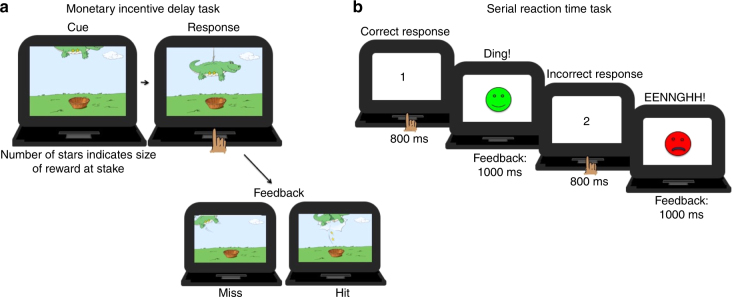
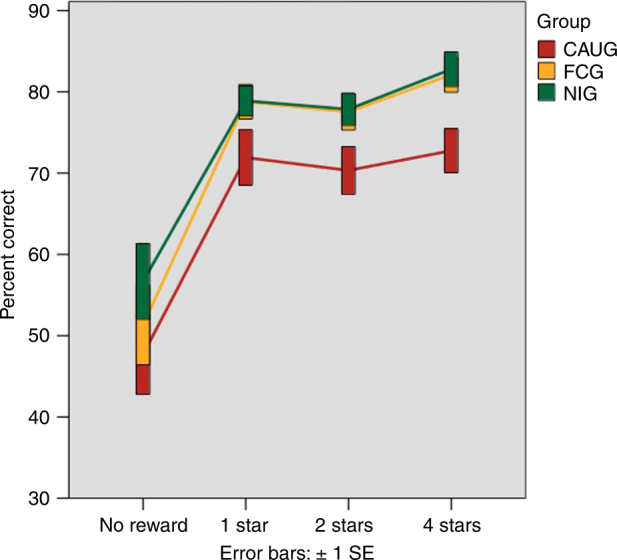
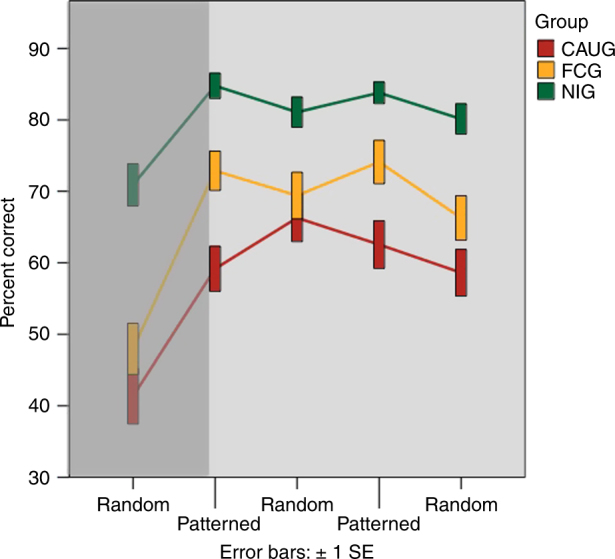
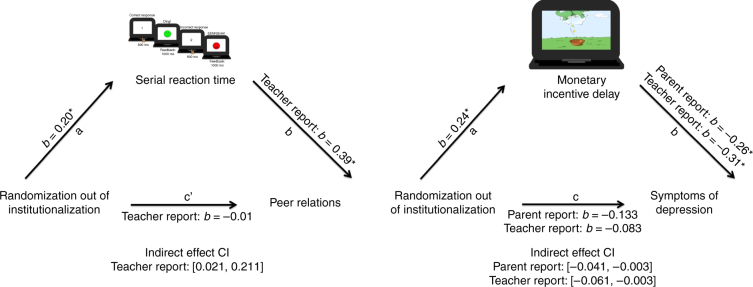
Verification
Claims the paper makes
The claims and statistics of this paper haven’t been checked yet.
Free: it reads the open-access text and checks the first 5 claims that cite a source we can check. Create a free account to check every claim.
Claims other papers make about this one
Each is checked against this paper’s own text: does it say what the citing paper says it does?
The cited source says what the claim attributes to it.
In the citing paper
“↑ Associative learning (i.e., reward responsivity, implicit motor learning) (Sheridan et al., 2018)”
From Resilience following severe early life neglect: A review of longitudinal evidence from the Bucharest Early Intervention Project (2026) · cites this paper as Sheridan et al., 2018
The cited source says what the claim attributes to it.
In the citing paper
“Second, recent evidence suggests that there is remediation in basic associative learning processes, including implicit pattern learning, among FCG compared with CAUG children (25).”
From Long-term effects of institutional rearing, foster care, and brain activity on memory and executive functioning (2019) · cites this paper as [25]
Self-check
Percentages, sums and reported differences re-computed from the paper’s own numbers.
The self-check needs the paper’s full text.
Citations
Cites
Preacher, K. J., & Hayes, A. F. (2008) · Behavior Research Methods · doi:10.3758/brm.40.3.879 · Cited by 34,117
Applied Multiple Regression/Correlation Analysis for the Behavioral Sciences
Cohen, P., Cohen, P., West, S. G., & Aiken, L. S. (2014) · Psychology Press eBooks · doi:10.4324/9781410606266 · Cited by 20,737
SPSS and SAS procedures for estimating indirect effects in simple mediation models
Preacher, K. J., & Hayes, A. F. (2004) · Behavior Research Methods, Instruments, & Computers · doi:10.3758/bf03206553 · Cited by 17,383
Mediation in experimental and nonexperimental studies: New procedures and recommendations.
Shrout, P. E., & Bolger, N. (2002) · Psychological Methods · doi:10.1037/1082-989x.7.4.422 · Cited by 11,335
Beyond Baron and Kenny: Statistical Mediation Analysis in the New Millennium
Hayes, A. F. (2009) · Communication Monographs · doi:10.1080/03637750903310360 · Cited by 9,757
A neural substrate of prediction and reward
Schultz, W., Dayan, P., & Montague, P. R. (1997) · Science · doi:10.1126/science.275.5306.1593 · Cited by 9,388
Applied Multiple Regression/Correlation Analysis for the Behavioral Sciences.
Henry, N. W., Cohen, J., & Cohen, P. (1977) · Contemporary Sociology · doi:10.2307/2064799 · Cited by 7,089
Statistical mediation analysis with a multicategorical independent variable
Hayes, A. F., & Preacher, K. J. (2014) · British Journal of Mathematical and Statistical Psychology · doi:10.1111/bmsp.12028 · Cited by 3,403
Hayes, A. F., & Matthes, J. (2009) · Behavior Research Methods · doi:10.3758/brm.41.3.924 · Cited by 2,448
Cognition and Depression: Current Status and Future Directions
Gotlib, I. H., & Joormann, J. (2010) · Annual Review of Clinical Psychology · doi:10.1146/annurev.clinpsy.121208.131305 · Cited by 2,420
Research works printed but not linked: 1
- Sheridan, M. A. & Bard, K. A. in The Cultural Nature of Attachment: Contextualizing Relationships and Development. Strungmann Forum Reports (eds Keller, H. & Bard, K. A.) 231–244 (MIT Press, 2017).
Cited by
Behavioral and Psychological Effects of Coronavirus Disease-19 Quarantine in Patients With Dementia
Cagnin, A., Di Lorenzo, R., Marra, C., Bonanni, L., Cupidi, C., Laganà, V., Rubino, E., Vacca, A., Provero, P., Isella, V., et al. (2020) · Frontiers in Psychiatry · doi:10.3389/fpsyt.2020.578015 · Cited by 364
“org 10 influences subsequent psychopathology and alters cognitive developmental abilities (32, 33).”
BackgroundSchmaal, L., Pozzi, E., C. Ho, T., van Velzen, L. S., Veer, I. M., Opel, N., Van Someren, E. J. W., Han, L. K. M., Aftanas, L., Aleman, A., et al. (2020) · Translational Psychiatry · doi:10.1038/s41398-020-0842-6 · Cited by 245
Herzberg, M. P., & Gunnar, M. R. (2020) · NeuroImage · doi:10.1016/j.neuroimage.2019.116493 · Cited by 234
Mechanisms linking childhood adversity with psychopathology: Learning as an intervention target
McLaughlin, K. A., DeCross, S. N., Jovanovic, T., & Tottenham, N. (2019) · Behaviour Research and Therapy · doi:10.1016/j.brat.2019.04.008 · Cited by 187
“Differences in behavioral measures of approach motivation (Sheridan et al., 2018), neural measures of reward responsiveness (Goff et al.”
BackgroundSelf-citationEarly life adversity shapes neural circuit function during sensitive postnatal developmental periods
Malave, L., van Dijk, M. T., & Anacker, C. (2022) · Translational Psychiatry · doi:10.1038/s41398-022-02092-9 · Cited by 177
“For example, being raised by a parent with MDD, confers 2–4 fold higher risk for psychopathology in offspring [24].”
BackgroundInfluentialThe effects of early life adversity on children’s mental health and cognitive functioning
Wade, M., Wright, L., & Finegold, K. E. (2022) · Translational Psychiatry · doi:10.1038/s41398-022-02001-0 · Cited by 154
“Strikingly, studies also show that children removed from institutional settings at early stages of development perform as well as children who were never institutionalized on associative learning tasks [114, 115], suggesting that recovery is possible when contingent responsiveness is restored.”
BackgroundImpact of Early Life Stress on Reward Circuit Function and Regulation
Hanson, J. L., Williams, A. V., Bangasser, D. A., & Peña, C. J. (2021) · Frontiers in Psychiatry · doi:10.3389/fpsyt.2021.744690 · Cited by 123
“For example, physical abuse and maltreatment was related to slower reward learning over time and an insensitivity to the expected value of a reward (41, 48); this fits with similar results noting lower reward learning after social neglect (44).”
BackgroundResultMeasuring early life adversity: A dimensional approach
Berman, I. S., McLaughlin, K. A., Tottenham, N., Godfrey, K. M., Seeman, T. E., Loucks, E. B., Reiss, D., Suomi, S., Danese, A., & Sheridan, M. A. (2022) · Development and Psychopathology · doi:10.1017/s0954579421001826 · Cited by 142
“…control trials that manipulate early environmental experience, documenting causal effects of adversity experiences on mental health, as well as numerous aspects of brain and behavioral development (Humphreys et al., 2015; Muennig et al., 2009; Sheridan et al., 2010; Sheridan et al., 2018).”
BackgroundSelf-citationMechanisms of neuroplasticity linking early adversity to depression: developmental considerations
Ho, T. C., & King, L. S. (2021) · Translational Psychiatry · doi:10.1038/s41398-021-01639-6 · Cited by 129
“In addition, human children who experienced deprivation in the form of prolonged institutionalization have been found to have poorer inhibitory control and working memory [60] and difficulties in reward-based associative learning that contribute to higher depressive symptoms [61].”
BackgroundWade, M., Fox, N. A., Zeanah, C. H., & Nelson, C. A. (2019) · Proceedings of the National Academy of Sciences · doi:10.1073/pnas.1809145116 · Cited by 92
“These results are consistent with a recent report showing remediation in implicit pattern learning among FCG children at age 12 (25), together underscoring the possibility of emergent benefits of foster care for basic memory and learning processes over the transition to adolescence.”
ResultSelf-citationSheridan, M. A., Shi, F., Miller, A. B., Salhi, C., & McLaughlin, K. A. (2020) · Developmental Science · doi:10.1111/desc.12934 · Cited by 105
Self-citationGrummitt, L. R., Kelly, E. V., Barrett, E. L., Lawler, S., Prior, K., Stapinski, L. A., & Newton, N. C. (2021) · Australian & New Zealand Journal of Psychiatry · doi:10.1177/00048674211025691 · Cited by 114
“…abuse or neglect show opposite patterns of activation during reward processing tasks (McLaughlin et al., 2019), and for neglected children, disruption in reward learning mediates the relationship between early deprivation and subsequent depression and social relationships (Sheridan et al., 2018).”
BackgroundEarly deprivation alters structural brain development from middle childhood to adolescence
Sheridan, M. A., Mukerji, C. E., Wade, M., Humphreys, K. L., Garrisi, K., Goel, S., Patel, K., Fox, N. A., Zeanah, C. H., Nelson, C. A., et al. (2022) · Science Advances · doi:10.1126/sciadv.abn4316 · Cited by 84
“Previous evidence from the Bucharest Early Intervention Project (BEIP) has demonstrated that random assignment to a supportive caregiving environment through removal from institutional rearing and placement into foster care in early childhood can normalize stress response systems, basic learning mechanisms, cognitive…”
Self-citationNeurocognitive Development of Motivated Behavior: Dynamic Changes across Childhood and Adolescence
Gee, D. G., Bath, K. G., Johnson, C. M., Meyer, H. C., Murty, V. P., van den Bos, W., & Hartley, C. A. (2018) · The Journal of Neuroscience · doi:10.1523/jneurosci.1674-18.2018 · Cited by 82
“, 2009), alterations in associative learning (Hanson et al., 2017; Kamkar et al., 2017; Sheridan et al., 2018), and deficits in cognitive flexibility, working memory, and behavioral inhibition (Richards and Wadsworth, 2004; Bos et al.”
BackgroundInfluentialHein, T. C., Goetschius, L. G., McLoyd, V. C., Brooks-Gunn, J., McLanahan, S., Mitchell, C. M., Lopez‐Duran, N. L., Hyde, L. W., & Monk, C. S. (2020) · Social Cognitive and Affective Neuroscience · doi:10.1093/scan/nsaa144 · Cited by 86
“Additionally, social support, the inverse of social deprivation, may serve as a buffer against violence exposure (Sheridan et al., 2018; Sonuga-Barke et al., 2010).”
BackgroundVaidya, N., Marquand, A. F., Nees, F., Siehl, S., & Schumann, G. (2024) · Molecular Psychiatry · doi:10.1038/s41380-024-02556-y · Cited by 88
“In a notable study, children adopted after 5 years of institutionalisation failed to improve their performance in response to reward in a modi fi ed monetary incentive delay task at age 12, while those adapted by 2 years on average did improve [51].”
BackgroundNeurobiological Markers of Resilience to Early-Life Adversity During Adolescence
Leal, A. S. M., & Silvers, J. A. (2020) · Biological Psychiatry Cognitive Neuroscience and Neuroimaging · doi:10.1016/j.bpsc.2020.08.004 · Cited by 76
Colich, N. L., Sheridan, M. A., Humphreys, K. L., Wade, M., Tibu, F., Nelson, C. A., Zeanah, C. H., Fox, N. A., & McLaughlin, K. A. (2021) · Journal of Child Psychology and Psychiatry · doi:10.1111/jcpp.13347 · Cited by 54
“, 2007), reward processing (Sheridan et al., 2018), and symptoms of psychopathology (Humphreys et al.”
BackgroundSelf-citationLévy, J., Yirmiya, K., Goldstein, A., & Feldman, R. (2019) · Developmental Cognitive Neuroscience · doi:10.1016/j.dcn.2019.100658 · Cited by 57
Rappaport, B. I., Hennefield, L., Kujawa, A., Arfer, K. B., Kelly, D., Kappenman, E. S., Luby, J. L., & Barch, D. M. (2019) · Frontiers in Behavioral Neuroscience · doi:10.3389/fnbeh.2019.00120 · Cited by 58
Stress perception following childhood adversity: Unique associations with adversity type and sex
LoPilato, A. M., Addington, J., Bearden, C. E., Cadenhead, K. S., Cannon, T. D., Cornblatt, B. A., Mathalon, D. H., McGlashan, T. H., Perkins, D. O., Tsuang, M. T., et al. (2019) · Development and Psychopathology · doi:10.1017/s0954579419000130 · Cited by 65
“Our findings add to a growing body of literature for distinct effects of threat and deprivation (Busso, McLaughlin, & Sheridan, 2017; Dennison et al., 2017; Lambert, King, Monahan, & McLaughlin, 2017; Sheridan et al., 2018).”
ResultMcLaughlin, K. A., & Gabard-Durnam, L. J. (2022) · Journal of Psychopathology and Clinical Science · doi:10.1037/abn0000598 · Cited by 50
Self-citationCisler, J. M., Esbensen, K., Sellnow, K., Ross, M., Weaver, S., Sartin-Tarm, A., Herringa, R. J., & Kilts, C. D. (2019) · Biological Psychiatry: Cognitive Neuroscience and Neuroimaging · doi:10.1016/j.bpsc.2018.08.014 · Cited by 44
“Existing data suggest that early life maltreatment, stress, and deprivation are associated with deficits in reinforcement learning performance (19, 20, 22) and hypo activity of lateral and medial prefrontal cortex(19).”
BackgroundResultMcCrory, E. J. P., Ogle, J. R., Gerin, M. I., & Viding, E. M. (2019) · Child Maltreatment · doi:10.1177/1077559519830524 · Cited by 48
Stress to inflammation and anhedonia: Mechanistic insights from preclinical and clinical models
Boyle, C. C., Bower, J. E., Eisenberger, N. I., & Irwin, M. R. (2023) · Neuroscience & Biobehavioral Reviews · doi:10.1016/j.neubiorev.2023.105307 · Cited by 49
Tottenham, N. (2020) · Development and Psychopathology · doi:10.1017/s0954579420001169 · Cited by 37
“…the “Pinata Task” researchers have shown that institutional care was associated with less likelihood of modulating behavior as a function of reward (Sheridan et al., 2018); and food insecurity (although not considered a type of crEA in the context of the current paper) has been associated with…”
BackgroundCognitive flexibility mediates the association between early life stress and habitual behavior
Zhou, X., Meng, Y., Schmitt, H., Montag, C., Kendrick, K. M., & Becker, B. (2020) · Personality and Individual Differences · doi:10.1016/j.paid.2020.110231 · Cited by 47
Kasparek, S. W., Jenness, J. L., & McLaughlin, K. A. (2020) · Clinical Psychological Science · doi:10.1177/2167702620933570 · Cited by 44
“, 2017), and cognitive control (Lambert, King, et al., 2017; Sheridan et al., 2018), but it is unknown whether they have distinct associations with reward processing.”
BackgroundSelf-citationA dimensional risk approach to assessing early adversity in a national sample
Wolf, S., & Suntheimer, N. M. (2019) · Journal of Applied Developmental Psychology · doi:10.1016/j.appdev.2019.03.004 · Cited by 34
Wang, X., Lu, J., Liu, Q., Yu, Q., Fan, J., Gao, F., Han, Y., Liu, X., Yao, R., & Zhu, X. (2022) · Journal of Affective Disorders · doi:10.1016/j.jad.2022.09.061 · Cited by 33
(2024) · doi:10.7554/elife.92700 · Cited by 29
“Four studies ( Delgado et al., 2022 ; Sheridan et al., 2018 ; White et al., 2022 ; Wismer Fries and Pollak, 2017 ) show reduced behavioral reward learning performance in the group exposed to deprivation experiences while three studies show no differences at the behavioral level ( Gonzalez et al.,…”
BackgroundMethodGoetschius, L. G., Hein, T. C., Mitchell, C. M., Lopez‐Duran, N. L., McLoyd, V. C., Brooks-Gunn, J., McLanahan, S., Hyde, L. W., & Monk, C. S. (2020) · Developmental Cognitive Neuroscience · doi:10.1016/j.dcn.2020.100849 · Cited by 40
Wade, M., Parsons, J., Humphreys, K. L., McLaughlin, K. A., Sheridan, M. A., Zeanah, C. H., Nelson, C. A., & Fox, N. A. (2022) · Child Development Perspectives · doi:10.1111/cdep.12462 · Cited by 48
“Finally, children in the FCG demonstrated improvements in associative learning and reward responsiveness compared to children in the CAUG, and this, in turn, was associated with reduced symptoms of depression at 12 years (Sheridan et al., 2018).”
BackgroundSelf-citationKasparek, S. W., Gastón-Panthaki, A., Hanford, L. C., Lengua, L. J., Sheridan, M. A., & McLaughlin, K. A. (2023) · Development and Psychopathology · doi:10.1017/s0954579423000962 · Cited by 37
“Still, other studies have found reduced approach motivation and sensitivity to reward value in children exposed to more extremely deprived environments (e.g., Sheridan et al., 2018).”
InfluentialSelf-citationVaughn, R., Dhawan, N., Sheridan, M. A., Hart, M. J., & Weisz, J. R. (2019) · Development and Psychopathology · doi:10.1017/s0954579419001172 · Cited by 31
“Mediational pathways from early life threat and deprivation to both internalizing and externalizing symptoms have been supported through distinct emotion-regulatory and cognitive processes (McLaughlin et al., 2016; Miller et al., 2018; Sheridan et al., 2018).”
BackgroundSelf-citationWhat was learned from studying the effects of early institutional deprivation
Gunnar, M. R., & Bowen, M. (2021) · Pharmacology Biochemistry and Behavior · doi:10.1016/j.pbb.2021.173272 · Cited by 32
Edwards, F., Beardall, T. R., & Curtis, H. M. (2023) · Children and Youth Services Review · doi:10.1016/j.childyouth.2023.106915 · Cited by 37
Wilkinson, M. P., Slaney, C., Mellor, J. R., & Robinson, E. S. J. (2021) · PLoS ONE · doi:10.1371/journal.pone.0260444 · Cited by 31
“Neuroimaging studies have shown that participants with ELS show reduced striatal reward anticipation [38] while results from other behavioural tasks have shown that ELS is associated with reduced reward responsiveness [39] and differences in exploitation strategy [37,40].”
BackgroundFan, J., Gao, F., Wang, X., Liu, Q., Xia, J., Han, Y., Yi, J., Tan, C., & Zhu, X. (2023) · Social Cognitive and Affective Neuroscience · doi:10.1093/scan/nsac064 · Cited by 24
“Several previous studies have demonstrated that individuals exposed to neglect were at greater risks for anhedonia via deficits in reward-learning processing (Mehta et al., 2010; Goff et al., 2013; McLaughlin and Sheridan, 2016; Wismer Fries and Pollak, 2017; Sheridan et al., 2018).”
BackgroundPalacios‐Barrios, E. E., Hanson, J. L., Barry, K. R., Albert, D., White, S. F., Skinner, A. T., Dodge, K. A., & Lansford, J. E. (2021) · Developmental Cognitive Neuroscience · doi:10.1016/j.dcn.2021.100920 · Cited by 24
“, 2006) and slower learning of reward associations (Hanson et al., 2017; Sheridan et al., 2018).”
BackgroundAccumbofrontal tract integrity is related to early life adversity and feedback learning
Kennedy, B. V., Hanson, J. L., Buser, N. J., van den Bos, W., Rudolph, K. D., Davidson, R. J., & Pollak, S. D. (2021) · Neuropsychopharmacology · doi:10.1038/s41386-021-01129-9 · Cited by 24
Bounoua, N., & Sadeh, N. (2022) · Child Abuse & Neglect · doi:10.1016/j.chiabu.2022.105877 · Cited by 30
Wade, M., Zeanah, C. H., Fox, N. A., & Nelson, C. A. (2020) · Journal of Child Psychology and Psychiatry · doi:10.1111/jcpp.13222 · Cited by 21
“Experimental evidence for this comes from recent work which shows deficits in two forms of associative learning among children with prolonged institutional deprivation: reward responsivity and implicit learning (Sheridan et al., 2018).”
BackgroundSelf-citationLurie, L. A., Hangen, E. J., Rosen, M. L., Crosnoe, R. L., & McLaughlin, K. (2022) · Child Abuse & Neglect · doi:10.1016/j.chiabu.2022.105672 · Cited by 28
Self-citationAssociations between childhood adversity, cognitive schemas and attenuated psychotic symptoms
LoPilato, A. M., Zhang, Y., Pike, M. R., Addington, J., Bearden, C. E., Cadenhead, K. S., Cannon, T. D., Cornblatt, B. A., Mathalon, D. H., McGlashan, T. H., et al. (2020) · Early Intervention in Psychiatry · doi:10.1111/eip.13017 · Cited by 19
“Once formed, these cognitive structures provide the lens by which the individual interacts with the world and interprets everyday stimuli (Rafaeli et al., 2010).”
BackgroundPsychological State Researches in the Context of the COVID-19 Pandemic
Kochetova, Y. A., & Klimakova, M. V. (2021) · Journal of Modern Foreign Psychology · doi:10.17759/jmfp.2021100105 · Cited by 60
Adversity in early childhood: Long-term effects on early academic skills
Oeri, N., & Roebers, C. M. (2022) · Child Abuse & Neglect · doi:10.1016/j.chiabu.2022.105507 · Cited by 34
Werchan, D. M., Ku, S., Berry, D. J., & Blair, C. (2022) · Developmental Science · doi:10.1111/desc.13293 · Cited by 21
Goetschius, L. G., Hein, T. C., Mitchell, C. M., Lopez‐Duran, N. L., McLoyd, V. C., Jeanne, McLanahan, S., Hyde, L. W., & Monk, C. S. (2020) · Developmental Cognitive Neuroscience · doi:10.1016/j.dcn.2020.100822 · Cited by 16
RetractedWade, M., Carroll, D., Fox, N. A., Zeanah, C. H., & Nelson, C. A. (2021) · Journal of Clinical Child & Adolescent Psychology · doi:10.1080/15374416.2020.1864737 · Cited by 23
“the BEIP have been shown to have reduced reward sensitivity at age 12 years (Sheridan et al., 2018), and this group was over-represented in the High-Morbidity”
BackgroundResultInfluentialSelf-citationMidlife reversibility of early-established biobehavioral risk factors: A research agenda.
Reiss, D., Nielsen, L. O., Godfrey, K. M., McEwen, B. S., Power, C., Seeman, T. E., & Suomi, S. J. (2019) · Developmental Psychology · doi:10.1037/dev0000780 · Cited by 15
“A uthor M anuscript A uthor M anuscript A uthor M anuscript A uthor M anuscript health and peer relationships (Sheridan et al., 2018) providing experimental support for the causal role of this pathway in child adjustment.”
Fan, J., Han, Y., Xia, J., Wang, X., Liu, Q., Liu, Y., Lu, J., Yu, Q., Yang, Y., & Zhu, X. (2023) · Depression and Anxiety · doi:10.1155/2023/2429889 · Cited by 10
“In this regard, previous behavioral studies have found that children exposed to early deprivation showed reduced learning on a probabilistic reward-learning task and revised monetary incentive delay (MID) task [18, 19].”
How Early Life Adversity Transforms the Learning Brain
Hauser, M. D. (2020) · Mind Brain and Education · doi:10.1111/mbe.12277 · Cited by 14
Gado, S., & Gamer, M. (2025) · Behavior Research Methods · doi:10.3758/s13428-025-02627-0 · Cited by 14
“From early childhood and continuing into adulthood, humans must therefore be able to quickly learn and adopt behaviors, attitudes, and beliefs from the social environment in which they live (Fonagy et al., 2022; Reeb-Sutherland et al., 2012; Sheridan et al., 2018).”
Ravichandran, S., Sood, R., Das, I., Dong, T. S., Figueroa, J. D., Yang, J., Finger, N., Vaughan, A., Vora, P. P., Selvaraj, K., et al. (2024) · Scientific Reports · doi:10.1038/s41598-024-63414-z · Cited by 9
Sadikova, E., Weissman, D. G., Rosen, M. L., Robinson, E., Lengua, L. J., Sheridan, M. A., Tiemeier, H. W., & McLaughlin, K. A. (2024) · Journal of Child Psychology and Psychiatry · doi:10.1111/jcpp.14067 · Cited by 12
Self-citationEarly environmental influences on the orbito-frontal cortex function and its effects on behavior
Ruge, O., Hoppe, J. P. M., Molle, R. D., & Silveira, P. P. (2025) · Neuroscience & Biobehavioral Reviews · doi:10.1016/j.neubiorev.2025.106013 · Cited by 13
Collective Housing of Mice of Different Age Groups before Maturity Affects Mouse Behavior
Ueno, H., Suemitsu, S., Murakami, S., Kitamura, N., Wani, K., Takahashi, Y., Matsumoto, Y., Okamoto, M., & Ishihara, T. (2020) · Behavioural Neurology · doi:10.1155/2020/6856935 · Cited by 9
“Social disruption in this period may impair normal maturation of social skills and may contribute to the development of psychiatric disorders such as autism [13].”
BackgroundCisler, J. M., Tamman, A. J. F., & Fonzo, G. A. (2023) · Psychological Medicine · doi:10.1017/s0033291723000478 · Cited by 7
“…with only limited and inconsistent prior computationally-driven behavioral investigations of choice strategies during reward learning among youth with trauma exposure and/or internalizing symptoms (Cisler et al., 2019; Harms et al., 2018; Humphreys et al., 2015; Sheridan et al., 2018).”
BackgroundEmotional facial expressions affect visual rule learning in 7- to 8-month-old infants
Quadrelli, E., Brenna, V., Monacò, S., Turati, C., & Bulf, H. (2020) · Infant Behavior and Development · doi:10.1016/j.infbeh.2020.101501 · Cited by 7
Leveraging the developmental science of psychosocial risk to strengthen youth psychotherapy
Vaughn, R., & Weisz, J. R. (2021) · Development and Psychopathology · doi:10.1017/s0954579420002035 · Cited by 12
“Youths exposed to severe neglect in early childhood exhibit decreased reward responsiveness, which has been shown to mediate links between neglect and adolescent depression (Sheridan et al., 2018).”
BackgroundLi, Z., Sturge‐Apple, M. L., & Davies, P. T. (2021) · Development and Psychopathology · doi:10.1017/s0954579421001322 · Cited by 7
Ruge, J., Ehlers, M. R., Kastrinogiannis, A., Klingelhöfer-Jens, M., Koppold, A., Abend, R., & Lonsdorf, T. B. (2023) · doi:10.31234/osf.io/nfpbj · Cited by 7
Reinforcement Learning and Decision Making in Anorexia Nervosa
Wierenga, C. E., Brown, C. S., & Reilly, E. E. (2025) · Current Psychiatry Reports · doi:10.1007/s11920-025-01643-3 · Cited by 8
“…task [76], which was interpreted to suggest that excessive exploration could promote impulsive to change) of psychiatric disorders [10, 88–90], longitudinal studies are needed to characterize the role of reinforcement learning in illness trajectory, especially given that rapid changes in…”
Vaughn, R., Merranko, J. A., Birmaher, B. B., Dickstein, D. P., Hafeman, D., Levenson, J. C., Liao, F., Gill, M. K., Hower, H. M., Goldstein, B. I., et al. (2020) · Journal of Affective Disorders · doi:10.1016/j.jad.2020.12.078 · Cited by 7
“, deficits in executive functioning, memory, attention, and atypical fear and reward processing), are linked to the development and course of psychopathology (Danese et al., 2017; McLaughlin, Sheridan, & Lambert, 2014; Miller et al., 2018; Sheridan et al., 2018).”
BackgroundAssociative learning via eyeblink conditioning differs by age from infancy to adulthood
Konrad, C., Neuhoff, L., Adolph, D., Goerigk, S. A., Herbert, J. S., Jagusch-Poirier, J., Weigelt, S., Seehagen, S., & Schneider, S. (2024) · Communications Psychology · doi:10.1038/s44271-024-00176-4 · Cited by 9
Age Heterogeneity of STEM Educators
Utemov, V. V., Sibgatullina, T. V., Galushkin, A. A., & Zaitseva, N. A. (2019) · Eurasia Journal of Mathematics Science and Technology Education · doi:10.29333/ejmste/108429 · Cited by 8
“) has a significant effect on the quality of their performance (Selzer King et al., 2018; Sheridan et al., 2018).”
BackgroundΡυακιωτάκης, Ε., Fousfouka, D., & Stamatakis, A. (2023) · Frontiers in Neuroscience · doi:10.3389/fnins.2023.1201345 · Cited by 6
“Adults exposed to ELS manifest reward system deficiencies such as lower behavioral drive when faced with an unexpected increase in monetary reward (Niwa et al., 2011; Sheridan et al., 2018) as well as attenuated ventral striatum (VS) response during reward reception and formation of positive social relationships (Meht…”
BackgroundMoretti, M. P., Ureta, N. L. E. I., & Torrecilla, N. M. (2024) · Acta Colombiana de Psicología · doi:10.14718/acp.2024.27.2.1 · Cited by 10
“Along these lines, Sheridan et al. (2018) found high levels of depression in children in alternative care compared to children who have lived with their biological families since birth.”
BackgroundLongitudinal associations between birth-to-six cortical growth and childhood neurocognitive function
Davis, M. M., Woodburn, M., Nugiel, T., Rakesh, D., Tate, M., Asciutto, W., Lin, W., Cohen, J. R., & Sheridan, M. A. (2025) · Proceedings of the National Academy of Sciences · doi:10.1073/pnas.2418176122 · Cited by 6
“…development and later function comes from substantial evidence from animal models ( 19 – 21 ) and numerous studies in humans demonstrating that environmental experiences between 0 to 4 y shape both cognitive function ( 22 – 26 ) and brain structure ( 27 , 28 ) in middle childhood and adolescence.”
Self-citationAdaptive Behavior in Slovak Children with Intellectual Disability in Institutional Care
Hapčová, M., Celušáková, H., Turoňová, D., Váňová, M., Besedová, L., Demkaninová, D., & Babinská, K. (2022) · Children · doi:10.3390/children9121911 · Cited by 8
“The quality of socialization is closely connected with challenging behavior and mental health problems [38,39,58,59].”
BackgroundDarmayanti, K. K. H., Anggraini, E., Winata, E. Y., Purwasih, I., & Fakhriya, S. D. (2022) · Psychological Research on Urban Society · doi:10.7454/proust.v5i2.125 · Cited by 4
Testing the role of associative learning in evidence‐based treatments for anorexia nervosa
Reilly, E. E., Wierenga, C. E., & Grange, D. L. (2024) · International Journal of Eating Disorders · doi:10.1002/eat.24161 · Cited by 4
“…work has focused on how differences in associative learning contribute to why symptoms emerge (i.e., as the result of maladaptive learning), and/or persist (i.e., maladaptive learning interferes with an individual’s ability to change) (Nees et al., 2015; Pittig et al., 2018; Sheridan et al., 2018).”
Aloi, J. M., Crum, K. I., Blair, K. S., Zhang, R., Bashford‐Largo, J., Bajaj, S., Hwang, S., Averbeck, B. B., Tottenham, N., Dobbertin, M. D., et al. (2024) · Psychological Medicine · doi:10.1017/s0033291724002411 · Cited by 8
“Indeed, behavioral data have shown that deprivation-related ELS is associated with reduced reward learning as indexed behaviorally (Sheridan et al., 2018).”
Esfand, S. M., Querdasi, F. R., Gancz, N. N., Savoca, P. W., Nussbaum, S. G., Somers, J. A., Ditzer, J., Figueroa, M. B., Chu, K. A., Towner, E., et al. (2024) · Brain Behavior & Immunity - Health · doi:10.1016/j.bbih.2024.100880 · Cited by 3
Rosenberg, B. M., Moreira, J. F. G., Leal, A. S. M., Saragosa‐Harris, N. M., Gaines, E., Meredith, W., McCann, C. F., Coury, S. M., Waizman, Y. H., Ninova, E., et al. (2025) · Biological Psychiatry · doi:10.1016/j.biopsych.2026.03.035 · Cited by 3
Qi, Y., Weng, S., Yin, Q., Li, M., Shen, L., Qiao, E., Gao, L., Wang, Y., Li, Y., Luo, W., et al. (2026) · Interdisciplinary medicine · doi:10.1002/inmd.70118 · Cited by 2
Zheng, T.-X., Zhou, H., Ni, Z.-H., Zou, L., & Yan, C. (2024) · Humanities and Social Sciences Communications · doi:10.1057/s41599-024-03933-2 · Cited by 2
“Childhood neglect primarily contributes to anhedonia symptoms of depression by impacting reward circuits, such as the ventral striatum, and disrupted associative learning (Sheridan et al. 2018; Wang et al. 2022).”
Assessment of Science Education Teachers’ Quality Work
Utemov, V. V. (2020) · European Journal of Mathematics and Science Education · doi:10.12973/ejmse.1.1.1 · Cited by 2
Valdes, V., Marshall, H. E., & Nelson, C. A. (2025) · International Journal of Behavioral Development · doi:10.1177/01650254251377759 · Cited by 3
“Drawing from a sample of institutionalized and foster-care children in Romania, Sheridan et al. (2018) reported that reward responsivity and motor learning mediated the pathway to depression.”
InfluentialSelf-citationFatt, C. C., Minhajuddin, A., Goodman, L. C., Vasu, S., Mayes, T. L., Sethuram, S., Trombello, J. M., Hughes, J. L., Greer, T. L., Foster, J. A., et al. (2025) · Journal of Psychiatric Research · doi:10.1016/j.jpsychires.2025.12.023 · Cited by 2
Eckstrand, K., Talbot, A., Govani, V. N., Hart, K. H., Brodnick, Z. M., Ryan, N. D., Jones, N. P., Phillips, M. L., & Forbes, E. E. (2026) · European Journal of Psychotraumatology · doi:10.1080/20008066.2025.2611512 · Cited by 2
“Deprivation from positive experiences can also impact reward valuation (Hanson et al., 2015; Sheridan et al., 2018), and the present research may not be applicable to all forms of childhood adversity.”
Differential neural sensitivity to social inclusion and exclusion in adolescents in foster care
Vijayakumar, N., Cheng, T. W., Flannery, J., Flournoy, J. C., Ross, G., Mobasser, A., de Macks, Z. A. O., Fisher, P. A., & Pfeifer, J. H. (2022) · NeuroImage Clinical · doi:10.1016/j.nicl.2022.102986 · Cited by 3
“, institutionalization) to normalize these neurocognitive changes, with positive effects noted for reward processing (Sheridan et al., 2018), cognitive outcomes (McDermott et al.”
Violence Exposure and Social Deprivation: Neural Connectivity Correlates and Protective Factors
Goetschius, L. G. (2021) · Deep Blue (University of Michigan) · doi:10.7302/1384 · Cited by 1
Hao, Y., Evans, G. W., & Farah, M. J. (2022) · doi:10.31234/osf.io/b2x59 · Cited by 1
Holt-Gosselin, B., Adri, F., Humphreys, K. L., & Nelson, C. A. (2026) · Development and Psychopathology · doi:10.1017/s0954579426101837
“…neural patterns, caregiving quality, placement stability, executive functioning) during childhood have been shown to later predict resilience outcomes (e.g., psychopathology, cognition) during adolescence (Debnath et al., 2020; Humphreys et al., 2015; McDermott et al., 2013; Sheridan et al., 2018).”
Self-citationDubois‐Comtois, K., Poitras, K., Pascuzzo, K., & Daunais, M.-P. (2023) · Elsevier eBooks · doi:10.1016/b978-0-323-96023-6.00067-1
COVID-19 BILAN KASALLANGAN BEMORLARNING QARINDOSHLARIDAGI RUHIY BUZILISHLAR
Nematovich, R. M. (2024) · MedicineProblems uz-Topical Issues of Medical Sciences · doi:10.47390/3030-3133v1i2y2023n03
Xu, W., Luo, S., Yu, Q., Cheng, Z., Wang, Y., & Zeng, M. (2024) · SSRN Electronic Journal · doi:10.2139/ssrn.4791411
Adolescent stress exposure induces persistent, sex-specific cognitive deficits
Flores, A., Bugarin, N. V., Torres, A., Cheng, A., Fung, P., Mohammadi, D., Winters, M. F., & Lür, G. (2025) · Neurobiology of Learning and Memory · doi:10.1016/j.nlm.2025.108103
Faster adult implicit probabilistic statistical learning following childhood adversity
Farkas, B. C., Brezóczki, B., Vékony, T., Jacquet, P. O., & Németh, D. (2026) · Royal Society Open Science · doi:10.1098/rsos.252007 · Cited by 2
Exposure to images of post-bushfire disaster impacts fear learning and extinction
Franklin-Browne, L. J., Modecki, K. L., & Waters, A. M. (2025) · Behaviour Research and Therapy · doi:10.1016/j.brat.2025.104911 · Cited by 1
Seraphin, S. B., & Sánchez, M. M. (2026) · bioRxiv (Cold Spring Harbor Laboratory) · doi:10.64898/2026.02.28.708755
Boulay, C. (2021) · theses.fr (ABES) · doi:10.70675/a2a5400fz99a5z4d62z9525z960d96984ed6 · Cited by 3
Flores, G. D., Damon, Z. F., Ford, M., Gancz, N. N., Savoca, P. W., Esfand, S. M., Chu, K. A., Querdasi, F. R., McCann, C. F., Westman, J. G., et al. (2026) · Brain Behavior & Immunity - Health · doi:10.1016/j.bbih.2026.101275
“Compared to their unexposed counterparts, youth exposed to crEA often show slower reward-based associative learning and differences in reward-guided decision-making (Guyer et al., 2006; Hanson et al., 2017; Sheridan et al., 2018; Wismer Fries and Pollak, 2017; Xu et al., 2023).”
Cognitive and affective neurodevelopment in youth exposed to deprivation and threatPreprint
Kardan, O., Angstadt, M., Molloy, M. F., Trucco, E. M., Heitzeg, M. M., & McCurry, K. L. (2026) · bioRxiv (Cold Spring Harbor Laboratory) · doi:10.64898/2026.06.25.734615
“Exposure to deprivation in childhood has generally been associated with diminished behavioral (25,26) and neural responsivity to rewards, particularly in the striatum (27–29).”
Family context, directed and random exploration profiles, and child socioemotional functioning
Li, Z., Li, Y., Davies, P. T., & Sturge‐Apple, M. L. (2026) · Development and Psychopathology · doi:10.1017/s0954579426101734
“In supporting this interpretation, studies have repeatedly shown that exposure to childhood adversity is associated with reduced responsiveness to reward (e.g., Dennison et al., 2019; McLaughlin et al., 2019; Oltean et al., 2023; Sheridan et al., 2018).”
Recognizing emotional neglect in early childhood settings: A mixed-methods study
Pretsch, J., Gelhausen, A., & Gerstenberg, F. X. R. (2026) · Journal of Family Trauma Child Custody & Child Development · doi:10.1080/26904586.2026.2730400
Ρυακιωτάκης, Ε., Fousfouka, D., & Stamatakis, A. (2026) · Neuroscience · doi:10.1016/j.neuroscience.2026.10.003
Metadata
- Authors
- Sheridan, M. A., McLaughlin, K. A., Winter, W., Fox, N., Zeanah, C., & Nelson, C. A.
- Affiliations
- University of North Carolina at Chapel Hill (US)
- University of Washington (US)
- Boston Children's Hospital (US)
- University of Maryland, College Park (US)
- Tulane University (US)
- Corresponding author
- Sheridan, Margaret A.
- Venue
- Nature Communications
- Published
- 2018-06-07
- Volume
- 9
- Issue
- 1
- Pages
- 2216-2216
- ISSN
- 2041-1723 (ISSN-L)
- PMC
- PMC5992195
- OpenAlex
- W2807418811
- Semantic Scholar
- 03bd3200511adbd35c3c323fda348d849ab77612
- Cited by
- 101
- References
- 68
- Citations by year
- 2026: 10 · 2025: 9 · 2024: 12 · 2023: 9 · 2022: 15 · 2021: 13 · 2020: 19 · 2019: 12 · 2018: 2
- FWCI
- 22.93
- Type
- journal article
- Language
- en
- Open access
- gold
- doi.org
- Licence
- cc-by
- creativecommons.org/licenses/by/4.0 (tdm)
- creativecommons.org/licenses/by/4.0 (vor)
- Locations
- Nature Communications (publishedVersion, cc-by)
- Europe PMC (PubMed Central) (publishedVersion, cc-by)
- PubMed Central (publishedVersion, cc-by)
- PubMed (publishedVersion)
- Digital Access to Scholarship at Harvard (DASH) (Harvard University) (submittedVersion, cc-by)
- RePEc: Research Papers in Economics (submittedVersion)
- DOAJ (DOAJ: Directory of Open Access Journals) (submittedVersion, cc-by-sa)
- DOAJ (DOAJ: Directory of Open Access Journals) (submittedVersion)
- Funders
- John D. and Catherine T. MacArthur Foundation
- National Institutes of Health (7r03da037405-02)
- National Institute of Mental Health (K01MH092555, R01MH091363, K01MH092526, R01MH103291, R01MH106482)
- National Institute on Drug Abuse (R03-DA037405)
- Topics
- Social Sciences › Sociology and Political Science › Child Welfare and Adoption
- Social Sciences › Psychology › Clinical Psychology › Child Abuse and Trauma
- Social Sciences › Psychology › Clinical Psychology › Child and Adolescent Psychosocial and Emotional Development
- Keywords
- psychosocial deprivation, institutional upbringing, early deprivation, associative learning, reward sensitivity, implicit motor learning, depression, peer relationships, social problems, early intervention, Bucharest Early Intervention Project
- MeSH terms
- Adolescent, Association Learning, Child, Child Development, Depression, Female, Foster Home Care, Humans, Longitudinal Studies, Male, Psychosocial Deprivation, Reward, Time Factors, Adolescent Development
About these checks
Registry, retraction, Cites and statistics results are computed, not judged, with one exception: a printed reference that no index lists is read once by a model before it counts as a citation error. Claims are extracted by a model and kept only when their quote appears verbatim in the text; each cited source is then checked, with a model’s help, for whether it says what the claim relies on. Those verdicts can be wrong — read the claim’s quote and the cited source before relying on one.
Statistics and arithmetic are recomputed, not judged.
Confidence bands are shown only for fields calibrated on our annotated test set. None is calibrated yet, so no band is shown.
What counts as a claim ›How we measure confidence ›How we check this ›
Are you an author, or do you see a problem with this page? Request a review
Data sources
Bibliographic data: Semantic Scholar, OpenAlex, Crossref.
Contains information from the Semantic Scholar Academic Graph Datasets, made available under the ODC Attribution License (ODC-BY 1.0).
Semantic Scholar’s data is described in: Kinney, R., et al. (2023). The Semantic Scholar Open Data Platform. arXiv:2301.10140.
