

The DOI matches its Crossref record; 82 of the 90 references it cites were found in a registry or an index.
G-quadruplex DNA drives genomic instability and represents a targetable molecular abnormality in ATRX-deficient malignant glioma
Open accessPublished version of a preprint
Abstract
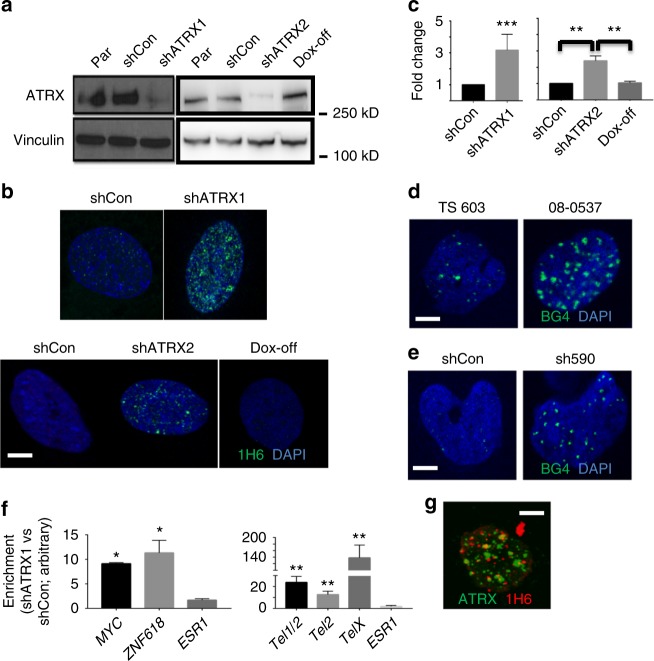
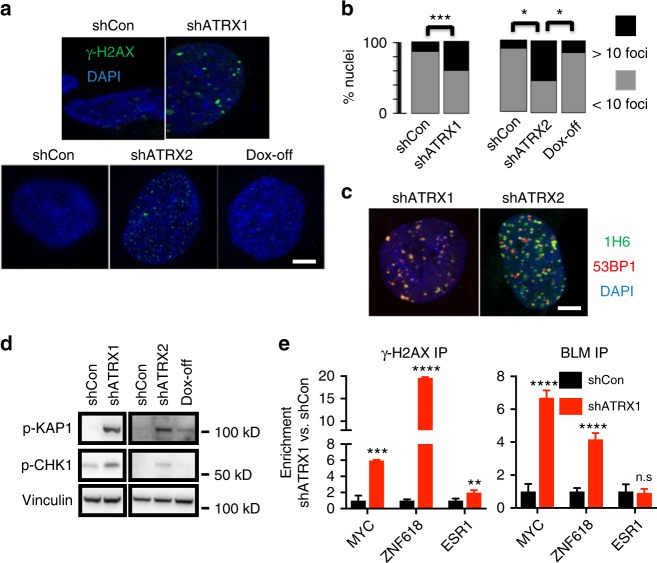
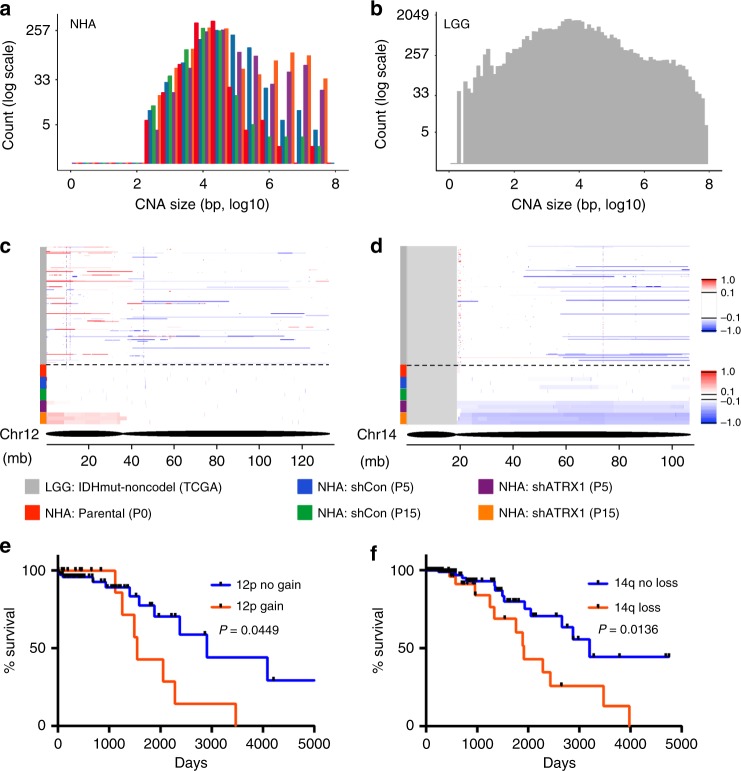
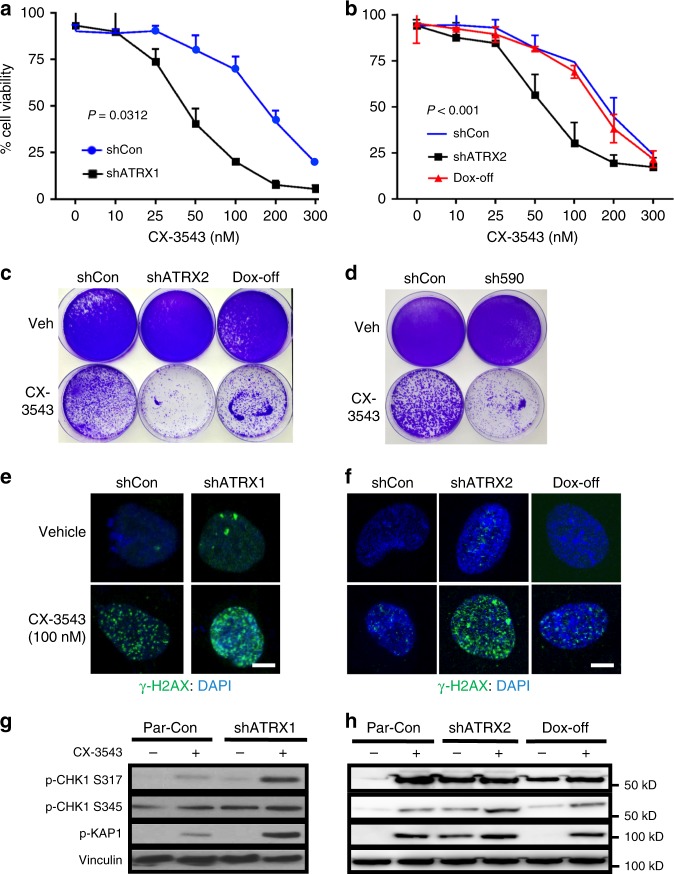
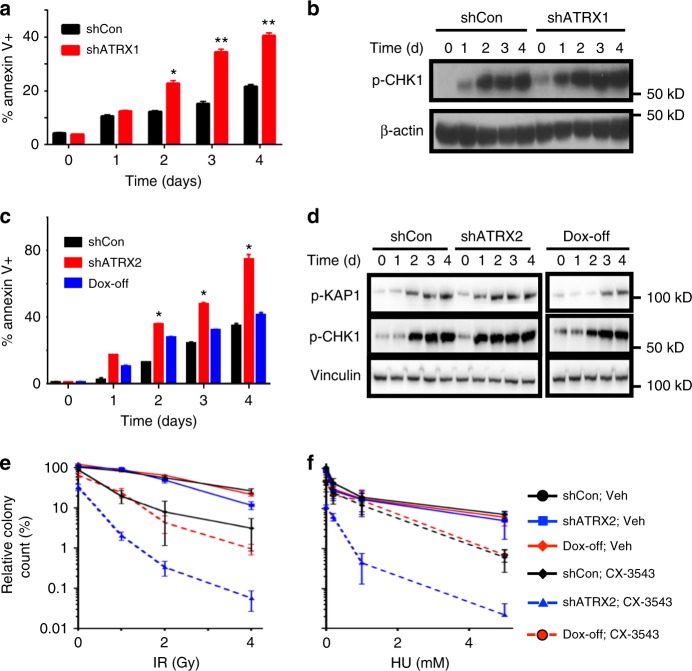
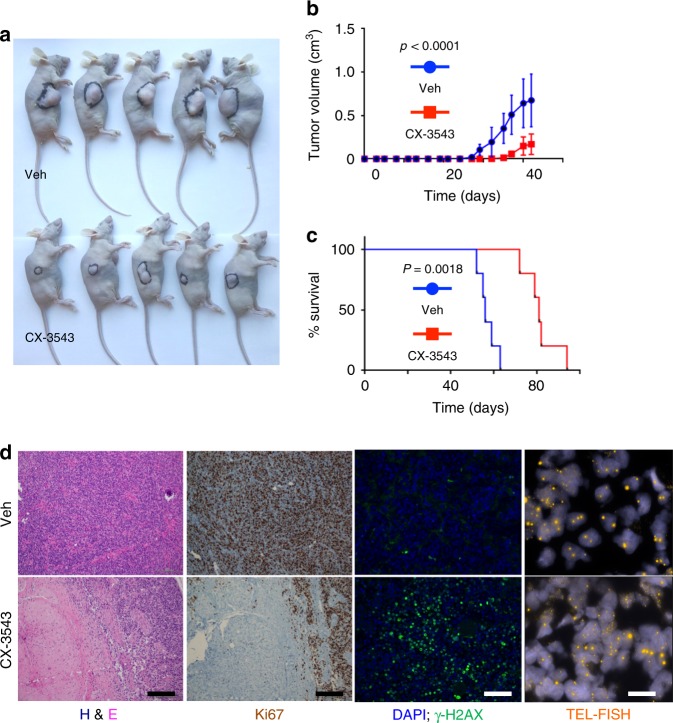
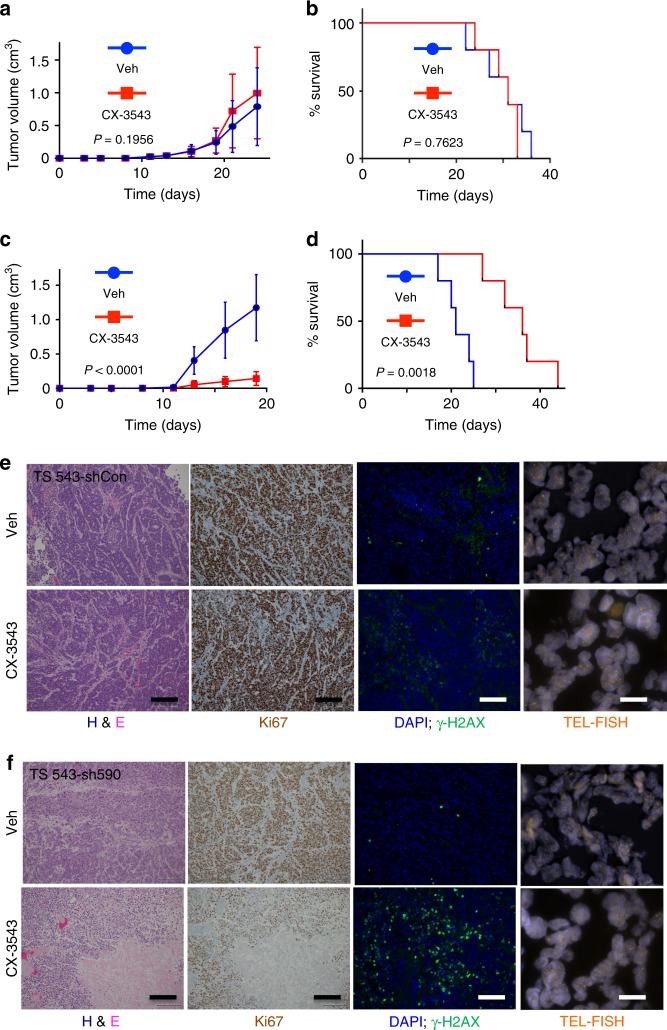
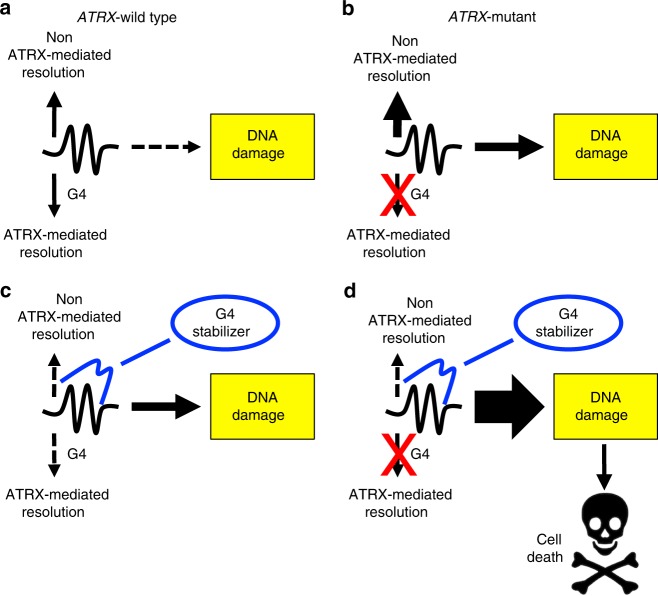
Mutational inactivation of ATRX (α-thalassemia mental retardation X-linked) represents a defining molecular alteration in large subsets of malignant glioma. Yet the pathogenic consequences of ATRX deficiency remain unclear, as do tractable mechanisms for its therapeutic targeting. Here we report that ATRX loss in isogenic glioma model systems induces replication stress and DNA damage by way of G-quadruplex (G4) DNA secondary structure. Moreover, these effects are associated with the acquisition of disease-relevant copy number alterations over time. We then demonstrate, both in vitro and in vivo, that ATRX deficiency selectively enhances DNA damage and cell death following chemical G4 stabilization. Finally, we show that G4 stabilization synergizes with other DNA-damaging therapies, including ionizing radiation, in the ATRX-deficient context. Our findings reveal novel pathogenic mechanisms driven by ATRX deficiency in glioma, while also pointing to tangible strategies for drug development.
Overview
The claims and statistics of this paper haven’t been checked yet.
Run the check — free, no account needed. It reads the open-access text and checks the sources it cites.
Integrity signals
Registry
Cites
Statistics
Figures
Verification
Claims the paper makes
The claims and statistics of this paper haven’t been checked yet.
Run the check — free, no account needed. It reads the open-access text and checks the sources it cites.
Claims other papers make about this one
Each is checked against this paper’s own text: does it say what the citing paper says it does?
The source backs part of the claim, not all of it — or backs it for a different population, condition or comparison.
In the citing paper
“there is strong evidence that deregulated G4-formation is a major driver of genomic instability”
From G-quadruplex-mediated genomic instability drives SNVs in cancer (2024) · cites this paper as [36]
Experimental — accuracy not yet measured
Self-check
Percentages, sums and reported differences re-computed from the paper’s own numbers.
The self-check needs the paper’s full text.
Citations
Cites
Connolly, F., Byrne, D., Lydon, S., Walsh, C., & O'Connor, P. (2017) · International Journal for Quality in Health Care · doi:10.1093/intqhc/mzx148 · Cited by 40,218
Telomere measurement by quantitative PCR
Cawthon, R. (2002) · Nucleic Acids Research · doi:10.1093/nar/30.10.e47 · Cited by 3,550
Comprehensive, Integrative Genomic Analysis of Diffuse Lower-Grade Gliomas
The Cancer Genome Atlas Research Network (2015) · New England Journal of Medicine · doi:10.1056/nejmoa1402121 · Cited by 3,148
Driver mutations in histone H3.3 and chromatin remodelling genes in paediatric glioblastoma
Schwartzentruber, J., Korshunov, A., Liu, X.-Y., Jones, D. T. W., Pfaff, E., Jacob, K., Sturm, D., Fontebasso, A. M., Quang, D.-A. K., Tönjes, M., et al. (2012) · Nature · doi:10.1038/nature10833 · Cited by 2,631
Glioblastoma and Other Malignant Gliomas
Omuro, A. M. P. (2013) · JAMA · doi:10.1001/jama.2013.280319 · Cited by 2,402
IDH1 mutation is sufficient to establish the glioma hypermethylator phenotype
Turcan, S., Rohle, D., Goenka, A., Walsh, L. A., Fang, F., Yilmaz, E., Campos, C., Fabius, A. W. M., Lu, C., Ward, P. S., et al. (2012) · Nature · doi:10.1038/nature10866 · Cited by 1,974
Self-citationTargeting G-quadruplexes in gene promoters: a novel anticancer strategy?
Balasubramanian, S., Hurley, L. H., & Neidle, S. (2011) · Nature Reviews Drug Discovery · doi:10.1038/nrd3428 · Cited by 1,720
Evaluation of BCNU and/or radiotherapy in the treatment of anaplastic gliomas
WALKER, M. D., Alexander, E., Hunt, W. E., MacCarty, C. S., Mahaley, M. S., Mealey, J., Norrell, H., Owens, G., Ransohoff, J., Wilson, C. B., et al. (1978) · Journal of neurosurgery · doi:10.3171/jns.1978.49.3.0333 · Cited by 1,684
WALKER, M. D., Green, S. B., Byar, D. P., Alexander, E., Batzdorf, U., Brooks, W. H., Hunt, W. E., MacCarty, C. S., Mahaley, M. S., Mealey, J., et al. (1980) · New England Journal of Medicine · doi:10.1056/nejm198012043032303 · Cited by 1,618
G-quadruplexes and their regulatory roles in biology
Rhodes, D., & Lipps, H. J. (2015) · Nucleic Acids Research · doi:10.1093/nar/gkv862 · Cited by 1,537
Cited by
Sorted by citations
The regulation and functions of DNA and RNA G-quadruplexes
Varshney, D., Spiegel, J., Zyner, K. G., Tannahill, D., & Balasubramanian, S. (2020) · Nature Reviews Molecular Cell Biology · doi:10.1038/s41580-020-0236-x · Cited by 1,292
The Structure and Function of DNA G-Quadruplexes
Spiegel, J., Adhikari, S., & Balasubramanian, S. (2020) · Trends in Chemistry · doi:10.1016/j.trechm.2019.07.002 · Cited by 920
“Genomic binding sites of the chromatin remodelling protein ATR-X are enriched at GC-rich tandem repeats and CpG islands with the potential to fold G4 structures, and ATR-X loss is implicated with G4-dependent replication stress, DNA damage, and copy number alterations [53,82].”
BackgroundG-quadruplexes: a promising target for cancer therapy
Kosiol, N., Juranek, S., Brossart, P., Heine, A., & Paeschke, K. (2021) · Molecular Cancer · doi:10.1186/s12943-021-01328-4 · Cited by 561
“In combination with DNA damaging agents (IR or hydroxyurea) the cytotoxic effect becomes further accelerated [90].”
BackgroundThe roles of histone variants in fine-tuning chromatin organization and function
Martire, S., & Banaszynski, L. A. (2020) · Nature Reviews Molecular Cell Biology · doi:10.1038/s41580-020-0262-8 · Cited by 392
Sources, resolution and physiological relevance of R-loops and RNA–DNA hybrids
Petermann, E., Lan, L., & Zou, L. (2022) · Nature Reviews Molecular Cell Biology · doi:10.1038/s41580-022-00474-x · Cited by 380
G-quadruplex, Friend or Foe: The Role of the G-quartet in Anticancer Strategies.
Carvalho, J., Mergny, J., Salgado, G., Queiroz, J., & Cruz, C. (2020) · Trends in Molecular Medicine · doi:10.1016/j.molmed.2020.05.002 · Cited by 224
Dynamic alternative DNA structures in biology and disease
Wang, G., & Vasquez, K. M. (2023) · Nature Reviews Genetics · doi:10.1038/s41576-022-00539-9 · Cited by 196
Genome-wide mapping of G-quadruplex structures with CUT&Tag
Lyu, J., Shao, R., Yung, P. Y. K., & Elsässer, S. J. (2021) · Nucleic Acids Research · doi:10.1093/nar/gkab1073 · Cited by 220
Alternative lengthening of telomeres: from molecular mechanisms to therapeutic outlooks
Zhang, J., & Zou, L. (2020) · Cell & Bioscience · doi:10.1186/s13578-020-00391-6 · Cited by 192
Classification of adult‐type diffuse gliomas: Impact of the World Health Organization 2021 update
Whitfield, B. T., & Huse, J. T. (2022) · Brain Pathology · doi:10.1111/bpa.13062 · Cited by 172
“Loss of ATRX leads to genome instability, DNA damage, and global epigenetic dysregulation [25, 26].”
BackgroundSelf-citationVisualising G-quadruplex DNA dynamics in live cells by fluorescence lifetime imaging microscopy
Summers, P. A., Lewis, B. W., González‐García, J., Porreca, R. M., Lim, A. H. M., Cadinu, P., Martín‐Pintado, N., Mann, D. J., Edel, J. B., Vannier, J., et al. (2021) · Nature Communications · doi:10.1038/s41467-020-20414-7 · Cited by 192
The diverse structural landscape of quadruplexes
Lightfoot, H., Hagen, T., Tatum, N., & Hall, J. (2019) · FEBS Letters · doi:10.1002/1873-3468.13547 · Cited by 114
Roychoudhury, S., Pramanik, S., Harris, H. L., Tarpley, M., Sarkar, A., Spagnol, G., Sorgen, P. L., Chowdhury, D., Band, V., Klinkebiel, D. L., et al. (2020) · Proceedings of the National Academy of Sciences · doi:10.1073/pnas.1912355117 · Cited by 128
“G4induced replication stress, DNA damage, and genomic instability are linked with many cancers (72).”
BackgroundAguilera, P., & Lopez-Contreras, A. J. (2023) · Trends in Genetics · doi:10.1016/j.tig.2023.02.009 · Cited by 122
Genetic interactions of G-quadruplexes in humans
Zyner, K. G., Mulhearn, D. S., Adhikari, S., Cuesta, S. M., Antonio, M. D., Erard, N., Hannon, G. J., Tannahill, D., & Balasubramanian, S. (2019) · eLife · doi:10.7554/elife.46793 · Cited by 138
“DOI: https://doi.org/10.7554/eLife.46793 8 of 40 Gene total hairpins in t0 significant sensitizer hairpins in tF PDS median logFC PDS DDX10 8 3 -3.9 FIP1L1 4 2 -3.7 FUS 3 2 -3.2 TOP1 8 3 -3.1 CCND1 10 3 -3.1 BAP1 8 4 -3.1 MYC 8 6 -3.0 SPEN 4 3 -3.0 CCDC6 4 2 -2.9 BRCA1 5 3 -2.8 SMARCE1 16 9 -2.4 CLTC 5 3 -2.3 CBFB 4 2…”
InfluentialATRX promotes heterochromatin formation to protect cells from G-quadruplex DNA-mediated stress
Teng, Y., Sundaresan, A., O’Hara, R. A., Gant, V. U., Li, M., Martire, S., Warshaw, J. N., Basu, A. B., & Banaszynski, L. A. (2021) · Nature Communications · doi:10.1038/s41467-021-24206-5 · Cited by 112
G-quadruplex stabilization via small-molecules as a potential anti-cancer strategy
Awadasseid, A., Ma, X., Wu, Y., & Zhang, W. (2021) · Biomedicine & Pharmacotherapy · doi:10.1016/j.biopha.2021.111550 · Cited by 99
Herviou, P., Bras, M. L., Dumas, L., Hiéblot, C., Gilhodes, J., Cioci, G., Hugnot, J., Améadan, A., Guillonneau, F., Dassi, E., et al. (2020) · Nature Communications · doi:10.1038/s41467-020-16168-x · Cited by 114
Mechanisms of DNA Replication and Repair: Insights from the Study of G-Quadruplexes
Bryan, T. M. (2019) · Molecules · doi:10.3390/molecules24193439 · Cited by 97
“ATRX can bind G-quadruplexes in vitro [47]; it has not yet been shown to directly resolve them [48], but its depletion leads to an increase in the antibody detection of G-quadruplexes in human cells [49].”
BackgroundPan, M., Wright, W. C., Chapple, R. H., Zubair, A., Sandhu, M., Batchelder, J. E., Huddle, B. C., Low, J. A., Blankenship, K., Wang, Y., et al. (2021) · Nature Communications · doi:10.1038/s41467-021-26640-x · Cited by 93
Self-citationG-Quadruplex-Binding Proteins: Promising Targets for Drug Design
Shu, H., Zhang, R., Xiao, K., Yang, J., & Sun, X. S. (2022) · Biomolecules · doi:10.3390/biom12050648 · Cited by 89
“Genomic binding sites of the chromatin remodeling protein ATR-X colocalize with GC-rich tandem repeats and CpG islands (CGI) that have the potential to form G4 structures [100,101].”
BackgroundSelf-citationDNA G-Quadruplex Recognition In Vitro and in Live Cells by a Structure-Specific Nanobody
Galli, S., Melidis, L., Flynn, S. M., Varshney, D., Simeone, A., Spiegel, J., Madden, S. K., Tannahill, D., & Balasubramanian, S. (2022) · Journal of the American Chemical Society · doi:10.1021/jacs.2c10656 · Cited by 93
G-quadruplex in cancer biology and drug discovery
Nakanishi, C., & Seimiya, H. (2020) · Biochemical and Biophysical Research Communications · doi:10.1016/j.bbrc.2020.03.178 · Cited by 102
Shukla, V., Samaniego‐Castruita, D., Dong, Z., González‐Avalos, E., Yan, Q., Sarma, K., & Rao, A. (2021) · Nature Immunology · doi:10.1038/s41590-021-01087-w · Cited by 88
“G4-stabilizing ligands were recently shown to decrease cell viability in ATRX-deficient gliomas and BRCA1/2-deficient tumor cells 59,60 .”
Recent advances on G-quadruplex for biosensing, bioimaging and cancer therapy
Xu, J., Jiang, R., He, H.-L., Ma, C.-B., & Tang, Z.-W. (2021) · TrAC Trends in Analytical Chemistry · doi:10.1016/j.trac.2021.116257 · Cited by 69
Recent advances in the nucleolar responses to DNA double-strand breaks
Korsholm, L. M., Gál, Z., Nieto, B., Quevedo, O., Boukoura, S., Lund, C. C., & Larsen, D. H. (2020) · Nucleic Acids Research · doi:10.1093/nar/gkaa713 · Cited by 92
“The high GC-content of rDNA can also increase G-quadruplex formation, contributing to replication stress and potentially double-stranded breaks (DSBs), at least in a mutational background (46,47).”
ATRX Loss in Glioma Results in Epigenetic Dysregulation of Cell Cycle Phase Transition
Qin, T., Mullan, B. P., Ravindran, R., Messinger, D., Siada, R. G., Cummings, J. R., Harris, M. K., Muruganand, A., Pyaram, K., Miklja, Z., et al. (2021) · Cell Reports · doi:10.1016/j.celrep.2021.110216 · Cited by 85
Self-citationShelterin Complex at Telomeres: Implications in Ageing
Mir, S. M., Tehrani, S. S., Goodarzi, G., Jamalpoor, Z., Asadi, J., Khelghati, N., Qujeq, D., & Maniati, M. (2020) · Clinical Interventions in Aging · doi:10.2147/cia.s256425 · Cited by 99
Hanna, R., Flamier, A., Barabino, A., & Bernier, G. (2021) · Nature Communications · doi:10.1038/s41467-021-22129-9 · Cited by 73
Mitochondria and G-quadruplex evolution: an intertwined relationship
Sahayasheela, V. J., Yu, Z., Hidaka, T., Pandian, G. N., & Sugiyama, H. (2022) · Trends in Genetics · doi:10.1016/j.tig.2022.10.006 · Cited by 71
Chemical biology of non-canonical structures of nucleic acids for therapeutic applications
Tateishi‐Karimata, H., & Sugimoto, N. (2020) · Chemical Communications · doi:10.1039/c9cc09771f · Cited by 90
Replication Stress at Telomeric and Mitochondrial DNA: Common Origins and Consequences on Ageing
Billard, P., & Poncet, D. (2019) · International Journal of Molecular Sciences · doi:10.3390/ijms20194959 · Cited by 61
“X-linked) [30]) or cleaved by the nuclease DNA2 [31]; (iii) R-loops are counteracted by ATRX [32] and eliminated by the RNA:DNA nuclease RNAse H1 [33] or by the flap endonuclease FEN1 [34]; (iv) supercoiling is resolved by nuclease such as Top2α and β [35,36] or Apollo (hSNM1B) [37]; and (v) RTEL1 and RECQL4 (RecQ hel…”
BackgroundAdult type diffuse gliomas in the new 2021 WHO Classification
Antonelli, M., & Poliani, P. L. (2022) · Pathologica · doi:10.32074/1591-951x-823 · Cited by 72
G-quadruplexes mark alternative lengthening of telomeres
Yang, S. Y. C., Chang, E. Y., Lim, J., Kwan, H., Monchaud, D., Yip, S. S. F., Stirling, P. C., & Wong, J. M. Y. (2021) · NAR Cancer · doi:10.1093/narcan/zcab031 · Cited by 61
“Additionally, recent studies suggest that ATRX may be involved in regulating the stability of non-canonical nucleic acid structures, including R-loops (39) and G4s (40).”
G-quadruplex Stabilization Fuels the ALT Pathway in ALT-positive Osteosarcoma Cells
Amato, R., Valenzuela, M., Berardinelli, F., Salvati, E., Maresca, C., Leone, S., Antoccia, A., & Sgura, A. (2020) · Genes · doi:10.3390/genes11030304 · Cited by 53
“Interestingly, G4 stabilization has been recently proposed as a strategy for the selective targeting of ATRX-deficient gliomas [56].”
BackgroundKoneru, B., Farooqi, A. S., Nguyen, T. H., Chen, W. H., Hindle, A., Eslinger, C. R., Makena, M. R., Burrow, T. A., Wilson, J., Smith, A., et al. (2021) · Science Translational Medicine · doi:10.1126/scitranslmed.abd5750 · Cited by 59
Ahmed, A., Angell, R., Oxenford, S., Worthington, J., Williams, N., Barton, N., Fowler, T. G., O'Flynn, D. E., Sunose, M., McConville, M., et al. (2020) · ACS Medicinal Chemistry Letters · doi:10.1021/acsmedchemlett.0c00317 · Cited by 50
Truch, J., Downes, D. J., Scott, C., Gur, E., Telenius, J. M., Repapi, E., Schweßinger, R., Gosden, M. E., Brown, J. M., Taylor, S., et al. (2022) · Nature Communications · doi:10.1038/s41467-022-31194-7 · Cited by 55
Loss of ATRX confers DNA repair defects and PARP inhibitor sensitivity
Garbarino, J. M., Eckroate, J., Sundaram, R. K., Jensen, R. B., & Bindra, R. S. (2021) · Translational Oncology · doi:10.1016/j.tranon.2021.101147 · Cited by 54
Lago, S., Nadai, M., Ruggiero, E., Tassinari, M., Marušič, M., Tosoni, B., Frasson, I., Cernilogar, F. M., Pirota, V., Doria, F., et al. (2020) · Nucleic Acids Research · doi:10.1093/nar/gkaa1273 · Cited by 41
“The deficiency of one or more MDM2 G4 binding/unwinding proteins may cause replicative stress that worsens or is at the root of the pathological genome amplification, as recently proposed for ATRXdeficient malignant glioma (71).”
BackgroundThe Chromatin Remodeler ATRX: Role and Mechanism in Biology and Cancer
Pang, Y. K., Chen, X., Ji, T., Cheng, M., Wang, R., Zhang, C., Liu, M., Zhang, J., & Zhong, C. (2023) · Cancers · doi:10.3390/cancers15082228 · Cited by 46
“ATRX has been demonstrated to protect cells from replication stress caused by CX-5461 (or CX-3543), the chemical stabilizer of G4 structures [78,79].”
BackgroundMasai, H., & Tanaka, T. (2020) · Biochemical and Biophysical Research Communications · doi:10.1016/j.bbrc.2020.05.132 · Cited by 53
“Other DNA-damaging therapies, including ionizing radiation, synergize with ATRX-deficiency, suggesting a potential new strategies for drug development [96].”
BackgroundInfluentialMitotic Index Thresholds Do Not Predict Clinical Outcome for IDH-Mutant Astrocytoma
Yoda, R. A., Marxen, T., Longo, L., Ene, C. I., Wirsching, H., Keene, C. D., Holland, E. C., & Cimino, P. J. (2019) · Journal of Neuropathology & Experimental Neurology · doi:10.1093/jnen/nlz082 · Cited by 55
DNA folds threaten genetic stability and can be leveraged for chemotherapy
Zell, J., Sperti, F. R., Britton, S., & Monchaud, D. (2020) · RSC Chemical Biology · doi:10.1039/d0cb00151a · Cited by 59
The G-quadruplex ligand CX-5461: an innovative candidate for disease treatment
Li, H.-X., He, Y.-M., Jing, F., Guo, M., Zeng, C., Yan, P., Xu, Y., Qin, G., & Teng, F. (2025) · Journal of Translational Medicine · doi:10.1186/s12967-025-06473-8 · Cited by 40
“…(ATRX) deficiency can lead to abnormal G4 formation, DNA damage, and disease-relevant copy number alterations in isogenic normal human astrocytes [76, 77], CX-5461 treatment in patient-derived glioma stem cells (GSCs) and flank and intracranial murine xenografts in vivo has shown significant G4…”
Metal-Based G-Quadruplex Binders for Cancer Theranostics
Palma, E., Carvalho, J., Cruz, C., & Paulo, A. (2021) · Pharmaceuticals · doi:10.3390/ph14070605 · Cited by 45
“Moreover, G4 ligands have also shown synergy with DNA damaging therapies in ATR-X-deficient glioma cell models [49].”
BackgroundZuo1 supports G4 structure formation and directs repair toward nucleotide excision repair
Magis, A. D., Götz, S., Hajikazemi, M., Fekete-Szücs, E., Caterino, M., Juranek, S., & Paeschke, K. (2020) · Nature Communications · doi:10.1038/s41467-020-17701-8 · Cited by 55
Alternative Lengthening of Telomeres (ALT) in Tumors and Pluripotent Stem Cells
Zhao, S., Wang, F., & Liu, L. (2019) · Genes · doi:10.3390/genes10121030 · Cited by 42
“synergistic effects with other DNA-damaging therapies, such as ionizing radiation, in ATRX-deficient tumors [117,118].”
BackgroundGenomic instability drives tumorigenesis and metastasis and its implications for cancer therapy
Guo, S., Zhu, X. M., Huang, Z., Wei, C., Yu, J., Zhang, L., Feng, J., Li, M., & Li, Z. (2022) · Biomedicine & Pharmacotherapy · doi:10.1016/j.biopha.2022.114036 · Cited by 44
Frasson, I., Soldà, P., Nadai, M., Lago, S., & Richter, S. N. (2021) · Communications Biology · doi:10.1038/s42003-021-02035-y · Cited by 38
Creation and resolution of non-B-DNA structural impediments during replication
Mellor, C., Perez, C., & Sale, J. E. (2022) · Critical Reviews in Biochemistry and Molecular Biology · doi:10.1080/10409238.2022.2121803 · Cited by 38
“…genomic role for ATRX, recent studies have demonstrated that ATRX deficient cell lines exhibited increased G4 formation in newly synthesized DNA, replication stress and DNA damage and that they accumulate copy number alterations at a greater rate than WT cells (Wang et al. 2019; Teng et al. 2021).”
BackgroundPladevall‐Morera, D., Munk, S., Ingham, A., Garribba, L., Albers, E., Liu, Y., Olsen, J. V., & Lopez-Contreras, A. J. (2019) · Nucleic Acids Research · doi:10.1093/nar/gkz510 · Cited by 38
“Finally, a recent study shows that ATRX deficiency promotes G-quadruplexes stabilization and DNA damage in glioblastoma cells (55).”
BackgroundG4Boost: a machine learning-based tool for quadruplex identification and stability prediction
Cagirici, H. B., Budak, H., & Sen, T. Z. (2022) · BMC Bioinformatics · doi:10.1186/s12859-022-04782-z · Cited by 42
“Growing in vitro and in vivo evidence implicates G4s in important biological processes, mainly including telomerase activity [12] and regulation of replication [13–15], transcription [16–18], and translation [19–21].”
BackgroundThe Cellular Functions and Molecular Mechanisms of G-Quadruplex Unwinding Helicases in Humans
Liu, Y., Zhu, X., Wang, K., Zhang, B., & Qiu, S. (2021) · Frontiers in Molecular Biosciences · doi:10.3389/fmolb.2021.783889 · Cited by 28
Carlsson, H., Abujrais, S., Herman, S., Khoonsari, P. E., Åkerfeldt, T., Svenningsson, A., Burman, J., & Kultima, K. (2020) · Metabolomics · doi:10.1007/s11306-020-1648-5 · Cited by 30
TERRA regulates DNA G-quadruplex formation and ATRX recruitment to chromatin
Tsai, R.-X., Fang, K.-C., Yang, P.-C., Hsieh, Y.-H., Chiang, I.-T., Chen, Y., Lee, H.-G., Lee, J. T., & Chu, H.-P. C. (2022) · Nucleic Acids Research · doi:10.1093/nar/gkac1114 · Cited by 33
“Furthermore, loss of ATRX in mouse and human cells leads to accumulation of G4 structures in vivo (42,43), denoting a link between ATRX and G4 maintenance.”
Structured Waters Mediate Small Molecule Binding to G-Quadruplex Nucleic Acids
Neidle, S. (2021) · Pharmaceuticals · doi:10.3390/ph15010007 · Cited by 29
MutSβ regulates G4-associated telomeric R-loops to maintain telomere integrity in ALT cancer cells
Sakellariou, D., Bak, S. T., Işık, E., Barroso, S. I., Porro, A., Aguilera, A., Bártek, J., Janščák, P., & Peña-Dı́az, J. (2022) · Cell Reports · doi:10.1016/j.celrep.2022.110602 · Cited by 33
Breast cancer prediction using an optimal machine learning technique for next generation sequences
Kurian, B., & Jyothi, V. (2021) · Concurrent Engineering - Research and Applications · doi:10.1177/1063293x21991808 · Cited by 28
“Guanine tetrads (4G) in the genetic sequence are one of the promoter regions of oncogenes (Wang et al., 2019).”
Crossroads of telomere biology and anticancer drug discovery
Seimiya, H. (2020) · Cancer Science · doi:10.1111/cas.14540 · Cited by 38
Interplay between ATRX and IDH1 mutations governs innate immune responses in diffuse gliomas
Hariharan, S., Whitfield, B. T., Pirozzi, C. J., Waitkus, M. S., Brown, M. C., Bowie, M. L., Irvin, D., Roso, K., Fuller, R., Hostettler, J., et al. (2024) · Nature Communications · doi:10.1038/s41467-024-44932-w · Cited by 30
“Since ATRX loss is associated with DNA damage and genomic instability 52 , only early passage ATRX -KO cell lines were used for experiments.”
Self-citationThe Molecular Mechanisms and Therapeutic Prospects of Alternative Lengthening of Telomeres (ALT)
Sohn, E. J., Goralsky, J. A., Shay, J. W., & Min, J. (2023) · Cancers · doi:10.3390/cancers15071945 · Cited by 35
“Studies show that loss of ATRX also results in TERRA upregulation and G-quadruplex accumulation at telomeres [54,85].”
BackgroundTiek, D., Erdogdu, B., Razaghi, R., Jin, L., Sadowski, N., Alamillo-Ferrer, C., Hogg, J., Haddad, B., Drewry, D., Wells, C., et al. (2019) · bioRxiv · doi:10.1101/661660 · Cited by 27
“have been tabulated between the TMZ-sensitive and TMZ-resistant models as ATRX deficiency can also affect G4-targeted therapy (table S3) ( 23 ).”
Richardson, T. E., Walker, J. M., Hambardzumyan, D., Brem, S. S., Hatanpaa, K. J., Viapiano, M. S., Pai, B., Umphlett, M., Becher, O. J., Snuderl, M., et al. (2024) · Acta Neuropathologica · doi:10.1007/s00401-024-02761-7 · Cited by 28
“…the availability of nucleotides, DNA damage, and formation of secondary DNA structures (such as guanine-rich quadruplexes, which may be crucial to genetic instability with ATRX inactivation) [54, 115, 119, 164, 184, 202, 221], which pause replication and histone recycling/incorporation [96, 97].”
BackgroundInduction of the alternative lengthening of telomeres pathway by trapping of proteins on DNA
Rose, A. M., Goncalves, T., Cunniffe, S. M. T., Geiller, H. E. B., Kent, T., Shepherd, S., Ratnaweera, M., O’Sullivan, R. J., Gibbons, R. J., & Clynes, D. (2023) · Nucleic Acids Research · doi:10.1093/nar/gkad150 · Cited by 29
ATR-X syndrome: genetics, clinical spectrum, and management
León, N. Y., & Harley, V. (2021) · Human Genetics · doi:10.1007/s00439-021-02361-5 · Cited by 26
Differential responses of neurons, astrocytes, and microglia to G-quadruplex stabilization
Tabor, N., Ngwa, C., Mitteaux, J., Meyer, M. D., Moruno-Manchon, J. F., Zhu, L., Liu, F., Monchaud, D., McCullough, L. D., & Tsvetkov, A. S. (2021) · Aging · doi:10.18632/aging.203222 · Cited by 25
“Importantly, numerous G4associated proteins suppress genomic instability in yeast [12, 17, 19, 20], Caenorhabditis elegans [21], and cancer cells [22, 23].”
BackgroundNew Insights into the Functions of Nucleic Acids Controlled by Cellular Microenvironments
Matsumoto, S., & Sugimoto, N. (2021) · Topics in Current Chemistry · doi:10.1007/s41061-021-00329-7 · Cited by 28
Alternative Lengthening of Telomeres in Pediatric Cancer: Mechanisms to Therapies
Kent, T., Gracias, D., Shepherd, S., & Clynes, D. (2020) · Frontiers in Oncology · doi:10.3389/fonc.2019.01518 · Cited by 29
“Previous work has suggested that ATRX binds to these G4 structures (81), and has a potential role in their resolution, with ATRX-null cells displaying higher numbers of G4 structures (81, 82).”
BackgroundResultThosar, S. A., Barnes, R. P., Detwiler, A. C., Bhargava, R., Wondisford, A. R., O’Sullivan, R. J., & Opresko, P. L. (2024) · Cell Reports · doi:10.1016/j.celrep.2023.113656 · Cited by 30
Papp, C., Mukundan, V. T., Jenjaroenpun, P., Winnerdy, F. R., Ow, G. S., Phan, A. T., & Kuznetsov, V. A. (2023) · Nucleic Acids Research · doi:10.1093/nar/gkad252 · Cited by 23
“Such structures in the genome could serve as key structural and functional modules involved in the regulation of gene expression (4,5), DNA replication and damage (6), the oxidative stress response (7,8), and local epigenetic modifications (9).”
BackgroundNicoletto, G., Terreri, M., Maurizio, I., Ruggiero, E., Cernilogar, F. M., Vaine, C. A., Cottini, M. V., Shcherbakova, I., Penney, E. B., Gallina, I., et al. (2024) · Nucleic Acids Research · doi:10.1093/nar/gkae797 · Cited by 25
“The main elements of our study converge towards genetic instability, G4s on one side, already implicated in genome instability ( 62 ,63 ), and the XDP SVA on the other side, prone to somatic instability ( 64 ,65 ) probably as a result of mutations in DNA repair genes that have been identified in…”
Inverted repeats in the monkeypox virus genome are hot spots for mutation
Dobrovolná, M., Brázda, V., Warner, E., & Bidula, S. (2022) · Journal of Medical Virology · doi:10.1002/jmv.28322 · Cited by 21
Loss of p53 suppresses replication stress-induced DNA damage in ATRX-deficient neuroblastoma
Akter, J., Katai, Y., Parvin, S., Takenobu, H., Haruta, M., Sugino, R. P., Mukae, K., Satoh, S., Wada, T., Ohira, M., et al. (2021) · Oncogenesis · doi:10.1038/s41389-021-00363-6 · Cited by 27
“In addition to RECQ helicases, p53 also downregulated FA DNA repair pathway proteins, such as FANCD2 and FANCJ, which are known to be involved in replication fork stabilization or the resolution of R-loops by recruiting RNA processing factors [30, 55] and G4 structures [48, 56, 57], respectively.”
BackgroundResultInfluentialAction and function of helicases on RNA G-quadruplexes
Caterino, M., & Paeschke, K. (2021) · Methods · doi:10.1016/j.ymeth.2021.09.003 · Cited by 32
Genome-wide discovery of G-quadruplexes in barley
Cagirici, H. B., Budak, H., & Sen, T. Z. (2021) · Scientific Reports · doi:10.1038/s41598-021-86838-3 · Cited by 28
G-quadruplex-mediated genomic instability drives SNVs in cancer
Richl, T., Kuper, J., & Kisker, C. (2024) · Nucleic Acids Research · doi:10.1093/nar/gkae098 · Cited by 20
“These effects are aggravated in cells lacking functional G4-resolving helicases, further strengthening the role of G4s as drivers of genomic instability ( 34–36 ).”
BackgroundJohnson, S. A., Paul, T., Sanford, S. L., Schnable, B. L., Detwiler, A. C., Thosar, S. A., Houten, B. V., Myong, S., & Opresko, P. L. (2023) · Nucleic Acids Research · doi:10.1093/nar/gkad1209 · Cited by 26
“Yet, ALT cells are sensitive to killing by GQ ligands ( 19 ,22 ), suggesting stable GQ structures may compromise productive ALT.”
BackgroundG-quadruplex DNA structures and their relevance in radioprotection.
Kumari, N., & Raghavan, S. (2021) · Biochimica et Biophysica Acta - General Subjects · doi:10.1016/j.bbagen.2021.129857 · Cited by 20
Zell, J., Duskova, K., Chouh, L., Bossaert, M., Chéron, N., Granzhan, A., Britton, S., & Monchaud, D. (2021) · Nucleic Acids Research · doi:10.1093/nar/gkab796 · Cited by 31
Chemical targeting of G-quadruplexes in telomeres and beyond for molecular cancer therapeutics
Seimiya, H., Nagasawa, K., & Shin‐ya, K. (2021) · The Journal of Antibiotics · doi:10.1038/s41429-021-00454-x · Cited by 21
Genomic patterns of transcription–replication interactions in mouse primary B cells
Germain, C. S., Zhao, H., Sinha, V., Sanz, L. A., Chedin, F. L., & Barlow, J. H. (2022) · Nucleic Acids Research · doi:10.1093/nar/gkac035 · Cited by 29
Fundamentals of G-quadruplex biology
Johnson, F. B. (2020) · Annual reports in medicinal chemistry · doi:10.1016/bs.armc.2020.06.004 · Cited by 29
“deficient cells are hypersensitive to G4 ligands such tumors would be expected to be thus targeted, and recent evidence with malignant glioma cells supports this.(89,210,211) Finally, the genetic screen for gene knockdowns rendering human tumor cells sensitive to PDS or PhenDC3 mentioned above identified 50 genes know…”
BackgroundNew insight into the biology of R-loops.
Chakraborty, P. (2020) · Mutation research · doi:10.1016/j.mrfmmm.2020.111711 · Cited by 19
Zhang, L., Pan, H., Liu, Z., Gao, J., Xu, X., Wang, L., Wang, J., Tang, Y. P., Cao, X., Kan, Y., et al. (2022) · European Radiology · doi:10.1007/s00330-022-09043-4 · Cited by 21
“replication stress and DNA damage by way of G-quadruplex (G4) DNA secondary structure and drives the formation of clinically relevant copy number alterations, which is beneficial in the malignant progression of LGGs [24].”
BackgroundFeng, Y., He, Z., Luo, Z., Sperti, F. R., Valverde, I. E., Zhang, W., & Monchaud, D. (2023) · iScience · doi:10.1016/j.isci.2023.106846 · Cited by 22
Transcription-Replication Collisions—A Series of Unfortunate Events
Germain, C. S., Zhao, H., & Barlow, J. H. (2021) · Biomolecules · doi:10.3390/biom11081249 · Cited by 21
Xu, Y.-Z., Jenjaroenpun, P., Wongsurawat, T., Byrum, S. D., Shponka, V., Tannahill, D., Chavez, E. A., Hung, S. S., Steidl, C., Balasubramanian, S., et al. (2020) · NAR Cancer · doi:10.1093/narcan/zcaa029 · Cited by 22
“We next investigated whether the mRNA expression of helicases known to unwind G4 structures, including PIF1 (55), RECQL5 (56), XPB/D (57) and ATRX (58), was lower in ABC-DLBCL and potentially accounted for the difference in G4 formation between the two DLBCL COO subtypes.”
BackgroundDNA repair protein RAD52 is required for protecting G-quadruplexes in mammalian cells
Liu, S., Wang, Z., Shah, S. B., Chang, C., Ai, M., Nguyen, T., Xiang, R., & Wu, X. (2022) · Journal of Biological Chemistry · doi:10.1016/j.jbc.2022.102770 · Cited by 14
“G4-stabilizing drugs have been used for cancer treatment (51, 52), and they exhibit more toxic effects in BRCA1/2deficient and ATRX-deficient cancer cells (33, 53).”
ATRX histone binding and helicase activities have distinct roles in neuronal differentiation
Bieluszewska, A., Wulfridge, P., Doherty, J. F., Ren, W., & Sarma, K. (2022) · Nucleic Acids Research · doi:10.1093/nar/gkac683 · Cited by 16
“ATRX loss is associated with accumulation of G-quadruplex (G4) (10,11) and R-loop structures at repetitive regions such as telomeres (12,13) and increased replicative stress (10,14).”
BackgroundPirh2-dependent DNA damage in neurons induced by the G-quadruplex ligand pyridostatin
Escarcega, R. D., Patil, A. A., Moruno-Manchon, J. F., Urayama, A., Marrelli, S. P., Kim, N., Monchaud, D., McCullough, L. D., & Tsvetkov, A. S. (2023) · Journal of Biological Chemistry · doi:10.1016/j.jbc.2023.105157 · Cited by 20
“Various G4-regulating proteins suppress G4-associated genomic instability in yeast (28, 33 – 35) and cancer cells (36, 37).”
BackgroundYuan, M., Eberhart, C. G., Pratilas, C. A., Blakeley, J. O., Davis, C., Stojanova, M., Reilly, K. M., Meeker, A. K., Heaphy, C. M., & Rodríguez, F. J. (2022) · Cancers · doi:10.3390/cancers14123015 · Cited by 19
“Functional loss of ATRX leads to G-quadruplex (G4) DNA secondary structures as a result of replication stress in glioma models [39].”
BackgroundKent, T., & Clynes, D. (2021) · Genes · doi:10.3390/genes12111734 · Cited by 16
“Recent work has shown that ATRX associates with multiple subunits of the MCM-replication complex subunits, with loss of ATRX leading to G4-structure accumulation at newly synthesized DNA [75,76] and increases in the level of R-loops [77].”
BackgroundG-Quadruplex in Gene Encoding Large Subunit of Plant RNA Polymerase II: A Billion-Year-Old Story
Volná, A., Bartas, M., Karlický, V., Nezval, J., Kundrátová, K., Pečínka, P., Špunda, V., & Červeň, J. (2021) · International Journal of Molecular Sciences · doi:10.3390/ijms22147381 · Cited by 20
“In vivo evidence of G4s has been studied in connection with cancer [63]; genomic instability [64,65]; telomere formation [19]; and the general ability to regulate transcription [66,67], translation [68], and replication [69,70].”
BackgroundSun, Y. Y., Bailey, C. P., Sadighi, Z. S., Zaky, W. T., & Chandra, J. (2020) · Journal of Neuro-Oncology · doi:10.1007/s11060-020-03546-0 · Cited by 18
“Given this phenotype of ATRX-loss, recent investigations have shown that ionizing radiation [31] and PARP inhibitors [32] are particularly effective against these tumors, as well as that targeting the HDAC SIRT2 normalizes epigenetic signatures [33].”
BackgroundMerlino, F., Marzano, S., Zizza, P., D’Aria, F., Grasso, N., Carachino, A., Iachettini, S., Biroccio, A., Fonzo, S. D., Grieco, P., et al. (2024) · Nucleic Acids Research · doi:10.1093/nar/gkae471 · Cited by 19
“As reported in the literature ( 64 ,65 ), these telomerase-negative models— collectively referred to as ALT (alternative lengthening of telomeres) cells—are more sensitive than telomerase-positive cells to treatment with ligands capable of binding and stabilizing G4s ( 66 ,67 ).”
BackgroundHistone Modifying Enzymes and Chromatin Modifiers in Glioma Pathobiology and Therapy Responses
Ciechomska, I. A., Jayaprakash, C., Maleszewska, M., & Kaminska, B. (2020) · Advances in experimental medicine and biology · doi:10.1007/978-3-030-30651-9_13 · Cited by 18
SYK Is Associated With Malignant Phenotype and Immune Checkpoints in Diffuse Glioma
Zhou, Q., Wei, M., Shen, W., Huang, S., Fan, J., & Huang, H. (2022) · Frontiers in Genetics · doi:10.3389/fgene.2022.899883 · Cited by 12
“Diffuse glioma, the most common primary malignant tumor in the brain (GLASS Consortium, 2018), is characterized by unclear molecular classifications and heterogeneous clinical behavior (Wang et al., 2019).”
BackgroundMethodological advances of bioanalysis and biochemical targeting of intracellular G‐quadruplexes
Teng, X., Dai, Y., & Li, J. (2022) · Exploration · doi:10.1002/exp.20210214 · Cited by 19
The epigenetic dysfunction underlying malignant glioma pathogenesis
Dharmaiah, S., & Huse, J. T. (2022) · Laboratory Investigation · doi:10.1038/s41374-022-00741-7 · Cited by 17
Self-citation
Metadata
- Authors
- Wang, Y., Yang, J., Wild, A. T., Wu, W. H., Shah, R., Danussi, C., Riggins, G. J., Kannan, K., Sulman, E. P., Chan, T. A., & Huse, J. T.
- Affiliations
- Memorial Sloan Kettering Cancer Center (US)
- The University of Texas MD Anderson Cancer Center (US)
- Johns Hopkins University (US)
- New York University (US)
- Corresponding author
- Huse, Jason T.
- ORCID
- Venue
- Nature Communications
- Published
- 2019-02-26
- Volume
- 10
- Issue
- 1
- Pages
- 943-943
- ISSN
- 2041-1723 (ISSN-L)
- PMC
- PMC6391399
- OpenAlex
- W2950531883
- Cited by
- 184
- References
- 90
- Citations by year
- 2026: 11 · 2025: 16 · 2024: 21 · 2023: 24 · 2022: 34 · 2021: 35 · 2020: 31 · 2019: 11
- FWCI
- 9.18
- Type
- journal article
- Language
- en
- Open access
- gold
- doi.org
- Locations
- Nature Communications (publishedVersion, cc-by)
- bioRxiv (Cold Spring Harbor Laboratory) (acceptedVersion, cc-by-nc-nd)
- Europe PMC (PubMed Central) (publishedVersion, other-oa)
- PubMed Central (publishedVersion, cc-by)
- PubMed (publishedVersion)
- RePEc: Research Papers in Economics (submittedVersion)
- DOAJ (DOAJ: Directory of Open Access Journals) (submittedVersion)
- DOAJ (DOAJ: Directory of Open Access Journals) (submittedVersion, cc-by-sa)
- Funders
- American Cancer Society (RSG-16-179-01- DMC)
- Sontag Foundation
- Memorial Sloan-Kettering Cancer Center (P30-CA08748)
- Sidney Kimmel Foundation
- Cycle for Survival
- National Institutes of Health (CA- 016672, CA08748)
- National Cancer Institute (CA 016672, P30-CA-08748, CA08748, P30CA008748, P30CA016672)
- Topics
- Life Sciences › Biochemistry, Genetics and Molecular Biology › Molecular Biology › DNA and Nucleic Acid Chemistry
- Health Sciences › Medicine › Oncology › Glioma Diagnosis and Treatment
- Life Sciences › Biochemistry, Genetics and Molecular Biology › Molecular Biology › DNA Repair Mechanisms
- Keywords
- high-grade glioma, G-quadruplex, genomic instability, replication stress, DNA damage, copy number alterations, G-quadruplex stabilization, ionizing radiation, combination therapy, therapeutic targeting
- MeSH terms
- X-linked Nuclear Protein, Animals, Brain Neoplasms, DNA Damage, DNA Replication, DNA, Neoplasm, Glioma, Humans, Mice, Nude, Mutation, Genomic Instability, Cell Line, Tumor, Mice, G-Quadruplexes, Gene Knockdown Techniques, DNA Copy Number Variations, Heterografts
About these checks
Registry, retraction, Cites and statistics results are computed, not judged, with one exception: a printed reference that no index lists is read once by a model before it counts as a citation error. Claims are extracted by a model and kept only when their quote appears verbatim in the text; each cited source is then checked, with a model’s help, for whether it says what the claim relies on. Those verdicts can be wrong — read the claim’s quote and the cited source before relying on one.
Statistics and arithmetic are recomputed, not judged.
Confidence bands are shown only for fields calibrated on our annotated test set. None is calibrated yet, so no band is shown.
What counts as a claim ›How we measure confidence ›How we check this ›
Are you an author, or do you see a problem with this page? Request a review
