

Comprehensive characterization of RAS mutations in colon and rectal cancers in old and young patients
Open accessThe DOI matches its Crossref record; 58 of the 58 references it cites were found in a registry or an index.
Abstract
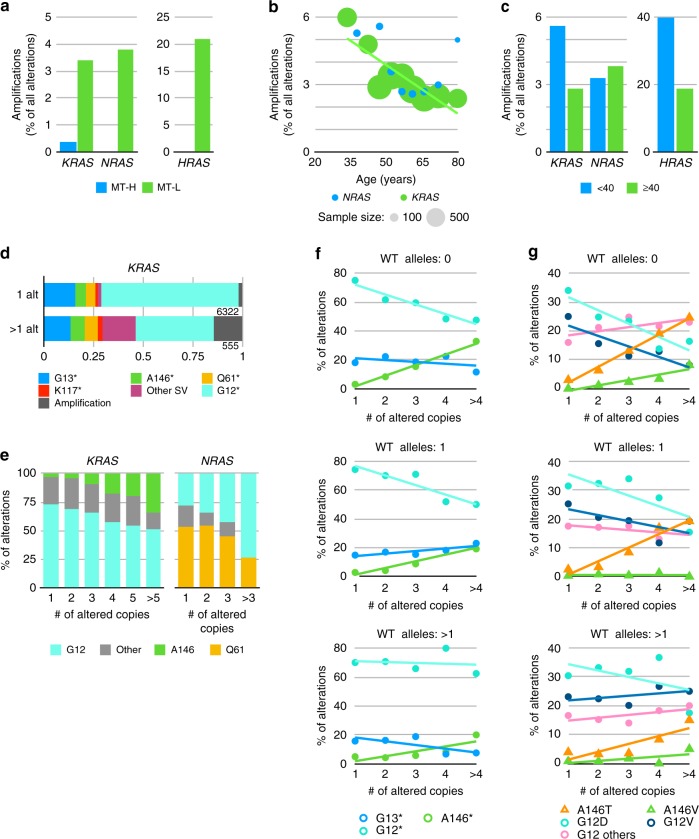
Colorectal cancer (CRC) is increasingly appreciated as a heterogeneous disease, with factors such as microsatellite instability (MSI), cancer subsite within the colon versus rectum, and age of diagnosis associated with specific disease course and therapeutic response. Activating oncogenic mutations in KRAS and NRAS are common in CRC, driving tumor progression and influencing efficacy of both cytotoxic and targeted therapies. The RAS mutational spectrum differs substantially between tumors arising from distinct tissues. Structure-function analysis of relatively common somatic RAS mutations in G12, Q61, and other codons is characterized by differing potency and modes of action. Here we show the mutational profile of KRAS , NRAS , and the less common HRAS in 13,336 CRC tumors, comparing the frequency of specific mutations based on age of diagnosis, MSI status, and colon versus rectum subsite. We identify mutation hotspots, and unexpected differences in mutation spectrum, based on these clinical parameters.
Overview
The claims and statistics of this paper haven’t been checked yet.
Free: it reads the open-access text and checks the first 5 claims that cite a source we can check. Create a free account to check every claim.
Integrity signals
Registry
Cites
Statistics
Figures
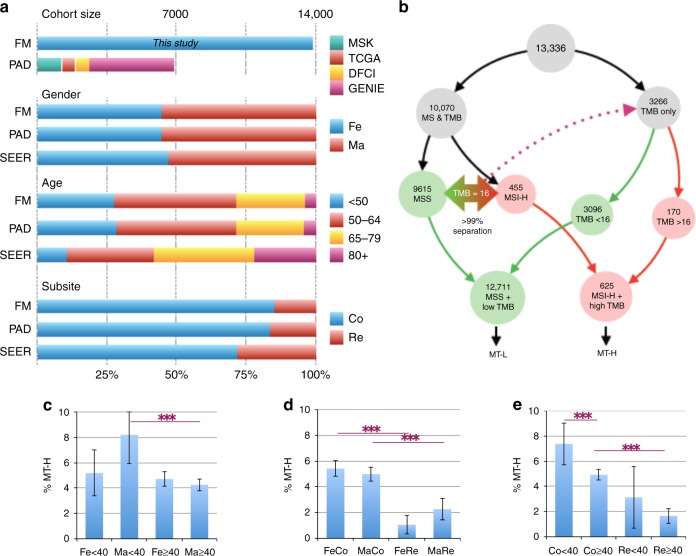
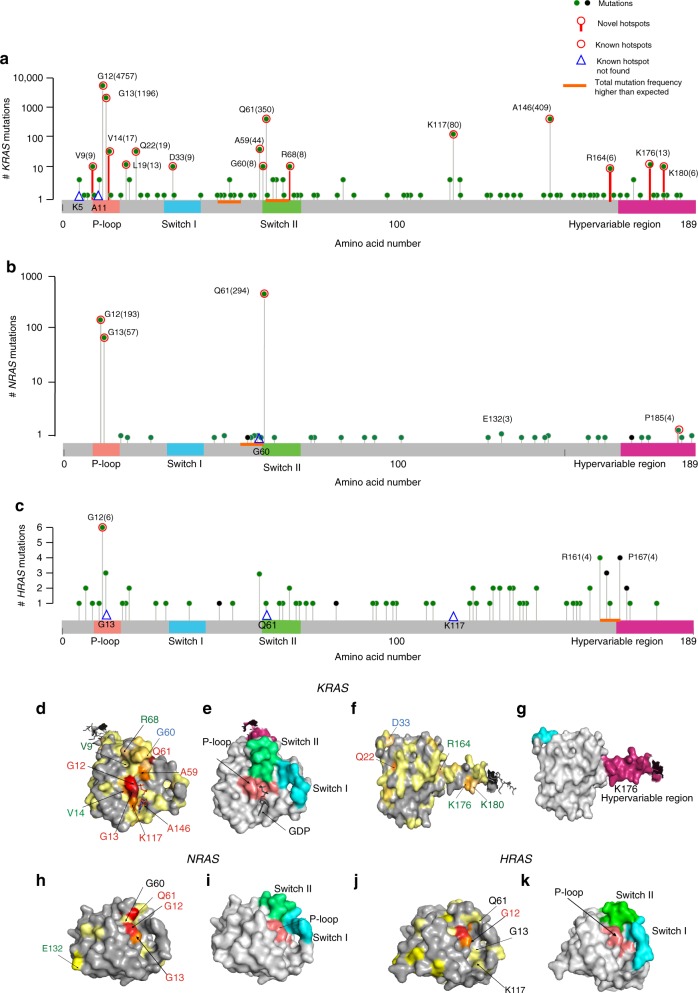
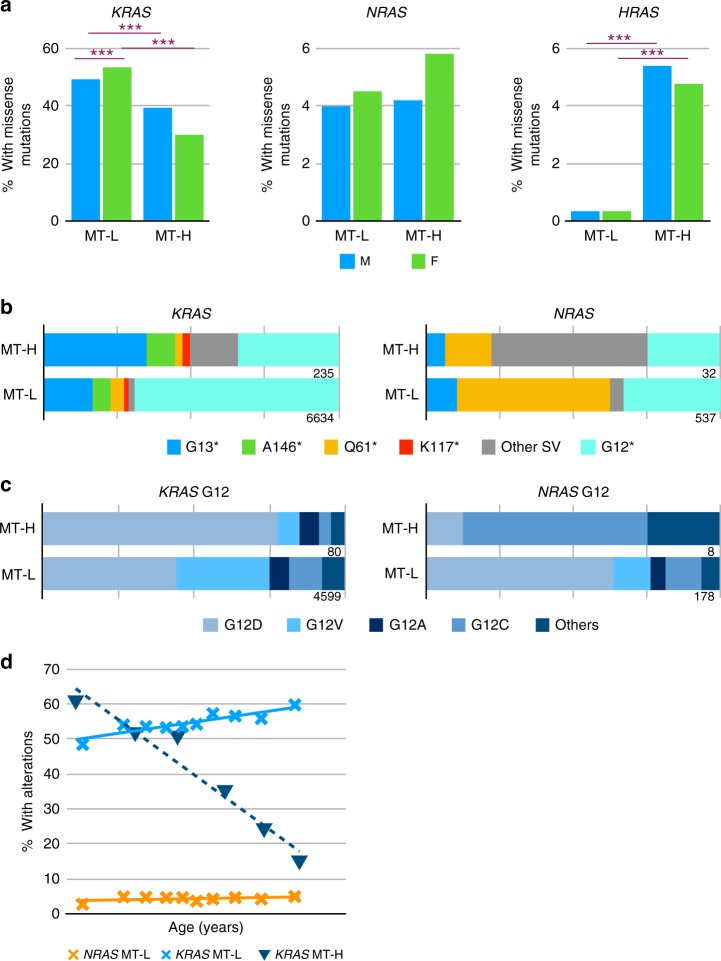
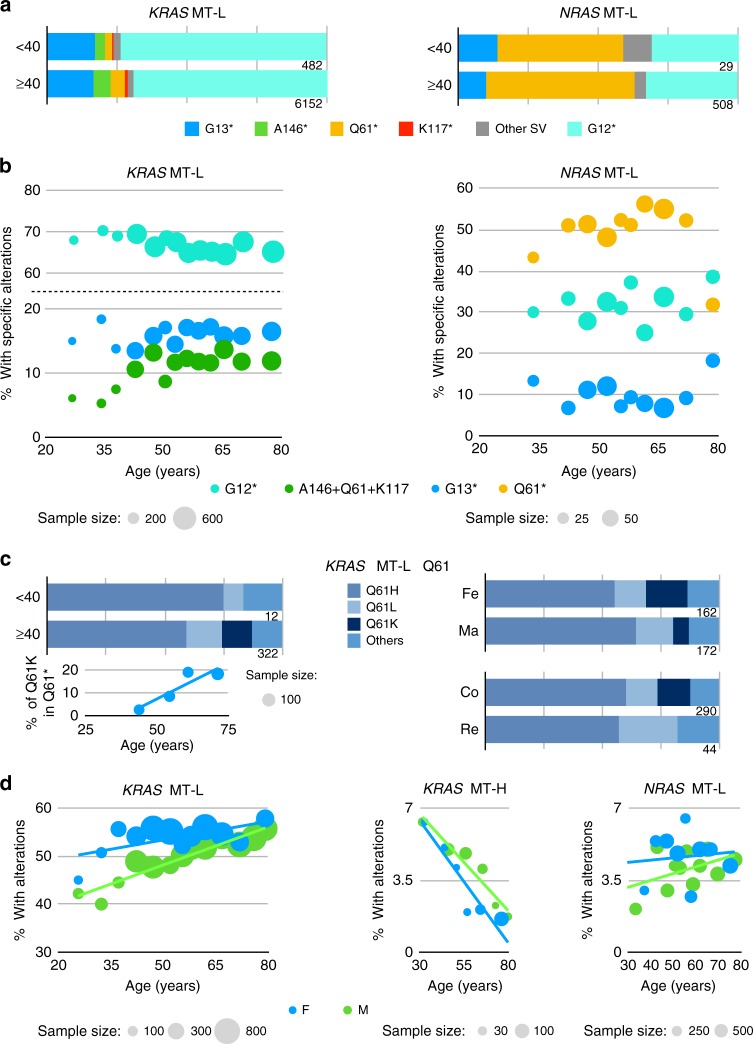
Verification
Claims the paper makes
The claims and statistics of this paper haven’t been checked yet.
Free: it reads the open-access text and checks the first 5 claims that cite a source we can check. Create a free account to check every claim.
Claims other papers make about this one
Each is checked against this paper’s own text: does it say what the citing paper says it does?
In the citing paper
“Following initiating APC mutations, CRC tumors developing via the CIN pathway frequently include activating mutations in KRAS (~40%) and NRAS (3–5%) [21].”
From Recent Advances in Therapeutic Strategies to Improve Colorectal Cancer Treatment (2024) · cites this paper as [21]
Self-check
Percentages, sums and reported differences re-computed from the paper’s own numbers.
The self-check needs the paper’s full text.
Citations
Cites
The PyMOL Molecular Graphics System
DeLano, W. L. (2002) · Medical Entomology and Zoology · Cited by 18,147
Comprehensive molecular characterization of human colon and rectal cancer
The Cancer Genome Atlas Network (2012) · Nature · doi:10.1038/nature11252 · Cited by 8,499
Colorectal cancer statistics, 2017
Siegel, R. L., Miller, K. D., Fedewa, S. A., Ahnen, D. J., Meester, R. G. S., Barzi, A., & Jemal, A. (2017) · CA: A Cancer Journal for Clinicians · doi:10.3322/caac.21395 · Cited by 3,806
K-ras Mutations and Benefit from Cetuximab in Advanced Colorectal Cancer
Karapetis, C. S., Khambata-Ford, S., Jonker, D. J., O'Callaghan, C. J., Tu, D., Tebbutt, N. C., Simes, R. J., Chalchal, H., Shapiro, J. D., Robitaille, S., et al. (2008) · New England Journal of Medicine · doi:10.1056/nejmoa0804385 · Cited by 3,622
Wild-Type KRAS Is Required for Panitumumab Efficacy in Patients With Metastatic Colorectal Cancer
Amado, R. G., Wolf, M., Peeters, M., Van Cutsem, E., Siena, S., Freeman, D. J., Juan, T., Sikorski, R., Suggs, S., Radinsky, R., et al. (2008) · Journal of Clinical Oncology · doi:10.1200/jco.2007.14.7116 · Cited by 3,207
Levin, B., Lieberman, D. A., McFarland, B., Andrews, K. S., Brooks, D., Bond, J., Dash, C., Giardiello, F. M., Glick, S., Johnson, D., et al. (2008) · Gastroenterology · doi:10.1053/j.gastro.2008.02.002 · Cited by 2,990
Panitumumab–FOLFOX4 Treatment and RAS Mutations in Colorectal Cancer
Douillard, J.-Y., Oliner, K. S., Siena, S., Tabernero, J., Burkes, R., Barugel, M., Humblet, Y., Bodoky, G., Cunningham, D., Jassem, J., et al. (2013) · New England Journal of Medicine · doi:10.1056/nejmoa1305275 · Cited by 2,263
Frampton, G. M., Fichtenholtz, A., Otto, G. A., Wang, K., Downing, S. R., He, J., Schnall-Levin, M., White, J., Sanford, E. M., An, P., et al. (2013) · Nature Biotechnology · doi:10.1038/nbt.2696 · Cited by 2,157
Self-citationAACR Project GENIE: Powering Precision Medicine through an International Consortium
The AACR Project GENIE Consortium, The AACR Project GENIE Consortium, André, F., Arnedos, M., Baras, A. S., Baselga, J., Bedard, P. L., Berger, M. F., Bierkens, M., Calvo, F., et al. (2017) · Cancer Discovery · doi:10.1158/2159-8290.cd-17-0151 · Cited by 1,964
RAS Proteins and Their Regulators in Human Disease
Simanshu, D. K., Nissley, D. V., & McCormick, F. (2017) · Cell · doi:10.1016/j.cell.2017.06.009 · Cited by 1,943
Cited by
Items 101–200 of 230
MICA ∗012:01 Allele Facilitates the Metastasis of KRAS-Mutant Colorectal Cancer
Ding, W., Ma, Y., Zhu, W., Pu, W., Zhang, J., Qian, F., Zhou, Y., Deng, Y., Guo, S., Wang, J., et al. (2020) · Frontiers in Genetics · doi:10.3389/fgene.2020.00511 · Cited by 12
Cancer history and risk factors in healthy older people enrolling in the ASPREE clinical trial
Orchard, S. G., Lockery, J. E., Gibbs, P., Polekhina, G., Wolfe, R. S., Zalcberg, J. R., Haydon, A. M., McNeil, J. J., Nelson, M. R., Reid, C. M., et al. (2020) · Contemporary Clinical Trials · doi:10.1016/j.cct.2020.106095 · Cited by 12
“Studies are now showing that the molecular makeup of cancer changes with age [43,49], and these changes impact the response to therapies and treatment strategies.”
BackgroundSchrock, A. B., Lee, J., Sandhu, J. S., Madison, R. W., Cho-Phan, C. D., Snider, J. W., Castellanos, E. H., Venstrom, J. M., & Fakih, M. (2021) · The Oncologist · doi:10.1002/onco.13679 · Cited by 13
Association of KRAS G12C Status with Age at Onset of Metastatic Colorectal Cancer
Aruquipa, M. P. S., Peixoto, R. D., Jacome, A. A. D. A., Cesar, F., Lorandi, V., & Dienstmann, R. (2024) · Current Issues in Molecular Biology · doi:10.3390/cimb46020088 · Cited by 11
“A large American database with 13,336 advanced CRC patients, reported a prevalence of 51.9% ( n = 6926) of KRAS mutation, 4.5% ( n = 594) of NRAS mutation, and 3.3% ( n = 455) of MSI-high [27].”
BackgroundInfluentialXu, X., Guo, S., Gu, H., Cha, Z., Shi, X., Yin, X., Wang, H., Gao, S., Li, B., Zhu, L., et al. (2025) · JCI Insight · doi:10.1172/jci.insight.181873 · Cited by 11
Marinović, S., Škrtić, A., Ivković, T. C., Poljak, M., & Kapitanović, S. (2021) · Human Cell · doi:10.1007/s13577-021-00576-2 · Cited by 12
Source, co-occurrence, and prognostic value of PTEN mutations or loss in colorectal cancer
Serebriiskii, I. G., Pavlov, V. A., Andrianov, G. V., Litwin, S., Basickes, S., Newberg, J. Y., Frampton, G. M., Meyer, J. E., & Golemis, E. A. (2023) · npj Genomic Medicine · doi:10.1038/s41525-023-00384-7 · Cited by 13
“In previous work, we analyzed mutational data from a large cohort of 34,129 CRC patients that allowed description of mutational patterns in PTEN and other genes associated with microsatellite stable (MSS) CRC, or CRC characterized by microsatellite instability (MSI) 5,8,9 .”
Self-citationOkamoto, K., Sasaki, K., Nozawa, H., Murono, K., Emoto, S., Yamauchi, S., Sugihara, K., & Ishihara, S. (2023) · Journal of Surgical Oncology · doi:10.1002/jso.27557 · Cited by 12
“13, 17, possible explanation Different survival outcomes among age or sex groups may also be attributed to the molecular profiles of CRC. 28 – 31 In contrast, microsatellite stability (MSS), TP53 variants, or long interspersed nuclear element ‐ 1 (LINE ‐ 1) hypomethylation were more frequent in…”
BackgroundXiu, W., Zhang, Q., Yu, M., Huang, Y. C., & Huang, M. (2021) · Frontiers in Oncology · doi:10.3389/fonc.2021.630256 · Cited by 11
“An R68S mutation is a rare type of KRAS exon 3 mutations (18, 19) and its prognostic role remains controversial (20, 21).”
BackgroundYildirim, H. C., Gunenc, D., Almuradova, E., Sutcuoglu, O., & Yalcin, S. (2025) · Medicina · doi:10.3390/medicina61030408 · Cited by 10
“KRAS mutation frequency in CRC is shown in Figure 1 [15,16].”
Kavgacı, G., Akiva, İ., Ozon, Y. H., Berkil, H., Karadayi, H., Dizdar, O., & Yalçın, Ş. (2025) · Molecular Oncology · doi:10.1002/1878-0261.70042 · Cited by 11
“%) samples, all from metastatic cases [9].”
Yue, Y., Creed, J. H., Coté, D. J., Stampfer, M. J., Wang, M., Midttun, Ø., McCann, A., Ueland, P. M., Furtado, J. D., Egan, K. M., et al. (2021) · Scientific Reports · doi:10.1038/s41598-021-88485-0 · Cited by 12
Benmokhtar, S., Laraqui, A., Boukhrissi, F. E., Hilali, F., Bajjou, T., Jafari, M., Zaitouni, S. E., Baba, W., Mchichi, B. E., Elannaz, H., et al. (2022) · Asian Pacific Journal of Cancer Prevention · doi:10.31557/apjcp.2022.23.11.3725 · Cited by 11
“Notably however, the private Foundation Medicine dataset comprising 13,336 colorectal samples reports a KRAS mutation frequency of ≈50% (Serebriiskii et al., 2019).”
Zucchini, V., D’Acapito, F., Rapposelli, I. G., Framarini, M., Pietrantonio, D. D., Turrini, R., Pozzi, E., & Ercolani, G. (2025) · International Journal of Hyperthermia · doi:10.1080/02656736.2025.2479527 · Cited by 11
“NRAS mutations accounts for 14% of the patients, and HRAS mutations have not been reported [38].”
Escobar, D., Jones, R., Gao, J., Sun, L., Liao, J., & Yang, G. (2020) · Human Pathology · doi:10.1016/j.humpath.2020.08.002 · Cited by 11
Kim, J. K., Marco, M. R., Choi, S., Qu, X., Chen, C., Elkabets, M., Fairchild, L., Chow, O. S., Barriga, F. M., Dow, L. E., et al. (2021) · Molecular Oncology · doi:10.1002/1878-0261.12960 · Cited by 10
Alizadeh-Sedigh, M., Mahmoodzadeh, H., Fazeli, M. S., Aghdam, M. H., & Teimoori‐Toolabi, L. (2022) · Molecular and Cellular Probes · doi:10.1016/j.mcp.2022.101807 · Cited by 10
Hlaváč, V., Červenková, L., Šůsová, S., Holý, P., Liška, V., Vyčítal, O., Šorejs, O., Fiala, O., Daum, O., & Souček, P. (2023) · JCO Precision Oncology · doi:10.1200/po.22.00557 · Cited by 10
“26 We attribute this discrepancy to the fact that patients with tumors harboring KRAS variants have generally more aggressive disease, a worse prognosis, and a lower probability of getting their liver metastases surgically resected.”
Ohnami, S., Maruyama, K., Chen, K., Takahashi, Y., Hatakeyama, K., Ohshima, K., Shimoda, Y., Sakai, A., Kamada, F., Nakatani, S., et al. (2021) · Molecular and Cellular Biochemistry · doi:10.1007/s11010-021-04172-8 · Cited by 9
“0% of all cases (372/906), which was consistent with the frequencies for these mutations observed in previous studies [35].”
ResultWang, W., Wang, R., Han, X., Zhang, W., Zhu, L., & Gu, Y. (2024) · Medicine · doi:10.1097/md.0000000000037693 · Cited by 11
“This result aligns with a previous study conducted by Serebriiskii IG, [28] highlighting the existence of differences between various research investigations.”
ResultSystematic identification of novel cancer genes through analysis of deep shRNA perturbation screens
Montazeri, H., Coto-Llerena, M., Bianco, G., Zangene, E., Taha-Mehlitz, S., Paradiso, V., Srivatsa, S., de Weck, A., Roma, G., Lanzafame, M., et al. (2021) · Nucleic Acids Research · doi:10.1093/nar/gkab627 · Cited by 13
“V14 mutations have previously been associated with a range of RASopathies (53,54), supporting our finding that KRAS p.”
ResultBedrikovetski, S., Traeger, L., Fitzsimmons, T. R., Price, T. J., Ruszkiewicz, A. R., Vather, R., & Sammour, T. (2023) · Annals of Surgical Oncology · doi:10.1245/s10434-023-14722-7 · Cited by 8
“33 In our study, patients with mutRAS were significantly older than those in the wtRAS group and 99% of patients were microsatellite stable.”
Third-generation PacBio sequencing to explore gut bacteria and gender in colorectal cancer
Yu, S., Chu, J., Wu, Y., Jing, Z., Qu, Z., Song, Y., Wu, X., & Han, S. (2024) · Microbial Pathogenesis · doi:10.1016/j.micpath.2024.106684 · Cited by 8
Implications for the colorectal surgeon following the 100 000 Genomes Project
McDermott, F. D., Newton, K., Beggs, A. D., & Clark, S. K. (2021) · Colorectal Disease · doi:10.1111/codi.15539 · Cited by 8
“There are increasing data on the subtypes of RAS mutations and their relationship to dMMR, TMB and clinicopathological features [34].”
BackgroundHe, Y., Xue, Y., Wang, J., Huang, Y., Liu, L., Huang, Y., & Gao, Y. Q. (2023) · Genome Research · doi:10.1101/gr.277737.123 · Cited by 9
“Meanwhile, these cancer genes were also reported to be highly relative in colorectal cancer pathogenesis (Serebriiskii et al. 2019; Liu et al. 2021; Wang et al. 2021).”
Navigating therapeutic prospects by modulating autophagy in colorectal cancer
Rajendran, D., & Oon, C. E. (2024) · Life Sciences · doi:10.1016/j.lfs.2024.123121 · Cited by 11
Siu, D. H. W., Ali, A., Tjokrowidjaja, A., Silva, M. D., Lee, J., Clingan, P. R., Aghmesheh, M., Brungs, D., Mapagu, C., Goldstein, D., et al. (2022) · Asia-Pacific Journal of Clinical Oncology · doi:10.1111/ajco.13745 · Cited by 7
KRAS Mutation Status in Bulgarian Patients with Advanced and Metastatic Colorectal Cancer
Radanova, M. A., Mihaylova, G., Stoyanov, G. S., Draganova, V., Zlatarov, A. K., Kolev, N., Dimitrová, E., Conev, N. V., & Ivanova, D. G. (2023) · International Journal of Molecular Sciences · doi:10.3390/ijms241612753 · Cited by 8
Sandhu, G. S., Anders, R., Blatchford, P. J., Walde, A., Leal, A. D., King, G. G., Leong, S., Davis, S. L., Purcell, W. T., Goodman, K. A., et al. (2020) · Colorectal Cancer · doi:10.2217/crc-2020-0012 · Cited by 9
Self-citationYu, R. T. D., & Garcia, R. L. (2020) · Scientific Reports · doi:10.1038/s41598-020-67796-8 · Cited by 9
Ras Variant Biology and Contributions to Human Disease
Prior, I. A. (2021) · Methods in molecular biology · doi:10.1007/978-1-0716-1190-6_1 · Cited by 7
Zhao, H., Tian, Y., Wei, M., Wang, Y., Liu, S., Wei, J., Liu, Y., Zhang, J., An, X., Jiang, L., et al. (2025) · Journal of Translational Medicine · doi:10.1186/s12967-025-07309-1 · Cited by 8
“Notably, mutations in RAS genes are the most common mutation types in CRC, with KRAS accounting for 44.7% and NRAS accounting for 7.5% of the mutations associated with CRC [33, 34].”
InfluentialFerroptosis as a Novel Therapeutic Strategy to Overcome Multidrug Resistance in Colorectal Cancer
Mahemuti, D., Ma, L., Siddiqe, W., Tang, Z., Kong, Y., Li, W., Zhang, Z., Su, Z., & Maimaitijiang, A. (2026) · Pharmaceuticals · doi:10.3390/ph19020252 · Cited by 7
“Research indicates that the induction of ferroptosis can impede the proliferation of colon cancer and counteract chemoresistance [5–7].”
Nouri, M., Sharif, S., Soltani, E., Mozaffari‐Jovin, S., & Abbaszadegan, M. R. (2025) · Journal of Translational Medicine · doi:10.1186/s12967-025-06710-0 · Cited by 7
Targeting KRAS in colorectal cancer immunotherapy: rationale, challenges and future directions
Zhu, G., Pei, L., Ye, D., Tang, Q., Xu, H., & Bi, F. (2025) · Biochimica et Biophysica Acta (BBA) - Reviews on Cancer · doi:10.1016/j.bbcan.2025.189382 · Cited by 8
Pan-RAS inhibitors and polo-like kinase 1: promising targets in colorectal cancer
Jayachandran, P., Elliott, A., Soni, S., Battaglin, F., Mittal, P., Algaze, S. D., Lo, J. H., Yang, Y., Ashouri, K., Torres, E. T. R., et al. (2025) · Oncogene · doi:10.1038/s41388-025-03484-z · Cited by 6
“Around 40% of CRCs harbor KRAS mutations, with around 65% of those in mCRC harboring G12 glycine hotspot mutations [6, 7].”
Xu, C., Ge, S., Cheng, J., Gao, H., Zhang, F., & Han, A. (2022) · Frontiers in Endocrinology · doi:10.3389/fendo.2022.859381 · Cited by 7
“75 ≤ 18 y 17 (28) 5 (29) 12 (71) 13 (25) 7 (54) 6 (46)”
MethodInfluentialImpact of Molecular Status on Metastasectomy of Colorectal Cancer Liver Metastases
Wang, Y., Xin, Z., & Wang, K. (2023) · Clinics in Colon and Rectal Surgery · doi:10.1055/s-0043-1767700 · Cited by 6
Olukunle, O. F., Omoboyede, V., & Chukwuemeka, P. O. (2023) · Journal of Biomolecular Structure and Dynamics · doi:10.1080/07391102.2023.2220823 · Cited by 6
“Conversely, the role of HRAS in CRC has not been well established, however, it belongs to the RAS family to which KRAS also belongs and they influence CRC treatment (Serebriiskii et al., 2019).”
BackgroundAiroldi, M., Bartolini, M., Fazio, R., Farinatti, S., Daprà, V., Santoro, A., & Puccini, A. (2024) · Current Oncology Reports · doi:10.1007/s11912-024-01601-x · Cited by 8
“Based on these findings, inhibiting this pathway has proven pivotal in treating CRC patients [14].”
Comprehensive genomic analysis identifying heterogeneity in peripheral T‐cell lymphoma
Yoshida, N., Yamada, K., & Ohshima, K. (2021) · Cancer Science · doi:10.1111/cas.14849 · Cited by 6
Wang, J., Al-Majid, D., Brenner, J. C., & Smith, J. D. (2023) · Targeted Oncology · doi:10.1007/s11523-023-00993-3 · Cited by 6
Stephens, K. R., Donica, W. R. F., Egger, M. E., Philips, P., Scoggins, C. R., McMasters, K. M., & Martin, R. C. G. (2024) · Annals of Surgical Oncology · doi:10.1245/s10434-024-16330-5 · Cited by 5
Focus on RAS Codon 61 Mutations in Metastatic Colorectal Cancer: A Retrospective Analysis
Schietroma, F., Anghelone, A., Valente, G., Beccia, V., Caira, G., Spring, A., Trovato, G., Bello, A. D., Ceccarelli, A., Chiofalo, L., et al. (2024) · Cancers · doi:10.3390/cancers16050988 · Cited by 5
“Moreover, a large analysis showed a higher incidence of codon 117 and 146 in older patients [24].”
BackgroundLau, D. K., Burge, M., Roy, A. C., Chau, I., Haller, D. G., Shapiro, J. D., Peeters, M., Pavlakis, N., Karapetis, C. S., Tebbutt, N. C., et al. (2020) · Expert Review of Anticancer Therapy · doi:10.1080/14737140.2020.1744439 · Cited by 6
“Furthermore, specific mutations vary with age, with a greater prevalence of codon 12 (including G12C) mutations in younger patients and by contrast a greater prevalence of codon 61 (especially Q61), 117 and 146 mutations as age increases [171,173].”
BackgroundKato, S., Porter, R., Okamura, R., Lee, S., Zelichov, O., Tarcic, G., Vidne, M., & Kurzrock, R. (2021) · European Journal of Cancer · doi:10.1016/j.ejca.2021.01.055 · Cited by 6
A Facile Method to Engineer Mutant Kras Alleles in an Isogenic Cell Background
Budagyan, K., & Chernoff, J. (2021) · Methods in molecular biology · doi:10.1007/978-1-0716-1190-6_20 · Cited by 5
Engineered protein circuits for cancer therapyPreprint
Lu, A. C., Moeller, L., Moore, S., Ho, K., Tobin, V., Qiang, A., Zhang, E., Li, Z., Wang, M., Xia, S., et al. (2025) · bioRxiv (Cold Spring Harbor Laboratory) · doi:10.1101/2025.04.16.647665 · Cited by 8
“In particular, about half of colorectal cancers carry RAS mutations 71 , and up to half of all these patients develop unresectable liver metastases, a leading cause of colorectal cancer morbidity and mortality 72,73 .”
Colorectal polyp distribution in relation to age: meta-analysis
Yam, S. T., Mclauchlan, J., McCombie, A., Purcell, R. V., Pearson, J. F., & Frizelle, F. (2025) · BJS Open · doi:10.1093/bjsopen/zraf132 · Cited by 5
Cancer Incidence and Mortality With Aspirin in Older Adults: Follow-Up of the ASPREE Trial
Orchard, S. G., Polekhina, G., Zalcberg, J. R., Bernstein, W. B., Macrae, F., Tie, J., Gately, L., Mar, V., Millar, J. L., Rodriguez, L. M., et al. (2026) · JAMA Oncology · doi:10.1001/jamaoncol.2025.6196 · Cited by 5
Okamoto, K., Ozawa, T., Nozawa, H., Sasaki, K., Murono, K., Emoto, S., Yamauchi, S., Sugihara, K., & Ishihara, S. (2024) · International Journal of Clinical Oncology · doi:10.1007/s10147-024-02601-4 · Cited by 4
“Generally, young CRC patients exhibit a lower likelihood of possessing KRAS or BRAF V600E mutations and promoter methylation of CpG islands [21–23].”
Whitmer, R. D., Sepulveda, J., Gandhi, J., Puri, I., & Gupta, R. V. (2026) · Journal of Personalized Medicine · doi:10.3390/jpm16030132 · Cited by 4
“Worldwide, approximately 3.4 million newly diagnosed malignancies are attributed to RAS mutations [20,21].”
InfluentialChina Working Group on Colorectal Cancer Survey, Zhang, X., Lian, X., Gu, X., Liu, Y., Feng, C.-Y., Li, L., Xu, H., Du, J.-C., Zhao, Y., et al. (2022) · Annals of Translational Medicine · doi:10.21037/atm-22-988 · Cited by 5
“However, it is lower than that in several Western countries (~50%) (28) but higher than that in patients from the Middle East (19.”
BackgroundOganyan, K., Musaelyan, A. A., Kotikova, M. A., Lapin, S. V., Назаров, В. Д., Беляев, М. А., Захаренко, А. А., & Орлов, С. В. (2022) · Meditsinskiy sovet = Medical Council · doi:10.21518/2079-701x-2022-16-9-139-146 · Cited by 4
Real‐world genomic landscape of colon and rectal cancer
Schulze, M., Wang, X., Hamad, J., Quintanilha, J. C. F., Pasquina, L. W., Hopkins, J. F., Scheuenpflug, J., & Feng, Z. (2025) · FEBS Open Bio · doi:10.1002/2211-5463.13957 · Cited by 4
Tan, J., Lee, K., Lee, K., & Jeong, W. (2021) · IEEE International Symposium on Biomedical Imaging (ISBI) · doi:10.1109/isbi48211.2021.9434095 · Cited by 4
“IDH and KRAS are the two major mutated genes in IHCCs, but the overall mutation rates of KRAS and IDH are not as high as adenocarcinoma of colon or pancreatic cancer [1, 2, 3, 4].”
BackgroundLee, J. Y., Mun, C. W., Kim, E. R., Park, S., & Lee, M. (2026) · npj Precision Oncology · doi:10.1038/s41698-026-01452-8 · Cited by 3
“In CRC, mutations are most commonly found at codons 12, 13, 61, and 146 24 .”
Brozos-Vázquez, E., Lago‐Lestón, R. M., Covela, M., Gómez, J. D. L. C., Montés, A. F., Candamio, S., Vidal, Y., Vázquez, F., Abalo, A., López, R., et al. (2023) · Cancers · doi:10.3390/cancers15143578 · Cited by 4
“However, approximately 40% of CRCs show activating missense mutations in the Kirsten RAS (KRAS) gene and 3–5% in the neuroblastoma RAS (NRAS) [18], representing an early event in the carcinogenesis of mCRC [19].”
BackgroundInfluentialKRAS mutations in colorectal cancer: impacts on tumor microenvironment and therapeutic implications
Emami, A., Sharif, P. M., & Rezaei, N. (2025) · Expert Opinion on Therapeutic Targets · doi:10.1080/14728222.2025.2500426 · Cited by 4
“Of note, a study has found that G12 mutations are more prevalent in younger CRC patients compared to older individuals, who exhibited higher frequencies of A146, K117, and Q61 mutations, while the incidence of G13 mutations remained consistent [60].”
Chong, C. Y., Jalali, A., Wong, H., Loft, M., Wong, R., Lee, M., Gately, L., Hong, W., Shapiro, J. D., Kosmider, S., et al. (2022) · Asia-Pacific Journal of Clinical Oncology · doi:10.1111/ajco.13728 · Cited by 3
Aljuhani, T. A., Shaik, N. A., Alqawas, R. T., Bokhary, R., Almutadares, M., Mahdi, H. B. A., Alrayes, N. M., El-Harouni, A. A., Elango, R., Banaganapalli, B., et al. (2024) · Frontiers in Pharmacology · doi:10.3389/fphar.2024.1498295 · Cited by 3
The Endeavours in RAS Inhibition - the Past, Present, and Future
Hussain, J., Kirubakaran, S., & Ravi, S. (2020) · Current Topics in Medicinal Chemistry · doi:10.2174/1568026620666200903163044 · Cited by 5
Zhang, M., Yang, H., Chen, L., Du, K., Zhao, L., & Wei, L. (2022) · Frontiers in Oncology · doi:10.3389/fonc.2022.926480 · Cited by 4
“KRAS mutation occurred in approximately 40% of all colorectal cancer (8).”
BackgroundProteotranscriptomic Analyses of Microsatellite-Stable Early-Onset Colorectal Cancer
Alshenaifi, J. Y., Maddalena, G., Lal, J. C., Coker, O., Lee, H. M., Villarreal, O. E., Manyam, G. C., Mohamed, A. M., Vetere, G., White, M. G., et al. (2025) · JCO oncology advances. · doi:10.1200/oa-24-00090 · Cited by 2
Fitzsimmons, T. R., Bunjo, Z., Neo, E. L., Badiei, A., Penniment, M. G., Selva‐Nayagam, S., Ruszkiewicz, A. R., Wong, J., & Sammour, T. (2026) · Asia-Pacific Journal of Clinical Oncology · doi:10.1111/ajco.70135 · Cited by 3
“Our study showed that mRAS patients were significantly older than those in the wtRAS group, a trend consistent with published data [ 33 ].”
Chen, S., Fu, A., Lu, Y., Lu, W., Chen, Y., Hong, S., Zhou, S., Xiang, T., Zhang, Z., & Cai, Y. (2022) · BMC Genomics · doi:10.1186/s12864-021-08289-4 · Cited by 2
“Some studies have not found KRAS codon 61 mutations in the young patients with NSCLC [30, 31], and indicated that the incidence of codon 61 mutation was more frequent in the older patients with colorectal cancer [32].”
BackgroundProphylactic vaccines against cancers of non-infectious origin: a dream or a real possibility?
Vonka, V., & Hirsch, I. (2021) · Central European Journal of Public Health · doi:10.21101/cejph.a7219 · Cited by 2
Crutcher, M. M., Snook, A. E., & Waldman, S. A. (2022) · Expert Review of Clinical Pharmacology · doi:10.1080/17512433.2022.2138339 · Cited by 2
Wu, Y.-W., Wei, L., Yang, X., Liang, H., Cai, M., Cai, M., Luo, R.-Z., & Liu, L. (2024) · The Oncologist · doi:10.1093/oncolo/oyae192 · Cited by 2
Ekmekçiu, I., Zucha, D. M., Christmann, J., Wisser, S., Heuer, V., Sargin, B., Hollerbach, S. H., Lamberti, C., Müller, L., Lugnier, C., et al. (2024) · Frontiers in Oncology · doi:10.3389/fonc.2024.1434791 · Cited by 2
Shaykevich, A., Chae, D., Silverman, I., Goel, S., & Maitra, R. (2025) · PLoS ONE · doi:10.1371/journal.pone.0326029 · Cited by 2
“Approximately 40%−50% of patients with CRC will be found to have a mutated KRAS gene, encoding the K-ras protein [2,3].”
Miyamoto, N., Kawasaki, R., Sakuragi, M., Yamana, K., Isozaki, H., Kawamura, S., Akiba, I., & Kitade, Y. (2022) · Advanced Therapeutics · doi:10.1002/adtp.202200265 · Cited by 2
The pathological significance of HRAS gene mutation in colorectal cancer patients in Erbil province
Dizayee, S. (2024) · Zanco Journal of Medical Sciences · doi:10.15218/zjms.2024.28 · Cited by 1
Kasai, S., Kagawa, H., Hatakeyama, K., Shiomi, A., Manabe, S., Yamaoka, Y., Tanaka, Y., Igaki, T., Nagashima, T., Ohshima, K., et al. (2024) · International Journal of Clinical Oncology · doi:10.1007/s10147-024-02626-9 · Cited by 1
“Mutations in KRAS greatly hinder the therapeutic efficacy of anti-epidermal growth factor receptor inhibitors in patients with metastatic CRC patients [27].”
Burge, M., Espinoza, D., Sjoquist, K. M., Siu, D. H. W., Mercieca‐Bebber, R., Chantrill, L. A., Karapetis, C. S., Steer, C., Yip, S., Cuff, J., et al. (2024) · Clinical Colorectal Cancer · doi:10.1016/j.clcc.2024.11.003 · Cited by 1
Proto‐Oncogene HRAS Transcript Level and Overall Survival in Stages II and III Colorectal Cancer
Kim, D., Sharif, S., Garay, J. A. R., Bhakta, A. S., Boland, P. M., Cavnar, M. J., Churchman, M. L., Hatoum, H. A., Huang, L. C., Kim, J., et al. (2025) · Cancer Medicine · doi:10.1002/cam4.71114 · Cited by 1
A Comprehensive Molecular and Clinical Study of Patients with Young-Onset Colorectal Cancer
Nasrollahi, E., Wang, S., Yanes, R. B., Gomez, C. G., Magge, T., Overacre-Delgoffe, A. E., Hsieh, R. W., McFarquhar, A., Tatsuoka, C. M., Singhi, A. D., et al. (2025) · Cancers · doi:10.3390/cancers17172763 · Cited by 2
“Some studies suggest a lower incidence of KRAS mutation but higher rates of exon 2 mutations among young adults [20–22].”
RAS mutations and colorectal cancer metabolism: a metabolomic analysis of tissue samples
Li, J., & Dong, B. (2025) · BMC Cancer · doi:10.1186/s12885-025-14994-0 · Cited by 1
“The RAS gene family is widely expressed in mammalian cells, and RAS mutations are commonly found in colorectal cancer and are closely associated with poor prognosis [7].”
Fujisawa, G., Tamada, K., Hayashi, T., Suzuki, N., Iwata, T., Miyakawa, Y., Hata, M., Ishibashi, R., Hayakawa, Y., Shinozaki-Ushiku, A., et al. (2026) · JCO Precision Oncology · doi:10.1200/po-25-00424 · Cited by 2
“23 Although previous studies have shown that RAS ampli fi cation is more frequently observed in younger patients 11,17 and in in fl am-matory bowel disease – related CRC, 17 no signi fi cant association was found between RAS ampli fi cation and age in our study, and we could not assess in fl ammatory…”
InfluentialSadanandam, A., O’Farrell, A. C., Miller, I. S., Hari, P. S., Lärkeryd, A., Venken, T., Arijs, I., Zanella, E. R., Cottino, F., Pinnelli, M., et al. (2026) · Cancer Cell · doi:10.1016/j.ccell.2026.09.014 · Cited by 1
Detection of KRAS Gene mutations in paraguayan patients with colorectal cancer
Torio, H., Rodríguez, I. M., Molina, H., Romero, B., Rojas, A., Zárate, R., & Martínez, M. T. (2021) · Anales de la Facultad de Ciencias Médicas (Asunción) · doi:10.18004/anales/2021.054.03.33 · Cited by 1
Shi, R., Cheng, Y., Wang, J., Song, N., Chen, Y., Teng, Z., Xu, L., Liu, Y., Zhao, X., Ou, Q., et al. (2024) · Genes & Diseases · doi:10.1016/j.gendis.2024.101245 · Cited by 2
A Facile Method to Append a Bio-ID Tag to Endogenous Mutant Kras Alleles
Budagyan, K., Cannon, A. C., & Chernoff, J. (2024) · Methods in molecular biology · doi:10.1007/978-1-0716-3822-4_25 · Cited by 1
An updated patent review of SOS1 inhibitors (2022–present)
Zhou, G., Zhou, C., Ma, X., Xu, J., Zhou, Z., Xu, T., Zheng, M., & Zhang, S. (2024) · Expert Opinion on Therapeutic Patents · doi:10.1080/13543776.2024.2419825 · Cited by 1
“KRAS is one of the most commonly mutated oncogenes in human cancers, with KRAS mutations present in 20–30% of human cancers, acting as a driver of tumorigenesis, especially in pancreatic, colorectal, and lung cancers [16–21].”
Pappas, L., Quintanilha, J. C. F., Huang, R. S. P., & Parikh, A. R. (2024) · The Oncologist · doi:10.1093/oncolo/oyae269 · Cited by 1
“16 KRAS mutations have been found to occur between 51% and 67% in metastatic disease 17,18 as opposed to 26%-33% 19,20 in localized disease, with an opposite trend for BRAF V600E mutations that occur in 6%-7% of metastatic cases 21,22 as opposed to 8%-14% 23-25 of patients with localized disease.”
Moon, H., Park, H., Lee, S.-H., Lee, S., Jun, M., Lee, J., Baek, J., Park, H., Bang, J., & Ro, S. W. (2025) · JHEP Reports · doi:10.1016/j.jhepr.2025.101536 · Cited by 1
Demidova, E. V., Czyzewicz, P., Hasan, A., Avkshtol, V., Lesh, R. W., Handorf, E. A., Devarajan, K., Schultz, B. M., James, J. D., Connolly, D. C., et al. (2024) · medRxiv · doi:10.1101/2024.11.22.24317789 · Cited by 2
Self-citationDamit, D., Patnaik, R. S., Chaw, L., Lu, S. K., Upali, T. P., Lu, Z. H., Kok, K. Y. Y., & Lim, Y. C. (2020) · Preprints.org · doi:10.20944/preprints202007.0277.v1
“As Ras proteins are involved in the EGFR-RAS-RAF-MEK-ERK pathway, activating mutations around the nucleotide-binding pocket that locked Ras in active conformation result in constitutive signalling and therefore, proliferation of the cells [17].”
BackgroundClinical characteristics and outcomes for young patients with advanced urothelial carcinoma
Chehroudi, C., Lavoie, J., Black, P. C., & Eigl, B. J. (2020) · Canadian Urological Association Journal · doi:10.5489/cuaj.6405
Vega, A. M. (2020) · LA Referencia (Red Federada de Repositorios Institucionales de Publicaciones Científicas)
Das, S., & Berlin, J. D. (2020) · Surgical Oncology Clinics of North America · doi:10.1016/j.soc.2020.08.008
Novel Biomarker-Targeted Therapies for Metastatic Colorectal Cancer
Barot, S. V., & Kamath, S. D. (2021) · Digestive Disease Interventions · doi:10.1055/s-0041-1727225
Molecular and immune landscape of colorectal liver metastases
Dagenborg, V. J. (2021) · NVA (Nasjonalt vitenarkiv)
Caracterización de la pérdida del gen NOMO1 en cáncer colorrectal
Martel-Martel, A. (2022) · Gredos (University of Salamanca) · doi:10.14201/gredos.150784
Deneka, A. Y., Baca, Y., Serebriiskii, I. G., Nicolas, É., Parker, M. I., Nguyen, T. T., Xiu, J., Korn, W. M., Demeure, M. J., Wise-Draper, T. M., et al. (2023) · doi:10.1158/1078-0432.c.6532500
Self-citationKaikai, I. A., Belhouari, M., Mchanter, H., Bourhafour, M., Chekrine, T., Bouchbika, Z., Benchakroun, N., Jouhadi, H., Sahraoui, S., Regragui, M., et al. (2023) · OALib · doi:10.4236/oalib.1110050 · Cited by 1
Miyamoto, N., Sugito, N., Kitade, Y., & Akao, Y. (2023) · Journal of Drug Delivery Science and Technology · doi:10.1016/j.jddst.2023.104902 · Cited by 1
Metabolic Networks in Pancreatic Cancer
Kerk, S. A. (2023) · Deep Blue (University of Michigan) · doi:10.7302/8535
Comparison of clinical features and prognosis of early- and late-onset colorectal cancer
Long, X., Wang, Y., Jian, Z.-Q., & He, Q. (2024) · World Chinese Journal of Digestology · doi:10.11569/wcjd.v32.i2.116
Metadata
- Authors
- Serebriiskii, I. G., Connelly, C., Frampton, G., Newberg, J., Cooke, M., Miller, V., Ali, S., Ross, J. S., Handorf, E., Arora, S., Lieu, C., Golemis, E. A., & Meyer, J. E.
- Affiliations
- Fox Chase Cancer Center (US)
- Foundation Medicine (United States) (US)
- SUNY Upstate Medical University (US)
- University of Colorado Cancer Center (US)
- Corresponding author
- Meyer, Joshua E.
- ORCID
- Venue
- Nature Communications
- Published
- 2019-08-19
- Volume
- 10
- Issue
- 1
- Pages
- 3722-3722
- ISSN
- 2041-1723 (ISSN-L)
- PMC
- PMC6700103
- OpenAlex
- W2969694562
- Semantic Scholar
- d55844319a99030380a64b7f79d0fd567d033609
- Cited by
- 215
- References
- 58
- Citations by year
- 2026: 12 · 2025: 25 · 2024: 44 · 2023: 25 · 2022: 35 · 2021: 42 · 2020: 30 · 2019: 2
- FWCI
- 11.37
- Type
- journal article
- Language
- en
- Open access
- gold
- doi.org
- Licence
- cc-by
- creativecommons.org/licenses/by/4.0 (tdm)
- creativecommons.org/licenses/by/4.0 (vor)
- Locations
- Nature Communications (publishedVersion, cc-by)
- Europe PMC (PubMed Central) (publishedVersion, cc-by)
- PubMed Central (publishedVersion, cc-by)
- PubMed (publishedVersion)
- RePEc: Research Papers in Economics (submittedVersion)
- DOAJ (DOAJ: Directory of Open Access Journals) (submittedVersion, cc-by-sa)
- DOAJ (DOAJ: Directory of Open Access Journals) (submittedVersion)
- TUScholarShare (Temple University) (submittedVersion, cc-by)
- Funders
- Russian Government subsidy to support the Program of Competitive Growth of Kazan Federal University
- U.S. Department of Defense (W81XWH-18-1-0148)
- U.S. Department of Health & Human Services | NIH | Center for Information Technology (CA229259-01, DK108195)
- Colorectal Cancer Alliance
- U.S. Department of Health & Human Services | NIH | National Cancer Institute (P30 CA006927)
- Topics
- Health Sciences › Medicine › Oncology › Colorectal Cancer Treatments and Studies
- Health Sciences › Medicine › Pathology and Forensic Medicine › Genetic factors in colorectal cancer
- Life Sciences › Biochemistry, Genetics and Molecular Biology › Molecular Biology › Protein Kinase Regulation and GTPase Signaling
- Keywords
- RAS mutations, colorectal cancer, KRAS, NRAS, HRAS, colon cancer, rectal cancer, age at diagnosis, microsatellite instability, mutational hotspots, somatic mutations, tumor heterogeneity
- MeSH terms
- Colonic Neoplasms, Female, Humans, Male, Membrane Proteins, Middle Aged, Mutation, Rectal Neoplasms, Structure-Activity Relationship, Genetic Variation, Genome, Human, Proto-Oncogene Proteins p21(ras), GTP Phosphohydrolases, Microsatellite Instability, Mutation Rate
About these checks
Registry, retraction, Cites and statistics results are computed, not judged, with one exception: a printed reference that no index lists is read once by a model before it counts as a citation error. Claims are extracted by a model and kept only when their quote appears verbatim in the text; each cited source is then checked, with a model’s help, for whether it says what the claim relies on. Those verdicts can be wrong — read the claim’s quote and the cited source before relying on one.
Statistics and arithmetic are recomputed, not judged.
Confidence bands are shown only for fields calibrated on our annotated test set. None is calibrated yet, so no band is shown.
What counts as a claim ›How we measure confidence ›How we check this ›
Are you an author, or do you see a problem with this page? Request a review
Data sources
Bibliographic data: Semantic Scholar, OpenAlex, Crossref.
Contains information from the Semantic Scholar Academic Graph Datasets, made available under the ODC Attribution License (ODC-BY 1.0).
Semantic Scholar’s data is described in: Kinney, R., et al. (2023). The Semantic Scholar Open Data Platform. arXiv:2301.10140.
