

Impact of commonly used drugs on the composition and metabolic function of the gut microbiota
Open accessThe DOI matches its Crossref record; 45 of the 47 references it cites were found in a registry or an index.
Abstract
The human gut microbiota has now been associated with drug responses and efficacy, while chemical compounds present in these drugs can also impact the gut bacteria. However, drug–microbe interactions are still understudied in the clinical context, where polypharmacy and comorbidities co-occur. Here, we report relations between commonly used drugs and the gut microbiome. We performed metagenomics sequencing of faecal samples from a population cohort and two gastrointestinal disease cohorts. Differences between users and non-users were analysed per cohort, followed by a meta-analysis. While 19 of 41 drugs are found to be associated with microbial features, when controlling for the use of multiple medications, proton-pump inhibitors, metformin, antibiotics and laxatives show the strongest associations with the microbiome. We here provide evidence for extensive changes in taxonomy, metabolic potential and resistome in relation to commonly used drugs. This paves the way for future studies and has implications for current microbiome studies by demonstrating the need to correct for multiple drug use.
Overview
The claims and statistics of this paper haven’t been checked yet.
Free: it reads the open-access text and checks the first 5 claims that cite a source we can check. Create a free account to check every claim.
Integrity signals
Registry
Cites
Statistics
Figures
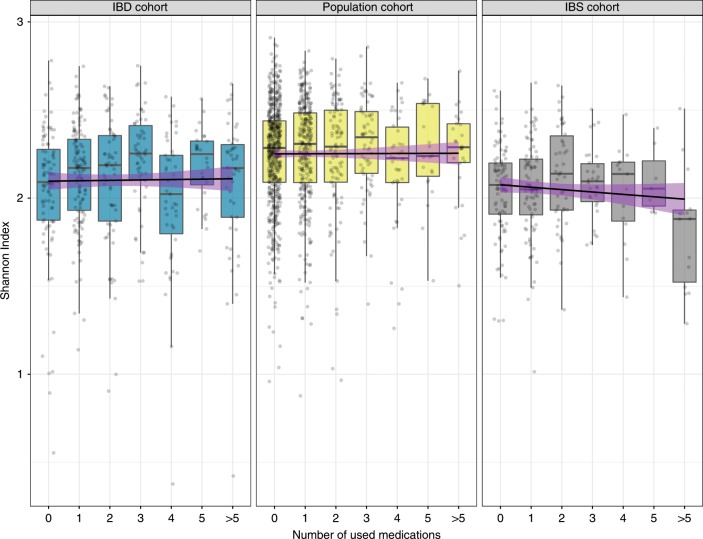
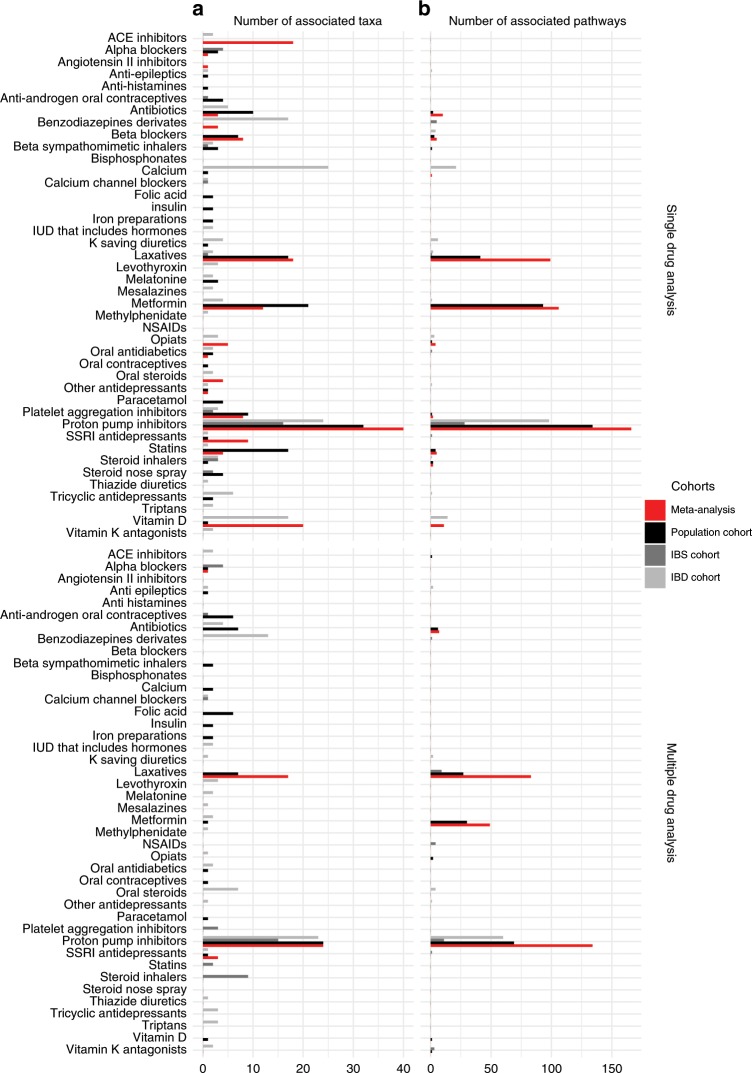
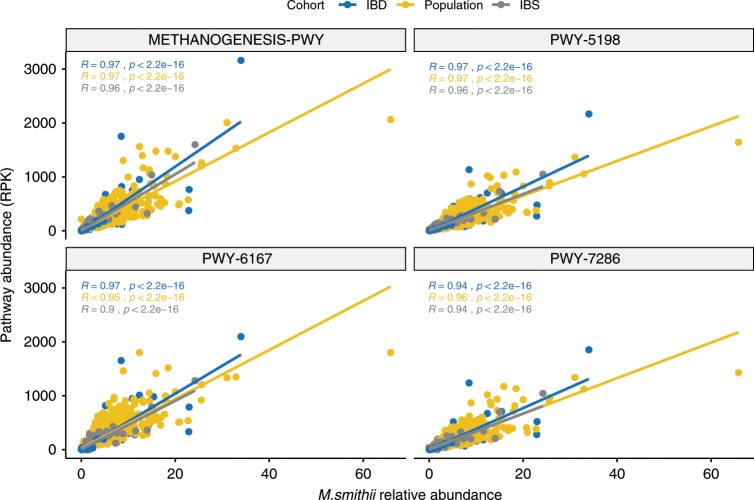
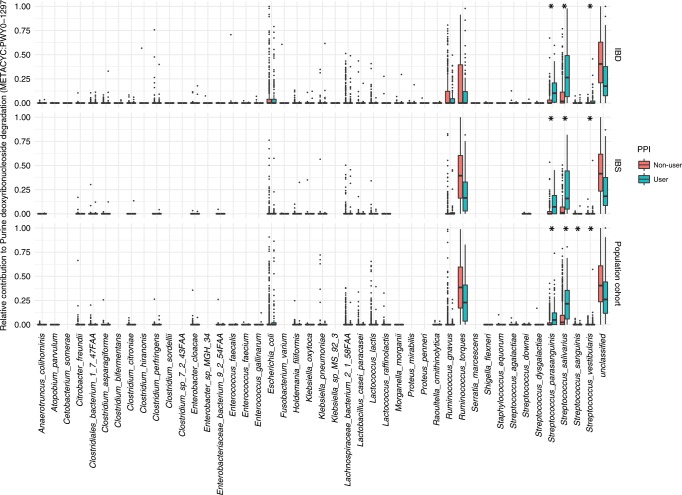
Verification
Claims the paper makes
The claims and statistics of this paper haven’t been checked yet.
Free: it reads the open-access text and checks the first 5 claims that cite a source we can check. Create a free account to check every claim.
Claims other papers make about this one
Each is checked against this paper’s own text: does it say what the citing paper says it does?
In the citing paper
“Broad surveys identify antibiotics,16 proton-pump inhibitors (PPIs),89 benzodiazepine derivatives,90 antidiabetics, non-steroidal anti-inflammatories, and immunosuppressants as major drivers of microbial richness, diversity, and composition.43,58,70,91”
From Gut dysbiosis in oncology: a risk factor for immunoresistance (2026) · doi:10.1038/s41422-025-01212-6 · cites this paper as [91]
Self-check
Percentages, sums and reported differences re-computed from the paper’s own numbers.
The self-check needs the paper’s full text.
Citations
Cites
METAL: fast and efficient meta-analysis of genomewide association scans
Willer, C. J., Li, Y., & Abecasis, G. R. (2010) · Bioinformatics · doi:10.1093/bioinformatics/btq340 · Cited by 5,205
Ford Alexander, C., Paul, M., Hanauer Steven, B., 谭蓓, & Dong, W. Z. (2001) · Cited by 3,021
Population-level analysis of gut microbiome variation
Falony, G., Joossens, M., Vieira-Silva, S., Wang, J., Darzi, Y., Faust, K., Kurilshikov, A., Bonder, M. J., Valles-Colomer, M., Vandeputte, D., et al. (2016) · Science · doi:10.1126/science.aad3503 · Cited by 2,400
Self-citationMetaPhlAn2 for enhanced metagenomic taxonomic profiling
Truong, D. T., Franzosa, E. A., Tickle, T. L., Scholz, M., Weingart, G., Pasolli, E., Tett, A., Huttenhower, C., & Segata, N. (2015) · Nature Methods · doi:10.1038/nmeth.3589 · Cited by 2,185
Baumgart, D. C., & Sandborn, W. J. (2012) · The Lancet · doi:10.1016/s0140-6736(12)60026-9 · Cited by 2,154
Disentangling type 2 diabetes and metformin treatment signatures in the human gut microbiota
MetaHIT consortium, Forslund, K., Hildebrand, F., Nielsen, T., Falony, G., Le Chatelier, E., Sunagawa, S., Prifti, E., Vieira-Silva, S., Gudmundsdottir, V., et al. (2015) · Nature · doi:10.1038/nature15766 · Cited by 2,116
Ordás, I., Eckmann, L., Talamini, M., Baumgart, D. C., & Sandborn, W. J. (2012) · The Lancet · doi:10.1016/s0140-6736(12)60150-0 · Cited by 2,078
Gut microbiome structure and metabolic activity in inflammatory bowel disease
Franzosa, E. A., Sirota-Madi, A., Avila-Pacheco, J., Fornelos, N., Haiser, H. J., Reinker, S., Vatanen, T., Hall, A. B., Mallick, H., McIver, L. J., et al. (2018) · Nature Microbiology · doi:10.1038/s41564-018-0306-4 · Cited by 1,995
Self-citationPopulation-based metagenomics analysis reveals markers for gut microbiome composition and diversity
Zhernakova, A., Kurilshikov, A., Bonder, M. J., Tigchelaar, E. F., Schirmer, M., Vatanen, T., Mujagic, Z., Vila, A. V., Falony, G., Vieira-Silva, S., et al. (2016) · Science · doi:10.1126/science.aad3369 · Cited by 1,914
Self-citationExtensive impact of non-antibiotic drugs on human gut bacteria
Maier, L., Pruteanu, M., Kuhn, M., Zeller, G., Telzerow, A., Anderson, E. E., Brochado, A. R., Fernandez, K. C., Dose, H., Mori, H., et al. (2018) · Nature · doi:10.1038/nature25979 · Cited by 1,905
Cited by
Items 201–300 of 793
Interplay Between Drug-Induced Liver Injury and Gut Microbiota: A Comprehensive Overview
Li, G., Hou, Y., Zhang, C., Zhou, X., Bao, F., Yang, Y. H., Chen, L., & Yu, D. (2024) · Cellular and Molecular Gastroenterology and Hepatology · doi:10.1016/j.jcmgh.2024.05.003 · Cited by 41
“51,52 55 The initial investigation to identify this phenomenon was performed in the Dutch LifeLines-De-terminants of the Personalized Health Program cohort, revealing microbial correlations with 19 of 42 frequently prescribed medications.”
BackgroundMethodInfluentialYao, Z., Cao, Y.-N., Peng, L., Yan, Z., & Zhao, G. (2020) · Journal of Agricultural and Food Chemistry · doi:10.1021/acs.jafc.0c05691 · Cited by 38
Resistance to Antihypertensive Drugs: Is Gut Microbiota the Missing Link?
Kyoung, J., Atluri, R., & Yang, T. (2022) · Hypertension · doi:10.1161/hypertensionaha.122.19826 · Cited by 35
Global compositional and functional states of the human gut microbiome in health and disease
Lee, S., Portlock, T., Chatelier, E. L., García-Guevara, F., Clasen, F., Oñate, F. P., Pons, N., Begum, N., Harzandi, A., Proffitt, C., et al. (2024) · Genome Research · doi:10.1101/gr.278637.123 · Cited by 38
“Other factors might also be involved in the magnitude of the imbalance, for example, changes in diet (Shen et al. 2014; Riaz Rajoka et al. 2017) or the use of drugs fortreating the disease (Le Bastard et al. 2018; Vich Vila et al. 2020; Weersma et al. 2020).”
BackgroundMucin-microbiome signatures shape the tumor microenvironment in gastric cancer
Oosterlinck, B., Ceuleers, H., Arras, W., Man, J. G. D., Geboes, K., Schepper, H. U. D., Peeters, M., Lebeer, S., Skiecevičienė, J., Hold, G. L., et al. (2023) · Microbiome · doi:10.1186/s40168-023-01534-w · Cited by 38
Elkrief, A., Routy, B., Derosa, L., Bolte, L. A., Wargo, J. A., McQuade, J. L., & Zitvogel, L. (2025) · American Society of Clinical Oncology Educational Book · doi:10.1200/edbk-25-472902 · Cited by 43
Age-related diseases, therapies and gut microbiome: A new frontier for healthy aging
Barone, M., D’Amico, F., Rampelli, S., Brigidi, P., & Turroni, S. (2022) · Mechanisms of Ageing and Development · doi:10.1016/j.mad.2022.111711 · Cited by 35
How Diet and Lifestyle Can Fine-Tune Gut Microbiomes for Healthy Aging
Tamayo, M., Olivares, M., Ruas‐Madiedo, P., Margollés, A., Espín, J. C., Medina, I., Moreno-Arribas, M. V., Canals, S., Mirasso, C. R., Ortín, S., et al. (2024) · Annual Review of Food Science and Technology · doi:10.1146/annurev-food-072023-034458 · Cited by 44
Microbial metabolism marvels: a comprehensive review of microbial drug transformation capabilities
Martinelli, F., & Thiele, I. (2024) · Gut Microbes · doi:10.1080/19490976.2024.2387400 · Cited by 33
“242 These alterations can affect drug efficacy, toxicity, and patient responses.”
BackgroundGLP‐1 agonists and the gut microbiome: A bidirectional relationship
Kamath, S., Chan, N. S. L., & Joyce, P. M. (2026) · British Journal of Clinical Pharmacology · doi:10.1002/bcp.70487 · Cited by 44
“104 Bile acid disruptions represent a particularly important confounding axis, as GLP-1RAs consistently modify bile acid pools with both antimicrobial properties and host signalling functions via FXR and TGR5.”
Horvath, A., Baušys, A., Sabaliauskaitė, R., Stratilatovas, E., Jarmalaitė, S., Schuetz, B., Stiegler, P., Baušys, R., Stadlbauer, V., & Strupas, K. (2020) · Annals of Surgical Oncology · doi:10.1245/s10434-020-08678-1 · Cited by 36
“most dominant confounders in microbiome analysis in the general population.(61) Large well-characterized cohorts are needed to fully elucidate this topic.”
BackgroundRosener, B., Sayin, S., Oluoch, P. O., García-González, A. P., Mori, H., Walhout, A. J. M., & Mitchell, A. (2020) · eLife · doi:10.7554/elife.59831 · Cited by 32
Littig, J. P. B., Moellmer, R., Estes, A. M., Agrawal, D. K., & Rai, V. (2022) · Journal of Clinical Medicine · doi:10.3390/jcm11216335 · Cited by 37
Differences in the gut microbiome across typical ageing and in Parkinson's disease
Nuzum, N. D., Szymlek‐Gay, E. A., Loke, S., Dawson, S. L., Teo, W., Hendy, A. M., Loughman, A., & Macpherson, H. (2023) · Neuropharmacology · doi:10.1016/j.neuropharm.2023.109566 · Cited by 33
Ben‐Azu, B., del Re, E. C., VanderZwaag, J., Carrier, M., Keshavan, M. S., Khakpour, M., & Tremblay, M. (2023) · Frontiers in Cellular Neuroscience · doi:10.3389/fncel.2023.1139357 · Cited by 34
Gut-spine axis: a possible correlation between gut microbiota and spinal degenerative diseases
Morimoto, T., Kobayashi, T., Kakiuchi, T., Esaki, M., Tsukamoto, M., Yoshihara, T., Hirata, H., Yabuki, S., & Mawatari, M. (2023) · Frontiers in Microbiology · doi:10.3389/fmicb.2023.1290858 · Cited by 36
Response, resistance, and recovery of gut bacteria to human-targeted drug exposure
de la Cuesta‐Zuluaga, J., Boldt, L., & Maier, L. (2024) · Cell Host & Microbe · doi:10.1016/j.chom.2024.05.009 · Cited by 32
Gastrectomy impact on the gut microbiome in patients with gastric cancer: A comprehensive review
Maksimaityte, V., Baušys, A., Kryžauskas, M., Lukšta, M., Stundienė, I., Bičkaitė, K., Baušys, B., Poškus, T., Baušys, R., & Strupas, K. (2021) · World Journal of Gastrointestinal Surgery · doi:10.4240/wjgs.v13.i7.678 · Cited by 34
A Reciprocal Link Between Gut Microbiota, Inflammation and Depression: A Place for Probiotics?
Eltokhi, A., & Sommer, I. E. (2022) · Frontiers in Neuroscience · doi:10.3389/fnins.2022.852506 · Cited by 36
Diet, Gut Microbiome, and Cognitive Decline
Ettinger, S. E. (2022) · Current Nutrition Reports · doi:10.1007/s13668-022-00435-y · Cited by 34
Antibiotic use and the development of depression: A systematic review
Pouranayatihosseinabad, M., Bezabih, Y. M., Hawrelak, J. A., Peterson, G. M., Veal, F. C., & Mirkazemi, C. (2022) · Journal of Psychosomatic Research · doi:10.1016/j.jpsychores.2022.111113 · Cited by 37
The gut–heart axis: a review of gut microbiota, dysbiosis, and cardiovascular disease development
Abdulrahim, A. O., Doddapaneni, N. S. P., Salman, N., Giridharan, A., Thomas, J., Sharma, K., Abboud, E., Rochill, K., Shreelakshmi, B., Gupta, V., et al. (2025) · Annals of Medicine and Surgery · doi:10.1097/ms9.0000000000002789 · Cited by 35
“Other drugs that decrease Bifidobacterium levels include antibiotics, proton pump inhibitors, and laxatives [ 162 ] .”
Identification of medication–microbiome interactions that affect gut infection
Kumar, A., Sun, R., Habib, B., Deng, T., Bencivenga-Barry, N. A., Palm, N. W., Ivanov, I. I., Tamblyn, R. M., & Goodman, A. L. (2025) · Nature · doi:10.1038/s41586-025-09273-8 · Cited by 34
Wu, J., Bortolanza, M., Zhai, G., Shang, A., Ling, Z.-X., Jiang, B., Shen, X., Yao, Y., Yu, J., Li, L.-J., et al. (2021) · Journal of Medical Virology · doi:10.1002/jmv.27356 · Cited by 31
“They can antagonize the colonization of intestinal pathogens by competing for living space and activating the immune function of the intestinal mucosa, to participate in a series of physiological functions such as nutrition, immunity, and metabolism.(20) In recent years, with the establishment of the concept of the gu…”
Shi, J., Yang, Y., Xu, W., Cai, H., Wu, J., Long, J., Cai, Q., Zheng, W., Flynn, C. R., Shu, X., et al. (2021) · Microorganisms · doi:10.3390/microorganisms9102118 · Cited by 34
The relationship between the gut microbiota, benign prostatic hyperplasia, and erectile dysfunction
Russo, G. I., Bongiorno, D., Bonomo, C., Musso, N., Stefani, S., Sokolakis, I., Hatzichristodoulou, G., Falcone, M., Cai, T., Smarrazzo, F., et al. (2022) · International Journal of Impotence Research · doi:10.1038/s41443-022-00569-1 · Cited by 38
The role of the sex hormone-gut microbiome axis in tumor immunotherapy
Wang, L., Tang, L., Zhai, D., Song, M., Li, W., Xu, S., Jiang, S., Meng, H., Liang, J., Wang, Y., et al. (2023) · Gut Microbes · doi:10.1080/19490976.2023.2185035 · Cited by 34
A hidden confounder for microbiome studies: medications used years before sample collection
Aasmets, O., Taba, N., Krigul, K. L., Andreson, R., Estonian Biobank Research Team, Org, E., Metspalu, M., Metspalu, A., Milani, L., & Esko, T. (2025) · mSystems · doi:10.1128/msystems.00541-25 · Cited by 30
Vurallı, D., Akgör, M. C., Dağıdır, H. G., Onat, P. Ş., Yalınay, M., Sezerman, O. U., & Bolay, H. (2024) · The Journal of Headache and Pain · doi:10.1186/s10194-024-01891-3 · Cited by 32
Impact of non-antibiotic drugs on the human intestinal microbiome
Bastard, Q. L., Berthelot, L., Soulillou, J., & Montassier, E. (2021) · Expert Review of Molecular Diagnostics · doi:10.1080/14737159.2021.1952075 · Cited by 35
“PPIs are one of the most widely used drugs in the world, ranking seventh among the most prescribed therapeutic classes in the United States [2].”
BackgroundInfluentialTakahara, M., Takaki, A., Hiraoka, S., Takei, K., Yasutomi, E., Igawa, S., Yamamoto, S., Oka, S., Ohmori, M., Yamasaki, Y., et al. (2022) · The FASEB Journal · doi:10.1096/fj.202100831rr · Cited by 32
Bacterial cross talk with gut microbiome and its implications: a short review
Shastry, R. P., & Rekha, P. D. (2020) · Folia Microbiologica · doi:10.1007/s12223-020-00821-5 · Cited by 32
Gut Microbiome in Patients with Obstructive Sleep Apnoea
Bikov, A., Szabó, H., Piroska, M., Kunos, L., Szily, M., Ligeti, B., Makra, N., Szabó, D., Tárnoki, D. L., & Tárnoki, Á. D. (2022) · Applied Sciences · doi:10.3390/app12042007 · Cited by 30
Mundula, T., Russo, E., Curini, L., Giudici, F., Piccioni, A., Franceschi, F., & Amedei, A. (2022) · Current Medicinal Chemistry · doi:10.2174/0929867329666220430131018 · Cited by 36
Zünd, J. N., Plüss, S., Mujezinovic, D., Menzi, C., von Bieberstein, P. R., de Wouters, T., Lacroix, C., Leventhal, G. E., & Pugin, B. (2024) · ISME Communications · doi:10.1093/ismeco/ycae035 · Cited by 35
Activity of GPCR-targeted drugs influenced by human gut microbiota metabolism
Wu, Q., Song, D., Zhao, Y., Verdegaal, A. A., Turocy, T., Lowey, B., Goodman, A. L., Palm, N. W., & Crawford, J. M. (2025) · Nature Chemistry · doi:10.1038/s41557-025-01789-w · Cited by 31
Rzeczycki, P., Pęciak, O., Plust, M., & Droździk, M. (2025) · International Journal of Molecular Sciences · doi:10.3390/ijms262411897 · Cited by 30
Effects of Clinical Wastewater on the Bacterial Community Structure from Sewage to the Environment
Verburg, I., van Veelen, H. P. J., Waar, K., Rossen, J. W. A., Friedrich, A. W., Leal, L. H., García-Cobos, S., & Schmitt, H. (2021) · Microorganisms · doi:10.3390/microorganisms9040718 · Cited by 31
“Other likely explanations are the type of medication used in the different clinical settings [48], and also the methodology of obtaining and processing data - which can all affect the final results.”
BackgroundGut Microbiota–Informed Precision Nutrition in the Generally Healthy Individual: Are We There Yet?
Nogal, B., Blumberg, J. B., Blander, G., & Jorge, M. (2021) · Current Developments in Nutrition · doi:10.1093/cdn/nzab107 · Cited by 36
Houari, A. E., Écale, F., Mercier, A., Crapart, S., Laparre, J., Soulard, B., Ramnath, M., Berjeaud, J., Rodier, M., & Crépin, A. (2022) · Frontiers in Microbiology · doi:10.3389/fmicb.2022.828359 · Cited by 29
Misera, A., Łoniewski, I., Palma, J., Kulaszyńska, M., Czarnecka, W., Kaczmarczyk, M., Liśkiewicz, P., Samochowiec, J., & Skonieczna‐Żydecka, K. (2023) · Frontiers in Microbiology · doi:10.3389/fmicb.2023.1125022 · Cited by 30
Health Impact and Therapeutic Manipulation of the Gut Microbiome
Daliri, E. B., Ofosu, F. K., Chelliah, R., Lee, B. H., & Oh, D. (2020) · Microarrays · doi:10.3390/ht9030017 · Cited by 28
“Other important factors that account for the variations in the gut microbiota and their functions include drugs [63], antibiotic use [64], sex hormones [65], toxicants [66], age [67], and exercise [68,69].”
BackgroundA comprehensive review for gut microbes: technologies, interventions, metabolites and diseases
Qi, C., Wang, P., Fu, T., Lu, M., Cai, Y., Chen, X., & Cheng, L. (2021) · Briefings in Functional Genomics · doi:10.1093/bfgp/elaa029 · Cited by 29
Interplay between microglia and environmental risk factors in Alzheimer's disease
Zhang, M., Liang, C., Chen, X., Cai, Y., & Cui, L. (2023) · Neural Regeneration Research · doi:10.4103/1673-5374.389745 · Cited by 32
The Parkinson’s disease drug entacapone disrupts gut microbiome homeostasis via iron sequestration
Pereira, F. C., Ge, X., Kristensen, J. M., Kirkegaard, R. H., Maritsch, K., Szamosvári, D., Imminger, S., Seki, D., Shazzad, J. B., Zhu, Y., et al. (2024) · Nature Microbiology · doi:10.1038/s41564-024-01853-0 · Cited by 30
“Indeed, several cohort studies have reported significant associations between the use of medication and shifts in gut microbial composition and function 4–6 .”
Karczewski, J., Zielińska, A., Staszewski, R., Eder, P., Dobrowolska, A., & Souto, E. B. (2022) · International Journal of Molecular Sciences · doi:10.3390/ijms23116145 · Cited by 26
Waclawiková, B., Souza, P. C. T., Schwalbe, M., Neochoritis, C. G., Hoornenborg, C. W., Nelemans, S. A., Marrink, . J., & Aidy, S. E. (2022) · Gut Microbes · doi:10.1080/19490976.2022.2154544 · Cited by 32
Stiernborg, M., Debelius, J. W., Yang, L. L., Skott, E., Millischer, V., Giacobini, M., Melas, P. A., Boulund, F., & Lavebratt, C. (2023) · Brain Behavior and Immunity · doi:10.1016/j.bbi.2023.03.012 · Cited by 32
“In addition, since antibiotics, laxatives and proton pump inhibitors can influence the gut microbiome (Imhann et al., 2017; Vich Vila et al., 2020), we excluded all individuals that had used an antibiotics medication the last 2 years, or that had used proton pump inhibitors or laxatives the past…”
BackgroundTherapies for Parkinson’s disease and the gut microbiome: evidence for bidirectional connection
Hey, G. E., Nair, N., Klann, E. M., Gurrala, A., Safarpour, D., Mai, V., Ramirez‐Zamora, A., & Vedam‐Mai, V. (2023) · Frontiers in Aging Neuroscience · doi:10.3389/fnagi.2023.1151850 · Cited by 28
Dong, Y., Wang, P., Jiao, J., Yang, X., Chen, M., & Li, J. (2022) · Frontiers in Cell and Developmental Biology · doi:10.3389/fcell.2022.861829 · Cited by 26
Ou, J., Elizalde, P., Guo, H., Qin, H., Tobe, B. T. D., & Choy, J. S. (2022) · mBio · doi:10.1128/mbio.02191-22 · Cited by 34
Pharmacomicrobiomics: Immunosuppressive Drugs and Microbiome Interactions in Transplantation
Mohamed, M. E., Saqr, A., Staley, C. M., Onyeaghala, G. C., Teigen, L. M., Dorr, C. R., Remmel, R. P., Guan, W., Oetting, W. S., Matas, A. J., et al. (2024) · Transplantation · doi:10.1097/tp.0000000000004926 · Cited by 26
Nutrient competition predicts gut microbiome restructuring under drug perturbations
Shi, H., Newton, D., Nguyen, T. H., Estrela, S., Sánchez, J. M., Tu, M., Ho, P.-Y., Zeng, Q., DeFelice, B. C., Sonnenburg, J. L., et al. (2025) · Cell · doi:10.1016/j.cell.2025.10.038 · Cited by 32
Intestinal microbiota research from a global perspective
Wallenborn, J. T., & Vonaesch, P. (2022) · Gastroenterology report · doi:10.1093/gastro/goac010 · Cited by 27
“Increased exposure to pathogens affects microbiota composition through direct interaction and/or through inflammation [113]; interkingdom effects through non-bacterial species such as worms, protists, or fungi [114]; and exposure to drugs and antibiotics [88].”
Preparation and antioxidant study of silver nanoparticles of Microsorum pteropus methanol extract
Chick, C. N., Misawa‐Suzuki, T., Suzuki, Y., & Usuki, T. (2020) · Bioorganic & Medicinal Chemistry Letters · doi:10.1016/j.bmcl.2020.127526 · Cited by 28
Human Gut Microbiota in Cardiovascular Disease
Ronen, D., Rokach, Y., Abedat, S., Qadan, A., Daana, S., Amir, O., & Asleh, R. (2024) · Comprehensive physiology · doi:10.1002/cphy.c230012 · Cited by 33
Proton pump inhibitors and cancer treatments: Emerging evidence against coadministration
Raoul, J., & Hansten, P. D. (2024) · Cancer Treatment Reviews · doi:10.1016/j.ctrv.2024.102794 · Cited by 28
Castells‐Nobau, A., Moreno‐Navarrete, J. M., de la Vega-Correa, L., Puig, I., Federici, M., Sun, J., Burcelin, R., Guzylack‐Piriou, L., Gourdy, P., Cazals, L., et al. (2024) · Gut · doi:10.1136/gutjnl-2024-332602 · Cited by 28
Rittig, N. F., Aagaard, N. K., Sundelin, E. I. O., Villadsen, G. E., Sandahl, T. D., Holst, J. J., Hartmann, B., Brøsen, K., Grønbæk, H., & Jessen, N. (2021) · Clinical Pharmacology & Therapeutics · doi:10.1002/cpt.2382 · Cited by 29
Ramos, C. P., Kamei, C. Y. I., Viegas, F. M., Barbieri, J. D. M., Reis-Cunha, J. L., Hounmanou, Y. M. G., Coura, F. M., Santana, J. A., Lobato, F. C. F., Bojesen, A. M., et al. (2022) · Antibiotics · doi:10.3390/antibiotics11040534 · Cited by 31
Silva, A. R., Bernardo, A., de Mesquita, M. F., Patto, J. V., Moreira, P. A. M., Silva, M. L., & Padrão, P. (2022) · Frontiers in Nutrition · doi:10.3389/fnut.2022.856216 · Cited by 27
“With respect to pharmacological therapy, patients were using analgesics, muscle relaxants, and anxiolytics, which were not expected to cause alteration in the intestinal microbiota (64).”
BackgroundFu, L., Qian, Y., Shang, Z., Sun, X., Kong, X., & Gao, Y. (2022) · Frontiers in Medicine · doi:10.3389/fmed.2022.972518 · Cited by 29
“Several human cohort studies have demonstrated the association between antibiotics use and changes in microbial composition and function (29, 78).”
BackgroundWastewater bacteria remediating the pharmaceutical metformin: Genomes, plasmids and products
Martínez-Vaz, B. M., Dodge, A. G., Lucero, R. M., Stockbridge, R. B., Robinson, A., Tassoulas, L. J., & Wackett, L. P. (2022) · Frontiers in Bioengineering and Biotechnology · doi:10.3389/fbioe.2022.1086261 · Cited by 28
Karim, M. R., Iqbal, S., Mohammad, S., Lee, J. H., Jung, D.-H., Mathiyalagan, R., Yang, D., Yang, D. U., & Kang, S. C. (2023) · Microbiological Research · doi:10.1016/j.micres.2023.127346 · Cited by 31
PRO-DEMET Randomized Controlled Trial on Probiotics in Depression—Pilot Study Results
Gawlik-Kotelnicka, O., Margulska, A., Skowrońska, A., & Strzelecki, D. (2023) · Nutrients · doi:10.3390/nu15061400 · Cited by 27
Effect of drugs on nutritional status and drug–nutrition interactions in older patients
Kuzuya, M. (2023) · Geriatrics and gerontology international/Geriatrics & gerontology international · doi:10.1111/ggi.14616 · Cited by 34
Gut dysbiosis in oncology: a risk factor for immunoresistance
(2026) · doi:10.1038/s41422-025-01212-6 · Cited by 24
The gut microbiome and HLA-B27-associated anterior uveitis: a case-control study
Morandi, S. C., Herzog, E. L., Munk, M. R., Kreuzer, M., Largiadèr, C. R., Wolf, S., Zinkernagel, M. S., & Zysset‐Burri, D. C. (2024) · Journal of Neuroinflammation · doi:10.1186/s12974-024-03109-4 · Cited by 29
“For instance, steroids have been associated with changes in the GM, and therapy with the tumor necrosis factor-inhibitor (TNFi), a biologic DMARD, was correlated with restoration of the perturbed GM in ankylosing spondylitis [57, 58].”
BackgroundLarsson, A. H., Ericson, U., Jönsson, D., Miari, M., Athanasiadis, P., Baldanzi, G., Brunkwall, L., Hellstrand, S., Klinge, B., Melander, O., et al. (2024) · Scientific Reports · doi:10.1038/s41598-024-71571-4 · Cited by 27
“In users of NSAIDs (ATC M01A), the fungus Saccharomyces cerevisiae was observed in higher abundance while Anaerostipes hadrus (HG3A.0003) was seen in higher abundance in users of propionic acid derivative types of NSAIDs.”
BackgroundResultInfluentialKrüger, K., Myeonghyun, Y., van der Wielen, N., Kok, D. E. G., Hooiveld, G. J. E. J., Keshtkar, S., Bruin, M. D.-D., Balvers, M. G. J., Grootte-Bromhaar, M., Mudde, K., et al. (2024) · Scientific Reports · doi:10.1038/s41598-024-75477-z · Cited by 30
Persistent delay in maturation of the developing gut microbiota in infants with cystic fibrosis
Verster, A. J., Salerno, P., Valls, R. A., Barrack, K. E., Price, C. E., McClure, E. A., Madan, J. C., O’Toole, G. A., Sanville, J. L., & Ross, B. D. (2025) · mBio · doi:10.1128/mbio.03420-24 · Cited by 28
“People with CF are often repeatedly exposed to antibiotics, pancreatic enzyme replacement therapy, proton pump inhibitor therapy, and altered diet, all factors which can plausibly alter the microbiome independently (30, 31).”
Shin, S., Chen, S., Xie, K., Duhun, S. A., & Ortíz, T. (2025) · Redox Report · doi:10.1080/13510002.2025.2471737 · Cited by 26
Genomics of host–microbiome interactions in humans
Ferretti, P., Johnson, K. E., Priya, S., & Blekhman, R. (2025) · Nature Reviews Genetics · doi:10.1038/s41576-025-00849-8 · Cited by 28
Gut bacterial microbiota in patients with myasthenia gravis: results from the MYBIOM study
Totzeck, A., Ramakrishnan, E., Schlag, M., Stolte, B., Kizina, K., Bolz, S., Thimm, A., Stettner, M., Marchesi, J. R., Buer, J., et al. (2021) · Therapeutic Advances in Neurological Disorders · doi:10.1177/17562864211035657 · Cited by 24
Profiling Microbial Communities in Idiopathic Granulomatous Mastitis
Ong, S. S., Xu, J. Y., Sim, C. K., Khng, A. J., Ho, P. J., Kwan, P. K. W., Ravikrishnan, A., Tan, K.-T. B., Tan, Q. T., Tan, E. Y., et al. (2023) · International Journal of Molecular Sciences · doi:10.3390/ijms24021042 · Cited by 26
Ahmed, L. A., & Al‐Massri, K. F. (2022) · Current Molecular Pharmacology · doi:10.2174/1874467215666220222105004 · Cited by 26
Unravelling the gut-brain connection: a systematic review of migraine and the gut microbiome
Mugo, C. W., Church, E., Horniblow, R. D., Mollan, S. P., Botfield, H. F., Hill, L. J., Sinclair, A. J., & Grech, O. (2025) · The Journal of Headache and Pain · doi:10.1186/s10194-025-02039-7 · Cited by 26
“The studies included in this systematic review have some limitations, including the disparities between migraine diagnosis tools utilised, bias of self-reporting migraine and the lack of a formal definition for "self-diagnosed migraine" (33).”
Microbes and medicines: interrelationships between pharmaceuticals and the gut microbiome
Al-Btoosh, S., Donnelly, R. F., & KELLY, S. C. (2025) · Gut Microbes · doi:10.1080/19490976.2025.2604867 · Cited by 28
Liu, Q., Lu, Y., Xiao, Y., Yuan, L., Hu, D., Hao, Y., Han, R., Peng, J., & Qian, Z. (2021) · Advanced Science · doi:10.1002/advs.202102952 · Cited by 26
Verschueren, M. V., der Welle, C. M. C., Tonn, M., Schramel, F. M. N. H., Peters, B. J. M., & van de Garde, E. M. W. (2021) · Scientific Reports · doi:10.1038/s41598-021-02598-0 · Cited by 24
Quorum sensing-based interactions among drugs, microbes, and diseases
Wu, S., Yang, S., Wang, M., Song, N., Feng, J., Wu, H., Yang, A., Liu, C., Li, Y., Guo, F., et al. (2022) · Science China Life Sciences · doi:10.1007/s11427-021-2121-0 · Cited by 24
“There is growing evidence indicating that the composition of the gut microbiome is influenced to a large extent by exogenous substances such as drugs (Hassan et al., 2021; Vich Vila et al., 2020) and the diet (Tap et al., 2021; Turnbaugh et al., 2009).”
BackgroundPravda, J. (2022) · World Journal of Gastroenterology · doi:10.3748/wjg.v28.i31.4263 · Cited by 29
Age-dependent effects of gut microbiota metabolites on brain resident macrophages
Hasavci, D., & Blank, T. (2022) · Frontiers in Cellular Neuroscience · doi:10.3389/fncel.2022.944526 · Cited by 24
Association of Proton Pump Inhibitor Use With Risk of Acquiring Drug-Resistant Enterobacterales
Willems, R. P. J., Schut, M. C., Kaiser, A. M., Groot, T., Abu–Hanna, A., Twisk, J. W. R., van Dijk, K., & Vandenbroucke‐Grauls, C. M. J. E. (2023) · JAMA Network Open · doi:10.1001/jamanetworkopen.2023.0470 · Cited by 27
The Effects of Urbanization on the Infant Gut Microbiota and Health Outcomes
Brushett, S., Sinha, T., Reijneveld, S. A., de Kroon, M. L. A., & Zhernakova, A. (2020) · Frontiers in Pediatrics · doi:10.3389/fped.2020.00408 · Cited by 24
Self-citationParrott, J. L., Restivo, V. E., Kidd, K. A., Zhu, J., Shires, K., Clarence, S., Khan, H. N., Sullivan, C. A., Pacepavicius, G., & Alaee, M. (2021) · Environmental Toxicology and Chemistry · doi:10.1002/etc.5054 · Cited by 25
Duan, X., Nie, Y., Xie, X., Zhang, Q., Zhu, C., Zhu, H., Chen, R., Xu, J. J., Zhang, J., Yang, C., et al. (2024) · Frontiers in Microbiology · doi:10.3389/fmicb.2024.1421608 · Cited by 26
Tomkovich, S., Taylor, A., King, J., Colovas, J., Bishop, L., McBride, K., Royzenblat, S. K., Lesniak, N. A., Bergin, I. L., & Schloss, P. D. (2021) · mSphere · doi:10.1128/msphere.00629-21 · Cited by 25
Gut microbiome and stages of diabetes in middle-aged adults: CARDIA microbiome study
Hu, Y., Meyer, K. A., Lulla, A., Lewis, C. E., Carnethon, M. R., Schreiner, P. J., Sidney, S., Shikany, J. M., Meirelles, O., & Launer, L. J. (2023) · Nutrition & Metabolism · doi:10.1186/s12986-022-00721-0 · Cited by 24
“However, metformin has also been shown to adversely alter gut microbiome composition [9, 35], which is consistent with our finding of relatively higher abundance Escherichia among T2D+.”
ResultMcKay, M. J., Castaneda, M., Catania, S., Charles, K. A., Shanahan, E. R., Clarke, S. J., Engel, A. F., Varelis, P., & Molloy, M. P. (2023) · Journal of Chromatography B · doi:10.1016/j.jchromb.2023.123618 · Cited by 22
Systems Biology of Gastric Cancer: Perspectives on the Omics-Based Diagnosis and Treatment
Shi, X.-J., Wei, Y., & Ji, B. (2020) · Frontiers in Molecular Biosciences · doi:10.3389/fmolb.2020.00203 · Cited by 24
“Recently, the drug-microbiota interaction have been extensively investigated (Maier et al., 2018; Vila et al., 2020).”
BackgroundHedin, C. R. H., McCarthy, N. E., Louis, P., Farquharson, F. M., McCartney, S. A., Stagg, A. J., Lindsay, J. O., & Whelan, K. (2021) · Clinical Nutrition · doi:10.1016/j.clnu.2021.05.033 · Cited by 23
Targeting Cognitive Resilience through Prebiotics: A Focused Perspective
Dalile, B., Boyle, N. B., Ruiz, F. T., Chakrabarti, A., Respondek, F., Dodd, G. F., Kadosh, K. C., Hepsomali, P., Brummer, R. J., McArthur, S., et al. (2024) · Advances in Nutrition · doi:10.1016/j.advnut.2024.100343 · Cited by 23
Medication use is associated with distinct microbial features in anxiety and depression
Dilmore, A. H., Kuplicki, R., McDonald, D. L., Kumar, M., Estaki, M., Youngblut, N. D., Tyakht, A., Ackermann, G. L., Blach, C., MahmoudianDehkordi, S., et al. (2025) · Molecular Psychiatry · doi:10.1038/s41380-024-02857-2 · Cited by 23
“One study reported that participants using SSRI antidepressants reliably had higher abundances of Eubacterium ramulus , but the magnitude of this effect was small compared to differences in the microbiota seen in participants using proton pump inhibitors or metformin [7].”
Chait, Y. A., Mottawea, W., Tompkins, T. A., & Hammami, R. (2020) · Progress in Neuro-Psychopharmacology and Biological Psychiatry · doi:10.1016/j.pnpbp.2020.110182 · Cited by 25
Altered Gut Microbiome in Patients With Dermatomyositis
Bae, S. S., Dong, T. S., Wang, J. P., Lagishetty, V., Katzka, W. R., Jacobs, J. P., & Charles‐Schoeman, C. (2022) · ACR Open Rheumatology · doi:10.1002/acr2.11436 · Cited by 25
Microbiome First Medicine in Health and Safety
Dietert, R. R. (2021) · Biomedicines · doi:10.3390/biomedicines9091099 · Cited by 23
“Table 3 shows examples of commonly used drugs that interact with and in many cases damage the human microbiome [108-123].”
BackgroundInfluentialLee, I., Jo, J.-W., Woo, H., Suk, K. T., Lee, S. S., & Kim, B. S. (2024) · Gut Microbes · doi:10.1080/19490976.2024.2341635 · Cited by 25
Psychobiotic Properties of Lactiplantibacillus plantarum in Neurodegenerative Diseases
Chiano, M. D., Sallustio, F., Fiocco, D., Rocchetti, M. T., Spano, G., Pontrelli, P., Moschetta, A., Gesualdo, L., Gadaleta, R. M., & Gallone, A. (2024) · International Journal of Molecular Sciences · doi:10.3390/ijms25179489 · Cited by 22
Lengvenytė, A., Strumila, R., Maïmoun, L., Sénèque, M., Olié, É., Lefebvre, P., Renard, É., Courtet, P., & Guillaume, S. (2021) · Eating and Weight Disorders - Studies on Anorexia Bulimia and Obesity · doi:10.1007/s40519-021-01180-x · Cited by 22
Metadata
- Authors
- Vich Vila, A., Collij, V., Sanna, S., Sinha, T., Imhann, F., Bourgonje, A. R., Mujagic, Z., Jonkers, D. M. A. E., Masclee, A. A. M., Fu, J., Kurilshikov, A., Wijmenga, C., Zhernakova, A., & Weersma, R. K.
- Affiliations
- University Medical Center Groningen (NL)
- Maastricht University Medical Centre (NL)
- Corresponding author
- Weersma, Rinse K.
- ORCID
- Venue
- Nature Communications
- Published
- 2020-01-17
- Volume
- 11
- Issue
- 1
- Pages
- 362-362
- ISSN
- 2041-1723 (ISSN-L)
- PMC
- PMC6969170
- OpenAlex
- W3000095198
- Semantic Scholar
- de95d51a7f72bd924b7150f57110e3a883ea9e44
- Cited by
- 791
- References
- 47
- Citations by year
- 2026: 127 · 2025: 116 · 2024: 131 · 2023: 118 · 2022: 131 · 2021: 114 · 2020: 54
- FWCI
- 33.91
- Type
- journal article
- Language
- en
- Open access
- gold
- doi.org
- Licence
- cc-by
- creativecommons.org/licenses/by/4.0 (tdm)
- creativecommons.org/licenses/by/4.0 (vor)
- Locations
- Nature Communications (publishedVersion, cc-by)
- PubMed Central (publishedVersion, cc-by)
- PubMed (publishedVersion)
- Research Publications (Maastricht University) (publishedVersion, cc-by)
- RePEc: Research Papers in Economics (submittedVersion)
- DOAJ (DOAJ: Directory of Open Access Journals) (submittedVersion)
- DOAJ (DOAJ: Directory of Open Access Journals) (submittedVersion, cc-by-sa)
- University of Groningen research database (University of Groningen / Centre for Information Technology) (submittedVersion, cc-by)
- University of Groningen research database (University of Groningen / Centre for Information Technology) (submittedVersion)
- Research Publications (Maastricht University) (submittedVersion, other-oa)
- Funders
- Nederlandse Organisatie voor Wetenschappelijk Onderzoek (016.136.308)
- Maag Lever Darm Stichting (D16-14)
- Topics
- Life Sciences › Biochemistry, Genetics and Molecular Biology › Molecular Biology › Gut microbiota and health
- Health Sciences › Medicine › Gastroenterology › Gastrointestinal motility and disorders
- Health Sciences › Medicine › Microbiology (medical) › Antibiotic Resistance in Bacteria
- Keywords
- gut microbiota, drug-microbiome interactions, polypharmacy, proton pump inhibitors, metformin, antibiotics, laxatives, resistome, microbial metabolic potential, gastrointestinal diseases
- MeSH terms
- Gastrointestinal Microbiome, Adult, Anti-Bacterial Agents, Antidepressive Agents, Bacteria, Feces, Female, Humans, Male, Metformin, Middle Aged, Cohort Studies, Body Mass Index, Case-Control Studies, Ecosystem, Computational Biology, Irritable Bowel Syndrome, Proton Pump Inhibitors, Laxatives, Metagenomics, Microbial Interactions
About these checks
Registry, retraction, Cites and statistics results are computed, not judged, with one exception: a printed reference that no index lists is read once by a model before it counts as a citation error. Claims are extracted by a model and kept only when their quote appears verbatim in the text; each cited source is then checked, with a model’s help, for whether it says what the claim relies on. Those verdicts can be wrong — read the claim’s quote and the cited source before relying on one.
Statistics and arithmetic are recomputed, not judged.
Confidence bands are shown only for fields calibrated on our annotated test set. None is calibrated yet, so no band is shown.
What counts as a claim ›How we measure confidence ›How we check this ›
Are you an author, or do you see a problem with this page? Request a review
Data sources
Bibliographic data: Semantic Scholar, OpenAlex, Crossref.
Contains information from the Semantic Scholar Academic Graph Datasets, made available under the ODC Attribution License (ODC-BY 1.0).
Semantic Scholar’s data is described in: Kinney, R., et al. (2023). The Semantic Scholar Open Data Platform. arXiv:2301.10140.
