

Impact of commonly used drugs on the composition and metabolic function of the gut microbiota
Open accessThe DOI matches its Crossref record; 45 of the 47 references it cites were found in a registry or an index.
Abstract
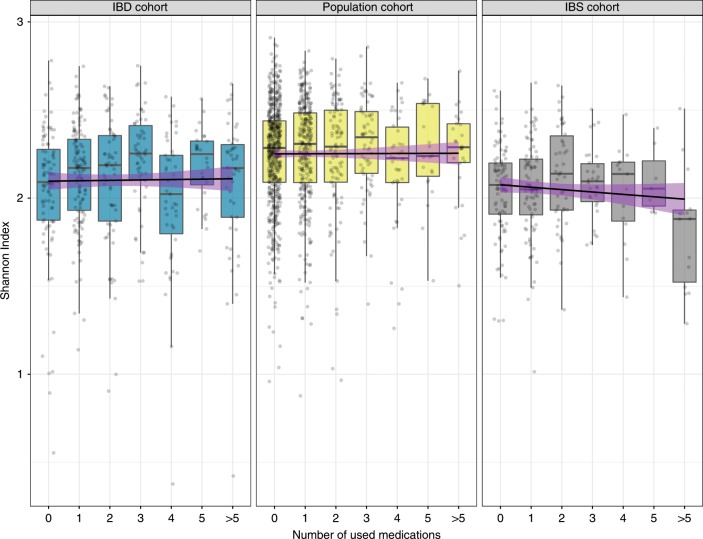
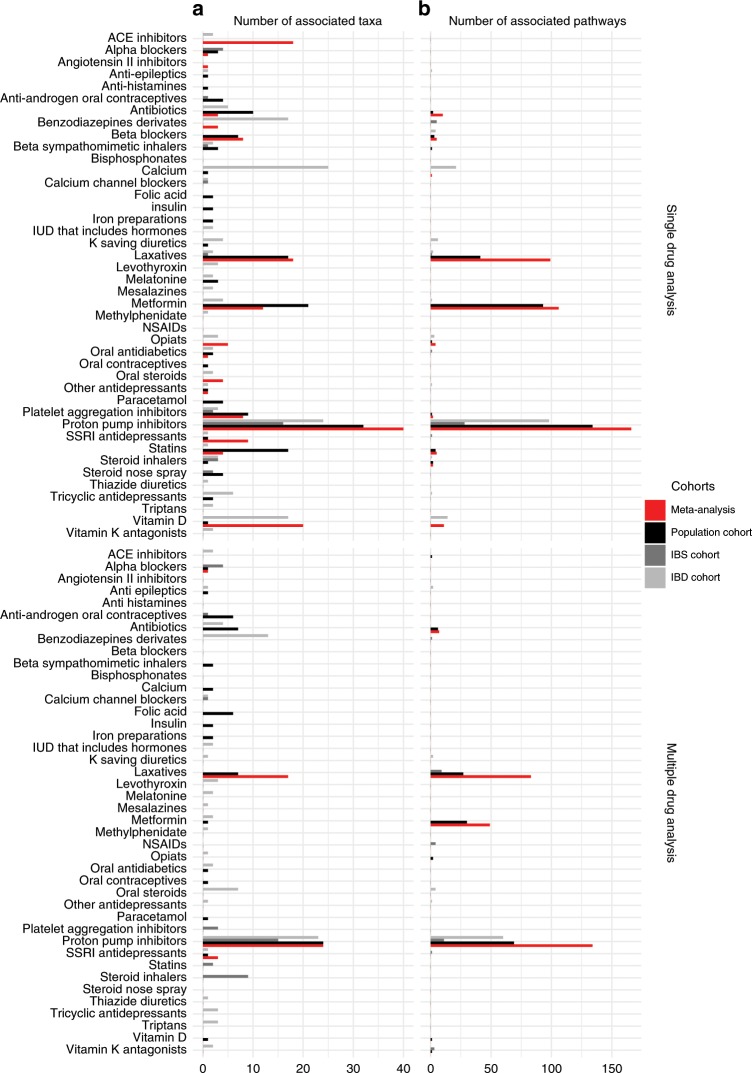
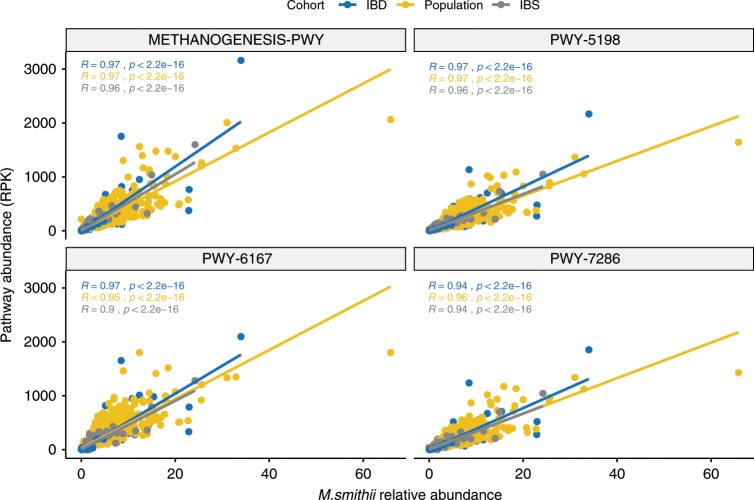
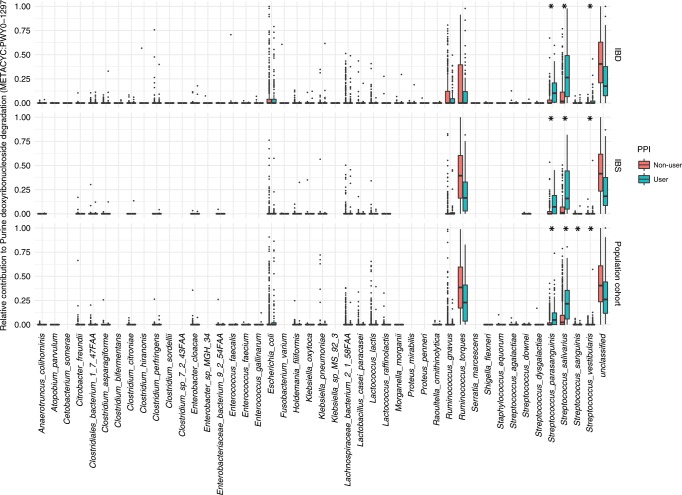
The human gut microbiota has now been associated with drug responses and efficacy, while chemical compounds present in these drugs can also impact the gut bacteria. However, drug–microbe interactions are still understudied in the clinical context, where polypharmacy and comorbidities co-occur. Here, we report relations between commonly used drugs and the gut microbiome. We performed metagenomics sequencing of faecal samples from a population cohort and two gastrointestinal disease cohorts. Differences between users and non-users were analysed per cohort, followed by a meta-analysis. While 19 of 41 drugs are found to be associated with microbial features, when controlling for the use of multiple medications, proton-pump inhibitors, metformin, antibiotics and laxatives show the strongest associations with the microbiome. We here provide evidence for extensive changes in taxonomy, metabolic potential and resistome in relation to commonly used drugs. This paves the way for future studies and has implications for current microbiome studies by demonstrating the need to correct for multiple drug use.
Overview
The claims and statistics of this paper haven’t been checked yet.
Free: it reads the open-access text and checks the first 5 claims that cite a source we can check. Create a free account to check every claim.
Integrity signals
Registry
Cites
Statistics
Figures
Verification
Claims the paper makes
The claims and statistics of this paper haven’t been checked yet.
Free: it reads the open-access text and checks the first 5 claims that cite a source we can check. Create a free account to check every claim.
Claims other papers make about this one
Each is checked against this paper’s own text: does it say what the citing paper says it does?
In the citing paper
“Broad surveys identify antibiotics,16 proton-pump inhibitors (PPIs),89 benzodiazepine derivatives,90 antidiabetics, non-steroidal anti-inflammatories, and immunosuppressants as major drivers of microbial richness, diversity, and composition.43,58,70,91”
From Gut dysbiosis in oncology: a risk factor for immunoresistance (2026) · doi:10.1038/s41422-025-01212-6 · cites this paper as [91]
Self-check
Percentages, sums and reported differences re-computed from the paper’s own numbers.
The self-check needs the paper’s full text.
Citations
Cites
METAL: fast and efficient meta-analysis of genomewide association scans
Willer, C. J., Li, Y., & Abecasis, G. R. (2010) · Bioinformatics · doi:10.1093/bioinformatics/btq340 · Cited by 5,205
Ford Alexander, C., Paul, M., Hanauer Steven, B., 谭蓓, & Dong, W. Z. (2001) · Cited by 3,021
Population-level analysis of gut microbiome variation
Falony, G., Joossens, M., Vieira-Silva, S., Wang, J., Darzi, Y., Faust, K., Kurilshikov, A., Bonder, M. J., Valles-Colomer, M., Vandeputte, D., et al. (2016) · Science · doi:10.1126/science.aad3503 · Cited by 2,400
Self-citationMetaPhlAn2 for enhanced metagenomic taxonomic profiling
Truong, D. T., Franzosa, E. A., Tickle, T. L., Scholz, M., Weingart, G., Pasolli, E., Tett, A., Huttenhower, C., & Segata, N. (2015) · Nature Methods · doi:10.1038/nmeth.3589 · Cited by 2,185
Baumgart, D. C., & Sandborn, W. J. (2012) · The Lancet · doi:10.1016/s0140-6736(12)60026-9 · Cited by 2,154
Disentangling type 2 diabetes and metformin treatment signatures in the human gut microbiota
MetaHIT consortium, Forslund, K., Hildebrand, F., Nielsen, T., Falony, G., Le Chatelier, E., Sunagawa, S., Prifti, E., Vieira-Silva, S., Gudmundsdottir, V., et al. (2015) · Nature · doi:10.1038/nature15766 · Cited by 2,116
Ordás, I., Eckmann, L., Talamini, M., Baumgart, D. C., & Sandborn, W. J. (2012) · The Lancet · doi:10.1016/s0140-6736(12)60150-0 · Cited by 2,078
Gut microbiome structure and metabolic activity in inflammatory bowel disease
Franzosa, E. A., Sirota-Madi, A., Avila-Pacheco, J., Fornelos, N., Haiser, H. J., Reinker, S., Vatanen, T., Hall, A. B., Mallick, H., McIver, L. J., et al. (2018) · Nature Microbiology · doi:10.1038/s41564-018-0306-4 · Cited by 1,995
Self-citationPopulation-based metagenomics analysis reveals markers for gut microbiome composition and diversity
Zhernakova, A., Kurilshikov, A., Bonder, M. J., Tigchelaar, E. F., Schirmer, M., Vatanen, T., Mujagic, Z., Vila, A. V., Falony, G., Vieira-Silva, S., et al. (2016) · Science · doi:10.1126/science.aad3369 · Cited by 1,914
Self-citationExtensive impact of non-antibiotic drugs on human gut bacteria
Maier, L., Pruteanu, M., Kuhn, M., Zeller, G., Telzerow, A., Anderson, E. E., Brochado, A. R., Fernandez, K. C., Dose, H., Mori, H., et al. (2018) · Nature · doi:10.1038/nature25979 · Cited by 1,905
Cited by
Items 301–400 of 793
Li, J., Morrow, C. D., Barnes, S., Wilson, L. S., Womack, E. D., McLain, A., & Yarar‐Fisher, C. (2021) · Archives of Physical Medicine and Rehabilitation · doi:10.1016/j.apmr.2021.03.043 · Cited by 25
Jameel, M., & Kwok, H. F. (2021) · Seminars in Cancer Biology · doi:10.1016/j.semcancer.2021.06.011 · Cited by 22
Lacombe, J., Soldevila, M., & Zenhausern, F. (2022) · Progress in molecular biology and translational science · doi:10.1016/bs.pmbts.2021.07.019 · Cited by 26
The gut microbiome and potential implications for early-onset colorectal cancer
Mukherji, R., & Weinberg, B. A. (2020) · Colorectal Cancer · doi:10.2217/crc-2020-0007 · Cited by 23
Probiotics as a Treatment for “Metabolic Depression”? A Rationale for Future Studies
Gawlik-Kotelnicka, O., & Strzelecki, D. (2021) · Pharmaceuticals · doi:10.3390/ph14040384 · Cited by 20
Gou, W., Fu, Y., Yue, L., Chen, G., Cai, X., Shuai, M., Xu, F., Yi, X., Chen, H., Zhu, Y., et al. (2020) · Research Square · doi:10.21203/rs.3.rs-45991/v1 · Cited by 55
Metformin to treat Huntington disease: A pleiotropic drug against a multi-system disorder
Trujillo-Del Río, C., Tortajada-Pérez, J., Gómez-Escribano, A. P., Casterá, F., Peiró, C., Millán, J. M., Herrero, M. J., & Vázquez-Manrique, R. P. (2022) · Mechanisms of Ageing and Development · doi:10.1016/j.mad.2022.111670 · Cited by 19
Hoseini, R., Rahim, H. A., Saifalddin, D. L., Kareem, D. A., & Fatah, A. M. (2025) · Journal of Translational Medicine · doi:10.1186/s12967-025-07492-1 · Cited by 23
“Microbiota composition varies among individuals due to factors such as genotype, age, sex, geography, and medication use [108, 109].”
Acute oral colchicine caused gastric mucosal injury and disturbance of associated microbiota in mice
Shi, Y., Cai, H., Niu, Z., Li, J., Pan, G., Tian, H., Li, W., Chen, L., Yang, P., Wang, J., et al. (2021) · Toxicology · doi:10.1016/j.tox.2021.152908 · Cited by 20
Li, E., Long, X., Liao, S., Pang, D., Li, Q., & Zou, Y. (2021) · Journal of Functional Foods · doi:10.1016/j.jff.2021.104836 · Cited by 22
Good girl goes bad: Understanding how gut commensals cause disease
Dey, P. (2024) · Microbial Pathogenesis · doi:10.1016/j.micpath.2024.106617 · Cited by 22
Proffitt, C., Bidkhori, G., Moyes, D. L., & Shoaie, S. (2020) · Microorganisms · doi:10.3390/microorganisms8091381 · Cited by 24
“Despite all these drugs having different mechanisms, they have notably similar effects on microbiome composition, all causing an increase in Blautia and Streptococcus for example (Figure 1B) [78].”
BackgroundGawlik-Kotelnicka, O., & Strzelecki, D. (2021) · Life · doi:10.3390/life11020117 · Cited by 19
“In addition, a growing number of medications have been found to affect the gut microbiota [107].”
BackgroundVuong, H. E., Coley, E. J. L., Kazantsev, M., Cooke, M. E., Rendon, T. K., Paramo, J., & Hsiao, E. Y. (2021) · Behavioural Brain Research · doi:10.1016/j.bbr.2021.113353 · Cited by 22
Mousavi, S. M., Younesian, S., & Ejtahed, H. (2024) · Microbial Pathogenesis · doi:10.1016/j.micpath.2024.107266 · Cited by 21
Rethinking corticosteroids use in oncology
Martinez, P., & Sabatier, J. (2025) · Frontiers in Pharmacology · doi:10.3389/fphar.2025.1551111 · Cited by 21
Microbial vitamin production mediates dietary effects on diabetic risk
Wang, D., Pham, V. T., Steinert, R. E., Zhernakova, A., & Fu, J. (2022) · Gut Microbes · doi:10.1080/19490976.2022.2154550 · Cited by 19
Self-citationLim, S. K., Sohn, M., Florez, J. C., Nauck, M. A., & Ahn, J. (2023) · Nutrients · doi:10.3390/nu15010248 · Cited by 20
“Moreover, several studies have shown that metformin changes the gut microbiota favorably such as increasing the abundance of Akkermansia, thus rendering them more similar to the microbiota of a healthy host [36,37].”
BackgroundHarnessing human microbiomes for disease prediction
Liu, Y., Fachrul, M., Inouye, M., & Méric, G. (2024) · Trends in Microbiology · doi:10.1016/j.tim.2023.12.004 · Cited by 20
Wang, Y., Yang, J., Zhao, R., Zhang, S., Guo, J., & Wang, J. (2024) · ACS ES&T Water · doi:10.1021/acsestwater.3c00753 · Cited by 19
Helicobacter pylori Related Diseases and Osteoporotic Fractures (Narrative Review)
Fisher, L., Fisher, A., & Smith, P. N. (2020) · Journal of Clinical Medicine · doi:10.3390/jcm9103253 · Cited by 21
Madsen, M. S. A., Grønlund, R. V., Eid, J. S., Christensen‐Dalsgaard, M., Sommer, M. O. A., Rigbolt, K. T. G., Madsen, M. R., Jelsing, J., Vrang, N., Hansen, H. H., et al. (2020) · Biomedicine & Pharmacotherapy · doi:10.1016/j.biopha.2020.110966 · Cited by 18
Gawlik-Kotelnicka, O., Skowrońska, A., Margulska, A., Czarnecka, K. H., Łoniewski, I., Skonieczna‐Żydecka, K., & Strzelecki, D. (2021) · Journal of Clinical Medicine · doi:10.3390/jcm10071342 · Cited by 20
“formula), exposure to viral or bacterial antigens, treatment with antibiotics and several other groups of pharmacotherapeutics, genetic predispositions, age, and environmental factors such as air pollution, exercise, or stress [44,48,49,51,73,74].”
BackgroundGlenny, E. M., Coleman, M. F., Giles, E. D., Wellberg, E. A., & Hursting, S. D. (2021) · Annual Review of Nutrition · doi:10.1146/annurev-nutr-120420-032437 · Cited by 20
Xiang, Y., Wong, K. C.-Y., & So, H. (2021) · Pharmaceutics · doi:10.3390/pharmaceutics13091514 · Cited by 23
Liu, N., Liu, J., Wang, H., Li, S., & Zhang, W. (2022) · Journal of Environmental Sciences · doi:10.1016/j.jes.2021.12.037 · Cited by 18
Dietary Intake and Gut Microbiome in CKD
Kemp, J. A., Ribeiro, M. M., Borges, N. A., Cardozo, L., Fouque, D. P., & Mafra, D. (2025) · Clinical Journal of the American Society of Nephrology · doi:10.2215/cjn.0000000705 · Cited by 20
MicrobeRX: a tool for enzymatic-reaction-based metabolite prediction in the gut microbiome
Ruiz-Moreno, A. J., del Castillo-Izquierdo, Á., Tamargo-Rubio, I., & Fu, J. (2025) · Microbiome · doi:10.1186/s40168-025-02070-5 · Cited by 19
“To date, association analysis using human cohorts has emerged as a powerful tool for establishing associations between gut microbes and metabolites [11, 13], but this approach has many limitations.”
Self-citationThe Role of the Gut Microbiome in Type 2 Diabetes Mellitus
Mashal, R., Al-Muhanna, A., Khader, S., Khudair, A. D., Khudair, A. D., & Butler, A. E. (2025) · International Journal of Molecular Sciences · doi:10.3390/ijms262311412 · Cited by 19
The microbiome-gut-brain axis in nutritional neuroscience
Schellekens, H., Ribeiro, G., Cuesta‐Marti, C., & Cryan, J. F. (2022) · Nutritional Neuroscience · doi:10.1080/1028415x.2022.2128007 · Cited by 21
Michaelis, L., Berg, L., & Maier, L. (2023) · Biological Psychiatry · doi:10.1016/j.biopsych.2023.06.004 · Cited by 22
“In Dutch cohorts (69), SSRI antidepressants were associated with increased Eubacterium ramulus abundance.”
Habibi, S., & Rashidi, A. (2023) · Gut Microbes · doi:10.1080/19490976.2023.2229567 · Cited by 19
Consistency across multi‐omics layers in a drug‐perturbed gut microbial community
Wuyts, S., Alves, R., Zimmermann‐Kogadeeva, M., Nishijima, S., Blasche, S., Driessen, M., Geyer, P. E., Hercog, R., Kartal, E., Maier, L., et al. (2023) · Molecular Systems Biology · doi:10.15252/msb.202311525 · Cited by 20
“This relationship is bidirectional, as drugs can influence microbiome composition (Jackson et al , 2018; Maier et al , 2018; Vich Vila et al , 2020; Vieira-Silva et al , 2020), while the gut microbiota can have an impact on a drug’s efficacy and toxicity by altering its chemical structure (Zimmermann et al , 2019a,b;…”
Clinical Trial: Probiotics in Metformin Intolerant Patients with Type 2 Diabetes (ProGasMet)
Nabrdalik, K., Drożdż, K., Kwiendacz, H., Skonieczna‐Żydecka, K., Łoniewski, I., Kaczmarczyk, M., Wijata, A. M., Nalepa, J., Holleman, F., Nieuwdorp, M., et al. (2023) · Biomedicine & Pharmacotherapy · doi:10.1016/j.biopha.2023.115650 · Cited by 22
Nurturing longevity through natural compounds: Where do we stand, and where do we go?
Todorova, M. N., Savova, M. S., Mihaylova, L. V., & Georgiev, M. I. (2024) · Food Frontiers · doi:10.1002/fft2.350 · Cited by 20
Pharmacomicrobiomics: a new field contributing to optimizing drug therapy in Parkinson’s disease
Zhang, Y., Mo, C., Ai, P., He, X., Xiao, Q., & Yang, X. (2025) · Gut Microbes · doi:10.1080/19490976.2025.2454937 · Cited by 20
Targeting the gut microbiota to treat alcoholic liver diseases: evidence and promises.
Leclercq, S., de Timary, P., & Stärkel, P. (2020) · Acta gastro-enterologica belgica · Cited by 19
St-Laurent, T., & Hammami, R. (2022) · Nutrients · doi:10.3390/nu14122523 · Cited by 19
Moffa, L., & Tana, C. (2025) · International Journal of Molecular Sciences · doi:10.3390/ijms26199649 · Cited by 21
Lorcaserin and phentermine exert anti-obesity effects with modulation of the gut microbiota
Song, E., Shin, N. R., Jeon, S., Nam, Y., & Kim, H. (2023) · Frontiers in Microbiology · doi:10.3389/fmicb.2022.1109651 · Cited by 16
“Recently, the role of the gut microbiota in drug treatment for obesity has been considered since the gut microbiota is involved in drug response and metabolism (Wilson and Nicholson, 2009; Kang et al., 2013; Vila et al., 2020).”
BackgroundHormonal drugs: Influence on growth, biofilm formation, and adherence of selected gut microbiota
Hammouda, Z. K., Wasfi, R., & Abdeltawab, N. F. (2023) · Frontiers in Cellular and Infection Microbiology · doi:10.3389/fcimb.2023.1147585 · Cited by 19
Causal inference on distribution functions
Lin, Z., Kong, D., & Wang, L. (2023) · Journal of the Royal Statistical Society Series B (Statistical Methodology) · doi:10.1093/jrsssb/qkad008 · Cited by 62
PARASKEVAIDIS, I. A., Briasoulis, Α., & Tsougos, E. (2024) · International Journal of Molecular Sciences · doi:10.3390/ijms25031716 · Cited by 17
“The interdependence of commonly used drugs on gut microbiome composition, and vice versa, has been well established [91].”
BackgroundAlessandri, G., Rizzo, S. M., Mancabelli, L., Fontana, F., Longhi, G., Turroni, F., van Sinderen, D., & Ventura, M. (2024) · Microbial Biotechnology · doi:10.1111/1751-7915.14509 · Cited by 17
“…microbiota, also highlighting how this microbial ecosystem is modulated by various parameters such as diet, geographical origin, age, diseases or drug and/or prebiotic/ probiotic intake (Claesson et al., 2012; Qin et al., 2022; Tarracchini et al., 2021; Vich Vila et al., 2020; Wirbel et al., 2019).”
BackgroundGut microbiome features in pediatric food allergy: a scoping review
Farnetano, M., Carucci, L. R., Coppola, S., Oglio, F., Masino, A., Cozzolino, M., Nocerino, R., & Canani, R. B. (2024) · Frontiers in Allergy · doi:10.3389/falgy.2024.1438252 · Cited by 21
Kunimitsu, Y., Morio, K., Hirata, S., Yamamoto, K., Omura, T., Hara, T., Harada, K., Fujisawa, M., & Yano, I. (2022) · Biological and Pharmaceutical Bulletin · doi:10.1248/bpb.b21-00939 · Cited by 19
Chan, G. C., Ng, J. K., Chow, K.-M., Cheng, P. M., Law, M.-C., Leung, C. B., Li, P. K.-T., & Szeto, C. (2022) · The journal of nutrition health & aging · doi:10.1007/s12603-022-1859-8 · Cited by 17
Association of distinct microbial and metabolic signatures with microscopic colitis
Chen, S.-Y., Kim, H., Nzabarushimana, É., Shen, J., Williams, K., Gurung, J., McGoldrick, J., Burke, K. E., Yarze, J. C., Nguyen, L. H., et al. (2025) · Nature Communications · doi:10.1038/s41467-025-59566-9 · Cited by 17
Shen, J., Ye, X., Hou, H. Y., & Wang, Y. (2024) · International Immunopharmacology · doi:10.1016/j.intimp.2024.112243 · Cited by 18
Fu, S., Lee, C., Hsieh, Y., Wu, P.-H., Lin, S., & Wang, H. (2022) · Frontiers in Cellular and Infection Microbiology · doi:10.3389/fcimb.2022.837019 · Cited by 19
Nie, H., Li, Y., Lü, X., Yan, J., Liu, X.-R., & Yin, Q. (2023) · International Immunopharmacology · doi:10.1016/j.intimp.2023.109800 · Cited by 15
Profiling the microbiome of oral and genital mucosal surfaces in Behçet's disease
Ogunkolade, W. B., Senusi, A. A., Desai, P., Sacoor, S., Bibi, A., Gokani, B., Sandionigi, A., & Fortune, F. (2023) · Clinical Immunology · doi:10.1016/j.clim.2023.109654 · Cited by 16
Lv, J., Zhao, H., Yu, Y., Wang, J.-H., Zhang, X., Guo, Z.-Q., Jiang, W., Wang, K., & Guo, L. (2025) · World Journal of Gastroenterology · doi:10.3748/wjg.v31.i30.108680 · Cited by 24
“The first-line antidiabetic agent metformin demonstrates GM-dependent lipid modulation through selective enrichment of beneficial Akkermansia and functional enhancement of butyrate synthesis and carbohydrate metabolism[50,51].”
The gut microbiome in solid-organ and haematopoietic-stem-cell transplantation
Swarte, J. C., Zhang, S., Bakker, S. J. L., Björk, J. R., & Weersma, R. K. (2026) · Nature Reviews Microbiology · doi:10.1038/s41579-025-01271-x · Cited by 14
Self-citationColorectal microbiota after removal of colorectal cancer
Cronin, P., Murphy, C. L., Barrett, M., Ghosh, T. S., Pellanda, P., O’Connor, E. M., Zulquernain, S. A., Kileen, S., McCourt, M., Andrews, E. J., et al. (2022) · NAR Cancer · doi:10.1093/narcan/zcac011 · Cited by 16
“Various cardiovascular drugs which are commonly prescribed for patients in the age range linked with CRC alter the colonic microbiome, including ACE inhibitors (49), beta-blockers (50), angiotensin II receptor antagonists (51) and aspirin (52).”
BackgroundEvidence for proton-pump inhibitor (PPI)-associated dysbiosis in metabolically unhealthy obesity
Burmeister, M. A., Smith, T. E., Fincher, T. K., & Weldon, A. J. (2023) · Frontiers in Endocrinology · doi:10.3389/fendo.2023.1205490 · Cited by 16
Comparative diet-gut microbiome analysis in Crohn’s disease and Hidradenitis suppurativa
Cronin, P., McCarthy, S., Hurley, C., Ghosh, T. S., Cooney, J. C., Tobin, A., Murphy, M., O’Connor, E. M., Shanahan, F., & O’Toole, P. W. (2023) · Frontiers in Microbiology · doi:10.3389/fmicb.2023.1289374 · Cited by 14
Dedon, L. R., Yuan, H., Chi, J., Gu, H., Arias, A. J., Covault, J., & Zhou, Y. (2025) · Scientific Reports · doi:10.1038/s41598-025-92313-0 · Cited by 17
“The gut microbiome is often influenced by medication usage 56 .”
Hsu, C.-Y., Ahmad, I., Maya, R. W., Abass, M. A., Gupta, J., Singh, A., Joshi, K. K., Premkumar, J., Sahoo, S., & Khosravi, M. (2025) · Journal of Translational Medicine · doi:10.1186/s12967-025-06527-x · Cited by 15
Willems, R. P. J., van Dijk, K., Dierikx, C. M., Twisk, J. W. R., van der Klis, F. R. M., de Greeff, S. C., & Vandenbroucke‐Grauls, C. M. J. E. (2021) · Journal of Antimicrobial Chemotherapy · doi:10.1093/jac/dkab345 · Cited by 15
Argentini, C., Mancabelli, L., Alessandri, G., Tarracchini, C., Barbetti, M., Carnevali, L., Longhi, G., Viappiani, A., Anzalone, R., Milani, C., et al. (2022) · Applied and Environmental Microbiology · doi:10.1128/aem.00522-22 · Cited by 14
Zhang, X., Adebayo, A. S., Wang, D., Raza, Y. N., Tomlinson, M., Dooley, H. C., Bowyer, R. C. E., Small, K. S., Steves, C. J., Spector, T. D., et al. (2020) · Journal of Bone and Mineral Research · doi:10.1002/jbmr.4754 · Cited by 14
“(17) Cross-sectional studies have observed overrepresentations in the gut of oral bacteria genera such as Streptococcus and Rothia, increased abundance of the bacteria families Micrococcaceae and Lactobacillaceae, and decreased abundance of the families Lachnospiraceae and Ruminococcaceae.”
BackgroundMethodHu, L., Lai, C., Li, Y. H., Sun, R., Yang, H., Liu, X., & Yu, P. (2025) · npj Biofilms and Microbiomes · doi:10.1038/s41522-025-00848-x · Cited by 17
“However,inastudyexploringtheeffectsofvariousmedicationson the gut microbiota, the enrichment of Bi fi dobacterium dentium was a change speci fi c to PPI users 57 .”
Mruk-Mazurkiewicz, H., Kulaszyńska, M., Jakubczyk, K., Janda, K., Czarnecka, W., Rębacz‐Maron, E., Zacha, S., Sieńko, J., Zeair, S., Dalewski, B., et al. (2023) · Biomedicines · doi:10.3390/biomedicines11030952 · Cited by 18
Nabeh, O. A. (2023) · Life Sciences · doi:10.1016/j.lfs.2023.121606 · Cited by 19
Szewczyk, A., Andres‐Mach, M., Zagaja, M. P., Kaczmarczyk‐Ziemba, A., Maj, M., & Szala‐Rycaj, J. (2023) · Current Issues in Molecular Biology · doi:10.3390/cimb45030168 · Cited by 14
The Gut Microbiota Contributes to Systemic Responses and Liver Injury in Gut-Derived Sepsis
Zhao, M., Ma, J., Liu, H., Luo, Y., Deng, H., Wang, D., Wang, F., & Zhang, P. (2023) · Microorganisms · doi:10.3390/microorganisms11071741 · Cited by 14
“Several studies recognized that the treatment of antibiotics would reshape gut microbiota compositions over a certain period, and the difference in bacterial alteration is largely dependent on the antibiotic types [45,46].”
BackgroundCsászár-Nagy, N., Bob, P., & Bókkon, I. (2024) · Current Neuropharmacology · doi:10.2174/1570159x22666240507095700 · Cited by 16
Gut Microbiota Dysbiosis: A Neglected Risk Factor for Male and Female Fertility
Beni, F. A., Saffarfar, H., Elhami, A., & Kazemi, M. (2024) · Cellular Microbiology · doi:10.1155/cmi/7808354 · Cited by 14
Impact of the repurposed drug thonzonium bromide on host oral-gut microbiomes
Simón‐Soro, Á., Kim, D., Li, Y., Liu, Y., Ito, T., Sims, K. R., Benoit, D. S. W., Bittinger, K. L., & Koo, H. (2021) · npj Biofilms and Microbiomes · doi:10.1038/s41522-020-00181-5 · Cited by 14
Zhao, F., Wang, K., Wen, Y., Chen, X., Liu, H., Qi, F., Fu, Y., Zhu, J., Guan, S., & Liu, Z. (2021) · PeerJ · doi:10.7717/peerj.13605 · Cited by 13
“Gut microbiota community is a dynamic entity, which composition and activities will change with the changes of host factors and environmental factors in our life ( Dahl, Rivero Mendoza & Lambert, 2020 ; de la Cuesta-Zuluaga et al., 2019 ; Vich Vila et al., 2020 ).”
Sánchez-de-Lara-Sánchez, S., & Sánchez‐Pérez, A. M. (2022) · Journal of Alzheimer s Disease · doi:10.3233/jad-220615 · Cited by 15
“Also, non-steroidal anti-inflammatory drugs [102], laxatives, statins, anti-diabetic drugs (e.g., metformin) [103], and anti-rheumatic drugs such as methotrexate can affect microbiota [104, 105].”
Human Gut Microbiota in Heart Failure: Trying to Unmask an Emerging Organ
PARASKEVAIDIS, I. A., Xanthopoulos, A. V., Tsougos, E., & Triposkiadis, F. K. (2023) · Biomedicines · doi:10.3390/biomedicines11092574 · Cited by 14
Strisciuglio, C., Coppola, V., Russo, M., Tolone, C., Marseglia, G. L., Verrotti, A., Caimmi, S. M. E., Caloisi, C., D’Argenio, V., Sacchetti, L., et al. (2021) · Frontiers in Pediatrics · doi:10.3389/fped.2021.753938 · Cited by 13
Storm-Larsen, C., Hande, L. N., Kummen, M., Thunhaug, H., Vestad, B., Hansen, S. H., Hovland, A., Trøseid, M., Lappegård, K. T., & Hov, J. R. (2022) · Scandinavian Journal of Clinical and Laboratory Investigation · doi:10.1080/00365513.2022.2102540 · Cited by 13
“did not observed any association between the use of statins and microbial diversity or overall bacterial composition in a similar study [4,32,33].”
BackgroundModulating the Gut Microbiome in Type 2 Diabetes: Nutritional and Therapeutic Strategies
Nikolaidis, C. G., Gyriki, D., Stavropoulou, E., Karlafti, E., Didangelos, T., Tsigalou, C., & Thanopoulou, A. C. (2025) · Nutrients · doi:10.3390/nu18010089 · Cited by 14
Childhood Acid Suppressants May Increase Allergy Risk—A Systematic Review and Meta-Analysis
Song, H. J. J. M. D., Lee, C. T. M., Ng, F. Y. C., Tan, B. K. J., Siah, K. T. H., & Tham, E. H. (2022) · The Journal of Allergy and Clinical Immunology In Practice · doi:10.1016/j.jaip.2022.09.042 · Cited by 15
The possible role of gut microbiota dysbiosis in the pathophysiology of delirium in older persons
Ticinesi, A., Parise, A., Nouvenne, A., Cerundolo, N., Prati, B., & Meschi, T. (2023) · Microbiome Research Reports · doi:10.20517/mrr.2023.15 · Cited by 15
An Update on Drug–Nutrient Interactions and Dental Decay in Older Adults
Bell, V., Rodrigues, A. R., Αντωνιάδου, Μ., Peponis, M., Varzakas, T. H., & Fernandes, T. H. (2023) · Nutrients · doi:10.3390/nu15234900 · Cited by 16
Balancing act: counteracting adverse drug effects on the microbiome
de la Cuesta‐Zuluaga, J., Müller, P., & Maier, L. (2024) · Trends in Microbiology · doi:10.1016/j.tim.2024.09.011 · Cited by 13
Insomnia, OSA, and Mood Disorders: The Gut Connection
Pacheco, A. P., Cedernaes, J., & Benedict, C. (2024) · Current Psychiatry Reports · doi:10.1007/s11920-024-01546-9 · Cited by 15
Ribeiro, G., Schellekens, H., Cuesta‐Marti, C., Maneschy, I. R., Ismael, S., Cuevas‐Sierra, A., Martínez, J. A., Silvestre, M. P., Marques, C., Moreira-Rosário, A., et al. (2025) · American Journal of Physiology-Gastrointestinal and Liver Physiology · doi:10.1152/ajpgi.00227.2024 · Cited by 14
Skarpengland, T., Macpherson, M. E., Hov, J. R., Kong, X. Y., Bohov, P., Halvorsen, B. L., Fevang, B., Berge, R. K., Aukrust, P., & Jørgensen, S. F. (2021) · Journal of Clinical Immunology · doi:10.1007/s10875-021-01146-9 · Cited by 14
Higher amoebic and metronidazole resistant forms of Blastocystis sp. seen in schizophrenic patients
Franklin, F., Rajamanikam, A., Raju, C. S., Gill, J. S., Francis, B., Woon, L. S., & Kumar, S. (2022) · Parasites & Vectors · doi:10.1186/s13071-022-05418-0 · Cited by 16
Song, E., Shin, N. R., Jeon, S., Nam, Y., & Kim, H. (2022) · Frontiers in Pharmacology · doi:10.3389/fphar.2022.1042833 · Cited by 12
IGUDESMAN, D. A., Abbaspour, A., Reed, K. K., Flatt, R. E., Becken, B., Thornton, L. M., Bulik, C. M., & Carroll, I. M. (2023) · Psychosomatic Medicine · doi:10.1097/psy.0000000000001226 · Cited by 17
“that a high frequency of laxative use (as in the setting of BN) leads to reductions in this microbe, likely via changes in the intestinal environment such as pH and osmolality (67).”
Mücke, M. M., Hernández‐Tejero, M., Gu, W., Kuhn, M., Janz, M., Keller, M. I., Fullam, A., Altepeter, L., Mücke, V. T., Finkelmeier, F., et al. (2024) · Alimentary Pharmacology & Therapeutics · doi:10.1111/apt.17899 · Cited by 12
Treatment regimens may compromise gut-microbiome-derived signatures for liver cirrhosis
Wu, S., Jiang, P., Zhao, X., & Chen, W. (2021) · Cell Metabolism · doi:10.1016/j.cmet.2021.02.012 · Cited by 12
Maritan, E., Gallo, M., Šrůtková, D., Jelinkova, A., Benada, O., Kofroňová, O., Silva-Soares, N. F., Hudcovic, T., Gifford, I., Barrick, J. E., et al. (2022) · BMC Biology · doi:10.1186/s12915-022-01477-y · Cited by 14
“…components, but also on the timing and regularity of consumption), and, in case of humans, the use of drugs (Cho et al., 2012; Forslund, 2015; Vich Vila et al., 2020; Zhernakova et al., 2016), the level of sanitization (Candela et al., 2012; Penders et al., 2006), practices related to…”
BackgroundPrinciples and Terminology for Host–Microbiome–Drug Interactions
Heirali, A., Moossavi, S., Arrieta, M., & Coburn, B. A. (2023) · Open Forum Infectious Diseases · doi:10.1093/ofid/ofad195 · Cited by 13
Influences of Edible Mushrooms on Dynamic and Diversity of Gut Microbiota
Barcan, A. S., Dinu, L.-D., Valu, M.-V., & Vamanu, E. (2023) · Springer eBooks · doi:10.1007/978-981-19-9550-7_4 · Cited by 11
Abudahab, S., Slattum, P. W., Price, E. T., & McClay, J. L. (2023) · Pharmacogenomics · doi:10.2217/pgs-2023-0199 · Cited by 11
Systems Biology of Human Microbiome for the Prediction of Personal Glycaemic Response
Kirtipal, N., Seo, Y. D., Son, J. W., & Lee, S. (2024) · Diabetes & Metabolism Journal · doi:10.4093/dmj.2024.0382 · Cited by 12
Kim, H.-B., Cho, Y., & Choi, S. S. (2024) · Scientific Reports · doi:10.1038/s41598-024-72467-z · Cited by 14
Wardenaar, F. C., Chan, Y. C., Clear, A. M., Schott, K. D., Mohr, A. E., Ortega-Santos, C. P., Seltzer, R. G. N., & Pugh, J. N. (2024) · Sports Medicine · doi:10.1007/s40279-024-02122-0 · Cited by 14
“Further, the use of medications such as proton-pump inhibitors, antibiotics, metformin, laxatives, and non-steroidal antiinflammatory drugs (NSAIDs) may be associated with worsening GI symptoms among users [25].”
Roseburia intestinalis: A possible target for vascular calcification
Pan, X., Song, Y., Liang, Y., Feng, G., & Wang, Z. (2024) · Heliyon · doi:10.1016/j.heliyon.2024.e39865 · Cited by 13
Ng, B. C. K., & Lassere, M. N. (2024) · Seminars in Arthritis and Rheumatism · doi:10.1016/j.semarthrit.2024.152574 · Cited by 13
Kim, S., Woo, S., Kim, H., Chang, Y., Ryu, S., & Kim, H. (2025) · Journal of Affective Disorders · doi:10.1016/j.jad.2025.01.149 · Cited by 14
Koponen, K., McDonald, D. T., Jousilahti, P., Méric, G., Inouye, M., Lahti, L., Niiranen, T., Männistö, S., Havulinna, A. S., Knight, R. D., et al. (2025) · European Journal of Nutrition · doi:10.1007/s00394-025-03668-z · Cited by 13
de Oliveira, D. G., Machado, A., Lacerda, P., Karakikla-Mitsakou, Z., & Vasconcelos, C. (2025) · Autoimmunity Reviews · doi:10.1016/j.autrev.2025.103921 · Cited by 15
Metadata
- Authors
- Vich Vila, A., Collij, V., Sanna, S., Sinha, T., Imhann, F., Bourgonje, A. R., Mujagic, Z., Jonkers, D. M. A. E., Masclee, A. A. M., Fu, J., Kurilshikov, A., Wijmenga, C., Zhernakova, A., & Weersma, R. K.
- Affiliations
- University Medical Center Groningen (NL)
- Maastricht University Medical Centre (NL)
- Corresponding author
- Weersma, Rinse K.
- ORCID
- Venue
- Nature Communications
- Published
- 2020-01-17
- Volume
- 11
- Issue
- 1
- Pages
- 362-362
- ISSN
- 2041-1723 (ISSN-L)
- PMC
- PMC6969170
- OpenAlex
- W3000095198
- Semantic Scholar
- de95d51a7f72bd924b7150f57110e3a883ea9e44
- Cited by
- 791
- References
- 47
- Citations by year
- 2026: 127 · 2025: 116 · 2024: 131 · 2023: 118 · 2022: 131 · 2021: 114 · 2020: 54
- FWCI
- 33.91
- Type
- journal article
- Language
- en
- Open access
- gold
- doi.org
- Licence
- cc-by
- creativecommons.org/licenses/by/4.0 (tdm)
- creativecommons.org/licenses/by/4.0 (vor)
- Locations
- Nature Communications (publishedVersion, cc-by)
- PubMed Central (publishedVersion, cc-by)
- PubMed (publishedVersion)
- Research Publications (Maastricht University) (publishedVersion, cc-by)
- RePEc: Research Papers in Economics (submittedVersion)
- DOAJ (DOAJ: Directory of Open Access Journals) (submittedVersion)
- DOAJ (DOAJ: Directory of Open Access Journals) (submittedVersion, cc-by-sa)
- University of Groningen research database (University of Groningen / Centre for Information Technology) (submittedVersion, cc-by)
- University of Groningen research database (University of Groningen / Centre for Information Technology) (submittedVersion)
- Research Publications (Maastricht University) (submittedVersion, other-oa)
- Funders
- Nederlandse Organisatie voor Wetenschappelijk Onderzoek (016.136.308)
- Maag Lever Darm Stichting (D16-14)
- Topics
- Life Sciences › Biochemistry, Genetics and Molecular Biology › Molecular Biology › Gut microbiota and health
- Health Sciences › Medicine › Gastroenterology › Gastrointestinal motility and disorders
- Health Sciences › Medicine › Microbiology (medical) › Antibiotic Resistance in Bacteria
- Keywords
- gut microbiota, drug-microbiome interactions, polypharmacy, proton pump inhibitors, metformin, antibiotics, laxatives, resistome, microbial metabolic potential, gastrointestinal diseases
- MeSH terms
- Gastrointestinal Microbiome, Adult, Anti-Bacterial Agents, Antidepressive Agents, Bacteria, Feces, Female, Humans, Male, Metformin, Middle Aged, Cohort Studies, Body Mass Index, Case-Control Studies, Ecosystem, Computational Biology, Irritable Bowel Syndrome, Proton Pump Inhibitors, Laxatives, Metagenomics, Microbial Interactions
About these checks
Registry, retraction, Cites and statistics results are computed, not judged, with one exception: a printed reference that no index lists is read once by a model before it counts as a citation error. Claims are extracted by a model and kept only when their quote appears verbatim in the text; each cited source is then checked, with a model’s help, for whether it says what the claim relies on. Those verdicts can be wrong — read the claim’s quote and the cited source before relying on one.
Statistics and arithmetic are recomputed, not judged.
Confidence bands are shown only for fields calibrated on our annotated test set. None is calibrated yet, so no band is shown.
What counts as a claim ›How we measure confidence ›How we check this ›
Are you an author, or do you see a problem with this page? Request a review
Data sources
Bibliographic data: Semantic Scholar, OpenAlex, Crossref.
Contains information from the Semantic Scholar Academic Graph Datasets, made available under the ODC Attribution License (ODC-BY 1.0).
Semantic Scholar’s data is described in: Kinney, R., et al. (2023). The Semantic Scholar Open Data Platform. arXiv:2301.10140.
