

Generative modeling of single-cell time series with PRESCIENT enables prediction of cell trajectories with interventions
Open accessThe DOI matches its Crossref record; 55 of the 55 references it cites were found in a registry or an index.
Abstract
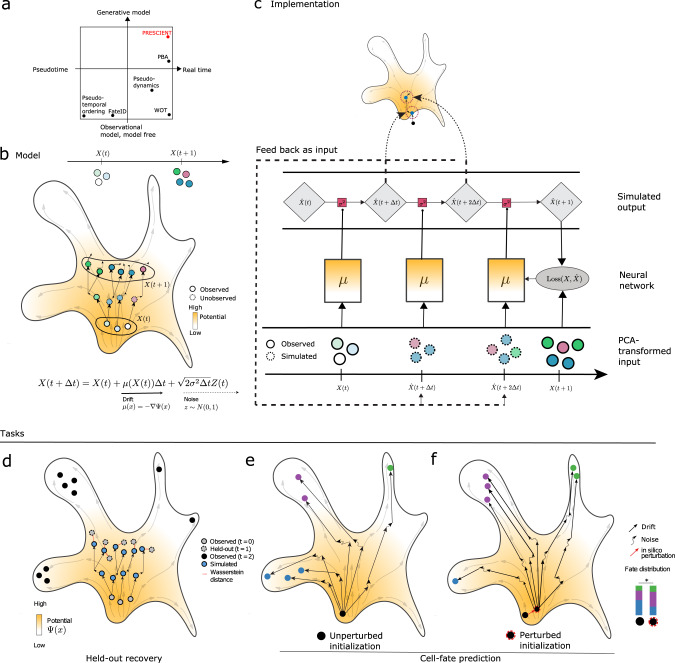
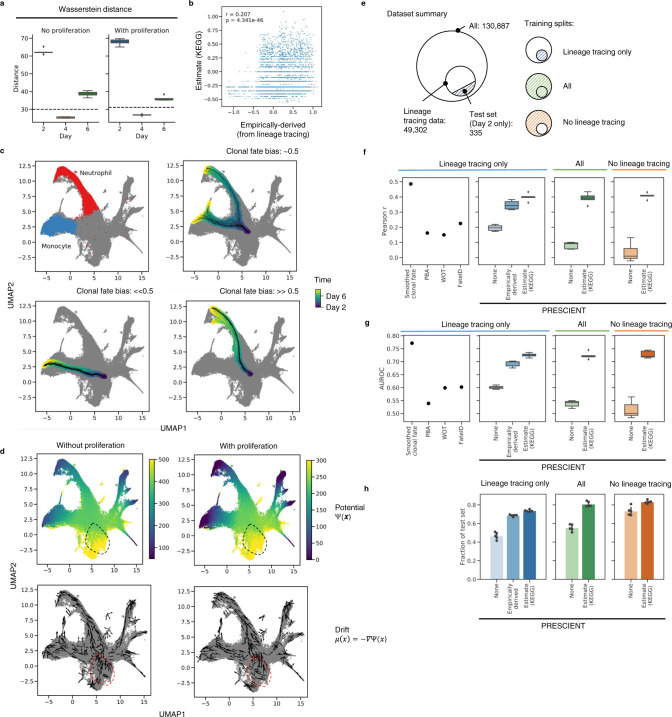
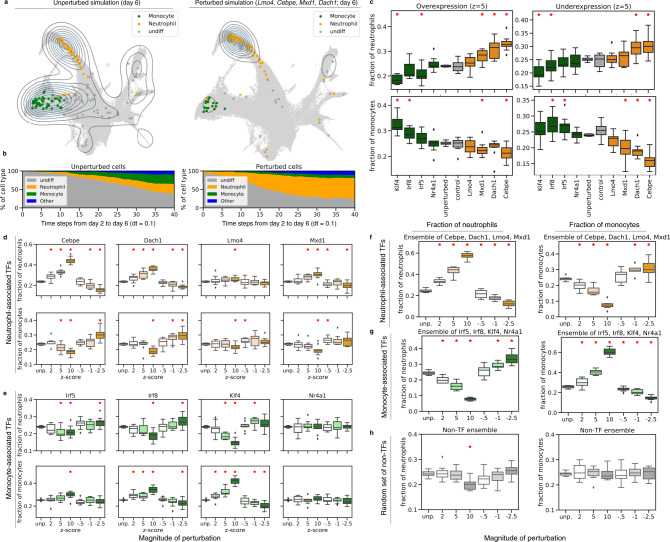
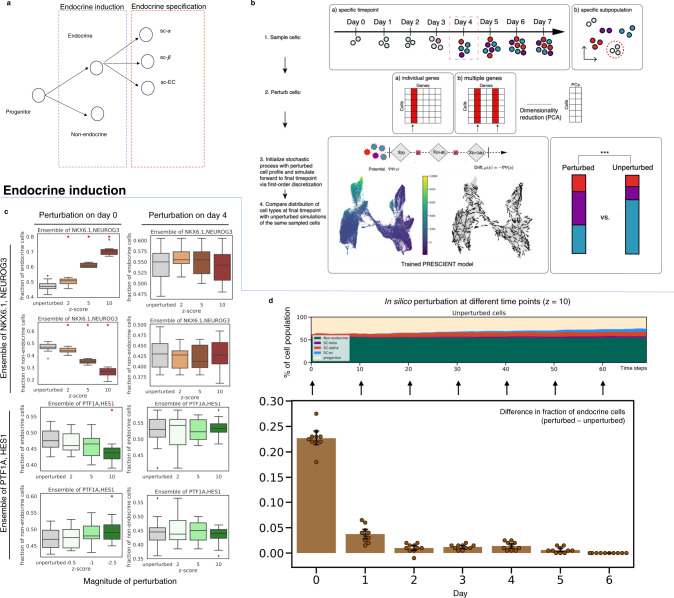
Existing computational methods that use single-cell RNA-sequencing (scRNA-seq) for cell fate prediction do not model how cells evolve stochastically and in physical time, nor can they predict how differentiation trajectories are altered by proposed interventions. We introduce PRESCIENT (Potential eneRgy undErlying Single Cell gradIENTs), a generative modeling framework that learns an underlying differentiation landscape from time-series scRNA-seq data. We validate PRESCIENT on an experimental lineage tracing dataset, where we show that PRESCIENT is able to predict the fate biases of progenitor cells in hematopoiesis when accounting for cell proliferation, improving upon the best-performing existing method. We demonstrate how PRESCIENT can simulate trajectories for perturbed cells, recovering the expected effects of known modulators of cell fate in hematopoiesis and pancreatic β cell differentiation. PRESCIENT is able to accommodate complex perturbations of multiple genes, at different time points and from different starting cell populations, and is available at https://github.com/gifford-lab/prescient .
Overview
The claims and statistics of this paper haven’t been checked yet.
Free: it reads the open-access text and checks the first 5 claims that cite a source we can check. Create a free account to check every claim.
Integrity signals
Registry
Cites
Statistics
Figures
Verification
Claims the paper makes
The claims and statistics of this paper haven’t been checked yet.
Free: it reads the open-access text and checks the first 5 claims that cite a source we can check. Create a free account to check every claim.
Claims other papers make about this one
Each is checked against this paper’s own text: does it say what the citing paper says it does?
The source backs part of the claim, not all of it — or backs it for a different population, condition or comparison.
In the citing paper
“Furthermore, PRESCIENT is apt for reconstructing potential cell fate trajectories after simulating digital KOs (singular or combinatorial) of crucial TFs.”
From A mini-review on perturbation modelling across single-cell omic modalities (2024) · cites this paper as [62]
Experimental — accuracy not yet measuredIn the citing paper
“In contrast to other approaches, like scGen, PRESCIENT models decipher time-driven cellular changes, generate cell distributions, and explicitly model cellular differentiation.”
From A mini-review on perturbation modelling across single-cell omic modalities (2024) · cites this paper as [62]
Self-check
Percentages, sums and reported differences re-computed from the paper’s own numbers.
The self-check needs the paper’s full text.
Citations
Cites
Comprehensive Integration of Single-Cell Data
Stuart, T., Butler, A., Hoffman, P., Hafemeister, C., Papalexi, E., Mauck, W. M., Hao, Y., Stoeckius, M., Smibert, P., & Satija, R. (2019) · Cell · doi:10.1016/j.cell.2019.05.031 · Cited by 15,453
Integrating single-cell transcriptomic data across different conditions, technologies, and species
Butler, A., Hoffman, P., Smibert, P., Papalexi, E., & Satija, R. (2018) · Nature Biotechnology · doi:10.1038/nbt.4096 · Cited by 13,174
Trapnell, C., Roberts, A., Goff, L., Pertea, G., Kim, D., Kelley, D. R., Pimentel, H., Salzberg, S. L., Rinn, J. L., & Pachter, L. (2012) · Nature Protocols · doi:10.1038/nprot.2012.016 · Cited by 12,116
Fast, sensitive and accurate integration of single-cell data with Harmony
Korsunsky, I., Millard, N., Fan, J., Slowikowski, K., Zhang, F., Wei, K., Baglaenko, Y., Brenner, M., Loh, P.-R., & Raychaudhuri, S. (2019) · Nature Methods · doi:10.1038/s41592-019-0619-0 · Cited by 10,488 · cited 1×
“To enable the modeling framework to operate on large scRNA-seq datasets, we fi t models on PCA projections of the scaled gene expression data, which has been successfully used in down-stream scRNA-seq analysis methods such as clustering and cross-dataset integration 14 – 16 .”
MethodLa Manno, G., Soldatov, R., Zeisel, A., Braun, E., Hochgerner, H., Petukhov, V., Lidschreiber, K., Kastriti, M. E., Lönnerberg, P., Furlan, A., et al. (2018) · Nature · doi:10.1038/s41586-018-0414-6 · Cited by 4,118
Generalizing RNA velocity to transient cell states through dynamical modeling
Bergen, V., Lange, M., Peidli, S., Wolf, F. A., & Theis, F. J. (2020) · Nature Biotechnology · doi:10.1038/s41587-020-0591-3 · Cited by 2,951
Batch effects in single-cell RNA-sequencing data are corrected by matching mutual nearest neighbors
Haghverdi, L., Lun, A. T. L., Morgan, M. D., & Marioni, J. C. (2018) · Nature Biotechnology · doi:10.1038/nbt.4091 · Cited by 2,416 · cited 1×
“To enable the modeling framework to operate on large scRNA-seq datasets, we fi t models on PCA projections of the scaled gene expression data, which has been successfully used in down-stream scRNA-seq analysis methods such as clustering and cross-dataset integration 14 – 16 .”
MethodA comparison of single-cell trajectory inference methods
Saelens, W., Cannoodt, R., Todorov, H., & Saeys, Y. (2019) · Nature Biotechnology · doi:10.1038/s41587-019-0071-9 · Cited by 1,670
Baron, M., Veres, A., Wolock, S. L., Faust, A. L., Gaujoux, R., Vetere, A., Ryu, J. H., Wagner, B. K., Shen-Orr, S. S., Klein, A. M., et al. (2016) · Cell Systems · doi:10.1016/j.cels.2016.08.011 · Cited by 1,508 · cited 1×
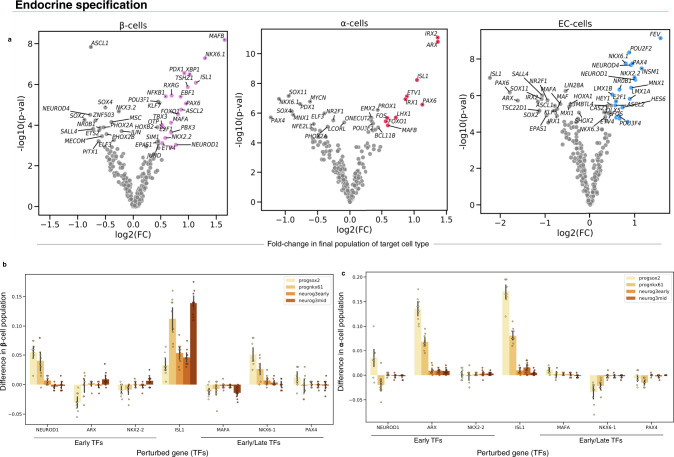
“This includes several known fate-speci fi c factors, such as ARX and IRX2 for α -cells 30,32 and NKX2.”
Backgroundneurogenin3 is required for the development of the four endocrine cell lineages of the pancreas
Gradwohl, G., Dierich, A., LeMeur, M., & Guillemot, F. (2000) · Proceedings of the National Academy of Sciences · doi:10.1073/pnas.97.4.1607 · Cited by 1,439
Cited by
Artificial intelligence: A powerful paradigm for scientific research
Xu, Y., Liu, X., Cao, X., Huang, C., Liu, E., Qian, S., Liu, X., Wu, Y., Dong, F., Qiu, C.-W., et al. (2021) · The Innovation · doi:10.1016/j.xinn.2021.100179 · Cited by 1,726
Reconstructing growth and dynamic trajectories from single-cell transcriptomics data
Sha, Y., Qiu, Y., Zhou, P., & Nie, Q. H. (2023) · Nature Machine Intelligence · doi:10.1038/s42256-023-00763-w · Cited by 170
“PRESCIENT learns differentiation landscapes by modelling cell differentiation as diffusion 18 .”
Discovery of drug-omics associations in type 2 diabetes with generative deep-learning models
Allesøe, R. L., Lundgaard, A. T., Hernández Medina, R., Aguayo-Orozco, A., Johansen, J., Nissen, J. N., Brorsson, C., Mazzoni, G., Niu, L., Biel, J. H., et al. (2023) · Nature Biotechnology · doi:10.1038/s41587-022-01520-x · Cited by 111
Toward a mathematical theory of trajectory inference
Lavenant, H., Zhang, S. X., Kim, Y., & Schiebinger, G. R. (2024) · The Annals of Applied Probability · doi:10.1214/23-aap1969 · Cited by 142
A time- and single-cell-resolved model of murine bone marrow hematopoiesis
Kuciński, I., Campos, J., Barile, M., Severi, F., Bohin, N., Moreira, P. N., Allen, L., Lawson, H., Haltalli, M. L. R., Kinston, S., et al. (2024) · Cell stem cell · doi:10.1016/j.stem.2023.12.001 · Cited by 93
A physics-informed and data-driven framework for robotic welding in manufacturing
Liu, J., Jiang, F., Tashiro, S., Chen, S., & Tanaka, M. (2025) · Nature Communications · doi:10.1038/s41467-025-60164-y · Cited by 86
“On the basis of the PHOENIX framework, an online time-ahead prediction module 49,50 was constructed to achieve early instability detection during the robotic VPPA welding process (Fig.”
A mini-review on perturbation modelling across single-cell omic modalities
Gavriilidis, G. I., Vasileiou, V., Orfanou, A., Ishaque, N., & Psomopoulos, F. (2024) · Computational and Structural Biotechnology Journal · doi:10.1016/j.csbj.2024.04.058 · Cited by 54
Inferring single-cell transcriptomic dynamics with structured latent gene expression dynamics
Farrell, S., Mani, M., & Goyal, S. (2023) · Cell Reports Methods · doi:10.1016/j.crmeth.2023.100581 · Cited by 55
A comparison of computational methods for expression forecasting
Kernfeld, E. M., Yang, Y., Weinstock, J. S., Battle, A. J., & Cahan, P. (2025) · Genome biology · doi:10.1186/s13059-025-03840-y · Cited by 51
Generative modeling of single-cell gene expression for dose-dependent chemical perturbations
Kana, O., Nault, R., Filipovic, D., Marri, D., Zacharewski, T., & Bhattacharya, S. (2023) · Patterns · doi:10.1016/j.patter.2023.100817 · Cited by 44
“PCA for dimensionality reduction has been used in this area for successful cellular fate prediction during hematopoiesis.(57)”
MethodBiologically informed NeuralODEs for genome-wide regulatory dynamics
Hossain, I., Fanfani, V., Fischer, J., Quackenbush, J. F., & Burkholz, R. (2024) · Genome biology · doi:10.1186/s13059-024-03264-0 · Cited by 55
“However, such methods impose several restrictions on the ODEs and cannot flexibly adjust to situations where the underlying assumptions do not hold; this increases the risk of model misspecification and hinders scalability to large networks, particularly given the enormous number of parameters…”
InfluentialscNODE : generative model for temporal single cell transcriptomic data prediction
Zhang, J., Larschan, E., Bigness, J., & Singh, R. (2024) · Bioinformatics · doi:10.1093/bioinformatics/btae393 · Cited by 62
“In each task for every dataset, we select corresponding hyper-parameters for all methods (our and baselines) that yield the minimum averaged Wasserstein distance using the 3-fold cross-validation scheme.”
BackgroundMethodGenerative AI Models in Time-Varying Biomedical Data: Scoping Review
He, R., Sarwal, V., Qiu, X., Zhuang, Y., Zhang, L., Liu, Y., & Chiang, J. N. (2025) · Journal of Medical Internet Research · doi:10.2196/59792 · Cited by 43
“In addition, tools such as Potential Energy Underlying Single-Cell Gradients apply generative modeling to map out potential landscapes from time-series single-cell transcriptomics data, making it possible to generate trajectories for unseen data points [201].”
Jiang, J., Chen, S., Tsou, T., McGinnis, C. S., Khazaei, T., Zhu, Q., Park, J. H., Strazhnik, I.-M., Vielmetter, J., Gong, Y., et al. (2026) · Cell · doi:10.1016/j.cell.2026.04.028 · Cited by 37
PerturbNet predicts single-cell responses to unseen chemical and genetic perturbations
Yu, H., Qian, W., Song, Y., & Welch, J. D. (2025) · Molecular Systems Biology · doi:10.1038/s44320-025-00131-3 · Cited by 57
“Yeo et al proposed a generative model using a diffusion process over a potential energy landscape to learn the underlying differentiation landscape from time-series scRNA-seq data and to predict cellular trajectories under perturbations (2021) (Yeo et al, 2021).”
Jiang, Q., Zhang, S., & Wan, L. (2022) · PLoS Computational Biology · doi:10.1371/journal.pcbi.1009821 · Cited by 33
“In contrast, methods, such as Waddington-OT [15], TrajectoryNet [16] and PRESCIENT [17], modelled the dynamics of individual cells with drift-diffusion equations on a continuous state space.”
MethodResultA physics-informed neural SDE network for learning cellular dynamics from time-series scRNA-seq data
Jiang, Q., & Wan, L. (2024) · Bioinformatics · doi:10.1093/bioinformatics/btae400 · Cited by 42
Wang, L., Zhang, Q., Qin, Q., Trasanidis, N., Vinyard, M. E., Chen, H., & Pinello, L. (2021) · Current Opinion in Systems Biology · doi:10.1016/j.coisb.2021.03.006 · Cited by 33
Interpretation, extrapolation and perturbation of single cells
Dimitrov, D., Schrod, S., Rohbeck, M., & Stegle, O. (2026) · Nature Reviews Genetics · doi:10.1038/s41576-025-00920-4 · Cited by 39
Yachimura, T., Wang, H., Imoto, Y., Yoshida, M., Tasaki, S., Kojima, Y., Yabuta, Y., Saitou, M., & Hiraoka, Y. (2024) · BMC Bioinformatics · doi:10.1186/s12859-024-05988-z · Cited by 30
Fang, D., Tan, X.-H., Song, W., Gu, Y., Pan, J., Yang, X., Song, W., Yuan, Y.-M., Peng, J., Zhang, Z., et al. (2022) · Frontiers in Endocrinology · doi:10.3389/fendo.2022.874915 · Cited by 27
Xing, J. (2022) · Physical Biology · doi:10.1088/1478-3975/ac8c16 · Cited by 28
“Yeo et al introduced a generative model called potential energy underlying single sell gradients (PRESCIENT) to learn differentiation landscape from time-series scRNA-seq data [52].”
Learning cell dynamics with neural differential equations
Vinyard, M. E., Rasmussen, A. W., Li, R., Klein, A. M., Getz, G. A., & Pinello, L. (2025) · Nature Machine Intelligence · doi:10.1038/s42256-025-01150-3 · Cited by 27
“Contemporary methods, including PRESCIENT, typically apply PCA to reduce dimensionality 15 .”
InfluentialLearning stochastic processes with intrinsic noise from cross-sectional biological data
Maddu, S., Chardès, V., & Shelley, M. (2025) · Proceedings of the National Academy of Sciences · doi:10.1073/pnas.2420621122 · Cited by 24
Jiang, J., Chen, S., Tsou, T., McGinnis, C. S., Khazaei, T., Zhu, Q., Park, J. H., Strazhnik, I.-M., Vielmetter, J., Gong, Y., et al. (2023) · doi:10.1101/2023.04.19.537364 · Cited by 21
“The resulting probability of a given transcriptional state s is , where and Z is a normalizing constant ensuring all probabilities sum to 1 (SI Text) [39, 40].”
BackgroundInfluentialDeng, H., Rukhlenko, O. S., Joshi, D., Hu, X., Junk, P., Tuliakova, A., Kholodenko, B. Ν., & Schwartz, M. A. (2025) · Science Advances · doi:10.1126/sciadv.ado9970 · Cited by 23
Reconstructing Waddington’s landscape from data
Cislo, D., Delàs, M. J., Briscoe, J., & Siggia, E. D. (2025) · Proceedings of the National Academy of Sciences · doi:10.1073/pnas.2521762122 · Cited by 25
Reconstructing developmental landscapes and trajectories from single-cell data
Schiebinger, G. R. (2021) · Current Opinion in Systems Biology · doi:10.1016/j.coisb.2021.06.002 · Cited by 36
Zhu, L., Yang, S., Zhang, K., Wang, H., Fang, X., & Wang, J. (2024) · Proceedings of the National Academy of Sciences · doi:10.1073/pnas.2401540121 · Cited by 25
STORIES: learning cell fate landscapes from spatial transcriptomics using optimal transport
Huizing, G.-J., Samaran, J., Capocefalo, D., Audit, A., Peyré, G., & Cantini, L. (2025) · Nature Methods · doi:10.1038/s41592-025-02855-4 · Cited by 30
“To predict ρ t k + τ from an earlier population ρ t , we used the forward Euler discretization scheme ρ t + τ = ( Id − τ ∇ J θ ) # ρ t as Hashimoto et al. 16 and Yeo et al. 17 .”
InfluentialIntegrating Dynamical Systems Modeling with Spatiotemporal scRNA-Seq Data Analysis
Zhang, Z., Sun, Y., Peng, Q., Li, T., & Zhou, P. (2025) · Entropy · doi:10.3390/e27050453 · Cited by 27
“By integrating these two loss components, there exists a sufficiently large λ ≥ 0 such that [95,96] Based on this formulation, TrajectoryNet [95] computes both the energy and the reconstruction errors by using neural ODE [141] to parametrize the velocity b ( x , t ) .”
Resource allocation in mammalian systems
Baghdassarian, H. M., & Lewis, N. E. (2024) · Biotechnology Advances · doi:10.1016/j.biotechadv.2023.108305 · Cited by 17
Li, K., Wang, R., Liu, G., Peng, Z.-Y., Wang, J., Xiao, G., Tang, S., Du, N., Zhang, J., Zhang, J., et al. (2024) · Scientific Reports · doi:10.1038/s41598-024-55375-0 · Cited by 19
“…explored and reported the TME associated CAF functions with several recognized markers, however, many analyzing errors and statistical bias inevitably occurred during scRNA processing, because different digital libraries containing diverse CAF markers regarding a single edited gene-barcode 28–31 .”
Single-Cell RNA Sequencing Procedures and Data Analysis
Wolfien, M., David, R., & Galow, A.-M. (2021) · Exon Publications eBooks · doi:10.36255/exonpublications.bioinformatics.2021.ch2 · Cited by 21
A systematic comparison of computational methods for expression forecasting
Kernfeld, E., Yang, Y., Weinstock, J. S., Battle, A., & Cahan, P. (2023) · doi:10.1101/2023.07.28.551039 · Cited by 15
“, 2022), and empirical tests against real perturbation outcomes (Cui et al., 2023; Jiang et al., 2023; Kamimoto, Hoffmann, & Morris, 2020; Qiu et al., 2022; Roohani et al., 2022; Theodoris et al., 2023; Wang et al., 2022; Yeo et al., 2021).”
BackgroundMethodInfluentialSingle‐Cell and Spatial Omics: Methods and Applications
Cen, X., Huang, X., Deng, E., Gong, X., Tan, N., Ye, J. T., Wang, Y., Eils, R., Luo, Q., Li, Y., et al. (2026) · MedComm · doi:10.1002/mco2.70713 · Cited by 18
“VITAE [ 180 ] combined a hierarchical mixture model with variational autoencoders to infer branching trajectories, whereas PRESCIENT [ 181 ] applied a deep generative framework to reconstruct cell-state transitions and lineage structure.”
Deep generative models in single-cell omics
Rivero-García, I., Torres, M., & Sánchez‐Cabo, F. (2024) · Computers in Biology and Medicine · doi:10.1016/j.compbiomed.2024.108561 · Cited by 14
Deep learning models will shape the future of stem cell research
Ouyang, J. F., Chothani, S. P., & Rackham, O. J. L. (2023) · Stem Cell Reports · doi:10.1016/j.stemcr.2022.11.007 · Cited by 14
“For instance, the PRESCIENT tool (Yeo et al., 2021) employs DL to learn the underlying differentiation landscape from time-series scRNA-seq data.”
MethodCho, H., Kuo, Y., & Rockne, R. C. (2022) · Mathematical Biosciences & Engineering · doi:10.3934/mbe.2022395 · Cited by 13
“More recently, there has been efforts to estimate the proliferation rate directly from scRNA-seq data by cellular barcoding techniques [21].”
BackgroundFontaine, M., Delàs, M. J., Sáez, M., Maizels, R. J., Finnie, E., Briscoe, J., & Rand, D. A. J. (2026) · PLoS Biology · doi:10.1371/journal.pbio.3003953 · Cited by 11
Generative models of cell dynamics: from Neural ODEs to flow matching
Richter, T., Wang, W., Palma, A., & Theis, F. J. (2026) · Communications Biology · doi:10.1038/s42003-026-09758-w · Cited by 14
Graph-Dynamo: Learning stochastic cellular state transition dynamics from single cell dataPreprint
Zhang, Y., Qiu, X., Ni, K., Weissman, J. S., Bahar, İ., & Xing, J. (2023) · bioRxiv (Cold Spring Harbor Laboratory) · doi:10.1101/2023.09.24.559170 · Cited by 11
“To demonstrate the effectiveness of using RNA velocity-based graph vector fields to model cell state transitions, we first considered two systems: (1) a two-gene toggle switch, and (2) simulated neurogenesis.”
BackgroundMethodResultInfluentialLearning collective multicellular dynamics with an interacting mean field neural SDE model
Jiang, Q., Li, L., Zhang, L., & Wan, L. (2026) · PLoS Computational Biology · doi:10.1371/journal.pcbi.1013916 · Cited by 12
“The physics-informed neural network PI-SDE further extends PRESCIENT by integrating the principle of least action for interpretability and stability [11].”
InfluentialLiu, Y., Cai, F., Barile, M., Chang, Y., Cao, D., & Huang, Y. (2025) · Nature Cell Biology · doi:10.1038/s41556-025-01787-7 · Cited by 10
A competition model of multilineage priming and cell-fate decisions
Steinschaden, T., Faure, L., Soldatov, R., & Adameyko, I. I. (2025) · Cell Reports · doi:10.1016/j.celrep.2025.116690 · Cited by 9
Artificial intelligence-enabled multi-scale virtual cell: perspective, challenges, and opportunities
Jiang, H., Huang, X., Bi, X., Ma, W., Ni, H., Wei, Z., Sun, P., Zhang, H., & Zhang, S. (2026) · Briefings in Bioinformatics · doi:10.1093/bib/bbag104 · Cited by 13
“In another case, stochastic differential equations and Fokker–Planck equations [136] are used to characterize random fluctuations in biological processes, while the Schrödinger Bridge framework integrates deterministic regulation and random perturbations to accurately capture probabilistic…”
An operational perturbation proteomics-based virtual cell model
Sun, R., Qian, L., Li, Y., Liu, T., Cheng, H., Zhang, X., Zhou, X., Zhan, Y., zhang, G., Luo, Z., et al. (2026) · Nature · doi:10.1038/s41586-026-11001-9 · Cited by 10
“To evaluate the robustness of this metric, we performed sensitivity analysis across different PertScore thresholds (7, 8, 9, 10, 11, 12) and found that 82% of identified perturbation-related proteins were consistent across thresholds (Extended Data Fig.”
Computational modeling of single-cell dynamics data
Guo, W., Chen, Z., & Gu, J. (2025) · Briefings in Bioinformatics · doi:10.1093/bib/bbaf305 · Cited by 10
“For example, PRESCIENT is a generative framework that models single-cell dynamics in real time using population-level time-series data [29].”
Han, Y., Chen, B., Zhang, J., & Shang, X. (2025) · Briefings in Bioinformatics · doi:10.1093/bib/bbaf661 · Cited by 7
Extrapolating heterogeneous time-series gene expression data using Sagittarius
Woicik, A., Zhang, M., Chan, J., Ma, J., & Wang, S. (2023) · Nature Machine Intelligence · doi:10.1038/s42256-023-00679-5 · Cited by 7
Data‐ and theory‐driven approaches for understanding paths of epithelial–mesenchymal transition
Hong, T., & Xing, J. (2024) · genesis · doi:10.1002/dvg.23591 · Cited by 7
“Another group of methods that go beyond the pseudotime analyses use additional information one can extract from the time course data of measured single-cell distributions in the cell state space (Cheng et al., 2023; Schiebinger et al., 2019; Sha et al., 2024; Yeo et al., 2021).”
BackgroundMethodSadria, M., & Swaroop, V. (2025) · NAR Genomics and Bioinformatics · doi:10.1093/nargab/lqaf048 · Cited by 10
“Methods such as Vector Field Reconstruction [ 13 ], DeepVelo [ 14 ], and PRESCIENT [ 15 ], along with approaches based on optimal transport [ 16 ] and transition path and dynamical systems theory [ 9 , 17 ], have leveraged scRNA-seq data to infer cellular dynamics effectively.”
Zhu, L., & Wang, J. (2025) · JACS Au · doi:10.1021/jacsau.5c00620 · Cited by 7
Rukhlenko, O. S., Imoto, H., Tambde, A., McGillycuddy, A., Junk, P., Tuliakova, A., Kölch, W., & Kholodenko, B. Ν. (2024) · Cancers · doi:10.3390/cancers16132354 · Cited by 7
Alatkar, S. A., & Wang, D. (2025) · Bioinformatics · doi:10.1093/bioinformatics/btaf218 · Cited by 12
Latent causal diffusions for single-cell perturbation modeling
Lorch, L., Zhang, J., Bunne, C., Krause, A., Schölkopf, B., & Uhler, C. (2026) · Proceedings of the National Academy of Sciences · doi:10.1073/pnas.2602630123 · Cited by 7
Linking transcriptome and morphology in bone cells at cellular resolution with generative AI
Lu, L., Ono, N., & Welch, J. D. (2024) · Journal of Bone and Mineral Research · doi:10.1093/jbmr/zjae151 · Cited by 6
Decoding cell fate: integrated experimental and computational analysis at the single-cell level
Zhou, Y., Hou, S., Miao, X., Zhang, G., Li, Z., Zhang, D., Lin, Y., & Lin, Y. (2025) · Bioinformatics · doi:10.1093/bioinformatics/btaf603 · Cited by 4
“A second category of methods conceptualizes fate transitions as a stochastic process and leverages time-series scRNA-seq to reconstruct trajectories (Weinreb et al. 2018, Schiebinger et al. 2019, Yeo et al. 2021, Sha et al. 2024).”
Mauge, Y., & Ventre, E. (2026) · PLoS Computational Biology · doi:10.1371/journal.pcbi.1014838 · Cited by 4
Variational inference of single cell time seriesPreprint
Xu, B., & Braun, R. (2024) · bioRxiv (Cold Spring Harbor Laboratory) · doi:10.1101/2024.08.29.610389 · Cited by 4
“For example, PRESCIENT [15] and scNODE [17] minimize the Wasser-41 stein distance between data sampled from one time point and that sampled from an earlier time point that subsequently evolved according to the flow.”
InfluentialMulticondition and multimodal temporal profile inference during mouse embryonic development
Zhang, R., Qiu, C., Filippova, G. N., Li, G., Shendure, J., Vert, J., Deng, X., Distèche, C. M., & Noble, W. S. (2025) · Genome Research · doi:10.1101/gr.279997.124 · Cited by 4
“Alternatively, neural ordinary/stochastic differential equation (ODE/SDE) – based methods, such as PRESCIENT (Yeo et al. 2021), RNAForecaster (Erbe et al. 2023), MIOFlow (Huguet et al. 2022), FBSDE (Zhang et al. 2024b), and scNODE (Zhang et al. 2024a), assume that each cell develops autonomously…”
GNODEVAE: a graph-based ODE-VAE enhances clustering for single-cell data
Fu, Z., Chen, C., Wang, S., Wang, J., & Chen, S. (2025) · BMC Genomics · doi:10.1186/s12864-025-11946-7 · Cited by 3
Fifteen challenges for generative AI applications to cell biology
Dupire, L., Khan, A. A., Karaletsos, T., Kelley, S., Lundberg, E. K., Ma, J., Paull, E., Quake, S. R., Rabadán, R., Cassius, R., et al. (2026) · Cell · doi:10.1016/j.cell.2026.07.004 · Cited by 4
Noori, A., Fishman, N., Fang, A., Fesser, L., & Žitnik, M. (2026) · Cell · doi:10.1016/j.cell.2026.08.032 · Cited by 6
Recovering biomolecular network dynamics from single-cell omics data requires three time points
Wang, S., Al-Radhawi, M. A., Lauffenburger, D. A., & Sontag, E. D. (2024) · npj Systems Biology and Applications · doi:10.1038/s41540-024-00424-7 · Cited by 3
“Some notable exceptions make explicit use of time information, including Waddington-OT 15 , which relies on an optimal transport assumption to trace out dynamics, PRESCIENT 16 , which still uses a gradient assumption but incorporates time information when evaluating the goodness-of-fi t of candidate potential functions…”
MethodDynamic modeling, optimization, and deep learning for high-dimensional complex biological data
Jiang, Q., & Wan, L. (2025) · Scientia Sinica Mathematica · doi:10.1360/ssm-2024-0308 · Cited by 5
“因此 , PRESCIENT [66] 设计了一个经验正则化项约束处在最终时刻的细胞的势能 , 并采用 ) 其中 , 我们指出这种经验正则化项仅作用于最终时刻的细胞 , 未能对整个状态空间进行全局约束 , 可能 导致模型在最终时刻出现过拟合 .”
InfluentialDetecting abnormal cell behaviors from dry mass time series
Bailly, R., Malfante, M., Allier, C. P., Paviolo, C., Ghenim, L., Padmanabhan, K., Bardin, S., & Mars, J. I. (2024) · Scientific Reports · doi:10.1038/s41598-024-57684-w · Cited by 4
“Several types of biological anomalies from the measurement of cell dry mass alone and without any human priors were detected in the different time-lapses, e.g. cells dividing to three cells, very large cells and cell fusion.”
VIST: variational inference for single cell time series
Xu, B., & Braun, R. (2026) · Genome biology · doi:10.1186/s13059-025-03874-2 · Cited by 4
Evaluating discrepancies in dimensionality reduction for time-series single-cell RNA-sequencing data
Hackenberg, M., Guitart, L. C., Backofen, R., & Binder, H. (2025) · Briefings in Bioinformatics · doi:10.1093/bib/bbaf287 · Cited by 3
Cheng, Y.-C., Gu, H., McDonald, T. O., Wu, W., Tripathi, S., Guarducci, C., Russo, D., Abravanel, D. L., Bailey, M., Wang, Y., et al. (2026) · Cell Systems · doi:10.1016/j.cels.2026.101710 · Cited by 2
Chaos and complexity: Hallmarks of cancer progression
Uthamacumaran, A. (2025) · Oxford University Press eBooks · doi:10.1093/med/9780192867636.003.0040 · Cited by 3
Multiscale learning of gene network-driven phenotypic dynamics of single cells
Zhang, D., Li, J., Nie, Q. H., & (493308), X. S. (2026) · Molecular Systems Biology · doi:10.1038/s44320-026-00220-x · Cited by 3
“Here we present a comprehensive quantitative evaluation of GRNvelo ’ s performance in reconstructing pancreatic β -cell differentiation dynamics compared to fi ve temporal scRNA-seq data-based velocity inference methods, including PRESCIENT (Yeo et al, 2021), PI-SDE (Jiang and Wan, 2024), TIGON (Sha et al, 2024), MIOFl…”
InfluentialLiu, J., Zhou, P., Nie, Q. H., & Li, C. (2026) · Science Advances · doi:10.1126/sciadv.aeb4205 · Cited by 2
“S12, A to C), which aligned with previous studies ( 21 , 22 , 58 ).”
Inference of differentiation trajectories by transfer learning across biological processes
Jumde, G., Spanjaard, B., & Junker, J. P. (2023) · Cell Systems · doi:10.1016/j.cels.2023.12.002 · Cited by 2
Towards a Treatment for Leukodystrophy Using Cell-Based Interception and Precision Medicine
Coulombe, B., Chapleau, A., Macintosh, J., Durcan, T. M., Poitras, C., Moursli, Y., Faubert, D., Pinard, M., & Bernard, G. (2024) · Biomolecules · doi:10.3390/biom14070857 · Cited by 2
“The 37TrillionCells initiative has been created The 37TrillionCells initiative has been created by Canadian researchers to accelerate the development of cell-based interception and precision medicine by taking advantage of and further developing novel proteomics technologies at single-cell…”
Cellular proliferation biases clonal lineage tracing and trajectory inference
Bonham-Carter, B., & Schiebinger, G. R. (2024) · Bioinformatics · doi:10.1093/bioinformatics/btae483 · Cited by 3
“…Saelens et al. 2019, Schiebinger et al. 2019, Setty et al. 2019, Tritschler et al. 2019, Wolf et al. 2019, Tong et al. 2020, Tran and Bader 2020, Yeo et al. 2021, Zhang et al. 2021) and, inter-connected and in parallel, methods for inferring cell lineage from DNA barcodes (Biddy et al. 2018,…”
MethodZheng, W., Barile, M., Wilson, N. K., Huang, Y., Theis, F. J., & Göttgens, B. (2025) · bioRxiv (Cold Spring Harbor Laboratory) · doi:10.64898/2025.11.30.691399 · Cited by 2
Predicting how perturbations reshape cellular trajectories with PerturbGenPreprint
Ly, K. C. H., Feriz, A. M., Isobe, T., Vahidi, A., Vaghari, D., Rostron, A., Londoño, M. Q., Mende, N., Vijayabaskar, M. S., Moullet, M., et al. (2026) · bioRxiv (Cold Spring Harbor Laboratory) · doi:10.64898/2026.03.04.709254 · Cited by 3
Choi, H., Byeon, G., Park, H., Park, J., Lim, S., & An, J. (2026) · bioRxiv (Cold Spring Harbor Laboratory) · doi:10.64898/2026.09.01.748703 · Cited by 2
OneSC: a computational platform for recapitulating cell state transitions
Peng, D., & Cahan, P. (2024) · Bioinformatics · doi:10.1093/bioinformatics/btae703 · Cited by 2
scMix: learning temporal dynamics of gene expression under irregular time intervals
Han, S., & Kim, D. (2026) · Bioinformatics · doi:10.1093/bioinformatics/btag080 · Cited by 1
“Building on PRESCIENT, PI-SDE (Jiang and Wan 2024) incorporates the Hamilton–Jacobi equation (Bressloff 2021), yielding a physics-informed SDE.”
InfluentialscTimeBench: a streamlined benchmarking platform for single-cell time-series analysis
Osakwe, A., Huang, E. H., & Li, Y. (2026) · Bioinformatics · doi:10.1093/bioinformatics/btag414 · Cited by 1
Optimal and Diffusion Transports in Machine Learning
Peyré, G. (2026) · doi:10.1137/25m1803966 · Cited by 2
DESIGN: a framework for generative AI-enabled crop molecular design-driven breeding
Xu, F., Fu, R., Cheng, Q., Jiang, S., Yan, J., & Wang, X. (2026) · Science China Life Sciences · doi:10.1007/s11427-025-3406-3 · Cited by 2
Kojima, Y., Arioka, Y., Hirose, H., Hayashi, S., Mizuno, Y., Nagaharu, K., Okumura, H., Ishikawa, M., Ohishi, K., Suzuki, Y., et al. (2024) · bioRxiv (Cold Spring Harbor Laboratory) · doi:10.1101/2024.04.01.587302 · Cited by 1
“However, several studies have inferred transition, growth, and death across cell states using the time-course of population shifts [15, 23, 43, 52].”
BackgroundAgeas enables time-agnostic cell fate inference from single-cell and spatial multi-omics dataPreprint
Jiang, J., Kong, A., & Yu, G. (2026) · bioRxiv (Cold Spring Harbor Laboratory) · doi:10.64898/2026.08.30.748098 · Cited by 1
“This approach contrasts with many trajectory methods that rely on temporal ordering, offering a more flexible way to infer cell fate purely from snapshot data[15, 16, 72, 73].”
Cell-level random splits leak group-owned answers in single-cell benchmarksPreprint
Cang, H., & Sun, S. (2026) · bioRxiv (Cold Spring Harbor Laboratory) · doi:10.64898/2026.09.09.750484 · Cited by 1
“…classifier, uniform 𝑘 -nearest neighbors, tuned 𝐿 2 logistic regression (employed by CellRank [7]), radial basis function (RBF) Nyström kernel logistic regression, gradient-boosted decision trees (among architectures compared by CellTag-multi [37]), and a tuned multilayer perceptron [9, 23].”
Han, B., Meng, L., 羅世歡, Zang, Y., Wenlin, L. I., He, P., Luo, Y., Zhang, L., Zhu, J., & Xu, J. (2026) · arXiv (Cornell University) · doi:10.48550/arxiv.2610.04945 · Cited by 1
“Waddington-OT estimates temporal population couplings (Schiebinger et al., 2019); PRESCIENT learns potential-based stochastic differentiation dynamics (Yeo et al., 2021).”
Computer Simulation of Joule-Thomson Effect Based on the Use of Real Gases
Nadraga, V., Balanda, A., Polodiuk, M., Bobyr, Y., & Kochura, T. (2022) · Lecture notes on data engineering and communications technologies · doi:10.1007/978-3-031-16203-9_4
Deep Learning-Based Prediction of Time-Series Single-Cell RNA-Seq Data
Seal, D. B., Aich, S., Das, V., & De, R. K. (2023) · Lecture notes in networks and systems · doi:10.1007/978-981-19-6791-7_13
Zhang, J., Chakravarthy, M., & Singh, R. (2024) · bioRxiv (Cold Spring Harbor Laboratory) · doi:10.1101/2024.10.27.620531
Identification of Distinct Topological Structures From High-Dimensional DataPreprint
Xu, B., & Braun, R. (2025) · bioRxiv (Cold Spring Harbor Laboratory) · doi:10.1101/2025.08.26.672446 · Cited by 1
“This suggests that unlike the existing paradigm of parametrizing dynamics on a single low-dimensional space [60, 61, 62], the correct approach to model the dynamics of a cell is to simultaneously evolve along multiple subspaces.”
Advances in single-cell perturbation modeling
Qi, X., Zhao, L., Chen, R., & Zhao, Y. C. (2025) · Chinese Science Bulletin (Chinese Version) · doi:10.1360/csb-2025-0682
QWENDY: Gene Regulatory Network Inference by Quadruple Covariance Matrices
Wang, Y., & Tian, X. (2025) · Bulletin of Mathematical Biology · doi:10.1007/s11538-025-01542-x
“Deep learning-based GRN inference methods (Nauta et al. 2019; Kentzoglanakis and Poole 2011; Shu et al. 2021; Yeo et al. 2021; Feng et al. 2023; Mao et al. 2023) generally use neural networks as black boxes, without integrating them with gene expression models.”
Additional file 2 of Biologically informed NeuralODEs for genome-wide regulatory dynamics
Hossain, I., Fanfani, V., Fischer, J., Quackenbush, J. F., & Burkholz, R. (2024) · Figshare · doi:10.6084/m9.figshare.26723726
Additional file 1 of Biologically informed NeuralODEs for genome-wide regulatory dynamics
Hossain, I., Fanfani, V., Fischer, J., Quackenbush, J. F., & Burkholz, R. (2024) · Figshare · doi:10.6084/m9.figshare.26723723
Additional file 3 of Biologically informed NeuralODEs for genome-wide regulatory dynamics
Hossain, I., Fanfani, V., Fischer, J., Quackenbush, J. F., & Burkholz, R. (2024) · Figshare · doi:10.6084/m9.figshare.26723729
scDiformer: A Difference-Aware Transformer for Time-Series Single-Cell Gene Expression Forecasting
Gu, X., Dong, J., Li, J., & Wang, F. (2025) · IEEE International Conference on Bioinformatics and Biomedicine (BIBM) · doi:10.1109/bibm66473.2025.11356605
“Understanding the temporal dynamics of gene expression is central to deciphering the mechanisms underlying cell fate decisions, tissue development, and disease progression [1]– [3].”
Experimental Time Points Guided Transcriptomic Velocity InferencePreprint
Zang, X., Shu, X., Nz, Z., Wu, Y., Deng, M., Zhou, X., Yang, J., Zhang, C., Wang, X., Zhou, Z., et al. (2026) · bioRxiv (Cold Spring Harbor Laboratory) · doi:10.64898/2026.02.17.705910
A Latent Space Thermodynamic Model of Cell DifferentiationPreprint
Poursina, A., Hajhashemi, S., Saberi, A., Namini, A. M., Madrigal, A., Emad, A., & Najafabadi, H. S. (2026) · bioRxiv (Cold Spring Harbor Laboratory) · doi:10.64898/2026.03.04.709512
“Depending on the formulation, these methods infer transport plans between discrete samples 6,28-30 or continuous vector fields 26,31-33 whose induced dynamics reproduce the observed distributional evolution.”
Metadata
- Authors
- Yeo, G. H. T., Saksena, S. D., & Gifford, D. K.
- Affiliations
- MIT Computer Science and Artificial Intelligence Laboratory (US)
- Corresponding author
- Gifford, David K.
- Venue
- Nature Communications
- Published
- 2021-05-28
- Volume
- 12
- Issue
- 1
- Pages
- 3222-3222
- ISSN
- 2041-1723 (ISSN-L)
- PMC
- PMC8163769
- OpenAlex
- W3164448939
- Semantic Scholar
- 9448b5233a64bfa6aafa55ef7aed959ee49c40af
- Cited by
- 103
- References
- 55
- Citations by year
- 2026: 31 · 2025: 25 · 2024: 26 · 2023: 14 · 2022: 6 · 2021: 1
- FWCI
- 3.69
- Type
- journal article
- Language
- en
- Open access
- gold
- doi.org
- Licence
- cc-by
- creativecommons.org/licenses/by/4.0 (tdm)
- creativecommons.org/licenses/by/4.0 (vor)
- Locations
- Nature Communications (publishedVersion, cc-by)
- PubMed Central (publishedVersion, cc-by)
- PubMed (publishedVersion)
- RePEc: Research Papers in Economics (submittedVersion)
- DOAJ (DOAJ: Directory of Open Access Journals) (submittedVersion, cc-by-sa)
- DSpace@MIT (Massachusetts Institute of Technology) (submittedVersion, cc-by-nc)
- Funders
- U.S. Department of Health & Human Services | National Institutes of Health (5 R01 NS109217, 5 R01 HG008363)
- Topics
- Life Sciences › Biochemistry, Genetics and Molecular Biology › Molecular Biology › Single-cell and spatial transcriptomics
- Life Sciences › Biochemistry, Genetics and Molecular Biology › Molecular Biology › Gene Regulatory Network Analysis
- Life Sciences › Biochemistry, Genetics and Molecular Biology › Molecular Biology › Developmental Biology and Gene Regulation
- Keywords
- generative models, cell fate prediction, cell differentiation trajectories, lineage tracing, hematopoiesis, pancreatic beta cell differentiation, cell proliferation, perturbation prediction, single-cell RNA sequencing
- MeSH terms
- Deep Learning, RNA-Seq, Animals, Cell Differentiation, Cells, Cultured, Computer Simulation, Hematopoiesis, Humans, Models, Genetic, Software, Stem Cells, Stochastic Processes, Cell Proliferation, Insulin-Secreting Cells, Mice, Single-Cell Analysis, Datasets as Topic
About these checks
Registry, retraction, Cites and statistics results are computed, not judged, with one exception: a printed reference that no index lists is read once by a model before it counts as a citation error. Claims are extracted by a model and kept only when their quote appears verbatim in the text; each cited source is then checked, with a model’s help, for whether it says what the claim relies on. Those verdicts can be wrong — read the claim’s quote and the cited source before relying on one.
Statistics and arithmetic are recomputed, not judged.
Confidence bands are shown only for fields calibrated on our annotated test set. None is calibrated yet, so no band is shown.
What counts as a claim ›How we measure confidence ›How we check this ›
Are you an author, or do you see a problem with this page? Request a review
Data sources
Bibliographic data: Semantic Scholar, OpenAlex, Crossref.
Contains information from the Semantic Scholar Academic Graph Datasets, made available under the ODC Attribution License (ODC-BY 1.0).
Semantic Scholar’s data is described in: Kinney, R., et al. (2023). The Semantic Scholar Open Data Platform. arXiv:2301.10140.
