

Imbalanced gut microbiota fuels hepatocellular carcinoma development by shaping the hepatic inflammatory microenvironment
Open accessThe DOI matches its Crossref record; 91 of the 91 references it cites were found in a registry or an index.
Abstract
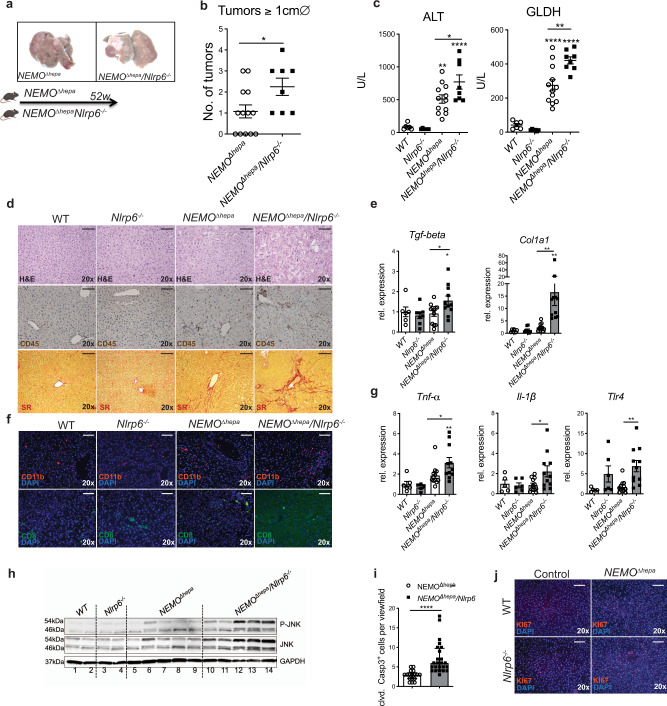
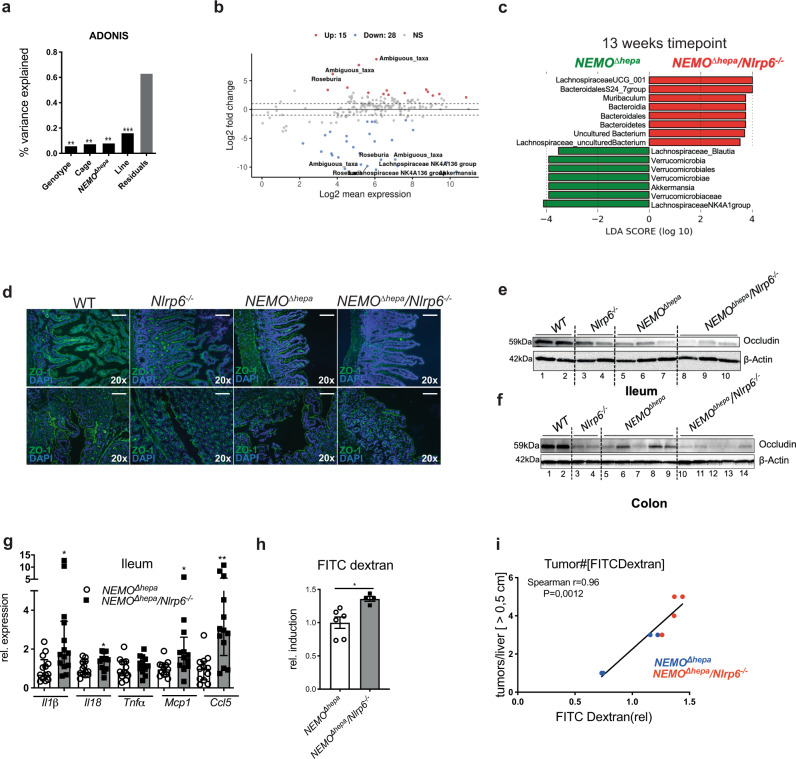
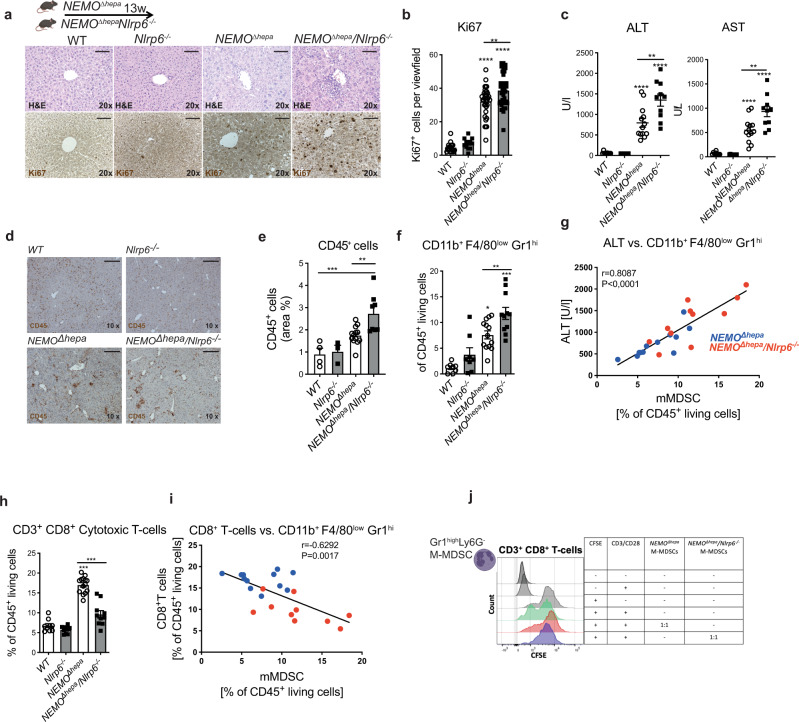
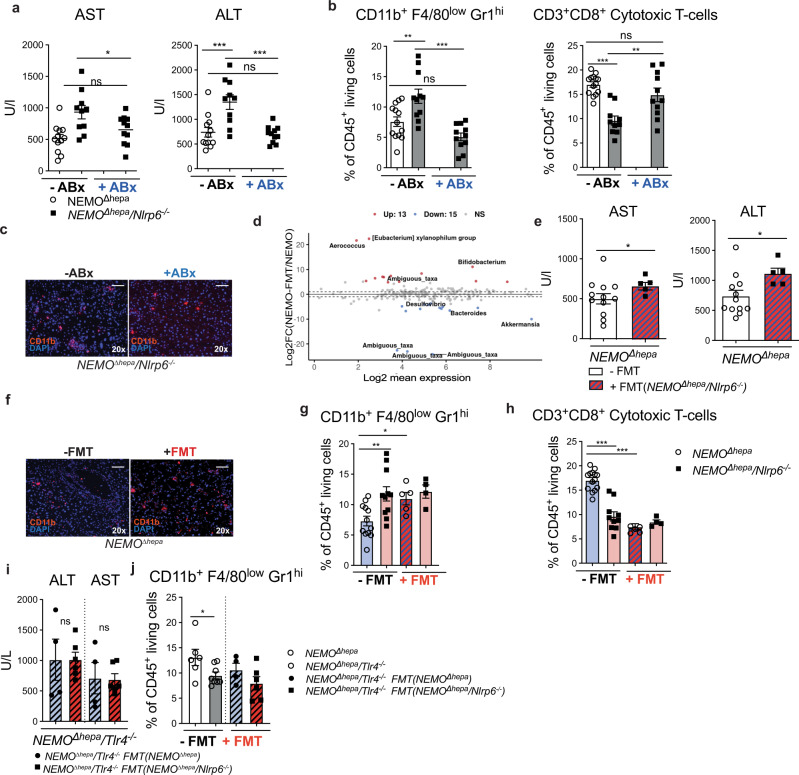
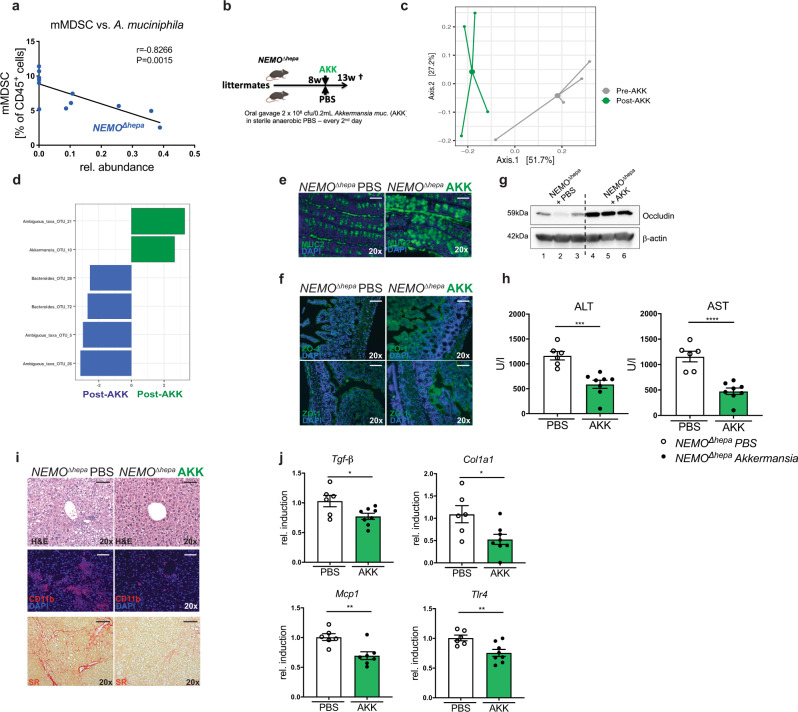
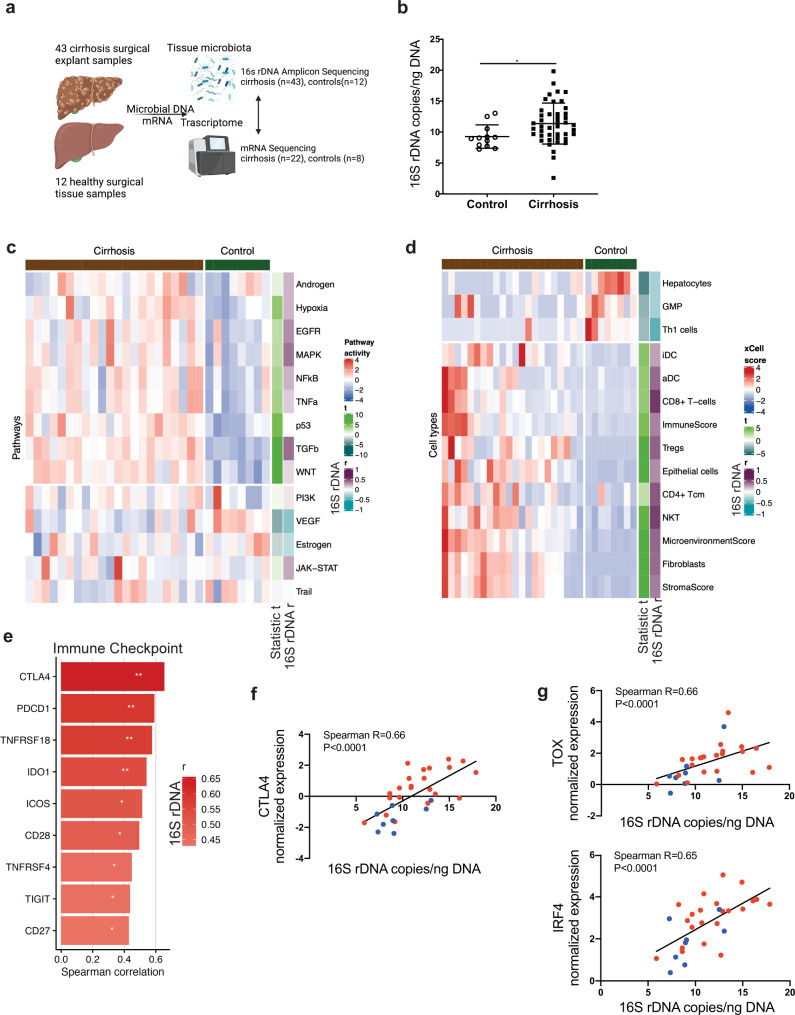
Hepatocellular carcinoma (HCC) is a leading cause of cancer-related deaths worldwide, and therapeutic options for advanced HCC are limited. Here, we observe that intestinal dysbiosis affects antitumor immune surveillance and drives liver disease progression towards cancer. Dysbiotic microbiota, as seen in Nlrp6 −/− mice, induces a Toll-like receptor 4 dependent expansion of hepatic monocytic myeloid-derived suppressor cells (mMDSC) and suppression of T-cell abundance. This phenotype is transmissible via fecal microbiota transfer and reversible upon antibiotic treatment, pointing to the high plasticity of the tumor microenvironment. While loss of Akkermansia muciniphila correlates with mMDSC abundance, its reintroduction restores intestinal barrier function and strongly reduces liver inflammation and fibrosis. Cirrhosis patients display increased bacterial abundance in hepatic tissue, which induces pronounced transcriptional changes, including activation of fibro-inflammatory pathways as well as circuits mediating cancer immunosuppression. This study demonstrates that gut microbiota closely shapes the hepatic inflammatory microenvironment opening approaches for cancer prevention and therapy.
Overview
The claims and statistics of this paper haven’t been checked yet.
Free: it reads the open-access text and checks the first 5 claims that cite a source we can check. Create a free account to check every claim.
Integrity signals
Registry
Cites
Statistics
Figures
Verification
Claims the paper makes
The claims and statistics of this paper haven’t been checked yet.
Free: it reads the open-access text and checks the first 5 claims that cite a source we can check. Create a free account to check every claim.
Claims other papers make about this one
Each is checked against this paper’s own text: does it say what the citing paper says it does?
The source backs part of the claim, not all of it — or backs it for a different population, condition or comparison.
In the citing paper
“Akkermansia muciniphila is a Gram-negative homeostatic commensal bacteria that influences host metabolism to maintain glucose tolerance and intestinal barrier function.”
From Gut OncoMicrobiome Signatures (GOMS) as next-generation biomarkers for cancer immunotherapy (2023) · cites this paper as [103]
Experimental — accuracy not yet measuredIn the citing paper
“Together, these findings validate those obtained in preclinical avatar models involving the oral transfer of patient-derived stool samples to mice harbouring hepatocarcinomas103, sarcomas, or kidney, lung or prostate tumours28,41.”
From Gut OncoMicrobiome Signatures (GOMS) as next-generation biomarkers for cancer immunotherapy (2023) · cites this paper as [103]
Self-check
Percentages, sums and reported differences re-computed from the paper’s own numbers.
The self-check needs the paper’s full text.
Citations
Cites
Moderated estimation of fold change and dispersion for RNA-seq data with DESeq2
Love, M. I., Huber, W., & Anders, S. (2014) · Genome Biology · doi:10.1186/s13059-014-0550-8 · Cited by 95,106 · cited 1×
“OTUs were considered significantly DA between genotypes if their adjusted p-value was <0.05 and if the estimated 2-fold change was >2 (Love et al., 2014, McMurdie and Holmes, 2014).”
InfluentialBray, F., Ferlay, J., Soerjomataram, I., Siegel, R. L., Torre, L. A., & Jemal, A. (2018) · CA: A Cancer Journal for Clinicians · doi:10.3322/caac.21492 · Cited by 84,109
Robinson, M. D., McCarthy, D. J., & Smyth, G. K. (2010) · Bioinformatics · doi:10.1093/bioinformatics/btp616 · Cited by 41,364
limma powers differential expression analyses for RNA-sequencing and microarray studies
Ritchie, M. E., Phipson, B., Wu, D., Hu, Y., Law, C. W., Shi, W., & Smyth, G. K. (2015) · Nucleic Acids Research · doi:10.1093/nar/gkv007 · Cited by 40,458
The SILVA ribosomal RNA gene database project: improved data processing and web-based tools
Quast, C., Pruesse, E., Yilmaz, P., Gerken, J., Schweer, T., Yarza, P., Peplies, J., & Glöckner, F. O. (2012) · Nucleic Acids Research · doi:10.1093/nar/gks1219 · Cited by 33,055
phyloseq: An R Package for Reproducible Interactive Analysis and Graphics of Microbiome Census Data
McMurdie, P. J., & Holmes, S. (2013) · PLoS ONE · doi:10.1371/journal.pone.0061217 · Cited by 21,322
UPARSE: highly accurate OTU sequences from microbial amplicon reads
Edgar, R. C. (2013) · Nature Methods · doi:10.1038/nmeth.2604 · Cited by 16,707
ggplot2: Elegant Graphics for Data Analysis
Wickham, H. (2009) · doi:10.1007/978-0-387-98141-3 · Cited by 14,447
EASL Clinical Practice Guidelines: Management of hepatocellular carcinoma
Galle, P. R., Forner, A., Llovet, J. M., Mazzaferro, V., Piscaglia, F., Raoul, J.-L., Schirmacher, P., & Vilgrain, V. (2018) · Journal of Hepatology · doi:10.1016/j.jhep.2018.03.019 · Cited by 11,406
Global patterns of 16S rRNA diversity at a depth of millions of sequences per sample
Caporaso, J. G., Lauber, C. L., Walters, W. A., Berg-Lyons, D., Lozupone, C. A., Turnbaugh, P. J., Fierer, N., & Knight, R. (2011) · Proceedings of the National Academy of Sciences · doi:10.1073/pnas.1000080107 · Cited by 9,711
Cited by
Gut microbiota in colorectal cancer development and therapy
Wong, C. C., & Yu, J. (2023) · Nature Reviews Clinical Oncology · doi:10.1038/s41571-023-00766-x · Cited by 721
Gut–liver axis: barriers and functional circuits
Pabst, O., Hornef, M. W., Schaap, F. G., Cerovic, V., Clavel, T., & Bruns, T. (2023) · Nature Reviews Gastroenterology & Hepatology · doi:10.1038/s41575-023-00771-6 · Cited by 436
Metabolic reprogramming in the tumor microenvironment of liver cancer
Lin, J., Rao, D., Zhang, M., & Gao, Q. (2024) · Journal of Hematology & Oncology · doi:10.1186/s13045-024-01527-8 · Cited by 251
“Increasing evidence suggests that the gut microbiota modulates immune responses in the TME of PLC [5, 194, 203, 207, 208].”
BackgroundThe NLR gene family: from discovery to present day
Chou, W.-C., Jha, S., Linhoff, M. W., & Ting, J. P.-Y. (2023) · Nature Reviews Immunology · doi:10.1038/s41577-023-00849-x · Cited by 209
The NLR family of innate immune and cell death sensors
Sundaram, B., Tweedell, R. E., Prasanth Kumar, S., & Kanneganti, T.-D. (2024) · Immunity · doi:10.1016/j.immuni.2024.03.012 · Cited by 209
Western diets and chronic diseases
Adolph, T. E., & Tilg, H. (2024) · Nature Medicine · doi:10.1038/s41591-024-03165-6 · Cited by 191
“…162 . d , A fructose-enriched diet and fructose metabolism promote intestinal tumor growth 198 , similar to a high-fat diet 192 , partly by accumulation of primary bile acids and a rarefied gut microbiota 193,279 , while the bloom of E. coli pathobionts exerts genotoxic effects 195–197, 280,”
Jian, H., Liu, Y., Wang, X., Dong, X., & Zou, X. (2023) · International Journal of Molecular Sciences · doi:10.3390/ijms24043900 · Cited by 173
“As previously mentioned, the relative abundance of Akk is reduced in HCC model mice, and continuous treatment with Akk restores the diversity of gut microbiota and reduces liver injury, inflammation, and fibrosis [82].”
BackgroundInfluentialImmune microenvironment in hepatocellular carcinoma: from pathogenesis to immunotherapy
Seyhan, D., Allaire, M., Fu, Y., Conti, F., Wang, X. W., Gao, B., & Lafdil, F. (2025) · Cellular and Molecular Immunology · doi:10.1038/s41423-025-01308-4 · Cited by 165
“…loss of A. muciniphila disrupted epithelial barrier integrity and promoted hepatic monocytic-MDSC (M-MDSC) expansion in a TLR4-dependent manner, suppressing CD8 + T-cell activity and accelerating HCC progression — an effect reversible by antibiotic treatment or A. muciniphila reconstitution [67].”
Xu, L., Zhang, Y., Li, X., Li, C., Hu, H., Hu, J., Liu, M., Yang, Q. Z., Gu, P., Li, J., et al. (2025) · iMeta · doi:10.1002/imt2.270 · Cited by 154
Gut OncoMicrobiome Signatures (GOMS) as next-generation biomarkers for cancer immunotherapy
Thomas, A. M., Fidelle, M., Routy, B., Kroemer, G., Wargo, J. A., Segata, N., & Zitvogel, L. (2023) · Nature Reviews Clinical Oncology · doi:10.1038/s41571-023-00785-8 · Cited by 141
Rajapakse, J., Khatiwada, S., Akon, A. C., Yu, K. L., Shen, S., & Zekry, A. (2023) · Gut Microbes · doi:10.1080/19490976.2023.2240031 · Cited by 102
“Additionally, gene expression analysis of livers from cirrhotic patients found that bacterial translocation into the liver, as measured by 16S rRNA abundance in the liver, correlated with the expression of T cell exhaustion markers such as cytotoxic T lymphocyte – associated antigen (CTLA)4, programmed cell death prot…”
BackgroundInfluentialWang, R., Li, B., Huang, B., Li, Y., Liu, Q., Lyu, Z., Chen, R., Qian, Q., Liang, X. S., Pu, X., et al. (2024) · Gastroenterology · doi:10.1053/j.gastro.2024.05.014 · Cited by 99
Zhuge, A., Li, S., Han, S., Yuan, Y., Shen, J., Wu, W., Wang, K., Xia, J., Wang, Q., Gu, Y., et al. (2024) · Acta Pharmaceutica Sinica B · doi:10.1016/j.apsb.2024.10.010 · Cited by 102
“The mechanisms of A. muc -mediated beneficial effects on MAFLD may include a reduction in carbohydrate absorption 27 , the regulation of intestinal immunity 28 , the regulation of barrier functions 29 , and the modulation of gut ‒ liver L -aspartate metabolism 30 .”
Gut microbiota dysbiosis with hepatitis B virus liver disease and association with immune response
Yan, F., Zhang, Q., Shi, K., Zhang, Y., Zhu, B., Bi, Y., & Wang, X. (2023) · Frontiers in Cellular and Infection Microbiology · doi:10.3389/fcimb.2023.1152987 · Cited by 91
“Imbalanced gut microbiota fuels HCC development by shaping the hepatic inflammatory microenvironment (Schneider et al., 2022).”
BackgroundWu, X., Fan, Y., Chung, K. P. S., Leung, C. O. N., Leung, R. W. H., So, K. K. H., Lei, M. M. L., Chau, W. K., Tong, M., Yu, J. Q., et al. (2025) · Cell Reports Medicine · doi:10.1016/j.xcrm.2024.101900 · Cited by 84
“42 Here, we found that Akk showed a significant tumor-suppressive effect in MCD diet-treated mice with injection of RIL-175.”
Colitis ameliorates cholestatic liver disease via suppression of bile acid synthesis
Gui, W., Hole, M. J., Molinaro, A., Edlund, K., Jørgensen, K. K., Su, H., Begher‐Tibbe, B., Gaßler, N., Schneider, C. V., Muthukumarasamy, U., et al. (2023) · Nature Communications · doi:10.1038/s41467-023-38840-8 · Cited by 67
Self-citationLi, J., Chen, Y., Zhang, S., Zhao, Y., Gao, D., Xing, J., Cao, Y., & Xu, G. (2024) · Genomics · doi:10.1016/j.ygeno.2024.110983 · Cited by 60
Li, C., Cai, C., Wang, C., Chen, X., Zhang, B., & Huang, Z. (2024) · Clinical and Molecular Hepatology · doi:10.3350/cmh.2024.0857 · Cited by 63
Marroncini, G., Naldi, L., Martinelli, S., & Amedei, A. (2024) · Biomedicines · doi:10.3390/biomedicines12071398 · Cited by 60
“This disruption eases the translocation of pathogenic bacteria, contributing to the degeneration of liver diseases in HCC.”
BackgroundAlcohol-associated liver cancer
Fu, Y., Maccioni, L., Wang, X. W., Greten, T. F., & Gao, B. (2024) · Hepatology · doi:10.1097/hep.0000000000000890 · Cited by 60
“In another study by Schneider et al, [148] the authors investigated the roles of the NOD ‐ like receptor family pyrin domain-containing 6 in host-microbe interactions in HCC development and found that Nlrp6 deficiency promoted more severe gut dysbiosis and HCC in mice with deletion of subunit NF-kB…”
Akkermansia muciniphila: A potential target and pending issues for oncotherapy
Zhao, X., Zhao, J., Li, D., Yang, H., Chen, C., Qin, M., Wen, Z., He, Z., & Xu, L. (2023) · Pharmacological Research · doi:10.1016/j.phrs.2023.106916 · Cited by 53
Gut-liver axis: Pathophysiological concepts and medical perspective in chronic liver diseases
Rodrigues, S. G., der Merwe, V., Krag, A. A., & Wiest, R. (2024) · Seminars in Immunology · doi:10.1016/j.smim.2023.101859 · Cited by 58
Bodywide ecological interventions on cancer
Kroemer, G., McQuade, J. L., Mérad, M., André, F., & Zitvogel, L. (2023) · Nature Medicine · doi:10.1038/s41591-022-02193-4 · Cited by 57
Li, T., Lin, X., Shen, B., Zhang, W., Liu, Y., Liu, H., Wang, Y., Zheng, L., & Zhi, F. (2022) · Frontiers in Immunology · doi:10.3389/fimmu.2022.1047570 · Cited by 53
“muciniphila was markedly reduced in patients with NAFLD-associated HCC and was inversely correlated with inflammatory markers (16, 17).”
BackgroundNovel Biomarkers for Early Detection of Hepatocellular Carcinoma
Attia, A. M., Zavareh, M. S. R., Hwang, S. Y., Kim, N., Adetyan, H., Yalda, T., Chen, P., Koltsova, E. K., & Yang, J. D. (2024) · Diagnostics · doi:10.3390/diagnostics14202278 · Cited by 54
“This inflammatory microenvironment accelerated liver disease progression towards HCC, but the effects are reversible with antibiotic treatment or by reintroducing the beneficial bacterium Akkermansia muciniphila [104].”
BackgroundMicrobiota modulation by dietary oat beta-glucan prevents steatotic liver disease progression
Jaeger, J. W., Brandt, A., Gui, W., Yergaliyev, T., Hernández-Arriaga, A. M., Muthu, M. M., Edlund, K., Elashy, A., Molinaro, A., Möckel, D., et al. (2024) · JHEP Reports · doi:10.1016/j.jhepr.2023.100987 · Cited by 56
Self-citationZhang, M., Huang, X., Zhang, Y., Yu, M., Yuan, X., Xu, Y., Ma, L., Wang, X., & Xing, H. (2025) · Gut Microbes · doi:10.1080/19490976.2025.2519706 · Cited by 53
“25 Previous studies have also shown improved outcomes in colon cancer patients receiving butyrate supplementation.”
Microbiota in cancer: molecular mechanisms and therapeutic interventions
Chen, Z., Guan, D., Wang, Z., Li, X., Dong, S., Huang, J., & Zhou, W. (2023) · MedComm · doi:10.1002/mco2.417 · Cited by 50
Marrone, G., Serra, A., Miele, L., Biolato, M., Liguori, A., Grieco, A., & Gasbarrini, A. (2023) · World Journal of Gastroenterology · doi:10.3748/wjg.v29.i19.2905 · Cited by 52
Lai, W., Zhou, S., Bai, Y., Che, Q., Cao, H., Guo, J., & Su, Z. (2024) · Current Research in Food Science · doi:10.1016/j.crfs.2024.100699 · Cited by 45
Dysbiosis and extraintestinal cancers
He, R., Qi, P., Shu, L.-Z., Ding, Y., Zeng, P., Wen, G., Xiong, Y., & Deng, H. (2025) · Journal of Experimental & Clinical Cancer Research · doi:10.1186/s13046-025-03313-x · Cited by 49
Yang-Jensen, S. K., Nägele, N. S., & Jensen, B. A. H. (2025) · American Journal of Physiology-Cell Physiology · doi:10.1152/ajpcell.00704.2025 · Cited by 49
Bu, Y., Liu, Y., Zhang, T., Liu, Y., Zhang, Z., & Yi, H. (2023) · Nutrients · doi:10.3390/nu15153437 · Cited by 47
Understanding gut dysbiosis for hepatocellular carcinoma diagnosis and treatment
Yu, J., Chen, X., Yang, X., & Zhang, B. (2024) · Trends in Endocrinology and Metabolism · doi:10.1016/j.tem.2024.06.003 · Cited by 44
The microbiome and rise of early-onset cancers: knowledge gaps and research opportunities
Mima, K., Hamada, T., Inamura, K., Baba, H., Ugai, T., & Ogino, S. (2023) · Gut Microbes · doi:10.1080/19490976.2023.2269623 · Cited by 43
Zhou, Y., Han, W., Feng, Y., Wang, Y., Sun, T., & Xu, J. (2024) · International Journal of Oncology · doi:10.3892/ijo.2024.5661 · Cited by 43
“When Ackermannia mucinophila is lost in the gut, the intestinal barrier function is disrupted, resulting in liver inflammation and fibrosis (9).”
BackgroundChen, S., Han, P., Zhang, Q., Liu, P., Liu, J., Zhao, L., Guo, L., & Li, J. (2023) · Frontiers in Immunology · doi:10.3389/fimmu.2023.1179014 · Cited by 42
“Previously, amounting evidence indicated that gut microbiota (GM) plays a vital role in affecting HCC carcinogenesis and drug response in both mice models and patients (6, 7).”
BackgroundZhao, S., Zhang, H., Zhu, H., Zhao, T., Tu, J., Yin, X., Yang, S., Zhang, W. Y., Zhang, F., Zhang, M., et al. (2024) · Gut Microbes · doi:10.1080/19490976.2024.2377567 · Cited by 41
“It has been reported that intestinal microbiota alterations influence antitumour immune surveillance and drive NAFLD progression toward cancer, 36 while regulating the intestinal flora could improve NAFLD outcomes.”
BackgroundYu, L., Gao, F., Li, Y., Su, D., Han, L., Li, Y., Zhang, X., & Feng, Z. (2024) · Biomedicine & Pharmacotherapy · doi:10.1016/j.biopha.2024.116724 · Cited by 41
Effenberger, M., Waschina, S., Bronowski, C., Sturm, G., Tassiello, O., Sommer, F., Zollner, A., Watschinger, C., Grabherr, F., Gstir, R., et al. (2023) · Hepatology Communications · doi:10.1097/hc9.0000000000000182 · Cited by 40
“An experimental study indicates a potentially immediate effect of enteric bacterial translocation on liver antitumor immunity.[49] Interestingly, we were not able to disentangle either a microbial or a transcriptional signature that uniquely attributes to HCC patients.”
BackgroundInflammasome and pyroptosis in autoimmune liver diseases
Wang, J., Sun, Z., Xie, J., Ji, W., Cui, Y., Ai, Z., & Liang, G. (2023) · Frontiers in Immunology · doi:10.3389/fimmu.2023.1150879 · Cited by 40
“However, when intestinal homeostasis is disrupted, NLRP6 expression is increased in macrophages and IL18 secretion promotes intestinal inflammation (42).”
BackgroundRole of microbiome in autoimmune liver diseases
Schneider, K. M., Kummen, M., Trivedi, P. J., & Hov, J. R. (2023) · Hepatology · doi:10.1097/hep.0000000000000506 · Cited by 40
“[129,130] Dedicated attempts to measure gastrointestinal permeability have been made in 2 studies in PBC, which both find increased sucrose excretion in a mixed sugar test, suggesting increased gastric and (proximal) small bowel permeability.”
BackgroundSelf-citationLeón-Goméz, P., & Romero, V. (2025) · Frontiers in Microbiology · doi:10.3389/fmicb.2024.1515258 · Cited by 40
Chen, P., Yang, C., Ren, K., Xu, M., Pan, C., Ye, X., & Li, L. (2024) · Frontiers in Immunology · doi:10.3389/fimmu.2024.1504948 · Cited by 38
Gut microbiota in MAFLD: therapeutic and diagnostic implications
Alghamdi, W., Mosli, M. H., & Alqahtani, S. A. (2024) · Therapeutic Advances in Endocrinology and Metabolism · doi:10.1177/20420188241242937 · Cited by 34
“16–24 Notably, variations in the gut microbiota composition and the Firmicutes/Bacteroidetes (F/B) ratio have been observed in different studies.”
ResultGut‑liver axis in liver disease: From basic science to clinical treatment (Review)
Wang, J., Wang, X., Zhuo, E., Chen, B., & Chan, S. (2024) · Molecular Medicine Reports · doi:10.3892/mmr.2024.13375 · Cited by 35
The Gut Microbiome as a Biomarker and Therapeutic Target in Hepatocellular Carcinoma
Yavuz, B. G., Datar, S. S., Chamseddine, S., Mohamed, Y. I., LaPelusa, M. B., Lee, S. S., Hu, Z. I., Koay, E. J., Cao, H. S. T., Jalal, P. K., et al. (2023) · Cancers · doi:10.3390/cancers15194875 · Cited by 34
“Another study on mice showed that dysbiosis heightened infiltration of myeloid-derived suppressor cells (MDSCs) to the liver, fostering liver carcinogenesis with an associated decrease in Akkermansia muciniphila in the gut [12].”
BackgroundLiu, H., Kang, X., Ren, P., Kuang, X., Yang, X., Yang, H., Shen, X., Yan, H., Kang, Y., Zhang, F., et al. (2023) · International Immunopharmacology · doi:10.1016/j.intimp.2023.110252 · Cited by 33
Antibiotic-induced gut microbiota dysbiosis has a functional impact on purine metabolism
Liu, X., Ke, L., Lei, K., Yu, Q., Zhang, W., Li, C., & Tian, Z. (2023) · BMC Microbiology · doi:10.1186/s12866-023-02932-8 · Cited by 32
“Numerous investigations have discovered that antibiotics’ modification of the gut microbiota results in clinical symptoms [17].”
BackgroundMonti, E., Vianello, C., Leoni, I., Galvani, G., Lippolis, A., D’Amico, F., Roggiani, S., Stefanelli, C., Turroni, S., & Fornari, F. (2025) · Cells · doi:10.3390/cells14020084 · Cited by 36
“The authors demonstrated that bacterial translocation, due to the presence of a leaky intestinal barrier, affected the antitumoral response by expanding monocytic myeloid-derived suppressor cells (mMDSCs) and suppressing CD8+ T cell proliferation [13].”
Lee, P., Wu, C.-J., Hung, Y., Lee, C.-J., Mon, H.-C., Chi, C., Lee, I., Kuo, Y.-L., Chou, S.-H., Luo, J., et al. (2025) · Hepatology · doi:10.1097/hep.0000000000001446 · Cited by 32
Yue, B., Gao, Y., Hu, Y., Zhan, M., Wu, Y., & Lu, L. (2024) · Clinical and Translational Medicine · doi:10.1002/ctm2.1731 · Cited by 31
“…microbiota entering the liver can shape the hepatitis microenvironment, leading to the progression of HBV-associated hepatitis to fibrosis, cirrhosis and eventually HCC. 99,110,111 The gut microbiota can reprogram immunity by participating in the regulation of innate and/or adaptive immune cells.”
BackgroundResultMicrobiomes, Their Function, and Cancer: How Metatranscriptomics Can Close the Knowledge Gap
Aitmanaitė, L., Širmonaitis, K., & Russo, G. (2023) · International Journal of Molecular Sciences · doi:10.3390/ijms241813786 · Cited by 30
“In particular, the presence/absence of certain microbes [4], a lack of balance in the overall species’ abundances [5], their specific functional capabilities [6], and shifts in the downstream metabolic pathways [7] are all factors that can favour the onset or the progression of a number of diseases.”
BackgroundFloreani, A., Gabbia, D., & Martin, S. D. (2024) · International Journal of Molecular Sciences · doi:10.3390/ijms25042194 · Cited by 29
The Gut‒Liver Axis in Liver Disease: Molecular Mechanisms and Therapeutic Targets
Chen, Z., Liao, S., Wu, S., Chen, S., Tang, Q., Zhou, L., Li, X., Hu, H., Xu, J., Zhang, A., et al. (2025) · MedComm · doi:10.1002/mco2.70458 · Cited by 34
Saber, S., El-Fattah, E. E. A., Abdelhamid, A. M., Mourad, A. A. E., Hamouda, M. A., Elrabat, A. M., Zakaria, S., Haleem, A. A., Mohamed, S. Z., Elgharabawy, R. M., et al. (2023) · Biomedicine & Pharmacotherapy · doi:10.1016/j.biopha.2022.114196 · Cited by 28
RetractedLong-term simulated microgravity alters gut microbiota and metabolome in mice
Lu, Y., Zhang, R., Li, X., Gao, C., Hu, X., Hussain, S., Zhang, L., Wang, M., Ma, X., Pan, Q., et al. (2023) · Frontiers in Microbiology · doi:10.3389/fmicb.2023.1100747 · Cited by 29
“Loss of Akkermansia_muciniphila correlated with inflammation, impairment of insulin secretion and glucose homeostasis, metabolic disease, cancer immunotherapy, and homeostatic immunity (Yoon et al., 2021; Zhang et al., 2021; Bae et al., 2022; Schneider et al., 2022).”
BackgroundRole of gut microbiota in regulating immune checkpoint inhibitor therapy for glioblastoma
Zhang, H., Hong, Y., Wu, T., Ben, E., Li, S., Hu, L., & Xie, T. (2024) · Frontiers in Immunology · doi:10.3389/fimmu.2024.1401967 · Cited by 33
Kumar, A. R., Nair, B., Kamath, A. J., Nath, L. R., Călina, D. C., & Sharifi‐Rad, J. (2024) · European journal of medical research · doi:10.1186/s40001-024-02072-3 · Cited by 29
“…Toll-like receptor 4 (TLR4) and TLR9 Increases the risk of HCC by altering liver immune responses and metabolic functions ( ↑ ) HCC was developed due to hepatic inflammation Clinical study germ-free animal model [75] polyphenols is ellagic acid which is an antioxidant having anti-cancer properties.”
BackgroundFeng, X., Li, Z., Guo, W., & Hu, Y. (2023) · Frontiers in Immunology · doi:10.3389/fimmu.2023.1087755 · Cited by 28
The role of myeloid-derived suppressor cells in liver cancer
Zhou, S., Zhao, Z., Zhong, H., Ren, Z., Li, Y., Wang, H., & Qiu, Y. (2023) · Discover Oncology · doi:10.1007/s12672-023-00681-8 · Cited by 27
“Microbiota abnormalities caused by intestinal barrier damage observed in Nlrp6−/− mice recruit the expansion of hepatic M-MDSC and suppress the proliferation and function of T cells, accelerating the progression of HCC [102].”
BackgroundWang, X., Zhang, B., & Jiang, R. (2025) · Frontiers in Cellular and Infection Microbiology · doi:10.3389/fcimb.2025.1467197 · Cited by 28
Bifidobacterium boosts anti-PD-1 effectiveness through JAK pathway in hepatocellular carcinoma
Huo, R., Xu, Q.-G., You, Y., Chen, Y., Su, G.-J., Yang, K.-R., Xiao, Y.-P., Zhong, X., Li, Y.-J., Sun, P., et al. (2025) · npj Precision Oncology · doi:10.1038/s41698-025-00960-3 · Cited by 26
Yue, M., Huang, J., Ma, X.-L., Huang, P., Liu, Y., & Zeng, J. (2023) · Molecules · doi:10.3390/molecules28135277 · Cited by 24
“Several studies have identified Akkermansia as a bacterium colonized in the mucus layer and involved in the thickening of the mucus layer and enhancement of the gut barrier [40,41].”
BackgroundGu, J., Shen, Y., Guo, L., Chen, Z., Zhou, D., Ji, G., & Gu, A. (2025) · Journal of Hazardous Materials · doi:10.1016/j.jhazmat.2025.138008 · Cited by 23
Gut microbiota in liver diseases: initiation, development and therapy
Yu, J., Wu, J., Chen, X., Zang, S.-G., Li, X., Wu, L., & Xuan, S. (2025) · Frontiers in Medicine · doi:10.3389/fmed.2025.1615839 · Cited by 26
Chen, Z., Ding, C., Gu, Y., He, Y., Chen, B. Y., Zheng, S., & Li, Q. (2023) · Frontiers in Oncology · doi:10.3389/fonc.2023.1120515 · Cited by 25
“Additionally, the gut microbiotas of HCC patients are significantly different from those of normal subjects, and changes in the composition of gut microbiotas could reveal to grade severity or progression of illness in HCC (23, 24).”
BackgroundThe biofunction of Akkermansia muciniphila in intestinal-related diseases
Jiang, P., Ji, S., Su, D., Zhao, Y., Goncalves, V. B. E., Xu, G., & Zhang, M. (2024) · Microbiome Research Reports · doi:10.20517/mrr.2024.12 · Cited by 23
Dysbiosis: The first hit for digestive system cancer
Mei, S., Deng, Z., Chen, Y., Ning, D.-M., Guo, Y., Fan, X., Wang, R., Meng, Y., Zhou, Q., & Tian, X. (2022) · Frontiers in Physiology · doi:10.3389/fphys.2022.1040991 · Cited by 25
“, 2021) and hepatocellular carcinoma (HCC) (Jia et al., 2021; Ray, 2021; Schneider et al., 2022).”
Immunotherapy in hepatocellular carcinoma: how will it reshape treatment sequencing?
Cammarota, A., Zanuso, V., Manfredi, G. F., Murphy, R., Pinato, D. J., & Rimassa, L. (2023) · Therapeutic Advances in Medical Oncology · doi:10.1177/17588359221148029 · Cited by 23
Ren, S., Zhang, Y., Wang, X., Su, J., Wang, X., Yuan, Z., He, X., Guo, S., Chen, Y., Deng, S., et al. (2025) · Frontiers in Immunology · doi:10.3389/fimmu.2025.1526967 · Cited by 22
The Interplay between Microbiota and Chemotherapy-Derived Metabolites in Breast Cancer
Plaza‐Díaz, J., & Álvarez‐Mercado, A. I. (2023) · Metabolites · doi:10.3390/metabo13060703 · Cited by 22
Yao, H., Ma, S., Huang, J., Si, X., Yang, M., Song, W., Lv, G., & Wang, G. (2024) · Advanced Science · doi:10.1002/advs.202310002 · Cited by 21
Che, Z., Xue, W., Zhao, X., Hu, C., & Tian, Y. (2025) · Clinical and Translational Gastroenterology · doi:10.14309/ctg.0000000000000914 · Cited by 23
“It will also explore the therapeutic potential of targeting GM to modulate the tumor microenvironment and immune responses as a strategy for preventing the progression of MASLD to HCC in the future (14).”
Inflammasomes and pyroptosis in cancer: mechanisms and therapeutic advances
Seo, W., Jung, B., Roh, T., Shin, H. J., Song, I., Chung, C., & Jo, E. (2025) · Journal of Hematology & Oncology · doi:10.1186/s13045-025-01763-6 · Cited by 20
“This immunosuppressive shift ultimately diminishes antitumor immune surveillance and drives liver disease progression toward HCC [137].”
Khanmohammadi, S., Ramos‐Molina, B., & Kuchay, M. S. (2023) · Diabetes & Metabolic Syndrome Clinical Research & Reviews · doi:10.1016/j.dsx.2023.102788 · Cited by 19
Wan, J., Zhang, Q., Hao, Y., Zhang, T., Song, W., Chen, S., Qin, L., Song, W., & Shan, Y. (2023) · Frontiers in Cellular and Infection Microbiology · doi:10.3389/fcimb.2023.1149506 · Cited by 20
“A study on hepatocellular carcinoma demonstrated that the absolute number of gd T cells in the liver decreased in the absence of the gut microbiota, indicating a correlation between commensal microbiota and the number of hepatic gd T cells (Schneider et al., 2022).”
BackgroundBrandt, A., Csarmann, K., Hernández-Arriaga, A. M., Baumann, A., Staltner, R., Halilbasic, E., Trauner, M., Camarinha‐Silva, A., & Bergheim, I. (2023) · The Journal of Nutritional Biochemistry · doi:10.1016/j.jnutbio.2023.109495 · Cited by 19
Myeloidderived suppressor cells: Escorts at the maternal–fetal interface
Pang, B., Hu, C., Li, H., Nie, X., Wang, K., Zhou, C., & Yi, H. (2023) · Frontiers in Immunology · doi:10.3389/fimmu.2023.1080391 · Cited by 19
Wang, M., Li, R., Sheng, S., Dong, Z., Bai, L., Wang, X., Wang, J., Lai, Y., Chen, X., Gao, J., et al. (2025) · Journal of Orthopaedic Translation · doi:10.1016/j.jot.2025.05.008 · Cited by 25
“It was suggesting enhanced apoptotic activity that disrupts the equilibrium between cellular demise and regeneration [27].”
Implications of the Liver-Gut Axis in Liver Disease: From Mechanisms to Therapeutic Targets
Ramírez-Mejía, M. M., Ponciano‐Rodríguez, G., & Méndez‐Sánchez, N. (2025) · Archives of Medical Research · doi:10.1016/j.arcmed.2025.103335 · Cited by 19
Tian, M., Zhang, G., Ding, S., Jiang, Y., Jiang, B., Ren, D., & Chen, P. (2022) · Food Bioscience · doi:10.1016/j.fbio.2022.101984 · Cited by 18
Let food be your medicine – dietary fiber
Liu, M., Li, S., Cao, S., Liu, C., Han, Y., Cheng, J., Zhang, S., Zhao, J., & Shi, Y. (2024) · Food & Function · doi:10.1039/d3fo05641d · Cited by 17
Kumavath, R., Pavithran, H., Paul, S., Anju, V. T., Busi, S., & Dyavaiah, M. (2023) · International Journal of Oncology · doi:10.3892/ijo.2023.5592 · Cited by 17
Efficient Mining of Anticancer Peptides from Gut Metagenome
Ma, Y., Liu, X., Zhang, X., Yu, Y., Li, Y., Song, M., & Wang, J. (2023) · Advanced Science · doi:10.1002/advs.202300107 · Cited by 19
Romualdo, G. R., Heidor, R., Bacil, G. P., Moreno, F. S., & Barbisan, L. F. (2023) · Life Sciences · doi:10.1016/j.lfs.2023.121994 · Cited by 15
Prevention of liver cancer in the era of next-generation antivirals and obesity epidemic
Suzuki, H., Fujiwara, N., Singal, A. G., Baumert, T. F., Chung, R. T., Kawaguchi, T., & Hoshida, Y. (2025) · Hepatology · doi:10.1097/hep.0000000000001227 · Cited by 18
Romeo, M., Dallio, M., Nardo, F. D., Napolitano, C., Vaia, P., Martinelli, G., Federico, P., Olivieri, S., Iodice, P., & Federico, A. (2025) · Journal of Personalized Medicine · doi:10.3390/jpm15040124 · Cited by 15
“Conversely, its supplementation has been reported to ameliorate liver injury, inflammation, and fibrosis and induce a significant “positive” shift in microbiota composition in murine models [35].”
InfluentialMetabolic-immune microenvironment crosstalk mediating ICI resistance in MASH-HCC
Ju, Y., Xu, K., Chen, X., Wu, T., & Yuan, Y. (2025) · Trends in Endocrinology and Metabolism · doi:10.1016/j.tem.2025.06.008 · Cited by 17
Hu, Z., He, Z., Wang, Y., Chu, Z., Zhou, Y., Li, W., Lu, J., Lin, Q., & Luo, F. (2025) · Critical Reviews in Food Science and Nutrition · doi:10.1080/10408398.2025.2556470 · Cited by 16
“At the genus level, 41 bacteria have been found to change in MASLD patients, and further changes in the gut microbiota would occur after MASLD progression (Aron-Wisnewsky et al. 2020b; Schneider et al. 2022).”
Gitto, S., Vizzutti, F., Baldi, S., Campani, C., Navari, N., Falcini, M., Venturi, G., Montanari, S., Roccarina, D., Arena, U., et al. (2022) · Digestive and Liver Disease · doi:10.1016/j.dld.2022.11.017 · Cited by 14
Yadav, S., & Kumar, R. (2025) · Anti-Cancer Agents in Medicinal Chemistry · doi:10.2174/0118715206364200250304034753 · Cited by 16
Ren, G. R., Lin, Y., Fu, Y., Liu, F., Wang, R., Zhang, C., Qiu, J., Chen, L., & Dou, X. (2025) · Food Research International · doi:10.1016/j.foodres.2025.116178 · Cited by 15
Zhang, W., Zhang, H., Gao, Y., Lei, J., & Suo, C. (2025) · Frontiers in Cellular and Infection Microbiology · doi:10.3389/fcimb.2025.1596688 · Cited by 17
Redox Regulation of Nucleotide-Binding and Oligomerization Domain-Like Receptors Inflammasome
Ferrara, F., Pecorelli, A., & Valacchi, G. (2023) · Antioxidants and Redox Signaling · doi:10.1089/ars.2022.0180 · Cited by 14
“Mice lacking NLRP6 displayed an altered microbiota and epithelial barrier function becoming more susceptible to pathologies such as dysbiosis, colitis, acute liver injury, and hepatocellular carcinoma (Rungue et al., 2021; Schneider et al., 2022; Schneider et al., 2021).”
Gut microbiome, a novel precision medicine biomarker for hepatocellular carcinoma
Chen, P., Devkota, S., Shiao, S. L., Hendifar, A. E., & Yang, J. D. (2025) · Frontiers in Immunology · doi:10.3389/fimmu.2025.1568962 · Cited by 13
Fecal microbiota transplantation: A promising treatment strategy for chronic liver disease
Ma, L., Zhang, M., Xu, Y., Hao, Y.-X., Niu, X.-X., Li, Y., & Xing, H. (2025) · World Journal of Gastroenterology · doi:10.3748/wjg.v31.i28.105089 · Cited by 13
Yan, Z.-B., Han, C., Jia, J.-S., Li, H., Lü, D., Cao, Q., Wang, Y.-X., Jiao, K.-F., He, Q., Peng, S.-X., et al. (2025) · International Journal of Surgery · doi:10.1097/js9.0000000000003511 · Cited by 14
“Together, these interconnected mechanisms establish a systemic immunosuppressive state [90] .”
Piazzesi, A., & Putignani, L. (2022) · Frontiers in Microbiology · doi:10.3389/fmicb.2022.958346 · Cited by 14
“Beyond the gut, fecal microbiota transplantation between mouse models and the modulation of the GM with either pro- or antibiotics was sufficient to shape the hepatic inflammatory environment and either promote or suppress liver carcinogenesis (Schneider et al., 2022).”
BackgroundIs Fasting Good When One Is at Risk of Liver Cancer?
Minciună, I., van Kleef, L. A., Ştefănescu, H., & Procopeț, B. (2022) · Cancers · doi:10.3390/cancers14205084 · Cited by 13
Metadata
- Authors
- Schneider, K. M., Mohs, A., Gui, W., Galvez, E. J. C., Candels, L. S., Hoenicke, L., Muthukumarasamy, U., Holland, C. H., Elfers, C., Kilic, K., Schneider, C. V., Schierwagen, R., Strnad, P., Wirtz, T. H., Marschall, H.-U., Latz, E., Lelouvier, B., Saez-Rodriguez, J., de Vos, W., Strowig, T., Trebicka, J., & Trautwein, C.
- Affiliations
- Universitätsklinikum Aachen (DE)
- Medizinische Hochschule Hannover (DE)
- Heidelberg University (DE)
- Goethe University Frankfurt (DE)
- University of Gothenburg (SE)
- University of Bonn (DE)
- University of Helsinki (FI)
- Corresponding author
- Trautwein, Christian
- ORCID
- Schneider, Kai Markus
- Mohs, Antje
- Gui, Wenfang
- Galvez, Eric J. C.
- Candels, Lena Susanna
- Hoenicke, Lisa
- Holland, Christian H.
- Elfers, Carsten
- Schneider, Carolin Victoria
- Schierwagen, Robert
- Strnad, Pavel
- Wirtz, Theresa H.
- Marschall, Hanns-Ulrich
- Latz, Eicke
- Lelouvier, Benjamin
- Saez-Rodriguez, Julio
- de Vos, Willem
- Strowig, Till
- Trebicka, Jonel
- Trautwein, Christian
- Venue
- Nature Communications
- Published
- 2022-07-08
- Volume
- 13
- Issue
- 1
- Pages
- 3964-3964
- ISSN
- 2041-1723 (ISSN-L)
- PMC
- PMC9270328
- OpenAlex
- W4284975790
- Cited by
- 225
- References
- 91
- Citations by year
- 2026: 44 · 2025: 65 · 2024: 58 · 2023: 51 · 2022: 7
- FWCI
- 14.78
- Type
- journal article
- Language
- en
- Open access
- gold
- doi.org
- Licence
- cc-by
- creativecommons.org/licenses/by/4.0 (tdm)
- creativecommons.org/licenses/by/4.0 (vor)
- Locations
- Nature Communications (publishedVersion, cc-by)
- PubMed Central (publishedVersion, cc-by)
- PubMed (publishedVersion)
- Socio-Environmental Systems Modeling (submittedVersion, other-oa)
- RePEc: Research Papers in Economics (submittedVersion)
- DOAJ (DOAJ: Directory of Open Access Journals) (submittedVersion, cc-by-sa)
- Työväentutkimus Vuosikirja (submittedVersion)
- DZNE Pub (submittedVersion, other-oa)
- RWTH Publications (RWTH Aachen) (submittedVersion, other-oa)
- Data Archiving and Networked Services (DANS) (submittedVersion, cc-by)
- RWTH Publications (RWTH Aachen)
- Funders
- Deutsche Forschungsgemeinschaft (Tr 285/10-2)
- Topics
- Life Sciences › Biochemistry, Genetics and Molecular Biology › Molecular Biology › Gut microbiota and health
- Life Sciences › Immunology and Microbiology › Immunology › Immune cells in cancer
- Health Sciences › Medicine › Hepatology › Hepatocellular Carcinoma Treatment and Prognosis
- Keywords
- hepatocellular carcinoma, gut microbiota, gut dysbiosis, myeloid-derived suppressor cells, TLR4, Akkermansia muciniphila, NLRP6, fecal microbiota transplantation, antibiotic therapy, T cell suppression, liver fibrosis, liver cirrhosis, intestinal barrier function, tumor immunosuppression, liver cancer prevention
- MeSH terms
- Gastrointestinal Microbiome, Animals, Carcinoma, Hepatocellular, Liver Neoplasms, Mice, Tumor Microenvironment, Microbiota, Dysbiosis
About these checks
Registry, retraction, Cites and statistics results are computed, not judged, with one exception: a printed reference that no index lists is read once by a model before it counts as a citation error. Claims are extracted by a model and kept only when their quote appears verbatim in the text; each cited source is then checked, with a model’s help, for whether it says what the claim relies on. Those verdicts can be wrong — read the claim’s quote and the cited source before relying on one.
Statistics and arithmetic are recomputed, not judged.
Confidence bands are shown only for fields calibrated on our annotated test set. None is calibrated yet, so no band is shown.
What counts as a claim ›How we measure confidence ›How we check this ›
Are you an author, or do you see a problem with this page? Request a review
Data sources
Bibliographic data: Semantic Scholar, OpenAlex, Crossref.
Contains information from the Semantic Scholar Academic Graph Datasets, made available under the ODC Attribution License (ODC-BY 1.0).
Semantic Scholar’s data is described in: Kinney, R., et al. (2023). The Semantic Scholar Open Data Platform. arXiv:2301.10140.
