

Imbalanced gut microbiota fuels hepatocellular carcinoma development by shaping the hepatic inflammatory microenvironment
Open accessThe DOI matches its Crossref record; 91 of the 91 references it cites were found in a registry or an index.
Abstract
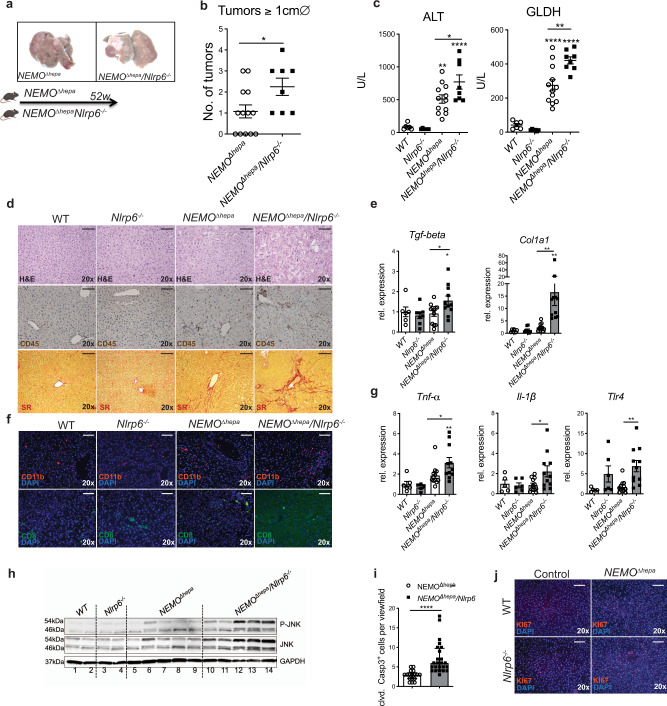
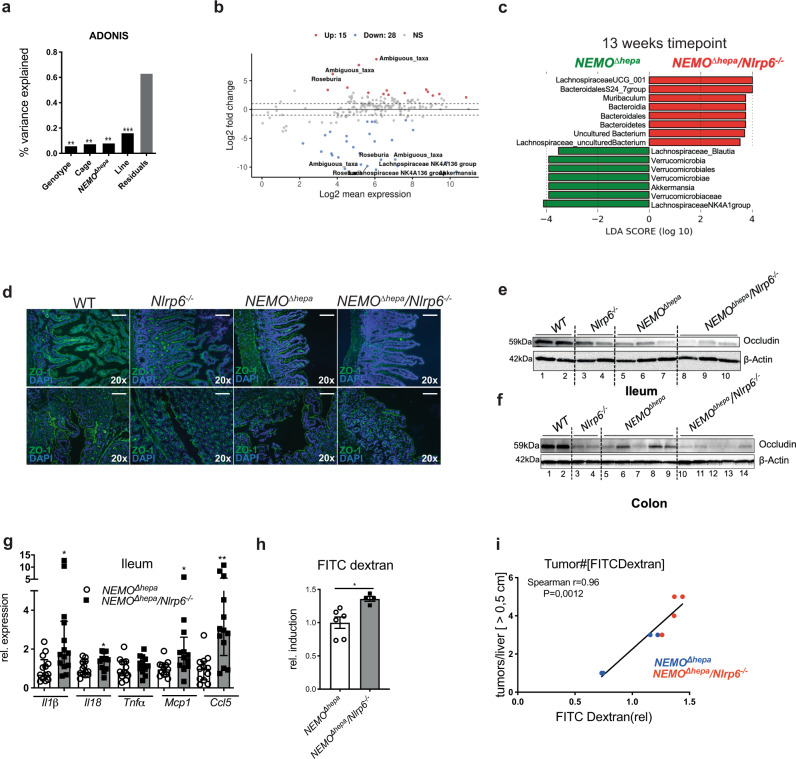
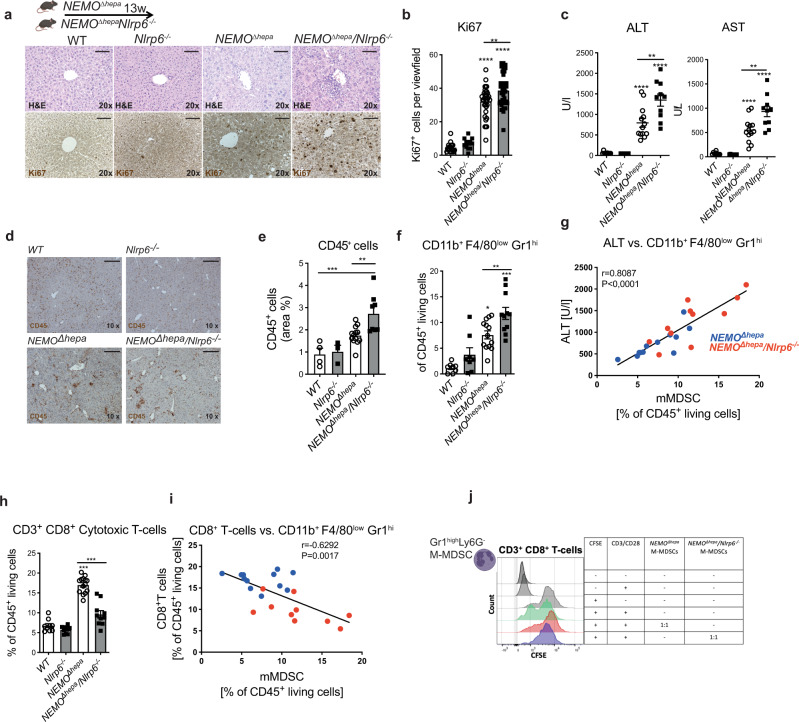
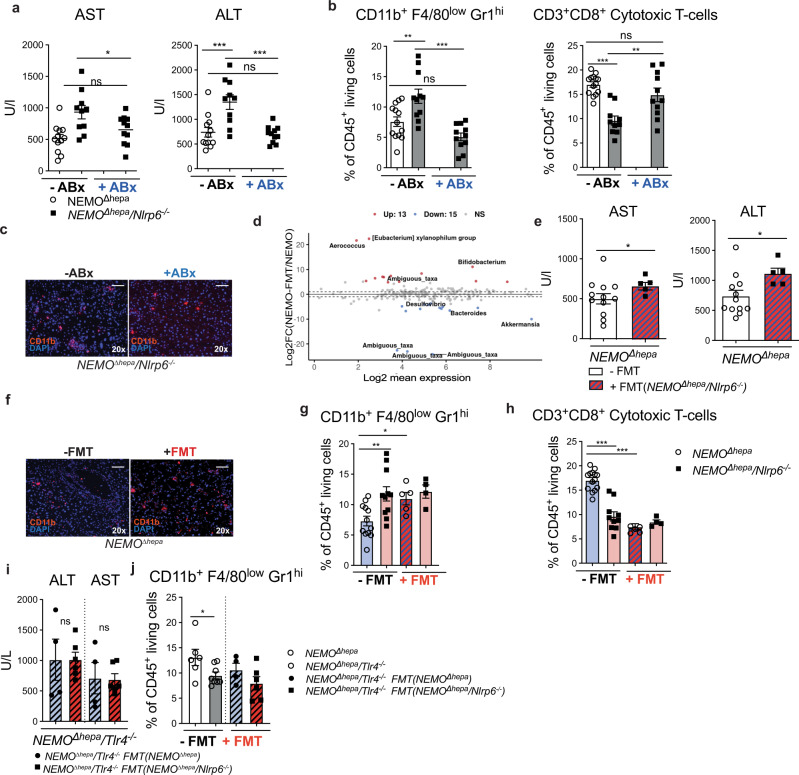
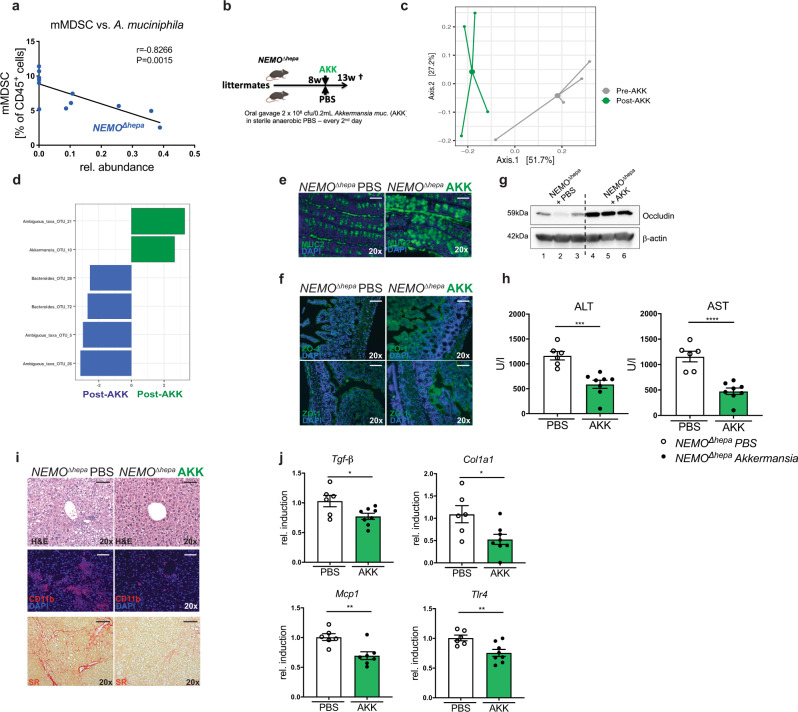
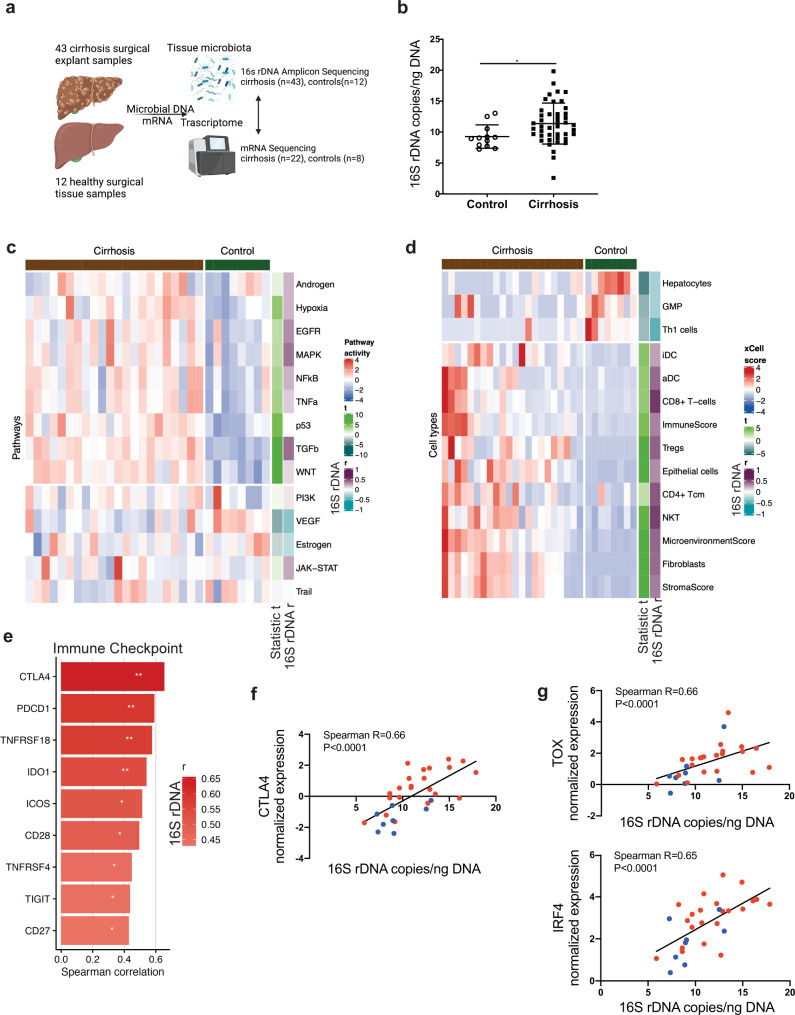
Hepatocellular carcinoma (HCC) is a leading cause of cancer-related deaths worldwide, and therapeutic options for advanced HCC are limited. Here, we observe that intestinal dysbiosis affects antitumor immune surveillance and drives liver disease progression towards cancer. Dysbiotic microbiota, as seen in Nlrp6 −/− mice, induces a Toll-like receptor 4 dependent expansion of hepatic monocytic myeloid-derived suppressor cells (mMDSC) and suppression of T-cell abundance. This phenotype is transmissible via fecal microbiota transfer and reversible upon antibiotic treatment, pointing to the high plasticity of the tumor microenvironment. While loss of Akkermansia muciniphila correlates with mMDSC abundance, its reintroduction restores intestinal barrier function and strongly reduces liver inflammation and fibrosis. Cirrhosis patients display increased bacterial abundance in hepatic tissue, which induces pronounced transcriptional changes, including activation of fibro-inflammatory pathways as well as circuits mediating cancer immunosuppression. This study demonstrates that gut microbiota closely shapes the hepatic inflammatory microenvironment opening approaches for cancer prevention and therapy.
Overview
The claims and statistics of this paper haven’t been checked yet.
Free: it reads the open-access text and checks the first 5 claims that cite a source we can check. Create a free account to check every claim.
Integrity signals
Registry
Cites
Statistics
Figures
Verification
Claims the paper makes
The claims and statistics of this paper haven’t been checked yet.
Free: it reads the open-access text and checks the first 5 claims that cite a source we can check. Create a free account to check every claim.
Claims other papers make about this one
Each is checked against this paper’s own text: does it say what the citing paper says it does?
The source backs part of the claim, not all of it — or backs it for a different population, condition or comparison.
In the citing paper
“Akkermansia muciniphila is a Gram-negative homeostatic commensal bacteria that influences host metabolism to maintain glucose tolerance and intestinal barrier function.”
From Gut OncoMicrobiome Signatures (GOMS) as next-generation biomarkers for cancer immunotherapy (2023) · cites this paper as [103]
Experimental — accuracy not yet measuredIn the citing paper
“Together, these findings validate those obtained in preclinical avatar models involving the oral transfer of patient-derived stool samples to mice harbouring hepatocarcinomas103, sarcomas, or kidney, lung or prostate tumours28,41.”
From Gut OncoMicrobiome Signatures (GOMS) as next-generation biomarkers for cancer immunotherapy (2023) · cites this paper as [103]
Self-check
Percentages, sums and reported differences re-computed from the paper’s own numbers.
The self-check needs the paper’s full text.
Citations
Cites
Moderated estimation of fold change and dispersion for RNA-seq data with DESeq2
Love, M. I., Huber, W., & Anders, S. (2014) · Genome Biology · doi:10.1186/s13059-014-0550-8 · Cited by 95,106 · cited 1×
“OTUs were considered significantly DA between genotypes if their adjusted p-value was <0.05 and if the estimated 2-fold change was >2 (Love et al., 2014, McMurdie and Holmes, 2014).”
InfluentialBray, F., Ferlay, J., Soerjomataram, I., Siegel, R. L., Torre, L. A., & Jemal, A. (2018) · CA: A Cancer Journal for Clinicians · doi:10.3322/caac.21492 · Cited by 84,109
Robinson, M. D., McCarthy, D. J., & Smyth, G. K. (2010) · Bioinformatics · doi:10.1093/bioinformatics/btp616 · Cited by 41,364
limma powers differential expression analyses for RNA-sequencing and microarray studies
Ritchie, M. E., Phipson, B., Wu, D., Hu, Y., Law, C. W., Shi, W., & Smyth, G. K. (2015) · Nucleic Acids Research · doi:10.1093/nar/gkv007 · Cited by 40,458
The SILVA ribosomal RNA gene database project: improved data processing and web-based tools
Quast, C., Pruesse, E., Yilmaz, P., Gerken, J., Schweer, T., Yarza, P., Peplies, J., & Glöckner, F. O. (2012) · Nucleic Acids Research · doi:10.1093/nar/gks1219 · Cited by 33,055
phyloseq: An R Package for Reproducible Interactive Analysis and Graphics of Microbiome Census Data
McMurdie, P. J., & Holmes, S. (2013) · PLoS ONE · doi:10.1371/journal.pone.0061217 · Cited by 21,322
UPARSE: highly accurate OTU sequences from microbial amplicon reads
Edgar, R. C. (2013) · Nature Methods · doi:10.1038/nmeth.2604 · Cited by 16,707
ggplot2: Elegant Graphics for Data Analysis
Wickham, H. (2009) · doi:10.1007/978-0-387-98141-3 · Cited by 14,447
EASL Clinical Practice Guidelines: Management of hepatocellular carcinoma
Galle, P. R., Forner, A., Llovet, J. M., Mazzaferro, V., Piscaglia, F., Raoul, J.-L., Schirmacher, P., & Vilgrain, V. (2018) · Journal of Hepatology · doi:10.1016/j.jhep.2018.03.019 · Cited by 11,406
Global patterns of 16S rRNA diversity at a depth of millions of sequences per sample
Caporaso, J. G., Lauber, C. L., Walters, W. A., Berg-Lyons, D., Lozupone, C. A., Turnbaugh, P. J., Fierer, N., & Knight, R. (2011) · Proceedings of the National Academy of Sciences · doi:10.1073/pnas.1000080107 · Cited by 9,711
Cited by
Items 101–200 of 241
The Microbiome and Liver Cancer
Myojin, Y., & Greten, T. F. (2023) · The Cancer Journal · doi:10.1097/ppo.0000000000000646 · Cited by 13
Saenz, E., Montagut, N. E., Wang, B., Stein-Thöringer, C. K., Wang, K., Weng, H., Ebert, M. P., Schneider, K. M., Li, L., & Teufel, A. (2024) · Engineering · doi:10.1016/j.eng.2024.03.019 · Cited by 14
Self-citationWang, Y., Liu, C., Yang, Y., Zhang, L. R., Guo, X., Niu, C., Zhang, N., Ding, J., & Wu, J. H. (2024) · The FASEB Journal · doi:10.1096/fj.202400573rr · Cited by 13
Circadian rhythms as a modulator of gut microbiota-tumor microenvironment crosstalk
Xu, Q., Lin, A., Jiang, A., Chen, L., Zhu, L., Mou, W., Liu, Z., Zhang, J., Cheng, Q., Miao, K., et al. (2025) · Cellular and Molecular Life Sciences · doi:10.1007/s00018-025-05935-y · Cited by 12
“This process results in a reduction in T cell popu - lations, thereby intensifying the immunosuppressive state in the TME [ 81 ].”
Wang, L., Qiao, W., Zhen, X., Zhang, Y., & Dong, Z. (2025) · Frontiers in Oncology · doi:10.3389/fonc.2025.1646897 · Cited by 12
Gut Microbiota-Driven Pathways Linking Chronic Stress to Tumor Progression
Li, Q., Xia, S., Zhang, X., Liu, Y., Xiao, X., & Yang, J. (2025) · International Journal of Biological Sciences · doi:10.7150/ijbs.119630 · Cited by 12
The gut-liver axis modulates intestinal immune homeostasis
Gu, Y., & Wu, C. (2025) · Mucosal Immunology · doi:10.1016/j.mucimm.2025.12.001 · Cited by 16
“142 Mechanistically, A. muciniphila enhances intestinal barrier integrity by regulating mucus production and increasing SCFA levels, limiting the translocation of microbial products to the liver.”
Zuo, S., Ma, J., Li, X., Fan, Z., Li, X., Luo, Y., & Su, L. (2025) · Microorganisms · doi:10.3390/microorganisms14010073 · Cited by 11
“…promotes the translocation of bacterial metabolites (e.g., LPS) and viable bacteria (e.g., Klebsiella pneumoniae ) to the liver, where they activate the Toll-like receptor 4 (TLR4)/nuclear factor kappa B (NF-κ B) inflammatory pathway and thereby stimulate cancer cell proliferation [32,63,64].”
Intratumoral microbiome: the double-edged sword in remodeling cancer immunotherapy
Yan, D., Yu, Y., Liang, C., Cui, Z., Shi, L., Li, G., & Ren, C. (2026) · Molecular Cancer · doi:10.1186/s12943-025-02566-6 · Cited by 12
Xiong, W., Yang, C., Xia, J., Wang, W., & Li, N. (2023) · Frontiers in Pharmacology · doi:10.3389/fphar.2023.1197418 · Cited by 11
“Much evidence has con fi rmed that alterations in the intestinal microbiota or barrier function are key factors in promoting the development of chronic liver disease to HCC (Behary et al., 2021; Schneider et al., 2022).”
BackgroundInflammation and Immunity in Liver Neoplasms: Implications for Future Therapeutic Strategies
Kim, J., & Seki, E. (2024) · Molecular Cancer Therapeutics · doi:10.1158/1535-7163.mct-23-0726 · Cited by 11
Xue, X., Zhou, H., Gao, J., Li, X., Wang, J., Bai, W., Bai, Y., Fan, L., Chang, H., & Shi, S. (2024) · Heliyon · doi:10.1016/j.heliyon.2024.e38339 · Cited by 10
Regulatory role of gut microbiota in immunotherapy of hepatocellular carcinoma
Du, J., Guan, Y., & Zhang, E. (2025) · Hepatology International · doi:10.1007/s12072-025-10822-6 · Cited by 10
“It has been demonstrated that LPS reduces the number of CD8 + and CD4 + T cells, thereby inhibiting anti-tumour immunity in the TME [11].”
The important role of myeloid-derived suppressor cells: From hepatitis to liver cancer
Li, S., Zhang, J., Wang, W., Zhang, Z., Huang, W., & Xia, L. (2025) · Biochimica et Biophysica Acta (BBA) - Reviews on Cancer · doi:10.1016/j.bbcan.2025.189329 · Cited by 11
The Immune Microenvironment in Liver Cancer: From Analysis to Targeting
Lan, J., Li, H., Xue, J., Duan, Y., Sun, J., & Niu, M. (2025) · Advanced Science · doi:10.1002/advs.202518487 · Cited by 11
Tanaka, S., Noda, T., Komeda, K., Kosaka, H., Iida, H., Ueno, M., Hokuto, D., Ikoma, H., Nakai, T., Kabata, D., et al. (2022) · Journal of Gastrointestinal Surgery · doi:10.1007/s11605-022-05549-w · Cited by 10
Microbial-Derived Metabolites and Their Impact on Cancer Immunotherapy
Jeong, J., Baines, K. J., & Vareki, S. M. (2026) · Cancer Immunology Research · doi:10.1158/2326-6066.cir-25-1018 · Cited by 9
Ignored roles of gases in digestive diseases
Zhao, C., Liu, R., Zhou, Y., Zheng, R., Shen, Y., Wen, B., Zhang, B., & Che, J. (2023) · Biomedical Technology · doi:10.1016/j.bmt.2022.11.014 · Cited by 11
The Roles of Myeloid-Derived Suppressor Cells in Liver Disease
Zhang, C., Sui, Y., Liu, S., & Yang, M. J. (2024) · Biomedicines · doi:10.3390/biomedicines12020299 · Cited by 9
“The supplementation of A. muciniphila improves gut barrier function to suppress liver inflammation and fibrosis, which is negatively associated with the abundance of M-MDSCs in the caeca [84].”
BackgroundGuo, Y., Tian, S., Zhan, N., Liu, C., Li, J., Hu, J., Qiu, M., Huang, B., & Dong, W. (2024) · mBio · doi:10.1128/mbio.00245-24 · Cited by 9
“The gut microbiota closely shapes the hepatic inflammatory microenvironment and opens up new cancer prevention and therapy approaches (8).”
BackgroundImpact and potential value of immunosenescence on solid gastrointestinal tumors
Zhang, T., Wen, R., Fan, H., Yu, Y., Jia, H., Peng, Z., Zhou, L., Yu, G., & Zhang, W. (2024) · Frontiers in Immunology · doi:10.3389/fimmu.2024.1375730 · Cited by 11
Harnessing Next‐Generation 3D Cancer Models to Elucidate Tumor‐Microbiome Crosstalk
Buzhor, M. G., Longobardi, G., Kandli, O., Krinsky, A., Avramoff, O., Katyal, A., Salomon, K., Miari, A., Venkert, D., Barnatan, T. T., et al. (2025) · Advanced Healthcare Materials · doi:10.1002/adhm.202503198 · Cited by 12
Che, Y., Shi, Y., Xu, Y., Guo, S., Liu, H., Yang, J., Liu, J., Niu, J., Shi, W., Guo, L., et al. (2025) · Probiotics and Antimicrobial Proteins · doi:10.1007/s12602-025-10763-4 · Cited by 10
Lou, S., Li, W., Wang, G., Qian, H., & Zhou, J. (2026) · Critical Reviews in Oncology/Hematology · doi:10.1016/j.critrevonc.2026.105217 · Cited by 9
Pandey, A., Lieu, C. H., & Kim, S. S. (2023) · Cancers · doi:10.3390/cancers15143562 · Cited by 8
“Several studies have shown that the liver is susceptible to both bacterial translocation from the intestine and the portal venous transport of active gut bacterial metabolites [39,40].”
BackgroundAkkermansia muciniphila : a deworming partner independent of type 2 immunity
Wang, J., Zhao, X., Li, X., & Jin, X. (2024) · Gut Microbes · doi:10.1080/19490976.2024.2338947 · Cited by 10
“51 However, the role of A. muciniphila in the development of Schistosoma -induced liver fibrosis has not been determined.”
BackgroundTian, P., Tian, X., Gao, L., Ma, C., & Liang, X. (2024) · BMC Cancer · doi:10.1186/s12885-024-13136-2 · Cited by 9
“Numerous studies have indicated that gut microbiota dysbiosis may disrupt the immune microenvironment of the liver [20].”
BackgroundHuang, C., Mei, S., Zhang, X., & Tian, X. (2023) · Journal of Clinical Gastroenterology · doi:10.1097/mcg.0000000000001883 · Cited by 8
Liu, J., Li, Y., Shen, W., Wang, T., Liu, Y., Ma, J., Zhang, X., Li, T., Tian, W., Ma, X., et al. (2024) · Journal of Functional Foods · doi:10.1016/j.jff.2024.106157 · Cited by 8
Lim, J. J., Goedken, M. J., Jin, Y., Gu, H., & Cui, J. Y. (2024) · Toxicological Sciences · doi:10.1093/toxsci/kfae047 · Cited by 10
Li, Q., & Liu, Y. (2025) · Frontiers in Microbiology · doi:10.3389/fmicb.2025.1701101 · Cited by 7
Crosstalk between Gut Microbiota and Hepatocellular Carcinoma
Xie, C., & Pocha, C. (2023) · Gastrointestinal Disorders · doi:10.3390/gidisord5020013 · Cited by 7
“In a mouse model, intestinal dysbiosis suppressed antitumor immunity surveillance via the TLR-4-dependent expansion of hepatic monocytic myeloidderived suppressor cells and suppression of T-cell abundance [20].”
BackgroundXiao, T., Hu, S., Dong, S., Cai, Q., Gong, W., Zhang, Y., Long, C., & Li, X. (2024) · International Immunopharmacology · doi:10.1016/j.intimp.2024.112144 · Cited by 8
Microbiome‐driven anticancer therapy: A step forward from natural products
Guan, Y., Wu, D., Wang, H., & Liu, N. (2024) · mLife · doi:10.1002/mlf2.12118 · Cited by 8
Pourbagheri‐Sigaroodi, A., Momeny, M., Rezaei, N., Fallah, F., & Bashash, D. (2024) · Cell Biochemistry and Function · doi:10.1002/cbf.4098 · Cited by 7
“153 As mentioned, the regulation of gut microbiota is of cardinal importance in fighting against HCC; therefore, it has been shown that the modulation of gut microbiota and its associated metabolite profile can reinvigorate the immune responses against HCC tumors.”
Study of immunosenescence in the occurrence and immunotherapy of gastrointestinal malignancies
Dong, D., Xue, Y., Liu, H., Xu, J., Guo, J., Guo, W., Li, X., Wang, F., Zhang, D., Liu, K., et al. (2025) · Seminars in Cancer Biology · doi:10.1016/j.semcancer.2025.01.007 · Cited by 9
The crosstalk between gut microbiota and microbiota-derived metabolites in hepatocellular carcinoma
Yoon, S. J., Han, S. K., Kim, T. S., Suk, K. T., Choi, D. H., Kim, Y. D., Kim, M. Y., Cheon, G. J., Baik, S. K., & Kim, D. J. (2025) · Critical Reviews in Microbiology · doi:10.1080/1040841x.2025.2501590 · Cited by 8
“…microenvironment including activation of fibro-inflammatory pathways as well as circuits mediating cancer immunosuppression (Matsuzaki et al. 2007; Schneider et al. 2022). the transformation of HScs in the tumor microenvironment into a senescence-associated secretory phenotype has been associated…”
Cui, H., Qi, Y., Guo, C., & Tang, N. (2023) · Environmental Science and Pollution Research · doi:10.1007/s11356-023-28039-1 · Cited by 7
Spotlight on NLRP6 and Tumor Research Situation: A Potential Cancer Participant
Chang, L., Tian, Y., Xu, L., Hao, Q., Song, L., Lu, Y., & Zhen, Y.-H. (2023) · Journal of Immunology Research · doi:10.1155/2023/6613064 · Cited by 8
“However, in HCC, the role of NLRP6 is no longer clear.”
BackgroundInfluentialWang, Y., Li, Y., Lv, L., Zhu, L., Liang, H., Wang, X., Zhang, Y., Wang, X., & Diao, H. (2024) · npj Biofilms and Microbiomes · doi:10.1038/s41522-024-00487-8 · Cited by 8
Cui, J., Wang, W., Xu, Q., Zhu, M., Li, Y., Liu, Y., & Liu, Y. (2025) · Journal of the American Heart Association · doi:10.1161/jaha.124.040775 · Cited by 6
“23 Altered bacterial ratios and dysregulated metabolites in the gut microbiota lead to increased intestinal permeability and systemic inflammation, which promotes the development of MAFLD and atherosclerosis and is an important risk factor for the development of MI. 24,25 Previous studies have…”
Liu, Q., Liu, Y., Zhou, Y., Liang, L., Wan, Y., Wang, Y., Huang, T., Zhong, L., Li, Z., Luo, T., et al. (2026) · Cancer Research · doi:10.1158/0008-5472.can-25-0346 · Cited by 6
Suppression of STK39 weakens the MASLD/MASH process by protecting the intestinal barrier
Xu, Q., Liu, F., Wu, Z., Chen, M., Zhou, Y., & Shi, Y. (2024) · BioScience Trends · doi:10.5582/bst.2024.01097 · Cited by 6
Failure of colonization following gut microbiota transfer exacerbates DSS-induced colitis
Gustafson, K. L., Rodriguez, T. R., McAdams, Z. L., Coghill, L. M., Ericsson, A. C., & Franklin, C. L. (2025) · Gut Microbes · doi:10.1080/19490976.2024.2447815 · Cited by 6
Zeng, Z., Feng, M., He, F., Zhang, E., Li, X., & Cao, Z. (2025) · Frontiers in Microbiology · doi:10.3389/fmicb.2024.1481111 · Cited by 8
Molecular Insights of Nonalcoholic Fatty Liver Disease Pathogenesis
Dawood, R. M., Salum, G. M., El-Meguid, M. A., & Fotouh, B. E.-S. (2024) · Journal of Interferon & Cytokine Research · doi:10.1089/jir.2023.0162 · Cited by 5
“As a consequence, the role of microbiota has been implicated in various diseases, including gastrointestinal tract disorders, type 1 diabetes mellitus, NAFLD, HCC, and rheumatoid arthritis (Han et al., 2018; Schneider et al., 2022).”
Xia, X., He, X., Huang, J., Hou, X., Chen, L., Liu, Y., & Liu, M. (2024) · Frontiers in Pharmacology · doi:10.3389/fphar.2024.1516272 · Cited by 6
Microbial characteristics of gut microbiome dysbiosis in patients with chronic liver disease
Ma, C., Yang, J., Fu, X., Luo, J., Liu, P., Zeng, X.-L., Li, X., Zhang, S.-L., & Zheng, S. (2025) · World Journal of Hepatology · doi:10.4254/wjh.v17.i5.106124 · Cited by 6
Global burden of MASLD-IBD comorbidity from 1990 to 2021 and trend prediction to 2050
Xu, Y., Yi, Y., Zhang, X., Jia, B.-Y., Huang, Y., Cui, R., Sun, H., Wang, M., Wan, J., Yao, H., et al. (2025) · International Journal of Surgery · doi:10.1097/js9.0000000000003383 · Cited by 5
“Additionally, the widespread presence of chronic inflammatory states also negatively impacts liver and intestinal health [ 65 ] , collectively driving the rapid increase in the prevalence of MASLD and IBD.”
Shi, H., Shao, W., Song, J., Che, G., Zhao, Y., Shi, Y., Zhang, J., Wan, P., Zhu, Q., Zhang, D., et al. (2025) · Intelligent Oncology · doi:10.1016/j.intonc.2025.10.001 · Cited by 5
Yang, X., Zhang, K., Xia, L., & Li, J. (2026) · iMetaMed · doi:10.1002/imm3.70030 · Cited by 5
Intracellular bacteria modulate the immune microenvironment of oral squamous cell carcinoma
Wang, Y., Lin, Q., Xiang, Z., Qi, R., Niu, M., Luo, X., Lei, L., Zou, Q., & Xu, L. (2026) · Cell Reports · doi:10.1016/j.celrep.2026.117019 · Cited by 7
Bajaj, J. S., Silvey, S. G., Aljabi, A., Deeb, J. G., & Patel, N. (2026) · JHEP Reports · doi:10.1016/j.jhepr.2026.101821 · Cited by 6
NLR inflammasome pathways: key targets for pathogenesis and therapy of metabolic diseases
Zhou, J., Yang, R., Zhu, W., He, Z., Ma, Y., Feng, Z., & Yu, L. (2026) · Frontiers in Immunology · doi:10.3389/fimmu.2026.1823724 · Cited by 6
Liu, Y., Wei, W., Wang, Y., Kuai, W., & Xu, L. (2025) · Discover Oncology · doi:10.1007/s12672-025-02806-7 · Cited by 5
“Some researchers have proposed that an imbalance in the intestinal flora can promote the development of HCC by Reconstructing the inflammatory microenvironment [14].”
Local Delivery of Immunomodulatory Antibodies for Gastrointestinal Tumors
Silva-Pilipich, N., Covo-Vergara, Á., & Smerdou, C. (2023) · Cancers · doi:10.3390/cancers15082352 · Cited by 5
Gut Bacteria Provide Genetic and Molecular Reporter Systems to Identify Specific Diseases
Dicks, L. M. T. (2024) · International Journal of Molecular Sciences · doi:10.3390/ijms25084431 · Cited by 5
“In mice dysbiosis has been shown to increase the infiltration of myeloid-derived suppressor cells (MDSCs) to the liver, leading to liver carcinogenesis and a decrease in Akkermansia muciniphila in the GIT [118].”
BackgroundGut microbiota dysbiosis in infantile cholestatic hepatopathy
Zou, Y., Ni, W., Zhou, Y., Sun, D., Chen, F., & Li, X. (2025) · Frontiers in Pediatrics · doi:10.3389/fped.2025.1547958 · Cited by 4
Ma, W.-Q., Yang, L., Jing, Y., Ren, P., Liu, X., Zhang, M., Qi, X., Zhu, M., & Zhang, Q. (2025) · Animal Bioscience · doi:10.5713/ab.25.0405 · Cited by 4
Zhao, Y., Qiao, M., Ma, C., Hou, Q., Hu, J., & Yang, J. (2026) · Carbohydrate Polymers · doi:10.1016/j.carbpol.2026.125243 · Cited by 5
Decoding the gut microbiota-immune dialogue: from bidirectional axis to therapeutic applications
Liu, Y., Chen, C., Liu, H., Wang, W., Zhou, X., Guo, M., Zhao, J., Zeng, Z., & Xu, L. (2026) · Journal of Nanobiotechnology · doi:10.1186/s12951-026-04376-4 · Cited by 4
“In addition to directly regulating the treat-ment response, the GM also participates in the process of tumor immune surveillance, influencing initiation and progression [178, 179].”
Hu, Y., Lin, C., Zhang, L., Jiang, X., Li, H., & Wu, Y. (2026) · Advanced Science · doi:10.1002/advs.202523582 · Cited by 8
“Reduced α diversity and depletion of butyrate-producing bacteria may compromise epithelial integrity, while aberrant SCFA-related pathways may contribute to regulatory T-cell expansion and CD8 + T cell suppression in selected tumor contexts [ 139, 167, 168, 171 ].”
Xu, B., Zhu, L., Hu, P., Yao, W., Ke, M.-L., & Zhu, Z. (2024) · Journal of Cancer · doi:10.7150/jca.96579 · Cited by 4
“…al. found that the loss of Akkermansia muciniphila correlates with hepatic monocytic myeloid-derived suppressor cells abundance, and its reintroduction restores intestinal barrier function, strongly reducing liver inflammation and fibrosis, thereby inhibiting the development of liver cancer [35].”
BackgroundZhou, T., Pei, L., Chen, Y., Wang, X., Fang, H., Zeng, X., & Tian, X. (2025) · Digestion · doi:10.1159/000543834 · Cited by 4
“Studies have con fi rmed that restoring intestinal barrier function could greatly reduce liver in fl ammation and fi brosis [36].”
Lei, X., Wang, X., Cao, X., & Li, Y. (2025) · Comparative Biochemistry and Physiology Part D Genomics and Proteomics · doi:10.1016/j.cbd.2025.101457 · Cited by 5
Jeong, S., Park, S. J., Kim, M., Park, Y. J., Choi, S., Chang, J., Kim, J. S., Oh, Y. H., Ko, A., & Park, S. M. (2023) · 癌症:英文版 · doi:10.1002/cac2.12484 · Cited by 4
“Since antibiotics may disrupt intestinal dysbiosis, which has been found to affect antitumor immune surveillance and contribute to the progression of liver disease toward cancer, antibiotics may be considered an unfavorable condition regarding the risk of HCC[7].”
BackgroundChen, W., Liu, C., Li, X., Yang, X., Liu, Y., Qin, M., Jiang, W., Wang, Y., Sun, H., Li, G., et al. (2025) · Chinese Medicine · doi:10.1186/s13020-025-01233-8 · Cited by 3
“Previous research has shown that gut microbiota dysbiosis is observed in liver fibrosis, cirrhosis, and HCC and that an imbalanced gut microbiota fuels the malignant progression of host HCC [28, 29].”
Akkermansia muciniphila and HCC: A Gut Feeling
Capasso, M., Sanduzzi‐Zamparelli, M., Cossiga, V., Guarino, M., Murzilli, S., Pelagalli, A., Sorrentino, D., Rutigliano, A., & Morisco, F. (2025) · Current Oncology · doi:10.3390/curroncol32100577 · Cited by 4
“…and TLR4 activation promote liver tumor growth in mice exposed to diethylnitrosamine (DEN) and carbon tetrachloride (CCl 4 ), through the expansion of monocytic myeloid-derived suppressor cells (mMDSCs), and reduced CD8 + T-cell abundance, indicating suppression of antitumor immunity [27,28].”
Microbial reprogramming of the gut-liver nexus in MASLD: Lessons from Akkermansia muciniphila
Liu, Y., Targher, G., Byrne, C. D., Jiang, C., Tan, Z., Tilg, H., Yu, J., He, Z., Yin, Y., Zheng, M., et al. (2026) · Cell Press Blue · doi:10.1016/j.cpblue.2026.100031 · Cited by 3
Peng, W., Xiong, K., Zheng, Y., Zheng, J., Zhong, Y., Yang, J., & Jiang, Y. (2026) · Frontiers in Immunology · doi:10.3389/fimmu.2026.1789273 · Cited by 3
“…and effector T cell suppression in Nlrp6-de fi cient mice, accelerating the malignant transformation of in fl ammatory/ fi brotic liver disease (34, 35); it activates pro-in fl ammatory cytokines such as interleukin-6 and tumor necrosis factor-a , and induces the generation of in fl ammatory…”
Bile acids in cancer: From metabolism to immunomodulation
Fang, Q., & Schneider, K. M. (2026) · Immunity · doi:10.1016/j.immuni.2026.07.003 · Cited by 3
Self-citationHuang, Z., Li, Z., Lv, X., & Tan, W. (2024) · Recent Patents on Anti-Cancer Drug Discovery · doi:10.2174/0115748928256530240124093759 · Cited by 5
Pourbagheri‐Sigaroodi, A., Fallah, F., Momeny, M., Rezaei, N., & Bashash, D. (2024) · Biocell · doi:10.32604/biocell.2024.055848 · Cited by 4
Ma, Y., Zhou, Y., Xie, G., Chen, H., Huangfu, Y., Shen, L., Liu, Y., & Wang, P. (2025) · Discover Oncology · doi:10.1007/s12672-025-02338-0 · Cited by 2
Wang, L., Ding, Y., Tang, Y., Yang, M., Yang, Z., Yang, X., & Xia, J. (2025) · BMC Neurology · doi:10.1186/s12883-025-04207-3 · Cited by 2
“…(such as hypertension, atherosclerosis, and heart failure) [42, 43]; metabolic diseases (such as obesity and diabetes) [44]; gastrointestinal diseases (such as inflammatory bowel disease) [45] and a variety of other cancers, including non-small cell lung cancer and hepatocellular carcinoma [46].”
Wang, J., Li, N., Cang, X., Liu, X., Gao, R., Xu, L., Li, F., Jiang, X., Chen, H., Geng, X., et al. (2025) · Scientific Reports · doi:10.1038/s41598-025-11606-6 · Cited by 3
“Recent studies have highlighted the prominent role of myeloid-derived suppressor cells (MDSCs) in liver, for example, TLR4-dependent mMDSCs suppress CD8 + T cells, thereby promoting fibrogenesis and shaping the hepatocellular carcinoma (HCC) microenvironment 33 .”
The Potential Anticancer Mechanisms of Probiotics: A Comprehensive Review
Tang, C., Qian, Y., Jia, S., Zhang, J., Zhang, Y., Ren, Y., Yong, H., Xu, J., Kan, J., & Liu, J. (2025) · Probiotics and Antimicrobial Proteins · doi:10.1007/s12602-025-10753-6 · Cited by 2
“[209, 218, 264] Candida tropicalis Promoted the differentiation of MDSCs and damages immune surveillance via Caspase recruitment domain-containing protein 9 (CARD9) inhibition and pyruvate kinase M2 activation [22, 265] F. nucleatum Reduced the cytotoxicity of natural killer cells.”
Wang, W.-J., Liu, T.-B., Li, Y.-G., Jia, J., Zhao, M.-Q., Huang, Y.-X., Dong, J.-G., Xia, Y., & Liang, J. (2025) · Journal of Pharmacy and Pharmacology · doi:10.1093/jpp/rgaf128 · Cited by 2
Clinical application of fecal microbiota transplantation and its influencing factors
Wang, B., Deng, F., Liu, Z., Tian, J., Li, Y., Mao, Y., & Song, H. (2026) · Frontiers in Microbiology · doi:10.3389/fmicb.2026.1807071 · Cited by 2
“Research (Schneider et al., 2022) has demonstrated that treatment with A. muciniphila in HCC animal models alleviates abnormalities, including impaired intestinal barrier function, expansion of myeloid-derived suppressor cells from monocytes, and impaired immune cell function.”
Advances in microbiome in gastrointestinal cancer
Wong, C. C., & Yu, J. (2026) · Holistic Integrative Oncology · doi:10.1007/s44178-026-00241-4 · Cited by 2
Lv, C., Du, J., Feng, W., Rang, Z., & Chen, J. (2026) · Oncogene · doi:10.1038/s41388-026-03701-3 · Cited by 2
Song, S., Wang, L., Li, L., Bai, S.-H., Zhu, X., Zhang, X.-L., Deng, C.-H., & Han, Z. (2026) · Cancer Letters · doi:10.1016/j.canlet.2026.218567 · Cited by 2
Keremane, P., van Vuuren, A. J., Mumbrekar, K. D., & Vandevoorde, C. (2026) · Life Sciences in Space Research · doi:10.1016/j.lssr.2026.05.004 · Cited by 2
Liu, W., Wang, X., Zhang, Y., Liu, J., Li, M., Zhou, Q., Wang, L., Liu, S., Chen, W., Chu, E. S., et al. (2026) · Cancer Discovery · doi:10.1158/2159-8290.cd-25-1355 · Cited by 2
Zheng, S., Cheng, F.-E., Li, X., Du, H., Zhang, P., Zao, X., Ye, Y., & Shi, X. (2026) · Molecular Aspects of Medicine · doi:10.1016/j.mam.2026.101490 · Cited by 2
Yeo, A., Kang, Y.-M., Kim, S.-G., & Lee, S. (2024) · Journal of Korean society of Dental Hygiene · doi:10.13065/jksdh.20240402 · Cited by 2
Pan, L., Xu, Z. N., Li, Y., Cai, G., Gao, H., & Lin, S. (2025) · Frontiers in Nutrition · doi:10.3389/fnut.2025.1537855 · Cited by 2
Shelat, V. G. (2026) · Expert Review of Gastroenterology & Hepatology · doi:10.1080/17474124.2026.2687711 · Cited by 2
“Schneider et al. added that dysbiotic microbiota can foster an inflammatory hepatic microenvironment favorable to tumor development [11].”
The potential role of Akkermansia muciniphila in liver health.
Zhang, M., Wang, Y., & Gan, Y. (2024) · PubMed Central · doi:10.2217/fmb-2023-0220 · Cited by 5
Zhang, J.-M., Huang, Q., Zheng, Y., Tang, J., Kang, N., Liu, Y., & Zeng, D. (2025) · Acta Biochimica et Biophysica Sinica · doi:10.3724/abbs.2025059 · Cited by 1
Jung, H. N., Heo, J. H., Roh, E., Kim, B. J., Lee, M., Kim, J.-K., Kim, J., Han, B., Han, K., Kang, J. G., et al. (2025) · World Journal of Gastrointestinal Oncology · doi:10.4251/wjgo.v17.i6.107364 · Cited by 1
“Given that gut dysbiosis influences immune surveillance, hepatic inflammation, and progression to HCC[25], an imbalanced microbiome in lean individuals with NAFLD may precipitate HCC in the absence of obesity.”
Niu, J., Shi, W., Zhu, R., Hu, X., Pan, M., Zhang, F., & Fan, W. (2025) · Journal of Medical Microbiology · doi:10.1099/jmm.0.002054 · Cited by 1
“In mice with induced intestinal barrier dysfunction (leaky gut), bacteria and their by-products can travel through the portal vein to the liver, disrupting its relatively stable microecological and metabolic environment [11].”
Zhang, Y., Liu, L., Song, R., Qu, Z., Wang, T., Liang, L., Wang, S., Zhang, S., Li, H., & Wang, H. (2025) · Frontiers in Pharmacology · doi:10.3389/fphar.2025.1653372 · Cited by 3
Hepatitis B Virus-Related Liver Disease and Gut Microbiota: An Updated Review
Lv, D., Han, N., Liu, H., & Tang, H. (2025) · Microorganisms · doi:10.3390/microorganisms13112445 · Cited by 1
“Furthermore, intestinal barrier impairment and bacterial translocation are defined as key mechanisms that shape the hepatic inflammatory microenvironment and fuel liver disease progression towards cirrhosis and HCC [13].”
Guo, X., Huang, B.-N., Zuo, J.-Y., Tai, Y., Liu, X.-K., Du, R., & Jin, X.-J. (2026) · Phytomedicine · doi:10.1016/j.phymed.2026.158216 · Cited by 1
Dang, J. T., Lee, Y., Wills, M. V., Brown, J. M., Madsen, K., & Mocanu, V. (2026) · British journal of surgery · doi:10.1093/bjs/znag082 · Cited by 1
Ma, Z., Bai, X., Tian, J., Yao, C., Yan, Z., Ma, X., Zhang, C., Ma, J., Lin, Y., Zhang, X., et al. (2026) · Frontiers in Cellular and Infection Microbiology · doi:10.3389/fcimb.2026.1914654 · Cited by 1
“…SCFAs levels in BLS patients may lead to impaired intestinal barrier function and increased intestinal permeability, which in turn promote the translocation of intestinal bacteria or toxic metabolites, thereby inducing and aggravating systemic in fl ammatory responses (Schneider et al., 2022).”
Targeting Nrf2 in oxidative liver injury: Expanding the role of gut microbiota and metabolites
Luo, Y., Jiang, Y., & Zhou, T. (2026) · Journal of Advanced Research · doi:10.1016/j.jare.2026.09.006 · Cited by 1
Review: Microbial Therapeutics for Liver Disease
Philips, C. A., & Augustine, P. (2023) · JOURNAL OF GASTROINTESTINAL INFECTIONS · doi:10.1055/s-0043-1768145 · Cited by 2
Lv, S.-X., Wang, Z.-C., Zhu, Y., Jia, L.-J., Zhu, M. S., Tao, L.-H., Wang, Y.-K., Zhu, F.-Y., & Zhang, Y. (2023) · World Chinese Journal of Digestology · doi:10.11569/wcjd.v31.i21.889 · Cited by 1
Metadata
- Authors
- Schneider, K. M., Mohs, A., Gui, W., Galvez, E. J. C., Candels, L. S., Hoenicke, L., Muthukumarasamy, U., Holland, C. H., Elfers, C., Kilic, K., Schneider, C. V., Schierwagen, R., Strnad, P., Wirtz, T. H., Marschall, H.-U., Latz, E., Lelouvier, B., Saez-Rodriguez, J., de Vos, W., Strowig, T., Trebicka, J., & Trautwein, C.
- Affiliations
- Universitätsklinikum Aachen (DE)
- Medizinische Hochschule Hannover (DE)
- Heidelberg University (DE)
- Goethe University Frankfurt (DE)
- University of Gothenburg (SE)
- University of Bonn (DE)
- University of Helsinki (FI)
- Corresponding author
- Trautwein, Christian
- ORCID
- Schneider, Kai Markus
- Mohs, Antje
- Gui, Wenfang
- Galvez, Eric J. C.
- Candels, Lena Susanna
- Hoenicke, Lisa
- Holland, Christian H.
- Elfers, Carsten
- Schneider, Carolin Victoria
- Schierwagen, Robert
- Strnad, Pavel
- Wirtz, Theresa H.
- Marschall, Hanns-Ulrich
- Latz, Eicke
- Lelouvier, Benjamin
- Saez-Rodriguez, Julio
- de Vos, Willem
- Strowig, Till
- Trebicka, Jonel
- Trautwein, Christian
- Venue
- Nature Communications
- Published
- 2022-07-08
- Volume
- 13
- Issue
- 1
- Pages
- 3964-3964
- ISSN
- 2041-1723 (ISSN-L)
- PMC
- PMC9270328
- OpenAlex
- W4284975790
- Semantic Scholar
- b86cfe077d85165580d906118c8754cea11269c9
- Cited by
- 225
- References
- 91
- Citations by year
- 2026: 44 · 2025: 65 · 2024: 58 · 2023: 51 · 2022: 7
- FWCI
- 14.78
- Type
- journal article
- Language
- en
- Open access
- gold
- doi.org
- Licence
- cc-by
- creativecommons.org/licenses/by/4.0 (tdm)
- creativecommons.org/licenses/by/4.0 (vor)
- Locations
- Nature Communications (publishedVersion, cc-by)
- PubMed Central (publishedVersion, cc-by)
- PubMed (publishedVersion)
- Socio-Environmental Systems Modeling (submittedVersion, other-oa)
- RePEc: Research Papers in Economics (submittedVersion)
- DOAJ (DOAJ: Directory of Open Access Journals) (submittedVersion, cc-by-sa)
- Työväentutkimus Vuosikirja (submittedVersion)
- DZNE Pub (submittedVersion, other-oa)
- RWTH Publications (RWTH Aachen) (submittedVersion, other-oa)
- Data Archiving and Networked Services (DANS) (submittedVersion, cc-by)
- RWTH Publications (RWTH Aachen)
- Funders
- Deutsche Forschungsgemeinschaft (Tr 285/10-2)
- Topics
- Life Sciences › Biochemistry, Genetics and Molecular Biology › Molecular Biology › Gut microbiota and health
- Life Sciences › Immunology and Microbiology › Immunology › Immune cells in cancer
- Health Sciences › Medicine › Hepatology › Hepatocellular Carcinoma Treatment and Prognosis
- Keywords
- hepatocellular carcinoma, gut microbiota, gut dysbiosis, myeloid-derived suppressor cells, TLR4, Akkermansia muciniphila, NLRP6, fecal microbiota transplantation, antibiotic therapy, T cell suppression, liver fibrosis, liver cirrhosis, intestinal barrier function, tumor immunosuppression, liver cancer prevention
- MeSH terms
- Gastrointestinal Microbiome, Animals, Carcinoma, Hepatocellular, Liver Neoplasms, Mice, Tumor Microenvironment, Microbiota, Dysbiosis
About these checks
Registry, retraction, Cites and statistics results are computed, not judged, with one exception: a printed reference that no index lists is read once by a model before it counts as a citation error. Claims are extracted by a model and kept only when their quote appears verbatim in the text; each cited source is then checked, with a model’s help, for whether it says what the claim relies on. Those verdicts can be wrong — read the claim’s quote and the cited source before relying on one.
Statistics and arithmetic are recomputed, not judged.
Confidence bands are shown only for fields calibrated on our annotated test set. None is calibrated yet, so no band is shown.
What counts as a claim ›How we measure confidence ›How we check this ›
Are you an author, or do you see a problem with this page? Request a review
Data sources
Bibliographic data: Semantic Scholar, OpenAlex, Crossref.
Contains information from the Semantic Scholar Academic Graph Datasets, made available under the ODC Attribution License (ODC-BY 1.0).
Semantic Scholar’s data is described in: Kinney, R., et al. (2023). The Semantic Scholar Open Data Platform. arXiv:2301.10140.
