

Combining genome-wide association studies highlight novel loci involved in human facial variation
Open accessThe DOI matches its Crossref record; 47 of the 47 references it cites were found in a registry or an index.
Abstract
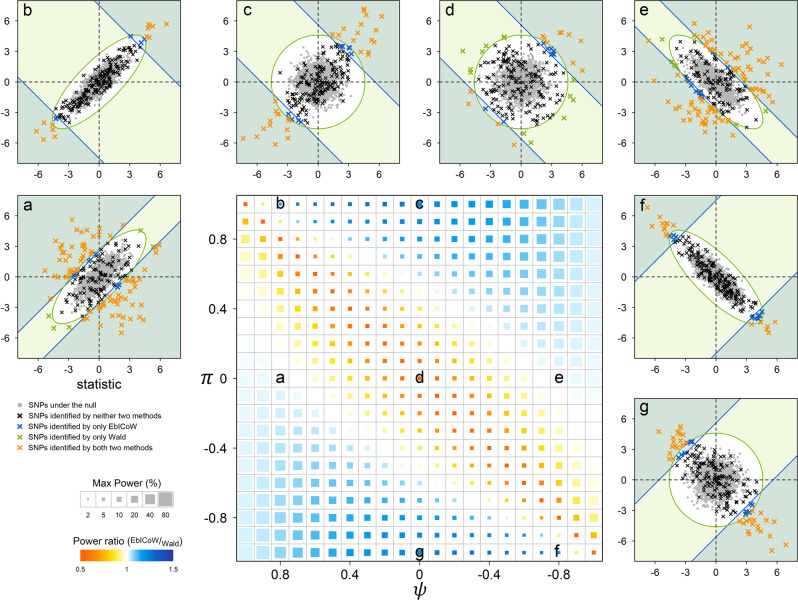
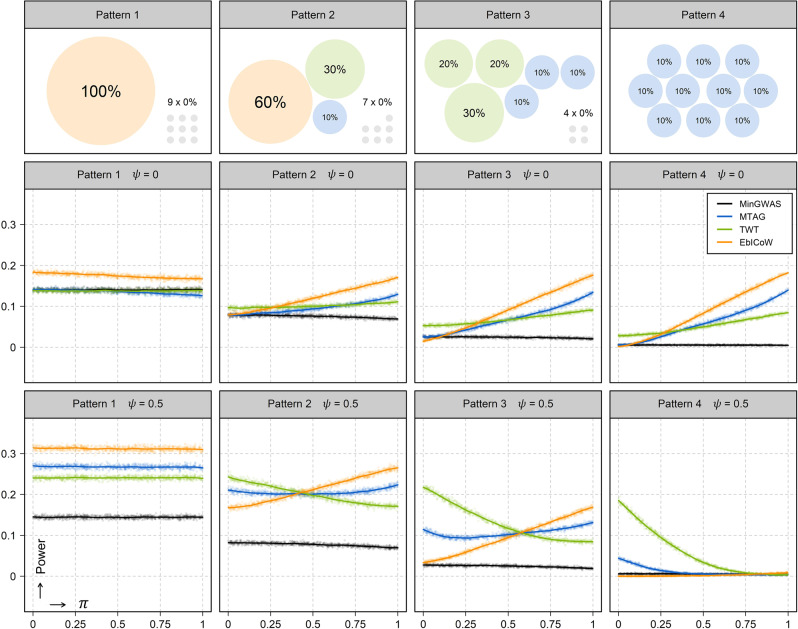
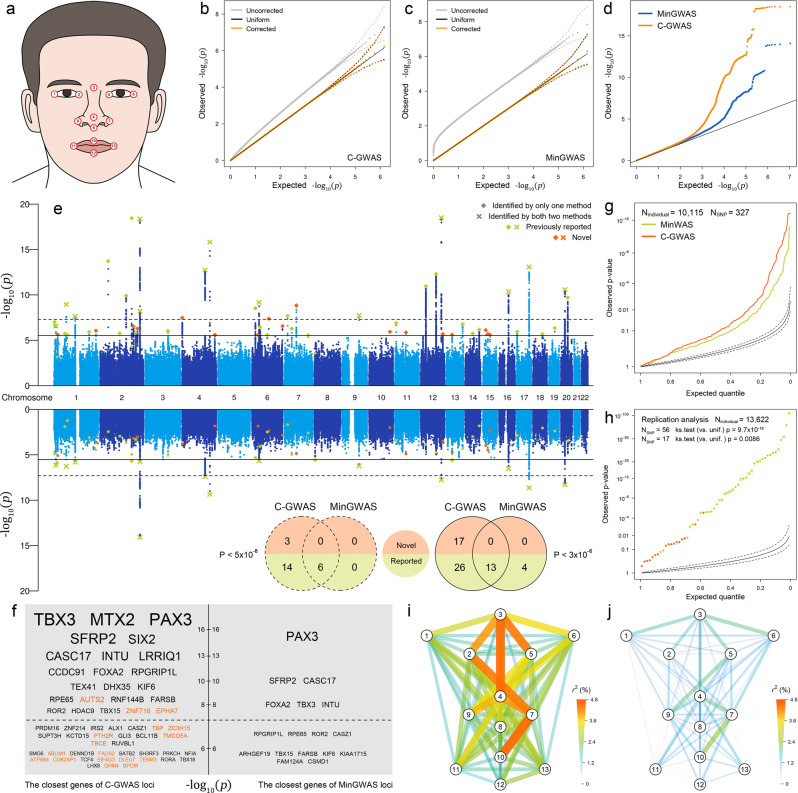
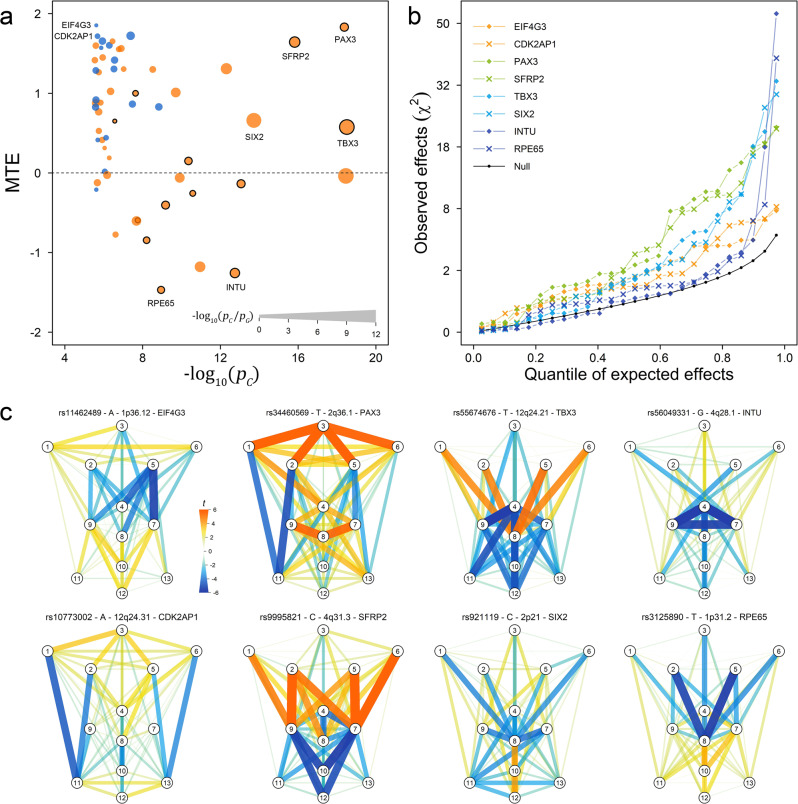
Standard genome-wide association studies (GWASs) rely on analyzing a single trait at a time. However, many human phenotypes are complex and composed by multiple correlated traits. Here we introduce C-GWAS, a method for combining GWAS summary statistics of multiple potentially correlated traits. Extensive computer simulations demonstrated increased statistical power of C-GWAS compared to the minimal p-values of multiple single-trait GWASs (MinGWAS) and the current state-of-the-art method for combining single-trait GWASs (MTAG). Applying C-GWAS to a meta-analysis dataset of 78 single trait facial GWASs from 10,115 Europeans identified 56 study-wide suggestively significant loci with multi-trait effects on facial morphology of which 17 are novel loci. Using data from additional 13,622 European and Asian samples, 46 (82%) loci, including 9 (53%) novel loci, were replicated at nominal significance with consistent allele effects. Functional analyses further strengthen the reliability of our C-GWAS findings. Our study introduces the C-GWAS method and makes it available as computationally efficient open-source R package for widespread future use. Our work also provides insights into the genetic architecture of human facial appearance.
Overview
The claims and statistics of this paper haven’t been checked yet.
Free: it reads the open-access text and checks the first 5 claims that cite a source we can check. Create a free account to check every claim.
Integrity signals
Registry
Cites
Statistics
Figures
Verification
Claims the paper makes
The claims and statistics of this paper haven’t been checked yet.
Free: it reads the open-access text and checks the first 5 claims that cite a source we can check. Create a free account to check every claim.
Claims other papers make about this one
Each is checked against this paper’s own text: does it say what the citing paper says it does?
The cited source says what the claim attributes to it.
In the citing paper
“That besides the 5x smaller sample size, our study identified 8 novel loci, half of which were identified only by C-GWAS, confirms the power gain of C-GWAS in detecting small but multi-trait effects, as previously highlighted also for human face shape traits [4].”
From Combined genome-wide association study of 136 quantitative ear morphology traits in multiple populations reveal 8 novel loci (2023) · cites this paper as [4]
Self-check
Percentages, sums and reported differences re-computed from the paper’s own numbers.
The self-check needs the paper’s full text.
Citations
Cites
clusterProfiler: an R Package for Comparing Biological Themes Among Gene Clusters
Yu, G., Wang, L.-G., Han, Y., & He, Q.-Y. (2012) · OMICS: A Journal of Integrative Biology · doi:10.1089/omi.2011.0118 · Cited by 36,259
An integrated map of genetic variation from 1,092 human genomes
The 1000 Genomes Project Consortium (2012) · Nature · doi:10.1038/nature11632 · Cited by 7,711
Self-citationLD Score regression distinguishes confounding from polygenicity in genome-wide association studies
Schizophrenia Working Group of the Psychiatric Genomics Consortium, Bulik-Sullivan, B. K., Loh, P.-R., Finucane, H. K., Ripke, S., Yang, J., Patterson, N., Daly, M. J., Price, A. L., & Neale, B. M. (2015) · Nature Genetics · doi:10.1038/ng.3211 · Cited by 5,559 · cited 6×
“Compared with previous LD score-basedmethods 22,34 ,ourmethodsabandonLD-relatedcalculation for computational ef fi ciency, while maintaining similarly levels of accuracy and estimation error.”
InfluentialThe GTEx Consortium atlas of genetic regulatory effects across human tissues
The GTEx Consortium, Aguet, F., Anand, S., Ardlie, K. G., Gabriel, S., Getz, G. A., Graubert, A., Hadley, K., Handsaker, R. E., Huang, K. H., et al. (2020) · Science · doi:10.1126/science.aaz1776 · Cited by 5,547
GREAT improves functional interpretation of cis-regulatory regions
McLean, C. Y., Bristor, D., Hiller, M., Clarke, S. L., Schaar, B. T., Lowe, C. B., Wenger, A. M., & Bejerano, G. (2010) · Nature Biotechnology · doi:10.1038/nbt.1630 · Cited by 4,502
Giambartolomei, C., Vukcevic, D., Schadt, E. E., Franke, L., Hingorani, A. D., Wallace, C., & Plagnol, V. (2014) · PLoS Genetics · doi:10.1371/journal.pgen.1004383 · Cited by 4,261
An atlas of genetic correlations across human diseases and traits
ReproGen Consortium, Bulik-Sullivan, B., Psychiatric Genomics Consortium, Genetic Consortium for Anorexia Nervosa of the Wellcome Trust Case Control Consortium 3, Finucane, H. K., Anttila, V., Gusev, A., Day, F. R., Loh, P.-R., Duncan, L., et al. (2015) · Nature Genetics · doi:10.1038/ng.3406 · Cited by 4,255 · cited 2×
“Compared with MTAG, which estimate covariance of the estimate error using LDSC 34 , our method has a similar level of estimate error but does not require LD information, thus more computationally ef fi cient, especially for the analysis of a large number of GWAS.”
Functional mapping and annotation of genetic associations with FUMA
Watanabe, K., Taskesen, E., van Bochoven, A., & Posthuma, D. (2017) · Nature Communications · doi:10.1038/s41467-017-01261-5 · Cited by 4,083
23andMe Research Team, Lee, J. J., COGENT (Cognitive Genomics Consortium), Social Science Genetic Association Consortium, Wedow, R., Okbay, A., Kong, E., Maghzian, O., Zacher, M., Nguyen-Viet, T. A., et al. (2018) · Nature Genetics · doi:10.1038/s41588-018-0147-3 · Cited by 2,470 · cited 1×
“SNPs in this gene have been associated witheducational attainment and waist-to-hip ratio in previous GWAS 32,33 .”
Adjusting multiple testing in multilocus analyses using the eigenvalues of a correlation matrix
Li, J., & Ji, L. (2005) · Heredity · doi:10.1038/sj.hdy.6800717 · Cited by 1,458 · cited 1×
“In multiple-trait studies, a commonly used approach for multiple testing correction is to adjust for the number of independent tests, which can be derived either analytically using the matrix spectral decomposition analysis 8 or empirically using simulations 5 .”
Research works printed but not linked: 1
- Joanes DN Gill CA Comparing measures of sample skewness and kurtosis J. R. Statistical Soc. Ser. D (The Statistician) 1998 47 183 189
Cited by
Recent advances in Forensic DNA Phenotyping of appearance, ancestry and age
Kayser, M., Branicki, W., Parson, W., & Phillips, C. (2023) · Forensic Science International Genetics · doi:10.1016/j.fsigen.2023.102870 · Cited by 187
Self-citationRevisiting informed consent in forensic genomics in light of current technologies and the times
Budowle, B., & Sajantila, A. (2023) · International Journal of Legal Medicine · doi:10.1007/s00414-023-02947-w · Cited by 40
Mandape, S. N., Budowle, B., Mittelman, K., & Mittelman, D. (2024) · Croatian Medical Journal · doi:10.3325/cmj.2024.65.249 · Cited by 30
Xiong, Z., Li, Y., Liu, X., Lu, H., Hysi, P. G., Pardo, L. M., Uitterlinden, A. G., Rivadeneira, F., Ikram, M. A., Ghanbari, M., et al. (2025) · Nature Communications · doi:10.1038/s41467-025-61761-7 · Cited by 16
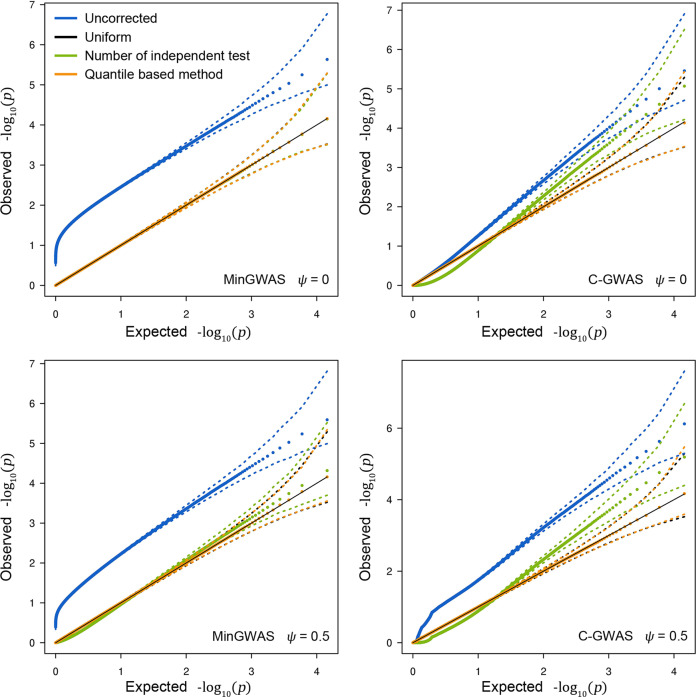
“Univariate LDSC 34 was employed to z-transform C-GWAS p-values to estimate the in fl ation factor of C-GWAS and MinGWAS results 31 .”
InfluentialSelf-citationDe Novo Reconstruction of 3D Human Facial Images from DNA Sequence
Jiao, M., Li, J., Zhong, B., Du, S., Li, S., Zhang, M., Zhang, Q., Liang, Z., Liu, F., Zuo, C., et al. (2025) · Advanced Science · doi:10.1002/advs.202414507 · Cited by 14
Self-citationZhou, Y. Y., Heng, Y., Chen, S., Wang, J., He, K., Geng, J., Fan, K., Xiao, Y., Huang, C., Wang, J., et al. (2025) · aBIOTECH · doi:10.1007/s42994-025-00241-4 · Cited by 12
“By contrast, a joint multi-trait analysis can integrate shared genetic signals, enhance the precision of genetic dissection, and uncover the regulatory networks behind complex traits (Xiong et al. 2022).”
Trait selection strategy in multi-trait GWAS: Boosting SNP discoverability
Suzuki, Y., Ménager, H., Brancotte, B., Vernet, R., Nerin, C., Boetto, C., Auvergne, A., Linhard, C., Torchet, R., Lechat, P., et al. (2024) · Human Genetics and Genomics Advances · doi:10.1016/j.xhgg.2024.100319 · Cited by 11
“The average number of new association loci detected in validation data equals 14, 20, 32, 22, and 61 for homogeneous, low heterogeneity, high heterogeneity, random baseline, and data-driven sets, respectively.”
Li, Y., Xiong, Z., Zhang, M., Hysi, P. G., Qian, Y., Adhikari, K., Weng, J., Wu, S., Du, S., Gonzalez-Jose, R., et al. (2023) · PLOS Genetics · doi:10.1371/journal.pgen.1010786 · Cited by 9
“We then used a recently developed C-GWAS method [4] to combine GWASs of ear traits.”
MethodResultInfluentialSelf-citationGoovaerts, S., Naqvi, S., Hoskens, H., Herrick, N., Yuan, M., Shriver, M. D., Shaffer, J. R., Walsh, S., Weinberg, S. M., Wysocka, J., et al. (2025) · Communications Biology · doi:10.1038/s42003-025-07875-6 · Cited by 9
Genetic and environmental factors affecting hair density in East Asian populations
Qian, Q., Gu, Y., Luo, J., Wu, S., Li, J., Li, J., Peng, Q., Chen, W., Yang, Y., Wang, J., et al. (2025) · British Journal of Dermatology · doi:10.1093/bjd/ljaf149 · Cited by 8
Self-citationDu, S., Chen, J., Li, J., Qian, W., Wu, S., Peng, Q., Liu, Y., Pan, T., Li, Y., Hadi, S. S., et al. (2024) · Journal of genetics and genomics/Journal of Genetics and Genomics · doi:10.1016/j.jgg.2024.07.005 · Cited by 7
Self-citationThe Role of Neuromodulation and Potential Mechanism in Regulating Heterotopic Ossification
Li, D., Liu, C., Wang, H., Li, Y., Wang, Y., An, S., & Sun, S. (2024) · Neurochemical Research · doi:10.1007/s11064-024-04118-8 · Cited by 6
Self-citationYu, C., Ji, Y., Liu, N., Yang, Y., Wang, M., Chen, J., Zhu, W., Qiu, S., Geng, Z., Cui, G., et al. (2025) · Nature Genetics · doi:10.1038/s41588-025-02136-y · Cited by 6
Self-citationIslam, S. R., Xia, T., He, W., Xie, Z., & Zhi, D. (2026) · Communications Biology · doi:10.1038/s42003-026-10430-6 · Cited by 5
“Intheliterature Intheliterature, min-Phasbeenwidelyadoptedasabaselineapproachformulti-trait GWAS,andseveralmorepowerfulmethodshavesincebeendevelopedto improvelocusdiscovery,includingMOSTest 36 and C-GWAS 37 .”
Xue, H., Xu, X., Yan, Z., Cheng, J., Zhang, L. J., Zhu, W., Cui, G., Zhang, Q., Qiu, S., Yao, Z., et al. (2023) · iScience · doi:10.1016/j.isci.2023.108005 · Cited by 4
Self-citationComment on “De Novo Reconstruction of 3D Human Facial Images from DNA Sequence”
Wagner, J. K., Claessens, N., Maloney, C. M., & Claes, P. D. (2025) · Advanced Science · doi:10.1002/advs.202513207 · Cited by 4
Goovaerts, S., Devine, J., Claessens, N., Gabbita, S., Deprest, J., Pauwels, K., Herrick, N., Mohammed, J., Mounier, A., Sofer, T., et al. (2025) · bioRxiv (Cold Spring Harbor Laboratory) · doi:10.64898/2025.12.29.696848 · Cited by 3
Exploring the association between SNPs and facial morphology in a Spanish population
Navarro-López, B., Wilke, F., Suárez-Ulloa, V., Baeta, M., Martos, R., Moreno-López, O., Olalde, Í., Martínez‐Jarreta, B., Jiménez, S., Walsh, S., et al. (2025) · Scientific Reports · doi:10.1038/s41598-025-98748-9 · Cited by 3
“The low value obtained, with all ten SNPs combined explaining only 0.705% of the variance, is consistent with previous findings, where each SNP explained less than 1% of the overall phenotypic facial variation 10,11 .”
Influential3D facial imaging: a novel approach for metabolic abnormalities risk profiling
Peng, Q., Cheung, Y. K., Liu, Y., Wang, Y., Tan, J., Yang, Y., Wang, J., Han, J. J., Li, J., Liu, F., et al. (2025) · Science China Life Sciences · doi:10.1007/s11427-024-2726-8 · Cited by 3
“…environmental, and physiological information, providing a unique window into an individual ’ s health status (Bonfante et al., 2021; Cui and Leclercq, 2017; Gurovich et al., 2019; Liu and Feng, 2023; Liu et al., 2023; White et al., 2021; Xiong et al., 2019; Xiong et al., 2022; Zhang et al., 2022).”
Self-citationIdentification and functional dissection of maize disease resistance genes
Wu, H., Ding, Y., Yu, H., Xie, X., Saintenac, C., Li, Z., & Liu, W. (2025) · New plant protection. · doi:10.1002/npp2.70013 · Cited by 2
de Hesselle, H. C., Garben, B.-F., Stark, K. J., Warth, R., Teumer, A., Pattaro, C., Heid, I. M., & Winkler, T. W. (2026) · medRxiv · doi:10.64898/2026.06.08.26355141 · Cited by 1
Genome-wide association study on coordination and agility in 461 Chinese Han males
Wang, Y., Li, H., Hou, L., Wang, S., Kang, X., Yu, J., Tian, F., Ni, W., Deng, X., Liu, T., et al. (2023) · Heliyon · doi:10.1016/j.heliyon.2023.e19268 · Cited by 1
Self-citationYe, H., Zhang, S., Qi, L., Liu, X., Bello, S. F., Zhao, C., Luo, W., & Nie, Q. (2026) · Poultry Science · doi:10.1016/j.psj.2026.107561 · Cited by 1
“Integrating Multi-Trait Effect (MTE) analysis with single-trait T-statistics revealed that these genes exert shared genetic effects across traits with diverse architectures (Xiong et al., 2022).”
InfluentialKüchler, É. C., Meger, M. N., Pires, B. C. R., Beisel-Memmert, S., Hemming, D., Coletta, R. D., Scariot, R., Matsumoto, M. A. N., Oliveira, M. A. H. D. M., Kirschneck, C., et al. (2025) · Frontiers in Dental Medicine · doi:10.3389/fdmed.2025.1546295 · Cited by 1
Replicability of unsupervised deep learning derived image phenotypesPreprint
Xia, T., Islam, S. M. S., Xie, Z., Zhao, X., & Zhi, D. (2026) · bioRxiv (Cold Spring Harbor Laboratory) · doi:10.64898/2026.05.19.726257 · Cited by 1
“In the literature, while min-P has been widely adopted as a baseline approach for multi-trait GWAS, several more powerful multivariate methods have since been developed to improve locus discovery, including MTAG [17], MOSTest [18]and C-GWAS [19].”
Liu, X., Xiong, Z., Liu, F., Nijsten, T. E. C., Wolvius, E. B., Kayser, M., & Roshchupkin, G. V. (2025) · bioRxiv (Cold Spring Harbor Laboratory) · doi:10.1101/2025.08.03.668352
Self-citationValverde-Vilcherrez, A., Budowle, B., & Neyra-Rivera, C. (2026) · International Journal of Legal Medicine · doi:10.1007/s00414-026-03989-6
Navarro-López, B., Suárez-Ulloa, V., Baeta, M., Martos, R., Moreno-López, O., Raffone, C., Ibáñez, O. C., Egurain, H., Martínez‐Jarreta, B., García, C., et al. (2025) · SSRN Electronic Journal · doi:10.2139/ssrn.5334592
Wei, C., Zhang, H., Huang, R., Cai, Z., 吴鸿雁, Zhong, C. C., Zhang, J., Yang, X., Sun, L., Wang, X., et al. (2026) · PLOS Digital Health · doi:10.1371/journal.pdig.0001376
Deep-learning segmentation and multi-ancestry GWAS enhance genetic discovery of the cerebellumPreprint
Yu, C., Xue, H. F., Fu, J., Ding, H., Wang, S., Cheng, J., Wang, M., Zhang, L. J., Geng, Z., Cui, G., et al. (2025) · Research Square · doi:10.21203/rs.3.rs-6694135/v1
Self-citationFranks, P. W., Coral, D., Fernandez-Tajes, J. J., Pigeyre, M., Chong, M., Atabaki‐Pasdar, N., Fitipaldi, H., Kalamajski, S., Gomez, M. F., Paré, G., et al. (2023) · Research Square · doi:10.21203/rs.3.rs-3470871/v1
Forensic DNA phenotyping in Southeast Asian populations: a scoping review
Setiawardani, A., Zainuddin, Z., Hadi, H., Furqoni, A. H., & Abidin, N. W. H. Z. (2026) · Egyptian Journal of Forensic Sciences · doi:10.1186/s41935-026-00579-w
“…or three-dimensional landmark analysis (Huang et Methodologically, 11 studies utilized GWAS (Huang et al. 2021; Seo et al. 2021; Wang et al. 2022; Xiong et al. 2022; Zhang et al. 2022; Du et al. 2024), 6 employed WGS approaches (Hoang et al. 2023; Boonin et al. 2025; Moon et al. 2025), and 8…”
InfluentialGenetic Loci Associated with Nail Plate Morphology in East Asian Populations
Ge, J., You, M., Fan, Y., Zhou, Y., Li, J., Zhai, G., Liu, F., & Wang, S. (2024) · Journal of Investigative Dermatology · doi:10.1016/j.jid.2024.08.035
Self-citationExploring the association between genetic polymorphisms in FGFR2 and children’s facial morphology
Rinnert, C., Beisel-Memmert, S., Proff, P., de Araujo, C. M., Baratto, M. J. P., Perin, C. P., Corá, J., Kirschneck, C., & Küchler, É. C. (2026) · Head & Face Medicine · doi:10.1186/s13005-026-00649-3
Advances in forensic DNA phenotyping
Li, C., Zhang, H., Liu, C., & Hu, L. (2026) · Forensic Science Advances · doi:10.26599/fsa.2026.9750002
Yu, C., Liu, N., Xu, J., Tang, J., Fu, J., Wang, S., Ji, Y., Xue, H., Zhang, N., Xu, Q., et al. (2026) · Research Square · doi:10.21203/rs.3.rs-8949457/v1
Self-citationOmics GWAS: A Multi‐Omics Integrative Analysis Platform for Genome‐Wide Association Studies
Zhang, X., Li, K., Zhang, Y., Liu, C., Huang, S., Jin, Y., Gao, Y., Cheng, Q., & Mei, Y. (2026) · Med Research · doi:10.1002/mdr2.70077
Polygenic risk scores reveal shared polygenic risk across five common cardiovascular diseases
Adane, T. D., Sedaghati-khayat, B., Trap, L., Dagnaw, A. B., Kavousi, M., Rivadeneira, F., van Meurs, J. B. J., Uitterlinden, A. G., & van Rooij, J. (2026) · Atherosclerosis · doi:10.1016/j.atherosclerosis.2026.120763
Self-citationPapoutsis, A., Malikides, D., Georgiou, A. N., Lamnisos, D., & Heraclides, A. (2026) · Nutrients · doi:10.3390/nu18132052
“This window size has been previously used in published GWAS and other genetic association studies [40–42], where loci are often defined using the lead variant and flanking regions of approximately 500 kb on either side [40–42].”
Padilla, A. S. G., Imbacuan, S. D. R. M., Bajaña, J. F. M., Urrutia, D. B. A., & Acurio, M. D. G. (2026) · Revista Multidisciplinar Epistemología de las Ciencias · doi:10.71112/h0gx2e12
Chen, X., Yang, Y., Ye, S., Zhai, M., Gong, P., Pu, Y., MengXiang, T., Jiang, X., Zhang, S. J., QIAN, Y., et al. (2026) · Poultry Science · doi:10.1016/j.psj.2026.108113
Wu, Y., Saafi, S., Chen, S., Xiong, Z., Jung, M., Southam, L., Faber, B. G., Kayser, M., van Meurs, J. B., Zeggini, E., et al. (2026) · medRxiv · doi:10.64898/2026.08.12.26360256
Self-citationDecoupling skeletal and soft-tissue genetic effects in human craniofacial morphology
Li, Y., Qian, W., Zhang, M., Wu, Y., Jiao, X., Wei, L., Xiong, Z., Du, S., Li, T., 穆雄铮, et al. (2026) · Journal of genetics and genomics/Journal of Genetics and Genomics · doi:10.1016/j.jgg.2026.09.006
Self-citation
Metadata
- Authors
- Xiong, Z., Gao, X., Chen, Y., Feng, Z., Pan, S., Lu, H., Uitterlinden, A. G., Nijsten, T., Ikram, A., Rivadeneira, F., Ghanbari, M., Wang, Y., Kayser, M., & Liu, F.
- Affiliations
- Erasmus MC (NL)
- Chinese Academy of Sciences (CN)
- Corresponding author
- Kayser, Manfred
- Liu, Fan
- ORCID
- Venue
- Nature Communications
- Published
- 2022-12-20
- Volume
- 13
- Issue
- 1
- Pages
- 7832-7832
- ISSN
- 2041-1723 (ISSN-L)
- PMC
- PMC9767941
- OpenAlex
- W4313339753
- Semantic Scholar
- 869a0576ce9ac9fd752f1ce54f7b310233d6696d
- Cited by
- 37
- References
- 45
- Citations by year
- 2026: 11 · 2025: 15 · 2024: 5 · 2023: 6
- FWCI
- 3.91
- Type
- journal article
- Language
- en
- Open access
- gold
- doi.org
- Licence
- cc-by
- creativecommons.org/licenses/by/4.0 (tdm)
- creativecommons.org/licenses/by/4.0 (vor)
- Locations
- Nature Communications (publishedVersion, cc-by)
- PubMed Central (publishedVersion, cc-by)
- PubMed (publishedVersion)
- EUR Research Repository (Erasmus University Rotterdam) (publishedVersion, cc-by)
- EUR Research Repository (Erasmus University Rotterdam) (submittedVersion, cc-by)
- RePEc: Research Papers in Economics (submittedVersion)
- DOAJ (DOAJ: Directory of Open Access Journals) (submittedVersion, cc-by-sa)
- Funders
- Purdue University
- Indiana University-Purdue University Indianapolis
- European Commission
- National Natural Science Foundation of China (KFJ-STS-QYZD-2021-08-001, XDC01000000, XDB38010400, 2017SHZDZX01, 81930056)
- ZonMw
- Erasmus Universiteit Rotterdam
- Chinese Academy of Sciences (2017SHZDZX01, KFJ-STS-QYZD-2021-08-001, XDC01000000, KFJ-STS-ZDTP-079, XDB38010400)
- Nederlandse Organisatie voor Wetenschappelijk Onderzoek
- Topics
- Life Sciences › Biochemistry, Genetics and Molecular Biology › Genetics › Genetic Associations and Epidemiology
- Life Sciences › Biochemistry, Genetics and Molecular Biology › Genetics › Genetic Mapping and Diversity in Plants and Animals
- Life Sciences › Agricultural and Biological Sciences › Ecology, Evolution, Behavior and Systematics › Morphological variations and asymmetry
- Keywords
- facial morphology, facial variation, novel loci, MTAG, statistical power, facial anthropometry, R package
- MeSH terms
- Computer Simulation, Humans, Phenotype, Reproducibility of Results, Polymorphism, Single Nucleotide, Genome-Wide Association Study
About these checks
Registry, retraction, Cites and statistics results are computed, not judged, with one exception: a printed reference that no index lists is read once by a model before it counts as a citation error. Claims are extracted by a model and kept only when their quote appears verbatim in the text; each cited source is then checked, with a model’s help, for whether it says what the claim relies on. Those verdicts can be wrong — read the claim’s quote and the cited source before relying on one.
Statistics and arithmetic are recomputed, not judged.
Confidence bands are shown only for fields calibrated on our annotated test set. None is calibrated yet, so no band is shown.
What counts as a claim ›How we measure confidence ›How we check this ›
Are you an author, or do you see a problem with this page? Request a review
Data sources
Bibliographic data: Semantic Scholar, OpenAlex, Crossref.
Contains information from the Semantic Scholar Academic Graph Datasets, made available under the ODC Attribution License (ODC-BY 1.0).
Semantic Scholar’s data is described in: Kinney, R., et al. (2023). The Semantic Scholar Open Data Platform. arXiv:2301.10140.
