

Combining genome-wide association studies highlight novel loci involved in human facial variation
Open accessThe DOI matches its Crossref record; 47 of the 47 references it cites were found in a registry or an index.
Abstract
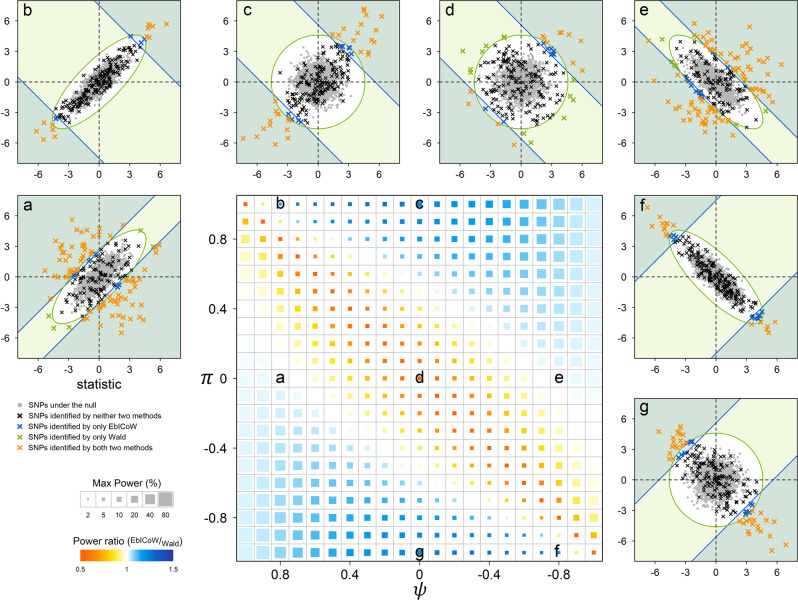
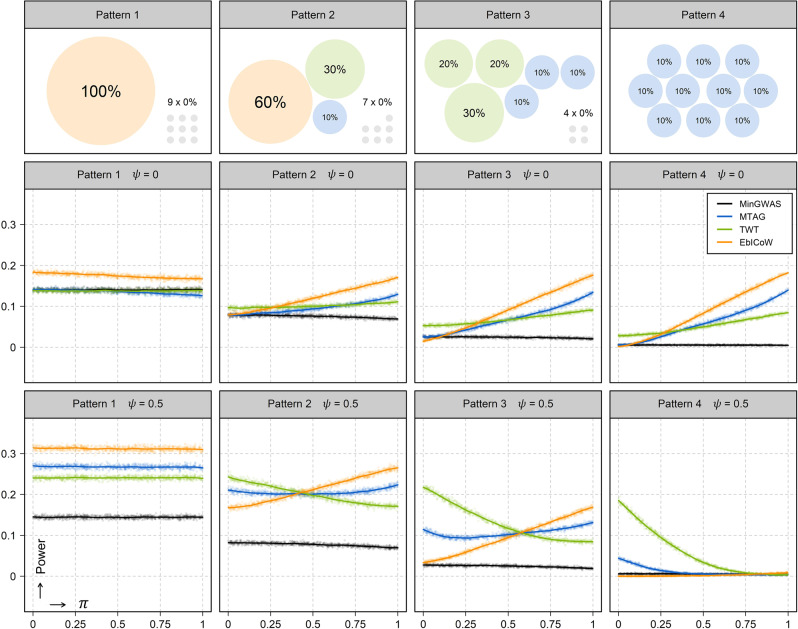
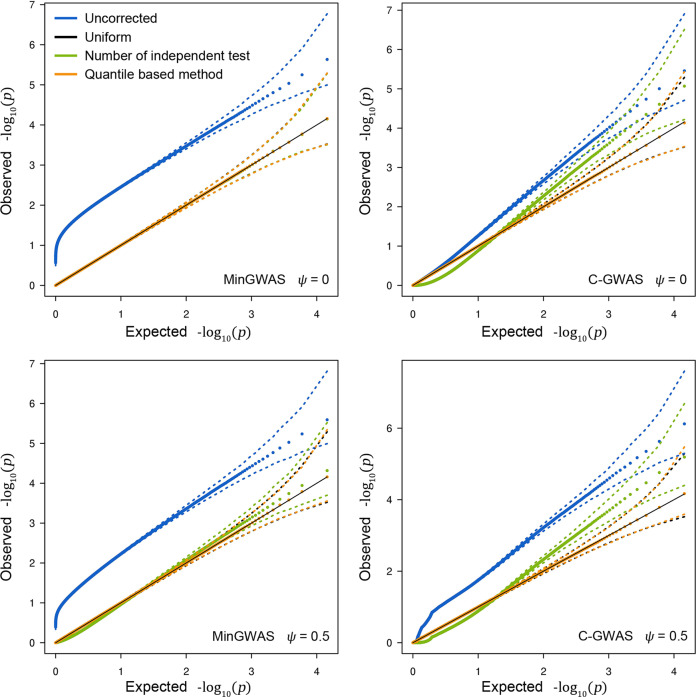
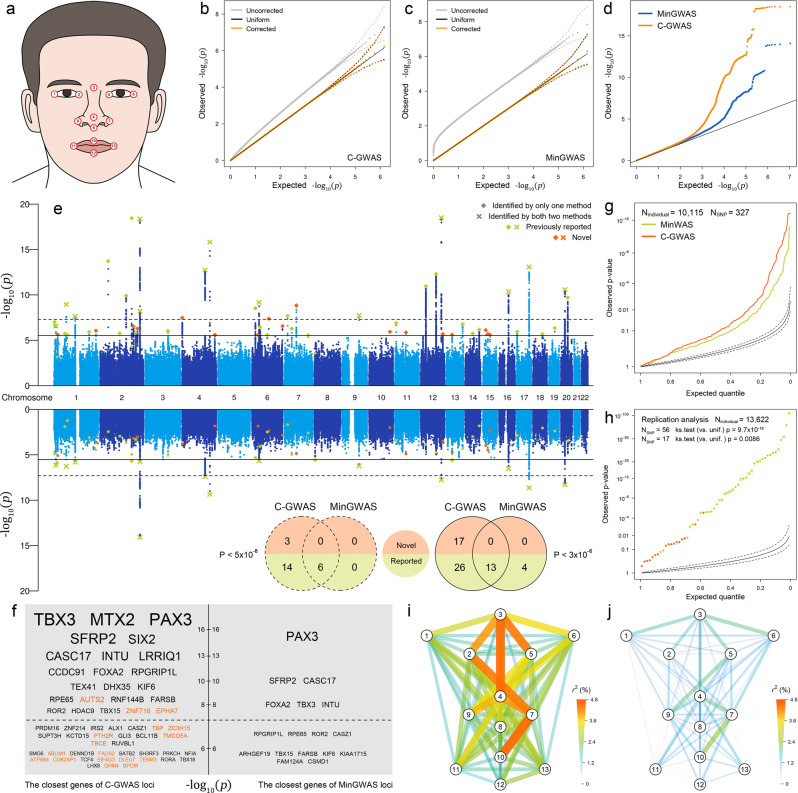
Standard genome-wide association studies (GWASs) rely on analyzing a single trait at a time. However, many human phenotypes are complex and composed by multiple correlated traits. Here we introduce C-GWAS, a method for combining GWAS summary statistics of multiple potentially correlated traits. Extensive computer simulations demonstrated increased statistical power of C-GWAS compared to the minimal p-values of multiple single-trait GWASs (MinGWAS) and the current state-of-the-art method for combining single-trait GWASs (MTAG). Applying C-GWAS to a meta-analysis dataset of 78 single trait facial GWASs from 10,115 Europeans identified 56 study-wide suggestively significant loci with multi-trait effects on facial morphology of which 17 are novel loci. Using data from additional 13,622 European and Asian samples, 46 (82%) loci, including 9 (53%) novel loci, were replicated at nominal significance with consistent allele effects. Functional analyses further strengthen the reliability of our C-GWAS findings. Our study introduces the C-GWAS method and makes it available as computationally efficient open-source R package for widespread future use. Our work also provides insights into the genetic architecture of human facial appearance.
Overview
The claims and statistics of this paper haven’t been checked yet.
Free: it reads the open-access text and checks the first 5 claims that cite a source we can check. Create a free account to check every claim.
Integrity signals
Registry
Cites
Statistics
Figures
Verification
Claims the paper makes
The claims and statistics of this paper haven’t been checked yet.
Free: it reads the open-access text and checks the first 5 claims that cite a source we can check. Create a free account to check every claim.
Claims other papers make about this one
Each is checked against this paper’s own text: does it say what the citing paper says it does?
The cited source says what the claim attributes to it.
In the citing paper
“That besides the 5x smaller sample size, our study identified 8 novel loci, half of which were identified only by C-GWAS, confirms the power gain of C-GWAS in detecting small but multi-trait effects, as previously highlighted also for human face shape traits [4].”
From Combined genome-wide association study of 136 quantitative ear morphology traits in multiple populations reveal 8 novel loci (2023) · cites this paper as [4]
Self-check
Percentages, sums and reported differences re-computed from the paper’s own numbers.
The self-check needs the paper’s full text.
Citations
Cites
clusterProfiler: an R Package for Comparing Biological Themes Among Gene Clusters
Yu, G., Wang, L.-G., Han, Y., & He, Q.-Y. (2012) · OMICS: A Journal of Integrative Biology · doi:10.1089/omi.2011.0118 · Cited by 36,259
An integrated map of genetic variation from 1,092 human genomes
The 1000 Genomes Project Consortium (2012) · Nature · doi:10.1038/nature11632 · Cited by 7,711
Self-citationLD Score regression distinguishes confounding from polygenicity in genome-wide association studies
Schizophrenia Working Group of the Psychiatric Genomics Consortium, Bulik-Sullivan, B. K., Loh, P.-R., Finucane, H. K., Ripke, S., Yang, J., Patterson, N., Daly, M. J., Price, A. L., & Neale, B. M. (2015) · Nature Genetics · doi:10.1038/ng.3211 · Cited by 5,559 · cited 6×
“Compared with previous LD score-basedmethods 22,34 ,ourmethodsabandonLD-relatedcalculation for computational ef fi ciency, while maintaining similarly levels of accuracy and estimation error.”
InfluentialThe GTEx Consortium atlas of genetic regulatory effects across human tissues
The GTEx Consortium, Aguet, F., Anand, S., Ardlie, K. G., Gabriel, S., Getz, G. A., Graubert, A., Hadley, K., Handsaker, R. E., Huang, K. H., et al. (2020) · Science · doi:10.1126/science.aaz1776 · Cited by 5,547
GREAT improves functional interpretation of cis-regulatory regions
McLean, C. Y., Bristor, D., Hiller, M., Clarke, S. L., Schaar, B. T., Lowe, C. B., Wenger, A. M., & Bejerano, G. (2010) · Nature Biotechnology · doi:10.1038/nbt.1630 · Cited by 4,502
Giambartolomei, C., Vukcevic, D., Schadt, E. E., Franke, L., Hingorani, A. D., Wallace, C., & Plagnol, V. (2014) · PLoS Genetics · doi:10.1371/journal.pgen.1004383 · Cited by 4,261
An atlas of genetic correlations across human diseases and traits
ReproGen Consortium, Bulik-Sullivan, B., Psychiatric Genomics Consortium, Genetic Consortium for Anorexia Nervosa of the Wellcome Trust Case Control Consortium 3, Finucane, H. K., Anttila, V., Gusev, A., Day, F. R., Loh, P.-R., Duncan, L., et al. (2015) · Nature Genetics · doi:10.1038/ng.3406 · Cited by 4,255 · cited 2×
“Compared with MTAG, which estimate covariance of the estimate error using LDSC 34 , our method has a similar level of estimate error but does not require LD information, thus more computationally ef fi cient, especially for the analysis of a large number of GWAS.”
Functional mapping and annotation of genetic associations with FUMA
Watanabe, K., Taskesen, E., van Bochoven, A., & Posthuma, D. (2017) · Nature Communications · doi:10.1038/s41467-017-01261-5 · Cited by 4,083
23andMe Research Team, Lee, J. J., COGENT (Cognitive Genomics Consortium), Social Science Genetic Association Consortium, Wedow, R., Okbay, A., Kong, E., Maghzian, O., Zacher, M., Nguyen-Viet, T. A., et al. (2018) · Nature Genetics · doi:10.1038/s41588-018-0147-3 · Cited by 2,470 · cited 1×
“SNPs in this gene have been associated witheducational attainment and waist-to-hip ratio in previous GWAS 32,33 .”
Adjusting multiple testing in multilocus analyses using the eigenvalues of a correlation matrix
Li, J., & Ji, L. (2005) · Heredity · doi:10.1038/sj.hdy.6800717 · Cited by 1,458 · cited 1×
“In multiple-trait studies, a commonly used approach for multiple testing correction is to adjust for the number of independent tests, which can be derived either analytically using the matrix spectral decomposition analysis 8 or empirically using simulations 5 .”
The Rotterdam Study: objectives and design update
Hofman, A., Breteler, M. M. B., van Duijn, C. M., Krestin, G. P., Pols, H. A., Stricker, B. H. C., Tiemeier, H., Uitterlinden, A. G., Vingerling, J. R., & Witteman, J. C. M. (2007) · European Journal of Epidemiology · doi:10.1007/s10654-007-9199-x · Cited by 1,395
Self-citationDetection and interpretation of shared genetic influences on 42 human traits
Pickrell, J. K., Berisa, T., Liu, J. Z., Ségurel, L., Tung, J. Y., & Hinds, D. A. (2016) · Nature Genetics · doi:10.1038/ng.3570 · Cited by 1,151
Multi-trait analysis of genome-wide association summary statistics using MTAG
23andMe Research Team, Turley, P., Social Science Genetic Association Consortium, Walters, R. K., Maghzian, O., Okbay, A., Lee, J. J., Fontana, M. A., Nguyen-Viet, T. A., Wedow, R., et al. (2018) · Nature Genetics · doi:10.1038/s41588-017-0009-4 · Cited by 1,112 · cited 6×
“Under this threshold, C-GWAS and MinGWAS results are provided in Supplementary Data 2.”
InfluentialEstablishing neural crest identity: a gene regulatory recipe
Simões-Costa, M., & Bronner, M. E. (2015) · Development · doi:10.1242/dev.105445 · Cited by 649
Zhu, X., Feng, T., Tayo, B. O., Liang, J., Young, J. H., Franceschini, N., Smith, J. A., Yanek, L. R., Sun, Y. V., Edwards, T. L., et al. (2015) · The American Journal of Human Genetics · doi:10.1016/j.ajhg.2014.11.011 · Cited by 426
Abundant associations with gene expression complicate GWAS follow-up
Liu, B., Gloudemans, M. J., Rao, A. S., Ingelsson, E., & Montgomery, S. B. (2019) · Nature Genetics · doi:10.1038/s41588-019-0404-0 · Cited by 368
The Rotterdam Study: 2014 objectives and design update
Hofman, A., Murad, S. D., van Duijn, C. M., Franco, O. H., Goedegebure, A., Arfan Ikram, M., Klaver, C. C. W., Nijsten, T. E. C., Peeters, R. P., Stricker, B. H. C., et al. (2013) · European Journal of Epidemiology · doi:10.1007/s10654-013-9866-z · Cited by 330 · cited 2×
“The Rotterdam Study has been entered into the Netherlands National Trial Register (NTR; www. trialregister.nl) and into the WHO International Clinical Trials Registry Platform (ICTRP; www.who.int/ictrp/network/primary/en/) and under shared catalog number NTR6831.”
Self-citationA Genome-Wide Association Study Identifies Five Loci Influencing Facial Morphology in Europeans
Liu, F., van der Lijn, F., Schurmann, C., Zhu, G., Chakravarty, M. M., Hysi, P. G., Wollstein, A., Lao, O., de Bruijne, M., Ikram, M. A., et al. (2012) · PLoS Genetics · doi:10.1371/journal.pgen.1002932 · Cited by 326
Self-citationBolormaa, S., Pryce, J. E., Reverter, A., Zhang, Y., Barendse, W., Kemper, K., Tier, B., Savin, K., Hayes, B. J., & Goddard, M. E. (2014) · PLoS Genetics · doi:10.1371/journal.pgen.1004198 · Cited by 281 · cited 2×
“Compared with the methods which directly compute correlations using GWAS statistics, such as Zhu et al. 2 and Bolormaa et al. 1 , our method is less likely affected by the true effect.”
Climate-related variation of the human nasal cavity
Noback, M. L., Harvati, K., & Spoor, F. (2011) · American Journal of Physical Anthropology · doi:10.1002/ajpa.21523 · Cited by 272
Kayser, M., Liu, F., Janssens, A. C. J. W., Rivadeneira, F., Lao, O., van Duijn, K., Vermeulen, M., Arp, P., Jhamai, M. M., van IJcken, W. F. J., et al. (2008) · The American Journal of Human Genetics · doi:10.1016/j.ajhg.2007.10.003 · Cited by 260
Self-citationGenome-wide mapping of global-to-local genetic effects on human facial shape
Claes, P., Roosenboom, J., White, J. D., Swigut, T., Sero, D., Li, J., Lee, M. K., Zaidi, A., Mattern, B. C., Liebowitz, C., et al. (2018) · Nature Genetics · doi:10.1038/s41588-018-0057-4 · Cited by 235 · cited 1×
“Previously, CNCC regulatory activity in face-associated loci has been used to elucidate their functional roles in facial morphogenesis 4,5,17 .”
Paternoster, L., Zhurov, A. I., Toma, A. M., Kemp, J. P., St. Pourcain, B., Timpson, N. J., McMahon, G., McArdle, W., Ring, S. M., Smith, G. D., et al. (2012) · The American Journal of Human Genetics · doi:10.1016/j.ajhg.2011.12.021 · Cited by 218
Adhikari, K., Fuentes-Guajardo, M., Quinto-Sánchez, M., Mendoza-Revilla, J., Camilo Chacón-Duque, J., Acuña-Alonzo, V., Jaramillo, C., Arias, W., Lozano, R. B., Pérez, G. M., et al. (2016) · Nature Communications · doi:10.1038/ncomms11616 · Cited by 200
Genome-Wide Association Study Reveals Multiple Loci Influencing Normal Human Facial Morphology
Shaffer, J. R., Orlova, E., Lee, M. K., Leslie, E. J., Raffensperger, Z. D., Heike, C. L., Cunningham, M. L., Hecht, J. T., Kau, C. H., Nidey, N. L., et al. (2016) · PLOS Genetics · doi:10.1371/journal.pgen.1006149 · Cited by 172
Insights into the genetic architecture of the human face
White, J. D., Indencleef, K., Naqvi, S., Eller, R. J., Hoskens, H., Roosenboom, J., Lee, M. K., Li, J., Mohammed, J., Richmond, S., et al. (2021) · Nature Genetics · doi:10.1038/s41588-020-00741-7 · Cited by 166
Uz, E., Alanay, Y., Aktaş, D., Vargel, İ., Güçer, Ş., Tunçbilek, G., von Eggeling, F., Yılmaz, E., Deren, Ö., Posorski, N., et al. (2010) · The American Journal of Human Genetics · doi:10.1016/j.ajhg.2010.04.002 · Cited by 164
MeshMonk: Open-source large-scale intensive 3D phenotyping
White, J. D., Ortega-Castrillón, A., Matthews, H., Zaidi, A. A., Ekrami, O., Snyders, J., Fan, Y., Penington, T., Van Dongen, S., Shriver, M. D., et al. (2019) · Scientific Reports · doi:10.1038/s41598-019-42533-y · Cited by 161 · cited 1×
“Software package MeshMonk 39 was then used to derive the 13 facial landmarks.”
Christakoudi, S., Evangelou, E., Riboli, E., & Tsilidis, K. K. (2021) · Scientific Reports · doi:10.1038/s41598-021-89176-6 · Cited by 120
Shared heritability of human face and brain shape
Naqvi, S., Sleyp, Y., Hoskens, H., Indencleef, K., Spence, J. P., Bruffaerts, R., Radwan, A., Eller, R. J., Richmond, S., Shriver, M. D., et al. (2021) · Nature Genetics · doi:10.1038/s41588-021-00827-w · Cited by 103 · cited 1×
“Forthe signi fi cant biological terms found by both C-GWAS and MinGWAS, those from C-GWAS were generally more signi fi cant than those from overlapping fi ndings between GWASs of facial traits and those of brain traits 26 .”
Cole, J. B., Manyama, M., Kimwaga, E., Mathayo, J., Larson, J. R., Liberton, D. K., Lukowiak, K., Ferrara, T. M., Riccardi, S. L., Li, M., et al. (2016) · PLOS Genetics · doi:10.1371/journal.pgen.1006174 · Cited by 97
Genome-wide association study of facial morphology reveals novel associations with FREM1 and PARK2
Lee, M. K., Shaffer, J. R., Leslie, E. J., Orlova, E., Carlson, J. C., Feingold, E., Marazita, M. L., & Weinberg, S. M. (2017) · PLOS ONE · doi:10.1371/journal.pone.0176566 · Cited by 95
Novel genetic loci affecting facial shape variation in humans
Xiong, Z., Dankova, G., Howe, L. J., Lee, M. K., Hysi, P. G., de Jong, M. A., Zhu, G., Adhikari, K., Li, D., Li, Y., et al. (2019) · eLife · doi:10.7554/elife.49898 · Cited by 92 · cited 10×
“%) were reported in previous single-trait face GWASs 5,9 – 21 including the study of Xiong et al. 4 .”
InfluentialSelf-citationCha, S., Lim, J. E., Park, A. Y., Do, J.-H., Lee, S. W., Shin, C., Cho, N. H., Kang, J.-O., Nam, J. M., Kim, J.-S., et al. (2018) · BMC Genomics · doi:10.1186/s12864-018-4865-9 · Cited by 85
Bonfante, B., Faux, P., Navarro, N., Mendoza‐Revilla, J., Dubied, M., Montillot, C., Winchester, E. W., Poloni, L., Varón‐González, C., Jones, P., et al. (2021) · Science Advances · doi:10.1126/sciadv.abc6160 · Cited by 77
Self-citationGenetics of the human face: Identification of large-effect single gene variants
Crouch, D. J. M., Winney, B., Koppen, W. P., Christmas, W. J., Hutnik, K., Day, T., Meena, D., Boumertit, A., Hysi, P., Nessa, A., et al. (2018) · Proceedings of the National Academy of Sciences · doi:10.1073/pnas.1708207114 · Cited by 73
Genetic variants underlying differences in facial morphology in East Asian and European populations
Zhang, M., Wu, S., Du, S., Qian, W., Chen, J., Qiao, L., Yang, Y., Tan, J., Yuan, Z., Peng, Q., et al. (2022) · Nature Genetics · doi:10.1038/s41588-022-01038-7 · Cited by 63 · cited 3×
“These replication data included the Rotterdam Study ( N = 1174 Dutch Eur-opeans), 2774 individuals of European descent from two cohorts 5 , and 9674 Chinese from three cohorts 6 .”
Multiple Phenotype Association Tests Using Summary Statistics in Genome-wide Association Studies
Liu, Z., & Lin, X. (2018) · Biometrics · doi:10.1111/biom.12735 · Cited by 62
Qiao, L., Yang, Y., Fu, P., Hu, S., Zhou, H., Peng, S., Tan, J., Lu, Y., Lou, H., Lu, D., et al. (2018) · Journal of Genetics and Genomics · doi:10.1016/j.jgg.2018.07.009 · Cited by 57
Variation and signatures of selection on the human face
Guo, J., Tan, J., Yang, Y., Zhou, H., Hu, S., Hashan, A., Bahaxar, N., Xu, S., Weaver, T. D., Jin, L., et al. (2014) · Journal of Human Evolution · doi:10.1016/j.jhevol.2014.08.001 · Cited by 54 · cited 1×
“Although the face PRSs were solely derived from Europeans, when applied to non-European populations, the C-GWAS PRS largely assembled the facial features in major continental groups 6,24,25 , which appeared more consistent with anthropological knowledge than the MinGWAS PRS (Supplementary Fig.”
3D facial phenotyping by biometric sibling matching used in contemporary genomic methodologies
Hoskens, H., Liu, D., Naqvi, S., Lee, M. K., Eller, R. J., Indencleef, K., White, J. D., Li, J., Larmuseau, M., Hens, G., et al. (2021) · PLoS Genetics · doi:10.1371/journal.pgen.1009528 · Cited by 36 · cited 3×
“We looked up in our C-GWAS results the 327 previously established face-associated SNPs that were identi fi ed in traditional single-SNP GWASs 5,9 – 21 .”
Liu, C., Lee, M. K., Naqvi, S., Hoskens, H., Liu, D., White, J. D., Indencleef, K., Matthews, H. S., Eller, R. J., Li, J., et al. (2021) · PLoS Genetics · doi:10.1371/journal.pgen.1009695 · Cited by 36 · cited 1×
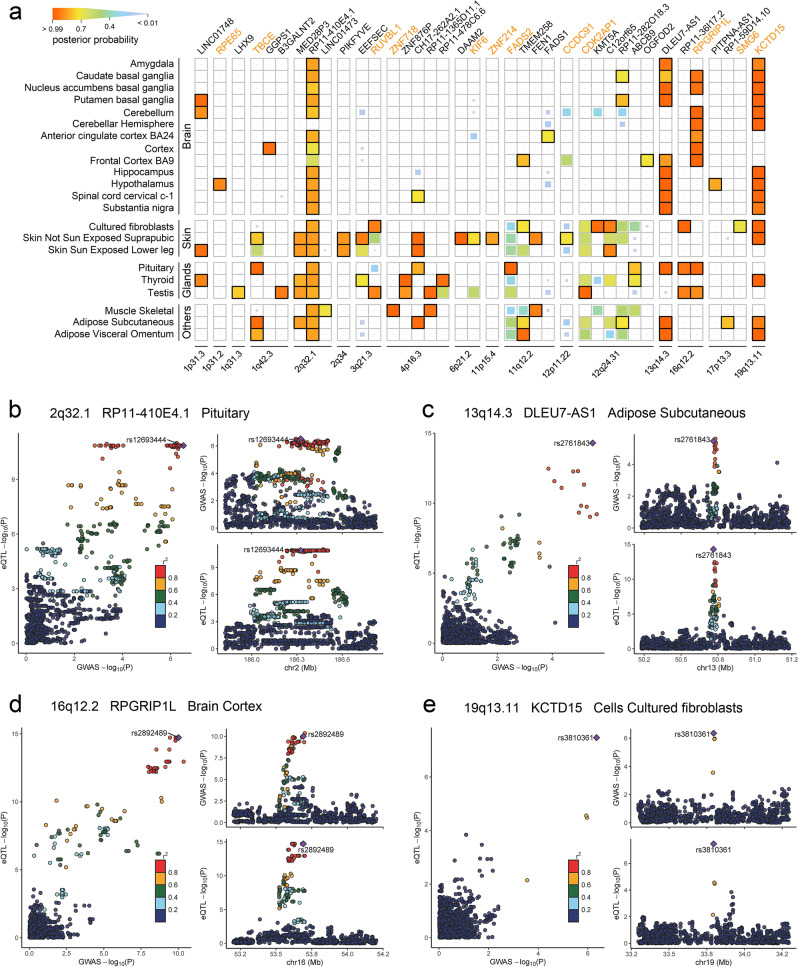
“Previously, a smaller scaled colocalization analysis had been conducted for 20 face-associated loci in 6 tissues 31 , which highlighted EEFSEC with evidence of colocalization.”
Park, H., Li, X., Song, Y. E., He, K., & Zhu, X. (2016) · PLoS ONE · doi:10.1371/journal.pone.0163912 · Cited by 30
Feng, Z., Duren, Z., Xiong, Z., Wang, S., Liu, F., Wong, W. H., & Wang, Y. (2021) · Communications Biology · doi:10.1038/s42003-021-01970-0 · Cited by 25 · cited 8×
“%) out of 17 MinGWAS-identi fi ed loci contained CNCC-associated REs (ISTAT 28 enrichment p = 2.16 × 10 − 4 for C-GWAS and p = 0.04forMinGWAS).”
InfluentialSelf-citationComputing the Statistical Significance of Overlap between Genome Annotations with iStat
Sarmashghi, S., & Bafna, V. (2019) · Cell Systems · doi:10.1016/j.cels.2019.05.006 · Cited by 10
Novel genetic loci affecting facial shape variation in humansPreprint
Xiong, Z., Dankova, G., Howe, L. J., Lee, M. K., Hysi, P. G., de Jong, M. A., Zhu, G., Adhikari, K., Li, D., Li, Y., et al. (2019) · bioRxiv (Cold Spring Harbor Laboratory) · doi:10.1101/693002 · Cited by 10
Self-citationQiao, L., Yang, Y., Fu, P., et al. (2016) · bioRxiv (Cold Spring Harbor Laboratory) · doi:10.1101/062950 · Cited by 7
Research works printed but not linked: 1
- Joanes DN Gill CA Comparing measures of sample skewness and kurtosis J. R. Statistical Soc. Ser. D (The Statistician) 1998 47 183 189
Cited by
Recent advances in Forensic DNA Phenotyping of appearance, ancestry and age
Kayser, M., Branicki, W., Parson, W., & Phillips, C. (2023) · Forensic Science International Genetics · doi:10.1016/j.fsigen.2023.102870 · Cited by 187
Self-citationRevisiting informed consent in forensic genomics in light of current technologies and the times
Budowle, B., & Sajantila, A. (2023) · International Journal of Legal Medicine · doi:10.1007/s00414-023-02947-w · Cited by 40
Mandape, S. N., Budowle, B., Mittelman, K., & Mittelman, D. (2024) · Croatian Medical Journal · doi:10.3325/cmj.2024.65.249 · Cited by 30
Xiong, Z., Li, Y., Liu, X., Lu, H., Hysi, P. G., Pardo, L. M., Uitterlinden, A. G., Rivadeneira, F., Ikram, M. A., Ghanbari, M., et al. (2025) · Nature Communications · doi:10.1038/s41467-025-61761-7 · Cited by 16
“Univariate LDSC 34 was employed to z-transform C-GWAS p-values to estimate the in fl ation factor of C-GWAS and MinGWAS results 31 .”
InfluentialSelf-citationDe Novo Reconstruction of 3D Human Facial Images from DNA Sequence
Jiao, M., Li, J., Zhong, B., Du, S., Li, S., Zhang, M., Zhang, Q., Liang, Z., Liu, F., Zuo, C., et al. (2025) · Advanced Science · doi:10.1002/advs.202414507 · Cited by 14
Self-citation
Metadata
- Authors
- Xiong, Z., Gao, X., Chen, Y., Feng, Z., Pan, S., Lu, H., Uitterlinden, A. G., Nijsten, T., Ikram, A., Rivadeneira, F., Ghanbari, M., Wang, Y., Kayser, M., & Liu, F.
- Affiliations
- Erasmus MC (NL)
- Chinese Academy of Sciences (CN)
- Corresponding author
- Kayser, Manfred
- Liu, Fan
- ORCID
- Venue
- Nature Communications
- Published
- 2022-12-20
- Volume
- 13
- Issue
- 1
- Pages
- 7832-7832
- ISSN
- 2041-1723 (ISSN-L)
- PMC
- PMC9767941
- OpenAlex
- W4313339753
- Cited by
- 37
- References
- 45
- Citations by year
- 2026: 11 · 2025: 15 · 2024: 5 · 2023: 6
- FWCI
- 3.91
- Type
- journal article
- Language
- en
- Open access
- gold
- doi.org
- Licence
- cc-by
- creativecommons.org/licenses/by/4.0 (tdm)
- creativecommons.org/licenses/by/4.0 (vor)
- Locations
- Nature Communications (publishedVersion, cc-by)
- PubMed Central (publishedVersion, cc-by)
- PubMed (publishedVersion)
- EUR Research Repository (Erasmus University Rotterdam) (publishedVersion, cc-by)
- EUR Research Repository (Erasmus University Rotterdam) (submittedVersion, cc-by)
- RePEc: Research Papers in Economics (submittedVersion)
- DOAJ (DOAJ: Directory of Open Access Journals) (submittedVersion, cc-by-sa)
- Funders
- Purdue University
- Indiana University-Purdue University Indianapolis
- European Commission
- National Natural Science Foundation of China (KFJ-STS-QYZD-2021-08-001, XDC01000000, XDB38010400, 2017SHZDZX01, 81930056)
- ZonMw
- Erasmus Universiteit Rotterdam
- Chinese Academy of Sciences (2017SHZDZX01, KFJ-STS-QYZD-2021-08-001, XDC01000000, KFJ-STS-ZDTP-079, XDB38010400)
- Nederlandse Organisatie voor Wetenschappelijk Onderzoek
- Topics
- Life Sciences › Biochemistry, Genetics and Molecular Biology › Genetics › Genetic Associations and Epidemiology
- Life Sciences › Biochemistry, Genetics and Molecular Biology › Genetics › Genetic Mapping and Diversity in Plants and Animals
- Life Sciences › Agricultural and Biological Sciences › Ecology, Evolution, Behavior and Systematics › Morphological variations and asymmetry
- Keywords
- facial morphology, facial variation, novel loci, MTAG, statistical power, facial anthropometry, R package
- MeSH terms
- Computer Simulation, Humans, Phenotype, Reproducibility of Results, Polymorphism, Single Nucleotide, Genome-Wide Association Study
About these checks
Registry, retraction, Cites and statistics results are computed, not judged, with one exception: a printed reference that no index lists is read once by a model before it counts as a citation error. Claims are extracted by a model and kept only when their quote appears verbatim in the text; each cited source is then checked, with a model’s help, for whether it says what the claim relies on. Those verdicts can be wrong — read the claim’s quote and the cited source before relying on one.
Statistics and arithmetic are recomputed, not judged.
Confidence bands are shown only for fields calibrated on our annotated test set. None is calibrated yet, so no band is shown.
What counts as a claim ›How we measure confidence ›How we check this ›
Are you an author, or do you see a problem with this page? Request a review
Data sources
Bibliographic data: Semantic Scholar, OpenAlex, Crossref.
Contains information from the Semantic Scholar Academic Graph Datasets, made available under the ODC Attribution License (ODC-BY 1.0).
Semantic Scholar’s data is described in: Kinney, R., et al. (2023). The Semantic Scholar Open Data Platform. arXiv:2301.10140.
