

Health benefits of late-onset metformin treatment every other week in mice
Open accessThe DOI matches its Crossref record; 74 of the 74 references it cites were found in a registry or an index.
Abstract
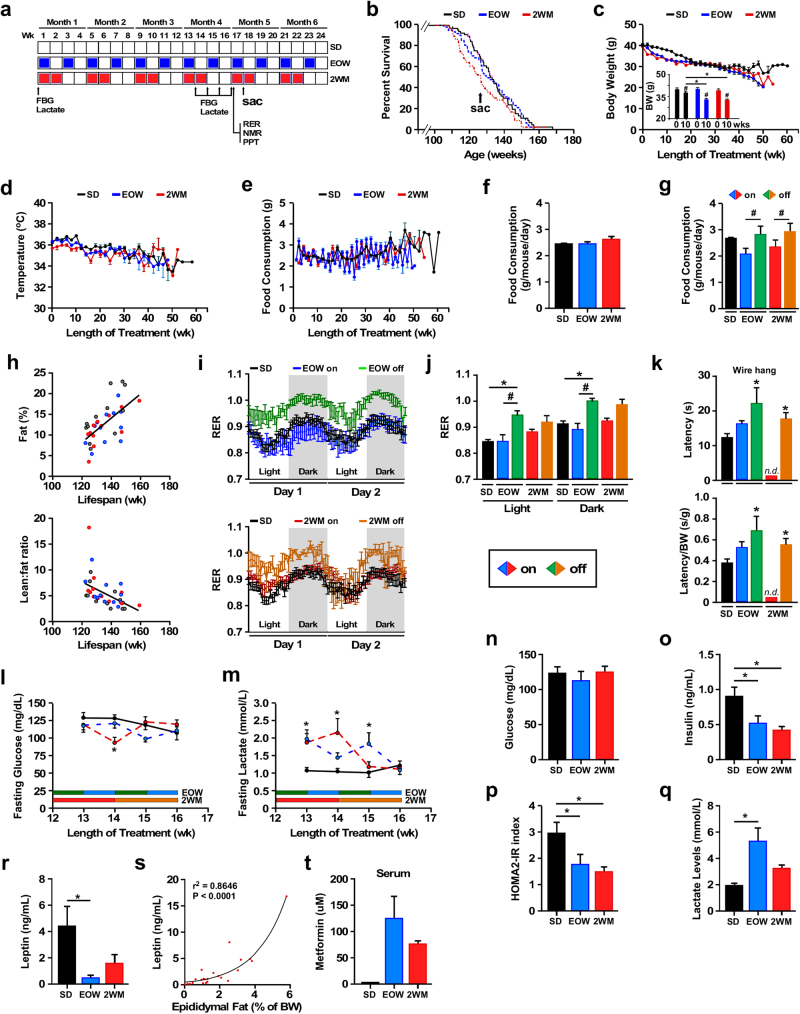
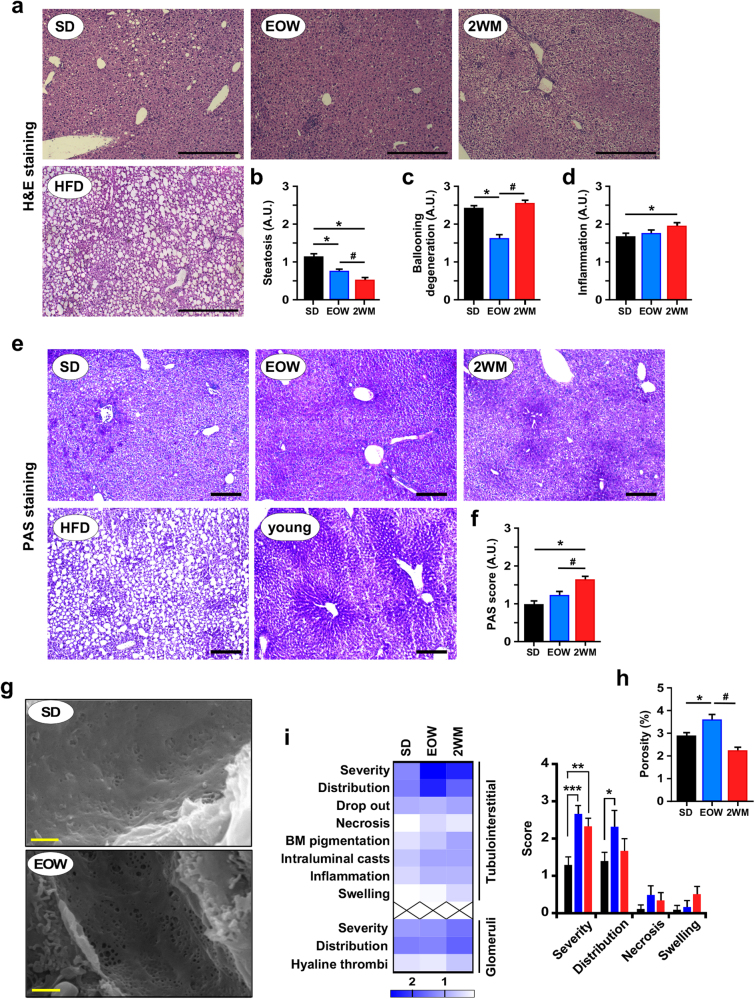
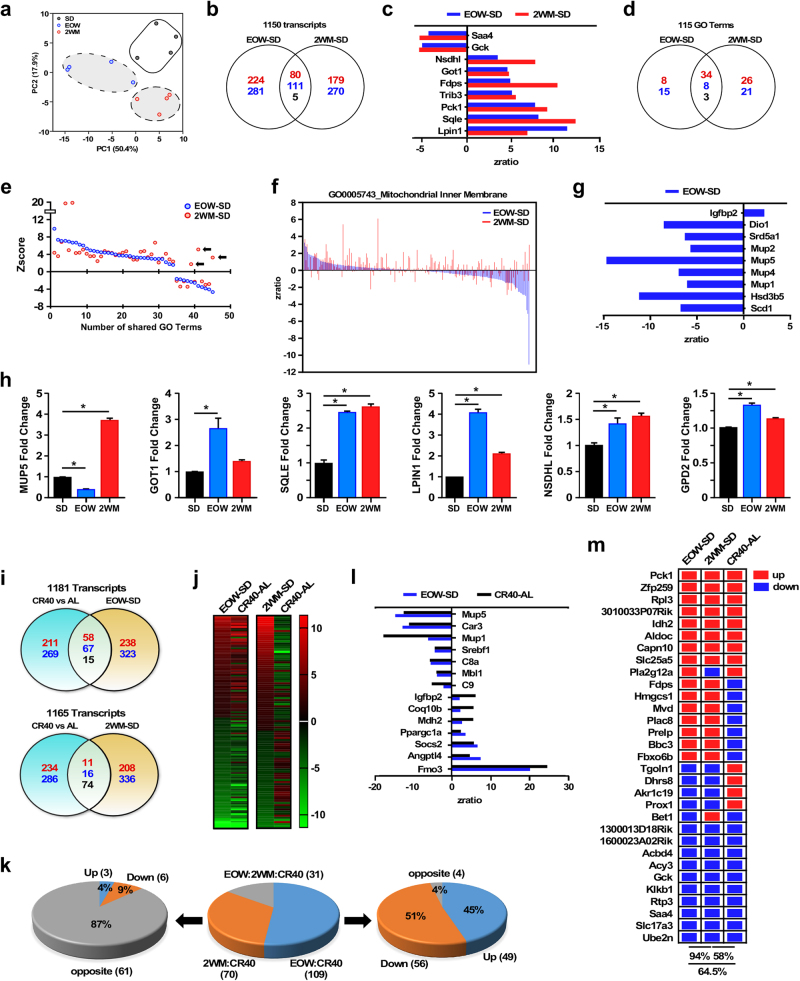
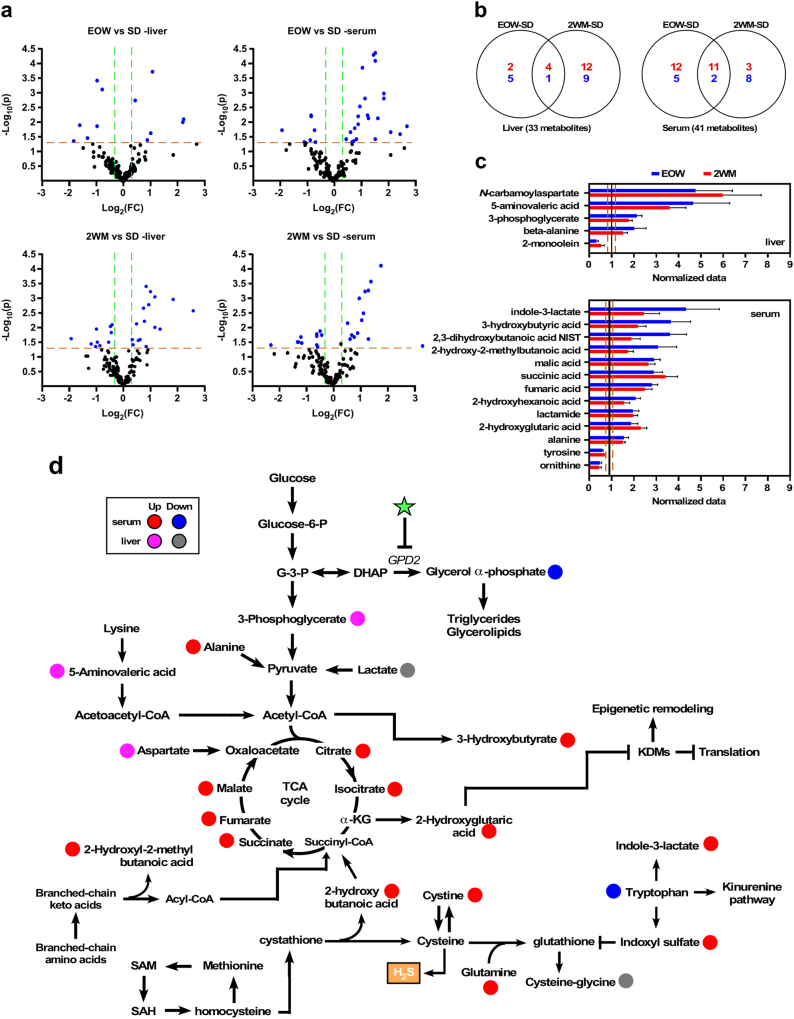
Chronic 1% metformin treatment is nephrotoxic in mice, but this dose may nonetheless confer health benefits if given intermittently rather than continuously. Here, we examined the effects of 1% metformin given every-other week (EOW) or two consecutive weeks per month (2WM) on survival of 2-year-old male mice fed standard chow. EOW and 2WM mice had comparable life span compared with control mice. A significant reduction in body weight within the first few weeks of metformin treatment was observed without impact on food consumption and energy expenditure. Moreover, there were differences in the action of metformin on metabolic markers between the EOW and 2WM groups, with EOW metformin conferring greater benefits. Age-associated kidney lesions became more pronounced with metformin, although without pathological consequences. In the liver, metformin treatment led to an overall reduction in steatosis and was accompanied by distinct transcriptomic and metabolomic signatures in response to EOW versus 2WM regimens. Thus, the absence of adverse outcomes associated with chronic, intermittent use of 1% metformin in old mice has clinical translatability into the biology of aging in humans.
Overview
The claims and statistics of this paper haven’t been checked yet.
Free: it reads the open-access text and checks the first 5 claims that cite a source we can check. Create a free account to check every claim.
Integrity signals
Registry
Cites
Statistics
Figures
Verification
Claims the paper makes
The claims and statistics of this paper haven’t been checked yet.
Free: it reads the open-access text and checks the first 5 claims that cite a source we can check. Create a free account to check every claim.
Claims other papers make about this one
Each is checked against this paper’s own text: does it say what the citing paper says it does?
In the citing paper
“Intermittent metformin treatment, when initiated in mice, even later in life and administered every other week, has also shown to provide health benefits such as a reduction in hepatic steatosis through regulation of the liver transcriptome and metabolome”
From Benefits of Metformin in Attenuating the Hallmarks of Aging (2020) · cites this paper as Alfaras et al. 2017
In the citing paper
“For instance, as discussed in the next section, despite activating AMPK, metformin has not reproducibly been shown to enhance lifespan in rodents and notably less, or not effective in older animals, including C. elegans (66, 72, 74, 75, 77, 78).”
From A Critical Review of the Evidence That Metformin Is a Putative Anti-Aging Drug That Enhances Healthspan and Extends Lifespan (2021) · cites this paper as [75]
Self-check
Percentages, sums and reported differences re-computed from the paper’s own numbers.
The self-check needs the paper’s full text.
Citations
Cites
López-Otín, C., Blasco, M. A., Partridge, L., Serrano, M., & Kroemer, G. (2013) · Cell · doi:10.1016/j.cell.2013.05.039 · Cited by 14,982
Dose translation from animal to human studies revisited.
Reagan‐Shaw, S., Nihal, M., & Ahmad, N. (2008) · The FASEB Journal · doi:10.1096/fj.07-9574lsf · Cited by 6,524
Rapamycin fed late in life extends lifespan in genetically heterogeneous mice
Harrison, D. E., Strong, R., Sharp, Z. D., Nelson, J. F., Astle, C. M., Flurkey, K., Nadon, N. L., Wilkinson, J. E., Frenkel, K., Carter, C. S., et al. (2009) · Nature · doi:10.1038/nature08221 · Cited by 3,766 · cited 1×
“In contrast, inhibition of mTOR activity with concurrent activation of AMPK by rapamycin prolongs lifespan even when given in old mice.(66) Therefore, metformin and rapalogs may exert cooperative effects at the level of the energy-sensing AMPK and diminished expenditure of cellular energy required for protein translat…”
OWEN, M. R., DORAN, E., & HALESTRAP, A. P. (2000) · Biochemical Journal · doi:10.1042/bj3480607 · Cited by 2,157
Metformin improves healthspan and lifespan in mice
Martin-Montalvo, A., Mercken, E. M., Mitchell, S. J., Palacios, H. H., Mote, P. L., Scheibye-Knudsen, M., Gomes, A. P., Ward, T. M., Minor, R. K., Blouin, M.-J., et al. (2013) · Nature Communications · doi:10.1038/ncomms3192 · Cited by 1,445 · cited 10×
“Metformin is a calorie restriction (CR) mimetic, with several of its metabolic actions, particularly those related to glucose metabolism, resembling to some extent those of CR.2,3,20,21 Our previous study showed that diet supplementation with a low dose of metformin (0.1% w/w) improves healthspan and extends lifespan…”
InfluentialSelf-citationEl-Mir, M.-Y., Nogueira, V., Fontaine, E., Avéret, N., Rigoulet, M., & Leverve, X. (2000) · Journal of Biological Chemistry · doi:10.1074/jbc.275.1.223 · Cited by 1,399
Metformin suppresses gluconeogenesis by inhibiting mitochondrial glycerophosphate dehydrogenase
Madiraju, A. K., Erion, D. M., Rahimi, Y., Zhang, X.-M., Braddock, D. T., Albright, R. A., Prigaro, B. J., Wood, J. L., Bhanot, S., MacDonald, M. J., et al. (2014) · Nature · doi:10.1038/nature13270 · Cited by 1,284 · cited 2×
“The primary target of metformin appears to be the mitochondrion through inhibition of complex I of the respiratory chain(7,8) and mitochondrial glycerol-3-phosphate dehydrogenase.(9) The ensuing perturbations in cellular energy status and redox homeostasis result in activation of the energy sensor AMP-activated protei…”
mTOR Complex 1 Regulates Lipin 1 Localization to Control the SREBP Pathway
Peterson, T. R., Sengupta, S. S., Harris, T. E., Carmack, A. E., Kang, S. A., Balderas, E., Guertin, D. A., Madden, K. L., Carpenter, A. E., Finck, B. N., et al. (2011) · Cell · doi:10.1016/j.cell.2011.06.034 · Cited by 1,229
Foretz, M., Hébrard, S., Leclerc, J., Zarrinpashneh, E., Soty, M., Mithieux, G., Sakamoto, K., Andreelli, F., & Viollet, B. (2010) · Journal of Clinical Investigation · doi:10.1172/jci40671 · Cited by 1,181 · cited 1×
“The anti-gluconeogenic action of metformin is preserved in liverspecific AMPK knockout mice.(13) Moreover, this biguanide confers protection against certain cancers by inhibiting mTOR/p70S6K activity in an AMPK-independent manner,(15) and reduces the tumorigenicity of induced pluripotent stem cells while maintaining t…”
Analysis of Microarray Data Using Z Score Transformation
Cheadle, C., Vawter, M. P., Freed, W. J., & Becker, K. G. (2003) · The Journal of Molecular Diagnostics · doi:10.1016/s1525-1578(10)60455-2 · Cited by 1,146 · cited 1×
“Microarray analysis Raw data were subjected to Z-normalization, as described elsewhere.(72,73) PCA was performed on the normalized Z-scores of all of the detectable probes in the samples using DIANE 6.”
Cited by
Benefits of Metformin in Attenuating the Hallmarks of Aging
Kulkarni, A. S., Gubbi, S., & Barzilai, N. (2020) · Cell Metabolism · doi:10.1016/j.cmet.2020.04.001 · Cited by 766
“also shown to provide health benefits such as a reduction in hepatic steatosis through regulation of the liver transcriptome and metabolome (Alfaras et al. 2017).”
BackgroundMohammed, I., Hollenberg, M. D., Ding, H., & Triggle, C. R. (2021) · Frontiers in Endocrinology · doi:10.3389/fendo.2021.718942 · Cited by 278
“(75) • Intermittent [either every other week (EOW) or two weeks out of 4”
BackgroundMetformin: Is it a drug for all reasons and diseases?
Triggle, C. R., Mohammed, I., Bshesh, K., Marei, I., Ye, K., Ding, H., MacDonald, R., Hollenberg, M. D., & Hill, M. A. (2022) · Metabolism · doi:10.1016/j.metabol.2022.155223 · Cited by 275
Wahl, D., Solon-Biet, S. M., Cogger, V. C., Fontana, L., Simpson, S. J., Le Couteur, D. G., & Ribeiro, R. V. (2019) · Neurobiology of Disease · doi:10.1016/j.nbd.2019.104481 · Cited by 144
Self-citationA toolbox for the longitudinal assessment of healthspan in aging mice
Bellantuono, I., de Cabo, R., Ehninger, D., Di Germanio, C., Lawrie, A., Miller, J., Mitchell, S. J., Navas-Enamorado, I., Potter, P. K., Tchkonia, T., et al. (2020) · Nature Protocols · doi:10.1038/s41596-019-0256-1 · Cited by 145
Self-citationThe road ahead for health and lifespan interventions
Gonzalez-Freire, M., Diaz-Ruiz, A., Hauser, D., Martinez-Romero, J., Ferrucci, L., Bernier, M., & de Cabo, R. (2020) · Ageing Research Reviews · doi:10.1016/j.arr.2020.101037 · Cited by 118
Self-citationLoss of Metabolic Plasticity Underlies Metformin Toxicity in Aged Caenorhabditis Elegans
Espada, L., Dakhovnik, A., Chaudhari, P., Martirosyan, A., Miek, L., Poliezhaieva, T., Schaub, Y., Nair, A., Döring, N., Rahnis, N., et al. (2020) · Nature Metabolism · doi:10.1038/s42255-020-00307-1 · Cited by 100
The wHole Story About Fenestrations in LSEC
Szafranska, K., Kruse, L. D., Holte, C. F., McCourt, P., & Zapotoczny, B. (2021) · Frontiers in Physiology · doi:10.3389/fphys.2021.735573 · Cited by 90
The Role and Mechanism of Metformin in Inflammatory Diseases
Lin, H., Ao, H., Guo, G., & Liu, M. (2023) · Journal of Inflammation Research · doi:10.2147/jir.s436147 · Cited by 105
“226,227 Moreover, mechanisms that metformin accelerate self-renewal include autophagy and prevent several pathologic and destructive changes.”
Frailty index as a biomarker of lifespan and healthspan: Focus on pharmacological interventions
Palliyaguru, D. L., Moats, J. M., Di Germanio, C., Bernier, M., & de Cabo, R. (2019) · Mechanisms of Ageing and Development · doi:10.1016/j.mad.2019.03.005 · Cited by 71
“Moreover, chronic, intermittent treatment with 1% metformin significantly improved the average hanging test performance in mice while removal of the drug from the diet led to a weakened functional ability vis-à-vis elevated cage top or accelerating rotarod tests [18].”
BackgroundSelf-citationChaudhari, K., Wang, J., Xu, Y., Winters, A., Wang, L., Dong, X., Cheng, E. Y., Liu, R., & Yang, S.-H. (2020) · PLoS ONE · doi:10.1371/journal.pone.0234571 · Cited by 72
“Even intermittent treatment of 1% metformin in diet given every-other-week or 2 consecutive weeks per month produced serum metformin concentration many folds higher than the recommendation of maximum plasma metformin concentration of 2,500 ng/ml (~19 μM) from the considerations of lactic acidosis [12, 33].”
BackgroundNew horizons in life extension, healthspan extension and exceptional longevity
Couteur, D. G. L., & Barzilai, N. (2022) · Age and Ageing · doi:10.1093/ageing/afac156 · Cited by 68
“Recent studies of gerotherapeutics in laboratory animals have been more like to report increases in healthspan measured by latelife health, than increases in lifespan [11, 12].”
BackgroundCouteur, D. G. L., Ngu, M., Hunt, N. J., Brandon, A. E., Simpson, S. J., & Cogger, V. C. (2025) · Nature Reviews Gastroenterology & Hepatology · doi:10.1038/s41575-025-01099-z · Cited by 91
“Preclinical studies have demonstrated that low-dose metformin in mice extends lifespan, an effect linked with improved mitochondrial function and reduced steatosis and inflammation in the liver 192,193 .”
Self-citationZiyrek, M., Kahraman, S., Ozdemir, E., & Dogan, A. (2019) · Revista Portuguesa de Cardiologia · doi:10.1016/j.repc.2018.08.010 · Cited by 62
Kidney Aging and Chronic Kidney Disease
Zhang, Y., Chen, Y., & Li, X. (2024) · International Journal of Molecular Sciences · doi:10.3390/ijms25126585 · Cited by 86
“Administration of 1% metformin biweekly to the 2-year-old mice, which were fed with a standard chow diet, could improve some metabolic markers of health [171].”
BackgroundRapamycin treatment for Alzheimer’s disease and related dementias: a pilot phase 1 clinical trial
Gonzales, M. M., Garbarino, V. R., Kautz, T. F., Song, X., Lopez‐Cruzan, M., Linehan, L. A., Skike, C. E. V., de Erausquin, G. A., Galván, V., Orr, M. E., et al. (2025) · Communications Medicine · doi:10.1038/s43856-025-00904-9 · Cited by 66
The Effects of Metformin on Age-Related Changes in the Liver Sinusoidal Endothelial Cell
Hunt, N. J., Lockwood, G. P., Kang, S. W. (., Pulpitel, T., Clark, X., Mao, H., McCourt, P. A. G., Cooney, G. J., Wali, J. A., Le Couteur, F. H., et al. (2019) · The Journals of Gerontology: Series A · doi:10.1093/gerona/glz153 · Cited by 44
“Metformin influences a broad range of age-related changes in animals (3,20,28) and there are now clinical trials planned to evaluate the effects of metformin on aging in humans (29).”
BackgroundResultSelf-citationShoshan‐Barmatz, V., Anand, U., Crystal, E. N., Carlo, M. D., & Shteinfer‐Kuzmine, A. (2021) · Frontiers in Physiology · doi:10.3389/fphys.2021.730048 · Cited by 44
Frailty and HIV: Moving from Characterization to Intervention
Erlandson, K. M., & Piggott, D. A. (2021) · Current HIV/AIDS Reports · doi:10.1007/s11904-021-00554-1 · Cited by 46
Hunt, N. J., Lockwood, G. P., Kang, S. W. S., Westwood, L. J., Limantoro, C., Chrzanowski, W., McCourt, P., Kuncic, Z., Couteur, D. G. L., & Cogger, V. C. (2021) · ACS Nano · doi:10.1021/acsnano.0c09278 · Cited by 40
Self-citationNovel targets for delaying aging: The importance of the liver and advances in drug delivery
Hunt, N. J., McCourt, P., Couteur, D. G. L., & Cogger, V. C. (2018) · Advanced Drug Delivery Reviews · doi:10.1016/j.addr.2018.09.006 · Cited by 39
Self-citationOptimal control of aging in complex networks
Sun, E. D., Michaels, T. C. T., & Mahadevan, L. (2020) · Proceedings of the National Academy of Sciences · doi:10.1073/pnas.2006375117 · Cited by 31
Universal transcriptomic hallmarks of mammalian ageing and mortality
Tyshkovskiy, A., Kholdina, D., Davitadze, M., Molière, A., Moldakozhayev, A., Tongu, Y., Kasahara, T., Glubokov, D., Eames, A. W., Kats, L., et al. (2026) · Nature · doi:10.1038/s41586-026-10542-3 · Cited by 60
Tanaka, Y., Konishi, A., Obinata, H., & Tsuneoka, M. (2019) · Scientific Reports · doi:10.1038/s41598-019-55075-0 · Cited by 31
Hong, S., Nagayach, A., Lü, Y., Peng, H., Duong, Q.-V., Pham, N. B., Vuong, C. A., & Bazan, N. G. (2021) · CNS Neuroscience & Therapeutics · doi:10.1111/cns.13726 · Cited by 25
Parish, A. J., & Swindell, W. R. (2022) · Aging Cell · doi:10.1111/acel.13733 · Cited by 27
Reconfigurable multiplexed point of Care System for monitoring type 1 diabetes patients
Márquez, A., Aymerich, J., Dei, M., Rodríguez‐Rodríguez, R., Vázquez‐Carrera, M., Pizarro‐Delgado, J., Giménez-Gómez, P., Merlos, Á., Terés, L., Serra-Graells, F., et al. (2019) · Biosensors and Bioelectronics · doi:10.1016/j.bios.2019.04.015 · Cited by 23
Palliyaguru, D. L., Minor, R. K., Mitchell, S. J., Palacios, H. H., Licata, J. J., Ward, T. M., Abulwerdi, G. A., Elliott, P. J., Westphal, C. H., Ellis, J. L., et al. (2020) · The Journals of Gerontology Series A · doi:10.1093/gerona/glaa148 · Cited by 25
“We also showed that intermittent consumption of 1% MET improved metabolic parameters in SD-fed middle-aged mice without reduction in life span, although the MET-treated mice still exhibited some kidney issues (12).”
BackgroundSelf-citationDoes Diet Have a Role in the Treatment of Alzheimer's Disease?
Thelen, M., & Brown‐Borg, H. M. (2020) · Frontiers in Aging Neuroscience · doi:10.3389/fnagi.2020.617071 · Cited by 25
“Contrarily, administration of metformin to 2-year-old male mice leads to improved health without increased lifespan (Alfaras et al., 2017).”
BackgroundRossi, T., Iorio, E., Chirico, M., Pisanu, M. E., Amodio, N., Cantafio, M. E. G., Perrotta, I. D., Colciaghi, F., Fiorillo, M., Gianferrari, A., et al. (2024) · Cell Proliferation · doi:10.1111/cpr.13730 · Cited by 24
“43 In our experimental conditions, MB231 and Hs578t cell lines treated with a sub-lethal dose of Met markedly shifted to glycolysis as measured by the extra-cellular lac/ala ratio (data not shown).”
Patil, S. (2020) · Archives of Oral Biology · doi:10.1016/j.archoralbio.2020.104710 · Cited by 24
Proffitt, C., Bidkhori, G., Moyes, D. L., & Shoaie, S. (2020) · Microorganisms · doi:10.3390/microorganisms8091381 · Cited by 24
Şeylan, C., & Tarhan, Ç. (2023) · FEMS Yeast Research · doi:10.1093/femsyr/foad018 · Cited by 19
“Few studies in older animals have either failed to detect metformin-induced increases in lifespan (Anisimov et al. 2011, Alfaras et al. 2017) or demonstrated toxicity induced by high-dose metformin (Martin-Montalvo et al. 2013, Thangthaeng et al. 2017).”
BackgroundPabis, K., Barardo, D., Gruber, J., Sirbu, O., Malavolta, M., Selvarajoo, K., Kaeberlein, M. R., & Kennedy, B. K. (2024) · Ageing Research Reviews · doi:10.1016/j.arr.2024.102512 · Cited by 22
Longitudinal Functional Study of Murine Aging: A Resource for Future Study Designs
Evans, D. S., O’Leary, M. N., Murphy, R. A., Schmidt, M., Koenig, K. L., Presley, M. P., Garrett, B., Kim, H., Li, H., Academia, E. C., et al. (2021) · JBMR Plus · doi:10.1002/jbm4.10466 · Cited by 16
“Many genetic and pharmacological interventions have been evaluated for lifespan extension in invertebrate and mouse models of aging,((1-5)) but few studies have focused on tissue function at advanced ages by nonsubjective criteria.”
BackgroundIs metformin a geroprotector? A peek into the current clinical and experimental data
Zajda, A., Huttunen, K. M., Sikora, J., Podsiedlik, M., & Markowicz-Piasecka, M. (2020) · Mechanisms of Ageing and Development · doi:10.1016/j.mad.2020.111350 · Cited by 16
Rodent diet aids and the fallacy of caloric restriction
Wolf, A. M. (2021) · Mechanisms of Ageing and Development · doi:10.1016/j.mad.2021.111584 · Cited by 16
Vo, N., Zhang, Q., & Sung, H. (2024) · Journal of Pharmacy & Pharmaceutical Sciences · doi:10.3389/jpps.2024.13062 · Cited by 18
“Similarly, periodic administration of metformin, an AMPK activator, showed metabolic improvements and weight loss without affecting the mortality of aged mice, despite its toxic side effects at the dosage used [148].”
BackgroundSlade, L., Etheridge, T., & Szewczyk, N. J. (2024) · Ageing Research Reviews · doi:10.1016/j.arr.2024.102456 · Cited by 14
“…treatments starting at geriatric periods (56 – 60 weeks in mice, and day-8 in worms) fail to show significant lifespan extension (Anisimov et al., 2011; Alfaras et al., 2017), and can become toxic when administered at later ages in both organisms (Cabreiro et al., 2013; Thangthaeng et al., 2017).”
BackgroundAlfaras, I., Ejima, K., Teixeira, C. V. L., Germanio, C. D., Mitchell, S. J., Hamilton, S., Ferrucci, L., Price, N. L., Allison, D. B., Bernier, M., et al. (2021) · Cell Reports · doi:10.1016/j.celrep.2021.109560 · Cited by 13
Self-citationPreclinical Studies on the Effects of Frailty in the Aging Heart
Rose, R. A., & Howlett, S. E. (2024) · Canadian Journal of Cardiology · doi:10.1016/j.cjca.2024.03.003 · Cited by 15
Metformin Treatment in Old Rats and Effects on Mitochondrial Integrity
Herbst, A. J., Hoang, A. N., Kim, C., Aiken, J. M., McKenzie, D. I., Goldwater, D. S., & Wanagat, J. (2021) · Rejuvenation Research · doi:10.1089/rej.2021.0052 · Cited by 10
“14 In 3-month-old Zucker rats, metformin impaired mitochondrial respiratory chain activity at 100 and 300 mg/kg, but not at 30 mg/kg. 16 In 3-month-old Sprague-Dawley rats, treated for 3 months, the no-observed-adverse-effect level for rats was 200 mg/kg. 17 Late-life metformin treatment of C.…”
InfluentialWeegh, N., Zentrich, E., Zechner, D., Struve, B., Wassermann, L., Talbot, S. R., Kumstel, S., Heider, M., Vollmar, B., Bleich, A., et al. (2021) · PLoS ONE · doi:10.1371/journal.pone.0261662 · Cited by 12
“Metformin, as an anti-diabetic drug, influences the metabolism as well and has been shown to lead to weight loss in two-year-old mice [44].”
BackgroundDelaying Renal Aging: Metformin Holds Promise as a Potential Treatment
Qiao, Z., Zhao, J., Yuan, J., Qin, Y., Zhu, Z., Liu, J., & Sun, S. (2024) · Aging and Disease · doi:10.14336/ad.2024.0168 · Cited by 13
“Mice that were treated biweekly with the higher dose of metformin did not show kidney damage upon death, but mice treated for two consecutive weeks per month showed significant renal failure [145].”
Bubak, M. P., Davidyan, A., O’Reilly, C. L., Mondal, S. A., Keast, J., Doidge, S. M., Borowik, A., Taylor, M. E., Volovičeva, E., Kinter, M. T., et al. (2024) · Aging Cell · doi:10.1111/acel.14235 · Cited by 10
“We opted to deliver metformin in the drinking water to bet - ter match prior studies (Alfaras et al., 2017) and to avoid the stress of multiple, daily intraperitoneal injections.”
Espada, L., Dakhovnik, A., Chaudhari, P., Martirosyan, A., Miek, L., Poliezhaieva, T., Schaub, Y., Nair, A., Döring, N., Rahnis, N., et al. (2019) · bioRxiv (Cold Spring Harbor Laboratory) · doi:10.1101/863357 · Cited by 8
“…week old mice, average lifespan 96 weeks; 8 day old nematodes, average lifespan 14-21 days), either failed to detect life extension by metformin (Alfaras et al., 2017; Anisimov et al., 2011) or revealed toxicity that was partially attributed to the metformin overdose (Cabreiro et al., 2013;…”
BackgroundPreclinical models of frailty: Focus on interventions and their translational impact: A review
Mishra, M., & Howlett, S. E. (2020) · Nutrition and Healthy Aging · doi:10.3233/nha-200103 · Cited by 8
Cantacorps, L., Zhu, J., Yagoub, S., Coull, B. M., Falck, J. E., Chesters, R., Ritter, K., Serrano-Lope, M. A., Tscherepentschuk, K., Kasch, L.-S., et al. (2023) · Molecular Metabolism · doi:10.1016/j.molmet.2023.101860 · Cited by 6
“Indeed, studies in older mice assessing alternating weeks of metformin treatment show wide variances in food intake behavior in weeks with or without metformin treatment [110].”
BackgroundRejuvenation of the Aging Heart: Molecular Determinants and Applications
Alibhai, F. J., & Li, R. (2024) · Canadian Journal of Cardiology · doi:10.1016/j.cjca.2024.03.004 · Cited by 9
Klinaki, E., & Ogrodnik, M. B. (2024) · Mechanisms of Ageing and Development · doi:10.1016/j.mad.2024.111929 · Cited by 3
Pharmacology of Aging: Drosophila as a Tool to Validate Drug Targets for Healthy Lifespan
Cochemé, H. M., & dos Santos, E. (2024) · doi:10.59368/agingbio.20240034 · Cited by 9
“Beyond its antidiabetic properties, epidemiological and animal model studies indicate that metformin can improve health markers and survival, including in late-onset interventions in mammals 100–102 .”
BackgroundJîtcă, G., Gáll, Z., Vari, C.-E., Ősz, B. E., Tero-Vescan, A., Groșan, A., & Dogaru, M. T. (2021) · Acta Marisiensis. Seria Medica · doi:10.2478/amma-2021-0017 · Cited by 4
“Several studies emphasize the reduction of life expectancy on experimental animals [14, 37].”
BackgroundAre 50 years enough to prove the brilliant Dilman’s idea?
Anisimov, V. N. (2021) · Oncotarget · doi:10.18632/oncotarget.28097 · Cited by 3
The caloric restriction fallacy, rodent diet aids and the tumor suppression theory of agingPreprint
Wolf, A. M. (2021) · OSF Preprints (OSF Preprints) · doi:10.31219/osf.io/a2689 · Cited by 2
H 2 S Supplementation and Augmentation: Approaches for Healthy Aging
Hine, C., Yang, J., Zhang, A., Llarena, N. C., & Link, C. (2022) · Wiley eBooks · doi:10.1002/9781119799900.ch17 · Cited by 4
Self-citationMetabolic slowdown as the proximal cause of ageing and deathPreprint
Wordsworth, J., Yde, P., Fielder, E., Chandrasegaran, S., & Shanley, D. P. (2023) · bioRxiv (Cold Spring Harbor Laboratory) · doi:10.1101/2023.08.01.551537 · Cited by 7
The regeneration model of aging and its practical implications
Dassoff, E. (2026) · Discover Medicine · doi:10.1007/s44337-025-00558-5 · Cited by 2
“Indeed, intermittent interventions with metformin and senolytics have been shown to yield better outcomes than continuous interventions in mice [183, 184].”
Campbell, J. M. (2023) · Elsevier eBooks · doi:10.1016/b978-0-12-823679-6.00013-8 · Cited by 2
Senomorphic, senolytic, and rejuvenation therapies
Zhu, X. Y., & Lerman, L. O. (2021) · Elsevier eBooks · doi:10.1016/b978-0-12-823318-4.00025-1 · Cited by 4
Pabis, K., Barardo, D., Gruber, J., Sirbu, O., Selvarajoo, K., Kaeberlein, M. R., & Kennedy, B. K. (2023) · bioRxiv (Cold Spring Harbor Laboratory) · doi:10.1101/2023.10.08.561459 · Cited by 2
“Since then, many studies have tested the effects of metformin with results ranging from small lifespan extension ( Martin-Montalvo et al. 2013 ), over no effect ( Strong et al. 2016, Alfaras et al. 2017 ) to a small reduction ( Zhu et al. 2021 ).”
BackgroundZıyrek, M., Kahraman, S., Özdemir, E., & Doğan, A. (2019) · Revista Portuguesa de Cardiologia (English Edition) · doi:10.1016/j.repce.2018.08.009 · Cited by 1
Thapa, D. K., Najam, W., Parker, E. S., Wang, X. R., Smith, D. L., Beyaztaş, U., Nelson, J. F., Austad, S. N., Churchill, G. A., & Allison, D. B. (2025) · GeroScience · doi:10.1007/s11357-025-01925-x · Cited by 2
“…restrictions [4–6], mTOR inhibitory drugs such as rapamycin and rapalogs [7–9], drugs targeting insulin signaling pathways such as metformin [10, 11] and 17α-estradiol [12], glycemia regulation with glucosidase inhibitors such as acarbose [13], sodium glucose cotransporter 2 (SGLT2)…”
Pan, Y., & Ma, L. (2022) · Elsevier eBooks · doi:10.1016/b978-0-12-823761-8.00004-5 · Cited by 2
Dayondon, J. L., Guillena, J. B., Ibona, A. H. E., Zoe, L. S. G. S., Ronquillo Cath Joy, B., & Saba Michelle Dorothy, F. (2025) · doi:10.38124/ijisrt/25apr202 · Cited by 1
Campbell, J. M. (2018) · Elsevier eBooks · doi:10.1016/b978-0-12-801238-3.62141-4 · Cited by 4
Ramezani, S., Moslemi, D., Firuzpour, F., Didar, H., Mazloumi, S., & rezaeiroushan, N. (2024) · Iranian Journal of Blood and Cancer · doi:10.61186/ijbc.16.4.56
Age-Related Histomorphological Changes in Human Kidneys: A Cadaveric StudyPreprint
Zahan, A. A., Yesmin, F., Mahmood, S., Akhi, S. I., Fakhruzzaman, M., Sultana, R., Meem, J. T., Mawa, Z., & Afridi, S. (2025) · Research Square · doi:10.21203/rs.3.rs-7317473/v1
Zheng, H. T., Phyo, A. Z. Z., McCubbin, C., Wu, Z., Bischoff-Ferrari, H. A., & Ryan, J. L. (2026) · The Journals of Gerontology Series A · doi:10.1093/gerona/glag133 · Cited by 1
Metadata
- Authors
- Alfaras, I., Mitchell, S. J., Mora, H., Lugo, D. R., Warren, A., Navas-Enamorado, I., Hoffmann, V., Hine, C., Mitchell, J. R., Le Couteur, D. G., Cogger, V. C., Bernier, M., & de Cabo, R.
- Affiliations
- National Institutes of Health (US)
- Anzac Research Institute (AU)
- Harvard University (US)
- The University of Sydney (AU)
- Corresponding author
- Bernier, Michel
- ORCID
- Venue
- npj Aging and Mechanisms of Disease
- Published
- 2017-11-20
- Volume
- 3
- Issue
- 1
- Pages
- 16-16
- ISSN
- 2056-3973 (ISSN-L)
- PMC
- PMC5696465
- OpenAlex
- W2769721119
- Cited by
- 68
- References
- 74
- Citations by year
- 2026: 3 · 2025: 5 · 2024: 12 · 2023: 6 · 2022: 5 · 2021: 15 · 2020: 12 · 2019: 8 · 2018: 2
- FWCI
- 2.46
- Type
- journal article
- Language
- en
- Open access
- gold
- doi.org
- Licence
- cc-by
- creativecommons.org/licenses/by/4.0 (tdm)
- creativecommons.org/licenses/by/4.0 (vor)
- Locations
- npj Aging and Mechanisms of Disease (publishedVersion, cc-by)
- Europe PMC (PubMed Central) (publishedVersion, cc-by)
- PubMed Central (publishedVersion, cc-by)
- PubMed (publishedVersion)
- Digital Access to Scholarship at Harvard (DASH) (Harvard University) (submittedVersion, cc-by)
- DOAJ (DOAJ: Directory of Open Access Journals) (submittedVersion, cc-by-sa)
- Funders
- National Institutes of Health
- National Institute on Aging
- Topics
- Life Sciences › Biochemistry, Genetics and Molecular Biology › Molecular Biology › Metabolism, Diabetes, and Cancer
- Life Sciences › Biochemistry, Genetics and Molecular Biology › Aging › Genetics, Aging, and Longevity in Model Organisms
- Health Sciences › Medicine › Physiology (medical) › Dietary Effects on Health
- Keywords
- metformin, intermittent dosing, aging, longevity, nephrotoxicity, hepatic steatosis, weight loss, energy expenditure
About these checks
Registry, retraction, Cites and statistics results are computed, not judged, with one exception: a printed reference that no index lists is read once by a model before it counts as a citation error. Claims are extracted by a model and kept only when their quote appears verbatim in the text; each cited source is then checked, with a model’s help, for whether it says what the claim relies on. Those verdicts can be wrong — read the claim’s quote and the cited source before relying on one.
Statistics and arithmetic are recomputed, not judged.
Confidence bands are shown only for fields calibrated on our annotated test set. None is calibrated yet, so no band is shown.
What counts as a claim ›How we measure confidence ›How we check this ›
Are you an author, or do you see a problem with this page? Request a review
Data sources
Bibliographic data: Semantic Scholar, OpenAlex, Crossref.
Contains information from the Semantic Scholar Academic Graph Datasets, made available under the ODC Attribution License (ODC-BY 1.0).
Semantic Scholar’s data is described in: Kinney, R., et al. (2023). The Semantic Scholar Open Data Platform. arXiv:2301.10140.
