

The making of a miscreant: tobacco smoke and the creation of pathogen-rich biofilms
Open accessThe DOI matches its Crossref record; 75 of the 75 references it cites were found in a registry or an index.
Abstract
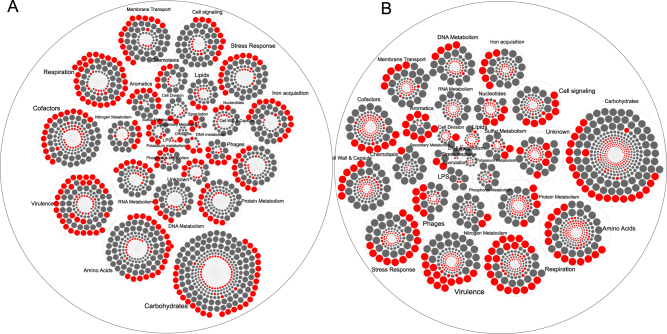
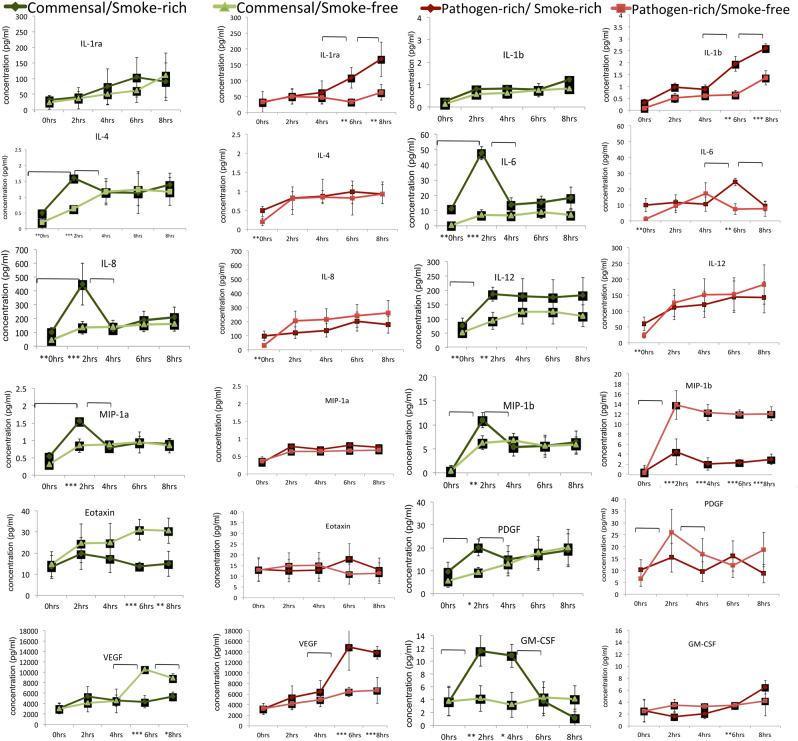
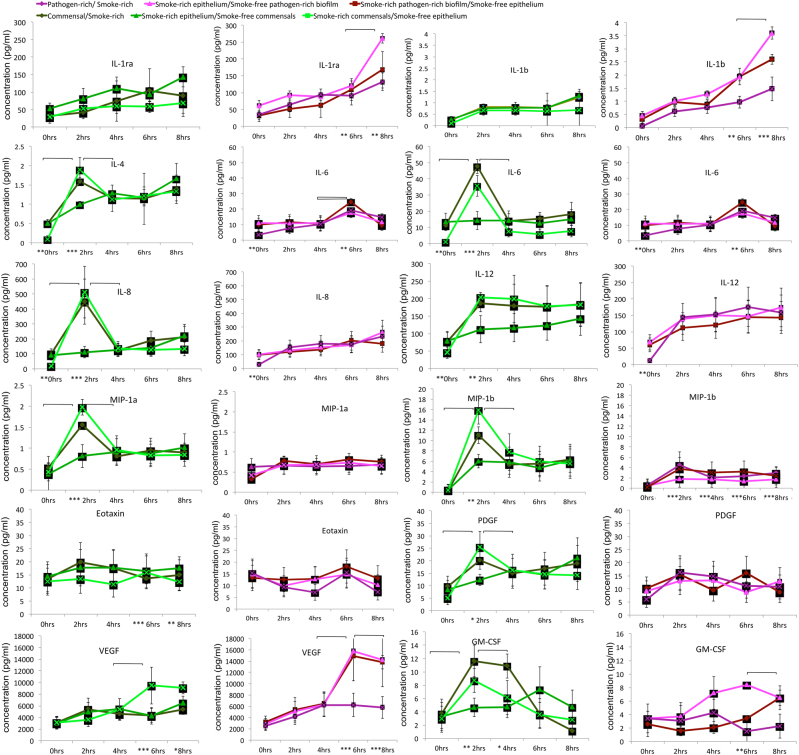
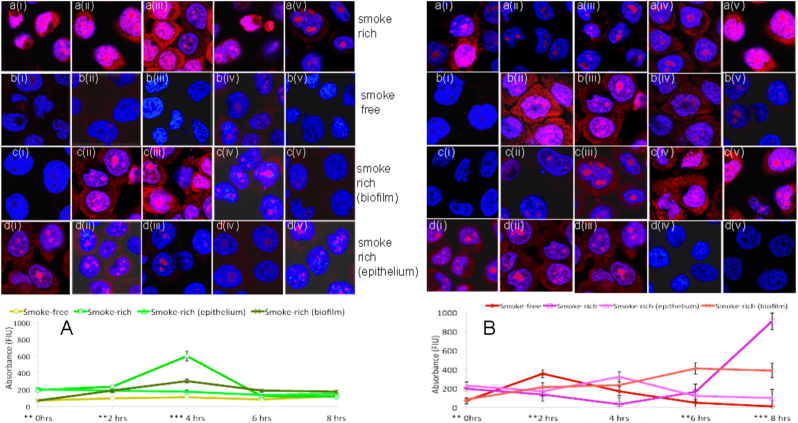
We have previously reported that oral biofilms in clinically healthy smokers are pathogen-rich, and that this enrichment occurs within 24 h of biofilm formation. The present investigation aimed to identify a mechanism by which smoking creates this altered community structure. By combining in vitro microbial–mucosal interface models of commensal (consisting of Streptococcus oralis, Streptococcus sanguis, Streptococcus mitis, Actinomyces naeslundii, Neisseria mucosa and Veillonella parvula) and pathogen-rich (comprising S.oralis, S.sanguis, S.mitis, A.naeslundii, N.mucosa and V.parvula, Fusobacterium nucleatum, Porphyromonas gingivalis, Filifactor alocis, Dialister pneumosintes, Selenonomas sputigena, Selenominas noxia, Catonella morbi, Parvimonas micra and Tannerella forsythia) communities with metatranscriptomics, targeted proteomics and fluorescent microscopy, we demonstrate that smoke exposure significantly downregulates essential metabolic functions within commensal biofilms, while significantly increasing expression of virulence genes, notably lipopolysaccharide (LPS), flagella and capsule synthesis. By contrast, in pathogen-rich biofilms several metabolic pathways were over-expressed in response to smoke exposure. Under smoke-rich conditions, epithelial cells mounted an early and amplified pro-inflammatory and oxidative stress response to these virulence-enhanced commensal biofilms, and a muted early response to pathogen-rich biofilms. Commensal biofilms also demonstrated early and widespread cell death. Similar results were observed when smoke-free epithelial cells were challenged with smoke-conditioned biofilms, but not vice versa. In conclusion, our data suggest that smoke-induced transcriptional shifts in commensal biofilms triggers a florid pro-inflammatory response, leading to early commensal death, which may preclude niche saturation by these beneficial organisms. The cytokine-rich, pro-oxidant, anaerobic environment sustains inflammophilic bacteria, and, in the absence of commensal antagonism, may promote the creation of pathogen-rich biofilms in smokers.
Overview
The claims and statistics of this paper haven’t been checked yet.
Free: it reads the open-access text and checks the first 5 claims that cite a source we can check. Create a free account to check every claim.
Integrity signals
Registry
Cites
Statistics
Figures
Verification
Claims the paper makes
The claims and statistics of this paper haven’t been checked yet.
Free: it reads the open-access text and checks the first 5 claims that cite a source we can check. Create a free account to check every claim.
Claims other papers make about this one
Each is checked against this paper’s own text: does it say what the citing paper says it does?
The cited source says what the claim attributes to it.
In the citing paper
“However, it is noteworthy that capsular biosynthesis genes in model commensal subgingival biofilms were upregulated in response to tobacco exposure.74”
From The dental plaque biofilm matrix (2021) · cites this paper as [74]
Self-check
Percentages, sums and reported differences re-computed from the paper’s own numbers.
The self-check needs the paper’s full text.
Citations
Cites
Raza, H., John, A., & Nemmar, A. (2013) · Cellular Physiology and Biochemistry · doi:10.1159/000350087 · Cited by 47,221
QIIME allows analysis of high-throughput community sequencing data
Caporaso, J. G., Kuczynski, J., Stombaugh, J., Bittinger, K., Bushman, F. D., Costello, E. K., Fierer, N., Peña, A. G., Goodrich, J. K., Gordon, J. I., et al. (2010) · Nature Methods · doi:10.1038/nmeth.f.303 · Cited by 34,887
Fast and sensitive protein alignment using DIAMOND
Buchfink, B., Xie, C., & Huson, D. H. (2015) · Nature Methods · doi:10.1038/nmeth.3176 · Cited by 14,201 · cited 2×
“Microbial transcripts were quality filtered using SolexaQA++, and aligned against the Human Oral Microbiome Database(71) using DIAMOND.(72) Aligned sequences were annotated to the KEGG database using Megan 6.”
MethodInfluentialStructure, function and diversity of the healthy human microbiome
The Human Microbiome Project Consortium (2012) · Nature · doi:10.1038/nature11234 · Cited by 11,726
Changes of Intestinal Functions in Liver Cirrhosis
Fukui, H., & Wiest, R. (2016) · Inflammatory Intestinal Diseases · doi:10.1159/000444436 · Cited by 6,808
Kraken: ultrafast metagenomic sequence classification using exact alignments
Wood, D. E., & Salzberg, S. L. (2014) · Genome Biology · doi:10.1186/gb-2014-15-3-r46 · Cited by 4,521
Recognition of Commensal Microflora by Toll-Like Receptors Is Required for Intestinal Homeostasis
Rakoff-Nahoum, S., Paglino, J., Eslami-Varzaneh, F., Edberg, S., & Medzhitov, R. (2004) · Cell · doi:10.1016/j.cell.2004.07.002 · Cited by 4,251
Immunobiology: the immune system in health and disease
(1995) · Choice Reviews Online · doi:10.5860/choice.32-3876 · Cited by 4,110
MEGAN analysis of metagenomic data
Huson, D. H., Auch, A. F., Qi, J., & Schuster, S. C. (2007) · Genome Research · doi:10.1101/gr.5969107 · Cited by 3,312
Commensal Host-Bacterial Relationships in the Gut
Hooper, L. V., & Gordon, J. I. (2001) · Science · doi:10.1126/science.1058709 · Cited by 2,362 · cited 1×
“It is well known that an intact epithelial barrier plays a critical role in maintaining the health of mucosal surfaces, both by preventing ingress of bacteria and by secreting immuno-modulatory signaling molecules.(1,2) Evidence is now emerging that host-associated bacterial biofilms play a similarly important role in…”
BackgroundMolecular Analysis of Commensal Host-Microbial Relationships in the Intestine
Hooper, L. V., Wong, M. H., Thelin, A., Hansson, L., Falk, P. G., & Gordon, J. I. (2001) · Science · doi:10.1126/science.291.5505.881 · Cited by 2,202 · cited 1×
“Evidence is now emerging that host-associated bacterial biofilms play a similarly important role in maintaining mucosal health.(3,4) Commensal bacteria prevent pathogen colonization in different habitats by saturating these niches and educating the immune system to differentiate between “friend and foe”.”
BackgroundInteractive Tree Of Life v2: online annotation and display of phylogenetic trees made easy
Letunic, I., & Bork, P. (2011) · Nucleic Acids Research · doi:10.1093/nar/gkr201 · Cited by 1,457
Hajishengallis, G., & Lamont, R. J. (2012) · Molecular Oral Microbiology · doi:10.1111/j.2041-1014.2012.00663.x · Cited by 1,267
Chen, T., Yu, W.-H., Izard, J., Baranova, O. V., Lakshmanan, A., & Dewhirst, F. E. (2010) · Database · doi:10.1093/database/baq013 · Cited by 1,162
Epithelial-cell recognition of commensal bacteria and maintenance of immune homeostasis in the gut
Artis, D. (2008) · Nature reviews. Immunology · doi:10.1038/nri2316 · Cited by 1,136 · cited 1×
“Several mechanisms have been proposed to explain this role of epithelial cells: expression of surface receptors, secretion of immunomodulatory molecules and provision of nutrients.(10,23) It is known that smoking alters the phenotype of epithelial cells by affecting immune expression and oxidative stress;(24,25) it is…”
BackgroundPathogenesis of inflammatory periodontal disease. A summary of current work.
Rc, P., & Schroeder, H. E. (1976) · PubMed · Cited by 1,108
Dickson, M. A., Hahn, W. C., Ino, Y., Ronfard, V., Wu, J. Y., Weinberg, R. A., Louis, D. N., Li, F. P., & Rheinwald, J. G. (2000) · Molecular and Cellular Biology · doi:10.1128/mcb.20.4.1436-1447.2000 · Cited by 1,104
Smoking‐Attributable Periodontitis in the United States: Findings From NHANES III
Tomar, S. L., & Asma, S. (2000) · Journal of Periodontology · doi:10.1902/jop.2000.71.5.743 · Cited by 1,003
Bacterial interactions and successions during plaque development
Kolenbrander, P. E., Palmer, R. J., Rickard, A. H., Jakubovics, N. S., Chalmers, N. I., & Diaz, P. I. (2006) · Periodontology 2000 · doi:10.1111/j.1600-0757.2006.00187.x · Cited by 791 · cited 1×
“These organisms were selected based on data from our own and Kolenbrander’s work demonstrating their predominance in healthcompatible microbiomes.(63) Pathogen-rich biofilms were created by further seeding the commensal biofilms with an intermediate colonizer (Fusobacterium nucleatum), followed 24 h later by Porphyrom…”
BackgroundTlaskalová-Hogenová, H., Štěpánková, R., Hudcovic, T., Tučková, L., Cukrowska, B., Lodinová-Žádnı́ková, R., Kozáková, H., Rossmann, P., Bártová, J., Sokol, D., et al. (2004) · Immunology Letters · doi:10.1016/j.imlet.2004.02.005 · Cited by 755 · cited 1×
“Evidence indicates that loss of commensal-rich biofilms decreases the protection offered by them and hence increases susceptibility to disease in the gut, nasopharynx and vagina.(20,21) Therefore, it is critical to understand the underlying cellular and molecular mechanisms that influence bacterial community assembly…”
BackgroundAcute effects of cigarette smoke on inflammation and oxidative stress: a review
van der Vaart, H. (2004) · Thorax · doi:10.1136/thx.2003.012468 · Cited by 696 · cited 1×
“2), corroborating previous evidence that smoking constitutively increases immune responses in these cells.(48,49) Since epithelial cells play an important role in acquiring and assembling mucosal microbial communities, we used two approaches to investigate the importance of this constitutive inflammation on commensal…”
BackgroundThe microbial challenge in periodontitis
DARVEAU, R. P., TANNER, A., & PAGE, R. C. (1997) · Periodontology 2000 · doi:10.1111/j.1600-0757.1997.tb00190.x · Cited by 634 · cited 1×
“Several mechanisms have been proposed to explain this role of epithelial cells: expression of surface receptors, secretion of immunomodulatory molecules and provision of nutrients.(10,23) It is known that smoking alters the phenotype of epithelial cells by affecting immune expression and oxidative stress;(24,25) it is…”
BackgroundBacterial colonization factors control specificity and stability of the gut microbiota
Lee, S. M., Donaldson, G. P., Mikulski, Z., Boyajian, S., Ley, K., & Mazmanian, S. K. (2013) · Nature · doi:10.1038/nature12447 · Cited by 626 · cited 1×
“Bacterial colonization of biofilms depends on both interbacterial and host–bacterial interactions, and evidence is now emerging that the epithelial cells play an active role in assembling mucosa-associated biofilms and in determining their composition.(22) Several mechanisms have been proposed to explain this role of…”
BackgroundIron availability and infection
Weinberg, E. D. (2009) · Biochimica et Biophysica Acta (BBA) - General Subjects · doi:10.1016/j.bbagen.2008.07.002 · Cited by 516
Darveau, R. P., Pham, T.-T. T., Lemley, K., Reife, R. A., Bainbridge, B. W., Coats, S. R., Howald, W. N., Way, S. S., & Hajjar, A. M. (2004) · Infection and Immunity · doi:10.1128/iai.72.9.5041-5051.2004 · Cited by 507
Periodontal Disease as a Specific, albeit Chronic, Infection: Diagnosis and Treatment
Loesche, W. J., & Grossman, N. S. (2001) · Clinical Microbiology Reviews · doi:10.1128/cmr.14.4.727-752.2001 · Cited by 495 · cited 1×
“These SCFAs have also been strongly associated with periodontitis.(53,54) In vivo, such alterations in primary metabolic pathways could have important implications for metabolic partnerships and the development of the climax microbial community.”
BackgroundKumar, P. S., Griffen, A. L., Moeschberger, M. L., & Leys, E. J. (2005) · Journal of Clinical Microbiology · doi:10.1128/jcm.43.8.3944-3955.2005 · Cited by 487
Self-citationHaller, D., Bode, C., Hammes, W. P., Pfeifer, A. M. A., Schiffrin, E. J., & Blum, S. (2000) · Gut · doi:10.1136/gut.47.1.79 · Cited by 466
Han, Y. W., Shi, W., Huang, G. T.-J., Kinder Haake, S., Park, N.-H., Kuramitsu, H., & Genco, R. J. (2000) · Infection and Immunity · doi:10.1128/iai.68.6.3140-3146.2000 · Cited by 435
Cigarette smoke induces interleukin-8 release from human bronchial epithelial cells.
Mio, T., Romberger, D. J., Thompson, A. B., Robbins, R. A., Heires, A., & Rennard, S. I. (1997) · American Journal of Respiratory and Critical Care Medicine · doi:10.1164/ajrccm.155.5.9154890 · Cited by 430 · cited 1×
“2), corroborating previous evidence that smoking constitutively increases immune responses in these cells.(48,49) Since epithelial cells play an important role in acquiring and assembling mucosal microbial communities, we used two approaches to investigate the importance of this constitutive inflammation on commensal…”
BackgroundMolecular Characterization of Subject-Specific Oral Microflora during Initial Colonization of Enamel
Diaz, P. I., Chalmers, N. I., Rickard, A. H., Kong, C., Milburn, C. L., Palmer, R. J., & Kolenbrander, P. E. (2006) · Applied and Environmental Microbiology · doi:10.1128/aem.72.4.2837-2848.2006 · Cited by 426 · cited 1×
“The time points selected were based on evidence that innate immune responses occur within 6–8 h of bacterial colonization,(38) as well as on the sequence of bacterial colonization described by Diaz et al, with initial colonization beginning at 2 h and a climax community at 8 h.(39) Also, preliminary studies revealed g…”
BackgroundKrisanaprakornkit, S., Kimball, J. R., Weinberg, A., Darveau, R. P., Bainbridge, B. W., & Dale, B. A. (2000) · Infection and Immunity · doi:10.1128/iai.68.5.2907-2915.2000 · Cited by 418
The Junctional Epithelium: from Health to Disease
Bosshardt, D. D., & Lang, N. P. (2005) · Journal of Dental Research · doi:10.1177/154405910508400102 · Cited by 388 · cited 2×
“Epithelial cells are the first responders to bacterial presence in all mucosal niches; they are part of an innate immune apparatus that secretes chemo-attractive molecules to initiate an inflammatory response.(1,42) The cross talk between oxidative stress and proinflammatory immune response plays a critical role in th…”
BackgroundTalukder, M. A. H., Johnson, W. M., Varadharaj, S., Lian, J., Kearns, P. N., El-Mahdy, M. A., Liu, X., & Zweier, J. L. (2011) · American Journal of Physiology-Heart and Circulatory Physiology · doi:10.1152/ajpheart.00868.2010 · Cited by 287 · cited 1×
“The level of intracellular superoxide production in OKF6/TERT2 keratinocytes was measured using dihydroethidium (DHE)-derived fluorescence as previously described.(78) Cells were grown on coverslips in 24-well plates, conditioned with CSE and challenged with biofilms as described earlier.”
MethodSelf-citationThe subgingival microbiome of clinically healthy current and never smokers
Mason, M. R., Preshaw, P. M., Nagaraja, H. N., Dabdoub, S. M., Rahman, A., & Kumar, P. S. (2015) · The ISME Journal · doi:10.1038/ismej.2014.114 · Cited by 276 · cited 1×
“We have previously demonstrated that smokers not only have pathogen-rich, commensal-poor biofilms in disease, but also that this dysbiosis is established long before the onset of clinical disease.(17,18) Moreover, this pathogen enrichment occurs very early during the colonization of the biofilm.”
BackgroundSelf-citationEpithelial Antimicrobial Peptides: Review and Significance for Oral Applications
Weinberg, A., Krisanaprakornkit, S., & Dale, B. A. (1998) · Critical Reviews in Oral Biology & Medicine · doi:10.1177/10454411980090040201 · Cited by 253 · cited 1×
“Epithelial cells are the first responders to bacterial presence in all mucosal niches; they are part of an innate immune apparatus that secretes chemo-attractive molecules to initiate an inflammatory response.(1,42) The cross talk between oxidative stress and proinflammatory immune response plays a critical role in th…”
BackgroundSubgingival Microbial Profiles of Smokers with Periodontitis
Shchipkova, A. Y., Nagaraja, H. N., & Kumar, P. S. (2010) · Journal of Dental Research · doi:10.1177/0022034510377203 · Cited by 250
Self-citationTobacco Smoking Affects Bacterial Acquisition and Colonization in Oral Biofilms
Kumar, P. S., Matthews, C. R., Joshi, V., de Jager, M., & Aspiras, M. (2011) · Infection and Immunity · doi:10.1128/iai.05371-11 · Cited by 243
Self-citationIs oxidative stress central to the pathogenesis of chronic obstructive pulmonary disease?
MacNee, W., & Rahman, I. (2001) · Trends in Molecular Medicine · doi:10.1016/s1471-4914(01)01912-8 · Cited by 219 · cited 1×
“More importantly, oxidative stress plays a major role in the pathogenesis of smokingrelated diseases.(43) Since virtually nothing is known about oxidative stress responses to commensal and pathogenic bacterial communities, we investigated the ability of these biofilms to induce intra-cellular ROS.”
BackgroundBacteria Fighting Back: How Pathogens Target and Subvert the Host Innate Immune System
Reddick, L. E., & Alto, N. M. (2014) · Molecular Cell · doi:10.1016/j.molcel.2014.03.010 · Cited by 211 · cited 1×
“Pathogen colonization is also controlled by host immune system recognition of virulence patterns.(66) In smokers, a transcriptional shift in the commensal biofilms towards higher virulence combined with a constitutively greater cytokine production triggers a florid pro-inflammatory response from the epithelial cells,…”
BackgroundEffects of cigarette smoke on epithelial cells of the respiratory tract.
Dye, J. A., & Adler, K. B. (1994) · Thorax · doi:10.1136/thx.49.8.825 · Cited by 189 · cited 1×
“These findings corroborate several lines of evidence in the literature suggesting that the innate immune response to pathogens is abrogated in smokers.(24,46) Since dead bacteria are incapable of producing an important recognition molecule, vitaPAMP (viability-associated pathogen-associated molecular patterns), they e…”
ResultViable Bacteria Present within Oral Squamous Cell Carcinoma Tissue
Hooper, S. J., Crean, S. J., Lewis, M. A. O., Spratt, D. A., Wade, W. G., & Wilson, M. J. (2006) · Journal of Clinical Microbiology · doi:10.1128/jcm.44.5.1719-1725.2006 · Cited by 160
Hemin-Dependent Modulation of the Lipid A Structure of Porphyromonas gingivalis Lipopolysaccharide
Al-Qutub, M. N., Braham, P. H., Karimi-Naser, L. M., Liu, X., Genco, C. A., & Darveau, R. P. (2006) · Infection and Immunity · doi:10.1128/iai.01924-05 · Cited by 154
Baglole, C. J., Maggirwar, S. B., Gasiewicz, T. A., Thatcher, T. H., Phipps, R. P., & Sime, P. J. (2008) · Journal of Biological Chemistry · doi:10.1074/jbc.m800685200 · Cited by 150
Intestinal epithelial cells as mediators of the commensal–host immune crosstalk
Goto, Y., & Ivanov, I. I. (2013) · Immunology & Cell Biology · doi:10.1038/icb.2012.80 · Cited by 150
Short-Chain Carboxylic-Acid-Stimulated, PMN-Mediated Gingival Inflammation
Niederman, R., Zhang, J., & Kashket, S. (1997) · Critical Reviews in Oral Biology & Medicine · doi:10.1177/10454411970080030301 · Cited by 142 · cited 1×
“These SCFAs have also been strongly associated with periodontitis.(53,54) In vivo, such alterations in primary metabolic pathways could have important implications for metabolic partnerships and the development of the climax microbial community.”
BackgroundThe Effects of Commensal Bacteria on Innate Immune Responses in the Female Genital Tract
Mirmonsef, P., Gilbert, D., Zariffard, M. R., Hamaker, B. R., Kaur, A., Landay, A. L., & Spear, G. T. (2011) · American Journal of Reproductive Immunology · doi:10.1111/j.1600-0897.2010.00943.x · Cited by 138 · cited 1×
“Evidence indicates that loss of commensal-rich biofilms decreases the protection offered by them and hence increases susceptibility to disease in the gut, nasopharynx and vagina.(20,21) Therefore, it is critical to understand the underlying cellular and molecular mechanisms that influence bacterial community assembly…”
BackgroundPorphyromonas gingivalis virulence in mice: induction of immunity to bacterial components
Kesavalu, L. N., Ebersole, J. L., Machen, R. L., & Holt, S. C. (1992) · Infection and Immunity · doi:10.1128/iai.60.4.1455-1464.1992 · Cited by 137
Dabdoub, S. M., Ganesan, S. M., & Kumar, P. S. (2016) · Scientific Reports · doi:10.1038/srep38993 · Cited by 131 · cited 1×
“We have previously demonstrated that energy efficiency is a central hallmark of health-compatible biofilms.(50) Fermentation yields several short chain fatty acids Fig.”
BackgroundSelf-citationCigarette Smoke Increases Staphylococcus aureus Biofilm Formation via Oxidative Stress
Kulkarni, R., Antala, S., Wang, A., Amaral, F. E., Rampersaud, R., LaRussa, S. J., Planet, P. J., & Ratner, A. J. (2012) · Infection and Immunity · doi:10.1128/iai.00689-12 · Cited by 125 · cited 1×
“Glutathione is an important redox-buffering compound that protects bacterial cells from osmotic stress, electrophiles and oxidative stress by scavenging reactive oxygen.(55,56) The present investigation demonstrates a marked reduction in glutathione mediated stress response in commensals, but not pathogens following s…”
BackgroundGuggenheim, B., Gmür, R., Galicia, J. C., Stathopoulou, P. G., Benakanakere, M. R., Meier, A., Thurnheer, T., & Kinane, D. F. (2009) · BMC Microbiology · doi:10.1186/1471-2180-9-280 · Cited by 122
The Role of Oral Pathobionts in Dysbiosis during Periodontitis Development
Jiao, Y., Hasegawa, M., & Inohara, N. (2014) · Journal of Dental Research · doi:10.1177/0022034514528212 · Cited by 120
Mydel, P., Takahashi, Y., Yumoto, H., Sztukowska, M., Kubica, M., Gibson, F. C., Kurtz, D. M., Travis, J., Collins, L. V., Nguyen, K.-A., et al. (2006) · PLoS Pathogens · doi:10.1371/journal.ppat.0020076 · Cited by 120 · cited 1×
“Glutathione is an important redox-buffering compound that protects bacterial cells from osmotic stress, electrophiles and oxidative stress by scavenging reactive oxygen.(55,56) The present investigation demonstrates a marked reduction in glutathione mediated stress response in commensals, but not pathogens following s…”
BackgroundHasegawa, Y., Mans, J. J., Mao, S., Lopez, M. C., Baker, H. V., Handfield, M., & Lamont, R. J. (2007) · Infection and Immunity · doi:10.1128/iai.01957-06 · Cited by 114
Identification of a Second Lipopolysaccharide in Porphyromonas gingivalis W50
Rangarajan, M., Aduse-Opoku, J., Paramonov, N., Hashim, A., Bostanci, N., Fraser, O. P., Tarelli, E., & Curtis, M. A. (2008) · Journal of Bacteriology · doi:10.1128/jb.01868-07 · Cited by 111 · cited 1×
“One molecule that is common to these red-complex species is Lipid-A, the lipid moiety of LPS, a powerful antigen that elicits a florid pro-inflammatory host response.(62) Lipid-A synthesis was upregulated in commensal and downregulated in pathogen-rich biofilms conditioned with smoke.”
BackgroundPeriodontitis is associated with a loss of colonization by Streptococcus sanguinis
Stingu, C.-S., Eschrich, K., Rodloff, A. C., Schaumann, R., & Jentsch, H. (2008) · Journal of Medical Microbiology · doi:10.1099/jmm.0.47649-0 · Cited by 95 · cited 1×
“Normally, biofilm formation begins as a community dominated by commensals(63); and this niche saturation prevents pathogen colonization.(64,65) Pathogen colonization is also controlled by host immune system recognition of virulence patterns.”
BackgroundThe oral microflora — friend or foe? Can we decide?
Marsh, P. D., & Percival, R. S. (2006) · International Dental Journal · doi:10.1111/j.1875-595x.2006.tb00107.x · Cited by 94 · cited 1×
“Normally, biofilm formation begins as a community dominated by commensals(63); and this niche saturation prevents pathogen colonization.(64,65) Pathogen colonization is also controlled by host immune system recognition of virulence patterns.”
BackgroundImmune responses to gut microbiota-commensals and pathogens
Tanoue, T., Umesaki, Y., & Honda, K. (2010) · Gut Microbes · doi:10.4161/gmic.1.4.12613 · Cited by 88
Disruption of vascular endothelial homeostasis by tobacco smoke—impact on atherosclerosis
Bernhard, D., Pfister, G., Huck, C. W., Kind, M., Salvenmoser, W., Bonn, G. K., & Wick, G. (2003) · The FASEB Journal · doi:10.1096/fj.03-0312fje · Cited by 88 · cited 1×
“One percent CSE was used to test the effect of smoking because the contents of the CSE produced in this setting reflect the plasma nicotine concentrations of 10-pack year smokers.(40,41) Previous Fig.”
MethodCigarette Smoke Inhibits Airway Epithelial Cell Innate Immune Responses to Bacteria
Kulkarni, R., Rampersaud, R., Aguilar, J. L., Randis, T. M., Kreindler, J. L., & Ratner, A. J. (2010) · Infection and Immunity · doi:10.1128/iai.01410-09 · Cited by 72 · cited 1×
“These findings corroborate several lines of evidence in the literature suggesting that the innate immune response to pathogens is abrogated in smokers.(24,46) Since dead bacteria are incapable of producing an important recognition molecule, vitaPAMP (viability-associated pathogen-associated molecular patterns), they e…”
ResultMicrobial pathogens with impaired ability to acquire host iron
Weinberg, E. D. (2000) · Biometals · doi:10.1023/a:1009293500209 · Cited by 71
Impact of Early Colonizers on In Vitro Subgingival Biofilm Formation
Ammann, T. W., Belibasakis, G. N., & Thurnheer, T. (2013) · PLoS ONE · doi:10.1371/journal.pone.0083090 · Cited by 65 · cited 1×
“and modified later for subgingival biofilms.(68,69) Briefly, sterilized, sintered hydroxyapatite discs (Clarkson Chromatography Products, South Williamsport, PA) were incubated in artificial saliva for 24 h to establish a pellicle coat, following which multi-species commensal biofilms were generated by seeding six pio…”
MethodSecretome of gingival epithelium in response to subgingival biofilms
Bostanci, N., Bao, K., Wahlander, A., Grossmann, J., Thurnheer, T., & Belibasakis, G. N. (2015) · Molecular Oral Microbiology · doi:10.1111/omi.12096 · Cited by 60 · cited 1×
“Previous studies examining the proteins secreted by gingival epithelial cells in response to pathogen-rich biofilms, especially those populated by red-complex bacteria; have demonstrated a pronounced pro-inflammatory response to these biofilms.(60,61) One molecule that is common to these red-complex species is Lipid-A…”
Ammann, T. W., Gmür, R., & Thurnheer, T. (2012) · BMC Microbiology · doi:10.1186/1471-2180-12-227 · Cited by 55
Bao, K., Bostancı, N., Selevsek, N., Thurnheer, T., & Belibasakis, G. N. (2015) · PLoS ONE · doi:10.1371/journal.pone.0119222 · Cited by 53 · cited 1×
“Previous studies examining the proteins secreted by gingival epithelial cells in response to pathogen-rich biofilms, especially those populated by red-complex bacteria; have demonstrated a pronounced pro-inflammatory response to these biofilms.(60,61) One molecule that is common to these red-complex species is Lipid-A…”
Dabdoub, S. M., Fellows, M. L., Paropkari, A. D., Mason, M. R., Huja, S. S., Tsigarida, A. A., & Kumar, P. S. (2016) · Scientific Reports · doi:10.1038/srep29123 · Cited by 53 · cited 2×
“Analysis and visualization of the distribution of operational taxonomic units was performed using QIIME75 and PhyloToAST.76 Bioconductor package for R, DESeq2, was used to perform differential expression analysis of the annotated microbial transcripts. npj Biofilms and Microbiomes (2017) 26 Published in partnership wi…”
MethodSelf-citationBao, K., Belibasakis, G. N., Selevsek, N., Grossmann, J., & Bostancı, N. (2015) · Scientific Reports · doi:10.1038/srep15999 · Cited by 49
Microbial dynamics during conversion from supragingival to subgingival biofilms in an in vitro model
Thurnheer, T., Bostanci, N., & Belibasakis, G. N. (2016) · Molecular Oral Microbiology · doi:10.1111/omi.12108 · Cited by 48 · cited 1×
“and modified later for subgingival biofilms.(68,69) Briefly, sterilized, sintered hydroxyapatite discs (Clarkson Chromatography Products, South Williamsport, PA) were incubated in artificial saliva for 24 h to establish a pellicle coat, following which multi-species commensal biofilms were generated by seeding six pio…”
MethodZuccaro, P., Altieri, I., Rosa, M., Passa, A. R., Pichini, S., Ricciarello, G., & Pacifici, R. (1993) · Journal of Chromatography B Biomedical Sciences and Applications · doi:10.1016/0378-4347(93)80103-b · Cited by 48 · cited 1×
“One percent CSE was used to test the effect of smoking because the contents of the CSE produced in this setting reflect the plasma nicotine concentrations of 10-pack year smokers.(40,41) Previous Fig.”
MethodMatthews, C. R., Joshi, V., de Jager, M., Aspiras, M., & Kumar, P. (2012) · Journal of Periodontology · doi:10.1902/jop.2012.110662 · Cited by 40 · cited 1×
“Cytokine analysis was done using a commercially available multiplexed bead-based immunoassay designed to quantitate multiple cytokines.(77) A panel of 27 cytokines was selected, including Th1 and Th2 cytokines (Interleukin-2 (IL2), Interleukin-12 (IL12), Interferon-γ (INF-γ), Interleukin-1ra (IL-1ra), pro-inflammatory…”
MethodSelf-citationSorkin, B. C., & Niederman, R. (1998) · Journal Of Clinical Periodontology · doi:10.1111/j.1600-051x.1998.tb02446.x · Cited by 37 · cited 1×
“(SCFA) such as butyrate, propionate and isobutyrate, which impair epithelial cell functions(51) while increasing apoptosis and necrosis.(52) These SCFAs have also been strongly associated with periodontitis.”
BackgroundVita-PAMPs: Signatures of Microbial Viability
Mourão‐Sá, D., Roy, S., & Blander, J. M. (2013) · Advances in experimental medicine and biology · doi:10.1007/978-1-4614-6217-0_1 · Cited by 36 · cited 1×
“Since dead bacteria are incapable of producing an important recognition molecule, vitaPAMP (viability-associated pathogen-associated molecular patterns), they elicit a significantly lower innate immune response.(47) In order to investigate if this dampened response to pathogens was caused by cellular death, we examine…”
BackgroundBelibasakis, G. N., Bao, K., & Bostancı, N. (2014) · Molecular Oral Microbiology · doi:10.1111/omi.12053 · Cited by 30 · cited 1×
“Recent studies using proteomics and transcriptomics of fibroblastic responses to these biofilms also serve to validate the ability of this system to mimic events in the subgingival sulcus.(36,37) The time points selected were based on evidence that innate immune responses occur within 6–8 h of bacterial colonization,(…”
BackgroundEffect of short chain fatty acids on human gingival epithelial cell keratins in vitro
Pöllänen, M. T., & Salonen, J. I. (2000) · European Journal Of Oral Sciences · doi:10.1034/j.1600-0722.2000.00881.x · Cited by 17
Takeuchi, H., Yamanaka, Y., & Yamamoto, K. (2004) · Australian Dental Journal · doi:10.1111/j.1834-7819.2004.tb00053.x · Cited by 11
Research works printed but not linked: 5
- Kumar PS Griffen AL Moeschberger ML Leys EJ Identification of candidate periodontal pathogens and benficial species using quantitative 16S clonal analysis J. Clin. Microbiol. 2005 43 3944 3955 10.1128/JCM.43.8.3944-3955.2005 16081935 PMC1233920 · DOI · Paper page
- Kumar PS Tobacco smoking affects bacterial acquisition and colonization in oral biofilms Infect. Immun. 2011 79 4730 4738 10.1128/IAI.05371-11 21859855 PMC3257914 · DOI · Paper page
- Kumar PS Tobacco smoking affects bacterial acquisition and colonization in oral biofilms Infect. Immun. 2011 79 4730 4738 10.1128/IAI.05371-11 21859855 PMC3257914 · DOI · Paper page
- Guggenheim B In vitro modeling of host-parasite interactions: the’subgingival’biofilm challenge of primary human epithelial cells BMC Microbiol. 2009 9 280 10.1186/1471-2180-9-280 20043840 PMC2818713 · DOI · Paper page
- Kulkarni R Cigarette smoke inhibits airway epithelial cell innate immune responses to bacteria Infect. Immun. 2010 78 2146 2152 10.1128/IAI.01410-09 20194598 PMC2863539 · DOI
Cited by
The Oral Microbiota: Dynamic Communities and Host Interactions
Lamont, R. J., Koo, H., & Hajishengallis, G. (2018) · Nature Reviews Microbiology · doi:10.1038/s41579-018-0089-x · Cited by 2,217
The dental plaque biofilm matrix
Jakubovics, N. S., Goodman, S. D., Mashburn‐Warren, L., Stafford, G. P., & Cieplik, F. (2021) · Periodontology 2000 · doi:10.1111/prd.12361 · Cited by 488
Apatzidou, D. A. (2022) · Periodontology 2000 · doi:10.1111/prd.12449 · Cited by 188
The Impact of Smoking on Subgingival Microflora: From Periodontal Health to Disease
Jiang, Y., Zhou, X., Cheng, L., & Li, M. (2020) · Frontiers in Microbiology · doi:10.3389/fmicb.2020.00066 · Cited by 168
Adverse effects of electronic cigarettes on the disease-naive oral microbiome
Ganesan, S. M., Dabdoub, S. M., Nagaraja, H. N., Scott, M. L., Pamulapati, S., Berman, M. L., Shields, P. G., Wewers, M. E., & Kumar, P. (2020) · Science Advances · doi:10.1126/sciadv.aaz0108 · Cited by 144
Self-citation
Metadata
- Authors
- Shah, S. A., Ganesan, S. M., Varadharaj, S., Dabdoub, S. M., Walters, J. D., & Kumar, P. S.
- Affiliations
- The Ohio State University (US)
- Corresponding author
- Kumar, Purnima S.
- Venue
- npj Biofilms and Microbiomes
- Published
- 2017-10-24
- Volume
- 3
- Issue
- 1
- Pages
- 26-26
- ISSN
- 2055-5008 (ISSN-L)
- PMC
- PMC5655325
- OpenAlex
- W2767057995
- Semantic Scholar
- 8b095474fbb79dc32f8f09ccfb370d5a1dd26e07
- Cited by
- 39
- References
- 75
- Citations by year
- 2026: 3 · 2025: 3 · 2024: 3 · 2023: 5 · 2022: 5 · 2021: 8 · 2020: 6 · 2019: 3 · 2018: 2
- FWCI
- 4.15
- Type
- journal article
- Language
- en
- Open access
- gold
- doi.org
- Licence
- cc-by
- creativecommons.org/licenses/by/4.0 (tdm)
- creativecommons.org/licenses/by/4.0 (vor)
- Locations
- npj Biofilms and Microbiomes (publishedVersion, cc-by)
- Europe PMC (PubMed Central) (publishedVersion, cc-by)
- PubMed Central (publishedVersion, cc-by)
- PubMed (publishedVersion)
- Funders
- National Institutes of Health (4r01de022579-05)
- National Cancer Institute (P30CA016058)
- National Institute of Dental and Craniofacial Research (R01‐DE‐022579)
- Topics
- Health Sciences › Dentistry › Periodontics › Oral microbiology and periodontitis research
- Life Sciences › Biochemistry, Genetics and Molecular Biology › Molecular Biology › Bacterial biofilms and quorum sensing
- Health Sciences › Dentistry › General Dentistry › Oral Health Pathology and Treatment
- Keywords
- tobacco smoke, dental plaque, commensal bacteria, virulence gene expression, lipopolysaccharide, flagella synthesis, capsule synthesis, oxidative stress, inflammation, bacterial cell death, oral microbiota
About these checks
Registry, retraction, Cites and statistics results are computed, not judged, with one exception: a printed reference that no index lists is read once by a model before it counts as a citation error. Claims are extracted by a model and kept only when their quote appears verbatim in the text; each cited source is then checked, with a model’s help, for whether it says what the claim relies on. Those verdicts can be wrong — read the claim’s quote and the cited source before relying on one.
Statistics and arithmetic are recomputed, not judged.
Confidence bands are shown only for fields calibrated on our annotated test set. None is calibrated yet, so no band is shown.
What counts as a claim ›How we measure confidence ›How we check this ›
Are you an author, or do you see a problem with this page? Request a review
Data sources
Bibliographic data: Semantic Scholar, OpenAlex, Crossref.
Contains information from the Semantic Scholar Academic Graph Datasets, made available under the ODC Attribution License (ODC-BY 1.0).
Semantic Scholar’s data is described in: Kinney, R., et al. (2023). The Semantic Scholar Open Data Platform. arXiv:2301.10140.
