

Gut microbiota and SCFAs improve the treatment efficacy of chemotherapy and immunotherapy in NSCLC
Open accessThe DOI matches its Crossref record; 39 of the 39 references it cites were found in a registry or an index.
Abstract
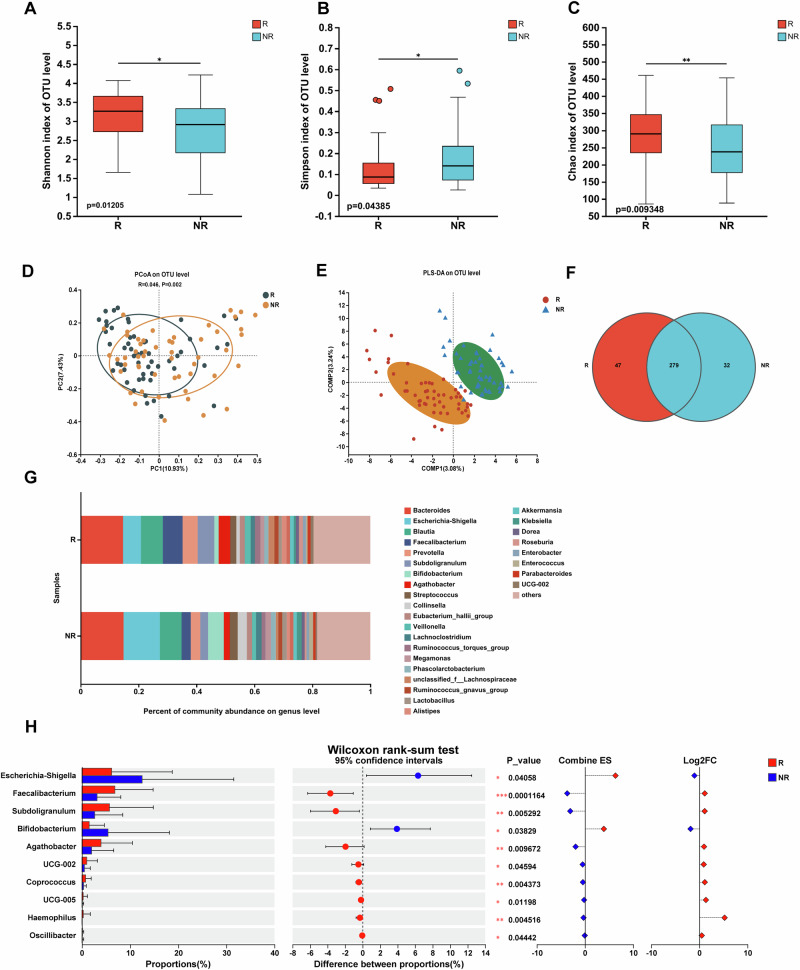
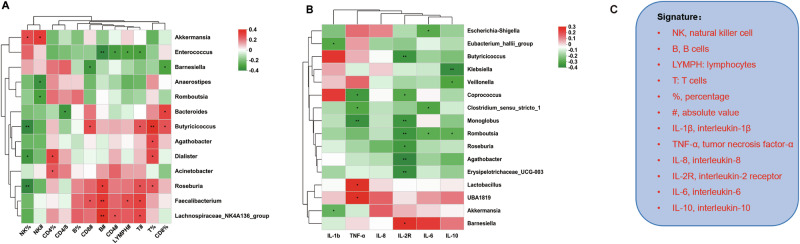
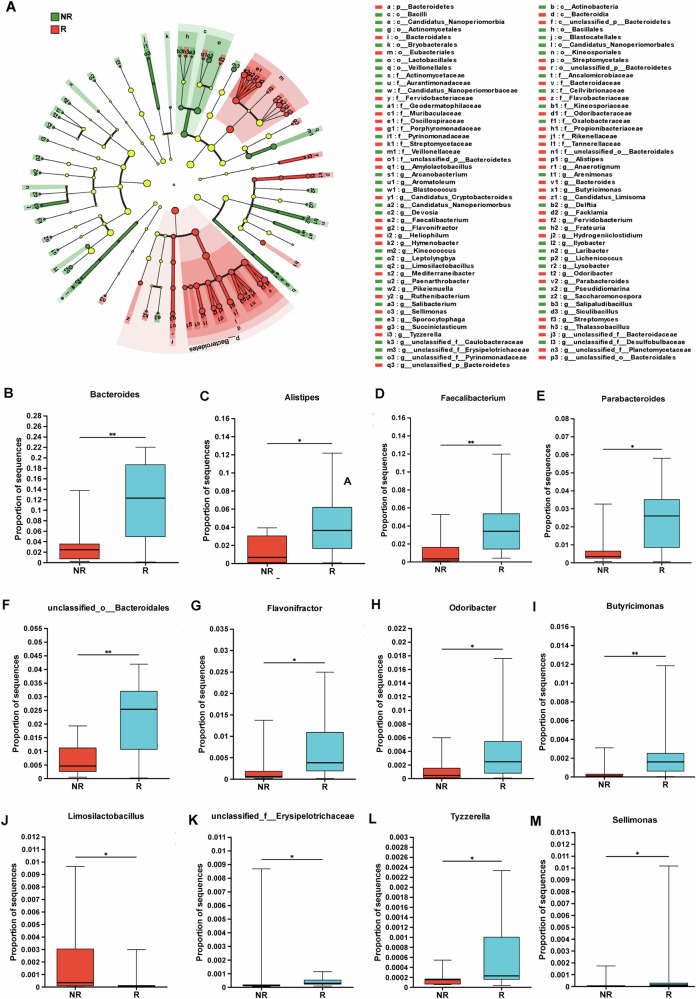
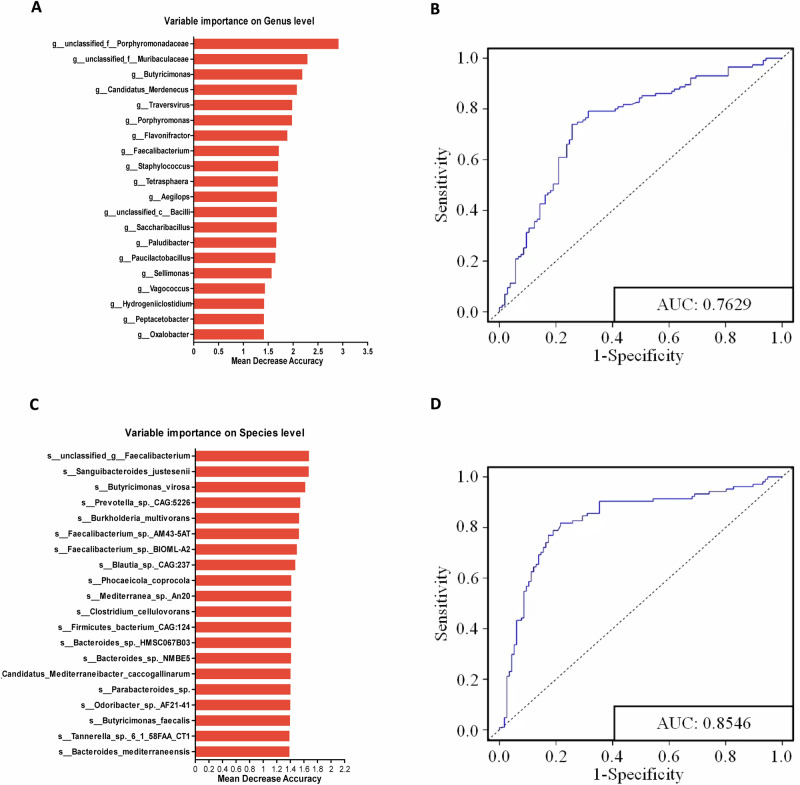
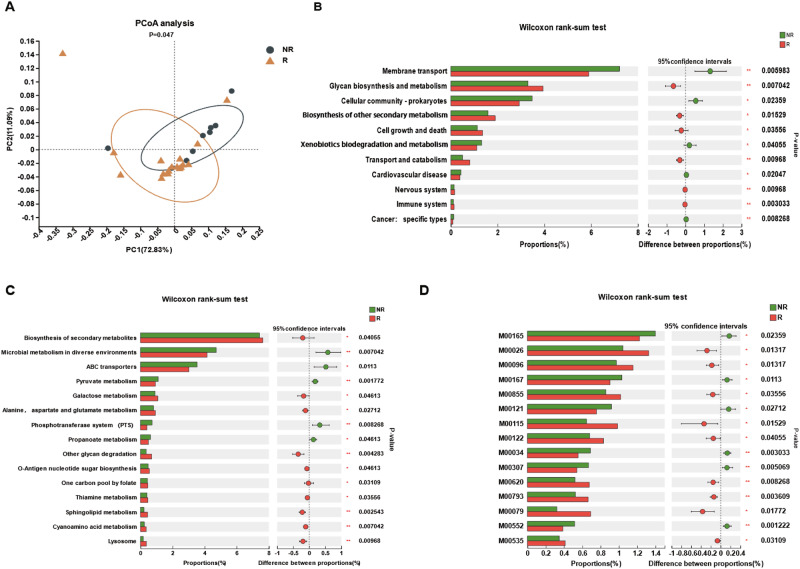
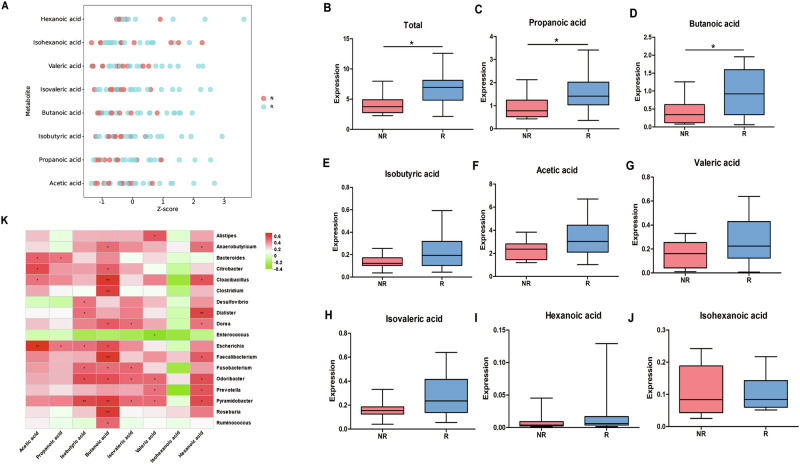
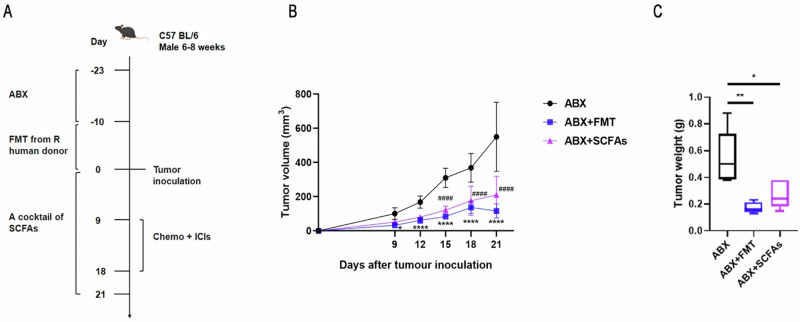
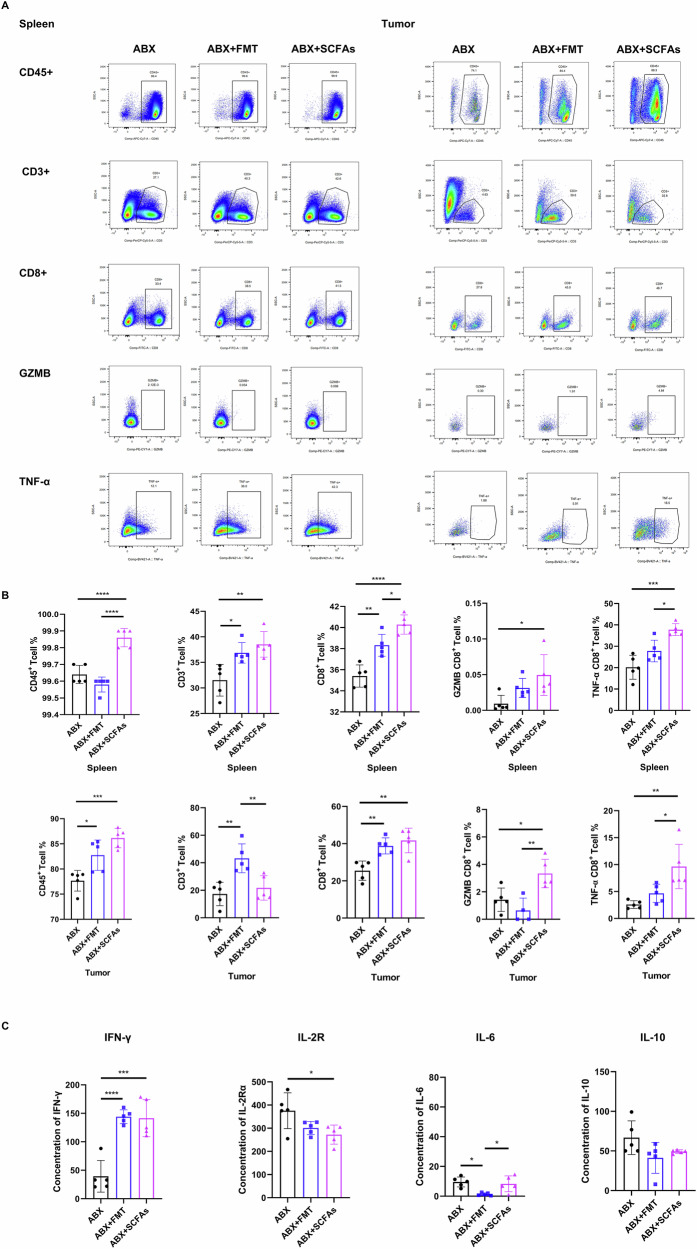
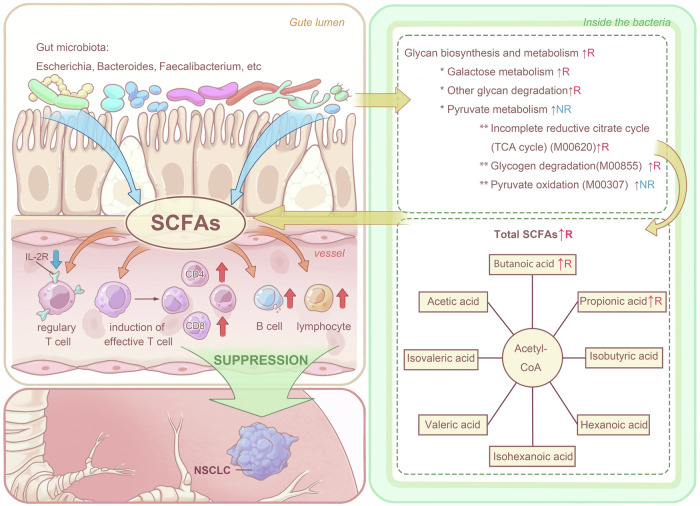
The role of gut dysbiosis in shaping immunotherapy responses is well-recognized, yet its effect on the therapeutic efficacy of chemotherapy and immunotherapy combinations remains poorly understood. We analyzed gut microbiota in non-small cell lung cancer (NSCLC) patients treated with chemo-immunotherapy, comparing responders and non-responders using 16S rRNA sequencing. Responders showed higher microbial richness and abundance of specific genera like Faecalibacterium and Subdoligranulum, and the phylum Firmicutes. Support vector machine (SVM), a machine learning model based on microbial composition, predicted treatment efficacy with the area under the curve (AUC) values of 0.763 for genera and 0.855 for species. Metagenomic analysis revealed significant differences in metabolic pathways, with responders exhibiting higher short-chain fatty acids (SCFAs) production. Fecal microbiota transplantation (FMT) and SCFAs supplementation in mouse models enhanced treatment efficacy by promoting effector T cell activity in tumors. Our study suggests that gut microbiota, through SCFAs production, regulates chemo-immunotherapy efficacy, offering new strategies to improve NSCLC treatment outcomes.
Overview
The claims and statistics of this paper haven’t been checked yet.
Free: it reads the open-access text and checks the first 5 claims that cite a source we can check. Create a free account to check every claim.
Integrity signals
Registry
Cites
Statistics
Figures
Verification
Claims the paper makes
The claims and statistics of this paper haven’t been checked yet.
Free: it reads the open-access text and checks the first 5 claims that cite a source we can check. Create a free account to check every claim.
Claims other papers make about this one
Each is checked against this paper’s own text: does it say what the citing paper says it does?
The source backs part of the claim, not all of it — or backs it for a different population, condition or comparison.
In the citing paper
“They can enhance PD‑1 blockade when administered orally (drinking water or gavage) at physiologically relevant concentrations.148–150”
From Gut dysbiosis in oncology: a risk factor for immunoresistance (2026) · doi:10.1038/s41422-025-01212-6 · cites this paper as [148]
Experimental — accuracy not yet measured
Self-check
Percentages, sums and reported differences re-computed from the paper’s own numbers.
The self-check needs the paper’s full text.
Citations
Cites
fastp: an ultra-fast all-in-one FASTQ preprocessor
Chen, S., Zhou, Y., Chen, Y., & Gu, J. (2018) · Bioinformatics · doi:10.1093/bioinformatics/bty560 · Cited by 29,721
From Dietary Fiber to Host Physiology: Short-Chain Fatty Acids as Key Bacterial Metabolites
Koh, A., De Vadder, F., Kovatcheva-Datchary, P., & Bäckhed, F. (2016) · Cell · doi:10.1016/j.cell.2016.05.041 · Cited by 7,070
Gut microbiome influences efficacy of PD-1-based immunotherapy against epithelial tumors
Routy, B., Le Chatelier, E., Derosa, L., Duong, C. P. M., Alou, M. T., Daillère, R., Fluckiger, A., Messaoudene, M., Rauber, C., Roberti, M. P., et al. (2018) · Science · doi:10.1126/science.aan3706 · Cited by 5,671
Gut microbiome modulates response to anti-PD-1 immunotherapy in melanoma patients
Gopalakrishnan, V., Spencer, C. N., Nezi, L., Reuben, A., Andrews, M. C., Karpinets, T. V., Prieto, P. A., Vicente, D., Hoffman, K., Wei, S. C., et al. (2018) · Science · doi:10.1126/science.aan4236 · Cited by 4,812
Parada Venegas, D., De la Fuente, M. K., Landskron, G., González, M. J., Quera, R., Dijkstra, G., Harmsen, H. J. M., Faber, K. N., & Hermoso, M. A. (2019) · Frontiers in Immunology · doi:10.3389/fimmu.2019.00277 · Cited by 3,820
The commensal microbiome is associated with anti-PD-1 efficacy in metastatic melanoma patients
Matson, V., Fessler, J., Bao, R., Chongsuwat, T., Zha, Y., Alegre, M.-L., Luke, J. J., & Gajewski, T. F. (2018) · Science · doi:10.1126/science.aao3290 · Cited by 3,107
Gut microbiome and health: mechanistic insights
de Vos, W. M., Tilg, H., Van Hul, M., & Cani, P. D. (2022) · Gut · doi:10.1136/gutjnl-2021-326789 · Cited by 2,388 · cited 2×
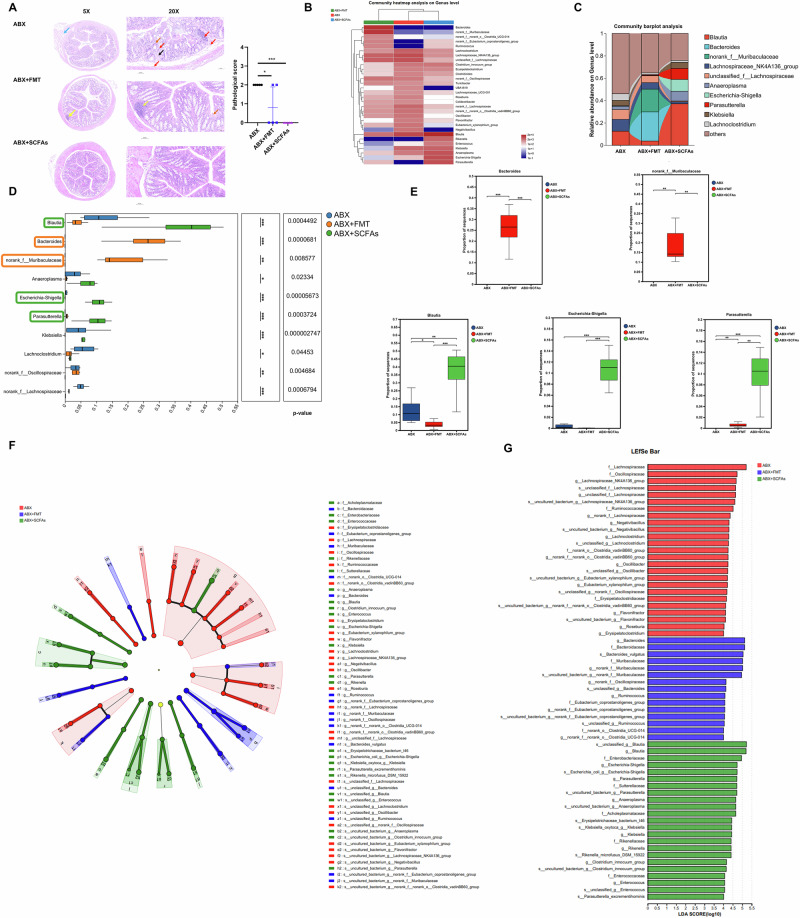
“F Linear discriminant analysis effect size (LEfSe) analysis, with a Linear Discriminant Analysis (LDA) threshold of 4,identi fi eskeymicrobiotataxaenrichedineachgroup,visualizedascolorednodes.”
Fusobacterium nucleatum Promotes Chemoresistance to Colorectal Cancer by Modulating Autophagy
Yu, T., Guo, F., Yu, Y., Sun, T., Ma, D., Han, J., Qian, Y., Kryczek, I., Sun, D., Nagarsheth, N., et al. (2017) · Cell · doi:10.1016/j.cell.2017.07.008 · Cited by 2,198 · cited 10×
“In the last decade, the emergence of immune checkpoint inhibitors (ICIs) targeting programmed cell death 1 (PD-1) or its ligand (PD-L1) has led to signi fi cantly prolonged survival bene fi ts for NSCLC patients 1 – 3 .”
InfluentialRECIST 1.1—Update and clarification: From the RECIST committee
Schwartz, L. H., Litière, S., de Vries, E., Ford, R., Gwyther, S., Mandrekar, S., Shankar, L., Bogaerts, J., Chen, A., Dancey, J., et al. (2016) · European Journal of Cancer · doi:10.1016/j.ejca.2016.03.081 · Cited by 1,906
Fecal microbiota transplant overcomes resistance to anti–PD-1 therapy in melanoma patients
Davar, D., Dzutsev, A. K., McCulloch, J. A., Rodrigues, R. R., Chauvin, J.-M., Morrison, R. M., Deblasio, R. N., Menna, C., Ding, Q., Pagliano, O., et al. (2021) · Science · doi:10.1126/science.abf3363 · Cited by 1,781 · cited 1×
“Furthermore, successful fecal microbial transplantation (FMT) can alter the gut microbiota pro fi le and reverse the resistance to ICIs in patients with melanoma 3,8,13,14 .”
Research works printed but not linked: 1
- Mann, P. C.. International Harmonization of Nomenclature and Diagnostic Criteria (INHAND): Standardized terminology of pathological lesions in rats and mice [Translated into Chinese]. China Agricultural Press (2019).
Cited by
Gut dysbiosis in oncology: a risk factor for immunoresistance
(2026) · doi:10.1038/s41422-025-01212-6 · Cited by 24
Gut microbiome metabolites in lung cancer: The emerging importance of short-chain fatty acids
Bishoyi, A. K., Al-Hasnaawei, S., Salem, K. H., Ganesan, S., Shankhyan, A., Nanda, A., Sinha, A., Ray, S., Nathiya, D., & Hammady, F. J. (2025) · International Immunopharmacology · doi:10.1016/j.intimp.2025.115821 · Cited by 13
Harnessing the Gut Microbiota to Improve Cancer Immunotherapy: Focus on Lung Cancer
Park, U., Heo, J.-Y., Chun, S.-M., Lee, J.-C., Lee, S.-H., & Lee, S.-W. (2026) · Immune Network · doi:10.4110/in.2026.26.e7 · Cited by 11
“Metagenomic pathway analyses consistently revealed glycolysis, carbohydrate metabolism and SCFA biosynthesis pathways in responders (78,82).”
InfluentialEngineering microbial metabolites to modulate tumor immunity and advance cancer immunotherapy
Chigozie, V. U., & Esimone, C. O. (2026) · Discover Immunity. · doi:10.1007/s44368-026-00019-w · Cited by 11
“…inhibitors, whereas elevated polyamine concentrations in certain colorectal and breast tumor microenvironments can correlate with impaired antigen presentation and increased myeloid suppression, suggesting a narrow therapeutic window that must account for tumor metabolic phenotype [84, 152, 153].”
Liu, Y., Wang, S., Xiang, X., Du, Y., Xue, Q., Niu, Y., Peng, W., Ye, L., & Zhou, Q. (2026) · International Journal of Biological Sciences · doi:10.7150/ijbs.126977 · Cited by 7
“BEVs Tumor burden reduction 2025 [141] Gut PD-1/PD-L1 inhibitors Hominenteromicrobium YB328 Prolonged PFS 2025 [178] Gut Chemo-immunotherapy combinations”
InfluentialGut microbiome and aging—A dynamic interplay of microbes, metabolites, and the immune system
Mehl, A., & Blacher, E. (2026) · FEBS Letters · doi:10.1002/1873-3468.70324 · Cited by 8
Yang, Y., Shen, J., Wei, S., Ye, M., Zhao, X., Zhou, J., Tong, L., Hu, J., Song, Y., Wu, S., et al. (2025) · BMC Microbiology · doi:10.1186/s12866-025-04325-5 · Cited by 6
“When combined with chemoimmu-notherapy, therapeutic interventions like fecal microbiota transplantation (FMT) or short-chain fatty acid (SCFA) supplementation may enhance antitumor immunity by promoting effector T cell activity, as evidenced by recent study [34].”
Self-citationAntohi, A. L., Gheorghiță, A. D., Andronic, O., Pîrcălăbioru, G. G., & Treteanu, A. R. (2026) · International Journal of Molecular Sciences · doi:10.3390/ijms27062538 · Cited by 7
Intratumoral Microorganisms in Tumors: Current Understanding and Emerging Therapeutic Strategies
Zhang, H., Du, Z., Lu, P., Jiang, A., Guo, Y., Liu, Y., Song, Z., Dai, B., & Zhang, W. (2026) · MedComm · doi:10.1002/mco2.70754 · Cited by 6
“Concomitantly, microbiota-derived SCFAs are also emerging as mediators of chemo–immunotherapy efficacy that connect with immune-cell state and microenvironmental homeostasis as potential targets for enhancing the therapeutic responses in NSCLC and other tumors [ 16, 172 ].”
Shen, X., Zheng, C., Lin, R., Wang, J., & Chen, Z. (2026) · Frontiers in Immunology · doi:10.3389/fimmu.2026.1795042 · Cited by 5
Lin, Z., Mu, S., Zhang, W., Guo, Y., Dong, C., Song, L., Zhang, H., Wu, R., Luo, P., & Liang, L. (2026) · Genes & Diseases · doi:10.1016/j.gendis.2026.102428 · Cited by 4
Nanotechnology – Microbiota synergy in cancer immunotherapy
Yang, J., Wang, J., Li, J., & Cui, J. (2025) · Critical Reviews in Oncology/Hematology · doi:10.1016/j.critrevonc.2025.105018 · Cited by 5
The bidirectional interface between oral drug and the gut microbiome: Implications for drug delivery
Zai, K. (2026) · Pharmaceutical Science Advances · doi:10.1016/j.pscia.2026.100112 · Cited by 4
Xiao, X., Wang, Y., Yin, T., Wang, Q., Feng, Y., Ren, H., Li, J., & Cheng, L. (2026) · International Journal of Molecular Sciences · doi:10.3390/ijms27041905 · Cited by 3
“Their microbiota was characterized by an enrichment of Firmicutes and genera such as Faecal-ibacterium and Subdoligranulum [41].”
Gut microbiota and metabolites: emerging prospects in the treatment of non-small cell lung cancer
Jiao, J.-M., Liu, C., Zang, D., & Chen, J. (2025) · Frontiers in Immunology · doi:10.3389/fimmu.2025.1638942 · Cited by 3
The role of microbiome in immunotherapy: Insights and perspectives
Ye, M., Ju, H., Ren, G., & Hu, J. (2025) · Seminars in Cancer Biology · doi:10.1016/j.semcancer.2025.11.001 · Cited by 4
Self-citationThe gut microbiota as a potential biomarker in patients with EGFR-mutant lung cancer
Tabe, C., Motooka, D., Fujita, T., Makiguchi, T., Taima, K., Tanaka, H., Itoga, M., Ishioka, Y., Akita, T., Ishidoya, M., et al. (2025) · Scientific Reports · doi:10.1038/s41598-025-31225-5 · Cited by 2
Metabolic engineering of Clostridium tyrobutyricum for hexanoic acid and hexanol production
Wang, S., Zhang, J., Wang, P., Luo, W., Guo, L., & Wang, Y. (2025) · Bioresource Technology · doi:10.1016/j.biortech.2025.133890 · Cited by 2
Zheng, F., Zhang, Y., & Zhong-xin, L. (2026) · Frontiers in Medicine · doi:10.3389/fmed.2026.1890287 · Cited by 2
Microbiota as a modulator of drug response: targeting microbial–drug crosstalk in cancer therapy
Zhao, T., Liu, M., Qiu, L. X., Zhang, H., Zhang, N., Liu, Z., Xia, Z., Luo, P., Huang, J., & Cheng, Q. (2026) · Gut Microbes · doi:10.1080/19490976.2026.2651930 · Cited by 1
Ali, H., Xie, B., Yang, J., & Nadeem, U. (2026) · Cancers · doi:10.3390/cancers18121948 · Cited by 1
“Conversely, enrichment of alcohol-and aldehyde-producing bacteria has been observed in non-responders, further underscoring the functional relevance of microbial metabolism [40,45,55,72].”
Microbiome dysbiosis and its modulation in cancer development, prevention and therapy
Dixit, S., Welker, A., Ortiz, D., Athanasouli, M., & Stein‐Thoeringer, C. K. (2026) · Frontiers in Oncology · doi:10.3389/fonc.2026.1852716 · Cited by 1
“…metabolically active bacteria such as Firmicutes, Actinobacteria and especially Faecalibacterium prausnitzii , which SCFA production, tryptophan-derived indoles, and secondary bile acids, that together regulate T-cell differentiation, gut barrier integrity, and systemic immunity (99, 100).”
Gut Microbiota-Derived Metabolites in Cancer Immunotherapy: Mechanisms and Clinical Potential
He, Y. (2026) · BIO Web of Conferences · doi:10.1051/bioconf/202621401024
“In addition, bile acid metabolites influence the polarization of tumor-associated macrophages, transforming the TME into a more inflammatory and antitumor-active state [6].”
InfluentialLiu, Z., Liu, M., Chen, H., Li, S., Zheng, N., Xing, G., Zhang, Y., Xu, J., Li, M., Xiao, C., et al. (2026) · Journal of Translational Medicine · doi:10.1186/s12967-026-07900-0 · Cited by 2
“We observed a stepwise decline in the viral Shannon index with worsening therapeutic outcomes, mirroring the reduced bacterial diversity reported in NR [31].”
Self-citationLi, M. M., Fu, W. J., Zhou, Y., Zhang, H. H., Li, H. N., Zhang, C., & Yang, J. (2026) · World Journal of Oncology · doi:10.14740/wjon2680
“Additionally, as a short chain fatty acid, propionate can enhance T-cell activity and improve the effect of immunotherapy for NSCLC [14].”
Greier, M. D. C., Dudás, J., Hartl, R., Schmutzler, L., & Hofauer, B. G. (2026) · Frontiers in Nutrition · doi:10.3389/fnut.2026.1731077
“This highlights their dual role anti-inflammatory and immunoregulatory metabolites (18, 19).”
Li, X., Li, J., Li, L., Jiang, F., Wang, X., & Yu, G. (2026) · Building and Environment · doi:10.1016/j.buildenv.2026.114753
Zhang, X.-Y., Pan, X.-Y., Zhu, Y., Hu, M., Ma, S., Zheng, S.-Y., Wu, C.-H., Xie, Y.-L., & Xie, Y. (2026) · World Journal of Clinical Oncology · doi:10.5306/wjco.121766
朱利明, Xu, J. Q., Niu, D., Zhang, X., & Jin, C. (2026) · Cancer Medicine · doi:10.1002/cam4.72061
“Animal studies revealed that antibiotic-disrupted microbiota in tumor-bearing mice could be effectively reconstituted through FMT from NSCLC patients demonstrating positive responses to combined chemo-immunotherapy [143].”
Gouveia, L., Serpa, J., & Mendes, C. (2026) · Advances in experimental medicine and biology · doi:10.1007/978-3-032-12166-0_3
Cheng, Z., Xu, M., Yan, W., Li, H., Zhang, C., & Wang, X. (2026) · Pathology - Research and Practice · doi:10.1016/j.prp.2026.156667
From gut to lung: Microbiota-derived metabolites reshaping the tumor immune microenvironment
Baniya, P., Lamichhane, S., Dua, K., & Paudel, K. R. (2026) · EXCLI journal · doi:10.17179/excli2026-9646
Miller, B. C., Hoover, J., Yadav, H., & Jain, S. (2026) · Frontiers in Molecular Neuroscience · doi:10.3389/fnmol.2026.1815079
“…in driving the effects of cancer immunotherapies, including anti-PD-1 and immune checkpoint blockade, by altering T-cell receptor signaling and enhancing CD8 + T cell expansion and function in non-small cell lung cancer, glioma, and melanoma (Zhu et al., 2023; Li et al., 2025; Yang et al., 2025).”
Hu, Y., Maher, H., Du, L., & Chen, X. (2026) · Translational Cancer Research · doi:10.21037/tcr-2026-1404
“FMT from such donors into animal models enhances therapy response and intratumoral effector T cell activity (58).”
Hu, Y., Teng, C., & Zhang, D. (2026) · Frontiers in Cellular and Infection Microbiology · doi:10.3389/fcimb.2026.1876450
Szelest, M., Zaleska, J., Kiełbus, M., Paziewska, M., Masternak, M., Wawrzyniak, E., Kotkowska, A., Siemieniuk‐Ryś, M., Morawska, M., Kalicińska, E., et al. (2026) · British Journal of Haematology · doi:10.1111/bjh.70797
Fan, Y., Du, L., Luo, Q., Mei, T., Zhou, A., Liu, H., Khan, M. Q., Faxian, G., & Dong, J. (2026) · Frontiers in Immunology · doi:10.3389/fimmu.2026.1932225
“At the intervention level, the ef fi cacy of direct metabolite supplementation has been validated in animal models (11); ginseng polysaccharides (34) and Shenling Baizhu Powder (29) represent typical paradigms of prebiotic strategies; Huang et al. (41) con fi rmed the clinical feasibility of fecal…”
InfluentialPan, J., Tong, L., Fei, R., Wu, K., Ji, J., Sun, T., Zhao, Y., Zhang, J., Feng, H., Hua, H., et al. (2026) · Journal for ImmunoTherapy of Cancer · doi:10.1136/jitc-2026-015279 · Cited by 1
Nazir, A., Nazir, R., Sharma, S., Amna, T., & Ahmed, Z. F. R. (2026) · Frontiers in Immunology · doi:10.3389/fimmu.2026.1970192
Missaoui, N. (2026) · IntechOpen eBooks · doi:10.5772/intechopen.1017577
Westphal, J. R., Macke, L., Graf, C., & Schulz, C. (2026) · Best Practice & Research Clinical Gastroenterology · doi:10.1016/j.bpg.2026.102154
Chen, L., Tayier, N., Wu, H., Liu, G., Wang, S., Zhu, Y., Sun, J., Niu, Y., Feng, C., You, L., et al. (2026) · Journal of Controlled Release · doi:10.1016/j.jconrel.2026.115456
Sun, C., Han, F., Xu, W., Wang, X., & Wang, X. (2026) · Frontiers in Oncology · doi:10.3389/fonc.2026.1975256
Ye, S., Tian, T., Huangfu, J., Liu, H., Liu, P., & Zhou, J. (2026) · Frontiers in Immunology · doi:10.3389/fimmu.2026.1999117
Self-citationHuang, W., Yan, Y., Liu, Y., Lei, J., Wang, X., Liu, T., Xuetong, S., & Liu, X. (2026) · Metabolism and Diseases · doi:10.1016/j.metdis.2026.100041
Metadata
- Authors
- Yang, Y., Ye, M., Song, Y., Xing, W., Zhao, X., Li, Y., Shen, J., Zhou, J., Arikawa, K., Wu, S., Song, Y., & Xu, N.
- Affiliations
- Fudan University (CN)
- Shanghai Medical College of Fudan University (CN)
- John H. Stroger, Jr. Hospital of Cook County (US)
- Corresponding author
- Song, Yijun
- Wu, Shengdi
- Song, Yuanlin
- Xu, Nuo
- ORCID
- Venue
- npj Biofilms and Microbiomes
- Published
- 2025-07-28
- Volume
- 11
- Issue
- 1
- Pages
- 146-146
- ISSN
- 2055-5008 (ISSN-L)
- PMC
- PMC12304354
- OpenAlex
- W4412701897
- Cited by
- 36
- References
- 38
- Citations by year
- 2026: 29 · 2025: 7
- FWCI
- 10.82
- Type
- journal article
- Language
- en
- Open access
- gold
- doi.org
- Licence
- cc-by-nc-nd
- creativecommons.org/licenses/by-nc-nd/4.0 (tdm)
- creativecommons.org/licenses/by-nc-nd/4.0 (vor)
- Locations
- npj Biofilms and Microbiomes (publishedVersion, cc-by-nc-nd)
- PubMed Central (publishedVersion, cc-by-nc-nd)
- PubMed (publishedVersion)
- DOAJ (DOAJ: Directory of Open Access Journals) (submittedVersion, cc-by-sa)
- Funders
- National Key R&D Plan (2020YFC2003700)
- Shanghai Municipal Science and Technology Major Project (ZD2021CY001)
- Science and Technology Commission of Shanghai Municipality (20Z11901000, 20DZ2261200, 20XD1401200, 22Y11900800)
- Clinical Research Plan of SHDC (SHDC2020CR5010-002)
- Shanghai Municipal Key Clinical Specialty (shslczdzk02201)
- Shanghai Municipal Health Commission and Shanghai Municipal Administrator of Traditional Chinese Medicine (ZY(2021-2023)-0207-01)
- National Natural Science Foundation of China (81401877, 82130001, and 82272243)
- Topics
- Life Sciences › Biochemistry, Genetics and Molecular Biology › Molecular Biology › Gut microbiota and health
- Health Sciences › Medicine › Oncology › Cancer Immunotherapy and Biomarkers
- Life Sciences › Agricultural and Biological Sciences › Food Science › Probiotics and Fermented Foods
- Keywords
- gut microbiota, short-chain fatty acids, non-small cell lung cancer, chemoimmunotherapy, treatment response prediction, gut dysbiosis, Faecalibacterium, Subdoligranulum, Firmicutes, effector T cells, fecal microbiota transplantation, microbial biomarkers
- MeSH terms
- Gastrointestinal Microbiome, Fecal Microbiota Transplantation, Aged, Animals, Antineoplastic Agents, Bacteria, Carcinoma, Non-Small-Cell Lung, Fatty Acids, Volatile, Female, Humans, Immunotherapy, Lung Neoplasms, Male, Middle Aged, RNA, Ribosomal, 16S, Treatment Outcome, Mice, Metagenomics, Dysbiosis
About these checks
Registry, retraction, Cites and statistics results are computed, not judged, with one exception: a printed reference that no index lists is read once by a model before it counts as a citation error. Claims are extracted by a model and kept only when their quote appears verbatim in the text; each cited source is then checked, with a model’s help, for whether it says what the claim relies on. Those verdicts can be wrong — read the claim’s quote and the cited source before relying on one.
Statistics and arithmetic are recomputed, not judged.
Confidence bands are shown only for fields calibrated on our annotated test set. None is calibrated yet, so no band is shown.
What counts as a claim ›How we measure confidence ›How we check this ›
Are you an author, or do you see a problem with this page? Request a review
Data sources
Bibliographic data: Semantic Scholar, OpenAlex, Crossref.
Contains information from the Semantic Scholar Academic Graph Datasets, made available under the ODC Attribution License (ODC-BY 1.0).
Semantic Scholar’s data is described in: Kinney, R., et al. (2023). The Semantic Scholar Open Data Platform. arXiv:2301.10140.
