

Gut microbiota and SCFAs improve the treatment efficacy of chemotherapy and immunotherapy in NSCLC
Open accessThe DOI matches its Crossref record; 39 of the 39 references it cites were found in a registry or an index.
Abstract
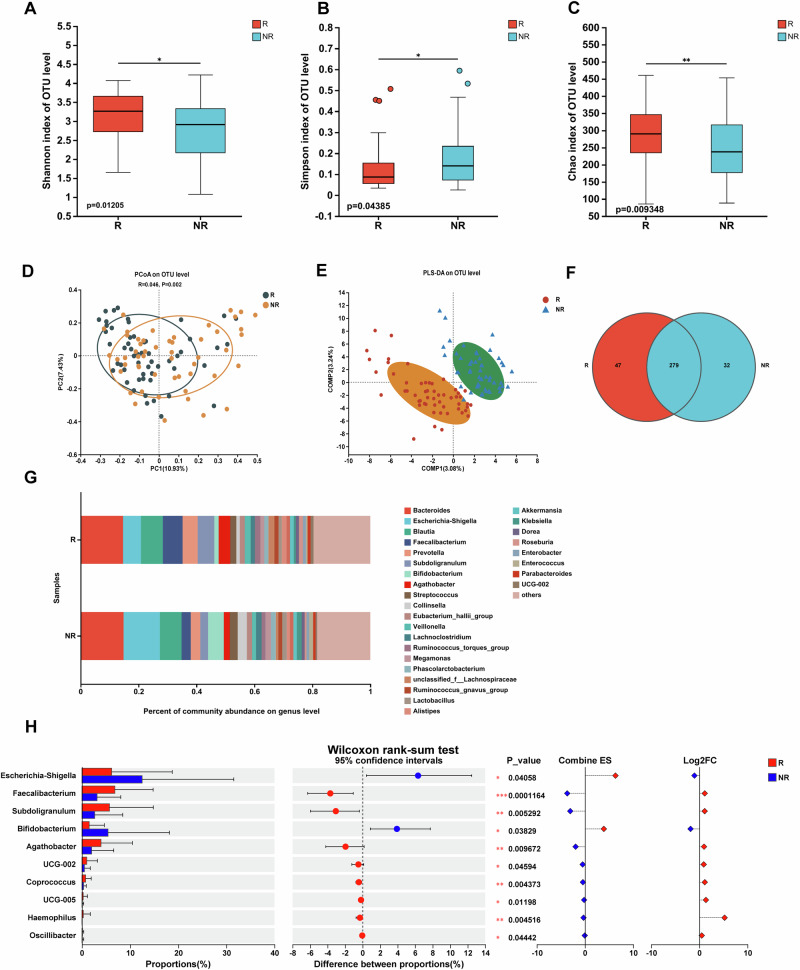
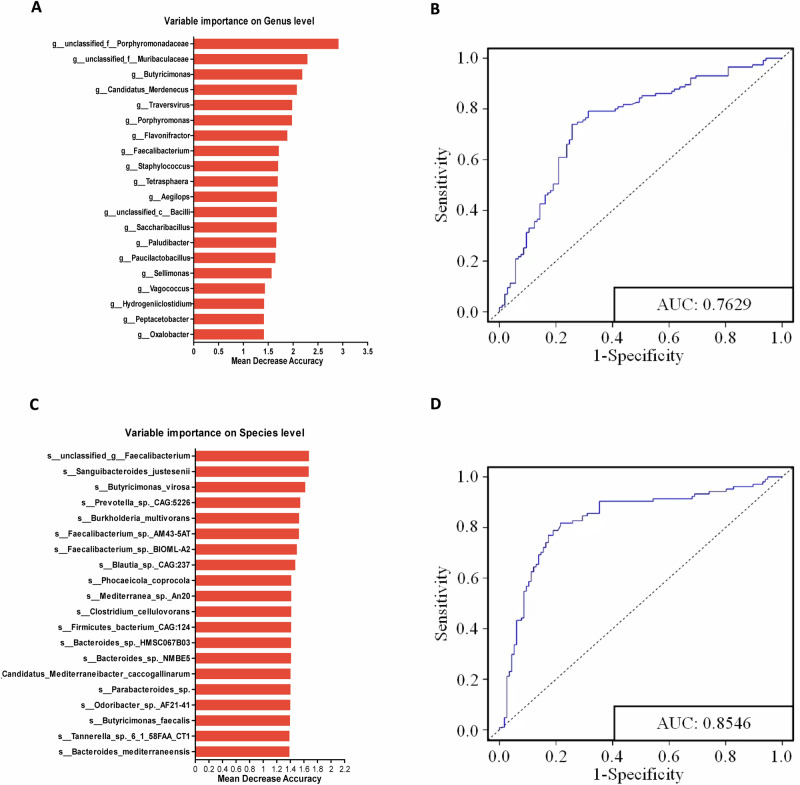
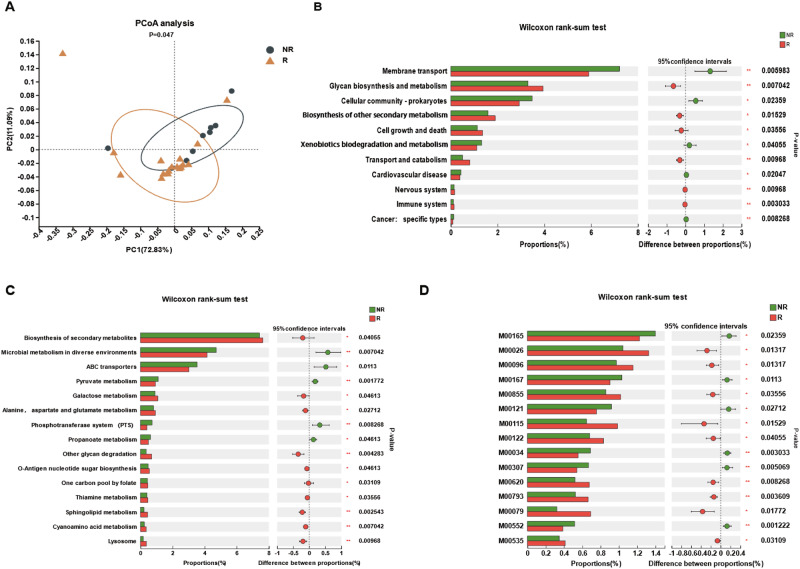
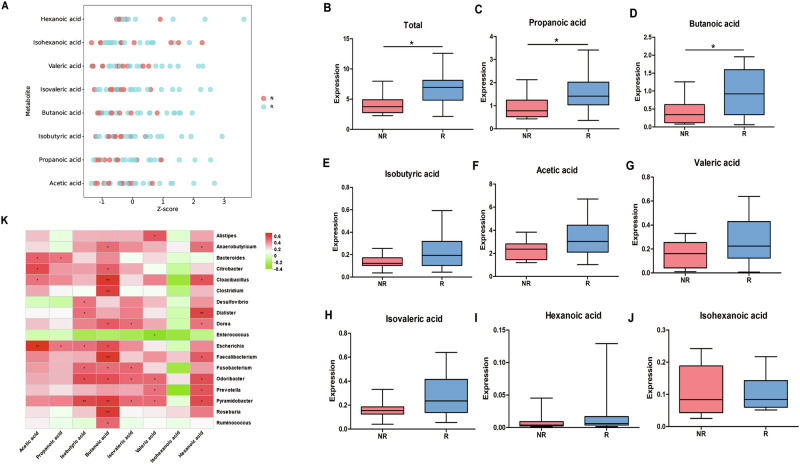
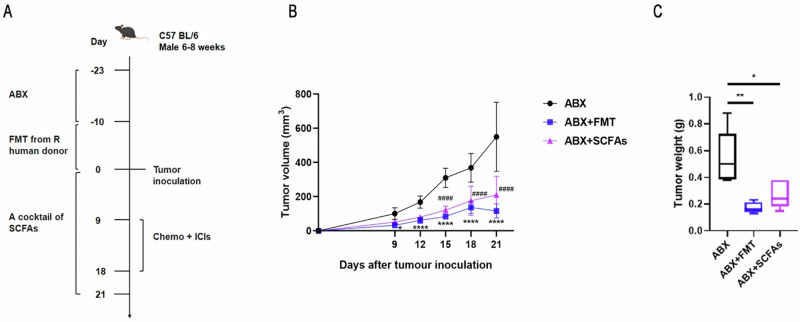
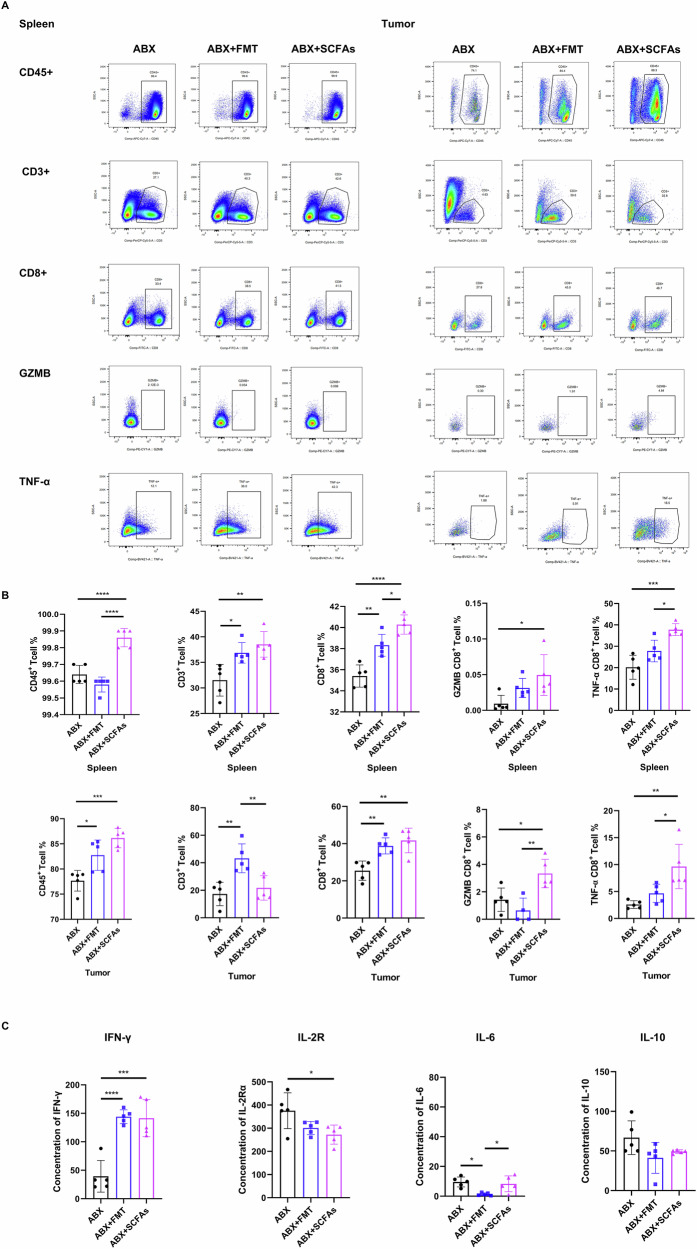
The role of gut dysbiosis in shaping immunotherapy responses is well-recognized, yet its effect on the therapeutic efficacy of chemotherapy and immunotherapy combinations remains poorly understood. We analyzed gut microbiota in non-small cell lung cancer (NSCLC) patients treated with chemo-immunotherapy, comparing responders and non-responders using 16S rRNA sequencing. Responders showed higher microbial richness and abundance of specific genera like Faecalibacterium and Subdoligranulum, and the phylum Firmicutes. Support vector machine (SVM), a machine learning model based on microbial composition, predicted treatment efficacy with the area under the curve (AUC) values of 0.763 for genera and 0.855 for species. Metagenomic analysis revealed significant differences in metabolic pathways, with responders exhibiting higher short-chain fatty acids (SCFAs) production. Fecal microbiota transplantation (FMT) and SCFAs supplementation in mouse models enhanced treatment efficacy by promoting effector T cell activity in tumors. Our study suggests that gut microbiota, through SCFAs production, regulates chemo-immunotherapy efficacy, offering new strategies to improve NSCLC treatment outcomes.
Overview
The claims and statistics of this paper haven’t been checked yet.
Free: it reads the open-access text and checks the first 5 claims that cite a source we can check. Create a free account to check every claim.
Integrity signals
Registry
Cites
Statistics
Figures
Verification
Claims the paper makes
The claims and statistics of this paper haven’t been checked yet.
Free: it reads the open-access text and checks the first 5 claims that cite a source we can check. Create a free account to check every claim.
Claims other papers make about this one
Each is checked against this paper’s own text: does it say what the citing paper says it does?
The source backs part of the claim, not all of it — or backs it for a different population, condition or comparison.
In the citing paper
“They can enhance PD‑1 blockade when administered orally (drinking water or gavage) at physiologically relevant concentrations.148–150”
From Gut dysbiosis in oncology: a risk factor for immunoresistance (2026) · doi:10.1038/s41422-025-01212-6 · cites this paper as [148]
Experimental — accuracy not yet measured
Self-check
Percentages, sums and reported differences re-computed from the paper’s own numbers.
The self-check needs the paper’s full text.
Citations
Cites
fastp: an ultra-fast all-in-one FASTQ preprocessor
Chen, S., Zhou, Y., Chen, Y., & Gu, J. (2018) · Bioinformatics · doi:10.1093/bioinformatics/bty560 · Cited by 29,721
From Dietary Fiber to Host Physiology: Short-Chain Fatty Acids as Key Bacterial Metabolites
Koh, A., De Vadder, F., Kovatcheva-Datchary, P., & Bäckhed, F. (2016) · Cell · doi:10.1016/j.cell.2016.05.041 · Cited by 7,070
Gut microbiome influences efficacy of PD-1-based immunotherapy against epithelial tumors
Routy, B., Le Chatelier, E., Derosa, L., Duong, C. P. M., Alou, M. T., Daillère, R., Fluckiger, A., Messaoudene, M., Rauber, C., Roberti, M. P., et al. (2018) · Science · doi:10.1126/science.aan3706 · Cited by 5,671
Gut microbiome modulates response to anti-PD-1 immunotherapy in melanoma patients
Gopalakrishnan, V., Spencer, C. N., Nezi, L., Reuben, A., Andrews, M. C., Karpinets, T. V., Prieto, P. A., Vicente, D., Hoffman, K., Wei, S. C., et al. (2018) · Science · doi:10.1126/science.aan4236 · Cited by 4,812
Parada Venegas, D., De la Fuente, M. K., Landskron, G., González, M. J., Quera, R., Dijkstra, G., Harmsen, H. J. M., Faber, K. N., & Hermoso, M. A. (2019) · Frontiers in Immunology · doi:10.3389/fimmu.2019.00277 · Cited by 3,820
The commensal microbiome is associated with anti-PD-1 efficacy in metastatic melanoma patients
Matson, V., Fessler, J., Bao, R., Chongsuwat, T., Zha, Y., Alegre, M.-L., Luke, J. J., & Gajewski, T. F. (2018) · Science · doi:10.1126/science.aao3290 · Cited by 3,107
Gut microbiome and health: mechanistic insights
de Vos, W. M., Tilg, H., Van Hul, M., & Cani, P. D. (2022) · Gut · doi:10.1136/gutjnl-2021-326789 · Cited by 2,388 · cited 2×
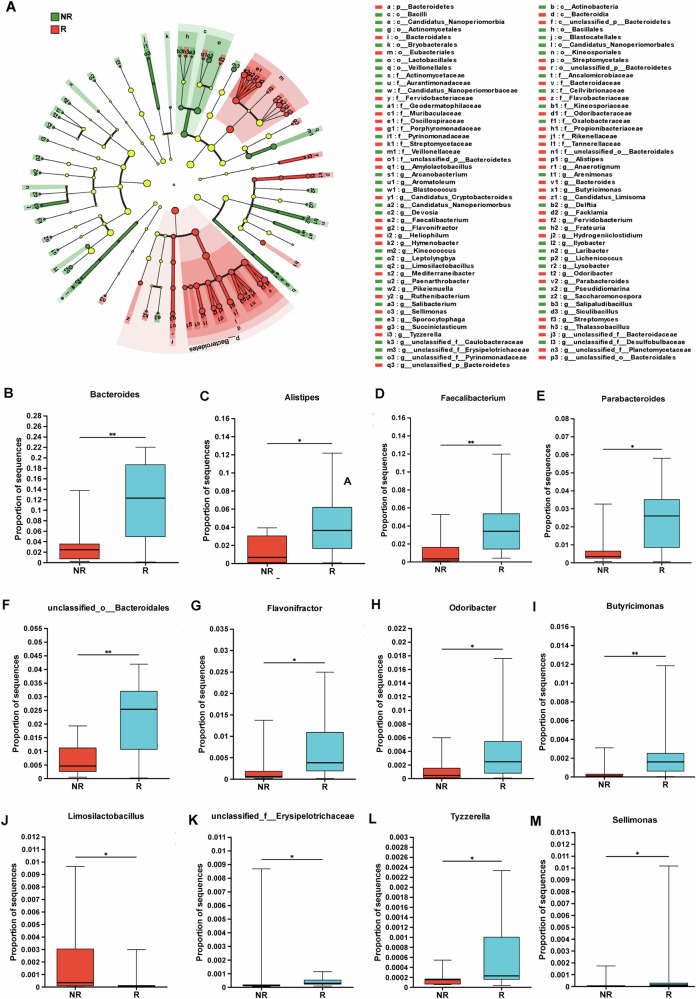
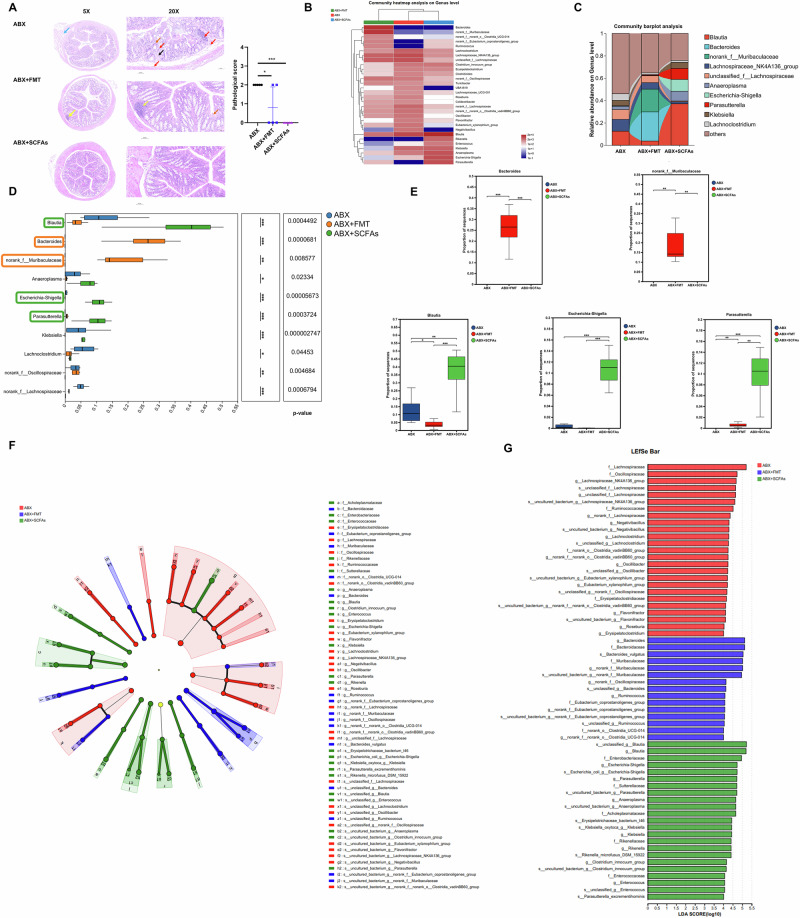
“F Linear discriminant analysis effect size (LEfSe) analysis, with a Linear Discriminant Analysis (LDA) threshold of 4,identi fi eskeymicrobiotataxaenrichedineachgroup,visualizedascolorednodes.”
Fusobacterium nucleatum Promotes Chemoresistance to Colorectal Cancer by Modulating Autophagy
Yu, T., Guo, F., Yu, Y., Sun, T., Ma, D., Han, J., Qian, Y., Kryczek, I., Sun, D., Nagarsheth, N., et al. (2017) · Cell · doi:10.1016/j.cell.2017.07.008 · Cited by 2,198 · cited 10×
“In the last decade, the emergence of immune checkpoint inhibitors (ICIs) targeting programmed cell death 1 (PD-1) or its ligand (PD-L1) has led to signi fi cantly prolonged survival bene fi ts for NSCLC patients 1 – 3 .”
InfluentialRECIST 1.1—Update and clarification: From the RECIST committee
Schwartz, L. H., Litière, S., de Vries, E., Ford, R., Gwyther, S., Mandrekar, S., Shankar, L., Bogaerts, J., Chen, A., Dancey, J., et al. (2016) · European Journal of Cancer · doi:10.1016/j.ejca.2016.03.081 · Cited by 1,906
Fecal microbiota transplant overcomes resistance to anti–PD-1 therapy in melanoma patients
Davar, D., Dzutsev, A. K., McCulloch, J. A., Rodrigues, R. R., Chauvin, J.-M., Morrison, R. M., Deblasio, R. N., Menna, C., Ding, Q., Pagliano, O., et al. (2021) · Science · doi:10.1126/science.abf3363 · Cited by 1,781 · cited 1×
“Furthermore, successful fecal microbial transplantation (FMT) can alter the gut microbiota pro fi le and reverse the resistance to ICIs in patients with melanoma 3,8,13,14 .”
Non–Small Cell Lung Cancer, Version 3.2022, NCCN Clinical Practice Guidelines in Oncology
Ettinger, D. S., Wood, D. E., Aisner, D. L., Akerley, W., Bauman, J. R., Bharat, A., Bruno, D. S., Chang, J. Y., Chirieac, L. R., D’Amico, T. A., et al. (2022) · Journal of the National Comprehensive Cancer Network · doi:10.6004/jnccn.2022.0025 · Cited by 1,392
Yang, W., Yu, T., Huang, X., Bilotta, A. J., Xu, L., Lu, Y., Sun, J., Pan, F., Zhou, J., Zhang, W., et al. (2020) · Nature Communications · doi:10.1038/s41467-020-18262-6 · Cited by 1,042 · cited 1×
“These results con fi rm the key role of SCFAs in chemo-immunotherapy ef fi cacy through their direct modulation of T cell function, particularly the induction of Tregs in the gut 32 .”
Self-citationLuu, M., Riester, Z., Baldrich, A., Reichardt, N., Yuille, S., Busetti, A., Klein, M., Wempe, A., Leister, H., Raifer, H., et al. (2021) · Nature Communications · doi:10.1038/s41467-021-24331-1 · Cited by 771 · cited 1×
“CD8 + cellsarecrucialfortheef fi cacyofimmunotherapy,butyrate has been reported to enhance IL-12 signaling pathway, promoting anti-tumor effects via ID-2 dependent regulation of CD8 + T cell 36,37 .”
He, Y., Fu, L., Li, Y., Wang, W., Gong, M., Zhang, J., Dong, X., Huang, J., Wang, Q., Mackay, C. R., et al. (2021) · Cell Metabolism · doi:10.1016/j.cmet.2021.03.002 · Cited by 729
Self-citationThe Role of Lung and Gut Microbiota in the Pathology of Asthma
Barcik, W., Boutin, R. C. T., Sokolowska, M., & Finlay, B. B. (2020) · Immunity · doi:10.1016/j.immuni.2020.01.007 · Cited by 613 · cited 1×
“…gut dysbiosis has a complex correlation with several lung diseases, with alteration of the microbiota composition triggering immune dysregulation and affecting other organs through the release of its metabolites into the circulation, inducing systemic in fl ammation and tumor development 5 – 7 .”
FDA Approval Summary: Pembrolizumab for the Treatment of Tumor Mutational Burden–High Solid Tumors
Marcus, L., Fashoyin-Aje, L. A., Donoghue, M., Yuan, M., Rodriguez, L., Gallagher, P. S., Philip, R., Ghosh, S., Theoret, M. R., Beaver, J. A., et al. (2021) · Clinical Cancer Research · doi:10.1158/1078-0432.ccr-21-0327 · Cited by 578 · cited 1×
“In the last decade, the emergence of immune checkpoint inhibitors (ICIs) targeting programmed cell death 1 (PD-1) or its ligand (PD-L1) has led to signi fi cantly prolonged survival bene fi ts for NSCLC patients 1 – 3 .”
The Gut Microbiota at the Service of Immunometabolism
Michaudel, C., & Sokol, H. (2020) · Cell Metabolism · doi:10.1016/j.cmet.2020.09.004 · Cited by 318 · cited 1×
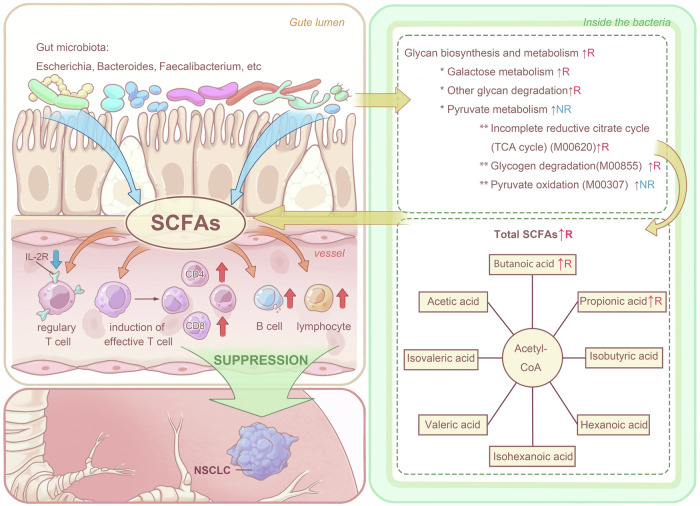
“SCFAs generated by speci fi c gut microbiota not only affect genetic and epigenetic regulation but also affect metabolism in the cells of the immune system,includingbothimmunosuppressiveandin fl ammatorypopulations, via theircell receptors 31 .”
Hakozaki, T., Richard, C., Elkrief, A., Hosomi, Y., Benlaïfaoui, M., Mimpen, I., Terrisse, S., Derosa, L., Zitvogel, L., Routy, B., et al. (2020) · Cancer Immunology Research · doi:10.1158/2326-6066.cir-20-0196 · Cited by 316 · cited 1×
“Recently, considerable attention has been focused on the association between gut microbiota and resistance to immunotherapy 3,8,9 .”
Zhang, X., Yu, D., Wu, D., Gao, X., Shao, F., Zhao, M., Wang, J., Ma, J., Wang, W., Qin, X., et al. (2023) · Cell Host & Microbe · doi:10.1016/j.chom.2023.01.013 · Cited by 280
Gut microbiota influence tumor development and Alter interactions with the human immune system
Ge, Y., Wang, X., Guo, Y., Yan, J., Abuduwaili, A., Aximujiang, K., Yan, J., & Wu, M. (2021) · Journal of Experimental & Clinical Cancer Research · doi:10.1186/s13046-021-01845-6 · Cited by 165
Alteration in the Gut Microbiota Provokes Susceptibility to Tuberculosis
Khan, N., Vidyarthi, A., Nadeem, S., Negi, S., Nair, G., & Agrewala, J. N. (2016) · Frontiers in Immunology · doi:10.3389/fimmu.2016.00529 · Cited by 158 · cited 1×
“Consistent with several studies on immunotherapy,highergutmicrobiotadiversityhasbeenassociatedwithimproved outcomesacrossvarioustumorhistologiesanddistributions,diet,and ICIs 3,17,18 .”
Gut microbiota modulate CD8 + T cell immunity in gastric cancer through Butyrate/GPR109A/HOPX
Yu, X., Ou, J., Wang, L., Li, Z., Ren, Y., Xie, L., Chen, Z., Liang, J., Shen, G., Zou, Z., et al. (2024) · Gut Microbes · doi:10.1080/19490976.2024.2307542 · Cited by 151 · cited 1×
“…vivo and in vitro for research in gastric cancer (GC), it was demonstrated that butyrate enhanced CD8 + T cell cytotoxicity via G protein-coupled receptor 109A (GPR109A)/homologous domain protein homologousbox(HOPX),thusinhibitingGCcarcinogenesis,whichoffered anoveldirectionforcancertreatment 38 .”
Vernocchi, P., Gili, T., Conte, F., Del Chierico, F., Conta, G., Miccheli, A., Botticelli, A., Paci, P., Caldarelli, G., Nuti, M., et al. (2020) · International Journal of Molecular Sciences · doi:10.3390/ijms21228730 · Cited by 148
Reigniting hope in cancer treatment: the promise and pitfalls of IL-2 and IL-2R targeting strategies
Muhammad, S., Fan, T. T., Hai, Y., Gao, Y., & He, J. (2023) · Molecular Cancer · doi:10.1186/s12943-023-01826-7 · Cited by 142 · cited 1×
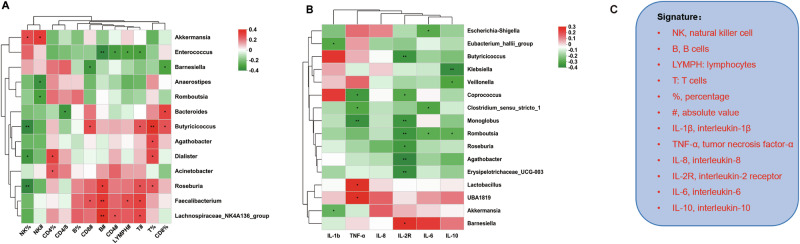
“IL-2R serves as a pivotal immune regulator in cancer immunotherapy, where elevated signaling drives Treg cell expansion to suppress anti-tumor immunity and promote tumor progression 18,25 .”
Immune checkpoint inhibitors in advanced non–small cell lung cancer
Assi, H. I., Kamphorst, A. O., Moukalled, N. M., & Ramalingam, S. S. (2018) · Cancer · doi:10.1002/cncr.31105 · Cited by 121
Ye, L., Hou, Y., Hu, W., Wang, H., Yang, R., Zhang, Q., Feng, Q., Zheng, X., Yao, G., & Hao, H. (2023) · Nature Communications · doi:10.1038/s41467-023-41817-2 · Cited by 118 · cited 1×
“According to previous reports, acetate - the metabolite of Blautia , played an importantroleinregulatingtheimmuneresponseinbreastcancer,andits elevationhasbeenshowntoreducechronicstress,therebyinhibiting cancerprogression 29 .”
Deng, X., Li, Z., Li, G., Li, B., Jin, X., & Lyu, G. (2018) · Frontiers in Microbiology · doi:10.3389/fmicb.2018.01607 · Cited by 114
Kibbie, J. J., Dillon, S. M., Thompson, T. A., Purba, C. M., McCarter, M. D., & Wilson, C. C. (2021) · Immunobiology · doi:10.1016/j.imbio.2021.152126 · Cited by 109 · cited 1×
“SCFAsalsosuppresstheproliferationand cytokine production of Th1, Th17, and Th22 cells via histone acetylation and the GPR43 signaling pathway 35 .”
Kotlyarov, S. N. (2022) · International Journal of Molecular Sciences · doi:10.3390/ijms23094768 · Cited by 88 · cited 1×
“…gut dysbiosis has a complex correlation with several lung diseases, with alteration of the microbiota composition triggering immune dysregulation and affecting other organs through the release of its metabolites into the circulation, inducing systemic in fl ammation and tumor development 5 – 7 .”
Gut microbiome affects the response to immunotherapy in non‐small cell lung cancer
Ren, S., Feng, L., Liu, H., Mao, Y., & Yu, Z. (2024) · Thoracic Cancer · doi:10.1111/1759-7714.15303 · Cited by 77 · cited 1×
“11 categorized lung cancer patients into responders and non-responders to immunotherapy, and found that responders had a signi fi cant increase in Faecalibacterium along with elevated levels of SCFAs.”
Faecalibacterium prausnitzii strain EXL01 boosts efficacy of immune checkpoint inhibitors
Bredon, M., Danne, C., Pham, H. P., Ruffié, P., Bessede, A., Rolhion, N., Creusot, L., Brot, L., Alonso, I., Langella, P., et al. (2024) · OncoImmunology · doi:10.1080/2162402x.2024.2374954 · Cited by 74 · cited 1×
“Given the positive correlation between elevated levels of Faecalibacterium and improved outcomes in ICI therapy, Bredon et al. 22 demonstrated that administering the EXL01 strain to tumor-bearing mice treated with ABX enhanced T cell activation induced by ICIs in vitro.”
Cortellini, A., Ricciuti, B., Facchinetti, F., Alessi, J. V., Venkatraman, D., Dall’Olio, F. G., Cravero, P., Vaz, V. R., Ottaviani, D., Majem, M., et al. (2021) · Annals of Oncology · doi:10.1016/j.annonc.2021.08.1744 · Cited by 73
Zhou, J., Chao, Y., Yao, D., Ding, N., Li, J., Gao, L., Zhang, Y., Xu, X., Zhou, J., Halmos, B., et al. (2021) · Translational Lung Cancer Research · doi:10.21037/tlcr-21-214 · Cited by 69
Self-citationLung and Gut Microbiome in COPD
Karakasidis, E., Kotsiou, O. S., & Gourgoulianis, K. I. (2023) · Journal of Personalized Medicine · doi:10.3390/jpm13050804 · Cited by 52 · cited 2×
“Consistent with several studies on immunotherapy,highergutmicrobiotadiversityhasbeenassociatedwithimproved outcomesacrossvarioustumorhistologiesanddistributions,diet,and ICIs 3,17,18 .”
Jiang, H., Zeng, W. G., Zhang, X., Li, Y., Wang, Y., Peng, A., & Cao, D. (2024) · Frontiers in Cellular and Infection Microbiology · doi:10.3389/fcimb.2023.1211855 · Cited by 52 · cited 1×
“For example, Jiang et al. 10 found that lung cancer patients exhibited reduced and more homogenous gut microbiota diversity, characterized by a signi fi cant decrease in short-chain fatty acids (SCFAs)-producing bacteria such as Firmicutes and Actinobacteria when compared to healthy individuals.”
Self-citationChen, J., Yu, X., Wu, X., Chai, K., & Wang, S. (2024) · Journal of Cancer · doi:10.7150/jca.92699 · Cited by 48
Haberman, Y., Kamer, I., Amir, A., Goldenberg, S., Efroni, G., Daniel‐Meshulam, I., Lobachov, A., Daher, S., Hadar, R., Gantz-Sorotsky, H., et al. (2023) · Scientific Reports · doi:10.1038/s41598-023-29136-4 · Cited by 34
Xin, X., Dai, W., Wu, J., Fang, L., Zhao, M., Zhang, P., & Chen, M. (2016) · Experimental and Therapeutic Medicine · doi:10.3892/etm.2016.3493 · Cited by 23 · cited 1×
“Besides, gut microbiota has been demonstrated to differ across several pathological conditions and could in fl uence the production of cytokines, which play a critical role in disease progression and exacerbation 23,24 .”
Alsayed, A. R., Abed, A. I., Jarrar, Y. B., Alshammari, F., Alshammari, B., Basheti, I. A., & Zihlif, M. A. (2023) · Journal of Clinical Medicine · doi:10.3390/jcm12062118 · Cited by 17 · cited 1×
“Besides, gut microbiota has been demonstrated to differ across several pathological conditions and could in fl uence the production of cytokines, which play a critical role in disease progression and exacerbation 23,24 .”
Research works printed but not linked: 1
- Mann, P. C.. International Harmonization of Nomenclature and Diagnostic Criteria (INHAND): Standardized terminology of pathological lesions in rats and mice [Translated into Chinese]. China Agricultural Press (2019).
Cited by
Gut dysbiosis in oncology: a risk factor for immunoresistance
(2026) · doi:10.1038/s41422-025-01212-6 · Cited by 24
Gut microbiome metabolites in lung cancer: The emerging importance of short-chain fatty acids
Bishoyi, A. K., Al-Hasnaawei, S., Salem, K. H., Ganesan, S., Shankhyan, A., Nanda, A., Sinha, A., Ray, S., Nathiya, D., & Hammady, F. J. (2025) · International Immunopharmacology · doi:10.1016/j.intimp.2025.115821 · Cited by 13
Harnessing the Gut Microbiota to Improve Cancer Immunotherapy: Focus on Lung Cancer
Park, U., Heo, J.-Y., Chun, S.-M., Lee, J.-C., Lee, S.-H., & Lee, S.-W. (2026) · Immune Network · doi:10.4110/in.2026.26.e7 · Cited by 11
“Metagenomic pathway analyses consistently revealed glycolysis, carbohydrate metabolism and SCFA biosynthesis pathways in responders (78,82).”
InfluentialEngineering microbial metabolites to modulate tumor immunity and advance cancer immunotherapy
Chigozie, V. U., & Esimone, C. O. (2026) · Discover Immunity. · doi:10.1007/s44368-026-00019-w · Cited by 11
“…inhibitors, whereas elevated polyamine concentrations in certain colorectal and breast tumor microenvironments can correlate with impaired antigen presentation and increased myeloid suppression, suggesting a narrow therapeutic window that must account for tumor metabolic phenotype [84, 152, 153].”
Liu, Y., Wang, S., Xiang, X., Du, Y., Xue, Q., Niu, Y., Peng, W., Ye, L., & Zhou, Q. (2026) · International Journal of Biological Sciences · doi:10.7150/ijbs.126977 · Cited by 7
“BEVs Tumor burden reduction 2025 [141] Gut PD-1/PD-L1 inhibitors Hominenteromicrobium YB328 Prolonged PFS 2025 [178] Gut Chemo-immunotherapy combinations”
Influential
Metadata
- Authors
- Yang, Y., Ye, M., Song, Y., Xing, W., Zhao, X., Li, Y., Shen, J., Zhou, J., Arikawa, K., Wu, S., Song, Y., & Xu, N.
- Affiliations
- Fudan University (CN)
- Shanghai Medical College of Fudan University (CN)
- John H. Stroger, Jr. Hospital of Cook County (US)
- Corresponding author
- Song, Yijun
- Wu, Shengdi
- Song, Yuanlin
- Xu, Nuo
- ORCID
- Venue
- npj Biofilms and Microbiomes
- Published
- 2025-07-28
- Volume
- 11
- Issue
- 1
- Pages
- 146-146
- ISSN
- 2055-5008 (ISSN-L)
- PMC
- PMC12304354
- OpenAlex
- W4412701897
- Cited by
- 36
- References
- 38
- Citations by year
- 2026: 29 · 2025: 7
- FWCI
- 10.82
- Type
- journal article
- Language
- en
- Open access
- gold
- doi.org
- Licence
- cc-by-nc-nd
- creativecommons.org/licenses/by-nc-nd/4.0 (tdm)
- creativecommons.org/licenses/by-nc-nd/4.0 (vor)
- Locations
- npj Biofilms and Microbiomes (publishedVersion, cc-by-nc-nd)
- PubMed Central (publishedVersion, cc-by-nc-nd)
- PubMed (publishedVersion)
- DOAJ (DOAJ: Directory of Open Access Journals) (submittedVersion, cc-by-sa)
- Funders
- National Key R&D Plan (2020YFC2003700)
- Shanghai Municipal Science and Technology Major Project (ZD2021CY001)
- Science and Technology Commission of Shanghai Municipality (20Z11901000, 20DZ2261200, 20XD1401200, 22Y11900800)
- Clinical Research Plan of SHDC (SHDC2020CR5010-002)
- Shanghai Municipal Key Clinical Specialty (shslczdzk02201)
- Shanghai Municipal Health Commission and Shanghai Municipal Administrator of Traditional Chinese Medicine (ZY(2021-2023)-0207-01)
- National Natural Science Foundation of China (81401877, 82130001, and 82272243)
- Topics
- Life Sciences › Biochemistry, Genetics and Molecular Biology › Molecular Biology › Gut microbiota and health
- Health Sciences › Medicine › Oncology › Cancer Immunotherapy and Biomarkers
- Life Sciences › Agricultural and Biological Sciences › Food Science › Probiotics and Fermented Foods
- Keywords
- gut microbiota, short-chain fatty acids, non-small cell lung cancer, chemoimmunotherapy, treatment response prediction, gut dysbiosis, Faecalibacterium, Subdoligranulum, Firmicutes, effector T cells, fecal microbiota transplantation, microbial biomarkers
- MeSH terms
- Gastrointestinal Microbiome, Fecal Microbiota Transplantation, Aged, Animals, Antineoplastic Agents, Bacteria, Carcinoma, Non-Small-Cell Lung, Fatty Acids, Volatile, Female, Humans, Immunotherapy, Lung Neoplasms, Male, Middle Aged, RNA, Ribosomal, 16S, Treatment Outcome, Mice, Metagenomics, Dysbiosis
About these checks
Registry, retraction, Cites and statistics results are computed, not judged, with one exception: a printed reference that no index lists is read once by a model before it counts as a citation error. Claims are extracted by a model and kept only when their quote appears verbatim in the text; each cited source is then checked, with a model’s help, for whether it says what the claim relies on. Those verdicts can be wrong — read the claim’s quote and the cited source before relying on one.
Statistics and arithmetic are recomputed, not judged.
Confidence bands are shown only for fields calibrated on our annotated test set. None is calibrated yet, so no band is shown.
What counts as a claim ›How we measure confidence ›How we check this ›
Are you an author, or do you see a problem with this page? Request a review
Data sources
Bibliographic data: Semantic Scholar, OpenAlex, Crossref.
Contains information from the Semantic Scholar Academic Graph Datasets, made available under the ODC Attribution License (ODC-BY 1.0).
Semantic Scholar’s data is described in: Kinney, R., et al. (2023). The Semantic Scholar Open Data Platform. arXiv:2301.10140.
