

Clinical responses to ERK inhibition in BRAF V600E-mutant colorectal cancer predicted using a computational model
Open accessThe DOI matches its Crossref record; 75 of the 75 references it cites were found in a registry or an index.
Abstract
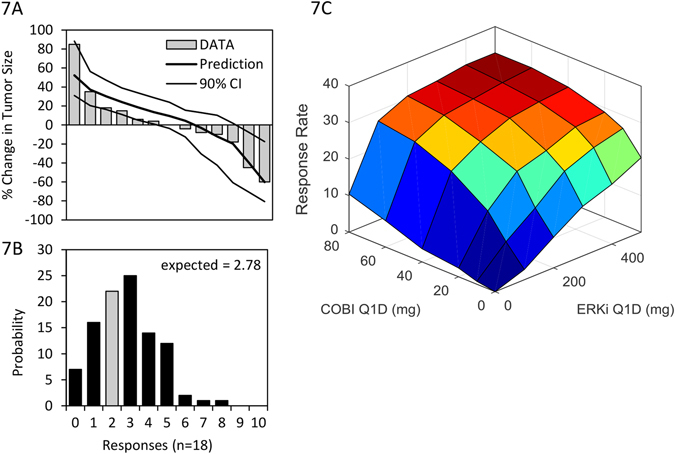
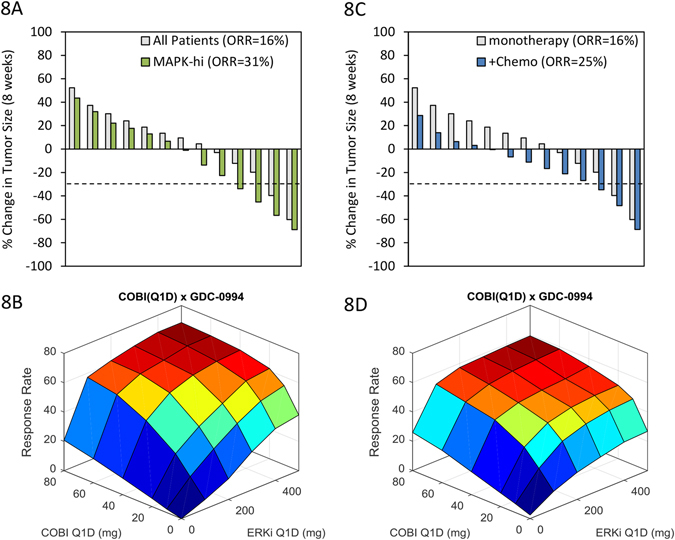
Approximately 10% of colorectal cancers harbor BRAFV600E mutations, which constitutively activate the MAPK signaling pathway. We sought to determine whether ERK inhibitor (GDC-0994)-containing regimens may be of clinical benefit to these patients based on data from in vitro (cell line) and in vivo (cell- and patient-derived xenograft) studies of cetuximab (EGFR), vemurafenib (BRAF), cobimetinib (MEK), and GDC-0994 (ERK) combinations. Preclinical data was used to develop a mechanism-based computational model linking cell surface receptor (EGFR) activation, the MAPK signaling pathway, and tumor growth. Clinical predictions of anti-tumor activity were enabled by the use of tumor response data from three Phase 1 clinical trials testing combinations of EGFR, BRAF, and MEK inhibitors. Simulated responses to GDC-0994 monotherapy (overall response rate = 17%) accurately predicted results from a Phase 1 clinical trial regarding the number of responding patients (2/18) and the distribution of tumor size changes (“waterfall plot”). Prospective simulations were then used to evaluate potential drug combinations and predictive biomarkers for increasing responsiveness to MEK/ERK inhibitors in these patients.
Overview
The claims and statistics of this paper haven’t been checked yet.
Free: it reads the open-access text and checks the first 5 claims that cite a source we can check. Create a free account to check every claim.
Integrity signals
Registry
Cites
Statistics
Figures
Verification
Claims the paper makes
The claims and statistics of this paper haven’t been checked yet.
Free: it reads the open-access text and checks the first 5 claims that cite a source we can check. Create a free account to check every claim.
Claims other papers make about this one
Each is checked against this paper’s own text: does it say what the citing paper says it does?
The source backs part of the claim, not all of it — or backs it for a different population, condition or comparison.
In the citing paper
“We are aware of at least one case of successful model sharing using such details. An SBML file and a single MATLAB “run” script22 was translated into R via the mgrsolve package and then used to create a R‐Shiny application without any input from the authors, with the entire process taking only of a few hours of work.23”
From Reproducibility of Quantitative Systems Pharmacology Models: Current Challenges and Future Opportunities (2019) · cites this paper as [22]
Experimental — accuracy not yet measuredIn the citing paper
“The negative clinical outcome was attributed to the fact that blockading MEK released the negative feedback regulation of RTKs [15–17].”
From Genome-wide CRISPR-cas9 knockout screening identifies GRB7 as a driver for MEK inhibitor resistance in KRAS mutant colon cancer (2022) · cites this paper as [15]
Self-check
Percentages, sums and reported differences re-computed from the paper’s own numbers.
The self-check needs the paper’s full text.
Citations
Cites
New response evaluation criteria in solid tumours: revised RECIST guideline (version 1.1)
Eisenhauer, E. A., Therasse, P., Bogaerts, J., Schwartz, L. H., Sargent, D., Ford, R., Dancey, J., Arbuck, S., Gwyther, S., Mooney, M., et al. (2009) · European Journal of Cancer · doi:10.1016/j.ejca.2008.10.026 · Cited by 29,534
Improved survival with vemurafenib in melanoma with BRAF V600E mutation
Chapman, P. B., Hauschild, A., Robert, C., Haanen, J. B., Ascierto, P., Larkin, J., Dummer, R., Garbe, C., Testori, A., Maio, M., et al. (2011) · New England Journal of Medicine · doi:10.1056/nejmoa1103782 · Cited by 7,720
Genomic and Transcriptomic Features of Response to Anti-PD-1 Therapy in Metastatic Melanoma
Hugo, W., Zaretsky, J. M., Sun, L., Song, C., Moreno, B. H., Hu-Lieskovan, S., Berent-Maoz, B., Pang, J., Chmielowski, B., Cherry, G., et al. (2016) · Cell · doi:10.1016/j.cell.2016.02.065 · Cited by 3,448
Hauschild, A., Grob, J.-J., Demidov, L. V., Jouary, T., Gutzmer, R., Millward, M., Rutkowski, P., Blank, C. U., Miller, W. H., Kaempgen, E., et al. (2012) · The Lancet · doi:10.1016/s0140-6736(12)60868-x · Cited by 2,989
Survival in BRAF V600-mutant advanced melanoma treated with vemurafenib
Sosman, J. A., Kim, K. B., Schuchter, L., Gonzalez, R., Pavlick, A. C., Weber, J. S., McArthur, G. A., Hutson, T. E., Moschos, S. J., Flaherty, K. T., et al. (2012) · New England Journal of Medicine · doi:10.1056/nejmoa1112302 · Cited by 2,156
Combined Vemurafenib and Cobimetinib in BRAF -Mutated Melanoma
Larkin, J., Ascierto, P. A., Dréno, B., Atkinson, V., Liszkay, G., Maio, M., Mandalà, M., Demidov, L., Stroyakovskiy, D., Thomas, L., et al. (2014) · New England Journal of Medicine · doi:10.1056/nejmoa1408868 · Cited by 2,068
Unresponsiveness of colon cancer to BRAF(V600E) inhibition through feedback activation of EGFR
Prahallad, A., Sun, C., Huang, S., Di Nicolantonio, F., Salazar, R., Zecchin, D., Beijersbergen, R. L., Bardelli, A., & Bernards, R. (2012) · Nature · doi:10.1038/nature10868 · Cited by 2,051 · cited 1×
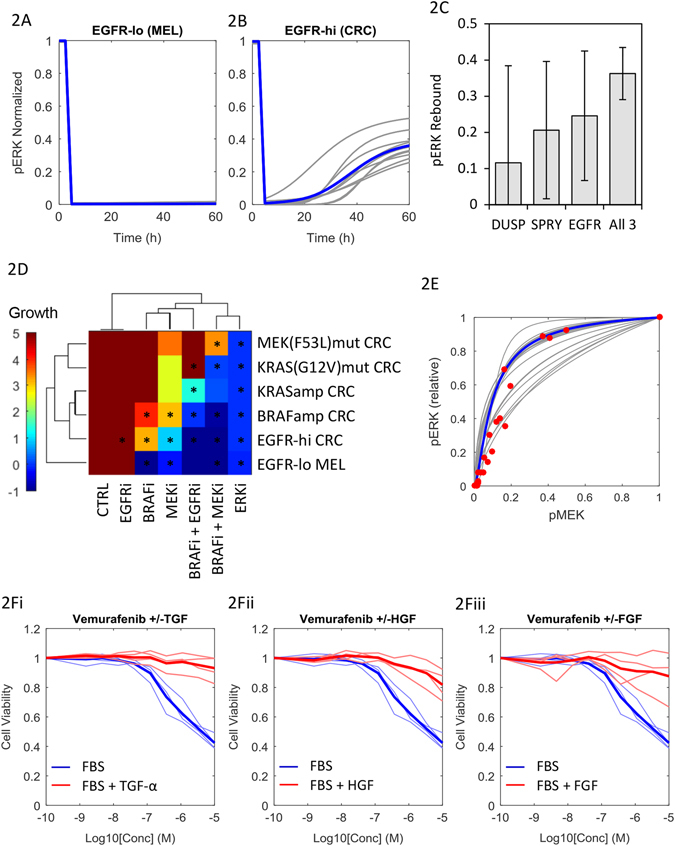
“The pERK “rebound” has been attributed, via gene knockout and inhibitor studies, to the activation of EGFR, which is expressed at much higher levels in CRC than in melanoma.(17) We used a particle swarm optimization (PSO) algorithm to search for a set of 28 system parameters that produce pERK rebound in CRC but not me…”
MethodSelf-citationEGF–ERBB signalling: towards the systems level
Citri, A., & Yarden, Y. (2006) · Nature Reviews Molecular Cell Biology · doi:10.1038/nrm1962 · Cited by 2,004 · cited 2×
“EGFR inhibition provides additional activity by suppressing the activation of MAPK and other effector pathways, both those engaged directly by EGFR and downstream of Ras, such as PI3K/Akt.(59) However, as revealed by both our analyses and clinical experience in CRC,(60) multiple cell surface receptors are Fig.”
BackgroundCombined BRAF and MEK Inhibition versus BRAF Inhibition Alone in Melanoma
Long, G. V., Stroyakovskiy, D., Gogas, H., Levchenko, E., de Braud, F., Larkin, J., Garbe, C., Jouary, T., Hauschild, A., Grob, J. J., et al. (2014) · New England Journal of Medicine · doi:10.1056/nejmoa1406037 · Cited by 1,899
Mi, H., Huang, X., Muruganujan, A., Tang, H., Mills, C., Kang, D., & Thomas, P. D. (2017) · Nucleic Acids Research · doi:10.1093/nar/gkw1138 · Cited by 1,874
Clinical efficacy of a RAF inhibitor needs broad target blockade in BRAF-mutant melanoma
Bollag, G., Hirth, P., Tsai, J., Zhang, J., Ibrahim, P. N., Cho, H., Spevak, W., Zhang, C., Zhang, Y., Habets, G., et al. (2010) · Nature · doi:10.1038/nature09454 · Cited by 1,831
Vemurafenib in Multiple Nonmelanoma Cancers with BRAF V600 Mutations
Hyman, D. M., Puzanov, I., Subbiah, V., Faris, J. E., Chau, I., Blay, J.-Y., Wolf, J., Raje, N. S., Diamond, E. L., Hollebecque, A., et al. (2015) · New England Journal of Medicine · doi:10.1056/nejmoa1502309 · Cited by 1,764 · cited 1×
“Following impressive responses in melanoma, BRAFi, and MEKi therapies have been tested in BRAF mutant cancers of other origins such as colorectal.(14) The clinical activity observed in small initial trials has, however, been quite modest in comparison to melanoma patients, with response rates of 5% for vemurafenib mon…”
BackgroundLong, G. V., Stroyakovskiy, D., Gogas, H., Levchenko, E., de Braud, F., Larkin, J., Garbe, C., Jouary, T., Hauschild, A., Grob, J.-J., et al. (2015) · The Lancet · doi:10.1016/s0140-6736(15)60898-4 · Cited by 1,399
Gao, H., Korn, J. M., Ferretti, S., Monahan, J. E., Wang, Y., Singh, M., Zhang, C., Schnell, C., Yang, G., Zhang, Y., et al. (2015) · Nature Medicine · doi:10.1038/nm.3954 · Cited by 1,393
BRAF mutation predicts sensitivity to MEK inhibition
Solit, D. B., Garraway, L. A., Pratilas, C. A., Sawai, A., Getz, G., Basso, A., Ye, Q., Lobo, J. M., She, Y., Osman, I., et al. (2006) · Nature · doi:10.1038/nature04304 · Cited by 1,328 · cited 1×
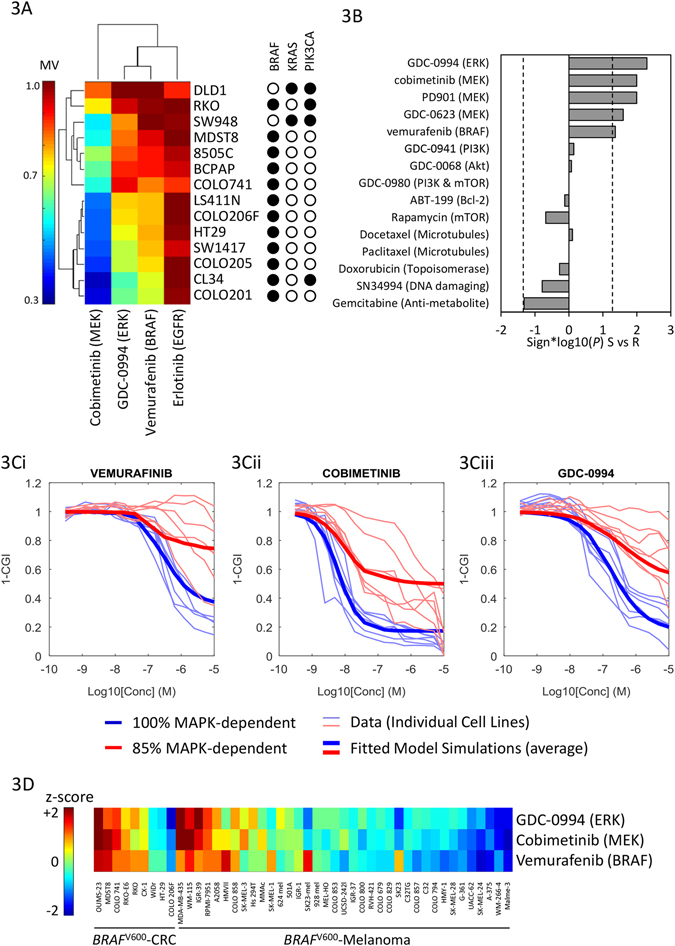
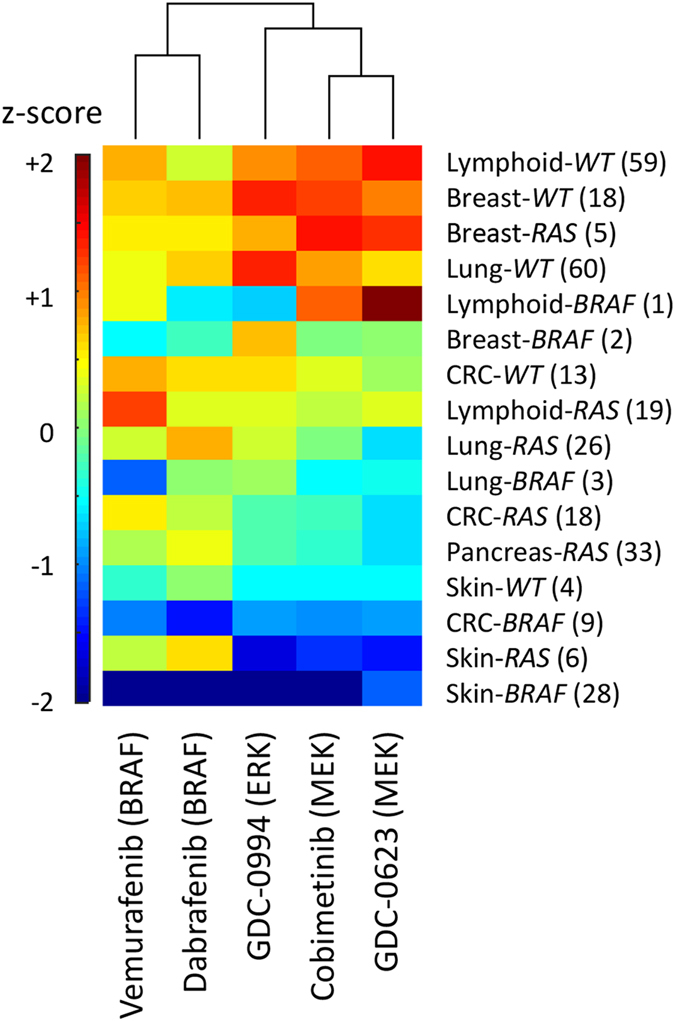
“KRAS-mutants to MAPK inhibition.(38) To assess whether the pattern was specific to MAPK pathway inhibitors, rather than generic differences in sensitivity to anticancer drugs, we used a cell line screening database(37) to examine sensitivity (mean viability) of the same cell lines to 15 anti-cancer drugs, including 5…”
MethodUltrasensitivity in the mitogen-activated protein kinase cascade.
Huang, C. Y., & Ferrell, J. E. (1996) · Proceedings of the National Academy of Sciences · doi:10.1073/pnas.93.19.10078 · Cited by 1,186
Targeting RAS–ERK signalling in cancer: promises and challenges
Samatar, A. A., & Poulikakos, P. I. (2014) · Nature Reviews Drug Discovery · doi:10.1038/nrd4281 · Cited by 1,163 · cited 3×
“While receptor-mediated activation of RAS-GTP normally regulates activity of the enzyme by catalyzing the formation of BRAF dimers, V600 mutations result in constitutive signaling by the BRAF monomer, and subsequent MEK and ERK phosphorylation.(1) The effector kinase ERK phosphorylates over 100 cytosolic and nuclear s…”
BackgroundInfluentialOncogenic roles of EMT-inducing transcription factors
Puisieux, A., Brabletz, T., & Caramel, J. (2014) · Nature Cell Biology · doi:10.1038/ncb2976 · Cited by 1,040 · cited 2×
“65 This is associated epithelialmesenchymal transition (EMT) in carcinomas, and notably, “ECM organization”, one of the top pathways associated with MAPKi resistance form our transcriptome analyses, includes TGF-β pathway ligands (TGFB1, BMP1/4, and LTBP1), drivers of EMT.(66) Ultimately, this black box represents fun…”
BackgroundCorcoran, R. B., Ebi, H., Turke, A. B., Coffee, E. M., Nishino, M., Cogdill, A. P., Brown, R. D., Della Pelle, P., Dias-Santagata, D., Hung, K. E., et al. (2012) · Cancer Discovery · doi:10.1158/2159-8290.cd-11-0341 · Cited by 1,022
Dissecting Therapeutic Resistance to RAF Inhibition in Melanoma by Tumor Genomic Profiling
Wagle, N., Emery, C., Berger, M. F., Davis, M. J., Sawyer, A., Pochanard, P., Kehoe, S. M., Johannessen, C. M., MacConaill, L. E., Hahn, W. C., et al. (2011) · Journal of Clinical Oncology · doi:10.1200/jco.2010.33.2312 · Cited by 1,005
Acquired Resistance and Clonal Evolution in Melanoma during BRAF Inhibitor Therapy
Shi, H., Hugo, W., Kong, X., Hong, A., Koya, R. C., Moriceau, G., Chodon, T., Guo, R., Johnson, D. B., Dahlman, K. B., et al. (2014) · Cancer Discovery · doi:10.1158/2159-8290.cd-13-0642 · Cited by 982
Schoeberl, B., Eichler-Jonsson, C., Gilles, E. D., & Müller, G. (2002) · Nature Biotechnology · doi:10.1038/nbt0402-370 · Cited by 950 · cited 2×
“To do so, we extracted a sub-model of the two-step phosphorylation of ERK by pMEK from a detailed mass action kinetics-based model of the pathway (see Methods).(34) Parameters for the kinetic rate constants and initial conditions were taken directly from the publication and based on data from HeLa cells, a BRAF-wild-t…”
MethodResultThe Genetic Landscape of Clinical Resistance to RAF Inhibition in Metastatic Melanoma
Van Allen, E. M., Wagle, N., Sucker, A., Treacy, D. J., Johannessen, C. M., Goetz, E. M., Place, C. S., Taylor-Weiner, A., Whittaker, S., Kryukov, G. V., et al. (2014) · Cancer Discovery · doi:10.1158/2159-8290.cd-13-0617 · Cited by 912
Duncan, J. S., Whittle, M. C., Nakamura, K., Abell, A. N., Midland, A. A., Zawistowski, J. S., Johnson, N. L., Granger, D. A., Jordan, N. V., Darr, D. B., et al. (2012) · Cell · doi:10.1016/j.cell.2012.02.053 · Cited by 732 · cited 2×
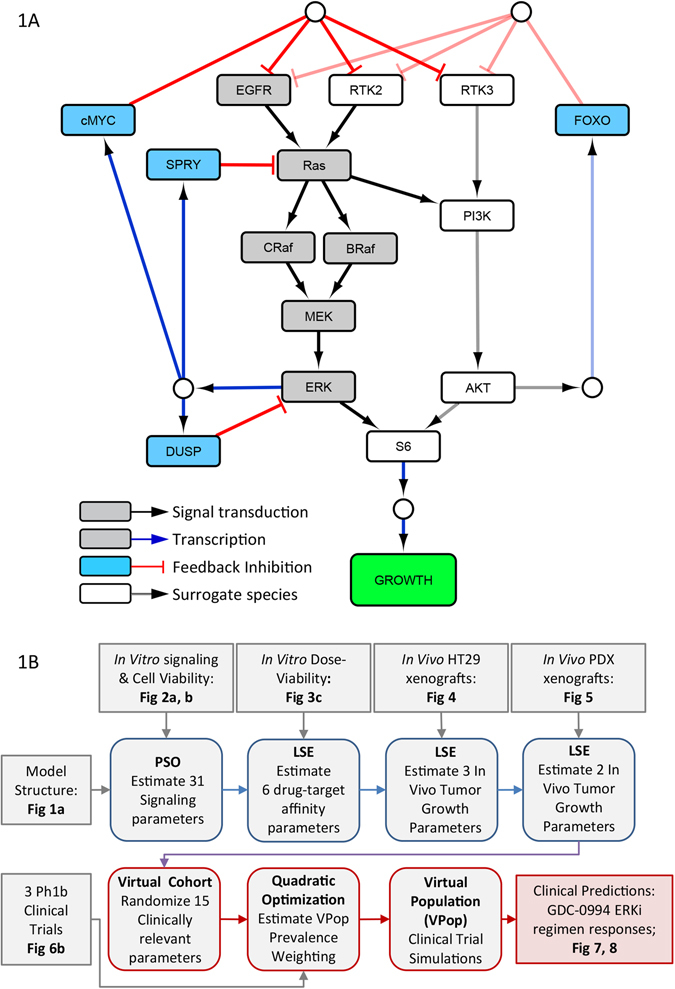
“DUSP phosphatases which inhibit ERK directly, Sprouty (SPRY) which blocks RAS activation,7 and transcriptional circuits mediated by MYC, which inhibit the expression and activity of EGFR and other RTKs.29 Many additional feedback mechanisms have been described in the literature, such as inhibitory phosphorylation of M…”
BackgroundPhase II Pilot Study of Vemurafenib in Patients With Metastatic BRAF -Mutated Colorectal Cancer
Kopetz, S., Desai, J., Chan, E., Hecht, J. R., O'Dwyer, P. J., Maru, D., Morris, V., Janku, F., Dasari, A., Chung, W., et al. (2015) · Journal of Clinical Oncology · doi:10.1200/jco.2015.63.2497 · Cited by 697
Morris, E. J., Jha, S., Restaino, C. R., Dayananth, P., Zhu, H., Cooper, A., Carr, D., Deng, Y., Jin, W., Black, S., et al. (2013) · Cancer Discovery · doi:10.1158/2159-8290.cd-13-0070 · Cited by 676
Quantification of Short Term Signaling by the Epidermal Growth Factor Receptor
Kholodenko, B. N., Demin, O. V., Moehren, G., & Hoek, J. B. (1999) · Journal of Biological Chemistry · doi:10.1074/jbc.274.42.30169 · Cited by 618
MEK1 and MEK2 inhibitors and cancer therapy: the long and winding road
Caunt, C. J., Sale, M. J., Smith, P. D., & Cook, S. J. (2015) · Nature Reviews Cancer · doi:10.1038/nrc4000 · Cited by 606 · cited 1×
“Yet despite the wealth of pre-clinical data posing MAPK as a critical oncogenic pathway, clinical activity has been minimal outside of melanoma.(53) In addition to the wellestablished robustness of the MAPK network due to feedback circuits and pathway cross-talk,(54) our results provide two critical explanations for t…”
ResultTumor adaptation and resistance to RAF inhibitors
Lito, P., Rosen, N., & Solit, D. B. (2013) · Nature Medicine · doi:10.1038/nm.3392 · Cited by 585 · cited 4×
“The model is focused around the canonical cascade connecting EGFR, RAS, RAF (BRAF and CRAF), MEK, and ERK.”
BackgroundInfluentialBasic Concepts in Population Modeling, Simulation, and Model‐Based Drug Development
Mould, D., & Upton, R. (2012) · CPT: Pharmacometrics & Systems Pharmacology · doi:10.1038/psp.2012.4 · Cited by 544
A Melanoma Cell State Distinction Influences Sensitivity to MAPK Pathway Inhibitors
Konieczkowski, D. J., Johannessen, C. M., Abudayyeh, O., Kim, J. W., Cooper, Z. A., Piris, A., Frederick, D. T., Barzily-Rokni, M., Straussman, R., Haq, R., et al. (2014) · Cancer Discovery · doi:10.1158/2159-8290.cd-13-0424 · Cited by 535
Corcoran, R. B., Atreya, C. E., Falchook, G. S., Kwak, E. L., Ryan, D. P., Bendell, J. C., Hamid, O., Messersmith, W. A., Daud, A., Kurzrock, R., et al. (2015) · Journal of Clinical Oncology · doi:10.1200/jco.2015.63.2471 · Cited by 507 · cited 1×
“The clinical activity observed in small initial trials has, however, been quite modest in comparison to melanoma patients, with response rates of 5% for vemurafenib monotherapy,(15) and 12% for BRAFi + MEKi (dabrafenib and trametenib) combinations.(16) Given the high expression and activity of epidermal growth factor…”
ResultThe Genomic Landscape of Response to EGFR Blockade in Colorectal Cancer
Bertotti, A., Papp, E., Jones, S., Adleff, V., Anagnostou, V., Lupo, B., Sausen, M., Phallen, J., Hruban, C. A., Tokheim, C., et al. (2015) · Nature · doi:10.1038/nature14969 · Cited by 479
Wagle, N., Van Allen, E. M., Treacy, D. J., Frederick, D. T., Cooper, Z. A., Taylor-Weiner, A., Rosenberg, M., Goetz, E. M., Sullivan, R. J., Farlow, D. N., et al. (2014) · Cancer Discovery · doi:10.1158/2159-8290.cd-13-0631 · Cited by 478
Price, T. J., Peeters, M., Kim, T. W., Li, J., Cascinu, S., Ruff, P., Suresh, A. S., Thomas, A., Tjulandin, S., Zhang, K., et al. (2014) · The Lancet Oncology · doi:10.1016/s1470-2045(14)70118-4 · Cited by 473
She, Q.-B., Halilovic, E., Ye, Q., Zhen, W., Shirasawa, S., Sasazuki, T., Solit, D. B., & Rosen, N. (2010) · Cancer Cell · doi:10.1016/j.ccr.2010.05.023 · Cited by 400
The clinical development of MEK inhibitors
Zhao, Y., & Adjei, A. A. (2014) · Nature Reviews Clinical Oncology · doi:10.1038/nrclinonc.2014.83 · Cited by 400 · cited 1×
“MEK inhibitors have been tested extensively in many solid tumors, both as monotherapies and in combination with cytotoxic drug regimens.(52) Yet despite the wealth of pre-clinical data posing MAPK as a critical oncogenic pathway, clinical activity has been minimal outside of melanoma.”
BackgroundeIF4F is a nexus of resistance to anti-BRAF and anti-MEK cancer therapies
Boussemart, L., Malka-Mahieu, H., Girault, I., Allard, D., Hemmingsson, O., Tomasic, G., Thomas, M., Basmadjian, C., Ribeiro, N., Thuaud, F., et al. (2014) · Nature · doi:10.1038/nature13572 · Cited by 371
Corcoran, R. B., Dias-Santagata, D., Bergethon, K., Iafrate, A. J., Settleman, J., & Engelman, J. A. (2010) · Science Signaling · doi:10.1126/scisignal.2001148 · Cited by 350 · cited 1×
“As noted above, heightened EGFR activation mediates resistance to BRAFi treatment, as do BRAF amplifications.(32) KRAS amplifications, and singlenucleotide substitutions, which constitutively activate KRAS (such as G12V) or MEK1 (such as F53L) also mediate resistance to combinations of BRAF, MEK, and EGFR inhibitors,…”
BackgroundExamining the utility of patient-derived xenograft mouse models
Aparicio, S., Hidalgo, M., & Kung, A. L. (2015) · Nature Reviews Cancer · doi:10.1038/nrc3944 · Cited by 345 · cited 2×
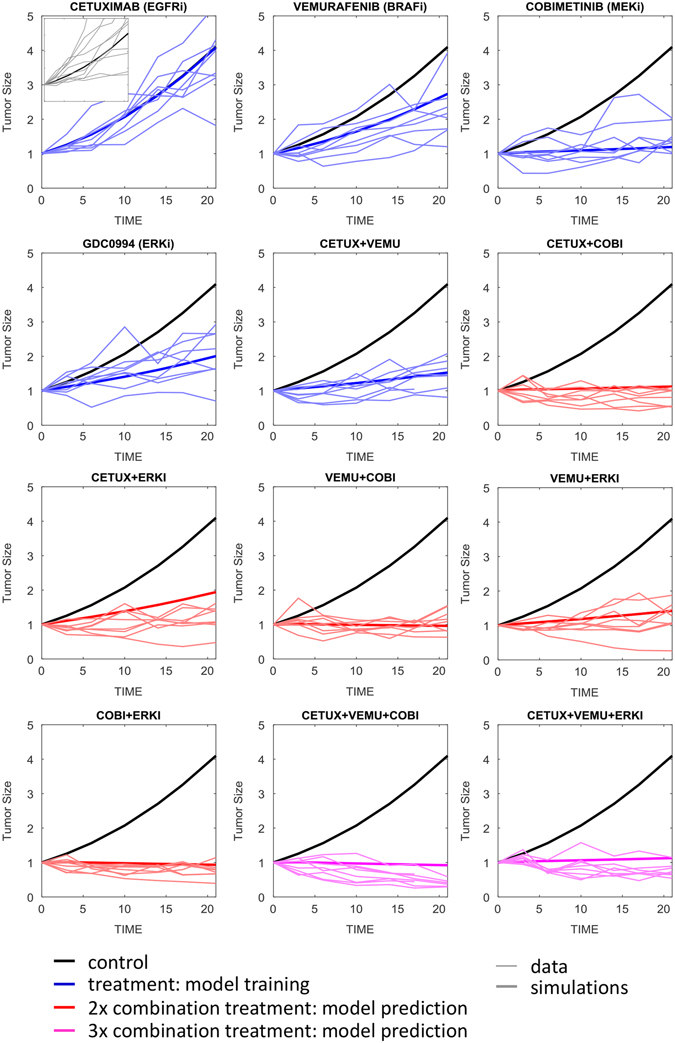
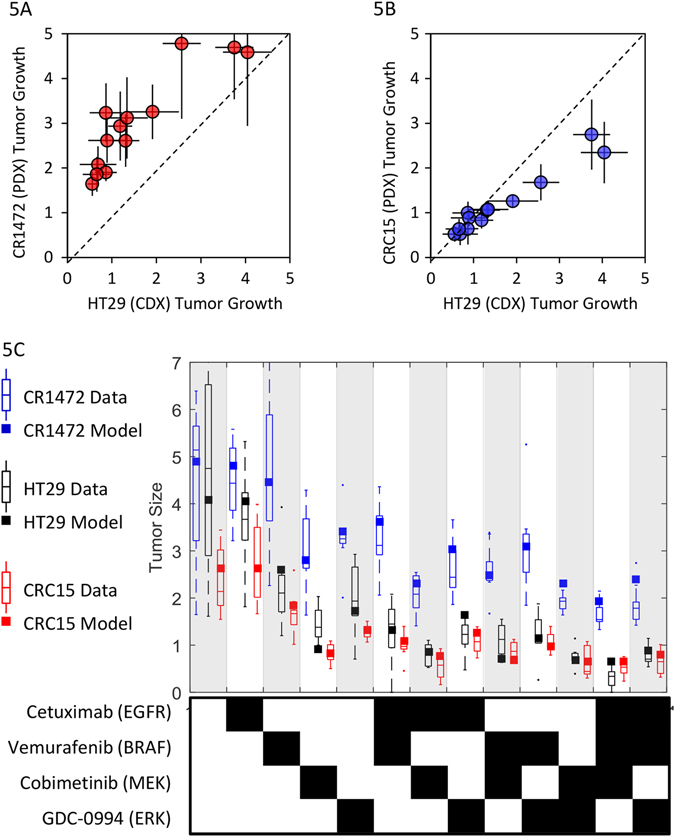
“To explore more clinically relevant models, we performed the same in vivo experiment using two patient-derived xenografts (PDX models CR14172 and CRC15), which are expected to more closely mirror clinical responses than do cell line-derived xenografts (CDX).(25) Focusing on the 21-day tumor size changes (Fig.”
BackgroundMethodAhronian, L. G., Sennott, E. M., Van Allen, E. M., Wagle, N., Kwak, E. L., Faris, J. E., Godfrey, J. T., Nishimura, K., Lynch, K. D., Mermel, C. H., et al. (2015) · Cancer Discovery · doi:10.1158/2159-8290.cd-14-1518 · Cited by 322 · cited 1×
“KRAS amplifications, and singlenucleotide substitutions, which constitutively activate KRAS (such as G12V) or MEK1 (such as F53L) also mediate resistance to combinations of BRAF, MEK, and EGFR inhibitors, though sensitivity to ERK inhibition is reportedly not affected by such mutations.(23) Based on these findings, we…”
MethodMechanism of MEK inhibition determines efficacy in mutant KRAS- versus BRAF-driven cancers
Hatzivassiliou, G., Haling, J. R., Chen, H., Song, K., Price, S., Heald, R., Hewitt, J. F. M., Zak, M., Peck, A., Orr, C., et al. (2013) · Nature · doi:10.1038/nature12441 · Cited by 319
Self-citationMao, M., Tian, F., Mariadason, J. M., Tsao, C. C., Lemos, R., Dayyani, F., Gopal, Y. N. V., Jiang, Z.-Q., Wistuba, I. I., Tang, X. M., et al. (2013) · Clinical Cancer Research · doi:10.1158/1078-0432.ccr-11-1446 · Cited by 290
Reproducible pharmacogenomic profiling of cancer cell line panels
Haverty, P. M., Lin, E., Tan, J., Yu, Y., Lam, B., Lianoglou, S., Neve, R. M., Martin, S., Settleman, J., Yauch, R. L., et al. (2016) · Nature · doi:10.1038/nature17987 · Cited by 289 · cited 1×
“To further explore this phenomenon, we examined sensitivity to the same BRAF/MEK/ERK inhibitors in a panel of BRAF-mutant cell lines, 9 CRC and 37 melanoma.(37) Consistent with clinical experience, the majority of melanoma cell lines were sensitive to BRAF and MEK (as well as ERK) inhibition and a fraction highly resi…”
BackgroundYaeger, R., Cercek, A., O'Reilly, E. M., Reidy, D. L., Kemeny, N., Wolinsky, T., Capanu, M., Gollub, M. J., Rosen, N., Berger, M. F., et al. (2015) · Clinical Cancer Research · doi:10.1158/1078-0432.ccr-14-2779 · Cited by 276
Parameter Sensitivity Analysis in Electrophysiological Models Using Multivariable Regression
Sobie, E. A. (2009) · Biophysical Journal · doi:10.1016/j.bpj.2008.10.056 · Cited by 261 · cited 1×
“To examine the molecular and cellular features (biomarkers) associated with drug response/resistance, we built a multivariate linear regression model linking 27 model variables (16 specified in Table 2 plus 11 PK parameters specified in Table S9) to simulated tumor growth responses to the 16 treatments, as described.(…”
MethodThe Mammalian MAPK/ERK Pathway Exhibits Properties of a Negative Feedback Amplifier
Sturm, O. E., Orton, R., Grindlay, J., Birtwistle, M., Vyshemirsky, V., Gilbert, D., Calder, M., Pitt, A., Kholodenko, B., & Kolch, W. (2010) · Science Signaling · doi:10.1126/scisignal.2001212 · Cited by 247 · cited 2×
“Furthermore, this finding is consistent with theoretical and experimental work demonstrating that the MAPK pathway demonstrates “ultrasensitivity”(51) and functions as a “negative feedback amplifier”.(33) This hypersensitive relationship underlies the steep exposure-response relationship between cobimetinib and pERK s…”
MethodResultHoeflich, K. P., Merchant, M., Orr, C., Chan, J., Den Otter, D., Berry, L., Kasman, I., Koeppen, H., Rice, K., Yang, N.-Y., et al. (2012) · Cancer Research · doi:10.1158/0008-5472.can-11-1515 · Cited by 242 · cited 1×
“All xenograft studies were performed as previously described.(74) Briefly, human cancer cells or tumor pieces were used for implantation, to generate the HT-29 CDX or the PDX models CRC15 (Genendesign, Inc.”
MethodSelf-citationvan Geel, R. M. J. M., Tabernero, J., Elez, E., Bendell, J. C., Spreafico, A., Schuler, M., Yoshino, T., Delord, J.-P., Yamada, Y., Lolkema, M. P., et al. (2017) · Cancer Discovery · doi:10.1158/2159-8290.cd-16-0795 · Cited by 232
BRAF V600E Mutant Colorectal Cancer Subtypes Based on Gene Expression
Barras, D., Missiaglia, E., Wirapati, P., Sieber, O. M., Jorissen, R. N., Love, C., Molloy, P. L., Jones, I. T., McLaughlin, S., Gibbs, P., et al. (2017) · Clinical Cancer Research · doi:10.1158/1078-0432.ccr-16-0140 · Cited by 230 · cited 1×
“62 While the limited clinical data reveal no relationship between PI3K pathway mutations and MAPKi resistance,(16) gene expression analyses reveal that approximately 1/3 of BRAF-CRC tumors show heightened PI3K/Akt/ mTOR signaling uncorrelated with PIK3CA mutations.(63) Alternatively, phenotype switching could account…”
BackgroundSystems-level interactions between insulin–EGF networks amplify mitogenic signaling
Borisov, N., Aksamitiene, E., Kiyatkin, A., Legewie, S., Berkhout, J., Maiwald, T., Kaimachnikov, N. P., Timmer, J., Hoek, J. B., & Kholodenko, B. N. (2009) · Molecular Systems Biology · doi:10.1038/msb.2009.19 · Cited by 222
Hong, D. S., Morris, V. K., El Osta, B., Sorokin, A. V., Janku, F., Fu, S., Overman, M. J., Piha-Paul, S., Subbiah, V., Kee, B., et al. (2016) · Cancer Discovery · doi:10.1158/2159-8290.cd-16-0050 · Cited by 219
ERK Inhibition Overcomes Acquired Resistance to MEK Inhibitors
Hatzivassiliou, G., Liu, B., O'Brien, C., Spoerke, J. M., Hoeflich, K. P., Haverty, P. M., Soriano, R., Forrest, W. F., Heldens, S., Chen, H., et al. (2012) · Molecular Cancer Therapeutics · doi:10.1158/1535-7163.mct-11-1010 · Cited by 211
Self-citationMigliardi, G., Sassi, F., Torti, D., Galimi, F., Zanella, E. R., Buscarino, M., Ribero, D., Muratore, A., Massucco, P., Pisacane, A., et al. (2012) · Clinical Cancer Research · doi:10.1158/1078-0432.ccr-11-2683 · Cited by 191
Allen, R., Rieger, T., & Musante, C. (2016) · CPT: Pharmacometrics & Systems Pharmacology · doi:10.1002/psp4.12063 · Cited by 179 · cited 1×
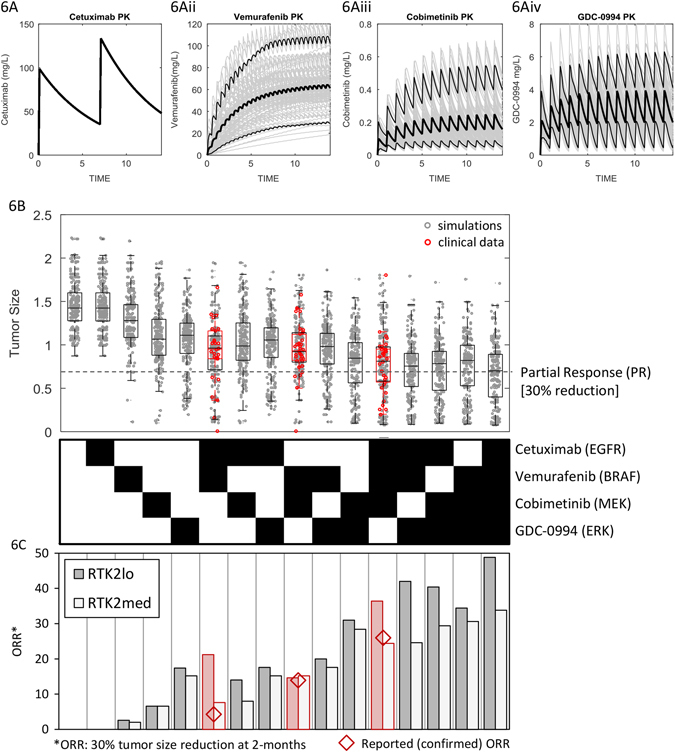
“Patient-level response data (waterfall plots) from the three clinical trials were digitized and binned into RECIST categories (Table 3), and quadratic optimization used to match the response distributions between the simulations and clinical data by assigning a prevalence weight (PW), or statistical probability, to ea…”
MethodPhosphoproteome dynamics reveal novel ERK1/2 MAP kinase substrates with broad spectrum of functions
Courcelles, M., Frémin, C., Voisin, L., Lemieux, S., Meloche, S., & Thibault, P. (2013) · Molecular Systems Biology · doi:10.1038/msb.2013.25 · Cited by 157
Network quantification of EGFR signaling unveils potential for targeted combination therapy
Klinger, B., Sieber, A., Fritsche‐Guenther, R., Witzel, F., Berry, L., Schumacher, D., Yan, Y., Durek, P., Merchant, M., Schäfer, R., et al. (2013) · Molecular Systems Biology · doi:10.1038/msb.2013.29 · Cited by 155
Self-citationBlake, J. F., Burkard, M., Chan, J., Chen, H., Chou, K.-J., Diaz, D., Dudley, D. A., Gaudino, J. J., Gould, S. E., Grina, J., et al. (2016) · Journal of Medicinal Chemistry · doi:10.1021/acs.jmedchem.6b00389 · Cited by 155
Self-citationTargeting RAS -mutant Cancers: Is ERK the Key?
Ryan, M. B., Der, C. J., Wang-Gillam, A., & Cox, A. D. (2015) · Trends in Cancer · doi:10.1016/j.trecan.2015.10.001 · Cited by 131
Kirouac, D. C., Du, J. Y., Lahdenranta, J., Overland, R., Yarar, D., Paragas, V., Pace, E., McDonagh, C. F., Nielsen, U. B., & Onsum, M. D. (2013) · Science Signaling · doi:10.1126/scisignal.2004008 · Cited by 105
Self-citationNiepel, M., Hafner, M., Pace, E. A., Chung, M., Chai, D. H., Zhou, L., Schoeberl, B., & Sorger, P. K. (2013) · Science Signaling · doi:10.1126/scisignal.2004379 · Cited by 95
A Six‐Stage Workflow for Robust Application of Systems Pharmacology
Gadkar, K., Kirouac, D., Mager, D., van der Graaf, P., & Ramanujan, S. (2016) · CPT: Pharmacometrics & Systems Pharmacology · doi:10.1002/psp4.12071 · Cited by 93
Self-citationVarga, A., Soria, J.-C., Hollebecque, A., LoRusso, P., Bendell, J., Huang, S.-M. A., Wagle, M.-C., Okrah, K., Liu, L., Murray, E., et al. (2020) · Clinical Cancer Research · doi:10.1158/1078-0432.ccr-19-2574 · Cited by 87
Self-citationHenry, J. R., Kaufman, M. D., Peng, S.-B., Ahn, Y. M., Caldwell, T. M., Vogeti, L., Telikepalli, H., Lu, W.-P., Hood, M. M., Rutkoski, T. J., et al. (2015) · Journal of Medicinal Chemistry · doi:10.1021/acs.jmedchem.5b00067 · Cited by 84
Wong, H., Vernillet, L., Peterson, A., Ware, J. A., Lee, L., Martini, J.-F., Yu, P., Li, C., Rosario, G. D., Choo, E. F., et al. (2012) · Clinical Cancer Research · doi:10.1158/1078-0432.ccr-12-0445 · Cited by 79 · cited 1×
“This also provides a biochemical underpinning to the steep exposure–response relationship observed between the MEKi cobimetinib and pERK in vivo.(35)”
BackgroundKirouac, D. C., Saez-Rodriguez, J., Swantek, J., Burke, J. M., Lauffenburger, D. A., & Sorger, P. K. (2012) · BMC Systems Biology · doi:10.1186/1752-0509-6-29 · Cited by 77 · cited 1×
“Ultimately, this black box represents fundamental gaps in our understanding of cell signaling networks and their role in cancer progression.(67) Computational models can help bridge the divide between preclinical data and clinical strategy.”
BackgroundSelf-citationKirouac, D. C., Du, J., Lahdenranta, J., Onsum, M. D., Nielsen, U. B., Schoeberl, B., & McDonagh, C. F. (2016) · PLoS Computational Biology · doi:10.1371/journal.pcbi.1004827 · Cited by 64
Self-citationAtreya, C. E., Van Cutsem, E., Bendell, J. C., Andre, T., Schellens, J. H. M., Gordon, M. S., McRee, A. J., O'Dwyer, P. J., Muro, K., Tabernero, J., et al. (2015) · Journal of Clinical Oncology · doi:10.1200/jco.2015.33.15_suppl.103 · Cited by 62
The complexities and versatility of the RAS-to-ERK signalling system in normal and cancer cells
Fey, D., Matallanas, D., Rauch, J., Rukhlenko, O. S., & Kholodenko, B. N. (2016) · Seminars in Cell & Developmental Biology · doi:10.1016/j.semcdb.2016.06.011 · Cited by 61
Using Network Biology to Bridge Pharmacokinetics and Pharmacodynamics in Oncology
Kirouac, D. C., & Onsum, M. D. (2013) · CPT Pharmacometrics & Systems Pharmacology · doi:10.1038/psp.2013.38 · Cited by 35
Self-citationPopulation pharmacokinetics and dosing implications for cobimetinib in patients with solid tumors
Han, K., Jin, J. Y., Marchand, M., Eppler, S., Choong, N. W., Hack, S. P., Tikoo, N., Bruno, R., Dresser, M. J., Musib, L. C., et al. (2015) · Cancer Chemotherapy and Pharmacology · doi:10.1007/s00280-015-2862-0 · Cited by 33
Varga, A., Soria, J., Hollebecque, A., LoRusso, P. M., Vaishampayan, U. N., Okrah, K., Huang, S. M. A., Murray, E. R., Bohorquez, S. M. S., Tagen, M., et al. (2016) · European Journal of Cancer · doi:10.1016/s0959-8049(16)32624-7 · Cited by 17
Self-citationGalván-Banqueri, M., Ubago-Pérez, R., & Molina-López, T. (2016) · Journal of Clinical Pharmacy and Therapeutics · doi:10.1111/jcpt.12390 · Cited by 15
Yamazaki, S., Spilker, M. E., & Vicini, P. (2016) · Expert Opinion on Drug Metabolism & Toxicology · doi:10.1517/17425255.2016.1141895 · Cited by 13
Kirouac, D., Lahdenranta, J., Du, J., Yarar, D., Onsum, M., Nielsen, U., & McDonagh, C. (2015) · CPT: Pharmacometrics & Systems Pharmacology · doi:10.1002/psp4.19 · Cited by 5
Self-citation
Research works printed but not linked: 1
- Larkin J Combined vemurafenib and cobimetinib in BRAF-mutated melanoma N. Engl. J. Med. 2014 371 1867 1876 10.1056/NEJMoa1408868 25265494 · DOI · Paper page
Cited by
Challenges and Opportunities in Cancer Drug Resistance
Ward, R. A., Fawell, S., Floc’h, N., Flemington, V., McKerrecher, D., & Smith, P. D. (2021) · Chemical Reviews · doi:10.1021/acs.chemrev.0c00383 · Cited by 445
Menden, M. P., Wang, D., Mason, M. J., Szalai, B., Bulusu, K. C., Guan, Y., Yu, T., Kang, J., Jeon, M., Wolfinger, R., et al. (2019) · Nature Communications · doi:10.1038/s41467-019-09799-2 · Cited by 363
Targeting RAS–RAF–MEK–ERK signaling pathway in human cancer: Current status in clinical trials
Song, Y., Bi, Z., Liu, Y., Qin, F., Wei, Y., & Wei, X. (2023) · Genes & Diseases · doi:10.1016/j.gendis.2022.05.006 · Cited by 212
Hosseini, I., Gadkar, K., Stefanich, E., Li, C.-C., Sun, L. L., Chu, Y.-W., & Ramanujan, S. (2020) · npj Systems Biology and Applications · doi:10.1038/s41540-020-00145-7 · Cited by 123
Self-citationBRAF Gene and Melanoma: Back to the Future
Ottaviano, M., Giunta, E. F., Tortora, M., Curvietto, M., Attademo, L., Bosso, D., Cardalesi, C., Rosanova, M., Placido, P. D., Pietroluongo, E., et al. (2021) · International Journal of Molecular Sciences · doi:10.3390/ijms22073474 · Cited by 131
Metadata
- Authors
- Kirouac, D. C., Schaefer, G., Chan, J., Merchant, M., Orr, C., Huang, S.-M. A., Moffat, J., Liu, L., Gadkar, K., & Ramanujan, S.
- Affiliations
- Genentech (US)
- Corresponding author
- Ramanujan, Saroja
- ORCID
- Venue
- npj Systems Biology and Applications
- Published
- 2017-06-02
- Volume
- 3
- Issue
- 1
- Pages
- 14-14
- ISSN
- 2056-7189 (ISSN-L)
- PMC
- PMC5460205
- OpenAlex
- W2618321737
- Cited by
- 60
- References
- 75
- Citations by year
- 2026: 3 · 2025: 4 · 2024: 7 · 2023: 6 · 2022: 8 · 2021: 9 · 2020: 7 · 2019: 11 · 2018: 5
- FWCI
- 2.77
- Type
- journal article
- Language
- en
- Update notices
- erratum (2017-09-04)
- Open access
- gold
- doi.org
- Licence
- cc-by
- creativecommons.org/licenses/by/4.0 (tdm)
- creativecommons.org/licenses/by/4.0 (vor)
- Locations
- npj Systems Biology and Applications (publishedVersion, cc-by)
- Europe PMC (PubMed Central) (publishedVersion, other-oa)
- PubMed Central (publishedVersion, cc-by)
- PubMed (publishedVersion)
- DOAJ (DOAJ: Directory of Open Access Journals) (submittedVersion, cc-by-sa)
- Topics
- Health Sciences › Medicine › Oncology › Colorectal Cancer Treatments and Studies
- Life Sciences › Biochemistry, Genetics and Molecular Biology › Molecular Biology › Melanoma and MAPK Pathways
- Physical Sciences › Mathematics › Modeling and Simulation › Mathematical Biology Tumor Growth
- Keywords
- BRAF V600E mutation, colorectal cancer, ERK inhibition, MAPK signaling, EGFR inhibition, vemurafenib, cobimetinib, cetuximab, combination therapy, predictive biomarkers, drug response prediction, patient-derived xenografts
About these checks
Registry, retraction, Cites and statistics results are computed, not judged, with one exception: a printed reference that no index lists is read once by a model before it counts as a citation error. Claims are extracted by a model and kept only when their quote appears verbatim in the text; each cited source is then checked, with a model’s help, for whether it says what the claim relies on. Those verdicts can be wrong — read the claim’s quote and the cited source before relying on one.
Statistics and arithmetic are recomputed, not judged.
Confidence bands are shown only for fields calibrated on our annotated test set. None is calibrated yet, so no band is shown.
What counts as a claim ›How we measure confidence ›How we check this ›
Are you an author, or do you see a problem with this page? Request a review
Data sources
Bibliographic data: Semantic Scholar, OpenAlex, Crossref.
Contains information from the Semantic Scholar Academic Graph Datasets, made available under the ODC Attribution License (ODC-BY 1.0).
Semantic Scholar’s data is described in: Kinney, R., et al. (2023). The Semantic Scholar Open Data Platform. arXiv:2301.10140.
