

Removal of heavy metal ions from wastewater: a comprehensive and critical review
Open accessThe DOI matches its Crossref record; 136 of the 136 references it cites were found in a registry or an index; 5 of the 119 sources its claims cite were checked for support.
Abstract
Abstract Removal of heavy metal ions from wastewater is of prime importance for a clean environment and human health. Different reported methods were devoted to heavy metal ions removal from various wastewater sources. These methods could be classified into adsorption-, membrane-, chemical-, electric-, and photocatalytic-based treatments. This paper comprehensively and critically reviews and discusses these methods in terms of used agents/adsorbents, removal efficiency, operating conditions, and the pros and cons of each method. Besides, the key findings of the previous studies reported in the literature are summarized. Generally, it is noticed that most of the recent studies have focused on adsorption techniques.
Overview
CoChat Summary
TL;DR
This review comprehensively classifies heavy-metal removal from wastewater into adsorption-, membrane-, chemical-, electric-, and photocatalytic-based treatments and compares their efficiencies, operating conditions, and pros/cons. It concludes that adsorption is the most widely studied recent method, while chemical and membrane methods are practical but face sludge, fouling, and post-treatment challenges.
Key findings
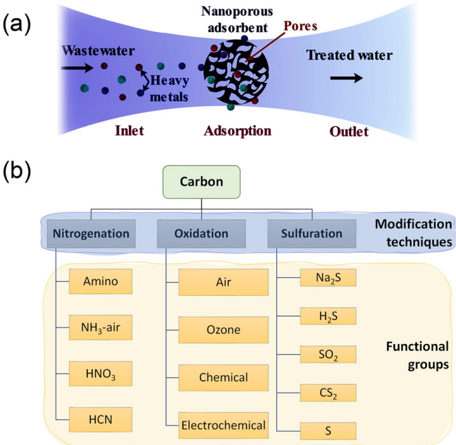
- Adsorption is the most considered method in recent years, with advantages of easy operation, low cost, and high sorption capacity; carbon-based nanoporous adsorbents have surface areas of 500–1500 m²/g.
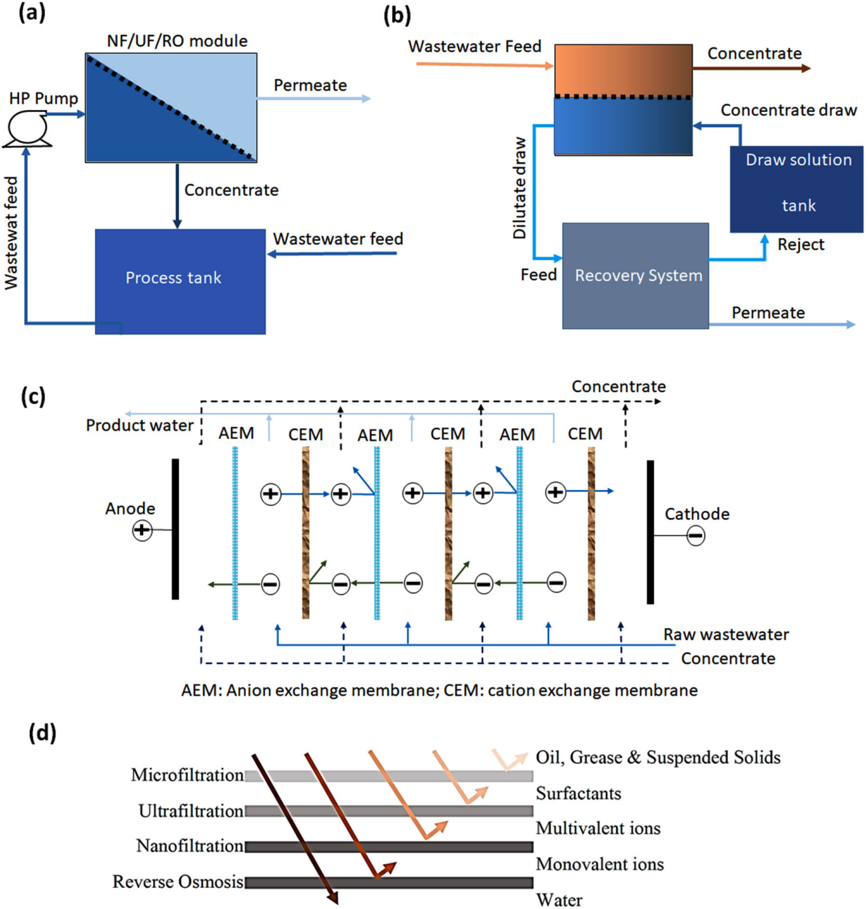
- Reported removal efficiencies vary by method: nanofiltration reached 94–98% extraction for Fe³⁺, Al³⁺, Co²⁺, Cd²⁺, Cu²⁺, and humic acid; electrodialysis attained 96.9%, 99.9%, and 99.9% for Ni²⁺, Pb²⁺, and K⁺; reverse osmosis removed >98.75% of Ni²⁺, Cr⁶⁺, and Cu²⁺ from electroplating wastewater; membrane distillation achieved >96% removal of Ca²⁺, Mg²⁺, Fe³⁺, and Fe²⁺ and >99% for As³⁺ and As⁵⁺.
- Table 2 lists highest adsorption capacities including Pb²⁺ on polyrhodanine/MWCNTs at 8118.0 mg/g, Cu²⁺ on polyvinylpyrrolidone-reduced GO at 1689.0 mg/g, and Cr⁶⁺ on GSC at 2859.0 mg/g.
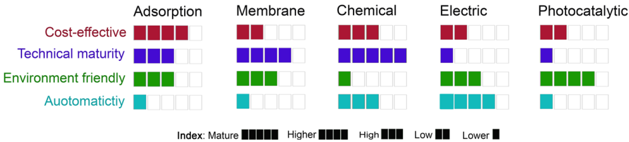
- Major obstacles include adsorption’s ability to remove different ion types concurrently, high retention time, and cycling stability; chemical methods’ large-volume sludge and post-treatment needs; membrane fouling/scaling and cleaning costs; and electric- and photocatalytic-based methods being less mature.
Methods
- Design: comprehensive and critical review of reported heavy-metal removal methods from wastewater, classified into adsorption-, membrane-, chemical-, electric-, and photocatalytic-based treatments.
- Data: literature studies selected based on availability of operating and performance parameters for each method; details are listed in supplementary tables.
- Analysis: qualitative comparison of used agents/adsorbents, removal efficiency, operating conditions, and pros and cons, with summary tables and figures.
Limitations
- The paper states a clear knowledge gap because most studies used synthetic wastewater with one or few metal types; it recommends more research using real wastewater, pilot-scale processes, and cost-effective sustainable materials.
- The paper notes that disposal of adsorbents after adsorption is a big challenge, MOFs often have low stability in water, and electric/photocatalytic methods remain less mature or laboratory-scale.
- Evident from the text: as a review, it reports findings from cited studies rather than generating new experimental data, and several performance details depend on supplementary tables not fully reproduced in the main text.
Model-written summary. Check it against the paper before relying on it.
Integrity signals
Registry
Cites
Statistics
Figures
Verification
Claims the paper makes
5 Valid · 9 Not valid · 107 Not checked · 47 Own results and interpretations
The cited sources support only part of this claim — read each source’s verdict below.
In the paper
“Carbon-based nanoporous adsorbents, especially activated carbons (ACs), carbon nanotubes (CNTs), and graphene (GN), are extensively used in the applications of heavy metal removal owing to their tremendous surface area (500-1500 m 2 /g) 8 .”
§ Removal of heavy metal ions from wastewater: a comprehensive and critical review > Carbon-based adsorbents
What the sources say
- Partly supportedcites [8] 8. Karnib, M., Kabbani, A., Holail, H. & Olama, Z. Heavy metals removal using activated carbon, silica and silica activated carbon composite. Energy Procedia 50, 113-120 (2014). sourceExperimental — accuracy not yet measured
The Introduction (page unavailable) says activated carbon is widely used in wastewater treatment because of its 500–1500 m²/g surface area, and identifies graphene as an adsorbent used in water purification. It does not mention carbon nanotubes or assign that surface-area range and rationale to graphene or carbon nanotubes. (LLM, conf=0.88)
plainstates a cause- Asserted: passes — The authors put it forward as true.
- Checkable: passes — It can be checked against evidence.
- Load-bearing: unclear — It is unclear whether the paper’s conclusions depend on it.
- Based: passes — The paper gives a reason why it holds.
- Partly supported
Every source the paper cites for this claim was checked and supports it.
In the paper
“| Sb 3+ | Chitosan functionalized iron | 138.8 | 50 |”
- Also stated in: § Selection of the most appropriate technique for heavy ions · plain
“| | nanosheet | | |”
§ Removal of heavy metal ions from wastewater: a comprehensive and critical review > Selection of the most appropriate technique for heavy ions
What the sources say
- Supportedcites [50] 50. Zeng, J. et al. Chitosan functionalized iron nanosheet for enhanced removal of As (III) and Sb (III): Synergistic effect and mechanism. Chem. Eng. J. 122999 (2019). source
Section 3.4 (Adsorption isotherms) reports a maximum adsorption capacity of 138.8 mg/g for Sb(III) on the chitosan-functionalized iron nanosheet, calculated by non-linear fitting of the Langmuir model. This supports the table entry; the value is a model-derived maximum. (LLM, conf=0.94)
plain- Asserted: passes — The authors put it forward as true.
- Checkable: passes — It can be checked against evidence.
- Load-bearing: unclear — It is unclear whether the paper’s conclusions depend on it.
- Based: passes — The paper gives a reason why it holds.
- Also stated in: § Selection of the most appropriate technique for heavy ions · plain
The cited sources support only part of this claim — read each source’s verdict below.
In the paper
“A fabricated CS/silver bio-nano-composites (CS/PVDC/Ag) was utilized in photocatalytic oxidation process for 97% Cu 2+ , 88% Pb 2+ , 89% Cd 2+ and 77% dye removal 130 .”
§ Removal of heavy metal ions from wastewater: a comprehensive and critical review > Electrooxidation
What the sources say
- Partly supportedcites [130] Al-Sherbini, A. S. A., Ghannam, H. E. A., El-Ghanam, G. M. A., El-Ella, A. A. & Youssef, A. M. Utilization of chitosan/Ag bionanocomposites as eco-friendly photocatalytic reactor for Bactericidal effect and heavy metals removal. Heliyon 5, e01980 (2019). sourceExperimental — accuracy not yet measured
The Results and discussion sections report 97% Cu(II), 88% Pb(II), and 89% Cd(II) removal at the 0.64% chitosan ratio, and 77% sodium fluorescein dye photodegradation with aeration. But the heavy-metal removal was measured by adsorption, not photocatalytic oxidation; the Conclusions distinguish adsorption of metals from photodegradation of dye. Page numbers are not available in our copy. (LLM, conf=0.91)
plainstates a cause- Asserted: passes — The authors put it forward as true.
- Checkable: passes — It can be checked against evidence.
- Load-bearing: unclear — It is unclear whether the paper’s conclusions depend on it.
- Based: passes — The paper gives a reason why it holds.
- Partly supported
A result the paper reports from its own data — it cites no other source for it, so there is none to check. The quote shows it is in the paper.
In the paper
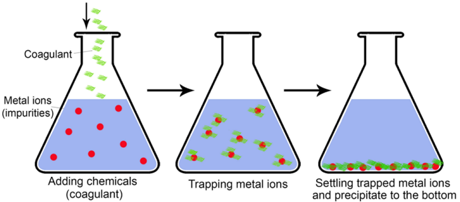
“It can be seen that the majority of metals removed by this method are Zn 2+ , Cu 2+ , Ni 2+ , Pb 2+ , and Cr 3+ .”
§ Removal of heavy metal ions from wastewater: a comprehensive and critical review > Chemical precipitation (the so-called coagulation precipitation)
plain- Asserted: passes — The authors put it forward as true.
- Checkable: passes — It can be checked against evidence.
- Load-bearing: unclear — It is unclear whether the paper’s conclusions depend on it.
- Based: passes — The paper gives a reason why it holds.
In the paper
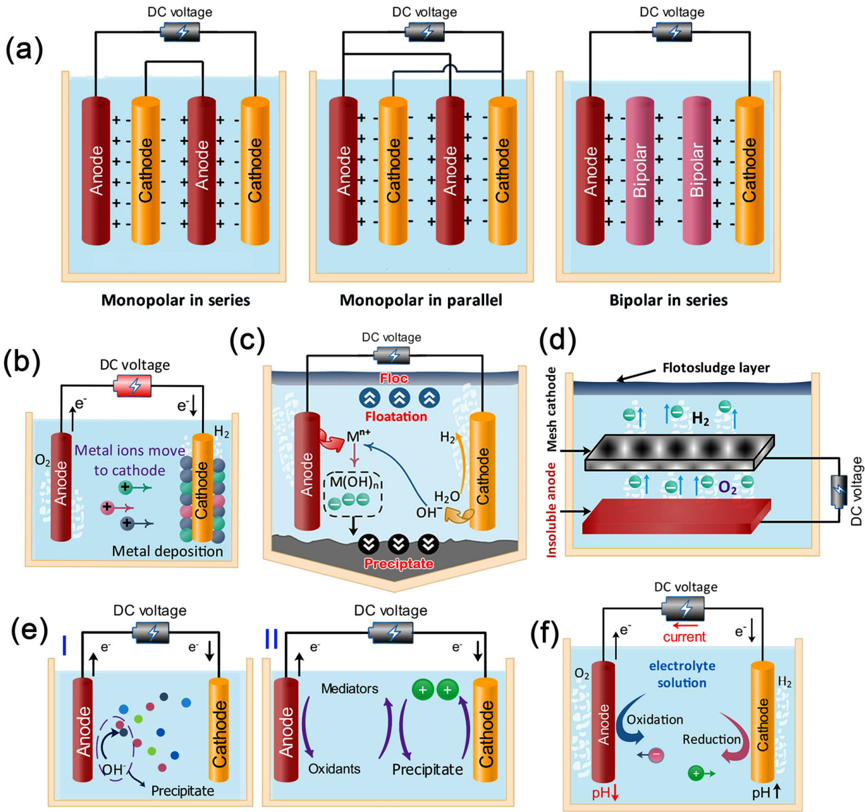
“It can be concluded that Ti-based anodes were widely used in the EF process 107 .”
§ Removal of heavy metal ions from wastewater: a comprehensive and critical review > Electrochemical treatment
What the sources say
- Not checked — no full text of the sourcecites [107] Chen, X., Chen, G. & Yue, P. L. Novel electrode system for electroflotation of wastewater. Environ. Sci. Technol. 36, 778–783 (2002). source
boosted- Asserted: passes — The authors put it forward as true.
- Checkable: passes — It can be checked against evidence.
- Load-bearing: unclear — It is unclear whether the paper’s conclusions depend on it.
- Based: passes — The paper gives a reason why it holds.
70 more claims
Create a free account to see all 168 claims and to verify the 1 reference still open.
- It may state two separate claims as one. 72
- Probably not a substantial claim. 36
Claims other papers make about this one
Each is checked against this paper’s own text: does it say what the citing paper says it does?
The cited source says what the claim attributes to it.
In the citing paper
“Treatment to reduce or eliminate heavy metals in drinking water to permissible levels is critical for human health (Flora et al., 2008;Kumar and Puri, 2012;Qasem et al., 2021).”
From Adsorption of heavy metals on natural zeolites: A review (2023) · cites this paper as Qasem et al., 2021
Self-check
Percentages, sums and reported differences re-computed from the paper’s own numbers.
Each contradiction between two passages listed here was confirmed by an independent check.
Rated minor: it would not touch a result — a value no result rests on, a p-value that stays on the same side of the significance level, or a conflict that is clerical, resolved elsewhere in the paper, or outside its own findings.
In the paper
§ Removal of heavy metal ions from wastewater: a comprehensive and critical review > Electrochemical treatment
“d basic electroflotation methods-anions are released from anode to combine with cations (metal ions) and then floating over the water”
§ Removal of heavy metal ions from wastewater: a comprehensive and critical review > Electrochemical treatment
“and d electro-Fenton process in which OH -is released at anode and reacts with metal ions, and hence wastewater is purified due to precipitation.”
Rated minor: it would not touch a result — a value no result rests on, a p-value that stays on the same side of the significance level, or a conflict that is clerical, resolved elsewhere in the paper, or outside its own findings.
In the paper
§ Removal of heavy metal ions from wastewater: a comprehensive and critical review > Selection of the most appropriate technique for heavy ions
“The electric-and chemical-based methods are represented here for chemical precipitation and electrochemical processes, respectively 133 .”
§ Removal of heavy metal ions from wastewater: a comprehensive and critical review > Selection of the most appropriate technique for heavy ions
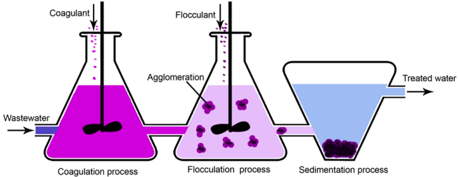
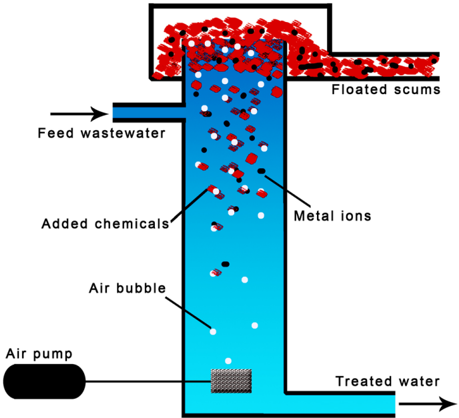
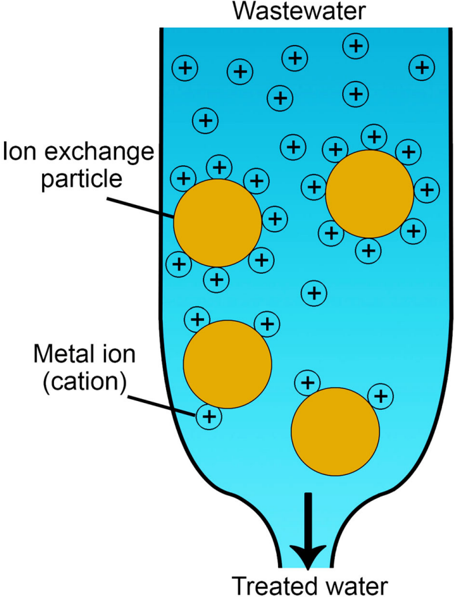
“chemical treatments (i.e., chemical precipitation, coagulation-flocculation, and flotation), electric treatments (i.e., electrochemical (reduction, EC, EF, and advanced oxidation) and ion exchange)”
Rated minor: it would not touch a result — a value no result rests on, a p-value that stays on the same side of the significance level, or a conflict that is clerical, resolved elsewhere in the paper, or outside its own findings.
In the paper
§ Removal of heavy metal ions from wastewater: a comprehensive and critical review > Electrochemical treatment
“Pt, Au, Mn, boron-doped diamond (PbO 2 ), and mixed metal oxide (MMO) (such as SnO 2 , PbO 2 , Ti/TiO 2 , IrO 2 , Sb 2 O 5 , RuO 2 ) are widely used as anodes 112 .”
§ Removal of heavy metal ions from wastewater: a comprehensive and critical review > Anode material Advantages Disadvantages
“PbO 2 -Relatively inexpensive. -Suitable for mineralizing organics -Toxic Pb could be formed. -Low efficiency in industry applications MMO -Relatively inexpensive. -High stability. -Good conductivity properties. -Toxic Sb could be formed. -Uneven coating.BDD -High potential for mineralizing organics.”
Cited works that were retracted
Works this paper cites that were later retracted, from the retraction notices publishers deposit. Major when the notice came out before this paper was published.
Rated major: it would touch a result — a value a result rests on, reported and recomputed p-values on opposite sides of the significance level, two passages that conflict with no sign which is right, or a cited work retracted before this paper was published.
In the paper
“Jamshidifard, S. et al. Incorporation of UiO-66-NH2 MOF into the PAN/chitosan nanofibers for adsorption and membrane filtration of Pb(II), Cd(II) and Cr(VI) ions from aqueous solutions. J. Hazard. Mater. 368, 10–20 (2019).”
Cited work 10.1016/j.jhazmat.2019.01.024 · retracted 2019-04-15 · notice 10.1016/j.jhazmat.2019.01.024 · this paper published 2021-07-08
Citations
Cites
1 retracted
Jamshidifard, S., Koushkbaghi, S., Hosseini, S., Rezaei, S., Karamipour, A., Jafari rad, A., & Irani, M. (2019) · Journal of Hazardous Materials · doi:10.1016/j.jhazmat.2019.01.024 · Cited by 540
RetractedRemoval of heavy metal ions from wastewaters: A review
Fu, F., & Wang, Q. (2011) · Journal of Environmental Management · doi:10.1016/j.jenvman.2010.11.011 · Cited by 8,703
New trends in removing heavy metals from industrial wastewater
Barakat, M. A. (2011) · Arabian Journal of Chemistry · doi:10.1016/j.arabjc.2010.07.019 · Cited by 3,094
Advantages and disadvantages of techniques used for wastewater treatment
Crini, G., & Lichtfouse, E. (2019) · Environmental Chemistry Letters · doi:10.1007/s10311-018-0785-9 · Cited by 2,971
Heavy metal removal from water/wastewater by nanosized metal oxides: A review
Hua, M., Zhang, S., Pan, B., Zhang, W., Lv, L., & Zhang, Q. (2012) · Journal of Hazardous Materials · doi:10.1016/j.jhazmat.2011.10.016 · Cited by 2,193
Physico–chemical treatment techniques for wastewater laden with heavy metals
Kurniawan, T. A., Chan, G. Y. S., Lo, W.-H., & Babel, S. (2006) · Chemical Engineering Journal · doi:10.1016/j.cej.2006.01.015 · Cited by 2,072
Martínez-Huitle, C. A., & Ferro, S. (2006) · Chem. Soc. Rev. · doi:10.1039/b517632h · Cited by 1,840
Da̧browski, A., Hubicki, Z., Podkościelny, P., & Robens, E. (2004) · Chemosphere · doi:10.1016/j.chemosphere.2004.03.006 · Cited by 1,717
Burakov, A. E., Galunin, E. V., Burakova, I. V., Kucherova, A. E., Agarwal, S., Tkachev, A. G., & Gupta, V. K. (2018) · Ecotoxicology and Environmental Safety · doi:10.1016/j.ecoenv.2017.11.034 · Cited by 1,612
Yang, X., Wan, Y., Zheng, Y., He, F., Yu, Z., Huang, J., Wang, H., Ok, Y. S., Jiang, Y., & Gao, B. (2019) · Chemical Engineering Journal · doi:10.1016/j.cej.2019.02.119 · Cited by 1,527
Research works printed but not linked: 3
- 80. Al-Hemaidi, W. K. Approach in choosing suitable technology for industrial wastewater. J. Civil & Envir. Eng. 2, 1000123 (2012).
- 98. Pretorius, W. A., Johannes, W. G. & Lempert, G. G. Electrolytic iron flocculant production with a bipolar electrode in series arrangement. Water SA 17, 133-138 (1991).
- WHO. Guidelines for drinking-water quality: Fourthedition incorporating the first addendum. Guidelines for Drinking-Water Quality: Fourth Edition Incorporating the First Addendum (2014).
Cited by
Items 1,101–1,200 of 2,197
Daulay, A., Birawidha, D. C., Prabowo, S., et al. (2024) · Adsorption · doi:10.1007/s10450-024-00521-3 · Cited by 6
Anazi, M. A., Abdulazeez, I., & Hamouz, O. C. S. A. (2022) · Polymers · doi:10.3390/polym14122486 · Cited by 9
Abhari, P., Abdi, S., & Nasiri, M. (2022) · Process Safety and Environmental Protection · doi:10.1016/j.cherd.2022.09.020 · Cited by 6
Sengupta, U., Mukherjee, A., Periyasamy, M., Mukhopadhyay, S., Jenkinson, K., Wheatley, A. E. H., & Kar, A. (2023) · New Journal of Chemistry · doi:10.1039/d3nj00598d · Cited by 6
Sun, S.-S., Zhang, X., Zhang, Y., Sun, T., Zhu, L., Shi, Z., & Zhang, D. (2023) · Molecules · doi:10.3390/molecules28114420 · Cited by 5
Reformed Metal‐Organic Frameworks ( MOF s) for Abstraction of Water Contaminants – Heavy‐Metal Ions
Rathod, P. B., Kalel, R. A., Tomar, M., Dhayagude, A. C., & Maske, A. (2023) · Wiley eBooks · doi:10.1002/9783527841523.ch10 · Cited by 6
Adsorption–Desorption Process to Separate Dyes from Tanning Wastewaters
Trucillo, P., Lancia, A., & Natale, F. D. (2023) · Processes · doi:10.3390/pr11103006 · Cited by 9
Ouhammi, M., Merzouki, M., & Bouchrif, B. (2024) · Case Studies in Chemical and Environmental Engineering · doi:10.1016/j.cscee.2024.100921 · Cited by 5
Koyuncu, H., Kul, A. R., & Akyavaşoğlu, Ö. (2024) · International Journal of Environmental Science and Technology · doi:10.1007/s13762-024-06001-z · Cited by 7
Chenab, K. K., Zamani‐Meymian, M., & Qasemi, E. (2024) · Advanced Sustainable Systems · doi:10.1002/adsu.202400545 · Cited by 6
Ibrahim, I., Lim, . N., Kamaruzaman, S., & Pandey, S. S. (2024) · Journal of environmental chemical engineering · doi:10.1016/j.jece.2024.114930 · Cited by 5
Selective Recovery of Gold from Aqueous Media Using Magnetic PEG-Crosslinked Polystyrene
Sajjadi, S. M., Ahmadi, S., Behniafar, H., & Zare, E. N. (2025) · Langmuir · doi:10.1021/acs.langmuir.5c00700 · Cited by 6
Adsorption of Ni2+, Cu2+ and Co2+ ions on coal gangue-based porous ceramics
Zhou, X., Wang, Y., Lin, R., et al. (2025) · Frontiers in Materials · doi:10.3389/fmats.2025.1414085 · Cited by 5
Assessment of airborne pollutants in wastewater treatment plants
Viteri, G., Aranda, A., Díaz-de-Mera, Y., Rodríguez, A., Fariñas, N. R., & Rodríguez, D. (2025) · Environmental Science and Pollution Research · doi:10.1007/s11356-025-36484-3 · Cited by 8
Zaidi, S. Q. A., Wadgama, M. H., Jahan, Z., Niazi, M. B. K., & Akhtar, F. H. (2025) · Desalination · doi:10.1016/j.desal.2025.119027 · Cited by 5
Patil, U. D., Mahakal, S., Nerkar, D. M., Noothalapati, H., Shinde, S. T., Waghmode, S. A., & Amalnerkar, D. (2025) · Inorganic Chemistry Communications · doi:10.1016/j.inoche.2025.114879 · Cited by 8
Light‐Driven Micromotors for Microscale Metal Ion Sensing Applications in Fluid Medium
Debata, S., Ram, R., & Singh, D. P. (2025) · Particle & Particle Systems Characterization · doi:10.1002/ppsc.202500054 · Cited by 5
Optimization of porous chitosan–silica composite membranes for heavy metal adsorption
Lee, H.-W., Kim, S., Hwang, J., & Kim, S. H. (2025) · Macromolecular Research · doi:10.1007/s13233-025-00427-1 · Cited by 6
Shi, H., Zuo, Q., Liu, C., Ding, X., Wang, Z., Shao, P., Yang, L., & Luo, X. (2025) · Journal of Membrane Science · doi:10.1016/j.memsci.2025.124442 · Cited by 6
López-Jiménez, J. M., Alvizuri-Tintaya, P. A., Chávez, G., et al. (2025) · Sustainability · doi:10.3390/su17167270 · Cited by 5
Machine learning-based optimization of sulfidation for heavy metal removal from wastewater
Li, C., Shi, M., Ke, Y., Li, Q., Wang, Q., & Xu, Y. (2025) · Chemical Engineering Science · doi:10.1016/j.ces.2025.122381 · Cited by 6
A Novel ML-Powered Nanomembrane Sensor for Smart Monitoring of Pollutants in Industrial Wastewater
Cavaliere, G., Tari, L., Siconolfi, F., Rehman, H., Kuzhir, P., Maffucci, A., & Ferrigno, L. (2025) · Sensors · doi:10.3390/s25175390 · Cited by 8
A holistic view of magnetic nanoparticles for advanced water treatment and cleanup
Fadel, M., Salvador, M., Pilati, V., Martínez-García, J. C., Álvarez-Alonso, P., & Rivas, M. (2025) · Journal of Physics D Applied Physics · doi:10.1088/1361-6463/ae01b2 · Cited by 7
Synthesis of Pectin Hydrogels from Grapefruit Peel for the Adsorption of Heavy Metals from Water
Vigneswararajah, V., Thavarajah, N., & Fernando, X. N. (2025) · Technologies · doi:10.3390/technologies13090403 · Cited by 7
Improving Aqueous Metal Salt Interactions Using Machine-Learned Interatomic Potentials
Olowookere, F. V., & Turner, C. H. (2025) · The Journal of Physical Chemistry B · doi:10.1021/acs.jpcb.5c04022 · Cited by 5
Suliman, Z. A., Mecha, A. C., & Mwasiagi, J. I. (2025) · Environmental Science and Pollution Research · doi:10.1007/s11356-025-37145-1 · Cited by 5
Sahoo, D. R., & Biswal, T. (2025) · JOURNAL OF POLYMER MATERIALS · doi:10.32604/jpm.2025.067022 · Cited by 6
Fan, J., Huang, J., Chen, T., Zheng, X., Guo, F., Yang, M., Ma, Q., Fu, L., Min, X., & Huang, Z. (2025) · Microporous and Mesoporous Materials · doi:10.1016/j.micromeso.2025.114019 · Cited by 7
Al-Heety, L. F. D., Hassan, O. M., & Hassan, K. T. (2026) · Polymer Bulletin · doi:10.1007/s00289-025-06258-5 · Cited by 6
Blall, E. G., Thyab, R. M., Abdel‐Salam, A. H., Morsy, A., Moura, L. D. O., Mohamed, A., & Morsy, A. (2026) · Applied Catalysis A General · doi:10.1016/j.apcata.2026.120774 · Cited by 6
Alqarni, L. S., Goda, M. N., Alsubaie, F. M., Younis, A. M., Makawi, S. Z. A., Ismail, M., & Modwi, A. (2026) · Journal of Polymers and the Environment · doi:10.1007/s10924-025-03742-x · Cited by 7
Highly Efficient Adsorption of Pb(II) by Magnesium-Modified Zeolite: Performance and Mechanisms
Yang, Y., Wang, X., Abbasi, S. S., Zhou, B., Huang, Q., Zhang, S., Xiao, X., Li, H., Chen, H., & Hu, Y. (2026) · Toxics · doi:10.3390/toxics14010085 · Cited by 6
Zhang, J., Liu, Y., Lin, S., Melo, G. H. F., Shimizu, G. K. H., & Sundararaj, U. (2026) · Next Materials · doi:10.1016/j.nxmate.2026.101696 · Cited by 9
Hybrid PVC/EDTA-Bentonite ultrafiltration membranes for efficient Pb (II) removal from wastewater
Abdollahi, Z., Khezraqa, H., Jafarzadeh, Y., et al. (2026) · Applied Clay Science · doi:10.1016/j.clay.2026.108124 · Cited by 5
Azzam, M. A., Ahmad, A., Labib, A. A., Mohamed, W. A. A., El‐Sawaf, A. K., & Handal, H. T. (2026) · Electrochimica Acta · doi:10.1016/j.electacta.2026.148646 · Cited by 6
Synergistic Nanotrap Polymeric Adsorbents for Environmental Remediation
Sun, Q., Li, J., Chen, D., Li, N., Li, H., Xu, Q., & Lu, J. (2026) · Small Methods · doi:10.1002/smtd.202502381 · Cited by 5
Rahman, M. A. (2026) · Heat Transfer · doi:10.1002/htj.70243 · Cited by 6
Recent Advances in Sustainable Biopolymer-Based Nanocomposites for Heavy Metal Removal from Water
Gutierrèz, J. I., Ávila, B. A. D., Argumedo, L. N., Camargo, J. R., de Freitas, F. L., Jaeschke, D. P., Crispim, M. M., Ribeiro, A. C., Oreste, E. Q., & Gonçalves, J. O. (2026) · Sustainability · doi:10.3390/su18083827 · Cited by 7
김지원, Kim, I., Rashid, S., Sarvalkar, P. D., Roh, S., Lee, D., Park, D., & Wi, K. (2026) · Biomass and Bioenergy · doi:10.1016/j.biombioe.2026.109486 · Cited by 7
Aayushi, & Pandey, S. (2026) · Frontiers in Environmental Engineering · doi:10.3389/fenve.2026.1847347 · Cited by 8
Alazaiza, M. Y. D., Albahnasawi, A., Al-Maskari, O., Almaskari, T., Abujazar, M. S. S., Amr, S. S. A., Nassani, D. E., & Nassani, D. E. (2022) · Global NEST Journal · doi:10.30955/gnj.004478 · Cited by 10
Ankareddy, S., & Matli, C. S. (2023) · Current World Environment · doi:10.12944/cwe.18.1.15 · Cited by 5
Ortega, D. E., Cortés‐Arriagada, D., & Araya‐Hermosilla, R. (2023) · Polymers · doi:10.3390/polym15153157 · Cited by 5
Sustainable Tannin Gels for the Efficient Removal of Metal Ions and Organic Dyes
Koopmann, A.-K., Ehgartner, C. R., Euchler, D., Claros, M., & Hüsing, N. (2023) · Gels · doi:10.3390/gels9100822 · Cited by 5
Physical, Chemical, and Biological Methods of Heavy Metal Management
Yadav, S., Chauhan, D. S., Waoo, A. A., & Nigam, R. S. (2023) · ACS symposium series · doi:10.1021/bk-2023-1456.ch013 · Cited by 12
Amino Silica Nanohybrid Membranes for Enhanced Removal of Cu(II) Ion in Aqueous Solutions
Pathiraja, A. S., Kumarage, S., Munaweera, I., & Sandaruwan, C. (2024) · Water Air & Soil Pollution · doi:10.1007/s11270-024-07075-8 · Cited by 4
Ewubare, P. O., Aliyu, S. O., Michael, I., Ejakhaegbe, J. O., Obomejero, J., Okoro, S. O., & Olukayode, O. J. (2024) · American Journal of Environmental Economics · doi:10.54536/ajee.v3i1.3261 · Cited by 12
Alghamdi, A. A., Hanfi, M. Y., Sakr, A. K., Sayyed, M. I., & Almuqrin, A. H. (2024) · Separation Science and Technology · doi:10.1080/01496395.2024.2386539 · Cited by 5
Rosso, T. D., Shtepliuk, I., Zaman, Q., et al. (2024) · Langmuir · doi:10.1021/acs.langmuir.4c02568 · Cited by 5
Raturi, S., Kumari, S., Kovács, A., Khargotra, R., Sebestyén, V., & Singh, T. (2024) · Current Research in Green and Sustainable Chemistry · doi:10.1016/j.crgsc.2024.100428 · Cited by 9
Sáez, P., Díez, E., Gómez, J. M., López, C., Conte, N., Lobete, M., & Rodríguez, A. (2024) · Environmental Science and Pollution Research · doi:10.1007/s11356-024-34942-y · Cited by 7
Recent Advances in Nanotechnology: A New Paradigm toward Wastewater Treatment
Rajkumar, M., Presley, S. I. D., Thiyagarajulu, N., Thangaraj, R., & Kannan, S. (2024) · ACS symposium series · doi:10.1021/bk-2024-1476.ch005 · Cited by 6
A Miniaturized, Fuel-Free, Self-Propelled, Bio-Inspired Soft Actuator for Copper Ion Removal
Chimerad, M., Borjian, P., Pathak, P., Fasano, J., & Cho, H. J. (2024) · Micromachines · doi:10.3390/mi15101208 · Cited by 5
Radhika, Chopra, L., Pal, K., et al. (2024) · Journal of Inorganic and Organometallic Polymers and Materials · doi:10.1007/s10904-024-03305-y · Cited by 5
Nyamato, G. S., Kabogo, I. T., Maqinana, S., Bachmann, R., Schmitz, M., Ogunah, J. A., Kleist, W., & Ojwach, S. O. (2024) · Environmental Science and Pollution Research · doi:10.1007/s11356-024-35443-8 · Cited by 10
Dobre, T., Isopencu, G. O., Ahmed, S. B., & Deleanu, I. M. (2024) · ChemEngineering · doi:10.3390/chemengineering8060118 · Cited by 10
Buzukashvili, S., Sommerville, R. P. Z., Kökkılıç, O., Ouzilleau, P., Rowson, N. A., & Waters, K. E. (2024) · JCIS Open · doi:10.1016/j.jciso.2024.100127 · Cited by 7
Band gap and structural engineering to achieve excellent photocatalysis in A2B2O7 type composition
Parayil, R. T., Singh, P., Sudarshan, K., et al. (2025) · Inorganic Chemistry Communications · doi:10.1016/j.inoche.2025.113965 · Cited by 5
Wei, S., Huang, S., Zhou, J., Xiao, C., Cao, J., Xiao, J., & Xie, C. (2025) · Polymers · doi:10.3390/polym17030257 · Cited by 5
Synthesis and Metal Ion Adsorption Properties of a Dense Triazole Polymer Carrying Cysteine Residues
Ejima, R., Nakahata, M., Kamon, Y., & Hashidzume, A. (2025) · Journal of Polymer Science · doi:10.1002/pol.20240752 · Cited by 5
Al-Essa, E. M., Al‐Essa, K., Halalsheh, N., Lagum, A. A., Al-Ma’abreh, A. M., Saraireh, H., & Shatnawi, K. M. (2025) · Sustainability · doi:10.3390/su17104627 · Cited by 8
Nanoporous membranes for water Purification: Materials, Mechanisms, and innovative technologies
Hemanth Kumar., K., Harinivalli, S., Aparna, S., Arthanareeswaran, G., & Viswanathan, M. R. (2025) · Microchemical Journal · doi:10.1016/j.microc.2025.114011 · Cited by 5
Nakahata, M., Okamoto, C., Tanaka, M., & Hashidzume, A. (2025) · ACS Applied Polymer Materials · doi:10.1021/acsapm.5c00381 · Cited by 7
Megersa, N., Legesse, A., Getachew, H., Mulatu, A., & Kebede, T. (2025) · Scientific African · doi:10.1016/j.sciaf.2025.e02821 · Cited by 9
Metal-organic frameworks for remediation of noxious pollutants
Abdi, J., Esmaeili-Faraj, S. H., Mazloom, G., & Pirhoushyaran, T. (2022) · Elsevier eBooks · doi:10.1016/b978-0-323-99425-5.00007-4 · Cited by 8
Wondracek, M. H. P., Jorgetto, A. D. O., da Silva, A. C. P., Schneider, J., Pedrosa, V. A., Saeki, M. J., & Castro, G. R. (2023) · Separations · doi:10.3390/separations10020108 · Cited by 5
Bashir, M., Mohan, C., & Annachhatre, A. P. (2023) · AQUA - Water Infrastructure Ecosystems and Society · doi:10.2166/aqua.2023.067 · Cited by 7
Alginate: Wastewater Treatment
Rafiee, F. (2023) · Biochemistry · doi:10.5772/intechopen.110148 · Cited by 8
Makhtar, S. N. N. M., Pauzi, M. Z. M., Peechmani, P., Abas, K. H., Othman, M. H. D., Jaafar, J., & Rahman, M. A. (2023) · Arabian Journal of Chemistry · doi:10.1016/j.arabjc.2023.105042 · Cited by 5
Swain, A., Adarsh, S., Biswas, A., et al. (2023) · Nanoscale · doi:10.1039/d3nr00777d · Cited by 5
Avvari, V. D., & Sreekanth, P. S. R. (2023) · Membranes · doi:10.3390/membranes13090766 · Cited by 5
Combinatorial mixtures of organic solutes for improved liquid/liquid extraction of ions
Liu, S., Wei, A.-T., Wang, H., Winkle, D. H. V., & Lenhert, S. (2023) · Soft Matter · doi:10.1039/d3sm00693j · Cited by 4
Ahn, C. H., Jung, W., Park, Y., Joo, J. C., & Nam, K. (2023) · Chemosphere · doi:10.1016/j.chemosphere.2023.140186 · Cited by 6
Umar, S., Muhammad, A., & Elijah, S. (2023) · Science World Journal · doi:10.4314/swj.v18i2.7 · Cited by 6
Back to nature: henna extracts from nanotech to environmental biotechnology – a review
Abd-El-Haleem, D. A. M. (2023) · Biotechnologia · doi:10.5114/bta.2023.132776 · Cited by 5
Moridi, H., & Gh, A. B. (2024) · Environmental Science and Pollution Research · doi:10.1007/s11356-024-32148-w · Cited by 5
Biomass derived activated carbons in wastewater treatment – The aim of metallurgical industry
Ziemińska, N., & Doczekalska, B. (2024) · Desalination and Water Treatment · doi:10.1016/j.dwt.2024.100320 · Cited by 8
Alnasery, H., Naseri, A., Jasim, L. S., & Sajedi‐Amin, S. (2024) · Journal of the Iranian Chemical Society · doi:10.1007/s13738-024-03037-3 · Cited by 5
Yu, D., Stothard, P., & Neumann, N. F. (2024) · Scientific Reports · doi:10.1038/s41598-024-64241-y · Cited by 13
Shuralla, A. H., Hiruey, A. M., & Gebreeyessus, G. D. (2024) · Heliyon · doi:10.1016/j.heliyon.2024.e34003 · Cited by 5
Suter, E. K., Rutto, H. L., Seodigeng, T. G., Kiambi, S. L., & Omwoyo, W. N. (2024) · doi:10.3390/engproc2024067005 · Cited by 6
Chakraborty, N., Sen, B., Anindya, R., & Acharyya, S. G. (2024) · Environmental Science and Pollution Research · doi:10.1007/s11356-024-34685-w · Cited by 6
How Economic Theories Shape Chemical Technology Profile
Gkika, D. A., Mitrοpoulos, A. C., & Kyzas, G. Z. (2024) · ChemEngineering · doi:10.3390/chemengineering8050091 · Cited by 7
Facile Synthesis of Zeolite NaX from Natural Attapulgite Clay for Pb2+ Adsorption
Feng, M. Z., Shi, Z., Tong, Y., et al. (2024) · Chemistry · doi:10.3390/chemistry6050070 · Cited by 5
Biomineralization techniques and its engineering application: A systematic review and meta-analysis
Hu, K.-Y., Long, W.-J., Feng, G.-L., et al. (2024) · Journal of Building Engineering · doi:10.1016/j.jobe.2024.111739 · Cited by 5
Wang, L., Su, X., Zhao, W., & Wang, Q. (2025) · Journal of Cleaner Production · doi:10.1016/j.jclepro.2025.144783 · Cited by 6
Ramachandran, R., Alsawalha, M., Alomayri, T. S., Thangavelu, P., Maytasyaa, S., Yunianti, A. D., & Alwi, R. S. (2025) · Surfaces and Interfaces · doi:10.1016/j.surfin.2025.105995 · Cited by 5
Bjorklund, J. L., Augustine, L. J., Tamijani, A. A., Trainor, T. P., Chaka, A. M., & Mason, S. E. (2025) · The Journal of Physical Chemistry A · doi:10.1021/acs.jpca.5c00390 · Cited by 8
Torad, N. L., El‐Nasr, A. A., Doustkhah, E., et al. (2025) · Langmuir · doi:10.1021/acs.langmuir.4c03562 · Cited by 5
Lignosulfonate-Based Conducting Flexible Polymeric Membranes for Liquid Sensing Applications
Magina, S. P., Rudnitskaya, A. M., Teixeira, S. S., Costa, L. C., Barros-Timmons, A. M., & Evtuguin, D. V. (2021) · Materials · doi:10.3390/ma14185331 · Cited by 5
Removal of Cd (II) Ions from Bioretention System by Clay and Soil Wettability
Xu, T., Yu, J., Cai, D., You, Z., & Shah, K. J. (2021) · Water · doi:10.3390/w13223164 · Cited by 5
Penicillium chrysogenum-loaded hybrid cryogel discs for heavy metal removal
Bayrak, G., İdil, N., & Perçin, I. (2023) · Chemical Papers · doi:10.1007/s11696-023-02752-0 · Cited by 5
Reduction of Lead and Antimony Ions from the Crystal Glass Wastewaters Utilising Adsorption
Ojstršek, A., Gorjanc, N., & Fakin, D. (2021) · Sustainability · doi:10.3390/su132011156 · Cited by 5
Biological Treatment Methods for Remediating Wastewater
Ramteke, P. K., & Rathod, A. P. (2025) · Wiley eBooks · doi:10.1002/9781394303526.ch10 · Cited by 9
Coupling Photocatalytic Hydrogen Production with Key Oxidation Reactions
Teng, J., Li, W., Wei, Z., Hao, D., Jing, L., Liu, Y., Dai, H., Zhu, Y., Ma, T., & Deng, J. (2024) · Angewandte Chemie · doi:10.1002/ange.202416039 · Cited by 9
Michałek, T., Wojtaszek, K., Małecki, S., et al. (2024) · Metals · doi:10.3390/met14121450 · Cited by 4
Fractionation and separation of bioactive peptides using natural polymeric membrane
Kalita, V., Bhattacharyya, J., Bora, S. J., Kalita, R., & Dutta, P. P. (2025) · Brazilian Journal of Pharmaceutical Sciences · doi:10.1590/s2175-97902025e24081 · Cited by 4
Ren, J., Wang, J., Guo, M., et al. (2025) · Journal of Environmental Management · doi:10.1016/j.jenvman.2025.125793 · Cited by 4
Efficient removal of toxic dyes and nitrophenol using Graphene Oxide-ZrO2 hybrid catalysts
Amudha, A., Mahendra, K., Yashodhara, I., et al. (2025) · Materials Science and Engineering B · doi:10.1016/j.mseb.2025.118555 · Cited by 4
Chemical Examination of Heavy Metals of the Drinking Water in the Ramgarh Area, Mahwa, Rajasthan
Sharma, N., & Kaur, J. (2025) · Asian Journal of Research in Chemistry · doi:10.52711/0974-4150.2025.00021 · Cited by 4
Metadata
- Authors
- Qasem, N. A. A., Mohammed, R. H., & Lawal, D. U.
- Affiliations
- King Fahd University of Petroleum and Minerals (SA)
- Zagazig University (EG)
- Corresponding author
- Qasem, Naef A. A.
- Venue
- npj Clean Water
- Published
- 2021-07-08
- Volume
- 4
- Issue
- 1
- ISSN
- 2059-7037 (ISSN-L)
- OpenAlex
- W3180677679
- Semantic Scholar
- e09dc879e764aecba0a92434e646e3d8569a1eb5
- Cited by
- 2,225
- References
- 136
- Citations by year
- 2026: 372 · 2025: 566 · 2024: 611 · 2023: 410 · 2022: 235 · 2021: 30
- FWCI
- 95.69
- Type
- journal article
- Language
- en
- Update notices
- correction (2021-12-07)
- Open access
- gold
- doi.org
- Licence
- cc-by
- creativecommons.org/licenses/by/4.0 (tdm)
- creativecommons.org/licenses/by/4.0 (vor)
- Locations
- npj Clean Water (publishedVersion, cc-by)
- DOAJ (DOAJ: Directory of Open Access Journals) (submittedVersion, cc-by-sa)
- Greater South Information System
- Funders
- King Fahd University of Petroleum and Minerals
- Topics
- Physical Sciences › Environmental Science › Water Science and Technology › Adsorption and biosorption for pollutant removal
- Physical Sciences › Environmental Science › Water Science and Technology › Heavy Metal Pollution Remediation
- Physical Sciences › Environmental Science › Environmental Engineering › Environmental remediation with nanomaterials
- Keywords
- heavy metal removal, wastewater treatment, adsorption, membrane separation, electrochemical treatment, photocatalysis, chemical precipitation, membrane fouling, sludge production
About these checks
Registry, retraction, Cites and statistics results are computed, not judged, with one exception: a printed reference that no index lists is read once by a model before it counts as a citation error. Claims are extracted by a model and kept only when their quote appears verbatim in the text; each cited source is then checked, with a model’s help, for whether it says what the claim relies on. Those verdicts can be wrong — read the claim’s quote and the cited source before relying on one.
The claim verdicts this report counts are experimental: their accuracy is not yet measured.
A language model drew the claims from the paper on 2026-10-10, under version 3 of the claim definition (model deepseek-v4.1-flash, prompt extract-v3).
A second model labelled each claim on 2026-10-10 (model jev-1.13-20260917, definition revision gold-guideline-v0.2).
Cited sources are checked with a language model’s help (gpt-6-sol).
Statistics and arithmetic are recomputed, not judged.
Confidence bands are shown only for fields calibrated on our annotated test set. None is calibrated yet, so no band is shown.
What counts as a claim ›How we measure confidence ›How we check this ›
Are you an author, or do you see a problem with this page? Request a review
Data sources
Bibliographic data: Semantic Scholar, OpenAlex, Crossref.
Contains information from the Semantic Scholar Academic Graph Datasets, made available under the ODC Attribution License (ODC-BY 1.0).
Semantic Scholar’s data is described in: Kinney, R., et al. (2023). The Semantic Scholar Open Data Platform. arXiv:2301.10140.
