

Removal of heavy metal ions from wastewater: a comprehensive and critical review
Open accessThe DOI matches its Crossref record; 136 of the 136 references it cites were found in a registry or an index; 5 of the 119 sources its claims cite were checked for support.
Abstract
Abstract Removal of heavy metal ions from wastewater is of prime importance for a clean environment and human health. Different reported methods were devoted to heavy metal ions removal from various wastewater sources. These methods could be classified into adsorption-, membrane-, chemical-, electric-, and photocatalytic-based treatments. This paper comprehensively and critically reviews and discusses these methods in terms of used agents/adsorbents, removal efficiency, operating conditions, and the pros and cons of each method. Besides, the key findings of the previous studies reported in the literature are summarized. Generally, it is noticed that most of the recent studies have focused on adsorption techniques.
Overview
CoChat Summary
TL;DR
This review comprehensively classifies heavy-metal removal from wastewater into adsorption-, membrane-, chemical-, electric-, and photocatalytic-based treatments and compares their efficiencies, operating conditions, and pros/cons. It concludes that adsorption is the most widely studied recent method, while chemical and membrane methods are practical but face sludge, fouling, and post-treatment challenges.
Key findings
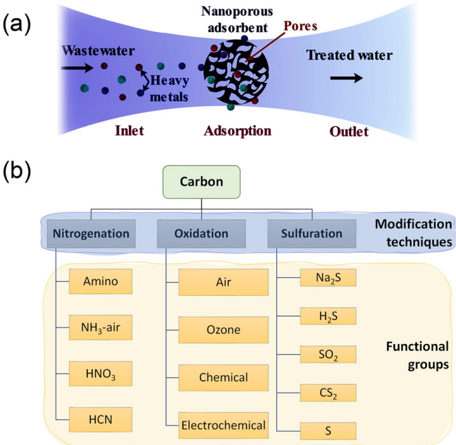
- Adsorption is the most considered method in recent years, with advantages of easy operation, low cost, and high sorption capacity; carbon-based nanoporous adsorbents have surface areas of 500–1500 m²/g.
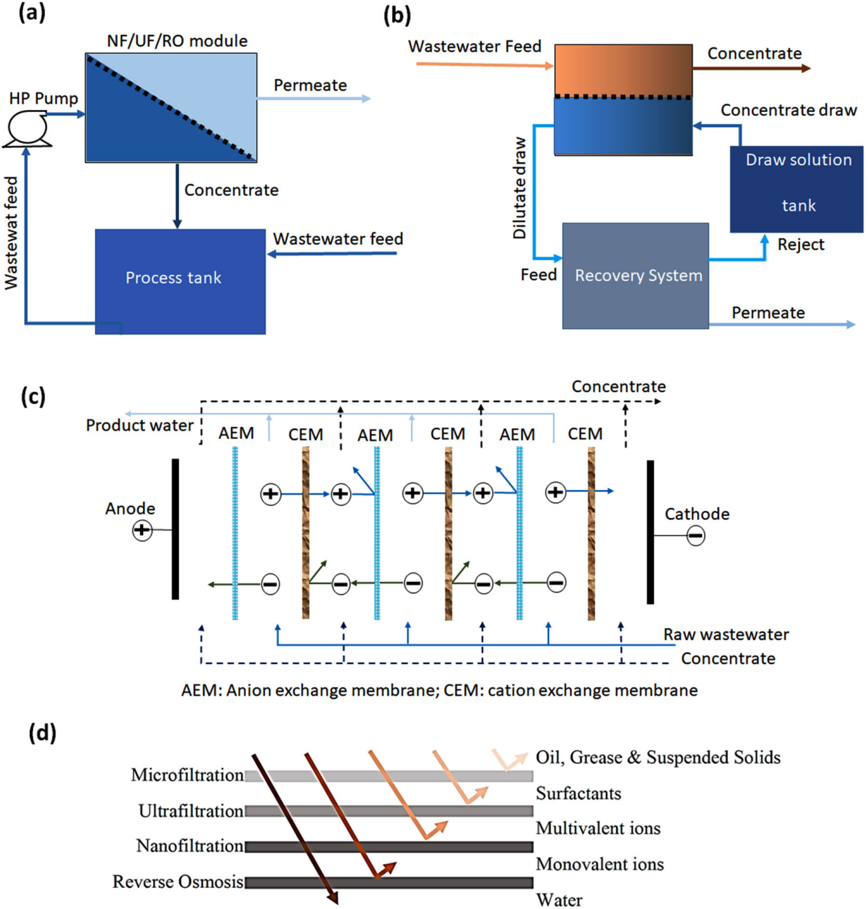
- Reported removal efficiencies vary by method: nanofiltration reached 94–98% extraction for Fe³⁺, Al³⁺, Co²⁺, Cd²⁺, Cu²⁺, and humic acid; electrodialysis attained 96.9%, 99.9%, and 99.9% for Ni²⁺, Pb²⁺, and K⁺; reverse osmosis removed >98.75% of Ni²⁺, Cr⁶⁺, and Cu²⁺ from electroplating wastewater; membrane distillation achieved >96% removal of Ca²⁺, Mg²⁺, Fe³⁺, and Fe²⁺ and >99% for As³⁺ and As⁵⁺.
- Table 2 lists highest adsorption capacities including Pb²⁺ on polyrhodanine/MWCNTs at 8118.0 mg/g, Cu²⁺ on polyvinylpyrrolidone-reduced GO at 1689.0 mg/g, and Cr⁶⁺ on GSC at 2859.0 mg/g.
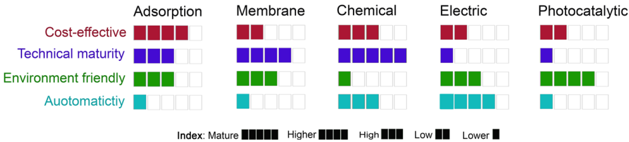
- Major obstacles include adsorption’s ability to remove different ion types concurrently, high retention time, and cycling stability; chemical methods’ large-volume sludge and post-treatment needs; membrane fouling/scaling and cleaning costs; and electric- and photocatalytic-based methods being less mature.
Methods
- Design: comprehensive and critical review of reported heavy-metal removal methods from wastewater, classified into adsorption-, membrane-, chemical-, electric-, and photocatalytic-based treatments.
- Data: literature studies selected based on availability of operating and performance parameters for each method; details are listed in supplementary tables.
- Analysis: qualitative comparison of used agents/adsorbents, removal efficiency, operating conditions, and pros and cons, with summary tables and figures.
Limitations
- The paper states a clear knowledge gap because most studies used synthetic wastewater with one or few metal types; it recommends more research using real wastewater, pilot-scale processes, and cost-effective sustainable materials.
- The paper notes that disposal of adsorbents after adsorption is a big challenge, MOFs often have low stability in water, and electric/photocatalytic methods remain less mature or laboratory-scale.
- Evident from the text: as a review, it reports findings from cited studies rather than generating new experimental data, and several performance details depend on supplementary tables not fully reproduced in the main text.
Model-written summary. Check it against the paper before relying on it.
Integrity signals
Registry
Cites
Statistics
Figures
Verification
Claims the paper makes
5 Valid · 9 Not valid · 107 Not checked · 47 Own results and interpretations
The cited sources support only part of this claim — read each source’s verdict below.
In the paper
“Carbon-based nanoporous adsorbents, especially activated carbons (ACs), carbon nanotubes (CNTs), and graphene (GN), are extensively used in the applications of heavy metal removal owing to their tremendous surface area (500-1500 m 2 /g) 8 .”
§ Removal of heavy metal ions from wastewater: a comprehensive and critical review > Carbon-based adsorbents
What the sources say
- Partly supportedcites [8] 8. Karnib, M., Kabbani, A., Holail, H. & Olama, Z. Heavy metals removal using activated carbon, silica and silica activated carbon composite. Energy Procedia 50, 113-120 (2014). sourceExperimental — accuracy not yet measured
The Introduction (page unavailable) says activated carbon is widely used in wastewater treatment because of its 500–1500 m²/g surface area, and identifies graphene as an adsorbent used in water purification. It does not mention carbon nanotubes or assign that surface-area range and rationale to graphene or carbon nanotubes. (LLM, conf=0.88)
plainstates a cause- Asserted: passes — The authors put it forward as true.
- Checkable: passes — It can be checked against evidence.
- Load-bearing: unclear — It is unclear whether the paper’s conclusions depend on it.
- Based: passes — The paper gives a reason why it holds.
- Partly supported
Every source the paper cites for this claim was checked and supports it.
In the paper
“| Sb 3+ | Chitosan functionalized iron | 138.8 | 50 |”
- Also stated in: § Selection of the most appropriate technique for heavy ions · plain
“| | nanosheet | | |”
§ Removal of heavy metal ions from wastewater: a comprehensive and critical review > Selection of the most appropriate technique for heavy ions
What the sources say
- Supportedcites [50] 50. Zeng, J. et al. Chitosan functionalized iron nanosheet for enhanced removal of As (III) and Sb (III): Synergistic effect and mechanism. Chem. Eng. J. 122999 (2019). source
Section 3.4 (Adsorption isotherms) reports a maximum adsorption capacity of 138.8 mg/g for Sb(III) on the chitosan-functionalized iron nanosheet, calculated by non-linear fitting of the Langmuir model. This supports the table entry; the value is a model-derived maximum. (LLM, conf=0.94)
plain- Asserted: passes — The authors put it forward as true.
- Checkable: passes — It can be checked against evidence.
- Load-bearing: unclear — It is unclear whether the paper’s conclusions depend on it.
- Based: passes — The paper gives a reason why it holds.
- Also stated in: § Selection of the most appropriate technique for heavy ions · plain
The cited sources support only part of this claim — read each source’s verdict below.
In the paper
“A fabricated CS/silver bio-nano-composites (CS/PVDC/Ag) was utilized in photocatalytic oxidation process for 97% Cu 2+ , 88% Pb 2+ , 89% Cd 2+ and 77% dye removal 130 .”
§ Removal of heavy metal ions from wastewater: a comprehensive and critical review > Electrooxidation
What the sources say
- Partly supportedcites [130] Al-Sherbini, A. S. A., Ghannam, H. E. A., El-Ghanam, G. M. A., El-Ella, A. A. & Youssef, A. M. Utilization of chitosan/Ag bionanocomposites as eco-friendly photocatalytic reactor for Bactericidal effect and heavy metals removal. Heliyon 5, e01980 (2019). sourceExperimental — accuracy not yet measured
The Results and discussion sections report 97% Cu(II), 88% Pb(II), and 89% Cd(II) removal at the 0.64% chitosan ratio, and 77% sodium fluorescein dye photodegradation with aeration. But the heavy-metal removal was measured by adsorption, not photocatalytic oxidation; the Conclusions distinguish adsorption of metals from photodegradation of dye. Page numbers are not available in our copy. (LLM, conf=0.91)
plainstates a cause- Asserted: passes — The authors put it forward as true.
- Checkable: passes — It can be checked against evidence.
- Load-bearing: unclear — It is unclear whether the paper’s conclusions depend on it.
- Based: passes — The paper gives a reason why it holds.
- Partly supported
A result the paper reports from its own data — it cites no other source for it, so there is none to check. The quote shows it is in the paper.
In the paper
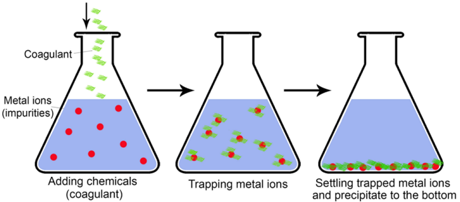
“It can be seen that the majority of metals removed by this method are Zn 2+ , Cu 2+ , Ni 2+ , Pb 2+ , and Cr 3+ .”
§ Removal of heavy metal ions from wastewater: a comprehensive and critical review > Chemical precipitation (the so-called coagulation precipitation)
plain- Asserted: passes — The authors put it forward as true.
- Checkable: passes — It can be checked against evidence.
- Load-bearing: unclear — It is unclear whether the paper’s conclusions depend on it.
- Based: passes — The paper gives a reason why it holds.
In the paper
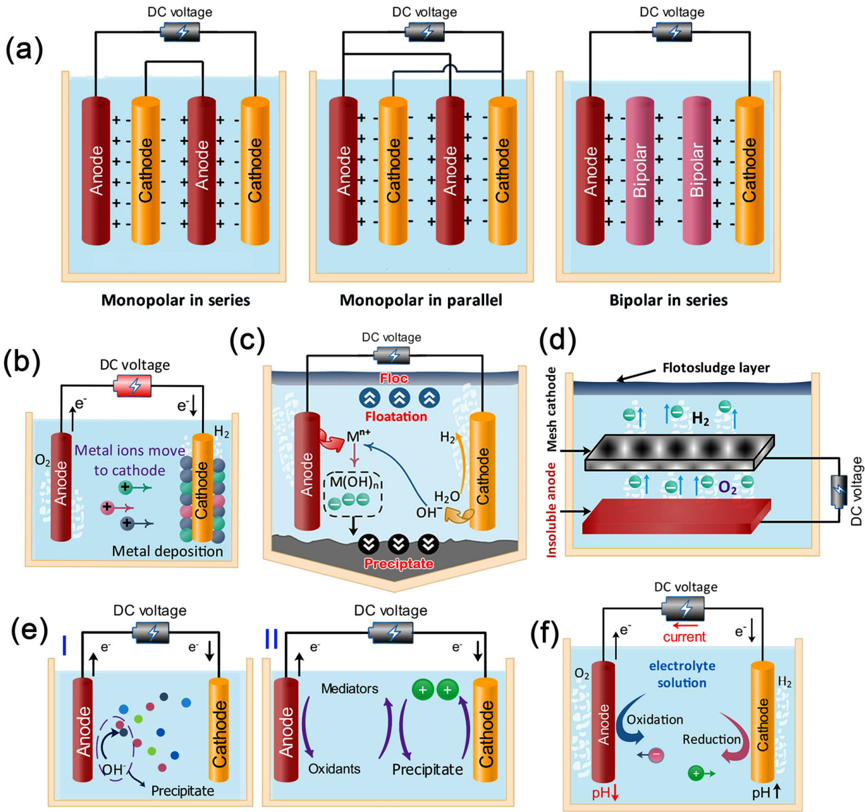
“It can be concluded that Ti-based anodes were widely used in the EF process 107 .”
§ Removal of heavy metal ions from wastewater: a comprehensive and critical review > Electrochemical treatment
What the sources say
- Not checked — no full text of the sourcecites [107] Chen, X., Chen, G. & Yue, P. L. Novel electrode system for electroflotation of wastewater. Environ. Sci. Technol. 36, 778–783 (2002). source
boosted- Asserted: passes — The authors put it forward as true.
- Checkable: passes — It can be checked against evidence.
- Load-bearing: unclear — It is unclear whether the paper’s conclusions depend on it.
- Based: passes — The paper gives a reason why it holds.
70 more claims
Create a free account to see all 168 claims and to verify the 1 reference still open.
- It may state two separate claims as one. 72
- Probably not a substantial claim. 36
Claims other papers make about this one
Each is checked against this paper’s own text: does it say what the citing paper says it does?
The cited source says what the claim attributes to it.
In the citing paper
“Treatment to reduce or eliminate heavy metals in drinking water to permissible levels is critical for human health (Flora et al., 2008;Kumar and Puri, 2012;Qasem et al., 2021).”
From Adsorption of heavy metals on natural zeolites: A review (2023) · cites this paper as Qasem et al., 2021
Self-check
Percentages, sums and reported differences re-computed from the paper’s own numbers.
Each contradiction between two passages listed here was confirmed by an independent check.
Rated minor: it would not touch a result — a value no result rests on, a p-value that stays on the same side of the significance level, or a conflict that is clerical, resolved elsewhere in the paper, or outside its own findings.
In the paper
§ Removal of heavy metal ions from wastewater: a comprehensive and critical review > Electrochemical treatment
“d basic electroflotation methods-anions are released from anode to combine with cations (metal ions) and then floating over the water”
§ Removal of heavy metal ions from wastewater: a comprehensive and critical review > Electrochemical treatment
“and d electro-Fenton process in which OH -is released at anode and reacts with metal ions, and hence wastewater is purified due to precipitation.”
Rated minor: it would not touch a result — a value no result rests on, a p-value that stays on the same side of the significance level, or a conflict that is clerical, resolved elsewhere in the paper, or outside its own findings.
In the paper
§ Removal of heavy metal ions from wastewater: a comprehensive and critical review > Selection of the most appropriate technique for heavy ions
“The electric-and chemical-based methods are represented here for chemical precipitation and electrochemical processes, respectively 133 .”
§ Removal of heavy metal ions from wastewater: a comprehensive and critical review > Selection of the most appropriate technique for heavy ions
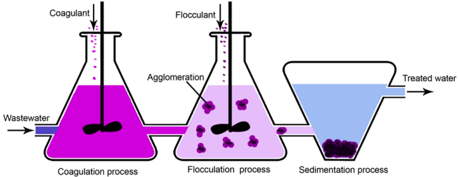
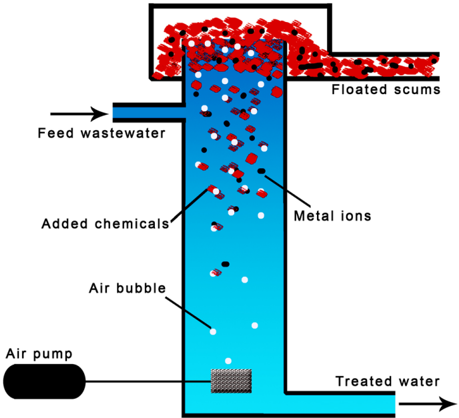
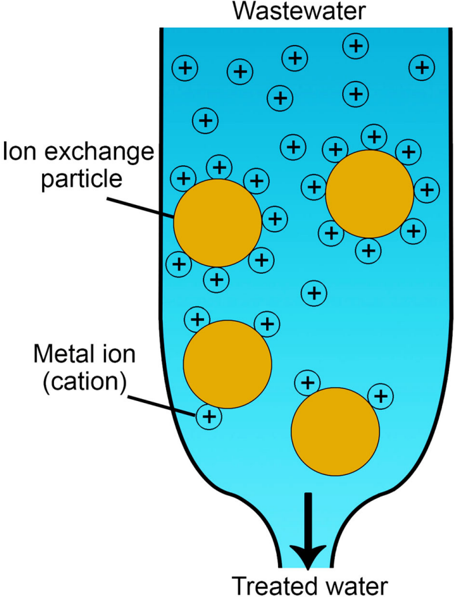
“chemical treatments (i.e., chemical precipitation, coagulation-flocculation, and flotation), electric treatments (i.e., electrochemical (reduction, EC, EF, and advanced oxidation) and ion exchange)”
Rated minor: it would not touch a result — a value no result rests on, a p-value that stays on the same side of the significance level, or a conflict that is clerical, resolved elsewhere in the paper, or outside its own findings.
In the paper
§ Removal of heavy metal ions from wastewater: a comprehensive and critical review > Electrochemical treatment
“Pt, Au, Mn, boron-doped diamond (PbO 2 ), and mixed metal oxide (MMO) (such as SnO 2 , PbO 2 , Ti/TiO 2 , IrO 2 , Sb 2 O 5 , RuO 2 ) are widely used as anodes 112 .”
§ Removal of heavy metal ions from wastewater: a comprehensive and critical review > Anode material Advantages Disadvantages
“PbO 2 -Relatively inexpensive. -Suitable for mineralizing organics -Toxic Pb could be formed. -Low efficiency in industry applications MMO -Relatively inexpensive. -High stability. -Good conductivity properties. -Toxic Sb could be formed. -Uneven coating.BDD -High potential for mineralizing organics.”
Cited works that were retracted
Works this paper cites that were later retracted, from the retraction notices publishers deposit. Major when the notice came out before this paper was published.
Rated major: it would touch a result — a value a result rests on, reported and recomputed p-values on opposite sides of the significance level, two passages that conflict with no sign which is right, or a cited work retracted before this paper was published.
In the paper
“Jamshidifard, S. et al. Incorporation of UiO-66-NH2 MOF into the PAN/chitosan nanofibers for adsorption and membrane filtration of Pb(II), Cd(II) and Cr(VI) ions from aqueous solutions. J. Hazard. Mater. 368, 10–20 (2019).”
Cited work 10.1016/j.jhazmat.2019.01.024 · retracted 2019-04-15 · notice 10.1016/j.jhazmat.2019.01.024 · this paper published 2021-07-08
Citations
Cites
1 retracted
Jamshidifard, S., Koushkbaghi, S., Hosseini, S., Rezaei, S., Karamipour, A., Jafari rad, A., & Irani, M. (2019) · Journal of Hazardous Materials · doi:10.1016/j.jhazmat.2019.01.024 · Cited by 540
RetractedRemoval of heavy metal ions from wastewaters: A review
Fu, F., & Wang, Q. (2011) · Journal of Environmental Management · doi:10.1016/j.jenvman.2010.11.011 · Cited by 8,703
New trends in removing heavy metals from industrial wastewater
Barakat, M. A. (2011) · Arabian Journal of Chemistry · doi:10.1016/j.arabjc.2010.07.019 · Cited by 3,094
Advantages and disadvantages of techniques used for wastewater treatment
Crini, G., & Lichtfouse, E. (2019) · Environmental Chemistry Letters · doi:10.1007/s10311-018-0785-9 · Cited by 2,971
Heavy metal removal from water/wastewater by nanosized metal oxides: A review
Hua, M., Zhang, S., Pan, B., Zhang, W., Lv, L., & Zhang, Q. (2012) · Journal of Hazardous Materials · doi:10.1016/j.jhazmat.2011.10.016 · Cited by 2,193
Physico–chemical treatment techniques for wastewater laden with heavy metals
Kurniawan, T. A., Chan, G. Y. S., Lo, W.-H., & Babel, S. (2006) · Chemical Engineering Journal · doi:10.1016/j.cej.2006.01.015 · Cited by 2,072
Martínez-Huitle, C. A., & Ferro, S. (2006) · Chem. Soc. Rev. · doi:10.1039/b517632h · Cited by 1,840
Da̧browski, A., Hubicki, Z., Podkościelny, P., & Robens, E. (2004) · Chemosphere · doi:10.1016/j.chemosphere.2004.03.006 · Cited by 1,717
Burakov, A. E., Galunin, E. V., Burakova, I. V., Kucherova, A. E., Agarwal, S., Tkachev, A. G., & Gupta, V. K. (2018) · Ecotoxicology and Environmental Safety · doi:10.1016/j.ecoenv.2017.11.034 · Cited by 1,612
Yang, X., Wan, Y., Zheng, Y., He, F., Yu, Z., Huang, J., Wang, H., Ok, Y. S., Jiang, Y., & Gao, B. (2019) · Chemical Engineering Journal · doi:10.1016/j.cej.2019.02.119 · Cited by 1,527
Research works printed but not linked: 3
- 80. Al-Hemaidi, W. K. Approach in choosing suitable technology for industrial wastewater. J. Civil & Envir. Eng. 2, 1000123 (2012).
- 98. Pretorius, W. A., Johannes, W. G. & Lempert, G. G. Electrolytic iron flocculant production with a bipolar electrode in series arrangement. Water SA 17, 133-138 (1991).
- WHO. Guidelines for drinking-water quality: Fourthedition incorporating the first addendum. Guidelines for Drinking-Water Quality: Fourth Edition Incorporating the First Addendum (2014).
Cited by
Items 1,701–1,800 of 2,197
Vintu, M., Monisha, M., Unnikrishnan, G. P., & Jacob, S. (2023) · Polymer Bulletin · doi:10.1007/s00289-023-04883-6 · Cited by 1
Shahrezaei, F., Gholivand, M. B., Shamsipur, M., Moradi, G., Babajani, N., & Barati, A. (2023) · Environmental Science and Pollution Research · doi:10.1007/s11356-023-28013-x · Cited by 1
Sustainable Green Approaches for Wastewater Purification
Kumari, P., Dhasmana, A., Kishore, S., Preetam, S., Mukherjee, N., & Malik, S. (2023) · Springer eBooks · doi:10.1007/978-981-99-2598-8_8 · Cited by 3
Stable and efficient planar Cu/Cu 2 O film catalysts
Yan, J., & Meng, X. (2023) · New Journal of Chemistry · doi:10.1039/d3nj03871h · Cited by 1
Miron, A., Neblea, I. E., Dolana, S.-V., et al. (2023) · doi:10.3390/proceedings2023090006 · Cited by 1
“Smart” Sorbents Based on Iminodiacetic Acid for Selective Sorption of Heavy Metal Ions
Pylypenko, O., Zaitseva, I., & Panayotova, T. (2023) · Lecture notes in networks and systems · doi:10.1007/978-3-031-46877-3_34 · Cited by 1
Sharma, V. K., Nathawat, R., Chakinala, N., Chakinala, A. G., & Rathore, S. S. (2024) · Arabian Journal for Science and Engineering · doi:10.1007/s13369-024-08783-3 · Cited by 3
Han, F., Zhao, M., & Ding, X. (2024) · Brazilian Journal of Chemical Engineering · doi:10.1007/s43153-024-00451-1 · Cited by 1
Chintokoma, G. C., Chebude, Y., Kassahun, S. K., et al. (2024) · AQUA - Water Infrastructure Ecosystems and Society · doi:10.2166/aqua.2024.335 · Cited by 1
Madumo, T. M. (2024) · IntechOpen eBooks · doi:10.5772/intechopen.1004933 · Cited by 1
RetractedGhani, S., Mehrdadi, N., & Karbassi, A. (2024) · Desalination and Water Treatment · doi:10.1016/j.dwt.2024.100470 · Cited by 1
Amin, N. A. M., Kamarudzaman, A. N., Rahmat, N. R., et al. (2024) · IOP Conference Series Earth and Environmental Science · doi:10.1088/1755-1315/1369/1/012011 · Cited by 1
Puari, A. T., Yanti, N. R., Sari, N., & Rusnam, R. (2024) · Jurnal Teknik Pertanian Lampung (Journal of Agricultural Engineering) · doi:10.23960/jtep-l.v13i3.637-649 · Cited by 1
Siddique, M. N. I., Khalid, Z. B., Ibrahim, M. Z., Ali, N., Rasit, N., Yahya, M. S., & Adhikary, S. K. (2024) · Asian Journal of Chemistry · doi:10.14233/ajchem.2024.31820 · Cited by 1
Biomass Derived Materials Employed for Toxic Metal Removal from Aqueous Solution
Anju, T. R., Joy, S. R., & Lazar, L. (2024) · Materials horizons · doi:10.1007/978-981-97-4300-1_9 · Cited by 1
Eco-Friendly Method for Removal of Some Heavy Metals in Water; Physical and Analytical Study
Elgendy, K. M., Saad, M., Amer, A., & Mohammed, A. N. (2024) · Baghdad Science Journal · doi:10.21123/bsj.2024.8185
Bogino, S., Santos, A. C., Cardozo, P., Morales, G. M., Agostini, E., & Pereira, P. (2024) · Environmental Science and Pollution Research · doi:10.1007/s11356-024-34755-z · Cited by 2
Bharadwaj, R., Narayanasamy, S., & Vasantharaj, K. (2024) · ACS symposium series · doi:10.1021/bk-2024-1476.ch004 · Cited by 2
Microbial Electrolysis Cell for Heavy Metal Removal from Wastewater
Growther, L., Mahalakshmi, V., Sukirtha, K., & Sangeetha, S. (2024) · Sustainable materials and technology · doi:10.1007/978-981-97-3356-9_14 · Cited by 1
Fatullayeva, S. S., Tagiyev, D. B., Zeynalov, N. A., & Tagiyev, S. (2024) · IntechOpen eBooks · doi:10.5772/intechopen.1006726 · Cited by 2
Reusable lemon juice microwave-activated rice husk biochar for lead and mercury removal in solution
Payne, J. R., Atinga, P. A., Okoampah, E., & Duwiejuah, A. B. (2024) · International Journal of Environmental Science and Technology · doi:10.1007/s13762-024-06082-w · Cited by 2
Zhytniakivska, O. A., Tarabara, U. K., Vus, K. O., Trusova, V. M., & Gorbenko, G. P. (2024) · East European Journal of Physics · doi:10.26565/2312-4334-2024-3-59 · Cited by 2
Pollutant Remediation Using Inorganic Polymer-Based Fibrous Composite Adsorbents
Thi, A. P. L., Phan, N. T. T., & Kobayashi, T. (2024) · Advances in chemical and materials engineering book series · doi:10.4018/979-8-3693-0003-9.ch014 · Cited by 1
Cellulose-based composites for water treatment
Wang, P., Mai, T., & Ma, M. (2024) · Interface science and technology · doi:10.1016/b978-0-443-13675-7.00004-x · Cited by 1
Technologies for the recovery of nickel and copper from electroplating industrial effluent
Gonçalves, B. C., de Oliveira, L., Barp, G., Honório, J. F., Slusarski‐Santana, V., Módenes, A. N., Paschoal, S. M., & Fiorentin‐Ferrari, L. D. (2024) · Elsevier eBooks · doi:10.1016/b978-0-443-21884-2.00010-1 · Cited by 2
Faria, J. M. D. L., Morozesk, M., Souza, I. D. C., da Silva, V. C., Bataus, L. A. M., de Sabóia‐Morais, S. M. T., & Fernandes, M. N. (2024) · Aquatic Toxicology · doi:10.1016/j.aquatox.2024.107175 · Cited by 1
Effect of Trace Metals on Aquatic Invertebrates: Dynamics and Repercussions
Das, S., & VishnuRadhan, R. (2024) · The handbook of environmental chemistry · doi:10.1007/698_2024_1185 · Cited by 4
Potential and Feasibility of Metal Cyanoremediation in the Environment
Syiem, M. B., & Kynshi, B. L. (2024) · Clean Energy Production Technologies · doi:10.1007/978-981-97-3458-0_12 · Cited by 2
Sustainable nanomaterials for chromium removal from wastewater
Sinha, S., Goyal, A., Singh, R., & Chaturvedi, N. (2024) · Advances in chemical pollution, environmental management and protection · doi:10.1016/bs.apmp.2024.10.003 · Cited by 1
Reske, G. D., Pereira, H. A., Dotto, G. L., & Castilhos, F. D. (2025) · Journal of Molecular Liquids · doi:10.1016/j.molliq.2025.127380 · Cited by 2
Guzmán-Rasillo, J., Terán, A. O., López‐Maldonado, E. A., Pérez‐Sicairos, S., Trujillo-Navarrete, B., López-Martínez, L. M., García-Elías, J., Sandoval-Hernandez, P. A., & Martínez-Quiroz, M. (2025) · Journal of Molecular Structure · doi:10.1016/j.molstruc.2025.142107 · Cited by 2
Wang, J., Amano, Y., & Machida, M. (2025) · Journal of Analytical and Applied Pyrolysis · doi:10.1016/j.jaap.2025.107100 · Cited by 1
Tasaki‐Handa, Y. (2025) · Analytical Sciences · doi:10.1007/s44211-025-00775-z · Cited by 1
PERFORMANCE OF ACTIVATED CARBON FROM CASSAVA PEEL FOR THE REMOVAL OF Pb (II) IN Pb SOLUTION
Ismail, N. H. C., Zurizam, N. A. F., & Hashim, F. (2025) · Journal of Academia · doi:10.24191/joa.v13i1.4582 · Cited by 1
Muslim, O. A., Bakr, H. M., Jwaziri, A. K., Ali, K. M. R., & Al-Yassiry, K. (2024) · Academic International Journal of Pure Science · doi:10.59675/p215 · Cited by 2
Oursin, M., Barraza, F., Gascon, P., Glover, C. N., Krebs, M. Y., & Shotyk, W. (2025) · Environmental Research · doi:10.1016/j.envres.2025.121973 · Cited by 3
Nanotechnology for the Elimination of Emerging Contamination in Wastewater Treatment
SHENDE, S. S., Gade, A., Ingle, P. U., Ghuge, A., Gupta, I. R., Golińska, P., Манджиева, С. С., Minkina, T., & Rai, M. K. (2025) · Nanotechnology in the life sciences · doi:10.1007/978-3-031-82794-5_4 · Cited by 3
Yokwana, K., Ajiboye, T. O., Ogunlaja, A. S., & Mhlanga, S. D. (2025) · MRS Advances · doi:10.1557/s43580-025-01348-y · Cited by 1
Carbon Adsorbents: A Remedy for Environmental Contaminants
Choudhary, N., Yadav, S., & Paital, A. R. (2025) · Springer eBooks · doi:10.1007/978-3-031-90613-8_8 · Cited by 1
Crowner, N., Zhong, S., Li, A., et al. (2025) · Polymer · doi:10.1016/j.polymer.2025.128984 · Cited by 1
Removal and Recovery Through Chelate Ligand Modified Nanoparticles – A Case for Thiosemicarbazones
Anthony, E., & Klein, A. (2025) · Chemistry Africa · doi:10.1007/s42250-025-01454-2 · Cited by 1
Cruz, E. O. L., Medina, R. L., Ángeles-Beltrán, D., et al. (2025) · Catalysts · doi:10.3390/catal15100930 · Cited by 1
Varpe, A. S., Deshpande, M. D., Tope, D. R., & Borhade, A. V. (2022) · The European Physical Journal Plus · doi:10.1140/epjp/s13360-022-02898-y · Cited by 1
Utilization of Langsat Fruit Peel Waste to Adsorb Metal Contents from Acid Mine Drainage
Ni`mah, L., Juliastuti, S. R., & Mahfud, M. (2022) · Journal of Hunan University Natural Sciences · doi:10.55463/issn.1674-2974.49.5.8 · Cited by 2
Kolodiy, M., Vereshchagin, O., YATSYSHYN, M., Stetsiv, Y. A., Zelinskiy, A., GOLOVCHUK, M., & Reshetniak, O. V. (2022) · Visnyk of the Lviv University Series Chemistry · doi:10.30970/vch.6301.262 · Cited by 1
Redox Stress Burden of Trace Metals on Environmentally Dependent Ecosystem
Okolo, K. O. (2023) · IntechOpen eBooks · doi:10.5772/intechopen.1001326 · Cited by 1
La electroquímica como alternativa en el tratamiento de aguas contaminadas con metales pesados
Millán-Ocampo, D. E., Parrales, A., Hernández, J. A., Irazoque-Castañeda, S., & Martínez, S. S. (2023) · Inventio, la génesis de la cultura universitaria en Morelos · doi:10.30973/inventio/2023.19.47/5 · Cited by 1
Amobilisasi kitosan pada alginat sebagai adsorben ion Cr(VI) dan Pb(II)
Lestari, I., Sy, S., Herlina, L., et al. (2023) · Jurnal Litbang Industri · doi:10.24960/jli.v13i2.8031.121-128 · Cited by 1
Investigation of Water Treatment Sludge for the Treatment of Saline Water: Batch StudiesPreprint
Letshwenyo, M. W., Machola, K., & Mokokwe, G. (2022) · SSRN Electronic Journal · doi:10.2139/ssrn.4188464 · Cited by 1
Fouda-Mbanga, B. G., Velempini, T., Pillay, K., & Tywabi-Ngeva, Z. (2022) · Preprints.org · doi:10.20944/preprints202212.0043.v1 · Cited by 1
Kumar, S. J. S., Kamaraj, P., Vivekandan, P. A., Periyasami, G., Rahaman, M., & Karthikeyan, P. (2023) · Research Square · doi:10.21203/rs.3.rs-2466734/v1 · Cited by 1
Segneanu, A., Trusca, R. D., Cepan, C., Mihăilescu, M., Grozescu, I., Muntean, C., Herea, D.-D., & Salifoglou, A. (2023) · Research Square · doi:10.21203/rs.3.rs-2613416/v2 · Cited by 1
Segneanu, A., Trusca, R. D., Cepan, C., Mihăilescu, M., Muntean, C., Herea, D.-D., Grozescu, I., & Salifoglou, A. (2023) · Research Square · doi:10.21203/rs.3.rs-2613416/v3 · Cited by 2
Gan, J., Ma, X., Qi, X., et al. (2023) · SSRN Electronic Journal · doi:10.2139/ssrn.4604033 · Cited by 1
Tetteh, N., Parshotam, S., & Gibbs, J. M. (2024) · ChemRxiv · doi:10.26434/chemrxiv-2024-8xcpf · Cited by 1
Jin, W., Wu, Q., Lou, Y., et al. (2024) · ChemRxiv · doi:10.26434/chemrxiv-2024-0xr1z · Cited by 1
Jin, W., Wu, Q., Lou, Y., et al. (2024) · ChemRxiv · doi:10.26434/chemrxiv-2024-0xr1z-v2 · Cited by 1
Jin, W., Wu, Q., Lou, Y., et al. (2024) · ChemRxiv · doi:10.26434/chemrxiv-2024-0xr1z-v3 · Cited by 1
Habeeb, S. A., Braihi, A. J., & Dhahir, S. A. (2025) · SSRN Electronic Journal · doi:10.2139/ssrn.5003504 · Cited by 1
Industrial Liquid and Gaseous Waste
Kaipakasseri, A., Murugesan, Y. K., & Sanyal, A. (2025) · Wiley eBooks · doi:10.1002/9781394318414.ch12 · Cited by 1
Starch Polymers: Their Blends, Gels, and Composites Membranes for Water Purification
Souza, A. G., Ferreira, R. R., Alves, D. F., Rosa, D. D. S., & Pinto, V. Z. (2025) · Wiley eBooks · doi:10.1002/9783527835904.ch9 · Cited by 1
Okeke, D. O., & Okoye, O. N. N. (2026) · Research Square · doi:10.21203/rs.3.rs-9001186/v1 · Cited by 1
How Effective is the Rehabilitation Tax Credit? The Case of BostonPreprint
Koesman, R., Shilling, J. D., & Vandell, K. D. (1995) · RePEc: Research Papers in Economics
Li, Q., Su, G., Luo, R., et al. (2022) · Research Square · doi:10.21203/rs.3.rs-1215365/v1
Electrochemical Technologies for the Abatement of Endocrine Disrupting CompoundsPreprint
Raj, R., Das, S., Das, S., et al. (2022) · Research Square · doi:10.21203/rs.3.rs-1221641/v1
Modelling of Lead and Cadmium Removal by Porous Biosorbent in Silent and Ultrasound-assisted SystemsPreprint
Ahmed, S. B., Dobre, T., Kamar, F. H., et al. (2022) · Research Square · doi:10.21203/rs.3.rs-1295931/v1
Montes-Atenas, G. (2022) · IntechOpen eBooks · doi:10.5772/intechopen.104507 · Cited by 1
Use of synthetic inorganic ion exchangers in strontium removal
İnan, S. (2022) · Gümüşhane Üniversitesi Fen Bilimleri Enstitüsü Dergisi · doi:10.17714/gumusfenbil.1011693
Lee, S. Y., Jeong, Y. J., & Park, W. H. (2022) · SSRN Electronic Journal · doi:10.2139/ssrn.4132107
Influence of Zinc-Saturated Zeolite on Portland Cement Hydration Kinetics
Barbir, D., & Dabić, P. (2022) · Advances in Materials Science and Engineering · doi:10.1155/2022/6576263
Amarapu, R. S., Ravindhranath, K., Mekala, S., et al. (2022) · Asian Journal of Chemistry · doi:10.14233/ajchem.2022.23752
Biopolymer-Based Nanocomposite Materials for Detection and Removal of Pollutants in Wastewater
Das, R., Mishra, A. K., Mishra, P., & Das, M. (2022) · IGI Global eBooks · doi:10.4018/978-1-6684-4553-2.ch007
Chendake, Y. J., Mahajan‐Tatpate, P., Dhume, S., & Sachin, C. (2022) · International Journal of Membrane Science and Technology · doi:10.15379/2410-1869.2022.07
Electrocatalytic Removal of Heavy Metal Ions from Water
Bhunia, P., & Dutta, K. (2022) · Wiley eBooks · doi:10.1002/9781119855347.ch9
Mahata, N., Bhunia, B., Muthuraj, M., et al. (2022) · BENTHAM SCIENCE PUBLISHERS eBooks · doi:10.2174/9789815049725122010010
Cr(VI) removal from the aqueous solutions by the samples of polyanyline doped with phosphoric acid
Nesterivska, S., Virsta, L., YATSYSHYN, M., SYDORKO, M., Makogon, V., Serkiz, R., Pandiak, N., & Reshetnyak, O. (2022) · Visnyk of the Lviv University Series Chemistry · doi:10.30970/vch.6301.289
Synthesis and study of adsorption for ion Cu(II) from aqueous solution by chitosan beads
Nga, T. T., Hoan, L. T., Anh, N. D., & Hien, H. P. (2022) · Vietnam Journal of Catalysis and Adsorption · doi:10.51316/jca.2022.049
Micle, V., Damian, G. E., Rogozan, G. C., et al. (2022) · Applied Sciences · doi:10.3390/app13010465
Reasons for High Adsorption Efficiencies in Lead Removal from Aquatic Solution
Çelebi, H., Bahadır, T., Şi̇mşek, İ., et al. (2022) · doi:10.3390/asec2022-13812
Smiri, M., & Elarbaoui, S. (2023) · Polish Journal of Environmental Studies · doi:10.15244/pjoes/157494 · Cited by 1
3-Methyl-1-phenyl-4-thioacetylpyrazol-5-one
Petkova, Z. S., Rusew, R., Shivachev, B. L., & Kurteva, V. B. (2023) · Molbank · doi:10.3390/m1588 · Cited by 1
Application of Raw and CTAB Activated Bentonite in the Treatment of Ammonia-Phenolic Wastewater
Đozić, A., Junuzović, H., Ahmetović, M., et al. (2023) · International Journal of Scientific Research in Science Engineering and Technology · doi:10.32628/ijsrset2310145
Sun, S.-S., Zhang, X., Zhang, Y., et al. (2023) · Research Square · doi:10.21203/rs.3.rs-2834429/v1
Daka, J. J., Nondo, J., & Simwatachela, H. (2023) · SCIREA Journal of Environment · doi:10.54647/environmental610368
Common Issues in Aeration System Choice for Flotation Wastewater Treatment
Sazonov, D., & Antonova, E. (2023) · Current Applied Science and Technology · doi:10.55003/cast.2023.256800
Do, K., Le, T., & Nguyen, T. (2023) · Springer eBooks · doi:10.1007/978-981-99-2489-9_2
Eddy, N. O., Garg, R., Ukpe, R. A., et al. (2023) · Research Square · doi:10.21203/rs.3.rs-2895593/v1
Jun, B.-M., Lee, H., Kim, I., et al. (2023) · SSRN Electronic Journal · doi:10.2139/ssrn.4464278
Maia, L. S., Souza, A. G. D., Barbosa, R. F. S., de Carvalho, L. T., Medeiros, S. F., Rosa, D. D. S., & Mulinari, D. R. (2023) · Elsevier eBooks · doi:10.1016/b978-0-323-91767-4.00011-2
Utility of biogenic nanomaterials for rejuvenation of heavy metals
Pathak, V. V., Shukla, S. K., Tuteja, J., Garg, A. K., Chhabra, B., & Sand, A. (2023) · Elsevier eBooks · doi:10.1016/b978-0-323-91767-4.00013-6
Iyer, E. S. S. (2023) · Elsevier eBooks · doi:10.1016/b978-0-323-91767-4.00016-1 · Cited by 2
Advances in Nanosheets - Preparation, properties and applications of nanosheets [Working Title]
Krishnamoorthy, K. (2023) · IntechOpen eBooks · doi:10.5772/intechopen.103990
Ahn, C. H., Jung, W., Park, Y., et al. (2023) · SSRN Electronic Journal · doi:10.2139/ssrn.4510537
Removal and recovery of vanadium from industrial wastewaters
Kumar, K., Sharma, S., Thakur, N., et al. (2023) · Elsevier eBooks · doi:10.1016/b978-0-323-95327-6.00026-9
Gu, B., Wu, H., Sun, D., et al. (2023) · SSRN Electronic Journal · doi:10.2139/ssrn.4535416
Crespo, M. A. D., Cadillo, S. R. B., Baldeon, S. A. G., Esperilla, N. S. D., & Malca, U. F. G. (2023) · LACCEI International Multi-Conference for Engineering, Education and Technology (LACCEI) · doi:10.18687/laccei2023.1.1.1061 · Cited by 1
Rahmawati, R., Ekawati, S., Yunus, A. L., Roja’i, A. M., & Suhartini, M. (2023) · IOP Conference Series Earth and Environmental Science · doi:10.1088/1755-1315/1221/1/012060
Removal of Lead (Pb) From Aqueous Solutions Using Exoskeleton of Black Solider Fly (BSF)
Zainudin, N. I., Rashid, R. I. M., Ishak, A. R., & Ali, A. (2023) · Environment-Behaviour Proceedings Journal · doi:10.21834/e-bpj.v8i25.4864 · Cited by 1
A review of bio-waste based ferrite composites for the wastewater treatment
Rimzim, Singh, J., & Singh, H. (2023) · AIP conference proceedings · doi:10.1063/5.0162761
Metadata
- Authors
- Qasem, N. A. A., Mohammed, R. H., & Lawal, D. U.
- Affiliations
- King Fahd University of Petroleum and Minerals (SA)
- Zagazig University (EG)
- Corresponding author
- Qasem, Naef A. A.
- Venue
- npj Clean Water
- Published
- 2021-07-08
- Volume
- 4
- Issue
- 1
- ISSN
- 2059-7037 (ISSN-L)
- OpenAlex
- W3180677679
- Semantic Scholar
- e09dc879e764aecba0a92434e646e3d8569a1eb5
- Cited by
- 2,225
- References
- 136
- Citations by year
- 2026: 372 · 2025: 566 · 2024: 611 · 2023: 410 · 2022: 235 · 2021: 30
- FWCI
- 95.69
- Type
- journal article
- Language
- en
- Update notices
- correction (2021-12-07)
- Open access
- gold
- doi.org
- Licence
- cc-by
- creativecommons.org/licenses/by/4.0 (tdm)
- creativecommons.org/licenses/by/4.0 (vor)
- Locations
- npj Clean Water (publishedVersion, cc-by)
- DOAJ (DOAJ: Directory of Open Access Journals) (submittedVersion, cc-by-sa)
- Greater South Information System
- Funders
- King Fahd University of Petroleum and Minerals
- Topics
- Physical Sciences › Environmental Science › Water Science and Technology › Adsorption and biosorption for pollutant removal
- Physical Sciences › Environmental Science › Water Science and Technology › Heavy Metal Pollution Remediation
- Physical Sciences › Environmental Science › Environmental Engineering › Environmental remediation with nanomaterials
- Keywords
- heavy metal removal, wastewater treatment, adsorption, membrane separation, electrochemical treatment, photocatalysis, chemical precipitation, membrane fouling, sludge production
About these checks
Registry, retraction, Cites and statistics results are computed, not judged, with one exception: a printed reference that no index lists is read once by a model before it counts as a citation error. Claims are extracted by a model and kept only when their quote appears verbatim in the text; each cited source is then checked, with a model’s help, for whether it says what the claim relies on. Those verdicts can be wrong — read the claim’s quote and the cited source before relying on one.
The claim verdicts this report counts are experimental: their accuracy is not yet measured.
A language model drew the claims from the paper on 2026-10-10, under version 3 of the claim definition (model deepseek-v4.1-flash, prompt extract-v3).
A second model labelled each claim on 2026-10-10 (model jev-1.13-20260917, definition revision gold-guideline-v0.2).
Cited sources are checked with a language model’s help (gpt-6-sol).
Statistics and arithmetic are recomputed, not judged.
Confidence bands are shown only for fields calibrated on our annotated test set. None is calibrated yet, so no band is shown.
What counts as a claim ›How we measure confidence ›How we check this ›
Are you an author, or do you see a problem with this page? Request a review
Data sources
Bibliographic data: Semantic Scholar, OpenAlex, Crossref.
Contains information from the Semantic Scholar Academic Graph Datasets, made available under the ODC Attribution License (ODC-BY 1.0).
Semantic Scholar’s data is described in: Kinney, R., et al. (2023). The Semantic Scholar Open Data Platform. arXiv:2301.10140.
