

The DOI matches its Crossref record; 52 of the 52 references it cites were found in a registry or an index.
Increasing the resilience of plant immunity to a warming climate
Open accessAbstract
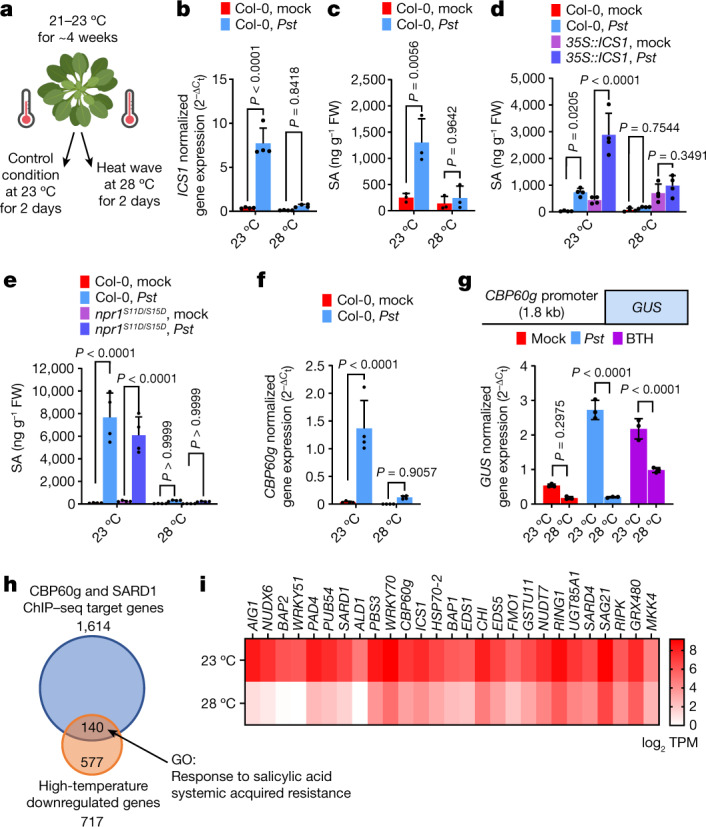
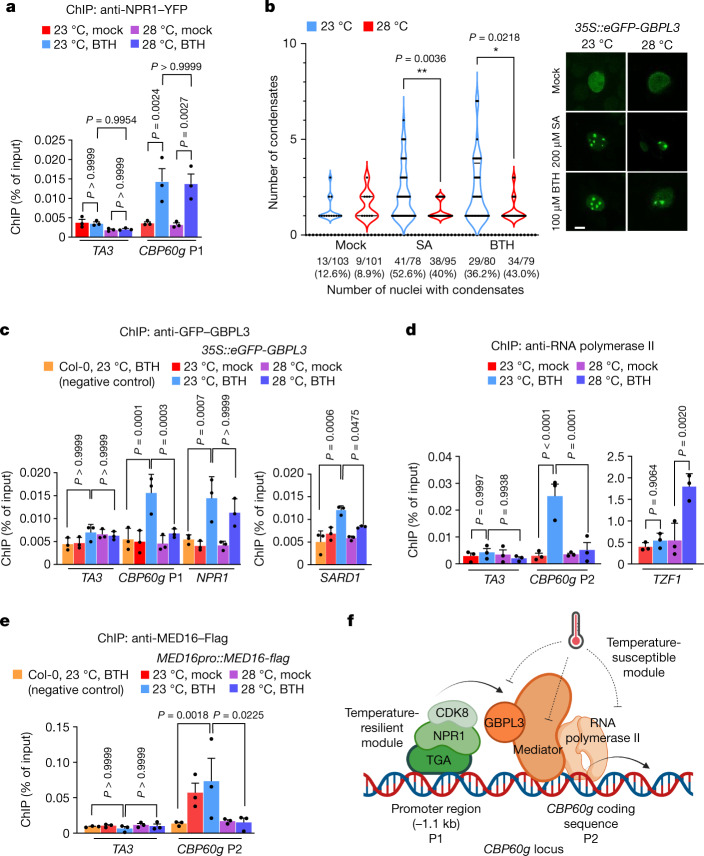
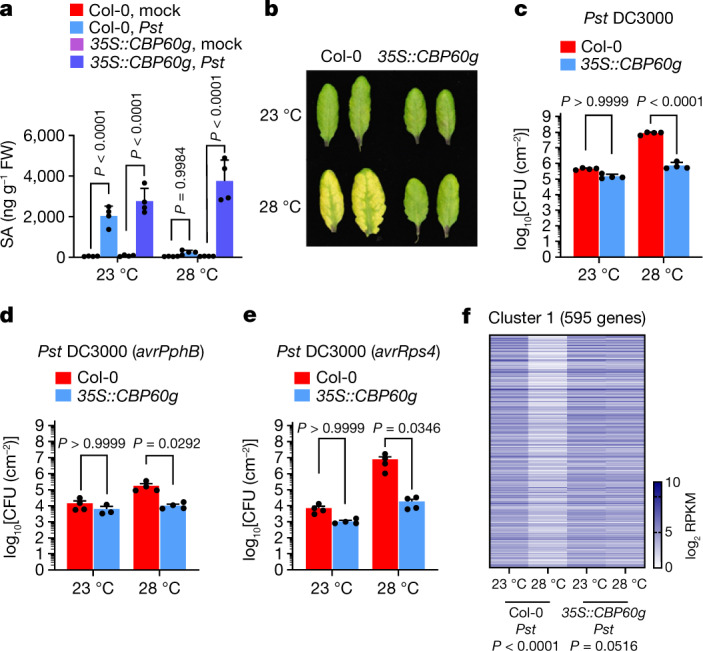
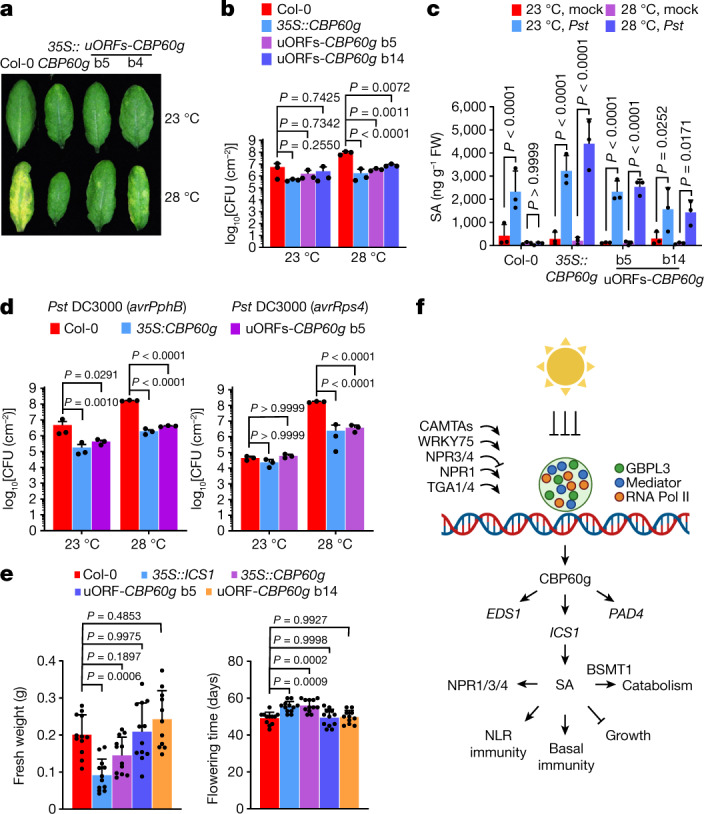
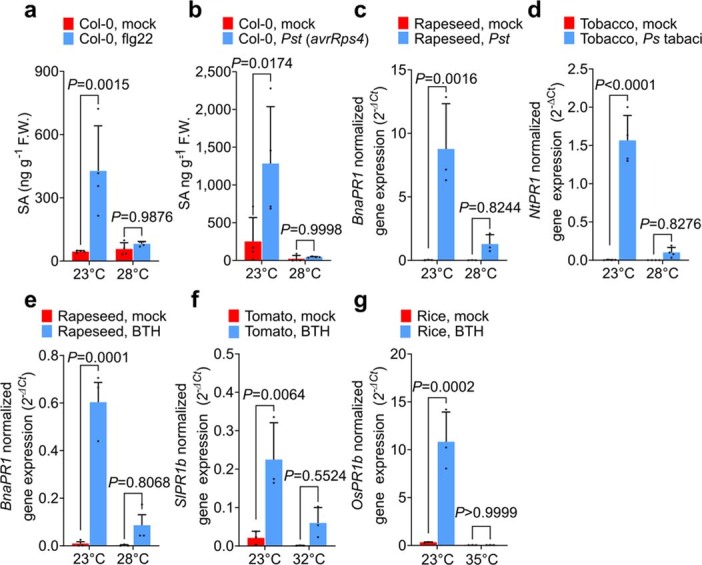
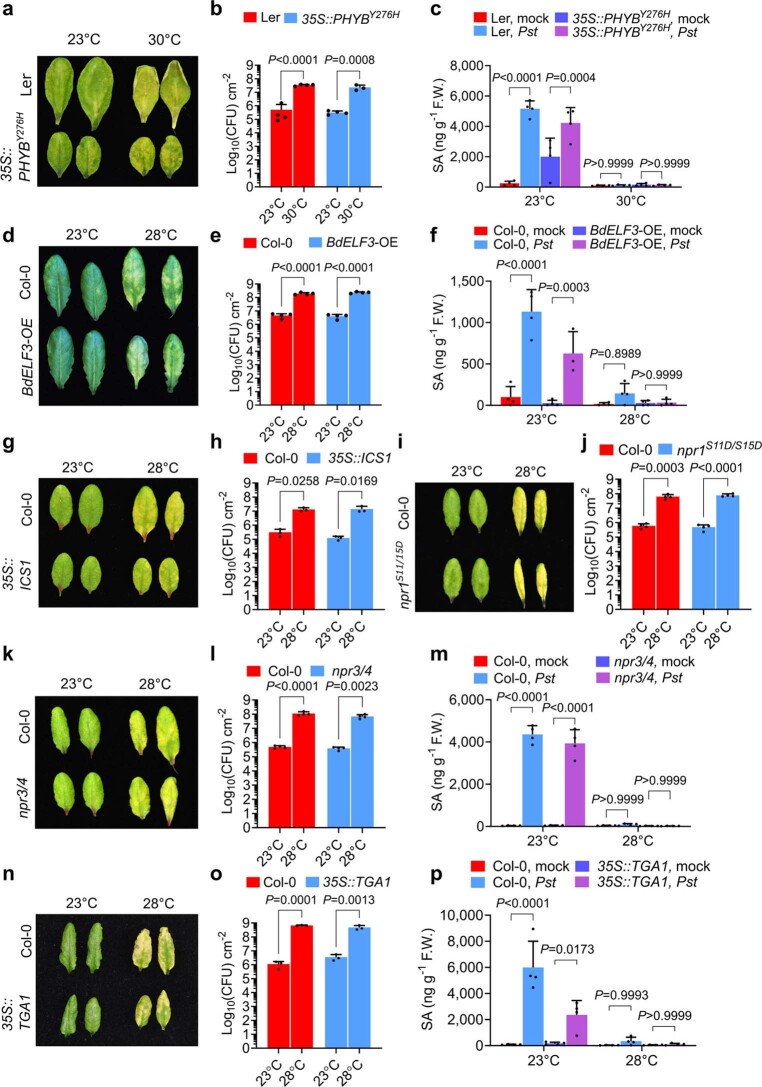
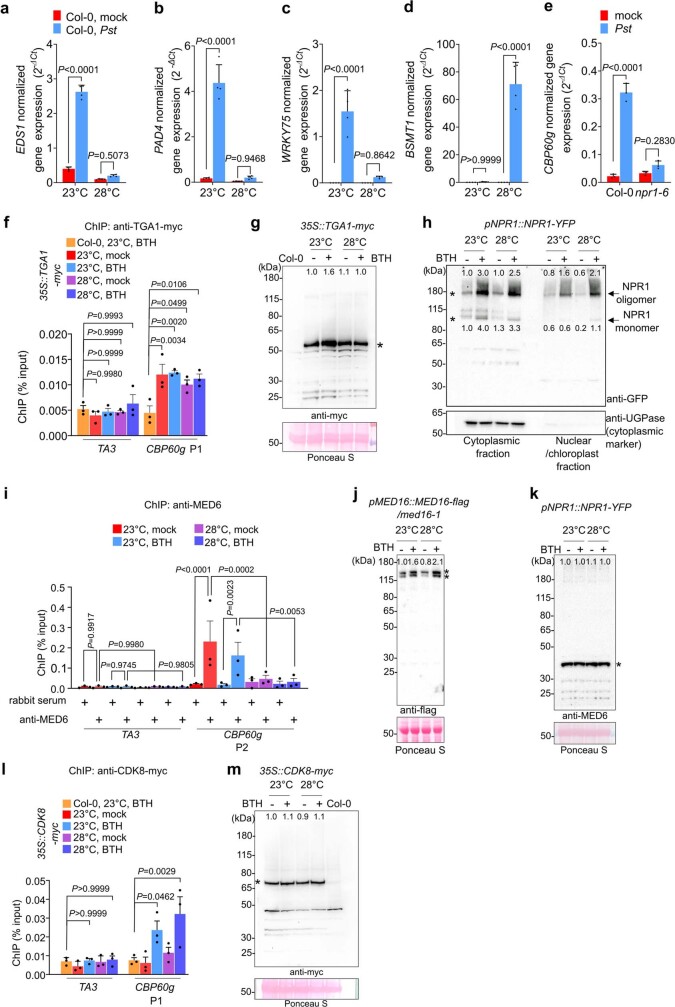
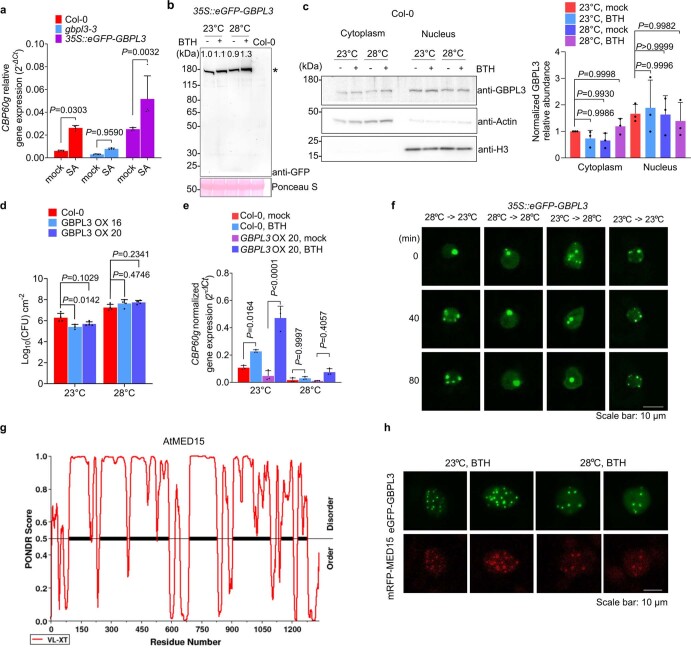
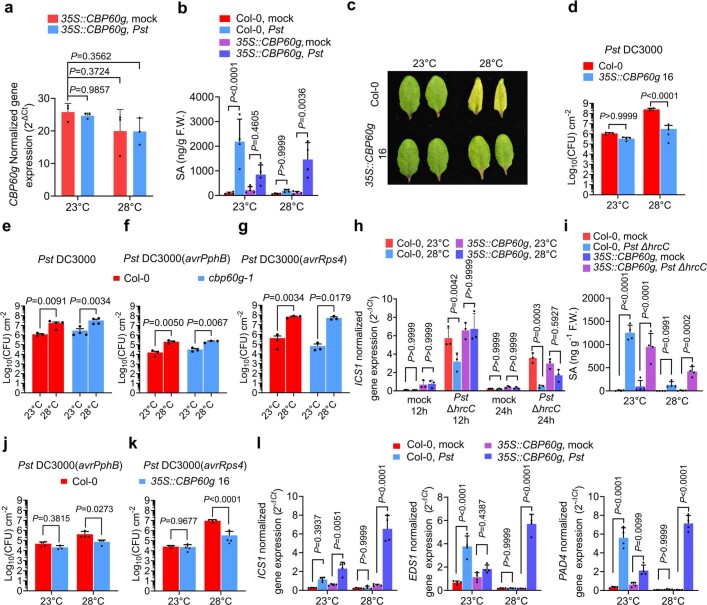
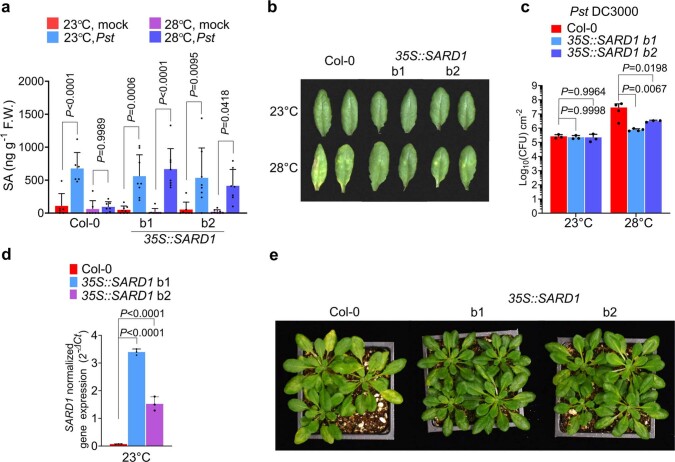
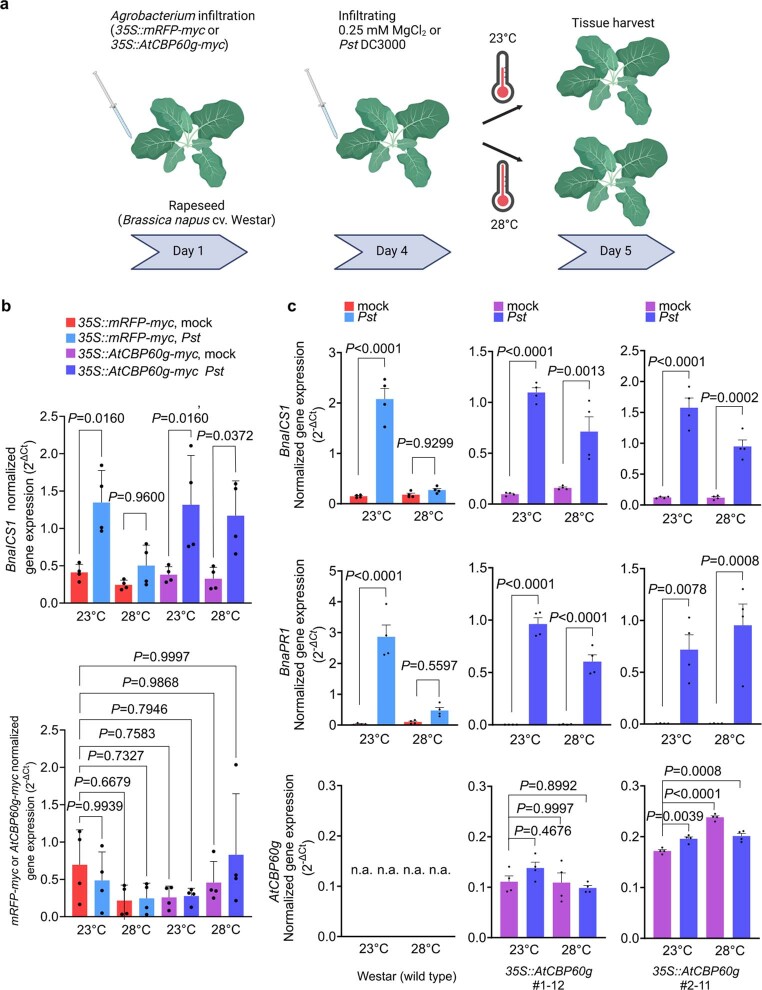
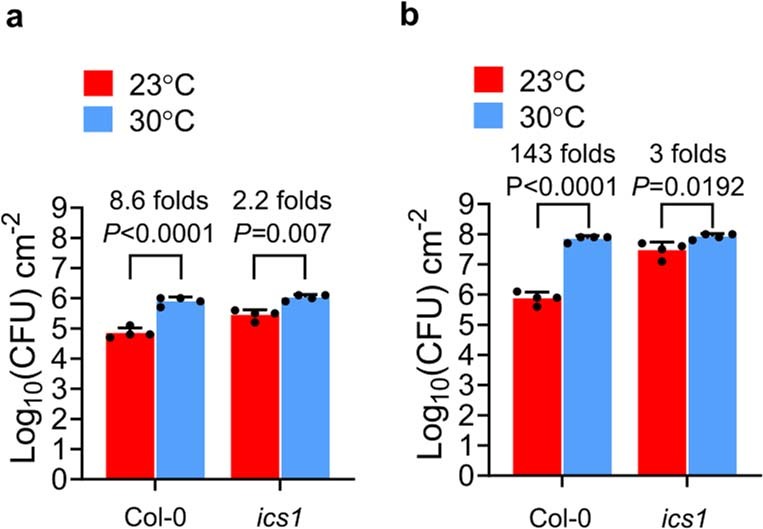
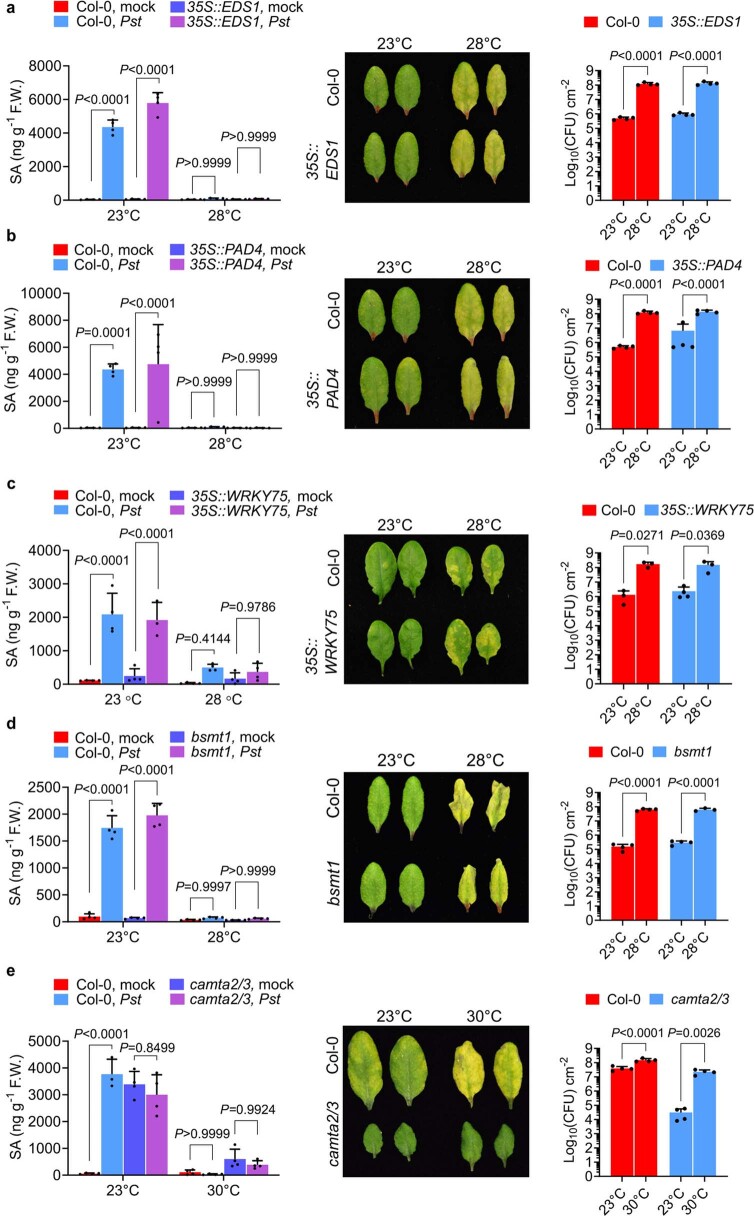
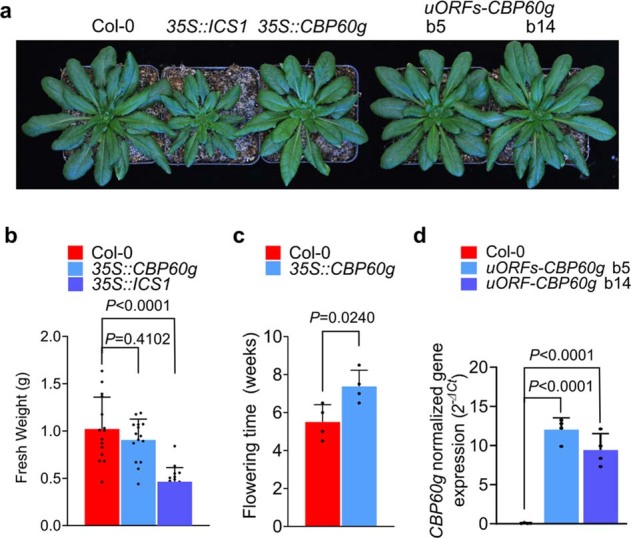
Abstract Extreme weather conditions associated with climate change affect many aspects of plant and animal life, including the response to infectious diseases. Production of salicylic acid (SA), a central plant defence hormone 1–3 , is particularly vulnerable to suppression by short periods of hot weather above the normal plant growth temperature range via an unknown mechanism 4–7 . Here we show that suppression of SA production in Arabidopsis thaliana at 28 °C is independent of PHYTOCHROME B 8,9 (phyB) and EARLY FLOWERING 3 10 (ELF3), which regulate thermo-responsive plant growth and development. Instead, we found that formation of GUANYLATE BINDING PROTEIN-LIKE 3 (GBPL3) defence-activated biomolecular condensates 11 (GDACs) was reduced at the higher growth temperature. The altered GDAC formation in vivo is linked to impaired recruitment of GBPL3 and SA-associated Mediator subunits to the promoters of CBP60g and SARD1 , which encode master immune transcription factors. Unlike many other SA signalling components, including the SA receptor and biosynthetic genes, optimized CBP60g expression was sufficient to broadly restore SA production, basal immunity and effector-triggered immunity at the elevated growth temperature without significant growth trade-offs. CBP60g family transcription factors are widely conserved in plants 12 . These results have implications for safeguarding the plant immune system as well as understanding the concept of the plant–pathogen–environment disease triangle and the emergence of new disease epidemics in a warming climate.
Overview
The claims and statistics of this paper haven’t been checked yet.
Run the check — free, no account needed. It reads the open-access text and checks the sources it cites.
Integrity signals
Registry
Cites
Statistics
Figures
Verification
Claims the paper makes
The claims and statistics of this paper haven’t been checked yet.
Run the check — free, no account needed. It reads the open-access text and checks the sources it cites.
Claims other papers make about this one
Each is checked against this paper’s own text: does it say what the citing paper says it does?
The check wasn’t confident either way, so it gives no verdict — never disputed.
In the citing paper
“Several other variants of Cas9 and Cas12a enzymes have been developed with improved specificity and efficiency, but their efficiency and specificity may vary depending on the different target DNA and utility (Kim et al., 2022).”
From Emerging applications of gene editing technologies for the development of climate-resilient crops (2025) · cites this paper as Kim et al., 2022
Experimental — accuracy not yet measured
Self-check
Percentages, sums and reported differences re-computed from the paper’s own numbers.
The self-check needs the paper’s full text.
Citations
Cites
Systematic and integrative analysis of large gene lists using DAVID bioinformatics resources
Huang, D. W., Sherman, B. T., & Lempicki, R. A. (2009) · Nature Protocols · doi:10.1038/nprot.2008.211 · Cited by 35,890
Floral dip: a simplified method for Agrobacterium ‐mediated transformation of Arabidopsis thaliana
Clough, S. J., & Bent, A. F. (1998) · The Plant Journal · doi:10.1046/j.1365-313x.1998.00343.x · Cited by 22,014
Contrasting Mechanisms of Defense Against Biotrophic and Necrotrophic Pathogens
Glazebrook, J. (2005) · Annual Review of Phytopathology · doi:10.1146/annurev.phyto.43.040204.135923 · Cited by 4,380
Isochorismate synthase is required to synthesize salicylic acid for plant defence
Wildermuth, M. C., Dewdney, J., Wu, G., & Ausubel, F. M. (2001) · Nature · doi:10.1038/35107108 · Cited by 2,333
Growth–Defense Tradeoffs in Plants: A Balancing Act to Optimize Fitness
Huot, B., Yao, J., Montgomery, B. L., & He, S. Y. (2014) · Molecular Plant · doi:10.1093/mp/ssu049 · Cited by 1,916
Inducers of Plant Systemic Acquired Resistance Regulate NPR1 Function through Redox Changes
Mou, Z., Fan, W., & Dong, X. (2003) · Cell · doi:10.1016/s0092-8674(03)00429-x · Cited by 1,588
Systemic Acquired Resistance: Turning Local Infection into Global Defense
Fu, Z. Q., & Dong, X. (2013) · Annual Review of Plant Biology · doi:10.1146/annurev-arplant-042811-105606 · Cited by 1,581
Genetic strategies for improving crop yields
Bailey-Serres, J. N., Parker, J. E., Ainsworth, E. A., Oldroyd, G. E. D., & Schroeder, J. I. (2019) · Nature · doi:10.1038/s41586-019-1679-0 · Cited by 1,556
Intracellular innate immune surveillance devices in plants and animals
Jones, J. D. G., Vance, R. E., & Dangl, J. L. (2016) · Science · doi:10.1126/science.aaf6395 · Cited by 1,147
Plant Immunity: Danger Perception and Signaling
Zhou, J., & Zhang, Y. (2020) · Cell · doi:10.1016/j.cell.2020.04.028 · Cited by 1,090
Cited by
Sorted by citations
Climate change impacts on plant pathogens, food security and paths forward
Singh, B. K., Delgado-Baquerizo, M., Egidi, E., Guirado, E., Leach, J. E., Liu, H., & Trivedi, P. (2023) · Nature Reviews Microbiology · doi:10.1038/s41579-023-00900-7 · Cited by 1,334
The molecular basis of heat stress responses in plants
Kan, Y., Mu, X.-R., Gao, J., Lin, H., & Lin, Y. (2023) · Molecular Plant · doi:10.1016/j.molp.2023.09.013 · Cited by 360
Salicylic acid in plant immunity and beyond
Spoel, S. H., & Dong, X. (2024) · The Plant Cell · doi:10.1093/plcell/koad329 · Cited by 238
NPR1, a key immune regulator for plant survival under biotic and abiotic stresses
Zavaliev, R., & Dong, X. (2023) · Molecular Cell · doi:10.1016/j.molcel.2023.11.018 · Cited by 217
Advances in Roles of Salicylic Acid in Plant Tolerance Responses to Biotic and Abiotic Stresses
Song, W., Zheng, A., Shao, H., Zhao, L., & Xu, Y. (2023) · Plants · doi:10.3390/plants12193475 · Cited by 191
Crosstalk and trade‐offs: Plant responses to climate change‐associated abiotic and biotic stresses
Leisner, C. P., Potnis, N., & Sanz‐Sáez, Á. (2022) · Plant Cell & Environment · doi:10.1111/pce.14532 · Cited by 165
Regulatory Networks Underlying Plant Responses and Adaptation to Cold Stress
Ding, Y., Shi, Y., & Yang, S. (2024) · Annual Review of Genetics · doi:10.1146/annurev-genet-111523-102226 · Cited by 152
Deep discovery informs difficult deployment in plant microbiome science
Russ, D., Fitzpatrick, C. R., Teixeira, P. J. P. L., & Dangl, J. L. (2023) · Cell · doi:10.1016/j.cell.2023.08.035 · Cited by 146
Human IRF1 governs macrophagic IFN-γ immunity to mycobacteria
Rosain, J., Neehus, A., Manry, J., Yang, R., Pen, J. L., Daher, W., Liu, Z., Chan, Y., Tahuil, N., Türel, Ö., et al. (2023) · Cell · doi:10.1016/j.cell.2022.12.038 · Cited by 145
Single-cell profiling of Arabidopsis leaves to Pseudomonas syringae infection
Zhu, J., Lolle, S., Tang, A., Guel, B., Kvitko, B. H., Cole, B., & Coaker, G. (2023) · Cell Reports · doi:10.1016/j.celrep.2023.112676 · Cited by 124
Small holes, big impact: Stomata in plant–pathogen–climate epic trifecta
Hou, S., Rodrigues, O., Liu, Z., Shan, L., & He, P. (2023) · Molecular Plant · doi:10.1016/j.molp.2023.11.011 · Cited by 104
Calcium homeostasis and signaling in plant immunity
Wang, C., & Luan, S. (2023) · Current Opinion in Plant Biology · doi:10.1016/j.pbi.2023.102485 · Cited by 104
Stress-related biomolecular condensates in plants
Solís-Miranda, J., Chodasiewicz, M., Skirycz, A., Fernie, A. R., Moschou, P. N., Bozhkov, P. V., & Gutiérrez-Beltrán, E. (2023) · The Plant Cell · doi:10.1093/plcell/koad127 · Cited by 101
The clubroot pathogen Plasmodiophora brassicae : A profile update
Javed, M. A., Schwelm, A., Zamani‐Noor, N., Salih, R., Vañó, M. S., Wu, J., González-García, M., Heick, T. M., Luo, C., Prakash, P., et al. (2022) · Molecular Plant Pathology · doi:10.1111/mpp.13283 · Cited by 95
Feng, H., Fu, R., Luo, J., Hou, X., Gao, K., Su, L., Xu, Y., Miao, Y., Liu, Y., Xu, Z., et al. (2023) · New Phytologist · doi:10.1111/nph.19086 · Cited by 97
The plant disease triangle facing climate change: a molecular perspective
Roussin‐Léveillée, C., Rossi, C. A. M., Castroverde, C. D. M., & Moffett, P. (2024) · Trends in Plant Science · doi:10.1016/j.tplants.2024.03.004 · Cited by 79
KhokharVoytas, A., Shahbaz, M., Maqsood, M. F., Zulfiqar, U., Naz, N., Iqbal, U. Z., Sara, M., Aqeel, M. A., Khalid, N., Noman, A., et al. (2023) · Functional & Integrative Genomics · doi:10.1007/s10142-023-01202-0 · Cited by 83
The OsSGS3-tasiRNA-OsARF3 module orchestrates abiotic-biotic stress response trade-off in rice
Gu, X., Si, F., Feng, Z., Li, S., Liang, D., Yang, P., Yang, C., Yan, B., Tang, J., Yang, Y., et al. (2023) · Nature Communications · doi:10.1038/s41467-023-40176-2 · Cited by 73
Substrate-induced condensation activates plant TIR domain proteins
Song, W., Liu, L., Yu, D., Bernardy, H., Jirschitzka, J., Huang, S., Jia, A., Jemielniak, W., Acker, J., Laessle, H., et al. (2024) · Nature · doi:10.1038/s41586-024-07183-9 · Cited by 71
Natural uORF variation in plants
Wang, J., Liu, J., & Guo, Z. (2023) · Trends in Plant Science · doi:10.1016/j.tplants.2023.07.005 · Cited by 70
Berry, H. M., & Argueso, C. T. (2022) · Current Opinion in Plant Biology · doi:10.1016/j.pbi.2022.102309 · Cited by 69
Plant–microbiome interactions and their impacts on plant adaptation to climate change
Zeng, Q., Hu, H., Ge, A., Xiong, C., Zhai, C., Duan, G., Han, L., Huang, S., & Zhang, L. (2025) · Journal of Integrative Plant Biology · doi:10.1111/jipb.13863 · Cited by 72
Liquid–liquid phase separation in plants: Advances and perspectives from model species to crops
Liu, Q., Liu, W., Niu, Y., Wang, T., & Dong, J. (2023) · Plant Communications · doi:10.1016/j.xplc.2023.100663 · Cited by 71
Temperature perception by plants
Jung, J., Seo, P. J., Oh, E., & Kim, J. (2023) · Trends in Plant Science · doi:10.1016/j.tplants.2023.03.006 · Cited by 68
Drought: A context‐dependent damper and aggravator of plant diseases
Choudhary, A., & Senthil‐Kumar, M. (2024) · Plant Cell & Environment · doi:10.1111/pce.14863 · Cited by 66
Plant HEM1 specifies a condensation domain to control immune gene translation
Zhou, Y., Niu, R., Tang, Z., Mou, R., Wang, Z., Zhu, S., Yang, H., Ding, P., & Xu, G. (2023) · Nature Plants · doi:10.1038/s41477-023-01355-7 · Cited by 62
Native architecture of a human GBP1 defense complex for cell-autonomous immunity to infection
Zhu, S., Bradfield, C. J., Mamińska, A., Park, E., Kim, B.-H., Kumar, P., Huang, S., Kim, M., Zhang, Y., Bewersdorf, J., et al. (2024) · Science · doi:10.1126/science.abm9903 · Cited by 66
Karlsson, M., Kieu, N. P., Lenman, M., Marttila, S., Resjö, S., Zahid, M. A., & Andréasson, E. (2024) · Horticulture Research · doi:10.1093/hr/uhae130 · Cited by 64
High air humidity dampens salicylic acid pathway and NPR1 function to promote plant disease
Yao, L., Jiang, Z., Wang, Y., Hu, Y., Hao, G., Zhong, W.-L., Wan, S., & Xin, X. (2023) · The EMBO Journal · doi:10.15252/embj.2023113499 · Cited by 55
Next-generation mapping of the salicylic acid signaling hub and transcriptional cascade
Powers, J. J., Zhang, X., Reyes, A. V., Zavaliev, R., Ochakovski, R., Xu, S., & Dong, X. (2024) · Molecular Plant · doi:10.1016/j.molp.2024.08.008 · Cited by 54
Climate change impedes plant immunity mechanisms
Son, S., & Park, S. R. (2022) · Frontiers in Plant Science · doi:10.3389/fpls.2022.1032820 · Cited by 48
Lajeunesse, G., Roussin‐Léveillée, C., Boutin, S., Fortin, É., Laforest‐Lapointe, I., & Moffett, P. (2023) · Nature Communications · doi:10.1038/s41467-023-36382-7 · Cited by 48
Liu, H., Su, Y., Ye, C., Zuo, D., Wang, L., Mei, X., Deng, W., Liu, Y., Huang, H., Hao, J. J., et al. (2025) · Microbiome · doi:10.1186/s40168-025-02126-6 · Cited by 47
Li, S., He, L.-K., Yang, Y., Zhang, Y., Han, X., Hu, Y., & Jiang, Y. (2024) · The Plant Cell · doi:10.1093/plcell/koae096 · Cited by 45
Emerging applications of gene editing technologies for the development of climate-resilient crops
Chavhan, R. L., Jaybhaye, S. G., Hinge, V. R., Deshmukh, A. S., Shaikh, U. S., Jadhav, P. K., Kadam, U. S., & Hong, J. C. (2025) · Frontiers in Genome Editing · doi:10.3389/fgeed.2025.1524767 · Cited by 55
“Several other variants of Cas9 and Cas12a enzymes have been developed with improved speci fi city and ef fi ciency, but their ef fi ciency and speci fi city may vary depending on the different target DNA and utility (Kim et al., 2022).”
Xiao, W., Zhang, Y., Wang, Y., Zeng, Y., Shang, X., Meng, L., Zhang, Y., Tian, F., Xiao, P., Qu, J., et al. (2024) · The Plant Cell · doi:10.1093/plcell/koae290 · Cited by 43
A phase-separated protein hub modulates resistance to Fusarium head blight in wheat
He, Y., Yang, X., Xia, X., Wang, Y., Dong, Y., Wu, L., Jiang, P., Zhang, X., Jiang, C., Ma, H., et al. (2024) · Cell Host & Microbe · doi:10.1016/j.chom.2024.04.002 · Cited by 41
Stress sensing and response through biomolecular condensates in plants
Peng, J., Yu, Y., & Fang, X. (2024) · Plant Communications · doi:10.1016/j.xplc.2024.101225 · Cited by 42
Rossi, C. A. M., Marchetta, E. J. R., Kim, J. H., & Castroverde, C. D. M. (2023) · Trends in Biochemical Sciences · doi:10.1016/j.tibs.2023.05.004 · Cited by 39
Impact of Nutrient Stress on Plant Disease Resistance
Martín‐Cardoso, H., & Segundo, B. S. (2025) · International Journal of Molecular Sciences · doi:10.3390/ijms26041780 · Cited by 46
Calcium signaling in plants: Universal and unique paradigms
Luan, S. (2026) · Cell · doi:10.1016/j.cell.2025.12.027 · Cited by 40
Yang, S. N., Cai, W., Wu, R., Huang, Y., Lu, Q., Wang, H., Huang, X., Zhang, Y., Wu, Q., Cheng, X., et al. (2023) · Nature Communications · doi:10.1038/s41467-023-40251-8 · Cited by 38
Fang, Y., Liao, H., Wei, Y., Yin, J., Cha, J., Liu, X., Chen, X., Chen, L., Ma, Z., Zhang, J., et al. (2025) · Nature Communications · doi:10.1038/s41467-025-61827-6 · Cited by 35
A genome-wide association study identifies genes associated with cuticular wax metabolism in maize
Xu, L., Hao, J., Lv, M., Liu, P., Ge, Q., Zhang, S., Yang, J., Niu, H., Wang, Y., Xue, Y., et al. (2024) · PLANT PHYSIOLOGY · doi:10.1093/plphys/kiae007 · Cited by 34
Salinas, P., Velozo, S., & Herrera‐Vásquez, A. (2024) · Journal of Experimental Botany · doi:10.1093/jxb/erae309 · Cited by 33
Engineering crop performance with upstream open reading frames
Mou, R., Niu, R., Yang, R., & Xu, G. (2024) · Trends in Plant Science · doi:10.1016/j.tplants.2024.10.005 · Cited by 32
Emerging roles of phase separation in plant transcription and chromatin organization
Wang, Y., He, S., & Fang, X. (2023) · Current Opinion in Plant Biology · doi:10.1016/j.pbi.2023.102387 · Cited by 31
Yusuf, A. G., Al-Yahya, F. A., Saleh, A. A., & Abdel-Ghany, A. M. (2025) · Frontiers in Plant Science · doi:10.3389/fpls.2025.1492760 · Cited by 31
Tang, Z., Shi, S., Niu, R., Zhou, Y., Wang, Z., Fu, R., Mou, R., Chen, S., Ding, P., & Xu, G. (2024) · Cell Host & Microbe · doi:10.1016/j.chom.2024.07.013 · Cited by 30
Zhou, J., Tang, X., Li, J., Dang, S., Ma, H., & Zhang, Y. (2024) · BMC Plant Biology · doi:10.1186/s12870-024-05494-7 · Cited by 29
Gao, C., Lu, S., Zhou, R., Wang, Z., Li, Y., Fang, H., Wang, B., Chen, M., & Cao, Y. (2022) · International Journal of Molecular Sciences · doi:10.3390/ijms232012451 · Cited by 28
Succinic acid reduces tomato bacterial wilt disease by recruiting Sphingomonas sp
Wang, N., Ping, L., Mei, X., Zhang, Y., Zhang, Y., Yang, X., Guo, Y., Gao, Y., Xu, Y., Shen, Q., et al. (2025) · Environmental Microbiome · doi:10.1186/s40793-025-00742-1 · Cited by 26
Seed priming with calcium chloride enhances stress tolerance in rice seedlings
Wang, Y., Shen, C., Jiang, Q., Wang, Z., Gao, C., & Wang, W. (2022) · Plant Science · doi:10.1016/j.plantsci.2022.111381 · Cited by 26
Fan, C., Hou, M., Si, P., Sun, H., Zhang, K., Bai, Z., Wang, G., Li, C., Liu, L., & Zhang, Y. (2022) · Frontiers in Plant Science · doi:10.3389/fpls.2022.1007145 · Cited by 25
Reimann, T. M., Müdsam, C., Schachtler, C., Ince, S., Sticht, H., Herrmann, C., Stürzl, M., & Kost, B. (2023) · Nature Plants · doi:10.1038/s41477-023-01400-5 · Cited by 25
Luo, M., Zhu, S., Dang, H., Wen, Q., Niu, R., Long, J., Wang, Z., Tong, Y., Ning, Y., Yuan, M., et al. (2025) · Nature Communications · doi:10.1038/s41467-025-56570-x · Cited by 24
Peng, M., Jaeger, K. E., Lu, Y., Fan, Z., Zeng, W., Sampathkumar, A., & Wigge, P. A. (2025) · Molecular Plant · doi:10.1016/j.molp.2025.01.007 · Cited by 25
Plant condensates: no longer membrane-less?
Hatzianestis, I. H., Mountourakis, F., Stavridou, S., & Moschou, P. N. (2023) · Trends in Plant Science · doi:10.1016/j.tplants.2023.04.006 · Cited by 22
Photorespiratory Metabolism and Its Regulatory Links to Plant Defence Against Pathogens
Ciereszko, I., & Kuźniak, E. (2024) · International Journal of Molecular Sciences · doi:10.3390/ijms252212134 · Cited by 21
Li, W., Sun, G., Yang, W., Lin, N., Li, K., Liu, F., & Chang, M. (2025) · Science Advances · doi:10.1126/sciadv.ady3327 · Cited by 21
Impacts of climate extremes on plant pathogens, microbiomes and plant health
Xiong, C., Ge, A., Gao, M., & Singh, B. K. (2026) · Nature Reviews Microbiology · doi:10.1038/s41579-026-01290-2 · Cited by 20
DeLTa-Seq: direct-lysate targeted RNA-Seq from crude tissue lysate
Kashima, M., Kamitani, M., Nomura, Y., Mori-Moriyama, N., Betsuyaku, S., Hirata, H., & Nagano, A. J. (2022) · Plant Methods · doi:10.1186/s13007-022-00930-x · Cited by 18
From molecule to cell: the expanding frontiers of plant immunity
Li, L., Liu, J., & Zhou, J. (2024) · Journal of genetics and genomics/Journal of Genetics and Genomics · doi:10.1016/j.jgg.2024.02.005 · Cited by 20
Diverse Functions of Plant MLO Proteins: From Mystery to Elucidation
Li, P., & Xiao, S. (2025) · Annual Review of Phytopathology · doi:10.1146/annurev-phyto-030625-035800 · Cited by 17
Light and temperature perceptions go through a phase separation
Shi, H., & Zhong, S. (2023) · Current Opinion in Plant Biology · doi:10.1016/j.pbi.2023.102397 · Cited by 17
NF‐YC15 transcription factor activates ethylene biosynthesis and improves cassava disease resistance
Zheng, L., Gao, S., Bai, Y., Zeng, H., & Shi, H. (2024) · Plant Biotechnology Journal · doi:10.1111/pbi.14355 · Cited by 17
Integrating climate–pest interactions into crop projections for sustainable agriculture
Li, C., Zhong, H., Ning, W., Hu, G., Wu, M., Liu, Y., Yan, B., Ren, H., & Sonne, C. (2024) · Nature Food · doi:10.1038/s43016-024-00994-z · Cited by 17
Alleviating heat stress in cultivated plants with a radiative cooling and moisturizing film
Lin, C., Hur, J., Zhang, M., Zhang, Y., Zhang, L., Huang, Z., Liu, X., Li, C. Y., Huang, J., Chu, F., et al. (2024) · Energy Conversion and Management · doi:10.1016/j.enconman.2024.118786 · Cited by 17
Pollari, M., Sipari, N., Poque, S., Himanen, K., & Mäkinen, K. M. (2022) · Viruses · doi:10.3390/v15010121 · Cited by 16
Campos-Avelar, I., Montoya-Martínez, A. C., Villa-Rodríguez, E., Ruíz, V. V., Ayala-Zepeda, M., Parra-Cota, F. I., & Santos‐Villalobos, S. D. L. (2023) · Sustainability · doi:10.3390/su152115250 · Cited by 16
Hao, X., Yu, T., Peng, C., Fu, Y., Fang, Y., Li, Y., Xu, Z., Chen, J., Dong, H. B., Ma, Y., et al. (2025) · Plant Biotechnology Journal · doi:10.1111/pbi.70045 · Cited by 15
Jiang, Y., Yue, Y., Wang, Z., Lu, C., Wang, Z.-Z., Yin, Z., Li, Y., Hao, G., & Ding, X. (2023) · Advanced Agrochem · doi:10.1016/j.aac.2023.08.006 · Cited by 15
Shields, A., Yao, L., Rossi, C. A. M., Cordon, P. C., Kim, J. H., AlTemen, W. M. A., Li, S., Marchetta, E. J. R., Shivnauth, V., Chen, T., et al. (2025) · The Plant Journal · doi:10.1111/tpj.70374 · Cited by 15
Shivnauth, V., Pretheepkumar, S., Marchetta, E. J. R., Rossi, C. A. M., Amani, K., & Castroverde, C. D. M. (2023) · Functional & Integrative Genomics · doi:10.1007/s10142-023-01172-3 · Cited by 15
Sustaining plant immunity in rising temperature
Hua, J., & Dong, X. (2022) · Cell Research · doi:10.1038/s41422-022-00710-1 · Cited by 14
Lu, S., Zhu, T., Luo, L., Ouyang, N., Hua, J., & Zou, B. (2022) · Agronomy · doi:10.3390/agronomy12092176 · Cited by 14
Jia, C., Wang, J., Guo, B., Yang, T., Yang, H., Wang, B., & Yu, Q. (2024) · Plant Biotechnology Journal · doi:10.1111/pbi.14450 · Cited by 14
Plant Defense Hormones: Thermoregulation and Their Role in Plant Adaptive Immunity
Mir, Z. A., Ali, S., Manzoor, S., Sharma, D., Sharma, D., Tyagi, A., Wani, A. W., Kumar, S., & Ayele, B. T. (2025) · Journal of Plant Growth Regulation · doi:10.1007/s00344-024-11620-4 · Cited by 14
Security check: plant immunity under temperature surveillance
Sahoo, A., Satapathy, K. B., & Panigrahi, G. K. (2023) · Journal of Plant Biochemistry and Biotechnology · doi:10.1007/s13562-023-00846-0 · Cited by 14
Editorial: Abiotic stress and plant immunity – a challenge in climate change
Tanaka, K., Mudgil, Y., & Tunc‐Ozdemir, M. (2023) · Frontiers in Plant Science · doi:10.3389/fpls.2023.1197435 · Cited by 14
miR444b.2 –HsfA1– AOC1 module mediates heat priming–enhanced blast resistance in rice
Qiu, J., Cao, X., Shi, H., Chen, Z., Zhang, X., Cao, Z., Huang, D., Wen, H., Chen, Y., & Kou, Y. (2025) · Proceedings of the National Academy of Sciences · doi:10.1073/pnas.2505764122 · Cited by 13
MEDIATOR15 destabilizes DELLA protein to promote gibberellin‐mediated plant development
Ohama, N., Moo, T. L., Chung, K., Mitsuda, N., Boonyaves, K., Urano, D., & Chua, N. (2025) · New Phytologist · doi:10.1111/nph.20397 · Cited by 13
Ji, L., Sun, J., Liu, S., Yang, J., & Xie, G. (2025) · Plant Cell & Environment · doi:10.1111/pce.15653 · Cited by 12
Li, Y., Zhang, X., Xia, C., Wu, T., Gao, Y., Zeng, L., Wu, Z., Dai, X., Yuan, F., Liu, F., et al. (2025) · Horticulture Research · doi:10.1093/hr/uhaf309 · Cited by 12
CBP60b clade proteins are prototypical transcription factors mediating immunity
Li, L.-S., Yang, Y.-Y., Chen, Y., Yu, F., Hao, G., Yin, G., Dou, Y., Zhi, J.-Y., Ma, L., Wang, J., et al. (2024) · PLANT PHYSIOLOGY · doi:10.1093/plphys/kiae349 · Cited by 12
Plant pathogens and symbionts target the plant nucleus
Tehrani, N., & Mitra, R. M. (2023) · Current Opinion in Microbiology · doi:10.1016/j.mib.2023.102284 · Cited by 13
Liang, J., Li, J., Liu, C., Pan, W., Wu, W., Shi, W., Wang, L., Yi, M., & Wu, J. (2023) · Plant Cell & Environment · doi:10.1111/pce.14595 · Cited by 11
Zhao, C., Han, W., Xiong, Y., Ji, S., Du, H. N., Chi, Y.-J., Chen, N., Wu, H., Liu, S., & Wang, X. (2025) · Plant Stress · doi:10.1016/j.stress.2025.100887 · Cited by 11
Lee, H. G., Kim, J., Park, K., Lee, H., Kim, S., Jung, J., Gwak, E., Ahn, J. H., Jung, J.-H., Lee, J. C., et al. (2025) · Nature Plants · doi:10.1038/s41477-025-02019-4 · Cited by 11
Biomolecular condensates in plant immunity
Huang, S., & Dong, X. (2025) · Cell Host & Microbe · doi:10.1016/j.chom.2025.06.014 · Cited by 11
Li, H., Liang, M., Huang, G., Fan, H., Liu, R., Cao, L., & Lu, M. (2025) · PLANT PHYSIOLOGY · doi:10.1093/plphys/kiaf090 · Cited by 10
Salicylic acid reduces ELF3 phase separation and suppresses thermomorphogenic growth in Arabidopsis
Chen, X., Li, Y., Jamil, M. R. B., Saju, J. M., Sarojam, R., & Chua, N. (2025) · The Plant Journal · doi:10.1111/tpj.70335 · Cited by 10
Song, R., Xue, M., Zhang, H., Li, X., Li, H., & Jiang, D. (2025) · The Plant Journal · doi:10.1111/tpj.70466 · Cited by 10
How Tea Plant Defends Against Blister Blight Disease: Facts Revealed and Unexplored Horizons
Mahadevan, N., Sinniah, G. D., Gunasekaram, P., & Karunajeewa, D. G. N. P. (2024) · Plant Disease · doi:10.1094/pdis-10-23-2033-fe · Cited by 9
Light-induced OsLIKE1 phosphorylation enhances rice resistance against blast disease
Liu, J., Su, L., Wang, W., Wang, J., Chen, W., Yang, Z., Yang, L., Li, G., Liu, X., ZHANG, H., et al. (2025) · Nature Communications · doi:10.1038/s41467-025-67504-y · Cited by 9
Chloroplast sunscreening by protein condensates confers high-light tolerance
Shao, N., Chen, M., Xu, N., Qin, Y., Zhao, Q., Bock, R., Zhou, M., Duan, G., Yang, J., Ji, D., et al. (2026) · Cell · doi:10.1016/j.cell.2026.05.042 · Cited by 9
Xiao, K., Qiao, K., Cui, W., Xu, X., Pan, H., Wang, F., Wang, S., Yang, F., Xuan, Y., Li, A., et al. (2023) · Frontiers in Microbiology · doi:10.3389/fmicb.2023.1119016 · Cited by 9
Patnaik, A., Kumar, A., Behera, A., Mishra, G., Dehery, S. K., Panigrahy, M., Das, A. B., & Panigrahi, K. C. S. (2023) · Frontiers in Plant Science · doi:10.3389/fpls.2023.1091644 · Cited by 9
Heat-induced SUMOylation differentially affects bacterial effectors in plant cells
Li, W., Liu, W. S., Xu, Z., Zhu, C., Han, D., Liao, J., Li, K., Tang, X., Xie, Q., Yang, C., et al. (2024) · The Plant Cell · doi:10.1093/plcell/koae049 · Cited by 9
Too hot to defend: a tale of salicylic acid
Muralidhar, S. H., SharathKumar, M., & van Kan, J. A. L. (2022) · Trends in Plant Science · doi:10.1016/j.tplants.2022.10.001 · Cited by 9
Metadata
- Authors
- Kim, J. H., Castroverde, C. D. M., Huang, S., Li, C., Hilleary, R., Seroka, A., Sohrabi, R., Medina-Yerena, D., Huot, B., Wang, J., Nomura, K., Marr, S. K., Wildermuth, M. C., Chen, T., MacMicking, J. D., & He, S. Y.
- Affiliations
- Howard Hughes Medical Institute (US)
- Wilfrid Laurier University (CA)
- Huazhong Agricultural University (CN)
- Michigan State University (US)
- Duke University (US)
- University of California, Berkeley (US)
- Corresponding author
- Castroverde, Christian Danve M.
- He, Sheng Yang
- ORCID
- Venue
- Nature
- Published
- 2022-06-29
- Volume
- 607
- Issue
- 7918
- Pages
- 339-344
- ISSN
- 0028-0836 (ISSN-L)
- 1476-4687
- PMC
- PMC9279160
- OpenAlex
- W4283691610
- Cited by
- 225
- References
- 51
- Citations by year
- 2026: 38 · 2025: 75 · 2024: 46 · 2023: 42 · 2022: 24
- FWCI
- 25.74
- Type
- journal article
- Language
- en
- Open access
- hybrid
- doi.org
- Locations
- Nature (publishedVersion, cc-by)
- PubMed Central (publishedVersion, cc-by)
- PubMed (publishedVersion)
- RePEc: Research Papers in Economics (submittedVersion)
- Scholars Commons (Wilfrid Laurier University) (submittedVersion)
- Funders
- Howard Hughes Medical Institute
- Michigan State University
- National Natural Science Foundation of China
- National Institutes of Health
- College of Engineering, Michigan State University
- Natural Sciences and Engineering Research Council of Canada
- National Institute of General Medical Sciences (T32GM110523)
- Topics
- Life Sciences › Agricultural and Biological Sciences › Plant Science › Plant-Microbe Interactions and Immunity
- Life Sciences › Agricultural and Biological Sciences › Plant Science › Plant Stress Responses and Tolerance
- Life Sciences › Agricultural and Biological Sciences › Plant Science › Plant Molecular Biology Research
- Keywords
- salicylic acid, plant immunity, climate change, heat stress, Arabidopsis thaliana, biomolecular condensates, SARD1, Mediator complex, basal immunity, effector-triggered immunity
- MeSH terms
- Acclimatization, Calmodulin-Binding Proteins, Environment, Plant Diseases, Temperature, Transcription Factors, Arabidopsis, Gene Expression Regulation, Plant, Salicylic Acid, Arabidopsis Proteins, Phytochrome B, Host-Pathogen Interactions, Global Warming, Plant Immunity
About these checks
Registry, retraction, Cites and statistics results are computed, not judged, with one exception: a printed reference that no index lists is read once by a model before it counts as a citation error. Claims are extracted by a model and kept only when their quote appears verbatim in the text; each cited source is then checked, with a model’s help, for whether it says what the claim relies on. Those verdicts can be wrong — read the claim’s quote and the cited source before relying on one.
Statistics and arithmetic are recomputed, not judged.
Confidence bands are shown only for fields calibrated on our annotated test set. None is calibrated yet, so no band is shown.
What counts as a claim ›How we measure confidence ›How we check this ›
Are you an author, or do you see a problem with this page? Request a review
