

The DOI matches its Crossref record; 52 of the 52 references it cites were found in a registry or an index.
Increasing the resilience of plant immunity to a warming climate
Open accessAbstract
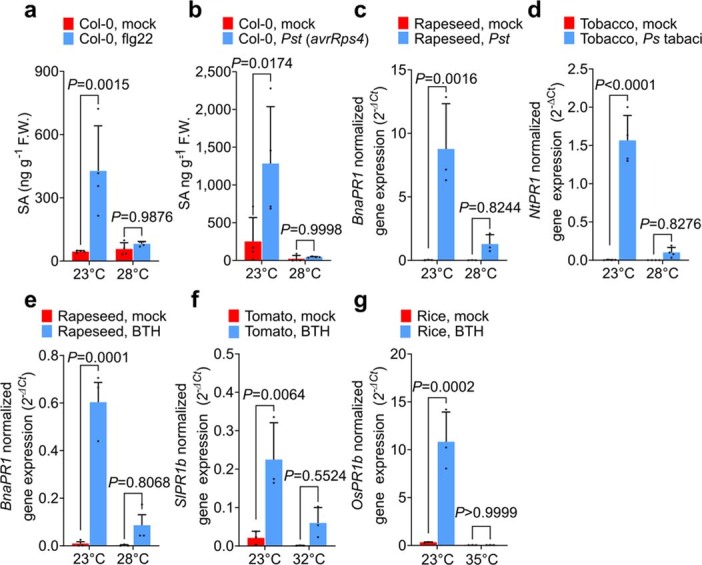
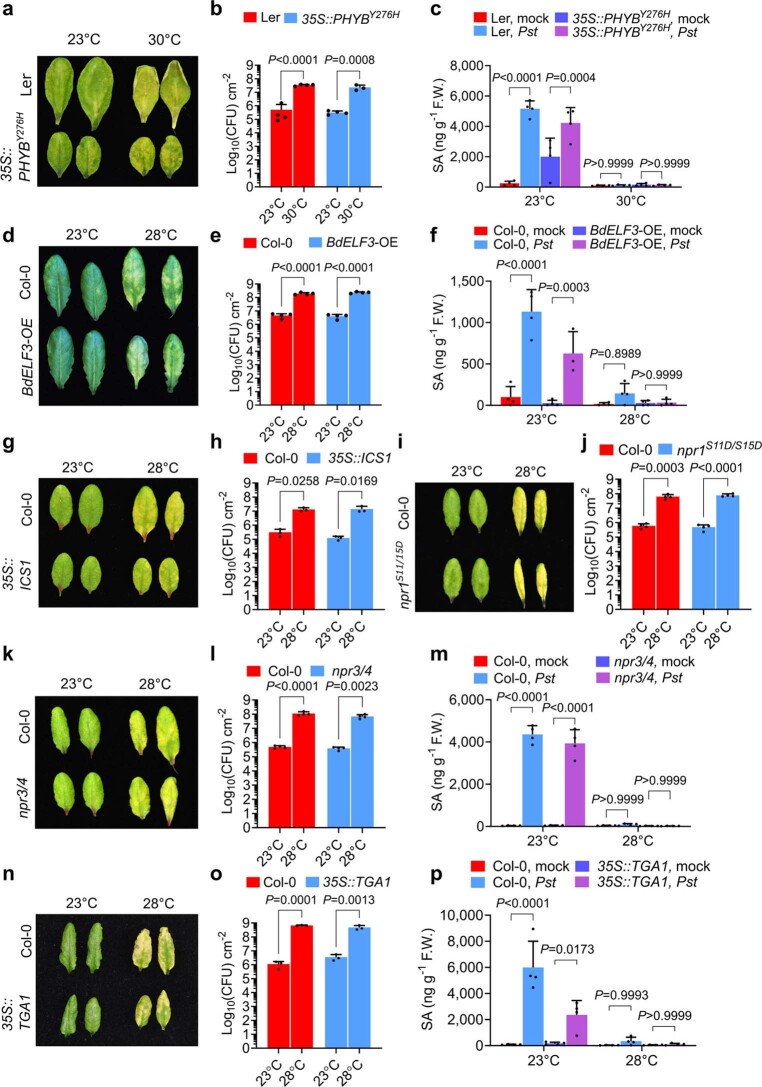
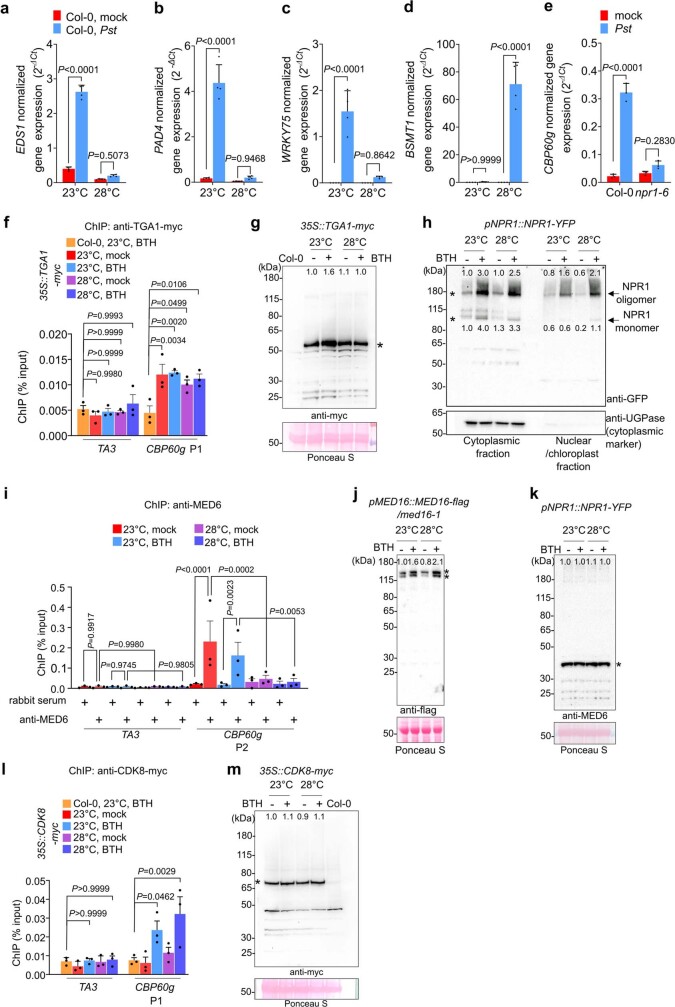
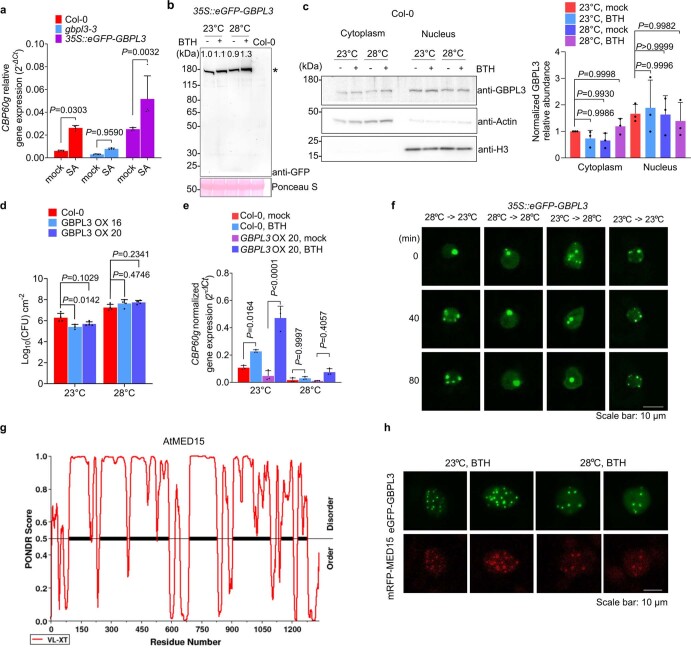
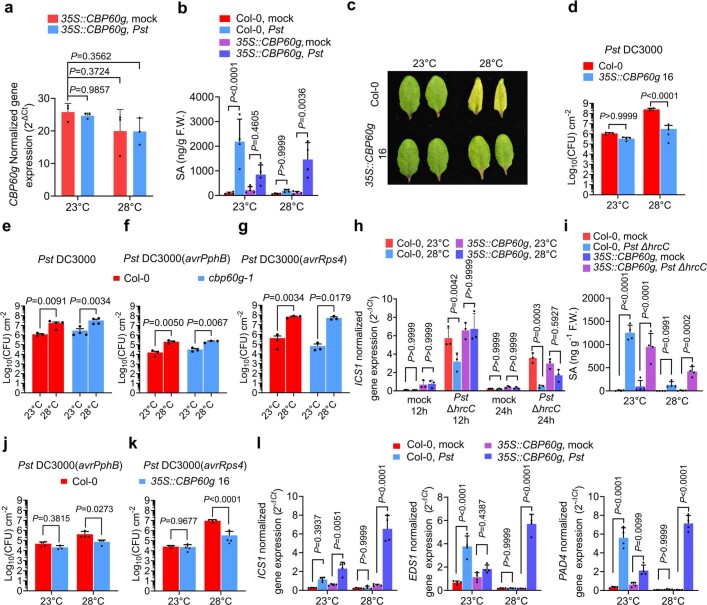
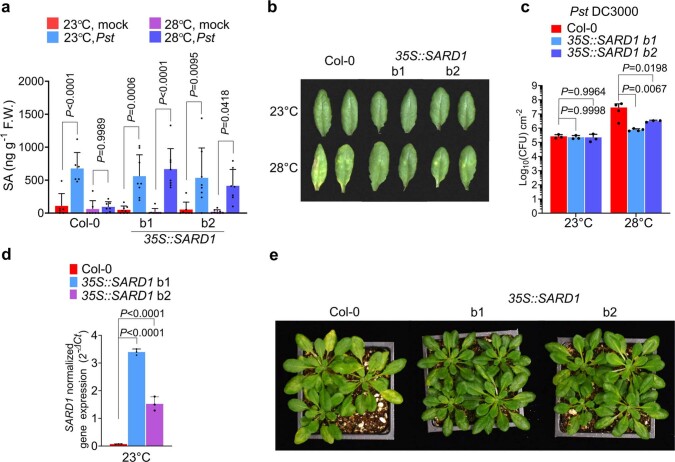
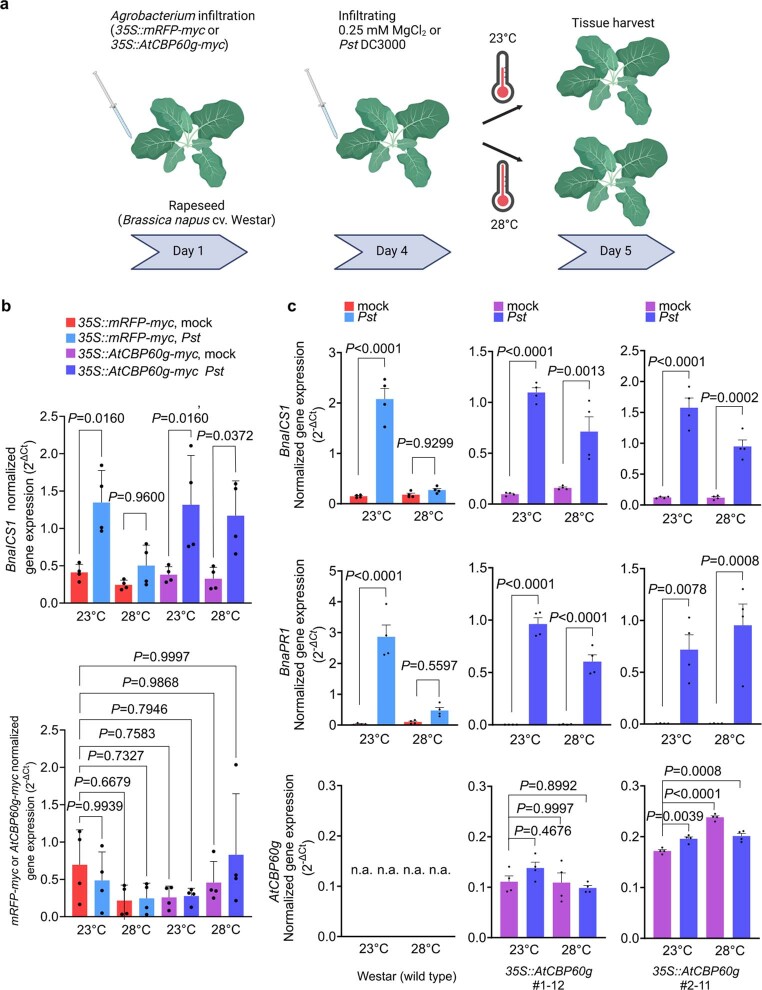
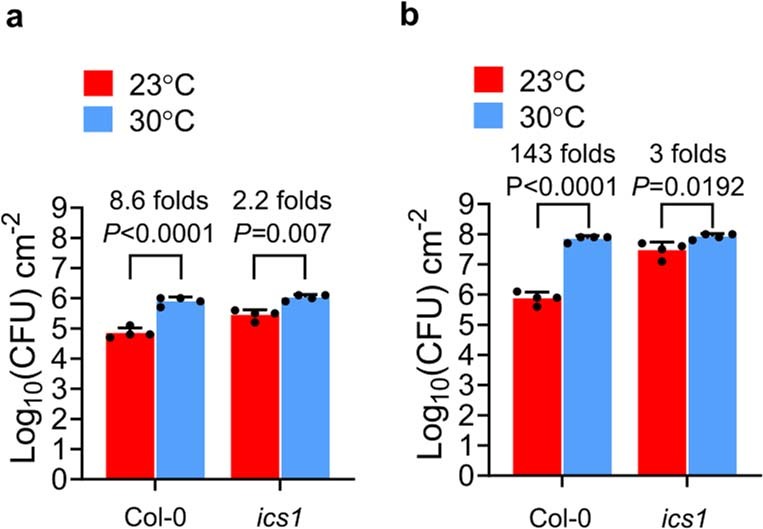
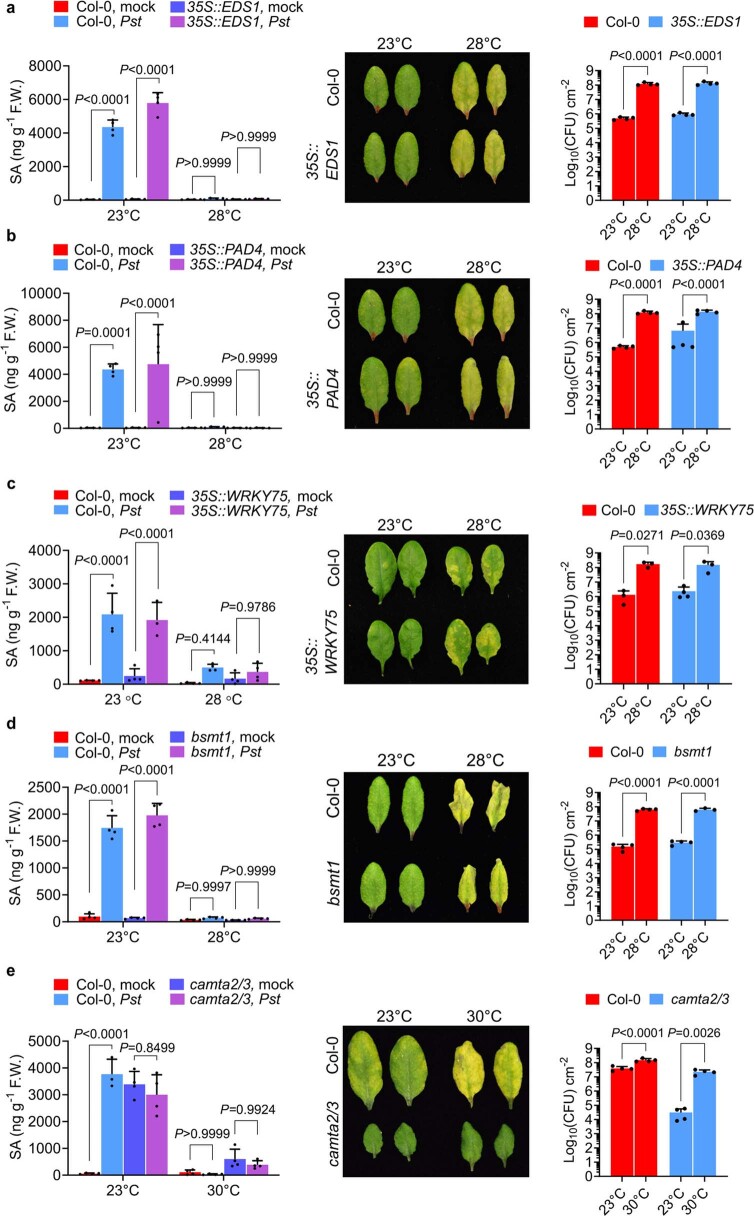
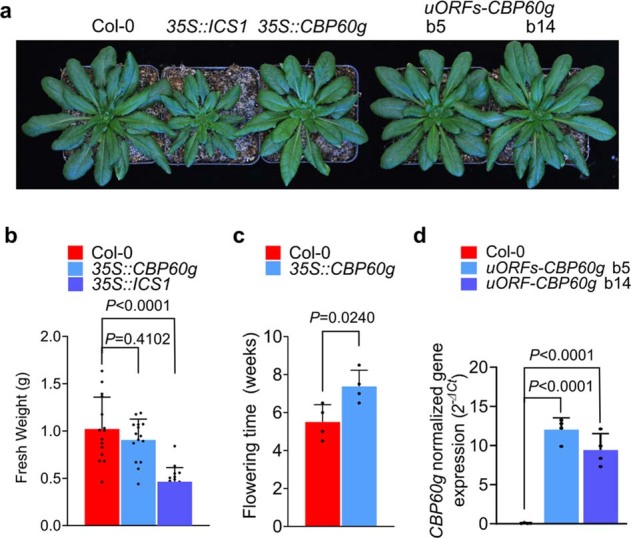
Abstract Extreme weather conditions associated with climate change affect many aspects of plant and animal life, including the response to infectious diseases. Production of salicylic acid (SA), a central plant defence hormone 1–3 , is particularly vulnerable to suppression by short periods of hot weather above the normal plant growth temperature range via an unknown mechanism 4–7 . Here we show that suppression of SA production in Arabidopsis thaliana at 28 °C is independent of PHYTOCHROME B 8,9 (phyB) and EARLY FLOWERING 3 10 (ELF3), which regulate thermo-responsive plant growth and development. Instead, we found that formation of GUANYLATE BINDING PROTEIN-LIKE 3 (GBPL3) defence-activated biomolecular condensates 11 (GDACs) was reduced at the higher growth temperature. The altered GDAC formation in vivo is linked to impaired recruitment of GBPL3 and SA-associated Mediator subunits to the promoters of CBP60g and SARD1 , which encode master immune transcription factors. Unlike many other SA signalling components, including the SA receptor and biosynthetic genes, optimized CBP60g expression was sufficient to broadly restore SA production, basal immunity and effector-triggered immunity at the elevated growth temperature without significant growth trade-offs. CBP60g family transcription factors are widely conserved in plants 12 . These results have implications for safeguarding the plant immune system as well as understanding the concept of the plant–pathogen–environment disease triangle and the emergence of new disease epidemics in a warming climate.
Overview
The claims and statistics of this paper haven’t been checked yet.
Run the check — free, no account needed. It reads the open-access text and checks the sources it cites.
Integrity signals
Registry
Cites
Statistics
Figures
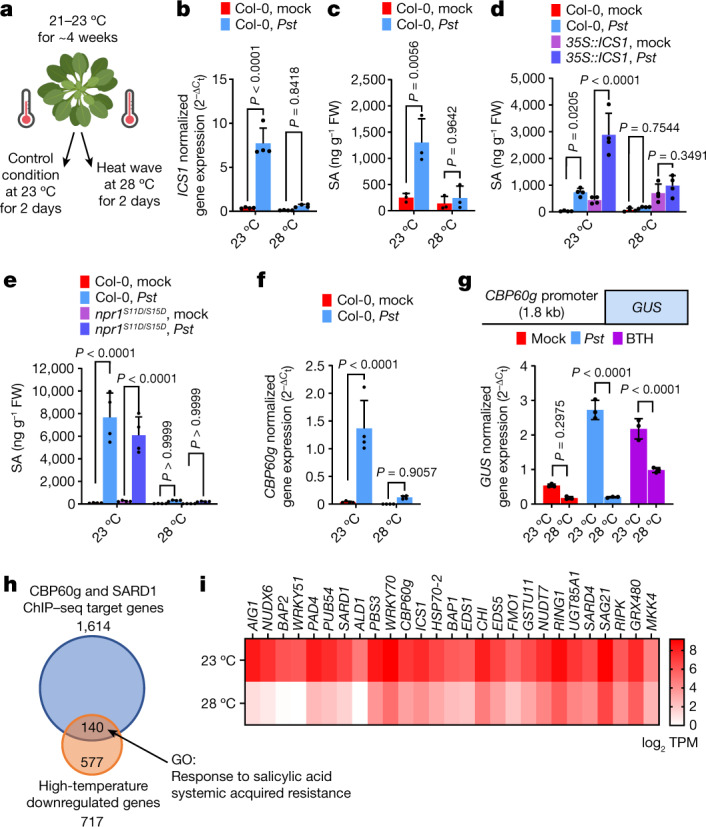
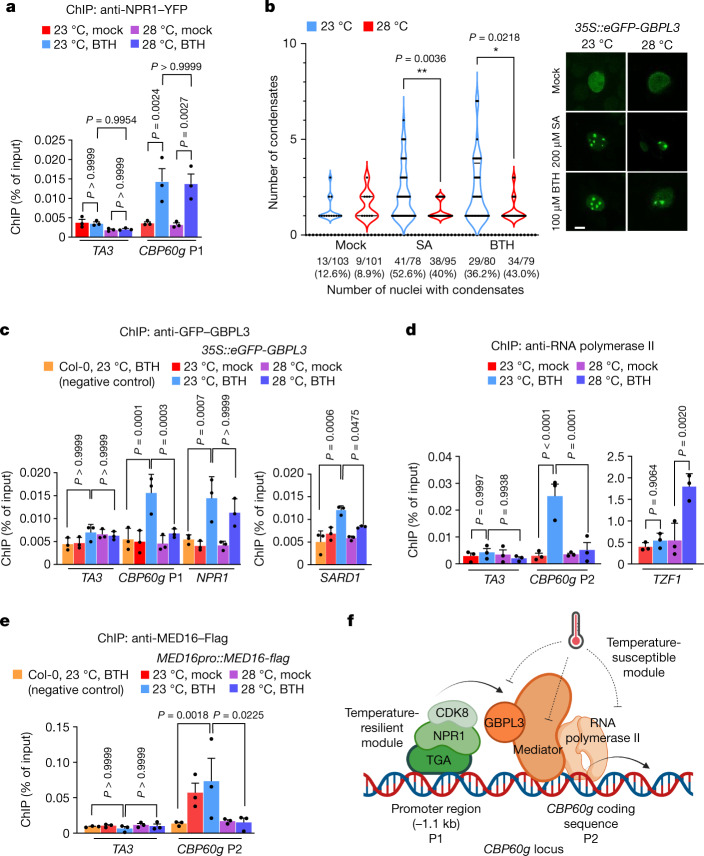
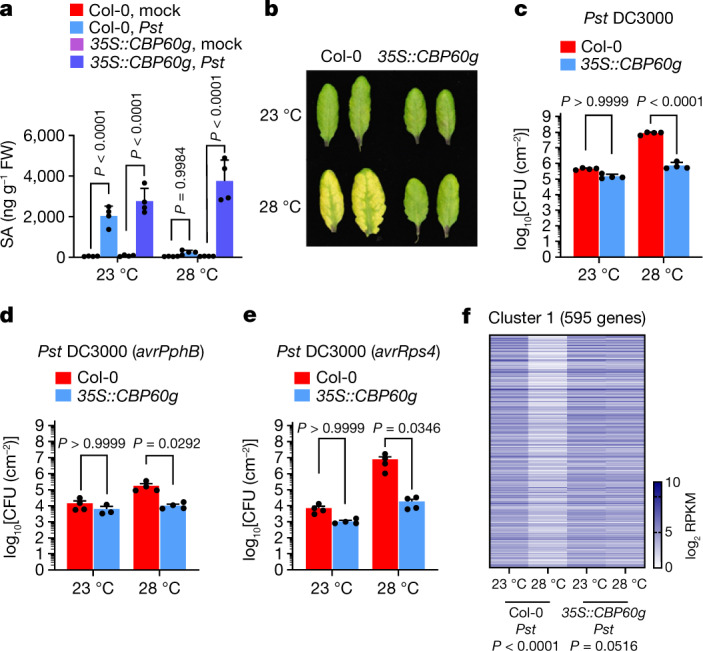
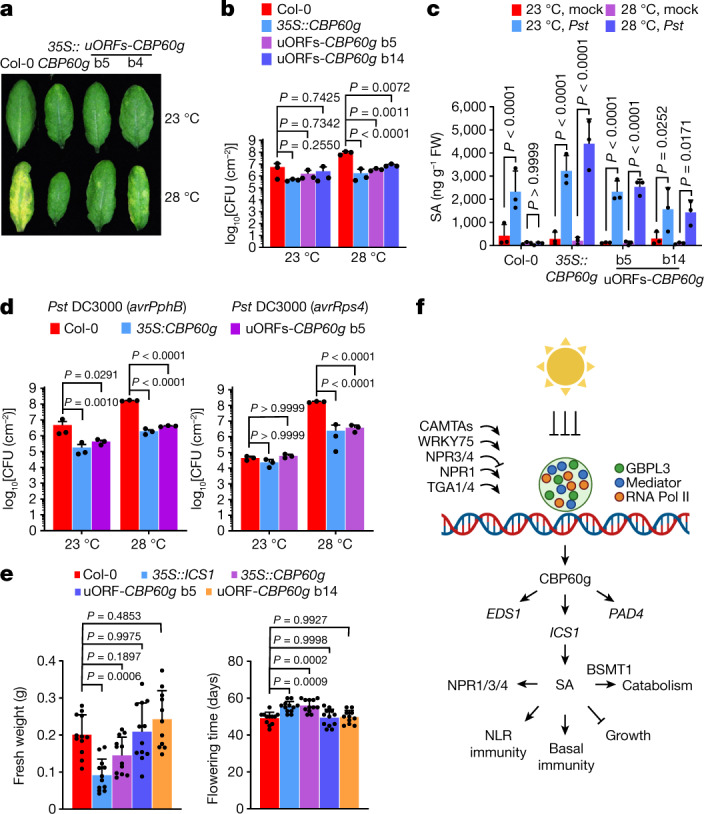
Verification
Claims the paper makes
The claims and statistics of this paper haven’t been checked yet.
Run the check — free, no account needed. It reads the open-access text and checks the sources it cites.
Claims other papers make about this one
Each is checked against this paper’s own text: does it say what the citing paper says it does?
The check wasn’t confident either way, so it gives no verdict — never disputed.
In the citing paper
“Several other variants of Cas9 and Cas12a enzymes have been developed with improved specificity and efficiency, but their efficiency and specificity may vary depending on the different target DNA and utility (Kim et al., 2022).”
From Emerging applications of gene editing technologies for the development of climate-resilient crops (2025) · cites this paper as Kim et al., 2022
Experimental — accuracy not yet measured
Self-check
Percentages, sums and reported differences re-computed from the paper’s own numbers.
The self-check needs the paper’s full text.
Citations
Cites
Systematic and integrative analysis of large gene lists using DAVID bioinformatics resources
Huang, D. W., Sherman, B. T., & Lempicki, R. A. (2009) · Nature Protocols · doi:10.1038/nprot.2008.211 · Cited by 35,890
Floral dip: a simplified method for Agrobacterium ‐mediated transformation of Arabidopsis thaliana
Clough, S. J., & Bent, A. F. (1998) · The Plant Journal · doi:10.1046/j.1365-313x.1998.00343.x · Cited by 22,014
Contrasting Mechanisms of Defense Against Biotrophic and Necrotrophic Pathogens
Glazebrook, J. (2005) · Annual Review of Phytopathology · doi:10.1146/annurev.phyto.43.040204.135923 · Cited by 4,380
Isochorismate synthase is required to synthesize salicylic acid for plant defence
Wildermuth, M. C., Dewdney, J., Wu, G., & Ausubel, F. M. (2001) · Nature · doi:10.1038/35107108 · Cited by 2,333
Growth–Defense Tradeoffs in Plants: A Balancing Act to Optimize Fitness
Huot, B., Yao, J., Montgomery, B. L., & He, S. Y. (2014) · Molecular Plant · doi:10.1093/mp/ssu049 · Cited by 1,916
Inducers of Plant Systemic Acquired Resistance Regulate NPR1 Function through Redox Changes
Mou, Z., Fan, W., & Dong, X. (2003) · Cell · doi:10.1016/s0092-8674(03)00429-x · Cited by 1,588
Systemic Acquired Resistance: Turning Local Infection into Global Defense
Fu, Z. Q., & Dong, X. (2013) · Annual Review of Plant Biology · doi:10.1146/annurev-arplant-042811-105606 · Cited by 1,581
Genetic strategies for improving crop yields
Bailey-Serres, J. N., Parker, J. E., Ainsworth, E. A., Oldroyd, G. E. D., & Schroeder, J. I. (2019) · Nature · doi:10.1038/s41586-019-1679-0 · Cited by 1,556
Intracellular innate immune surveillance devices in plants and animals
Jones, J. D. G., Vance, R. E., & Dangl, J. L. (2016) · Science · doi:10.1126/science.aaf6395 · Cited by 1,147
Plant Immunity: Danger Perception and Signaling
Zhou, J., & Zhang, Y. (2020) · Cell · doi:10.1016/j.cell.2020.04.028 · Cited by 1,090
Cited by
Sorted by citations
Items 101–200 of 225
Fu, M., Liao, J., Liu, X., Li, M., & Zhang, S. (2023) · Tree Physiology · doi:10.1093/treephys/tpad081 · Cited by 8
Plant defense strategies: The dual armor of disease resistance and tolerance
Tang, Z., Shi, S., Du, X., & Xu, G. (2025) · New plant protection. · doi:10.1002/npp2.70022 · Cited by 8
Plant proteostasis: a proven and promising target for crop improvement
Theodoulou, F. L., Orosa‐Puente, B., Trujillo, M., & Rubio, V. (2022) · Essays in Biochemistry · doi:10.1042/ebc20210078 · Cited by 8
Nishad, A., Gautam, J. K., Agarwal, I., & Nandi, A. K. (2024) · Plant Cell & Environment · doi:10.1111/pce.15364 · Cited by 8
Are CRISPR/Cas genome editing techniques the future of plant breeding?
Hazman, M. Y. (2022) · Egyptian Journal of Agricultural Research · doi:10.21608/ejar.2022.163324.1283 · Cited by 8
Rossi, C. A. M., Patel, D. N., & Castroverde, C. D. M. (2024) · Plant Cell & Environment · doi:10.1111/pce.15098 · Cited by 7
Temperature regulation in plants: From molecular mechanisms to climate‐resilient crop improvement
Zeng, R., Yang, C., Luo, W., Zhang, L., Chong, K., Liu, J., & Yang, S. (2026) · Journal of Integrative Plant Biology · doi:10.1111/jipb.70260 · Cited by 7
The Nucleoporin CPR5 Modulates Plant Immunity via Guanylate‐Binding Proteins
Pan, L., Peng, S., Zhang, Y., Xu, F., Cai, X., Shen, L., Huang, Q., Yu, S., & Wang, S. (2025) · Molecular Plant Pathology · doi:10.1111/mpp.70086 · Cited by 7
Cai, H., Zhao, B., Liang, K., Yuan, P., Zhang, C., Yang, S., Duan, S., Jin, H., Wang, P., Liu, B., et al. (2025) · Journal of Integrative Plant Biology · doi:10.1111/jipb.13929 · Cited by 7
Single-cell profiling of complex plant responses to Pseudomonas syringae infectionPreprint
Zhu, J., Lolle, S., Tang, A., Guel, B., Kvikto, B., Cole, B., & Coaker, G. (2022) · bioRxiv (Cold Spring Harbor Laboratory) · doi:10.1101/2022.10.07.511353 · Cited by 7
Carpentier, S., Aldon, D., Berthomé, R., & Galaud, J. (2022) · Frontiers in Plant Science · doi:10.3389/fpls.2022.1004406 · Cited by 6
Plant immune resilience to a changing climate: molecular insights and biotechnological roadmaps
Castroverde, C. D. M., Kuan, C., & Kim, J. H. (2024) · Genome · doi:10.1139/gen-2024-0088 · Cited by 6
Zhang, C. Q., Zhu, B., Sun, D., Wu, X., Wu, Z., Zeng, S., Han, P., Wang, Y., Lv, H., Zhang, Y., et al. (2026) · Molecular Plant · doi:10.1016/j.molp.2026.05.006 · Cited by 6
Scala, V., Scortichini, M., Marini, F., Montagna, D. L., Beccaccioli, M., Micalizzi, K., Cacciotti, A., Pucci, N., Tatulli, G., Fiorani, R., et al. (2024) · Plants · doi:10.3390/plants13162186 · Cited by 6
Demont, H., Remblière, C., Culerrier, R. M., Sauvaget, M., Deslandes, L., & Bernoux, M. (2025) · Cell Reports · doi:10.1016/j.celrep.2025.115326 · Cited by 8
Yousefi, A., Koocheki, A., Mahallati, M. N., Khorramdel, S., Trenz, J., Kurdestani, A. M., Ludewig, U., & Maywald, N. J. (2025) · Food and Energy Security · doi:10.1002/fes3.70072 · Cited by 6
Shedding light on immune suppression at high temperature
Prasad, A., Chirom, O., & Prasad, M. (2022) · Trends in Microbiology · doi:10.1016/j.tim.2022.07.010 · Cited by 6
Structural basis of chorismate isomerization by Arabidopsis ISOCHORISMATE SYNTHASE1
Su, Z., Niu, C., Zhou, S., Xu, G., Zhu, P., Fu, Q., Zhang, Y., & Ming, Z. (2024) · PLANT PHYSIOLOGY · doi:10.1093/plphys/kiae260 · Cited by 6
Yu, S., Li, S., Wang, W., & Tang, D. (2024) · International Journal of Molecular Sciences · doi:10.3390/ijms25095049 · Cited by 6
Baking bad: plants in a toasty world with necrotrophs
Muralidhar, S. H., & van Kan, J. A. L. (2024) · New Phytologist · doi:10.1111/nph.19980 · Cited by 6
Lederer, S., Liese, A., Lee, J., & Romeis, T. (2025) · Current Opinion in Plant Biology · doi:10.1016/j.pbi.2025.102782 · Cited by 7
Farda, B., Sabbi, E., Fares, R., Djebaili, R., Mignini, A., Mitra, D., & Pellegrini, M. (2026) · Journal of Plant Biochemistry and Biotechnology · doi:10.1007/s13562-026-01042-6 · Cited by 5
A novel stress-inducible dCas9 system for solanaceous plants
Mukherjee, A., Jodder, J., Chowdhury, S., Das, H., & Kundu, P. (2025) · International Journal of Biological Macromolecules · doi:10.1016/j.ijbiomac.2025.142462 · Cited by 5
Porras, R., Miguel‐Rojas, C., Lorite, I. J., Pérez‐de‐Luque, A., & SILLERO, J. C. (2023) · Agronomy · doi:10.3390/agronomy13102638 · Cited by 5
Student, J. E., Weitz, T. S., Blewett, T., Yaron, S., & Melotto, M. (2024) · Journal of Food Protection · doi:10.1016/j.jfp.2024.100334 · Cited by 5
Amani, K., Shivnauth, V., & Castroverde, C. D. M. (2023) · Plant Direct · doi:10.1002/pld3.509 · Cited by 5
Defense Responses of Native Plant Communities to Alien Plant Invasion
Zhu, Z., Cui, M., Yu, H., Fan, X., Wu, X., Liu, S., Dai, Z., Ren, G., & Du, D. (2025) · Physiologia Plantarum · doi:10.1111/ppl.70492 · Cited by 4
Immune activation reprograms growth mRNA stability to shape plant growth-defense trade-offs
Zhou, G., Niu, R., Zhu, S., Wang, H., Tang, Z., Wang, W., Xiong, S., Long, J., Zhou, Y., Tong, Y., et al. (2026) · Cell Host & Microbe · doi:10.1016/j.chom.2026.02.007 · Cited by 4
How does salicylic acid activate plant immunity?
Cai, Y., Ouyang, Y., Zhang, X., Chen, Y., Zhang, J., Bi, C., Liu, Z., Han, X., Zhang, X., Wang, W., et al. (2026) · New Crops · doi:10.1016/j.ncrops.2026.100112 · Cited by 4
Extra- and intranuclear heat perception and triggering mechanisms in plants
Yang, X., Guan, H., Yang, Y., Zhang, Y., Su, W., Song, S., Liu, H., Chen, R., & Hao, Y. (2023) · Frontiers in Plant Science · doi:10.3389/fpls.2023.1276649 · Cited by 4
Sadvakasova, A. K., Kossalbayev, B. D., Zaletova, D. E., Bauenova, M. O., Huang, Z., Zharmukhamedov, S. K., Shabala, S. N., & Allakhverdiev, S. I. (2025) · Critical Reviews in Plant Sciences · doi:10.1080/07352689.2025.2494872 · Cited by 4
Climate change effects on plant immune activation
Zarattini, M., & Fagard, M. (2025) · Trends in Plant Science · doi:10.1016/j.tplants.2025.07.009 · Cited by 4
Jie, L., Sanagi, M., Yasuda, S., Yamada, K., Ejima, S., Sugisaki, A., Takagi, J., Nomoto, M., Xin, X., Tada, Y., et al. (2025) · Proceedings of the National Academy of Sciences · doi:10.1073/pnas.2527765122 · Cited by 4
Li, Y., Liu, L., Wang, Q., Wang, Y., Yan, J., Khojasteh, M., Shah, S. M., Xu, Z., & Chen, G. (2024) · Journal of Integrative Agriculture · doi:10.1016/j.jia.2024.08.018 · Cited by 4
Guard Cell Activity of PIF4 Represses Disease Resistance in Arabidopsis
Wang, Z., Pérez, V., & Hua, J. (2024) · Plant Cell & Environment · doi:10.1111/pce.15233 · Cited by 4
Yu, R., Liu, J., Yang, X., Wang, J., & Wang, Y. (2025) · Industrial Crops and Products · doi:10.1016/j.indcrop.2025.120601 · Cited by 4
Liquid–liquid phase separation regulates gene expression in plants
Fu, D., & Jiang, B. (2025) · Agriculture Communications · doi:10.1016/j.agrcom.2025.100084 · Cited by 4
Wei, C., Wu, Y., Ma, Z., Cheng, Y., Guan, Y., Zhang, Y., Feng, Y., Li, X., & Guan, J. (2023) · International Journal of Molecular Sciences · doi:10.3390/ijms24065326 · Cited by 4
High air humidity dampens salicylic acid pathway and plant resistance via targeting of NPR1Preprint
Yao, L., Jiang, Z., Wang, Y., Wan, S., & Xin, X. (2022) · bioRxiv (Cold Spring Harbor Laboratory) · doi:10.1101/2022.10.28.514180 · Cited by 4
Nasim, Z., Karim, N., Blilou, I., & Ahn, J. H. (2025) · Plant Science · doi:10.1016/j.plantsci.2025.112528 · Cited by 3
Photorespiration and plant immunity: Interactions and implications under a changing climate
Chen, J., Yan, Y., Chen, S., & Ahammed, G. J. (2025) · Plant Physiology and Biochemistry · doi:10.1016/j.plaphy.2025.110569 · Cited by 3
Yang, X., Ma, Y., Geng, B., Liu, X., Liu, Y., Sun, J., Liao, H., Gu, Y., & Tang, Y. (2025) · The Plant Cell · doi:10.1093/plcell/koaf260 · Cited by 3
The OsNTL3 ‐ WRKY53 ‐ CatA module confers thermotolerance in rice
Gao, X., An, S., Ma, Z., Chen, M., Xie, W., Li, M., Yu, F., Lü, S., Zhou, L., You, A., et al. (2026) · New Phytologist · doi:10.1111/nph.71125 · Cited by 3
A Multidimensional View of Biomolecular Condensates in Plant Biology
Miao, Y., Wang, Y., Grate, E. V. L., & Fang, X. (2026) · Annual Review of Plant Biology · doi:10.1146/annurev-arplant-070725-083459 · Cited by 3
5'UTR Dynamics: Modulating Model Plant Defense Mechanisms against Fungal Threats.
Naz, M., & Chen, Z.-F. (2025) · Journal of Agricultural and Food Chemistry · doi:10.1021/acs.jafc.5c00286 · Cited by 3
Wen, X., Du, M., Li, T., Cheng, F., Li, S., Zhu, Z., Liu, W., Gu, X., Feng, L., Geng, Y., et al. (2025) · PLANT PHYSIOLOGY · doi:10.1093/plphys/kiaf456 · Cited by 3
A nucleoporin-associated signaling cascade controls plant immunity via histone modification
Pan, L., Peng, S., Zhang, Y., Chang, H. T., Yang, Y., Guo, D., Guo, Y., Han, Y., Mao, T., Huang, Y., et al. (2025) · Genome biology · doi:10.1186/s13059-025-03814-0 · Cited by 3
Refaiy, A. I., Lilley, C. J., Atkinson, N. J., & Urwin, P. E. (2025) · Environmental and Experimental Botany · doi:10.1016/j.envexpbot.2025.106308 · Cited by 3
Maia, R. A., Barbosa, M., Franco, A. C., Oki, Y., Romano, M. C. C., Siqueira‐Silva, A. I., Pereira, E. G., Rosa, L. H., Duarte, H. M., Aguirre‐Gutiérrez, J., et al. (2024) · Environmental and Experimental Botany · doi:10.1016/j.envexpbot.2024.105992 · Cited by 3
Scortichini, M. (2025) · Horticulturae · doi:10.3390/horticulturae11030325 · Cited by 3
Structural basis for heat tolerance in plant NLR immune receptorsPreprint
Grech‐Baran, M., Witek, K., Ahn, H., Lichocka, M., Vargas‐Cortez, T., Barymow-Filoniuk, I., Witek, A. I., Hennig, J., Jones, J. D. G., & Poznański, J. T. (2025) · bioRxiv (Cold Spring Harbor Laboratory) · doi:10.64898/2025.12.17.694812 · Cited by 3
Tuning the rheostat of immune gene translation
Huang, S. (2023) · Stress Biology · doi:10.1007/s44154-023-00087-0 · Cited by 2
Trade of crop products contribute to the alleviation of global nitrate leaching risks
Chen, X., Liu, L., Lu, Y., Wang, X., Bai, Z., & Ma, L. (2025) · Global Environmental Change · doi:10.1016/j.gloenvcha.2025.103074 · Cited by 2
Liu, H., Wang, D., Li, J., Luo, L., Wang, Z., Yang, M., Zhu, S., & Liu, J. (2026) · Industrial Crops and Products · doi:10.1016/j.indcrop.2025.122612 · Cited by 2
Campos‐Herrera, R., Álvarez‐Ortega, S., & Pastor, V. (2026) · Essays in Biochemistry · doi:10.1042/ebc20250056 · Cited by 2
A rugalmasság és a versenyképesség összefüggései Nyugat-Dunántúl példáján, 1960-2020
Fazekas, N. (2024) · Területi Statisztika · doi:10.15196/ts640103 · Cited by 2
Zhang, J., Cong, Q., Sun, Y., Hua, J., & Luo, S. (2024) · International Journal of Molecular Sciences · doi:10.3390/ijms25137081 · Cited by 2
Contreras, E., & Martínez, M. (2025) · Physiologia Plantarum · doi:10.1111/ppl.70219 · Cited by 2
Extreme Warming Coordinately Shifts Root and Leaf Traits of Alpine Plants toward Conservatism
Zhang, J., Chen, J., Huang, Y., Jiang, L., Zheng, Z.-Y., Zhou, H., Wang, H., & Liu, H. (2025) · Ecosystem Health and Sustainability · doi:10.34133/ehs.0350 · Cited by 2
Lai, Y., Li, Z., Li, E., Liu, R., Chang, N., Lu, C., Ling, J., Zhang, X., Yang, S., Chen, Z., et al. (2025) · Horticultural Plant Journal · doi:10.1016/j.hpj.2025.02.021 · Cited by 2
Plant trait variation shapes plant–microbe interactions in changing climate
Jeon, H., Lim, Y., & Kim, J. H. (2025) · Current Opinion in Plant Biology · doi:10.1016/j.pbi.2025.102801 · Cited by 2
How Does Global Warming Sabotage Plant Immunity?
Dhar, S., & Lee, J. (2022) · Molecules and Cells · doi:10.14348/molcells.2022.0150 · Cited by 2
Immune signaling induced by plant Toll/interleukin-1 receptor (TIR) domains is thermostablePreprint
Demont, H., Remblière, C., Deslandes, L., & Bernoux, M. (2024) · bioRxiv (Cold Spring Harbor Laboratory) · doi:10.1101/2024.05.13.592950 · Cited by 2
Alleviating Heat Stress and Water Scarcity in Cultivation with Biodegradable Radiative Cooling MulchPreprint
Lin, C., Hur, J., Zhang, M., Zhang, Y., Zhang, L., Huang, Z., Liu, X., Li, C. Y., Huang, J., Chu, F., et al. (2023) · Research Square · doi:10.21203/rs.3.rs-2922832/v1 · Cited by 2
Impaired condensate formation is to blame for failed disease resistance in plants
Xin, X., & Zhou, J. (2022) · Life Metabolism · doi:10.1093/lifemeta/loac020 · Cited by 1
The effect of environmental stresses on the epidemic of charcoal rot disease in legumes
Siahpoush, S., & Dehghani, A. (2024) · Plant Pathology Science · doi:10.61186/pps.13.1.113 · Cited by 1
Zhang, L., Zhu, Y., Stříbný, J., Pan, X., Tian, C., & Schneiter, R. (2025) · Forests · doi:10.3390/f16030537 · Cited by 1
Pattern Recognition Receptors in Plant Immunity
Aziz, M. A., Shamim, A., & Masmoudi, K. (2025) · Advances in experimental medicine and biology · doi:10.1007/978-3-031-85340-1_17 · Cited by 1
Fernandez, L., Lemaire‐Chamley, M., & Chevalier, C. (2025) · New Phytologist · doi:10.1111/nph.70524 · Cited by 1
Khan, R., He, P., He, P., Ahmed, A., Liu, Y., Wu, Y., Tang, G., Li, X., Di, Y., Munir, S., et al. (2025) · Journal of Agriculture and Food Research · doi:10.1016/j.jafr.2025.102421 · Cited by 1
Thermal sensitivity of plant immunity: a cellular perspective from Arabidopsis
Thakur, N., & Yang, L. (2025) · Journal of Experimental Botany · doi:10.1093/jxb/eraf471 · Cited by 2
Disruption of the mRNA m6A writer complex triggers autoimmunity in Arabidopsis
Metheringham, C. L., Srivastava, A. K., Thorpe, P., Maji, A., Parker, M. T., Barton, G. J., & Simpson, G. G. (2025) · PLoS Genetics · doi:10.1371/journal.pgen.1011925 · Cited by 1
Molecular interactions between plants and arthropod herbivores in the context of climate change
Martínez, M. (2025) · Journal of Experimental Botany · doi:10.1093/jxb/eraf499 · Cited by 1
Oilseed Brassica under threat: viral pathogens and the compounding effects of climate change
Sahu, A., Bharati, R., Trębicki, P., & Kundu, J. K. (2026) · Journal of Integrative Agriculture · doi:10.1016/j.jia.2026.01.004 · Cited by 1
Nanoenabled Priming Helps Wheat to Handle Heat and Disease
Bai, T., Duan, K., Zhuang, D., Zhu, Y., Jiang, C., Wang, X., Huang, R., Cao, S., Tuga, B., Reyes, W. R. A., et al. (2026) · ACS Nano · doi:10.1021/acsnano.5c16870 · Cited by 1
Yao, L., Xin, X., & Castroverde, C. D. M. (2026) · Methods in molecular biology · doi:10.1007/978-1-0716-5214-5_2 · Cited by 1
Sharma, N., & Sarma, B. K. (2026) · Plant Pathology · doi:10.1111/ppa.70185 · Cited by 1
Zhang, P., Li, Y., Fang, Y., Tan, Q., Peng, L., Wu, J., Han, P., Zhao, J., Zhang, W., Huang, P., et al. (2026) · Plant Communications · doi:10.1016/j.xplc.2026.102022 · Cited by 1
Pathogen-induced physiological reprogramming and systemic dysfunction in plants
Sharif, M., Shahid, M. A., Ur-Rehman, M., Shafique, I., Farooq, M., & Ali, M. A. (2026) · Physiological and Molecular Plant Pathology · doi:10.1016/j.pmpp.2026.103495 · Cited by 1
Balem, J., Tan, C., Dias, N. C. F., Arnold, M., Tran, S., Severns, P. M., Teixeira, P. J. P. L., Li, C., & Yang, L. (2026) · New Phytologist · doi:10.1111/nph.71535 · Cited by 1
Almas, S., & Demiral, T. (2024) · Advancements in Life Sciences · doi:10.62940/als.v11i3.1739 · Cited by 1
LAZARUS 1 functions as a positive regulator of plant immunity and systemic acquired resistance
Chen, Y., Han, Y., Huang, W., Zhang, Y., Chen, X., Li, D., Hong, Y., Gao, H., Zhang, K., Zhang, Y., et al. (2024) · Frontiers in Plant Science · doi:10.3389/fpls.2024.1490466 · Cited by 1
Identification and functional dissection of maize disease resistance genes
Wu, H., Ding, Y., Yu, H., Xie, X., Saintenac, C., Li, Z., & Liu, W. (2025) · New plant protection. · doi:10.1002/npp2.70013 · Cited by 1
Jose, J., Teutloff, E., Mayer, T., Naseem, S., Barth, E., Halitschke, R., Marz, M., & Agler, M. T. (2024) · bioRxiv (Cold Spring Harbor Laboratory) · doi:10.1101/2024.06.10.598336 · Cited by 1
“Omic tools” for investigation creative plant systens
Bronnikova, L. I., Zaitseva, І. О., & Хоменко, Л. О. (2024) · Notes in Current Biology · doi:10.29038/ncbio.24.1-5
Didelon, M., Sucher, J., Carvalho‐Silva, P., Zaffuto, M., Barbacci, A., & Raffaele, S. (2024) · bioRxiv (Cold Spring Harbor Laboratory) · doi:10.1101/2024.08.22.609129
Arruda, T. F. D. L., da Silva, A. A. R., de Azevedo, C. A. V., de Lima, G. S., de Carvalho, G. S., Costa, D. S., Borborema, L. D. A., Nunes, K. G., Gheyi, H. R., & Soares, L. A. D. A. (2025) · Revista Brasileira de Engenharia Agrícola e Ambiental · doi:10.1590/1807-1929/agriambi.v29n6e288176
Panomic and Genome-Editing Approaches in Plastome Studies to Enhance Crop Climate Resilience
Kumar, A., Yau, Y., Agarwal, A., Kotiya, A., & Kumar, V. R. (2025) · LS International Journal of Life Sciences · doi:10.5958/2319-1198.2025.00008.2
The pre-mRNA splicing factor ZOP1 contributes to the regulation of plant immunity
Wang, Y., Huang, W., Zhang, P., Li, X., & Zhang, Y. (2025) · PLANT PHYSIOLOGY · doi:10.1093/plphys/kiaf351
Transcriptional response to warm temperatures is confounded by organ-specificityPreprint
Hua, J., Gupta, S., Vuarambon, D. J., & Reis, R. S. (2025) · bioRxiv (Cold Spring Harbor Laboratory) · doi:10.1101/2025.08.05.668523
Impact of climate change on pest and disease outbreaks in agricultural ecosystems
Pappachan, A., Kamidi, R., Khare, T. R., Hosamani, V., Raviraj, V. S., & Saini, P. (2025) · Elsevier eBooks · doi:10.1016/b978-0-443-26520-4.00011-1
Plant immune plasticity and epibreeding
Zhang, L., KaiXuan, C. U. I., Lin, H. M., & He, Z. (2025) · Scientia Sinica Vitae · doi:10.1360/ssv-2025-0173
Impact of elevated temperature on immunity-related hormone signaling in tomato plantsPreprint
Liu, K., Shivnauth, V., & Castroverde, C. D. M. (2025) · bioRxiv (Cold Spring Harbor Laboratory) · doi:10.1101/2025.07.20.665745
Sahoo, A., Majumder, S., Das, R., Satapathy, K. B., & Panigrahi, G. (2025) · Methods in molecular biology · doi:10.1007/978-1-0716-4746-2_2
Too hot to defend: elevated temperature compromises systemic acquired resistance
Balcerowicz, M. (2025) · The Plant Journal · doi:10.1111/tpj.70492
Liu, Y., Song, X., FENG, J., Li, H., Shi, Y., Li, Y., & Hu, X. (2025) · Phytopathology · doi:10.1094/phyto-11-23-0427-r
An elevated environmental temperature impairs accumulation of the pattern recognition receptor FLS2Preprint
Jacobs, B. C. I. C., Bender, K. W., Six, E., Zipfel, C., & Knight, M. R. (2025) · bioRxiv (Cold Spring Harbor Laboratory) · doi:10.1101/2025.10.20.683271
Raghuraman, P., & Park, S. (2025) · Physiological and Molecular Plant Pathology · doi:10.1016/j.pmpp.2025.103021
Welcome Pathogens: Transient Heat Dampens Immune Responses to Acibenzolar‐ S ‐Methyl in Apple Plants
Chavonet, E., Nguyen, B., Heintz, C., Cournol, R., Široká, J., Novák, O., Larbat, R., Gaucher, M., Brisset, M. N., Pantin, F., et al. (2025) · Plant Cell & Environment · doi:10.1111/pce.70256
Зиновьева, С. В., Удалова, Ж. В., Khasanov, F. K., & Gins, M. S. (2025) · Doklady Biochemistry and Biophysics · doi:10.1134/s1607672925601386
Metadata
- Authors
- Kim, J. H., Castroverde, C. D. M., Huang, S., Li, C., Hilleary, R., Seroka, A., Sohrabi, R., Medina-Yerena, D., Huot, B., Wang, J., Nomura, K., Marr, S. K., Wildermuth, M. C., Chen, T., MacMicking, J. D., & He, S. Y.
- Affiliations
- Howard Hughes Medical Institute (US)
- Wilfrid Laurier University (CA)
- Huazhong Agricultural University (CN)
- Michigan State University (US)
- Duke University (US)
- University of California, Berkeley (US)
- Corresponding author
- Castroverde, Christian Danve M.
- He, Sheng Yang
- ORCID
- Venue
- Nature
- Published
- 2022-06-29
- Volume
- 607
- Issue
- 7918
- Pages
- 339-344
- ISSN
- 0028-0836 (ISSN-L)
- 1476-4687
- PMC
- PMC9279160
- OpenAlex
- W4283691610
- Cited by
- 225
- References
- 51
- Citations by year
- 2026: 38 · 2025: 75 · 2024: 46 · 2023: 42 · 2022: 24
- FWCI
- 25.74
- Type
- journal article
- Language
- en
- Open access
- hybrid
- doi.org
- Locations
- Nature (publishedVersion, cc-by)
- PubMed Central (publishedVersion, cc-by)
- PubMed (publishedVersion)
- RePEc: Research Papers in Economics (submittedVersion)
- Scholars Commons (Wilfrid Laurier University) (submittedVersion)
- Funders
- Howard Hughes Medical Institute
- Michigan State University
- National Natural Science Foundation of China
- National Institutes of Health
- College of Engineering, Michigan State University
- Natural Sciences and Engineering Research Council of Canada
- National Institute of General Medical Sciences (T32GM110523)
- Topics
- Life Sciences › Agricultural and Biological Sciences › Plant Science › Plant-Microbe Interactions and Immunity
- Life Sciences › Agricultural and Biological Sciences › Plant Science › Plant Stress Responses and Tolerance
- Life Sciences › Agricultural and Biological Sciences › Plant Science › Plant Molecular Biology Research
- Keywords
- salicylic acid, plant immunity, climate change, heat stress, Arabidopsis thaliana, biomolecular condensates, SARD1, Mediator complex, basal immunity, effector-triggered immunity
- MeSH terms
- Acclimatization, Calmodulin-Binding Proteins, Environment, Plant Diseases, Temperature, Transcription Factors, Arabidopsis, Gene Expression Regulation, Plant, Salicylic Acid, Arabidopsis Proteins, Phytochrome B, Host-Pathogen Interactions, Global Warming, Plant Immunity
About these checks
Registry, retraction, Cites and statistics results are computed, not judged, with one exception: a printed reference that no index lists is read once by a model before it counts as a citation error. Claims are extracted by a model and kept only when their quote appears verbatim in the text; each cited source is then checked, with a model’s help, for whether it says what the claim relies on. Those verdicts can be wrong — read the claim’s quote and the cited source before relying on one.
Statistics and arithmetic are recomputed, not judged.
Confidence bands are shown only for fields calibrated on our annotated test set. None is calibrated yet, so no band is shown.
What counts as a claim ›How we measure confidence ›How we check this ›
Are you an author, or do you see a problem with this page? Request a review
