

Sequential appetite suppression by oral and visceral feedback to the brainstem
Open accessThe DOI matches its Crossref record; 40 of the 40 references it cites were found in a registry or an index.
Abstract
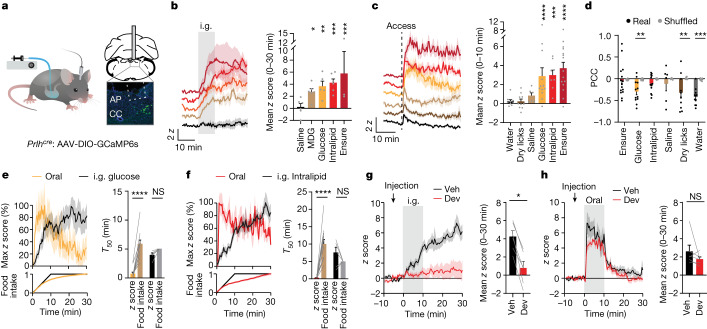
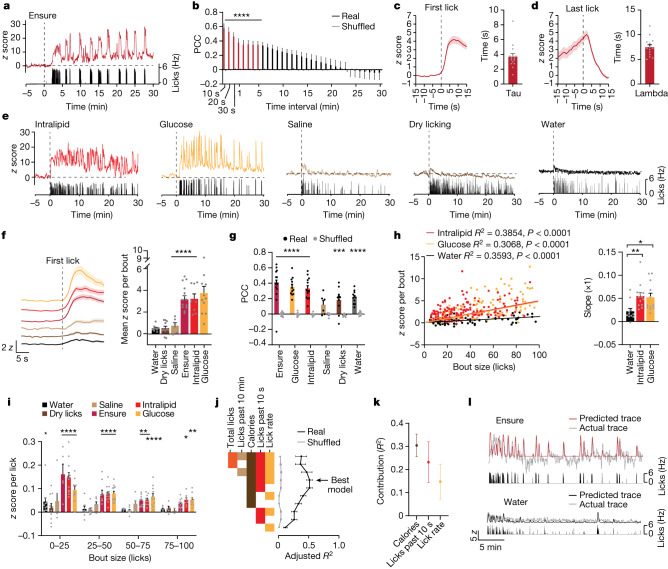
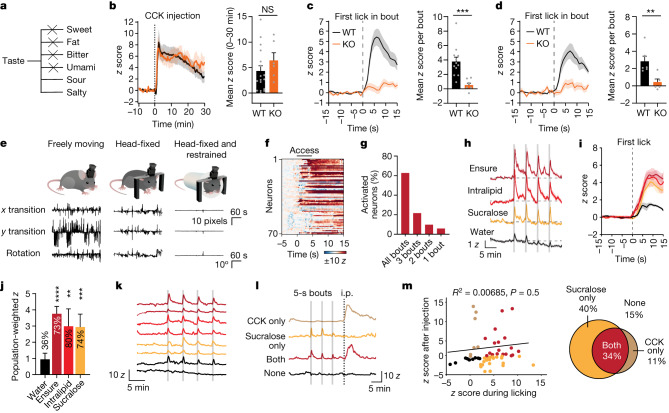
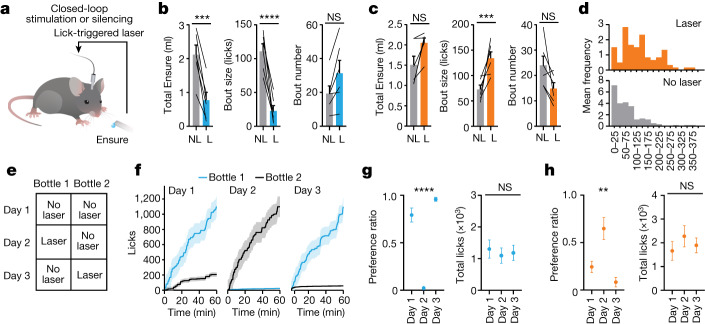
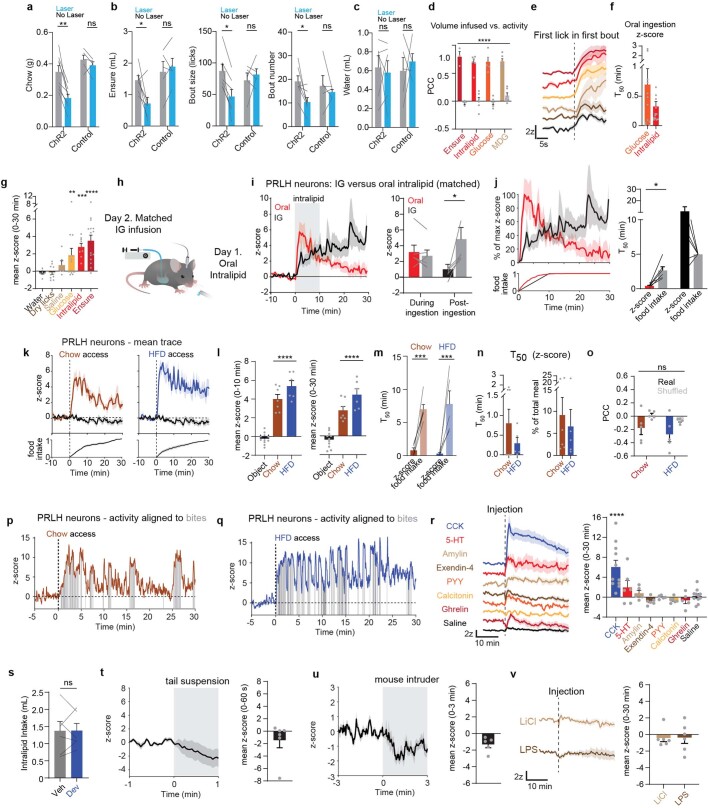
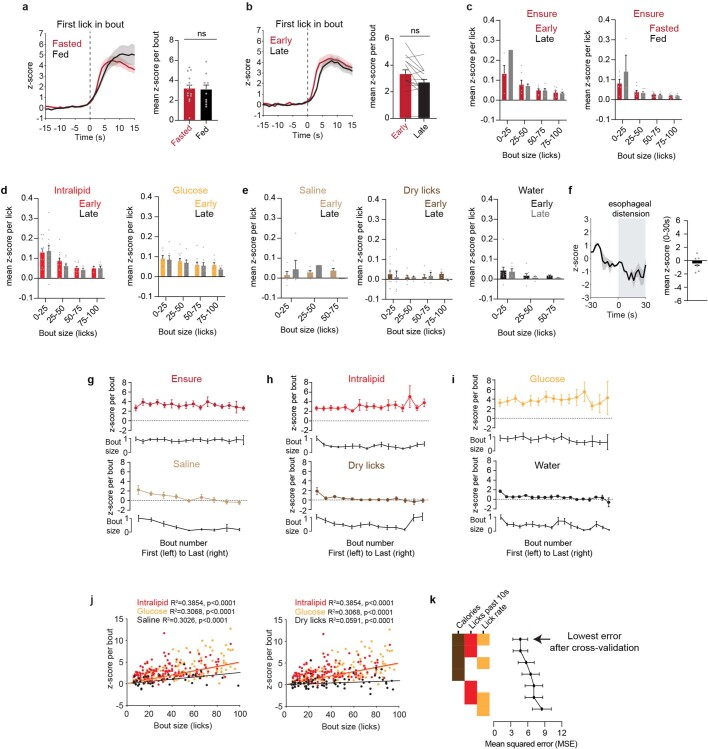
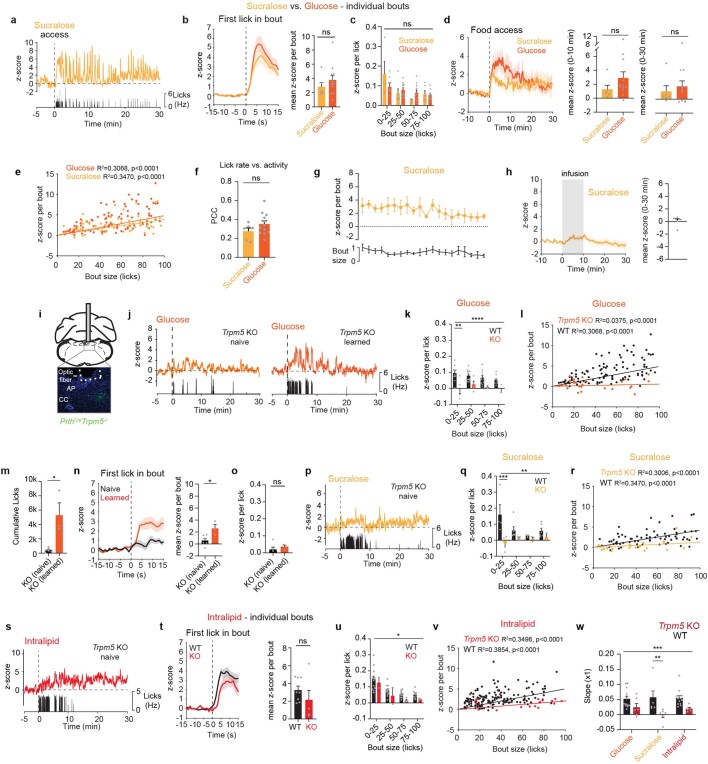
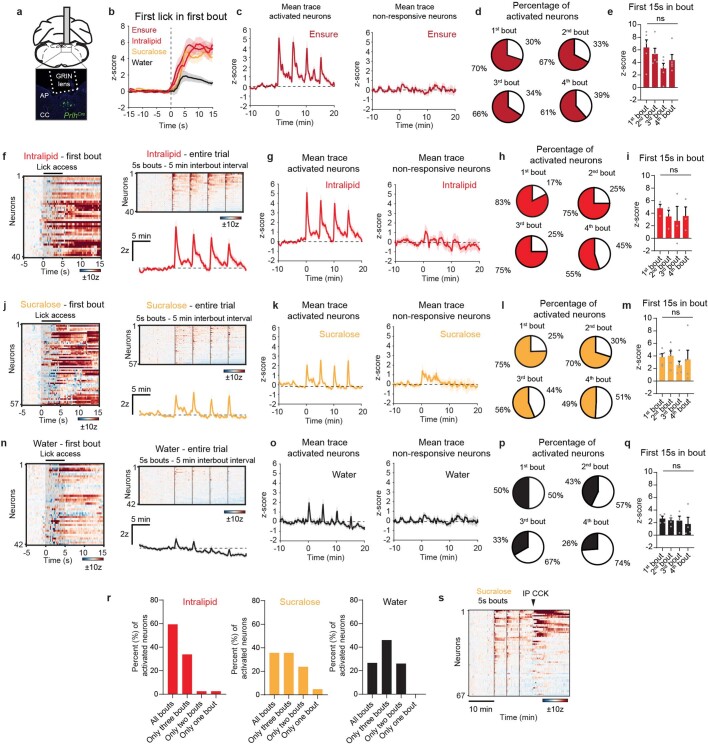
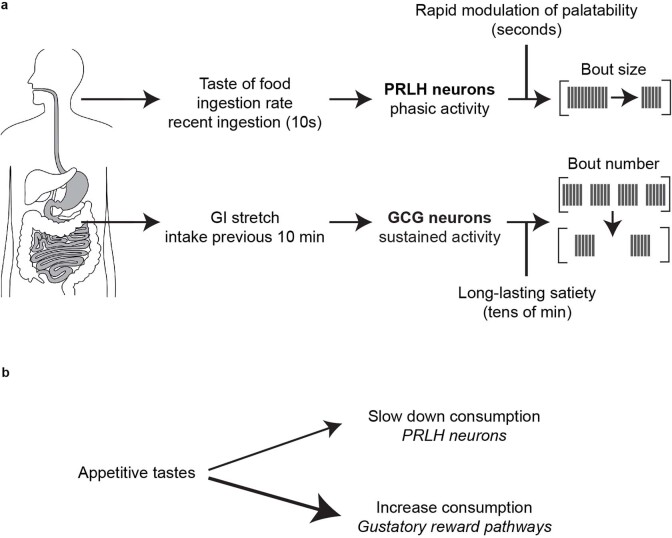
The termination of a meal is controlled by dedicated neural circuits in the caudal brainstem. A key challenge is to understand how these circuits transform the sensory signals generated during feeding into dynamic control of behaviour. The caudal nucleus of the solitary tract (cNTS) is the first site in the brain where many meal-related signals are sensed and integrated 1–4 , but how the cNTS processes ingestive feedback during behaviour is unknown. Here we describe how prolactin-releasing hormone (PRLH) and GCG neurons, two principal cNTS cell types that promote non-aversive satiety, are regulated during ingestion. PRLH neurons showed sustained activation by visceral feedback when nutrients were infused into the stomach, but these sustained responses were substantially reduced during oral consumption. Instead, PRLH neurons shifted to a phasic activity pattern that was time-locked to ingestion and linked to the taste of food. Optogenetic manipulations revealed that PRLH neurons control the duration of seconds-timescale feeding bursts, revealing a mechanism by which orosensory signals feed back to restrain the pace of ingestion. By contrast, GCG neurons were activated by mechanical feedback from the gut, tracked the amount of food consumed and promoted satiety that lasted for tens of minutes. These findings reveal that sequential negative feedback signals from the mouth and gut engage distinct circuits in the caudal brainstem, which in turn control elements of feeding behaviour operating on short and long timescales.
Overview
The claims and statistics of this paper haven’t been checked yet.
Free: it reads the open-access text and checks the first 5 claims that cite a source we can check. Create a free account to check every claim.
Integrity signals
Registry
Cites
Statistics
Figures
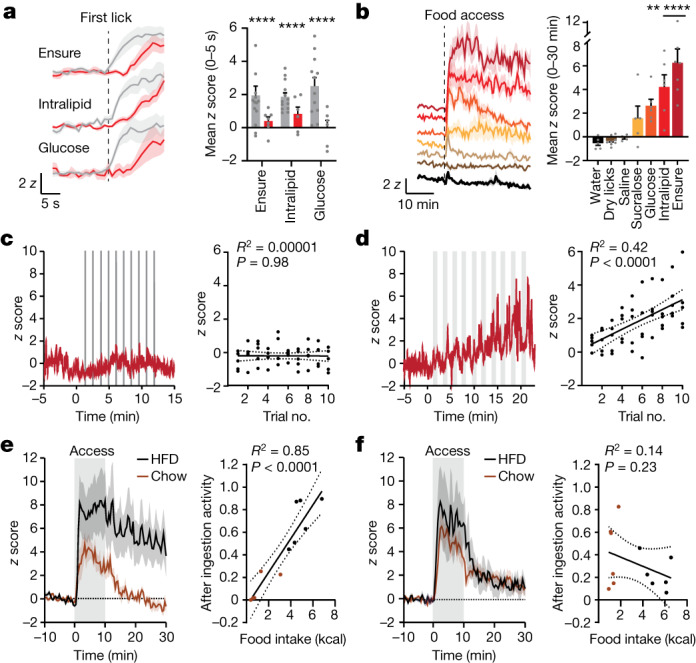
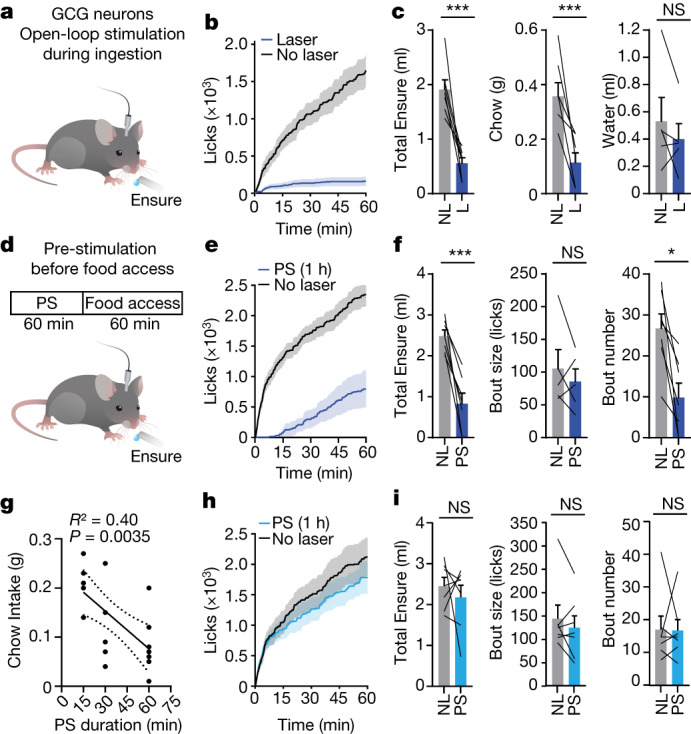
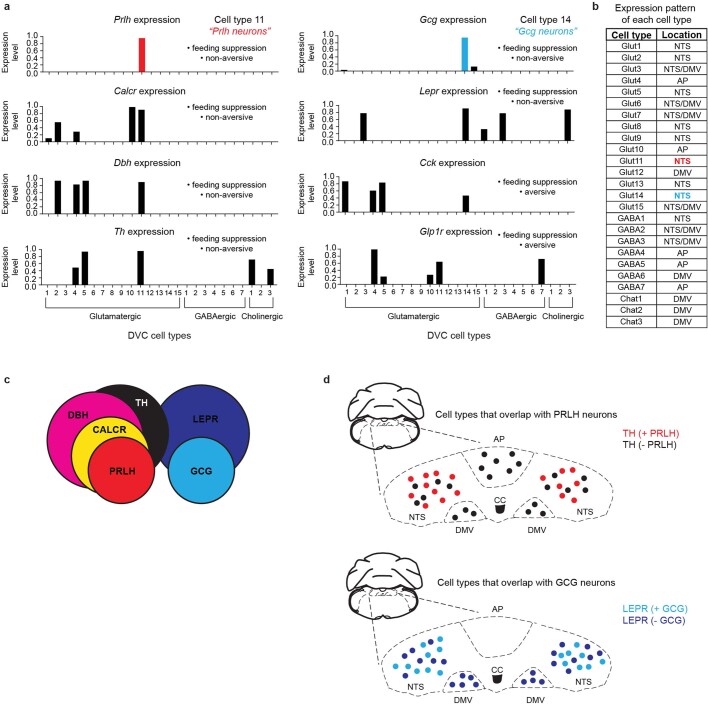
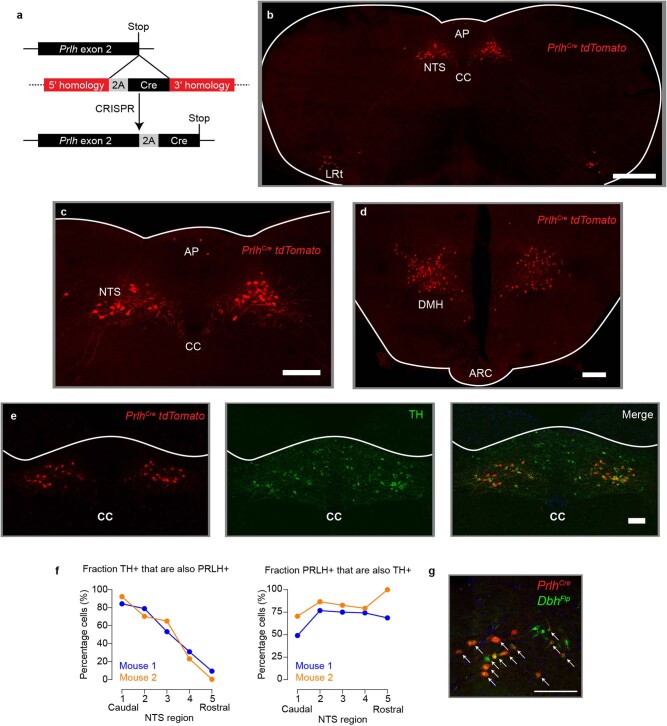
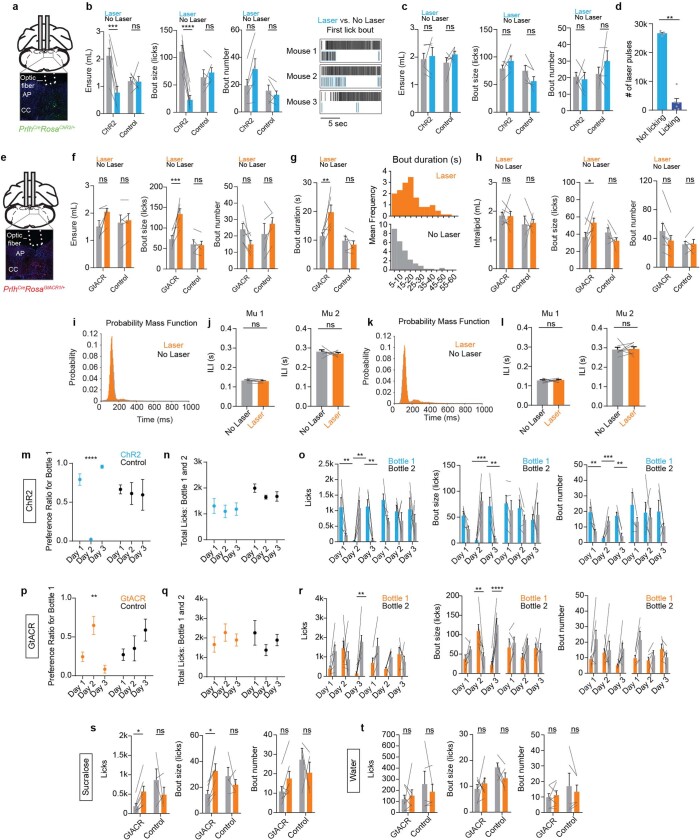
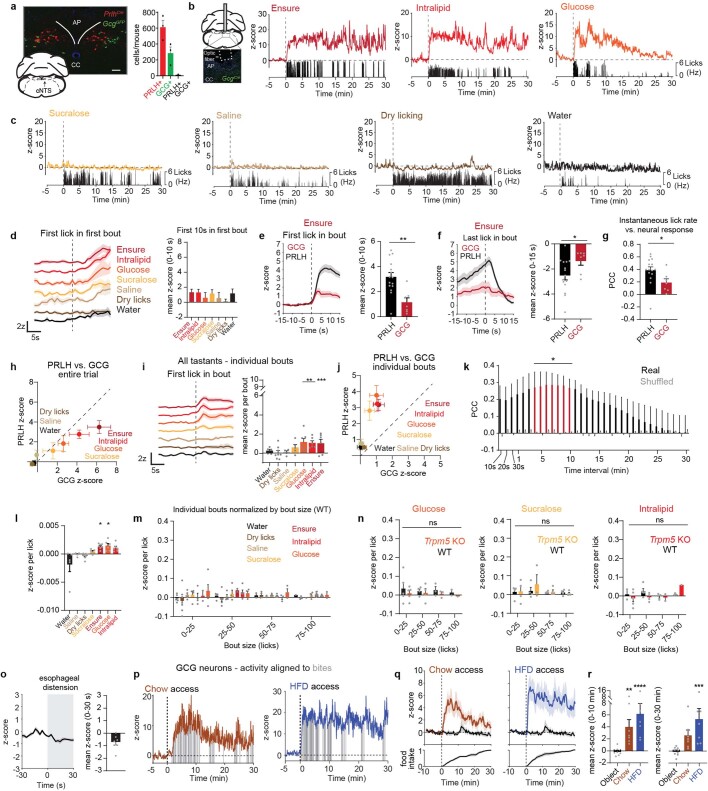
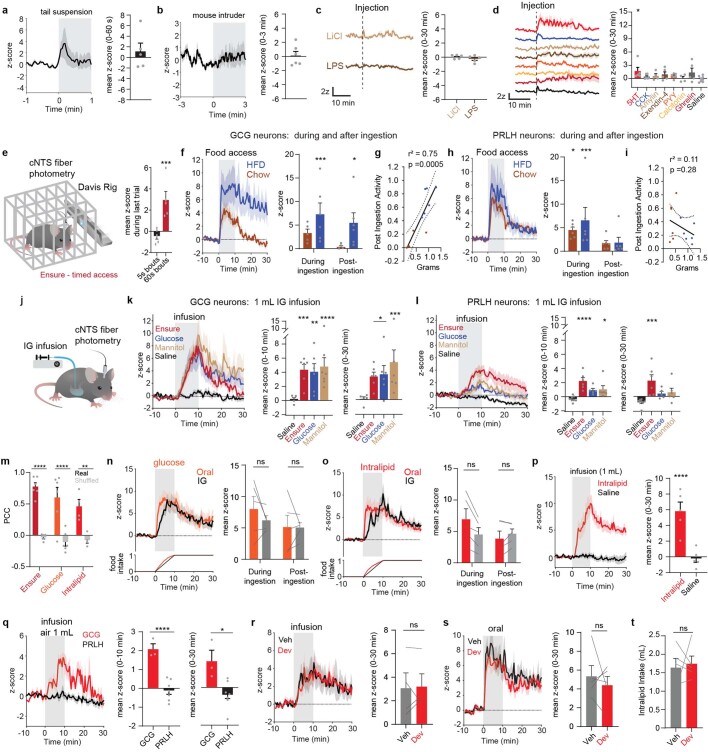
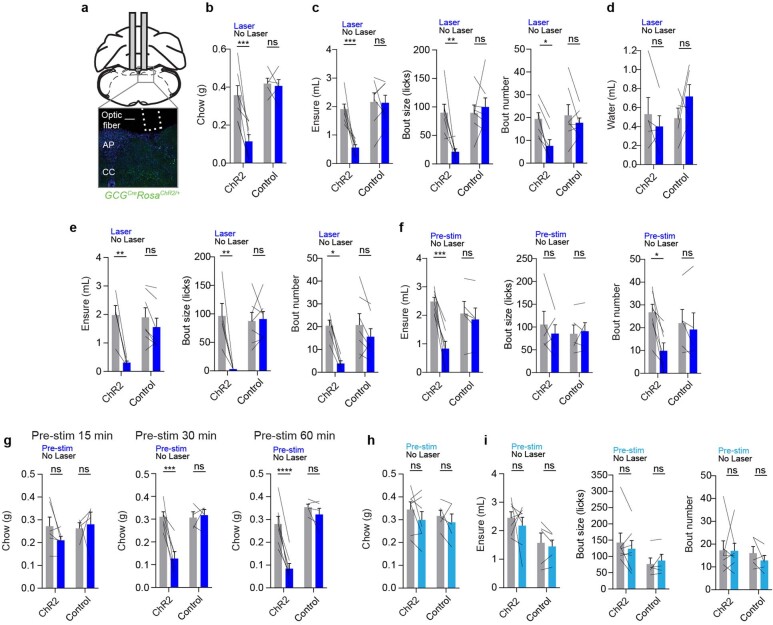
Verification
Claims the paper makes
The claims and statistics of this paper haven’t been checked yet.
Free: it reads the open-access text and checks the first 5 claims that cite a source we can check. Create a free account to check every claim.
Claims other papers make about this one
Each is checked against this paper’s own text: does it say what the citing paper says it does?
The cited source says what the claim attributes to it.
In the citing paper
“This study convincingly demonstrated that distinct NTS populations of prolactin-releasing hormone (PRLH) and PPG neurons are sequentially activated during discrete phases of meal ingestion, to respectively regulate the pace of ingestion, and terminate meals upon receipt of mechanosensory feedback from the gut.”
From GLP-1 and the Neurobiology of Eating Control: Recent Advances (2025) · cites this paper as [61]
Self-check
Percentages, sums and reported differences re-computed from the paper’s own numbers.
The self-check needs the paper’s full text.
Citations
Cites
Once-Weekly Semaglutide in Adults with Overweight or Obesity
Wilding, J. P. H., Batterham, R. L., Calanna, S., Davies, M., Van Gaal, L. F., Lingvay, I., McGowan, B. M., Rosenstock, J., Tran, M. T. D., Wadden, T. A., et al. (2021) · New England Journal of Medicine · doi:10.1056/nejmoa2032183 · Cited by 5,205 · cited 1×
“Experimental protocols were approved by the Institutional Animal Care and Use Committee of the University of California, San Francisco, following the National Institutes of Health guidelines for the Care and Use of Laboratory Animals.”
MethodLiking, wanting, and the incentive-sensitization theory of addiction
Berridge, K. C., & Robinson, T. E. (2016) · American Psychologist · doi:10.1037/amp0000059 · Cited by 1,440 · cited 1×
“On the other hand, the size or duration of a lick bout is correlated with the palatability of an ingested solution and can reflect hedonic motivation or ‘liking’ 31 .”
BackgroundLaugerette, F. (2005) · Journal of Clinical Investigation · doi:10.1172/jci25299 · Cited by 645
Sensory neurons that detect stretch and nutrients in the digestive system
Williams, E. K., Chang, R. B., Strochlic, D. E., Umans, B. D., Lowell, B. B., & Liberles, S. D. (2016) · Cell · doi:10.1016/j.cell.2016.05.011 · Cited by 645 · cited 1×
“6a and Supplementary Videos 4–6).”
Chang, R. S., & Lotti, V. J. (1986) · Proceedings of the National Academy of Sciences · doi:10.1073/pnas.83.13.4923 · Cited by 540
Genetic identification of vagal sensory neurons that control feeding
Bai, L., Mesgarzadeh, S., Ramesh, K. S., Huey, E. L., Liu, Y., Gray, L. A., Aitken, T. J., Chen, Y., Beutler, L. R., Ahn, J. S., et al. (2019) · Cell · doi:10.1016/j.cell.2019.10.031 · Cited by 494 · cited 1×
“To test the sufficiency of GI stretch, we infused into the stomach the non-nutritive sugar mannitol, which is not absorbed and therefore induces significant intestinal distension 34 .”
Self-citationGenetically and functionally defined NTS to PBN brain circuits mediating anorexia
Roman, C. W., Derkach, V. A., & Palmiter, R. D. (2016) · Nature Communications · doi:10.1038/ncomms11905 · Cited by 297 · cited 4×
“We generated and validated Prlh cre knock-in mice 17,23 (616 ± 84 cNTS neurons per mouse (s.e.m.); Extended Data Fig.”
BackgroundMethodInfluentialDynamics of Gut-Brain Communication Underlying Hunger
Beutler, L. R., Chen, Y., Ahn, J. S., Lin, Y.-C., Essner, R. A., & Knight, Z. A. (2017) · Neuron · doi:10.1016/j.neuron.2017.09.043 · Cited by 285
Self-citationCentral and peripheral GLP-1 systems independently suppress eating
Brierley, D. I., Holt, M. K., Singh, A., de Araujo, A., McDougle, M., Vergara, M., Afaghani, M. H., Lee, S. J., Scott, K., Maske, C., et al. (2021) · Nature Metabolism · doi:10.1038/s42255-021-00344-4 · Cited by 265 · cited 3×
“To address this question, we examined GCG neurons, a distinct cell type that has been extensively studied alongside PRLH neurons for its role in non-aversive satiety 10,11,13,32 .”
MethodResultDynamic Sensory Representations in the Olfactory Bulb: Modulation by Wakefulness and Experience
Kato, H. K., Chu, M. W., Isaacson, J. S., & Komiyama, T. (2012) · Neuron · doi:10.1016/j.neuron.2012.09.037 · Cited by 261
Holt, M. K., Richards, J. E., Cook, D. R., Brierley, D. I., Williams, D. L., Reimann, F., Gribble, F. M., & Trapp, S. (2019) · Diabetes · doi:10.2337/db18-0729 · Cited by 212 · cited 5×
“The cNTS contains a diversity of genetically distinct cell types 10–17, 21 , and one attractive We first investigated PRLH neurons, a cNTS cell type 21 that is directly innervated by vagal afferents 14,20 , expresses Fos in response to ingestion 23 and inhibits feeding without inducing conditioned…”
BackgroundMethodInfluentialGastric distension induces c-Fos in medullary GLP-1/2-containing neurons
Vrang, N., Phifer, C. B., Corkern, M. M., & Berthoud, H.-R. (2003) · American Journal of Physiology-Regulatory, Integrative and Comparative Physiology · doi:10.1152/ajpregu.00732.2002 · Cited by 204
Peripheral control of meal size in the rat: Effect of sham feeding on meal size and drinking rate.
Davis, J. D., & Campbell, C. S. (1973) · Journal of Comparative and Physiological Psychology · doi:10.1037/h0034667 · Cited by 201
Hunger neurons drive feeding through a sustained, positive reinforcement signal.
Chen, Y., Lin, Y.-C., Zimmerman, C. A., Essner, R. A., & Knight, Z. A. (2016) · eLife · doi:10.7554/elife.18640 · Cited by 196 · cited 1×
“These findings reveal that negative feedback signals from the mouth and gut engage genetically distinct circuits in the caudal brainstem, which in turn control feeding behaviour operating on short and long timescales (Extended Data Fig.”
BackgroundSelf-citationAppetite controlled by a cholecystokinin nucleus of the solitary tract to hypothalamus neurocircuit
D'Agostino, G., Lyons, D. J., Cristiano, C., Burke, L. K., Madara, J. C., Campbell, J. N., Garcia, A. P., Land, B. B., Lowell, B. B., Dileone, R. J., et al. (2016) · eLife · doi:10.7554/elife.12225 · Cited by 193
Liu, J., Conde, K., Zhang, P., Lilascharoen, V., Xu, Z., Lim, B. K., Seeley, R. J., Zhu, J. J., Scott, M. M., & Pang, Z. P. (2017) · Neuron · doi:10.1016/j.neuron.2017.09.042 · Cited by 190
A genetic map of the mouse dorsal vagal complex and its role in obesity
Ludwig, M. Q., Cheng, W., Gordian, D., Lee, J., Paulsen, S. J., Hansen, S. N., Egerod, K. L., Barkholt, P., Rhodes, C. J., Secher, A., et al. (2021) · Nature Metabolism · doi:10.1038/s42255-021-00363-1 · Cited by 186 · cited 1×
“The cNTS contains a diversity of genetically distinct cell types 10–17, 21 , and one attractive We first investigated PRLH neurons, a cNTS cell type 21 that is directly innervated by vagal afferents 14,20 , expresses Fos in response to ingestion 23 and inhibits feeding without inducing conditioned…”
BackgroundA brainstem map for visceral sensations
Ran, C., Boettcher, J. C., Kaye, J. A., Gallori, C. E., & Liberles, S. D. (2022) · Nature · doi:10.1038/s41586-022-05139-5 · Cited by 167
Gut–brain circuits for fat preference
Li, M., Tan, H.-E., Lu, Z., Tsang, K. S., Chung, A. J., & Zuker, C. S. (2022) · Nature · doi:10.1038/s41586-022-05266-z · Cited by 165
Alcantara, I. C., Tapia, A. P. M., Aponte, Y., & Krashes, M. J. (2022) · Nature Metabolism · doi:10.1038/s42255-022-00611-y · Cited by 155 · cited 3×
“The fact that PRLH neurons control ingestion on a seconds timescale in response to gustatory cues raises the question of which cNTS cells regulate ingestion in response to GI feedback, which is the traditional function ascribed to this structure 1–4 .”
BackgroundPRL-releasing peptide reduces food intake and may mediate satiety signaling
Lawrence, C. B., Ellacott, K. L. J., & Luckman, S. M. (2002) · Endocrinology · doi:10.1210/endo.143.2.8609 · Cited by 147 · cited 1×
“First, we confirmed that intraperitoneal (i.p.) injection of CCK activated PRLH neurons, consistent with Fos studies 27,28 (Extended Data Fig.”
ResultMolecular Profiling of Neurons Based on Connectivity
Ekstrand, M. I., Nectow, A. R., Knight, Z. A., Latcha, K. N., Pomeranz, L. E., & Friedman, J. M. (2014) · Cell · doi:10.1016/j.cell.2014.03.059 · Cited by 142
Self-citationVisceral Afferents Directly Activate Catecholamine Neurons in the Solitary Tract Nucleus
Appleyard, S. M., Marks, D., Kobayashi, K., Okano, H., Low, M. J., & Andresen, M. C. (2007) · The Journal of Neuroscience · doi:10.1523/jneurosci.3502-07.2007 · Cited by 141
Hindbrain circuits in the control of eating behaviour and energy balance
Cheng, W., Gordian, D., Ludwig, M. Q., Pers, T. H., Seeley, R. J., & Myers, M. G. (2022) · Nature Metabolism · doi:10.1038/s42255-022-00606-9 · Cited by 134
Sustained NPY signaling enables AgRP neurons to drive feeding
Chen, Y., Essner, R. A., Kosar, S., Miller, O. H., Lin, Y.-C., Mesgarzadeh, S., & Knight, Z. A. (2019) · eLife · doi:10.7554/elife.46348 · Cited by 128
Self-citationActivation of murine pre-proglucagon–producing neurons reduces food intake and body weight
Gaykema, R. P., Newmyer, B. A., Ottolini, M., Raje, V., Warthen, D. M., Lambeth, P. S., Niccum, M., Yao, T., Huang, Y., Schulman, I. G., et al. (2017) · Journal of Clinical Investigation · doi:10.1172/jci81335 · Cited by 123 · cited 2×
“This long-lasting effect, combined with the observation that GCG neurons remain activated throughout feeding (Fig.”
BackgroundCheng, W., Gonzalez, I., Pan, W., Tsang, A. H., Adams, J., Ndoka, E., Gordian, D., Khoury, B., Roelofs, K., Evers, S. S., et al. (2020) · Cell Metabolism · doi:10.1016/j.cmet.2019.12.012 · Cited by 123 · cited 2×
“PRLH neurons receive abundant feedback from the vagus nerve 14,20 and remain activated for tens of minutes after nutrient infusion into the stomach, but this sustained activation by visceral feedback is substantially reduced during normal feeding.”
BackgroundSchwartz, G. J., & Moran, T. H. (2002) · Endocrinology · doi:10.1210/en.2002-220352 · Cited by 120
Intestinal Sensing of Nutrients
Tolhurst, G., Reimann, F., & Gribble, F. M. (2011) · Handbook of experimental pharmacology · doi:10.1007/978-3-642-24716-3_14 · Cited by 113
Hayashi, Y., Yamamoto, M., Mizoguchi, H., Watanabe, C., Ito, R., Yamamoto, S., Sun, X.-Y., & Murata, Y. (2009) · Molecular Endocrinology · doi:10.1210/me.2009-0296 · Cited by 110
Cheng, W., Ndoka, E., Hutch, C., Roelofs, K., MacKinnon, A., Khoury, B., Magrisso, J., Kim, K. S., Rhodes, C. J., Olson, D. P., et al. (2020) · JCI Insight · doi:10.1172/jci.insight.134359 · Cited by 97
Integration of Satiety Signals by the Central Nervous System
Chambers, A. P., Sandoval, D. A., & Seeley, R. J. (2013) · Current Biology · doi:10.1016/j.cub.2013.03.020 · Cited by 90
Zittel, T. T., GIORGIO, R. D., Sternini, C., & Raybould, H. E. (1994) · Brain Research · doi:10.1016/0006-8993(94)91272-6 · Cited by 88
Endogenous prolactin-releasing peptide regulates food intake in rodents
Takayanagi, Y., Matsumoto, H., Nakata, M., Mera, T., Fukusumi, S., Hinuma, S., Ueta, Y., Yada, T., Leng, G., & Onaka, T. (2008) · Journal of Clinical Investigation · doi:10.1172/jci34682 · Cited by 88
CCK Elicits and Modulates Vagal Afferent Activity Arising from Gastric and Duodenal Sites
SCHWARTZ, G. J., & MORAN, T. H. (1994) · Annals of the New York Academy of Sciences · doi:10.1111/j.1749-6632.1994.tb44058.x · Cited by 84
Enteroendocrine cell types that drive food reward and aversion
Bai, L., Sivakumar, N., Yu, S., Mesgarzadeh, S., Ding, T., Ly, T., Corpuz, T. V., Grove, J. C., Jarvie, B. C., & Knight, Z. A. (2022) · eLife · doi:10.7554/elife.74964 · Cited by 67
Self-citationKreisler, A. D., Davis, E. A., & Rinaman, L. (2014) · Physiology & Behavior · doi:10.1016/j.physbeh.2014.01.015 · Cited by 59
NTS Prlh overcomes orexigenic stimuli and ameliorates dietary and genetic forms of obesity
Cheng, W., Ndoka, E., Maung, J. N., Pan, W., Rupp, A. C., Rhodes, C. J., Olson, D. P., & Myers, M. G. (2021) · Nature Communications · doi:10.1038/s41467-021-25525-3 · Cited by 49
Kreisler, A. D., & Rinaman, L. (2016) · American Journal of Physiology-Regulatory, Integrative and Comparative Physiology · doi:10.1152/ajpregu.00243.2015 · Cited by 27 · cited 1×
“13 ), are activated by ingestion (as measured by Fos staining) 10,33 and inhibit food intake when stimulated without inducing conditioned taste avoidance 13,32 .”
Sham Feeding in Rats with Chronic, Reversible Gastric Fistulas
Smith, G. P. (1998) · Current Protocols in Neuroscience · doi:10.1002/0471142301.ns0806ds04 · Cited by 24
Research works printed but not linked: 1
- Berthoud, H.-R. in Neurobiology of Food and Fluid Intake (eds Stricker, E. M. & Woods, S. C.) 195–240 (Springer, 2004).
Cited by
Dissociable hindbrain GLP1R circuits for satiety and aversion
Huang, K.-P., Acosta, A. A., Ghidewon, M. Y., McKnight, A. D., Almeida, M. S., Nyema, N. T., Hanchak, N. D., Patel, N., Gbenou, Y. S. K., Adriaenssens, A. E., et al. (2024) · Nature · doi:10.1038/s41586-024-07685-6 · Cited by 166
“These data complement results from papers on the activity dynamics of NTS neurons in response to oral and gut-derived signals 52,53 and, importantly, provide in vivo evidence of hindbrain activation by GLP1-based obesity drugs.”
The vagus nerve: An old but new player in brain–body communication
Ma, L., Wang, H., & Hashimoto, K. (2024) · Brain Behavior and Immunity · doi:10.1016/j.bbi.2024.11.023 · Cited by 166
Hedonic eating is controlled by dopamine neurons that oppose GLP-1R satiety
Zhu, Z., Gong, R., Rodriguez, V., Quach, K. T., Chen, X., & Sternson, S. M. (2025) · Science · doi:10.1126/science.adt0773 · Cited by 91
The neurobiology of overeating
Stuber, G. D., Schwitzgebel, V., & Lüscher, C. (2025) · Neuron · doi:10.1016/j.neuron.2025.03.010 · Cited by 76
Skeletal interoception in osteoarthritis
Yang, D., Xu, J., Xu, K., & Xu, P. (2024) · Bone Research · doi:10.1038/s41413-024-00328-6 · Cited by 54
Metadata
- Authors
- Ly, T., Oh, J. Y., Sivakumar, N., Shehata, S., La Santa Medina, N., Huang, H., Liu, Z., Fang, W., Barnes, C., Dundar, N., Jarvie, B. C., Ravi, A., Barnhill, O. K., Li, C., Lee, G. R., Choi, J., Jang, H., & Knight, Z. A.
- Affiliations
- University of California, San Francisco (US)
- Howard Hughes Medical Institute (US)
- Corresponding author
- Knight, Zachary A.
- ORCID
- Venue
- Nature
- Published
- 2023-11-22
- Volume
- 624
- Issue
- 7990
- Pages
- 130-137
- ISSN
- 0028-0836 (ISSN-L)
- 1476-4687
- PMC
- PMC10700140
- OpenAlex
- W4388896472
- Cited by
- 90
- References
- 40
- Citations by year
- 2026: 20 · 2025: 49 · 2024: 20 · 2023: 1
- FWCI
- 13.39
- Type
- journal article
- Language
- en
- Open access
- hybrid
- doi.org
- Licence
- cc-by
- creativecommons.org/licenses/by/4.0 (tdm)
- creativecommons.org/licenses/by/4.0 (vor)
- Locations
- Nature (publishedVersion, cc-by)
- PubMed Central (publishedVersion, cc-by)
- PubMed (publishedVersion)
- RePEc: Research Papers in Economics (submittedVersion)
- eScholarship (California Digital Library) (submittedVersion, cc-by)
- Funders
- Eli Lilly and Company
- National Institutes of Health (4r01ns116626-02)
- National Institute of Diabetes and Digestive and Kidney Diseases (P30DK098722, R01DK106399, F31DK137586)
- National Institute of Neurological Disorders and Stroke (R01-NS116626, T32NS115706)
- Topics
- Life Sciences › Neuroscience › Endocrine and Autonomic Systems › Regulation of Appetite and Obesity
- Life Sciences › Neuroscience › Endocrine and Autonomic Systems › Neuroscience of respiration and sleep
- Life Sciences › Neuroscience › Cellular and Molecular Neuroscience › Neuroscience and Neuropharmacology Research
- Keywords
- appetite suppression, satiety, brainstem, verbal feedback, meal termination, feeding behaviour
- MeSH terms
- Animals, Appetite Regulation, Brain Stem, Eating, Food, Neural Pathways, Neurons, Satiation, Stomach, Taste, Time Factors, Solitary Nucleus, Feedback, Physiological, Mice, Prolactin-Releasing Hormone
About these checks
Registry, retraction, Cites and statistics results are computed, not judged, with one exception: a printed reference that no index lists is read once by a model before it counts as a citation error. Claims are extracted by a model and kept only when their quote appears verbatim in the text; each cited source is then checked, with a model’s help, for whether it says what the claim relies on. Those verdicts can be wrong — read the claim’s quote and the cited source before relying on one.
Statistics and arithmetic are recomputed, not judged.
Confidence bands are shown only for fields calibrated on our annotated test set. None is calibrated yet, so no band is shown.
What counts as a claim ›How we measure confidence ›How we check this ›
Are you an author, or do you see a problem with this page? Request a review
Data sources
Bibliographic data: Semantic Scholar, OpenAlex, Crossref.
Contains information from the Semantic Scholar Academic Graph Datasets, made available under the ODC Attribution License (ODC-BY 1.0).
Semantic Scholar’s data is described in: Kinney, R., et al. (2023). The Semantic Scholar Open Data Platform. arXiv:2301.10140.
