

CTLA4 blockade abrogates KEAP1/STK11-related resistance to PD-(L)1 inhibitors
Open accessThe DOI matches its Crossref record; 77 of the 77 references it cites were found in a registry or an index.
Abstract
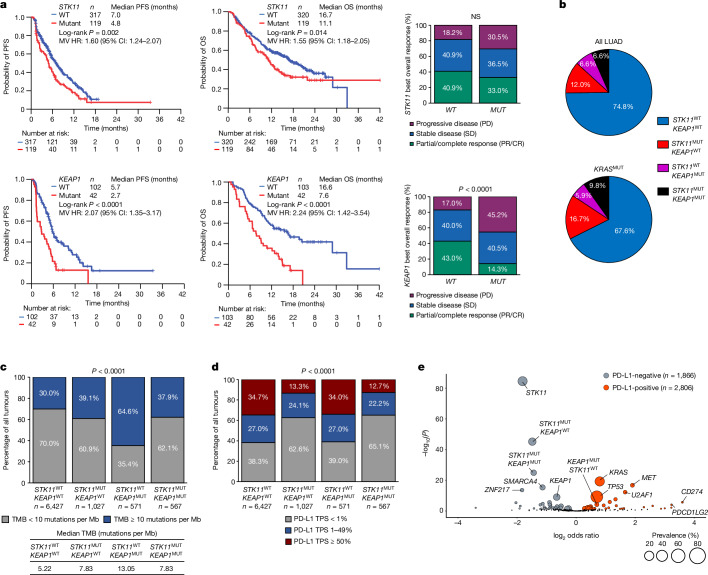
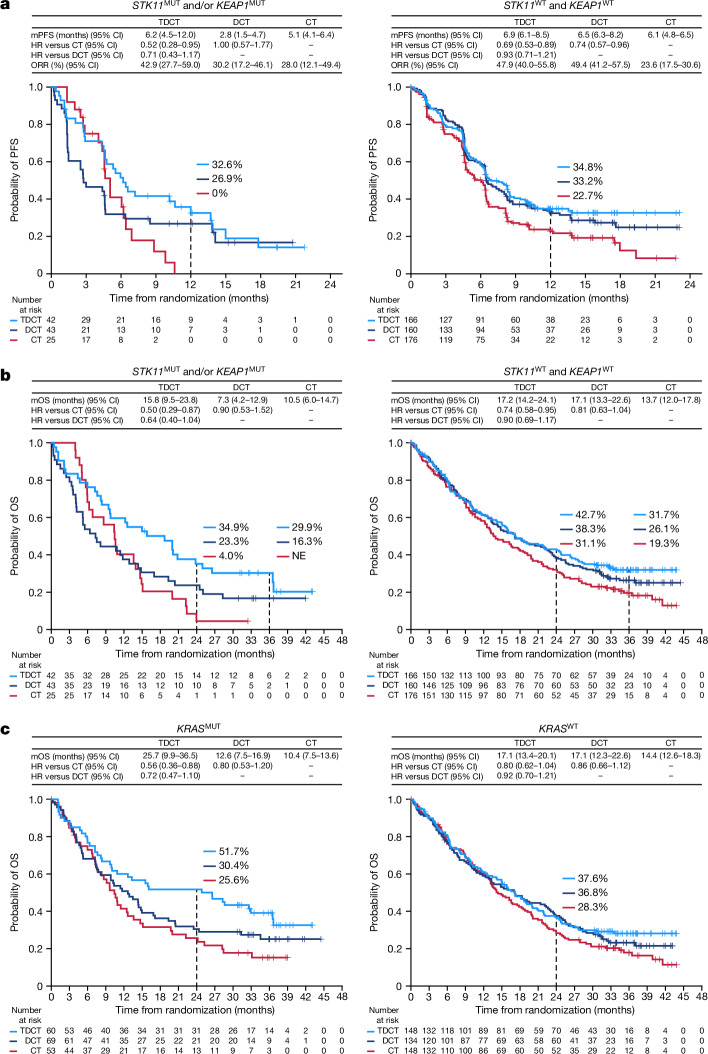
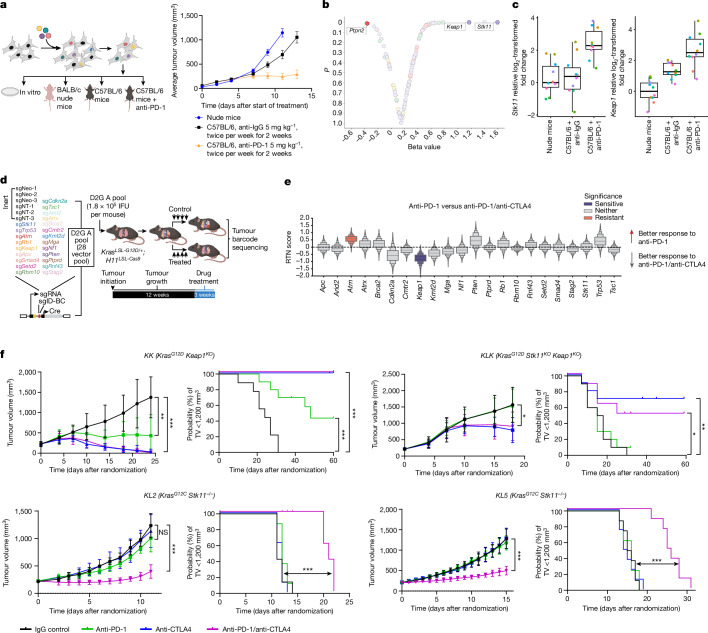
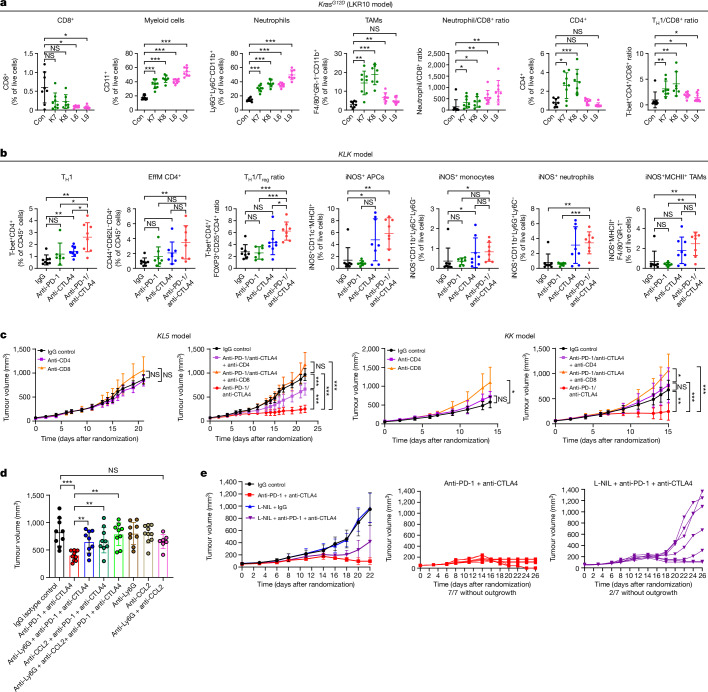
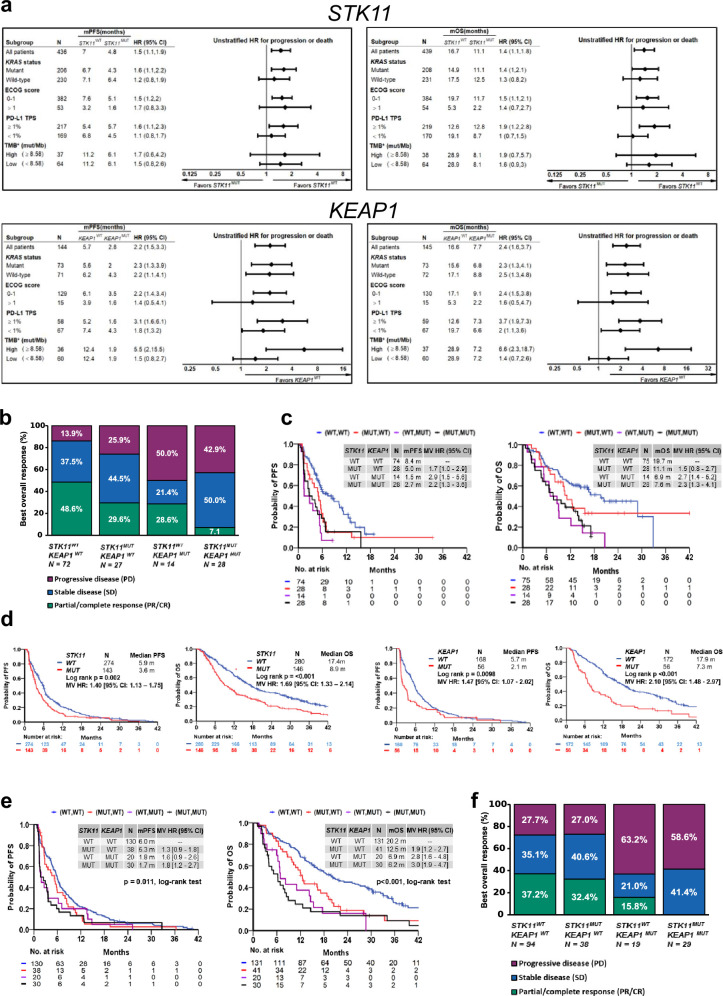
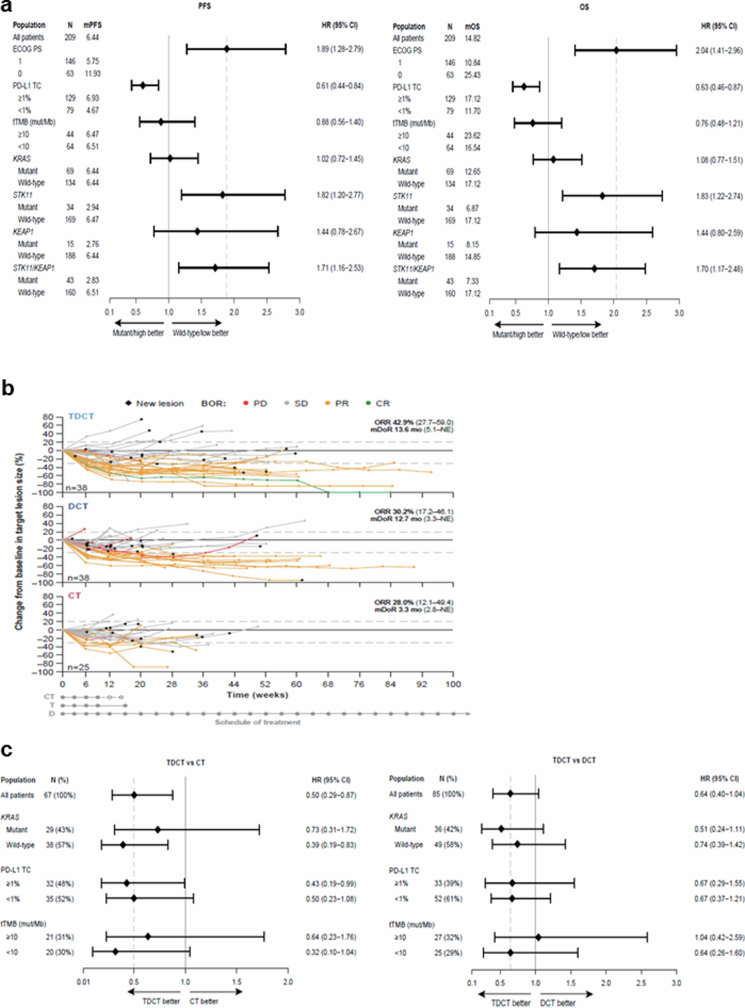
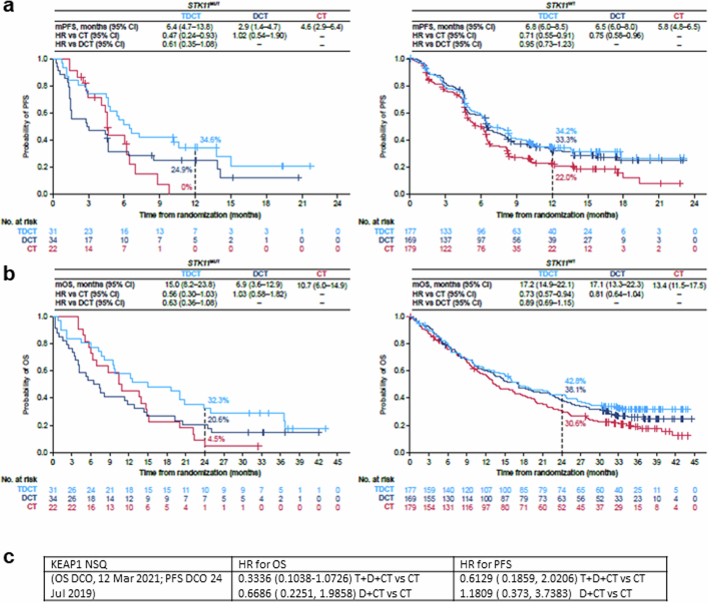
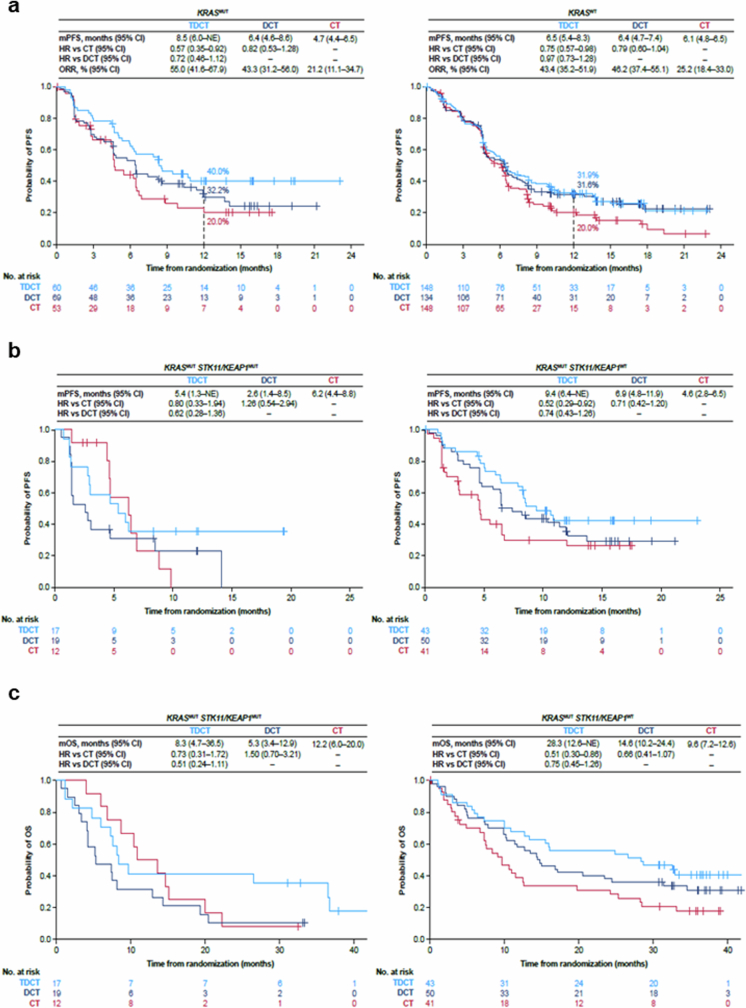
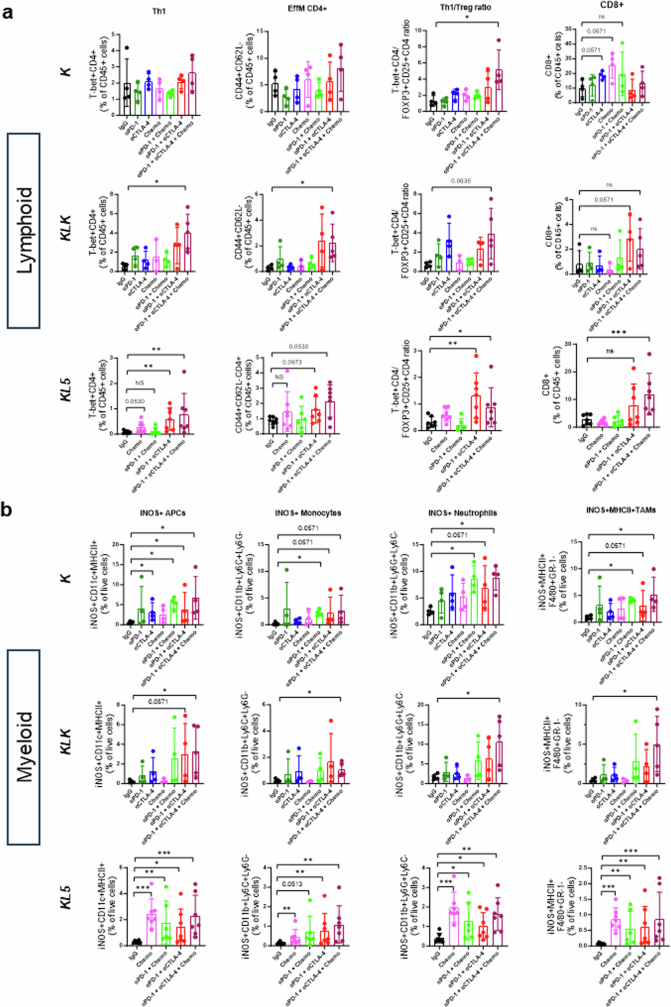
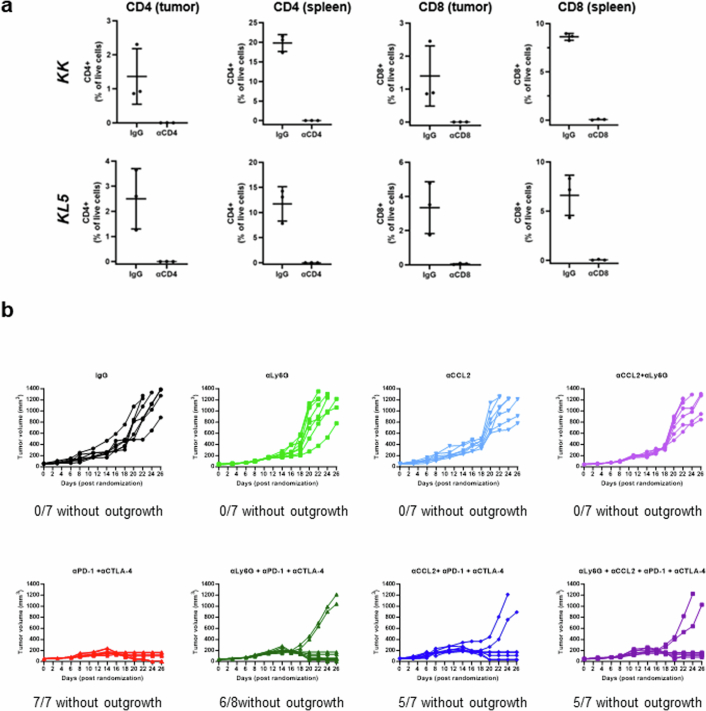
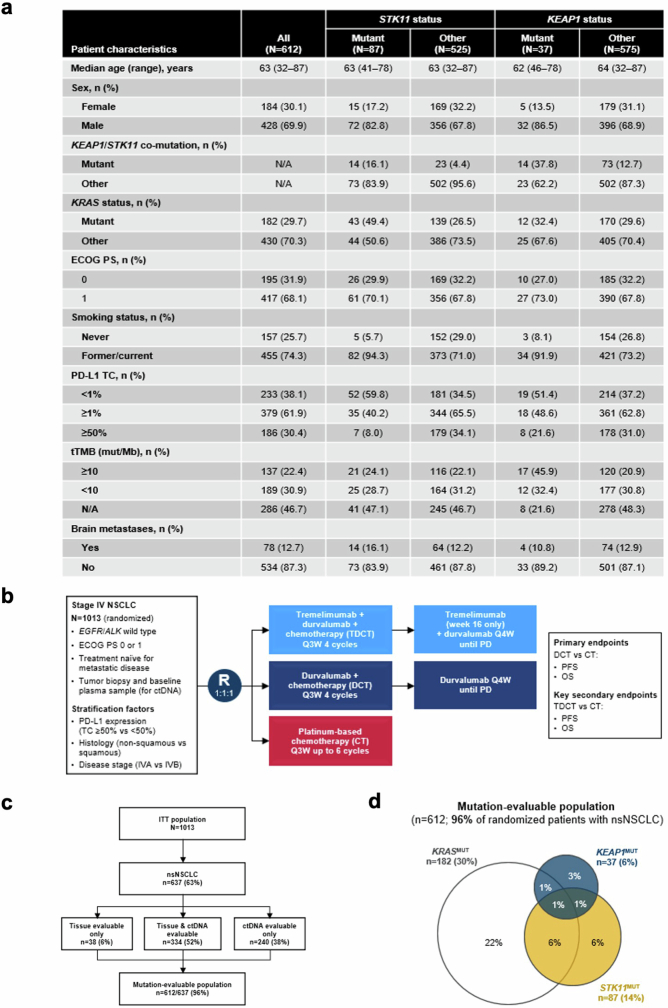
For patients with advanced non-small-cell lung cancer (NSCLC), dual immune checkpoint blockade (ICB) with CTLA4 inhibitors and PD-1 or PD-L1 inhibitors (hereafter, PD-(L)1 inhibitors) is associated with higher rates of anti-tumour activity and immune-related toxicities, when compared with treatment with PD-(L)1 inhibitors alone. However, there are currently no validated biomarkers to identify which patients will benefit from dual ICB1,2. Here we show that patients with NSCLC who have mutations in the STK11 and/or KEAP1 tumour suppressor genes derived clinical benefit from dual ICB with the PD-L1 inhibitor durvalumab and the CTLA4 inhibitor tremelimumab, but not from durvalumab alone, when added to chemotherapy in the randomized phase III POSEIDON trial3. Unbiased genetic screens identified loss of both of these tumour suppressor genes as independent drivers of resistance to PD-(L)1 inhibition, and showed that loss of Keap1 was the strongest genomic predictor of dual ICB efficacy—a finding that was confirmed in several mouse models of Kras-driven NSCLC. In both mouse models and patients, KEAP1 and STK11 alterations were associated with an adverse tumour microenvironment, which was characterized by a preponderance of suppressive myeloid cells and the depletion of CD8+ cytotoxic T cells, but relative sparing of CD4+ effector subsets. Dual ICB potently engaged CD4+ effector cells and reprogrammed the tumour myeloid cell compartment towards inducible nitric oxide synthase (iNOS)-expressing tumoricidal phenotypes that—together with CD4+ and CD8+ T cells—contributed to anti-tumour efficacy. These data support the use of chemo-immunotherapy with dual ICB to mitigate resistance to PD-(L)1 inhibition in patients with NSCLC who have STK11 and/or KEAP1 alterations. Alterations in the tumour suppressor genes STK11 and/or KEAP1 can identify patients with advanced non-small-cell lung cancer who are likely to benefit from combinations of PD-(L)1 and CTLA4 immune checkpoint inhibitors added to chemotherapy.
Overview
The claims and statistics of this paper haven’t been checked yet.
Free: it reads the open-access text and checks the first 5 claims that cite a source we can check. Create a free account to check every claim.
Integrity signals
Registry
Cites
Statistics
Figures
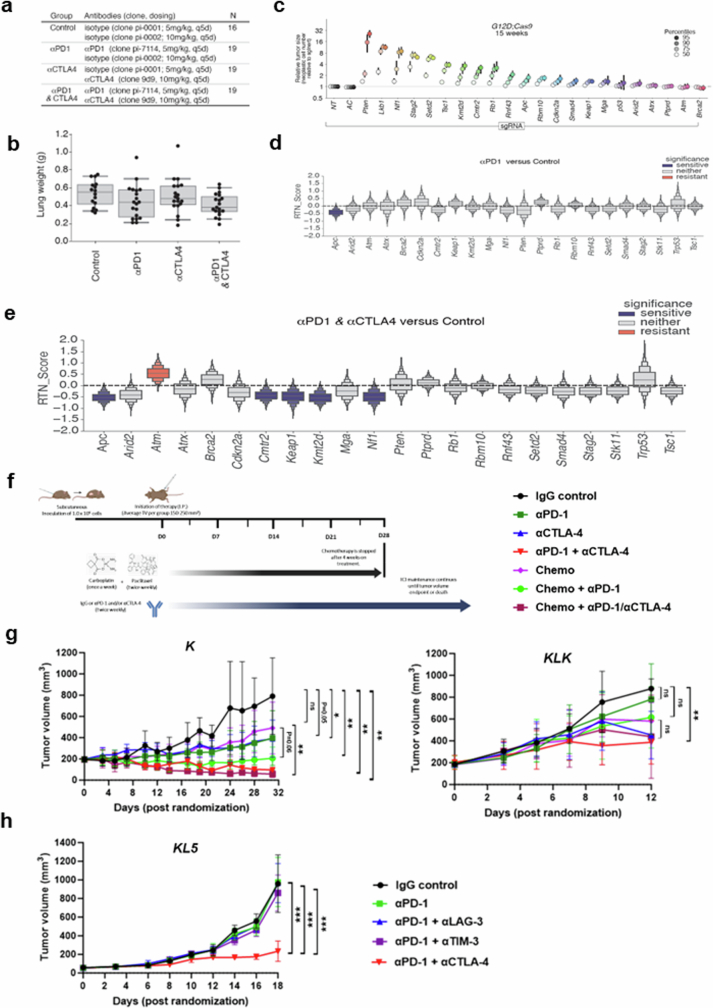
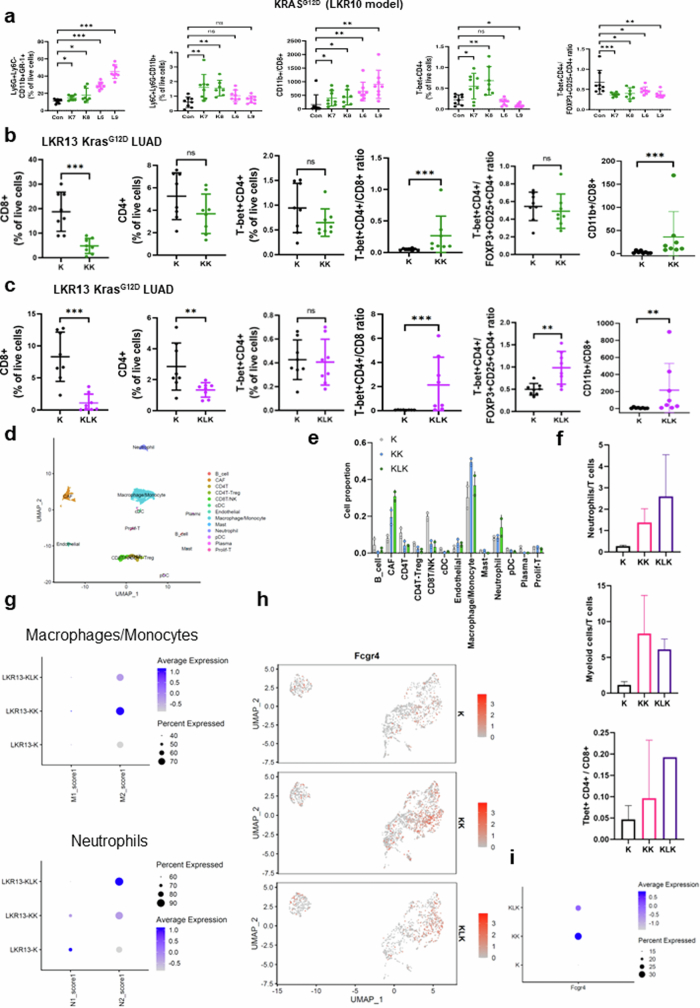
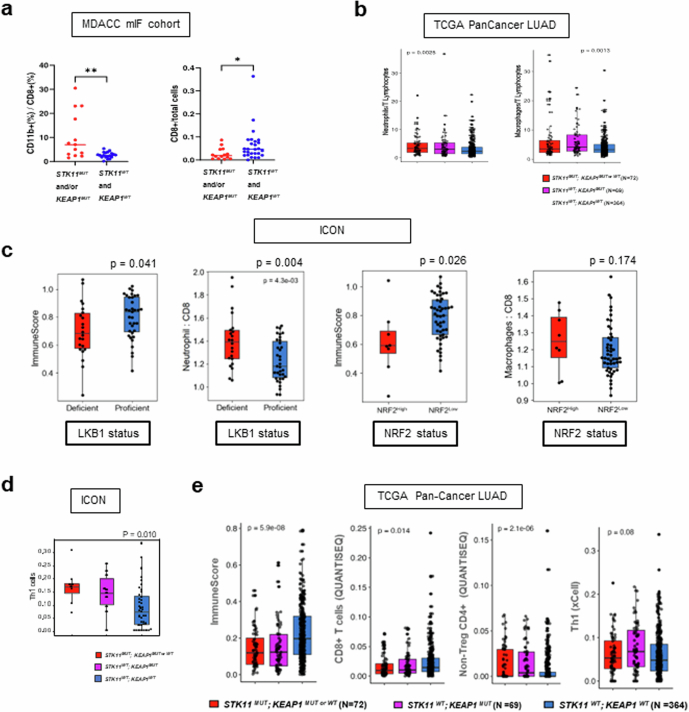
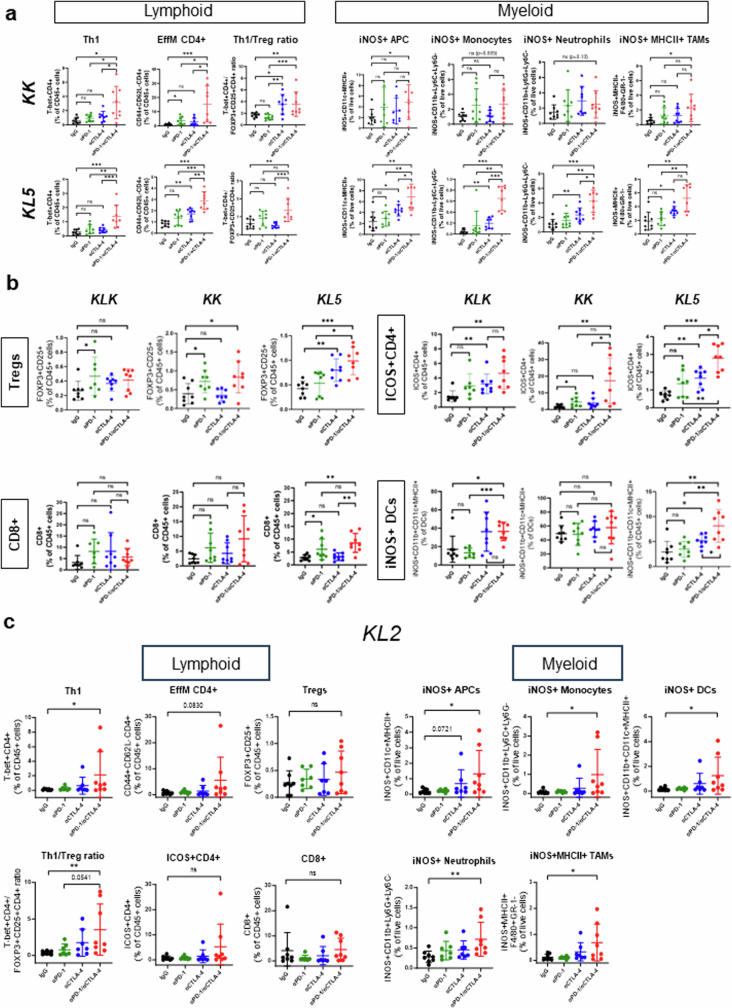
Verification
Claims the paper makes
The claims and statistics of this paper haven’t been checked yet.
Free: it reads the open-access text and checks the first 5 claims that cite a source we can check. Create a free account to check every claim.
Claims other papers make about this one
Each is checked against this paper’s own text: does it say what the citing paper says it does?
The source backs part of the claim, not all of it — or backs it for a different population, condition or comparison.
In the citing paper
“Previously, we conducted an in vivo CRISPR screen in the MC38 mouse model to identify genes that, when knocked out, drove immune evasion and resistance to anti–PD-1 treatment. STK11 was one of several identified genes in the screen that caused resistance to immune checkpoint blockade (20).”
From TNG260 Is a Small-Molecule CoREST Inhibitor That Sensitizes STK11 -Mutant Tumors to Anti–PD-1 Immunotherapy (2025) · cites this paper as [20]
Experimental — accuracy not yet measuredThe source backs part of the claim, not all of it — or backs it for a different population, condition or comparison.
In the citing paper
“In the MC38 syngeneic model, which is KRAS wild-type, loss of STK11 alone is sufficient to drive resistance to anti–PD-1 (20).”
From TNG260 Is a Small-Molecule CoREST Inhibitor That Sensitizes STK11 -Mutant Tumors to Anti–PD-1 Immunotherapy (2025) · cites this paper as [20]
Experimental — accuracy not yet measuredThe cited source says what the claim attributes to it.
In the citing paper
“STK11/LKB1 loss and KEAP1 mutations may contribute to lack of response to different therapies including anti-PD-(L)1 immune checkpoint inhibitors9,10 and KRASG12C inhibitors3,4.”
From LKB1 regulates JNK-dependent stress signaling and apoptotic dependency of KRAS-mutant lung cancers (2025) · cites this paper as [10]
The cited source says what the claim attributes to it.
In the citing paper
“STK11/LKB1 and KEAP1 mutations can reshape a colder TME and suppress the infiltration of T cells [157].”
From Differential Response and Resistance to KRAS-Targeted Therapy (2025) · cites this paper as [157]
Self-check
Percentages, sums and reported differences re-computed from the paper’s own numbers.
The self-check needs the paper’s full text.
Citations
Cites
PD-1 and PD-L1 Immune Checkpoint Blockade to Treat Breast Cancer
Hartkopf, A. D., Taran, F.-A., Wallwiener, M., Walter, C. B., Krämer, B., Grischke, E.-M., & Brucker, S. Y. (2016) · Breast Care · doi:10.1159/000453569 · Cited by 30,845
Integrative Analysis of Complex Cancer Genomics and Clinical Profiles Using the cBioPortal
Gao, J., Aksoy, B. A., Dogrusoz, U., Dresdner, G., Gross, B., Sumer, S. O., Sun, Y., Jacobsen, A., Sinha, R., Larsson, E., et al. (2013) · Science Signaling · doi:10.1126/scisignal.2004088 · Cited by 15,160 · cited 1×
“Paired WES, RNA-seq and clinical data from patients with LUAD from the TCGA PanCancer Atlas cohort were downloaded from the cBio-Portal for Cancer Genomics repository 59 .”
Mutational landscape determines sensitivity to PD-1 blockade in non–small cell lung cancer
Rizvi, N. A., Hellmann, M. D., Snyder, A., Kvistborg, P., Makarov, V., Havel, J. J., Lee, W., Yuan, J., Wong, P., Ho, T. S., et al. (2015) · Science · doi:10.1126/science.aaa1348 · Cited by 7,802
Self-citationPembrolizumab plus chemotherapy in metastatic non–small-cell lung cancer
Gandhi, L., Rodríguez-Abreu, D., Gadgeel, S., Esteban, E., Felip, E., De Angelis, F., Domine, M., Clingan, P., Hochmair, M. J., Powell, S. F., et al. (2018) · New England Journal of Medicine · doi:10.1056/nejmoa1801005 · Cited by 6,607 · cited 1×
“%) levels 4 .”
Self-citationImproved vectors and genome-wide libraries for CRISPR screening
Sanjana, N. E., Shalem, O., & Zhang, F. (2014) · Nature Methods · doi:10.1038/nmeth.3047 · Cited by 5,239 · cited 1×
“Eleven per cent of the sgRNAs included in the library represented non-targeting controls. sgRNA oligos were cloned into a lentiCRISPR v2 plasmid 61 , using Gibson assembly.”
TIMER2.0 for analysis of tumor-infiltrating immune cells
Li, T., Fu, J., Zeng, Z., Cohen, D., Li, J., Chen, Q., Li, B., & Liu, X. S. (2020) · Nucleic Acids Research · doi:10.1093/nar/gkaa407 · Cited by 5,209 · cited 1×
“0 60 , which provides standardized output from six different immune estimation methods.”
Optimized sgRNA design to maximize activity and minimize off-target effects of CRISPR-Cas9
Doench, J. G., Fusi, N., Sullender, M., Hegde, M., Vaimberg, E. W., Donovan, K. F., Smith, I., Tothova, Z., Wilen, C., Orchard, R., et al. (2016) · Nature Biotechnology · doi:10.1038/nbt.3437 · Cited by 4,637 · cited 1×
“First, all possible 20-bp sgRNAs (using an NGG PAM) targeting each gene of interest were identified and scored for predicted on-target cutting efficiency using an available sgRNA design/scoring algorithm 68 .”
xCell: digitally portraying the tissue cellular heterogeneity landscape
Aran, D., Hu, Z., & Butte, A. J. (2017) · Genome Biology · doi:10.1186/s13059-017-1349-1 · Cited by 4,397 · cited 10×
“C57BL/6J mice were treated by intraperitoneal injection with anti-mPD-1 (BioXCell, BE0146) or anti-IgG2a (BioXCell, BE0089) at 5 mg per kg or 10 mg per kg, twice per week for two weeks.”
InfluentialAnalysis of 100,000 human cancer genomes reveals the landscape of tumor mutational burden
Chalmers, Z. R., Connelly, C. F., Fabrizio, D., Gay, L., Ali, S. M., Ennis, R., Schrock, A., Campbell, B., Shlien, A., Chmielecki, J., et al. (2017) · Genome Medicine · doi:10.1186/s13073-017-0424-2 · Cited by 3,519 · cited 2×
“TMB was measured by Foundation Medicine as described previously 52 .”
Nivolumab plus ipilimumab in lung cancer with a high tumor mutational burden
Hellmann, M. D., Ciuleanu, T.-E., Pluzanski, A., Lee, J. S., Otterson, G. A., Audigier-Valette, C., Minenza, E., Linardou, H., Burgers, S., Salman, P., et al. (2018) · New England Journal of Medicine · doi:10.1056/nejmoa1801946 · Cited by 3,063
Self-citation
Cited by
Items 101–200 of 226
Pillai, R., Rashidfarrokhi, A., Hao, Y., Wu, W., Mancini, M. C. S., Karadal-Ferrena, B., Dimitriadoy, S. G., Cross, M., Yeaton, A. H., Huang, S. M., et al. (2026) · Cancer Discovery · doi:10.1158/2159-8290.cd-25-0470 · Cited by 3
“Recent work has high-lighted that dual anti–CTLA-4/anti–PD-1 therapy is efficacious in LKB1 -mutant lung cancer (105); however, the precise mechanism of immune evasion in this genetic subtype of lung cancer remains elusive.”
Self-citationSuzuki, S., Kandar, B. M., Ting, C., Deraska, P. V., Chen, T.-A., Giridharan, T., Khan, A. N. H., Attwood, K. M., Yu, H., Catalfamo, K., et al. (2026) · Cancer Immunology Research · doi:10.1158/2326-6066.cir-25-0534 · Cited by 3
KRAS G12C-mutant non-small cell lung cancer: A practical guide for clinicians
Remón, J., Cava, G. L., Borgeaud, M., Saw, S. P. L., Hendriks, L. E. L., & Ricciuti, B. (2026) · Cancer Treatment Reviews · doi:10.1016/j.ctrv.2026.103144 · Cited by 3
Self-citationDecoding the spatiotemporal dynamics of tumor immune niche remodeling in cancer immunotherapy
Fu, Z., Wu, H., Xu, H., Li, D., Chen, J., 闵新文, Yang, H., Wu, W., Liu, Z., Cai, W., et al. (2026) · Frontiers in Immunology · doi:10.3389/fimmu.2026.1827177 · Cited by 3
Sun, Q., Li, X., Wu, J., Zhang, J., Zhu, Y., & Dong, Y. (2026) · Critical Reviews in Oncology/Hematology · doi:10.1016/j.critrevonc.2026.105382 · Cited by 5
Self-citationHidalgo-Filho, C. M., Santo, V., Gariazzo, E., Aldea, M. D., Pecci, F., Danlos, F., Junior, G. D. C., & Ricciuti, B. (2026) · Journal of Clinical Oncology · doi:10.1200/jco-25-03026 · Cited by 5
Self-citationTargeting KRAS Codon 13 Mutations Using Direct Combination Approaches in Non–Small Cell Lung Cancer
McDaid, W. J., Adderley, H., d’Arienzo, P. D., Parreira, A. S. D. F. M., Woodhouse, L. C., Zhuang, Y., Castillo‐Lluva, S., Tinsley, K. L., Cooksedge, J., Baker, M. J., et al. (2026) · Cancer Discovery · doi:10.1158/2159-8290.cd-25-0884 · Cited by 3
Self-citationDu, F., Jiang, H., Chen, G., Guan, W., Lin, Y., Zhu, Y., Li, Y., Huang, G., He, B., Tang, J., et al. (2024) · Frontiers in Immunology · doi:10.3389/fimmu.2024.1485358 · Cited by 3
“This immune reprogramming may help restore anti-tumor immunity even in tumors harboring STK11 mutations (20 – 22).”
Peruzzo, N., Lenz, G., Akhiwu, T. O., Bilalaga, M. M., Gaddipati, G. N., Müller, N. L. F., Zarpellon, L. A., Venero, F. C., Corassa, M. P., Cardona, A. F., et al. (2025) · Clinical Lung Cancer · doi:10.1016/j.cllc.2025.04.006 · Cited by 3
Shareef, A., Sameer, H. N., Yaseen, A., Athab, Z. H., Adil, M., & Allela, O. Q. B. (2025) · Critical Reviews in Oncology/Hematology · doi:10.1016/j.critrevonc.2025.104872 · Cited by 4
Amemiya, K., Hirotsu, Y., Iimuro, Y., Tajiri, R., Oyama, T., Obi, S., Mochizuki, H., & Omata, M. (2025) · Cancer Medicine · doi:10.1002/cam4.70814 · Cited by 3
Tumor suppressor genotype influences the extent and mode of immunosurveillance in lung cancer
Adler, K. M., Xu, H., Gladstein, A. C., Irizarry-Negron, V. M., Robertson, M. R., Doerig, K. R., Petrov, D. A., Winslow, M. M., & Feldser, D. M. (2026) · Nature Communications · doi:10.1038/s41467-026-74023-x · Cited by 2
“Notably, while Lkb1 and/or Keap1 inactivation is associated with resistance to PD-1/PD-L1 blockade, these genotypes increased sensitivity to dual checkpoint therapy with CTLA-4 in analogous preclinical KRAS-driven lung cancer models and patients 47 .”
Self-citationWang, X., Zhang, P., Ye, W., Du, M., Huang, C., & Zheng, J. (2025) · Journal of Cellular and Molecular Medicine · doi:10.1111/jcmm.70731 · Cited by 3
Pineda, C. M., Guan, Z., Kwon, H., Rangachari, D., Costa, D. B., & VanderLaan, P. A. (2025) · Modern Pathology · doi:10.1016/j.modpat.2025.100938 · Cited by 4
Yang, L., Li, J., Wang, X., Yu, X., & Pei, Z. (2026) · Frontiers in Immunology · doi:10.3389/fimmu.2026.1693179 · Cited by 3
An evolving landscape: predictive and therapeutic biomarkers in advanced non-small cell lung cancer
Fortman, D. D., & Qin, A. (2026) · Frontiers in Oncology · doi:10.3389/fonc.2026.1750153 · Cited by 3
“Notably, the combination of CTLA4-inhibitors with PD-(L)1 blockade appears to have the capability to overcome to PD-(L)1 inhibition alone in patients with STK11 and/or KEAP1 mutations (76).”
Jhatakia, A., Sun, X., Vaccaro, A., Wang, M., Nasser, M., Mukhopadhyay, A., Gupta, N., Kang, K., Hu, W., Newsome, C., et al. (2026) · Clinical Cancer Research · doi:10.1158/1078-0432.ccr-25-1230 · Cited by 2
“We also report results obtained in preclinical mouse models of colorectal cancer and NSCLC treated with anti–CTLA-4 antibodies, which are of particular relevance given data suggesting that anti–CTLA-4–based therapies may provide benefits in these and other cancer types (14, 15, 19–21).”
Self-citationLi, Y., Zhan, Y., & Shen, C. (2026) · Frontiers in Oncology · doi:10.3389/fonc.2026.1742160 · Cited by 2
“These fi ndings suggest that RN7SL1 not only serves as a prognostic biomarker but also provides a new strategy for precision therapy targeting the lncRNA/ miRNA/MYCN axis (25).”
Abodunrin, F., Cameron, R. B., Haque, W. Z., Bestvina, C. M., & Garassino, M. C. (2026) · Frontiers in Oncology · doi:10.3389/fonc.2026.1779081 · Cited by 3
“In the metastatic setting, CTLA4 inhibition can overcome this immunosuppressive microenvironment (44, 45), but in the neoadjuvant setting, dual checkpoint inhibition is a less proven strategy.”
Self-citationFan, L.-Z., Xu, A.-L., Xu, Y.-R., Yang, L., Yuan, F., & Nie, X. (2026) · Oncology Letters · doi:10.3892/ol.2026.15570 · Cited by 2
“For example, in 2024, Skoulidis et al (60) reported that serine/threonine kinase 11 and Kelch‑like ECh‑associated protein 1 mutations in lung cancer lead to immunosuppression in the tumor microenvironment, which is characterized by CD8 + T‑cell dysfunction and an increase in myeloid‑derived suppressor cells.”
InfluentialLiu, C., Zhu, S., Wu, J., Qiao, Y., Yang, N., & Chen, J. (2026) · Genes & Diseases · doi:10.1016/j.gendis.2026.102230 · Cited by 2
Self-citationLi, S., He, T., Chen, J., Liu, T. F., Zhao, X., & Dang, J. (2026) · Frontiers in Immunology · doi:10.3389/fimmu.2026.1850384 · Cited by 2
“For example, non-SQ-NSCLC is associated with a higher frequency of KEAP1 and/or STK11 mutations compared with squamous histology (28); patients harboring these alterations may derive greater bene fi t from dual ICI therapy than from ICI plus chemotherapy (69).”
Dual-modular-nanobody CAR-T cell technical platform against the solid tumor microenvironment
Li, Y., Wang, X., Zhang, S., Peng, T., Gong, Z., Jiang, H., Huang, X., Xie, S., Liu, H., Mo, F., et al. (2026) · Journal of Hematology & Oncology · doi:10.1186/s13045-026-01821-7 · Cited by 2
“…preclinical and some clinical studies suggest that antibodies targeting another crucial immune check-point, CTLA-4 (e.g., ipilimumab), may exhibit stronger T-cell activating capability and superior anti-tumor activity compared to PD-1/PD-L1 inhibitors in treating certain solid tumors [9, 10].”
Clementi, T. D., Colonese, F., Canova, S., Abbate, M. I., Sala, L., Petrella, F., Pagliari, G. G., & Cortinovis, D. L. (2025) · Current Oncology · doi:10.3390/curroncol32070397 · Cited by 2
“In contrast, the co-occurrence of the STK11 and KEAP1 mutations appear to drive resistance to ICIs, even in tumors with a high tumor mutational burden (TMB), by shaping an immunosuppressive metabolic environment that impairs immune cell activation [65].”
Huang, X., You, R., Liu, F., Jian, Z., Zhou, G., Yin, H., Wu, M., Sun, T., Duan, Z., Xu, W., et al. (2025) · Cancer Immunology Immunotherapy · doi:10.1007/s00262-025-04028-w · Cited by 1
Gene Copy Deletion of STK11, KEAP1, and SMARCA4: Biomarker For “Cold” Tumor?
Andarini, S., & Zaini, J. (2025) · Journal of Thoracic Oncology · doi:10.1016/j.jtho.2025.03.031 · Cited by 1
Wang, Y., Jiang, T., Lin, Z., Dai, P., Wei, W., Dong, C., Zhang, X., & Zhang, Z. (2025) · Journal of Cancer · doi:10.7150/jca.111751 · Cited by 1
Lou, M., Jichun, T., Wu, Q., Zhu, Z., Mao, X., & Lu, J.-W. (2025) · Discover Oncology · doi:10.1007/s12672-025-02850-3 · Cited by 1
Self-citationValidation of a rapid biomarker assay for lung cancer using the IntelliPlex panel
Koide, S. S., Araújo, B. J., Massaro, J. D., Silva, R. D. G. E., Dienstmann, R., & Ribeiro, F. C. K. (2025) · Scientific Reports · doi:10.1038/s41598-025-10585-y · Cited by 1
Lee, J. M. (2025) · Thoracic surgery clinics/Thorac. surg. clin. · doi:10.1016/j.thorsurg.2025.08.003 · Cited by 1
Self-citationAlmeida, K., Falchetti, M., dos Santos, B., Delgobo, M., Gonçalves, R. M., Somensi, N., Zancanaro, H. S., de Freitas, J. N., das Neves, R. N., Golfetto, L., et al. (2025) · Redox Biology · doi:10.1016/j.redox.2025.103889 · Cited by 3
Current landscape of cross-line immune checkpoint blockade for cancer treatment
Fan, P., Wu, K., Zhu, C., & Guan, X. (2025) · Cancer Letters · doi:10.1016/j.canlet.2025.218135 · Cited by 1
Tone, M., Yano, Y., Uchida, J., Mori, M., Wada, H., Takeda, Y., Kumanogoh, A., & Iwahori, K. (2025) · Scientific Reports · doi:10.1038/s41598-025-29173-1 · Cited by 1
“For example, serine/threonine kinase 11 (STK11) mutations were related to resistance to and predictions of the therapeutic efficiency of anti-PD-1 therapy in patients with lung adenocarcinomas 28,29 .”
Li, Y., Zhou, J., Jiang, L., Xie, H., Gong, Z., Wang, K., Zhang, Y., Li, Y., Li, W., & Tian, P. (2025) · MedComm · doi:10.1002/mco2.70538 · Cited by 1
Marin-Acevedo, J. A., Thapa, R., Bandikatla, S. V., Chen, D.-T., Hicks, J. K., Gray, J., & Puri, S. (2025) · Frontiers in Oncology · doi:10.3389/fonc.2025.1681119 · Cited by 1
“Dual ICI therapy has been proposed as a strategy to mitigate the negative effects of STK11/KEAP1 mutations and may be a potential therapeutic approach for patients with non-Class I BRAF mutations with concurrent STK11/KEAP1 mutations (54).”
Self-citationZuo, M., Li, H., Chen, N., Guo, Z., & Wan, Z. (2026) · Frontiers in Immunology · doi:10.3389/fimmu.2026.1737569 · Cited by 2
Li, D., Tian, J., & Zou, Y. (2026) · Human Vaccines & Immunotherapeutics · doi:10.1080/21645515.2026.2628395 · Cited by 2
Li, H., Yang, M., Zhu, H., Wen, Z., He, Y., Li, R., Liu, L., Xing, J., & Yi, J. (2026) · International Immunopharmacology · doi:10.1016/j.intimp.2026.116393 · Cited by 1
Legendre, V., Botticella, A., Beshiri, K., Lavaud, P., Aldea, M. D., Gambini, J., Pechoux, C. L., & Lévy, A. (2026) · British Journal of Radiology · doi:10.1093/bjr/tqag048 · Cited by 1
Saadany, T. E., & Sacher, A. G. (2026) · The Lancet Oncology · doi:10.1016/s1470-2045(26)00119-1 · Cited by 1
Self-citationSTK11 as an Emerging Biomarker in Non-Small Cell Lung Cancer
Kulkarni, A. A., Rock, A. G., Lee, M., Reyes, A., Patel, M. R., Kratzke, R. A., & Salgia, R. (2026) · Current Oncology · doi:10.3390/curroncol33050241 · Cited by 1
“STK11 inactivation predominantly boosts the neutrophil/CD8 + ratio, whereas loss of KEAP1 leads to a TIME rich in tumor-associated macrophages and monocytes as well as neutrophils [48].”
InfluentialCojocaru, C., Costuleanu, M., Petriș, O. R., Cojocaru, R., Vasincu, D., & Cojocaru, E. (2026) · Oncology Research Featuring Preclinical and Clinical Cancer Therapeutics · doi:10.32604/or.2026.080024 · Cited by 1
“In contrast, alterations in serine/threonine kinase 11 or kelch-like ECH-associated protein 1, which can also occur in patients without a smoking history, have been associated with reduced benefit from immunotherapy [57].”
InfluentialJiang, Y., Wang, N., Zeng, Q., Liu, J., Liu, X., & Cao, G. (2026) · Human Mutation · doi:10.1155/humu/6434376 · Cited by 1
de Matos, U. M. A., Santiago, M. D. D. S., Coelho, H. G. B., Kaner, F. B., & Robinson, N. (2026) · Baylor University Medical Center Proceedings · doi:10.1080/08998280.2026.2673660 · Cited by 1
Yan, P., Jiang, W., Xue, X., Hou, T., Wang, J., Huang, D., Chen, L., Inuzuka, H., Dai, X., & Wei, W. (2026) · Cancer Letters · doi:10.1016/j.canlet.2026.218678 · Cited by 2
Dabbous, F., BERKTAŞ, M., Ghosh, R., Huse, S., Wang, C.-Y., Gautam, A., Idowu, K., Simmons, D., & Iyengar, P. (2026) · Advances in Therapy · doi:10.1007/s12325-026-03677-2 · Cited by 1
“A recent study supports our conclusions that patients with mNSCLC harboring STK11 muta‑ tions and KEAP1 or KRAS co‑mutations represent a high‑risk group with poor prognosis [58].”
InfluentialYavuz, G., Wang, M., Spicer, J. D., Cascone, T., & Corona-Cruz, J. F. (2026) · American Society of Clinical Oncology Educational Book · doi:10.1200/edbk-26-519336 · Cited by 3
Self-citationJeong, H.-E., Choi, H., Wan-Teck, L., Lim, S. B., & An, J. (2026) · Journal of Experimental & Clinical Cancer Research · doi:10.1186/s13046-026-03798-0 · Cited by 2
“This framing also helps explain why some settings, such as STK11/KEAP1-mutant disease, may require broader immune reprogramming than PD-(L)1 blockade alone [48].”
InfluentialÖner, E., Saini, V. M., Cahill, C., O’Toole, H., Li, J. W., Gately, K. A., & Anagnostou, V. (2026) · Frontiers in Oncology · doi:10.3389/fonc.2026.1806868 · Cited by 1
“Genomic features detectable through ctDNA, including alterations in STK11 and KEAP1 , have been associated with diminished response to PD(L)1 inhibitors (107).”
Self-citationSTK11/LKB1 Loss in Cancer: From Developmental Constraint to Stress-Adapted Malignancy
Kang, Y., Gao, Y., Zhang, X., Liu, H.-O., Xu, C., & Huo, Y. (2026) · Cancers · doi:10.3390/cancers18172845 · Cited by 2
“…tumors, particularly STK11 /LKB1-deficient LUAD, frequently exhibit an immune-cold, or immune-excluded phenotype characterized by impaired STING-dependent innate immune and interferon signaling, reduced cytotoxic T-cell infiltration, and resistance to immune-checkpoint blockade [37,71,80,81,87–95].”
InfluentialTumor cell–intrinsic stress states drive sensitivity to CAR T cell therapy in pancreatic cancer
Fröse, J., Chen, E., Whittaker, C. A., Leclerc, P., Doherty, S., Langenbucher, A., Shao, J., Hellinger, R. D., Goulet, D. R., Tammela, T., et al. (2026) · Science Advances · doi:10.1126/sciadv.aeh8973 · Cited by 1
Can Immunotherapy Be Omitted in KRAS G12C-Mutant Lung Cancer by 2025?
Scheffler, M., Wolf, J., & Michels, S. Y. F. (2025) · Journal of Thoracic Oncology · doi:10.1016/j.jtho.2025.02.025 · Cited by 1
Self-citationZhang, Z., Wang, X., Li, C., Ripley, R. T., Wu, J., Zhang, J., Amos, C. I., & Cheng, C. (2025) · bioRxiv (Cold Spring Harbor Laboratory) · doi:10.1101/2025.08.21.671519 · Cited by 1
Self-citationBarlési, F., Monville, F., Vely, F., Greillier, L., Sabatier, F., Dalès, J.-P., Bakhmach, A., Pouchin, A., Ciccolini, J., Garcia, S., et al. (2026) · medRxiv · doi:10.64898/2026.01.09.26343779 · Cited by 1
Li, G., Xu, J., Tian, X., Xiao, J., Long, J., Chen, Y., Shen, W., & Zhao, S. (2026) · Journal for ImmunoTherapy of Cancer · doi:10.1136/jitc-2025-013328 · Cited by 1
“17 18 This study indicates no significant correlation between PD-L1 TPS and TMB.”
Nakayama, I., Nakamura, Y., & Shitara, K. (2024) · Annals of Oncology · doi:10.1016/j.annonc.2024.11.004
Peters, S., Cho, B. C., & Johnson, M. L. (2025) · Journal of Thoracic Oncology · doi:10.1016/j.jtho.2025.03.048
Self-citationCharacterization of Tumor Microenvironment and Prognosis of Regulatory T cells-Related Subtypes
Li, X., Nie, M., Yang, K., Qi, X., Wan, X., & Yang, L. (2025) · Current Medicinal Chemistry · doi:10.2174/0109298673375015250513094405
Advances in Systemic Therapy for Lung Cancer
Lalla, M., Pan, E., Jokić, V., Jeon, H., & Halmos, B. (2025) · Thoracic surgery clinics/Thorac. surg. clin. · doi:10.1016/j.thorsurg.2025.09.005
Therapie des metastasierten nichtkleinzelligen Lungenkarzinoms
Verheyen, M., Ruge, L., John, F., & Nogova, L. (2025) · Die Innere Medizin · doi:10.1007/s00108-025-01995-1
Allela, O. Q. B., Shareef, A., Bishoyi, A. K., Oweis, R. J., Ballal, S., Singh, A., Sinha, A., Ray, S., Sameer, H. N., Yaseen, A., et al. (2025) · Immunological Investigations · doi:10.1080/08820139.2025.2571960 · Cited by 2
Yano, K., Kaseda, K., Nakamura, K., Okubo, Y., Masai, K., Hishida, T., Nukaga, S., Ohgino, K., Terai, H., Yasuda, H. Y., et al. (2025) · Scientific Reports · doi:10.1038/s41598-025-21559-5
“Supplementary Table S4 presents the clinical characteristics, genomic profiles, and treatment courses of 6 patients treated with ICIs postoperatively.”
InfluentialTsuchiya, K., Tsunoda, T., Igarashi, H., Hattori, K., Ito, T., Akashi, T., Oyama, Y., Kitayama, Y., & Ikeda, M. (2025) · Translational Lung Cancer Research · doi:10.21037/tlcr-2025-782
“Preclinical studies suggest that dual checkpoint blockade (anti-PD-1 plus anti-CTLA-4) may overcome resistance in LKB1-deficient models, supporting potential tailored ICI regimens for this subgroup (30).”
Dipeptidyl Peptidase 4 Restoration Facilitates Antitumor Immunity in KRAS-LKB1–Mutant Lung Cancer
Tenma, T., Yoshida, R., Yanada, H., Nitanai, K., Nagato, T., Oyama, K., Sasaki, N., Homme, M., Mori, C., Ohkuri, T., et al. (2025) · Cancer Research Communications · doi:10.1158/2767-9764.crc-25-0199 · Cited by 1
“The randomized phase III POSEIDON trial reported the potential of immune combination therapy using CTLA4 and PD-(L)1 inhibitors to overcome ICI resistance in KL (20).”
Learning Patient Similarity from Genomics for Precision OncologyPreprint
Shady, M., Reardon, B. M., Jiang, S., Pimenta, E. M., O’Meara, T. A., Park, J., Kehl, K. L., Elmarakeby, H., Sunyaev, S. R., & Allen, E. M. V. (2025) · medRxiv · doi:10.64898/2025.12.17.25342480
“…tumor did not have genomic biomarkers associated with FDA-approvals or clinical guidelines (Methods), it did harbor an STK11 mutation that was shared with five of the neighbors and is consistent with emergent literature describing an association with reduced response to these therapy types 61,62 .”
Therapie des metastasierten nichtkleinzelligen Lungenkarzinoms
Verheyen, M., Ruge, L., John, F., & Nogová, L. (2026) · best practice onkologie · doi:10.1007/s11654-025-00709-1
Kim, S. H., & Kim, Y. (2026) · Springer eBooks · doi:10.1007/978-981-99-4418-7_7
Biología molecular del cáncer de pulmón de célula no pequeña
Zuluaga, J. A., Rojas, L., Arrieta, O. G., Corrales, L., Ruíz-Patiño, A., Viola, L., Martínez, S., Carvajal, C. A., González, A., Zuluaga, C., et al. (2026) · Revista Colombiana de Hematología y Oncología · doi:10.51643/22562915.838
Lin, X., Ji, Y., Lin, B., Yang, Z., & Xie, R. (2026) · Discover Oncology · doi:10.1007/s12672-026-04768-w · Cited by 1
“Recent work has demonstrated that dual CTLA-4 and PD-1 blockade can overcome the immune resistance associated with KEAP1/STK11 co-mutated lung adenocarcinoma, leading to improved tumor control in preclinical models and promising clinical activity [37].”
Potential oncogenic risks of Keap1-targeting PROTACs: Caution warranted in drug design
Zhao, Z.-M., Ma, W., Hao, J., Hu, G., & Wang, X. (2026) · Acta Pharmaceutica Sinica B · doi:10.1016/j.apsb.2026.03.040
“In multiple human cancers, including lung adenocarcinoma, hepatocellular carcinoma, and esophageal squamous carcinoma, somatic mutations or deletions of Keap1 have been identified as recurrent driver events 6 .”
The NRF2 readout beyond genotyping †
Suzuki, Y., & Ge, M. (2026) · The Journal of Pathology · doi:10.1002/path.70061
“This supports a strati fi cation framework in which NRF2 activation is interpreted alongside orthogonal immune determinants (e.g. TMB and immune in fi ltration) when considering immunotherapy-based regimens and rational combinations [1].”
KRAS inhibitors plus immunotherapy: Navigating efficacy, toxicity, and biomarkers
Ebi, H. (2026) · Journal of Thoracic Oncology · doi:10.1016/j.jtho.2025.12.107
The tumor suppressive role of KEAP1: Underlying mechanisms and therapeutic implications
Zhang, Z., Jin, X., Chen, J., Liu, K., & Dai, X. (2026) · Biochimica et Biophysica Acta (BBA) - Molecular Basis of Disease · doi:10.1016/j.bbadis.2026.168260
Mapping the immune microenvironment of non-small cell lung cancer
Ge, X., Cai, M., Nie, J., Wang, L., Li, Y., Hu, Y., Meng, J., Liu, H., Geng, L., 花宝金, et al. (2026) · Critical Reviews in Oncology/Hematology · doi:10.1016/j.critrevonc.2026.105335
Targeting CRTC2 reverses STK11 mutant NSCLC tumor resistance to immunotherapy
Robay, D., Ackermann, O., Laborde, L., Shi, X., Oreglia, F., Stump, R., Ciaghi, S., Galli, G. G., Holzer, L., Villemin, L., et al. (2026) · Proceedings of the National Academy of Sciences · doi:10.1073/pnas.2508762123
“Recently, other studies have linked STAT3 (3) , STING (35, 36) , Axl (37) , ICAM1 (38) , MCT4 (33) , and CTLA4 (24) to ICB resistance of LKB1 - deficient tumors.”
Bansal, D., Ponvilawan, B., Grachev, D., Kushnarev, V., Tarasov, A., Valiev, I., Danilov, K., Butusova, A., Turova, P., Bagaev, A., et al. (2026) · JCO Precision Oncology · doi:10.1200/po-25-00837
Vázquez-Urrutia, J. R., Venugopal, N., Zhu, J., & Komiya, T. (2026) · World Journal of Oncology · doi:10.14740/wjon2761
“This is particularly relevant, as immunotherapy-based regimens remain the cornerstone of management in actionable mutation–negative NSCLC [17, 18].”
Non-small cell lung cancer in 2026: A narrative review of clinical advances and systemic challenges
Frey, C. (2026) · Disease and Therapeutics · doi:10.1016/j.dist.2026.100010
Résistance à l’immunothérapie dans le CBNPC : état des connaissances actuelles
Ancel, J., Dewolf, M., Nawrocki‐Raby, B., Durlach, A., Dalstein, V., Cortot, A. B., Dormoy, V., Gilles, C., Polette, M., & Deslée, G. (2026) · Revue des Maladies Respiratoires · doi:10.1016/j.rmr.2026.04.002
Huang, Y., Wang, Y., Wei, A., Xiong, Y., Duan, M., Xu, T., & He, W. (2026) · PubMed Central · doi:10.3779/j.issn.1009-3419.2026.101.05
“…受程度造成影响 [43] ,且目前已公布的临床数据尚缺乏明 确的年龄亚组分析来指导精准决策。此外,放疗通过重 编程肿瘤免疫微环境(如诱导自噬)增强免疫治疗效果, 尤其适用于局部进展的患者,但老年患者可能存在放射 诱导免疫激活减弱的生物学特性 [44] 。 Xu 等 人群 [46] 。此外,只有 20% 的表皮生长因子受体( epidermal growth factor receptor, EGFR )突变型 NSCLC 患者可从免 疫疗法中获益 [47] ,这种差异在老年患者中可能更为明显。 对于高龄患者,目前缺乏足够的循证依据支持常规使用靶 向 -…”
Xia, #., Xu, #., Lin, #., Chen, L., Wei, S., & Lu, Q. (2026) · BMC Cancer · doi:10.1186/s12885-026-16099-8
Nematzadeh, S., & Karaul, A. (2026) · Pharmaceuticals · doi:10.3390/ph19050748
Neural state as a determinant of tumor immunity in lung cancer
Yu, J., Qi, J., Que, Z., Kong, X., & Feng, Y. (2026) · Pharmacological Research · doi:10.1016/j.phrs.2026.108261
Posado-Domínguez, L., López-Gutiérrez, Á., Morillo, E. D. B., Redondo-González, J. C., Pérez, M. H., Iglesias, N. E., Canal-Alonso, Á., Corvo-Félix, L., Rodríguez-Françoso, A., Bellido-Hernández, L., et al. (2026) · Scientific Reports · doi:10.1038/s41598-026-55868-0
“These alterations have been consistently associated with primary resistance to immune checkpoint inhibitors and with an “immune-desert” tumour phenotype, characterised by reduced immune infiltration and limited anti-tumour immune activity 26,27 .”
Tumor infiltrating lymphocytes against solid tumors: current trends & perspectives
Liew, Z. M., Low, Y. S., Oh, K. C., Lee, Q. Y., Tye, G. J., Bayliss, R. W., Mai, C., Teo, M. Y. M., & In, L. L. A. (2026) · PeerJ · doi:10.7717/peerj.20969
Kamada, R., Yokouchi, H., Mizobuchi, S., Kuwahara, K., Mizukami, Y., Mizugaki, H., Yamada, N., Asahina, H., Adachi, H., Matsuno, Y., et al. (2026) · Thoracic Cancer · doi:10.1111/1759-7714.70335
“Loss- of-function mutations in STK11 or KEAP1 create metabolically suppressed, poorly inflamed microenvironments and lower PD-L1 expression [45], and confer resistance to anti- PD-1 antibodies such as pem-brolizumab monotherapy and chemoimmunotherapy in non-sq NSCLC [45–49].”
Context-dependent selection sculpts mutational landscapes in the normal lungPreprint
Evans, E. J., Calvet, F., Marongiu, F., Jabbar, F., Eisenmesser, E. Z., Hill, W., Weeden, C. E., Pich, O., Ghosh, M., Keith, R., et al. (2026) · Research Square · doi:10.21203/rs.3.rs-10195584/v1
“Finally, we investigated whether immunotherapy could drive selection for specific loss-of-function events in STK11 in normal lung tissue, given that mutations of this gene are an established mechanism of immune evasion in NSCLC, promoting resistance to anti-PDL-1 therapy 40 .”
Peruzzo, N., Lenz, G., Pereira, R. A., Burke, O. J., Davila, R., Jani, C., Drilon, A., Reuss, J. E., Leger, P. D., Singhi, E. K., et al. (2026) · Immunotherapy · doi:10.1080/1750743x.2026.2689298
Guo, H., Liu, L., Lindberg, V., Xue, Y., & Baak, J. P. A. (2026) · Frontiers in Oncology · doi:10.3389/fonc.2026.1810131
“Additional immunotherapy-related biomarkers — including KEAP1/STK11-re-lated signatures (41, 42), Napsin A – speci fi c clonotypes (43), and IL-6/CRP in fl ammatory pathways (44) — highlight the complexity of immune – tumor interactions.”
Targeting Lung Cancer Metabolism: Therapeutic Opportunities and Challenges
Freitas-Dias, C., & Mendes, C. (2026) · Advances in experimental medicine and biology · doi:10.1007/978-3-032-12166-0_14
Costa, E. A., de Mello, B. V., Wohlhieter, C. A., Nandakumar, S., Tischfield, S., Zhan, Y. A., Sridhar, H., Kinyua, D., de Stanchina, E., Kang, W., et al. (2026) · Translational Oncology · doi:10.1016/j.tranon.2026.102915
“LUAD sequencing studies with stratification by STK11 and KEAP1 status have enabled characterization of these genes as predictive biomarkers and the recent identification of dual immune checkpoint blockade as a potentially effective therapeutic approach[87].”
Self-citationSkoulidis, F., Jabbour, S. K., Garon, E. B., Iyengar, P., Scagliotti, G. V., Ferrer, L., Etchepare, G., Gallinato, O., Faure, J., Bernard, P., et al. (2026) · Clinical Cancer Research · doi:10.1158/1078-0432.ccr-25-3729
“Tumors with mutations in STK11 and/or KEAP1 are generally associated with poor prognosis in NSCLC and a lack of response to anti–PD-(L)1 treatment (12–17), highlighting the potential role that CTLA-4 inhibitors may play in improving clinical response (18).”
Self-citationThe Quest to Cure Metastatic Non-Small Cell Lung Cancer With Immunotherapy
Boiarsky, D., & Vokes, N. I. (2026) · The Cancer Journal · doi:10.1097/ppo.0000000000000838
Self-citationBasic and Translational Research Advances in NSCLC
Sharma, R., & Politi, K. A. (2026) · The Cancer Journal · doi:10.1097/ppo.0000000000000841
Taşdemir, A., Karaman, H., KİREMİT, N., Güneş, M. L., Doğan, E., & Özsoy, İ. E. (2026) · BMC Cancer · doi:10.1186/s12885-026-16599-7
Taylor, S., Mamede, I., Gazzoni, G., Riya, I. J., Piya, I. J., Stecca, C., Lopes, G., Hazim, A. Z., & Ernani, V. (2026) · JTO Clinical and Research Reports · doi:10.1016/j.jtocrr.2026.101059
“26 However, the absence of a sustained benefit in time-varying analyses suggests that chemotherapy may not fully overcome STK11-associated immune resistance 27–29 and primarily contributes to short-term disease control rather than long-term survival.”
Masfarré, L., Parreira, A. S. D. F. M., Unanua, N. C., Miquel, C., Navarro-Gorro, N., Fabregat, R. M., Bellvert, C. G., Fernandez, A. A., Aguillo, M. M., Arasanz, H., et al. (2026) · Lung Cancer · doi:10.1016/j.lungcan.2026.109560
Sala, N., Via, G. D., Micheli, G. D., Trapani, D., & Curigliano, G. (2026) · Expert Opinion on Investigational Drugs · doi:10.1080/13543784.2026.2718960
“However, most existing studies lack a comparator arm, making it difficult to distinguish a true predictive effect (differential benefit by treatment) from a purely prognostic one (outcome differences regardless of treatment) [8].”
Gheorghiţă, V., Cotan, H. T., Pistol, A., Orlov-Slavu, C. M., Tianu, E., Lazar, A. T., Stanciu, M., Radoi, I., Mitroi, L., & Niţipir, C. (2026) · Medicina · doi:10.3390/medicina62081588
“…OS and PFS. Patients harboring KRAS, STK11, or KEAP1 alterations demonstrated significantly worse outcomes, which is consistent with existing literature showing that STK11 and KEAP1 mutations are associated with immune resistance, reduced T-cell infiltration, and inferior responses to ICIs [27–29].”
Metadata
- Authors
- Skoulidis, F., Araujo, H. A., Do, M. T., Qian, Y., Sun, X., Galan-Cobo, A., Le, J. T., Montesion, M., Palmer, R., Jahchan, N., Juan, J. M., Min, C., Yu, Y., Pan, X., Arbour, K. C., Vokes, N., Schmidt, S. T., Molkentine, D., Owen, D. H., Memmott, R., Patil, P. D., Marmarelis, M. E., Awad, M. M., Murray, J. C., Hellyer, J. A., Gainor, J. F., Dimou, A., Bestvina, C. M., Shu, C. A., Riess, J. W., Blakely, C. M., Pecot, C. V., Mezquita, L., Tabbó, F., Scheffler, M., Digumarthy, S., Mooradian, M. J., Sacher, A. G., Lau, S. C. M., Saltos, A. N., Rotow, J., Johnson, R. P., Liu, C., Stewart, T., Goldberg, S. B., Killam, J., Walther, Z., Schalper, K., Davies, K. D., Woodcock, M. G., Anagnostou, V., Marrone, K. A., Forde, P. M., Ricciuti, B., Venkatraman, D., Van Allen, E. M., Cummings, A. L., Goldman, J. W., Shaish, H., Kier, M., Katz, S., Aggarwal, C., Ni, Y., Azok, J. T., Segal, J., Ritterhouse, L., Neal, J. W., Lacroix, L., Elamin, Y. Y., Negrao, M. V., Le, X., Lam, V. K., Lewis, W. E., Kemp, H. N., Carter, B., Roth, J. A., Swisher, S., Lee, R., Zhou, T., Poteete, A., Kong, Y., Takehara, T., Paula, A. G., Parra Cuentas, E. R., Behrens, C., Wistuba, I. I., Zhang, J., Blumenschein, G. R., Gay, C., Byers, L. A., Gibbons, D. L., Tsao, A., Lee, J. J., Bivona, T. G., Camidge, D. R., Gray, J. E., Leighl, N. B., Levy, B., Brahmer, J. R., Garassino, M. C., Gandara, D. R., Garon, E. B., Rizvi, N. A., Scagliotti, G. V., Wolf, J., Planchard, D., Besse, B., Herbst, R. S., Wakelee, H. A., Pennell, N. A., Shaw, A. T., Jänne, P. A., Carbone, D. P., Hellmann, M. D., Rudin, C. M., Albacker, L., Mann, H., Zhu, Z., Lai, Z., Stewart, R., Peters, S., Johnson, M. L., Wong, K. K., Huang, A., Winslow, M. M., Rosen, M. J., Winters, I. P., Papadimitrakopoulou, V. A., Cascone, T., Jewsbury, P., & Heymach, J. V.
- Affiliations
- The University of Texas MD Anderson Cancer Center (US)
- Foundation Medicine (United States) (US)
- Tango Therapeutics (United States) (US)
- Memorial Sloan Kettering Cancer Center (US)
- The Ohio State University Comprehensive Cancer Center – Arthur G. James Cancer Hospital and Richard J. Solove Research Institute (US)
- Cleveland Clinic (US)
- University of Pennsylvania (US)
- Dana-Farber Cancer Institute (US)
- Johns Hopkins University (US)
- Stanford University (US)
- Massachusetts General Hospital (US)
- Mayo Clinic (US)
- University of Chicago (US)
- Columbia University (US)
- UC Davis Comprehensive Cancer Center (US)
- University of California, San Francisco (US)
- UNC Lineberger Comprehensive Cancer Center (US)
- Hospital Clínic de Barcelona (ES)
- University Hospital Cologne (DE)
- Princess Margaret Cancer Centre (CA)
- NYU Langone’s Laura and Isaac Perlmutter Cancer Center (US)
- Moffitt Cancer Center (US)
- University of California San Diego (US)
- Yale University (US)
- North Shore University Hospital (US)
- University of Colorado Anschutz (US)
- University of California, Los Angeles (US)
- Icahn School of Medicine at Mount Sinai (US)
- Institut Gustave Roussy (FR)
- University of Colorado Cancer Center (US)
- Synthekine (US)
- University of Turin (IT)
- AstraZeneca (United States) (US)
- AstraZeneca (United Kingdom) (GB)
- Centre Hospitalier Universitaire Vaudois (CH)
- Sarah Cannon (US)
- Pfizer (United States) (US)
- Corresponding author
- Skoulidis, Ferdinandos
- Heymach, John V.
- ORCID
- Skoulidis, Ferdinandos
- Qian, Yu
- Galan-Cobo, Ana
- Le, John T.
- Montesion, Meagan
- Jahchan, Nadine
- Juan, Joseph M.
- Min, Chengyin
- Yu, Yi
- Pan, Xuewen
- Arbour, Kathryn C.
- Vokes, Natalie
- Schmidt, Stephanie T.
- Molkentine, David
- Owen, Dwight H.
- Patil, Pradnya D.
- Marmarelis, Melina E.
- Awad, Mark M.
- Murray, Joseph C.
- Hellyer, Jessica A.
- Gainor, Justin F.
- Bestvina, Christine M.
- Shu, Catherine A.
- Riess, Jonathan W.
- Blakely, Collin M.
- Pecot, Chad V.
- Mezquita, Laura
- Tabbó, Fabrizio
- Scheffler, Matthias
- Digumarthy, Subba
- Mooradian, Meghan J.
- Sacher, Adrian G.
- Lau, Sally C. M.
- Saltos, Andreas N.
- Rotow, Julia
- Liu, Corinne
- Stewart, Tyler
- Goldberg, Sarah B.
- Walther, Zenta
- Schalper, Kurt
- Davies, Kurtis D.
- Woodcock, Mark G.
- Anagnostou, Valsamo
- Marrone, Kristen A.
- Forde, Patrick M.
- Ricciuti, Biagio
- Venkatraman, Deepti
- Cummings, Amy L.
- Goldman, Jonathan W.
- Shaish, Hiram
- Kier, Melanie
- Katz, Sharyn
- Ni, Ying
- Segal, Jeremy
- Ritterhouse, Lauren
- Neal, Joel W.
- Lacroix, Ludovic
- Elamin, Yasir Y.
- Negrao, Marcelo V.
- Le, Xiuning
- Lam, Vincent K.
- Lewis, Whitney E.
- Roth, Jack A.
- Swisher, Stephen
- Lee, Richard
- Zhou, Teng
- Poteete, Alissa
- Takehara, Tomohiro
- Parra Cuentas, Edwin R.
- Behrens, Carmen
- Wistuba, Ignacio I.
- Zhang, Jianjun
- Blumenschein, George R.
- Gay, Carl
- Byers, Lauren A.
- Gibbons, Don L.
- Tsao, Anne
- Lee, J. Jack
- Bivona, Trever G.
- Camidge, D. Ross
- Levy, Benjamin
- Brahmer, Julie R.
- Garassino, Marina C.
- Gandara, David R.
- Garon, Edward B.
- Rizvi, Naiyer A.
- Scagliotti, Giorgio Vittorio
- Wolf, Jürgen
- Planchard, David
- Besse, Benjamin
- Herbst, Roy S.
- Wakelee, Heather A.
- Pennell, Nathan A.
- Shaw, Alice T.
- Jänne, Pasi A.
- Carbone, David P.
- Hellmann, Matthew D.
- Rudin, Charles M.
- Albacker, Lee
- Mann, Helen
- Lai, Zhongwu
- Stewart, Ross
- Peters, Solange
- Johnson, Melissa L.
- Wong, Kwok K.
- Huang, Alan
- Winslow, Monte M.
- Rosen, Michael J.
- Winters, Ian P.
- Papadimitrakopoulou, Vassiliki A.
- Cascone, Tina
- Heymach, John V.
- Venue
- Nature
- Published
- 2024-10-09
- Volume
- 635
- Issue
- 8038
- Pages
- 462-471
- ISSN
- 0028-0836 (ISSN-L)
- 1476-4687
- PMC
- PMC11560846
- OpenAlex
- W4403243250
- Cited by
- 194
- References
- 77
- Citations by year
- 2026: 97 · 2025: 92 · 2024: 5
- FWCI
- 33.22
- Type
- journal article
- Language
- en
- Update notices
- correction (2025-02-27)
- Open access
- hybrid
- doi.org
- Licence
- cc-by-nc-nd
- creativecommons.org/licenses/by-nc-nd/4.0 (tdm)
- creativecommons.org/licenses/by-nc-nd/4.0 (vor)
- Locations
- Nature (publishedVersion, cc-by-nc-nd)
- PubMed Central (publishedVersion, cc-by-nc-nd)
- PubMed (publishedVersion)
- Digital Commons-TMC (Texas Medical Center) (submittedVersion)
- RePEc: Research Papers in Economics (submittedVersion)
- eScholarship (California Digital Library) (submittedVersion, cc-by-nc-nd)
- IRIS (submittedVersion, cc-by-nc-nd)
- SERVAL (Université de Lausanne) (submittedVersion, cc-by-nc-nd)
- Funders
- National Institutes of Health (5r01ca205150-04, 1s10od024977-01, UL1TR001863)
- National Cancer Institute (R01-CA205150, P50CA070907, P30CA008748, R01CA262469, R01CA276917, T32CA009172, P30CA016672, R01CA279452, P30CA016058, P30CA016042)
- National Center for Advancing Translational Sciences
- Topics
- Health Sciences › Medicine › Oncology › Cancer Immunotherapy and Biomarkers
- Health Sciences › Medicine › Pulmonary and Respiratory Medicine › Lung Cancer Treatments and Mutations
- Life Sciences › Immunology and Microbiology › Immunology › Immunotherapy and Immune Responses
- Keywords
- CTLA-4 blockade, PD-L1 inhibitors, Keap1, STK11, non-small cell lung cancer, immune checkpoint blockade, durvalumab, tremelimumab, drug resistance, tumor microenvironment, myeloid cells, CD4+ T cells, CD8+ T cells, inducible nitric oxide synthase, chemoimmunotherapy, predictive biomarkers
- MeSH terms
- Kelch-Like ECH-Associated Protein 1, Immune Checkpoint Inhibitors, AMP-Activated Protein Kinase Kinases, Animals, Antibodies, Monoclonal, Carcinoma, Non-Small-Cell Lung, Female, Humans, Lung Neoplasms, Male, Mutation, T-Lymphocytes, Genes, Tumor Suppressor, Clinical Trials, Phase III as Topic, Protein Serine-Threonine Kinases, Drug Resistance, Neoplasm, Tumor Suppressor Proteins, Mice, Nitric Oxide Synthase Type II, Tumor Microenvironment, B7-H1 Antigen, CTLA-4 Antigen, Antibodies, Monoclonal, Humanized
About these checks
Registry, retraction, Cites and statistics results are computed, not judged, with one exception: a printed reference that no index lists is read once by a model before it counts as a citation error. Claims are extracted by a model and kept only when their quote appears verbatim in the text; each cited source is then checked, with a model’s help, for whether it says what the claim relies on. Those verdicts can be wrong — read the claim’s quote and the cited source before relying on one.
Statistics and arithmetic are recomputed, not judged.
Confidence bands are shown only for fields calibrated on our annotated test set. None is calibrated yet, so no band is shown.
What counts as a claim ›How we measure confidence ›How we check this ›
Are you an author, or do you see a problem with this page? Request a review
Data sources
Bibliographic data: Semantic Scholar, OpenAlex, Crossref.
Contains information from the Semantic Scholar Academic Graph Datasets, made available under the ODC Attribution License (ODC-BY 1.0).
Semantic Scholar’s data is described in: Kinney, R., et al. (2023). The Semantic Scholar Open Data Platform. arXiv:2301.10140.
