

CTLA4 blockade abrogates KEAP1/STK11-related resistance to PD-(L)1 inhibitors
Open accessThe DOI matches its Crossref record; 77 of the 77 references it cites were found in a registry or an index.
Abstract
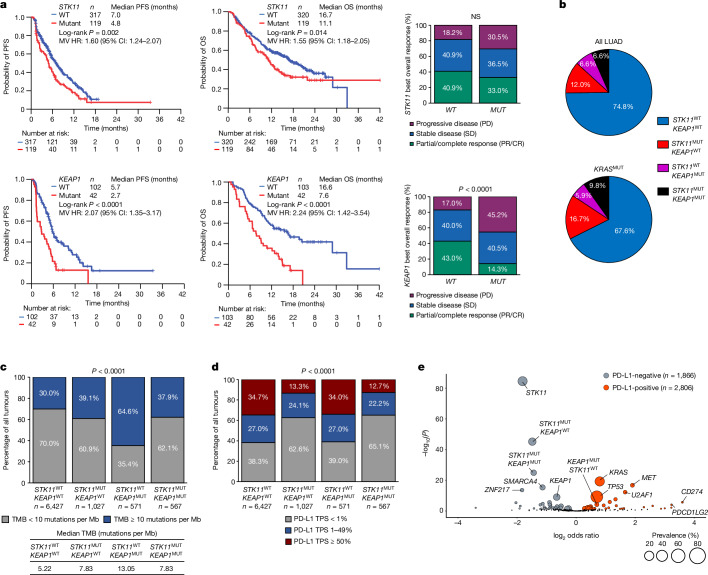
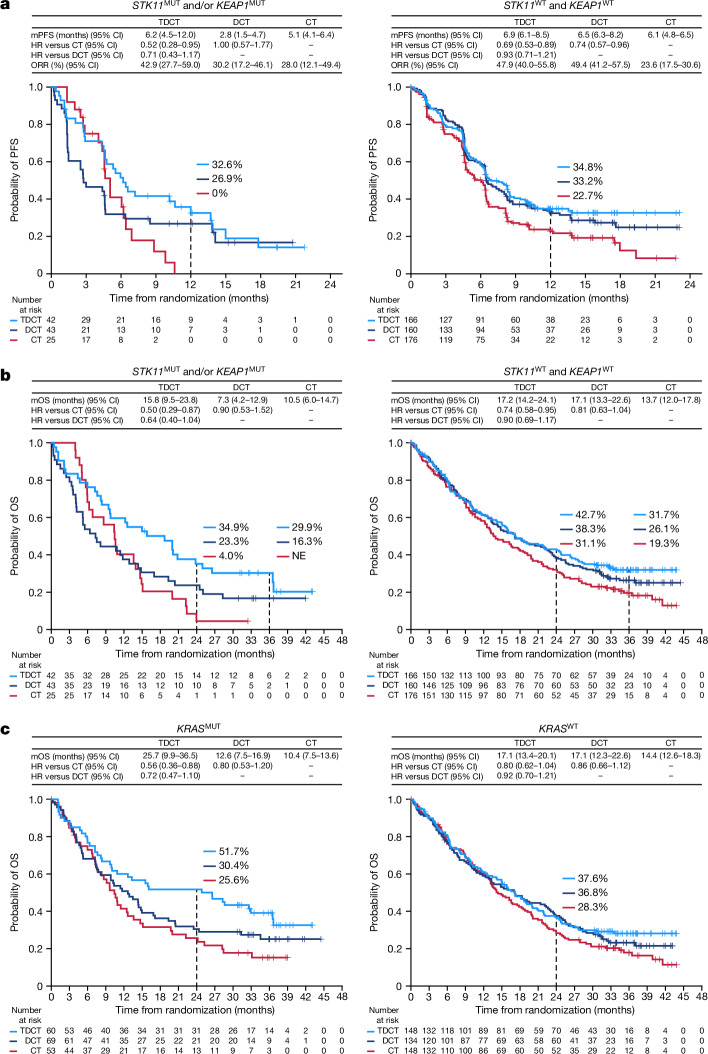
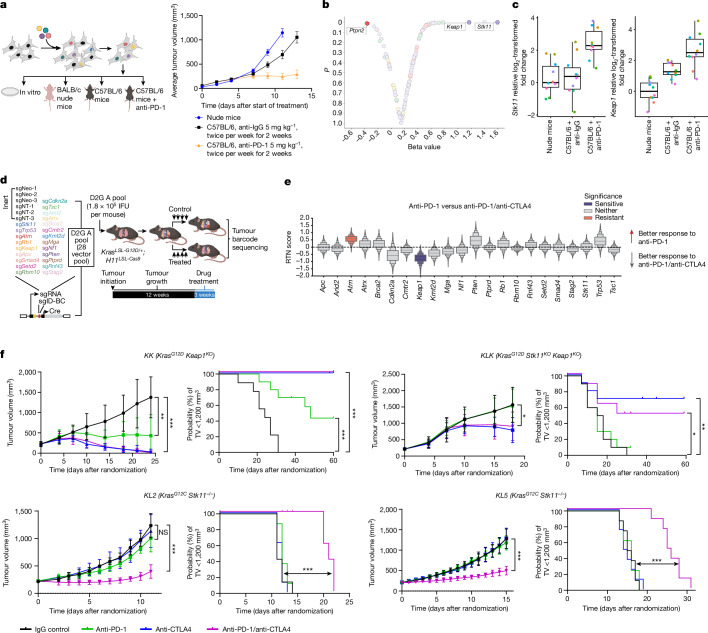
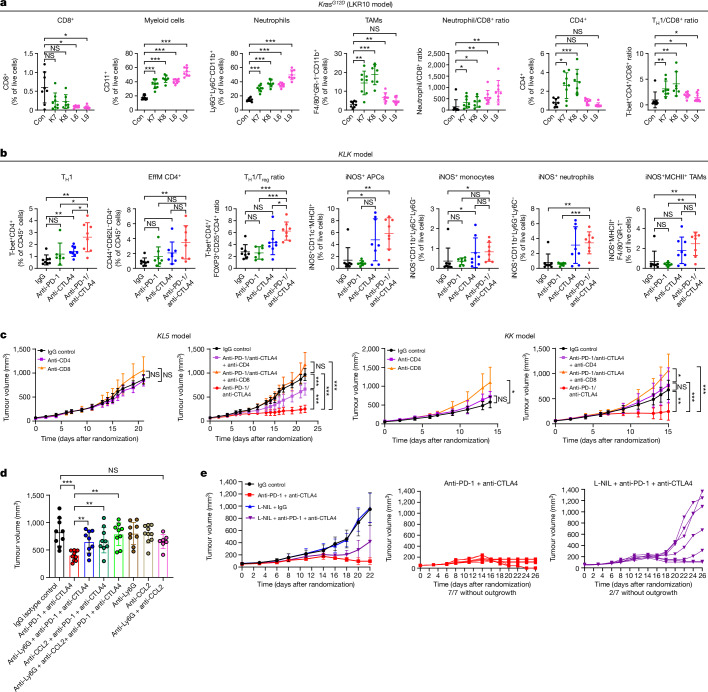
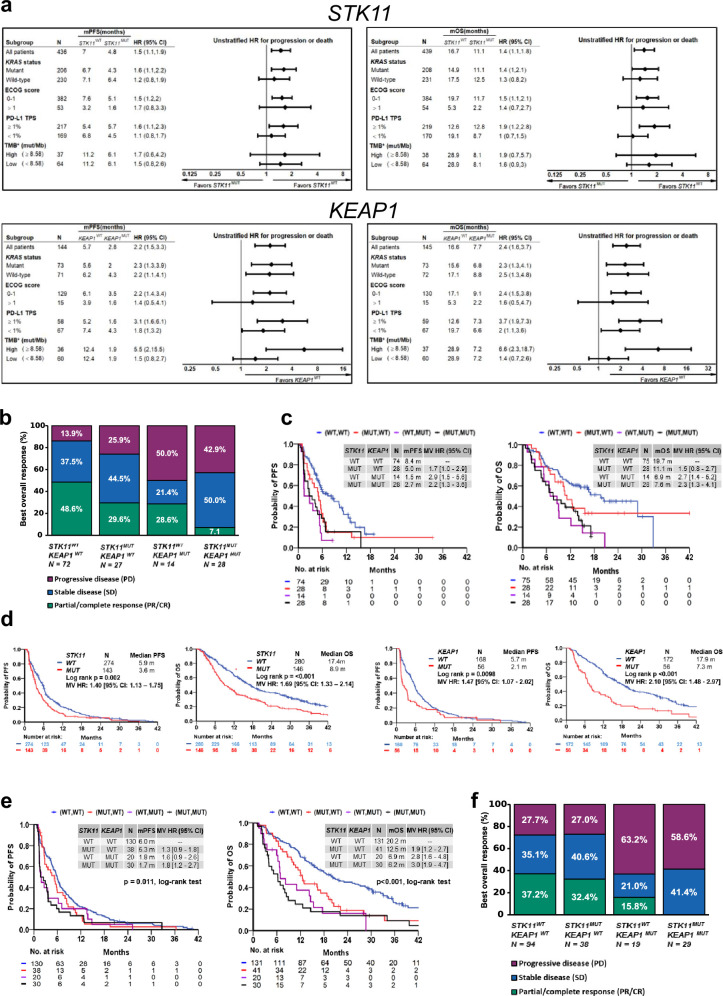
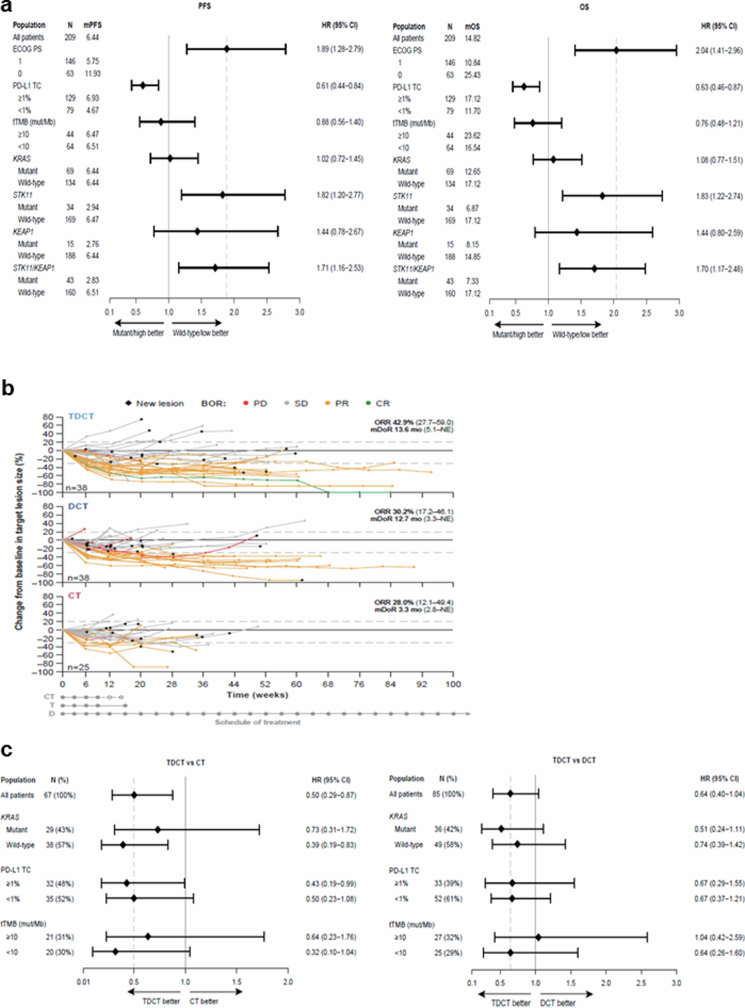
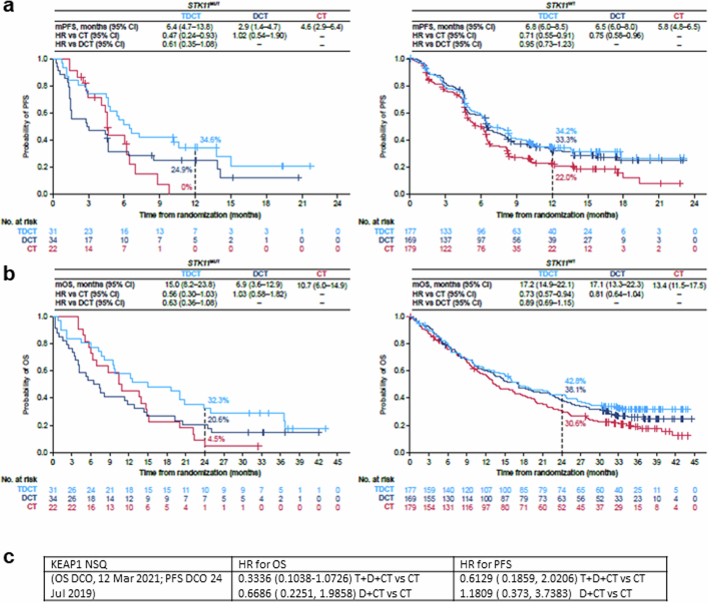
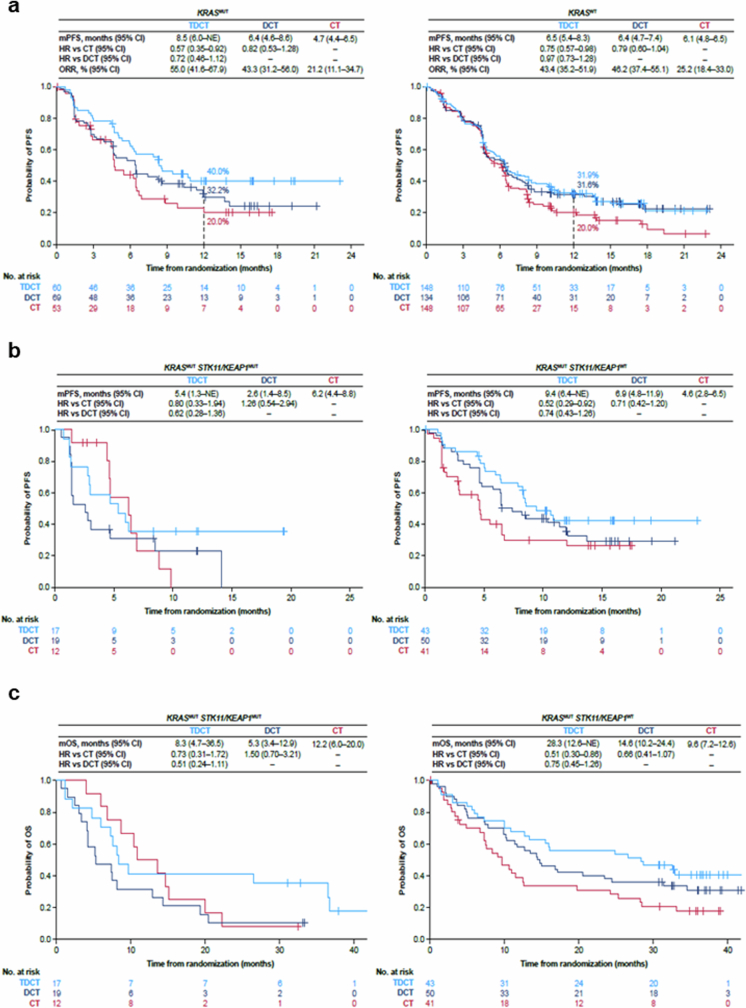
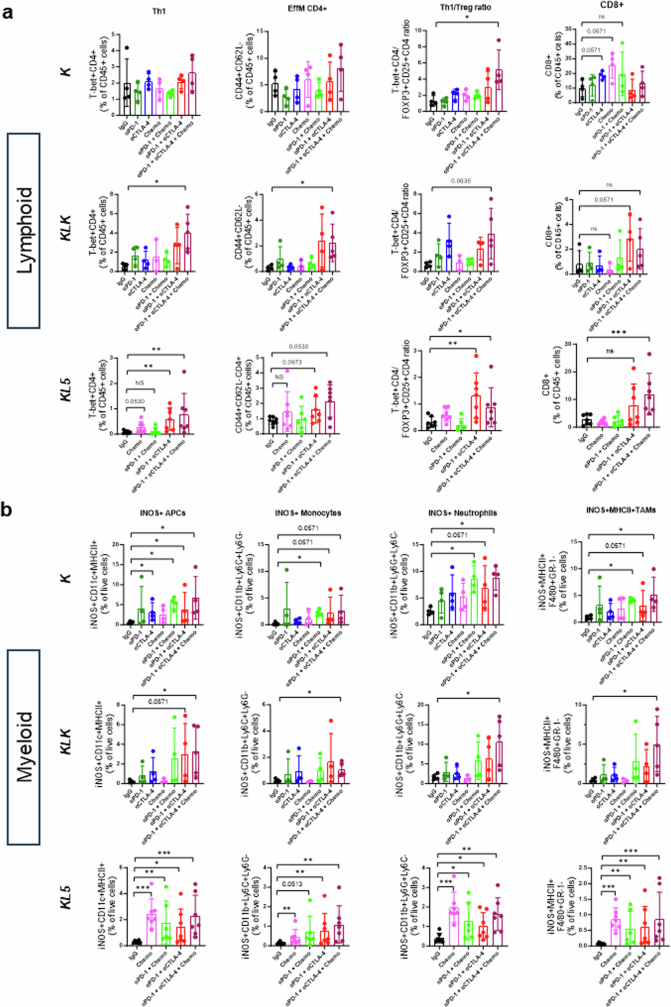
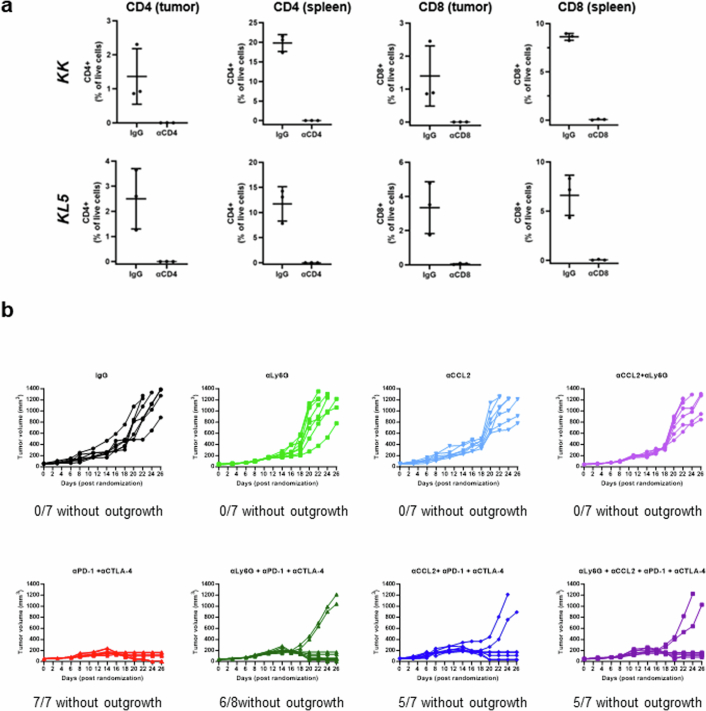
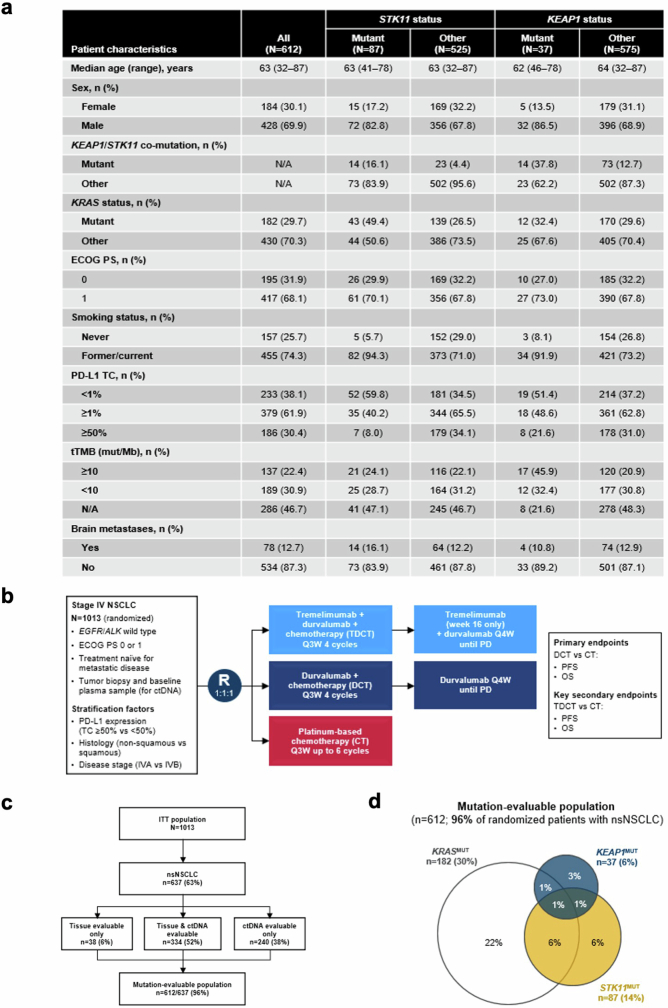
For patients with advanced non-small-cell lung cancer (NSCLC), dual immune checkpoint blockade (ICB) with CTLA4 inhibitors and PD-1 or PD-L1 inhibitors (hereafter, PD-(L)1 inhibitors) is associated with higher rates of anti-tumour activity and immune-related toxicities, when compared with treatment with PD-(L)1 inhibitors alone. However, there are currently no validated biomarkers to identify which patients will benefit from dual ICB1,2. Here we show that patients with NSCLC who have mutations in the STK11 and/or KEAP1 tumour suppressor genes derived clinical benefit from dual ICB with the PD-L1 inhibitor durvalumab and the CTLA4 inhibitor tremelimumab, but not from durvalumab alone, when added to chemotherapy in the randomized phase III POSEIDON trial3. Unbiased genetic screens identified loss of both of these tumour suppressor genes as independent drivers of resistance to PD-(L)1 inhibition, and showed that loss of Keap1 was the strongest genomic predictor of dual ICB efficacy—a finding that was confirmed in several mouse models of Kras-driven NSCLC. In both mouse models and patients, KEAP1 and STK11 alterations were associated with an adverse tumour microenvironment, which was characterized by a preponderance of suppressive myeloid cells and the depletion of CD8+ cytotoxic T cells, but relative sparing of CD4+ effector subsets. Dual ICB potently engaged CD4+ effector cells and reprogrammed the tumour myeloid cell compartment towards inducible nitric oxide synthase (iNOS)-expressing tumoricidal phenotypes that—together with CD4+ and CD8+ T cells—contributed to anti-tumour efficacy. These data support the use of chemo-immunotherapy with dual ICB to mitigate resistance to PD-(L)1 inhibition in patients with NSCLC who have STK11 and/or KEAP1 alterations. Alterations in the tumour suppressor genes STK11 and/or KEAP1 can identify patients with advanced non-small-cell lung cancer who are likely to benefit from combinations of PD-(L)1 and CTLA4 immune checkpoint inhibitors added to chemotherapy.
Overview
The claims and statistics of this paper haven’t been checked yet.
Free: it reads the open-access text and checks the first 5 claims that cite a source we can check. Create a free account to check every claim.
Integrity signals
Registry
Cites
Statistics
Figures
Verification
Claims the paper makes
The claims and statistics of this paper haven’t been checked yet.
Free: it reads the open-access text and checks the first 5 claims that cite a source we can check. Create a free account to check every claim.
Claims other papers make about this one
Each is checked against this paper’s own text: does it say what the citing paper says it does?
The source backs part of the claim, not all of it — or backs it for a different population, condition or comparison.
In the citing paper
“Previously, we conducted an in vivo CRISPR screen in the MC38 mouse model to identify genes that, when knocked out, drove immune evasion and resistance to anti–PD-1 treatment. STK11 was one of several identified genes in the screen that caused resistance to immune checkpoint blockade (20).”
From TNG260 Is a Small-Molecule CoREST Inhibitor That Sensitizes STK11 -Mutant Tumors to Anti–PD-1 Immunotherapy (2025) · cites this paper as [20]
Experimental — accuracy not yet measuredThe source backs part of the claim, not all of it — or backs it for a different population, condition or comparison.
In the citing paper
“In the MC38 syngeneic model, which is KRAS wild-type, loss of STK11 alone is sufficient to drive resistance to anti–PD-1 (20).”
From TNG260 Is a Small-Molecule CoREST Inhibitor That Sensitizes STK11 -Mutant Tumors to Anti–PD-1 Immunotherapy (2025) · cites this paper as [20]
Experimental — accuracy not yet measuredThe cited source says what the claim attributes to it.
In the citing paper
“STK11/LKB1 loss and KEAP1 mutations may contribute to lack of response to different therapies including anti-PD-(L)1 immune checkpoint inhibitors9,10 and KRASG12C inhibitors3,4.”
From LKB1 regulates JNK-dependent stress signaling and apoptotic dependency of KRAS-mutant lung cancers (2025) · cites this paper as [10]
The cited source says what the claim attributes to it.
In the citing paper
“STK11/LKB1 and KEAP1 mutations can reshape a colder TME and suppress the infiltration of T cells [157].”
From Differential Response and Resistance to KRAS-Targeted Therapy (2025) · cites this paper as [157]
Self-check
Percentages, sums and reported differences re-computed from the paper’s own numbers.
The self-check needs the paper’s full text.
Citations
Cites
PD-1 and PD-L1 Immune Checkpoint Blockade to Treat Breast Cancer
Hartkopf, A. D., Taran, F.-A., Wallwiener, M., Walter, C. B., Krämer, B., Grischke, E.-M., & Brucker, S. Y. (2016) · Breast Care · doi:10.1159/000453569 · Cited by 30,845
Integrative Analysis of Complex Cancer Genomics and Clinical Profiles Using the cBioPortal
Gao, J., Aksoy, B. A., Dogrusoz, U., Dresdner, G., Gross, B., Sumer, S. O., Sun, Y., Jacobsen, A., Sinha, R., Larsson, E., et al. (2013) · Science Signaling · doi:10.1126/scisignal.2004088 · Cited by 15,160 · cited 1×
“Paired WES, RNA-seq and clinical data from patients with LUAD from the TCGA PanCancer Atlas cohort were downloaded from the cBio-Portal for Cancer Genomics repository 59 .”
Mutational landscape determines sensitivity to PD-1 blockade in non–small cell lung cancer
Rizvi, N. A., Hellmann, M. D., Snyder, A., Kvistborg, P., Makarov, V., Havel, J. J., Lee, W., Yuan, J., Wong, P., Ho, T. S., et al. (2015) · Science · doi:10.1126/science.aaa1348 · Cited by 7,802
Self-citationPembrolizumab plus chemotherapy in metastatic non–small-cell lung cancer
Gandhi, L., Rodríguez-Abreu, D., Gadgeel, S., Esteban, E., Felip, E., De Angelis, F., Domine, M., Clingan, P., Hochmair, M. J., Powell, S. F., et al. (2018) · New England Journal of Medicine · doi:10.1056/nejmoa1801005 · Cited by 6,607 · cited 1×
“%) levels 4 .”
Self-citationImproved vectors and genome-wide libraries for CRISPR screening
Sanjana, N. E., Shalem, O., & Zhang, F. (2014) · Nature Methods · doi:10.1038/nmeth.3047 · Cited by 5,239 · cited 1×
“Eleven per cent of the sgRNAs included in the library represented non-targeting controls. sgRNA oligos were cloned into a lentiCRISPR v2 plasmid 61 , using Gibson assembly.”
TIMER2.0 for analysis of tumor-infiltrating immune cells
Li, T., Fu, J., Zeng, Z., Cohen, D., Li, J., Chen, Q., Li, B., & Liu, X. S. (2020) · Nucleic Acids Research · doi:10.1093/nar/gkaa407 · Cited by 5,209 · cited 1×
“0 60 , which provides standardized output from six different immune estimation methods.”
Optimized sgRNA design to maximize activity and minimize off-target effects of CRISPR-Cas9
Doench, J. G., Fusi, N., Sullender, M., Hegde, M., Vaimberg, E. W., Donovan, K. F., Smith, I., Tothova, Z., Wilen, C., Orchard, R., et al. (2016) · Nature Biotechnology · doi:10.1038/nbt.3437 · Cited by 4,637 · cited 1×
“First, all possible 20-bp sgRNAs (using an NGG PAM) targeting each gene of interest were identified and scored for predicted on-target cutting efficiency using an available sgRNA design/scoring algorithm 68 .”
xCell: digitally portraying the tissue cellular heterogeneity landscape
Aran, D., Hu, Z., & Butte, A. J. (2017) · Genome Biology · doi:10.1186/s13059-017-1349-1 · Cited by 4,397 · cited 10×
“C57BL/6J mice were treated by intraperitoneal injection with anti-mPD-1 (BioXCell, BE0146) or anti-IgG2a (BioXCell, BE0089) at 5 mg per kg or 10 mg per kg, twice per week for two weeks.”
InfluentialAnalysis of 100,000 human cancer genomes reveals the landscape of tumor mutational burden
Chalmers, Z. R., Connelly, C. F., Fabrizio, D., Gay, L., Ali, S. M., Ennis, R., Schrock, A., Campbell, B., Shlien, A., Chmielecki, J., et al. (2017) · Genome Medicine · doi:10.1186/s13073-017-0424-2 · Cited by 3,519 · cited 2×
“TMB was measured by Foundation Medicine as described previously 52 .”
Nivolumab plus ipilimumab in lung cancer with a high tumor mutational burden
Hellmann, M. D., Ciuleanu, T.-E., Pluzanski, A., Lee, J. S., Otterson, G. A., Audigier-Valette, C., Minenza, E., Linardou, H., Burgers, S., Salman, P., et al. (2018) · New England Journal of Medicine · doi:10.1056/nejmoa1801946 · Cited by 3,063
Self-citation
Cited by
Items 201–226 of 226
Hua, Y., Luo, Z., & Huang, Z. (2026) · Translational Oncology · doi:10.1016/j.tranon.2026.102994 · Cited by 1
“…using the POSEIDON study and immunocompetent models, showed that STK11 and/or KEAP1 alterations were associated with myeloid suppression and reduced CD8 + T cells, whereas dual immunotherapy plus chemotherapy incorporating CTLA-4 blockade could partially mitigate this resistant background [40].”
Wang, Z., Wang, J., Liu, S., Zong, S., & Wang, X. (2026) · Translational Lung Cancer Research · doi:10.21037/tlcr-2026-0430
“In STK11-or KEAP1-altered NSCLC, dual CTLA4/PD-L1 blockade combined with chemotherapy has shown activity that may partially mitigate resistance observed with PD-(L)1 inhibition alone; whether this observation applies to IMA remains unknown (112).”
Zhang, Q., Qin, Z., & Guo, C. (2026) · MedComm – Oncology · doi:10.1002/mog2.70097
Todo, S., Muto-Ishizuka, M., Oka, A., Kitahama, K., & Inamura, K. (2026) · Journal of Thoracic Oncology · doi:10.1016/j.jtho.2026.103945
Therapeutic vaccines for NSCLC: From mechanisms to clinical translation
Liu, W., Han, J., Fei, K., Dong, Y., Li, M., Zhao, J., Mingzhao, W., Li, Z., Chen, S., Xu, J., et al. (2026) · Chinese Medical Journal - Pulmonary and Critical Care Medicine · doi:10.1016/j.pccm.2026.08.001
“DCVAC/LuCa (NCT02470468), an autologous DC vaccine loaded with tumor antigens, was evaluated in combination with carboplatin and paclitaxel in advanced NSCLC. Compared with chemotherapy alone, the combination showed longer OS, supporting the feasibility of DC-based priming in the first-line setting.”
InfluentialThe role of myeloid-derived suppressor cells in lung cancer
Silva, J. G., de Siqueira, R. D. M. F., Magalhães, R. C., Silva, C. F., Camargos, A. L. A., & Kaminski, V. D. L. (2026) · Research Society and Development · doi:10.33448/rsd-v15i9.51641
Sapp, K. M., Chen, Y.-N. P., Handing, K. B., Lu, A. Z., Meier, S. R., Liu, S., Shen, B., Teng, T., Yu, Y., Ji, L., et al. (2026) · Journal of Biological Chemistry · doi:10.1016/j.jbc.2026.113551
Self-citationInoue, T., Numakura, K., Osawa, T., Naito, S., Ishihara, T., Ohba, K., Ueda, K., Sekine, Y., Oki, M., Naito, H., et al. (2026) · Targeted Oncology · doi:10.1007/s11523-026-01251-y
“…analyses, patient tumor profiling, and murine models; in the murine models, dual programmed death-ligand 1 and cytotoxic T-lymphocyte-associated protein 4 blockade reprogrammed the tumor myeloid compartment toward inducible nitric oxide synthase-expressing tumoricidal phenotypes [21].”
Wang, X., Liu, J., Hairulajiang, A., Wang, J., Wang, Q., Li, Z., Zou, B., & Feng, Y. (2026) · Molecular Cancer · doi:10.1186/s12943-026-02786-4
“Tumor-intrinsic WNT/β-catenin activation is associated with a non-T-cell-inflamed phenotype and, in mechanistic models, impairs dendritic-cell recruitment and downstream T-cell activity [117, 176].”
T-cell exhaustion and senescence in cancer: Regulatory circuits and therapeutic state engineering
Han, J., Lyu, X., Wu, M., Lin, C., Zhou, Y., & Wang, W. (2026) · Cancer Letters · doi:10.1016/j.canlet.2026.218841 · Cited by 1
Li, J., Liu, S., Fu, L., Bo, Q., Bai, Y., & Dai, X. (2026) · Frontiers in Cell and Developmental Biology · doi:10.3389/fcell.2026.1960932
Zhu, Y., Zhang, R., Pan, L., Wu, S.-Q., Cui, Q., Zhang, P., Li, R.-X., Yu, S., Wang, F.-Y., Nguyen, L. X. T., et al. (2026) · Acta Pharmacologica Sinica · doi:10.1038/s41401-026-01942-2
Self-citationPan-cancer biomarkers of immune therapy resistance: mechanisms and clinical translation
Wang, C., & Yang, D. (2026) · Frontiers in Cell and Developmental Biology · doi:10.3389/fcell.2026.1895670
Ishida, M., Yamada, T., Kamada, R., Hibino, M., Egami, M., Nakano, T., Imabayashi, T., Takumi, C., Ishida, K., Takeshita, M., et al. (2026) · Frontiers in Immunology · doi:10.3389/fimmu.2026.1875501
Nambirajan, A., Yadav, K., Sahu, S., Bhagat, S., Gopalakrishna, P., Satapathy, S., Khatoon, W., Devgan, S., Singh, A., Sharma, A., et al. (2026) · Clinical Lung Cancer · doi:10.1016/j.cllc.2026.10.006
Xu, Z., Zhang, B., Lu, S., Xiang, X., Pei, Q., Xiao, C., & Xie, Z. (2026) · ACS Applied Nano Materials · doi:10.1021/acsanm.6c03761
Jie, G., Cao, Z., Wang, J., Lu, W., Zhu, X., Li, Z., Wang, Y., Lü, S., & Xia, L. (2026) · Journal for ImmunoTherapy of Cancer · doi:10.1136/jitc-2026-015974
“We first measured cytokine levels in the tumor interstitial fluid, including IFN-γ , IFN-β , tumor necrosis factor (TNF)- α , and interleukin (IL)- 2.”
Wang, X., Zhong, Y., Pan, B., Yang, K., Tan, H., Huang, L., & Li, X. (2026) · Frontiers in Immunology · doi:10.3389/fimmu.2026.1983973
Liu, M., Song, Y., Zhang, H., Gui, Y., & Ma, D. (2026) · Frontiers in Immunology · doi:10.3389/fimmu.2026.1969238
Shang, F., Zhang, Y., Zhou, Q., Zhu, M., He, F., Li, M., Zhao, T., Guo, S., Zhong, J., Yang, Z., et al. (2026) · Frontiers in Immunology · doi:10.3389/fimmu.2026.1982129
Recent advances and future perspectives in non-small cell lung cancer immunotherapy
Sadyrova, N., Muratov, Z., Tashpolotova, A., Izabekov, B., & Abdykaiymova, G. (2026) · Journal of Human Biology and Clinical Medicine · doi:10.63621/jhbcm/3.2026.46
Wang, L., Yan, S., He, F., Xie, C., & Bai, R. (2026) · Cancers · doi:10.3390/cancers18213451
Uncovering KRAS -mutant allele-specific biology and vulnerabilities in non-small cell lung cancer
d’Arienzo, P. D., McDaid, W. J., Tinsley, K. L., Chen, T., Gasson, E. J., Lindsay, C. R., & Malliri, A. (2026) · Biochemical Journal · doi:10.1042/bcj20250138
Lan, C., Yang, X., Wang, F., Wan, C., & Yang, K. (2026) · Biochimica et Biophysica Acta (BBA) - Reviews on Cancer · doi:10.1016/j.bbcan.2026.189744
Predictive Biomarkers to Immune Checkpoint Inhibitors in Lung Cancer
Russo, A., Santarpia, M., & Rolfo, C. (2026) · Frontiers research topics · doi:10.3389/978-2-8325-8971-7
Cao, Y., Chen, F., Zhang, H., Xia, W., Li, X., Zhang, H., & Xu, Y. (2026) · Frontiers in Cell and Developmental Biology · doi:10.3389/fcell.2026.1996111
Metadata
- Authors
- Skoulidis, F., Araujo, H. A., Do, M. T., Qian, Y., Sun, X., Galan-Cobo, A., Le, J. T., Montesion, M., Palmer, R., Jahchan, N., Juan, J. M., Min, C., Yu, Y., Pan, X., Arbour, K. C., Vokes, N., Schmidt, S. T., Molkentine, D., Owen, D. H., Memmott, R., Patil, P. D., Marmarelis, M. E., Awad, M. M., Murray, J. C., Hellyer, J. A., Gainor, J. F., Dimou, A., Bestvina, C. M., Shu, C. A., Riess, J. W., Blakely, C. M., Pecot, C. V., Mezquita, L., Tabbó, F., Scheffler, M., Digumarthy, S., Mooradian, M. J., Sacher, A. G., Lau, S. C. M., Saltos, A. N., Rotow, J., Johnson, R. P., Liu, C., Stewart, T., Goldberg, S. B., Killam, J., Walther, Z., Schalper, K., Davies, K. D., Woodcock, M. G., Anagnostou, V., Marrone, K. A., Forde, P. M., Ricciuti, B., Venkatraman, D., Van Allen, E. M., Cummings, A. L., Goldman, J. W., Shaish, H., Kier, M., Katz, S., Aggarwal, C., Ni, Y., Azok, J. T., Segal, J., Ritterhouse, L., Neal, J. W., Lacroix, L., Elamin, Y. Y., Negrao, M. V., Le, X., Lam, V. K., Lewis, W. E., Kemp, H. N., Carter, B., Roth, J. A., Swisher, S., Lee, R., Zhou, T., Poteete, A., Kong, Y., Takehara, T., Paula, A. G., Parra Cuentas, E. R., Behrens, C., Wistuba, I. I., Zhang, J., Blumenschein, G. R., Gay, C., Byers, L. A., Gibbons, D. L., Tsao, A., Lee, J. J., Bivona, T. G., Camidge, D. R., Gray, J. E., Leighl, N. B., Levy, B., Brahmer, J. R., Garassino, M. C., Gandara, D. R., Garon, E. B., Rizvi, N. A., Scagliotti, G. V., Wolf, J., Planchard, D., Besse, B., Herbst, R. S., Wakelee, H. A., Pennell, N. A., Shaw, A. T., Jänne, P. A., Carbone, D. P., Hellmann, M. D., Rudin, C. M., Albacker, L., Mann, H., Zhu, Z., Lai, Z., Stewart, R., Peters, S., Johnson, M. L., Wong, K. K., Huang, A., Winslow, M. M., Rosen, M. J., Winters, I. P., Papadimitrakopoulou, V. A., Cascone, T., Jewsbury, P., & Heymach, J. V.
- Affiliations
- The University of Texas MD Anderson Cancer Center (US)
- Foundation Medicine (United States) (US)
- Tango Therapeutics (United States) (US)
- Memorial Sloan Kettering Cancer Center (US)
- The Ohio State University Comprehensive Cancer Center – Arthur G. James Cancer Hospital and Richard J. Solove Research Institute (US)
- Cleveland Clinic (US)
- University of Pennsylvania (US)
- Dana-Farber Cancer Institute (US)
- Johns Hopkins University (US)
- Stanford University (US)
- Massachusetts General Hospital (US)
- Mayo Clinic (US)
- University of Chicago (US)
- Columbia University (US)
- UC Davis Comprehensive Cancer Center (US)
- University of California, San Francisco (US)
- UNC Lineberger Comprehensive Cancer Center (US)
- Hospital Clínic de Barcelona (ES)
- University Hospital Cologne (DE)
- Princess Margaret Cancer Centre (CA)
- NYU Langone’s Laura and Isaac Perlmutter Cancer Center (US)
- Moffitt Cancer Center (US)
- University of California San Diego (US)
- Yale University (US)
- North Shore University Hospital (US)
- University of Colorado Anschutz (US)
- University of California, Los Angeles (US)
- Icahn School of Medicine at Mount Sinai (US)
- Institut Gustave Roussy (FR)
- University of Colorado Cancer Center (US)
- Synthekine (US)
- University of Turin (IT)
- AstraZeneca (United States) (US)
- AstraZeneca (United Kingdom) (GB)
- Centre Hospitalier Universitaire Vaudois (CH)
- Sarah Cannon (US)
- Pfizer (United States) (US)
- Corresponding author
- Skoulidis, Ferdinandos
- Heymach, John V.
- ORCID
- Skoulidis, Ferdinandos
- Qian, Yu
- Galan-Cobo, Ana
- Le, John T.
- Montesion, Meagan
- Jahchan, Nadine
- Juan, Joseph M.
- Min, Chengyin
- Yu, Yi
- Pan, Xuewen
- Arbour, Kathryn C.
- Vokes, Natalie
- Schmidt, Stephanie T.
- Molkentine, David
- Owen, Dwight H.
- Patil, Pradnya D.
- Marmarelis, Melina E.
- Awad, Mark M.
- Murray, Joseph C.
- Hellyer, Jessica A.
- Gainor, Justin F.
- Bestvina, Christine M.
- Shu, Catherine A.
- Riess, Jonathan W.
- Blakely, Collin M.
- Pecot, Chad V.
- Mezquita, Laura
- Tabbó, Fabrizio
- Scheffler, Matthias
- Digumarthy, Subba
- Mooradian, Meghan J.
- Sacher, Adrian G.
- Lau, Sally C. M.
- Saltos, Andreas N.
- Rotow, Julia
- Liu, Corinne
- Stewart, Tyler
- Goldberg, Sarah B.
- Walther, Zenta
- Schalper, Kurt
- Davies, Kurtis D.
- Woodcock, Mark G.
- Anagnostou, Valsamo
- Marrone, Kristen A.
- Forde, Patrick M.
- Ricciuti, Biagio
- Venkatraman, Deepti
- Cummings, Amy L.
- Goldman, Jonathan W.
- Shaish, Hiram
- Kier, Melanie
- Katz, Sharyn
- Ni, Ying
- Segal, Jeremy
- Ritterhouse, Lauren
- Neal, Joel W.
- Lacroix, Ludovic
- Elamin, Yasir Y.
- Negrao, Marcelo V.
- Le, Xiuning
- Lam, Vincent K.
- Lewis, Whitney E.
- Roth, Jack A.
- Swisher, Stephen
- Lee, Richard
- Zhou, Teng
- Poteete, Alissa
- Takehara, Tomohiro
- Parra Cuentas, Edwin R.
- Behrens, Carmen
- Wistuba, Ignacio I.
- Zhang, Jianjun
- Blumenschein, George R.
- Gay, Carl
- Byers, Lauren A.
- Gibbons, Don L.
- Tsao, Anne
- Lee, J. Jack
- Bivona, Trever G.
- Camidge, D. Ross
- Levy, Benjamin
- Brahmer, Julie R.
- Garassino, Marina C.
- Gandara, David R.
- Garon, Edward B.
- Rizvi, Naiyer A.
- Scagliotti, Giorgio Vittorio
- Wolf, Jürgen
- Planchard, David
- Besse, Benjamin
- Herbst, Roy S.
- Wakelee, Heather A.
- Pennell, Nathan A.
- Shaw, Alice T.
- Jänne, Pasi A.
- Carbone, David P.
- Hellmann, Matthew D.
- Rudin, Charles M.
- Albacker, Lee
- Mann, Helen
- Lai, Zhongwu
- Stewart, Ross
- Peters, Solange
- Johnson, Melissa L.
- Wong, Kwok K.
- Huang, Alan
- Winslow, Monte M.
- Rosen, Michael J.
- Winters, Ian P.
- Papadimitrakopoulou, Vassiliki A.
- Cascone, Tina
- Heymach, John V.
- Venue
- Nature
- Published
- 2024-10-09
- Volume
- 635
- Issue
- 8038
- Pages
- 462-471
- ISSN
- 0028-0836 (ISSN-L)
- 1476-4687
- PMC
- PMC11560846
- OpenAlex
- W4403243250
- Cited by
- 194
- References
- 77
- Citations by year
- 2026: 97 · 2025: 92 · 2024: 5
- FWCI
- 33.22
- Type
- journal article
- Language
- en
- Update notices
- correction (2025-02-27)
- Open access
- hybrid
- doi.org
- Licence
- cc-by-nc-nd
- creativecommons.org/licenses/by-nc-nd/4.0 (tdm)
- creativecommons.org/licenses/by-nc-nd/4.0 (vor)
- Locations
- Nature (publishedVersion, cc-by-nc-nd)
- PubMed Central (publishedVersion, cc-by-nc-nd)
- PubMed (publishedVersion)
- Digital Commons-TMC (Texas Medical Center) (submittedVersion)
- RePEc: Research Papers in Economics (submittedVersion)
- eScholarship (California Digital Library) (submittedVersion, cc-by-nc-nd)
- IRIS (submittedVersion, cc-by-nc-nd)
- SERVAL (Université de Lausanne) (submittedVersion, cc-by-nc-nd)
- Funders
- National Institutes of Health (5r01ca205150-04, 1s10od024977-01, UL1TR001863)
- National Cancer Institute (R01-CA205150, P50CA070907, P30CA008748, R01CA262469, R01CA276917, T32CA009172, P30CA016672, R01CA279452, P30CA016058, P30CA016042)
- National Center for Advancing Translational Sciences
- Topics
- Health Sciences › Medicine › Oncology › Cancer Immunotherapy and Biomarkers
- Health Sciences › Medicine › Pulmonary and Respiratory Medicine › Lung Cancer Treatments and Mutations
- Life Sciences › Immunology and Microbiology › Immunology › Immunotherapy and Immune Responses
- Keywords
- CTLA-4 blockade, PD-L1 inhibitors, Keap1, STK11, non-small cell lung cancer, immune checkpoint blockade, durvalumab, tremelimumab, drug resistance, tumor microenvironment, myeloid cells, CD4+ T cells, CD8+ T cells, inducible nitric oxide synthase, chemoimmunotherapy, predictive biomarkers
- MeSH terms
- Kelch-Like ECH-Associated Protein 1, Immune Checkpoint Inhibitors, AMP-Activated Protein Kinase Kinases, Animals, Antibodies, Monoclonal, Carcinoma, Non-Small-Cell Lung, Female, Humans, Lung Neoplasms, Male, Mutation, T-Lymphocytes, Genes, Tumor Suppressor, Clinical Trials, Phase III as Topic, Protein Serine-Threonine Kinases, Drug Resistance, Neoplasm, Tumor Suppressor Proteins, Mice, Nitric Oxide Synthase Type II, Tumor Microenvironment, B7-H1 Antigen, CTLA-4 Antigen, Antibodies, Monoclonal, Humanized
About these checks
Registry, retraction, Cites and statistics results are computed, not judged, with one exception: a printed reference that no index lists is read once by a model before it counts as a citation error. Claims are extracted by a model and kept only when their quote appears verbatim in the text; each cited source is then checked, with a model’s help, for whether it says what the claim relies on. Those verdicts can be wrong — read the claim’s quote and the cited source before relying on one.
Statistics and arithmetic are recomputed, not judged.
Confidence bands are shown only for fields calibrated on our annotated test set. None is calibrated yet, so no band is shown.
What counts as a claim ›How we measure confidence ›How we check this ›
Are you an author, or do you see a problem with this page? Request a review
Data sources
Bibliographic data: Semantic Scholar, OpenAlex, Crossref.
Contains information from the Semantic Scholar Academic Graph Datasets, made available under the ODC Attribution License (ODC-BY 1.0).
Semantic Scholar’s data is described in: Kinney, R., et al. (2023). The Semantic Scholar Open Data Platform. arXiv:2301.10140.
