

The DOI matches its Crossref record; 92 of the 92 references it cites were found in a registry or an index.
Defining blood-induced microglia functions in neurodegeneration through multiomic profiling
Open accessAbstract
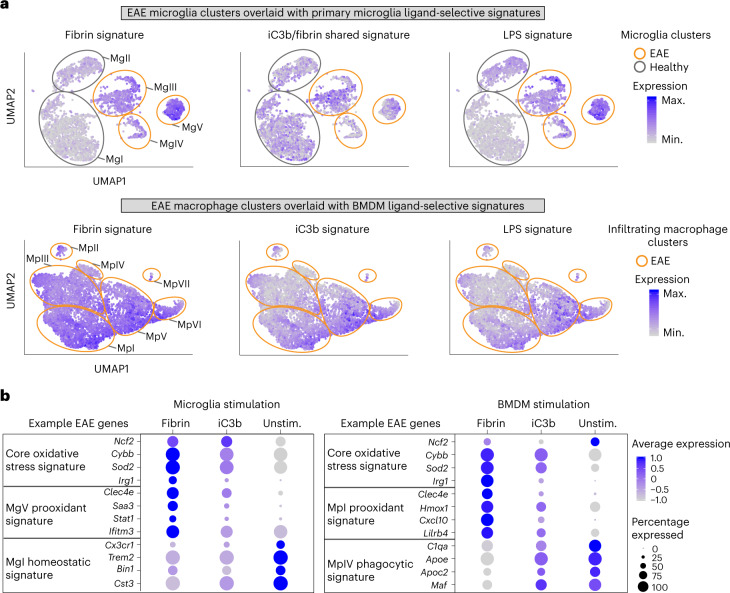
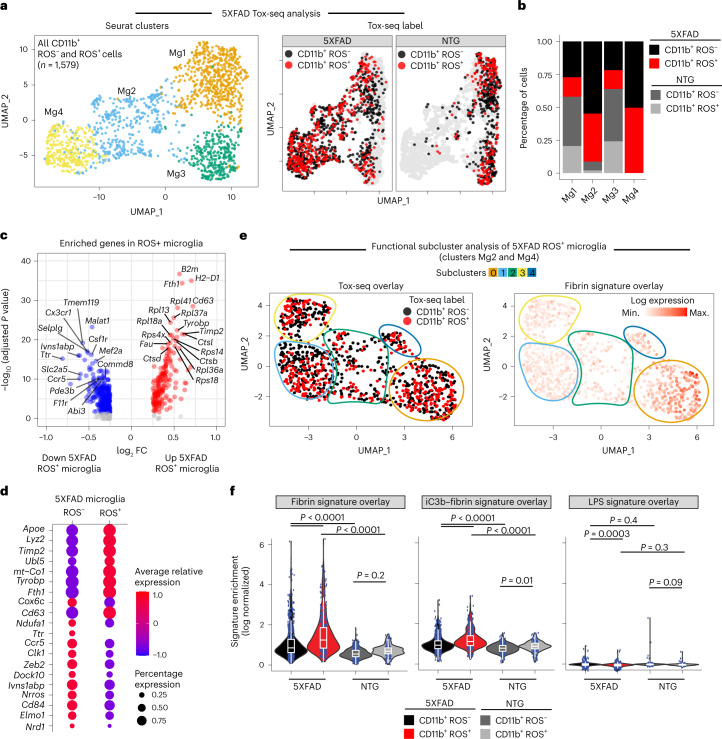
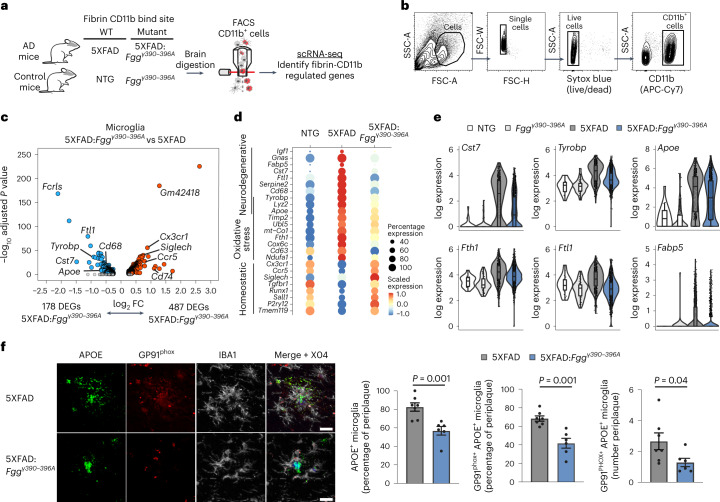
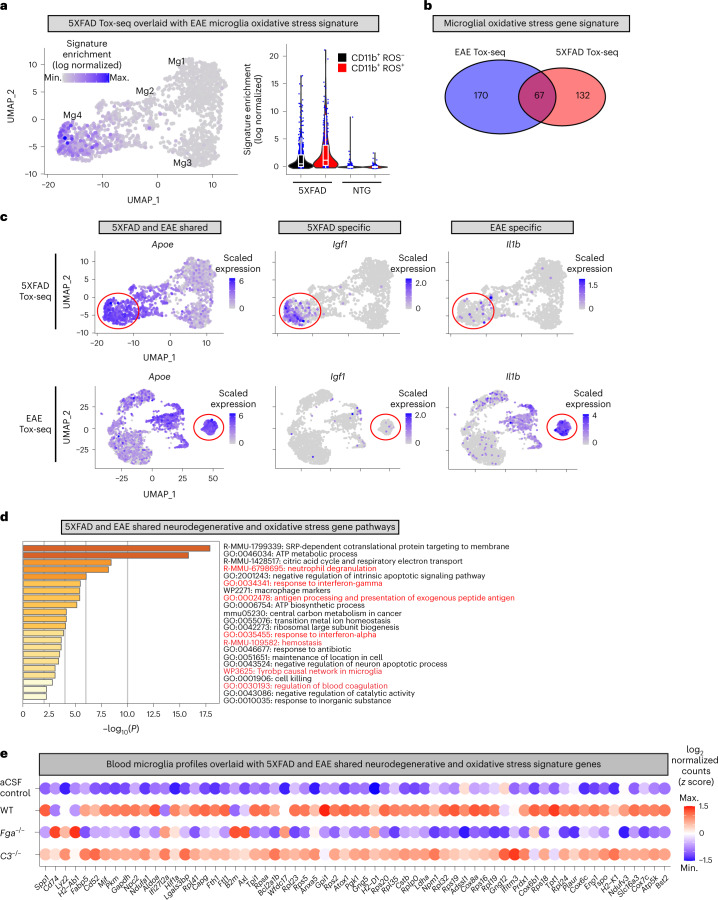
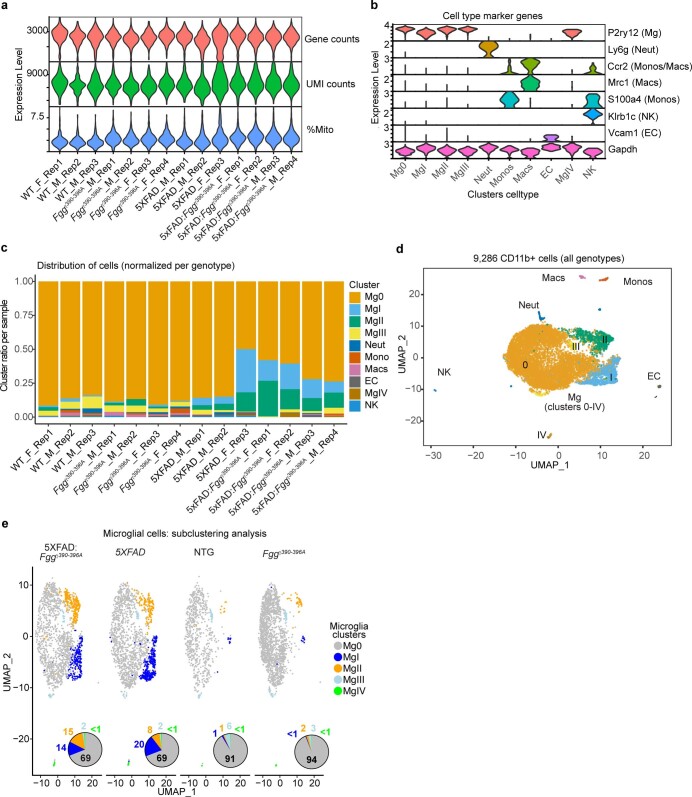
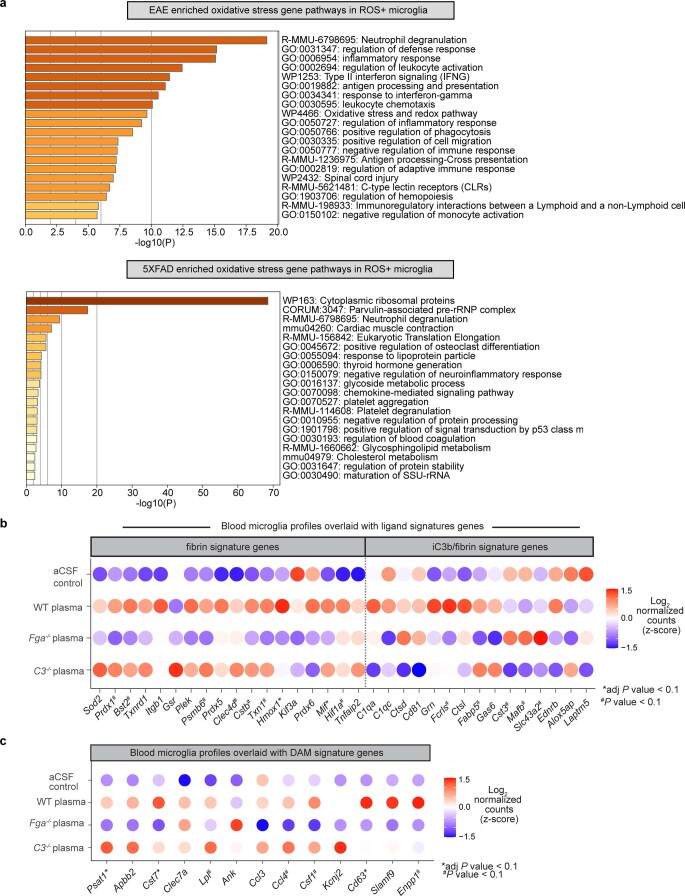
Blood protein extravasation through a disrupted blood–brain barrier and innate immune activation are hallmarks of neurological diseases and emerging therapeutic targets. However, how blood proteins polarize innate immune cells remains largely unknown. Here, we established an unbiased blood-innate immunity multiomic and genetic loss-of-function pipeline to define the transcriptome and global phosphoproteome of blood-induced innate immune polarization and its role in microglia neurotoxicity. Blood induced widespread microglial transcriptional changes, including changes involving oxidative stress and neurodegenerative genes. Comparative functional multiomics showed that blood proteins induce distinct receptor-mediated transcriptional programs in microglia and macrophages, such as redox, type I interferon and lymphocyte recruitment. Deletion of the blood coagulation factor fibrinogen largely reversed blood-induced microglia neurodegenerative signatures. Genetic elimination of the fibrinogen-binding motif to CD11b in Alzheimer’s disease mice reduced microglial lipid metabolism and neurodegenerative signatures that were shared with autoimmune-driven neuroinflammation in multiple sclerosis mice. Our data provide an interactive resource for investigation of the immunology of blood proteins that could support therapeutic targeting of microglia activation by immune and vascular signals.
Overview
The claims and statistics of this paper haven’t been checked yet.
Run the check — free, no account needed. It reads the open-access text and checks the sources it cites.
Integrity signals
Registry
Cites
Statistics
Figures
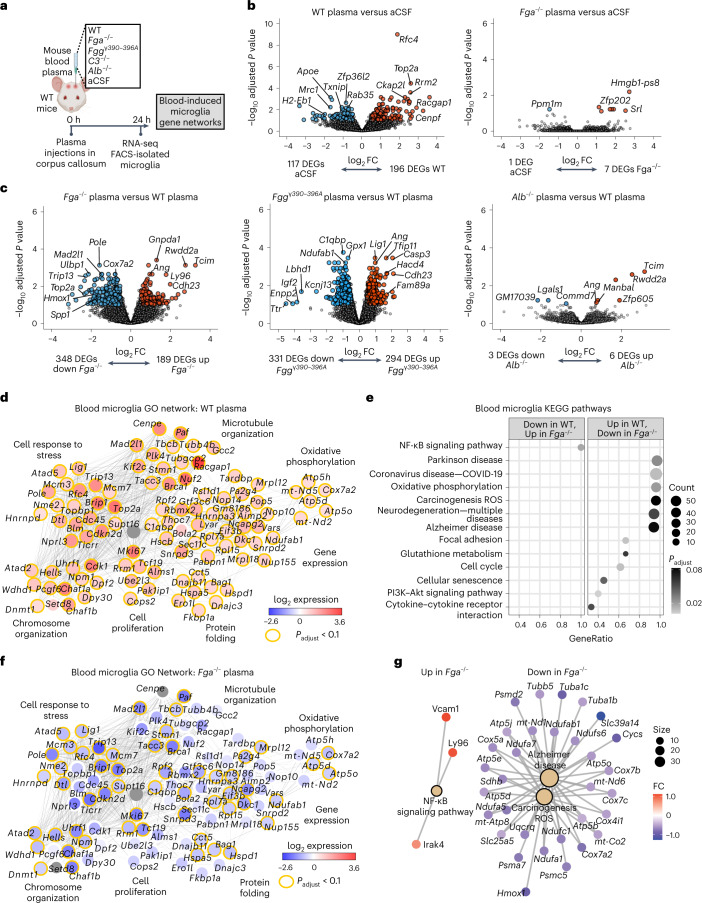
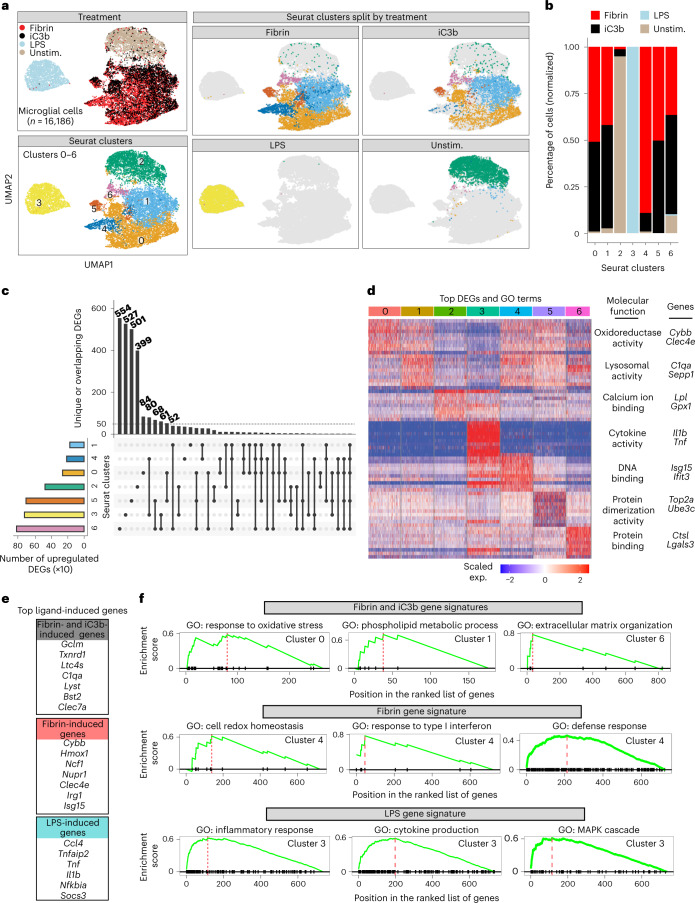
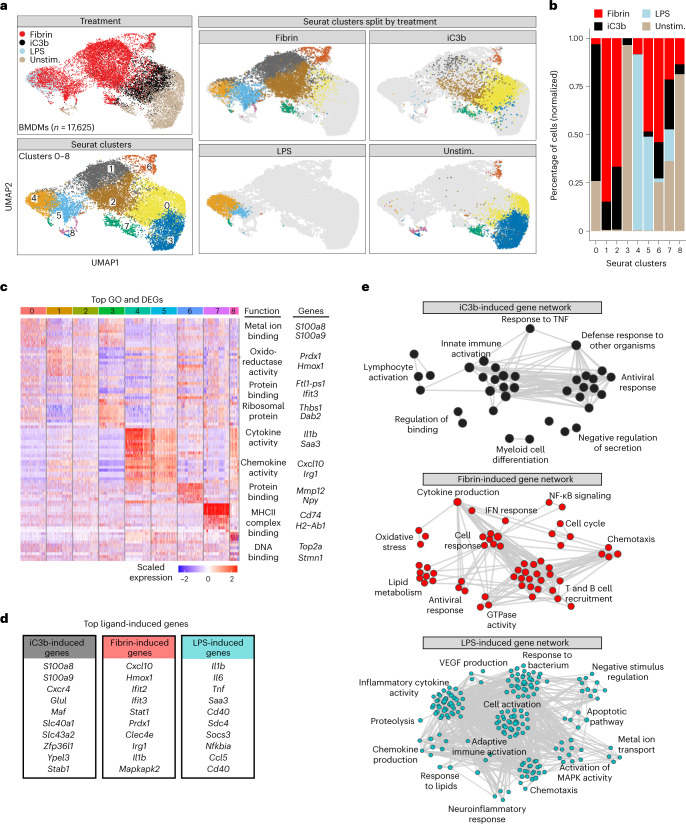
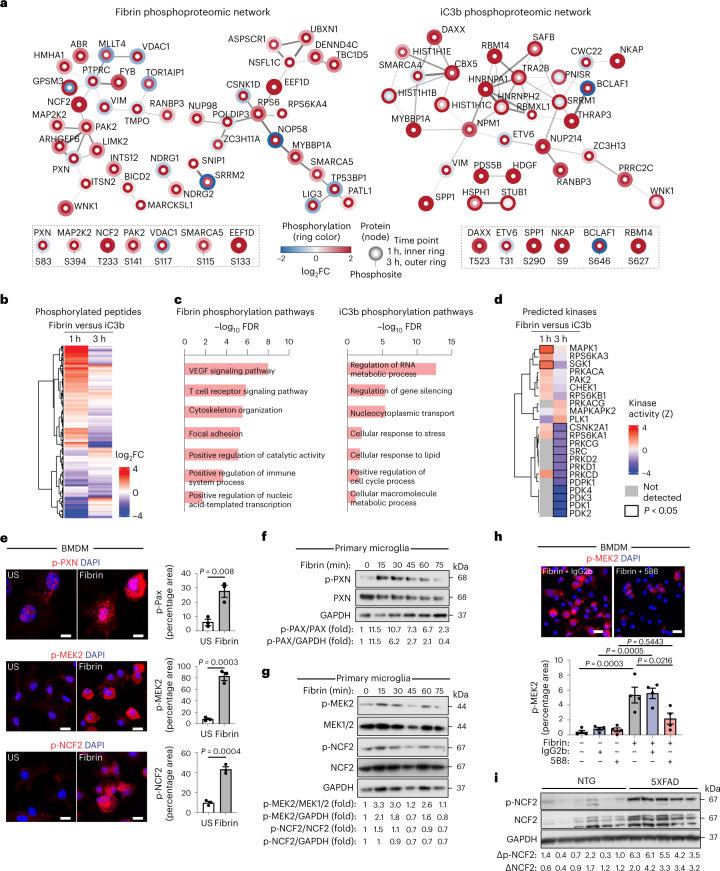
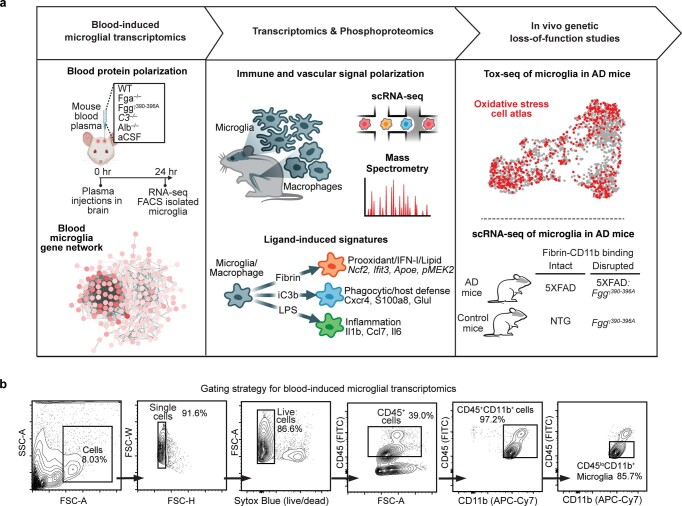
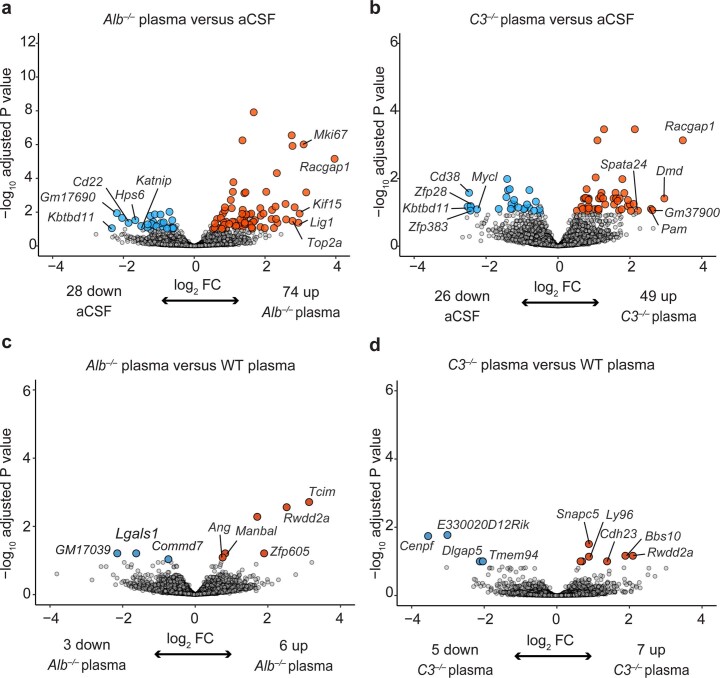
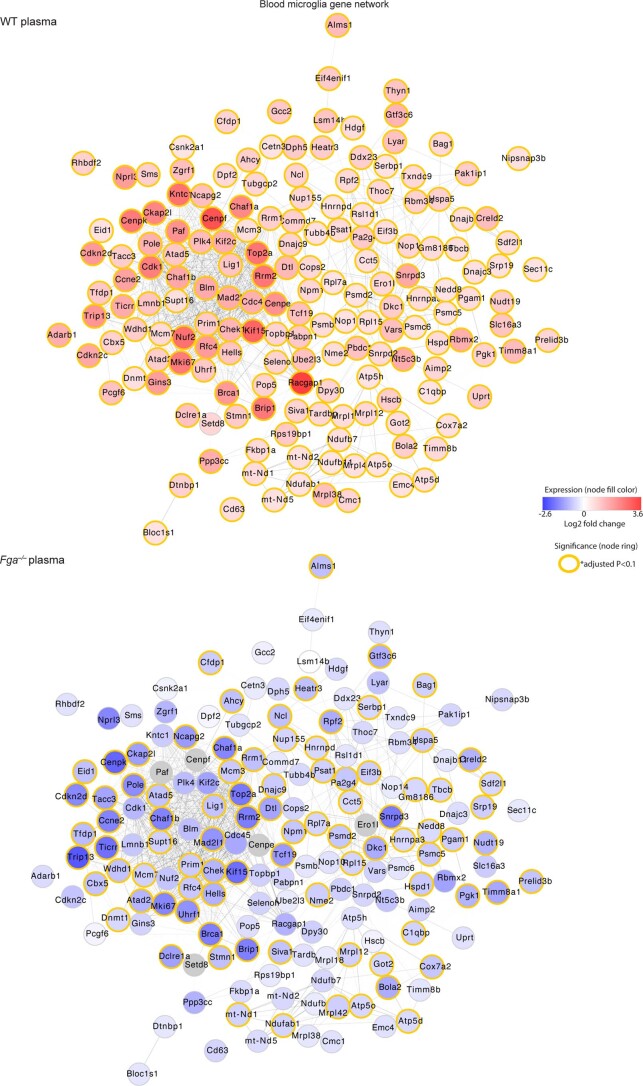
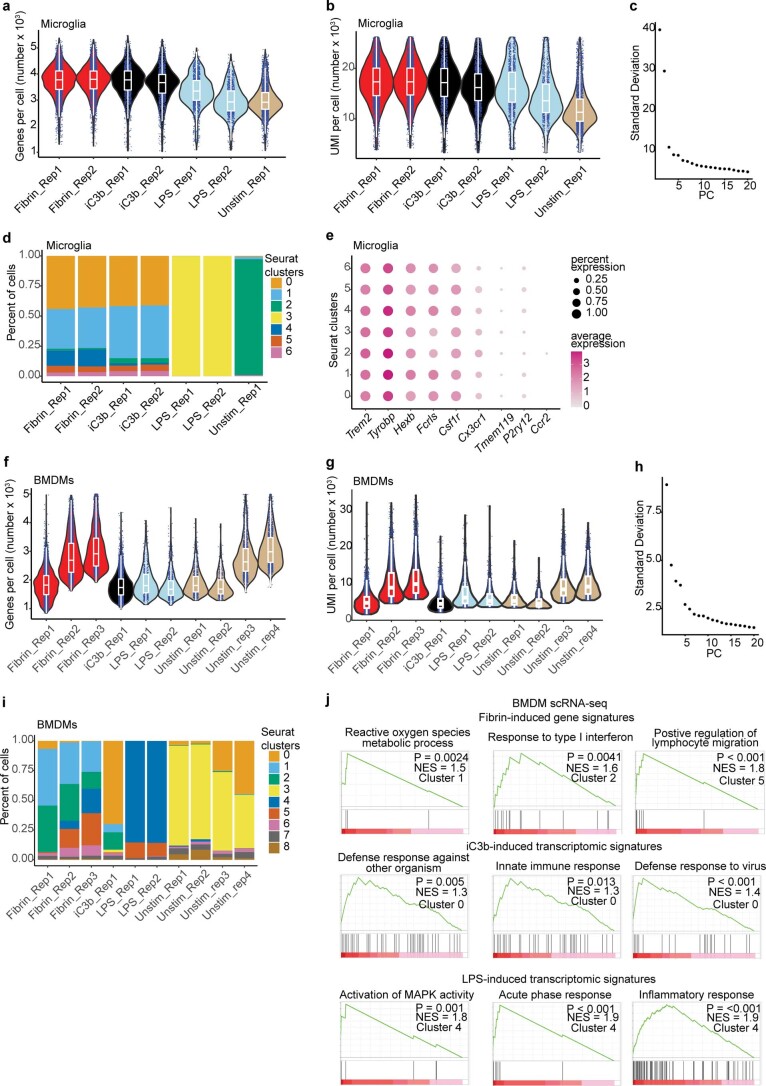
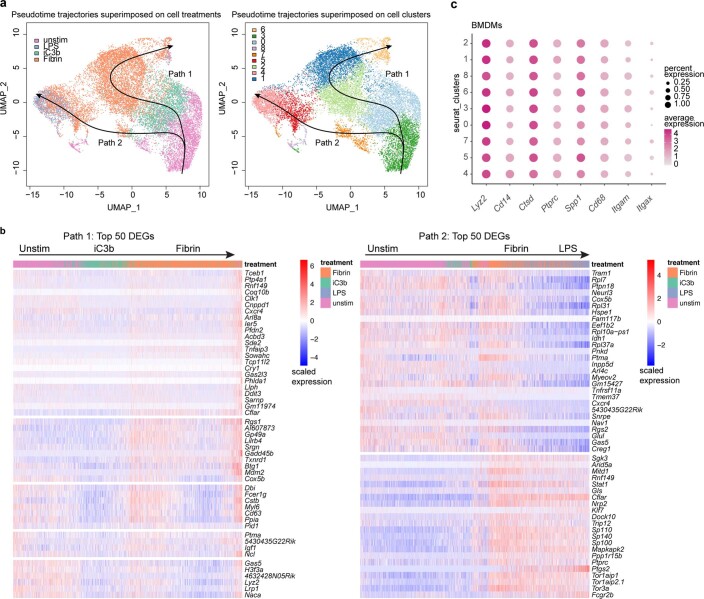
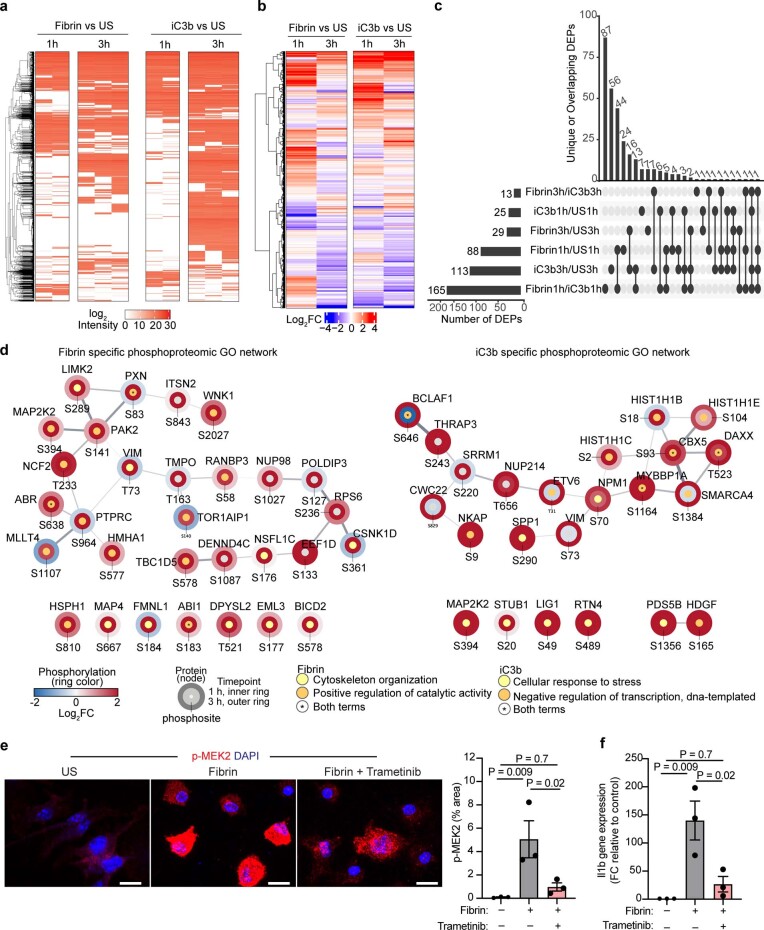
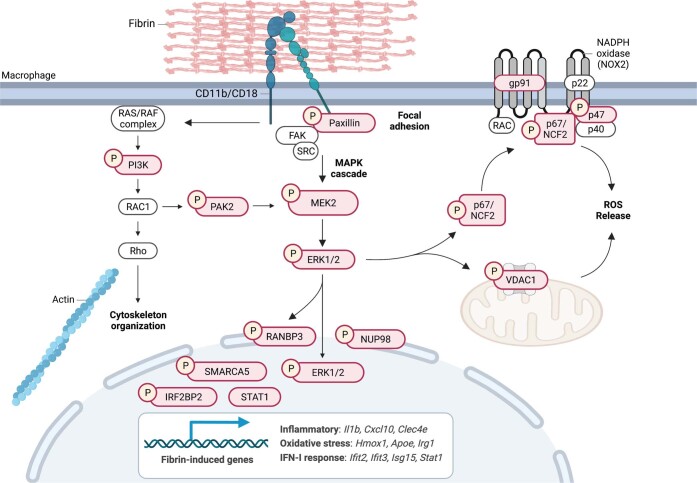
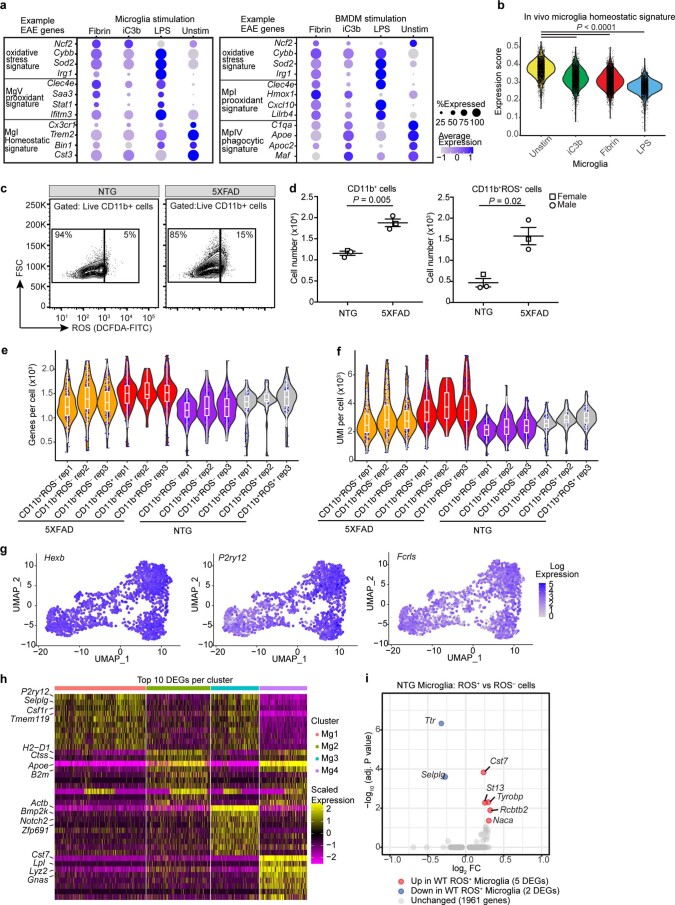
Verification
Claims the paper makes
The claims and statistics of this paper haven’t been checked yet.
Run the check — free, no account needed. It reads the open-access text and checks the sources it cites.
Claims other papers make about this one
Each is checked against this paper’s own text: does it say what the citing paper says it does?
The source backs part of the claim, not all of it — or backs it for a different population, condition or comparison.
In the citing paper
“Humanized App knockin (KI) and APP transgenic mouse models mimic certain aspects of AD pathogenesis, including progressive amyloidosis, gliosis, and neuroinflammation, as well as network hyperexcitability and cognitive impairment, albeit to different degrees of severity across models and paradigms.15-27”
From Machine learning reveals prominent spontaneous behavioral changes and treatment efficacy in humanized and transgenic Alzheimer's disease models (2024) · cites this paper as [22]
Experimental — accuracy not yet measuredThe source backs part of the claim, not all of it — or backs it for a different population, condition or comparison.
In the citing paper
“Fggγ390–396A reduces AD-related pathogenesis, including amyloid burden, dystrophic neurites, synaptic loss, microgliosis, and neuroinflammation in 5xFAD-Fggγ390–396A mice relative to 5xFAD mice.21,22,34”
From Machine learning reveals prominent spontaneous behavioral changes and treatment efficacy in humanized and transgenic Alzheimer's disease models (2024) · cites this paper as [22]
Experimental — accuracy not yet measuredThe source backs part of the claim, not all of it — or backs it for a different population, condition or comparison.
In the citing paper
“The blood coagulation factor fibrinogen is deposited in the brain of patients with AD and is a key mediator of neurotoxic microglia polarization and cognitive impairment in mouse models of AD.21,22,32,33”
From Machine learning reveals prominent spontaneous behavioral changes and treatment efficacy in humanized and transgenic Alzheimer's disease models (2024) · cites this paper as [22]
Experimental — accuracy not yet measuredThe source backs part of the claim, not all of it — or backs it for a different population, condition or comparison.
In the citing paper
“Third, and more importantly, spontaneous behavioral abnormalities in 5xFAD mice were prevented by an AD-related therapeutic intervention, Fggγ390–396A, that prevents CD11b receptor-mediated interactions with microglia22,33 and reduces AD-related pathogenesis, including amyloid burden, dystrophic neurites, synaptic loss, microgliosis, and neuroinflammation.21,22,34”
From Machine learning reveals prominent spontaneous behavioral changes and treatment efficacy in humanized and transgenic Alzheimer's disease models (2024) · cites this paper as [22]
Experimental — accuracy not yet measuredIn the citing paper
“The infiltration of blood-derived protein, fibrin, also induces microglial polarization to oxidative stress and neurodegenerative phenotypes in AD and multiple sclerosis mice.”
From Microbiota–gut–brain axis and its therapeutic applications in neurodegenerative diseases (2024) · cites this paper as [659]
Self-check
Percentages, sums and reported differences re-computed from the paper’s own numbers.
The self-check needs the paper’s full text.
Citations
Cites
Cytoscape: A software Environment for integrated models of biomolecular interaction networks
Shannon, P., Markiel, A., Ozier, O., Baliga, N. S., Wang, J. T., Ramage, D., Amin, N., Schwikowski, B., & Ideker, T. (2003) · Genome Research · doi:10.1101/gr.1239303 · Cited by 51,888
clusterProfiler: an R Package for Comparing Biological Themes Among Gene Clusters
Yu, G., Wang, L.-G., Han, Y., & He, Q.-Y. (2012) · OMICS: A Journal of Integrative Biology · doi:10.1089/omi.2011.0118 · Cited by 36,259
Comprehensive Integration of Single-Cell Data
Stuart, T., Butler, A., Hoffman, P., Hafemeister, C., Papalexi, E., Mauck, W. M., Hao, Y., Stoeckius, M., Smibert, P., & Satija, R. (2019) · Cell · doi:10.1016/j.cell.2019.05.031 · Cited by 15,453
Metascape provides a biologist-oriented resource for the analysis of systems-level datasets
Zhou, Y., Zhou, B., Pache, L., Chang, M., Khodabakhshi, A. H., Tanaseichuk, O., Benner, C., & Chanda, S. K. (2019) · Nature Communications · doi:10.1038/s41467-019-09234-6 · Cited by 14,611
Fast, sensitive and accurate integration of single-cell data with Harmony
Korsunsky, I., Millard, N., Fan, J., Slowikowski, K., Zhang, F., Wei, K., Baglaenko, Y., Brenner, M., Loh, P.-R., & Raychaudhuri, S. (2019) · Nature Methods · doi:10.1038/s41592-019-0619-0 · Cited by 10,488
Szklarczyk, D., Gable, A. L., Nastou, K. C., Lyon, D., Kirsch, R., Pyysalo, S., Doncheva, N. T., Legeay, M., Fang, T., Bork, P., et al. (2021) · Nucleic Acids Research · doi:10.1093/nar/gkaa1074 · Cited by 8,056
The nf-core framework for community-curated bioinformatics pipelines
Ewels, P., Peltzer, A., Fillinger, S., Patel, H., Alneberg, J., Wilm, A., Garcia, M., Tommaso, P. D., & Nahnsen, S. (2020) · Nature Biotechnology · doi:10.1038/s41587-020-0439-x · Cited by 4,265
Oakley, H., Cole, S. L., Logan, S., Maus, E., Shao, P., Craft, J., Guillozet-Bongaarts, A., Ohno, M., Disterhoft, J., Van Eldik, L., et al. (2006) · The Journal of Neuroscience · doi:10.1523/jneurosci.1202-06.2006 · Cited by 3,530
Slingshot: cell lineage and pseudotime inference for single-cell transcriptomics
Street, K., Risso, D., Fletcher, R. B., Das, D., Ngai, J., Yosef, N., Purdom, E., & Dudoit, S. (2018) · BMC Genomics · doi:10.1186/s12864-018-4772-0 · Cited by 3,159
Blood–brain barrier breakdown in Alzheimer disease and other neurodegenerative disorders
Sweeney, M. D., Sagare, A. P., & Zlokovic, B. V. (2018) · Nature Reviews Neurology · doi:10.1038/nrneurol.2017.188 · Cited by 3,076
Cited by
Sorted by citations
Microbiota–gut–brain axis and its therapeutic applications in neurodegenerative diseases
Loh, J. S., Mak, W. Q., Tan, L. K. S., Ng, C. X., Chan, H. H., Yeow, S. H., Foo, J. B., Ong, Y. S., How, C. W., & Khaw, K. Y. (2024) · Signal Transduction and Targeted Therapy · doi:10.1038/s41392-024-01743-1 · Cited by 1,193
Neuroinflammation in Alzheimer disease
Heneka, M. T., van der Flier, W. M., Jessen, F., Hoozemanns, J., Thal, D. R., Boche, D., Brosseron, F., Teunissen, C., Zetterberg, H., Jacobs, A. H., et al. (2025) · Nature Reviews Immunology · doi:10.1038/s41577-024-01104-7 · Cited by 638
Chen, T., Dai, Y., Hu, C., Lin, Z., Wang, S., Yang, J., Zeng, L., Li, S., & Li, W. (2024) · Fluids and Barriers of the CNS · doi:10.1186/s12987-024-00557-1 · Cited by 205
Glycocalyx dysregulation impairs blood–brain barrier in ageing and disease
Shi, S. M., Suh, R. J., Shon, D. J., García, F., Buff, J. K., Atkins, M., Li, L., Lu, N., Sun, B., Luo, J., et al. (2025) · Nature · doi:10.1038/s41586-025-08589-9 · Cited by 164
Laurindo, L. F., Dias, J. A., Araújo, A. C., Pomini, K. T., Galhardi, C. M., Detregiachi, C. R. P., Haber, L. S. D. A., Roque, D. D., Bechara, M. D., de Castro, M. V. M., et al. (2024) · Frontiers in Immunology · doi:10.3389/fimmu.2023.1305933 · Cited by 156
Metadata
- Authors
- Mendiola, A. S., Yan, Z., Dixit, K., Johnson, J. R., Bouhaddou, M., Meyer-Franke, A., Shin, M.-G., Yong, Y., Agrawal, A., MacDonald, E., Muthukumar, G., Pearce, C., Arun, N., Cabriga, B., Meza-Acevedo, R., Alzamora, M. D. P. S., Zamvil, S. S., Pico, A. R., Ryu, J. K., Krogan, N. J., & Akassoglou, K.
- Affiliations
- Gladstone Institutes (US)
- University of California, Los Angeles (US)
- University of California, San Francisco (US)
- Corresponding author
- Akassoglou, Katerina
- ORCID
- Venue
- Nature Immunology
- Published
- 2023-06-08
- Volume
- 24
- Issue
- 7
- Pages
- 1173-1187
- ISSN
- 1529-2908 (ISSN-L)
- 1529-2916
- PMC
- PMC10307624
- OpenAlex
- W4379879277
- Cited by
- 124
- References
- 87
- Citations by year
- 2026: 32 · 2025: 35 · 2024: 43 · 2023: 14
- FWCI
- 12.82
- Type
- journal article
- Language
- en
- Open access
- hybrid
- doi.org
- Locations
- Nature Immunology (publishedVersion, cc-by)
- PubMed Central (publishedVersion, cc-by)
- PubMed (publishedVersion)
- eScholarship (California Digital Library) (submittedVersion, cc-by)
- Funders
- U.S. Department of Health & Human Services | NIH | National Institute of Neurological Disorders and Stroke (R35 NS097976, K99 NS126707)
- U.S. Department of Health & Human Services | NIH | National Institute on Aging (RF1 AG064926)
- BrightFocus Foundation (82021019F)
- U.S. Department of Health & Human Services | NIH | National Institute of Allergy and Infectious Diseases (K99 AI163868)
- Topics
- Life Sciences › Neuroscience › Neurology › Neuroinflammation and Neurodegeneration Mechanisms
- Health Sciences › Medicine › Clinical Neurology › Multiple Sclerosis Research Studies
- Life Sciences › Neuroscience › Neurology › Barrier Structure and Function Studies
- Keywords
- plasma proteins, microglia, neurodegeneration, blood-brain barrier disruption, fibrinogen, CD11b, Alzheimer's disease, multiple sclerosis, type I interferon, oxidative stress, neuroinflammation, macrophages, phosphoproteome, transcriptome
- MeSH terms
- Multiomics, Alzheimer Disease, Animals, Blood-Brain Barrier, Fibrinogen, Microglia, Mice
About these checks
Registry, retraction, Cites and statistics results are computed, not judged, with one exception: a printed reference that no index lists is read once by a model before it counts as a citation error. Claims are extracted by a model and kept only when their quote appears verbatim in the text; each cited source is then checked, with a model’s help, for whether it says what the claim relies on. Those verdicts can be wrong — read the claim’s quote and the cited source before relying on one.
Statistics and arithmetic are recomputed, not judged.
Confidence bands are shown only for fields calibrated on our annotated test set. None is calibrated yet, so no band is shown.
What counts as a claim ›How we measure confidence ›How we check this ›
Are you an author, or do you see a problem with this page? Request a review
